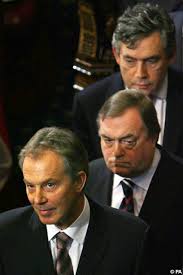
March 2003 The Iraq debate Alex Salmond’s finest hour at Westminster exposed the sanctimonious arguments of Blair who ignored three million marchers and went ahead with the Invasion anyway

salmond

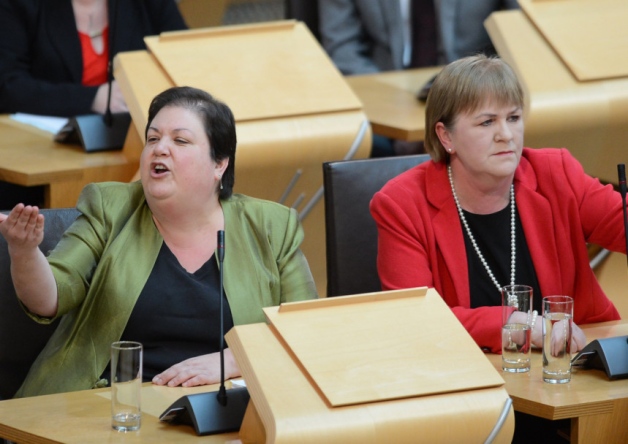
Mar 2003; Alex Salmond’s contribution to the debate

Fundamentally, the debate is not about Iraq, Saddam Hussein, weapons of mass destruction or even oil, though oil is certainly a factor. The debate is about a new world order, with an unrivalled superpower adopting a doctrine of pre-emptive strike, and how we accommodate that and come to terms with that new world order. Eighteen months ago the United States had an atrocity committed against it and it is still in a trauma. The point was made a few minutes ago, and it is undoubtedly correct.

On 12 September 2001, the day after the attack on the twin towers, the United States was at its most powerful. In its moment of greatest extremity, the United States was at its zenith. In addition to its unrivalled military might, it carried total moral authority throughout the world. A hundred or more nations signed messages of sympathy, support or solidarity with the extremity that the United States had suffered.

Now, 18 months later, that enormous world coalition has been dissipated. I do not take the position that it was only a gang of four who gathered in the Azores. I accept that there are more countries—or at least countries’ Governments who are signed up, but the coalition of the willing for the campaign against Iraq is very narrowly based. Anyone who wants confirmation of that should just count the troops: 300,000 United States and British troops, and I understand that 1,000 Australians have been asked for, and 100 Poles have been offered. That is a very narrowly based coalition indeed.

The Prime Minister believes that the way to accommodate the situation is to accept that the United States will be predominant and that the rest must fall into line. They can try to restrain it, but they will have to fall into line with the views of the United States Administration. That is a wrong-headed policy, and it is taking people into ridiculous positions.

In his undoubtedly powerful speech today, the Prime Minister argued that the weapons inspection process had never worked. He came close to saying that it had all been a waste of time. I remember a speech in October last year at the Labour conference in which another powerful speaker went into enormous detail to show how successful the weapons inspection process had been in the 1990s and how it had led to the destruction of chemical weapons, the chemicals used to make weapons, the armed warheads and the biological weapons facility. He concluded that, “the inspections were working even when he(Saddam Hussein) was trying to thwart them.”

I watched that speech on television as did many others. The speaker was President Bill Clinton. The television was doing cutaways to Ministers, including the Prime Minister who all nodded vigorously when President Clinton said that through the 1990s that policy worked and destroyed far more weapons of mass destruction than were destroyed, for example, in the Gulf war. The Prime Minister is now denying what he accepted only last October.

We are told that the majority of the Security Council would have voted for the second resolution, if it had not been for the nasty French coming in at the last minute and scuppering the whole process. Let us get real. Have we listened to what other countries were saying? The Chileans proposed an extension of three weeks, but they were told by the United States that that was not on. In the debate in the General Assembly, country after country expressed their anxieties about not letting the weapons inspectors have a chance to do their work. They were told that the nasty French—I am not sure whether the Conservative party dislikes the French more than the Liberals, or vice versa were being extremely unreasonable, but the French position, and the Chinese position in order to become acceptable, resolution 1441 had to be amended. Everything has been consistent in the opposition of countries that are against a rush to military action.

Somebody should speak up for the French, because their position has been consistent, as has that of the Russians and the Chinese. The Chinese, the French and the Russians issued a declaration on the passage of resolution 1441. It sets out exactly how the British and the United States ambassadors agreed that it was not a trigger for war. The reason that those countries did not want a second resolution was not that it would be a pathway to peace I wonder who dreamed that up in Downing street. The reason was that they saw it as a passport to war, so obviously they opposed a resolution drawn in those terms. The majority of smaller countries in the Security Council and the General Assembly countries did not want to rush to war because they saw that there remained an alternative to taking military action at this stage of the inspection process.

media-alex-salmond

We are told that the Attorney General has described the war as legal. We could go into the legalities and quote professor after professor who has said the opposite, but one thing is certain: when the Secretary General of the United Nations doubts the authorisation of military action without a second resolution, people can say many things about that action, but they cannot say that it is being taken in the name of the United Nations. (1)

The argument is that it will be a salutary lesson, that a dictator will be taught a lesson and that that will help us in dealing with other dictators. I suspect that the cost of the action — I do not doubt the military outcome for a second will be so high in a number of ways that it will not provide a platform for an assault on North Korea or Iran, which form the rest of the “axis of evil”. I do not think that the policy of teaching one dictator a lesson and then moving on to other dictators can work. Most of us know that it will be a breeding ground for a future generation of terrorists. That is not the case because people like Saddam Hussein. The images that will be shown throughout the Muslim world will not feature him, although, without any question, he will be more attractive as a martyr when he is dead than he has ever been while alive. The images that will be shown are those of the innocents who will undoubtedly die in a conflict that will be a breeding ground for terrorism.

Will the nation building work? The record of the United States on nation building has not been impressive. Let me say something about one of the other countries that is being reviled at present Germany, which commits far more troops as a percentage of its armed forces to helping to secure the peace in the various trouble spots of the world for the United Nations.

We are told that the Prime Minister, (this is the essence of his case) will try to restrain some elements in the United States Administration and make them take a multilateral approach, but that, if that does not happen, when push comes to shove he has to go along with their policy. I say that there is a broader United States of America than the United States Government. I believe that many sections of opinion in America would welcome a vote from this Parliament today that says “Not in our name”, because the real America wants to see a stand for peace, not a rush for war.

(1) The UN Secretary-General, Kofi Annan said that if the US and GB went ahead with an invasion of Iraq it would be in breach of the United Nations charter.

article-2270948-1541BC71000005DC-446_308x425

Extracts from other contributions to the debate

Dr. el-Baradei and his teams of inspectors inspectors reported to the UN that Iraq did not  possess nuclear weapons and its biological and chemical weapons stocks and productivity wa severely diminished. This being the case from where is the immediate intent to attack the United Kingdom, the United States, neighbouring states or other states to come from?
It has been suggested that Iraq might not intend to attack anyone but that it could pass them to terrorist organisations. But George Tennet, on behalf of the CIA said: “it is important when talking about what connections countries have with terrorism to distinguish between unconditional terrorist organisations, which would be liable to wish to use weapons of mass destruction, and political terrorist organisations, such as the Mujaheddin-e Khalq Organisation and Hamas, of which there is evidence that Iraq has had connections, would not have a purpose in doing so. And  there is no verifiable evidence of any connection between al-Qaeda and Saddam Hussein.”

Blair said the question is how Britain and the world face security threats of the 21st century which is a weird statement since in the context of the debate he was referring to weapons of mass destruction and the political belief of UK parties is that such matters should be resolved through non-proliferation and multilateral disarmament.

The Bush Administration have adopted a strategy of counter-proliferation. Saying; “It is okay if our friends develop nuclear weapons, but not if our enemies do,” and they choose who are the friends and who are the enemies. In this context it needs to be remembered that Iraq was regarded as a friend and was supplied with weapons and munitions by the US and the UK during the 1980s.

Of more concern is that the policy of the Bush Administration says; “We can develop new nuclear weapons or try to make nuclear weapons more usable, and we can decide to breach the nuclear non-proliferation treaty and the security assurance that we gave under that treaty.” That is a serious aspect of the overall problem of weapons of mass destruction, especially when it is added to the doctrine of pre-emptive war.

Blair made the point that war on Iraq was not on his agenda when he became Prime Minister in 1997, and he said that George W. Bush had told him that two days before 11 September it was not on his agenda. It was on other people’s agenda namely, that of the hawks that George Bush appointed to his Administration.

SalmondPA_468x580

Blair said that the UK needed to view the US as a major power and partner. But there are major misgivings if it means that the United States takes the decision and the UK is expected to follow suit. That is not a partnership. 

If the House of Commons votes for a pre-emptive war against Iraq, the question of precedence needs to be first discussed and resolved because the hawks of the Bush administration have already said that there are plans for other pre-emptive divisive wars.  The US plan of the world of the future identifies closely with the vision set out by Blair in Brighton in 2001, when he spoke of, “the moral power of a world acting as a community”.

r-BILL-CLINTON-large570

President Clinton’s Powerful Speech to the labour party Conference in Blackpool October 2002, (6 months before the invasion of Iraq

https://www.c-span.org/video/?172964-1/foreign-policy-issues

His advice, readily embraced at the time by Tony Blair and all of his ministers was ignored in the rush to war. Bush and Blair ordered the invasion of Iraq in March 2003 and the terrible consequences of this have been visited upon many nations of the World, (in particular Afghanistan and the middle East).

Blair and Bush are now retired and very wealthy earning financial fortunes from speeches, advisory activities in support of many governments around the world and other business.

But many thousands of our armed forces were killed or returned home maimed through physical and or mental injury. The remaining years of their lives will be spent in pain and poverty as will the many thousands of families who lost their sons and daughters.

But Blair get his reward from the Queen. Now Lord Blair he is readying himself for a return to government should the Labour Party displace the Tories at the next General Election.

IRAQ

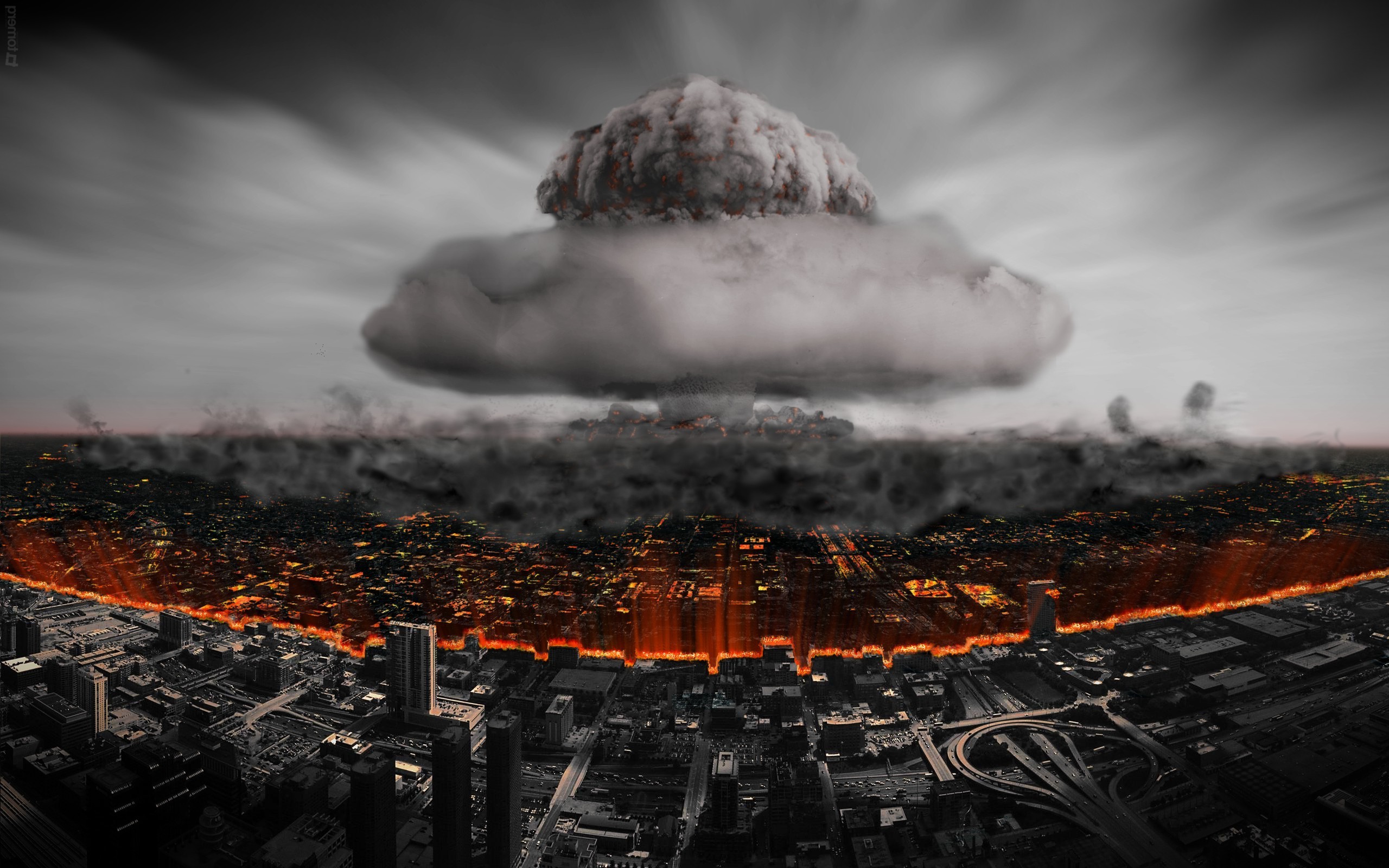
The War Game – The Reality Of A Nuclear War – The Harrowing Film Produced By The BBC But Never Shown

nuclear-explosion-digital-art-hd-wallpaper-2560x1600-3213

The War Game – The Reality Of A Nuclear War – The Harrowing Film Produced By The BBC But Never Shown

This award winning film was produced by the BBC but never shown on national television due to the messages it carried.

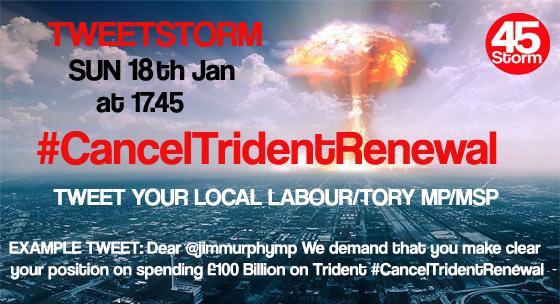
The recent vote in Westminster to retain and further develop Trident nuclear weapons at an astronomical cost expected to exceed £200 billion reminded me of the film I first viewed some 35 years ago. I am fervently against the retention of nuclear weapons which, as sure as night follows day will bring about the scenario enacted in the film.

51a48ba17204653936

We present the US television premiere of Peter Watkins’ film “The War Game,” a graphic portrayal of what would happen in the event of a nuclear attack on Great Britain. The movie was so powerful and realistic that the BBC banned it from TV despite the fact that the film had been commissioned by the BBC and had won an Academy Award in l966 for best documentary. Although it has been shown in a few movie theatres in the US, it has not been presented on TV. “The War Game” is shocking, but is not sensationalized. It was carefully researched and based on actual events which occurred in World War II during and after the mass Allied raids on Germany and the atomic bombings of Japan. Recorded February, 1983 “The War Game” Copyright 1965 Copyright February, 1983 https://archive.org/details/AV_179-THE_WAR_GAME-_THE_REALITY_OF_NUCLEAR_WAR

3i

51a48ba17204653936

Labour’s Legacy to Glasgow – Decay, Failure, Crime, Substance Abuse, Bitterness and Misery.

LiveLeak-dot-com-b5e93c264aa8-186159211broken_britain

Labour’s Legacy to Glasgow – Decay, Failure, Crime, Substance Abuse, Bitterness and Misery.

David lives in the gang-infested inner-city sprawl of Calton – the place with the lowest life expectancy in EUROPE. It is a drizzly Monday morning in Glasgow and the Triple Two Lounge in the shadow of Celtic Park is already doing a roaring trade. Out-of-work bouncer David McCabe stubs out his roll-up and takes a gutsy slurp on the first of his eight daily £2.20 pints of Fosters. Pasty-faced David’s epic, taxpayer-funded booze-ups end with an artery-clogging fry-up washed down with a four-pack of Tennent’s at his subsidised flat nearby. Looking a decade older than his 26 years, David says: “My grandad is 71 and still likes a drink. It doesn’t seem to have done him too much harm.”

images

A boy living in Calton today can expect to live to just 54. Locals living among the graffiti-scarred council blocks of Calton drily observe: “If the booze doesn’t get you here, the blade will.” Calton, along with Easterhouse and Castlemilk in Glasgow, are the only places in Britain where murder – usually by stabbing – is the most common cause of death among the young. Someone is admitted to a Glasgow hospital with knife wounds every six hours. Medics expect as many as three Glasgow smiles – where victims are slashed from mouth to ear – every weekend.

bellgrove

The city’s smartest restaurants, designer boutiques and museums are a short stroll away from Calton, in Merchant City. Yet here down-and-outs swill cider outside homeless hostel the decrepit Belgrove hotel and a “baggie” of heroin is a tenner. The area’s grinding poverty – where 30 per cent are unemployed – would be recognised by Charles Dickens and pioneers of the Labour movement.

simd_20-20_cities_inequality

Today’s Labour Party, after 50 years in power, have failed many of the people of Glasgow’s East End. Last year a World Health Organisation study citing Calton said a “toxic combination” of bad policies, economics and politics creates social injustice that is “killing people on a grand scale”. Local GP Dr Robert Jamieson, 54, has spent the past 22 years working in the heart of Calton. “Drinking has got worse and so has the violence,” he explained wearily. “The healthy and wealthy got healthier and wealthier compared to the poor.

neweastend

Back at the bar, unmarried David, like his father before him, has been on benefits for most of his adult life. He pays for his lager from his £66-a-week incapacity benefit and whatever he can scrounge from family and friends. Overweight and pale, he explained: “I’m on the sick because of my drinking. I’ve got an enlarged liver. “I’ve done a few days work as a bouncer and a cleaner but not recently. My dad has been out of work most of his life.

Full report:

http://www.liveleak.com/view?i=561_1256060940

shettlestonhouse

Japan Follows Scotland and Germany Abandoning Nuclear Power In Favour Of Clean Energy

japan nuclear plant2

1. Japan – Follows the lead of Germany. Scotland and other european countries abandoning nuclear energy

a. TOKYO — Japan said that it would seek to phase out nuclear power by 2040 — a historic shift for a country that has long staked its future on such energy, but one that falls far short of the decisive steps the government had promised in the wake of the world’s second-largest nuclear plant disaster last year. By comparison, Germany, which in 2010 relied on reactors for 26 percent of its electricity, was rattled enough by the Fukushima disaster to announce a move away from nuclear power by 2022.

b. With the long-term energy plan set, the political battle is set to refocus on the struggle by the government to build consensus for reopening the vast majority of the country’s reactors, which were idled after the nuclear catastrophe, amid public opposition to restarts until better safety regulations were in place.

c. With only two reactors operating, Japan struggled through a sweltering summer after parts of the country were asked to conserve electricity use by as much as 15 percent, the second year such requests were made. Power companies fired up old gas- and oil-powered stations and scrambled to secure imported fossil fuels. Despite fears of widespread blackouts, however, none materialized, strengthening nuclear critics’ argument that Japan could do without nuclear energy.

gorani.japan.nuclear.timeline.cnn.640x360

d. Japan is set to significantly increase its investment in clean energy sources. In previous government estimates through 2030, eliminating nuclear power would require investment of $548 billion in solar, wind and other types of renewable energy and $66 billion on power grid technology.

e. Under the new goal, Japan’s greenhouse gas emissions in 2020 would be between 5 percent and 9 percent less than levels in 1990, the documents said. Environmentalists say that a more aggressive push to develop clean energy can further reduce Japanese emissions. “The government must use its new energy strategy as a starting point for a far more ambitious renewable policy, greater energy efficiency measures, and increasingly bold strides toward the sustainable green economy that will secure Japan’s future prosperity,” Greenpeace said in a statement. “A nuclear-free future is not a choice, it’s an inevitability,” it said. http://www.nytimes.com/2012/09/15/world/asia/japan-will-try-to-halt-nuclear-power-by-the-end-of-the-2030s.html?pagewanted=2&_r=0

VARIOUS

Fukuwatersfine

2. Contrast the forward looking plans of Germany, Scotland, most european countries and Japan against the Nuclear energy policy of the Westminster government

a. Development plans are to build at least 8 new nuclear power plants in England, which it is projected will provide around 16 gigawatts of power. The plants are to be built at:

i. EDF Energy intends to build 4 new EPRs (6.4GW) at Hinkley Point in Somerset and Sizewell in Suffolk.

ii. Hitachi Ltd has confirmed plans to build 2 or 3 new nuclear reactors at Wylfa on Anglesey and the same at Oldbury in South Gloucestershire.

iii. NuGeneration plans to build up to 3.6GW of new nuclear capacity at Moorside, near Sellafield. https://www.gov.uk/government/policies/increasing-the-use-of-low-carbon-technologies/supporting-pages/new-nuclear-power-stations

FukushimaRadPlume-298x300

3. Scotland is a world leader in the production of clean energy

At 2015 clean energy produces more power in Scotland than nuclear, coal or gas and this is set to increase significantly. The expertise of Scottish industry is being exported to other countries worldwide and the decision of Japan to embrace renewables over nuclear vastly increases opportunities for Scottish outward looking firms. Recent developments have brought forward the use of wave power and Scotland is in the vanguard in the development of this new technology which the island country of Japan will embrace.

Scotland is getting it right but we need Westminster to provide funds allowing an extension of the national grid to our islands. Lack of grid capacity is delaying clean energy development and power production which in turn is preventing the country from meeting emission targets http://www.scottishrenewables.com/scottish-renewable-energy-statistics-glance/#chart1

Japan_Nuclear_Reactor_Meltdown_fallout1

article-1365781-0B293FB100000578-65_634x614

The Rollercoaster That Is The Oil Business -Ups And Downs But Always At The Top

2008/2009 was a year of turmoil for finance and oil. The price of oil was extremely volatile and in a rollercoaster year oil prices ranged from $45 to over $146.

The year 2014/2015 will reveal a pattern similar to 2008/2009 and the utterings of negative Labour politicians, (such as Jackie Baillie, Dugdale and Murphy) seeking to score points over more forward looking members of the Scottish government, should be given consideration using for guidance previous performances of the Oil companies.

Labour Party politicians are well versed in the politics of envy and the immediate but forward planning is a stranger to their thinking. Conversely the SNP government are planning ahead and gearing laid off staff for the future pick-up of the industry by protecting the on-going training of younger persons.

In 2008/2009, (a year of turmoil) the top 10 performing Companies in the WORLD were:

shell

1. Royal Dutch Shell

Up two spots from last year’s global list, Royal Dutch Shell raked in $15 billion more in sales than Exxon Mobil. And as Europe’s largest oil producer, it doesn’t look to be slowing down: Shell has made a bold move by investing up to $18 billion in a plant in Qatar that would turn natural gas into cleaner-burning diesel fuel. It hopes to bring the Pearl GTL, as the facility is called, online by 2010 and expects it to produce enough fuel to fill more than 160,000 cars per day.

Revenues: USD 458,361.0 millions Rank: 1 (Previous rank: 3) Employees: 102,000 Country: Netherlands. Website: http://www.shell.com/

800px-Esso_Stabekk

2. Exxon Mobil

Exxon pulled in $443 billion in revenues and $45 billion in earnings last year. Its investors reaped some of the rewards, with $40 billion in shareholder distributions, up $4.4 billion from 2007. Exxon is investing heavily in the growing demand for liquefied natural gas, adding four new gas liquefaction facilities in 2009 at a total price tag of more than $20 billion. Each facility will produce 7.8 million tons of liquefied natural gas per year.

Revenues: USD 442,851.0 millions Rank: 2 (Previous rank: 2) Employees: 104,700 Country: U.S. Website: http://www.exxonmobil.com/corporate/

bp

4. BP

After a stellar start to the year — profits for BP’s first and second quarters combined for an impressive $17 billion — the London-based oil company was hit hard, like others in the industry, by tumbling oil prices, causing a fourth quarter loss of $3.3 billion.

Revenues: USD 367,053.0 millions Rank: 4 (Previous rank: 4) Employees: 92,000 Address: London Country: Britain Website: http://www.bp.com

800px-Caltex_station

5. Chevron Caltex

The perennial No. 2 U.S. oil company — behind Exxon — boosted profits by 28% in 2008, more than any other super major on this list. Sophisticated refineries helped Chevron blunt losses from crude’s price drop in the second half of the year. In previous years, Chevron has been able to mask production declines at its oil fields with acquisitions, rising oil prices and its refining business.

But with production rates still lower than five years before, Chevron is spending $23 billion this year to bolster overseas fields and expand refineries. That will take a while to pay off if oil prices remain depressed. The upside of low oil prices for Chevron is that the giant can buy small competitors on the cheap.

Revenues: USD 263,159.0 millions Rank: 5 (Previous rank: 6) Employees: 66,716 Address: California Country: U.S. Website: http://www.chevron.com

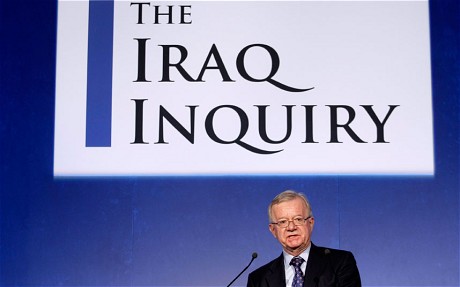
The Chilcott Inquiry – Failures Of The Military Elite – Promotion Or Death??

lord boyce

1. The Chilcott Inquiry – The Role Of the Military Elite

a. Top Brass who failed to stand up to politicians over the rush to war in Iraq are likely to face criticism in the long-awaited report

b. Senior military officers advised the inquiry that they were concerned about the pressure of fighting wars simultaneously in Iraq and Afghanistan, shortages of equipment, and an inability to prepare British troops properly for war because Tony Blair did not want the plans to become public.

c. In a democracy, it is the politicians’ job to give orders to the military and expect them to be carried out, but the report is likely to raise questions over whether the Generals could have highlighted more forcefully, warnings about the army’s shortcomings in terms of it’s readiness for war.

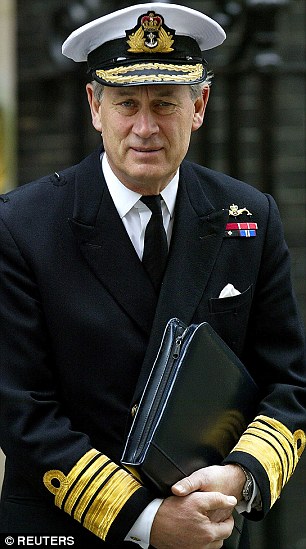
d. Admiral Lord Michael Boyce, the then Chief of the Defence Staff, told the Iraq Inquiry he had been slapped down by ministers for complaining in the run-up to the invasion. He said then Defence Secretary Geoff Hoon, who had never served in the Armed Forces, told him to make his military assessments ‘more of a glass half-full rather than half-empty’.

e. He also said he was banned from buying equipment for troops until four months before the invasion – contributing to shortages of body armour and other kit in the early days of the conflict. Some units, including the 7th Armoured Brigade – the historic and war-hardened Desert Rats – were only battle-ready the day before the invasion.

f. Asked by the inquiry if he had confidence Lord Boyce and Mr Hoon had passed the concerns of the time to the Prime Minister, a sceptical-sounding General Lord Richard Dannatt, then the Assistant Chief of the General Staff, said: ‘They told me they were.’ Lord Boyce said he raised his concerns with Mr Blair – but was given short shrift.

g. It was not until November, just four months before the war, that defence chiefs were able to make ‘overt’ preparations.

DEFENCE Chief 1

h. General Lord Michael Walker, promoted from head of the Army to Chief of the Defence Staff in May 2003 – two months after the invasion – admitted to the inquiry the military was ‘overstretched’. But he has stood accused of pushing politicians to include more ground troops to boost ‘morale’ among soldiers – a claim he vehemently denied. A year later, he said, Britain’s entire military top brass threatened to quit in protest at Gordon Brown’s proposals for savage defence cuts while the UK was fighting on two fronts.

dannat

i. Lord Dannatt, who was involved in planning for the invasion, told the inquiry the ‘desire’ of the Army to send a large force to the war zone was ‘not huge’. But he added: ‘From a professional point of view… there was a bit of a feeling that if the US was going to go in and conduct an operation… there may have been a little bit of a professional feeling, “We should be doing this.”

j. Sir Michael Graydon, a former head of the RAF, said yesterday any criticism in the report would probably look at the advice of the military advisers in drafting the discredited dossiers which made the so-called case for war. http://www.dailymail.co.uk/news/article-2920788/Jeremy-Heywood-accused-defying-vow-release-documents.html

brown

2. I previously wrote to many aspects of Tony Blairs rush to war and the many failures of military heirachy and politicians. A number are listed below.

https://caltonjock.com/2014/10/30/sir-jeremy-heywood-the-iraq-inquiry-other-controversies-are-his-hands-clean/
https://caltonjock.com/2014/10/04/oh-what-a-lovely-war-or-how-the-hell-did-we-end-up-here-again/
https://caltonjock.com/2014/08/29/hoon-defence-secretary-iraq-no-answers/
https://caltonjock.com/2014/08/29/iraq-back-to-haunt-the-uk/
https://caltonjock.com/2015/01/20/lest-we-forget-blairs-legacy-month-of-war-our-young-men-die-for-what-remember-very-recent-past-when-you-vote-for-your-childrens-future-in-2015/
https://caltonjock.com/2014/08/28/afghanistan-the-labour-party/
https://caltonjock.com/2014/08/29/part-time-defence-secretary-at-a-time-of-war/

??????????

Chilcott Inquiry Delays – The Cover Up – The Machiavellian Influence Of Sir Jeremy Heywood

Screen-Shot-2012-09-16-at-20.39.42

1. It is likely Sir Jeremey Heywood, in his management persona follows the teachings of Machiavelli, in particular the edicts contained in , “The Prince”:

a. “The Prince who rises to power through his own skill and resource (his “virtue”) rather than luck tends to have a hard time rising to the top, but once he reaches the top he is very secure in his position. This is because he effectively crushes his opponents and earns great respect from everyone else. Because he is strong and more self-sufficient, he has to make fewer compromises with his allies.”

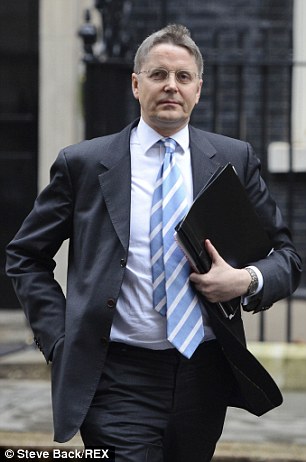
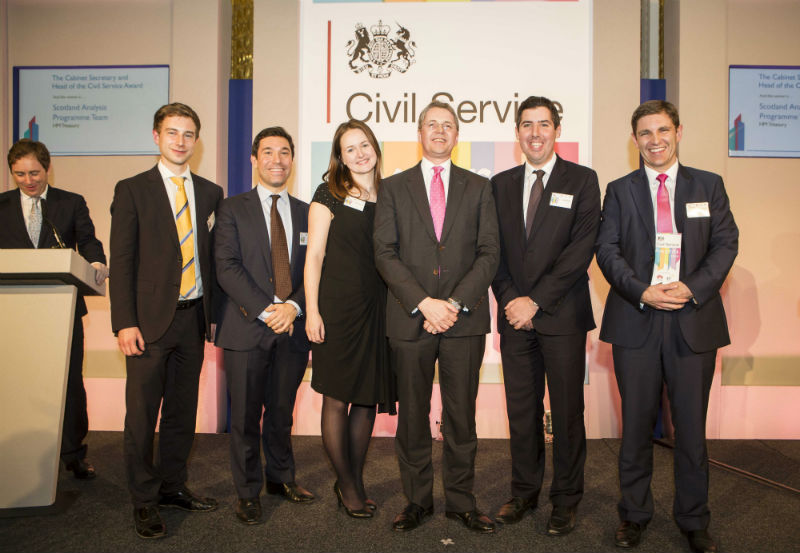
2. There is no doubt Sir Jeremey Heywood is the most powerful man in the United Kingdom. I have reported more on him than any other person. Is he above the law? It would appear this is the case. He is scheduled to appear before a parliamentary committee next week to answer questions about the Chilcott Inquiry delay and relatd matters. But will he provide answers. I doubt it. At his last appearance before a Commons Select Committe he stonewalled on each and every question. His role in the Referendum campaign was pivotal in ensuring a victory for, “The Establishment” which he and those reporting to him abandoned the “Civil Service Code” in pursuit of their own agenda.

??????????

3. January 21 2015; Sir Jeremy Heywood a key Tony Blair aide for four years is under fire for his delaying tactics: Heywood is accused of defying vow to release all documents

a. The role played by the country’s top civil servant in delaying the Iraq Inquiry was in the spotlight last night. Sir Jeremy Heywood, who was responsible for negotiating which documents the panel can publish, will be grilled next week by a Commons committee.

b. Sir John Chilcot complained his inquiry was being stalled because the cabinet secretary was seeking to block the release of correspondence between Tony Blair, Gordon Brown and George W Bush. Sir John had requested the declassification of 130 records of conversations, around 30 notes and papers from 200 Cabinet-level discussions.

images

c. An agreement was finally struck last year but some of the content of the communications will be edited out when the report is published. Critics question whether Sir Jeremy was the right arbiter since he was principal private secretary to Mr Blair in Downing Street from 1999 to 2003, at the time when decisions to go to war were taken.

d. Sir Jeremy’s pivotal role was underlined in a letter from Sir John to David Cameron yesterday explaining the reasons for the further delay. ‘I am pleased to record that since I last wrote the inquiry has reached agreement with Sir Jeremy on the publication of 29 of Mr Blair’s notes to President Bush, subject to a very small number of essential redactions, alongside the inquiry’s final report. Agreement has also been reached on the detail of what material the inquiry will publish in relation to records of conversations between Mr Blair and President Bush, consistent with the principles agreed last year.’

e. Lord Owen, a Labour former foreign secretary, said: ‘When the inquiry was set up, the then prime minister made it quite clear that all British documents should be available. It’s not in my view the job of the cabinet secretary to defy the decision of the prime minister who set it up. I have never known a cabinet secretary to have such a veto. ‘We have in the past had cabinet secretaries who have not had anywhere near as much political engagement as Jeremy Heywood has had. ‘It seems to me that the cabinet secretary hasn’t had that independence of mind that is necessary. I can only say I am worried about it.’

f. Former Tory front bencher David Davis said: ‘The Prime Minister is absolutely right to say the inquiry should be impartial. We have to ask why it has taken so long, and particularly know more about the role of Sir Jeremy Heywood in the delays. ‘He was the principal private secretary of Tony Blair in the run-up to and through the start of the Iraq War. ‘Sir Jeremy was right in the middle of all these decisions. He should be summoned by Parliament to explain what his role was.’

g. Bernard Jenkin, chairman of the public administration committee, said he expected Sir Jeremy would be asked about the delays to the Chilcot report when he appears before MPs next week. ‘We have him coming in front of us and I have no doubt we will ask him one or two questions about it,’ said the Tory MP. ‘He is the conduit between the Government and the inquiry and has brokered the agreement about how the sensitive intelligence and US/UK correspondence would be dealt with. ‘However, he’s not accountable for the conduct of the inquiry itself any more than the Prime Minister. That’s down to Chilcot himself. If Chilcot had felt there was any agenda in dealing with Jeremy Heywood, then he would have absolutely hit the roof.’

article-2213626-155E8E74000005DC-633_634x492

h. A Cabinet Office spokesman said: ‘The inquiry and Government agreed in the inquiry’s documents protocol that the cabinet secretary should be the final arbiter of declassification – that remains unchanged and has the Prime Minister and Deputy Prime Minister’s full support. ‘At the outset the Government assured the inquiry of its full cooperation and it continues to do so.’

i. In the Hutton Inquiry, which was held into the death of David Kelly, it emerged that in a breach of Whitehall procedures, Sir Jeremy had not had minutes taken of four meetings involving ministers and senior officials that had taken place in the 48 hours before the weapons expert’s name was released. Nicknamed Sir Cover-up for preventing the inquiry from seeing the Blair-Bush material, Sir Jeremy’s influence is such that Mr Cameron is said to have once joked: ‘Remind me, Jeremy, do you work for me or do I work for you?’

straw

4. The men in the dock… and how they flourished – While Iraq remains in a state of tumult – with the murderous Islamic State in control of large swathes of the country – the British elite responsible for toppling Saddam Hussein are leading very comfortable lives indeed.

a. TONY BLAIR Prime Minister 1997-2007

The charge: Wildly exaggerated evidence that Saddam posed a deadly threat to Britain, while suppressing advice that war might be illegal. Duped the Cabinet, Parliament and public into backing an invasion he had already agreed privately with George Bush, having assured the president in 2002 that, if Saddam was to be toppled militarily, Britain would ‘be there’.

Where now? Has amassed vast personal wealth – estimated at between £20million and £100million – through speeches and the consultancy firm Tony Blair Associates, whose clients include some of the world’s most notorious despots.

jeremy_heywood_southern_cross

b. ALASTAIR CAMPBELL Blair’s spin doctor and director of communications 1997-2003

Charge: Pivotal role in making the case for war, including the production of the so-called ‘dodgy dossier’ in February 2003. The gravest charge is that he influenced Parliament’s joint intelligence committee and ‘beefed up’ unfounded claims that Saddam could fire weapons of mass destruction in 45 minutes.

Where now? He has enjoyed a lucrative career as an author and TV pundit. Now advising Ed Miliband on the 2015 election campaign.

c. SIR JOHN SCARLETT Chairman: Cabinet Office joint intelligence committee 2001-04

Charge: Described by Campbell as a ‘mate’, he is accused of allowing the PM and his spin doctor to influence the content of the key intelligence reports that led to war.

Where now? Blair named Sir John head of MI6 in 2004 – seen by many as a reward for his role in the buildup to the Iraq invasion. He was knighted in 2007. After stepping down from MI6 in 2009, he joined the board of Times Newspapers.

d. JACK STRAW Foreign Secretary from 2001-2006

Charge: Helped negotiate the November 2002 UN resolution giving Saddam a ‘final opportunity to disarm’ that Blair ultimately used to justify the invasion. Failed to secure a second resolution explicitly backing military action. He sent notes to the prime minister in March 2003, the month of the invasion, offering alternative courses, suggesting that Britain might back the US attack but not participate. Straw admitted to Chilcot that he could have brought the military juggernaut to a halt by resigning.

Where now? Remained in Cabinet until 2010. After retiring from frontbench politics he remained an MP and became a £30,000-a-year consultant to ED&F Man Holdings, a British commodities company.

Investitures at Buckingham Palace

e. LORD GOLDSMITH Attorney General 2001-2007

Charge: Provided the legal advice Blair relied upon to invade. His original memo to the PM on January 30, 2003, stated that UN Resolution 1441 did not sanction use of force and that a further resolution was needed. He then ‘materially’ changed his mind in March, only days before the war began, to state military action would be legal after all. He insisted it was ‘complete nonsense’ to claim he did so because of political pressure.

Where now? Quit on the day Blair left Number 10 and became head of European litigation at London office of Debevoise & Plimpton on a reported salary of £1million a year.

f. SIR JEREMY GREENSTOCK UK permanent representative to the UN 1998-2003

Charge: He was a key figure as the UK and US tried unsuccessfully to push for a second UN resolution explicitly authorising military action. Later told Chilcot the war was of ‘questionable legitimacy’ because of this failure but, crucially, he did not resign in protest.

Where now? In September 2003 he was made the UK’s special representative for Iraq as the ultimately disastrous reconstruction effort got under way. Later held a string of well-remunerated advisory roles, including at the oil giant BP.

g. SIR DAVID MANNING Blair’s chief foreign policy adviser

Charge: Attended meetings in June 2002 and January 2003 in which President Bush and the Labour prime minister drew up secret plans for the invasion. In July 2002, he hand-delivered to Condoleezza Rice, then US secretary of state, a personal letter from Mr Blair to Mr Bush described by critics as a ‘blank cheque’. Sir David also wrote a notorious secret memo after the January meeting which showed the US invasion of Iraq would go ahead with or without UN support.

Where now? Currently an aide to Prince William, he was made a Knight Commander of the Royal Victorian Order in the new year honours list. Also served as ambassador to the US.

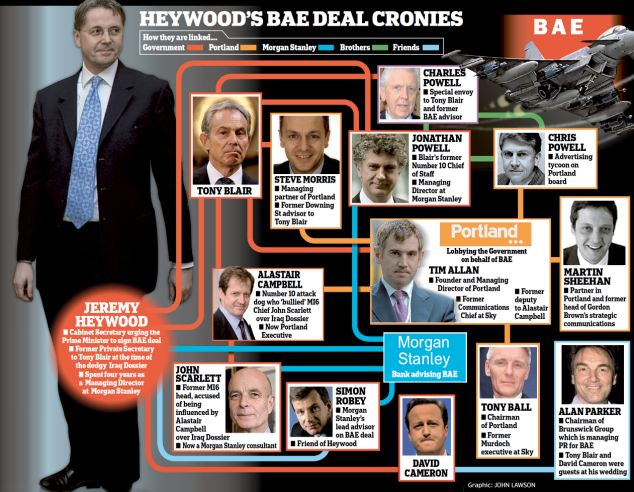
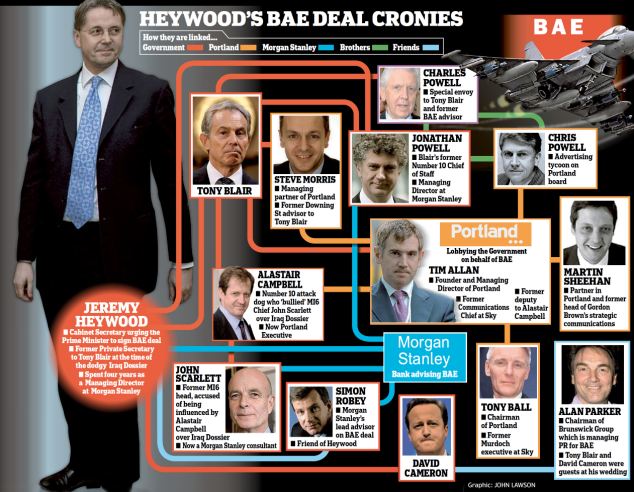
h. SIR JEREMY HEYWOOD Blair’s principal private secretary 1999-2003

Charge: His arrival in Downing Street coincided with the advent of so-called Blairite ‘sofa government,’ in which key decisions were taken by a small group of insiders. One of a handful of figures at Downing Street meeting at which it was decided to publicly name Dr Kelly.

Where now? After Iraq he took a senior post at the investment bank Morgan Stanley. Now the most powerful civil servant in Britain. Dubbed Sir Cover-up, he has been partly blamed for the Chilcot delays amid an interminable row over the release of crucial private letters between Blair and Bush.

osb

i. GORDON BROWN Chancellor 1997-2007

Charge: Played little role in making the case for invasion, but angered military top brass by chopping £1billion from the defence budget at the height of the war. Families of dead soldiers say they were sent into battle in 2003 with inadequate equipment. Brown told Chilcot he had never turned down a request for military equipment.

Where now? Set up Chilcot after becoming PM in 2007. Since 2010 election he has been paid tens of thousands in speaking fees but is adamant none of the money goes to him personally.

j. GEOFF HOON Defence Secretary 1999-2005

Charge: His job was to ensure the men he was sending into battle were properly equipped but admitted to Chilcot that troops lacked body armour because Blair ordered him and the head of the Armed Forces to avoid any visible preparations for war.

Where now? Left Parliament in disgrace in 2010 after being caught in a lobbying sting. The following year he landed a lucrative role with AgustaWestland, a defence firm given a £1.7billion MoD contract. http://www.dailymail.co.uk/news/article-2920788/Jeremy-Heywood-accused-defying-vow-release-documents.html

Nicholas_Macpherso_2724400b

5. The Heywood reports:

https://caltonjock.com/2015/01/21/sir-jeremy-heywoods-dambuster-dirty-tricks-team-of-senior-civil-servants-drop-bombs-on-scotland-civil-service-code-doesnt-exist-for-this-lot/
https://caltonjock.com/2014/10/30/sir-jeremy-heywood-a-perfect-manifestation-of-everything-that-has-gone-so-very-wrong-with-the-british-civil-service/
https://caltonjock.com/2014/10/30/sir-jeremy-heywood-chinese-whispers-is-this-anyway-to-run-a-country/
https://caltonjock.com/2014/11/03/politics-scandals-cuts-destruction-and-chaos-yet-he-seems-to-thrive-on-it/
https://caltonjock.com/2014/11/03/sir-jeremy-heywood-new-civil-service-chief-executive-appointed-track-record-failure/
https://caltonjock.com/2014/11/03/sir-jeremy-heywood-warns-cuts-you-aint-seen-nuthin-yet/
https://caltonjock.com/2014/11/02/sir-jeremy-heywood-the-referendum-the-dirty-tricks-department-run-by-civil-servants/
https://caltonjock.com/2014/10/31/sir-jeremy-heywood-sell-off-of-bae-the-last-of-britains-great-british-defence-manufacturers/
https://caltonjock.com/2014/10/31/heywood-the-big-society-debacle-allegations-of-a-misuse-of-government-and-charitable-funds/
https://caltonjock.com/2014/10/31/sir-jeremy-heywood-pfizer-astrazeneca-takeover-bid-hang-on-david-ill-ask-the-wife/
https://caltonjock.com/2014/10/30/sir-jeremy-heywood-european-surveillance-drone-technology-introduction/
https://caltonjock.com/2014/10/30/sir-jeremy-heywood-adored-by-blair-brown-and-cameron-he-knows-just-where-the-bodies-are-buried/
https://caltonjock.com/2014/10/30/sir-jeremy-heywood-the-iraq-inquiry-other-controversies-are-his-hands-clean/
https://caltonjock.com/2014/10/29/sir-jeremy-heywood-edward-snowden-whistleblower-nsa-gchq-data-collection-surveillance-of-individuals-worldwide/
https://caltonjock.com/2014/12/18/sir-jeremy-heywood-the-puppet-master-relocation-of-scottish-banking-hq-to-england/

1421839332-9b909761af53e3ac8d4dc8ec1feccc63-1038x576

Senior Civil Servant – Sir Nicholas Macpherson – Snubs The Civil Service Code And The Scottish Electorate

Nicholas_Macpherso_2724400b

1. Senior civil servant snubs the Civil Service Code

a. Sir Nicholas Macpherson, the Permanent Secretary to the Treasury breached the “Civil Service Code” at the time he released to the public his personal views and political advice in regard to the sharing of sterling in the event the Scottish Referendum returned a Yes vote.

b. His uninvited “advice” to the Chancellor of the Exchequer also conflicted with the stated position of the Governor of the Bank of England who had previously advised that an effective union of currencies was feasible, subject to agreement to a number of conditions.

c. When asked to clarify his actions he said “Throughout the debate on economic issues the Scottish Government has sought to cast doubt on the British Government’s position,” It has claimed we’re blustering, bluffing – in effect casting aspersions on the UK Government’s integrity. My view in this case – and it’s a very exceptional case – is that if publishing advice could strengthen the credibility of the Government’s position, then it was my duty to do it. It was important in this specific case, which goes to the heart of the currency issues, that the arguments were exposed before a referendum than after it.”

d. It was later revealed his intervention, together with senior members of the government and members of the “Better Together” campaign formed part of a carefully choreographed exercise in political destabilisation, allegedly called “the Dambusters strategy” by insiders.

e. Noteworthy is his use of the word “we’re” which indicates his actions were politically driven, which he did not deny. Quite disgraceful conduct for a senior civil servant. He should be intructed to resign his position.

osborne

f. The Civil Service Code: Political Impartiality:

i. You must: Carry out your responsibilities in a way that is fair, just and equitable and reflects the Civil Service commitment to equality and diversity. You must not act in a way that unjustifiably favours or discriminates against particular individuals or interests.

ii. You must not: Act in a way that is determined by party political considerations, or use official resources for party political purposes; or allow your personal political views to determine any advice you give or your action. http://www.civilservice.gov.uk/wp-content/uploads/2011/09/civil-service-code-2010.pdf

treasury

2. Sequence of Events

a. January 29 2014; Carney: sharing sterling between iScotland and rUK could lead to Eurozone-style crises

Sharing sterling between an independent Scotland and the rest of the UK could lead to eurozone-style crises unless firm foundations are put in place, Bank of England governor Mark Carney has said. An effective union would also force a newly-independent Scotland to hand over some national sovereignty, he said in a speech at a business lunch in Edinburgh. He intervened on the technicalities for negotiations less than eight months before people in Scotland decide whether to leave the UK.

bankers

b. February 13 2014; Gun for hire

After the lovebombing of Scots last week by David Cameron, his chancellor travelled North to revel in his role as bad cop. The venue for George Osborne’s declaration was a dramatic penthouse with a panorama of Edinburgh Castle in the appropriately named Bread Street. He carried a very large gun to shoot down Alex Salmond’s plan to continue sharing the pound with the rest of the UK after independence, but the bullets were crafted by the longstanding Permanent Secretary to the Treasury, Sir Nicholas Macpherson.

c. February 13 2014; Treasury advice behind currency row

The Chancellor ruled out a currency union with an independent Scotland after “strong” advice from the Treasury’s leading official, which was published today. Sir Nicholas Macpherson told George Osborne that unions are “fraught with difficulty” and raised serious concerns about the Scottish Government’s commitment to making it work. Scotland’s banking sector is too big in relation to national income, the UK could end up bailing the country out and fiscal policy shows sign of diverging, he said.

Sir_Nicholas_Macpherson_-_Scotland_and_a_currency_union

d. March 7 2014; Danny Alexander: currency union decision is final

Calls for a monetary union between an independent Scotland and the rest of the UK are akin to “embarking on a damaging divorce” but insisting on still sharing a credit card, Chief Secretary to the Treasury Danny Alexander has said. Mr Alexander set out his reasons for rejecting the Scottish Government’s preferred currency solution, as he insisted that the cross-party decision to rule it out was final. He used his speech in Edinburgh to the National Association of Pension Funds (NAPF) to dismiss suggestions that the rejection of a monetary union, which would see an independent Scotland keep the pound, was a politically-motivated and tactical move.

sterling

e. March 19 2014; Scare tactic was bang on the money

On February 13th, in a flying visit to Edinburgh, the UK Chancellor, George Osborne, declared that Scotland would be denied use of the pound, if it voted Yes in the referendum.
What followed was a carefully choreographed exercise in political destabilisation, allegedly called “the Dambusters strategy” by Unionist insiders, which shook the Yes campaign to its foundations. It also shook the Union to its foundations.

f. March 23 2014; Osborne’s case against currency union ripped apart by top economist

The Treasury case against a post-independence currency union between Scotland and the rest of the UK has been dismantled as “misleading”, “unsubstantiated” and “the reverse of the truth” by one of the world’s leading economists. Professor Leslie Young, of the Cheung Kong Graduate School of Business in Beijing, accused the UK Government of relying on a “lurid collage of fact, conjecture and fantasy” in making its argument.

Sir-Nicholas-MacPherson

g. April 5 2014; Currency furore over mystery of missing memos – No paper trail means Treasury’s position engineered, say SNP

The Treasury was last night at the centre of a growing row over political bias, after admitting it had no record of when its most senior civil servant first advised the Chancellor against a currency union with an independent Scotland. The inability of permanent secretary Sir Nicholas Macpherson to give a precise date is fuelling claims that Westminster’s bombshell rejection of a currency union was cooked up to help the No campaign in the referendum.

h. April 9 2014; Sir Nicholas Macpherson: ‘I was not ordered to rule out sharing pound with Scotland’

i. The Treasury’s top civil servant has rejected SNP claims that he advised against sharing the pound after independence because of political pressure, saying publishing his analysis was “vital to the national interest”. Sir Nicholas Macpherson, the permanent secretary to the Treasury, said the Scottish Government had been “casting aspersions” on Westminster’s integrity and it needed to be made “absolutely crystal clear” that a monetary union was not on the table. He said that George Osborne, the chancellor, had neither told him to write a letter rebuffing SNP proposals for sharing sterling or ordered the advice to be published. The comments came during Sir Nicholas’s appearance before MPs at the Public Administration committee to discuss civil service impartiality and referendums.

ii. A letter written by Sir Nicholas to Mr Osborne warned that a post-independence currency union would be “fraught with difficulty” and became a central part of the Chancellor’s justification for ruling out sharing the pound. Mr Osborne said the “exceptional step” of publishing Sir Nicholas’ internal advice was taken to prove why a currency union wouldn’t work, but Alex Salmond accused the civil servant of being beholden to his “political masters”. Sir Nicholas told MPs that the decision to publish his advice was “not something I entered into lightly” but insisted he remained “unapologetic”.

iii. “Throughout the debate on economic issues the Scottish Government has sought to cast doubt on the British Government’s position,” Sir Nicholas said. “It has claimed we’re blustering, bluffing – in effect casting aspersions on the UK Government’s integrity. “My view in this case – and it’s a very exceptional case – is that if publishing advice could strengthen the credibility of the Government’s position, then it was my duty to do it. “It was important in this specific case, which goes to the heart of the currency issues, that the arguments were exposed before a referendum than after it.”

iv. Sir Nicholas denied that revealing his private advice showed civil service politicisation, saying it was comparable to clarifying the UK Government’s position if questioned by a fellow European Union member state. He also dismissed the suggestion that Mr Osborne strong-armed him into airing views in public. “Ultimately this was my call – the Chancellor is a traditionalist in his approach to the Civil Service,” Sir Nicholas said. “I am quite certain that if I had said that I did not want to publish this advice he would not have pressed me. I thought it was the right thing to do in exceptional circumstances.”

v. Sir Nicholas’s comments will add weight to Westminster’s claim that an unnamed UK minister who controversially said a currency union would be agreed after independence is out of the loop from current Government thinking. The SNP has consistently claimed the UK Government will backtrack on sharing the pound after a Yes vote in the Sept 18 referendum.

vi. Kenneth Gibson, an SNP MSP and convener of the Scottish Parliament’s Finance Committee, said that Westminster’s “currency bluff” had “completely crumbled”. “Regardless of the Treasury’s actions we know the real position of the UK Government as an unnamed Government Minister admitted last week is that ‘there will be a currency union…everything would change in the negotiations if there were a Yes vote’,” Mr Gibson said. “Even Alistair Darling himself has said that a shared sterling area is ‘desirable’ and ‘logical’. It’s time for the No campaign to stop the foolish bluffing, put its money where its mouth is and back sharing the pound.”

coin

i. April 9 2014; Treasury’s top civil servant: publishing advice to UK Govt on currency union was vital to national interest

Sir Nicholas Macpherson, the permanent secretary to the Treasury, said he is “confident” he did the right thing in taking the unusual step of making public his advice to Chancellor George Osborne. All headlines were extracted from The Herald providing continuity of reporting.

knighthood

IT Projects – The Last Labour Government – The Failures – The Cost of Writes Off To The Taxpayer – We Must Not Get Stung Again

Merinda_Epstein_ward_program2

The last Labour government embarked on the introduction of many weird and wonderful IT systems all with the purpose of establishing centralised control of information about each and every person in the UK. Just about every scheme failed resulting in the writes off of about £100 million. Be assured Labour politicians are centralisers by nature and in the event the Party is elected to office in May 2015 many more daft projects and subsequent writes off will occur. The largesse of a Labour government can be effectively neutered by a large number of SNP MP’s who with influence on government will be able to ensure proper accountability so that developments are thought through and implemented efficiently.

waste of money

1. December 8 2003; Reid Announces £2.7 billion of NHS IT contracts

a. Health Secretary John Reid today announced the award of contracts, which he promised would lead to every NHS patient having their own individual electronic NHS Care Record by 2010. The pledge came on the day the Department of Health announced the award of three crucial contracts, worth a total of £2.7 billion, to deliver key components of the National Programme for IT (NPfIT) in England. He added: “Patient records will be available 24-hours a day, seven days a week to ensure that vital information about an individual’s health and care history can be available instantly to health professionals who have authorised access.”

b. Under the contract BT is to provide basic NHS Care Records by late 2004. The national record system is to be fully available by 2010. By then individual patients will be able to securely access their electronic records online. NHS IT director-general Richard Granger, said he anticipated patients should start to be able to access their records online long before 2010. “We anticipate that getting internet access to records will happen far before that… We’re still working out the detail but at the moment we predict Q4, 2004.” http://www.ehi.co.uk/news/primary-care/588

E3 gaming conference

2. April 1 2005; NHS Connecting for Health (CFH) Agency (part of the UK Department of Health) formed Replacing the NHS Information Authority

a. Part of the Department of Health Informatics Directorate, with the role to maintain and develop the NHS national IT infrastructure. It adopted the responsibility of delivering the NHS National Programme for IT (NPfIT), an initiative by the Department of Health in England to move the National Health Service (NHS) in England towards a single, centrally-mandated electronic care record for patients and to connect 30,000 General practitioners to 300 hospitals, providing secure and audited access to these records by authorised health professionals.

NHS_cartoon_graham_syringe_help_patricia_hewitt

3. September 4 2006; New inquiry into Troubled NHS IT upgrade – Auditors to launch yet another inquiry into the NHS IT upgrade project.

a. The National Audit Office only reported in June on the scheme to link 30,000 GPs with 300 hospitals in England. The programme, run by a government agency called Connecting for Health, has proved controversial, with a cost over-run of £4.1 billion. The original NAO report criticised delays in the project and said it was facing a challenging future, but was not as hard-hitting as expected.

b. Last month, the BBC revealed that a number of alterations had been made to the original draft after it was circulated to officials involved in the 10-year project. The NAO insisted the overall findings had not been changed amid criticism from opposition MPs. The project has also been dogged by criticisms from doctors, who say they were not consulted properly and that the new systems are a risk to patient confidentiality. These systems include an online booking system, a centralised medical records system for 50m patients, e-prescriptions and fast computer network links between NHS organisations. The NAO said the exact remit and timescale of the new investigation had not been decided yet. “When we published the report we said we may revisit it and that is what we are doing,” said a spokesperson.

c. MPs said the announcement was welcome after the controversy over the last report. Greg Clark, of the Public Accounts Committee, said: “We felt the original report raised more questions than it answered. “We will be following this with interest.”

d. A spokeswoman for Connecting for Health said the agency had always expected another inquiry and it would “co-operate fully”. Shadow Health Secretary, Andrew Lansley, said: “Ministers are taking an utterly complacent view when the IT programme is running two years late and there are major question marks over the delivery of software and effective user involvement.” http://news.bbc.co.uk/1/hi/health/5313974.stm

caricat-triage

4. September 29 2006; Little delay’ to NHS IT upgrade

a. The upgrading of NHS computers will not see “significant” delays despite a firm pulling out of most of its work on the project, the government has said. Accenture has handed over £1.9bn of its contracts to the US company Computer Sciences Corporation. It is the latest hitch for the £6.2bn Connecting for Health programme which saw delays following problems at another contractor, iSoft. But Health Minister Lord Warner denied the scheme had suffered a “huge blow”. Connecting for Health aims to link more than 30,000 GPs with nearly 300 hospitals by 2014. Lord Warner told BBC Radio 4’s World Tonight: “We cannot expect a 10-year programme on this scale… a massive civilian project, to actually never have any hiccups along the way.” But he stressed: “I don’t believe this will mean any significant delay. CSC have got a good track record…”I would expect there to be a smooth transfer of responsibilities.”

b. Accenture had responsibility for the roll-out in the North East and East of England but is making big losses on the work and faced fines for late delivery. However, the firm will keep responsibility for other parts of the NHS programme.

c. The Conservatives have called for the project to be reconsidered. Shadow health minister Stephen O’Brien said Accenture’s withdrawal poses “embarrassing questions” for Health Secretary Patricia Hewitt. “With Accenture – the most experienced of the primary contractors saying they are going to cut their losses – that seriously undermines confidence in the whole programme,” he said.

d. Last week, the magazine Computer Weekly reported there had been 110 major technical glitches to the project in last four months. Connecting for Health said the performance compared “favourably” with the IT provisions of other large-scale organisations. http://news.bbc.co.uk/1/hi/health/5390850.stm

D5009FB1

5. November 12 2006; Health service IT boss ‘failed computer studies’- His Mum reveals all

a. The expert in charge of the government’s ailing £12bn computer modernisation programme for the NHS might expect to face criticism from IT experts, disgruntled doctors and even political opponents. But this weekend, it was his own mother who revealed he failed his university computer studies course.

b. Richard Granger, the tough 42-year-old management consultant who runs the government’s Connecting for Health project, initially failed his computer studies course at Bristol University – and took a year off as a result. He was only allowed to resit the exam after she appealed on his behalf, and he went on to gain a 2:2 in geology.

c. His mother, Mary Granger, spoke to The Observer about her surprise at her son’s role in the ambitious initiative that was supposed to transform the NHS’s computers and allow patient records to be kept electronically. She hasn’t spoken to her son for 10 years after a family row, but she is now campaigning to save the local hospital in Huddersfield, West Yorkshire, which is losing some services to another local trust, and believes the computer modernisation plans are a gross waste of money. ‘I can’t believe that my son is running the IT modernisation programme for the whole of the NHS,’ she said. http://www.theguardian.com/society/2006/nov/12/epublic.technology

_40166148_computer203

6. January 27 2009 Public Accounts Committee Investigation – Project over-run £9.7 billion

a. The National Health Service (NHS) needs modern Information Technology (IT) to help it to provide high quality services to patients. The National Programme for IT in the NHS (“the Programme” or NPfIT) was set up to provide such services, using centrally managed procurement to provide impetus to the uptake of IT and to secure economies of scale. It constitutes the largest single IT investment in the UK to date, with expenditure on the Programme revised upwards to £12.4 billion over ten years to 2013–14. In summary, we draw four overall conclusions:

i. The piloting and deployment of the shared electronic patient clinical record is already running two years behind schedule. In the meantime the Department has been deploying patient administration systems to help Trusts urgently requiring new systems, but these systems are not a substitute for the vision of a shared electronic patient clinical record and no firm plans have been published for deploying software to achieve this vision.

ii. The suppliers to the Programme are clearly struggling to deliver, and one of the largest, Accenture, has now withdrawn. The Department is unlikely to complete the Programme anywhere near its original schedule.

iii. The Department has much still to do to win hearts and minds in the NHS, especially among clinicians. It needs to show that it can deliver on its promises, supply solutions that are fit for purpose, learn from its mistakes, respond constructively to feedback from users in the NHS, and win the respect of a highly skilled and independently minded workforce.

iv. Four years after the start of the Programme, there is still much uncertainty about the costs of the Programme for the local NHS and the value of the benefits it should achieve. http://www.publications.parliament.uk/pa/cm200607/cmselect/cmpubacc/390/390.pdf

images

7. September 22 2011; £12bn NHS computer system is scrapped… and it’s all YOUR money that Labour poured down the drain

a. Ministers are to axe Labour’s disastrous £12billion NHS computer scheme. The Coalition will today announce it is putting a halt to years of scandalous waste of taxpayers’ money on a system that never worked. It will cut its losses and ‘urgently’ dismantle the National Programme for IT – a monument to Whitehall folly during Labour’s 13 years in power. The biggest civilian IT project of its kind in the world, it has already squandered at least £12.7billion. Some estimates put the cost far higher. Analysts say the sum would have paid the salaries of more than 60,000 nurses for a decade.

b. The decision to accelerate the dismantling of the scheme has been made by Health Secretary Andrew Lansley and Francis Maude, the Minister for the Cabinet Office. It follows new advice produced by the Major Projects Authority, set up by the Coalition to review Labour’s big financial commitments to see if they provide value for money. The authority said the IT scheme, set up in 2002, is not fit to provide services to the NHS – which as part of austerity measures has to make savings of £20billion by 2014/15. It concluded: ‘There can be no confidence that the programme has delivered or can be delivered as originally conceived.’ The report, seen by the Mail, recommends the Government should ‘dismember the programme and reconstitute it under new management and organisation arrangements’. The NHS computer scheme will go down as one of the most egregious examples of Labour’s incompetence and waste

c. Earlier this year, the powerful Commons public accounts committee slammed Labour’s NHS IT programme as ‘unworkable’. Its report said that despite the huge cost, it had ‘proved beyond the capacity of the Department to deliver, and the Department is no longer delivering a universal system’. And in May, the National Audit Office criticised the project for being poor value for money, patchy and long overdue. http://www.dailymail.co.uk/news/article-2040259/NHS-IT-project-failure-Labours-12bn-scheme-scrapped.html#ixzz1Yhip1Mbs http://en.wikipedia.org/wiki/NHS_Connecting_for_Health

ed and jim

Lest We Forget – Blair’s Legacy – One Month Of War – Our Young Men Die – For What? – Remember Very Recent Past When You Vote For Your Children’s Future In 2015

_42043416_nimrod_mod203b

September 2 2006; Nimrod Crashes – British Servicemen killed in Afghanistan 14

Twelve RAF personnel, a Royal Marine and an Army soldier were on board the RAF Nimrod MR2 which came down in the southern province of Kandahar. The reconnaissance plane, based at RAF Kinloss in Scotland, belonged to the Nato-led force battling the Taleban. Officials said the incident appeared to be an accident. The 12 RAF personnel on board the were all based at Kinloss and from the Moray area, a spokesman from the base said. All next of kin have been informed.

Nato forces say the plane was supporting the Nato mission in the area. The pilot is believed to have radioed ground staff about a technical fault shortly before the aircraft came down. The crash brings the death toll of UK forces personnel in Afghanistan to 36 since the start of operations in November 2001. The crash is thought to be the biggest single loss of British troops in Iraq or Afghanistan since military operations began there in 2001.

Those who died were: Flight Lt Steven Johnson, Flt Lt Leigh Anthony Mitchelmore, Flt Lt Gareth Rodney Nicholas, Flt Lt Allan James Squires, Flt Lt Steven Swarbrick, Flt Sgt Gary Wayne Andrews, Flt Sgt Stephen Beattie, Flt Sgt Gerard Martin Bell and Flt Sgt Adrian Davies. Also named were Sergeant Benjamin James Knight, Sgt John Joseph Langton and Sgt Gary Paul Quilliam. The soldier who died was Lance Corporal Oliver Simon Dicketts from the Parachute Regiment and Royal Marine Joseph David Windall.

The crew reported a fire shortly before the crash and the Mail says the crash highlights concerns “over the poor standards of British military equipment”, quoting the RAF describing the plane as “old”. The Guardian says the fleet was due to be replaced more than five years ago.

Chief of the Air Staff Air Chief Marshal Sir Glenn Torpy said a routine air-to-air refuelling had taken place just before a mayday call was received. Indications are a technical problem was linked to a blaze, he told Channel 4. “We have definitely got an early report that the pilot reported a technical problem connected with fire,” he said. The Nimrod was said to have completed routine mid-air refuelling at 20,000 ft (6,000 m). “It was obviously carrying out a surveillance operation over Afghanistan and all the indications from the circumstances, from the information that we have at the moment, are that it was technical malfunction,” the air chief marshal said.

Angus Robertson, the SNP MP for Moray, said: “This is tragic news for the families and friends of the service personnel at RAF Kinloss. “It brings home the terrible danger that our service personnel face and that they perform their duties with selflessness. “Our thoughts go out to everybody connected with the victims and RAF Kinloss at this time.”
http://news.bbc.co.uk/1/hi/world/south_asia/5308622.stm

_42046106_troops_203b

September 4 2006; British soldiers killed in Iraq attack 4

Two British soldiers, Gunner Samuela Vanua and Gunner Stephen Wright of the 12 Regiment Royal Artillery died from injuries suffered in Monday’s explosion near the town of Ad Dayr, north of Basra in southern Iraq. Their patrol was targeted by a roadside bomb and small arms fire near the town of Ad Dayr at about 1300 local time. Another two soldiers were injured – one seriously – and have been taken to the Shaibah Logistics Base by helicopter for emergency medical treatment. The deaths bring the total number of UK soldiers killed in operations in Iraq since the 2003 conflict to 117. http://news.bbc.co.uk/1/hi/uk/5312344.stm

_42046918_afghan_kabul_map203x152

September 4 2006; British soldier among Kabul bomb dead 4

A British soldier has been killed and a further three injured in a suspected suicide bombing on a Nato convoy in Kabul. The latest fatality brings the death toll of UK forces personnel in Afghanistan to 37 since the start of operations in November 2001. http://news.bbc.co.uk/1/hi/uk/5312356.stm

gordon-brown

September 4 2006; Kabul suicide bomber kills British soldier 2

A British soldier has been killed and another very seriously injured in a suicide bomb attack on a Nato convoy in the capital. An Afghan interior ministry spokesman told Reuters news agency the suicide bomber had rammed his car into the convoy. http://news.bbc.co.uk/1/hi/world/south_asia/5311464.stm

_42046848_iraq_bas_bag_map203

September 4 2006; Army ‘just’ coping, says general

The new head of the British Army warned that his soldiers can only “just” cope with the demands placed on them by ministers. General Sir Richard Dannatt, who took over from Sir Mike Jackson last week, said: “We are running hot, certainly running hot. “Can we cope? I pause. I say ‘just’.”

Foreign Office Minister Kim Howells said he did not think that the British Army was overstretched but other Nato countries should be doing more. He added: “There has got to be an effort right across Nato and not just concentrated on a certain number of countries like the UK and Canada.

Shadow Defence Minister Gerald Howarth, said the Tories had predicted that British troops would “get sucked into a very much more fierce counter insurgency operation”. However, Parliament was assured by John Reid, the then defence secretary, that this would not be the case, Mr Howarth told BBC Radio 4’s World at One.

Col Tim Collins, who commanded the First Battalion of the Royal Irish Regiment in the 2003 invasion of Iraq, said the British troops needed more resources. “We have to ensure our troops have sufficient fire power and numbers to ensure the best chance that our servicemen will achieve their mission, and with the lowest cost in lives. Cutting corners and saving money, the basest of all motives, may well cost lives and could spell disaster for the UK. “It’s a very dangerous environment, nothing like what was conceived when the force package was put together.”

Senior Conservative MP Sir Peter Tapsell told the BBC that British forces were involved in a battle which could not be won. The former soldier said: “Of course they’re overstretched and they’re doing a wonderful job in the circumstances but it really is childish nonsense to think that just adding a few thousand more troops from Nato countries or from anywhere else is going to do the trick. “We couldn’t do the job if we had a hundred thousand men there.” http://news.bbc.co.uk/1/hi/uk/5311544.stm

_41816004_troops_afp203bod

September 6 2006; British soldiers killed by Afghan mine 7

Two British soldiers have been killed and four others “very seriously injured” by a landmine in Afghanistan, the Ministry of Defence (MoD) has said. They were part of a Nato-led security patrol which had strayed into an unmarked minefield. A seventh soldier received minor injuries in the incident in Helmand province, southern Afghanistan. The MoD said the injured were being treated at a military medical facility at the main British base in Helmand, Camp Bastion, and that it was too soon to establish exactly how the incident happened. A statement from the headquarters of the Nato-led International Security Assistance Force (Isaf) in Kabul confirmed seven soldiers were injured. “There was no contact with insurgents during the incident,” it said. “An extraction operation was successfully undertaken and the injured evacuated to an Isaf medical facility. “Sadly one soldier has since died of his wounds.” http://news.bbc.co.uk/1/hi/uk/5320900.stm Later report stated Corporal Mark William Wright, 27, from Edinburgh, of the Parachute Regiment, died attempting to save the life of an injured paratrooper. http://news.bbc.co.uk/1/hi/uk/5325718.stm

September 25 2006; MoD dismisses Chinook death claim Follow up to previous report

The Ministry of Defence has dismissed claims a UK soldier died in Afghanistan because the helicopter rescuing him accidentally set off landmines. A report in the Sun newspaper said that the Chinook sent to help Corporal Mark Wright and his colleagues caused the explosions because of downdraft. However, an MoD spokesman said there was no evidence for the claims. Cpl Wright, 27, from Edinburgh, of the Parachute Regiment, died on 6 September in the Helmand province. An MoD spokesman said: “It is regrettable when soldiers take their view of an incident – especially one involving a death – to the media rather than their own chain of command.” The corporal died after a patrol strayed into an unmarked minefield. He was attempting to save the life of an injured paratrooper when he was killed in the incident in which five soldiers were injured, with three of them losing their legs. They had all been part of a Nato-led security patrol. It has been alleged that Cpl Wright specifically asked that a Chinook should not be sent and that the helicopter eventually left empty.

_41945470_strawjack_ap203

September 9 2006; British soldier dies two days after shooting 1

The death of Lee Darren Thornton, 22, from Blackpool, who died on Thursday, was said to have “numbed” colleagues. The gunner served in 58 Battery, 12 Regiment Royal Artillery – the same unit that lost two soldiers on Monday. http://news.bbc.co.uk/1/hi/world/middle_east/5326874.stm

_42066564_nimrodmr2getty203

September 10 2006; Ex-army officer blasts Afghan campaign

Captain Leo Docherty was so unhappy with operations in Helmand province he quit the British Army last month. The campaign was “a textbook case of how to screw up a counter-insurgency” the ex-aide de camp to the commander of the UK taskforce told the Sunday Times. He also criticised a lack of equipment and tactics which he said had turned Afghans against British forces. “Having a big old fight is pointless and just making things worse, Now the ground has been lost and all we’re doing in places like Sangin is surviving” the former Scots Guardsman was quoted as saying.

He added: “All those people whose homes have been destroyed and sons killed are going to turn against the British. “It’s a pretty clear equation – if people are losing homes and poppy fields, they will go and fight. I certainly would.” Capt Docherty described the campaign as “grotesquely clumsy” and said the British were no different to US forces by bombing and strafing villages. He said when troops took the town of Sangin they did not have night-vision goggles and were so short of vehicles they had to borrow a pick-up truck. The British threw away the opportunity to win over locals by failing to carry out development work because of a lack of support, Capt Docherty added. http://news.bbc.co.uk/1/hi/uk/5332570.stm

_42062644_helmand2_pa203b

September 19 2006; Defence Secretary says Taleban fight ‘hard but winnable’

UK troops have been involved in heavy fighting with the Taleban after taking over from a US-led coalition in southern Afghanistan in July. This month 19 servicemen have lost their lives, including 14 who died when an RAF Nimrod reconnaissance aircraft crashed.

The threat posed by the Taleban in Afghanistan has been under-estimated, the UK defence secretary has admitted. Des Browne said the fight had been “even harder than we expected” but insisted Nato was pursuing a “noble cause” and its mission would succeed. Addressing the Royal United Services Institute, he urged other Nato members to respond to a call for 2,500 extra troops for Afghanistan. “Nato nations must decide whether to back their investment, re-affirm their original intent and send a clear signal that Nato as an alliance is strong and determined to see the task through,” Mr Browne said.” http://news.bbc.co.uk/1/hi/uk/5358654.stm

_42102982_soldier_pa203b

September 22 2006; British Army Army Major calls RAF support ‘useless’

The RAF are “utterly, utterly useless” in protecting troops on the ground in Afghanistan, a major with the main UK battle group says in a leaked e-mail. Major James Loden of 3 Para, based in the north of the southern province of Helmand, said more troops and helicopters were desperately needed. He said “plenty of tears” had followed Harrier incident when pilot ‘couldn’t identify the target’, fired two phosphorous rockets just missing our own compound so that we thought they were incoming RPGs [rocket-propelled grenades], and then strafed our perimeter missing the enemy by 200 metres.

The head of the British Army, General Sir Richard Dannatt, hit back, saying the RAF had performed “exceptionally”. “Irresponsible comments, based on a snapshot, are regrettable,” he added in a statement. The Ministry of Defence had earlier confirmed the e-mail was genuine. The “tears” Maj Loden refers to were “not tears of exhaustion or frustration”, a spokesman said. http://news.bbc.co.uk/1/hi/world/south_asia/5371392.stm UK military deaths in Afghanistan and Iraq. Interactive presentation. http://www.bbc.co.uk/news/uk-10634102

_42136740_uksoldier203getty

September 23 2006; Dead soldier’s emotional letter

The fiancee of a soldier killed in Iraq has released an emotional letter which he wrote with instructions for it to be opened only in the event of his death. Lee Darren Thornton, 22, from Blackpool, serving with, 58 Battery, 12 Regiment Royal Artillery, died two days after being hit on patrol in Basra on 5 September. In a letter to Helen O’Pray, 21, Gunner Thornton tells the “love of his life” she had “shown me what love is and what it feels like to be loved”.

The couple had planned to marry in August 2008. The letter, which the soldier had left with his fiancée in April with instructions she was only to open it should he die, says: “I know God put me and you on this earth to find each other, fall in love and show the rest of the world what true love really is. “I know this is going to sound sad but every night I spent away I had a photo of you on my headboard. “Each night I would go to bed, kiss my fingers then touch your face. I put the photo over my bed so you could look over me as I slept.”

I miss him dearly and this letter just shows how much I meant to him. “Well now it is my turn to look over you as you sleep and keep you safe in your dreams.” It tells how she was the “love of my life, girl of my dreams”, “my soul mate” and “my whole world” without whom “I am nothing”. It says she had “shown me what love is and what it feels like to be loved”. Miss O’Pray, a student, from Marton, Lancashire, told how she felt reading the letter. “There are no words to describe how I felt when I read the letter for the first time,” she said. “I loved him so much. He was kind, generous and everything you would want in a man.

Miss O’Pray told the Times newspaper she decided to make the letter’s contents public ahead of the service. He was the 118th member of the British armed forces to die while serving in Iraq since the conflict began in March 2003. http://news.bbc.co.uk/1/hi/uk/5373094.stm

_42062776_muirhead_203

September 23 2006; Thousands at city’s anti-war demo

Thousands of anti-war protesters have gathered in Manchester for what organisers said was “one of the biggest mobilisations outside London”. Demonstrators were protesting against government policies in the Middle East and nuclear weapons, on the eve of the Labour Party conference in the city. The theme was “Time To Go” – a call to get troops out of Iraq and Afghanistan.

Police estimated 20,000 people took part. Stop The War Coalition had said it expected about 100,000. One of the organisers, Yasmin Ataullah of the British Muslim Initiative, told the BBC they put the figures of demonstrators at 40,000 or higher. “This is one of the biggest mobilisations outside London and I think there are tens of thousands here – 40 or 50,000 at least,” she said. The march began in Albert Square outside the city’s town hall, before heading down Lower Mosley Street, Deansgate, Market Street, Cross Street and back to Albert Square for a rally.

Some protesters lay down in the road as part of a “die-in” to symbolise the number of casualties in Iraq. Andrew Murray, chairman of the Stop The War Coalition, which helped organise the event, said: “The tens of thousands of people marching through Manchester represent the opinion of the majority of people in this country.” They held up banners which read “time to go” and “bring troops home”. Supt John O’Hare, public order commander at Greater Manchester Police, said: “We estimate that up to 20,000 protestors came to Manchester to take part in the ‘Stop the War’ march. “On behalf of GMP I would like to extend my thanks to the organisers and those who took part in today’s protest, for co-operating with us and behaving peacefully and lawfully.” http://news.bbc.co.uk/1/hi/england/manchester/5373128.stm

_42136378_soldier203

September 28 2006; One mother’s son

Every time Lesley Frost hears of casualties among UK soldiers, her heart freezes as her thoughts turn to her son Jay, a British Army officer, posted to Afghanistan. When I heard Jay was going to Afghanistan, my initial reaction was absolute panic. Although he hadn’t lived at home for the previous five years, the thought of him going so far away filled me with apprehension. He has always visited regularly and I suppose I’ve known he was just a few hours away if I needed him. He was home in Devon on leave for the week before he flew out. Most of this time was spent sorting out his kit and catching up with family and friends, but we also spent a lot of time talking about Afghanistan. We discussed the situation there, how he felt about going, how I felt about him going. We even had the dreaded conversation about what to do if the worst happened. This increased my anxiety but Jay remained calm, positive and at times excited. Above all, he was proud. Proud to be chosen to do the job he was going to do and proud to be serving his country.

Saying goodbye was the hardest part. I drove him to the airbase to catch a 6am flight. I stayed in the car while he took his kit inside. It was April, it was dark, it was cold and raining. As I watched all the other lads arriving, dressed in khaki camouflage uniforms and carrying huge amounts of kit, the enormity of what was happening hit me. Some were laughing and joking, some were sombre. I felt so proud as I watched them preparing to leave their families and serve their country. I knew they were about to experience conditions and circumstances the majority of us back home can never imagine. This triggered the tears I swore I would keep under control.

??????????

Keeping in touch has been easier than I expected. His letters sometimes take up to three weeks to get here, and sometimes two or three arrive at once. He’s tried to make telephone contact once a week. Two weeks was the longest we went without hearing from him, but for us, the expression “no news is good news” really does apply. For the first few months we also got regular e-mails. These came to be eagerly anticipated by family and work colleagues. They were entertaining and newsy, complete with pictures and descriptions of his surroundings and experiences. True to form, they were filled with great wit and compassion.

News of the first British soldier to be killed in Afghanistan during my son’s tour came as a huge shock. He was home on compassionate leave at the time, and the thought of him going back into what I began to appreciate was a war zone made my blood run cold. The nagging doubt never goes until the name is confirmed – then it’s relief first, guilt, then grief again for those affected this time Every time I hear news that a British soldier has been killed, everything freezes, just for a minute. My heart begins to race, my legs take on a life of their own – or just fail completely – and a cold hollow feeling grows in the pit of my stomach. It seems like this goes on forever but I’m sure in reality, it’s just a moment or two. The logic clicks back in and I start thinking rationally again. Even when you’re pretty sure it’s not your son, the nagging doubt never goes until the name is confirmed. That’s when the next roller-coaster of emotion begins. Relief first, followed by guilt, followed by anger and then grief again. Grief for the soldier and for the relatives who are affected this time. I have mixed feelings about the news coverage of Afghanistan – too little is known about the situation, and we hear little about why British troops are there in the first place. http://news.bbc.co.uk/1/hi/magazine/5376428.stm

_darren_thornton203

September 29 2006; UK majority ‘oppose Afghan fight’

Most people in the UK oppose British military operations in Afghanistan, a survey conducted for the BBC suggests. Only 31% support the decision to deploy 5,000 troops to fight the Taleban, while 53% of the population are against the move, according to the ICM poll.

Nato is extending its mission to cover the whole of the insurgency-hit nation. Meanwhile Defence Secretary Des Browne has rebuffed reports that commanders wanted soldiers withdrawn from Iraq to bolster the UK presence in Afghanistan. “My view, and military commanders share this view, is that we have a vital job to do in Iraq. We have a responsibility to the Iraqi people. “There is no division between us and military commanders about what we are doing at the moment,” Mr Browne told BBC Radio 4’s The World at One.

Currently Britain has nearly 5,000 troops in Afghanistan – including 3,600 in the violent Helmand province – with a further 900 on the way. A separate development will see the 12,000 US troops involved in Operation Enduring Freedom – a mission in Afghanistan which is separate to the Nato deployment – coming under Nato control. The decision will give the alliance a total of 32,000 soldiers.

Asked why British troops were fighting in Afghanistan, 63% said it was to help the Afghan government fight the Taleban. Some 71% believed it was part of the international fight against al-Qaeda, while 46% thought they were focusing on cutting the supply of drugs from the country. Mr Browne said he believed support for British military operations would increase “as we begin to see the results and improvements” of spreading the Nato force to all areas of Afghanistan. http://news.bbc.co.uk/1/hi/uk_politics/5393030.stm

BlairMugshot

September 29 2006; Mistakes made in Iraq, says Straw

Former Foreign Secretary Jack Straw has described the current situation in Iraq as “dire”. Mr Straw, who held the job at the time the UK decided to take part in the 2003 war, said there were things he regretted about the campaign. Speaking on BBC One’s Question Time, he said “I think many mistakes were made after the military action – there is no question about it – by the United States administration. Why? Because they failed to follow the lead of Secretary (of State, Colin) Powell. “The State Department had put in a huge amount of effort to ensure there was a proper civilian administration put in straight away afterwards.”

Mr Straw, now Leader of the House of Commons, said some people would see the Iraq war as “Tony’s folly” but that was not a view he believed would stand “in time” about Prime Minister Tony Blair’s role. He said that while he felt the current situation in Iraq was “not satisfactory” he had expressed such a view before leaving the post. “I certainly said there were mistakes made,” he told Question Time. Mr Straw added that there were people in the US administration in 2003 who wanted to invade Iraq “in any event” but he did not believe President George W Bush was one of them. “The thing that people forget in this situation is the successful efforts Tony Blair made, which I played a part, to shift the American administration from that position to one where we took it to the United Nations,” he said. http://news.bbc.co.uk/1/hi/uk_politics/5390784.stm

_42138356_musharraf_ap203x

September 30 2006; West ‘will fail’ without Pakistan

Pakistan’s president has warned the West would be “brought to its knees” without his country’s co-operation in the so-called war on terror. “If we were not with you, you won’t manage anything,” said President Pervez Musharraf in a BBC Radio 4 interview. He said the Taleban, not al-Qaeda, was now the focus of the struggle against militancy in the region. “The greatest danger today is if the Taleban movement gets converted into a people’s movement,” he warned.

Earlier this week Tony Blair assured Gen Musharraf a leaked paper condemning Pakistan’s intelligence service did not reflect his government’s view. In the leaked report, a naval commander at the Ministry of Defence (MoD) claimed Pakistan’s intelligence service, ISI, had indirectly helped the Taleban and al-Qaeda. In the BBC interview Mr Musharraf rejected these claims and said ISI’s support was vital.

He also claims the US and Britain had a historic debt to pay as Pakistan had helped “win the Cold War” for the West. He argued that the West’s strategy in Afghanistan towards the end of the Cold War helped to create the conditions which led to al-Qaeda’s rise. President Musharraf said mujahideen fighters went into the area from all over the world and the West armed and trained the Taleban. He said Pakistan was then left “high and dry”. His comments develop arguments he has made over the past few days at meetings with US President George W Bush and Tony Blair and a speech given in Oxford.

Gen Musharraf said the Pakistani government’s aim in the country’s tribal border areas was to “wean the people away” from supporting the Taleban, pointing out that while al-Qaeda was mainly comprised of “foreigners”, the Taleban’s support was more locally based. He denied the suggestion that the tribal elders with whom the government has forged a recent agreement are a front for the Taleban. He said the tribal elders were the “only way” to establish support from the local population: “The army cannot get them on our side”.

Of the leaked MoD paper, British defence officials claimed it was written by a junior official, was unfinished and had not been seen by anyone who actually makes government policy. After two hours of talks on Thursday Downing Street said Gen Musharraf had accepted Mr Blair’s reassurances. http://news.bbc.co.uk/1/hi/world/south_asia/5394278.stm

catholic-blair