This is the opening narrative of a blog intended to enlighten readers of the political dogma and background of many of the political and unelected advisors that are now governing the Kingdom. It will be a lengthy but informative mind-blowing read.
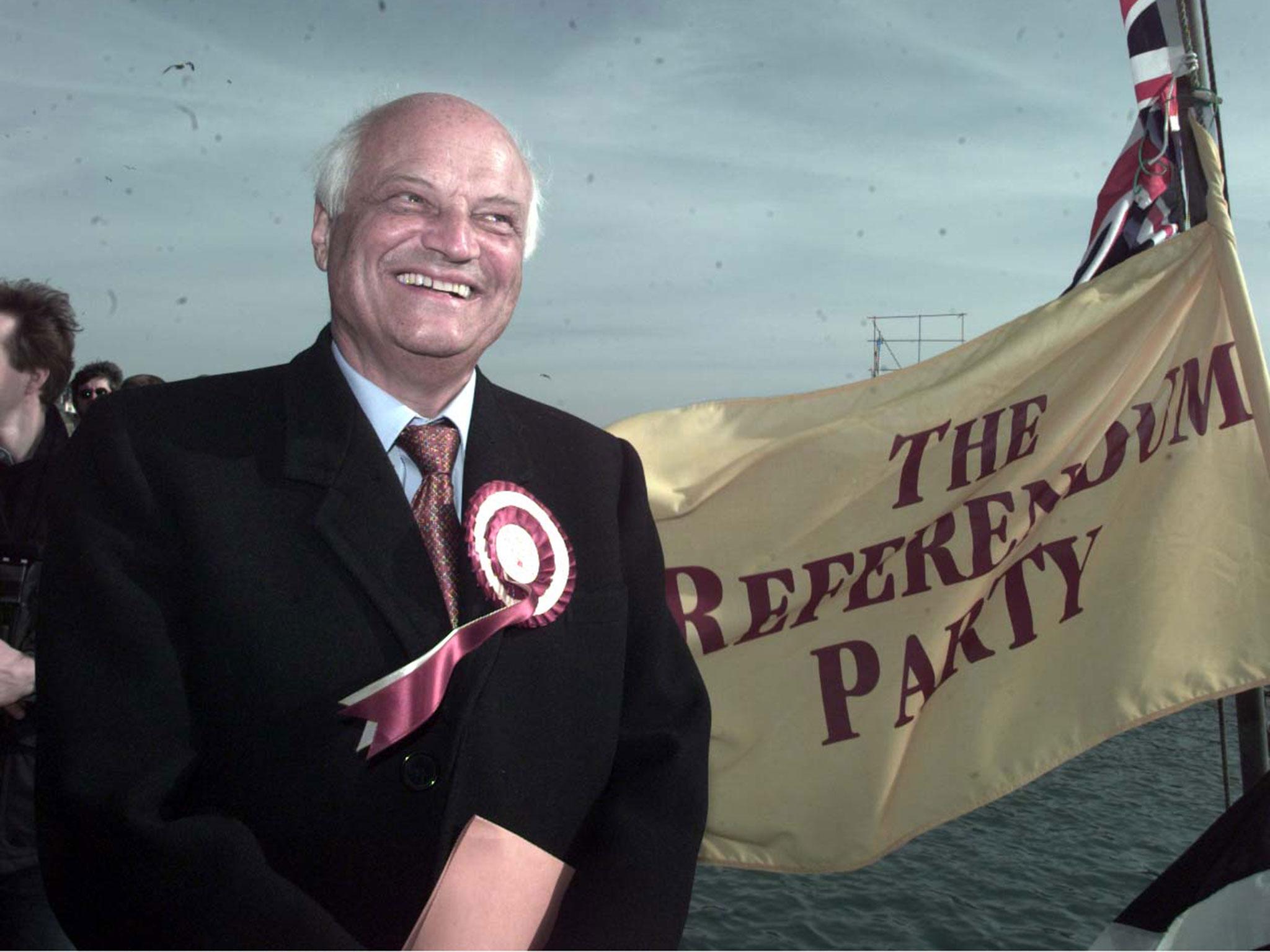
Sir James Goldsmith – 1933-1997 – Billionaire with a Cause
Goldsmith was an Anglo-French billionaire crusading politician who fought to change the future of Europe. He was also a high-flying financial buccaneer and unconventional family man, who shared homes in London, Paris, Burgundy, Spain, and Mexico with three women. His aristocratic wife, Annabel, his ex-wife and former secretary, Ginette, and his mistress, Laure Boulay de la Meurthe.
May 1997: Vanity Fair contributing editor Sally Bedell Smith summarised his career in an informative but sanitized article
Extracts:
For Goldsmith, being attacked meant being noticed, and being noticed meant being taken seriously. “It shows the effect we have had,” he said. “We have woken up the electorate.” “We” is the Referendum Party, the renegade political movement that he launched in November 1994 with a single goal: to pressure the British government into giving its citizens a chance to vote on the extent of their involvement in the European Union. Goldsmith pledged to spend as much as $30 million of his $2 billion self-made fortune and to field Referendum Party candidates in the 1997 general election against every member of Parliament who opposed such a plebiscite.
2. Having multiplied his fortune as a brash corporate raider in the United States during the 1980s, Goldsmith seems an unlikely politician. But his retreat from business led him to question many of his assumptions about the world. He came to believe that global free trade would lead to severe societal dislocations. He also concluded that the movement to unify Europe politically, as well as economically, would restrict national sovereignty and undermine democracy as unelected European Union bureaucrats assumed greater control. “European nations are deeply rooted,” he said. “You cannot push nations against their will.” As a citizen of both France and England, he decided to take action in both countries. In France, he was elected to the European Parliament, and he is running for the British Parliament in 1997 as a candidate of his own Referendum Party.
3. Sir James Goldsmith won’t be elected prime minister, and he may not even be elected to the House of Commons, but as many have noted, he has already altered both the mood and the thinking in Britain about the value of a unified Europe and has shown how one man with energy, ideas, and independent means can elevate a political concern into a national preoccupation.
4. The father of eight children, Goldsmith also lives a famously unconventional life. His brother, Edward, known as Teddy, once called him “a natural tribal polygamist.” Goldsmith has a wife in London, a British aristocrat born Annabel Vane-Tempest-Stewart, the sister of the Marquess of Londonderry, and the inspiration for the eponymous nightclub on London’s Berkeley Square. On the other side of the Channel, he has an ex-wife (the former Ginette Lery, his one-time secretary) and a mistress (Laure Boulay de la Meurthe, a wellborn French magazine editor), who live in two parts of the same house in Paris. Like an Arab pasha, Goldsmith moves among all three households, supporting everyone with lavish generosity.
5. His rhetoric is direct and withering. A year ago British prime minister John Major dismissed Goldsmith as “living in cloud-cuckoo-land.” Goldsmith had always voted Conservative, but he thinks the current Conservative government is “appalling on all the most important issues that matter for me.” Major, in Goldsmith’s view, “doesn’t dare lead. He thinks leadership is equilibrium. He is the ultimate rubber man.” Nor does Goldsmith have much use for Tony Blair and his “New Labour” image. Labour, he says, has become “the soft Conservative Party. They are all one party.”
6. The impetus for the Referendum Party came when Goldsmith concluded he could have a greater impact in Britain because democratic traditions are stronger there than on the Continent. The British people had been given a referendum on Europe in 1975, and they (including Goldsmith) had voted decisively for the Common Market—then defined as an economic alliance of individual nations. Goldsmith reasoned that since the alliance had changed into a more far-reaching political union the British citizenry should be given a choice again.
7. When Goldsmith joined the debate, the Euro-skeptic movement was well underway in the Conservative ranks. Euro-skepticism had been embraced by only a small group of Tories in Parliament until Maastricht when more of them became angered by regulations passed by the European Commission in Brussels which took precedence over laws passed in Westminster. Concerned about the strengthening of European bureaucracy and its effect on Britain’s democratic sovereignty, more and more Tories began joining the Euro-skeptic wing.
8. Since Goldsmith’s party started making headlines in the spring of 1996, public concern about the direction of the European Union had risen sharply. “We have achieved our primary objective,” said Goldsmith, “from Europe being the 13th point on the agenda to being right at the top.”
9. After 18 years in power, the Conservative Party had lost ground with the British electorate despite the country’s economic boom. The Tories succeeded by squashing the unions, trimming social-welfare programs, privatizing key state-owned industries, and promoting a free market for business. But since his election as Labour Party leader in the spring of 1994, Tony Blair had captured the public imagination by moving the Labour Party to the center. On nearly every economic issue, Blair’s party has co-opted Tory positions—pledging, for example, not to increase public spending or raise taxes. As a result, the Labour Party had held a consistent lead of some 20 points over the Tories in the months before the 1997election.
The demise of Corbyn and a return to power of the Zionist supporting “New Labour” brings with it an opportunity to bring the Scottish Branch to heel.
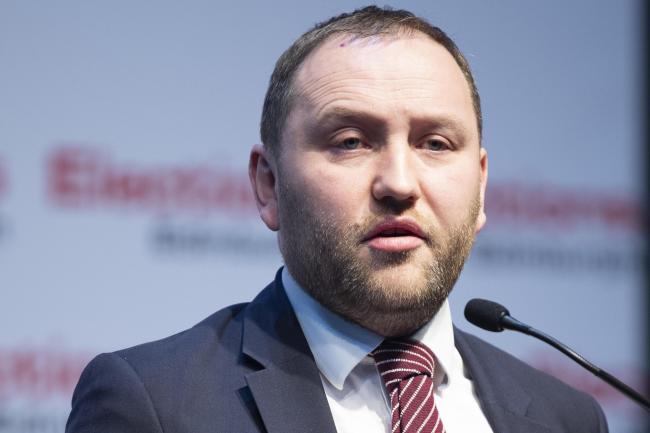
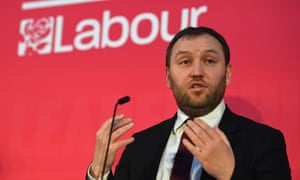
And in this respect, the Party has Ian Murray “champing at the bit” ready to “clear out” any party officer refusing to commit to total adherence to the Unionist policies espoused by the English based leadership.
But Murray is no longer a “one-man-band” he is backed by a phoney Zionist organisation, operating out of Glasgow University, ably led by Baroness Smith, one of MI5s’ finest agents.
In favour due to bragging rights that, as the MP for Edinburgh South, Murray has earned political plaudits as the single beacon of light for the Labour Party in Scotland.
His record as a constituency MP is well testified, but the same could be said of the politician Murray most admired, “The Beast of Bolsover”, Dennis Skinner who was rejected by voters and retired from politics.
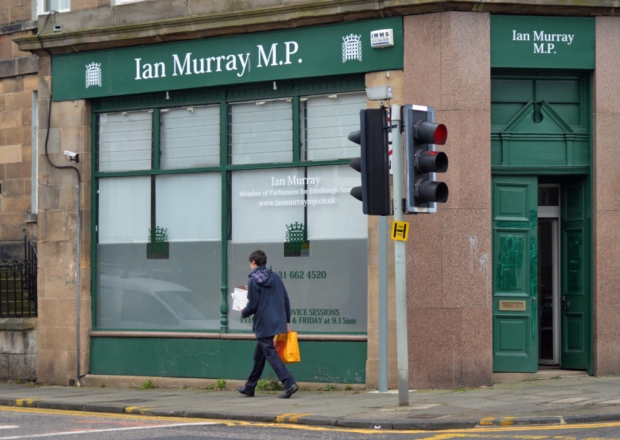
Nigel Griffiths Constituency Office
Nigel Griffiths – MP for Edinburgh South 1997-2010
Griffiths was blessed with a similar level of support by his constituents but was forced to resign his position after four complaints against his conduct were upheld by the Parliamentary Commissioner for standards who had been called in to investigate after Griffiths failed to declare that he owned an office for which he had been claiming expenses.
She also upheld complaints that Griffiths had used his constituency office for party political purposes without informing the Fees Office and that he had failed to reimburse the Fees Office.
The complaints followed revelations he had claimed office allowances of £10,000 a year (£130k) since 1997 for a constituency office in Edinburgh which he had bought outright.
He further received several thousand pounds from Edinburgh South’s Scottish Parliament member Angus MacKay for subletting part of his constituency office.
Pete Wishart, the SNP’s chief whip at Westminster, said:
“He has been found guilty by the Independent Standards Commissioner of misusing House of Commons allowances and diverting public money into New Labour Party politics. He should offer his immediate resignation as a minister, as this report shows he is unfit to hold ministerial office. If he will not resign then Tony Blair should sack him. Griffiths made no effort to disclose any of his wrongdoing, or rectify any of his abuse of public funds until forced to do so under media and SNP pressure.”
Mr Griffiths apologized for failing to inform the Fees Office and repaid over £31,000. He stood down before the 2010 GE.
Murray retained the office when he took on the role of MP for the constituency, presumably paying £10k annual rent to his erstwhile colleague. Nice one Nigel!!
Murray the Politician
A look back at the conduct of his electioneering campaigns reveals a “no holds barred” approach. Any weakness in the personal or political background of his opponents is fair game to him. His own failing is that he believes himself to be a well-regarded statesman for which the rules of conduct for the common man are not applicable.
He is also well versed in the art of presenting political lies as fact attacking anyone confronting him with the truth.
As an example: his cynical exploitation of the poor and Zero-hours contracts.
A law for others and an opt-out for Ian Murray.
January 2015: Ian Murray Labour MP for Edinburgh South – We Need Urgent Action to Tackle Exploitative Zero-Hours Contracts
Many people across the UK face the fear of insecurity in their employment, and zero-hours contracts have come to define that fear in recent years.
Under the Tory-led government, we have seen a rising tide of insecurity – the number of people feeling insecure at work has almost doubled in the past three years, from 6.5 million to 12 million.
On top of that, people are already earning £1,600 less a year on average than they were in 2010: working just as hard, but for less, hit by the cost-of-living crisis.
So whilst a few at the top are doing well, everyone else is getting left further and further behind. There are 1.3 million people working part-time because they are unable to find full-time work.
Labour is clear that we will outlaw zero-hours contracts. While there are some employees – students, for example – who would welcome the flexibility which they offer, zero-hours contracts have gone from being a marginal, niche concept to becoming the norm for too many people across Britain – It is estimated earlier this year that there are 1.4 million zero-hours contracts in Britain, while as recently as last year the government was still claiming that there were just 200,000.
The Tory-led government has been dragged kicking and screaming to acknowledge that zero-hours contracts are an issue which needs to be looked at.
First, Ministers denied that they were a problem at all and then due to further pressure from Labour, trade unions and charities, they instigated a half-hearted review.
We’ve had to persistently push them to recognize the impact these contracts were having on peoples’ lives.
They’ve now brought forward changes which will stop employers from insisting that those on zero-hours contracts are available for work even when there is no guarantee of any work. We welcome that change but it just doesn’t go far enough.
Yet this does nothing to prevent most of the problems experienced by those on zero-hours contracts. What about people expected to be available for hours on end with no guarantee of work? What about the insecurity of having your shift cancelled without notice? And what about those working regular hours in practice but kept on zero-hours contracts under the threat of being ‘zeroed out’?
The Tory government has the opportunity to match Labour’s plans to end the exploitation of zero-hours contracts. But they have so far failed to come close to our commitments. If they won’t support our plans, it will fall to the next Labour government to take action to tackle the exploitative use of zero-hour contracts
April 2015: If zero-hours contracts are so bad, how come 68 Labour MPs Employ Staff on Them?
The Labour Party leader blasted David Cameron and big business over zero-hours contracts – and pledged to stick up for ordinary workers who are being “exploited.”
Speaking in Yorkshire, the Labour leader raged:
“Less than a week ago, you may have heard the Prime Minister say that he couldn’t live on a zero-hours contract. Well, I couldn’t live on a zero-hours contract either.
I’ve got a simple principle – if it is not good enough for us, it’s not good enough for you and it’s not good enough for Britain. “That’s the way I will run our country. One rule for all.”
But there was one small problem for Ed.
It was revealed by the pay and expenses watchdog IPSA that a large number of Labour MPs employed workers on “zero-hours” contracts.
A damning list of 68 (nearly a quarter of the Labour parliamentary party) included Ed Balls, Lucy Powell, Karen Buck, and Ian Murray.
Labour insisted their MPs only used casual contracts to hire interns or students on flexible deals.
But Steve Turner, Unite regional officer, said last year: “Parliament passed the laws that are supposed to protect pay and conditions. Our MPs ought to be upholding them, setting a high standard for employers.”
November 2014: Commons Debate – Zero Hours Contracts Bill – Second Reading
Ian Murray (Edinburgh South) (Lab) contributed to the debate stating: “Although unemployment has gone down in this country, the tax-take to the Treasury from income tax has stayed flat, despite the Treasury predicting a huge increase. That shows that we have under-employment and a massive explosion in zero-hours contracts.” Double standards Mr Murray. You are guilty as charged employing staff on zero-hours contracts yourself.
Philip Davies (Shipley) (Con) challenged Ian Murray saying: “To be perfectly honest, I must say, and we need to get this on the record before the clock counts us out, that it is a bit rich for the Labour party to come here en masse to pretend that they are massively opposed to zero-hours contracts when it appears that some of the worst offenders are not only Labour councils, but Labour MPs.
Murray the Statesman Seeks a Higher Office
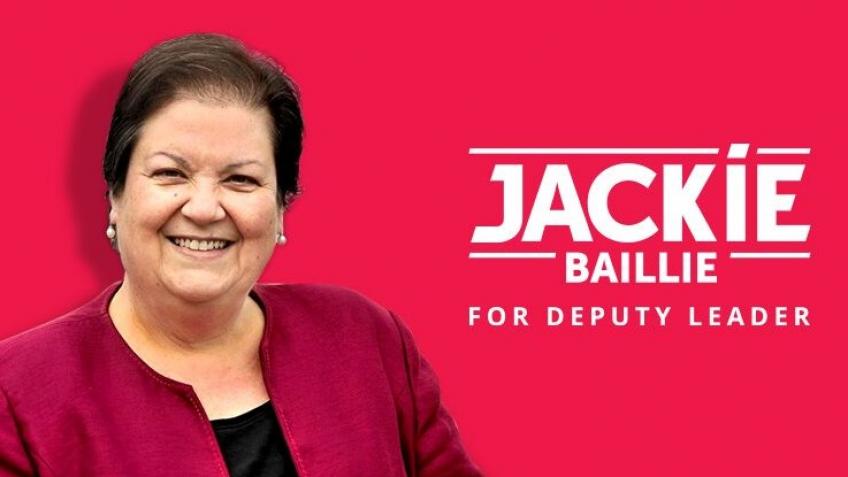
Believing he is loved by a majority of the membership he campaigned unsuccessfully for the Deputy leadership of the Party.
Black Labour MPs criticized his sponsored Facebook advert addressed to to “Labour’s women” for a glaring omission.
The advert titled “my pledges to Labour’s women” featured nine ‘Labour women’ – but apart from a purple tint to the centre line, all the women shown are white:
Labour Party supporters commented
Forgetting, of course, all the people who were hounded out of the Labour Party on fabricated antisemitism accusations or Gordon Browns famous boast whilst chancellor of the exchequer of, “our wonderful flexible workforce “. Oh, the irony.
His spiel was almost a carbon copy speech from the Progress leader, Nathan Yeowell. So much for original thought. With Keir and him running shotgun, the Labour Party won’t have much original thought from these pair, if they win.
Tories in Scotland developing links with the Orange Order and DUP is actively promoting the return of bigotry
Pastor Jack Glass established his Zion Sovereign Grace Baptist Church in Glasgow’s Polmadie area in 1965. From there he conducted a 40-year “fire and brimstone” crusade against the LGBT community and the Roman Catholic church.
In 1982 he inflamed local politics conducting an offensive aggravating hatred and bigotry on Scotland’s volatile streets attempting to force government and local authorities to ban the Pope from visiting Scotland.
In 2002 the Church of Scotland General Assembly was disrupted by Glass and his followers protesting that the measure was contrary to god’s will when church leaders formally apologized to Scots for its long-held sectarian policies.
He and his congregation detested popstars and comedians claiming they were involved in the devil’s work corrupting the youth of Scotland.
The official policy of his church was that Xmas festivities were “pagan rituals” and had no place in a Christian society.
When Glass died of cancer in 2004 a Church of Scotland minister commented that whilst there was sadness at his death he was a “flawed Christian, a flea who lived on the back of the established church’s elephant.”
The Tory Party in Scotland in linking their Unionist dogma and political and financial strategy to the Ulster Unionist Party and the Orange Order presents a danger to the health, safety and well being of Scots. God forbid Scots might return to the arms of people like Pastor Jack Glass.
Crazy but true – Scottish taxpayers pay for and accept BBC anti-Scottish propaganda
The BBC was first formed then developed by Whitehall spooks who perceived the medium of radio and subsequently television to be well suited to control and manipulate the thoughts and actions of the population of the country and wider afield through the subversive misuse of information.
Over a century of operations the corporation and their controllers have basked in the glory of the dubious praise of excellence in the use of mistruth and loaded language from “spooks” and their handlers worldwide.
But taxpayers should not be saddled with meeting the huge cost of maintaining a monolith which has no place in modern society and the use of the BBC as a weapon of propaganda against Scots who fervently wish to be free of the invidious control of Westminster is an affront to the expression of human rights contained in the United Nations Charter.
When the Tories and the BBC are at Loggerheads the Scottish Taxpayer suffers the outcome
The BBC licence fee had been frozen from 2010 and throughout the period of austerity following the worldwide financial meltdown. In 2015, the Corporation claimed to be in deep financial trouble and pleaded to be allowed to increase the licence fee.
The cost of providing free licence fees for pensioners over the age of 75 had been previously charged to “Welfare” expenditure but Chancellor “sniffer” Osborne had imposed a £12 billion expenditure ceiling on this department.
A revised contract was agreed between the government and the BBC ending in June 2020, containing the rider that the corporation would absorb the cost of free licence provision for pensioners over the age of 75, estimated at £700 million annually, but with an understanding that at the end of the agreement the corporation would be given free rein over setting the level of the annual licence fee.
Their projection was that a fee of around £200 per annum would need to be charged to users (after June 2020) offsetting the cost of maintaining free licences for pensioners over the age of 75.
The Tory government reneged on the deal in 2017 when it handed the reins of power to Theresa May who called for a snap General Election in that same year.
The next General Election not scheduled for May 2022 and it was proposed by the Tories that the commitment the Tory Government and the BBC entered into in 2015, should be extended until after May 2022.
But rejecting the proposal, Jeremy Wright, the then Tory Party, Culture Secretary said: “The decision is not for the government to make any longer. It is for the BBC to make”.
The final act of the Tory government was a cynical orchestration of a deviously fiendish plan transferring the problem away from government to the BBC then subsequently onto the taxpayers, who would need to decide if they would be content to subsidise, through their annual subscription, the continuance of free licences to pensioners over the age of 75 and a likely annual fee in excess of £200.
The BBC decided not to pursue a major increase in the licence fee opting instead force pensioners over the age of 75 to pay an annual licence fee in line with other taxpayers.
As anticipated by the cynical Tory government the policy adopted by the BBC has generated a backlash from the taxpayer, who, in time will most likely demand a major restructuring of the Corporation in response to the challenges of other television providers who are consistently and increasingly producing and delivering excellent quality services without the compulsory exorbitant costs charged to taxpayers by the BBC.
Rejection by the UK electorate of the left-wing politics of the Labour Party
In December 2019, in the UK General Election, Helen Mcfarlane stood as the Labour party candidate in Airdrie and Shotts for Westminster. She works for NHS, is a member of the People’s Assembly, a UNITE member and activist and is vice-chair of United Left both in UK and Ireland and in Scotland.
She wrote about her failed venture to gain a Westminster seat:
“I am now back in my NHS day job after a rollercoaster experience. But despite losing by only 195 votes and seeing a hardline Tory/DUP government in Westminster, my political and feminist standpoints are strengthened. As should those of the left be.
The left and the union movement had a rare opportunity to unite behind a winnable socialist manifesto. What if the left had the vision and confidence to truly unite around this class agenda? That’s what the Labour manifesto was and that’s what inspired so many – especially young people – to unite behind Jeremy Corbyn.
Regretfully, many so-called lefty comrades in Scotland persisted in prioritising Scottish national identity politics. As a left activist, feminist and former Unite EC member, I was already committed to Unite’s political strategy to ‘win back the Labour Party to working people and to win back working people to Labour’.
I agreed, following a ‘please stand’ phone call, to fight the Airdrie and Shotts seat. I was motivated by the left aim for a gender-balanced slate and by Corbyn’s ten pledges that hinted at the socialist manifesto that was to come including nationalisation of public transport, £10 minimum wage and workers’ rights.
I failed to get elected and attribute this to the absence of formal support from my union and other affiliates to dedicate staff and members as volunteers, to win a Labour government committed to delivering so many of our union campaign ambitions, was a major disappointment.
Could this be perceived as a lack of confidence in fully backing a socialist agenda or just a sign of caution wrongly worrying about non-Labour supporting member resignations?
If only the left both in the Labour Party and the wider union movement had truly done all it could! If there was ever the need for the three main Labour affiliates in Scotland to go beyond the call by issuing, for example, a joint statement to ‘Vote Labour’ to remove the anti-union legislation, ban zero-hours contracts and end bogus self-employment, this was that time. A missed opportunity indeed!
So I am left wondering … if the left had strived for equal opportunity, fully demonstrated solidarity and been bold and confident in the Labour manifesto, could we have gained more left MPs and secured a Corbyn led Labour government?
What now for the left? A serious conversation about where we go collectively is long overdue. My hope is that the left is bold and recognises the opportunity that may still be there to back a government in waiting, committed to an undeniably socialist manifesto and that the left in Scotland shows solidarity by supporting and joining Labour.” (The Scottish left Review)
2020 and the return of a Zionist-controlled and funded New Labour Party
The worst fears of the Labour party in Scotland branch office were realised by the recent election of Keir Stamer to the leadership of the party.
His election and speedy embrace of the Zionists signals the start of an internal power struggle amongst party activists in Scotland as the English born UK party leader directs it away from the “lefty” policies of Corbyn.
Expect to see the demise of Richard “the lemon” leonard and his supporters before the 2021 Scottish General election.
In the next nine months, Blair, Brown and Stamer supported Scottish “supremo” Ian Murray will attempt to purge the Scottish branch of the party of anyone who is not committed to the “New” New labour party right-wing agenda.
The impact of the Labour Party moving back to the “centre” of Scottish politics will be wide-reaching since Nicola Sturgeon has moved SNP policies to the “Centre-Left” in search of the labour voter, leaving an increasing gap on the “Centre-Right” which has been given over to the Tories.
The outcome of the “new politic” in Scotland may impact adversely on the predicted SNP landslide in the 2021 Scottish General Election and the battle for Government will be decided by the “second” vote.
A “second” vote for the SNP is ineffectual since the election of a single MSP requires an inordinately large number of second votes and it is essential that a radical “Centre-Right” independence supporting political group is established within the next few months so that SNP voters will be provided with a clear choice for placing their second vote.
A country controlled by a small percentage of very wealthy people who deny opportunities to those who are poor. The poor work for little wages and struggle to achieve a basic human standard of living such as having food and shelter. The poor are carefully controlled by the oppressors and prevented from organizing or resisting the will of the wealthy.
The Alien Act – Bully Boy Nation England Forces a Treaty of Union On Scotland
The 1701 Alien Act was the culmination of England’s efforts to subjugate Scotland, and the negative impact was huge.
An embargo on Scottish goods to both England and its colonies, enforced by a naval blockade of Scottish ports and a large English army force in Berwick, cut maritime trade by fifty percent, crippling Scotland’s already fragmented economy which was struggling to recover after twenty-five percent of Scotland’s total liquid capital had been lost during the Darien Scheme.
The Act also threatened inheritance rights for Scottish nationals living in England, causing unrest among Scotland’s elite.
Through this piece of legislation, the English Parliament hinted at the dangers of refusing to unite the two nations.
England had the power to destroy the Scottish economy and take away the property of many of its citizens, and unless Scotland agreed to their proposals that was exactly what they would do.
In 1706 Scotland relented, activating a provision added to the end of the Alien Act that suspended the legislation as a whole following Scotland’s entrance into negotiations leading to the 1707 Act of Union with England.
Second thoughts on the union
The First Earl of Seafield and His Attempt to Repeal the 1707 Treaty of Union. On 2nd June 1713 the Earl introduced a Bill in the House of Lords to repeal the 1707 Treaty of Union citing grievances of the Scots:
The dissolution of the Scottish Privy Council.
The Treaty of Union 1707 with England preserved the Scottish Legal System. Article XIX providing “that the Court of Session or College of Justice will after the Union and notwithstanding thereof remain in all time coming within Scotland, and that the Court of Justiciary will also after the Union … remain in all time coming.
But soon after the Union, the Union with Scotland (Amendment) Act 1707 combined the English and Scottish Privy Councils and decentralized Scottish administration through the appointment of justices of the peace in each Scottish shire to carry out administration.
Effectively it took the day-to-day government of Scotland out of the hands of politicians and into those of the College of Justice who would report to the newly created Scottish Secretary of State in Westminster.
The Treason Act
The Scottish Act, which was relatively humane was abandoned in favour of the more barbarous English Treason Act.
Section III of the Act required the Scottish courts to try cases of treason and misprision of treason according to English rules of procedure and evidence.
And more recently when the Scottish Parliament was established in 1998, treason and misprision of treason were designated as “reserved matters,” meaning they fell outside the jurisdiction of the Scottish government.
The incapacitating of the peers.
After the Scottish Parliament passed the ratifying Act it turned to the question of Scotland’s future parliamentary representation.
Article 22 of the Treaty had decreed that only 16 peers and 45 commoners were to represent Scotland at Westminster, it would be for Scotland’s Parliament to settle the detail. Inevitably, Scotland’s loss of its representative body – symbolizing the loss of national sovereignty to be reliant on a significantly reduced representation at Westminster produced deep resentment among the Scottish populace. Yet, by the end of January 1707, following a series of ill-attended sittings, the Scottish Parliament passed legislation setting out the election procedures.
Scots legal experts were also frustrated that from 1712 the House of Lords in Westminster was also the Court of Appeal for Scottish cases. This led to “miscarriages of justice” caused by a lack of understanding of Scots law by English judges.
The deliberate destruction by Westminster of Scottish trade and manufacturing
Despite the many promises made by England during the unification process, economic rehabilitation in Scotland was an abject failure.
While there were apparent economic benefits for the nobility and landowners, who “sensed that union would open up new opportunities to them through being able to sell their cattle and other produce to England” they represented a very small part of the socio-economic makeup of Scotland.
The benefits of maritime trade afforded to them by the union only applied to the elite, (this is still the case in 2020) and the rest of Scotland faced a new, far less attractive economic reality.
The expansion of the cattle and sheep industries in Scotland to meet the increased demand for beef in England led to many tenants being forcibly cleared off of their land in order to maximize grazing.
This accumulation of injustices only served to strengthen resistance to the Union of 1707 as the Scottish economic situation worsened and many turned to Jacobitism as a solution to their problems, one that supported “the old monarchy” and was inherently Scottish.
The Enclosure Act
There was great unrest as a result of the introduction of the English “enclosures” system of land allocation, replacing the Scottish “runrig” system. There were outbreaks of fence-smashing by labourers who had fallen on hard times through not being able to afford “enclosures.”
The Irish Dimension – Linen Taxation
In 1696 a Bill was passed through Westminster which encouraged the manufacturing of linen in Ireland free of tax at time of export to England and other foreign trade.
But Scotland was denied the same legislation after 1707 when linen taxes were imposed on Scotland to the detriment of the trade and its rapid closure due to the high cost of exporting the yarn and finished goods.
The outcome of the Westminster 1713 debate on reversing the 1707 Act of Union
The debate had been called for by the First Earl of Seafield in response to the proposed introduction of a “Malt Tax” on Scotland. The most recent in the increasing list of contraventions of the provisions of the 1707 Act of Union.
English peers favoured the Union’s continuance because of its importance in terms of protecting the Protestant succession. And the coherence of the Scots’ assault broke down as their erstwhile English allies moved in favour of adjourning the debate suggesting that separate legislation should be drafted for protecting the nation.
The bill for dissolving the Union lost by just 4 votes, and then only because of the employment of proxies. The failure of the Scots’ rebellion was largely down to their inability to secure the unqualified support of key members of the Scottish Whig opposition who failed to attend the Commons at the time of the vote.
The 1713 malt tax – added to the increasing list of English contraventions of the 1707 Act of Union
New taxes imposed on Scotland by Westminster greatly increased the prices of Scottish goods for export to England and abroad benefitting English manufacturers to the severe detriment of Scot’s.
Duties on linen in 1711 and 1715, and the Soap Act of 1714 upset many people in Scotland. The Salt Tax of 1711 was especially unpopular and resulted in riots.
The Malt Tax, introduced in 1713 in defiance of the Treaty of Union was imposed on the Scottish brewing industry and undermined a wide range of Scottish businesses and entrenched a culture of evasion, amongst poor Scots who relied on a diet of inexpensive ale.
The cumulative effect of the new taxes also served only to reduce legitimate trade in Scotland whilst encouraging smuggling and in some instances outright resistance. Another result of increased goods duties were attacks on customs officers and an increase in the smuggling of goods into Scotland.
The Malt Tax Riots in 1725 and the Porteous Riot in 1736 both highlighted popular resentment for English intervention in the name of integration.
The 1715 uprising
The callous inattention of the English to the economic state of Scotland revived Jacobitism as a popular resistance movement.
Writers in the budding Scottish press advised Scots’ that “so miserable is our Nation, in much worse condition, and in a worse state of slavery to England than ever Ireland was.”
It was estimated that somewhere between thirty and forty percent of the Lowland troops present at the time of the, 1715 rising had decided to join the cause because of “economic distress and consequent antipathy for the union”.
This statistic highlights not only the unhappiness of Scots in the wake of the union but also how quickly Jacobitism became a symbol of resistance to economic oppression.
Fear of subordination was also a motivating factor in the decision to embrace Jacobitism as a vehicle in resisting the Union of 1707.
From the minute it was proposed to the Scottish Parliament, one of the primary concerns the union held for Scots’ was that Scotland would be reduced to a mere province, an outlying territory of an empire ruled by England. And so it proved to be the case.
The Scottish people now found themselves without a voice in the political sphere, as England took control of making decisions allegedly for the good of all Great Britain with little input from Scots, whose representation in Parliament had been strictly limited by both Whigs and Tories in England.
The political reality of the impact of the 1707 Act of Union
Denied a Parliament Scots’ faced a significant loss of influence in politics on a national level, leading them to favor Jacobitism and the restoration of the Stuart monarchy.
Many Scots were also chafing under new restrictions imposed by the Westminster Parliament of Great Britain, including the requirement that Scots adhere to English treason law.
And resentment further increased following the appointment of the detested English spymaster and architect of the 1707 Act of union, Robert Harley, who was to oversee Scotland’s political interests and manage them accordingly. But he decided not to “embrace the political realities” of Scotland and formed a system of governance that dominated instead of cooperated with the Scottish people.
All throughout Scotland in the aftermath of union Scots found themselves subordinated by the English, who put their interests and concerns before those of Scotland.
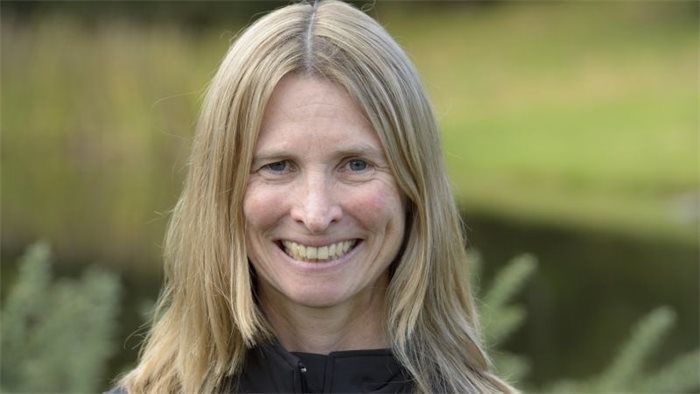
Scottish Natural Heritage’s new chief executive took up her post on 1 October 2017.
Total Budget. £48m: Staffing: £26.5m: Composition: 712. (308 male 422 female).
She was previously the principal private secretary to Alex Salmond as First Minister between 2007 and 2009.
In December 2009 she was appointed Director for Culture, External Affairs & Tourism.
In January 2010 she was appointed Director for Housing, Regeneration & the Commonwealth Games.
In January 2015 she was awarded an OBE for services to the Tory Government and the Commonwealth Games.
In January 2015 she was appointed Director for the Scotland Office, reporting to David Mundell and the UK Government in Scotland.
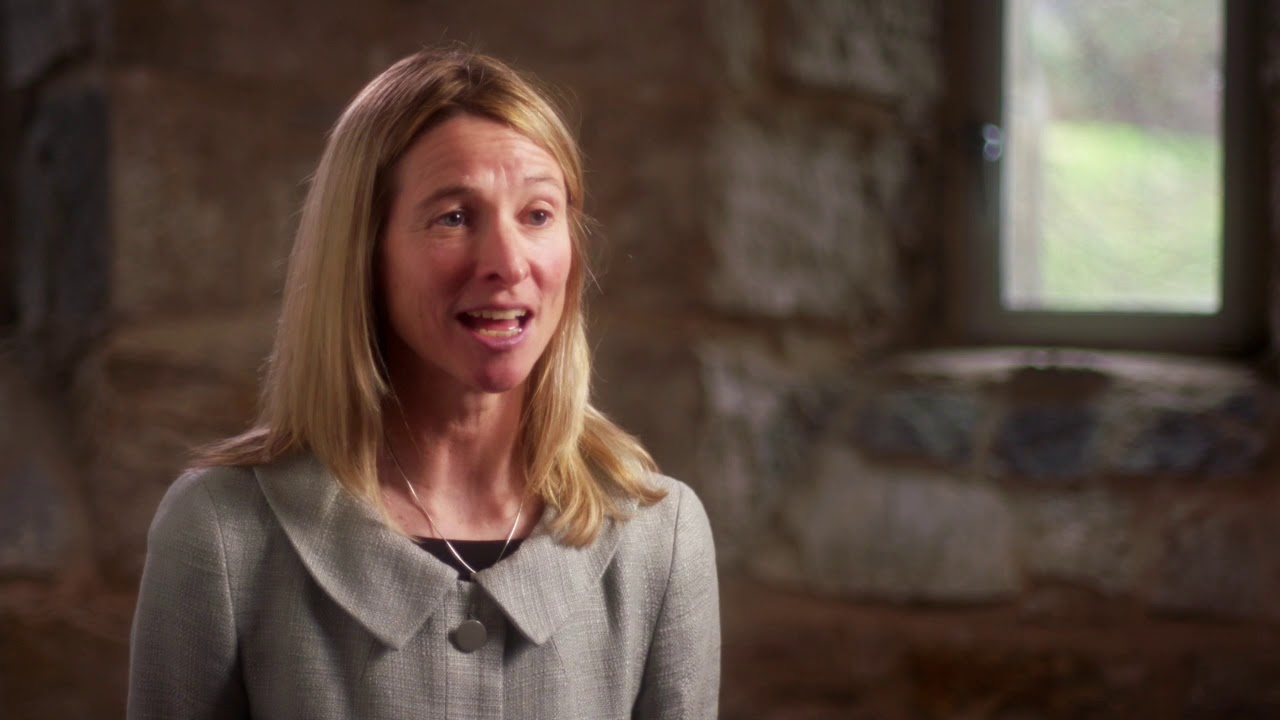
28 Nov 2017: Exclusive interview by Mark Smith of the Glasgow Herald to discuss the challenges of her new role
Only a few weeks after taking up the greatest challenge to her organizational abilities she elected to be interviewed by the Herald’s Mark Smith.
And she opened with an attack on her time with Alex Salmond to whom she was the Principal Private Secretary from 2007-2009.
Mark Smith reported:
“Francesca Osowska has some pretty big challenges to wrestle with, in her new job as chief executive of Scottish Natural Heritage.
Should we reintroduce wolves and lynx to Scotland?
Should the controversial culling of wild hares continue?
Can we save the capercaillie?
But none of the critical questions about Scotland’s iconic species quite compares to her days wrestling with one of the big beasts of politics: The former First Minister Alex Salmond.
The subject of Mr. Salmond crops up while Osowska and I are talking about her impressive career in government and the civil service.
Osowska, who’s 47, has been, among other things, an economist at the Scottish Office, director for the Commonwealth Games in Glasgow, and head of the UK Government in Scotland.
But when I ask her what the lowest point of her career was, she mentions her time as principal private secretary to Alex Salmond from 2007 to 2009. She then says she’s going to have to be very careful about what she says next, which is not a surprise from Osowska.
After a long career in the civil service, the way she talks can be a bit jargony, slick, and ultimately aimed at avoiding answering the question – a bit Sir Humphrey. She pauses for a bit then decides on the words she wants to use.
“There were times when I was working as principal private secretary to the former First Minister Alex Salmond which were challenging,” she says, with a heavy emphasis on the word challenging. I would find myself at Bute House at midnight in front of my computer thinking oh s**t, how am going to resolve this by 8am? Long hours. Challenging issues.”
There’s no doubt that, after years in the civil service, Osowska is used to working in stressful environments at the highest levels. Indeed, if anything, her new post at Scottish Natural Heritage ramps up the stress even further. More here:
Irish republicans in Northern Ireland are rightly milking Westminster financially whilst denying the corrupt political system in support of their cause.
The party has achieved much more than any other grouping in Westminster and have taken their aspirations for total independence from the Unionists to a stage much closer than that of Scotland.
All this despite the on-going gerrymandering of the Ulster Unionists and Westminster politicians.
SNP MP’s wishing to progress the cause of Scottish independence should adopt the tactics of the Irish republicans but with the addition of taking the oath of allegiance to the Queen since our argument is not with her at this time.
This would ensure all the benefits of the Westminster system would be available to our MP’s who would fully discharge their duties to their constituents but would not contribute to any of the political debates in the House of Commons, except where there was a clear advantage to Scotland for them to do so.
I am fed up to my back teeth watching our political representatives being humiliated daily by arrogant perverted Unionist MP’s of all parties, including some Scots, who are protecting the Status Quo, not for the benefit of Scotland but to ensure their milking of the financial trough gathered through exorbitant taxation is maintained.
The Whitehall Civil Service model is being replaced by a system of ‘New Political Governance’ (NPG) centred on:
1. Politicized campaigning.
2. The burgeoning growth of political advisory staff relative to the permanent civil service.
3. The personalization of bureaucratic appointments.
4. The creation of a government machine that is ‘promiscuously partisan’.
Institutional changes are rapidly unfolding at a critical time, as Whitehall prepares to support Tory Ministers in carrying out the Brexit process while addressing a series of long-term structural challenges from the demographic pressures of an ageing society and the impact of climate change.
The Tory Government imposition of Austerity since 2010 has had a further transformative effect on Whitehall, with drastic reductions in the civil service workforce, the restructuring of government agencies, and a reconfiguration of the traditional roles and responsibilities of the permanent civil service. (The End of Whitehall? Patrick Diamond)
Jan. 2020: Baldrick Cummings launches blistering attack on meddling civil service hellbent on thwarting Brexit
At a meeting for ministerial advisers in Downing Street, Johnson’s strategy chief accused some mandarins of failing to grasp the Government’s vision of a clean break from the EU.
Cummings, who previously masterminded the Vote Leave referendum campaign, delivered his tirade at the regular Friday meeting for ministerial special advisers. He told them:
“The Government won the election on a very clear vision of our future relationship with the EU. But the process of setting up a new “Task Force Europe” under the Prime Minister’s chief Brexit negotiator David Frost has revealed resistance to a full break with Brussels among some pockets of Whitehall. It is clear from the discussions that certain members of the team have been having that not every part of the Government has fully absorbed that vision of our future relationship with the EU. Civil servants have to accept that the UK’s transition out of EU regulations, due to end on December 31, will not be extended. The Government will push for “a normal, third-country relationship-based, if possible, on a Canada-style free trade agreement”. The UK will leave the EU’s Single Market and Customs Union and will not align with Brussels regulations after Brexit.” (Express)
Number of SpAds passes 100 under Boris Johnson
Boris Johnson has expanded the government’s team of taxpayer-funded special advisers, with some being paid more than £100,000 a year.
Lee Cain, the director of communications, Sir Eddie Lister, the chief strategic adviser, and Munira Mirza, the director of the No 10 policy unit and co-author of the Tories’ 2019 election manifesto, are listed as the top earners, with a further four earning between £120,000 and £129,999.
Dominic Cummings, the chief special adviser to the prime minister, is paid between £95,000 and £99,999, according to details published in the Government’s annual report on special advisers.
The list shows staffing has increased from 99 full-time-equivalent employees under Theresa May to 108 under Johnson.
The prime minister’s personal advisory team has also expanded, with 44 members of staff now in place compared with May’s 37.
The total cost for SpAd staffing was £9.6m in the period from 1 April 2018 and 31 March this year, compared with £8.9m in the previous 12 months.
A government spokesman said: “Special advisers help ensure the government delivers on its election promises to the public like investing in the NHS and getting Brexit done. They protect the integrity and impartiality of the civil service by clearly separating out the provision of political advice to ministers. Opposition political parties receive almost £11m in taxpayer funding from Short Money and Cranborne Money in 2018-19.”
The total annual cost to the taxpayers is around £30m. (PoliticsHome)
Sep. 2018: Jack’s rapid and undeserved rapid promotion
Only 14 months following his election to the Dumfries and Galloway constituency, Jack will be taking up an additional role as Parliamentary Private Secretary (PPS) to Baroness Evans, the leader of the House of Lords.
As PPS he will be an important liaison working with the Whips’ offices in both Houses particularly with key Brexit legislation coming forward in the coming months.
His role is to advise the Leader of the Lords and the Front Bench on what is happening in the Commons in terms of Parliamentary business. This includes providing an up-to-date assessment of the Parliamentary party, reporting on what is coming up and how it fits into the Government’s legislative agenda. He will also relay what the Lords are thinking back to the Government.
Jack said: “I hope my additional responsibilities will give me even greater opportunity to raise awareness of constituency issues at UK ministerial level. My first priority will always remain the people of Dumfries and Galloway and I’m honoured to be playing this role at such a crucial time for our country.”
Comment: Confirmation Jack was a prime mover, in the introduction and development of the hardline Tory Brexit policy that brought about the demise of Theresa May. His actions directly contradict his statement that his priority will always be the people of Dumfries and Galloway who voted to remain within the European Union. His loyalty is to the right-wing Tory Party and its damaging dogma which is bringing so much harm to Scotland.
Mundell, who was sacked by Boris Johnson, described Jack as a “Brexiteer” and followed up with the comment that he had been forced out so that Johnson could mould a Cabinet in his own shape, promoting those who would back a no-deal Brexit.
Jack has always been against Scottish devolution and is also a hardline opponent of Scottish independence and made it clear following his appointment that he would use his position to “defend the Union against those who would seek to tear it apart”.
The Jack Family of Dumfries
Alister Jack was born in Dumfries in 1963. His parents were David William (1936-1982) Jack and Jean Douglas Pringle (1941- ****).
He was educated at Dalbeattie Primary School, Crawfordton House, and Glenalmond College, (near Perth).
His father, a farmer died aged only 46y in 1982 when Jack was just completing his education at Glenalmond.
His mother Jean (one of the Hawick resident, Douglas and Pringle families) married John Glen Alexander Tulloch (1940-****) in 1985.
The Tulloch family is well connected at the highest levels of society and businessman and landowner John owns a number of estates and businesses in Scotland and wider afield.
As Jean Douglas Tulloch she was appointed to and held the position of Lord-Lieutenant for Dumfries from (2006-2016).
She took up ownership of Courance Farm, near Lockerbie, on the death of her first husband and gifted it to her son when she retired.
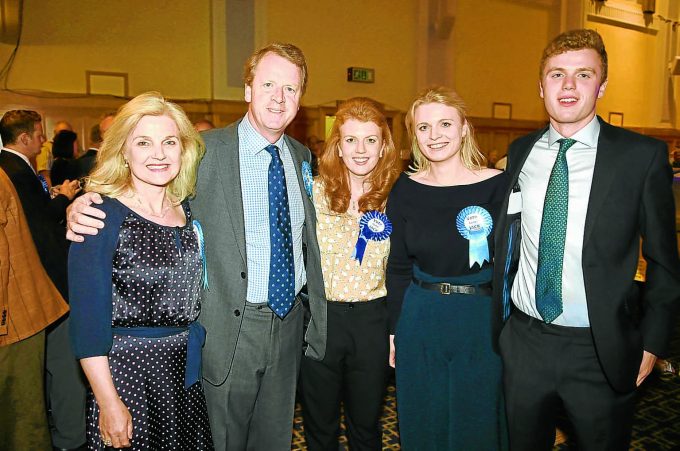
Alister is married to Ann Hodgson (1965-****), they live northeast of Dumfries and have three children;
Baroness Emily Ann Sweerts de Landis (nee Jack),(1981): Who married into a European family of note and wealth. Gifted academically she founded and runs her own successful business in London,
Alice (1991): Is the Operations manager of the Jack family business.
Will (1996): On completion of postgraduate studies at Oxford Brookes University he took up employment, in 2018 as a Graduate Surveyor with, DohertyBaines, a Commercial Real Estate Company based in London.
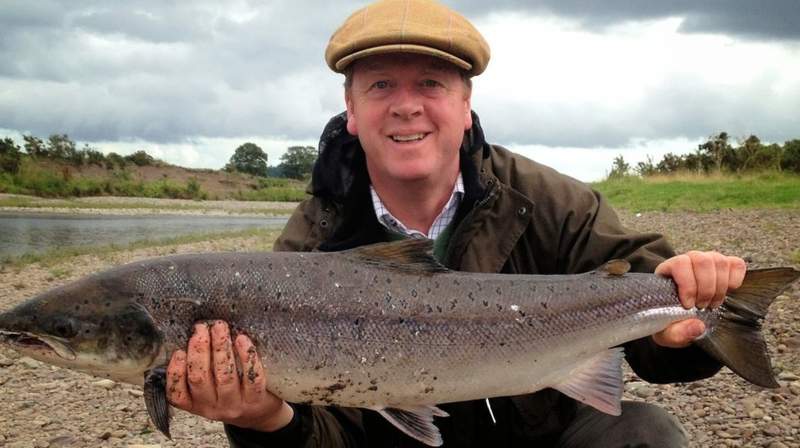
Alister is a former Deputy Lieutenant for Dumfries, (one rung down the ladder from his mum) and deputy-chairman of the River Annan and District Salmon Fishery Board and the River Annan Trust.
He is also a member of the Queen’s Bodyguard for Scotland, the Royal Company of Archers.
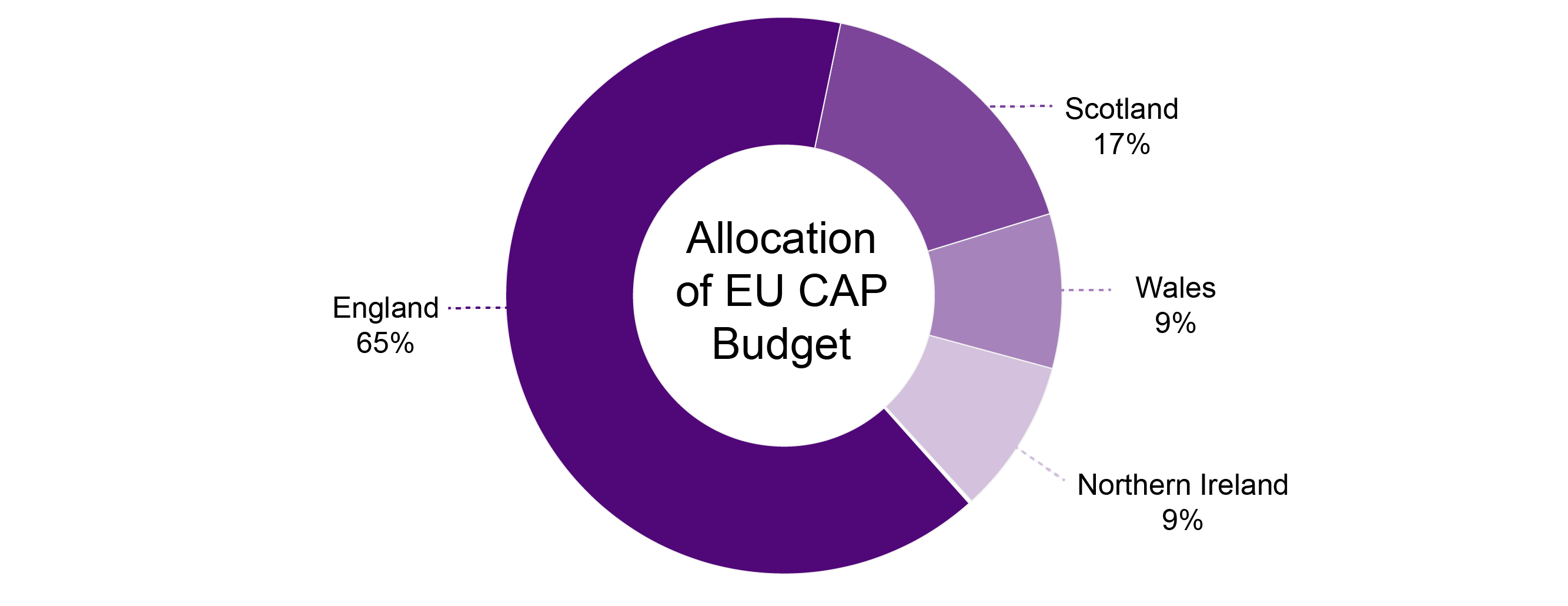
2013: Common Agricultural Policy (CAP) funding 2014-2020 – Financial allocations for England, Northern Ireland, Scotland and Wales remains the same for the next funding period.
This means that the historic intra-UK split of direct payments remains in place and the additional convergence funding received by the UK because of Scotland’s poor per hectare payment rate will be split between the UK countries.
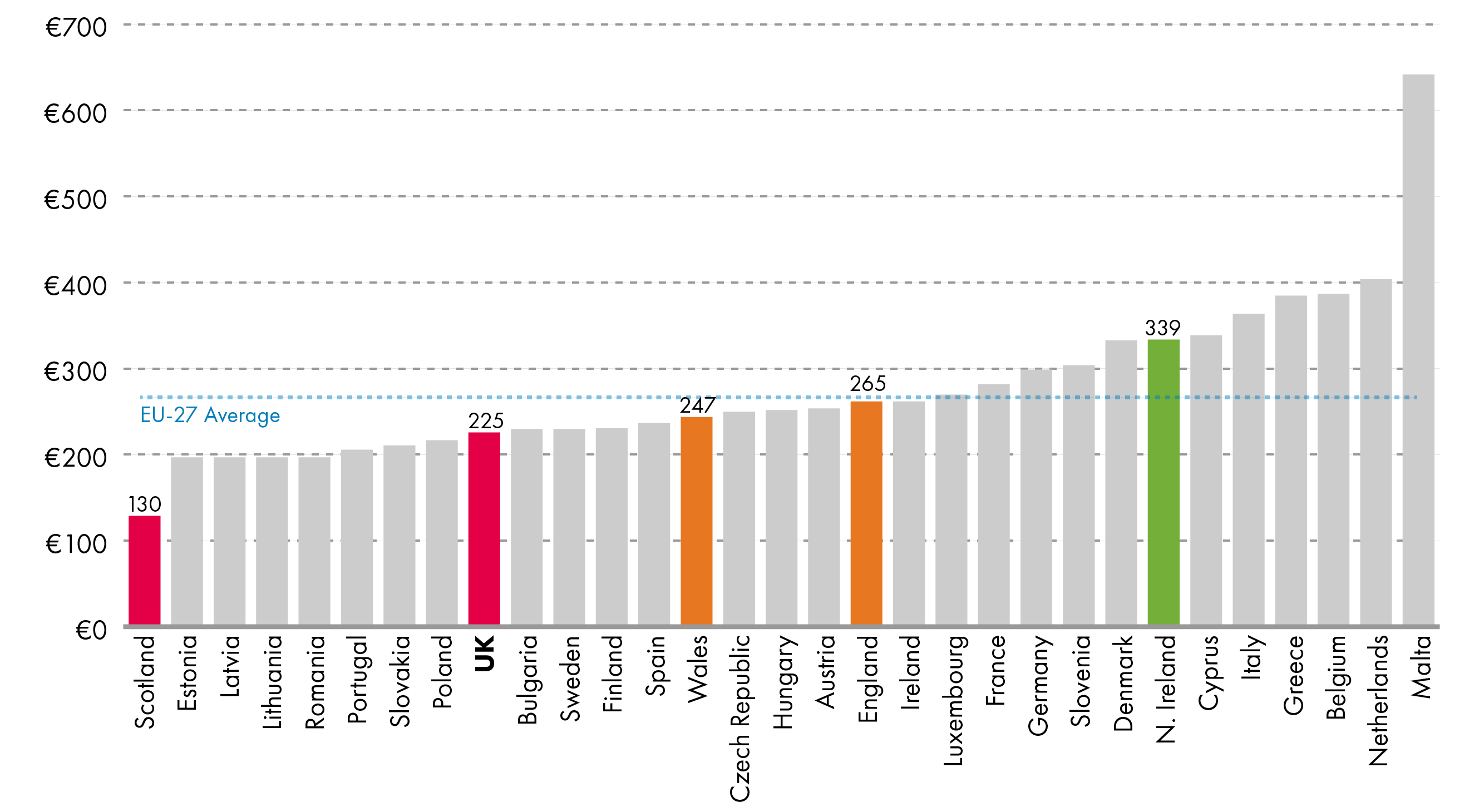
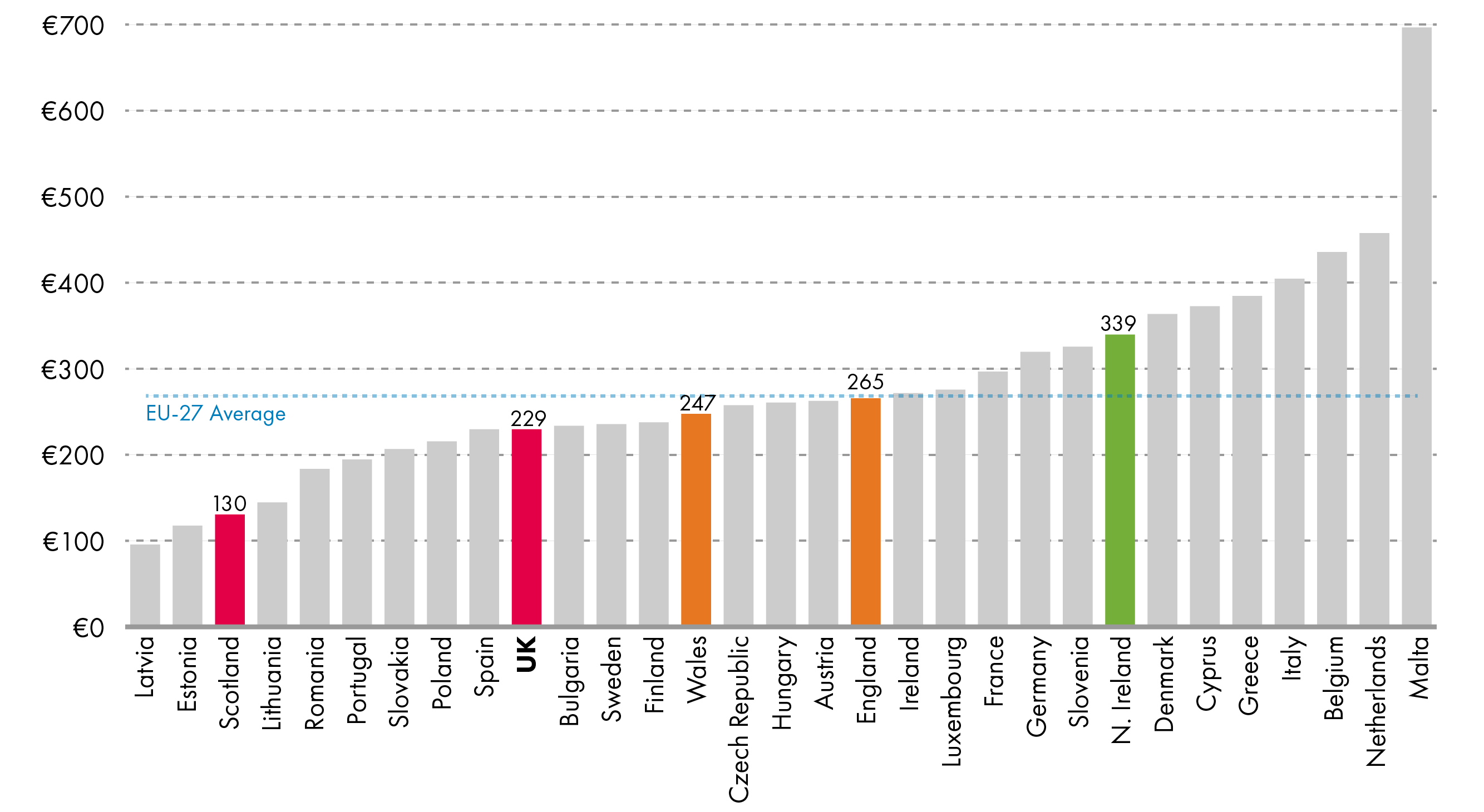
Scotland’s allocation of CAP funds, by hectare Scotland now has the lowest amount of direct farm funding, per hectare of farmland, in the EU.
Average per hectare direct payments across EU countries in 2020
The Convergence Mechanism
During the negotiation of the 2014-2020 CAP programme at EU level, a convergence mechanism was agreed. This aimed to bring the amount of Pillar 1 funding all Member States received closer to the EU average, based on a per-hectare payment measure. The average EU payment rate was €268 per ha1. So, Member States with low payment rates per hectare received additional money.
As the graph below shows, Scotland had a very low per hectare payment rate at the time.
Scotland’s allocation of CAP funds in 2013
Late spring of 2019: The allocation of CAP funding in the UK has remained controversial since 2013 and responding to pressure from the Scottish government the UK Government initiated an independent review (the Bew review) into the factors that should be considered to make sure that funding for domestic farm support is fairly allocated. More information here:
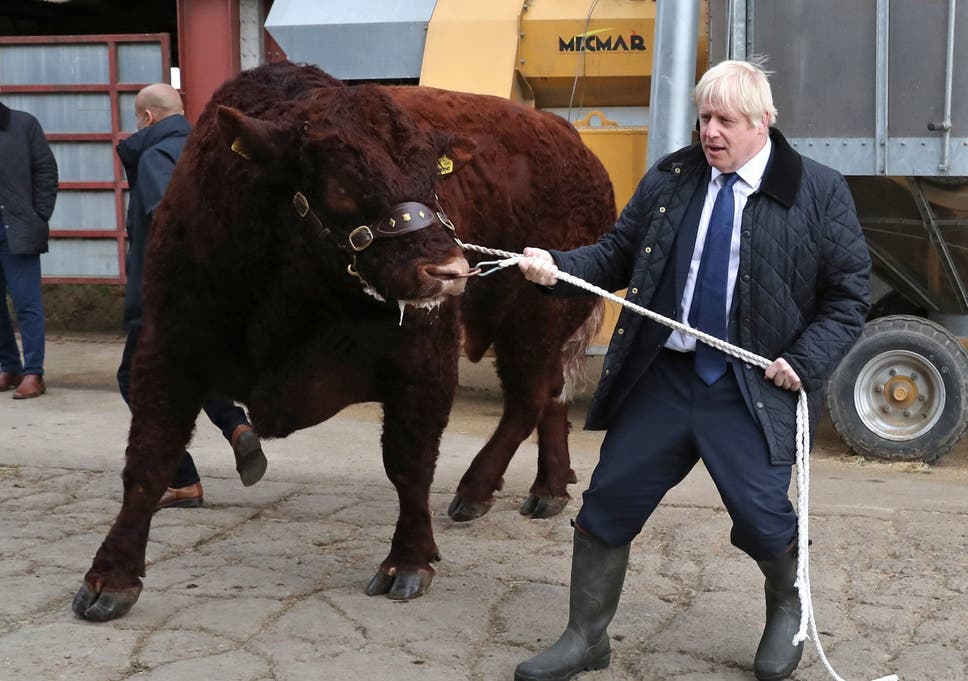
Late Sep 2019: Boris Johnson buys the Aberdeen and North East Scotland farming community votes and stupid is as stupid as they fall for the empty promise
On a short stopover visit to Aberdeen Johnson announced that £160 million of European convergence funding wrongly withheld from Scottish farmers almost three years ago will be released to the Scottish government shortly. Johnson, who was in Aberdeenshire to meet local farmers, said:
“For too long, Scottish farmers have been given a poor deal by the EU’s Common Agricultural Policy, which is why we are taking this opportunity to change things for the better. I also made a pledge to resolve the historic funding gap for Scottish farmers and delivering on this promise has been a priority since I became Prime Minister. Today’s announcement is the first step in making sure future funding is fairly allocated across the UK, taking into account the unique farming environments in Scotland”.
Scottish Secretary Alister Jack hailed the belated release of the £160 million funding for farmers, saying: “This is a brilliant boost. I’m absolutely delighted by this announcement and know our hard-working farmers across Scotland will welcome it warmly. Leaving the EU will give us a historic opportunity to tailor support better to Scotland’s unique farming environment. This is something I’ve lobbied for as a backbench MP and will continue to pursue as Scotland Secretary.”
NFU Scotland president Andrew McCornick described the money as being the “largest funding uplift for the sector in recent memory”. And stated: “Securing a fair agricultural funding settlement that recognizes the flaws in the historic approach has been a priority for NFU Scotland. We thank Lord Bew for undertaking this review and his conclusions on how agricultural funding should be allocated.”
Ian Blackford, the SNP leader at Westminster, said:
“Three years too late, the cash is coming to Scotland”. And SNP MSP Stewart Stevenson said: “It was the Tory government who stole tens of millions of European cash from the pockets of Scottish farmers. Boris Johnson is a thief returning to the scene of the crime. In doing so, he is reminding voters across the North East how disastrous his Brexit plans will be with experts predicting Aberdeen will be the worst-hit city in the whole of the UK.”
A Labour Party spokesperson commented:
“Boris Johnson’s disastrous plan for a no-deal Brexit will be calamitous for Scottish farming. It will create a crisis in seasonal farm work and NFU Scotland has previously warned his plans could mean tariffs on exports of up to 65% on beef and 46% on lamb. This Prime Minister is no friend to Scottish agriculture and he should do what Labour and businesses the length and breadth of the country are telling him to do – stop playing games and take no-deal off the table.”
The Register of Members’ Financial Interests: As of 17 June 2019 – Alister Jack (Dumfries and Galloway)
1. Employment and earnings
Until 21 February 2019, the non-executive chairman and director of Fulling Mill Ltd (manufacturer of fishing flies). Received £15,000 a year, paid monthly, for an estimated 60-80 hrs a year, chairing four board meetings a year and giving general advice.
2. Support linked to an MP but received by a local party organization or indirectly via a central party organization
Name of donor: John Cooper: Amount of donation, or nature and value if donation in kind: £6,000 paid to my campaign fund.
Name of donor: David D Stevenson: Amount of donation, or nature and value if donation in kind: £2,000 to my campaign fund
Name of donor: John Cooper: Amount of donation, or nature and value if donation in kind: £6,000 paid to my campaign fund.
6. Land and property portfolio: (i) value over £100,000 and/or (ii) giving rental income of over £10,000 a year
Agricultural land in Dumfries and Galloway:
Two cottages in Dumfries and Galloway:
Salmon fishery in Dumfries and Galloway:
7. Shareholdings: over 15% of issued share capital
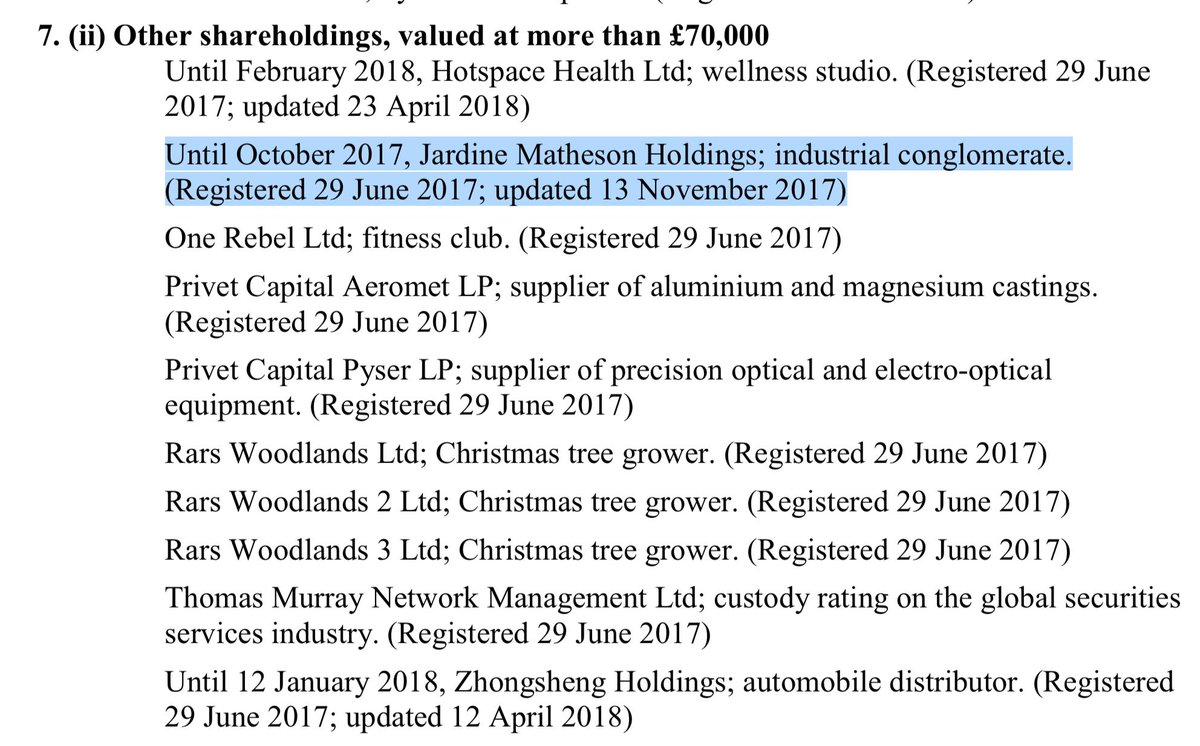
7. (ii) Other shareholdings, valued at more than £70,000
One Rebel Ltd; fitness club.
Privet Capital Aeromet LP; supplier of aluminium and magnesium castings.
Privet Capital Pyser LP; supplier of precision optical and electro-optical equipment.
Rars Woodlands Ltd; Christmas tree grower.
Rars Woodlands 2 Ltd; Christmas tree grower.
Rars Woodlands 3 Ltd; Christmas tree grower.
Thomas Murray Network Management Ltd; custody rating on the global securities services industry.
8. Miscellaneous
Unpaid Director of Atlantic Salmon Trust, a charity for the conservation of wild salmon.
Until December 2018, unpaid Chairman of Fisheries Management Scotland, an umbrella organization for all fishery boards and trusts in Scotland.
From December 2018, an unpaid director (formerly Chairman) of River Annan Trust, a charity promoting conservation work in the River Annan Catchment.
From December 2018, an unpaid board member (formerly Chairman) of the River Annan and District Salmon Fishery Board.
Unpaid Director of Atlantic Solway Holdings Ltd; investment holding company.
Unpaid Director of Cantco Ltd; Lloyds insurance underwriting.
So much personal business to attend to. Where does he find the time to fully discharge his duties to his constituents as an MP?
Alister Jack MP is the new Secretary of State for Scotland after Prime Minister Boris Johnson, on his first day in office, sacked David Mundell.
Alistair Jack has been a Member of the UK Parliament since the General Election of 2017 representing Dumfries and Galloway which he won with a whopping 43.3% of the vote, ousting the sitting SNP MP who got 32.4%. Since then he has been rather quiet in the House of Commons.
They Work For You is an excellent site for checking how your MP’s voted on different issues. How did Alister Jack vote?:
Against
Laws promoting equality and human rights
UK membership of the EU
Higher Taxes on banks
Transferring more powers to the Welsh Assembly
Transferring more powers to the Scottish Parliament
Financial incentives for low carbon emission electricity generation methods
For
Raising the threshold at which people pay Income Tax
Measures to reduce tax avoidance
New High-Speed Rail Infrastructure
Reducing the amount of funding local government gets from central government
He spoke in 11 debates in the last year — well below average amongst MPs.
He received answers to 10 written questions in the last year — below average amongst MPs.
So that is Alister Jack’s record so far as MP for Dumfries and Galloway.
What about the man himself?
He was born on the 7th of July 1963 and went to Dalbeattie Primary School. Then he went on to Crawfordton House—a private prep school near Moniaive, Dumfriesshire—onwards to Glenalmond College, at that time an all-boys independent boarding school and finally Heriot-Watt University.
From there he made a fortune buying, founding and selling businesses. He owns 1200 acres of land near Lockerbie on which there is a dairy farm.
Let us not forget either that Alister Jack is a member of the Queen’s Bodyguard for Scotland, the Royal Company of Archers.
Secretary State for Scotland
Since the setting up of the Scottish Parliament, it has been difficult to justify having the office of Secretary State for Scotland. Indeed it has been suggested many times that the position does not fit with a devolved system.
The role according to the UK Government:
The main role of the Scottish Secretary is to promote and protect the devolution settlement. Other responsibilities include promoting partnership between the UK government and the Scottish government, and relations between the 2 Parliaments.
It might surprise folk that despite this limited job description a massive new building has been constructed in Edinburgh for the Secretary of State for Scotland.
The new building – Queen Elizabeth House – will also house HM Revenue and Customs (HMRC). Another hub will also be opened in Glasgow. From the start of 2020, these buildings will be filled with UK civil servants – 3,000 in the Edinburgh one.
The offices will be equipped with the latest IT equipment.
At the handing over of the keys, the then Secretary of State for Scotland David Mundell said he was very much looking forward to inviting the Westminster cabinet to meet in it. Oops, that’ll be Alister Jack’s job now.
It is difficult to find out much about Alister Jack’s work in the UK Parliament and for his constituency but here is a short video featuring the past and present Secretaries of State for Scotland after their election in 2017. (Fiona Grahame of the Orkney News 20 Jan 2020)
A list of Farmer Jacks Business Interests
Scottish Tory MP has over £70,000 of shares invested in Jardine Matheson Holdings (JMH), which is incorporated in Bermuda.
Farmer Jack has significant business interests and declares shares in 16 companies, in 10 of which his personal holding is worth at least £70,000.
One of the entities is “industrial conglomerate” JMH, which is an Asian-based business group. It is listed on the London Stock Exchange and provides management services to companies in the wider group.
JMH was incorporated in 1984 in Bermuda, a British Overseas Territory that can provide tax advantages to firms that register on the island.
JMH is chaired by Eton-educated Sir Henry Keswick. Jack declared £3,000 of support from Sir Henry in the following Westminster declaration category: “Support linked to an MP but received by a local party organization or indirectly via a central party organization.”
Jack also declared £5,000 from Percy Weatherall, who is listed as a JMH director, in the same category on his MP register of interest.
In JMH’s latest half-yearly results, the group’s underlying profit for the first six months of 2017 rose 20 percent to $765 million, while revenue was $19.4 billion.
A spokesman for the Scottish Conservatives said Jack would not be disposing of the shares, adding:
“Quite rightly, there is no law banning politicians – or anyone else – from becoming involved in companies that happen to be registered in Bermuda.” (The Herald Aug 2017)
Farmer Jack and Cantco Holdings
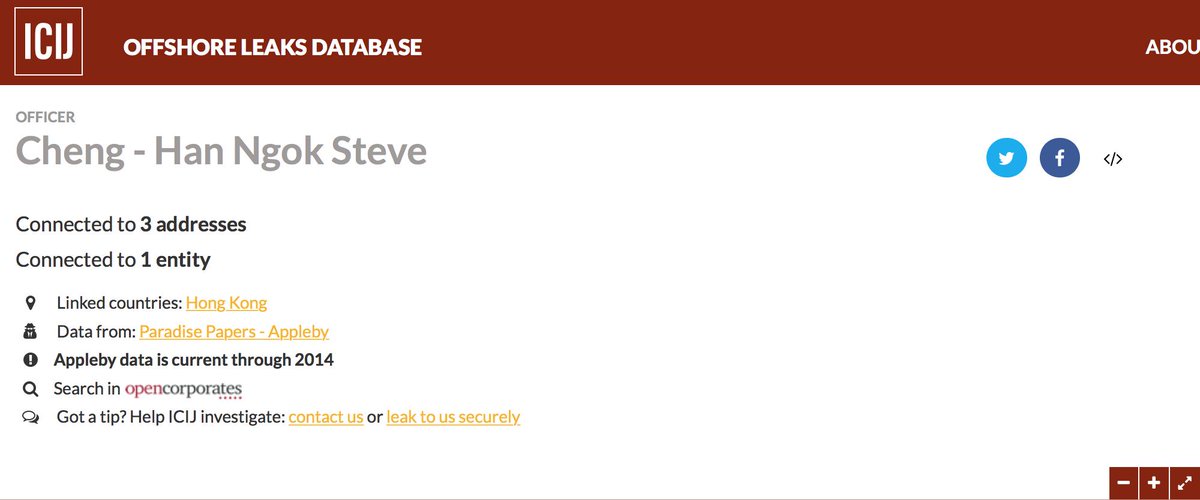
Jack took over the company from Han Ngok Steve Cheng 25 August 2016. Cheng registered his companies in the Cayman Islands, another notorious tax haven. Much more here (https://offshoreleaks.icij.org/nodes/80047711)
Alister Jack and his Gentlemen Tory Farmer friends wield their power at Westminster
A recent report advised that one-third of the UK population was cutting down on meat, including one in eight who are vegetarian or vegan. This was caveated by other evidence that many were not totally strict and would occasionally eat meat.
Nevertheless, the trend is clear, and people are reducing the amount of meat they eat. And a major reason for doing so is because of health concerns. It’s therefore interesting to read that globally, food production is focused on the wrong kinds of food.
Researchers in Canada investigated what kinds of food were being grown, and found a glut of grains, sugar, and oils, but not enough fruit and vegetables. This is certainly the case in Britain, where an estimated 85% of agricultural land is used to grow meat and dairy products, with most of the rest being used to grow grains, oil crops – and sugar.
The UK is self-sufficient in pork and chickens but has to import over half of our vegetables and most of our fruit.
By value, the UK imports over 90% of the fruit and veg we consume. Clearly, this needs to change, and quickly.
It is essential therefore that the new Agriculture Bill, currently being progressed through Parliament, provides the policy leadership so desperately needed.
But the majority of gentlemen farmer MPs are gathered against the proposals, as they stand at present and they are a powerful lot.
There are around 290,000 farmers, including spouses and business partners in the UK – about 0.5% of the UK’s adult population. Logic dictates that if the number of farmers (or their spouses) who became MPs was the same as for any other walk in life, we would expect to see 3-4 farmer/farmer’s spouse MPs. Instead, we have rather more than that.
Of the 55 MPs who spoke in the 2nd reading debate of the Agriculture Bill, an astonishing 25% of them were either gentlemen farmers, owned farmland, or owned part of a farming business.
Another 10% identified as hobby farmers, farmer’s spouses, or had jobs in farming, or in one case came from “a long line of plowmen.” It is no surprise that almost all farmer MPs are Tory’s, aside from one DUP MP who owns farmland and a large meat-processing business.
There is a Parliamentary convention that an MP should declare any interests they may have in a topic under debate, before making comments.
Most of the gentlemen farmer MPs just referred to their register of interests, as in “I refer the House to my entry in the Register of Members’ Financial Interests”.
But ever coy Alister Jack, Tory MP for Dumfries and Galloway, failed to mention that his ownership of Courance Farms and a number of other agricultural enterprises are provided with six-figure farming subsidy payments each year.
The conflict is clear. The National Farmers Union (NFU) preferring that farmers be paid to produce more food, with a few crumbs being spent on the environment continues with its campaign to derail Tory plans to introduce payments to farmers for “public goods”, rather than just paying landowners for owning land, as is currently the case.
So far the Tory government has held out against the pressure. but for how long??



![Picture Postcard::New Labour [Leeds Postcards] | eBay](https://postcardhq.com/images/scans/qq/q80/q001323.jpg)



















 caltonjock
Forgetting, of course, all the people who were hounded out of the Labour Party on fabricated antisemitism accusations or Gordon Browns famous boast whilst chancellor of the exchequer of, “our wonderful flexible workforce “. Oh, the irony.
His spiel was almost a carbon copy speech from the Progress leader, Nathan Yeowell. So much for original thought. With Keir and him running shotgun, the Labour Party won’t have much original thought from these pair, if they win.