Rupert Soames – Winston Churchill’s Grandson – A Business Opportunist?
Departing Oxford University with a third class degree was hardly an inspiring career start for well connected rich boy Rupert and his future was unclear, except that he entered politics as many of his wider family had done previously.
But Arnold Weinstock, CEO of General Electric Company (GEC) rescued him from a lifestyle to which he would be unsuited and gave him a job with the company. He remained with GEC for nearly 15 years progressing through increasing levels of responsibility.
The key to his success was a studious adoption and adaptation of Weinstock business philosophy which had created a business empire comprising over 150 companies and a workforce in excess of 250,000.
After GEC he moved into finance working his way up in the banking software company Misys before falling out with its founder over policy direction.
He was a year unemployed before taking up the post of CEO with Aggreko in 2003 where he achieved a measure of success expanding the company into new business ventures worldwide.
Then Serco came knocking and unable to resist the challenge he applied for and got the job of CEO on a salary package in excess of £2million annually.
2013: Serco
Serco, the Service Company, a corporation so large no one had ever heard of it in 1990, except the Tory party who outsourced to it just about every public service it had not already privatised.
In 10 years it expanded taking over service provision on long contracts, for health, schools, roads, prisons, RAF ground maintenance, naval support, immigration, refugee control, accommodation, the Olympics, The Commonwealth games. The list is endless.
The profits made by Serco from the UK taxpayer registered in the £billions. The value of the company soared to around £6Billion as it took on huge commitments in Australia and other southern Hemisphere nations. The workforce registered around 130,000 at its peak. Investment trusts loved the company reaping immense financial benefits year on year.
But then it all went wrong.
Early in 2013 an aspiring civil servant in the Ministry of Justice picked up an anomaly. Thousands of ex-criminals, freed suspects and timed served prisoners and dead people were apparently still being fitted with tracking devices and being monitored at a cost to the taxpayer of about £50million annually.
Many months of investigation later and following the company’s refusal to accept it was not appropriate to charge the government for monitoring people who were no longer in the justice system and/or were long dead, Serco was banned from bidding for any new contracts with the government, initially for 6 months and the fraud squad were asked to investigate all contracts presently in place.
The ban hit Serco where it hurt most, revenue started to fall quickly as more and more questions about probity were raised by the press and other media. Almost 25% of the company’s annual revenue was dependent of the UK government. “Ripping off the UK taxpayer” headlines were heeded by the stock markets and Serco’s share price hit the rocks. And there were further revelations about potential fraud in respect of a patient transfer contract in London and East Anglia valued at £290million
Serco started to fall apart as investors withdrew their funds and opposition politicians attacked government incompetence. Day after day new allegations surfaced and the management board were forced to act as the company was about to go “belly up.” In October 2013 the Chief Executive fell on his sword and resigned as did a number of other key personnel.
Not long after his departure a damming report was published bringing to the attention of the UK public, horrors being inflicted by Serco, on the most vulnerable people in the country highlighting a disgraceful level of service provision and management of refugee centres at Yarn Wood and Wakefield. Here is a summary of what was witnessed;
“The rooms were home to rats and cockroaches. Pregnant women were placed in poor housing with steep stairs. Food poisoning was common. Some private contractors did not pay council fees, and tenants’ heating and electricity had been disconnected.” This hellish place is called Angel Lodge.”
Serco was forced to introduce immediate organisational and management changes meeting the requirements of their contracts with government through the provision of accommodation fit for human habitation.
But, leaderless and rudderless Serco lurched from one crisis to another over the next 6 months before accepting an offer to manage the company, from English businessman of note Rupert Soames who was at the time the CEO of the Scottish company Aggreko that specialised in the manufacture and supply of temporary power supplies for projects all over the world.
Aggreko had recently benefited from from a merger with a much larger and well resourced US company, was on a sound footing financially and no longer needed his management skills.
Accepting the offer from Soames was a no brainer for Serco which was in dire straights. The company was in desperate need of a CEO unsullied by business scandals possessing influence on the UK government.
Not long after taking up the post of CEO, Soames identified the company was in a very perilous financial state and went to the market seeking around £200million to keep it afloat.
But bad news kept on coming. There were complaints about unacceptable contract performance in respect of refugee, immigration, accommodation provision and sexual abuse at Yarn’s Wood where female asylum seekers were housed. Something had to be done fast to remedy the situation or the company would sink without race.
Soames moved quickly, recruiting proven managers with whom he had worked previously. His new team examined the books and identified risky contracts and or contracts that provided little, if any financial return.
These were speedily disposed of to other companies. He then ensured a full payment of the outstanding debt in respect of the prisoner monitoring shambles to the Ministry of Justice. But Serco continued to Haemorrhage money despite the changes
By the late summer of 2014, Soames had decided to make major changes to Serco.
He would restructure the company directing it’s activity wholly to support of government contracts. All other business would be sold off. The human cost would be the loss of many thousands of employees and a loss of annual financial revenue of about 30%.
But the changes would not be without risk and he needed to be assured of the Tory led coalition government support through the extension of and award of new contracts. He got that from his friend David Cameron, then leader of the Tory party.
2014: The Scottish 2014 Independence Referendum and big Business Support of the Union
Early spring 2014 and the CBI nailed its colour to the Union cause without consulting their membership. The BBC, a member was onside with the decision in contravention of its commitment to the public to be even handed in all respects
Late August 2014. Scotland is subject to a Unionist “shock and awe” campaign signed up to by over one hundred business leaders who say that the economic case for independence is badly flawed and Scotland would be assured of a successful future only if it rejected calls for independence. A campaign letter issued at the start stated:
“Uncertainty surrounds a number of vital issues including currency, regulation, tax, pensions, EU membership and support for our exports around the world; and uncertainty is bad for business.Scotland’s economy is growing. We are attracting record investment and the employment rate is high. We should be proud that Scotland is a great place to build businesses and create jobs – success that has been achieved as an integral part of the United Kingdom. The United Kingdom gives business the strong platform we must have to invest in jobs and industry. By all continuing to work together, we can keep Scotland flourishing.”
HSBC, The Co-operative Bank, BHP Billiton, Edrington, (owners of the Macallan and the Famous Grouse), The BG Group, Cairn Energy, The Weir Group and many other businesses ranging from farming to fishing with technology, energy and finance thrown in were also actively involved sending personal letters to employees and shareholders beseeching them to vote for the Union cause.
Concerns were raised concerning the probity of the letter, when it was revealed that it had been orchestrated through the cabinet office of David Cameron who had stated publicly, on many occasions that he would not interfere with the referendum process believing it was a decision to be made by Scots alone. Scottish businessmen that signed to letter were numbered in single figures which galled those who intended to vote for independence.
More on this later.
2015: Serco and the Red Road Refugees
With the referendum safely out of the way the Westminster government boldly extended additional control of immigration and refugee support to Serco and the abuse continued.
More and more vulnerable people were moved to Glasgow’s Red Road flats, long declared unfit for human occupation. But Scots were outraged and through public pressure they forced Glasgow City Council to clear the flats of refugees, flatten the affront to modern society and rehouse the immigrants and refugees.
Orchard & Shipman, an estate leasing company based in London, England had been sub-contracted by Serco to manage the re-housing process and took scores of Glasgow City Council and district properties to its books.
Quality varied in range from barely acceptable to good, but rental charges to the UK government increased significantly over the Red Road housing, providing greatly increased profits for Serco who charged the exchequer the premium rental rate regardless of the actual accommodation rental charges.
2016 The European Union Referendum
A leaked letter revealed the real extent of David Cameron’s plotting against the Brexit campaign at the time he was still supposed to be renegotiating the UK’s membership of the EU. He had colluded with big business to fight the Anti – Brexit cause.
Pro-Brexit politicians, such as Boris Johnson were affronted, claiming that Cameron’s efforts in Europe, seeking a renegotiation of the UK’s terms of membership was a fraud and called for an independent inquiry into the matter.
The secret strategy included asking FTSE 500 companies to warn their shareholders of the catastrophic effect on the UK economy if the Brexit campaign was successful and was referenced in a letter dated 8 February 2016, from Serco boss Soames to Cameron 11 days before the latter’s renegotiation deal with the EU was complete. But Cameron had been advising the Commons that he ‘ruled nothing out’ unless he won concessions from the EU.
Boris Johnson raged, “Now we learn that some fat cats have been secretly agreeing to campaign for remain while angling for lavish Government contracts. It makes us look like a banana republic. And it is also now beyond doubt that the so called renegotiation was a fiction designed to bamboozle the public. It was a meaningless mime, a ritual, a kabuki drama in which the outcome was utterly preordained. This is not the far-reaching and fundamental reform we were promised.’
Soames letter stated; “There were two points I thought I might follow up on. The first is how to mobilise corporates to look carefully at the risks Brexit represents. In this respect I am working with Stuart Rose (the head of Britain Stronger in Europe) with a view to contacting FTSE 500 companies who have annual reports due for publication before June and persuading them that they should include Brexit in the list of key risks. All public companies are required to set out in their annual report an analysis of key risks.”
In February 2016 Serco was one of 200 businesses to sign a public letter in support of EU membership.
The timing of Soames letter to Cameron had significance since it was written days after Cameron had delivered a speech calling for sweeping prison reforms. Part of the content contained a Soames argument that the private sector had only around 15% of the UK prison’s market and this did not represent value for money for the taxpayer.
Brexiteer’s were furious and demanded to know how many other businesses Cameron had hatched secret deals with and what promises had been made. Tory MP Steve Baker said: “This is proof that big corporates are being asked to gang up on hard-working British families to try to bully them into staying in the EU. There is a coordinated attempt to use company reports as campaigning documents.” And Labour Leave campaigner Gisela Stuart said: “Today George Osborne accused the Leave campaign of inventing conspiracies. Now we see that David Cameron is knee deep in one.” Serco denied there was any link between support for the EU and trying to secure state contracts.
Rupert Soames 8 February 2016 Letter to David Cameron
“Thank you for a very useful meeting last week. There were two points I thought I might follow up on. The first is how to mobilise corporates to look carefully at the risks Brexit represents. I am d Stuart Rose (the head of Britain Stronger in Europe) with a view to contacting FTSE 500 companies who have annual reports due for publication before June and persuading them that they should include Brexit in the list of key risks…
“During the Scottish referendum campaign we managed to garner a lot of publicity as a series of companies formally stated in their annual reports that independence for Scotland was a major risk.”
So there we have it. The tactic worked against the Scots in the 2014 referendum. Worth another outing.
2016: The CBI Gets Involved seeking to influence the outcome of yet another referendum
Just as it did in 2014 at the time of the Scottish Independence referendum the CBI flexes its muscles in support of Cameron and the anti – brexiteers
The CBI chief said bosses should explain to employees the adverse implications of Brexit on their businesses. The organisation, representing around 200,000 firms, backed staying in the European Union and insisted the move was; “not about telling people how to vote” but rather about responsible business leaders explaining the impact a Brexit would have on company growth, their jobs and their communities. We believe that if Britain left the EU, it would be more difficult for us to win EU government contracts, and we regard this as a risk to the business.
Vote Leave blasted the CBI’s advice and said it was ‘highly regrettable’ to see “bosses gang up on staff” in an anti-democratic abuse of power by the EU-funded CBI which supported the ERM and the single currency.”
Microsoft followed CBI advice and wrote to all 5000 of its staff in the UK advising while the decision was one “for individual voters to make” Microsoft’s view “was that the UK should remain in the EU.”
Soames, grandson of Winston Churchill, said he would argue “‘ferociously” for the UK to remain in the EU whatever the result of the PM’s renegotiation. In recent years, Serco has secured contracts worth £3.2billion to run private prisons in England and Wales. It has also won contracts with the Home Office worth £704million to run immigration removal centres and accommodation for asylum seekers. Since joining the company in 2014, former Eton pupil Soames has been entitled to a salary and pension worth more than £1.1million a year. He can also pocket an annual bonus of up to £1.275million.
The story of the first Severn Bridge is one of incompetent management on the part of the DfT from the start. And the Welsh taxpayer had to meet the cost of the debacle. Consider the following:
The Severn Bridge opened in 1966. Build cost £8million. The Queen described it as “the dawn of a new economic era for South Wales”.
Run as a toll bridge, providing finance for bridge maintenance, its design and build soon revealed major faults with resulting high repair costs.
The Tory government decided to give the bridge back to Freeman Fox, the construction company in the mid 1990’s
But who would finance the deal? The bridge debt had risen to £100million. The answer was the taxpayer, who had to foot the bill so that the, “Severn Crossing” company would be able to sign off the contract for maintaining the bridge.
The subsequent inquiry identified DfT mismanagement.
Freeman Fox had designed and built a revolutionary lightweight box girder bridge which was excellent for light traffic but not heavy use.
A consequence of the bridge design was that the stress load on the boxes increased quickly as the weight of traffic was cubed. And the cube weight transfer would be doubled for dead load compared to live load. That is traffic stopping on the bridge creating massive stress compared to moving traffic. Additional strain would also be placed on the bridge uprights if heavy trucks stopped on the bridge just over an upright.
So lorry convoys were forbidden and traffic jams were to be prevented.
But the DfT placed the toll booths incorrectly forcing a build up of traffic on the bridge at busy times, and they allowed lorry convoys.
When challenged the DfT said that British lorry drivers would never accept a “bridge-master”, a traffic police officer, whose job would be to split up lorry convoys, allowing 5 cars then a lorry, 5 more cars, then a lorry etc.
Just ten years after opening bridge use was first closed then reduced to single lane traffic for extensive periods, resulting in major delays.
Repair costs exceeded £80million, ten times the cost of the build.
President Sarkosy’s Legacy – Recruiting the Southern Mediterranean Countries to the EU Cause
Oct 2007: In a major speech near to the start of his term of office President Sarkosy proposed the setting up of a “Union of the Mediterranean” mirroring the EU but including only states with the Mediterranean as a common border. The group would be led by France.
Although not rejected immediately the proposal was recognised as having the potential to create major difficulties.
If taken forward it would replace the 1995 Barcelona Process & Neighbourhood Policy (ENP) and place at risk many of the major policy initiatives implemented from that date.
Turkey, whose application to join the EC was well advanced, rejected the proposal claiming it to be a subterfuge designed to deny Turkey it’s place within Europe.
Chancellor Merkel, who had not been consulted on the matter said the idea was non-starter so far as Germany was concerned since it would force Germany to turn to Eastern Europe for expansion of markets and France would be drawn to the Mediterranean for the same purpose. Effectively bring the EU to an end
Other members of the EU also rejected the concept on the basis that the change would result in a massive expansion of the number of administrative institutions and associated costs.
The outcome of prolonged discussions was to remit the Sarkosy idea to the 1995 Barcelona Process & Neighbourhood Policy (ENP) group for development within that structure.
The group’s initial response was that the absence of any tangible moves towards democracy in the states to the south of the Mediterranean precluded any significant expansion of the existing agreement but every effort would be made to develop the policy.
Jul 2008: Major Progress on EU & Mediterranean Cooperation
The Union for the Mediterranean (UfM) was created by 43 Euro-Mediterranean Heads of State and Government on 13 July 2008 at the Paris Summit for the Mediterranean.
The Secretariat of the Union for the Mediterranean, based in Barcelona and the first permanent structure dedicated to the intergovernmental Mediterranean partnership, is the operational institution that empowers this regional dialogue between the UfM Member States and stakeholders, fostering synergies among them and promoting cooperation projects and initiatives with a direct impact on the lives of people.
The UfM constitutes a framework for political, economic and social relations between the European Union and the Southern and Eastern Mediterranean countries and is inspired by the goals set out in the Barcelona Declaration, namely working towards the creation of an area of peace, stability, security and shared economic prosperity, as well as full respect for democratic principles, human rights and fundamental freedoms and promotion of understanding between cultures and civilizations in the Euro-Mediterranean region.http://ufmsecretariat.org/who-we-are/
Will the UK be Excluded From Membership after Brexit Bites??
The EU has invested in excess of 20billion Euro’s in the partnership since 1995 and there is tangible evidence of a positive outcome in the future.
But the UK will play no part in it. An negative is the loss of financial investment, to date and in the future.
“To initiate a war of aggression, therefore, is not only an international crime; it is the supreme international crime differing only from other war crimes in that it contains within itself the accumulated evil of the whole.”–Nuremberg Trial Proceedings
1 million march on Westminster to stop the invasion of Iraq
6 Jul 2016: The Chilcot report, the U.K.’s official inquiry into its participation in the Iraq War, has finally been released after seven years of investigation.
Statement by Sir John Chilcot:
We were appointed to consider the UK’s policy on Iraq from 2001 to 2009, and to identify lessons for the future.
In 2003, for the first time since the Second World War, the United Kingdom took part in an invasion and full-scale occupation of a sovereign State. That was a decision of the utmost gravity.
Saddam Hussein was undoubtedly a brutal dictator who had attacked Iraq’s neighbours, repressed and killed many of his own people, and was in violation of obligations imposed by the UN Security Council.
But the questions for the Inquiry were: whether it was right and necessary to invade Iraq in March 2003; and whether the UK could – and should – have been better prepared for what followed.
We have concluded that the UK chose to join the invasion of Iraq before the peaceful options for disarmament had been exhausted. Military action at that time was not a last resort.
The Downing Street Memo, sometimes called the “smoking gun” document of the Iraq War has now been declassified.
According to the Memo, the British cabinet…….including Blair………was informed by Richard Dearlove, then head of British intelligence, that the U.S. government was being consciously deceptive about its case for war.
Dearlove, the memo reads, “reported on his recent talks in Washington. … Bush wanted to remove Saddam, through military action, justified by the conjunction of terrorism and WMD. But the intelligence and facts were being fixed around the policy.”
24 Jun 2016: United Kingdom votes for ‘Brexit,’ toppling government, crashing markets
The United Kingdom voted to end 43 years of European Union membership after a divisive referendum campaign that prompted Prime Minister David Cameron to announce he would resign.
The vote sent global markets crashing over the potential dismantling of a union designed to ensure peace and security for a continent ravaged by two world wars.
6 Jul 2016: Summary and Conclusions – The Role Of Tony Blair
The Report’s executive summary makes former Prime Minister Tony Blair, who led the British push for war, look terrible.
According to the report, Blair made statements about Iraq’s non-existent chemical, biological, and nuclear programs based on “what he believed” rather than the intelligence he had been given.
The U.K. went to war despite the fact that “diplomatic options had not been exhausted.”
Blair was also warned by British intelligence that terrorism would “increase in the event of war, reflecting intensified anti-U.S./anti-Western sentiment in the Muslim world, including among Muslim communities in the West.”
4 Jul 2016: Leaked Emails – Colin Powell – Iraq War Architect – Jack Straw Expressed Relief That Brexit Distracted From U.K. War Inquiry (2 days before the report was published) !!!!!
Newly leaked emails show how Jack Straw, a key U.K. architect of the Iraq War expressed relief that the Brexit vote to leave the European Union would reduce media coverage of the devastating results of an inquiry into the United Kingdom’s role in the war.
On July 4, former British Foreign Secretary Jack Straw emailed former U.S. Secretary of State Colin Powell to discuss the upcoming release of the Chilcot report ………..a document detailing the British government’s inquiry.
The report probed, among other things, the depth of private British commitment and support for the American-led war in Iraq.
He wrote that the “only silver lining of the Brexit vote is that it will reduce medium term attention on Chilcot…..though it will not stop the day of publication being uncomfortable.”
Powell told Straw he should also share the statement with Condoleezza Rice and that he would contact Richard Armitage……..two other Bush-era officials who were involved in planning and executing the war.
He showed scepticism toward a part of Straw’s statement that claimed that an additional United Nations resolution prior to the conflict would have avoided the invasion.
He wrote back to Straw, “I can’t agree or disagree with your judgement that a second resolution would have prevented conflict.
Nearly a month later, on 3 Aug 2016, Powell emailed Straw to tell him that the Chilcot report “didn’t amount to anything over here” and that he assumed the inquiry simply “faded away.”
Jack Straw replied “Yes, the Chilcot story has faded altogether here too.
It was unpleasant on the day but almost all the focus was on Tony,”
He noted that “there is some stuff about some relatives of soldiers killed in Iraq trying to get a legal action started against Tony but it’s hard to see how that could work.”
The 2017 Special Counsel investigation is an ongoing investigation in the United States led by former FBI Director Robert Mueller as special counsel under supervision of the United States Department of Justice.
Mueller is exploring any coordination or Criminal conspiracy between Donald Trump’s 2016 presidential campaign and the Russian government as part of the election interference that Russia conducted against the U.S. in 2016.
The investigation has expanded to include several lobbying firms, including the Podesta Group and subsumed several existing FBI investigations including those involving former campaign chairman Paul Manafort and former National Security Advisor Michael Flynn.
On October 30, 2017, Manafort and his business partner Rick Gates surrendered to the FBI on charges brought by the special counsel unrelated to the Trump campaign.
On the same day, Mueller’s team revealed that former Trump campaign adviser George Papadopoulos had pleaded guilty on October 5 to making false statements to FBI agents about contacts he had with agents of the Russian government while working for the Trump campaign in 2016, and was cooperating with investigators.
What is unravelling is a series of events so huge it potentially involves international espionage, off-shore banks, dodgy real estate deals, mobsters, money laundering, poisoned dissidents, computer hacking, and the most shocking election in American history.
This and the three previous article provide detail supporting contact/ links between:
A member of Trump’s foreign policy advisory panel, George Papadopoulous, Professor Joseph Mifsud, Prasenjit Kumar Singh, Boris Johnson, Alok Sharma, Andrew Colin, Jeffrey T Leeds, Colin Powell, The Hon. Rupert Soames OBE
It also attempts to provide evidence of working relationships within/between the following organisations:
INTO university partnerships, Leeds Equity Partners, The London Academy of Diplomacy, Stirling University, The London School of Executive Training (LSET), The Vavaldi Club, The Brexit Campaign, The Tory Party, The Link Campus University in Italy, ‘Globalistics’ in Moscow
Jeffrey T Leeds and Spouse
Multi-Millionaire – Jeffrey T Leeds
Leeds, a Marshall Scholar at the University of Oxford, graduated summa cum laude from Yale University with a B.A. degree in History and his J.D., magna cum laude, from Harvard Law school.
He founded Leeds Equity Partners a leading New York based Private Equity Firm focusing on the Education, Information Services, and Training Industries and is also a director of publicly trading companies:
BarBri, Inc.,
Evanta Ventures
Knowledge Factor
INTO University Partnerships
RealPage, Inc.
and is a member of:
The Board of Directors of the Association of Private Sector Colleges and Universities.
The Council on Foreign Relations.
The Board of Visitors at The Colin L. Powell School for Civic and Global Leadership.
Jeffrey T Leeds Partner and Colin Powell
Leeds Equity Partners, LLC
Founded by Jeffrey T. Leeds and Robert A. Bernstein in 1993, Leeds Equity Partners, LLC, the New York-based private equity fund focused exclusively on investing in the Knowledge has raised and managed more than $1.1 billion of capital.
It announced recently that it has signed and closed a £66M investment in INTO University Partnerships Limited (“INTO”) in return for a 25% equity stake.
Founded in 2005 by Andrew Colin and based in Brighton, United Kingdom, INTO is a leader in partnering with premier universities around the world to increase student capacity, drive additional revenue and support greater international student mobility.
Since 2005, INTO has developed 16 university partnerships in the United Kingdom, United States and Asia.
All of INTO’s partnerships share the common theme of forming long-term relationships with high quality universities in order to attract talented students from international markets outside the universities’ traditional target geographic areas.
Current partners include the University of Exeter, Newcastle University, Oregon State University, Colorado State University, the University of South Florida and Nankai University.
“We are delighted to invest in INTO,” said Jeffrey T. Leeds, President and Co-Founder of Leeds Equity Partners.
INTO’s founder directors, have built a successful, impactful business because they understand the complexities of the higher education marketplace as well as the needs of students.
“We look forward to helping them to continue to build an industry-leading, relationship-driven model that helps universities meet their increasingly complex challenges.”
INTO’s founder and Chairman, Andrew Colin said, “We are thrilled to welcome Leeds Equity as our investor and partner and appreciate this strong vote of confidence in both our team and business model.
There is a powerful cultural fit between our two organizations. Throughout our discussions I was particularly impressed with their commitment to our vision.
We look forward to leveraging their expertise, strategic insight and resources as we continue to innovate and grow.”
“In an era of soaring demand and declining public funding, INTO, working with its global network of world-class universities, is a strategic enabler,” said Carter Harned, Managing Director at Leeds Equity Partners.
“INTO’s transformational model, supported by private sector investment, has already demonstrated its impact to major public universities on both sides of the Atlantic.
This investment will support those endeavours and, through this model, continue to deliver exceptional experiences and outcomes to students and innovative capacity building solutions to great universities around the world.”
The Board of Advisors of Leeds Equity Partners:
Chairman General Colin L. Powell, former Secretary of State, National Security Advisor, and Chairman of the Joint Chiefs of Staff. Dr. Barry A. Munitz, former Chancellor of the California State University school system and CEO of the J. Paul Getty Trust. Thomas F. (“Mack”) McLarty III, President of McLarty Associates and former White House Chief of Staff under President William J. Clinton. Dr. Rod R. Paige, former Secretary of Education under President George W. Bush. Richard W. Riley, former Secretary of Education under President William J. Clinton and two-term Governor of South Carolina. Tim J. Fitzpatrick, the former CEO of Sallie Mae Corporation. Timothy P. Shriver, Chairman of the Board of the Special Olympics.
13 Feb 2014: Colin Powell Chairs Business Accused of Systematically Defrauding Veterans
US veterans return home to earn a college degree, many say they have been defrauded out of their education benefits from a company chaired by none other than retired general and former Secretary of State Colin Powell.
Powell is the chairman of the advisory board to Leeds Equity Partners, an investment firm that co-owns for-profit college mega corporation EDMC, the parent company of the Art Institutes, Argosy University, Brown Mackie College and South University.
Leeds is part of a consortium of investors including Goldman Sachs and Providence Equity Partners that took control of EDMC in 2006.
Over the years, EDMC has developed a history of aggressively targeting returning veterans to use their GI benefits at EDMC-owned schools. Increasingly, many veterans complain about low quality programs.
They also claim they have been deceived by EDMC’s recruiting tactics, including false promises of high paying jobs after graduation and degrees that cost far more than what students say they were led to believe when enrolling.
About INTO University Partnerships – The Sales Pitch
INTO University Partnerships specializes in large-scale transformational partnerships that support and drive leading universities’ internationalization goals.
Within university led partnerships, INTO expands opportunities for students to pursue higher education by investing in the resources, systems and processes to deliver a first-class student experience.
The company has over 1,400 staff working on INTO projects and generates annual revenues of £160m.
The company estimates that more than 50,000 students will have enrolled at INTO centres by the end of the 2012-13 financial year.
The investment value of its infrastructure projects currently exceeds £200m. Projections see the company more than doubling in size over the next 5 years.
INTO’s partnership model provides investment and access to resources beyond the scope and capacity of individual universities.
Students benefit from university-designed and delivered programs, highly supportive learning environments and state-of-the-art learning and living spaces while enjoying full access to their host university’s campus facilities, resources and services.
The company currently operates a student recruitment network with 31 offices in 17 countries.
For investors, INTO provides access to the fast growing international higher education market, in a highly diversified portfolio of leading higher education brands.
21 Sep 2016: Stealing America’s Future: How For Profit Colleges Scam Taxpayers and Ruin Students’ Lives: Author: David Halpern
Seven of America’s ten biggest for profit colleges, which collectively received about £6billion in taxpayer money last year, have in recent months and years been under investigation or sued by law enforcement agencies for deceptive practices.
Yet these companies continue to market themselves as affordable places to build successful careers, and they continue to enrol new students and deposit their federal grants and loan checks.
But the public are become increasingly aware that many of the for profit colleges, the career training schools that bombard TV, websites, and city buses with slick ads promising high-paying careers are a bad deal for students, and that some are simply scams.
These schools have been caught luring students…. veterans, single mothers, and others struggling to get ahead with false claims about the cost of programs and the value of degrees, and then leaving them unemployed and buried in debt.
The for profit college industry has been taking more than £25 billion annually.
A key reason why such predatory for-profit colleges have been able to continue receiving billions annually in taxpayer dollars while ruining the financial futures of students across the country is that national power players…….. politicians, lawyers, academic leaders, celebrities……….. have been willing to vouch for these companies, serving as their paid lobbyists, board members, investors, and endorsers.
Yet again, Washington has created a monster, one so big that it can work its will on the political system even after the facts have heavily discredited it.
For anyone interested in the threat posed by for-profit colleges and universities, Diploma Mills will illuminate both the history, as well as the present state, of these parasitic marketing-based sales organizations.
A graduate of a public state University, I received a full scholarship to a well-known for-profit for “graduate studies” through a professional organization.
After four courses, I knew I had to quit. The quality of the education was so poor as to be non-existent.
Many of my classmates (matriculating from the for-profits’ undergrad programs) were woefully underprepared for the rigours of a “real school”, yet they found a watered-down curriculum based largely on “team projects” to mitigate their academic weaknesses.
I would go so far as to say that at least 5% were functionally illiterate.
No matter: no entrance exams or undergraduate requirements here. Even at no cost, the education wasn’t worth it:
I can only imagine the hundreds of thousands of students paying full price (around 2 to 3 times state university tuition) for a piece of paper that will yield little in the marketplace.
In light of this experience, I found Diploma Mills to be a clear and intellectually honest indictment of the entire bankrupt model of for-profit education.
12 Oct 2011: Obama Backs Off Following Lobbying Blitz – Rules Constraining For Profit Colleges Greatly Diluted
Last year, the Obama administration vowed to stop for-profit colleges from luring students with false promises. In an opening volley that shook the £25billion industry, officials proposed new restrictions to cut off the huge flow of federal aid to unfit programs.
But after a ferocious response that administration officials called one of the most intense they had seen, the Education Department produced a much-weakened final plan that almost certainly will have far less impact as it goes into effect next year.
The story of how the for-profit colleges survived the threat of a major federal crackdown offers a case study in Washington power brokering.
Rattled by the administration’s tough talk, the colleges spent more than £12million on an all-star list of prominent figures, particularly Democrats with close ties to the White House, to plot strategy, mend their battered image and plead their case. Full story here:
21 Sep 2016: Countering the Obama “war” on for profit schools and expanding the business
Emails reveal that Leeds sometimes asked Powell, beyond publicly lending his reputation to Leeds’ firm and investments, to help him make connections for his education properties.
In one exchange, Leeds asked Powell for help luring former Microsoft CEO Bill Gates into for-profit education ventures, writing in April 2015, “My guys met with some Gates people this week who are signalling strongly that they will be investing, for the first time, in private equity funds in the education space. Would you consider calling Bill and letting him know about us and your relationship to us?”
The previous year, Leeds sought a Powell connection in a Central Asian dictatorship: “Question for you: did you or do you know people in Kazakhstan? One of our companies (INTO) is working on a large contract with leading business people in that country to facilitate their sending students to the UK and US. Would you know senior political and business leaders? The daughter of the former head of security is involved.”
Leeds’ employment of Powell was not unusual. Many of the largest for profit colleges have retained well-connected lobbyists and esteemed former government officials — from Trent Lott to Dick Gephardt, Marc Morial to Bob Dole — as they sought to expand business, prevent accountability measures, and soften bad publicity.
These respected figures have seemed all too happy to oblige, in exchange for fees, notwithstanding the mounting accusations that the patron schools have engaged in widespread fraud.
As a private company, Leeds Equity Partners is not required to disclose how much it has paid Powell for his services. But the emails reveal multiple financial arrangements between Leeds and Powell.
In a message to his son, a former chairman of the FCC turned lobbyist for the cable industry, Powell noted that he was in negotiations to be paid an additional salary “in the ball park” of $100,000 by one of Leeds’ leadership training academies.
“Don’t know if I ever mentioned that I am on a nice monthly retainer with Leeds equity,” Powell added to the message. “I chair his advisory committee over all his holdings and have an equity position in one.”
14 Jun 2017: Trump Dismantling Rules Constraining Predatory For Profit Colleges Abusers
The U.S. Department of Education under Secretary Betsy DeVos this week began the process of dismantling the rules issued under President Obama to constrain the predatory abuses of for-profit colleges.
At the end of the troubling first day of what’s called negotiated rulemaking, members of the public were given an opportunity to speak. I was the only person to get up to speak. I said this:
“This proceeding is blocking a regulation that was carefully considered and carefully crafted to protect students and taxpayers from predatory college abuses.
What the Department now is doing is a bad idea, and I have submitted public comments explaining why I believe that.
But that’s the Washington DC perspective on what’s going on here — injury to a rule. From the perspective of those hard working Americans who have been defrauded and abused by for-profit colleges — veterans, single mothers, immigrants, the forgotten Americans whom President Trump promised to fight for — this proceeding, and this Department’s failure to act on 99,000 pending applications for relief, is about something much more urgent.
Almost all the students seeking relief attended for profit colleges. Many were left with useless credits and degrees from high-priced, low-quality programs.
They were deceived into enrolling and left without the careers or salaries they were promised.
Many nonetheless faithfully pay down their student loans every month, even if that leaves them with little money for rent, food, clothes for their children.
This proceeding, and the delay in acting on claims, is causing immense hardship and heartbreak for those Americans.
My colleagues and I know these men and women. They’re good people. All they wanted was a chance to pursue their dreams and make better lives for their families.
They’re not asking, as Secretary DeVos recently suggested, for “free money”; only to have some of their debts cancelled, so they have some chance for a future.
But instead of standing with them, Secretary DeVos and this Department are now standing with the people who have caused the harm, the people who have pocketed billions and required taxpayer bailout after taxpayer bailout.
There is no sound public policy rationale for delaying and rewriting the borrower defence rule.
The rule would quickly start saving money for taxpayers, by pushing the Department to remove from federal aid those predatory schools that produce widespread loan defaults.
But the issue papers prepared by the Department for this meeting reveal its determination to cancel legitimate protections for students and taxpayers.
I know and respect some owners and executives of for-profit schools. Some really do want the best for their students. The industry has many good teachers.
Some owners expressed legitimate concerns during past rule makings. But over eight years of the last administration, the Department took those concerns into consideration, and I believe we ended up with rules and policies that are more than fair to schools, rules that penalize bad actors while rewarding colleges that actually help students train for careers.
This process today is, instead, about the corruption of our system. It’s about the blatant desire of some for-profit colleges, which are associated with political appointees, donors, and friends of this administration, to go back to the recent bad old days, when they could act with impunity — deceiving and abusing students in order to maximize profits.
Their misconduct, which has led to scores of federal and state law enforcement actions, and is still very much ongoing, has been a national scandal. And this proceeding extends and embodies that scandal.
State attorneys general — Republicans and Democrats — will continue to fight against for-profit college fraud.
Responsible Members of Congress, media outlets, and advocates for students and veterans will continue to expose abuses, and more prospective students will get the truth about bad actors in this industry, even if your Department continues to weaken enforcement efforts, relax oversight of accreditors, approve sham conversions to non-profit status, and gut accountability rules.
The Department will be on the wrong side of history, the wrong side of justice, and the wrong side of our people. Keep the existing borrower rule. Help these students.”
INTO University Partnerships – Labour Party Private Finance Initiative For Further Education
Every year, INTO helps almost 14,000 students from 150 countries and territories around the world achieve their dream of studying overseas.
Investing more than £46 million annually and working with around 1,000 carefully selected education counsellors, we provide a permanent presence in more than 31 countries around the world.
INTO works together with university partners providing specialist degrees and pathway programmes designed for international students.
Students are guaranteed a great education with INTO, wherever they choose to study.
Our university partners and affiliates are respected worldwide. And they’re dedicated to providing a great student experience.
Who Started the Programme?
The innovative joint venture model emerged from a collaboration in 2005 between then-Vice Chancellor Sir David Eastwood of the University of East Anglia and INTO’s co-founder Andrew Colin.
Sir David’s ambitious plans for internationalization depended on first developing a globally diverse student body, but he recognized that a significant increase in international students was beyond the university’s ability to accomplish alone.
By the same token, he was unwilling to outsource such a critical university goal, so deeply rooted in academic programs, to a commercial entity over which the university had no direct control.
Ultimately, Sir David and Andrew Colin set about designing a partnership in which the university could access private sector investment while retaining critical control over the university’s brand and its academic programs.
The result was the world’s first public-private partnership in higher education predicated on a joint venture model of shared mission, shared investment, shared risk, shared governance, and shared reward.
About the INTO Partnerships
Andrew Colin is the founder/owner of INTO University Partnerships. He provides the leadership and vision which has helped INTO to develop partnerships with leading universities across three continents.
He combines a strong entrepreneurial spirit with a passion for education and international student mobility.
Back in 1981, while studying law at the London School of Economics, he launched his first company – providing Apple-sponsored computer courses for schoolchildren.
In 1990, he founded and directed Study Group, which, under his leadership, became a major force in international pre-university education with centres established throughout the United Kingdom, United States, Australia and New Zealand.
In 2005, he founded INTO University Partnerships, with the aim of transforming the international student experience and helping leading internationally-focused universities to expand access and improve student mobility.
Since its establishment, INTO has delivered world-class educational experiences to international students through joint venture partnerships with leading universities across the UK, the US and China. (Crunchbase)
01 May 2008: INTO Rejected by the Higher Education Trade Unions
Andrew Colin, unpopular chairman and owner of INTO University Partnerships, the private provider of English-language courses for foreign students, has been accused by the University and College Union of leading the “creeping privatisation” of UK higher education.
INTO’s joint ventures with the universities of East Anglia, Newcastle and Exeter sparked protests and claims that it is undermining terms and conditions.
The Combined Union Committee of Glasgow Caledonian University organised a protest against plans by the university to use INTO to “recruit and teach” international students, claiming “massive support”.
Colin launched a point-by-point defence of his company and set out his plans for ambitious expansion into several other British universities, including Essex, Goldsmiths, Stirling, Queen’s University Belfast and other universities.
He said INTO was countering the “chronic under-investment” in English-language programmes that threatened the UK’s share of the international student market and argued that his vocal critics were motivated by simple ideology.
One key concern of the company’s critics is a lack of financial transparency – illustrated by INTO’s failure to file its accounts on time.
Colin said this was a simple mistake. Accounts for 2006 are now filed, and the next set of accounts, due to be filed in May, will show a £1.7 million loss.
The deficit, which he said was “totally in line with projections”, relates to the cost of maintaining a large international marketing team.
He has personally invested more than £8.5 million in INTO and its subsidiary property companies, £3.7 million of which has gone on marketing. “By our third year, we will be well beyond break-even,” he said.
Colin is also chairman of a property investment and development businesses and critics have also alleged that making money from property is a prime motivation for him.
For each joint venture, INTO has set up a subsidiary to develop a site and lease the building back to the host university.
Mr Colin denies that he expects to make more money out of the estate than student recruitment, maintaining that the union’s opposition is simply ideological.
“I’m an old-fashioned Blairite. I believe that private capital can support public provision, and the UCU is opposed to that ideologically … The union sees Into as a profound threat to higher education structures, but it isn’t meant to be that.”
One UCU member from the University of East Anglia explained that their opposition was to “the idea that the private sector is essentially exploiting public-sector resources”.
Colin said: “I’ve asked for a dialogue with the UCU, but they won’t talk to us. The union causes a lot of anxiety and talk about standards and job losses, they don’t mention the fact that we are creating jobs and that the university is responsible for academic standards.”
On terms and conditions, universities can choose whether to transfer staff to INTO or to keep them in university employment. Colin admits, however, to paying INTO staff less than those in equivalent positions in the university.
“Rates of pay are probably worse,” he said, but he added that INTO compares well with the UK’s private English-language teaching market. INTO is carrying out a study to provide benchmarks for its employees, he said.
At Newcastle University, a UCU spokesman claimed that INTO had fallen short of its teacher recruitment targets, which meant class sizes had gone up from 12 to 16 and that new employees had no experience of teaching academic English.
An INTO spokesman said class size for English was standard at all its centres, with 16 regarded as the optimal size. He added that INTO’s appointments criteria were the same as those for university-based staff.
Although Colin may lack union support, he does have a powerful backer in Sir David Eastwood, chief executive of the Higher Education Funding Council for England. As vice-chancellor of the UEA, he was a driving force behind the first Into joint venture.
“I’d been helping David Eastwood with an international project at UEA, and he asked whether I would do a joint venture,” Colin said. “We discussed outsourcing, and David said that international recruitment was strategic to the university and that he didn’t want to lose control. We created the 50:50 joint venture so that the university retained control.”
Colin set up INTO in 2005 with the aim of increasing the number of UEA’s 40 “pathway” students to 500 in five years. “We got them in two,” he said.
Now about 70 per cent of students meet the qualification criteria for access to the host institution. “That gives you 1,000 extra international students on campus over three years,” Colin said.
The venture, he said, had also contributed significantly to a 40 per cent increase in direct international recruitment at UEA since 2005.
Colin wants to see 25 INTO centres set up by 2012, about 11 of them in the UK. As well as Glasgow Caledonian and Essex, the company is about to sign a deal with the University of Manchester.
“English-language programmes have suffered from chronic under investment in the UK, compared with Australia,” he said. “We believe the UK will perform poorly in international recruitment if there is no investment in high-quality provision.” (The Times)
INTO Ropes in USA Universities to Lure Foreigners
In July 2008, INTO announced that it had signed its first agreement in the United States, to operate a foundation year programme for Oregon State University.
OSU said that it had long wanted to expand the number of international students, and turned to INTO for its worldwide infrastructure and expertise in recruitment; some staff, on the other hand, expressed concerns over working conditions.
It intends to begin with 150-200 students. The new venture will “replace the English Language Institute, a self-sustaining program that has helped international students learn English for 43 years”, a move that fills its former director with concern.
Spring 2008 INTO – UK University Foundation Courses – Russian Students
Russian high school programs finish a year earlier than those in the UK, which means Russian students looking to do a UK degree course almost always need a need to do a foundation year first.
There are two types of foundation programs. One has its course content validated by a UK university, and successful students are guaranteed a university place.
These offer courses in specialist subjects together with academic English. They employ highly qualified teachers – the English language staff, for example will have at least a diploma.
The other kind does not have validated courses and does not guarantee a university place. At best they offer a good top-up in a specialist subject and/or a solid academic English course.
From 2009, Russian students who wish to study at private institutions will need to enrol in a college accredited by the British Accreditation Council (BAC) or a language school covered by Accreditation UK to obtain a visa.
Unfortunately, the BAC inspects only specialist subjects while Accreditation UK inspects only English-language teaching. Foundation programs should offer both. In addition both schemes accredit courses that don’t guarantee university places as well as those that do.
So how do you choose a good foundation year? By asking some very tough questions.
If you already know which university you want, simply ask the admissions office. The university may run its own foundation program or outsource it to a state college, private college or a language school while guaranteeing degree places to successful students.
In either case, it is important to check what assistance is available if the student fails. “If a student [barely] fails the foundation year, we help them find a place somewhere else,” says Claire Ballard of Reading University’s International Office.
An increasing number of universities have private-sector partners who run foundation programs on the university campus.
Students can enrol direct with these partners and get help choosing a university subsequently. Most of these organizations have formal arrangements with other universities for students who don’t quite make the grade.
INTO is involved in joint ventures with a number of British universities, which means the university remains responsible for academic quality. Again other universities will accept their course.
INTO are also building on-campus centres for their courses which include pre-foundation courses for those whose English is weak through to English-language support for students during their degrees.
Students who haven’t decided on the university to which they wish to apply, could consider a foundation year at an accredited college whose programs are formally accepted by a number of university partners.
Proper validated foundation years are very expensive. Courses without validation are much cheaper. But if no university will accept them, what is the point? (Career Centre RU)
But There is Resistance
Several British universities approached by INTO, including Bristol and Southampton have decided not to link up with INTO.
A survey of staff at Essex University, 90% rejected the proposed partnership for two reasons: that INTO does not recognise unions, and that Colin acknowledges that the hourly rates of pay rates offered are likely to be worse.]
The International Centre for English Language Studies (ICELS) at Oxford Brookes University strongly opposed INTO’s approach, the University College Union (UCU) claimed credit for the opposition influencing the university’s decision). The university stated that it would not go ahead with the project because it required such a large real estate commitment.
In February 2007, the Times Higher Education published an article featuring the UCU’s dispute of guarantees that INTO offered to existing Newcastle staff.
Andrew Colin rejected the UCU criticism, saying in 2007, “Give me three years and I will show you it is possible to create secure, well-paid jobs in EAP, and more of them,” and rejected the similarity of his business model to private finance initiatives (PFI).
Andrew Colin said of the lecturers’ union in 2008, “I’ve asked for a dialogue with the UCU, but they won’t talk to us.
The union causes a lot of anxiety and talk about standards and job losses, they don’t mention the fact that we are creating jobs and that the university is responsible for academic standards.”
In July 2008, INTO threatened UCU with a legal suit for defamation, in response to a union briefing entitled “Into the unknown.” The union removed the document from their website.
March 2013: INTO Cracks the US Equity Market
A US private equity company has paid over $100 million for a 25 per cent stake in Into University Partnerships, valuing the total UK-based international education company at over $400 million, or quarter of a billion pounds.
The sale to New York-based Leeds Equity Partnerships, which invests exclusively in education and knowledge-based industries, is designed to provide INTO’s university partners with access to external capital, according to INTO chairman Andrew Colin, who said he was ‘delighted to confirm that we have secured this significant new funding to support the continued development of public-private partnerships’.
Unlike other global pathway programmes, INTO operates a joint venture model with partner universities in the UK, US and Asia, benefiting from international student fee income on pre-university programmes and retaining control over academic standards and branding.
Sources at INTO said the money would be used to increase market presence, particularly in the US, where international students make up only 4 per cent of total enrolments compared to some 14 per cent in the UK and 20 per cent in Australia.
Funding will also focus on regional education hubs and Transnational Education programmes, in which English-medium universities deliver programmes in the students’ own country.
The INTO group, which was founded only six years ago, turned over a quarter of a billion dollars (£160 million) in the last financial year and has an infrastructure portfolio with a current investment value of over $300 million.
Jeffrey T Leeds, co-founder and president of the US company, said, ‘We are excited about partnering with such an exceptional team. Andrew Colin, John Sykes and Steve Sale have built a successful, impactful business.’
The Leeds–INTO deal sees Andrew Colin teamed up with Colin Powell, former US secretary of state and chair of the Leeds board of advisers. Other members of the board include two former US secretaries of education: Richard R Riley, who served under Bill Clinton, and Roderick R Paiger, who served under George W Bush.
Private equity firms have taken an increasing interest in the international sector.
The Carlyle Group acquired the Aspect chain of language schools from US education company Laureate before selling it on to Kaplan, part of the Washington Post group of companies.
Study Group, founded by Andrew Colin in the early 1990s, was acquired by Providence Equity from Australian private equity firm CHAMP and Petersen Investment in 2010 for $660 million. (elgazette.com)
2 Apr 2014: University of Stirling and INTO launch major internationalisation partnership
The centres will provide a range of academic and English language preparation courses for international students, with teaching due to begin in September 2014.
Programmes on offer at the Stirling campus include General English, Academic English, International Foundation, International Diploma and International Graduate Diploma courses, together with pre-sessional and in-sessional support.
Students who successfully complete the preparation courses will be able to progress to undergraduate or postgraduate degree programmes at the University of Stirling.
Agreements already signed with affiliate partner institutions in Scotland, England and Northern Ireland will offer students additional options for progression.
Students at INTO Stirling will have full access to all of the University’s academic and support services as well as the full range of sporting and social facilities.
The London centre will offer a range of Master’s degrees in Business and Management, Finance and TESOL (Teachers of English to Speakers of Other Languages) in addition to a wide range of English Language courses.
The London centre will also provide validation services for Master’s degrees offered by the London Academy of Diplomacy.
Professor Gerry McCormac, Principal and Vice-Chancellor of the University of Stirling, said: “INTO shares the University of Stirling’s commitment to high quality education.
The partnership will achieve a step change across the University in relation to our international student experience.”
He added: “The new London base for the University of Stirling will provide students with internationally recognised degrees in the heart of one of the world’s most important financial, cultural and political centres.” (What base? It is shut! and Professor Mifsud cannot be located).
Andrew Colin, Chairman of INTO University Partnerships, said: “We are delighted to enter into partnership with such an ambitious and innovative university.
Scottish higher education has helped shape the world for centuries – and with this venture we look forward to helping the University of Stirling extend its global impact in the century ahead.”
“Our partnerships in the UK have helped to re-define the international student experience, enrolling almost 40,000 students and delivering truly world-class experiences. We are proud to work with a University who shares this commitment to extend opportunities for life-changing higher education to students from around the world.”
17 Nov 2017: Trump/Russia Affair – The Mysterious ‘Professor’ and His 37,000 shares in INTO
Joseph Mifsud, the Maltese “professor” who liaised between the Russians and Trump adviser George Papadopoulos, had fingers in many pies…….so many that it’s difficult to be sure what his real job was.
When he went into hiding earlier this month, Mifsud was a “professorial teaching fellow” (whatever that means) at the University of Stirling, had a vaguely-defined role at Link Campus University in Italy and was a “board adviser” at the London Centre of International Law and Practice Limited (LCILP).
According to a document released by the US Department of Justice, Mifsud and Papadopoulos first came into contact during a three-month period early in 2016 when Papadopoulos was also working at LCILP.
In addition, Mifsud was director of the London Academy of Diplomacy for several years before it was quietly shut down in 2016, in circumstances which have yet to be explained.
Now, however, yet another of his many roles has come to light. In 2013, Mifsud was reported to be working as “consultant” for a company called INTO University Partnerships.
But his involvement with INTO may go further than that: company records currently show someone named “J Mifsud” as owning 37,000 shares in the business [see “confirmation statement”, 27 July 2017]. (al-bab.com)
The government has given details of a new register designed to stop people entering Britain by posing as students. Ministers want to stop people gaining visas by claiming to be students at bogus colleges. From now on, all colleges and other educational establishments will have to register with the Department for Education and Skills. Visas will only be granted to students enrolling at registered establishments.
The announcement came as three men arrested during police raids on Wednesday to smash an alleged student visa scam were appearing in court on immigration and money laundering charges. In April, the Home Secretary David Blunkett announced that a clampdown was on the way. The register will be up and running by the end of the year.
Education Secretary Charles Clarke said: “Student mobility is a welcome feature of 21st-Century globalisation and we benefit from it. “The recent British Council report showed that students from overseas currently contribute £3 billion a year to the UK economy. “But, we must make sure the system is not abused.
Those coming to study here must be genuine students studying at a genuine and approved college.” Officials say education providers who receive public funding or are accredited will automatically be added to the register. Private colleges which are not accredited will need to register over the next few months. Private English language schools are being encouraged to seek accreditation with existing bodies such as the British Council or the Association of British Language Schools.
07 Jul 2004: Shadow Foreign Secretary – Michael Ancram in ‘University’ Dispute With Prasenjit Kumar Singh
A dispute has broken out over the use of the term “university” by some US organisations serving students in the UK. The Department for Education and Skills says it is reporting the Wyoming-based Preston University and Halifax University for using the title without permission.
Halifax has also upset the Conservative Party by saying its campuses in London and Birmingham were launched in a grand ceremony by the deputy leader, the shadow foreign secretary, Michael Ancram. A university spokesman insists this is what happened – and says there is nothing wrong with the use of “university” in a trading name. Ancram did attend a Preston “graduation ceremony” at a hotel in London last year and handed out diplomas and medals to students. A party spokesman said that, while he was there, it was announced that its associated institution, Halifax University, was opening campuses in London and in Birmingham. He had welcomed this, out of politeness – but that had been the extent of his involvement.
The disputed claim was repeated on Halifax University’s UK website. “These campuses were launched in a grand ceremony by Rt Hon Michael Ancram, QC, MP The Shadow Secretary of State for Foreign and Commonwealth affairs and the Deputy British opposition leader.” The Conservative Party spokesman said it asked for this to be toned down. But in the prospectus for Preston University, Middlesex, are photographs of Mr Ancram at its ceremony in May 2003, along with another Tory MP, Peter Luff, and the 1999 Miss World, Yukta Mookhey.
The Department for Education and Skills (DfES) said in a statement that Preston University and Halifax University were American institutions with operations in the UK. “Because the word ‘university’ is protected under UK law, both of the organisations … have been reported to Companies House for use of the word ‘university’ without permission to do so in the UK.”
Companies House regulates the use of business names. Preston and Halifax are “licensed” by the Wyoming state department of education as degree-awarding private institutions. Preston’s UK campus is in Hayes, west of London. Its website says: “Preston University Middlesex campus is the trading name of Preston International College London Limited and is a part of Preston University world wide chain.” It has a letter from the UK Home Office, dated 5 March 2002, confirming it as a bona fide private educational establishment and saying that its qualifications are “acceptable”.
But the DfES said it did not comment on the quality or authenticity of private or foreign institutions. “Our only argument with Preston is that they shouldn’t operate in the UK using the name ‘University’ without prior Privy Council Office approval. “The letter gives a Home Office view on whether Preston University and its degrees are ‘acceptable’ – for immigration purposes.”
Preston’s website says awards of degrees are conditional upon satisfactory completion of all coursework, a dissertation or thesis and written professorial approval – and payment of all fees, which are £3,900 a year for a Bachelor of Business Administration, for example. “All official academic documents are embossed with the Preston University seal. These documents also have a covered letter sealed by the department of education State of Wyoming USA,” it says. It adds: “Upon request, Preston University Middlesex may get the degree legalized by the Foreign and Commonwealth Office in London where it will be signed by an official on behalf of Her Majesty’s Government.”
The Dean of Preston University, Middlesex, Dr Prasenjit Kumar Singh, said that, for a fee, the Foreign Office would attest that the degree certificate, seal and stamp were genuine. He stressed that it was made very clear, however, that his institution was not offering UK degrees – which would be illegal. He said there were 300 students at the Middlesex campus, on both undergraduate and PhD courses, and a number of highly qualified faculty members, working both full-time and part-time mostly teaching business and information technology. Singh said Halifax University was not run by the same company as Preston but was “under the same management”.
Halifax had a £1.2m building in Birmingham and had “inaugurated” its London campus but did not yet have a site for it, although this is not clear from the Halifax website – parts of which appear to be identical to pages on the websites of other, long-established universities. Singh said his advice had been that it was not an offence to use the “university” title in the UK provided it also said clearly this was a college’s trading name. He disputed the Conservative Party’s version of Mr Ancram’s involvement in launching the new campuses.
Singh said previously that he welcomed the government’s move to compile a register of genuine colleges in the UK, in response to concerns about bogus students obtaining visas. “There are more than a hundred private colleges with two or three rooms in London, I’m sad to say, but we didn’t practise that way – we have a very reputable organisation, within our own limitations,” he said. “I’m so fed up with some other establishments,” he said. He added: “We are a bona fide establishment and meeting the requirements of the UK immigration rules.”
Halifax University’s US website says it “proudly announces the official openings of three new campuses, as London, Birmingham, UK and Dublin in Southern Ireland. BBC news
The History of Dr Prasenjit Kumar Singh’s Educational Enterprises
Albert College Limited: 39 Welbeck Street, W1G 8DR London (18 October 2005-13 January 2012). Compulsory Wound up: Court Order.
In 2007, London University complained that Albert College was offering its students some of the university’s external courses, but had not asked for up-to-date study materials and had never put forward any candidates for examination. Northumbria University also complained that Albert College was advertising the university’s distance-learning law course in its prospectus without the right to do so and threatened legal action.
Halifax College (UK) Limited: 31 August 2004 – 13 January 2012 (declared insolvent) Compulsory Wound up.
Established in 2004 as the British arm of Halifax University in Wyoming whose degree courses were not accredited by the US Department of Education. The British branch attempted to describe itself as a university but the government intervened to stop it. This caused some embarrassment for the Conservative party (which was in opposition at the time) because one of the party’s grandees, Michael Ancram, had performed the opening ceremony. Although Halifax College ended up insolvent, in 2009 it made donations to the Conservative party in Reading West amounting to £5,000. At the time, Reading West was a marginal constituency held by Labour. The following year, Alok Sharma captured it for the Conservatives.
Preston International College London Ltd: (16 Mar 2004-18 Apr 2005)
Honor Among Thieves – Preston University Diploma Mill. Preston University Ajman now has more than thousand students in its various programs. In the UK, it has invited MPs such as Shadow Secretary of State for Foreign and Commonwealth affairs Michael Ancram and former Miss World Yukta Mukhi to dish out degrees during a graduation ceremony in the recent past. It is operating the “Halifax University” enterprise in the UK as well. With more than 50 campuses worldwide, Preston “University” is fooling thousands of students by claiming that they are obtaining an “American” degree……..I don’t know how its owners can sleep at night. Don’t they ever consider that they are playing on the gullibility of these students? But one thing is for sure: They are making a heap of money. Regardless of what they might counterclaim, the quoted materials on this blog are self explanatory. Preston cannot claim that the information on this blog is false.
Full story here: http://theprestonuniversityfraud.blogspot.co.uk/
Halifax Educational Research Ltd: 1 Darris Close, Hayes, Middlesex, UB4 9RX. ( 26 May 2010) Wound up.
Birmingham College UK LLP: (16/03/04-18/04/05): Wound up.
Techno School of Business & Engineering Ltd: 1 Darris Close, Hayes, Middlesex, UB4 9RX. (26 May 2010) Wound up.
Narsingha Private Limited, Ground Floor, The Glass Centre, Brierley Hill, DY5 3EP. (06 August 2014-05 September 2014) Wound up.
Swiss College of Management Ltd. Berne, CH-036.3.054.566-8, Morgenstrasse 148, 3018 Berne, Aktiengesellschaft (10 Jul 2012-15 Oct 2015) Liquidated
Purpose: The Company aims to provide students and graduates with scientific and professional courses in business administration and management. The Company may engage in all commercial, contractual, financial and other activities which promote the Company’s purpose or which are directly or indirectly related to it. The Company may participate in other companies in Switzerland and abroad and may establish, acquire and dispose of branches and subsidiaries. The Company may acquire, hold, encumber and sell real estate both domestically and abroad. Share capital: CHF 100,000.00. Payment of share capital: CHF 50’000.00. Shares: 1’000 registered shares at CHF 100.00. Publication organ: SHAB. Notifications to shareholders: Publication in SOGC, by letter or e-mail. According to the declaration of 10.07.2012, the limited revision was waived.
Registered persons: Kumar Singh, Prasenjit, British citizen, in Middlesex (UK), President, with individual signature; Lal-Nagar, Neelam, from Rohrbachgraben, in Hinterkappelen (Wohlen near Bern), member, with individual signature.
Director, London School Of Executive Training Ltd, 1 Darris Close, Hayes, UB4 9RX. ( 22 August 2016-Active)
12 Nov 2017: College chums: another academic link in the Mifsud puzzle
The London School of Executive Training (LSET) is a dynamic institution located in the heart of London with a “world-renowned” teaching faculty…..or so its website says.
As part of its mission “to drive global transformation”, the school aims to attract “business leaders, bureaucrats, politicians, lawyers” and others for short courses lasting one to four weeks. A one-week course costs £1,500 which includes some sightseeing and, for the better-off students, “helicopter hire is available”.
A photo on LSET’s website shows a substantial stone-and brick building which casual observers might assume to be the school. The website doesn’t give its exact location but a few checks on Google show that the building is Hamilton House in Bloomsbury, best known as the headquarters of the National Union of Teachers. However, Hamilton House also has spare rooms that can be hired for meetings……which appears to be where LSET fits in.
LSET is the latest in a series of academic or fringe-academic institutions with links to Joseph Mifsud, the now-vanished professor at the centre of the Trump/Russia affair.
In 2014 LSET told inspectors it was “working in partnership” with the London Academy of Diplomacy where Mifsud was director until the academy’s recent closure.
The owner of LSET is Prasenjit Kumar Singh, a donor to the British Conservative party who, in a post on Facebook, has described Mifsud as one of his “good old friends”.
That in itself might not be significant……..Mifsud appears to have been a virtuoso networker……but Singh was also a Facebook friend of Olga Polonskaya, the mysterious Russian woman who in March last year attended a meeting with Mifsud and Trump “adviser” George Papadopoulos posing as a niece of President Putin.
Last month, Mifsud and Singh both attended a Conservative party fundraising dinner where they were photographed with foreign secretary Boris Johnson. Singh posted the photo on Facebook, where it was “liked” by Ms Polonskaya.
LSET was inspected in 2014 by the British Accreditation Council which gave it a broadly favourable report while noting that at the time it had a total of only five students.
Before launching LSET in December 2013, Singh was involved in a succession of failed educational businesses:
Joseph Mifsud
13 November 2017: London School Of Executive Training Ltd – linked to Trump/Russia affair covers its tracks
The London School of Executive Training: one of a number of quasi-academic institutions linked to the Trump/Russia affair….clearly has something to hide. Exposure of Singh’s relations with vanished professor Joseph Mifsud and with a Russian woman who posed as Putin’s niece and with British foreign secretary Boris Johnson, has resulted in the deletion of all mention of its board of governors from its website.
The school’s action echoes a similar move by the London Centre of International Law Practice (LCILP) which deleted staff profiles from its website once it became known that Mifsud…….the middleman in the Trump-Russia affair………and Trump adviser George Papadopoulos had been colleagues together at LCILP for several months last year.
The London School of Executive Training (LSET). People listed as governors:
Dr Prem Sharma, OBE FRSA – Chairman Board of Governors: Sharma is the father of Alok Sharma, Conservative MP for Reading West. He has held senior positions within the Conservative Party for decades. He is also the founder Patron of Conservative Parliamentary Friends of India and was recently awarded an OBE by Her Majesty The Queen.
Mr K.V. Rajan: Chairperson LSET Advisory Council – Asia Pacific: K. V. Rajan is a former member of the Indian Foreign Service. He has served in many senior diplomatic assignments, including the rank of Ambassador, in a number of countries including France, USA, UK, Zambia, Algeria and Nepal. He holds over a dozen positions within various Governmental and Non-Governmental organisations including several institutions of Higher Learning.
Peter Sage
Peter Sage: Adjunct Professor of George Washington University, (teaches yoga): Member: Ananda Marga Movement
Sage has been working in the academic area for the last 10 years and is serving as an Adjunct Professor of George Washington University, (teaches yoga). He provides exceptional guidance and support to the academic department of London School of Executive Training College. http://petersage.info/bio/
Professor Iain Dewar: An independent Education Management Professional. Currently seeking teaching and examiner roles : Iain Dewar Training Caledonian University Glasgow. Key attribute is in providing the opportunity for students to develop not just their knowledge but to assist them to develop learning strategies by which they learn the techniques and mechanisms to allow them to explore real time business cases and be able to focus on the real issues and present realistic and viable solutions to issues identified.
Dr Charles Chatterjee who studied law at the University of Cambridge and the University of London held several professorial positions in international commercial and criminal law at UK Universities. Dr Chatterjee is also a Barrister in England and Wales and has been practising law for over 20 years. He is currently a Senior Associate Fellow of Warwick University and an Associate Fellow of the Institute of Advanced Legal Studies, University of London and a visiting academic at the London Diplomatic Academy (the recently-closed institution where the recently-disappeared Joseph Mifsud was director).
Marie Haughey, MBE: Owner, Work Permit Experts Ltd: Worked for over 40 years in the Civil Service. Served the UK Border Agency as Regional Head of the Passport Agency in Northern Ireland Later served as an Assistant Director in the UK Border Agency, and for her exemplary public service, was honoured with an MBE.
Second career: Work Permit Experts Ltd. Marie Haughey MBE and her team are are specialists in all areas of United Kingdom immigration casework work (except asylum) and are expert in corporate immigration compliance matters. We have been providing specialist immigration advice and services for over 15 years. We have offices in central London (Wapping – not far from Tower Bridge), central Sheffield and Londonderry Northern Ireland. We differ from many other reputable immigration advisers in that our consultants are lawyers and former employees of The Home Office (and other Government Departments) having detailed knowledge and experience of policy, practice and procedure in The Home Office. We represent both individual and corporate clients, presenting applications and making representations to The Home Office in the most effective and professional manner.
An example of the service provision of Marie Haughey MBE:
I went with my partner to this immigration law firm, as she was looking to switch from a Tier 2 work visa to a Tier 1 General visa. She had talked to one of the directors, Marie Haughey (MBE) on the phone prior to visiting, outlining her case, and was told that their fee was £750 and they had an in-person appointment for the Home Office within a week available for her case. When we got there for our appointment with a fellow Director of the company, we were immediately told that the fee was actually £995, non-negotiable. We were mad, but after a bit were prepared to accept it, as we’d gone through all the trouble and really needed that appointment. Then after half an hour of document checking, we were then told that he didn’t have an appointment available for this week, but one for 2 weeks time! That defeated the whole purpose as we really needed to get the visa done within a week, and so we left, empty handed, and cross. Avoid this law firm at all costs… they don’t seem to care about customer service at all, they’re a small company, the professionalism was just not there, and they change their fees whenever they want. Plus we found that other immigration law firms were offering the same services for £700-£850! https://www.yelp.co.uk/biz/work-permit-experts-wapping
David Webb: Retd. Superintendent Commander of Police: David Webb worked in the police force for more than 25 years. He joined Hertfordshire Constabulary and transferred to the West Midlands Police before retiring as Superintendent Commander of Police in Birmingham. He pioneered Community Policing and is the author of “Policing the Rainbow,” which promotes the philosophy and practice of policing a multi-racial society.
Prasenjit Kumar Singh: owner of LSET. An Engineer by profession, Prasenjit Kumar Sing is the think tank behind the success of a group of Colleges for the last 14 years. He has also served as the President and Chancellor of a US based University for eight years. The undivided devotion and effort he has put into the group has resulted in some well-established Colleges and numerous companies internationally.
The first part is rubbish. As reported yesterday, before launching LSET in December 2013, Singh was involved in a succession of failed educational businesses.
He also seems reluctant to name the “US based university” of which he claims to be president and chancellor but it may be one of these. “Anandamurtijee” in the last sentence refers to Prabhat Ranjan Sarkar, founder of the Indian Ananda Marga movement.
In 2009, one of Singh’s educational ventures, Halifax College (UK) Limited, donated £5,000 to the Conservative party in Reading West……… money which presumably helped Alok Sharma to capture the seat for the Tory Party from Labour a few months later.
Last month Singh and the elusive Mifsud both attended a Conservative fundraising dinner in Sharma’s constituency where they were photographed alongside foreign secretary Boris Johnson.
Alok Sharma MP for Reading
11 Nov 2017: Putin’s niece – Russian Honey Trap and Brexit Activist Dr Prasenjit Kumar Singh
On Friday, the New York Times identified a woman in the documents whom Mifsud introduced to a Trump campaign operative, George Papadopoulos, as “Putin’s niece”.
The New York Times named her as Olga Polonskaya, 30, from St Petersburg, the former manager of a wine distribution company. The FBI documents state that she has high-level connections to the Russian government.
And she is also a contact of Singh’s, though he claims he had no idea of her connection to the Trump-Russia investigation until told by the Observer. He said he had met her at Link Campus University in Rome, where Mifsud was based. “I had no idea she called herself ‘Putin’s niece’! She was just a normal student. Very nice. An ordinary girl.” He said she had rung him “about two and a half months ago” and had asked to meet.
“I was with my family and we were going to the Westfield shopping centre and I said: ‘Yes, come and meet me there.’ She was going to translate my website – for the London Executive School – from English into Russian so I could try and attract more Russian students. She did that: I just haven’t put it up yet.”
She had not been in touch since, Singh said. Nor had he heard from Mifsud who appears to have gone to ground. Polonskaya has now changed the privacy settings on her Facebook page, but a freelance investigative journalist, Gavin Sheridan, had already downloaded her data and discovered she had “liked” the photo of Joseph Mifsud and Boris Johnson and a status update of Prasenjit Kumar Singh that showed him with Theresa May.
Chris Bryant MP, the vice chair of the all-party parliamentary Russia group, said: “It’s all distinctly fishy. Boris Johnson’s relationship with the truth right now seems distinctly casual.
We asked him about Russian interference in Brexit in the foreign affairs committee last week and he categorically denied he had seen a shred of evidence.
I just thought ‘blimey’. Even as a junior minister in the foreign office, Russian stuff came across my desk every single day.” Guardian
George Demetrios Papadopoulos was born in August 1987 in Chicago, Cook County, Illinois.
He graduated from DePaul University in 2009 with a degree in political science and government.
Richard Farkas, a Russian politics professor at DePaul University, on discovering that his former student was one of Trump’s few foreign policy advisers said:
“he studied for a bachelor’s degree in political science. All the classes I taught at DePaul during his tenure would’ve centred on Russia. His expertise was virtually non-existent. It was thin and embellished. Lots of young people, when they aspire to get close to a campaign, exaggerate their experience. George did that in spades and it was the talk of the department here. I’ve been really generally embarrassed by the fact that I don’t have a lot to share, my classes were 20 to 25 and he was invisible even in a class that size.”
As an undergraduate, he was involved in “The Hellenic Professional Society of Illinios” taking an academic interest in Greek, Turkish, and Cypriot politics.
After graduating, Papadopoulos enrolled at, “University College, London School of Public Policy” where in 2010 he gained a “Masters of Science” degree in security studies.
Returning to the US he was employed by the Hudson (right wing think tank) Institute, first as an unpaid intern then as a research assistant to a senior fellow at the institute from 2011-2014.
He left the Hudson Institute in 2014 to work for a small, oil and gas firm called Energy Stream in London, which lists only two employees.
Then his fortunes changed for the better.
In November 2015 there was a terrorist attack on Paris, France and in the days following every Republican presidential candidate began frantically scrambling to hire experts to bulk up their campaign’s foreign policy credentials. But all the of the Republican foreign policy establishment was working for the front runners, Jeb Bush and Marco Rubio.
Barry Bennett, Campaign Manager, for Republican candidate, Ben Carson recalled: “It was utter and total desperation to find people.”
So when a resume from an unknown young man named George Papadopoulos arrived, unsolicited, at the Carson campaign headquarters, Bennett gave it more attention than it may have deserved.
Bennett had never heard of Papadopoulos, who was in his late twenties at the time, nor did he recognize much on the young man’s resume.
But he did notice that between 2011 and 2014, Papadopoulos had worked at the Hudson Institute, a conservative, Washington, D.C.- based think tank, where Bennett’s friend, Kenneth Weinstein, was president. So he called Weinstein to check him out.
“I said, ‘Who’s this guy? Did you like him? Did you fire him?’” Bennett recalled, with a laugh. “Ken didn’t know him well, but said, basically, ‘He’s junior, he’s smart.’ So we hired him and that was it.”
Papadopoulos brief period as an advisor to the Carson campaign seems to have passed largely without note.
Armstrong Williams, who served in various roles in Carson’s campaign, said: “After the Paris terrorist attack, Barry Bennett and his deputy Lisa Coen thought we had to have substance so they had this hiring spree, employing all these people to show we had foreign policy experts, Papadopoulos was one of those people.”
He was paid $8,500 for his work in December 2015 and January 2016, and then received only a partial salary, $2,125, in February, when he left the campaign.
Bennett resigned from the campaign in December and within two months, most of those new people were let go due to restructuring and cuts.
No one in the Carson campaign remembers much about Papadopoulos, perhaps in part because he worked remotely from Chicago, Bennett said. “If there was any work output, I never saw it. It never ended up on my desk.”
Shermichael Singleton, Carson’s communications director said: “I don’t remember the guy. I recognised his name in emails, but I can’t recall ever meeting him.
George Papadopoulos Gets Trump in His Sights
Up to “Super Tuesday”, 1 March 2016, the Trump campaign had been a largely family affair with little external input or support from the Republican Party and he was lagging in the polls.
But when the swingometer shifted in Trump’s favour there was a realization that “Team Trump” was devoid of competent foreign policy advisors and this generated an urgent scramble to compile a legitimate list of experienced people as the media and those in political circles kept pressuring the campaign to release names.
According to a Trump campaign spokesman, Sam Clovis, then a Trump policy advisor, urgently put together a “team” (including Papadopoulos) so that Trump could release names in an attempt to “at least shut up” the critics.
During the campaign, Clovis defended the roster he had compiled for Trump, saying that “these are people who work for a living” who have “real world” experience, and that “if you’re looking for show ponies, you’re coming to the wrong stable.”
But to this day, some senior staffers in the Trump White House blame Clovis for recruiting staff without due diligence, saddling Trump with the incompetent Papadopoulos.
Mifsud
Enter Professor Mifsud – Conman Or Confidant?
Mifsud’s interest was sparked after being told by Papadopolous, who was then living in London, that he had been appointed to the Trump campaign team as an advisor.
The FBI claimed that they first met in Italy on 14 March 2016 and again in London 24 March 2017. (1)
At the second meeting Mifsud was accompanied by a woman who, according to Papadopolous, was introduced to him as a relative of Vladimir Putin. (2)
After the meeting Papadopolous emailed Trump campaign manager, Corey Lewandowski advising that he had discussed with Olga Vinogradova the possibility of arranging: “a meeting between Trump’s campaign team and the Russian leadership to discuss US – Russia ties under President Trump.” The manager told him he had done “great work” and to keep him informed.
Around a week later he attended a campaign team meeting in Washington at which he touted his connections and proposed a meeting between Trump and Russian President Putin. Jeff Sessions (now Attorney General) dismissed the proposal “out of hand” declaring it to be a non-starter. (3)
But, by 11 April, 2016, ignoring the earlier directive, Mifsud and the Russian woman were on an email chain with Papadopolous in which the campaign adviser sought a meeting for himself in Russia to discuss foreign policy.
Mifsud replied: “This is already been agreed. I am flying to Moscow on the 18th for a Valdai meeting, plus other meetings at the Duma.”
Mifsud attended a Valdai summit in Sochi, Russia, on 19 April, 2016.
Papadopolous stated in the stipulation that he next had breakfast with the professor at a London hotel on 26 April, 2016.
Mifsud, recently returned from Moscow, told Papadopolous that he had learned the “Russians had obtained ‘dirt’ on then-candidate Clinton” in the form of “emails of Clinton… they have thousands of emails.”
It is not clear, at the meeting of 26 April 2016, which tranche of Clinton emails Mifsud was referring to the Russians possessing.
That same month, a hacker group known as “Fancy Bear” had breached the network defences of the “Democratic National Committee”. But the hack was not made public until 22 July 2016.
But, Wiki-Leaks, who denied any connection with the Russian government, had, by 16 March, 2016 already published a searchable archive of Clinton emails from her private server obtained, the group explained, through the “Freedom of Information Act”. (5)
But, according to the FBI, Papadopolous believed the information would still be valuable to the Trump campaign and according to the stipulation he circulated within the team the prospect of a meeting with the Russian government.
Olga Vinogradova later emailed Popadopoulos the message: “we are all very excited by the possibility of a good relationship with Mr. Trump. The Russian federation would love to welcome him but only once his candidature is officially announced.”
Popadopoulos emailed Mifsud around 30 April 2016: “it’s history making if it happens,” thanking him for his: “critical help.”
A few weeks after, a contact, alleged to be Ivan Timofeev, Programme Director of the Valdai Club Foundation Council, spoke with Papadopoulos over Skype about laying the groundwork for a meeting between the Trump campaign team and officials in Moscow.
Papadopoulos was persistent throughout the summer of 2016, repeatedly emailing members of Team Trump seeking permission to establish contact with individuals whom he believed had high-level Russian government connections—and could supply the campaign with damaging information about Hillary Clinton.
In August 2016, at a meeting of Team Trump in Washington, DC, he told the group that he had connections that could help arrange a meeting between then-presidential candidate Trump and President Putin.
Paul Manafort and Sam Clovis who were aware of Papadopoulos’ efforts to set up a high-level meeting between the Trump campaign and the Russians praised his work ethic.
But a wary Manafort advised it would be inappropriate for Trump to attend any meetings.
Manafort subsequently forwarded an email to his associate Rick Gates firmly rejecting the idea of Trump making a trip to Russia. It said: “We need someone to communicate forcefully that DT will not be doing any trips or meetings with Putin. It should be someone low level in the campaign so as not to send the wrong signal.” (6)
Months passed but the “history making” meeting was never convened. Papadopoulos had clearly been catfished and conned.
Papadopoulos
Notes:
1. The meeting in Italy was not the first time they had met (as claimed by the FBI). Mifsud served as convenor and Director for “International Strategic Development” in the London Centre for International Law Practice (LCILP) in 2016. The LCILP’s director for “International Environment, Energy and Natural Resources Law” from February to April 2016 was George Papadopoulos.
2. Reference by Papadopolous to President Putin’s niece was spurious since he does not have one. Information that could have been confirmed in less than a minute through a “Google” enquiry.
The woman, later identified as, Olga Vinogradova, was described by Mifsud as “just a student, but a very good-looking one, and Papadopoulos’s interest in her was very different from an academic one.” Later revelations revealed “Olga Vinogradova,” to be a 32 year old graduate from St. Petersburg Polytechnic University. Now a wine company manager, (married name) Olga Polonskaya, lives in St Petersburg and is one of a dozen Russian women listed as friends on Facebook with Mifsud.
Polonskaya’s brother, Sergei Vinogradov, told the press that she had never worked for the Russian government, and had been introduced to Papadopoulos having previously met with Mifsud to discuss a promised internship. Her english was poor and at the meeting on 24 March 2016, she was not able to fully follow the conversation between Papadopoulos and Mifsud. He added: “it’s totally ridiculous, She’s not interested in politics. She can barely tell the difference between Lenin and Stalin.”
But the affidavit filed together with Papadopoulos’ guilty plea indicates Polonskaya continued with her catfishing, allegedly emailing Papadopolous: “I have already alerted my personal links to our conversation and your request for a foreign policy trip to Russia.
Federal prosecutors alleged that Papadopoulos hoped that Putin’s “niece” would introduce him to the Russian ambassador in London.
Papadopoulos was likewise interested in Mifsud: “because, among other reasons, the professor claimed to have substantial connections with Russian government officials, which he thought would increase his importance as a policy advisor to the campaign.”
Sam Clovis
3. Press leak identified Trump’s National campaign co-chairman Sam Clovis.
4. A carefully phrased message giving no indication she knew President Putin
5. Rubbish. The alleged offer, from the Russian’s on 26 April, 2016, to “dish the dirt” on Clinton through the provision of emails was useless since Wikipedia had already published the information 16 March 2016.
6. Former campaign chairman Paul Manafort, and his long-time assistant, Rick Gates, have subsequently been indicted by the FBI on 12 counts, including conspiracy against the United States, making false statements to federal officials and committing financial crimes, including laundering more than $18 million in cash.
Papadopoulos
Papadopoulos Arrested by the FBI
In late January 2017, FBI officials interviewed Papadopoulos about his interactions with Russian officials. Papadopoulos initially claimed there had been none.
When questioned about his relationship with Mifsud he told investigators he first met Mifsud over a year previous and well before he joined the Trump team.
Papadopoulos downplayed Mifsud’s Kremlin ties, calling the man “a nothing” and “just a guy bigging up connections or something.”
Papadopoulos also minimized his interactions with the woman he had described as “Putin’s niece,” telling FBI investigators that he had no relationship with her, other than sending emails that amounted to “hi, how are you?” But it transpired his assertions were untrue. He was aware he had been catfished but maintained a relationship with her.
Papadopoulos knowingly connected with the Kremlin-linked professor after he joined the Trump team and had met Olga Vinogradova in person, and Skyped with her multiple times.
FBI officials interviewed Papadopoulos again on February 2017.
The following day, he deleted his Facebook account, where he had been communicating with the Mifsud and Ivan Timofeev, Programme Director of the Valdai Club Foundation Council and created a new account, scrubbed of all the old messages. Days later, Papadopoulos ditched his phone and started using a new number.
He was arrested on 27 July 2017, in Dulles International Airport. His arrest, was kept secret, providing opportunity for Papadopoulos to cooperate with Robert Mueller’s ongoing probe of alleged Russian efforts to undermine the 2016 election and alleged ties between Trump Tower and the Kremlin.
Papadopolous struck a deal with special prosecutor Robert Mueller investigating the possible influence of Russia in the 2016 presidential campaign.
The FBI affidavit for Papadopolous’ plea deal indicated that London-based, Professor of Diplomacy, Professor Mifsud had been instrumental in arranging connections between Papadopoulos and supposedly Kremlin-tied Russians – one of whom had pretended to be Vladimir Putin’s niece.
Sarah Huckabee Sanders, the White House press secretary, described Papadopolous as a low-level campaign: “volunteer on a council that met once” whose attempts to interest the campaign in a Moscow meeting were greeted with disinterest.
Special Prosecutor – Robert Mueller,
The Fall of George Papadopoulos – The Trump Adviser Who May Kill Trump’s Presidency
The most remarkable thing about George Papadopoulos, the former Trump campaign aide who pleaded guilty to lying to the FBI about his contacts with Russians during the course of the 2016 campaign, is that he managed to get to this point at all.
Former high school classmates failed to recall him. College professors said he was a below-average student. Peers in Washington, D.C., described him as unremarkable, and many senior colleagues on Donald Trump’s presidential campaign thought he was a hanger-on.
And yet Papadopoulos found himself squarely in the middle of the most remarkable political scandal of a generation.
A nonentity who rose to unfathomable heights through self-promotion and opportunistic timing. Only this particular bit character may now bring down a president.
People who know him say Mifsud is a “Walter Mitty” character who was always networking and constantly exaggerated his access to decision-makers. The content of his stories was frequently contradictory.
1960: Born in Malta
1982: Gained BAed. University of Malta.
1989: Obtained the Laurea in Pedagogia (Dott. Ped.) from the University of Padua.
1993: Obtained his Doctorate of Philosophy (Ph.D.) at the Queen’s University in Belfast.
1997-1999: Head of Department in the Faculty of Education at the University of Malta.
2000 -2005: Head of the European Unit at the University of Malta, later director of the international office and professor of international relations in Malta, Perugia, London and Rome.
Malta representative on the Board of the Bologna Follow up Group, on the Erasmus Mundus Committee and on the Tempus Committee.
Malta representative on the Socrates Committee, on the Socrates Sub-Committee for Higher Education and on the Joint Research Centre (European Commission).
Programme Committee Member for the 6th Framework Programme on Research & Infrastructure and Mobility.
Representative on the Executive Board of the Compostela Group of Universities, Utrecht Network and Santander Group.
2006-2007: Chef de cabinet of the Ministry of Foreign Affairs of Malta and adviser to the centre EMUNI on EuroMed higher education during the Slovenian EU Presidency.
2008-2012: Elected President of Euro-Mediterranean University (EMUNI) in Slovenia. left in haste, in 2012, owing the university a significant amount of money
Mifsud on left
2013: Ineligible’ Expenses – Professor Joseph Mifsud In Trouble
Expense claims and high mobile phone usage have landed a Maltese academic in trouble with the Slovenian Government.
Joseph Mifsud, the former Director of the University of Malta’s international office, allegedly owes at least €39,000 to Slovenian-based EMUNI University for an excess of expenses claimed during his tenure as president.
According to an audit report commissioned by EMUNI, his mobile phone usage last year cost €13,767, when he was only eligible for €3,600.
“The Slovenian Government is awaiting documentation from EMUNI in relation to this matter and shall consider whether to pursue judicial proceedings, be they civil and/or criminal, against Dr Mifsud,” a spokesman for the Slovenian Minister of Higher Education said.
The spokesman added that action was being considered in liaison with OLAF, the EU’s anti-fraud agency.
Dr Mifsud owes a total of €39,332 in wrongly-claimed expenses, mobile phone “over-sage” and penalties regarding “non-compliance” with his handover of business duties, according to the same report.
For failing to comply with the stipulated handover, Dr Mifsud was also penalised €9,600. In addition, the audit report found €15,377 in “ineligible expenses” taken without providing the necessary documentation and €14,024 in mobile expenses exceeding his annual allowance of €3,600.
This emerged from a review of EMUNI’s accounts, which took place after Dr Mifsud resigned from his role as president in July 2012.
Mifsud in centre
The Mysterious Work of the Maltese Professor Identified in the FBI’s Russia Probe
Joseph Mifsud is an enigma. The Maltese academic admitted that he is the mysterious professor at the centre of Trump campaign advisor George Papadopoulos’s attempts to arrange a meeting between Donald Trump and Russian president Vladimir Putin.
But he insists he has a “clear conscience” and fervently denies Papdopolous’s claim that he knew the “Russians had obtained ‘dirt’ on then-candidate Clinton.”
Mifsud said that he’d had “absolutely no contact with the Russian government,” and reiterated that, “I do not know anybody from the Russian government…I am an academic.”
But hold on, that’s not quite true. Mifsud has had contact with multiple Russian officials.
He met the Russian ambassador to the UK, greeted a counsellor from the Russian embassy, invited a former Russian senator to his academy, and was listed at a conference as having advised the Russian government on “international education issues.”
A Closer Look at The London Centre of International Law Practice (LCILP)
The LCILP is a curious law firm. A former employee said that: “there was a lot of secrecy going on about what they do.” After several months there, the same person said, “I hardly know what kind of business they do.”
The source described the firm, which was founded in 2014, as constantly in search of, and seemingly never obtaining, big contracts.
Mifsud’s role at LCILP was to bring in potential clients—ideally governments whom the company could advise on international law, the former employee said.
Papadopoulos and LCILP director Nagi Idris are friends on Facebook. Idris is a British national, originally from Sudan, and has been director of 18 companies at various times since 2001, according to Companies House filings.
A reporter visited LCILP’s headquarters inside a handsome Georgian building and found that the office amounted to four people working in an undecorated backroom, all of whom declined to comment.
LCILP has paid rent in a series of highly prestigious locations in London’s legal district, despite ending 2016 with debts of £329,000—a considerable sum for a company with just a handful of employees.
Shortly after rumours about Mifsud’s connection to Russia and the Trump campaign began circulating on 30 October 2017, his profile was removed from the website, along with those of all other members of staff.
And What About The London Academy of Diplomacy
Mifsud was listed as both a director and honorary director at the Academy but his role and the function of the Academy is unclear.
Indeed, an enquiry on Loughborough University London asked whether Mifsud was employed at its Academy of Diplomacy and International Governance and was told there was no record of him in the university’s files.
The Academy, closed in the Autumn of 2016, has at various points, over the year’s also been associated with the University of East Anglia.
Most recently a Stirling University spokesman confirmed Mifsud has been employed as a professorial teaching fellow since May 2017. But no-one can recall ever being taught by him.
The University magazine The Brig is investigating the scandal and it’s published articles reveal a catalogue of intrigue worthy of a Jmaes Bond movie.
Keep digging guys. It is incredible that this shadowy character has been moving through respectable academic institutions as well as dubious front organisations with so little known about his qualifications, experience and actual achievements.
Most of what is known is – either untrue, dubious or mysterious. You need to explore who appointed him at Stirling and why. I suspect that this story leads to more hidden depths of dodgy dealing in academia.
Who is covering up their involvement with him and why?
Mifsud and the Russian Think Tank – Vavaldi Club
In a 2014 conversation at the Valdai Club, a Russian think tank with close ties to the Russian government, at which Putin speaks every year, Mifsud suggested that the US would soon tire of its role as global policeman.
He reportedly said, (at the time the Ukraine war was raging) that: “global security and economy needs partners and who is better in this than the Russian Federation.”
In 2015, President Nursultan Nazarbayev, (who had ruled the country since the fall of the Soviet Union) was re-elected gathering 98% of the vote.
Mifsud, acting as an observer reported that it had “actively corresponded to all norms.”
In contrast, the Organization for Security and Cooperation in Europe described Kazakhstan’s election as having “limited voter choice,” “stifled public debate” due to a “restricted media environment,” and “serious procedural deficiencies and irregularities.” (QZ.com)
Professor Mifsud and His Recruiting Visit to Washington DC in 2014
Speaking at the American University, Mifsud expounded on the London Academy for Diplomacy (LAD) and encouraged students to join it.
Early into his address, Mifsud asked the audience whether they had heard of the “Valdai Group” (a Russian discussion forum). No one had.
Mifsud then praised the increasing role of social media in diplomatic messaging. Mifsud described a recent meeting “with 45 ambassadors in London,” suggesting he was an effective mover on the diplomatic circuit.
Another interesting comment came when Mifsud described discussing the then-upcoming Brexit vote with a Member of Parliament (MP). The MP, Mifsud said, was from an ethnic minority but strongly opposed to immigration.
A telling part of Mifsud’s speech came at the end, when he asked if there were any students “interested in diplomacy.”
For those that were, Mifsud said, “we have some funds for scholarships as well, so people who are interested… you can send me an email, I’d be very, very happy to do that… Or else if people are passing through London who would like to come spend some time with us…”
During a question-and-answer session, Mifsud also indicated that he offered paid internships.
Indicating that he had brought brochures for students to peruse, the American University representative helpfully held some up in the air.
The offer of “scholarships” to the American University students “interested in diplomacy” is significant.
The American University attracts top students from all across the world, many of who will pursue careers in government.
Mifsud’s offer fitted the commonly used intelligence recruitment pattern, namely: target government career focused students, get them abroad and then recruit them.
It would be of informative if the “scholarships” money trail could be traced identifying any students who took Mifsud up on his offer.
Asked to comment former NSA counter-intelligence officer, John Schindler said: “I’d like to know who was paying for all this travel and activities by a semi-academic. Any counter-intelligence investigator would have questions here.”
Yet, Mifsud’s Washington visit didn’t end at the American University. He also spoke with The Washington Diplomat magazine about his London Academy.
Describing Mifsud as a former Maltese diplomat and cutting edge foreign policy thinker, the Diplomat noted that “The London Academy of Diplomacy arranges visits to the Houses of Parliament, the Commonwealth Secretariat and business organizations in London.”
The Diplomat further explained that the Academy also takes “students to The Hague, the European Parliament, NATO, EU headquarters and the United Nations.”
He also claimed the Academy to be: “a foundation funded from tuition fees. We do not accept any corporate funds. We don’t even accept national grants.”
The Diplomat was sold the package, proudly noting that it had previously awarded the London Academy of Diplomacy (LAD) its “diplomat of the year” award in 2012 “for distinguished contributions to diplomacy in London.”
Papadopoulos and Mifsud’s Tory Party Network
We now know that Papadopoulos is connected to a number of Tory MPs, the first of whom was Tobias Ellwood, MP a senior minister at the Foreign Office when Papadopoulos met him at the UN in September 2016, in the run-up to the Presidential Election.
Papadopoulos’ network expanded further through his relationship with the Maltese Professor Joseph Mifsud who met with … Alok Sharma, MP , at the time a Foreign Office minister for Asia
And when Mifsud attended Sharma’s constituency dinner in October, who should be there, but London’s formerly very occasional Mayor Alexander Boris de Pfeffel Johnson.
Mifsud is reported to have bragged that he’d be “meeting Boris Johnson for dinner Re: Brexit”.
Bozza claimed he didn’t know Mifsud and had no recollection of having met him.
It is reasonably certain that the UKIP contingent and their hangers-on will be the subject of some of those still sealed indictments; the inability of Arron Banks and Andy Wigmore to keep schtum is the dead giveaway.
Boris Johnson – Trump – The Tory party
Three senior past and present Foreign Office ministers, including the foreign secretary, Boris Johnson, were targeted by individuals identified by the FBI as central to their investigation into Trump-Russia collusion.
Alok Sharma MP said: “I did not introduce Mifsud to Boris Johnson and I don’t think anyone else did either.”
But indications of Russian efforts to make contacts with British officials could prove embarrassing for Johnson, who was asked about possible foreign interference in Britain last week and replied: “I haven’t seen a sausage.”
But there were meetings and encounters between British ministers and two individuals named in FBI indictments unsealed last week – George Papadopoulos, a foreign policy adviser for Donald Trump’s campaign, and a “London professor” with high-level connections to the Russian state, subsequently identified as a Maltese academic, Joseph Mifsud.
Alok Sharma, a Foreign Office minister until June this year and MP for Reading West, confirmed he had met Mifsud “a couple of times” and he had attended a fundraising dinner in his constituency on 19 October this year, where he had “briefly greeted” him.
An email from Mifsud to a colleague, uncovered by Byline, the crowdfunded independent journalism site, revealed Mifsud had told a colleague he would be “meeting Boris Johnson for dinner re Brexit” on that date. Sharma confirmed Johnson was the guest speaker at the event.
The revelation comes as an investigation into foreign influence places him in a web of relationships between a known Russian spy, Sergey Nalobin, expelled from Britain in 2015, and Matthew Elliott, the chief executive of Vote Leave, the official Leave campaign headed by Johnson.
A witness said: “We’re starting to have a much clearer picture from America of how the Russian state sought to influence the US election and I think there are multiple questions to be asked about how and in what ways the Russian state may have been exerting influence in British politics.
Given the gravity of the allegations against Mr Papadopoulos, the government should make public any meetings these two individuals had with British officials and what was discussed.”
Even more questions are raised by a meeting between Papadopoulos and Tobias Ellwood, then a senior minister in the Foreign Office, at the UN general assembly in New York in September 2016.
This was when Papadopoulos was still working for the Trump campaign and, according to the FBI’s documents, had made multiple contacts through his intermediary – the “London professor” – with “high-level Russian officials”.
Ellwood’s meeting occurred after Papadopoulos had discovered in April that the Russians had “dirt on Hillary Clinton” in the form of “thousands of emails” but before WikiLeaks started publishing her emails in October.
Ben Bradshaw, the MP who has been one of the few voices asking questions about possible Russian interference in British democracy, said the Foreign Office’s explanation that such a meeting was “routine” was implausible. “In my experience, it is not normal for a minister to meet party campaign operatives while on official government business.” He added: “If Mr Papadopoulos’s role was as junior as Trump has been claiming, I would be surprised that a minister as senior and experienced as Mr Ellwood would agree to meet him.”
September 2015: Senior Republican Opposed to Trump Nomination – Commissioned a Damaging Dossier From Fushion GPS
In September 2015, a wealthy Republican donor who strongly opposed Trump put up the money to hire a Washington research firm run by former journalists, Fusion GPS, to compile a dossier about the real estate magnate’s past scandals and weaknesses.
Fusion GPS, headed by a former Wall Street Journal journalist known for his dogged reporting, Glenn Simpson, most often works for business clients.
But in presidential elections, the firm is sometimes hired by candidates, party organizations or donors to do political “oppo” work — shorthand for opposition research — on the side.
It is routine work and ordinarily involves creating a big, searchable database of public information: past news reports, documents from lawsuits and other relevant data.
For months, Fusion GPS gathered the documents and put together the files from Trump’s past in business and entertainment, a rich target.
After Mr. Trump emerged as the presumptive nominee in the spring, the Republican interest in financing the effort ended.
But Democratic supporters of Hillary Clinton were very interested, and Fusion GPS kept doing the same deep dives, but on behalf of new clients.
Simpson hired Christopher Steele, a former British intelligence officer with whom he had worked before.
Steele, in his early 50s, had served undercover in Moscow in the early 1990s and later was the top expert on Russia at the London headquarters of Britain’s spy service, MI6.
When he stepped down in 2009, he started his own commercial intelligence firm, Orbis Business Intelligence.
As a former spy who had carried out espionage inside Russia, Steele was in no position to travel to Moscow to study Trump’s connections there.
But instead he hired native Russian speakers to call informants inside Russia and made surreptitious contact with his own connections in the country as well.
Steele wrote up his findings in a series of memos, each a few pages long, that he began to deliver to Fusion GPS in June and continued at least until December.
By then, the election was over, and neither Steele nor Simpson was being paid by a client, but they did not stop what they believed to be very important work.
The memos described two different Russian operations. The first was a years long effort to find a way to influence Mr. Trump, perhaps because he had contacts with Russian oligarchs whom Mr. Putin wanted to keep track of.
According to Steele’s memos, he used an array of familiar tactics: the gathering of “kompromat,” compromising material such as alleged tapes of Mr. Trump with prostitutes in a Moscow hotel, and proposals for business deals attractive to Mr. Trump.
Word of the dossier reached Capitol Hill and Senator John McCain, Republican of Arizona, obtained a copy from David J. Kramer, a former top State Department official who works for the McCain Institute at Arizona State University.
McCain then passed the information to James B. Comey, the F.B.I. director. who decided to sit on it until after the Presidential election.
September 2016: Unverified Dossier Creates a Crisis For Trump
Recently retired British spy, Christopher Steele, was tasked to build a file on Donald J Trump’s ties to Russia.
This week, explosive details — unsubstantiated accounts of frolics with prostitutes, real estate deals that were intended as bribes and coordination with Russian intelligence of the hacking of Democrats — were summarized in a top secret intelligence report.
Trump denounced the unproven claims as a fabrication, a Nazi-style smear concocted by “sick people.”
It further undermined his relationship with the intelligence agencies and cast a shadow over the new administration.
James R. Clapper Jr., director of national intelligence, issued a statement decrying leaks about the matter and saying of the Steele dossier that the intelligence agencies had “not made any judgment that the information in this document is reliable.”
Much of the report remained out of reach — most critically the basic question of how much, if anything, in the dossier was true.
But the debacle offered a glimpse of the hidden side of US presidential campaigns, involving private sleuths-for-hire and secret agents of foreign countries looking for the worst they can find about the next American leader.
Early April 2016: Dirty Tricks Campaign Orchestrated by the Clinton Team, Hakluyt & Co (UK-Spymasters), MI6, Papadopoulos and Mifsud -Discrediting Trump in Favour of Clinton
Categorised as a nonentity by Trump’s campaign team Papadopoulis wielded a powerful fist in London as Trump’s foreign policy advisor.
Undoubtably the Daniel Defoe of the Trump presidential campaign he nearly achieved his mission to get Hilary Clinton into office.
27 April 2016: Trump’s Delivers his first Foreign Policy public statement (edited by his Europe and, Middle East advisor), George Papadopoulos
“We desire to live peacefully and in friendship with Russia. We want to ease tensions and to see “improved relations with Russia, so that this horrible cycle of hostility can be ended and soon. Good for both countries.” I want to make a deal that will be beneficial to Russia and the US.”
4 May 2016: Prime Minister Cameron told by George Papadopoulos to Say Sorry to Trump or the Risk Special Relationship
As Trump’s chances of gaining the Republican Party nomination for President of the US increased the diplomatic service hurriedly changed it’s foreign policy backing away from Hilary Clinton adopting a more pro-republican approach. This was confirmed in an article published in the Associated Press (AP) stating:“British diplomats have been ordered to mend fences and David Cameron should apologise for calling Donald Trump “divisive, stupid & wrong” said, a foreign policy adviser to the Republican frontrunner.”
George Papadopoulos, the lawyer advising Trump on Europe and the Middle East revealed that the Trump Team had been shocked to be attacked by the British Prime Minister, and that Trump was considering a tour of both regions but that he had yet to be invited to Britain by the government.
Cameron had recently rejected calls to ban Trump from the UK after the tycoon proposed barring Muslims from the US but said that Trump’s remarks were “divisive stupid and wrong”.
I think if he came to visit our country he’d unite us all against him,” Mr Cameron.”
Early May 2016: Australia’s High Commissioner to the UK- Alexander Downer Provides Key Information to the FBI & Clinton Team
Russia-Gate was triggered by a reported conversations in a swanky bar in London, between Australia’s High Commissioner to the UK, Alexander Downer, who was based in London, and a drunk junior Trump foreign policy adviser George Papodopoulous.
The pair reportedly discussed the alleged Russian “dirt” on Hillary Clinton while they were drinking in a bar in London.
According to Lifezette, Downer is closely tied with The Clinton Foundation via his role in securing $25 million in aid from his country to help the Clinton Foundation fight AIDS.
But he is also a member of the advisory board of the secretive London Based Hakluyt & Co., an intelligence firm set up in 1995 by three former UK intelligence officials and described as “a retirement home for ex-MI6 (British foreign Service Intelligence) officers”
In recent times the company extended it’s operational base and actively recruits from the worlds of management consultancy and banking.
And whereas research group Fusion GPS received all the media attention, so far, Lifezette stated that Hakluyt was “an even more powerful and mysterious opposition research and intelligence firm… with significant political and financial links to former Secretary of State Hillary Clinton and her 2016 campaign”.
When the information Papadopoulos had disclosed to the Australian diplomat reached the F.B.I., the bureau opened an investigation that soon became one of its most closely guarded secrets.
It had not been prompted by the dossier compiled by former British spy’s, but by Trump campaign foreign policy adviser George Papadopoulos boasting to a top Australian diplomat about Russia’s dirt on then Democratic nominee Hillary Clinton.
Trump and Russia-Gate- All Roads Lead to London and MI6
6 Nov 2017: Tory List MSP Mile Briggs moans that a Scottish NHS recruitment drive has failed
A Scottish Government plan to boost GP numbers has resulted in the recruitment of 18 doctors since it launched two years ago, according to figures highlighted by the Conservatives.
The party said the “handful” of new appointments from the GP Recruitment and Retention Programme will “barely have had any impact at all”.
Tory health spokesman Miles Briggs said: “It’s no wonder Scotland is in the grip of a general practice crisis when the SNP government fails so miserably to attract doctors to the job.
“This was launched with the promise of delivering GPs for rural and deprived areas. “Instead, it’s led to a handful of new appointments which will barely have had any impact at all.
“This is just another blatant failing of the SNP workforce planning, and the consequences on the ground are a population struggling to get a GP appointment, and those family doctors who are left feeling the strain.” (The Herald)
But is the picture any better in the Tory controlled English NHS?
NHS England published “GP Forward View” (GPFV) 18 months ago promising 5,000 more GPs in employment by 2020. So one year on, where do things stand?
Recently published figures by NHS Digital show that the full-time equivalent (FTE) GP workforce dropped by 445 in the three months to 31 December 2016, a fall that came on top of a decline of nearly 100 over the previous year.
The independent doctors and dentists review body (DDRB), which advises the government on doctors’ pay, warned in a report on Tuesday that it was ‘unclear’ how GP services could be maintained over the coming five to 10 years in the face of the growing workforce crisis.
GP leaders said the latest official workforce data were a ‘huge blow’ for general practice, which underscored how far the NHS was from hitting the government’s target of increasing the GP workforce by 5,000 by 2020/21.
Container Transshipment and Demand for Container Terminal Capacity in Scotland
Scapa Flow in Orkney provides the best available deep water port in Europe with the potential to handle any amount of major transshipment of today’s mega-size container ships.
The container port market in Northern Europe is expected to continue its upward trend, demand more than doubled over the 2001-2015 and is expected to double again between 2015-2030.
With container traffic increasing faster than output, transshipment growth will be even more rapid as carriers, due to ship upsizing, reduce the number of direct port calls and move towards hub and bespoke services.
For the fast growing Russian, Chinese, Japanese, Australian, New Zealand, other Asian markets and existing European and North American Authorities, the efficiencies and economies will be matched by the opportunity to achieve through use of the Orkney facility, the secure gateways required.
Scotland, England, Wales and Ireland will benefit directly from economic spin-off, cheaper transport and a major stimulus to the development of sea and water-borne alternatives to the UK road network.
As the seas around Russia are released from the grip of the Arctic ice studies are projecting: “remarkable shifts in trade flows between Asia and Europe, diversion of trade within Europe, heavy shipping traffic in the Arctic and a substantial drop in Suez traffic.
Russia has not been slow to recognise the new opening for trade and is building nuclear powered ice-breaker ships well capable of keeping sea channels open to commercial traffic.
Cost savings achieved using a new “Northern Channel” are eye wateringly high and joint development, with Russia or China of a new trans container facility, at the southern end of the channel, in Orkney would bring significant benefits to participating countries.
Presently the channel is freely navigable in the summer and autumn months, ice breaker support is required over the winter period but a report by the Copenhagen Business School found that large-scale trans-Arctic shipping will become economically viable by 2040.
6 Sep 2017: The Northern Sea Route is completely ice-free and shipping thrives
As Russian Arctic ice shrinks to this year’s lowest, a big number of ships are moving in. In waters normally covered by thick ice, ships are today sailing easily and without escorts.
Ice data from Russia’s Arctic and Antarctic Research Institute show that the whole Northern Sea Route now is ice-free.
Even in the waters between the Kara Sea and the Bering Strait, normally a highly complex and ice-covered area, shipping appears smooth and easy.
The ice edge in the East Siberian Sea is now retreating to north of the 75th parallel and practically the whole Laptev Sea is ice-free.
There is only some scattered ice around the Vilkitsky Strait, the area separating the Kara Sea and the Laptev Sea.
Due to global warming, it will become viable to deliver goods from Europe to the Pacific throughout the Arctic as ice floes melt.
There is reason to believe that China would be interested in participating in the development of the NSR, as the waterway will save time and can help China find a way out of the Strait of Malacca dilemma that has long plagued importers and exporters.
Efforts to open up the NSR would help pump fresh investment into the country and would benefit the development of Russia’s Far East.
The NSR has the potential to become a significant new area for cooperation between China and Russia. It is expected that the Belt and Road initiative will create an opportunity for Russia’s NSR ambitions to turn into reality.
The Northern Sea Route, one of three Arctic shipping routes that connect East Asia and Europe along the Russian coastline, is now subject to more attention than ever before. The Northern Sea Route Administration notes that in 2016 traffic volume on the Northern Sea Route reached 7,265,700 tonnes – an increase of 35 percent in comparison with 2015.
As the world’s third largest ship-owner, China has a strong interest in Arctic shipping, especially in the Northern Sea Route. That was reflected in China’s decision to include the Arctic in its Belt and Road Initiative.
On June 20, 2017, China’s National Development and Reform Commission and State Oceanic Administration published the “Vision for Maritime Cooperation under the Belt and Road Initiative” (the Vision). The Vision officially incorporates the Arctic into China’s Belt and Road Initiative (BRI).
Moreover, before attending the G20 Summit in Hamburg, President Xi Jinping visited Russia and signed the “China-Russia Joint Declaration on Further Strengthening Comprehensive, Strategic and Cooperative Partnership” (Joint Declaration) on July 4, 2017.
Described as the Ice Silk Road, the development of the Northern Sea Route is a key area of cooperation between China and Russia.
The Ice Silk Road can be seen as a further step in shaping China’s Arctic policy. The three main pillars of this policy are: respect, cooperation, and sustainability.
Moreover, the BRI now officially extends to the Arctic, which could help achieve the objectives of China’s Arctic policy. It is now very clear that China is keen to play a role as a user of the Northern Sea Route.
As elaborated in the Vision:
China is willing to work with all parties in conducting scientific surveys of navigational routes, setting up land-based monitoring stations, carrying out research on climatic and environmental changes in the Arctic, as well as providing navigational forecasting services.
China supports efforts by countries bordering the Arctic in improving marine transportation conditions, and encourages Chinese enterprises to take part in the commercial use of the Arctic route.
So why is China keen to use the Northern Sea Route?
It is commonly known that the Northern Sea Route could shorten the distance of transportation between China and European ports.
China also sees the opportunity of resources development in the Russian Arctic. But perhaps more importantly, China believes that the Northern Sea Route is strategically important for its energy security.
China is facing the dilemma that energy from Africa and the Persian Gulf passes through waters dominated by strategic competitors (the United States and India), threatened by piracy, or bottle-necked at the Strait of Malacca. It would therefore be helpful to have an alternative shipping route along a politically stable area.
 Rupert Soames



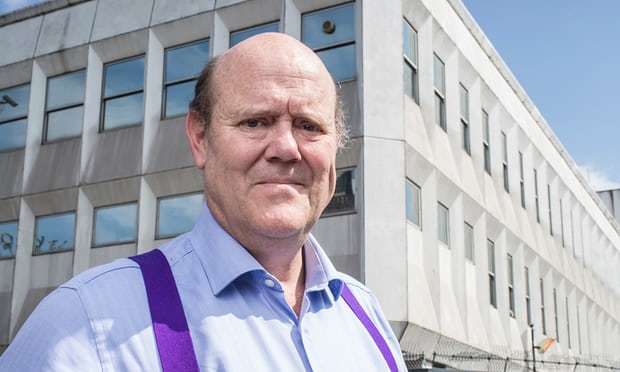
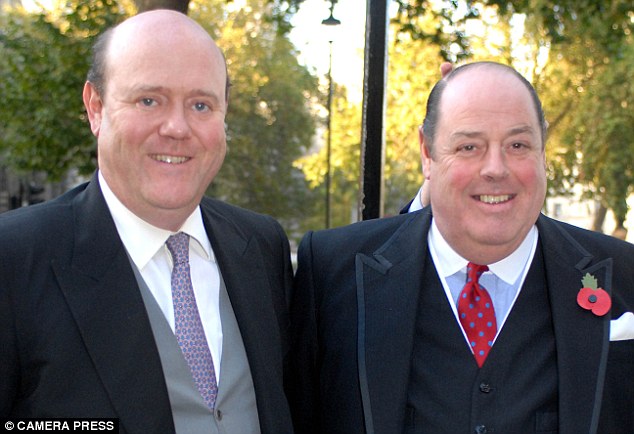
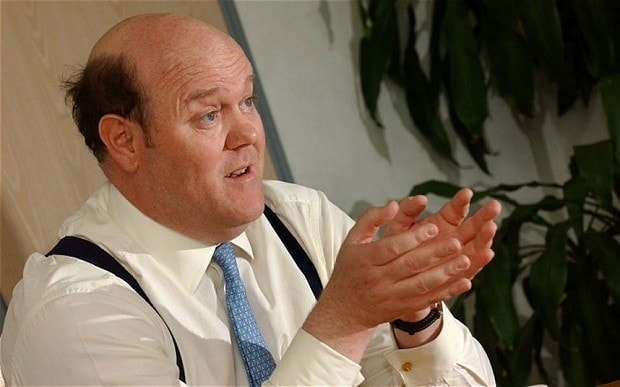
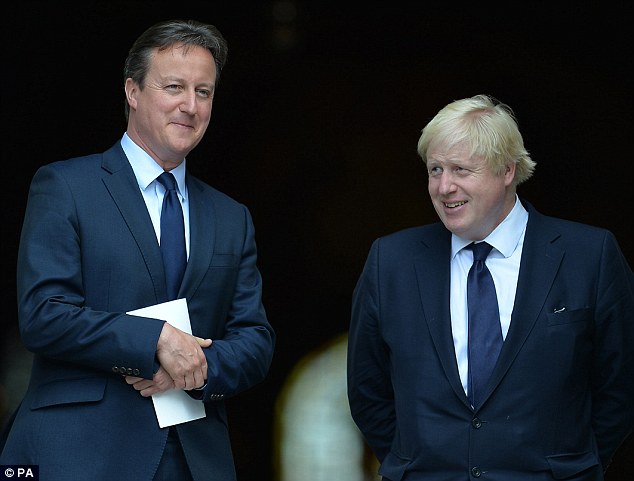
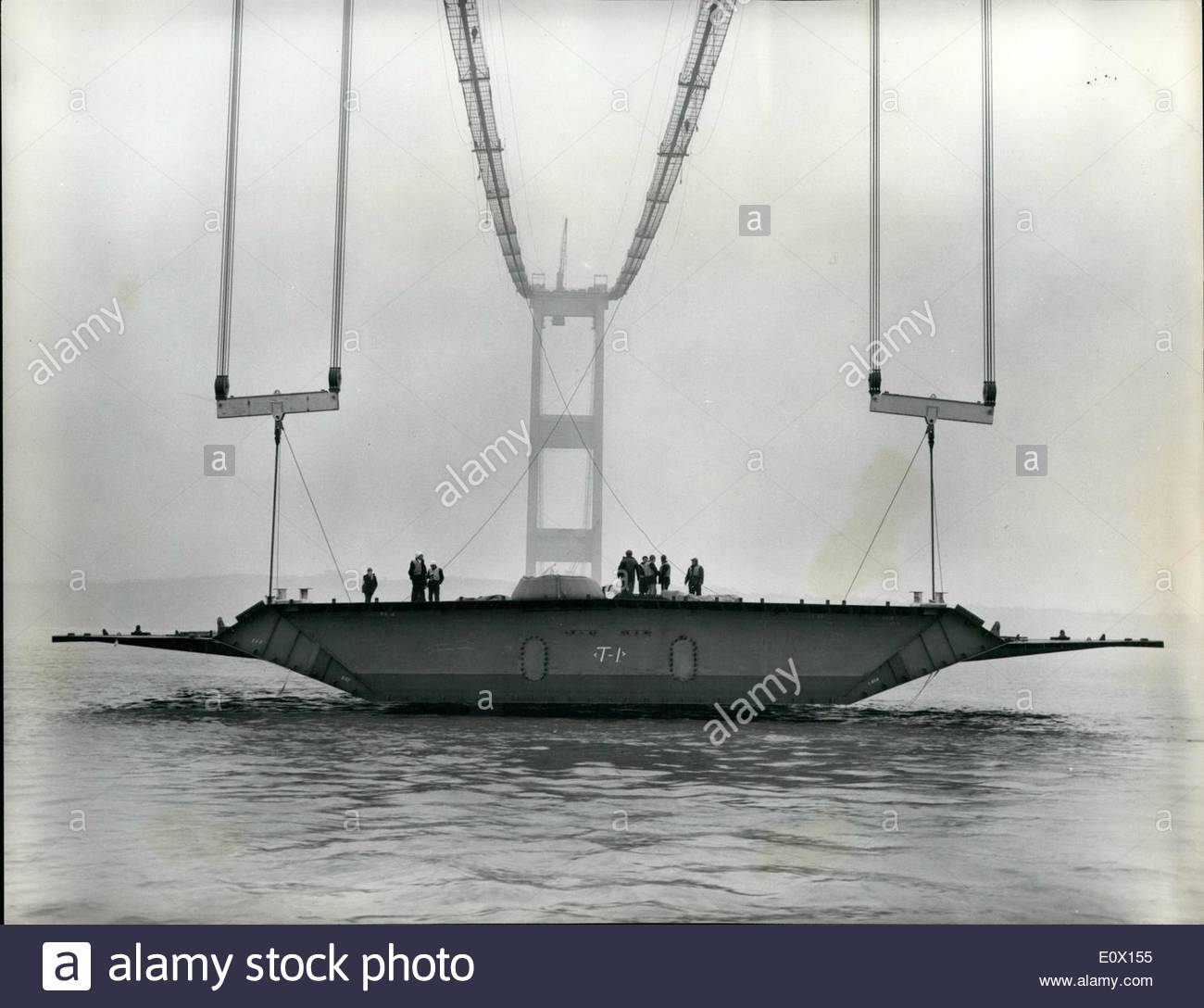


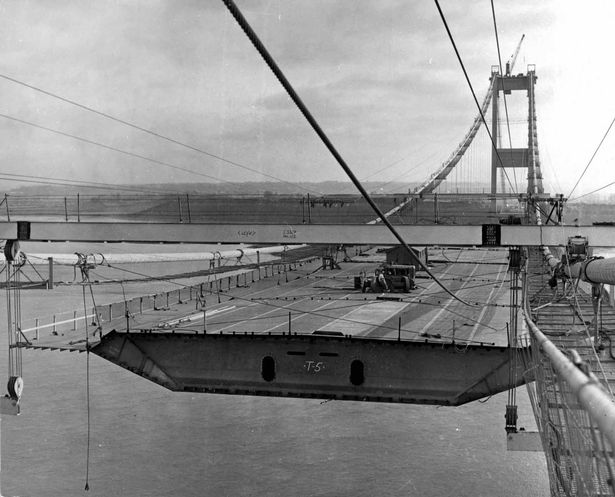


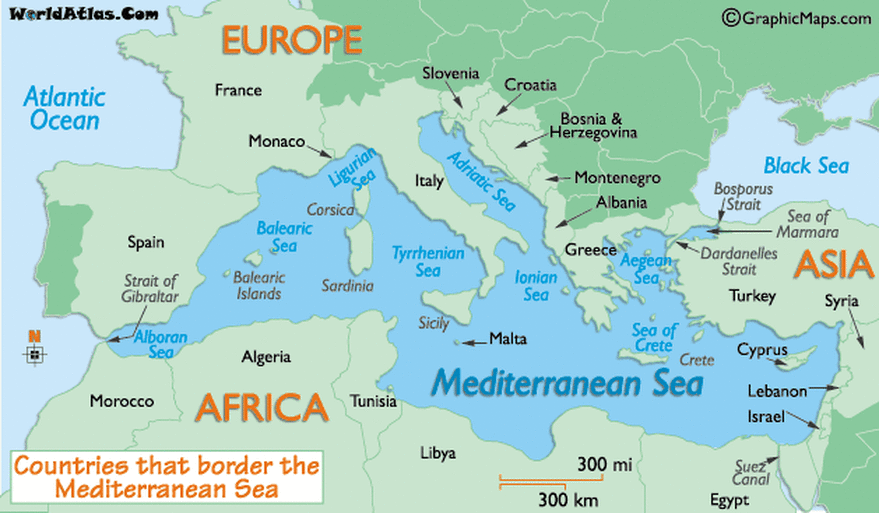
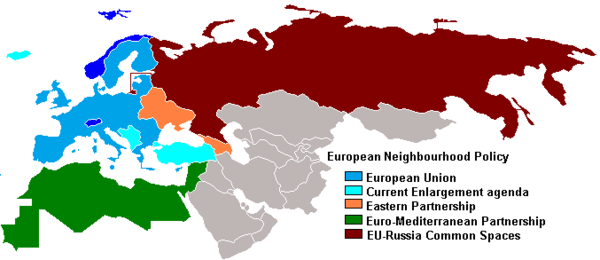

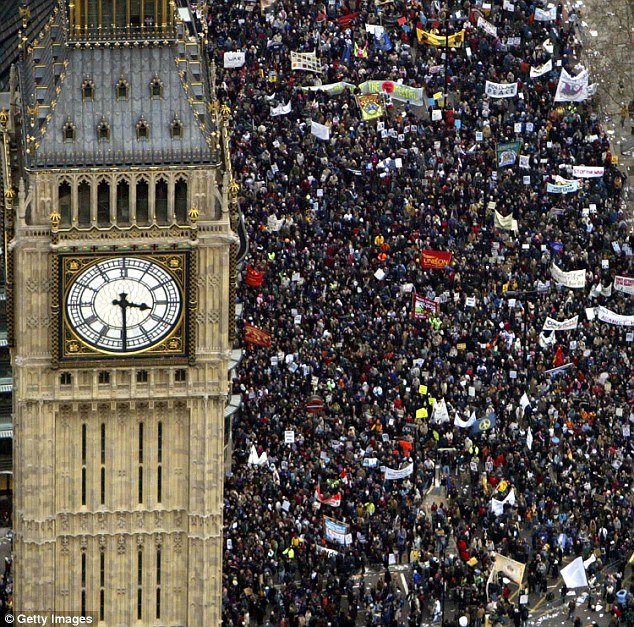
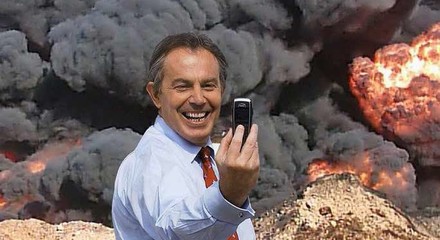


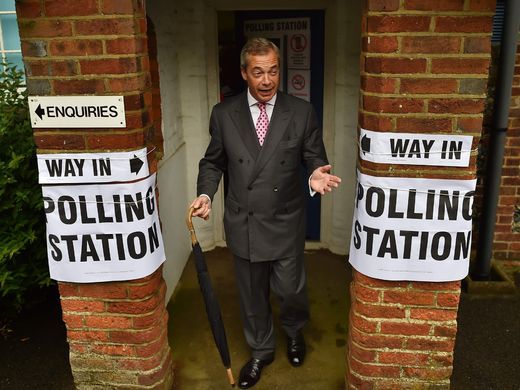


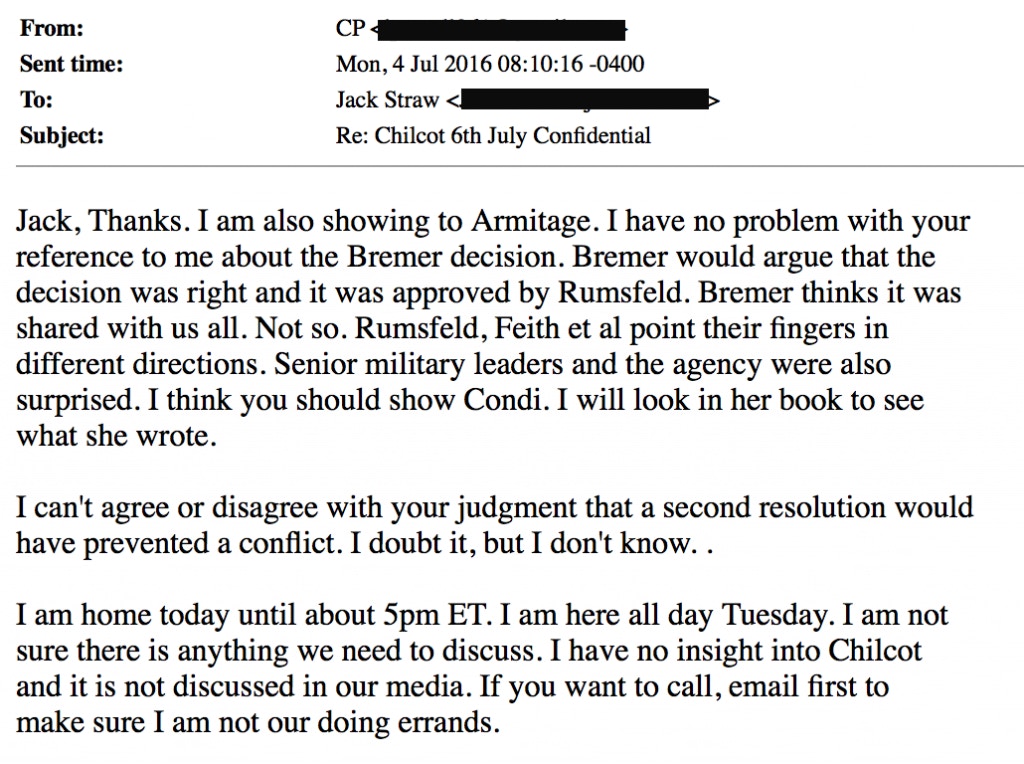
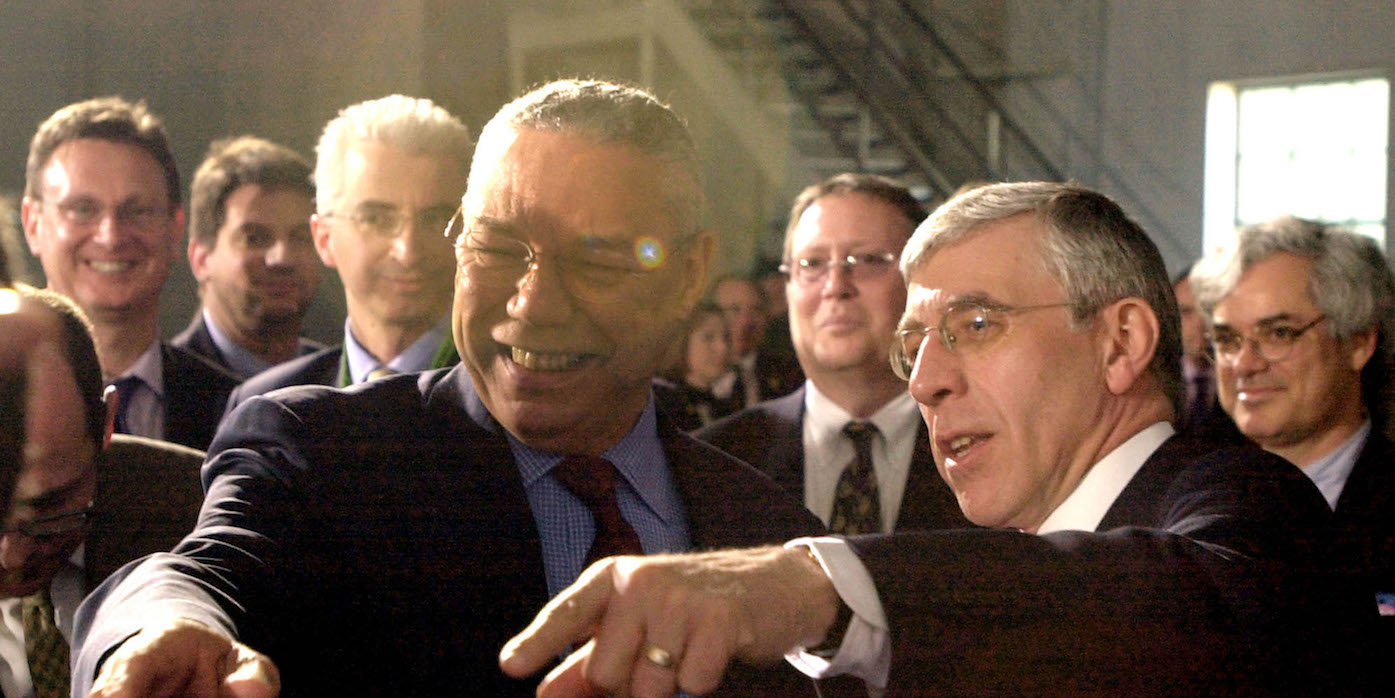


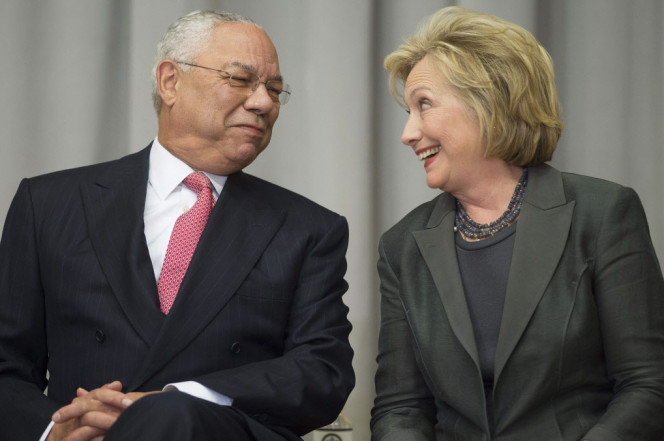


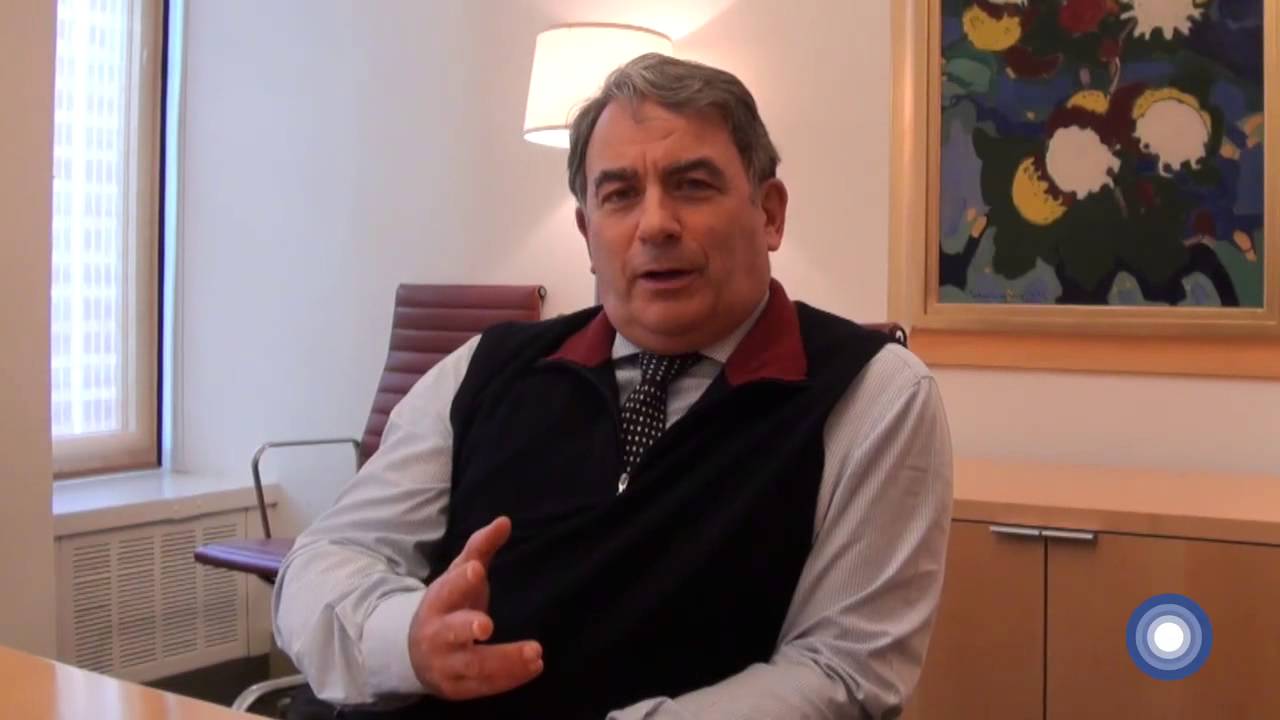
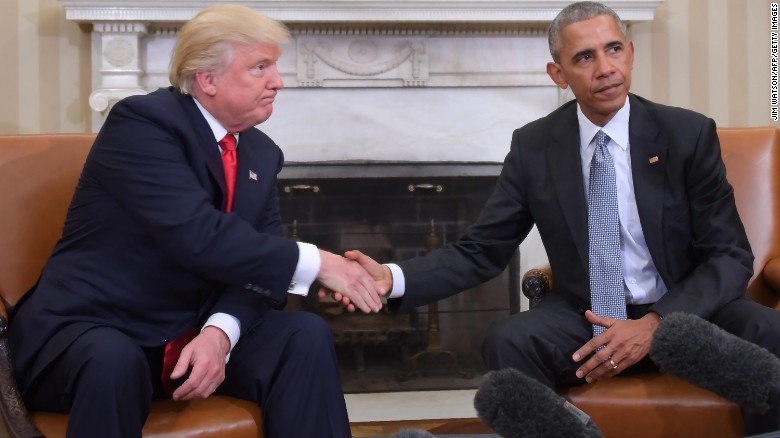
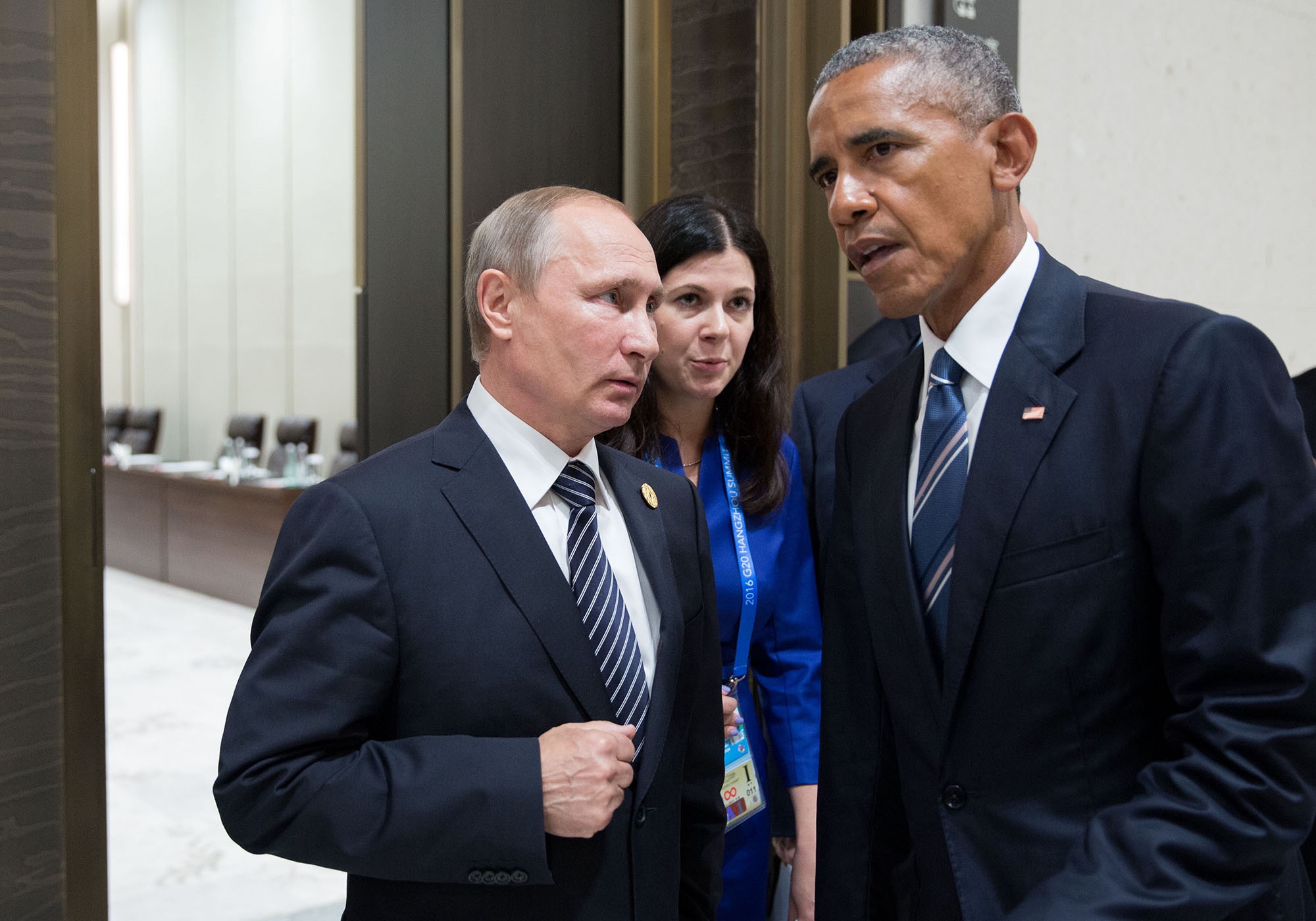

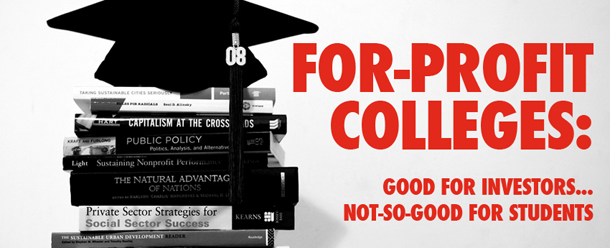
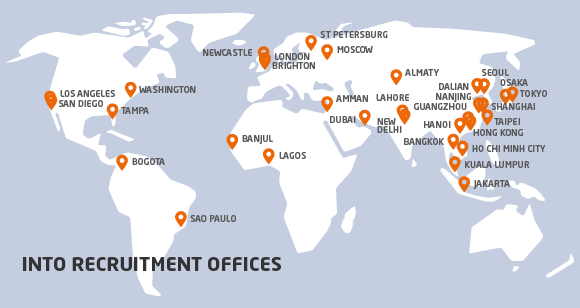
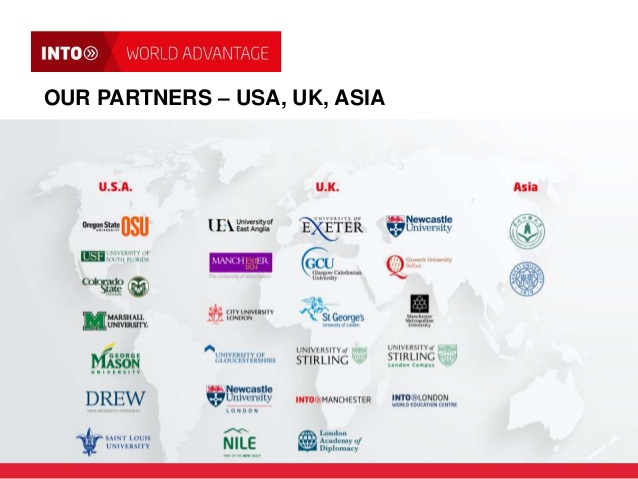



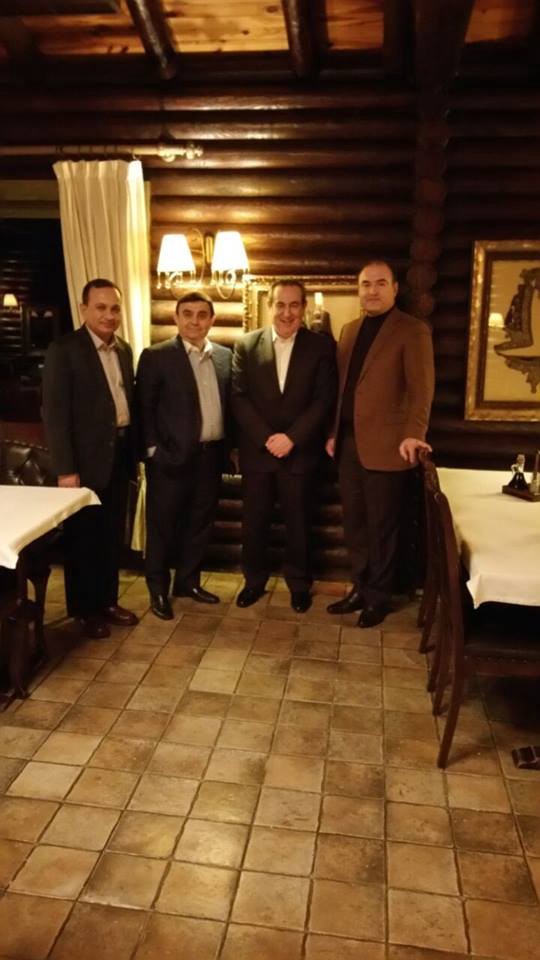
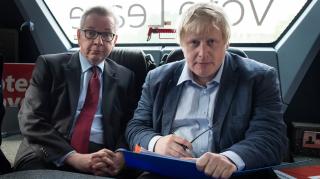
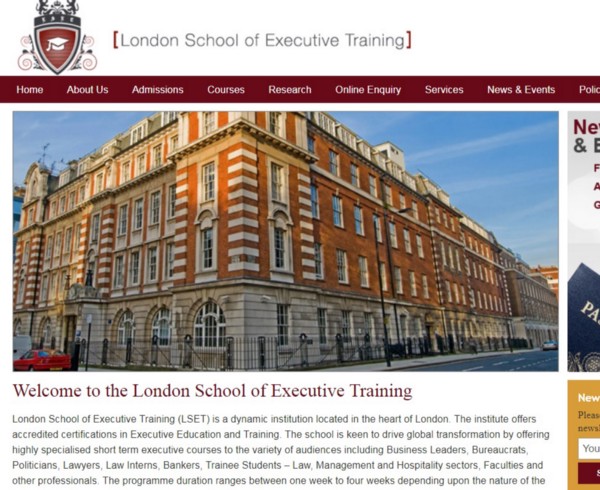
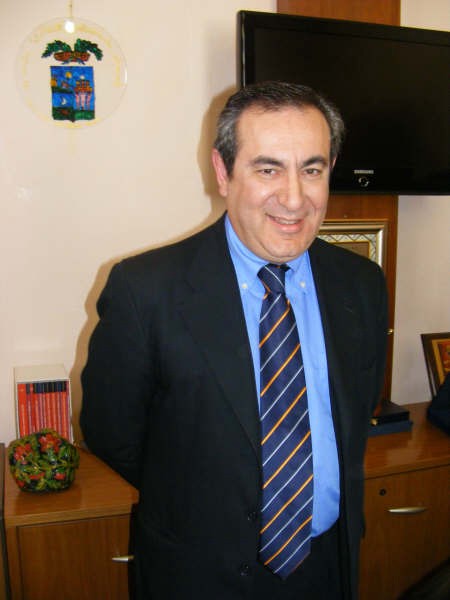


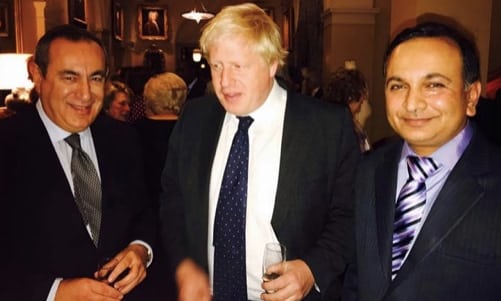

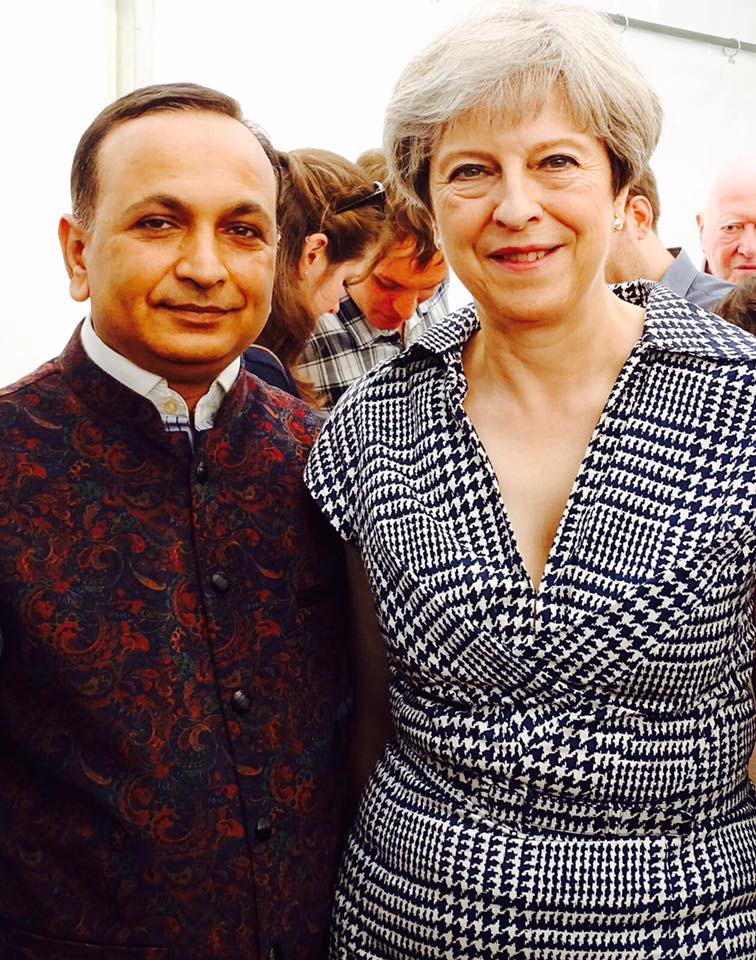

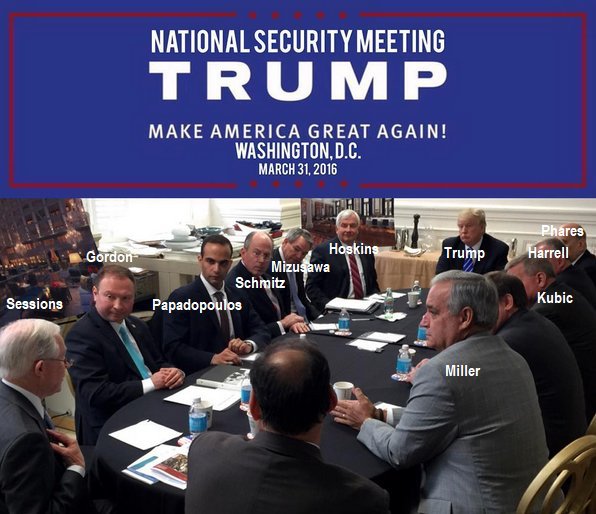

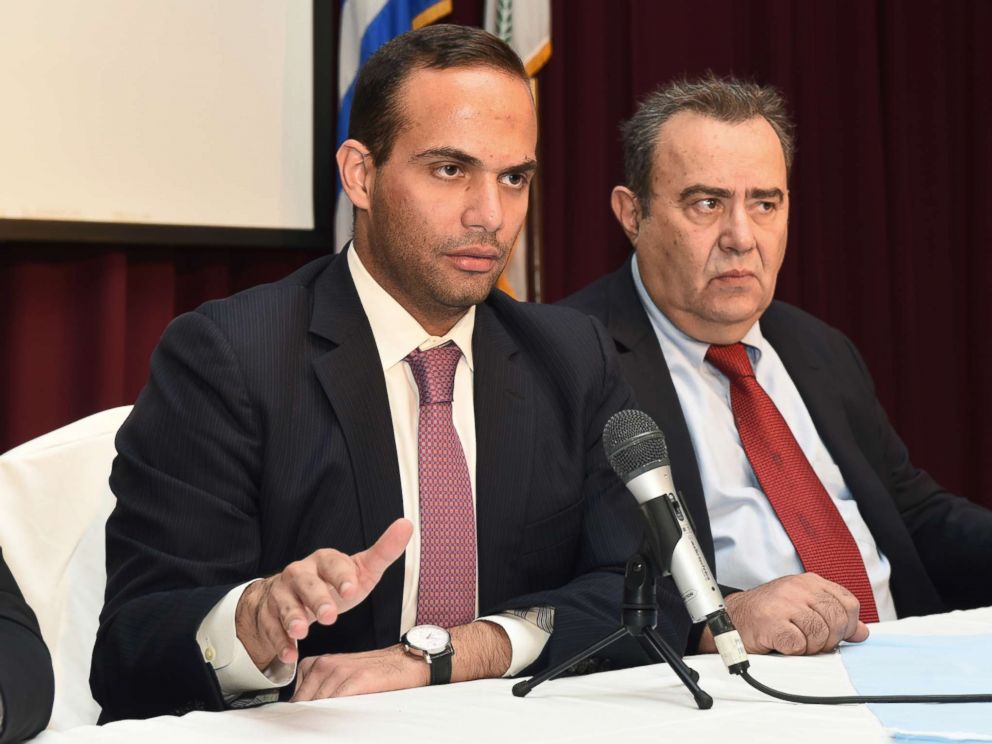



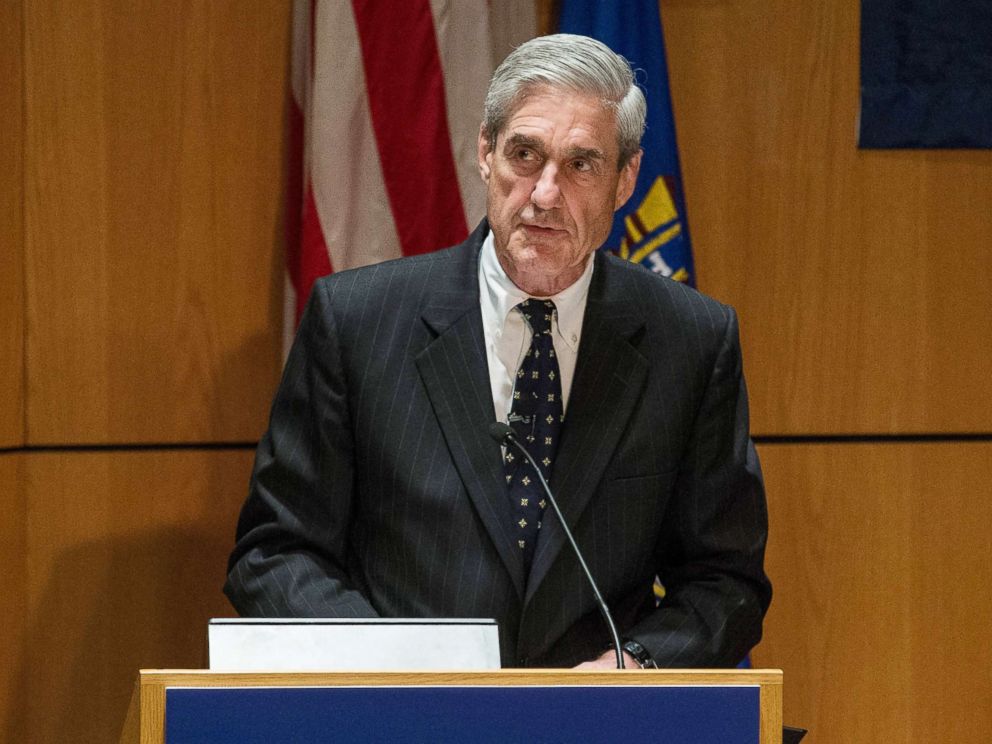
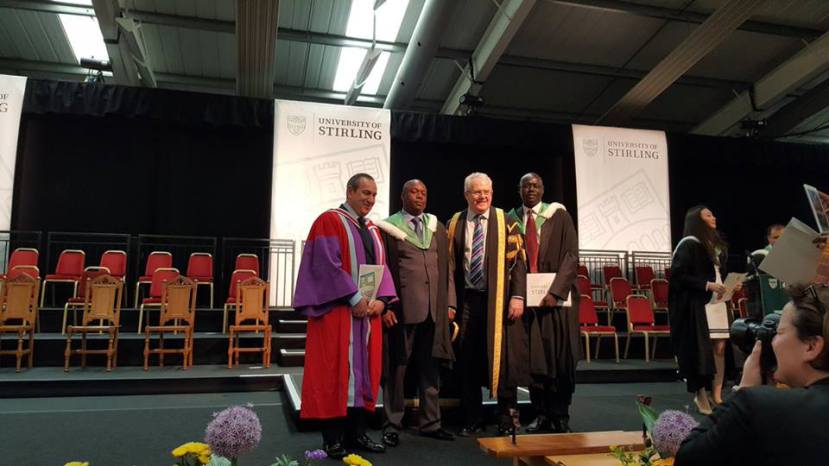


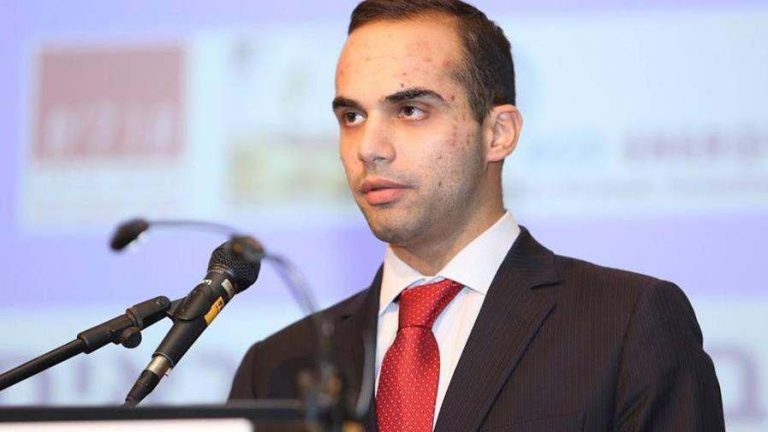

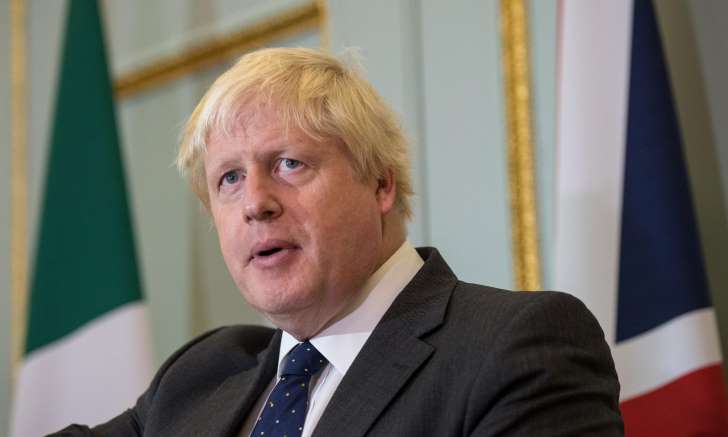
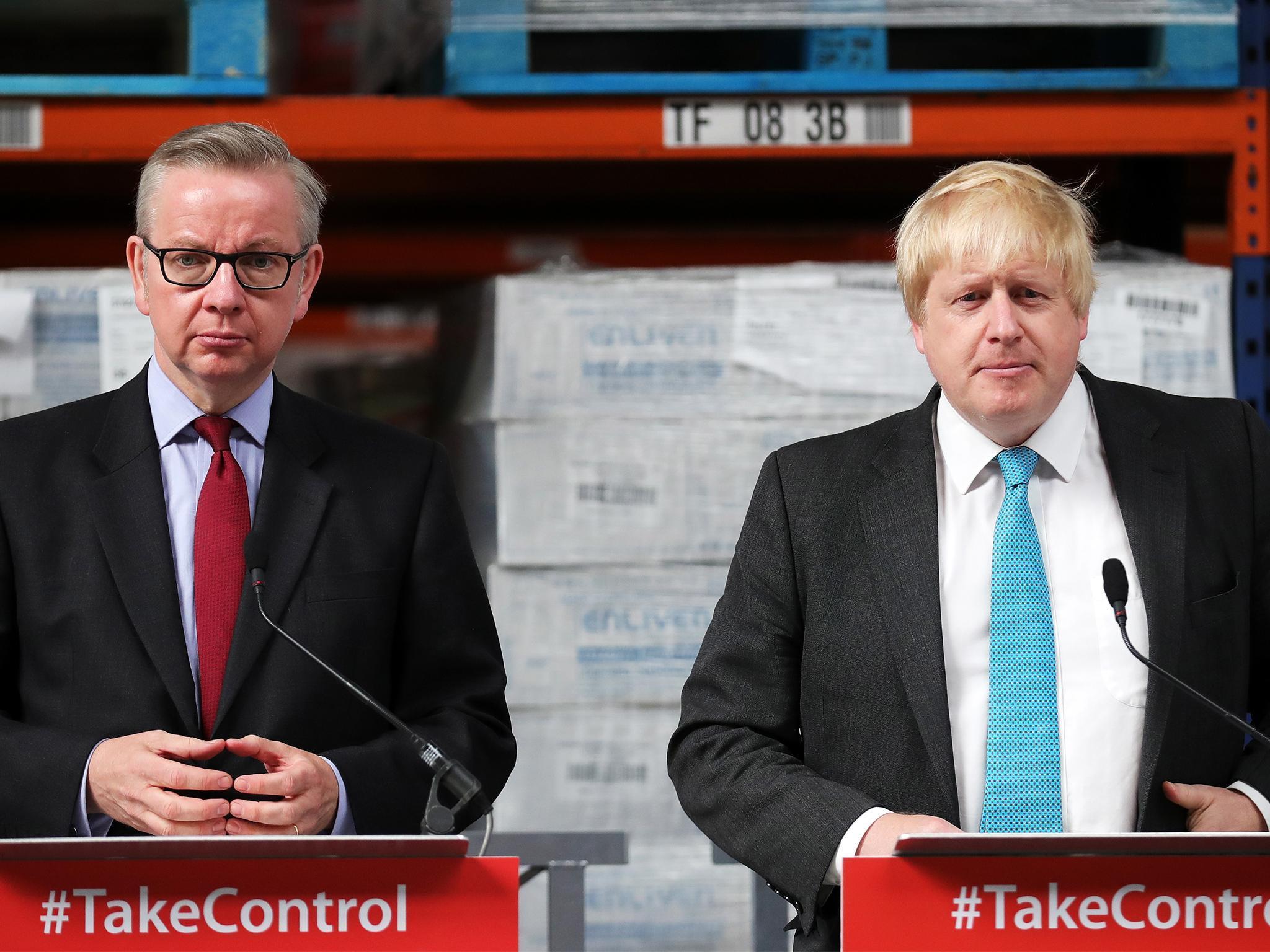
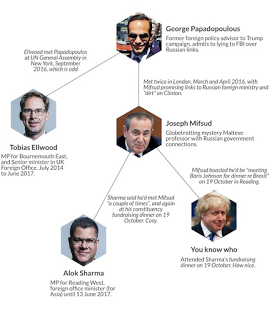
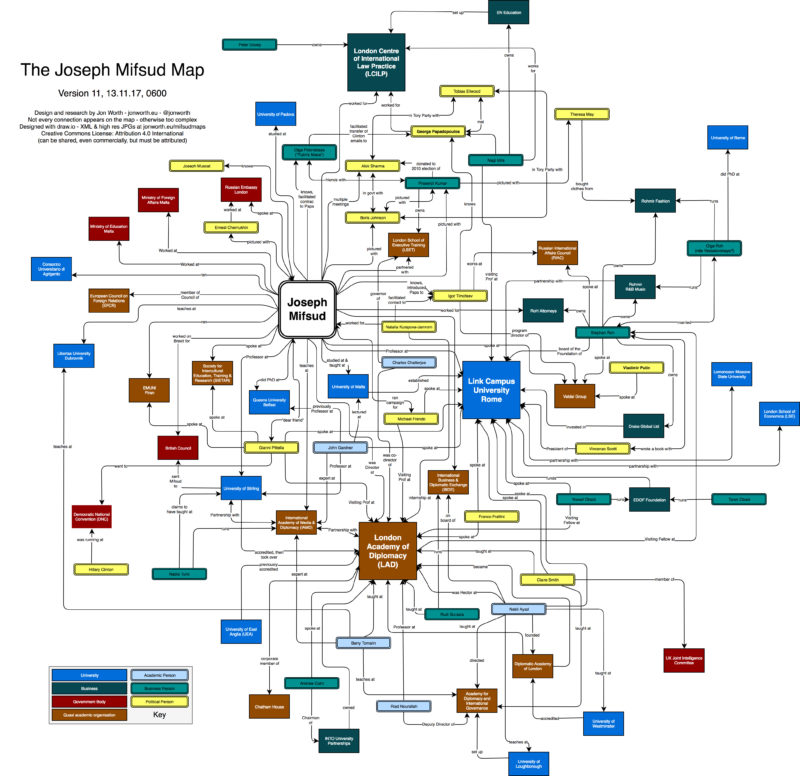





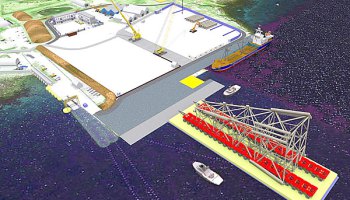
 caltonjock