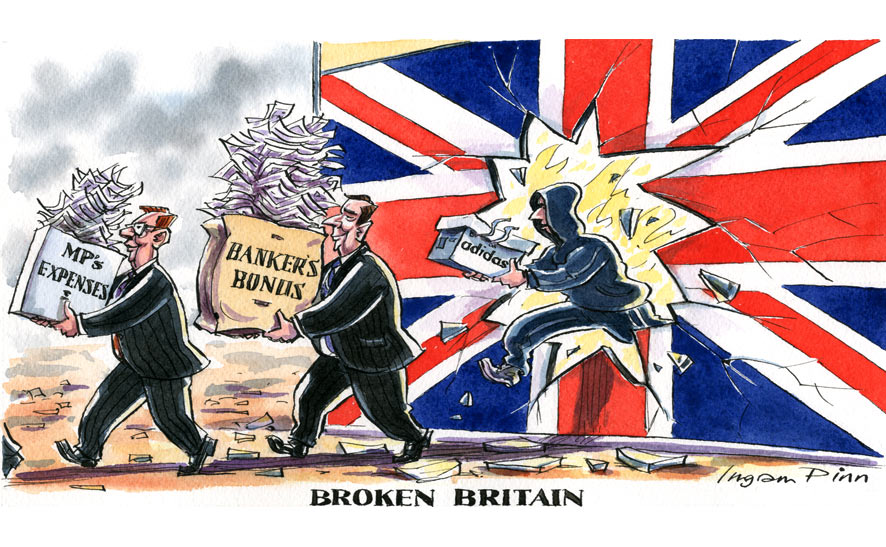
MP Expense Claims Exceed £120 Million Each Year – Up by 25% – Many Fall Foul of the Rules Yet the Largess Continues – Despairing Times For Taxpayers Hit Hard by Austerity Measures


Image result for expense claims mps'


2 Days ago: Hundreds of MPs’ have their parliamentary credit cards suspended for breaking expenses rules

The Independent Parliamentary Standards Authority (Ipsa), was set up in the wake of the disgraceful expenses scandal 10 years ago.

Parliamentary credit cards were introduced for MPs’ following the scandal, to ensure spending could be closely monitored.

Westminster authorities, ruled that information should not be released to the public because it could hinder the safe operation of the system.

But a former high court judge reversed the ruling and ordered that the information be released to the public saying that the risk of “embarrassing” MPs’ was not sufficient reason to keep the information secret.

True to form those elected to serve the electorate soon found ways in which they could circumvent the rules.

Scots who vote to maintain the rotten and corrupt political system that is Westminster need their heads examined.


Image result for expense claims mps'


The folderol that is Westminster and the Fiddle-de-dee behavior of MPs’

Information recently released under the Freedom of Information Act revealed that since the 2015 General Election 377,  MPs’,  (1,114 suspensions in total) have had their gold credit cards suspended for claiming for disallowed items, failing to pay back ineligible expenses or failure to provide receipts.

Many are repeat offenders, including Tory, Work and Pensions Secretary Amber Rudd, (card suspended 5 times).

Claire Perry, energy minister, admitted wrongly used her parliamentary credit card to pay for her Amazon Prime subscription.

Ian Paisley, DUP MP, ran up debts of £1,193 and had his credit card suspended.

Damian Collins, Tory MP and chair of the Commons media committee, Chloe Smith, Tory government constitution minister and 7 other MP’s have had their card suspended more than ten times over the past three years.

Stephen Barclay, Greg Clark, Chris Grayling, Robert Buckland, Claire Perry, Rory Stewart, Jeremy Wright, David Mundell and Boris Johnson, all ministers of cabinet status are among the MPs penalised.

In the Labour camp, party leader Jeremy Corbyn was revealed to have had his card suspended twice, while Shadow Cabinet ministers Rebecca Long-Bailey, Richard Burgon, Diane Abbott and deputy leader Tom Watson were found to have also fallen foul of expenses rules.

Sir Alistair Graham, former chairman of the committee on standards in public life, said:

“It shows there is either something fundamentally wrong with the system, or we’ve got a bunch of highly incompetent slovenly MPs’ who can’t keep to the rules.  MPs’ have become lax and casual in their approach to meeting the rules. If MPs can’t deal with this rather narrow sphere of finances, why should we trust them in dealing with the nation’s finances?”

The amount taxpayers were charged for MPs’ allowances increased by 22 per cent since 2009.

In 2018 the expenses bill was £117.4million – equivalent to £180,000 per MP. This includes accommodation, travel, hotels, subsistence and staffing costs.


Image result for expense claims mps'


Westminster Officials Personal Expenditure On Their Taxpayer Funded Gold Cards Exceeds £1.5 Billion – When Will the Largesse End?


Image result for house of commons gold card scandal


August 2011: Voter fury over Gold Card abuse cover-up

Cabinet Secretary Sir Gus O’Donnell has been blamed by key members of the Government for blocking moves to reveal the true extent of spending on the cards, which are given to officials to pay for their ‘expenses’.

A cloak of secrecy is being used to conceal widespread abuse of public money spent on the cards every year.
Some officials have already been caught using them for personal items such as hamburgers or supermarket shopping trips – but the real number of culprits is suspected to be far higher.

About 140,000 Government Procurement Cards (GPC) are in circulation, and any bills lower than £1,000 a month are not routinely audited.

Responding to growing public anger over the revelations, Whitehall finance mandarins issued secret advice warning Ministers against publishing information that exposes exactly how much has been spent using the cards

But estimates place the figure at £1.5bn from 1997.

The Downing Street Cabinet Office is opposed to the release of backdated information, including the identity of cardholders, as it would be a ‘poor use of resources’.

Claiming the backing of Downing Street in opposing wider publication, the guidance declares that £235,000-a-year Sir Gus is personally resistant to the idea.

The row coincides with the release of bank statements revealing how officials at the Commons racked up a £1.5m bill on taxpayer-funded credit cards over the past three years.

A list of nearly 4,000 purchases, released under Freedom of Information rules following pressure from open-government campaigners, included £3,700 spent in The Claridges hotel in New Delhi.

A compromise deal has been agreed under which Government departments will publish a list of items purchased using the cards.

But to the anger of some the list will cover only items costing more than £500  and it will not identify cardholders.

A senior politician who lobbied behind the scenes for full disclosure said: “For too long officials have treated this perk like a Gold Card on the taxpayer. We have been banging our heads against a brick wall trying to get all this information out there and we are convinced there has been an abuse of this perk on the scale of the MPs’ expenses scandal, but the Cabinet Office has resisted at every turn and it has been made clear that Sir Gus is not on our side.”

In recent months newspapers have revealed a series of eye-catching and exotic purchases made by civil servants and local government officials on taxpayer-funded cards, including £25m spent on first-class flights, exclusive restaurants and shopping sprees.

Yet another newspaper disclosure highlighted how officials working for a Government policing quango had used the cards to buy items including exotic lingerie and beehive hairdo’s, racking up bills of more than £3m a year.

Parliament’s “Men in Tights” racked up a £1.5m bill on official credit cards in settlement for stays at luxury hotels, long-haul flights, food and drink charges at top restaurants.

A recently released (redacted) list of “procurement card” spending revealed senior Commons officials also used the cards to pay for:

* £3,700 for room hire in the exclusive Claridges hotel in New Delhi.

* £1,705 Settlement of an account at the Ritz-Carlton hotel.

* £2,000 on car hire from the Bermuda Motor Car Renting company.

* £1,280 to the Cotswold Water Park.

* £190 for French lessons at London’s French Institute. .

* £393 hire of a Moss Bros suit and top hat. (to attend Royal Ascot)

* £200 on purchase of food from Tesco.

* £77 purchase of a “Decanter” magazine subscriptoion.

* £885 for the purchase of a food blender!!!!

* £450 purchase of alcohol from Majestic Wines.

* £11 at a Giraffe family restaurant.

* £7 at Nando’s.

* £5 at Snappy Snaps.

* £3 At Burger King.

* £8 For the purchase of a spare set of keys.


Image result for house of commons gold card scandal


Commons officials, who wear elaborate 19th Century court dress on formal occasions, lived up to their nickname by flashing the taxpayer-funded cards buying tights.

There was also evidence that staff had used them to withdraw in excess of £500 in cash, which is forbidden for procurement cards used by Government departments.

A Commons spokesman said the system allowed staff to pay for relatively low-value items in a cheap, secure, and quick way reducing the Common’s processing costs enabling suppliers to be paid more quickly.

Cards had an individual transaction and a monthly transaction limit and the bulk of the £1.5m spend was on behalf of MPs on official business either in the UK or abroad. But Commons authorities accepted they faced challenges to justify a great deal of the purchases.

Staff are advised that the cards are only to be used only for official business purposes and never for personal expenditure, other than in exceptional circumstances where private expenditure is incidental to official business. Expenditure in the latter category should be reimbursed by the card user, but even though Commons auditors are supposed to exercise strict control over August 2011; Voter fury over taxpayer Gold Card cover-up – Ministers blame the head of the Civil Service for blocking exposure of abuse transactions details of the bills still brought surprise.


Image result for house of commons gold card scandal


About Sir Gus O’Donnell

Sir Gus – known by his staff as ‘GOD’, after his initials – is a long-serving high-flyer who has been head of the Civil Service for nearly six years.

The 58-year-old joined the Treasury as an economist in 1979, serving as Press secretary to Chancellor Nigel Lawson and later to Prime Minister John Major.

He was Permanent Secretary at the Treasury when Gordon Brown was Chancellor, before being promoted to serve Tony Blair, Brown then David Cameron as Cabinet Secretary.

He is planning to leave his post before the end of the current Parliament.


Related image


A spokesman for the TaxPayers’ Alliance, said:

“When a House of Commons official get their company credit card out they need to think about whether they could justify the expenditure to an ordinary taxpayer.

Only the very rich on their holidays stay in the sort of hotel MPs used in India, so it is absolutely unjustified that officials should do so when they go on work trips. (The Mail)


Related image

The Smith Commission Committed Westminster to Devolving Powers To the Scottish Government – But Failed to Deliver the Package


Image result for scottish devolution the smith commission


November 2014: Devolution deal for Scotland

Lord Smith of Kelvin, praised Scottish political leaders for coming together after a “bruising” referendum, with a reminder that:

A cross-party commission had been set up after the unionist parties promised greater powers for Scotland in the event of a no vote in the independence referendum, in a pledge known as “The Vow”.

The deal was promoted by Unionist “no” campaigners as the greatest transfer of powers to Scotland since the Scottish Parliament was set up 15 before.

Drawn up in little over two months it included the transfer to the Scottish Parliament of the following powers:


Image result for scottish devolution the smith commission


Powers

Scotland to be able to set the rates and thresholds of income tax, but the personal allowance is to remain set in Westminster. All revenue raised is to remain in Scotland. But it will be administered by HMRC, with any extra costs to be charged to Scotland.

Scotland to take the first 10 percentage points (i.e. half) of VAT receipts.

Scotland to have have the power to borrow on the international markets, within a “prudential borrowing regime consistent with a sustainable overall UK framework.”

Scotland to have control on air passenger duty from Scottish airports, and can scrap it. (A red herring since climate change will rule out introduction of the tax)

Power over the running of Scottish Parliament elections, including spending and the age of the franchise and the number of MSPs.

Consultation and a greater role for Scottish ministers on negotiations with the European Union, allowing Scottish Government ministers to speak on behalf of all of the UK at the Council of Ministers in Europe.

The Crown Estate i.e. Government land to transfer to the Scottish Parliament. This includes the seabed, rural estates, stretches of coast line and mineral and fishing rights. But it will not cover “critical national infrastructure” covering defence, oil and gas.

The Scottish Government is to have a role in reviewing the BBC’s charter and the BBC – vilified in the referendum campaign by nationalists – will have to answer to the Scottish Parliament’s committees.

Scotland to have a greater say over running the Maritime and Coastguard Agency, the Northern Lighthouse Board, Ofcom and Ofgem.

The ability to top-up benefits payments to cancel out the so-called Bedroom Tax.

Benefits for carers, the disabled and the ill

Cold weather, funeral payments, maternity grants and winter fuel payments.

The right to create new benefit payments.

The running of back-to-work schemes for the unemployed.

The report called for “serious consideration” to devolving control over abortion and call for immediate consideration.

It called for a discussion around the devolution of medical rules on embryology, surrogates and medicines.

Tribunals to be transferred to Scotland, except the Special Immigration Appeals Commission and the Proscribed Organisations Appeals Commission.

Transport to be devolved, including the power to set speed limits, and allowing the state to bid for rail franchises.

The level of so-called Green Levies on fuel bills to remain in Westminster, but how they are raised will be devolved.

Scotland to take control of onshore oil and gas licencing, but off-shore is to remain a UK-wide issue.

Scottish ministers enabled to request competition authorities to investigate issues in Scotland.

Scotland to take control of consumer advocacy, and to have the power to prevent the spread of payday loan shops and fixed odds betting terminals.

Powers explicitly to remain with Westminster:

The Barnett Formula, setting the block grant from Westminster.

The state pension, including the pension age.

National Insurance, Inheritance Tax, Capital Gains Tax, Corporation tax, fuel duty, oil and gas receipts.

Universal Credit, the new DWP system for delivering working age benefits, including the rates and sanctions regime- Housing benefit, maternity pay, statutory sick pay, bereavement allowance and child benefit.

the National Minimum Wage.

The Equality Act, but Scotland will be able to set new rules such as gender quotas.

Overall responsibility to manage risks and shocks to the economy, including a power to levy UK-wide taxes if required.

He concluded urging Scots to be patient since:

“The delivery of new powers of this magnitude could be rushed through. Inter-governmental working needed to be improved and as a first measure, David Cameron, Nicola Sturgeon, the Speakers of the Commons and the Scottish parliament were scheduled to meet to discuss outcomes, in late January 2015.”

report available here: https://www.smith-commission.scot/wp-content/uploads/2014/11/The_Smith_Commission_Report-1.pdf


Image result for john swinney


John Swinney:

The Scottish finance minister and Deputy First Minister, said the proposals lacked the job creation powers, welfare powers, control over personal allowance or national insurance that would allow Scotland to succeed. The Scottish Government recognised the Smith Commission could not grant independence but they had hoped it would allow Scotland to succeed economically.He added:

“We regret these powers have not been delivered. We welcome the new powers – as we support all progress for Scotland – and pledge to use them when they are in place in the best interests of the Scottish people. We also welcome the acknowledgement of the ‘sovereign right’ of the people of Scotland, and our ability to proceed to independence if we so choose. But the proposals clearly do not reflect the full wishes of the people of Scotland, and also fall far short of the rhetoric from the “No” campaign during the referendum.

In an illegal and late intervention, only days before the referendum and well within the purgatory period Gordon Brown promised nothing less than a modern form of Scottish Home Rule and as close to a federal state as the UK could be. That was the context for the extensive new powers promised in the Vow. Author’s comment:(Brown’s illegal and heavily promoted by the BBC, game changing intervention was apparently condoned by the Electoral Commission)

Regrettably, the Westminster government and other political Unionist supporters failed to deliver the powerhouse parliament the people of Scotland had been promised. Under the proposals, less than 30 per cent of Scottish taxes is to be set in Scotland and less than 20 per cent of welfare spending is to be devolved to Scotland.

This is not Home Rule – It is a continuation of Westminster rule.

Most significantly, the proposals do not include the job-creating powers that Scotland so badly needs to get more people into work and grow the economy, or welfare powers to tackle in-work poverty.

A claim based on two spcific sentences in the report:

a. Reflecting the sovereign right of the people of Scotland to determine the form of government best suited to their needs, as expressed in the referendum on 18 September 2014, and in the context of Scotland remaining within the UK, an enhanced devolution settlement for Scotland will be durable, responsive and democratic.

b. It is agreed that nothing in this report prevents Scotland becoming an independent country in the future should the people of Scotland so choose.


Image result for scottish devolution the smith commission


Gordon Brown:

Was unhappy with tax changes, saying:

“The devolution of income tax is a “trap” because it will force Scottish MPs to surrender significant voting rights in Westminster over budgets, putting the Union itself at risk.”

Then, reflecting on the agreement, he went on:

“But, the Vow to deliver a stronger Scottish Parliament within the UK has been kept, as promised, and the timetable for draft laws to be published in January will now be honoured, as promised. The Smith Commission has ruled that income tax is a “shared UK tax” and that a reserve power to levy a UK-wide income tax has been retained. The Commission has rightly Rejected the Conservative proposal ​from the day after the referendum for excluding Scottish MPs from voting on Budget income tax decisions. It has rightly ​recommended that the whole of the House of Commons, including Scottish representatives, will ​always ​vote on​ every aspect of UK Budget tax decisions.”


Image result for scottish devolution the smith commission


Jim Murphy:

The designate Leader of Scottish Labour, said:

The devolution of income tax exceeded what Labour intended. But, under the agreed deal,it is expected Scottish MPs will retain votes over budget votes at Westminster.
We listened to the people of Scotland and changed our minds reflecting on the wishes of the people of Scotland. I think this morning very many Yes voters who are not dyed-in-the-wool SNP people, will be pretty satisfied with this deal. But the second thing is that important parts of pooling and sharing of resources within the UK remain, the Barnett formula will remain, issues about the state pension will remain, and the ability to deal with a downturn in the economy will remain by Universal Credit and things like that remaining part of the UK. So I think it’s a remarkable deal and a best of both worlds deal: really strong devolution but Scotland remaining part of the UK.”


Image result for michael forsyth


Lord Forsyth:

Formerly John Major’s Scottish Secretary, he attacked the reforms, stating:

“The income tax changes are “piecemeal” and easily avoided. The wealthy can take their income as dividends. This is why it’s mad to rely on income tax as your main source of revenue. If the proposals are that dividends in income should be not taxed, they can change to have most of their income in dividends and avoid the Scottish rate of tax. I think we could end up if people think more powers to the Scottish parliament means more money… this has not been thought through. The Labour party’s idea that we should have a constitutional convention for the whole of the United Kingdom, and not do this piecemeal reform as a panic measure to the rise of the nationalists and the result of the referendum.”

Boris Johnson & many other local government appointee’s in England:

Submitted a letter to the Westminster government cabinet titled “What is Good Enough for Scotland.” Its content stated:

“We leaders and supporters of local government in England of all parties and types of local government congratulate Scotland on the measure of devolution they have worked for and that is now proposed by the Smith Commission. We now call upon central Government and party leaders to recognise that local government should be the vehicle for devolution in England and to now negotiate with us using a similar non-party Commission to agree a comparable package of measures for local government in England.”


Commission members commented:

Iain Gray for Labour: the vow has been kept stating: “This is a good day for Scotland.”

Image result for Annabel Ewing, ex-Scottish Tory leader:

Annabel Goldie, ex-Scottish Tory leader: “the Scottish Parliament will have to look people in the eye over how taxpayers’ money is spent.”


Related image

Michael Moore, Lib/Dem: “the deal is home rule for Scotland and a transformation of the United Kingdom.”


Image result for scottish devolution redwood


John Redwood, Tory MP:

The standard bearer for the Tory right, warned Scottish MPs voting on English income tax would be “unjust”.

He wanted a new settlement where the Speaker would declare which issues are English only.

“I’m here to speak for England, and what we need is the ability to make a decision on behalf of England, just based on the votes of the English MPs at Westminster.

Or in some cases we may be doing it with Wales and Northern Ireland if the issues are not devolved there, but not with Scotland, because the issues have been devolved to the Scottish Parliament.

“Now that Scotland is going to get this mighty power to choose the tax rates and the bands for income tax, it’s important that Scottish MPs don’t come to Westminster and then impose an income tax rate or income tax band on England that we don’t want.

It would be quite unjust if Scottish MPs were still able to vote on our income tax when they could not vote on their own income tax, and when Scotland had her right to choose her own income tax without us.”


Related image

Nick Clegg:

The former leader of the Lib/Dem Party said the parties had over-delivered on The Vow.

“Call it Vow Max, Vow Plus Plus,” he told his weekly radio show audience on LBC. “Because what you have got in the Smith Commission, which I think is truly remarkable, is the devolution over money so that Scotland now will be responsible for the majority of the money that it spends which is a good thing.

This is not asking more of English tax-payers. It is saying that if the Scottish people and the Scottish politicians they elect want to do more things, on welfare for instance, they have got the freedom to raise it for them themselves and they will have, basically, a new welfare system for them to manage themselves in Scotland.

They will have to fund it but they will be allowed to take responsibility for it.

That is basically Home Rule and that is something that Liberals down the ages have argued for over a long period of time.

We also need Home Rule for Sheffield for Liverpool for Newcastle… we need devolution, decentralization across the country.”


Image result for scottish devolution the smith commission


David Cameron:

The Prime Minister welcomed the Smith Commission report, and said the case for English votes for English laws is now “unanswerable”. He intends to unveil proposals before Christmas. “I’m delighted with what’s been announced. We are keeping our promises and we’re keeping our United Kingdom together. I always said that a ‘no’ vote didn’t mean no change. Indeed, we made a vow of further devolution to Scotland. And today we show how we’re keeping that vow and we’ll continue to keep that promise. The Scottish Parliament is going to have much more responsibility in terms of spending money. But it will also have to be accountable for how it raises taxes to fund that spending. And I think that’s a good thing. I think the report today also makes the case for English votes for English laws unanswerable and we’ll be taking action on that shortly. And I think, taken together, this extra devolution for Scotland and dealing with the all the issues in our United Kingdom will make our United Kingdom stronger. So it’s a good day for the UK.”


Image result for scottish devolution the smith commission


MP’S discussed the Smith Commission report in the Commons:

Alistair Carmichael, the Scottish Secretary, said:

“The measures will be implemented without hesitation, without reservation and without equivocation. Work to convert the recommendations into draft legislation will be completed by Burns Night in January 2015. For the first time over 50 percent of the money spent by the Scottish Government will be raised by the Scottish Government.”


Image result for scottish devolution the smith commission

Former Chancellor, Alistair Darling, said devolution should do nothing that would undermine the integrity of the United Kingdom.


Image result for stewart hosie

SNP Deputy leader Stewart Hosie said the SNP “would not seek to delay the implementation of the package but it has not turned the Scottish Parliament into a “powerhouse. Scottish voters had been betrayed.”

Carmichael chided Stewart Hosie saying: “He predictably and depressingly seeks to claim the Vow has not been delivered.” Waving a copy of the Daily Record, which declared: “The Vow Delivered.” He demanded that the SNP respect the outcome of the referendum for a generation. He went on to say, “Britain needs federalism,” but held back from saying that’s what the report achieved.

Tory right winger John Redwood demanded English MPs have control over English taxes.

Carmichael avoided commenting directly confining his reply to the comment that: “the Smith Commission ruled income tax to be a UK-wide tax. English MPs shouted, “Rubbish!”

Carmichael was asked if the UK Treasury would have to undewrite Scotland’s extra borrowing. In response he said, “Scotland will be liable for any debts it incurs under its new borrowing powers”. (How that works in theory and practice is not clear since the UK retains responsiblity for overall fiscal framework.)

Carmichael was asked whether Scottish control of income tax could trigger a low-tax race between England and Scotland. His response, “That is indeed one of the possible consequences.”


Image result for pete wishart

Pete Wishart (SNP, Perth) said the package was very disappointing.

Carmichael said Wishart simply wanted independence, adding, “He lost and it is about time he and his party came to terms with it. For him and his party to try and get independence by the back door does not respect the views of the Scottish people as expressed in the referendum. He has a duty to speak for his own constituents who rejected independence.”

Asked about English votes for English laws, he said: “I am confident that England will get what England wants, when England decides what it is it wants.


Image result for scottish devolution the smith commission


David Cameron – reported to the Fiscal Committee

He advised that borrowing would be capped at £2.2 billion and the UK would be the lender of last resort.

The government intends to clarify what English votes for English laws really means – and whether MPs from north of the border will be barred from voting on income tax bands and rates in the rest of the UK.

An government spokesman said that the principle would be that the differentiation would apply to “all financial matters. Some elements of income tax would remain UK-wide, such as the allowance thresholds and how income was defined – and there would continue to be a UK Budget.”

Asked specifically if MPs from north of the border would be excluded from voting, for example, on a change to income tax bands or rates in the rest of the UK, he declined to provide detail of specific plans but added, “Where you see significant areas of devolution, there is an important principle there in terms of English votes for English laws.

The Prime Minister was pretty clear when he was in front of the select committee that he is going to bring forward proposals which are going to reflect that because that is the fair thing to do.”


Image result for scottish devolution the smith commission


Ed Miliband:

Insisted the settlement meant Scottish MPs Would vote on English budgets, stating. “The system of tax reliefs remains at a UK level, other aspects of the income tax system remain at the UK level. I think it’s part of the integrity of the UK that it continues to be the place that Scottish MPs vote on the budget. The Smith Commission itself recognizes that in their report.”


Related image


Tried and Tested and Successful Secret Services Tactics Designed to Damage Credibility of Scottish Independence


Image result for secret services active in scotland


Image result for secret services active in scotland


The AUOB march in Glasgow last weekend was a tremendous success, in spite of disruptive efforts designed to reduce the impact on the Scottish public by Glasgow District Council the BBC and nearly all of the Scottish media outlets.

Another Scottish Independence referendum is scheduled to be held before the next Scottish Government election referendum and the well practiced and successful tactics of the British secret services and the Unionists will be used against the Yes movement with the intention to neuter Scots.

The undernoted posts are as relevant today as they were when I compiled them. Worth a read


Related image


https://caltonjock.com/2018/08/03/plausible-paranoia-how-westminster-hoodwinked-the-scots-in-1707-and-2014-and-their-preparedness-to-do-so-again-part1-secret-intelligence-services/

https://caltonjock.com/2018/08/04/plausible-paranoia-how-westminster-hoodwinked-the-scots-in-1707-and-2014-and-their-preparedness-to-do-so-again-part2-defoe-strikes-again/

https://caltonjock.com/2018/08/04/plausible-paranoia-how-westminster-hoodwinked-the-scots-in-1707-and-2014-and-their-preparedness-to-do-so-again-part-3-tories-and-labour-in-disarray/

https://caltonjock.com/2018/08/05/plausible-paranoia-how-westminster-hoodwinked-the-scots-in-1707-and-2014-and-their-preparedness-to-do-so-again-part-4-tories-in-complete-meltdown/

https://caltonjock.com/2018/08/05/plausible-paranoia-how-westminster-hoodwinked-the-scots-in-1707-and-2014-and-their-preparedness-to-do-so-again-part-5-davidson-and-tomkins-surface/

https://caltonjock.com/2018/08/07/plausible-paranoia-how-westminster-hoodwinked-the-scots-in-1707-and-2014-and-their-preparedness-to-do-so-again-part-6-the-secret-service-implements-its-denial-strategy/

https://caltonjock.com/2018/08/08/plausible-paranoia-how-westminster-hoodwinked-the-scots-in-1707-and-2014-and-their-preparedness-to-do-so-again-part-7-conduct-of-the-referendum/

https://caltonjock.com/2018/08/09/plausible-paranoia-how-westminster-hoodwinked-the-scots-in-1707-and-2014-and-their-preparedness-to-do-so-again-part-8-the-aftermath-of-the-referendum/

https://caltonjock.com/2018/08/12/plausible-paranoia-how-westminster-hoodwinked-the-scots-in-1707-and-2014-and-their-preparedness-to-do-so-again-part-9-the-uk-parliament-is-sovereign-the-scottish-parliament-is-not/

https://caltonjock.com/2016/05/01/unmasked-thetory-lord-what-won-the-referendum-for-westminster-we-didnt-stand-a-chance/

https://caltonjock.com/2016/02/28/the-bbc-the-secret-service-and-the-westminster-government-a-corrupting-and-controlling-influence-nothing-will-change/

https://caltonjock.com/2017/04/10/ruth-davidson-boasts-no-love-of-scots-and-is-concealing-the-post-brexit-tory-party-centralising-agenda-holyrood-powers-to-be-returned-to-london-wake-up-scotland/

https://caltonjock.com/2018/10/12/british-spymasters-revealed/

https://caltonjock.com/2018/05/24/scottish-press-the-labour-party-in-scotland-and-bbc-scotland-conspiracy-pact-exposed/


Related image


The Maladroit Performance of the Unionist Politicians in Scotland is Disgraceful- Scots Should Reject Them


The imposition of Welfare cuts by Westminster politicians

In the period 2002, to date, the UK welfare benefits system was subject to significant reforms.

First introduced by “New Labour”, under the auspices of Blair and Brown, the cuts were followed up by rampant Tory’s who didn’t hang about when they took up office, greatly enhancing the range, level and speed of introduction of welfare cuts regardless of the adverse impact on the health and well being of individuals most in need.

The 10 year period of austerity (2008-2018) heralded as a great triumph for British democracy, by New Labour and the Tory’s resulted in an unprecedented number of individuals having their benefit entitlement reviewed and brutally stopped resulting in them being forced to rely on charity to survive.

Much of the change disproportionately affects vulnerable individuals suffering recurring ill health and/or disability and who by result rely on welfare benefits as their main source of financial income.

It is estimated that welfare expenditure in Scotland has been reduced by a recurring annual sum in excess of £1.0 billion.

The changes impact 100,000 sickness benefit claimants, including 50,000 in receipt of disability support and approximately 85,000 households punished by the “bedroom tax” reductions.

The recent introduction of the appallingly named “rape tax” welfare restriction is yet another example of the hard line pursuit of the needy by Westminster politicians.


Post 2014 Independence Referendum Welfare Changes

The right wing Unionist supporting Scottish press, BBC (Scotland), other media outlets and Unionist politicians of the Labour, Tory and the Liberal Democratic Party’s continue to “turn their faces away” from the Scottish electorate “beating the “Lambeg drum” in support of Westminster.

Their recurring ranting includes highlighting the very limited devolved welfare powers and finance, given over to the Scottish government, by Westminster after the referendum.

Their view is that finance should be directed away from some areas of governance and given over to welfare.

But when asked to participate in discussions with government, designed to achieve the outcome they desire they refuse to get involved.

The snide behaviour of the Unionists is reprehensible but “par for the course”.

The Scottish government does provide welfare assistance, enhanced over that available to claimants in England.

But in doing so it runs the risk of being punished by the “Barnett Formula” which automatically adjusts the amounts of public expenditure allocated to Scotland reflecting changes in spending levels allocated to public services in England.

And the bloody unionist politicians in Scotland are well aware of what they are asking.

Their loyalty is not to the Scottish electorate. It is to their controllers in Westminster.

What is to be done?

The answer!! Achieve independence!!!!!


My Attempt to Unravel Just a Little Bit of the Tangled Web of Deceit Spun By the BBC – £300M Plus Scottish Licence Fee Money Routinely Handed Over to Commercial Concerns Controlled By Tax Avoiding Bermuda Based Conglomerates


Image result for bbc mentorn cartoon


1981: Peter Salmon takes up employment with the BBC

Peter Salmon started at the BBC as a General Trainee in 1981.

A programme maker, he eventually became BBC Bristol’s, Head of Factual output. He also worked on Blue Peter, Newsnight, BBC  Radio 1’s Newsbeat and Manchester’s, File On Four current affairs series.

Left the BBC for the commercial sector in the early Nineties. Successful Director of Programmes at Granada in Manchester.


Peter Salmon


Jan 1997: Salmon returned to the BBC

Appointed Controller of BBC1. A rocky 3 years culminated in a speedy transfer to BBC Sport.


Image result for peter salmon bbc

Peter Salmon and his partner


Sep 2000: Salmon Transferred sideways within the BBC

Appointed to head all of the BBC’s sports coverage across television, radio and online services. Negotiated a much increased budget with Director-General Greg Dyke.


Dec 2001: Television production company forced to open branch office in Glasgow

Television Corporation PLC,  the company behind Mentorn,  contracted to produce the BBC programme, Question Time, has been forced to open an office in Glasgow following a transfer of commissioning and production from London to Scotland.

The branch office will be run by managing director Charles Thompson and head of programming Jane Rogerson, a former award-winning executive
with the BBC.


Feb 2005: Tinopolis Gains Access to the London Stock market (AIM) through the back door

To expand its horizons beyond Wales, Tinopolis required large amounts of new finance. To achieve this it needed immediate access to the London Stock market (AIM), a process which would normally take up to a year to achieve.

But there was a back door and Tinopolis exercised that option. In February, it took control of the remains of a quoted investment business that had decamped to Bermuda.

Tinopolis knew next to nothing about what its target, Acquisitor, used to do. What mattered was that it was now a £1 million shell listed on AIM.

At first sight, it might have appeared that Tinopolis was acquiring Acquisitor.

In fact, it was a reverse takeover. Under the AIM rules, this occurs when a smaller AIM entity (in this case Acquisitor) buys a target larger than itself.

Acquisitor was open to taking this approach, even though its original business was far removed from TV production.

For their pot of £1 million, Acquisitor shareholders took ten per cent of the enlarged company, which was listed on AIM as Tinopolis.

After the deal, all of Acquisitor’s former shareholders remained involved, giving Tinopolis an immediate institutional base.

The share price of the new company increased markedly providing a significant increased return on investment for shareholders.

Tinopolis, whose ultimate parent company was now registered in the Channel Islands, is one of the UK’s largest television producers, but it also has interests in animation and e-learning.

Just before Christmas it was chosen as one of the lead suppliers to the BBC’s Digital Curriculum, the largest e-learning project in the UK. It also provides creative and technical interactive services for many government and public authorities in the UK.

Its largest customer is S4C (which provides around half of its £10m turnover), where it specializes in providing live programmes as well as producing drama, documentaries and sport.

Its chairman Ron Jones said:

“The industry is still comprised of a large number of relatively small companies and most of them are not of investment quality and never will be. Investment activity is therefore focused on a relatively small group of companies. In our case we were able to convince the City that we had the track record, the skills and the management to continue to grow profitably. A key component in putting our case was the way the television production industry is structured in Wales. We have a long-standing relationship with S4C that has over the years given us the ability to invest heavily in our facility in Llanelli, in training staff new to the industry and also to carry the risks in investing in new industry sectors such as animation, drama and e-learning.

Adding:

“the strategy is not to look for a profitable exit, but to continue to grow the business. There is a tendency in Wales for people to sell out early, but we don’t envisage doing that. We are in this for the long term and want to grow as a company that can compete with anyone in the UK.”

Tinopolis, management board member, Angharad Mair: who previously fronted sports and news programmes for the BBC,  is the Executive Director at Agenda Television Ltd.

She is also the presenter of Tinopolis’ nightly live programme, Wedi 7, and the Editor of all Tinopolis daily programming.

She  welcomed the development claiming it would ensure the long term employment of an increasing number of Welsh people.


Image result for peter salmon bbc


Jul 2005: Salmon goes commercial

Salmon left the BBC to become the Chief Executive of Television Corporation PLC (TVC).

The company is engaged in the creation, production and distribution of television formats and advertiser-funded programming to broadcasters in the United Kingdom, Europe and globally.

The announcement of his appointment stated:

“It is envisaged that the corporation will expand aggressively under our new chief executive Peter Salmon, as Television Corp seeks to take advantage of renewed investor confidence. We want an international business and a bigger one. We were growing and we hired Peter in recognition of his excellent achievements at Granada, Channel 4 and
BBC 1. We have aspirations for the future and need the breadth of his experience to compete.”

Headquartered in London, the company  was incorporated in 1967 and is comprised of seven business segments:

a. Mentorn, produces programs across a range of factual and entertainment genres and producer of BBC political show “Question Time”.

b. Sunset+Vine, produces independent sport programs.

c. Venner Television, produces and distributes cycling and badminton events.

d. Hawk-eye, a sports tracking device used in sport events.

e. Music Box, an independent television production producing music and children’s programs.

f. Folio, a supplier of peak time factual programs.

g. In Vision, an independent outside broadcast company.

Subsidiary companies include:

h. The Mentorn Barraclough Carey Productions Limited, a United Kingdom-based company involved as film and television producers.

i. Mentorn International Limited, a private company that provides theatre services.

j. Sunset & Vine North Limited, a United Kingdom-based company engaged as a theatrical producer that provides miscellaneous theatrical services.*

*. Sunset+Vine (Scotland) has been producing all of BBC Scotland’s sport since 2007, including Football (Scottish Cup, Internationals, World Cup qualifiers); Rugby (Melrose Sevens); Shinty (Camanachd Cup, Harvest Marine Festival (Macaulay Cup); Bowls (Scottish Championships); Curling (Scottish Championships) and Athletics (Celtic Cup).

Since 2013, the Sunset+Vine (Scotland) office has been producing all of BT Sport’s Scottish Premiership (SPFL) football output and host broadcast the Glasgow 2014 Commonwealth Games, the largest sports broadcast operation ever mounted in Scotland.


Image result for bbc mentorn cartoon


July 2006: The Welsh move into a position of power at BBC (Scotland)

Assured of a profitable future with its growth guaranteed through the permanent award of programme commissioning by the Welsh language channel S4C .*  It achieved one of the TV coups of the year in 2006 when it bought the well regarded independent producer, “The Television Corporation,” in a £36m deal.

The acquisition of the company behind “Question Time,” greatly enhanced the profile of Tinopolis’s  at a stroke.  The deal was an example of how fast a company with the right connections was able to gain a foothold in a national broadcaster, (BBC (Scotland)

* S4C funding initially came both from its advertising revenue and a fixed annual grant from the UK Department for Culture, Media and Sport (DCMS).

It received £90m of state funding in 2011. Additionally, some Welsh-language programming was produced by BBC Wales as part of the BBC’s public service remit, and provided to S4C free of charge.

From 2013, responsibility for funding S4C transferred from the UK treasury to the BBC, providing around £76m.

But an agreement remained in place until 2022 for 10 hours a week of
programming to be provided by the BBC to S4C, which is valued at £19.4m annually.

In 2016, it was agreed that the BBC would provide £74.5m a year funding to S4C from the licence fee until 2022.

A later adjustment provided that the DCMS would provide £6.72m additional funding with the aim of S4C being funded wholly from the licence fee, for 10 year periods, from 2022.

This would see S4C’s funding being decided as part of the licence fee settlement, for 10 year periods.

In addition to public funding, S4C generates around 2% of its income through commercial sources, such as advertising.

S4C is controlled by the S4C Authority, an independent body unconnected to Ofcom, the regulator of all other UK television channels.

The Welsh ask the BBC for more money:

S4C said it needs a major overhaul of its funding and its remit to avoid becoming a “second-class service”.

The Welsh broadcaster published a document “Pushing the Boundaries” setting out its 10-year vision, identifying that an additional £6m was necessary to enable its content to appear on all new platforms. S4C relies heavily on public funding, with £74.5m from the BBC licence fee a year and £6.8m from the DCMS.

The report also provided for the service’s remit in law to be redefined from that of a television channel to become a public service media company and for the future governance of the service, to be devolved, including a proposal to remove BBC appointee’s from the S4C Authority.

The report argued the changes would give it greater freedom to pursue new programme-making and commercial opportunities denied to the service, which currently works to a remit set out in 1982.

It also says it wants to create content that is “more relevant, competitive and diverse,” and to increase the “economic, linguistic and educational benefits” of its work. To do this it needs to ensure programming is available on all new devices and digital platforms.


Comment: Annual funding provision for the “new” BBC Scotland at £30m (Scottish taxpayers contribute £355m annual licence fees) is a joke when compared to the £90m plus handed to the Welsh. Which is just about a 100% return on Welsh taxpayers annual licence fee revenue contributions. And they want more. And most of the money is given over to Tinoplois.


Image result for bbc question time cartoon


Dec 2006: Salmon returns to the BBC

The former Director of The Television Corporation PLC (Question Time producers) (Jul 2005-Jun 2006) and Tinopolis (Jan-Jun 2006) departed the company to take up a contract of employment with the BBC, as Creative Officer of the new “BBC Vision Productions” setting-up, overseeing all creative output from the BBC’s in-house production centres.


Image result for bbc question time cartoon


May 2008: £8m windfall for Tinopolis management team

The Tinopolis executive management team (owners of Mentorn, the producers of Question Time) saw the value of their shares rocket to around £8m following the acquisition of the company by venture capital firm, Vitruvian Partners.

Peter Jones, who is the third biggest shareholder in the Welsh producer with a 9% stake, is now worth around £4m from the deal.

Recent changes in the economic climate led to the tie-up with Vitruvian Partners who provided the finance for the “next stage” in the Tinopolis’ development.


Related image


Dec 2008: Salmon moves within the BBC

Appointed Director of BBC North Group Division. Salary £436K.

Responsible for the Corporation’s new in-house multimedia broadcasting and production centre.

Joined the BBC’s Executive Board in 2010, as the BBC’s new home in Salford Quays neared completion.

Led the development of the new broadcasting centre, which involved the largest move of staff and departments out of London in the history of the BBC.  On completion the centre housed 2,500 staff, with approximately 1,500 jobs moving there from London.


Image result for peter salmon bbc

Tony Hall


Jul 2014: BBC Director General Outlines the future

Tony Hall, BBC Director General, provided a vision of the future for a BBC which continued to embrace the freedom and entrepreneurial spirit that had been its hallmarks in the past.

But making it happen would require the corporation to respond positively to the challenges of change, dismantling monopoly, strengthening diversity, and avoiding the dangers of complacency.

The media market in the UK is now highly competitive and this encouraged the BBC to revive the spirit of the entrepreneur and the pioneer bringing a revived commitment by the corporation, in its mission as a public broadcaster, employing creators, reporters and broadcasters empowered to do the best work of their lives.

The BBC will go much further than ever before, opening the BBC to more competition. This is to be achieved using external benchmarks and comparisons driving up standards and driving down costs. “Compete or Compare” is the new strategy, overturning the current system that is no longer fit for purpose. The BBC will need to become as efficient as any broadcaster in the country.

Competition in programme supply is good for the BBC but this will require the implementation of less regulated systems and a level playing-field ensuring that BBC producers and those of the independent sector have creative freedom promoting and supporting UK content, keeping it competitive in a global market.

In the real world of today, viewers, listeners and users have the opportunity to choose freely from hundreds of television channels, hundreds of radio stations and millions of websites. They have easy access to more news outlets than ever before.

The licence fee represents only around 25% of all TV and radio revenues, in the UK and many competitors are global giants by comparison.

21st Century Fox and Apollo Global Management (two of the largest operators in the UK) are merging with Shine and Endemol.

Discovery and Liberty Global recently acquired All3Media.

Warner are rebranding their recent acquisition, Shed, as Warner Brothers UK.

And global broadcasters are also buying each other. Viacom is acquiring Channel 5 in the UK. BSkyB is considering the acquisition of Sky Italia and Sky Deutschland (a deal worth billions).

Amazon and Netflix are expanding fast in the UK. And in the United States, AT&T is acquiring the pay TV company DirecTV for nearly $50bn.

The outcome is that a small number of super-producers are beginning to dominate the supply of content to UK public service broadcasters and with many new outlets for their products this movement of the tectonic plates of media provision will directly impact on the future of the BBC.

The BBC will need allies, if it is to survive and the number of joint BBC and ITV ventures will increase markedly.

Another major obstacle to change is the existing BBC Charter which notionally allows managed competition (25% of BBC TV production is guaranteed to independent producers; 50% to BBC in- house producers; 25% is left open to both in open competition) but constrains BBC Commissioning in its efforts, limiting the nature of the commercial deals it can contract to with result that the BBC cannot compete globally in the large independent studios market.


Image result for bbc salford


Mar 2015: BBC Studios to be created

The BBC has given the green light to proceed with one of the biggest shake-ups in its history, hiving off production of its hit shows into a new separate subsidiary to be called “BBC Studios” operating at arm’s length .

The move is part of the “compete or compare” proposals, designed to help keep programme-making talent at the BBC, allowing it to compete in the digital world against rivals such as Netflix and global production companies.

In phase 1: A new division comprising: drama, entertainment, comedy and factual programme-making and commercial production, will be headed by a senior manager, reporting directly to the BBC Governer General.

Other departments – Children, sport and current affairs – will remain within the BBC to be managed by the BBC centrally.

With about 2,500 staff the changes will be a huge undertaking.

In phase 2: Subject to the agreement of the UK government and the BBC Trust agreeing to a change in the BBC’s charter, BBC Studios will transfer out of the publicly-funded part of the  BBC.

In return, the BBC will open its schedules to the independent production sector, removing the quotas it currently has that guarantee 50% of shows go to in-house producers.

The corporation is working on safeguards to ensure that the new BBC Studios cannot be privatized or bought by other companies, without the approval of the staff.  Likely predators would include Tinopolis
and the Endemol Shine Group.


Image result for peter salmon bbc


Jul 2015: Salmon appointed Director of BBC Studios

Appointed Director of BBC Studios, the corporation’s production arm. Salary £388K.

Responsible for establishing and managing BBC Studios, the recently formed new production division created to meet the challenges of Tony Hall’s, plan to deregulate the corporation’s operations.

The “Compete or Compare” strategy, is designed to open up many more production programmes to independent companies, except for core Public Services Broadcasting PSB activities such as global news-gathering which will remain in-house and controlled from London.

Hall, announcing the new strategy said:

“the plan, which will see in-house TV production spun off as a standalone subsidiary being allowed to make shows for rivals for the first time, marks
a stripping-away of regulations enabling an era of unprecedented competition. We are going to go further than we have ever done before in opening the BBC to more competition. I want a less regulated system that ensures that both our own BBC producers and those of the independent sector have creative freedom.”


Related image


Apr 2016: Salmon Goes Commercial

Salmon, appointed Chief Creative Officer of  Endemol Shine Group, leading the company’s creative direction globally and overseeing the Group’s UK business.

Claiming his sudden departure from the BBC was not an unexpected blow to the corporations plans to spin off BBC Studios. He said:

“I agreed with Tony Hall I would help get BBC Studios successfully through the first phase, establishing a strong senior team, its direction and remit, so this feels like an appropriate time for a successor to come in and take
up the baton.”

The former BBC1 controller, who has worked on and off at the BBC for almost 35 years, said:

“I’ve already had the privilege of working with many of the production companies under the Endemol Shine umbrella in the UK and I’m a great admirer of shows created by the group globally.”


Image result for tinopolis

Ron Jones


Oct 2017: International TV production and distribution group Tinopolis is buying back the shareholding of private equity investor Vitruvian to retake full ownership of the company.

Vitruvian invested in Tinopolis in 2008 and under the partnership, Tinopolis has grown into one of the largest independent producers in the UK and the US with leading companies in both markets.

Arwel Rees, CEO of the Tinopolis Group, said:

“Vitruvian has been a fantastic partner and together we have grown Tinopolis into a true TV production and distribution powerhouse. Now the time is right for Tinopolis to take back full control to steer the group into its next growth phase. We have a hugely successful business with a strong and diverse portfolio of production companies and programmes, and I am incredibly excited about what we can achieve over the coming years.”

Ron Jones, Executive Chairman at Tinopolis, added:

“Our success has been founded on the talent of our people, their creativity and their leadership. With Vitruvian’s investment and support over the past 9 years, we have made Tinopolis a leading player in our industry. Sunset+Vine has achieved remarkable growth to become, in its own right, a global company. To our original UK base we added two of the finest production companies in the US and with them some of the most creative people in US television. Now, once again, we are a private company owned by its management in both countries, optimistic for the future and determined to provide our people with new challenges and opportunities.”

Ben Johnson, Founding Partner at Vitruvian, said:

“The team at Tinopolis has achieved remarkable success in growing the company during our time together. Turnover has increased over threefold since our investment and the US has become the company’s largest revenue market. The Vitruvian team would like to thank the Tinopolis management for the strong partnership and wish them every success for the next stage as a company entirely owned by the management and founders.”

The Tinopolis Group is now one of the largest television content suppliers in the UK and a producer of programmes for many of the top networks in the US.

The group’s portfolio of production companies includes global sports producer Sunset+Vine, Mentorn Media, Firecracker, Pioneer, Tinopolis Cymru, the recently launched Thunderclap Media, drama producers Daybreak Pictures and Fiction Factory, as well as A.Smith & Co and Magical Elves in the US. Tinopolis also has its own distribution arm, Passion.


Nov 2017: BBC – Paradise Papers – Vitruvian Partners and Mentorn International – Question Time Producers and Tax Avoidance

The Canary revealed that BBC Question Time was linked to companies named in the Paradise Papers for offshore tax avoidance.

The programme’s production company, Mentorn Media, created in 2005, is a subsidiary company of the Tinopolis group.

Tinopolis had a majority shareholder called Vitruvian in place until 23 October 2017.

The private equity firm had purchased a 48% stake in Tinopolis in 2008 and was the ultimate controlling company  named in the Paradise Papers – all while having been the ultimate owner of the Question Time producers.

(https://offshoreleaks.icij.org/nodes/80061809) and (https://www.thecanary.co/uk/2017/11/23/question-time-just-linked-paradise-papers-maybe-panel-will-debate-tonight-images)


Image result for mentorn


Commercial Production Company – Tinopolis (PLC) Unravelled

Tinopolis Plc, produces and distributes broadcast and online content. It produces television shows, reality shows, documentaries, unscripted infotainment programming, feature films, dramas, factual entertainment shows, lifestyle shows, comedy and game-shows, and sports programming. The company also offers education, skills, and multi-lingual contents; marketing communication solutions; and video, e-learning, and mobile-learning courses.

In addition, it offers MediaJet platform, a cloud based digital file delivery network for distributing broadcast video and media files to multiple locations. Further, the company provides digital content and cross-platform solutions.

The company serves network operators and broadcasters in the United States, the United Kingdom, and internationally.

Tinopolis Plc was founded in 1990 and is based in Llanelli, United Kingdom.

The Board of Management comprises:

Owen Griffith Ronald Jones: Founder of Tinopolis Plc and its Executive Chairman and Director of The Television Corporation plc since 2005.

His other business commitments:

a. Chairman of Real Radio and a joint venture between Tinopolis and the Guardian Media Group.

b. Non-Executive Director of Enfis, Ltd. serving as a Non-Executive Director of the Enfis Group Plc

c. Director of PhotonStar LED Group PLC until December 32, 2010.

d. Member of the Council and the Court of Governors of the University of Wales, Swansea.

e. Director of UWS Ventures Limited, the university’s commercial arm, advising the college on maximizing its return on its technology knowledge and skills.

f. Member of the Sports Council for Wales and the Welsh Language Board and has held a variety of other posts in the public and private sectors.


William Arwel Rees: a qualified accountant.  Currently Chief Executive Officer.  Joined Tinopolis Plc in 2004. Served as Corporate Vice President and President of European operations at Woodhead Industries. Has been an Executive Director of The Television Corporation plc since January 2005 and a Director of Tinopolis Plc since February, 2005.

Sally Miles: Founder and Chief Executive Officer of Passion Distribution (an independent international distribution business) took her company into the Tinopolis Group increasing the company’s business profile absorbing Mentorn International’s catalogue. Began working in programme production at September Films in 1992 taking on roles from production manager to executive producer. Went from production to management becoming General Manager. Set up and launched the distribution arm of September Films September International 2000, forging a trusted
relationships with international broadcasters. In 2002 relocated to the US and launched September USA. Capitalizing on her relationships with American broadcasters she became President and Chief Operating Officer, building an American division for original programme sales overseeing all sales, production and delivery to US broadcasters.

Angharad Mair: Executive Director at Agenda Television Ltd.  Lead presenter of Tinopolis’ nightly live programme, Wedi 7, and the Editor of all Tinopolis daily programming. Previously fronted sports and news programmes for the BBC.

Jennifer Roberts: Chief Financial Officer of the Tinopolis Group and Finance Director at Mentorn Media Limited and Mentorn Group, Ltd.  Also serves as Financial Director for the Tinopolis Group of Companies, including Mentorn, Sunset+Vine, Pioneer Films and Daybreak Pictures. Joined Mentorn Media Limited in 2005. Previously worked for PricewaterhouseCoopers where she qualified as a Chartered Accountant.

Ben Johnson: A partner at Vitruvian Partners LLP. Joined the founding team in 2007. Focuses on the consumer services and media sectors. Served as an Investor Director of OpenBet Technologies Ltd. Principal at Cinven Ltd (worked on consumer, travel technology and media investments) having joined the company in March 2004. Worked on a number of transactions including Amadeus, Dynacast, and McKechnie. Prior to this, he was at The Goldman Sachs Group, Inc. where he worked in corporate finance, leveraged finance, and private equity. Director of Trustpilot A/S since May 28, 2015.  Director of OAG, Instinctif Partners Ltd (alternative name College Group Ltd, IMD, Tinopolis Plc and OpenBet. He served as a Director of Inspired Gaming Group Ltd (formerly Inspired Gaming Group PLC). Also on the Boards of United Biscuits and Argent Energy. Graduated from Oxford University with an M.A. in Politics, Philosophy, and Economics.

Toby Wyles:  Managing Partner of Vitruvian Partners Fund L.P. and Vitruvian Partners LLP.  Co-founded Vitruvian Partners Fund in 2006. Over 20 years experience in private equity including numerous successful transactions throughout Europe and the United States. Investments have been in a variety of industries including media, business services, financial services, leisure and retail. Has led a large number of buyouts in his career including Thomson Directories, Global Refund, Yell, and Focus Wickes, where he is a Director. Was a Senior Partner, Co-Head of the European Leveraged Transactions Group, and Global Equity Partner at Apax Partners Worldwide LLP , where he worked for 13 years. Left Apax Partners in May 2003. Head of the Leveraged Transaction Group in London since 1994. Worked briefly in the Mergers and Acquisitions Department at Morgan Stanley International. Started his career as a Consultant at L.E.K. Consulting  where he was involved in projects in the consumer products and financial services industries. Also employed at Hoare Govett. Is a Non-Executive Director of Bowmark Capital LLP. Is on the Board of Tinopolis Plc, College Group Ltd, IMD, and Callcredit Information Group Ltd.  Is a Director of Apax Partners and Merlin Entertainment Group Ltd. He has been a Director of the Leveraged Transaction Group in London since 1994. Was a Director of Global Blue Group and Focus (DIY) Ltd. Graduated with an M.B.A. degree, with distinction, from Harvard Business School and a B.A. degree in History, with honors, from Cambridge University.


Comments:

Smoke and mirrors over the Oct 2017 management buy out of Tinopolis from the control of the offshore Bermuda based Vitruvian Partners. Two Vitruvian Partners are still on the management board of Tinopolis.

Many millions of Scottish licence fee revenue is still being transferred to a commercial company, notionally based in Wales, who take it and run without paying UK tax on their profits.

Scottish production companies, wholly registered in Scotland, should be awarded contracts from BBC (Scotland) so that Scottish licence fee payers can be assured their financial contributions are being used to retain and develop Scottish based workers and enterprises.

That was the purpose of the transfer of programme production to Scotland some years ago and Scotland is being defrauded from the franchise commitment entered into by the Westminster government and the BBC Trust.


Image result for bbc question time cartoon


Media Provision through the Eyes of the Welsh – Devolution has demonstrated just how British the BBC is and it is probably unreasonable to expect that it can evolve into an organisation that can truly service the nations of the UK.


Image result for welsh media


Jan 2008: Memorandum submitted by Tinopolis PLC to the Commons Select Committee for Welsh Affairs

I have been asked to give evidence on the key areas under inquiry, namely the impact of globalization on broadcasting and the creative industries.

The issues surrounding broadcasting and the creative industries and their future are driven by global changes.

Globalization is with us and the global economy is fast developing a global culture. This cultural revolution has been with us for a generation but now the pace of change is such that monthly we see new developments that affect all of us in our daily lives, even if we don’t always realize it.

The big issues for Wales are ensuring that our people have available to them the public service broadcasting they need and ensuring that we compete in these global markets where we can.


Image result for welsh media


Public service broadcasting

The BBC in its most recent Charter sets out what its public services should be. These, amended to reflect what Wales might aspire to, are:

o Sustaining citizenship and civil society;

o Promoting education and learning;

o Stimulating creativity and cultural excellence;

o Representing Wales, its regions and communities;

o Bringing Wales to the world and the world to Wales;

o Helping to deliver to the public the benefit of emerging communications technologies and services.

These are a good starting point for evaluating what we have in Wales today and what we need to do to ensure that they are provided.

Global communications, global services and global culture are going to be a major part of our people’s lives but we should consider whether they will be enough.

Wales is not a significant player in broadcasting. We depend on public service broadcasters because we are too small and too weak economically for any other solution.  However, the BBC and ITV have not met all of the aspirations listed.

S4C of necessity is in the same position. It was created to meet the needs of Welsh-speakers and cannot be expected to provide a full range
of these services to its viewers.

We should now consider whether our broadcast institutions are properly configured to meet the needs of Wales. We need to consider what the people need and the extent to which they can be provided at a cost that is itself acceptably socially and politically.

This will necessarily move us into sensitive areas. We are a bilingual nation and it is perhaps an anomaly that Welsh-speakers are better provided for than our native English-speakers.

This is probably unsustainable in the long term. However, disturbing the present arrangements should only be considered when we are able to provide a satisfactory solution for our monoglot English-speaking majority.

Devolution has demonstrated just how British the BBC is and it is probably unreasonable to expect that it can evolve into an organisation that can truly service the nations of the UK.

The instinctive British tendency for centralization does have dangers for Wales as well. Devolution has led to a compounding of this error.

The obsession with Cardiff and what is good for Cardiff continues as a consequence of so much that we now do in Wales. This is not going to work as an economic plan and it will damage our country permanently.

A new settlement for public service broadcasting in Wales needs to provide for the whole of Wales.


Image result for welsh media


The creative industries

There have been a number of initiatives intended to promote the Creative Industries.

The Welsh Assembly Government’s (WAG) Creative Industries Strategy demonstrates a failure to think clearly about what these industries are and target those sectors where there is commercial merit and potential.

Film

One of the more publicized areas of the sector is the film industry. Finding a role for Wales in the film industry needs a touch of humility.

We are not big in the film world; we do not have the money to invest; we do not have control of the distribution channels. Those are in the hands of major studios and they are the ones that determine what films get marketed which, in turn, gives them a decent chance of being profitable. We are never going to be big in films.

Television

Television production in Wales is largely about servicing the needs of Welsh people and giving them entertainment.

S4C broadcasts programmes for Welsh speakers. The BBC makes programmes for the people of Wales.

The fact that, on occasions we have work such as Torchwood and Dr Who sub-contracted from London to a Welsh location doesn’t alter the fact that it will not become a  major UK or international television producer.

That is not its role inside the BBC. ITV Wales, as described by Michael Grade, is about providing news and some regional programming so its
horizons are limited by that requirement.

The existence of these broadcasters results in television produced in Wales bringing economic and business merits. It requires a large number of people and service organisations to support them.

This has led to the BBC in Cardiff becoming a major employer. S4C has done the same in North and West Wales and in Cardiff and these are important parts of the Welsh economy.

This is not however a springboard to building up companies that have a UK national, European or global reach. The creative industry strategy was partly designed for companies who had the potential to reach outside the borders of Wales and be larger then they presently are.

However, those companies which operate successfully in the Welsh market place were designed to serve that market and do find it difficult to operate outside their home territory.

They make the occasional programme for channels outside Wales but these are at the margin of their operations.

Even those companies that have been significantly funded by WAG, allowing them to develop their business model and become players outside Wales have, in the main, failed to achieve those initial objectives.

Growing the company inside Wales is only possible by cannibalizing the work of other companies. All we are really doing is using public money to give one indigenous company the financial muscle to bully another out of the way.

This is state aid at its most extreme and its most objectionable. Any company that wants to be an economic multiplier for Wales
has to find a way that breaks outside their present business model.

At Tinopolis, our decision to find a different business model by actively seeking the purchase of a major operator outside Wales was recognition of how difficult it was to grow organically from Wales into other markets.

We identified the problem within Wales and recognized that if we were to be serious players outside Wales this was the direction we would have to take.

With Welsh broadcasting facing a prolonged period of financial constraints television production for Welsh consumption is most unlikely to provide economic growth for Wales.

There is no single solution that works for all companies but if they are to achieve economic benefit for Wales, our production companies have to find different roads to heaven to the ones they are now following

New Media

At present we are seeing the inevitable transition of people’s viewing habits – from TV and films to a new mode of entertainment, education and information that will, increasingly, be broadband led.

The local cinema won’t disappear and neither will our favourite channels but the balance between old and new distribution channels is changing and this will have a profound effect on the content people want and how they access it.

That tipping point, described in the States as the iPod moment when video, TV and film also become part of the download culture is fast approaching.

When it arrives those companies and countries that are attuned to providing content for this new environment are likely to prosper. As we have seen with some major record labels this new consumer behaviour brings market opportunities.

Those countries and companies that can exploit this have a chance to be very successful and Wales can play a part..

Some companies in Wales began to invest seriously in new media several years ago. Now we have a decent number at the sharp end of building new distribution channels, creating the content and building entirely new business models as a result.

Even better, we have, for the first time, an element of the creative industries where location is not a barrier. Llanelli or London, Cardiff or Bangor, they can all prosper in this new environment.

Welsh success hinges on whether we have the creative talent and financial muscle to present those products and services to people wherever they are. All this has one significant and dangerous disadvantage – it is high risk.

The upside is that it is an area of the creative industries where growth can be exponential and the economic multiplier to Wales can be very
valuable.

If Wales is to have a meaningful presence in the creative industries of tomorrow it has to be by looking at those areas where achievement is genuinely possible. WAG needs to reconsider its priorities for the creative industries with new media as its priority. The future has been determined by others. Does Wales want to be part of it?


Image result for welsh media


A Time of Despair For Scots – Blessed With A Neutered Authority in Scotland and Governed by a Bunch of Incompetent Tory Wide Boys In London


Image result for scottish devolution


The 2014 Smith Commission

Lord Smith of Kelvin engaged with thousands of stakeholders across Scotland during the work of the Smith Commission. The outcome prompted him to make a personal recommendation in the Smith Commission Agreement. He said:

“There is a strong desire to see the principle of devolution further extended with the transfer of powers from Holyrood to local communities. The Scottish Government should work with the Parliament, civic Scotland and local authorities setting out ways in which local areas can benefit from the powers of the Scottish Parliament.”


Image result for scottish devolution


The Unionist Government Approach to Scotland

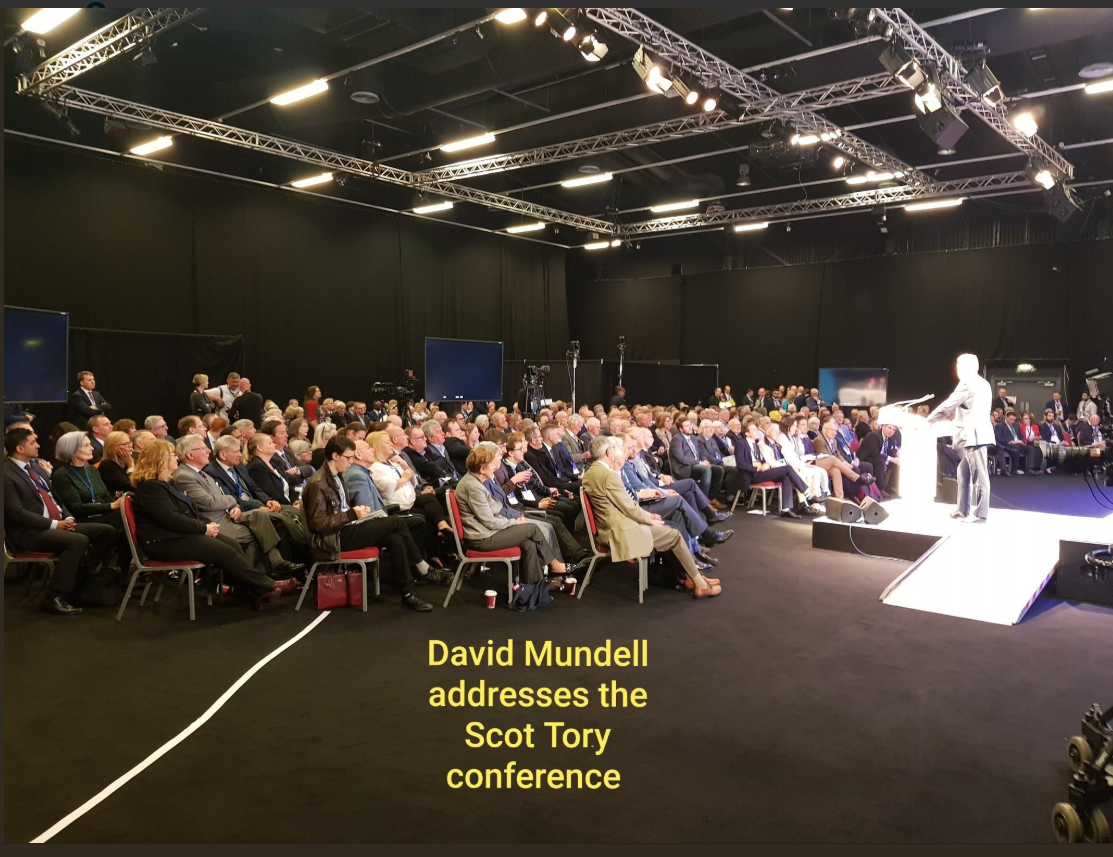
Scottish Secretary David Mundell stated:

“The choices made by the Scottish Government are significant. Serious cuts to local authority budgets, and absolutely no new devolved powers to raise their own funding. In fact the reverse, with the Council Tax freeze retained yet again. Local councils are starved of any powers to raise their own funding and power and responsibility to make their own decisions should be transferred from Scottish government ministers and civil servants to Councillors in local communities.”


Comment:

Mundell studiously ignores the Scottish government efforts to add powers to local government. See:

https://www.gov.scot/policies/community-empowerment/”

b. Workplace parking tax:

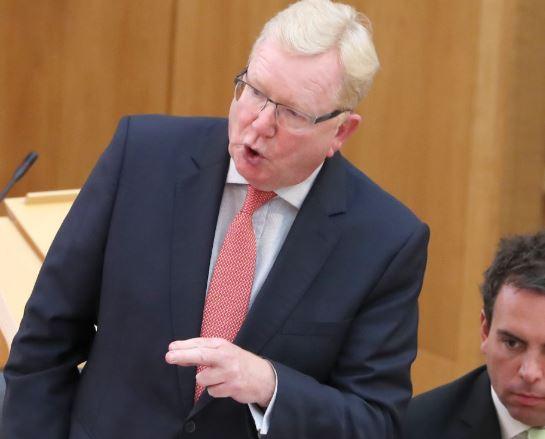
Jackson Carlaw, in parliament, complained that “tens of thousands of Scottish workers are to be fleeced for hundreds of pounds a year just because the SNP government can’t say no to six dismal Green MSPs”.

John Swinney responded, insisting that the proposal was about “empowering” councils. He said: “It will enable local authorities to exercise a judgment as to whether they wish to apply a workplace parking levy. The decision will be up to local authorities – it is an example of localism in practice and I would have thought the Conservatives would welcome that. Jackson Carlaw has been found out today, he goes around the country arguing for more powers for local government and when we deliver them, he comes here in an act of rank hypocrisy and criticizes them. The people of Scotland can see through the hypocrisy of the Tories, they can see what the Tories are about, their spots have never changed, they want to cut public spending and they will take the hypocritical way of doing it.”


Comment:

Typical “push me pull me politics” from the Tory party. The SNP government devolve Tory supported decision making to local council authorities only for the Tory’s to renege on their support. Never trust a Tory.


Image result for scottish devolution


 Local Government Funding

The funding of local government, a crucial part of the civic structure of Scotland, has been significantly reduced over the last decade, in direct consequence of the imposition by the Westminster Tory government of a brutal austerity regime that has caused so much damage to Scottish society.

True to form the Unionist Party’s in Scotland repeatedly lie to the Scottish electorate, rewriting the oracle, transferring blame for the reduced funding of councils away from Westminster to the Scottish government.

Their efforts to deceive are actively assisted by a complicit Unionist backing media, including the BBC, (who accrue £325 million annually from Scots). Biting the hand that feeds it is an apt description.


Image result for scottish devolution


Capital Investment

Capital investment in Scotland dried up between 2008-2015, as funds were directed at major investment programmes in London and the North of England.

The re-elected Tory government was forced by political pressure, to address the lack of capital under funding in parts of the UK, other than England.

It did so through the commitment of new finance to “City Deals”. The deals, funding specific approved developments were to be delivered through local level partnerships, supplemented by appropriately qualified persons from business and other government officials.

Great news, but not for Scots. Huge deals were approved for Northern England (where the Tory’s are weak). Scotland was short changed yet again.

But the Scottish government intervened and allocated finance to Scotland’s “City Deals” correcting and in many cases exceeding the Westminster shortfall.


Related image


Double Devo a Warning??

Mundell said:

The Smith Commission Agreement was explicit that responsibility for managing the Crown Estate, which is being devolved in the Scotland Bill, should be further devolved to local authority areas such as Orkney, Shetland, the Western Isles or other areas who seek such responsibilities and there is an argument that the UK Government should legislate to devolve these and other things directly to Scotland’s local authorities: so-called ‘double devolution’.

An Englishman, ScepticalChymist commented:

“England’s policy towards its neighbours for centuries has been divide and rule. Religion has been the main tool in Ireland; language in Wales. In Scotland, they have persistently, but so far unsuccessfully, tried to stir up highlander/lowlander or similar regional friction. Hold firm, Scotland… and craft your own allocation of powers when you have achieved independence and are freed up from the malevolent influences of the British State.”


Image result for mundell


The Mundell Myth – Westminster Control is Being Reduced

Mundell said:

Attention is being given to the crucial issue of breaking up the Westminster central control monolith, and the Conservative Government is setting the pace and leading the way.

The Northern Powerhouse is breaking new ground. It explicitly models itself on Dutch and German models of metro-area devolution and infrastructure integration.

Already major powers over health, transport and planning have been hewn out of the Whitehall monolith and deposited wholesale into Lancashire. And the Midlands Engine is implementing plans transferring powers to the Greater Birmingham area, and their are plans afoot in urban Yorkshire, suburban Hampshire and even rural Cornwall – the direction of travel for the UK excluding Scotland is becoming crystal clear.
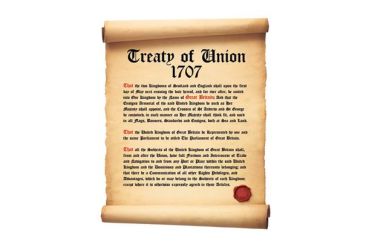
There is now a real risk that the towns and counties of Scotland, will be left behind.  The Scottish Parliament has had full control of local government in Scotland for sixteen years. And in that time – what has it done to empower them? What has the Scottish Parliament put forward to match the ambition and vision of the Northern Powerhouse?

The Cities and Local Government Devolution Bill, set out a new and ambitious approach to give real power to cities, counties and towns in England. The approach is bottom up, not top down.

It does not force changes on councils, but rather it establishes a legal framework to allow local councils to shape their own destinies.

Groups of local authorities can come together to agree their own priorities and set their own paths to take over new powers for their area. It could be taking control of local transport, housing, strategic planning, health, social care and skills training to boost growth and improve lives for their citizens.

And with greater powers comes greater responsibility, accountability and scrutiny, in some cases in the form of directly-elected, metro-wide mayors. And it leads inevitably to thought of fiscal devolution from central government to local councils. I’m sure many councils feel that the recent budget settlement shows the pressing need for a debate on that.


Image result for scottish devolution


The Reality of Mundell’s Transfer of Powers

The  2014 Smith Commission:

Leaked drafts revealed that formally agreed plans to give Holyrood new powers over abortion law, lotteries, and health and safety at work were dropped from the Smith Commission.

The documents showed that a range of major powers were set to be devolved to Scotland as part of the Unionist “vow” made during the independence referendum, but were axed in the final days of negotiations.

They included full devolution of abortion law and the creation of a separate Scottish Health & Safety Executive.  Both were downgraded to the status of “additional issues for consideration,”  and may or may not be devolved in future.

Plans to give the Scottish Government more control over the treatment of asylum seekers, and a greater say in the governance of the BBC were also removed at the instigation of Unionist parties.

The final draft also included proposals to devolve income tax personal allowances, employers’ National Insurance contributions, inheritance tax, and the power to create new taxes without Treasury approval. However, these were never adopted into an agreed text.

According to sources close to the Commission, Labour, LibDem and Tory members were frequently on the phone taking instruction from their parties in London, with the LibDems and Tories particularly exercised about welfare proposals and Labour more focused on tax.

The Commission chairman, Lord Smith of Kelvin, also appeared to give extra weight to the views of the three main Westminster parties, a source said. “The position that Lord Smith took was that if the parties who were either in the current UK government or might be in the next refused to budge on something, he went with it. The Unionist votes seemed to count for more.”

The BBC revealed that the draft version included late proposals to devolve power to vary Universal Credit. But these were dropped after the UK Cabinet was informed, and only a power to vary the housing cost element remained.

Other powers agreed by the Commission were later cut. The most controversial of these concerned abortion. The decision to devolve had been agreed on a 4-1 basis, with only Labour opposed to it. But during the final day, Labour kept pushing its opposition in meetings with Lord Smith, who then raised it again with the other parties. The Conservatives then sided with Labour and the commitment to devolve abortion was removed.

Patrick Harvie, co-convener of the Scottish Greens, who sat on the Commission, said: “The reaction against devolving abortion in the final few days surprised and disappointed me. Concerns that Scotland would do the wrong thing and undermine women’s rights are misplaced. The real threat to women’s reproductive rights comes from the voice we hear at Westminster.”

Another missing power was the creation of a separate Scottish Health & Safety Executive. This had long been supported by Labour and the trade union movement, but was removed at the behest of the UK Government. The draft stated: “Power to establish a separate Scottish Health & Safety Executive to set enforcement priorities, goals and objectives in Scotland will be devolved to the Scottish Parliament. This was struck out and relegated to the “additional issues” annex of the final report, which said the Scottish and UK governments should merely “consider” changes.

The final draft also included an agreement that: “The power to permit the creation and regulation of new lotteries in Scotland will be devolved to the Scottish Parliament.” But the final report devolved only the power to “prevent the proliferation” of highly addictive gaming machines known as fixed-odds betting terminals.

Also removed was a statement that said: “There will be greater Scottish involvement in BBC governance beyond the current right to have one Trust member and the current Audience Council Scotland.”  (The Herald)


Image result for scottish devolution


Impact of the UK Withdrawal from the EU

In the UK, the Parliament at Westminster is sovereign. This means the UK Parliament has the power to make the final decision on laws and how the country is run. However, the UK Parliament devolved a limited number of powers to the Scottish Parliament. The institution is able to make decisions in certain defined areas.

In the past the UK Government also had to follow laws made by the European Union (EU). Following the 2016 referendum the UK decided to leave the EU and will no longer have to obey decisions made by the EU in Brussels. It is expected that the UK will have left the EU by the end of March 2019.

To facilitate Brexit the UK Government published a list of areas of responsibility, formally devolved to Scotland, indicating Westminster intent to retain power after Brexit.

The 24 powers include those over fisheries, environmental protections, food regulation and animal welfare. Public procurement rules currently held by the EU will also be kept at a UK level.

Comment: I believe the slippery slope through which Scotland’s flirtation with devolved responsibilities and a parliament to boot is likely to be brought to an end, over time. The Holyrood parliament will be declared defunct and all powers transferred to the authority and control of the Westminster government in Scotland. Scottish Tory MP’s (assuming there are some) will serve in the government. The building has been leased and other plans are being developed. Mundell wins the day.


Image result for scottish devolution

Thatcher Hatchet Man Michael Forsyth Still the Darling Of the BBC – He’s On Question Time Tonight – Yet Again – Read This Then Judge His Contribution


Image result for michael forsyth


Michael Forsyth – The Man With Red White and Blue Blood

In a statement, confirming his commitment to the Union, not long after the 2014 Independence Referendum,  Forsyth challenged the way in which David Cameron played the English card the day after the Scottish independence referendum in offering English MPs a greater say over English only laws.

He said:

“David Cameron, instead of going up to Scotland the next day (after the referendum) and saying ‘look we’ve got to look at this now from the point of view of the whole United Kingdom’, started the English votes for English laws thing which was not the true Unionist position and that shattered the Unionist Parties alliance in Scotland against the breakup of the United Kingdom. I do not support English votes for English laws. It doesn’t seem to me to be a very good policy to try and deal with the rise of Scottish nationalism by stirring up English nationalism. We need to find ways of binding the United Kingdom together, of binding that partnership together. Questioning the legitimacy of SNP MPs is unwise and runs counter to the assurances offered during the referendum about guaranteeing an inclusive UK. And I have limited sympathy for Labour, which is paying the price for adopting the language of nationalism in the 1980s then claiming that the Tories had no mandate to govern in Scotland. They now find themselves being devoured by the nationalist tiger.”

Forsyth’s remarks added reassurance because he is an ardent Thatcherite and Unionist who played a leading role in fighting against Labour’s plans for a Scottish parliament in the 1997 election campaign.

Comment:

“Thank you Michael Forsyth! This is pretty much exactly what I thought….. that Cameron played a partisan game certain to inflame Scottish nationalism with an English betrayal only hours after the vote, critically damaging the very Union he claimed to champion, in the interests of a short-term electoral gain. The only question I’ve never quite been able to settle in my head is whether when he made his little play to English nationalism he was stupid enough not to see what this would do in Scotland, arrogant enough to assume that it didn’t matter now the referendum was over, or insincere enough in his professed concern for the Union (which is part of his party’s name) that he didn’t actually care as long as it boosted his chances of re-election. David Cameron, fool or knave? It seems a hard choice (though there is an obvious answer). Cameron blundered hugely: having signed a vow, with other Unionist party leaders, promising Scotland substantially extended devolution then, only one day after the result, turning around and retrospectivy slapped conditions on it. Forsyth’s point was — Cameron took a giant public dump on a signed pledge just days old. A huge kick in the teeth to the “no”voters in Scotland. Not wise!!!!”


Image result for david cameron


If In Trouble Attack

Adding insult to injury, Cameron then instructed the start of “operation totally terrified”, demonising Nicola Sturgeon and the SNP. Entire pages of daily newspapers were devoted to the “evolution” of Nicola, complete with “comments” such as “jimmy crankie” “mary doll” and the vile and nasty “She’s a witch! Burn her!” “Did you dress her up like that? No, no, no! Yes, yes. only a wee bit” “But she’s got a wart”and I wish she would have an accident or car crash.” Negative seeding in action!!!!

Unionist politicians of all Parties also continued with their ridiculous claims that Scots sent to Westminster by the voters of Scotland to represent them, were actually “fifth columnists” infiltrating the sovereign English parliament. The Westminster political establishment confirmed the views of many, that Scots were only party to the benefits of the Union so long as they did not attempt to participate in its governance.

The British Nationalists of the Tory, Labour, Lib-Dem Parties were also determined to hold the union together despite their long record of unparallelled economic incompetence, promoting austerity, inequality and privatisation, ignoring the impact of their policies punishing Scots who were entirely blameless of the financial crash of 2007-08.

This offensive behaviour was instrumental in persuading the Scottish parliament to petition for another referendum, refused by Prime Minister May who off-handedly said “now is not the time”.

Comment:

The Unionist Parties burned their legitimacy in Scotland, promising devolution that they had no intention of delivering then, when their votes in Scotland plummeted, indulging in petty acts of revenge, using Scotland as testing site for their most bloody minded policies. ……making dishonest promises to Scotland then indulging in petty acts of spite….sounds familiar. Remember Thatcher?
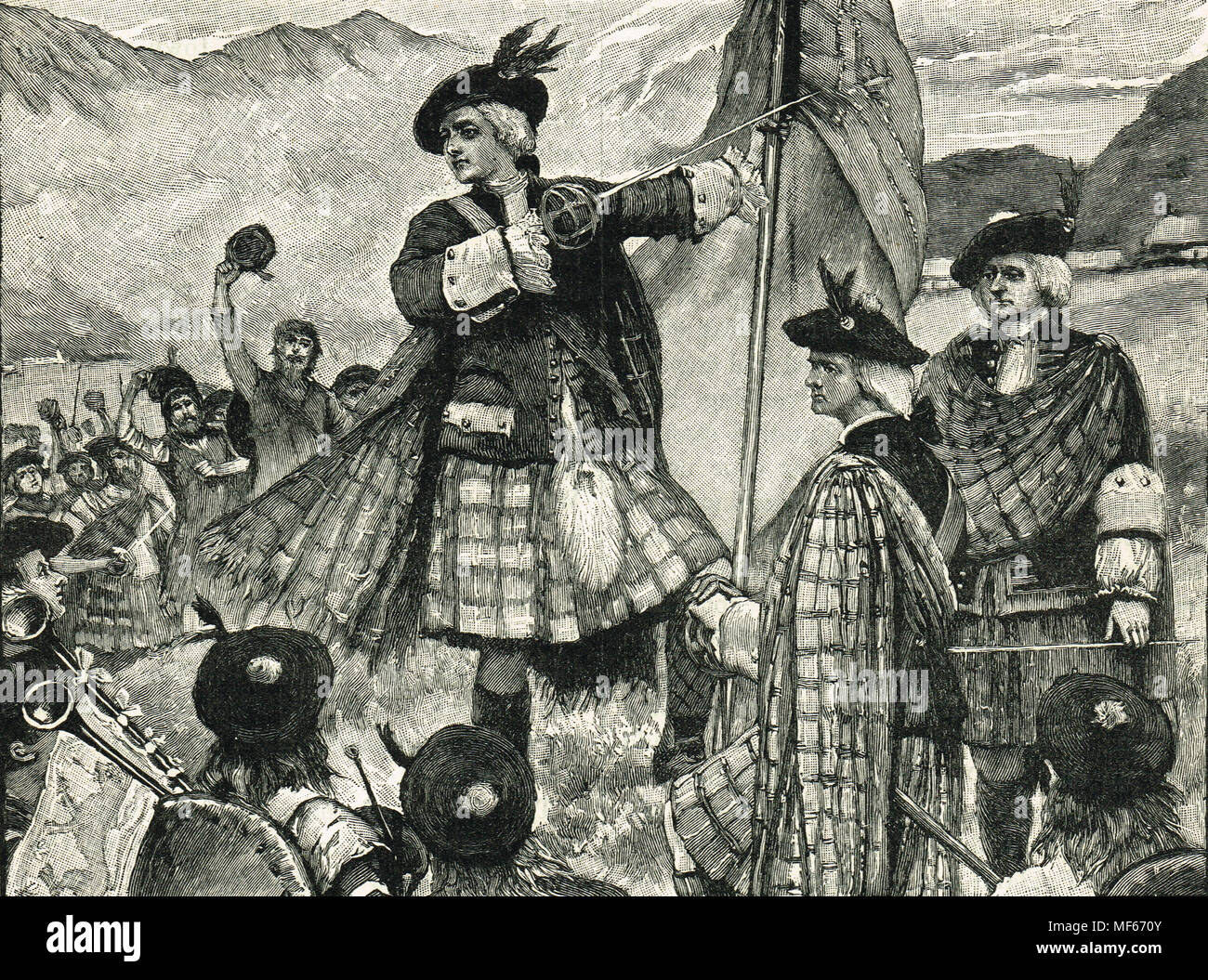
It is ironic that during the 2014 referendum the “Yes” side was persistently accused by “Better Together” and other “Yes” supporting entities, of paranoia and seeing conspiracy’s against them everywhere. Fears that proved to be entirely justified when, in the months before Xmas 2014 and in the first few months of 2015, the promised additional devolution of powers was downplayed then denied Scotland by the obstructive behaviour of Unionist politicians and the right wing press and media.


Related image


David Cameron – The Tory Wideboy Who Conned a nation

Cameron played a dangerous and stupid game with the Union. His idiocy on the steps of Downing Street the morning after the 2014 referendum revealed how the Unionsts planned to put partisan considerations before the national interest and bridge building.

Cameron did not give a toss for the Union, based on his deliberate machinations and incendiary comments…. But bets are that he did care about keeping the neo-liberal gravy train rolling and was prepared to risk breaking up the Union to achieve it. He was a dangerous politician who made it up as he went along, simply to look good, and then flippantly ditching his position, if it no longer suited his purpose.

He is the root cause of today’s Scottish resentment, highlighted by his stupid boastful claim that the Queen “purred down the the phone”, after he “won” the referendum with a mixture of blackmail, dire threats and deceit, but he was a notorious “swinger” in opposite directions on almost everything. He claimed to be a “compassionate, moderate Tory, whilst he simultaneously boasted about going further than Thatcher. He claimed to be green, and claimed to want the “greenest ever government” from the “bottom of his heart”, and then was reported to be going around saying, “let’s get rid of the green crap”. His “hugging a hoodie” posturing saw him claiming that young people shouldn’t be demonized, before his “lock’em up” hysteria after the rioting and looting, and he also terminated housing benefit for the young.

In his impulsive attempt to keep Scotland in the UK he angered Scots and handed the SNP a landslide in the 2015 GE. David Cameron was the SNP’s best recruiting agent.

He was a reckless and dangerous politician who, assisted by Tory backing proprietors and executives of the right wing controlled media and the government controlled BBC, inflicted massive damage on the social fabric of Scotland.


Related image


The 2015 GE – Why did Scots Embrace the SNP

Scotland voted against the Unionist Parties because they felt that the Labour, Tory and the Lib-Dem Parties had done “bugger all” for Scotland. The Tory’s shafted Scotland by shutting down and transferring industry to England. More punishment was inflicted when the Labour Government failed to introduce policies reversing the disaster left in place by the Tory’s. What Scotland did get was empty promises, zero-hour contracts and ruthless policies designed to dismantle the “Welfare State” and austerity measures that vastly increased poverty punishing the poor, whist rewarding the cupable rich people so guilty of the financial crash that crippled the UK. Where’s the justice in that? Rich man’s justice. And George Osborne, the Chancellor responsible for the 10 year+ austerity measures added insult with his recent cash purchase of a £3millon house in Switzerland.


Image result for unionist party


The SNP – The Dream Will Never Die – The Architects of Success Live On


Image result for alex salmond


Alex Salmond – Is This His Political Obituary

Seen as one of the most talented politicians of his generation, Alex already had a high-profile in Scottish politics before he won two historic Holyrood elections as SNP leader, securing the mandate to hold a referendum on Scottish independence in the process.

Born in 1954 in Linlithgow, he graduated from St Andrews University and began a career in economics, working for the Scottish Office and the Royal Bank of Scotland.

He served as party leader from 1990, standing down after 10 years only to make a dramatic comeback to the SNP’s top job before winning the 2007 Holyrood election.

He began his parliamentary career as MP for Banff and Buchan in 1987, building a small team of dedicated supporters who would remain loyal throughout his time in politics.

Often derided by his political opponents as arrogant and self-serving, he nonetheless succeeded in turning his party into the most popular in the history of devolution, on his platform of fighting for Scottish interests.

Despite a hard-fought campaign on the “Yes” side, voters rejected independence by 55% to 45% in the 18 September vote and, the following day, Alex  announced he was standing down as first minister and SNP leader.

At the time of his unexpected resignation he could not have foreseen the landslide SNP victory (gained only six months later) in the 2015 General Election.  A success brought about by the disgraceful backsliding of “Unionist” politicians, their Civil Service helpers and other parties interested only in the containment of Scots within the existing political constraints.

The much touted joint Unionist commitment to fully implement their “Vow” !!!!……to devolve powers to Scotland, just short of independence, proved to be a “lie” that broke the hearts of many Scots who had voted to remain in the Union only on the substance of “Unionist! promises.

Private polling, coupled with a massive increase in the membership, in the months before the election provided early indication of a marked upturn in the fortunes of the Party.

The new blood intake included a number of gifted individuals, many of whom were selected to stand as parliamentary candidates throughout Scotland. The battle for the hearts, minds and votes of Scots was taken up, once again by those who would not be denied freedom from the oppressive Westminster political machine.

Alex, semi-retired from active politics by many, consulted the Party heirarchy and gained support for a challenge for the Banff & Buchan constituency. Which he subsequently won.

The fifty-six 56 MP’s, many of them new to politics, realised early on that they would need to overcome a “Westminster” bias against Scottish politicians.

Rich with talent and enthusiasm but lacking political experience the SNP “block”, of MP’s appointed Angus Roberston to lead it.

Alex took on the role of Foreign Affairs spokesman for the Party ensuring his place at Westminster would be productive but excluding any political input into events in Scotland.

Well able to deal with the tricks of a truculent “Speaker” and the Unionist majority in the Commons he commanded the Commons stage when he spoke to his brief but there was a sadness noting him sitting on the fringe of the SNP group (after so many years viewing his centre stage domination of the Holyrood debating chamber) allowing his leader, Angus Robertson the centre stage.

The unexpected 2017 General Election provided Alex with another  opportunity to bow out of Scottish politics, so that, as an elder statesman he would be able to further develop his interest in foreign affairs, perhaps through the many media outlets who had provided him with numerous appearances over the years.

Spurning the chance of a new political direction he decided to stand, (against advice from those closest to him) once again, for a seat at Westminster, representing Banff and Buchan.

But he, (as did many others in the party) had misread the political scene.

The influence of the large body of SNP MP’s at Westminster had been of little consequence when set against the blatant refusal by the Unionist parties to uphold their 2014 referendum promise to devolve additional powers to the Scottish parliament.

And the campaign managers of the Scottish branches of the Unionist Parties, agreed to assist each other, easing their activity where they had little chance of gaining a seat and in many cases promoting the cause of the Unionist candidates.

Faced with this scenario Alex and many other SNP candidates failed in their bids for re-election.

Alex accepted a need to change direction and investigated a number of media opportunities, the most promising being employment as the editor of a major Scottish tabloid newspaper.

This failed to materialise, due to the application of pressure from major finanacial backers and in consequence Alex became dependent on appearance invitations from the right wing media and BBC. But shock and horror, he was denied that platform through the Unionist controlled entities.

Lesser persons would have given up the ghost by now. But not Alex who turned to the english language television and radio station, Russia Today (RT) and, having been given written assurances there would be no censorship or any other adverse pressure applied to himself, his guests or content, he signed up to produce and present a weekly current affairs television show.

The show proved to be a hit with viewers (it still is) and with his future assured Alex was a happy bunny once again. All’s well that ends well.


Clockwise from left: Robin Sturgeon, Harry Murrell, Jim Owens, Ethan Owens, 17, Cameron Coyne, 14, Gillian Owens, Ross Coyne, 12, husband Peter Murrell, Finlay Coyne, 8, Joan Sturgeon, Nicola Sturgeon, Harriet Owens, 8


Nicola Sturgeon – Alex Salmond’s Protege

Nicola was born in the North Ayrshire town of Irvine in 1970. She joined the SNP at the age of 16, when Margaret Thatcher was prime minister.

She said her decision to become an SNP member rather than Labour was borne from a “strong feeling that it was wrong for Scotland to be governed by a Tory government that we hadn’t elected” and that the country would only truly prosper with independence.

After studying law at Glasgow University and working as a solicitor at the city’s Drumchapel Law Centre, Nicola’s entry into full-time politics came at the age of 29, when she was elected to the new Holyrood parliament, in 1999, as a Glasgow regional MSP.

She gained an early reputation for being overly serious, which earned her the nickname “nippy sweetie”.

After the SNP’s victory in the 2007 election, Nicola became Scotland’s Deputy First Minister and Health Secretary, seeing through popular SNP pledges such as the reversal of A&E closures and the abolition of prescription charges.

She also won praise for her handling of the swine flu crisis, and played a large part in the SNP’s historic majority in the 2011 election.

Nicola later described the result – and the dismantling of Labour strongholds across the country – as having broken the mould of Scottish politics, and put the SNP’s success down to being “in touch with the country it served”.

She subsequently accepted one of the Scottish government’s biggest roles, overseeing the 2014 independence referendum, and was the obvious successor to Alex when he stood down as both first minister and SNP leader after voters rejected independence.

In her first six months in the job, Nicola led the SNP to a stunning success in the 2015 General Election, when the party won 56 of the 59 seats in Scotland.

The party also won a third successive victory in the Scottish Parliament election on 5 May 2016, when it won 63 of the 129 seats – short of a majority, but guaranteeing that Nicola would remain as first minister.

Nicola, married Peter Murrell, Chief Executive of the SNP in 2010, after meeting 15 years previously at an SNP youth weekend in Aberdeenshire.


Nicola Sturgeon and her Feminist Agenda

Nicola used her acceptance speech as First Minister to try to reassure opponents her administration would be more than just a vehicle for constitutional campaigning.

But she dwelled longest on her achievement of becoming the first woman to lead the Scottish Government. Her election showed “the sky’s the limit” for women and girls across the country, she told MSPs before adding:

“But it is what I do as First Minister that will matter more – much more – than the example I set by simply holding the office.”

Looking up towards her niece Harriet, eight, in the gallery, she added:

“She doesn’t yet know about the gender pay gap or under-representation or the barriers, like high childcare costs, that make it so hard for so many women to work and pursue careers.

My fervent hope is that she never will; that by the time she is a young woman, she will have no need to know about any of these issues because they will have been consigned to history.

If, during my tenure as First Minister, I can play a part in making that so, for my niece and for every other little girl in this country, I will be very happy indeed.”

Nicola also paid tribute to her predecessor, Mr Salmond stating:

“Without the guidance and support that Alex has given me over more than 20 years, it is unlikely I would standing here. I know that I will continue to seek his wise counsel and, who knows, from time to time, he might seek mine too!”


Image result for peter murrell


Peter Murrell – Scotland’s First Laddie?

Peter was born, in Leith, Edinburgh, on 8 December 1964. He attended his local comprehensive, Craigmount High School, then attended Glasgow University. He is not listed as an alumni so it follows he did not finish his degree.

Peter loved music and like many people from Leith he was won over to the Nationalist cause by the Leith born twins, “The Proclaimers” who, at their gigs circulate leaflets promoting the SNP and independence.

He and his close friend, Party stalwart, Angus Robertson, joined the SNP in 1984 and soon became active in the movement.

Angus later left politics for a time taking up a career in journalism with the BBC but Peter chose to remain in Edinburgh and subsequent employment with the Party HQ, in Leith. He never left.

Members of Peter’s family were “new tech activated” and their enthusiasm infected Peter who readily accepted the need to introduce new technology into the daily running of the offices and other operations. It was this early foresight that impressed the Party heirarchy who gave him the authority to expand his activities further developing the use of IT within the Party. The benefits of this foresight would manifest with the Party successes later in Peter’s career.

The mastermind of the SNP’s success is also married to Nicola Sturgeon, Scotland’s first female First Minister.

It is fair to say the huge surge in party ‘newbies’ after the 2014 independence referendum brought a measure of solace to himself, a man who devoted his professional life – and much of his personal one – to the cause of nationalism.

But, Peter is not just married to the leader of the SNP. He is in his own right one of the party’s most powerful and dedicated generals.

Alex Salmond and Nicola Sturgeon might have been the public faces of the 2014, independence campaign – but the First Minister’s husband was one of its key architects and there is little question that he emerged as one of its biggest winners.


Image result for peter murrell


Peter Murrell – Chief Executive and Campaigns Manager

Peter is a passionate Nationalist who,in his early twenty’s, at the start of his tenure with the Party, decided his political career would be best achieved if he worked behind the scenes.

He was part of Alex Salmond’s constituency office team in Peterhead and it was Alex who recognised his talents and sponsored his rise through the party ranks. The two have remained close ever since.

Few people know him well. Rarely seen, except at elections and at Party events, he is nearly always present in the main auditorium, usually standing in the shadows to the side of the stage whispering instructions to Cabinet ministers as they prepare to make keynote speeches.

A powerful and dedicated general blessed with a level of authority more comprehensive than the casual watcher could possibly realise.

By 2001, he was one of the key players in the SNP “back room” and replaced Mike Russell, as Chief Executive.

Under the leadership of John Swinney he assisted with the organisation and delivery of the disastrous 2003 Holyrood elections, in which the Party lost eight seats.

John Swinney resigned as SNP leader in 2004 and Nicola Sturgeon launched a bid for the leadership of the Party, before withdrawing from the contest after Alex Salmond announced his intention to add his name to the list of contenders.

Nicola subsequently agreed to take on the role of Deputy leader of the Party and to “stand in” for him as the Party’s “Holyrood leader” while he remained an MP at Westminster.

The return of Alex Salmond brought promotion to Angus Robertson, who was appointed to the crucial new role of, “Party Campaigns Director”.

Angus made his mark soon after when, in 2006 he announced there would be a meeting at the Speyside hotel, Craigellachie, to be attended by the best of the Party’s “next generation”. Many of whom are still leading Party members today.

Alex Salmond, his then deputy, Nicola Sturgeon, and other key elected members, including Peter Murrell, were left out of the mix to encourage freedom of expression.

The group revisited three important points that would become the mantra of 2006:

1. The 2007 election would be a two-horse race.

2. Only the SNP could beat Labour.

3. It was a straight choice between Alex Salmond and Jack McConnell.

The meeting also complimented a process of reform already under way at Party Headquarters in Edinburgh, in place at the instigation of Peter Murrell.

The process crucially included the development of the then cutting-edge “Activate” computer-based, campaigning data management system and a, “Campaign Plan” comprising five key factors:

1. Communication
2. Governance
3. Message
4. Organisation
5. Resource.

Timelines were agreed for the routine measurement and monitoring of objectives at weekly meetings before, then daily during the last weeks of the campaign before polling. Including:

1. Objectives
2. Critical success factors
3. Performance targets
4. Performance measures
5. Benefits and actions

The unfuddled approach to campaigning, organised and directed by Peter,  ensured the Party would first gain power at Holyrood in 2007 then retain it with a landslide victory in 2011 and to hold a referendum in 2014.

No easy achievement since at the start of 2011 it seemed Labour was in the ascendancy and some senior members of the Party cast doubt on the strategy of the campaign.

Keeping his cool Peter circulated a memo declaring: “We are winning. We are winning with an overall majority and we will win an “independence referendum.” Stirring stuff indeed!!

There was an acceptance that Peter was an invaluable Party asset and he was rewarded with a marked increase in his remuneration package which soared from £35k to more than £100k.


Image result for 2014 referendum


2014 Referendum

Having achieved the first two objectives with clinical proficiency, the third began with polls indicating the “No” campaign would prevail with ease since it appeared only around 25% of Scots would commit to supporting independence.

But fortunes changed as the campaign progressed through the summer of 2014 and by early September polls declared the outcome to be too close to call.

In response and in a desperate panic, only a week before the day of voting and therefore “illegal”,  the “Unionists” published, then heavily promoted “new” offers of greatly increased devolved powers, just short of “home rule”.

The BBC and other media outlets further assisted the effort orchestrating  skullduggery and delivering it through mass media subversive tactics resulting in the pendulum swinging back in favour of the “No” campaign.

Scotland voted “No” to independence on Thursday 18 September 2014, recording Alex Salmond’s place in history, as the man who just failed to lead his country to independence.

But it was not a “one man band” effort. He was ably assisted by Peter  whose performance was commented on by the founder of Edinburgh PR firm Charlotte Street Partners, former MSP Andrew Wilson, who said:

Peter is extremely well-liked by everyone I know and I don’t think we’ve ever had a better chief executive. He is really professional at his job, but is not a professional politician in the sense that he doesn’t ever seek the limelight. He doesn’t want kudos or anything for himself, he’s just assiduously gone about doing his job for such a long time and done it extraordinarily well. A key architect.”


Image result for angus robertson


Scottish Voters Angry at Unionist Backsliding On Their Promises Turn To The SNP

Angus Robertson conceded that after the 2014 referendum, no one within the party predicted or planned for what happened next. He said:

“Nobody could have planned for what happened soon after the referendum. People joined the SNP online, others tweeted, ‘I’ve just joined the SNP, why don’t you’? It was like watching something happening that you had no control of. It took up a momentum all on its own….. It was clear that something big was happening and nobody could have foreseen then that the membership levels would continue rising …… breaking all kinds of records.  and it wasn’t something that was politically directed.”

Hindsight can play tricks but I also don’t think anybody could have seen the Nicola phenomenon. It was a conjoining of a number of different factors:

1. Her great talents, which everybody in politics in Scotland has known for a long time.

2. Her taking office at exactly the right time, with her very particular communication skills, style and empathy, which evidently connected very powerfully with the electorate

3. Alex Salmond demitting office and  speedily confirming his candidacy for Westminster.”


Image result for 2015 General election scotland referendum


The SNP Landslide Victory in the 2015 General Election

The campaign committed the Party to a rejection of the punishing austerity policies inflicted on Scotland by uncaring Unionist politicians. To stand up for Scotland and on the promised delivery of new devolved powers.

The performance of Nicola Sturgeon in the debates, (UK and Scottish) was outstanding and persuaded Scots to the view that SNP reflected their hopes and ambitions.

The participation of record numbers of supporters and volunteers and a very talented range of candidates in the election greatly enhanced the campaign.

The election resulted in a landslide for the SNP who returned 56 MP’s to Westminster, leaving just three, to be shared with the Unionist parties.

Angus Robertson, who  was appointed to lead the SNP team of MP’s at Westminster, said:

“Westminster is going through culture shock in coming to terms with the fact the SNP did so well in the election. That we are here in such strong numbers, elected as Scots who support independence, is also not lost on them. We were elected to pursue an anti-austerity agenda and more devolved powers for Scotland. and we will do just that.”


Image result for 2015 General election scotland referendum