Barracks at Berwick on Tweed home of the Scottish Borderers
Berwick – Ripped From Scotland By The Bloody Hands of Edward Longshanks and His Successors – But Not Assimilated Into England Until 1974
With Westminster being almost 350 miles away from Berwick-upon-Tweed, its residents do not feel connected to English politics. With bagpipes playing and Scottish flags fluttering in the wind, you could be forgiven for thinking you were in Scotland.
But this is Berwick-upon-Tweed, part of Northumberland – the most northern town in England and just two-and-a-half miles from the Scottish border.
It has a turbulent history – passing between English and Scottish hands at least 13 times, starting with King Edward 1st who slaughtered and/or destroyed just about everyone and everything in the town, (children, adults, livestock and grain) for having the temerity to pledge their allegiance to Scotland.
The killing, raping and plundering went on for days and the streets of Berwick ran red with the blood of the innocents.
With the Scottish Parliament in Edinburgh just over an hour away by road, and Westminster more than six hours by car, do the people feel more Scottish than English?
Well the answer was provided by the people of Berwick in 2008 when ITV carried out an unofficial referendum to find out if residents would prefer their town to be part of Scotland.
The poll saw 1,182 (60%) of voters wished to becoming part of Scotland again with 775 (40%) preferring to stay with the England.
Significantly the poll included residents of Greater Berwick, the 5 mile area south of the Tweed which was added to Berwick as its population expanded from the 15th century.
The Scottish Parliament was convened again in 1999, for the first time since 1707 following a devolution referendum.
And many Berwick Scots watched with aching hearts longing to be to be part of Scotland once again.
One local said:
“As devolution cut its teeth and aged, Berwick people became aware of the differences perhaps more than anyone else in England because [Scotland] is so close and we can see what’s happening just over the border,”
Berwick – Home of The Royal Scots Borderers
The Royal Scots Borderers, 1st Battalion The Royal Regiment of Scotland, defenders of Berwick and freemen of the town marched through Berwick after returning from Afghanistan.
Locals turned out in force to welcome their boys home and many were adamant Berwick should be returned to Scotland.
Berwick residents felt the town was detached from what was happening at Westminster. “They do nothing for us at this end of the country,” one said. “Nothing. This is like the back of beyond as far as London is concerned.”
Another resident born and raised in Berwick, waved a Scottish flag as she watched the parade with her Scottish born husband. When asked if she felt her hometown should be part of Scotland, she said “Berwick is just a lost town:
“My youngest son came out of the Army two years ago and there are no jobs. There is nothing for him, From Parliament in London to Newcastle, that’s where it stops.”
A Brief Recap of Berwick’s History
In Anglo-Saxon times, Berwick-upon-Tweed was part of the Kingdom of Northumbria – an area stretching between York and Edinburgh.
In 1018, following a battle between the Scots and the Northumbrians, it became part of Scotland.
Its importance as a Scottish town grew and, by the Middle Ages, it was the richest port in the country.
In 1296, England’s King Edward I captured Berwick-upon-Tweed, beginning a period of warfare between the two nations which saw the town change hands 13 times.
The last time it changed hands by force was in 1482 when it came under English control.
But this imposed control was never ratified, indeed the Pope declared its control by England was illegal and it remained independent, with legal documents referring to it as being of the Kingdom of England but not within it.
In 1885, it became part of the county of Northumberland for administrative purposes but was only fully integrated into England in 1974.
Significant other events occurring in 1974
1974 and the first of many millions of barrels of oil was delivered from the North Sea to St. Fergus and the true worth of it was hidden from Scotland. The link between both events was not accidental. The Hidden from Scots McCrone Report was circulated within the ranks of very senior Unionist politicians
Unionist’s at Westminster forward planning foresaw the possibility of Scotland gaining independence and limited the damage from losing North Sea oil and gas.
1999 Tony Blair and Donald Dewar agreed a secret plan which transferred Scottish oilfields to England. The sea border takes its line from Berwick, and after the secret deal with Blair and Donald Dewar English sea borders were illegally altered so that England could claim a lot of oil and gas installations it previously never owned.
Scottish border should be 5 miles south of the Tweed estuary
North Sea oil Will Last For 100 Years
Scottish waters will continue to provide oil for another 100 years, twice as long as previous estimates, according to industry analysts.
Dr Richard Pike, a former oil industry consultant and now the chief executive of the Royal Society of Chemistry, said: “Rather than only getting 20 to 30 billion barrels we are probably looking at more than twice that amount.”
His analysis is supported by petroleum experts who believe there are some 300 fields off the coast of Britain still to be explored and tapped properly.
Dr Pike claims that the industry knows the true figures but refuses to release them because of commercial secrecy.
A spokesman for UK Oil and Gas, the offshore industry’s trade association, said: “The current estimates are that there are around 25 billion barrels left.” they’re lying.
Summary
The 1974 arbitrary annexation of Berwick, into Northumberland by Unionist politicians at Westminster and the 1999 secret redrawing of the sea border between Scotland and England were acts of international theft and the Scottish Government should refer the matters to the World court for a ruling forming part of a political campaign to regain Berwick from England’s avaristic Unionists.
Political campaigning should include establishment of a local branch of Scottish Independence supporters and the nomination of Scottish Independence candidates for every electoral office applicable to Berwick, starting with the next UK G.E.
Note: The Labour and Tory Parties maintain branch offices in Scotland, passing them off to unwary Scots as fully autonomous parties responsible for all aspects of policy which is not the case. They are controlled by Unionist politicians at Westminster.
Standing on chairs in Parliament’s Sports and Social bar, a band of portly gentlemen are bellowing out Scottish folk songs.
A young barmaid, only in her early twenties yet a seasoned veteran when it comes to turfing out unruly Westminster soaks, approaches a new SNP MP and politely asks him to pack it in.
Words are exchanged.
Multiple witnesses allege a drunken ‘f— you’ is uttered.
Defeated, the barmaid retreats behind the bar to mocking male laughter.
So upset is she by the incident, she will leave her job a few weeks later.
A Labour wag reaches for his coat and sighs “They’re only just getting started.”
The conquering horde of Scots Nats have come to town and they are making themselves heard.
SW1 certainly expected the worst from the new SNP cohort.
As the Glasgow East MP Natalie McGarry puts it, “They thought we would come down waving flags, with our faces painted blue and white.”
Yet those preconceptions were not without substance.
An extraordinary, never-before-seen document written by disgruntled SNP aides reveals that even the party’s own employees have been horrified by their MPs’ behaviour for a while.
In their own staff’s words, this new Westminster group are described as “complete arseholes”
To find out whether the new intake are living up to their reputation, Westminster’s watering holes are the only place to begin.
The Sports and Social is traditionally a Labour haunt, earning it the nickname ‘Sports and Socialist’.
Just two weeks after polling day, to quote one Blairite boozehound, it had been ‘colonised’ by the Scots.
Such are their imperial ambitions, SNP MPs confirm with almost embarrassed smiles their plans to have it officially renamed the ‘Rabbie Burns Bar’.
At kicking-out time, it’s over to the infamous Strangers’ Bar.
A taxpayer-subsidised tot of Scotch here is just £2.55, yet despite the SNP’s arrival, the managers have not had cause to double their orders.
The man at the bar claims half jokingly “‘Most of them only drink champagne.”
His theory is that the £67,000-a-year MP’s salary is a considerable pay rise for many of his new punters, and that they are enjoying their newfound riches in style.
This is an allegation heartily rebuffed by ‘real ale man’ and Midlothian MP Owen Thompson, who is having beer from his local Stewart brewery shipped in and put on tap.
Bubbly or ale in hand, the terrace is a place where MPs forget the adversarial nature of the chamber and, their inhibitions loosened, have a good gossip with politicians from other tribes.
Not so the Nats, of whom one rival party hand complains they, “all stand together in a huddle by themselves, not talking to anyone else.”
A case of dour Scots?
Natalie McGarry insists she has had “a good bit of conversation” with “amenable” Labour colleagues, but that while, “some Tory MPs are unfailingly polite, some of them are stuck up their own bahookies.”
I barely have time to ask how one might spell that, before she is telling me what happens when the SNP stick to non-alcoholic beverages.
McGarry recalls, “a cabinet minister came up to us and said fruit juice? I would have thought you Scots would have been on the booze.”
In an example of Westminster Jockophobia, she claims the minister’s aide then turned to her boss and sneered, “Now they’re here we’ll have to start nailing things down.”
There are eight new SNP MPs under 30, and the younger generation have quickly taken over Westminster’s premier 3 a.m. dive, the Players Bar in the Charing Cross Theatre.
When 20-year-old Mhairi Black is not wowing the House with her eloquence, she is impressing revellers on the dance floor.
A fellow clubber reports, “She was a bit reserved early on, but that’s understandable.
She was dancing away with the rest of us by the end of the night.”
Black’s colleague Stuart Donaldson, the 23-year old MP for West Aberdeenshire, has meanwhile undergone something of a transformation.
An admiring colleague laughs and says, “He was the most socially awkward person here when he first turned up.
Now you never see him without his harem of attractive blonde girls.”
He would not be the first Honourable Member to find the trappings of power have improved his success with women, but he might be one of the youngest.
And after a night out, where do the SNP regiment go to lay their weary heads?
The highly rated Argyll and Bute MP Brendan O’Hara warns, with a hint of irony, “the last thing you want is folk swanning around Belgravia on the taxpayer.
O’Hara himself is taking advantage of gentrification, “I’m down in Elephant and Castle. I lived in London in the 1990s and it had an awful reputation. Someone said to me, “Look at Elephant and Castle,” and I thought, “Oh I don’t think so.” But what a transformation! What you could get in Glasgow for your IPSA [expenses] allowance here, well you could get anything you want. It’s remarkable.”
Ginger-bearded Owen Thompson is a Midlothian man at the weekend, but during the week he lives in Kensington.
He tells me of his initial shock at being quoted a price of £350 a week for a high-end property in west London, but was chuffed to haggle £25 off the final price: “Doing my bit for the taxpayer.”
Early hopes for flat shares between laddish MPs petered out, leaving much of the new contingent dotted around Vauxhall and Kennington.
O’hara explains, “almost everyone I know lives within walking distance of Parliament.”
A Tory source recounts recently bumping into Stuart Hosie, the SNP deputy leader and Westminster veteran outside the Scot’s ultra-luxury apartment at Great Minster House, where a flat can fetch up to £6 million. “Even I can’t afford to live here,” exclaimed the envious Tory, to which Hosie protested: “It’s a shoebox!”
Other than the cosy living arrangements, what has been the biggest surprise?
Gavin Newlands, MP for Paisley and Renfrewshire North gushes about the ‘good value’ of the subsidised Commons cafeteria.
Outside of the Parliamentary estate, the Nats have been a little more adventurous.
Natalie McGarry is outed by colleagues as the organiser of an SNP team dinner at the upmarket Cinnamon Kitchen in the heart of the City.
The sister restaurant of Westminster’s opulent Cinnamon Club, the Kitchen’s extensive menu offers spiced red deer for £29 and Pinot Noir at £100 a bottle.
Forty-five out of the 56 SNP MPs attended.
O’hara admits,”this isn’t a change of job, it’s a change of life,” and for him the most difficult adjustment has been the Palace of Westminster itself. He says. “Labyrinth doesn’t begin to describe it I find myself running up staircases and wandering around for hours thinking, How do I get back? I’d love to get into the mind of the architect.”
For McGarry, the change in climate has caused more serious concerns, “I woke up one morning and I had massive lumps all over me! I went into a tailspin thinking I had bed bugs, so I went to the nurse. She just scoffed at me.”
Had moving 400 miles nearer to the equator left her susceptible to tropical diseases? The Nats were expecting plenty of bite south of the border, but they had not bargained for mosquitoes.
Watching them sip champagne on the Commons terrace and hearing about their fine dining and luxurious flats, one cannot help but feel the SNP’s new intake are already becoming the very metropolitan elite they claim to despise.
Owen Thomson admits, “there is a real danger with that. It is absolutely in your face all the time. I hope we’re not showing we’re all getting caught up in the establishment.”
McGarry cautions, “You could get into bad habits. I think people could get swept into the Westminster state of mind. It is “not healthy” to ‘socialise too much.”
O’Hara disagrees, insisting, “it’s really important that we don’t go around as a tribe and that we get to know a lot of people down here.”
The attraction of Westminster for aspiring Scottish LGBTQQIAAP politicians?
Lesbian, Gay, Bisexual, Transgender, Queer, Questioning, Intersex, Allies, Asexual, Pansexual members, their staff and supporters make up around 60% of the SNP Parliamentary contingent.
The SNP has a duty of care to its MP’s and their staff and stories of the abhorrent behaviour of significant numbers of the Westminster SNP establishment is cause for concern.
It is time to bring an end to Scotland’s participation in the wacky politics of the madhouse that is Westminster.
London is a cesspit society hosting crime, vice, drugs, sex, politicians, lobbyists and agents of foreign governments of all ages and sex who prey on vulnerable and impressionable politicians new to the metropolitan scene.
The churn factor is high with deaths and casualties primarily drug-related or otherwise linked to the hedonistic lifestyle much enjoyed by a financially favoured elite who live much of their lives funded by the taxpayer entering politics direct from university taking up political advisor posts through nepotistic or cronyism arrangements.
The 900-year-old Palace of Westminster, the seat of the Unionist government, is home to a subculture of booze-fuelled revelling that puts many a university campus to shame.
Long accused of inhabiting a “bubble” removed from the outside world, many MPs, parliamentary staff and political hangers-on not only work together but socialise, drink, and sleep together too.
It is a lifestyle pattern made even easier by cheap alcohol offered in parliament’s taxpayer-subsidised bars and the nearby haunts of Soho.
Addicted to Chemsex – a horror Story
Increasing numbers of London based gay men are taking part in multi-day, chemsex drug-fuelled orgies – despite the health risks.
Chemsex is identified as the habit of engaging in weekend-long parties fuelled by sexually disinhibiting drugs, such as crystal meth, GHB, GBL and mephedrone.
These parties involve multiple people and are mostly arranged online.
Those involved in the subculture directly link chem sex to alarming rates of HIV infection.
In London, four new positive diagnoses are made daily linked to the practice of “pozzing up”, knowingly becoming infected with the virus.
Meth, meph and G create a potent cocktail enabling extremes of behaviour, which carries significant risks for the sexual and mental health of habitual users.
Set up by Sturgeon to make strategic investments for the common good of the people of Scotland it morphed into a tool for corporate business to capitalise on.
Travelnest Ltd, received £3 million in start-up funding, with more finance promised. The company specialises in providing infrastructure for the rapidly growing number of holiday homeowners enabling them to list and rent their properties.
Comment: Encouraging the uncontrolled market expansion of 2nd and 3rd home purchases in Scotland’s rural areas by primarily English residents can be likened to providing billets for 20,000 English soldiers who through claim of residence are extended the privilege of a vote in Scottish elections. Kiss any successful independence referendum goodbye!!!
Take a look at some of the other corporate networks involved:
The Chair of SNIB is Willie Watt. Watt is an Advisory Board Member of Scottish Equity Partners, a private sector Glasgow-based investment consortia which is already investing in projects into which SNIB is investing.
Carolyn Jamieson is a Non Executive Director of the Scottish National Investment Bank and is also an Advisory Board Member of Scottish Equity Partners.
She is formerly Chief Legal Officer at Skyscanner. Interestingly the new “Chief Entrepreneur” is also formerly a top executive at Skyscanner. Small world.
All of the foregoing fits neatly into a climate of patronage set up around the leadership of the Scottish Government sprawling beyond the corporate sector and into wider parts of public life.
The Chair of the Economic Recovery Group, is also the Chair of Buccleuch Estates and is also Chair of the National Galleries of Scotland board, alongside Andrew Wilson of Charlotte Street Partners who is also the author of the Growth Commission, alongside Willie Watt who is also the inaugural chair of the Scottish National Investment bank.
The First Minister claims to be a progressive individual focussed on delivering good things for Scots through the outwardly appealing but internally dictatorial corporate lobby.
But in the wacky world of the Scottish National Party the interests and concerns of the many are subsumed by the financial rewards for those who are willingly supplicant to the demands of the party leadership.
Commitment to the cause of independence is a key part of the SNP strategy since it attracts vital voter support always provided any campaigning is processed through party political elites.
Andrew Dunlop – The Scot intent on destroying devolved government in Scotland.
Dunlop has been closely associated with the Conservative Party for most of his adult life. He was a special adviser to the Defence Secretary (1986 – 88) and a member of Margaret Thatcher’s Policy Unit (1988 – 1990).
The demise of Thatcher brought his budding career to a halt and he moved away from active politics to found and develop his own strategic communications consultancy business.
Over 20 years later he sold the business, for a very tidy sum of money to the Brussels-based Interel Group (lobbyists).
The return to power of the Tory Party in 2010 sparked his interest in politics once again and he linked up with his friend and former colleague David Cameron in his former role of special advisor (2012 to 2015) with specific responsibility as the principal adviser on Scotland and devolution to the Prime Minister and Chancellor of the Exchequer.
He was elevated to the House of Lords in 2015 which allowed Cameron to take him into government where he served as Parliamentary Under-Secretary of State for Scotland and Northern Ireland between 2015 and 2017.
In the Lords, he is a member of the UK Constitution Committee and an Expert Member of the UK Civilian Stabilisation Group.
Retaining contact with Scottish affairs he is a Board member of the Scottish Council for Development and Industry. In this capacity he was tasked with formulating and implementing Tory government policies for Scotland post Brexit.
In a debate covering the: “possible effects of Brexit on the stability of the Union of the parts of the United Kingdom”. He said:
“Attention should be paid to the machinery of intergovernmental relations, which needs to be strengthened. We also need to look at the cross-UK synergies, weakened since devolution, which need to be reinvigorated. We need to pursue a decentralised, pan-UK strategy for rebalancing the economy, driven by city regions across the country. This means moving away from seeing everything through a four-nation prism. Many of the problems confronting Glasgow, for example, are similar to those of Manchester or Birmingham. They provide embryonic structures which can be built upon. Strengthening our union must be an urgent priority whatever our post-Brexit future.”
This is the career of Dunlop. It is a long read but very enlightening.
This is the direction the Unionist government, of any persuasion is intent on taking Scotland.
So far as Scotland is concerned there will be no further independence referendums and devolution is to be rendered impotent being bypassed by UK government agencies working within Scotland but not responsible to the Scottish government.
The shadowy UK Stabilisation Unit is closely monitoring Scottish politics, events and personalities and has unlimited resources available to deal with any disruption or attempts at destabilisation of the UK.
Former Lib Dem Senior Executive alleges Party fails its staff by allowing a culture of Racism, Misogyny, sexual misconduct and bullying to flourish
30 Jul 2019: Emma Walker. Team Sheila Ritchie MEP,(including me) firing on all cylinders. It was great to meet our colleagues from our Brussels office after working so closely with them. One of the best moments was introducing Sheila Ritchie MEP to the Head of Conferencing at the hotel and hearing about how much the hotel staff were all behind our mission to StopBrexit.
25 Aug 2019: Emma Walker. Holding down a full time job, client work, and being a mother of a young child is not easy, and the balance is hard. And yet, thanks to the amazing support of close friends who are helping me and my husband out with wraparound care, I’m heading to Shetland for a week to help Beatrice Wishart for Shetland.
31 Aug 2019: Emma Walker. I’m finally back home after an amazing week of campaigning for Beatrice Wishart MSP. Shetland is a beautiful, happy, friendly and kind place, and so she fits perfectly. It was inspiring to watch her and she has motivated me to carry on pursuing my own goals. Meanwhile I’ve had a blast with friends, made new pals, got pecked by a chicken, chapped doors in some of the world’s most beautiful streets and spoken to lots and lots of people about politics. Bliss.
08 Dec 2019: Emma Walker. When I’m not campaigning, I run my own business as a marketing and business consultant. For the past two years I’ve been working with the powerhouse that is James Donald, organising events that support the UK craft and design sector. This weekend we’re hosting “GLOWEdinburgh”, our response to the fiasco that is Edinburgh’s Christmas offering. With more than 1,000 people through the doors already, it’s obvious that there is a clear appetite in our city for events that support the local economy without ripping up trees or intruding into residents lives. I’ve asked to meet with Edinburgh City Council ahead of their internal investigation to offer real alternatives as to how to breathe passion and imagination into our capital city’s cultural life. Come and visit us at Dovecot before 5pm today.
18 December 2019: Emma Walker. When I was 12, I was told that politics wasn’t for girls like me. The Scottish Lib Dems have smashed that. Politics across the UK needs new voices, ambitious candidates and politicians who have experienced the best and worst of life. I want to represent Scottish Liberal Democrats in Holyrood. https://www.facebook.com/100063697335100/videos/490147031635675?so=permalink
01 Dec 2019: Emma Walker. After winning an MEP seat for Sheila Ritchie, Willie Rennie (WR) headhunted me into the role of her Chief of Staff. I didn’t want to take it. I deeply regretted it from day one. I ran her office in Brussels and Edinburgh, based in Scottish Lib Dem HQ.
They put me in every voluntary role you could imagine. I was trusted with private party information. Alex Cole Hamilton MSP (ACH) enjoyed telling people that I was his “best find”. My lifelong dream of running for Parliament was within reach. That is until the Euros in 2019 when I witnessed the toxic culture within the Party. I reported racism and bullying to WR who told me that nothing could be done. I was bullied by a man who was worried that I would beat him in selection.
I was trapped in a kitchen by ACH, MSP and made to listen as he sacked a woman who had uncovered a laptop that was hidden because of its involvement in the Alasdair Carmichael MP’s trial in 2015. She wasn’t told why she was being sacked. She was made to sign an NDA. The laptop was hidden evidence from the Carmichael trial…the one where he leaked Nicola Sturgeon’s memo? A woman sacked by a man for another man’s actions against a woman. And we wonder why more women don’t go into politics. https://www.theguardian.com/politics/2015/nov/10/alistair-carmichael-leaked-sturgeon-
Staff were suicidal and nobody would help me. Christine Jardine MP (CJ) bullying people. People were bullying CJ. It was hell.
People started coming to me to report all kinds of wrongdoing – often sexual misconduct, abuse, bullying and racism. Senior leadership were complicit in cover-ups. I was being told to persevere because I could do “more good in Parliament than out with.”
I was in deep trauma because of everything that was happening around me. Families of staffers would sob to me as they were worried that their child or partner would complete suicide. ACH would come to me to vent about CJ. As would Wendy Chamberlain (WC).
The Man kept bullying me. He told the men who I worked with that he had “an Emma Walker sized problem he’d need to deal with”. ACH and WR warned him off me. So he assaulted me on election night, when he found me on my own and in tears and at my most vulnerable.
I was told by WR et al not to report it as this would lead to The Man winning selection. Apparently local parties in the Lib Dems are filled with old men who don’t like it when women talk about being abused by one of their pals. The bullying of my team continued.
And those who tried to stick up for me were punished, bullied and driven to suicide attempts. I was feeling very vulnerable. I’d lost three stone in about 6 weeks and I couldn’t process all of the suicidal intentions that I was having to deal with on my own.
I resigned as Mental Health spokesperson after another friend and colleague attempted suicide. I reached out for help. This was so difficult. I reached out for help with my own suicidal intentions twice. Twice they bullied me some more.
I continued to help others in Edinburgh and London with NDAs and tried to protect them from bullies. I wrote so many words to the party begging them to listen, to change, to let me fix it. They responded by lying about me, burying their legal fees from their own Exec. I got out.
The police watch on my home when another man emailed me his plans for my clitoris, the young woman who was shoved up against a wall and throttled, the hand in my face from the MEP/Convenor, the coup against an MP.
I was the most loyal member of staff. I lost 5 stone in 3 months. I refused to go to press for so long. Then the Scotsman approached me and convinced me to work with them. For six months I went over my trauma, I reached out to an FBI whistle-blower for help with my courage.
I shared dark moments with those closest to me for the first time. On eve of publication, after a lengthy heated conversation with Scot Lib Dems, the article was pulled. Apparently it was a non-story. You – the public – don’t care about my mental health resignation letter.
You don’t care about ACH leaking Salmond’s complainants texts to me at midnight on day Salmond gave evidence, months after we’d last been in touch. Do you? They pulled the story and I was devastated. Re-triggered. Scared. Defeated.
But nope, never beaten. I continued to lodge complaints. When every one of those have been mishandled, I’ve lodged complaints about those complaints. Did you know that women can never win? I’m turning that on it’s head. I’m not winning in full public view. Fuck them.
I was very scared, just 12 months ago. It felt the world was trying to stop me from telling this story. Then I was diagnosed with aggressive breast cancer. I had to stop whistleblowing while I endured the most aggressive chemotherapy. I had time to reflect, read, learn. And realised that the world isn’t against me. Some men in powerful places – be it lawyers, journalists or politicians – are against me. Some Lib Dem members are against me. The treatment from my former pals in the party has made me ill at times.
But I hazarded a guess that the world at large will believe me, will want to hear me, will understand. Because my unheard workplace complaint is one of hundreds of thousands each year that women have to deal with, mostly on their own. Most of us walk away.
I’m now through treatment. I had 17 weeks of chemo, a double mastectomy, there’s another op this autumn. My cancer is a less common one. I worry it will come back. I have to make this time – be it short or long – count. We all do. That was always my motivation to run.
So here I am. I want to show women that you can complain until you’re heard. You can show your anger, your fear, your hurt. You can use dark humour, sarcasm. You can walk away when it’s tough. You can come back and stand in front of your bullies and demand to be heard.
I say this with the privilege that comes with being a white, cis-het woman in her 40’s. Any younger and my career would be impacted or I may not be believed. I’m told by older pals that any older and I’d be invisible.
I’m asking ACH, MSP a simple question: When was the independent investigation into my complaints? You told Holyrood Magazine there has been one. I think I missed it.
07 Jan 2020: Emma Walker. I recorded this video in response to the amazing support I received on twitter following my earlier tweets about why I finally resigned my Scottish Liberal Democrat membership. I have been whistleblowing with The Times Scotland since October, and their story is in the newspaper today. I’m on my way to the paper shop now, and I will be responding further once I’ve read the article. In the next ten years whistleblowing will be seen as the act of citizenship it is. You’re gonna want whistle-blowers on your team. For the record, if I had my time again I’d have done this differently. I’d have been more honest. I’d have been truer to myself. I note now that after everything I’d learnt I was still trying to protect men. I live and learn. I’m not a Lib Dem. I’ve left the party and watch on as the leader talks about mental health priorities as though he doesn’t know what happened to so many of us. How close we were to devastating losses. I have not and will not be campaigning or leafleting for anyone in this election and whilst one or two individuals are awesome, Scottish Lib Dem Women have outdone Aunt Lydia in their attempts to win Patriarchy Upholder of the Year. There was no way I could fix the unfixable so I walked away from that too.https://www.facebook.com/EmmaWalkerEdinburgh/videos/558514458188097/
21 Apr 2020: Emma Walker. A former prospective Scottish council candidate has made accusations of sexual intimidation and harassment against members of the Liberal Democrats. Emma, who resigned as mental health spokeswoman for the Scottish Lib Dem’s last month, alleged she was forced to go to the police after being the target of abuse by one man in the party who objected to her selection campaign. In a video posted on Facebook, Ms Walker said the harassment culminated on Christmas Day last year, when she claimed: “A man, who until recently was a member, phoned me and emailed me to tell me what he wanted to do to me sexually. “It was so explicit, that on the 27th of December, I found myself at the police station, being told that it was a good idea to have a mark placed on my home so that if I had to make a 999 call, the police could respond to me more urgently.”
Emma, who had been a prospective council candidate for Drum Brae/Gyle, in Edinburgh, said she “didn’t expect the backlash” that she received from “so many” of the Scottish Liberal Democrats’ male members when she campaigned to be selected for the Holyrood elections, “nor the lack of much-needed support”.
In the video, she alleged one man tried to intimidate her for more than a year in an attempt to stop her running for selection, she said: “This culminated in him putting his hands on me on polling day in a manner that made me question what was going to come next,” In a separate incident, she claimed another Liberal Democrat had lodged malicious complaints against her with the party. She said the man “spent a significant amount of time trying to encourage me to accept him as my campaign manager, and he encouraged me to raise funds for a selection and an election campaign. But when I refused to do something he asked of me at an event a few months later, he then made a complaint against me for raising those funds that he had advised me to raise”. She continued: “All Parties have a problem with gender and equality and I think that’s partly because, as a society, we believe that 50/50 representation is about the number of women we put on stages to give speeches, or the number of women we have sitting on parliamentary benches, but true equality means tackling those hidden things that damage and destroy women’s careers.”
03 May 2020: Ruth McElroy, Chair of Scottish Lib Dem Women. Tackling everyday sexism in the Lib Dems. I love Emma Walker. I really do, and not just Emma the badass who stunned the Scottish Party with the first known use of the word “vulva” on the conference stage or her tales of intrepid recruitment adventures, including everyone’s favourite bra fitter. The Emma I love is someone who in the two years I’ve known her has stood beside me in every step I’ve taken in my Chair of Scottish Liberal Democrat Women, who has bought me more pizza than I’ve ever returned, and who’s dried my tears so many times whenever I’m overwhelmed or heartbroken, no matter what she was dealing with in her own life. It’s that Emma who has stunned so many this week with her brave video detailing some of the gender discrimination she has faced within the party, ranging from the mundane to the allegedly criminal. Her post has now been viewed thousands of times and has triggered an avalanche of support. It’s hard to describe how I’ve felt watching women and men comment on the post expressing their shock, sadness and support. Too many have said they have experienced similar problems within politics. The bravery of the women who have sent me their stories, insisting I use them to do anything in my power to effect change has had me crying over my laptop more than once. Truly, the “GirlsSupportingGirls” spirit is out in force. Our party has done so much good work on gender equality, and I have been proud to watch Lib Dem legislation such as Shared Parental Leave and Pay Gap Reporting make a real difference to people’s lives, and I know that our party is bursting at the seams with principled and passionate intersectional feminists willing to do the hard work to make our society fairer and more equal for everyone. That work needs to start in our own back yard. For all of the great people we have and the great work we do, too often we see women discouraged from putting their heads above the parapet because of careless words or actions rooted in bias. This bias is often unconscious and unthinking, but its effects over time can be devastating, and we need to seize this opportunity to assess how we can improve our own practice. I’m pleased to be working with the Scottish Party leadership on how we can proceed and address the issues relating to gender balance and equality in our own ranks.
29 Apr 2021: Emma Walker. I don’t know if it’s the Scottish election but I’ve noticed that my vid is picking up views again. So for the record, if I had my time again I’d have done this differently. I’d have been more honest. I’d have been truer to myself. I note now that after everything I’d learnt I was still trying to protect men. I live and learn. I’m not a Lib Dem. I’ve left the party and watch as the leader talks about mental health priorities as though he doesn’t know what happened to so many of us. How close we were to devastating losses. I have not and will not be campaigning or leafleting for anyone in this election and whilst one or two individuals are awesome, Scottish Lib Dem Women have outdone Aunt Lydia in their attempts to win Patriarchy Upholder of the Year. There was no way I could fix the unfixable so I walked away from it. https://www.facebook.com/EmmaWalkerEdinburgh/videos/558514458188097/
07 Jan 2022: Emma Walker. I recorded this video in response to the amazing support I received from strangers on twitter following my tweets about why I finally resigned my Scottish Liberal Democrat membership. I have been whistleblowing with The Times Scotland since October, and their story is in the newspaper today. I’m on my way to the paper shop now, and I will be responding further once I’ve read the article. In the next ten years whistleblowing will be seen as the act of citizenship it is. You’re gonna want whistle-blowers on your team. For now, thank you kind strangers of twitter. https://www.facebook.com/100063697335100/videos/509935370406381/?so=permalink
13 Apr 2022: Alec Cole-Hamilton, MP. Holyrood interview. I ask ACH about whether there is a “toxic culture” in his party, as reported in The Times earlier this year. The newspaper spoke to Emma Walker, a former staffer, who has made a number of allegations against the party, including claiming there were instances of “racism, bullying and sexism”. Cole-Hamilton himself made an apology last year after swearing at then children’s minister Maree Todd on a video call during a parliamentary committee. Does the party have an issue with bullying? “No, not that I’m aware of, any time it’s been suggested that we have, it’s been directed to the complaints process. We actually recently overhauled our complaints process in the last couple of years and it’s very robust and functions well. I think it’s fair to say that in any political party, tensions always run high, especially at election campaigns. Sometimes people don’t treat each other with the respect they deserve, but I don’t think the Liberal Democrats are any different from any other political party. Any complaints that have come forward about anybody in our Party are always dealt with appropriately and handled independently. We are proud of our robust complaints handling process. So no, I don’t think there is a toxic culture of complaints in the Lib Dems.” Despite only being in charge of his party for a few months, ACH believes he has a strong platform from which to build, thanks in large part to the work of his predecessor, WR. The new leader is confident going into next month’s local elections. “Nobody is talking about our extinction anymore. I’ve spent the last seven months focusing on what will be our first electoral test, the council elections. I was anxious we wouldn’t necessarily go forward in this election, but I’m now confident we will.” https://www.holyrood.com/inside-politics/view,alex-colehamilton-i-regret-cancel-culture-very-much-its-not-a-liberal-place-to-be
27 Apr 2023: Emma Walker. “Do I have to die? Is the silver lining of chemo not working that I’m eventually heard? You wonder why I won’t go away?” The moment in Feb when I told another whistleblower my plans in the event that I didn’t survive cancer. What women go through. https://t.co/KoW1bx0MEC
02 May 2023: Emma Walker. If you saw me being assaulted on the street, would you ask my politics before intervening? Don’t walk by me. Reasons why an independent investigation is necessary. https://t.co/lhlVX4TTwp
03 May 2023: Norrie Hunter, Caledon Radio interviewed the former Chief Exec of the Liberal Democrats in Scotland. In the interview Emma lifted the lid on a somewhat unprincipled party machine. Her story should alert women that any form of abuse towards you is unacceptable. https://caledonmedia.scot/2023/05/03/emma-walker-interview/
20 May 2023: Emma Walker. Staff were abused until their mental health was a threat to their lives, women are assaulted and slut-shamed, people lost their careers in order to protect the leadership. https://t.co/ePBB3nrfdf
22 May 2023: Emma Walker. This is not easy to talk about. I hoped that somehow the media would find out. Just as well as I wasn’t aware of how little they would.https://t.co/xefXEo7uVZ
23 May 2023: Emma Walker. Follow up: I posted the October 2021 video on the night the Scotsman told me that they were not going to print Scots Lib Dem lies. I think I was addressing only myself. https://t.co/rTwAQHkVSE
23 May 2023: Emma Walker. Whistleblowing with The Scotsman. The process. Why I wavered my anonymity. When The Scotsman blew my cover and told the Lib Dems that it was me who was whistleblowing. https://t.co/WoIgycKcae
23 May 2023: Emma Walker. I was concerned about my friend (WC) blocking me. WC and ACH are scared, but I am not going away.https://t.co/oWjU3hwqMaACH
24 May 2023: Emma Walker. Alex Cole Hamilton’s behaviour at Holyrood Awards, after immediately finding out a senior staffer was whistleblowing about him to The Scotsman, is manipulation. A Lib Dem staffer has told me that I’m wrong. What do you think? https://t.co/AS1TADoaYy
24 May 2023: Emma Walker. The aggression of WR floored me. The Lib Dems were delighted when I took a job as 3rd sector CEO. thinking I would stay silent. But my chair supported my whistleblowing. https://t.co/XaaNUEb7W3
24 May 2023: Emma Walker. ACH’s messages about CJ were insufficient to prove she was a bully. His texts to Alex Salmond’s complainant telling her he was thinking of her as he questioned Salmond weren’t enough to prove he had poor judgement.https://t.co/xBaNO1uceu
24 May 2023: Emma Walker. ACH’s behaviour at Holyrood Awards, after finding out a senior staffer was whistleblowing about him to The Scotsman, is manipulation. Thoughts? https://t.co/AS1TADoaYy
24 May 2023: Emma Walker. The penultimate Scotsman video: More manipulation from ACH. My story was pencilled in to run in Scotland on Sunday 10th October. The Editor-in-Chief pulled my story. https://t.co/P3zU4d2lz9
24 May 2023: Emma Walker. When The Scotsman caught Scottish Liberal Democrats in a lie. Why wasn’t it reported? I’ve never had a straight answer other than it’s “an editorial decision.” https://t.co/6Uitoe8vKY
25 May 2023: Emma Walker. When I complained to Ipso about The Scotsman. I was told that the majority of women lose their cases when they report the press to Ipso. Of course they do. https://t.co/f0LoV7qA6h
25 May 2023: Emma Walker. It probably goes without saying Neil McIntosh, Editor-in-Chief of the Scotsman doesn’t have same opinion as me. In interests of balance, he told me an EIC will decide to run a story based on a) significance to audience, b) compliance with IPSO, c) compliance with law. He told me that it isn’t uncommon for stories to pass legal checks but fail for other reasons. I guess that means because my story passed legal checks, it’s not deemed to be of public interest or it didn’t comply with IPSO. I’d assumed it would be covered under public interest, but I’m not an EIC. I’ll never know.
25 May 2023: Emma Walker. It’s an easy question. Alex: “Where is the report from independent investigation you referred to in your interview with “HolyroodDaily”. Except there never was an independent investigation.
27 May 2023: Emma Walker. I was so worried about admitting that my friend WC, blocked me. You all believe me. This feels so different now. You’re seeing them too. WC & ACH are scared, but I’m not going away. https://t.co/oWjU3hwqMa
28 May 2023: Emma Walker. Do you think there is merit in my story? Was it enough for the Scotsman to just tell me there was no merit after everything I’d been through? https://t.co/vMEgkqH5BB
28 May 2023: Emma Walker. Ipso asked the Editor-in-Chief of the Scotsman to investigate his own behaviour. I’d been told by Ipso that less than 40% of women’s complaints are upheld. Not great for me. https://t.co/BCbSisVaDE
29 May 2023: Emma Walker. ACH told me CJ had history of abuse towards staffers. This was in 2018. When the times ran a piece about me in 2022, Lib Dem Scot lied saying it had been GE2019 fever. https://t.co/JKxrLMrWII
29 May 2023: Emma Walker. WR said that there are divisions in independence movement. In Edinburgh West this led to such a toxic workplace staffers contemplated/attempted suicide. https://t.co/Wt71cSL9gy
30 May 2023: Emma Walker. Yesterday’s video was hard. I don’t like feeling I’m ‘going after’ Christine in any way. Then I counted up how many people ACH told me Christine has bullied. I found nine people. That’s before we get to mine. For everyone’s sake we need an independent investigation.
30 May 2023: Emma Walker. OMG. On way home from child’s sports day, energised as neighbours are supporting me. I bumped into ACH’s and Cllr Kevin Lang’s deliverer. He’d broken GDPR to text me abuse. I confronted him. He’s a coward. Is there a way to share voice memos on twitter? have tagged kevin Lang and ACH into tweets about this guy and they still have him on my neighbour’s driveways delivering their leaflets. It’s Sports Day part 2 this afternoon so looking forward to informing my community.
30 May 2023: Emma Walker. CJ, went “fucking intercontinental” at ACH. He “lost his shit” at her, telling her to “stop being such a fucking dick to your staff.” He said she’s “certifiable.” https://t.co/sMhHU7O3kz
26 October 1999: Minister Jackie Baillie Backs Scrapping Trident
A Minister in the Scottish Executive has admitted publicly to being in favour of scrapping Trident, it was confirmed last night as the Opposition SNP moved to exploit Government concern at the controversial judgement of a Greenock sheriff who ruled that Trident was illegal.
In the wake of Sheriff Gimblett’s ruling that the nuclear deterrent based on the Clyde contravened the law as viewed by the International Court, the Opposition SNP last night asked if ministerial collective responsibility in Scotland applied to reserved as well as devolved areas.
Ms Jackie Baillie, Deputy Minister for Communities, replied to a CND questionnaire posted on the Internet before the Scottish Parliament elections saying she supported the scrapping of Trident.
I suspect there is only one job Jackie Baillie is anxious to protect at the moment. Mrs Baillie has put on a bravura performance pretending to be concerned with employment while actually defending Scotland’s place as a humble cog in the US military industrial machine and her own interest in the pork-barrel arrangements which flow there from.
Trident is about the British taxpayer subsidizing the US defence industry and providing, gratis, an ICBM submarine squadron to the US Navy.
The pork-barrel part is that impoverished / Labour – dominated (same thing, really) areas like Mrs Baillie’s constituency (20% of households living in poverty) get very few relatively well- paid, ferociously subsidized defence jobs. (Highbeam)
Election after election the SNP has failed to take the seat, failing by just 169 votes in 2016/17. But Baillie is canny she plays her cards well by fully supporting the retention of Trident ensuring votes near to Faslane would be cast for her. She doesn’t give a toss for party policy wisely giving her all to supporting her husband’s GMB trades Union, their workers and families. She knows who butters her bread and she ranks as one of the most despicable politicians to park her behind on a well upholstered seat at Holyrood.
28 October 2012: Jackie Baillie Trident job loss claims challenged by official MoD figures
Claims by Labour MSP Jackie Baillie that the Trident nuclear weapons system sustains 11,000 Scottish jobs have been called into question following a Freedom of Information request by Scottish CND. Figures obtained from the Ministry of Defence by the nuclear disarmament group show that the total number of jobs directly linked to Trident is a mere 520. According to official figures, of the 520, 159 are employed by the Ministry of Defence and 361 are employed by contractors.
Labour MSP Jackie Baillie has been a regular critic of the SNP’s policy over the siting of nuclear weapons on the Clyde. Ms Baillie has repeatedly claimed that having Trident creates 11,000 jobs, with thousands more set to be generated through plans to expand the naval base. Speaking on her official Labour party website, Ms Bailie said: “There are over 11,000 jobs dependent on the base.
The SNP would remove Trident, devastating our local economy and turning Helensburgh into a ghost town.” Ms Baillie also claimed that the renewal of the nuclear weapons system and the expansion of the base would create thousands more jobs and added: “The SNP also fail to acknowledge that almost 3,000 new jobs will be created with the impending expansion of the base. These too would be jeopardised by the SNP plans to scrap Trident.”
Dismissing his Labour opponent’s claim as nonsense, SNP MSP, Bill Kidd, said: “Trident is, in reality, a jobs-destroyer, and attempts to justify the presence of weapons of mass destruction on the Clyde in terms of jobs is the worst kind of nonsense, as Jackie Baillie knows only too well.” http://newsnet.scot/2012/10/baillie-trident-jobs-claim-challenged-by-official-mod-figures/
In 2016, the Scottish Government published the review of the storage and spreading of sewage sludge on land in Scotland – known as the Sludge Review. This acknowledged that ‘stakeholder feedback indicates that there is a need for greater consistency, and greater public confidence, in the way sewage sludge is handled and used’. 21 key recommendations were made, none of which have been fully implemented.
In 2018, in response to continued complaints, the Scottish Government commissioned The James Hutton Institute, to produce an updated health risk assessment of sewage sludge. This included a consultation in which the ASCC agreed to participate, hopeful it would lead to improved regulation. The final report was in 5 parts. This report was not made public.
After more than a decade of pursuing every avenue for change, in June 2021, a freedom of information (FOI) request on 1 July 2021 to the Scottish Government to gain access to the final report. This was refused on the basis that they intended to publish the report within 12 weeks. That period passed and the report was not published. An appeal was lodged and the report was eventually disclosed on 17 October 2021. The James Hutton Institute stated that, if it wasn’t for the fact that the FOI letter had been submitted to the Scottish Government, it would have been shelved.
We are still having issues with sewage sludge spreading to this day but the Environmental Rights Centre for Scotland (ERCS) involvement has kept the issue of sewage sludge on the agenda
Once the report was made public online, the ASCC felt that it didn’t fully address public concerns regarding regulatory and enforcement failures. The report made a number of recommendations to mitigate risks to human health including odours, but none of these had been implemented.
With this information, ERCS contacted MSPs to ask parliamentary questions on both reports, including when the recommended actions would be implemented.
Following a letter to the Minister for the Environment and Land Reform, ERCS was informed that a consultation paper on the recommendations from the 2016 Sludge Review would be published by October 2022.
his was subsequently delayed to January 2023. Given this delay, in November 2022, ERCS submitted a representation to Environmental Standards Scotland regarding the failure to implement the recommendations of the Sludge Review in the hope that they would use their powers to intervene to ensure that the Scottish Government finally got the message and the necessary steps implemented addressing the significant and long-standing problems with the spreading of sewage sludge. Scotsare still waiting for action.
Sewage Sludge Spreading
07 Oct 2021: The James Hutton Institute report on the impact on human health and the environment arising from the spreading of sewage sludge on land has been completed when will it be published?
MSP question?: The smell and inconvenience generates multiple complaints, but it is the potential risk to human health that is most concerning. Can the minister confirm whether the Scottish Government has considered the risk to human and animal health of sewage sludge when it is used as a soil conditioner and advise what recent assessment it has made of the viral, heavy metal and bacterial loads in sewage sludge?
Màiri McAllan: I am aware of the concerns of constituents and of the member. The Government takes matters of human health and environmental policy very seriously. A full review of the legislation and guidance that are relevant to the storage and spreading of sludge was undertaken in 2016, and the more recent piece of work that I referred to, which will be published this month, will help us to carefully consider the situation in 2021.
The spreading of sewage sludge on land is a long-established practice and an effective way of recovering value and avoiding waste. The practice is tightly regulated by the Scottish Environment Protection Agency, but issues of odour, which I know the member’s constituents are concerned about, are the responsibility of local authorities. I assure the member that SEPA will never hesitate to take enforcement action against anyone who is not complying with the current regulations for storage and spreading. https://www.gov.scot/publications/foi-202100243526/
15 Dec 2021:Highlighting archaic arrangements for residents of West Dumbartonshire, it was revealed that until 31 December 1998, for many years, sludge boats collected residue from treated sewage at Shieldhall and the Dalmuir works, and carried it out to a deep sea dumping area between the Isles of Bute and Arran a practice banned by a European Union directive which prevented the dumping of sewage at sea because of its adverse affect on the environment.
Now it is transported in articulated lorries, nicknamed “mobile shit ships” and dumped on farmland in the Auchencarroch Hills, near Haldane in Balloch and residents are fed up to the back teeth with shit overspills and the stink from fields at times of heavy rain.
22 Dec 2021: Environment Minister, Mairi McAllan said: “Since 2010 Scottish Water has worked with Sepa to upgrade 104 wastewater treatment works and 279 storm overflows, by investing £686 million. And now they plan to go even further, investing a further half a billion pounds to improve and protect Scotland’s waste water network.
In regard to resolving litter issues pertaining to the protection of the seas marine litter is a global challenge and we are determined to play our full part in addressing it. A recently issued Government draft strategy paper included proposals for improvements and these form part of a consultation process on an updated Marine Litter Strategy, which aims to prevent litter reaching our seas and shores, remove rubbish from the marine environment, and strengthen monitoring. Abandoned fishing and aquaculture nets and gear are difficult to recycle as these are usually made of multiple materials. Adopting a circular design, with standardised materials, would make dismantling and recycling easier. This would enable re-use of valuable materials and reduce the amount of waste that could potentially end up in the water.
The draft strategy also includes measures to prevent items like wet wipes and sanitary products from entering our seas through the sewage system. Actions include improvements to sewage system infrastructure and an awareness campaign to promote behaviour change and highlight inappropriate flushing of sanitary items. To help curb plastic pellet pollution, the strategy includes the development of a certification scheme for businesses handling plastic pellets, with this work to be undertaken in collaboration with the plastics industry.
Comment from a long suffering resident:
9 Jan 2022: Once again the Scottish Government is being exposed for failing to deliver. This is a government that lives on spin delivered by a veritable army of spin doctors and press consultants. But dig, even just a little, and no matter where you look, this is a government falling down on the job. Sewage sludge used to be disposed of at sea at Garrioch Head in the Firth of Clyde. But this was stopped because surprise, surprise the sludge was polluting the marine environment. So where to now does it go. Well where better than the rural hills of Auchencarroch above Loch Lomond and the National Park. With no attempt to deliver modern environmentally sound solutions like incineration to heat disposal facilities, it is once again a case of the Scottish Government saying one thing and doing another.
And that of course is absolutely true to of dealing with plastic and recycling. For years now we’ve heard all the spin about recycling. All the millions of words, buzz words, policies et al. But look locally just at West Dunbartonshire where recycling has dropped from 44% to 36%. It may be that our SNP Council is particularly badly run, but going backwards is the utter antithesis of what is being spun at Scottish Government level.
But aside of the environment which we are clearly quite happy to trash, the thousands of tonnes of material not being recycled but instead landfilled comes at a huge cost. Between landfill tax, tip fees, and other such charges, every tonne of land-filled waste costs the Council around £160.00. Multiplying that average cost times let us say 5,000 tonnes and one gets the scale of the money being shelled out on land-filling.
Looking at things like that and WDC’s huge drop in recycling, one gets an idea of the scandal of how we deal with waste. Maybe our local representatives would like to comment but I suspect not. But yes, an interesting article. Brings to the surface, exposes the reality of how poor Scotland’s environmental protection performance really is. COPD 26 – a load of poppycock as far as Scotland is concerned.
14 Nov 2022: Sewage sludge spreading – the harm and fight for improved regulation.
Doreen Goldie and Jo Hirst, previously Chair and Treasurer of the Avonbridge and Standburn Community Council (ASCC), have been at the forefront of public action against sewage sludge for more than a decade. This is their report.
Rural communities affected by sewage sludge spreading on agricultural land continue to wait at 2023, for the Scottish Government to act on human and environmental health risks.
Sewage sludge or biosolids is a by-product of sewage and wastewater treatment. It is a source of nutrients for soil structure and its recycled use on agricultural land as fertiliser is often the preferred option over incineration or landfill in the UK and EU. However, it needs to be regulated and managed appropriately as it contains a cocktail of potentially hazardous contaminants including heavy metals, pharmaceuticals, inorganic and organic contaminants, microplastics and human and animal pathogens. Its use was banned in the Netherlands in 1995 and in Switzerland in 2005. In April 2022, Maine become the first U.S State to ban the practice of using sewage sludge because it contains the hazardous ‘forever chemical’ PFAS and contaminated farms and groundwater beyond use. In Scotland, there has been growing concern over the use of sewage sludge, the lack of regulation and enforcement, and the need for an updated review of potential environmental and human health hazards.
Communities around Scotland are facing the same issues.
Community action: Sewage sludge first became an issue in Scotland in 2009 when residents complained of excessive odours from nearby spreading. Investigation uncovered issues affecting residents since 2004, across neighbouring areas and further afield in Aberdeen, Perthshire, Stirling, Renfrewshire, East Lothian, Dumfries and Galloway and Fife. Main issues and concerns:
This is a summary of the main issues and concerns uncovered:
Breaching recommended volumes and frequency of spreading leading to potential soil contamination.
Strong odours in residential areas affecting everyday life and worsening health for people with long-term health conditions (e.g. cancer and chronic obstructive pulmonary disease).
Spreading in fields near the primary school resulting in cases of children being physically sick in the playground and their sports day being cancelled.
Spreading and stockpiling near water bodies with the potential for water pollution.
Spreading on livestock land potentially affecting animal health and development.
Poor regulation of sewage sludge transportation operators resulting in odours, spillages and hostile confrontations, intimidation, aggression and physical harm against citizens from operators spreading sewage sludge. Hence a reluctance to report issues to the relevant authorities.
An outdated 2008 assessment of potential impacts on human health from sewage sludge not considering new research and emerging hazardous contaminants.
These ongoing issues seemed to be a combination of both the Scottish Environment Protection Agency (SEPA) and the local authority not taking responsibility, not having adequate guidance or not having the capacity to take action.
Guidelines and standards need to be updated because the present reliance is on guidance from 2001. And it seems unreasonable to make SEPA the single regulatory body that’s going to be responsible for this because they don’t have the personnel and resources to regulate & enforce it.
Public bodies should be made accountable for regulating sewage sludge. This includes raising any concerns with MSPs, local authorities, SEPA and Scottish Water.
Iain Livingstone – Getting to know him: Iain Livingstone played for Raith Rovers for three years before he graduated with a first class honours law degree at Aberdeen University. He practised law in Glasgow, Edinburgh and London and is still a member of the Law Society of Scotland.
He switched careers in 1992 and joined Lothian and Borders Police and in just 10 years he was promoted to Superintendent after serving in Edinburgh’s West End and Leith divisions and in Livingston.
He spent a year in the USA, studying for a Masters degree in criminal justice, after winning a sought after Fulbright Scholarship, which supports graduates with outstanding leadership qualities.
In 2002 he was promoted to a high-flying post in Edinburgh at the police watchdog body, Her Majesty’s Inspectorate of Constabulary, which oversees Scotland’s eight forces.
Police chiefs viewed him as one of the country’s brightest prospects and he was tipped as a possible future chief constable.
09 Feb 2003: Livingstone, 36, was suspended from all duties at Fettes Police HQ by an officer from the force’s complaints department who told him he would be the subject of a criminal investigation commissioned by the deputy chief constable Tom Wood, and headed up by a senior officer from Fife Constabulary who would report his findings to the Procurator Fiscal The investigation resulted after a WPC claimed she had been sexually assaulted by Livingstone. The claims surfaced after the officers, who were both employed by Lothians and Borders Police Force attended a networking course forming part of an Accelerated Promotion Scheme for Graduates, at the Scottish Police College at Tulliallan three years before.
Livingstone, denied the allegations and told the Sunday Mail: “I am shattered. My reputation has been tarnished. It is a nightmare for me and my family. I will do everything to prove these allegations completely false. I wonder why, three years down the line, she has come forward with such nonsense. I look forward to the inquiry team getting to the bottom of this.”
26 Jun 2004: A hearing, chaired by John McLean, Strathclyde assistant chief constable, established there had been no sexual impropriety or intent on Mr Livingstone’s part and dismissed five allegations of serious sexual assault. But at a separate internal misconduct hearing Livingstone, admitted less serious allegations, including being in the woman’s room overnight after falling asleep. He was demoted from superintendent to constable, only to be fully reinstated to full duties in September 2004. No detriment to be applied.
Comment: The freedom of information act does not apply to Scotland’s National Police Force (it does in England) and requests for information about the 2004 inquiry into five allegations of sexual assault against Livingstone have been repeatedly denied.
The force also refuses to disclose any non-disclosure agreements which may have been part of any settlement of the case and, the information has been categorised as so sensitive, Police Scotland refuse to confirm if the files even exist.
In regard to the allegations of serious sexual assault, Livingstone was cleared of sexual impropriety or intent following an “internal” investigation by a panel of male colleagues led by Assistant Chief Constable John McLean.
But all incidents of a possible criminal nature should be first referred to the Procurator Fiscal at the Crown Office and the force’s decision to ignore protocol categorised the “internal” investigation other than usual.
The outcome of being a requirement for Livingstone to admit to a much less serious allegation of being in the woman’s room overnight and falling asleep.
So the public will never really know what happened that drunken evening in Tullianan College in 2000.
18 Jun 2019: Hope surfaced briefly when in a documentary, “A Force in Crisis’, Sam Poling investigated a crisis that hit Police Scotland, five years after the creation of the national force.
She heard damning testimony from serving officers and discovered evidence of misconduct and the manipulation of crime figures.
The programme revealed leaked documents which showed corruption at the very heart of the force and a culture of fear within its ranks and documents those at the top tried to suppress.
She probed Livingstone about the “allegations of sexual assault” and about him being “bumped down from superintendent to constable and suspended”.
He responded saying: “there was a set of circumstances in 2000 whereby at a social event at Tulliallan, at a training event I had too much to drink. I fell asleep in the wrong place and that was wrong and I shouldn’t have done that, and clearly I accept that. I was suspended, I spent time off work. There was a hearing convened where I did accept I fell asleep. I was cleared of any sexual impropriety. I was cleared of any level of sexual intent and at that hearing, initially, I was then demoted from superintendent to constable. I immediately appealed against that and I was reinstated.”
10 Dec 2015: Senior police colleagues of Iain Livingstone, Deputy Chief of Police Scotland claim he lost out on the top job to Phil Gormley, because of a fear he would not emerge from the journalist sources spying scandal unscathed.
The choice of Gormley, who took over as Chief Constable on 5 January 2016, came despite Government ministers favouring Livingstone.
Holyrood sources say both Justice Secretary Michael Matheson and First Minister Nicola Sturgeon favoured Livingstone and the Scottish Police Authority’s five-man selection panel voted for him 3-2 after the interview stage last month.
It is claimed that Matheson was persuaded to give the job to Gormley because he was an outsider untainted by the spying scandal that has engulfed Police Scotland.
2018: Professor Susan Deacon of the Scottish Police Authority (SPA) who is the third new chairperson in five years accused her predecessors of presiding over a dysfunctional watchdog amid another series of of mishaps. Andrew Flanagan vacated the role after he was criticised for conducting proceedings behind closed doors. He was also accused of bullying former board member Moi Ali after she disagreed with his decisions.
The first post holder, Vic Emery, did not renew his contract after a power struggle with Police Scotland’s first Chief Constable Sir Stephen House.
Asked about the problems, Professor Deacon said: “What’s the point of looking back? I don’t want people playing the blame game. That said, I do find it quite difficult to comprehend a number of things I would regard as basics just in terms of good practice were not embedded in the organisation, particularly around governance and organisation.”
The former Labour Health Minister also pledged to make the SPA more transparent as she attempts to turn its fortunes around and restore its battered reputation. She added: “It’s about how we reconnect and project to the wider world. It’s a public authority. “It has to be an externally facing organisation.
03 Jun 2018: The Scottish Police Federation General Secretary launched a twitter attack on an ex colleague: Following criticisms by former Assistant Chief Constable Angela Wilson, of Iain Livingstone’s bid to become Chief Constable, Calum Steele, General Secretary of the Scottish Police Federation (SPF) launched a highly personalised attack on his female former colleague on the twitter social media platform.
Steele, a Police Constable with an honorary rank of Chief Inspector due to his Police Federation duties also branded Angela a “useless buffoon” and wrongly claimed that a corruption inquiry in her former force Tayside “extended” to her. Steele, the General Secretary of the Scottish Police Federation (SPF) posted six tweets after Angela spoke out on the prospect of DCC Iain Livingstone gaining the top job as Chief Constable of Police Scotland.
The first said she was: “one of the most incompetent imbeciles ever to have held rank in the police service” and claimed she was continuing, “a smear on one of the very best”, adding: “You really need to ask who is driving this?”
He went on to say that Wilson had served in Thames Valley Police as did Claire Gormley, the wife of Phil Gormley who quit as head of Police Scotland following bullying allegations against him. He added: “Angela Wilson and the Gormleys have an axe to grind. It’s frankly pathetic.”
He also described Livingstone as, “one of the most talented, able, skilled and resilient police officers”.
Angela subsequently lodged a formal complaint with Police Scotland and the SPF. Steele was found guilty of posting, “inappropriate and offensive” online comments about her.
But he, “made no apology” and refused to delete the messages despite the finding of the investigating officer that: “they related to his role as a police officer and particularly his role as General Secretary” of the SPF.
He followed up saying: “We have asked Constable Steele to remove the relevant tweets from his Twitter account. Unfortunately, it is his own personal Twitter account and, as such, we are unable to order him to remove or delete them.”
06 Jul 2018: Scottish Police Authority refused to release documents on sex assault case top cop who wants to be Chief Constable.
Serious and new complaints against Iain Livingstone alleging an additional, “interaction with another officer” are being kept secret by the Scottish Police Authority (SPA).
The secrecy move comes as three senior Police officers including current Deputy Chief Constable Iain Livingstone submitted their applications to be considered for the £220,000 a year role as Chief Constable of Police Scotland.
Material relating to the new complaints was sought from the Scottish Police Authority. The Authority, delayed by many months, releasing their response, which was “no” to the Freedom of Information request which bolstered Livingstone’s position as front runner for the top job despite an awareness of the grim details of a previous case involving 5 allegations of serious sexual assault which were dismissed by a tribunal composed of Livingstone’s male colleagues. (http://petercherbi.blogspot.com/2018/07/the-cop-factor-scottish-police.html)
10 August 2018: Sir Iain Livingstone, interim head of Police Scotland from September 2017, was formally appointed chief constable of Scotland’s national police force after Nicola Sturgeon sacked his predecessor Sir Stephen House, ( who went on to take temporary charge of the Metropoliton Police force in London).
Livingstone became the interim head of Police Scotland in September 2017, with the post becoming permanent in August 2018.
Although officially given the job by the Scottish Police Authority, his appointment was approved by Nicola Sturgeon. He was seen as a safe pair of hands to take on the role, after the early years of Police Scotland, a controversial SNP reform that saw regional forces scrapped, were plagued by scandal, causing a major headache for Ms Sturgeon.
2019: Susan Deacon resigned as chair of the Scottish Police Authority, saying the structures were fundamentally unworkable. I’ve seen nothing to suggest anything has changed.”
Her call for a commission, an investigatory committee set up by the UK Government to examine issues of national importance, came after the Police Force was severely criticised by an industrial tribunal that backed Rhona Malone, a former firearms officer, who claimed she had been victimised and hounded from her job after complaining about the sexism of a more senior officer and former Assistant Chief Constable, Angela Wilson, calling for a judge-led inquiry into the corporate culture in Police Scotland.
03 Oct 2019: Investigation suggests sexism, misogyny and worse at Police Scotland in 2019. Angela Wilson, former assistant chief constable of Tayside Police with more than 30 years’ service, spent her career fighting for equality in the ranks.
And yet Angela is wary about commenting on policing issues because the last time she did, (questioning the suitability of Iain Livingstone becoming chief constable due to a previous allegation of sexually assaulting a female officer of which he was cleared, although sanctioned for drunkenly falling asleep in her police college room).
she was attacked on-line by Calum Steele, General Secretary of the Scottish Police Federation union, who branded her “useless”, a “buffoon” and “one of the most incompetent imbeciles ever to have held rank in the police service”. He also wrongly stated on Twitter that a corruption inquiry “extended” to her.
Despite Police Scotland upholding her complaint and branding Steele’s comments “inappropriate and offensive”, he did not apologise and refused to delete his tweets. That this abuse came from a prominent male policing figure seemed to prove Angela’s perception – that women are still expected to know their place and keep their mouths shut.
She said: “It troubles me that people can’t speak out without being attacked personally. It does make you nervous about sticking your head back up above the parapet.” She went on to refer to two unsavoury incidents namely:
The toxic case of former Police Sergeant Kevin Storey who was jailed for rape and sexual assault in 2014.
One of his victims, a female colleague, accused senior officers of suppressing her original complaint and when she insisted on reporting it, she said she was bullied and forced from her job.
And Karen Harper, who had 22 years’ unblemished service who claimed she was subjected to a “black op” to fit her up after she made a bullying complaining against a male sergeant in Dumfries.
Her case that her career was destroyed by sexual discrimination is being heard by an employment tribunal.
Angela believes the fundamental issue is that the police system of conducting internal complaints needs to change.
How can any complainer – male or female – have faith in the integrity of an investigation conducted by the colleagues of those alleged to have committed wrongdoing?
She said: “There needs to be an urgent review of how internal complaints are handled to make sure there’s impartiality for starters. My view is that internal complaints are not always effective.
Another conflict, according to Angela and other officers who have pursued complaints against colleagues, is the dual role played by the Scottish Police Federation in that they are deemed able to represent both sides in a thin blue line dispute.
Angela said: “There also needs to be a review of how the federation represents two parties when it’s an internal complaint because at the moment they both represent the complainer and the person complained about and I’m not clear they can do that effectively. It has to be a political solution.
We’re standing here and this is not the first time these issues have been raised. There needs to be some political impetus behind this.” (Russell Findlay)
1 Dec 2019: Livingstone told the Scottish Police Authority a 2018 review of the Scottish Crime and Drug Enforcement Agency (SCDEA) proved the national force now had robust procedures in place to manage undercover officers.
But conveniently the review had been written by Stephen Whitelock, a senior officer at the SCDEA, which Livingstone had previously described was a ” chaotic and potentially criminal undercover unit” and the events that were uncovered were “deplorable and outrageous”.
Whitelock, former head of intelligence at the SCDEA, was the lead inspector for the HM Inspectorate of Constabulary Scotland (HMICS) report into undercover policing, published in 2018.
He was number three at the SCDEA in 2011 when Johnny Gwynne, who went on to become Deputy Chief Constable of Police Scotland, was number two.
Gwynne and Whitelock were the two most senior SCDEA officers involved in the events that led to a former undercover officer, known as Mrs K in court, successfully suing the police after claiming she was made a scapegoat and frozen out of her job when she exposed the chaotic finances and management of the elite agency’s covert unit.
Both men announced their retirement in January 2019 as the judgment in Mrs K’s case was published but said the timing was a coincidence. Critics have questioned Livingstone’s Judgement.
Jan 2019: A burning issue: The FBI modelled crime-fighting agency once known as Scotland’s “untouchables” was shut down amid allegations of corruption and graft.
The Met reviewed the work of the agency and found that Police Scotland had most likely compromised investigations after piles of confidential files were incinerated in the car park of the former agency.
Officers at SCDEA were ordered to buy a garden incinerator and petrol to destroy paperwork after the unit managing Scotland’s undercover operations was exposed as a chaotic and potentially criminal shambles in 2011.
After the incineration of sensitive and secret documents had been revealed, Livingstone ordered a review, called “Operation Towering”, which concluded there was nothing more to investigate because the SCDEA no longer existed and Police Scotland managed covert operations differently.
However, critics say the force ignored allegations that senior officers ordered the immediate and extraordinary destruction of paperwork to conceal the chaos before the Crown Office could decide if fraud or any other crimes had been committed.
A Met Police review of “Operation Towering” did not share Livingstone’s conclusion that the burning of documents, against all standard operating procedures, was not a cover-up.
The Met review said: “The timely manner of the incineration, its closeness in time to a professional standards investigation into the SOU [Special Operations Unit] and the lack of any audit or record of destruction, throws sufficient doubt that this can be the only conclusion.”
The report was presented to the Scottish Police Authority board, which is responsible for holding Livingstone to account. One board member, Tom Halpin, said Livingstone must dispel any perception that he: “marked his own homework”. No more news on this one!!!!
24 Oct 2021: Wendy Chamberlain, the Lib Dem MP for North East Fife, who joined Lothian and Borders police in 1999 before leaving 12 years later to pursue her career in politics said claims of bullying, sexism and misogyny in the police should be investigated by a Royal Commission.
In an interview she said: “I’m dismayed that, despite reports and reviews such as those from Dame Eilish Angiolini, very little appears to have changed or has been learned. A Royal Commission should now consider the issue of violence against women and girls to ensure that the corporate cultures of police forces across the UK, including Scotland, is included in that.”
Wendy slammed the SNP for a lack of “focus” on dealing with crime and justice issues saying that under the SNP Government a “litany of failures” has edged the justice system in the wrong direction.
She cited the backlog in court cases, the long waits for prisoners on remand and the distances individuals are expected to travel to give evidence to back up her concerns.
The Lib Dems were fierce opponents of the SNP’s decision to scrap Scotland’s eight police forces and create one national service in 2013, arguing that it would reduce local accountability.
Wendy continued: “It does feel that justice is less close to people and less close to communities, and obviously, I served in Lothian and Borders Police and I represent a constituency of North-east Fife, and there’s no doubt that I saw first-hand the sort of difficulties that are represented in Scotland.
But it certainly doesn’t make people feel that their justice system is close to them. When you couple the loss of identity within the police service and with that being removed to a national level coupled with obvious closures within the court systems as well and people having to travel distances to give evidence.”
When asked whether she has faith in the current administration to turn the situation around, she said: “I think I think the fact that we’re talking about the sort of litany of failures suggests otherwise. “We’ve now had 14 years of an SNP government and you know, when you compare that to the previous Labour/Liberal coalition, I think just generally you can point to things that the coalition did in a way that you can’t with the SNP government, because frankly, it’s not their focus and it’s not the reason why their voters vote for them.”
Ms Chamberlain’s Holyrood counterparts have echoed her concern, voicing the need for fundamental reform of legal aid funding and investment in solicitors to retain equal access to experts. Across all criminal courts in Scotland, there are 43,606 cases scheduled, a record high number along with figures from the Scottish Prison Service showing prisoners held on remand and waiting for their court trial date have soared by nearly a third since 2018-19.
21 Feb 2021: Compensation and legal fees due to complainants for wrongful and malicious prosecution could cost Scottish taxpayers up to £100m.
In a separate settlement, David Whitehouse, received £310,000 from the Police Force in compensation and legal costs and queried Livingstone’s suggestion to the Scottish Parliament’s Public Audit Committee that only £75,000 of the payment was for damages, (that being the maximum amount the chief constable is enabled to sign off without seeking the authority of the Scottish Police Authority).
Whitehouse, who was arrested, locked in a cell for six days then pursued by Police Scotland and the Crown Office for months before being prosecuted for no reason, as part of an inquiry into the takeover and collapse of Glasgow Rangers, said Livingstone’s statement, “did not reflect the reality of what happened”.
Whitehouse and Paul Clark, a colleague at restructuring firm Duff & Phelps, have already received £21 million in compensation from the Crown Office and an apology after Lord Advocate James Wolffe admitted their prosecution, later abandoned, had been wrongful and malicious.
He said ” I received £310,000 in costs and damages while a colleague, also maliciously prosecuted, was also paid a similar amount by the Police Force. Addressing the Scottish Parliament’s Public Audit Committee, Livingstone said the sum paid to Clark and Whitehouse was below the £75,000 he was authorised to sign off without seeking clearance from oversight body the SPA. He told MSPs: “On the settlement, as I think you heard from the SPA, I never asked for any authority for the extrajudicial settlement that I agreed with the representatives of Clark and Whitehouse.
The reason for that was because it was within the limits of my delegated authority in terms of litigation. My delegated authority is to the limit of £75,000. “I was able to settle with Clark and Whitehouse regarding their specific claims against policing.
An additional unidentified sum was awarded as a commensurate contribution towards legal expenses, and the settlement was made and validated by the court. I am not allowed to say anything more than that in detail.”
Total paid out by Police Scotland: £150,000 litigation. £472,000 legal fees = £620,000.
Lord Advocate James Wolffe in an address to parliament admitted the prosecution of Whitehouse and Clark was wrongful and malicious and admitted that separate cases for damages related to the scandal were ongoing and compensation and legal fees could cost taxpayers up to £100m, with the bill being covered by the Scottish government reallocating resource that may have been designated for health, education or infrastructure projects.
26 Oct 2021: Moi Ali, a former member of the Scottish Police Authority, said the police force were warned they were “as bad as the Met”’ for violence and sexism against women.
She also raised concerns that police officers in Scotland are able retire with their pensions and gratuities intact, avoiding any adverse impact of misconduct investigations that may still be on-going, whilst in England and Wales, if there’s a gross misconduct investigation in process steps are taken to prevent retirement until inquiries are concluded.
She also hit out at the lack of domestic abuse protection for women whose partners are serving officers, saying: “A recent Women’s Centre For Justice report revealed hundreds of partners of serving officers were living in fear and unable to trust the police will robustly investigate.
It’s clear women in Scotland have fewer protections if their partners are police officers. It’s deeply disturbing. What we need is a truly independent specialised unit which can operate to investigate cases like these so victims can trust they will get justice.
At the present time there is concern that there is no truly independent governance or oversight with many of the organisations set up to do that containing former police officers. There’s little point in bringing in an outside force to do this job because the public have clearly lost confidence and trust in that process.”
She said: “The latest, Her Majesty’s Inspectorate of Constabulary (HMIC) report told how women officers felt overlooked for promotions and were undervalued.
One woman said: “I have been sexually assaulted at work, as have most female colleagues I have spoken to. I have also spent years being on the receiving end of sexist ‘jokes’ and banter, been asked questions regarding what sexual practices I take part in. I have also been told I have only received promotions due to being a female, and likewise been asked if I have performed sexual favours in order to get specific jobs/posts.”
It also reported that there had been 542 negative responses from officers about Police Scotland, some alleged being sexually assaulted and more than a third of women alleged they had suffered discrimination and almost a third said they had been harassed.
The watchdog report found the force had a “culture driven by fear and misogyny”, and, although there were changes for the better, it was still a “boys’ club” of “white middle-aged men”.
The report confirmed the previous year’s findings of former Lord Advocate, Dame Elish Angiolini, who called for 80 changes to be made after finding racism, sexism and homophobia was rife in the force.
13 May 2022: Police Scotland pay out almost £1m over sexism case: Police Scotland has paid Rhona Malone, a former female firearms officer almost £1m after an employment tribunal found she had been victimised.
The tribunal heard last year that Rhona, who was based in Edinburgh, was a committed police constable who had an exemplary record.
It accepted evidence that the culture in parts of armed policing was “horrific” and an “absolute boys’ club.” One female officer said she was told women should not be firearms officers because they menstruate and this would affect their temperament.
The tribunal was also critical of witnesses appearing on behalf of Police Scotland. It found the evidence of a chief superintendent “implausible” and “wholly unsatisfactory” and described the actions of an HR official as “neither honest nor reliable.”
When Rhona raised concerns about her experiences she was offered a small pay-out on the condition she signed a non disclosure agreement (NDA) to stop her speaking out. She refused and ended up taking her case to an employment tribunal.
In 2020, Ms Malone said she wanted acknowledgement and accountability for the way she’d been treated and would have been an absolute hypocrite if she’d signed the NDA.
Last year she described winning her tribunal as “vindication” but said Police Scotland had put her through “absolute hell.”
14 Feb 2023: Forty-seven police officers in Scotland resigned or retired during misconduct proceedings against them between 2019-2022.
If an officer leaves Police Scotland, misconduct proceedings are automatically scrapped.
The rules are different in England and Wales where the Policing and Crime Act 2017 extends the system to former officers, so proceedings continue even if the officer leaves their post.
Last year, the Scottish government said it would change the rules to allow hearings to continue. It hasn’t done so.
There are currently 16,644 full-time police officers in Scotland.
In the period 2019-2022 Police Scotland received 332 allegations of gross misconduct and 1,182 allegations of misconduct against officers.
The undernoted officers left the service while the process of investigating allegations of misconduct against them was incomplete:
12 officers left in 2019 15 officers left in 2020 16 officers left in 2021 04 officers left in 2022
4 May 2023: Yousaf accused of failing to tackle “culture of misogyny” at Police Scotland
Humza Yousaf when Justice Secretary said that he would resolve concerns addressing and eliminating misogyny within the force.
In a public statement he said: “I will move at pace and ensure decisive action is taken on addressing misogyny within society generally.
In terms of some of the concerns that have been raised in relation to misogyny within the police force, I know from my engagement with the Chief Constable (Sir) Iain Livingstone how seriously he takes the issue of misogyny.
We take as a Government, and I know the police do, extremely seriously any concern raised against police officers.” Critics say that Yousaf’s response is “complacent and in denial, a view strengthened by female police officers being compelled to speak to the media in order to inspire change.
It comes as four women, including a former assistant chief constable (ACC), spoke about allegations of a “culture of misogyny” at all levels within the Scottish force.
Angela Wilson, former ACC of Tayside Police, said women currently working in the force are too afraid to speak out about their experiences.
She has spoken of her support for Rhona Malone, who won almost £1 million in compensation from Police Scotland after an employment tribunal ruled she had been victimised while raising sexism concerns.
Angela, who took early retirement in 2013, said her own 30-year career had been disrupted by trying to address the culture. She has since called for a judge-led inquiry into the claims.
Georgina Gallivan, who worked in an IT civilian role in the force for 20 years, told how her appraisals had all been excellent until she complained about a male colleague in 2017.
She said: “After that, it all kind of became ‘she’s a problem, she’s got mental health issues, she’s just causing trouble’.” She said the male officer made comments about her being “hormonal”, adding “it was humiliating in front of colleagues that you’ve worked with for such a long time”.
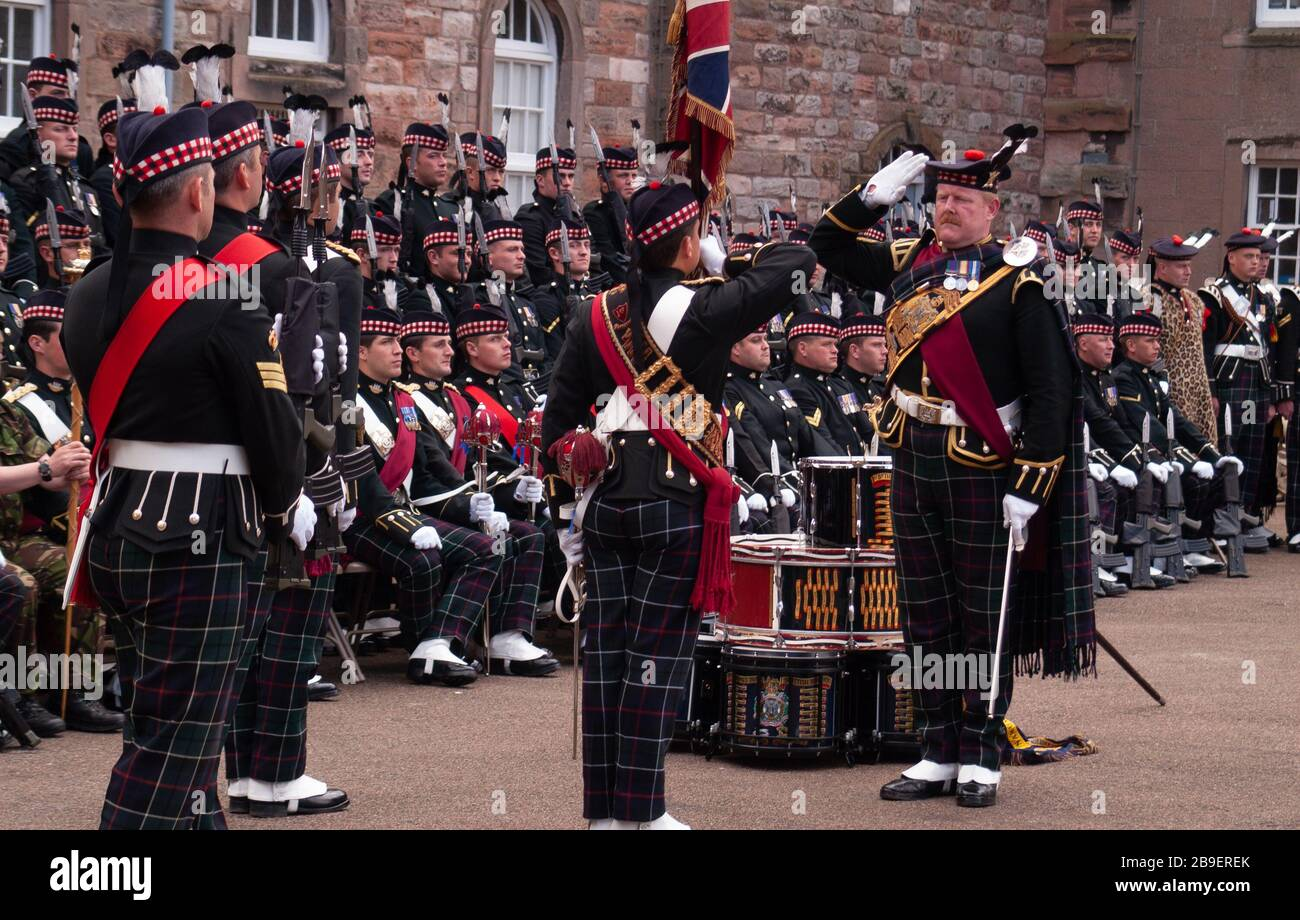
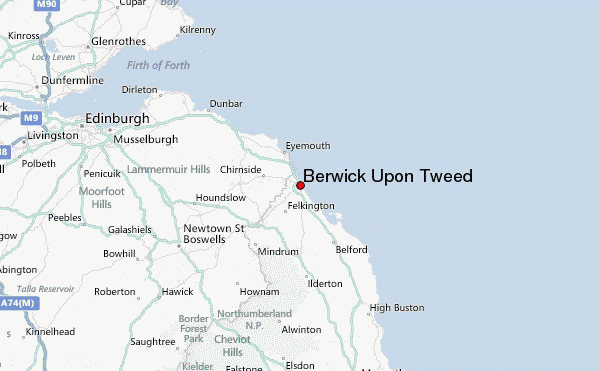


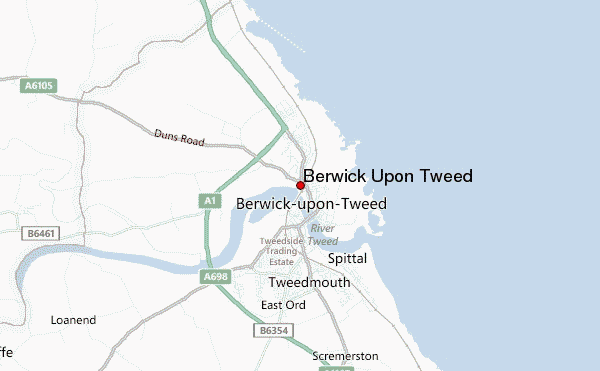
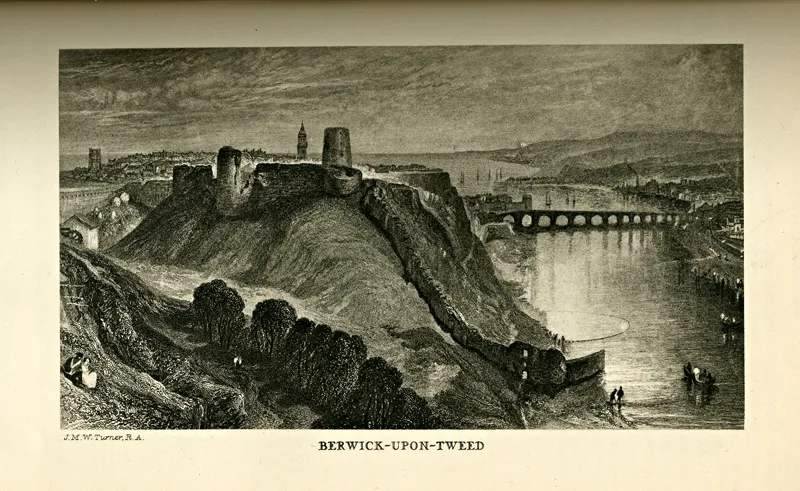
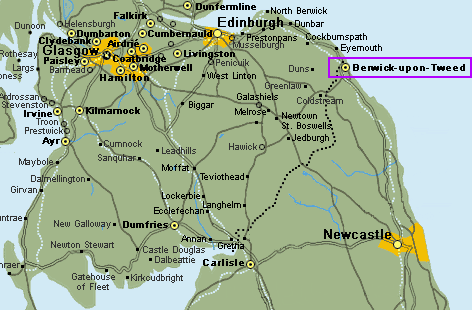
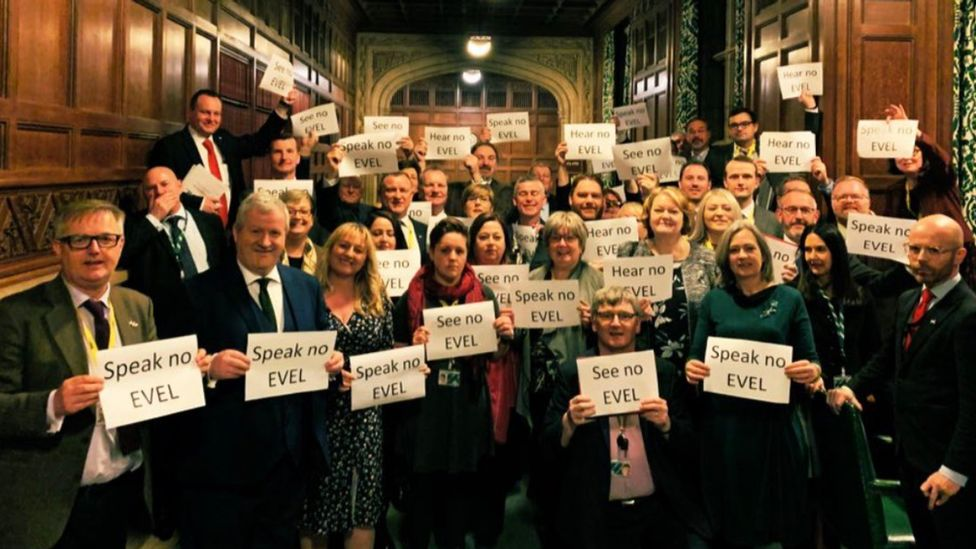

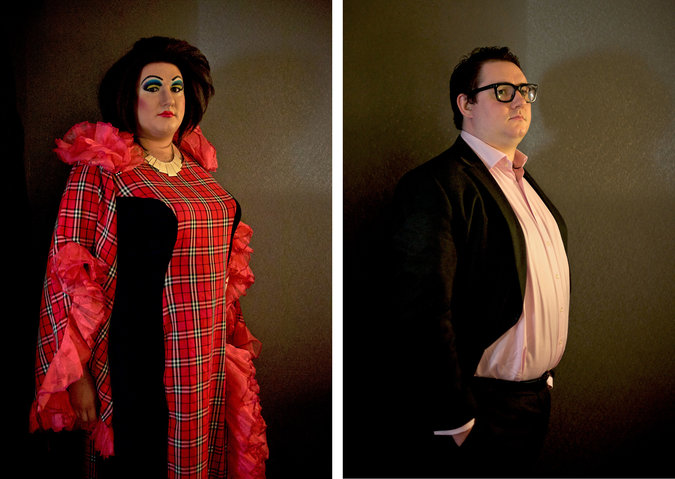
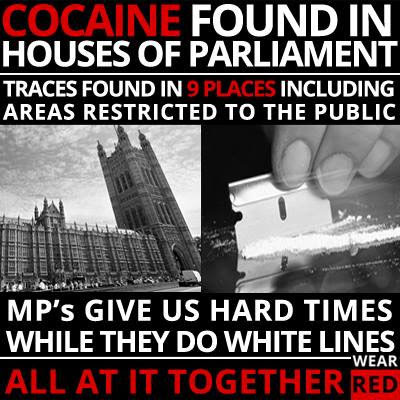


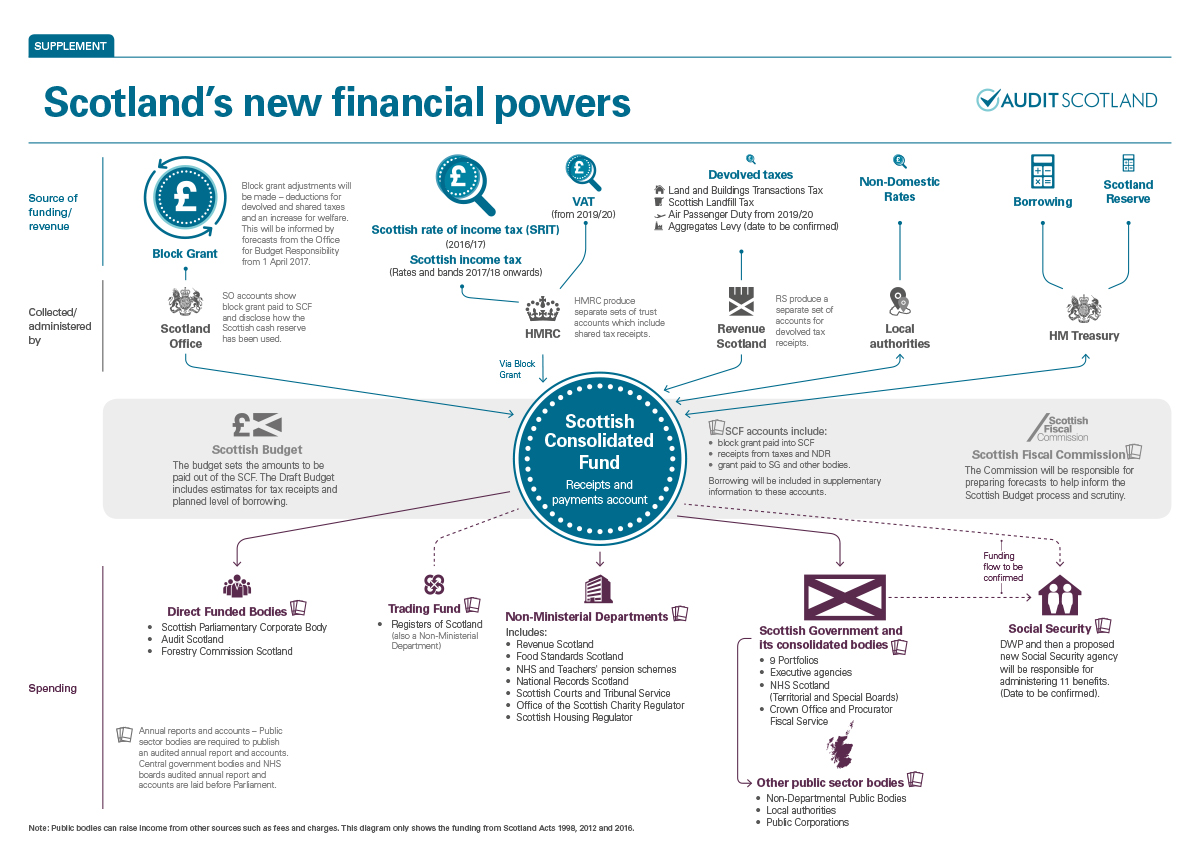
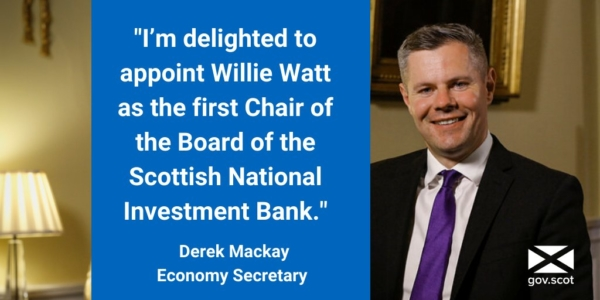







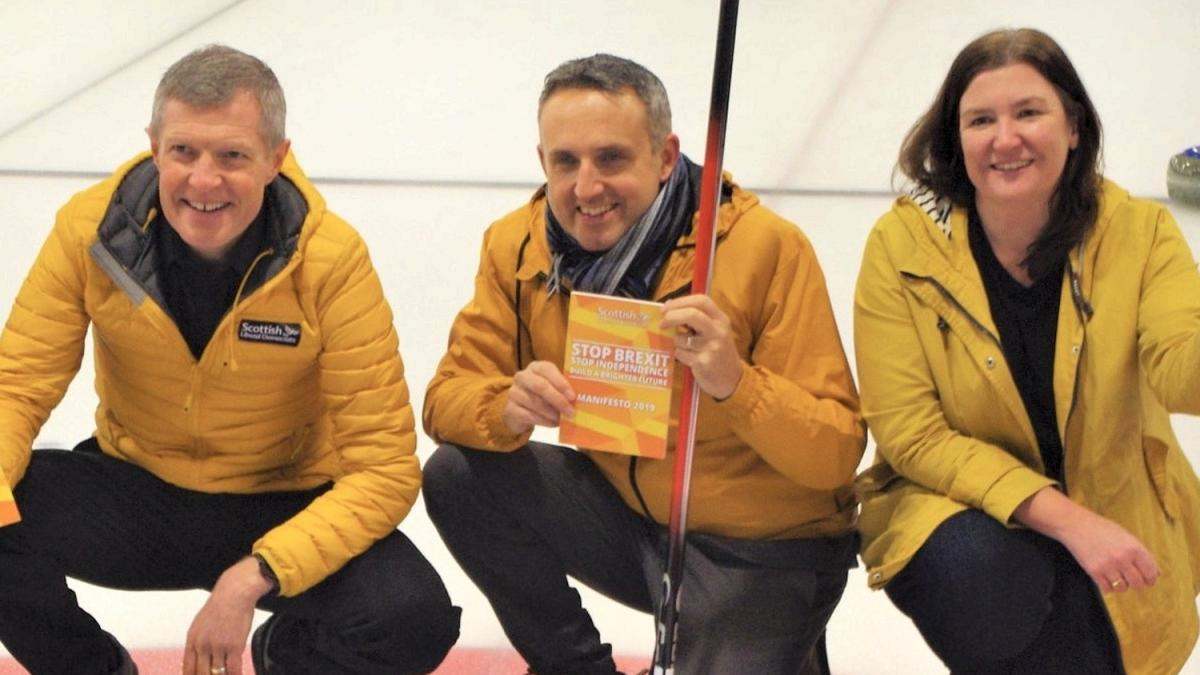
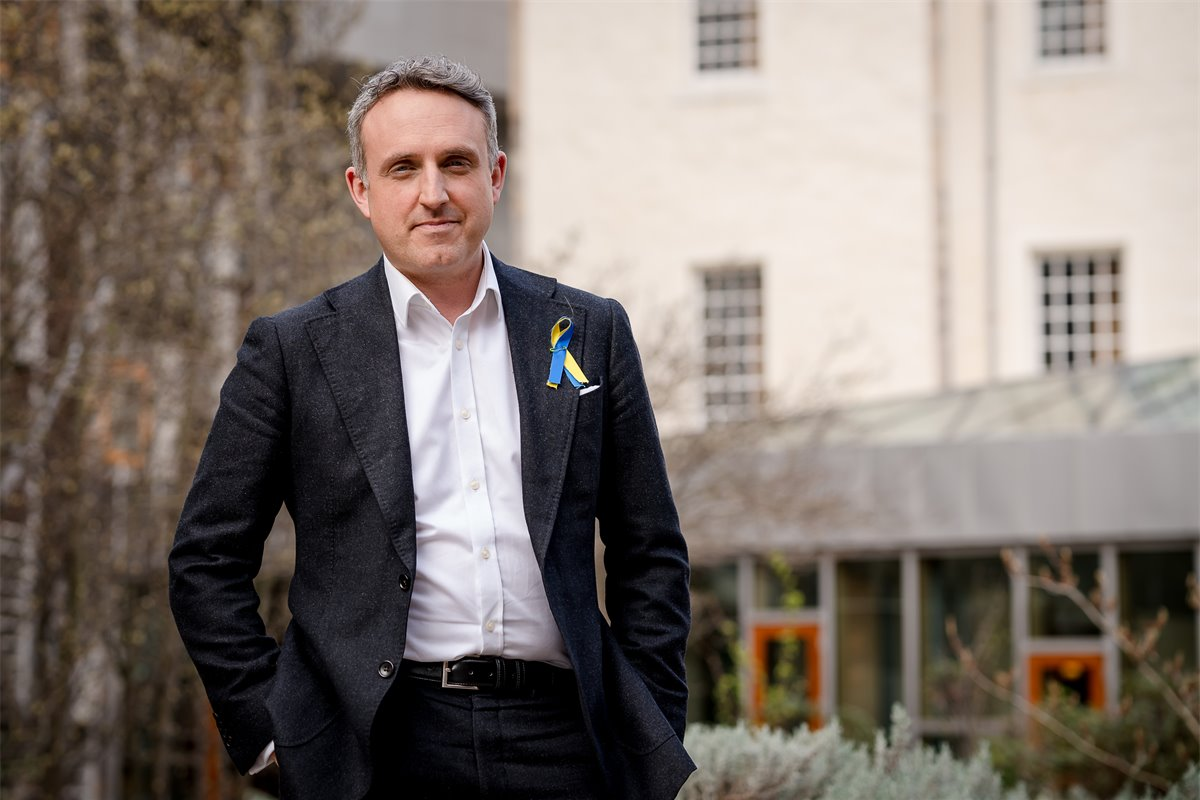
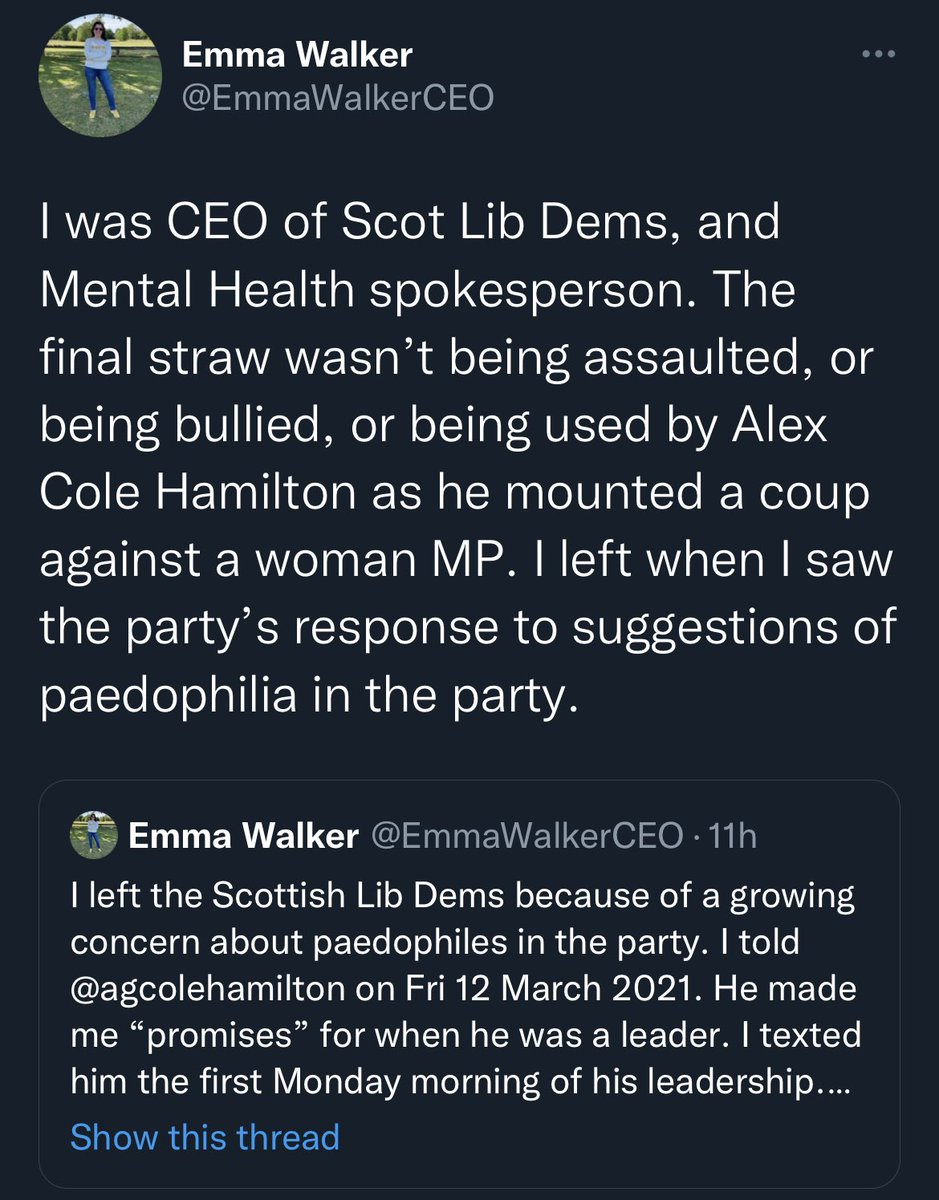

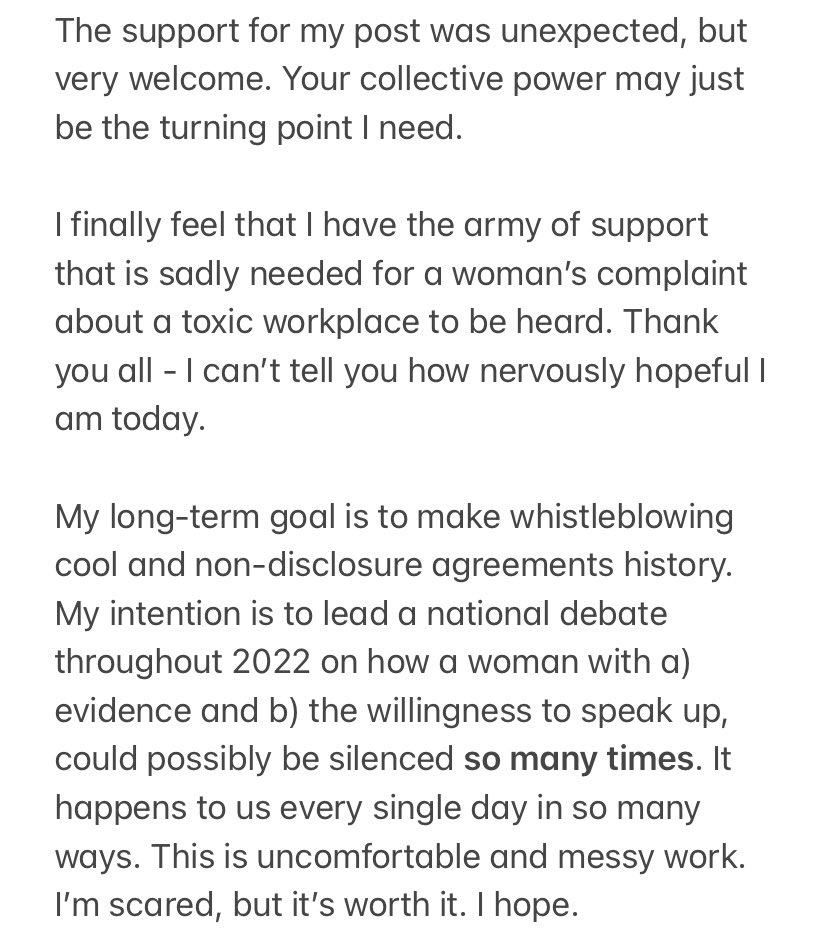
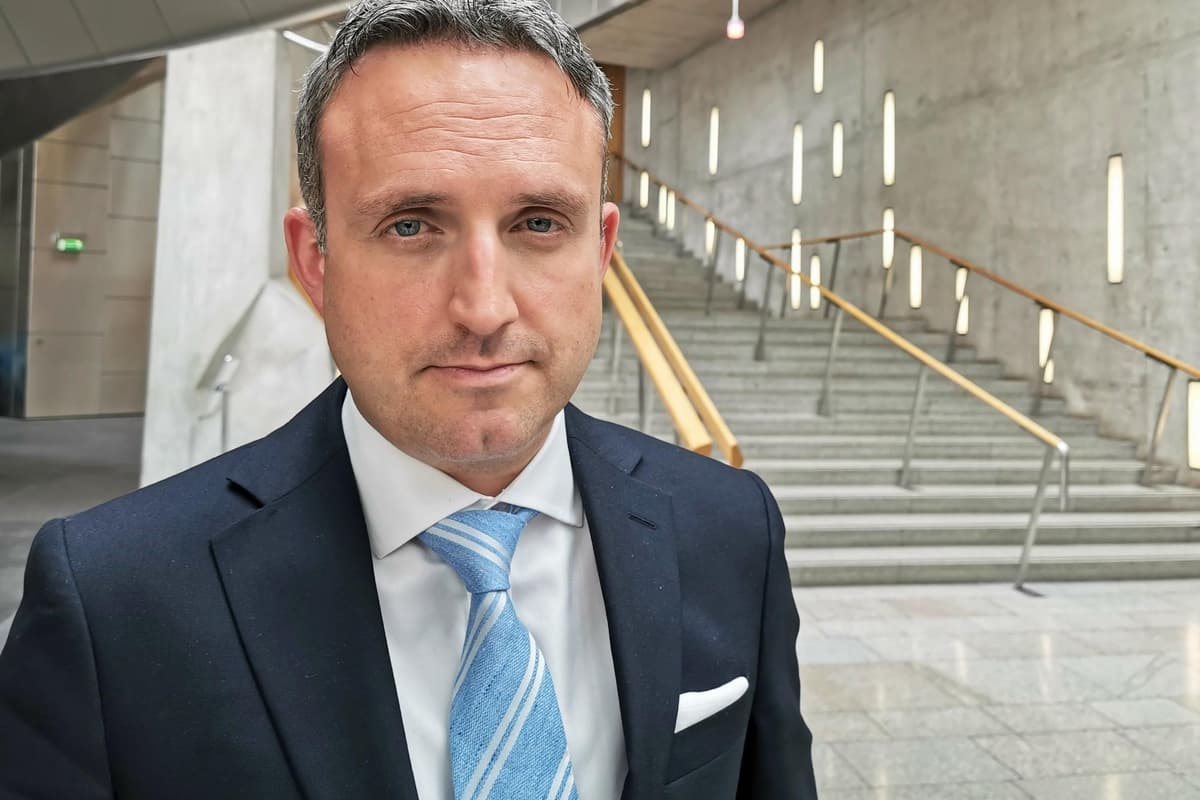
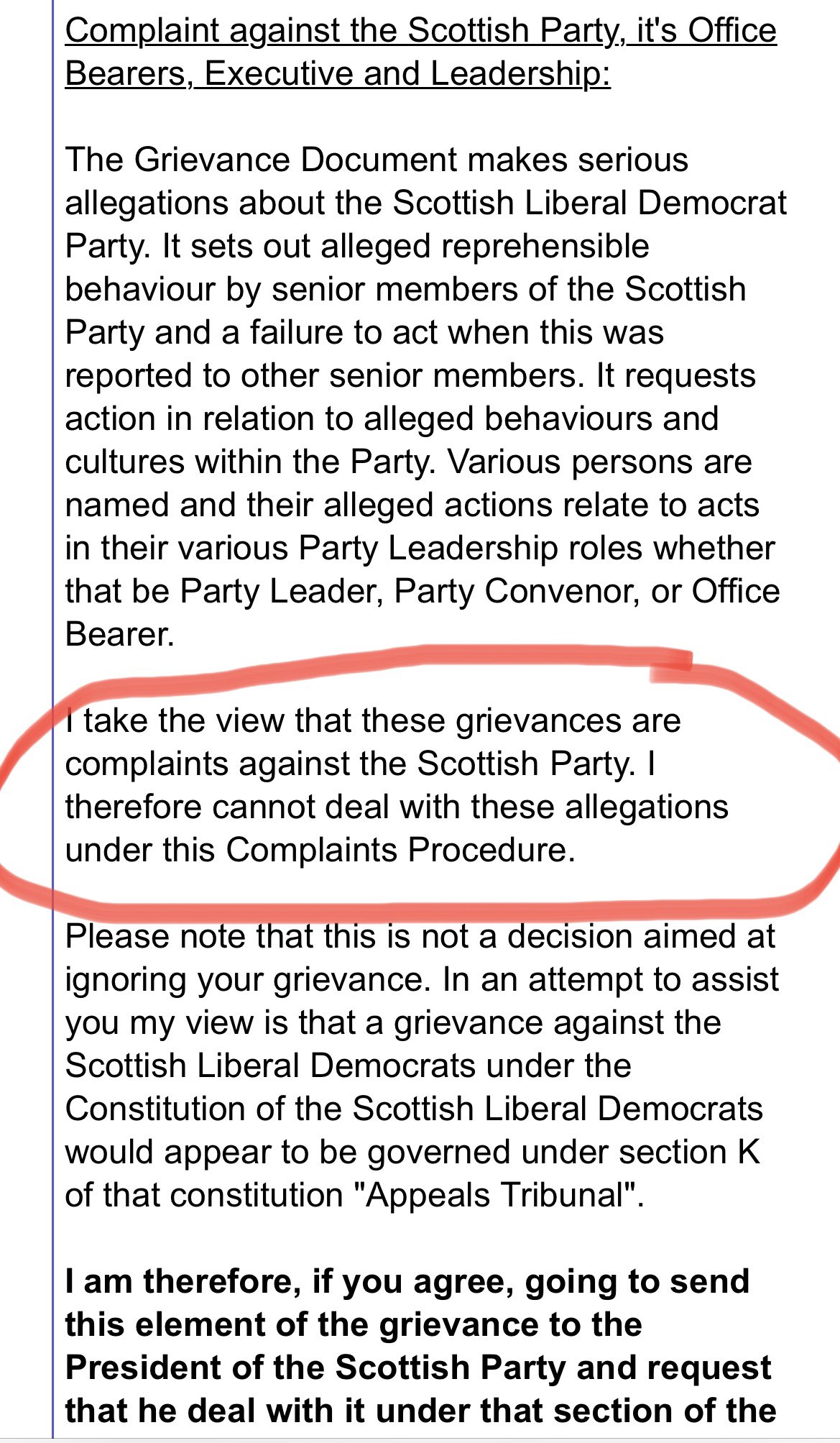
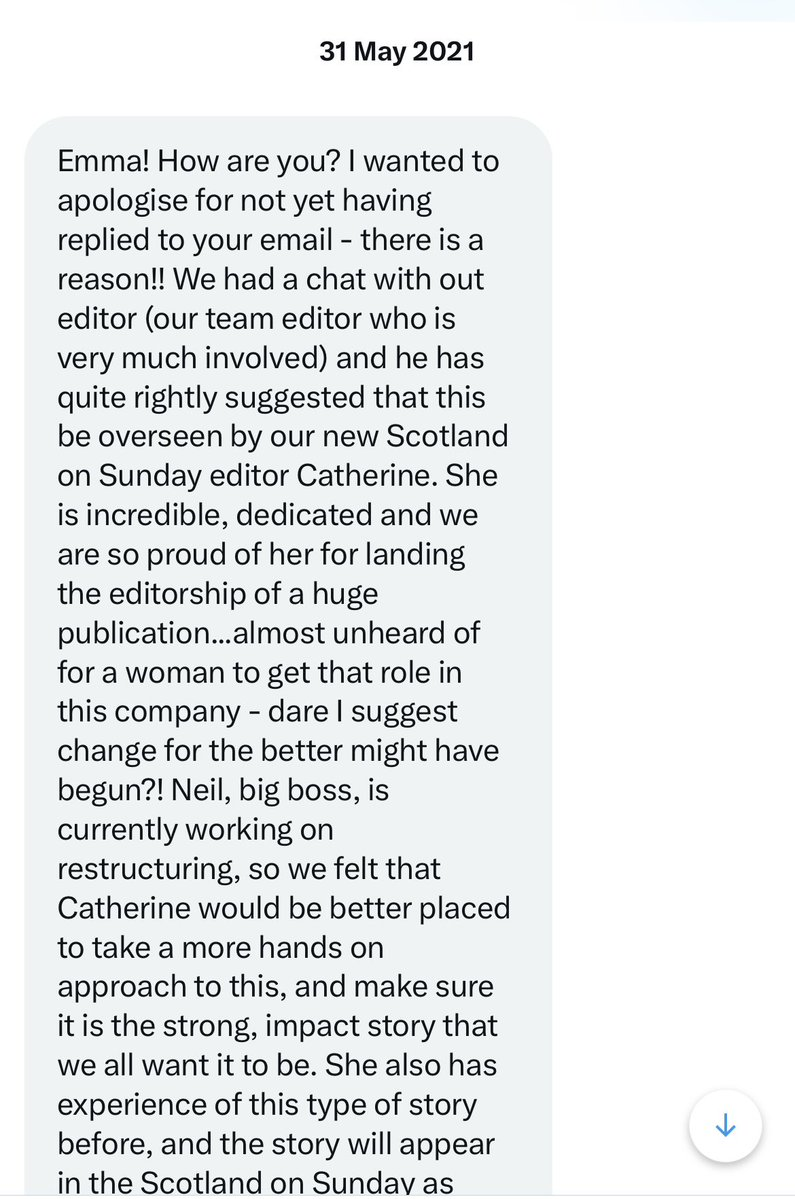
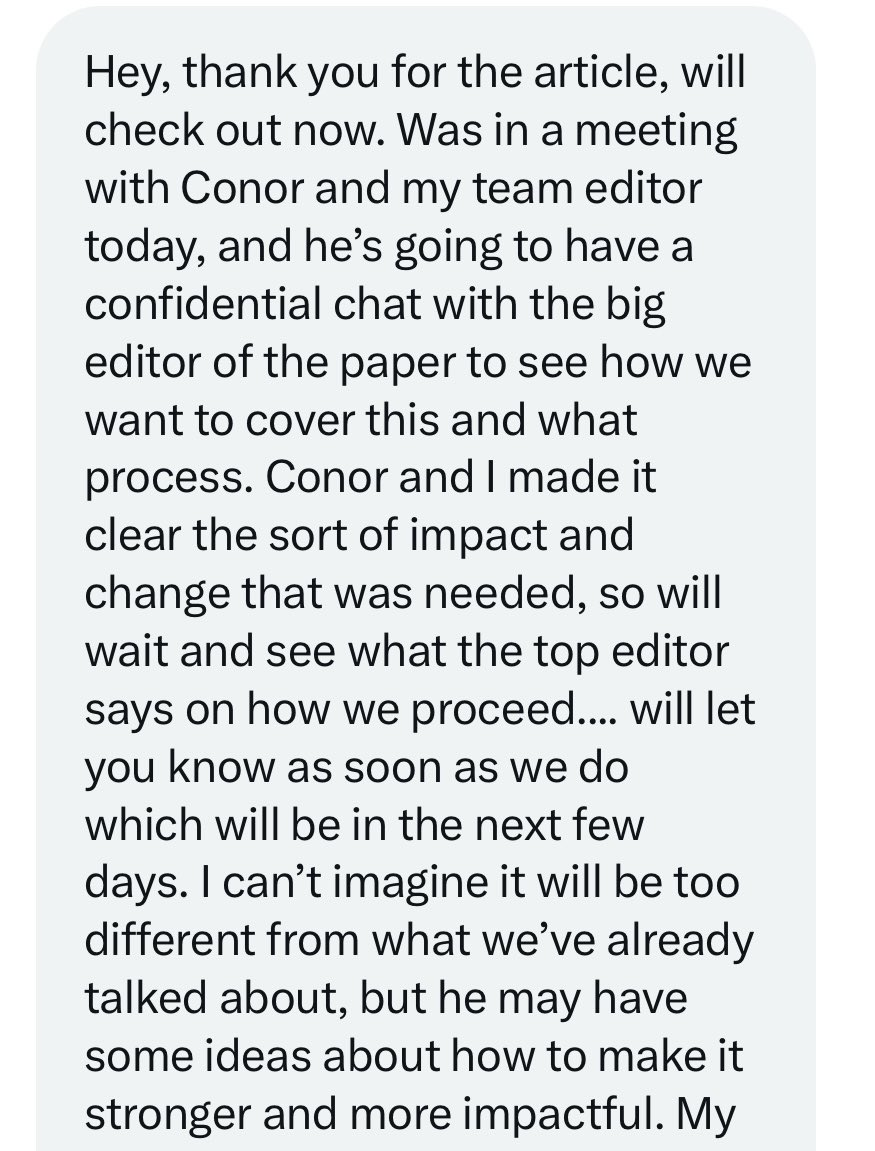
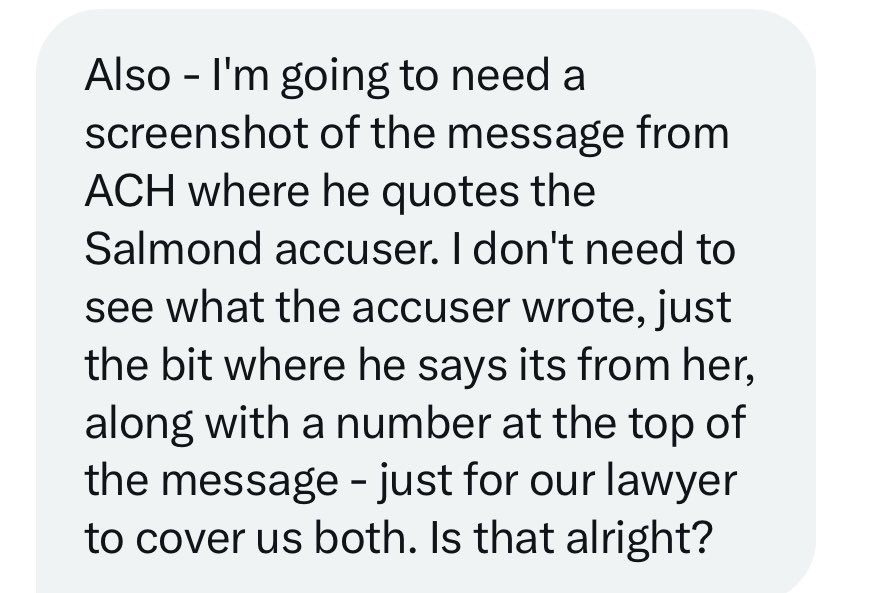
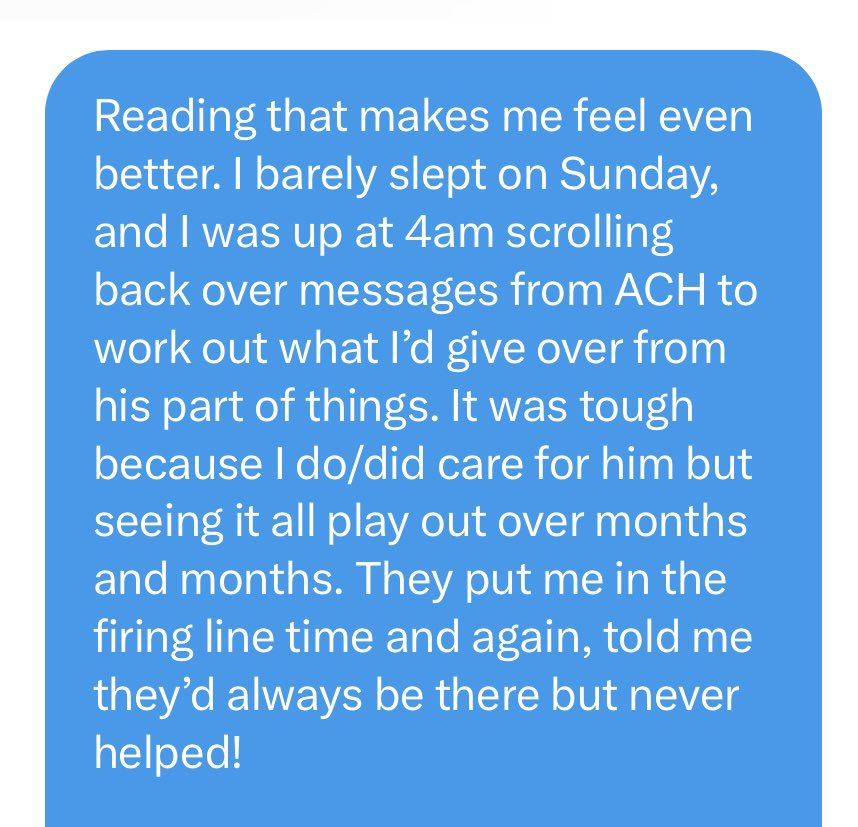
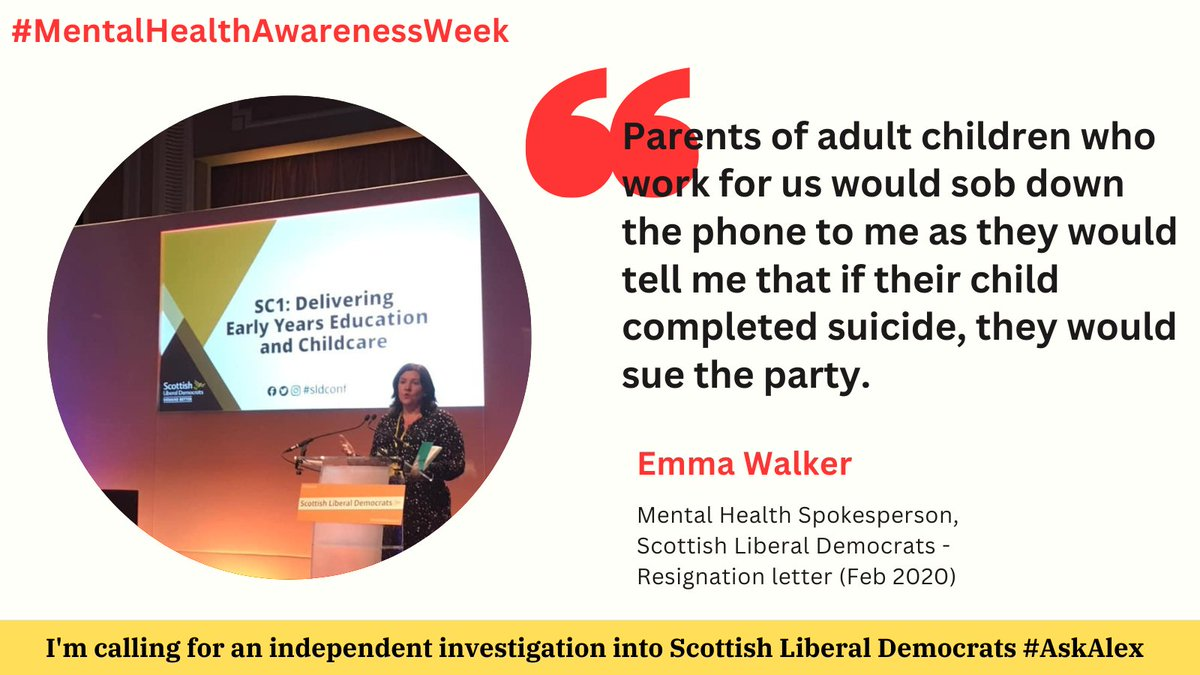





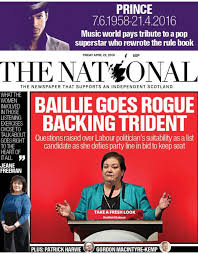
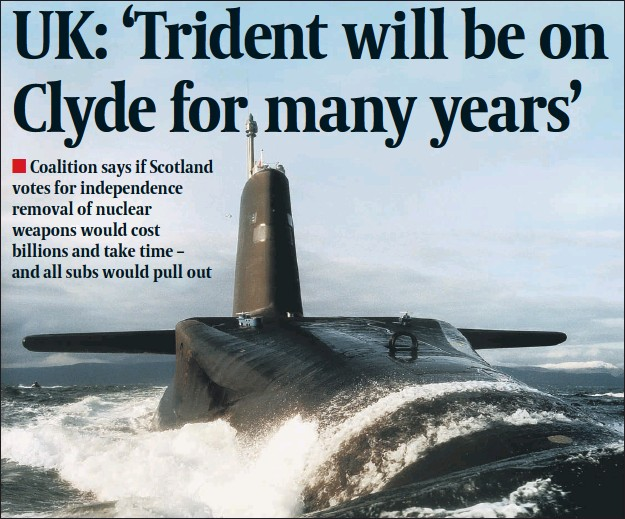
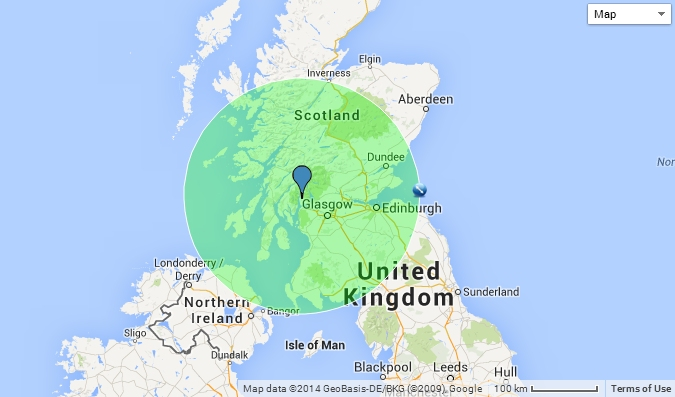




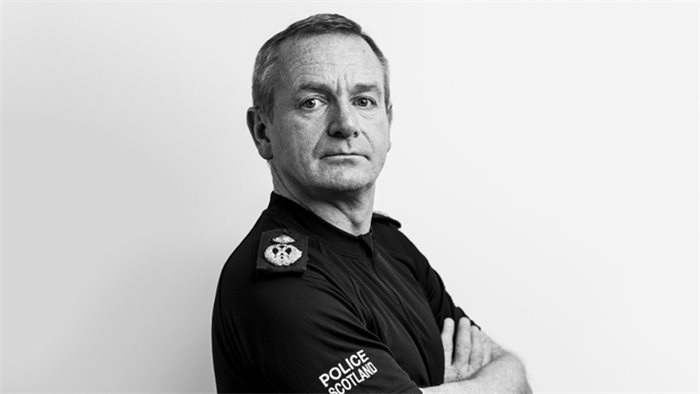
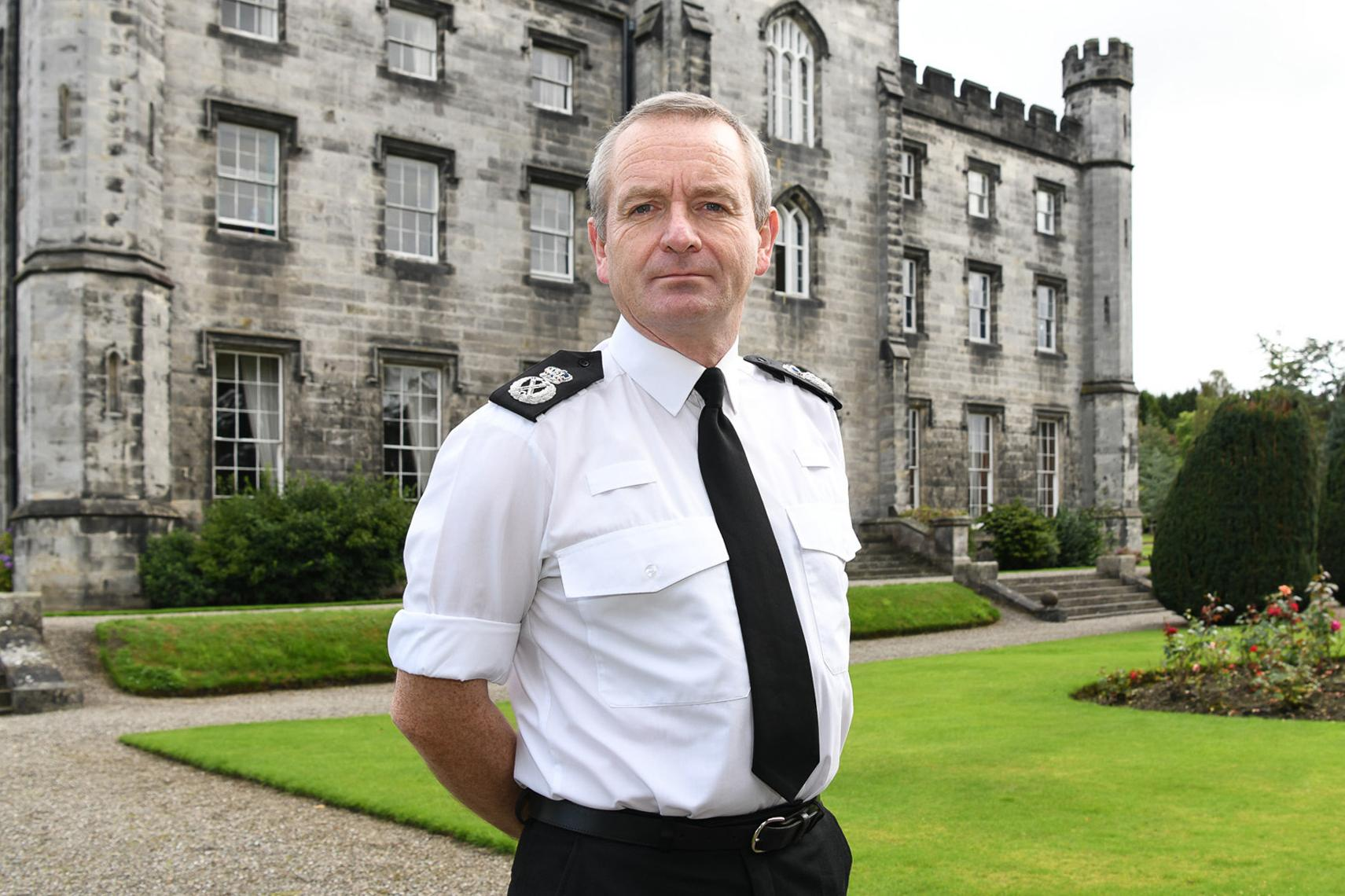
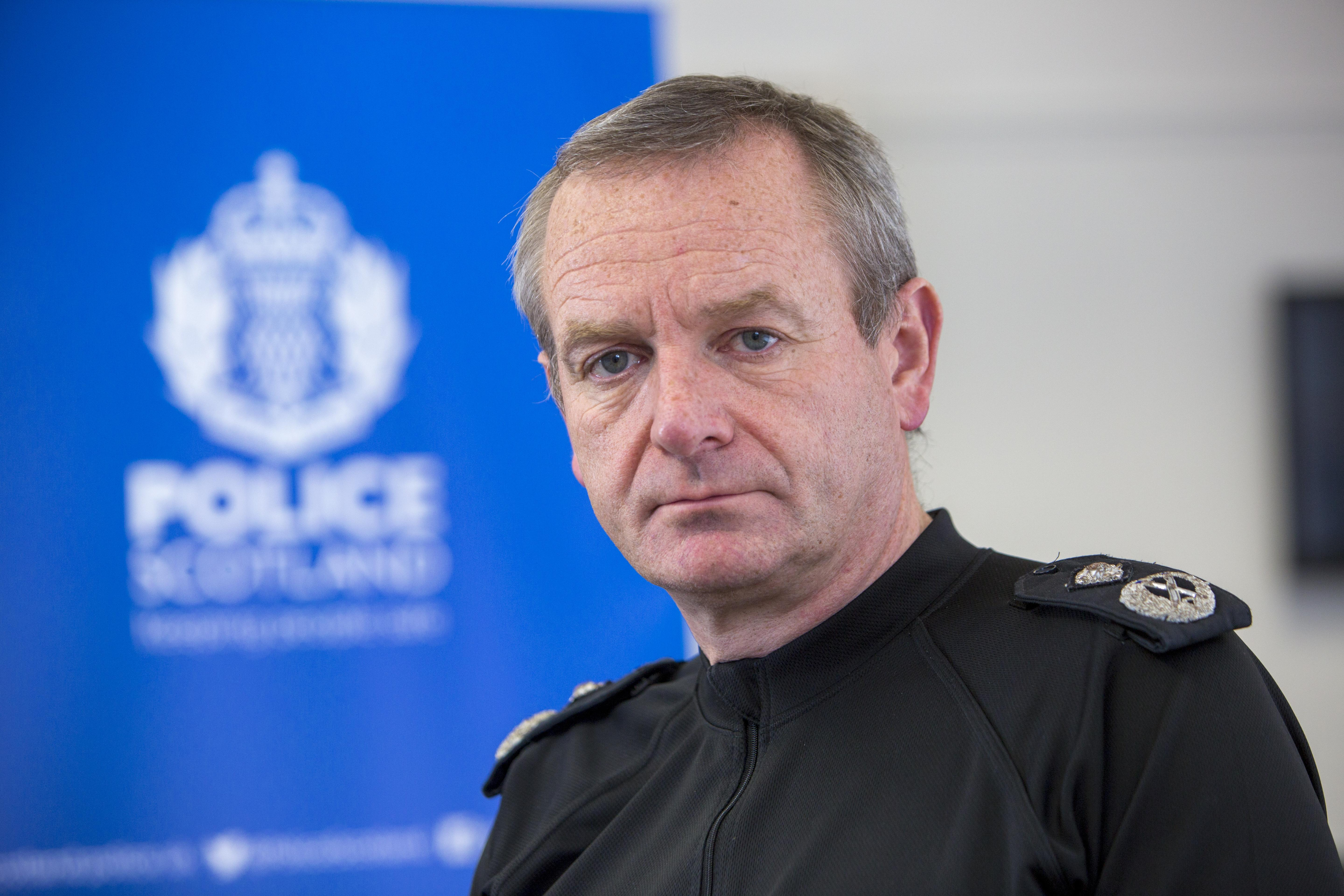
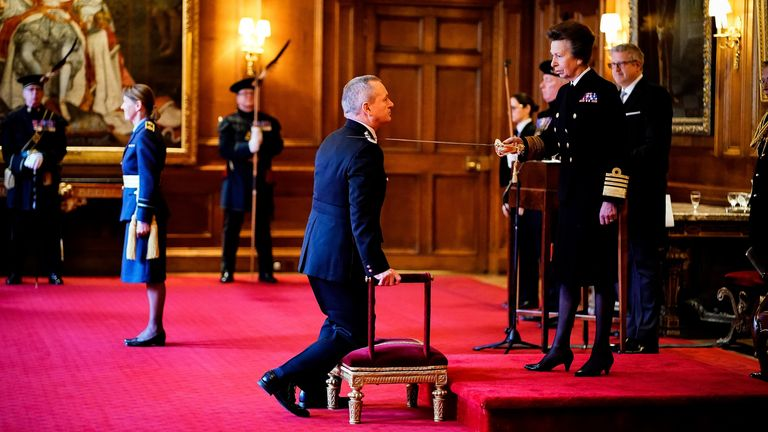
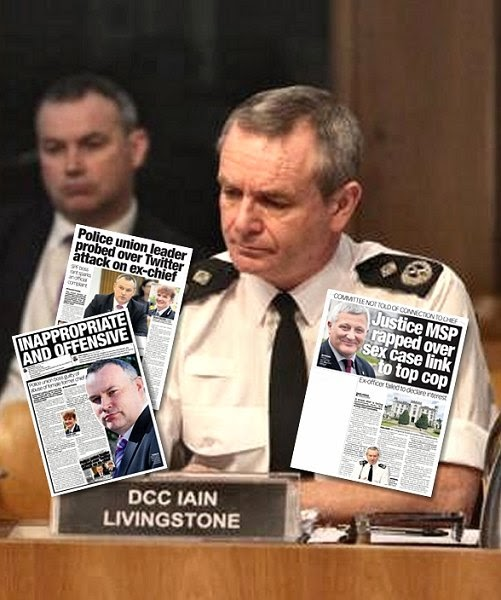


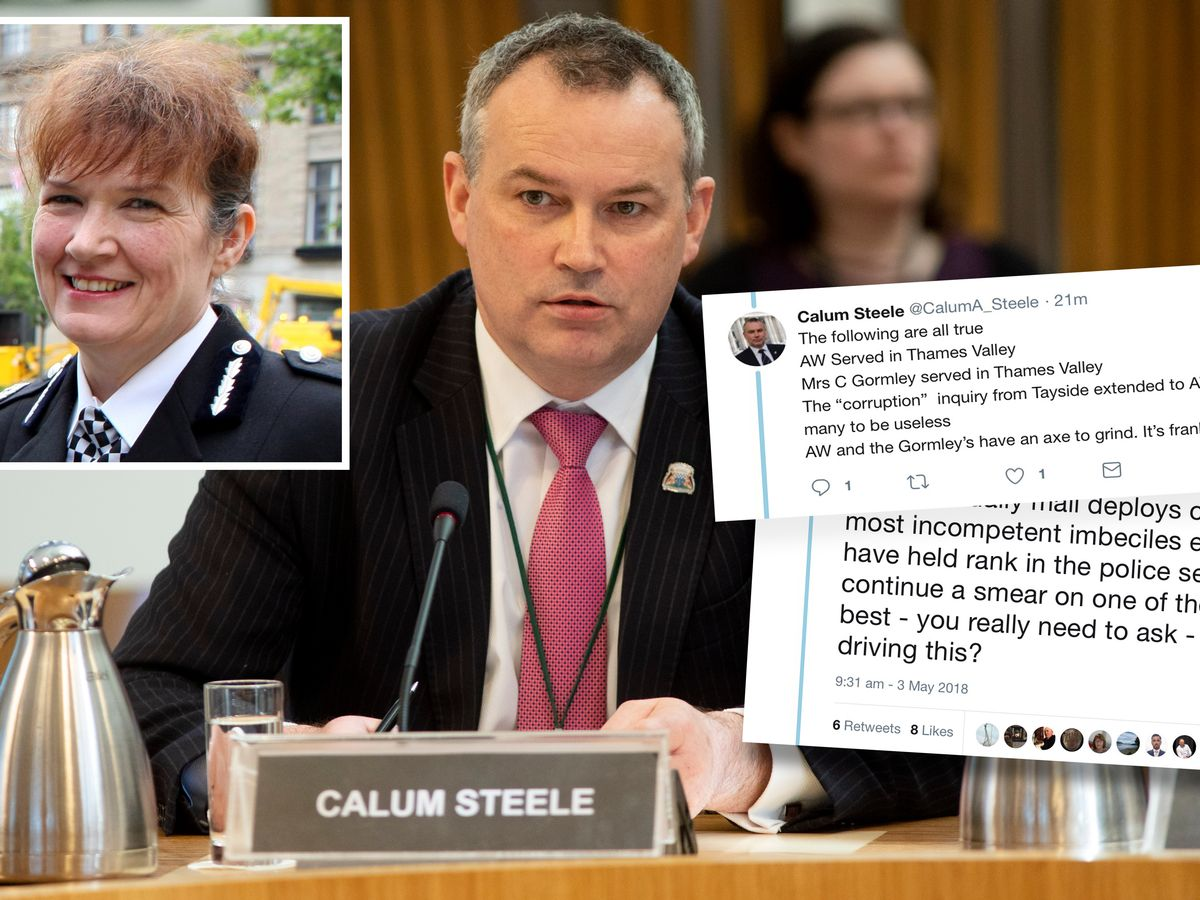

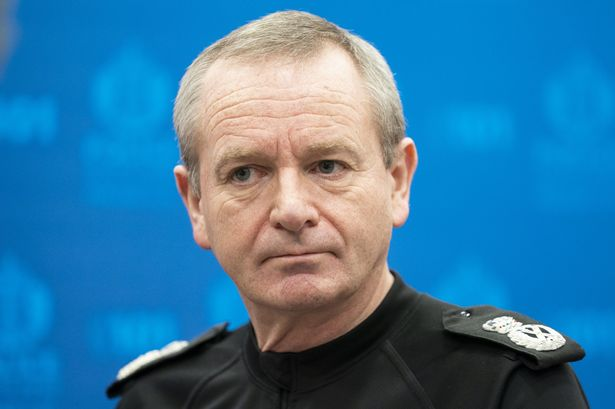


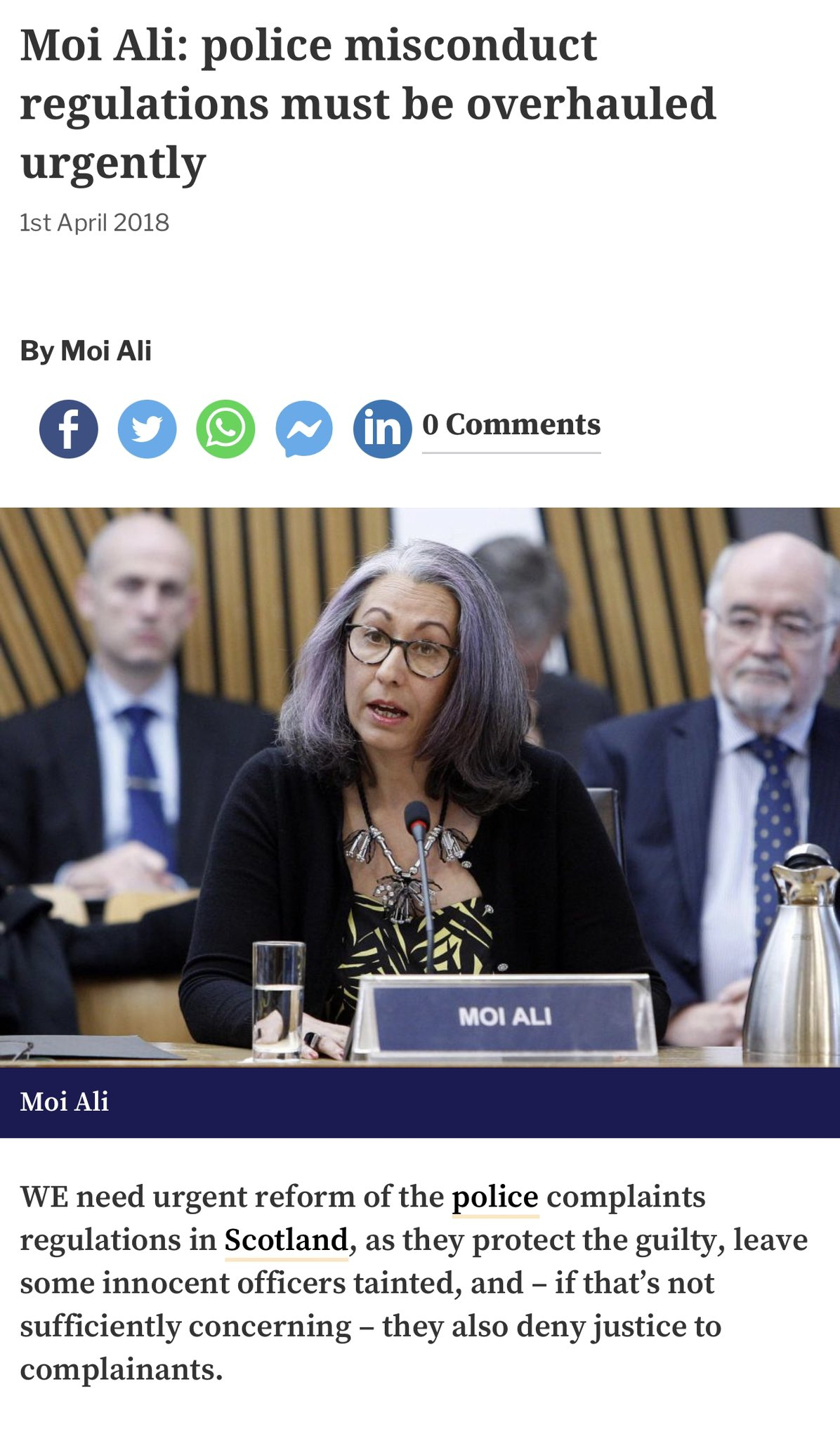


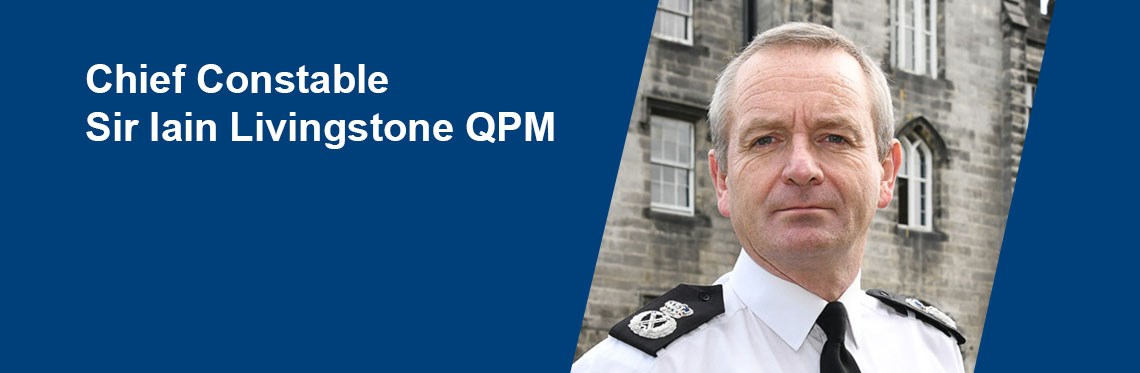
 caltonjock