“Naebody’s nails can reach the length o’ Lunnon”. Sir Walter Scott – Scots Should heed His Warning and vote for Independence


851518084-5fb071709c080333e7d4f010afc66fee


England Blackmails Scotland

There were a number of poor harvests in Scotland in the 1690s and Scotland’s economic position was then drastically worsened by the ill-fated Darien Scheme to create a Scottish colony in Panama. Scotland lost 25% of its liquid assets.

The Act of Union undertook to pay £400k pounds in compensation to those who had incurred these losses. This was of course blatant bribery as the people who were to benefit from this compensation were amongst those who voted in favour of the Union.

Scotland relied on 50% of its exports going to England. In an act of blackmail in 1705, the English Parliament closed their market to Scottish cattle, coal and linen and declared that all Scots would be treated a aliens. It showed the vulnerability of Scotland to a trade war.

In addition, Scotland was excluded from England’s colonial territories – indeed early moves towards a union of the parliaments stumbled in England as they were reluctant to allow open access.


6-paragraph


Act of Union 1707

A commission representing the two bodies met and thrashed out the details. The Scots lost the argument for a federal arrangement but did manage to secure the continuation of the Scottish legal system, education and church.

These were important elements in allowing the country to continue to regard itself as a separate entity. The privileges of the Scottish royal burghs were also to be maintained.

Debates in the Scottish Parliament were heated and lengthy while the crowds in the streets burnt copies of the treaty and threw stones at the Parliament windows. The people of Glasgow refused to accept the change and closed the city for a month before the military established control and martial law

But on January 16, 1707, the Treaty of Union was passed by 110 votes to 67 (with more than a suspicion that some of the poorer Members of Parliament had been bribed – though this was nothing new for those days). The Treaty was passed in Westminster without opposition and the Scottish Parliament met for the last time on 25 March 1707.

When the Act of Union was given the Royal Assent by the Earl of Seafield, he touched the document with the royal sceptre saying “There’s the end of an auld sang.” Nearly 300 years later, at the “re-convening” of Parliament in Edinburgh in 1999, the Presiding Officer was to remark that it was the “start of a new sang”.


Sir_Henry_Raeburn_-_Portrait_of_Sir_Walter_Scott


Sir Walter Scott’s Challenge to the Scots

With the hopes of Bonnie Prince Charlie extinguished at Culloden, various influences were at work to bring the peoples of the North and South of Scotland into closer association, but much bitterness and misunderstanding persisted and it was an important epoch for Scottish national life, when Walter Scott crossed the Highland line.

He became enraptured by the grandeur of the Highland scenery, by the purple heather hills, the rush of water through the gorges, the brown heath and shaggy wood. He felt, too, the heroic valour and high-souled fidelity of its people.

The results of these Highland influences were given to the world in The Lady of the Lake, and more powerfully continued in Waverley, Rob Roy, the Fair Maid o f Perth, and the Legend of Montrose. It may be that only the Highlander can understand fully the Highlander, and that even Sir Walter may have missed certain subtle qualities that lie in the Highland nature, but in so far as land and people lay open to the Lowlander, Walter Scott realized and recorded it.

To the people of the Lowlands the Highland race and region became a new fact and factor in the national life. They learned to admire the splendid devotion of many of the Highland chieftains and their clansmen to the Stuart race (devotion misplaced, it may be, but deep and sincere.) And when they read of the high-souled fidelity of Clansmen to the Chieftain; of Evan Maccombich who offered to die on the scaffold in place of his beloved Chieftain; of Torquil of the Oak who devoted all his sons to die in defence of the Chief; they learned to know the Highland spirit at its best.

At last, and in part, at least, through this leavening, there emerged a Scottish nation, diverse in race, but one in spirit and into this united people, Walter Scott did much to infuse a noble type of patriotism, ‘a patriotism that seeks not its own. Through his influence the Lowlander glories not only in the south-land with its memories of Wallace and Bruce, Knox and the Reformers, but in the heather hills and glens.

The Highlander, brought into association with the south, appropriated the best traditions of Lowlands and Highlands alike and it was with a deep sense of possession of all the land that Sir Walter Scott summed up the attitude of the Scottish “man in the street” with these words:

“I ken, when we had a king, and a chancellor, and parliament – men o’ our ain, we could aye peeble them wi’ stones when they werena gude bairns – But naebody’s nails can reach the length o’ Lunnon”.


sir-walter-scott-quote-the-will-to-do-the-soul-to-dare

Potentially More Oil Than Saudi Arabia – Scottish Continental Shelf Gives Up Its Secrets – Westminster Frittered Away the Revenue Last Time – Independence Is The Answer


Oil Finds In the Scottish Continental Shelf –  Billions of Barrels to be Recovered From Fields Off the Shetlands

Only with independence will Scotland benefit from the abundance of oil yet to be recovered from the Scottish Continental Shelf. Delays will only benefit the UK Treasury to the detriment of Scotland as was the case with the North Sea oil. It is important the the Scottish electorate does not believe the negative hype of the Westminster based and directed media outlets.Potentially more oil in these few fields than there is left in Saudi Arabia.


Hurricane Energy

Hurricane is an oil and gas company focused on hydrocarbon resources in naturally fractured basement reservoirs. The Company’s focus is to discover, appraise and develop oil reserves in basement rock.

Hurricane has already successfully discovered substantial volumes of oil on the UKCS. The Company has 444-470 mmboe of 2C Contingent Resources and 432-442 mmboe of P50 Prospective Resources on acreage it controls 100%.

The company was founded in 2005 by Dr Robert Trice with the help and encouragement of a private investor, in the belief that fractured basement reservoirs represent a significant untapped resource. Beginning with just a few highly expert staff, Hurricane gradually established a team of specialists with the skills, experience and determination to locate and develop this resource potential.

Through successful participation in a series of UK licensing rounds it has built a portfolio which includes third party verified Contingent Resources, ready to drill prospects and exploration leads.

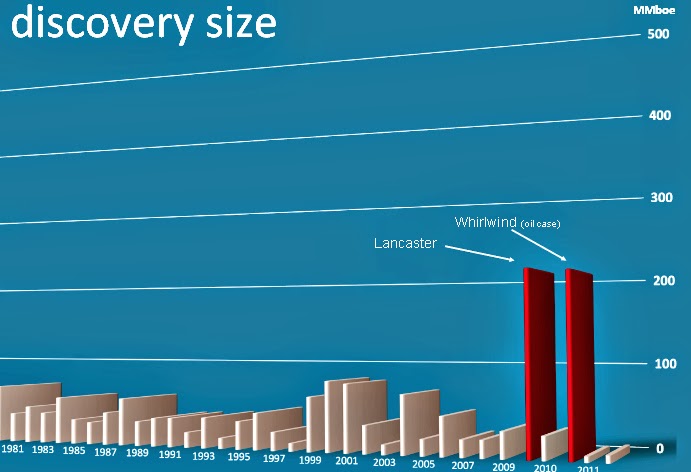
In a short time Hurricane energy has achieved a great deal. During 2009 and 2010, the average size of oil discovery within the UK Continental Shelf was 20-23 million barrels.

In the same period, Hurricane discovered around 200 million barrels, twice ( figures extracted from an independently produced Competent Person’s Report (CPR). Since inception, Hurricane energy company has identified basement prospects, discovered oil and, most importantly, validated its model for basement exploration.


The Halifax Field
Seismic interpretation indicates the presence of a well-defined fault network within the fractured basement of the Halifax Prospect, analogous to that seen in Lancaster. Encouragingly, a previous well drilled on the Halifax structure encountered oil and gas shows in sandstones immediately above the basement. In addition, Hurricane’s analysis of basement cuttings indicates the presence of oil thus mitigating the oil charge risk to the Halifax Prospect.

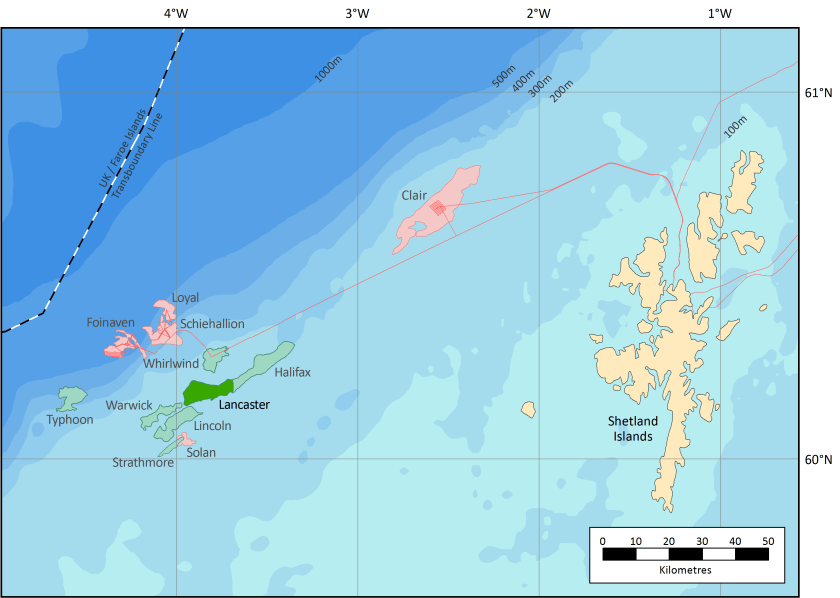
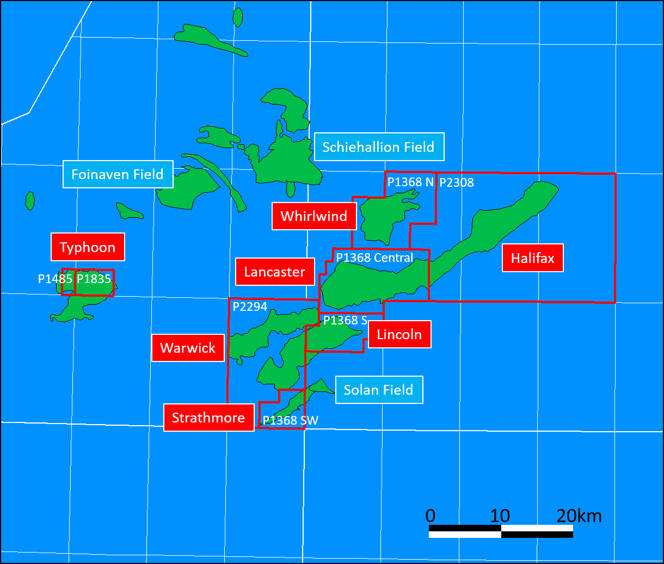
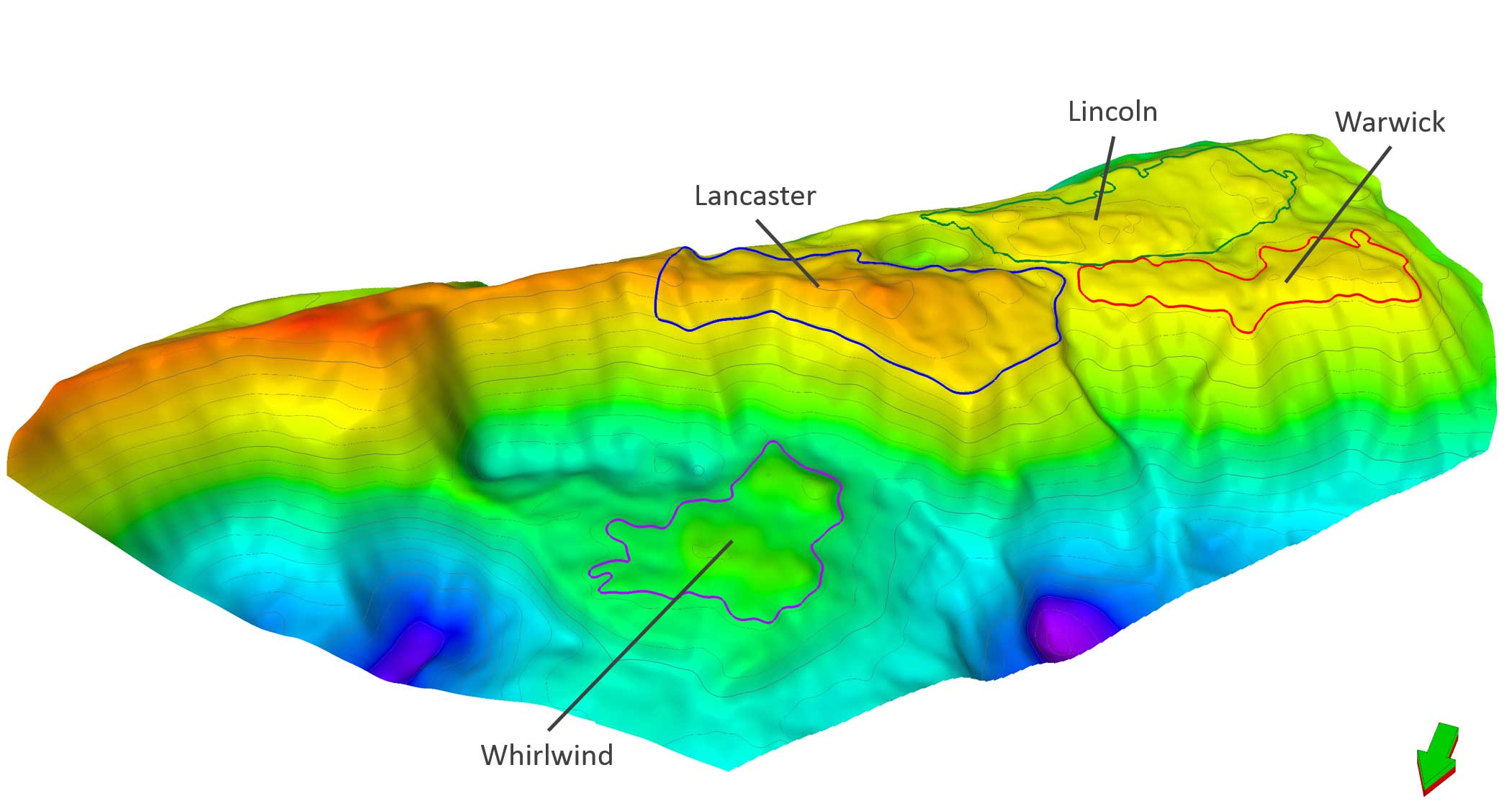
The recently drilled Lancaster Pilot indicated that the Lancaster oil accumulation is likely to extend beyond the Lancaster licence boundary. The Company believes that if mobile oil can be demonstrated outside of local structural closure at Halifax, then the Lancaster Field could extend further North East along the Rona Ridge.

Recognising this, Hurricane has identified a well location on Halifax and acquired a site survey over the prospective well location in preparation for the drilling of an exploration well. On the basis that permits can be obtained in time, Hurricane intends to drill the Halifax Well immediately following the Lincoln Well.

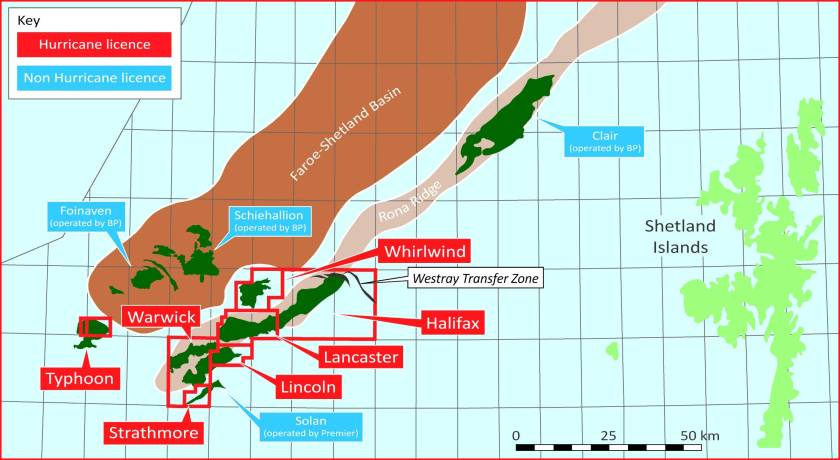
Below is a 3D depth surface of the Halifax prospect indicating its position on the Rona Ridge in relationship to the Lancaster field and the Westray Transfer Zone. https://www.hurricaneenergy.com/Operations/HurricaneAssets/HalifaxBasementProspect/


Lancaster location


The Lincoln Field
The Lincoln basement prospect is geologically similar to the nearby Lancaster structure. Seismic interpretation indicates the likely presence of fracturing within the basement and, encouragingly, a previous well drilled on the down-dip flank of the Lincoln structure found oil in sandstones immediately above the basement, thus mitigating the oil charge risk to the prospect. Traces of oil were also noted in the short interval of basement that was drilled below the oil bearing sandstones.

Given its proximity to Lancaster (approximately 7kms) and its resource potential (150 mmbo) Lincoln is an attractive prospect that could deliver significant incremental value via tie-back to a Lancaster development hub. Recognising this, we have already identified a well location on Lincoln and acquired a site survey over the site in preparation for drilling an exploration well, the timing ofwhich will be influenced by the results of the Lancaster appraisal drilling programme. https://www.hurricaneenergy.com/Operations/HurricaneAssets/LincolnBasementProspect/


hurricane-boosts-lancaster-estimates-lincoln-and-warwick-to-become-separate-field


The Lancaster Field
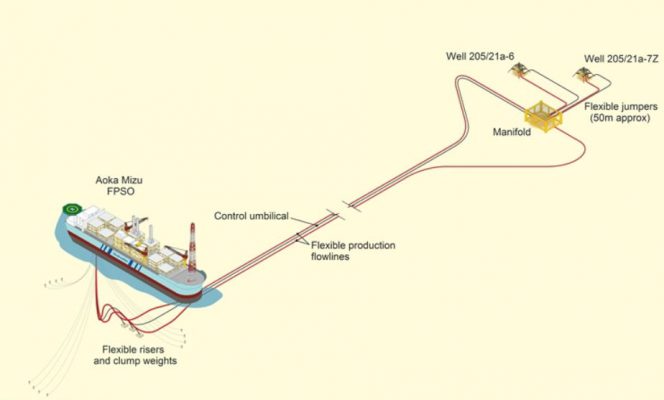
Located in relatively shallow water depths of 160 metres, Lancaster was the first basement prospect drilled by Hurricane and proved to be a significant discovery. The results of the drilling also indicated that significant upside potential could exist within Lancaster as oil shows were encountered at depth within the basement.

The Competent Person’s Report (CPR) assigns 207 MMboe of 2C Contingent Resources to Lancaster and concludes that individual well flow rates up to 8000 bopd are achievable from the basement. https://www.hurricaneenergy.com/Operations/HurricaneAssets/LancasterBasementDiscovery/


hurricne-locations


The Whirlwind Field

Whirlwind is mapped as a large (approximately 33 km2) basement structure that is approximately 2000 metres deeper than Lancaster, although it is likely to be charged from the same source. Whirlwind was drilled during 2010 . The well flowed light oil/gas-condensate from an open hole test conducted over Lower Cretaceous limestone. The CPR has assigned 2C Contingent Resources of 205 MMboe (oil case) or 179 MMboe (gas –condensate case) to Whirlwind. https://www.hurricaneenergy.com/Operations/HurricaneAssets/WhirlwindBasementDiscovery/


hurricane-assets


The Strathmore Field

Strathmore is an undeveloped oil field first discovered in 1990. Strathmore is a sandstone reservoir, not a fractured basement. The field contains oil in Triassic-aged sandstones. https://www.hurricaneenergy.com/Operations/HurricaneAssets/StrathmoreSandstoneDiscovery/


hurricane-assets


The Typhoon Field

Typhoon is primarily a basement prospect but also offers potential in overlying Jurassic sandstones. Previous drilling during the 1980s on Typhoon resulted in heavy oil being discovered in both the basement and the Jurassic sandstones. A subsequent well deep on the flank of the structure encountered oil in the basement indicative of a light oil charge. These previously drilled wells lead Hurricane to believe that significant volumes of lighter oil could be present deeper within the prospect, as a flank accumulation. The 2011 CPR has assigned unrisked P50 Prospective Resources of 149 MMboe to Typhoon and 1,266 MMboe for the P10 volume acknowledging the material. https://www.hurricaneenergy.com/Operations/HurricaneAssets/TyphoonBasementProspect/


hurricane_lancaster-664x400


The Warwick Field
The Warwick basement prospect is geologically similar to the nearby Lancaster and Lincoln structures. Seismic interpretation indicates the presence of faulting within the basement and, by inference from Lancaster, an associated fracture network is expected to be present. Given its proximity to Lancaster, Warwick is an attractive prospect that could deliver significant incremental value via tie-back to a Lancaster development hub.

Recognising this, Hurricane intends to undertake further fault mapping and volumetric assessment, with the objective of locating a Warwick drill location. Drilling of Warwick is expected to be aligned with progress on the Lancaster Early Production System. https://www.hurricaneenergy.com/Operations/HurricaneAssets/WarwickBasementProspect/


these-scottish-nationalists-think-theres-a-conspi-2-12693-1410191053-4_dblbig


https://www.hurricaneenergy.com/Operations/HurricaneAssets/LincolnBasementProspect/
https://www.hurricaneenergy.com/Communications/RegulatoryNewsService/”
https://www.hurricaneenergy.com/Company/Ourstory/”
https://www.hurricaneenergy.com/Communications/Glossary/”
https://www.hurricaneenergy.com/Communications/Presentations/”
https://www.hurricaneenergy.com/assets/Documents/CorporatePresentation1Q2017.pdf?1483986577”
https://www.hurricaneenergy.com/assets/Documents/ConceptualisingnewInfrastructureHubWoSPDF2.pdf?1445336331”
https://www.hurricaneenergy.com/assets/Documents/PGC30Sep15PDFnospeakernotes.pdf?1445335372”


oilfields


Willie Rennie and His Phony Manifesto – He Does Not have the Authority of the Party Membership to Vote Against the Scottish government Brexit Motion


key_Willie_Rennie
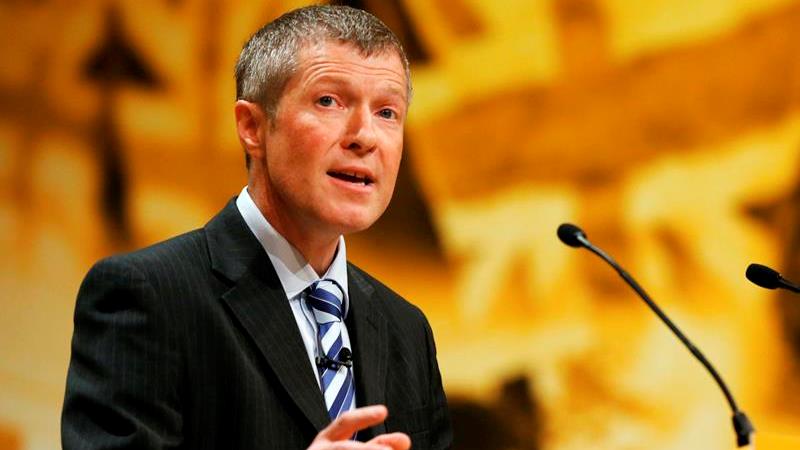
Leader of the Scottish Liberal Democrats, Willie Rennie, speaks during the Liberal Democrats annual conference in Brighton, southern England September 25, 2012. REUTERS/Luke MacGregor (BRITAIN – Tags: POLITICS)


The Scottish Liberal Democrats Independence and Europe

I am bewildered and exasperated by the opposition party’s in Scotland. It is painful to watch once great party’s completing Hari-Kari in the arena of political challenge. Lagging hopelessly behind in last place in public support, seemingly oblivious to the danger of oblivion in Scotland.

The Labour party appears to be made up of “lemmings” happy to jump from a cliff drowning their sorrows in self pity for a millennium. And the Lib-Dem party lacks the courage to embrace the radical policies which brought it so much success in Scotland in past years.

Ruth Davidson and her Unionist Party (the toxic word “Conservative” no longer features in its vocabulary) have claimed the “Union”. The Unionist party is now in the driving seat
and there is no room on their stagecoach for any passengers. Tactically Labour and the Lib-Dems have been outflanked and sidelined for the foreseeable future.

It is still possible for the LIb-Dem party to accept that there has been a significant change in the political scene in Scotland and support calls from their members for an independence referendum.

Such a change would strengthen the case for independence and ensure the party’s future at the centre of Scottish politics. The founding principles of the party provide guidance on the matter stating:

“Setting aside national sovereignty when necessary, we will work with other countries towards an equitable and peaceful international order and a durable system of common security. Within the European Community we affirm the values of federalism and integration and work for unity based on these principles.”

Willie Rennie is adamant that the Lib-Dem party (under his stewardship) will do nothing that might run contrary to the policies of the Lib-Dem party in England/Wales and the perception in the party hierarchy south of the Scottish border is that support of an independence referendum would be depicted as an anti-Westminster vote further damaging any prospects of a revival of the party in England/Wales.

So Scot’s Lib-Dem’s are lumbered with a policy forced on them by their English “big brothers”.

This week, the Scottish Parliament will vote on whether to seek a Section 30 order, the device in the UK Parliament’s power that would give it the right to hold a second referendum on Scottish independence. The SNP Government is expected to win with the support of the Greens.

The Lib-Dem party are involving themselves in the affairs of another party mischievously claiming that the Greens do not have a mandate to call for a referendum given that three conditions in their manifesto have not been met.

They called Greens leader Patrick Harvie out for voting with the SNP, challenging him to justify his abandonment of the relevant parts of his party’s manifesto. The message from the Green Party was clear and unambiguous: “We believe that the best way to build a more prosperous and equal Scotland is to be a full independent member of the EU.”

The stupidity of the Lib-Dem attack on the Green party is also breathtakingly awesome since if the Green party simply abstained the motion would still be carried.


_88468806_libdems_pa


The Scottish Lib-Dem Party Response to the Outcome of the European Referendum

In the early hours of the morning of June 24th, everything we understood about the UK’s relationship with the rest of Europe changed. The European Union and our belief in its goals of peace and economic prosperity is an enormous part of what it is to be a Liberal Democrat. We are internationalist, co-operative, tolerant. And as that reality sank in we realised there was another consequence: What did this mean for our relationship with the rest of the UK?

And that is why Liberal Scotland in Europe has put forward a motion to this autumn’s Scottish Conference which aims to keep the party’s, and Scotland’s, options open.

Other parties may only be about unionism or nationalism, but the Liberal Democrats are about more than that. Our policies are decided by the membership, and as a membership we need to live up to our radical traditions and take on the challenge of finding a creative way forward for Scotland. We want to encourage our leadership to explore all possibilities, with all parties, to pursue the best possible outcome for Scotland.

This period of political history may prove to be the most significant for our constitution in 300 of years. It is for the Scottish Liberal Democrats membership to decide what role the party will play and what route we will choose. But if we are to secure the best future for Scotland and the strongest relationship with both the UK and EU, we will need to leave no possibility unexplored.


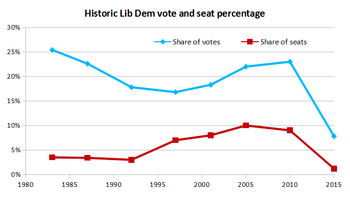
LibDem_vote-seat_percent


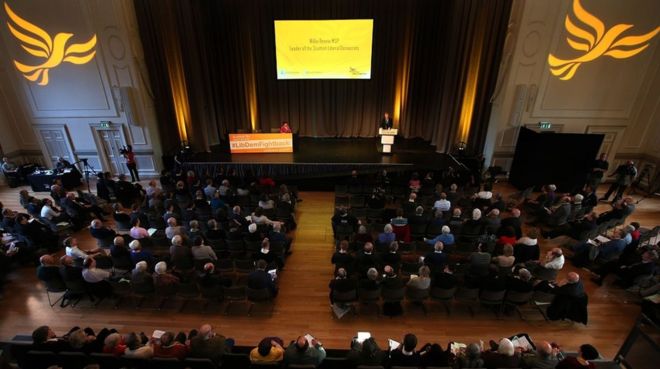
Scottish Lib-Dem Conference – Attended by Approximately 120 Delegates

A motion was placed before the conference by MSP for Edinburgh Western, Alex Cole-Hamilton encouraging the party to:

– seek to win support for a public vote across the whole UK on the final EU deal;

– persuade the rest of the EU to be pragmatic in response to such demands;

– work with colleagues across the UK to be the UK-wide rallying point for all those who are pro-EU;

– and campaign for re-entry in the event of EU withdrawal.

The motion was carried by conference and included in the Lib-Dem party manifesto.


The-Liberal-Democrats-Hol-006

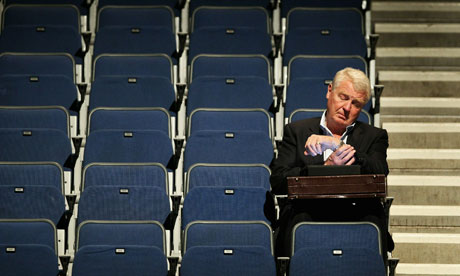
Paddy’s had enough


But the inclusion of the policy was in direct contravention of party rules which require that policy is decided by all party members.

It was evident, at the meeting held not long after the EU referendum that a majority of the Lib-Dem membership favoured adoption of the SNP policy but this was deprecated by Rennie and his boss in England.

Hence the backdoor conference motion bypassing the party membership. So much for party democracy


t


Many years ago I used to travel by rail, on a Friday (late night train) between London and Scotland. I was allowed a first class ticket on the only such carriage on the train. One journey stands out.

Charles Kennedy and a minder shared a table with me. Initially he was very quiet taking up his time studying thick tomes of correspondence. After a hour or so he folded his paperwork and secured it in his briefcase.

I carried on reading my novel “Operation Barbarossa”. He leaned towards me and said, “Glasgow is it”? I put down my book and confirmed my nationality.

We shared a dram or two and a longish conversation covering just about all aspects of life on the planet earth, including Iraq. I was struck by his ability to explain complicated matters in very simple terms and was persuaded to give my vote to his party at the next election. Was I easily won over? Not at all. He believed in what he said and I believed in him.

Addressing the predicament the Lib-Dem party is in over the matter of another Independence referendum I would commend Charles Kennedy’s address to the party in 2013 ( view the video). I believe it was one of his best. Willie Rennie would be best guided guided by Charles Kennedy.
https://www.youtube.com/watch?v=4poB2T-ohVw


160226_addressing_party_conference

The Conference at which the manifesto was decided

Scottish Tory Party-Representing Holyrood-Involved in Diplomatic Incident Backing Israel’s Illegal Occupation of the Golan Heights over Syria- Ruth Davidson Needs to Answer the Charge


a33a636e30cd1979c6ae5a7d1367e89f


Abuse of Holyrood Parliamentary Protocols by the Tory Party in Scotland

February 2015: 700+ artistes (authors, poets entertainers,lecturers) formed a group “Artistes for Palestine” and announced a boycott on Israel cutting all cultural ties until such time as they complied with all UN resolutions.

October 2015: Israel hit back. “Culture for Coexistence” surfaced claiming it had 150 signatories calling for a strengthened Israeli-Palestinian Dialogue Rather Than Boycotts. Investigation revealed that the new entity was in fact a front for an Israeli “Hasabara”. The committee includes Neil Blair (Literary Agent for JK Rowling) and a number of other prominent persons with strong Israeli connections. JK Rowling is listed as a signatory to the markedly smaller list. And it requires a deal of stretching of the imagination to identify the names as artistes.

October 2015: Danny Cohen, director of BBC Television, and a number of other senior executives declared their support for the aims and objectives of the “Culture for Coexistence organisation”. questions were raised with BBC about impartiality rules and clearly evident pro-Israel reporting. Answers were unsatisfactory.

February 2016: Very recently formed “Scottish Tory Friends of Israel” group Invited the Jewish Lobby Group “Culture for Coexistence” to Holyrood to debate a motion “against the Palestinian, Boycott, Divest and Sanction campaign”. There was pandemonium outside Holyrood, involving protestors. The first ever pro-Israel debate was conducted in the presence of only 30 MSP’s, of whom 17 backed the motion. It is of note that, Jackson Carlaw, (deputy leader of the Tory party in Scotland) was the Tory candidate for Eastwood, near Glasgow, home to the bulk of the 12,000 Jewish community. He was duly elected to office in May 2016.

November 2016: Ruth Davidson Approves High-Level, Ill Judged Scottish Tory Fact Finding Team Holiday visit to illegal Israeli settlements in the Occupied Golan Heights

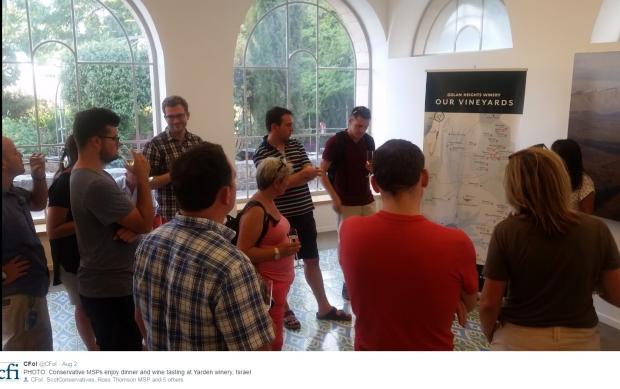
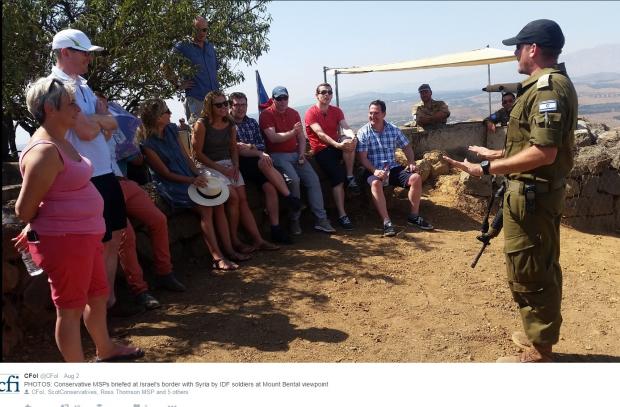
Hosted by the Conservative Friends of Israel, nine Conservative MSPs, including several shadow cabinet ministers, the chief whip and the party’s director, met with Israeli MKs, local businessmen and security officials and received briefings by the Israeli Defence Force(IDF) on the occupied Golan Heights.

John Lamont was interviewed by The Times of Israel. He said: “In recent years, many debates over the Middle East in the Scottish parliament have been “very unbalanced or biased toward the Palestinian perspective. Conservatives tend to be more sympathetic to Israel than members of the SNP or the Labour party. But there is a job to be done to ensure that [Conservatives] are as well informed as they possibly can be about the issues that face this region. Anti-Israel sentiment is being spread in Scotland mainly by church groups and marginal organizations advocating for a boycott of Israel. These people are telling the [Scottish public] that Israelis are bad and Palestinians are good and then sign up to some boycott.

That’s not based on any properly informed position, because nobody’s given them the alternative views. So part of this exercise [taking Scottish lawmakers to Israel] is making sure that more and more people are getting at least a balanced position and a positive view of Israel. There is a “small but very vocal minority” in Scotland that is hostile toward Israel. But the vast majority of Scots are relatively passive on issues, but are influenced by that very vocal minority. Those few activists succeeded in airing their views in the Scottish Parliament, which then influenced public opinion, he posited. It’s not because people have very strong views on either side of the debate, but because they only hear one perspective and that influences their thought process about Israel, about Gaza and the West Bank.”

 

scotland-635x357

 
Arab Human Rights Centre in The Golan Heights (Al-Marsad)

Al-Marsad, the only human rights organisation operating there, is at loggerheads with the Scots Conservatives’ leader after raising concern about the group’s visit to the Golan Heights winery in Katzrin. They say the delegation did not contact Al-Marsad or other representatives of the Syrian community in the “occupied Syrian Golan” to get a “balanced view”. And they say they have repeatedly failed to get an explanation for the visit to the territory from Ms Davidson or any condemnation of the illegal settlement.

The group, which is described as an independent, not-for-profit international human rights organisation, said it was “highly concerned” that it sends the message that the Scottish Conservative party endorses the illegal activities of such settlements. The UN, in 1981, issued a resolution saying that Israeli occupation of the Golan Heights was illegal. The strategic ridge was captured by Israel from Syria during the 1967 Six Day War and formally annexed in 1981. Since then, every year the UN passes a General Assembly resolution titled “The Occupied Syrian Golan” which reaffirms the illegality of the Israeli occupation and annexation.

Al-Marsad, which has previously voiced concern over what it deems Israel’s “ethnic cleansing” of the Syrian Arab population in the Golan, say they have written two letters to Ms Davidson asking in particular about the visit to “occupied Syrian Golan” but without response.

 

c4d0832c1838431f070f6e29dc5ffe25

 
November 2016: Row as pro-Israel lobby group approved at Holyrood

A row has broken out after a pro-Israel lobby group was approved at Holyrood in a bid to counter claims that MSPs are overly hostile to the state.

Politicians from all parties, with the exception of the Scottish Greens, will be represented on the “Building Bridges with Israel” group, which aims to establish closer cultural, academic and economic links with the country. It has been set up in a bid to oppose anti-Semitism and offer an “alternative viewpoint” to what it says is a pro-Palestinian stance that has been dominant since the Scottish Parliament’s inception in 1999. The group will hold its first meeting early in the New Year.

There are questions that need to be asked about the trip to Israel. Why was the group “artists for Palestine” not invited to debate the motion providing balance?  The one-sided motion was unacceptable in that context!!! Who met the estimated £30K costs of the trip to Israel? What did Israel get in return? Is Israel financing the Tory party in Scotland? Is Ruth Davidson aware that the trip, the conduct of her delegation in Israel and her discourteous failure to reply to letters from the official Arab Human Rights monitoring Group (Al-Marsad) might possibly create a diplomatic incident, bringing the Holyrood parliament into disrepute.
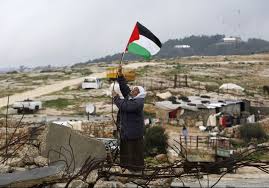
 

imagesrr


Preamble: The comprehensive story is detailed below:
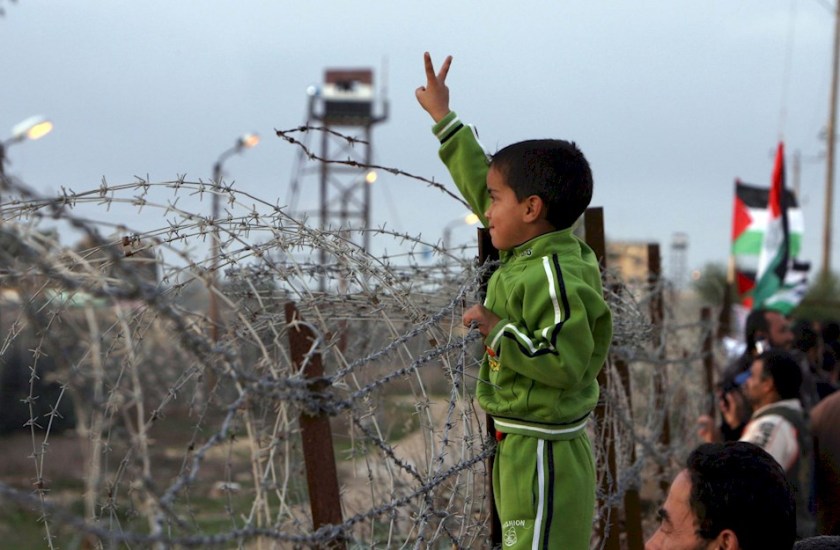
 

palestine_1_2944x1224px


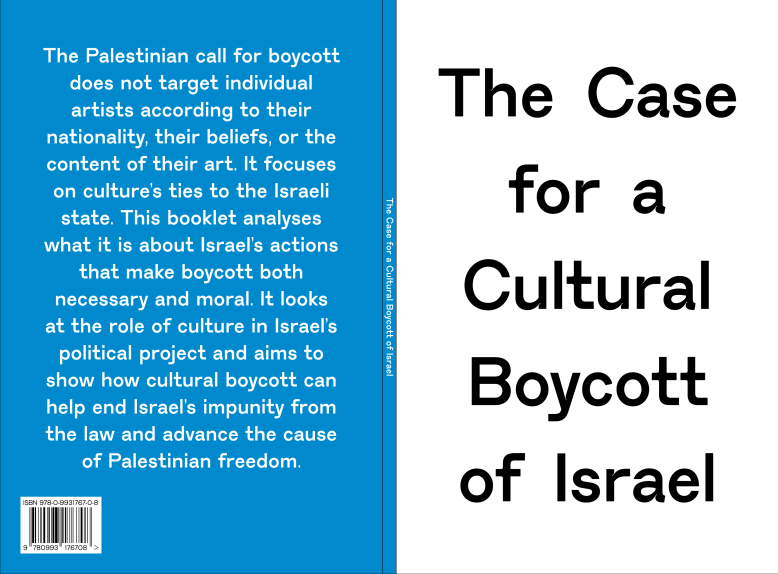
February 2015: Artistes for Palestine Sign Up To A Cultural boycott of Israel

Mission Statement:

The call for a boycott by artistes is focused on the free World’s cultural ties to the Israeli state and is in response to Israel’s brutality against Palestinians (similar to that of the South African Apartied Regime.) Culture is an important factor in the political sphere of Israel’s society and morality and the boycott will send a clear and unambiguous message that Israel does not enjoy impunity from the law and advance the cause of Palestinian freedom.
Artiste’s Statement:

“Along with more than 600 other fellow artists, we are announcing today that we will not engage in business-as-usual cultural relations with Israel. We will accept neither professional invitations to Israel, nor funding, from any institutions linked to its government.

Since the summer war on Gaza, Palestinians have enjoyed no respite from Israel’s unrelenting attack on their land, their livelihood, their right to political existence. “2014,” says the Israeli human rights organisation B’Tselem, was “one of the cruellest and deadliest in the history of the occupation.” The Palestinian catastrophe goes on.

Israel’s wars are fought on the cultural front too. Its army targets Palestinian cultural institutions for attack, and prevents the free movement of cultural workers. Its own theatre companies perform to settler audiences on the West Bank – and those same companies tour the globe as cultural diplomats, in support of “Brand Israel”.

During South African apartheid, musicians announced they weren’t going to “play Sun City”. Now we are saying, in Tel Aviv, Netanya, Ashkelon or Ariel, we won’t play music, accept awards, attend exhibitions, festivals or conferences, run masterclasses or workshops, until Israel respects international law and ends its colonial oppression of the Palestinians.” See the full list of over 700 supporters at: artistsforpalestine.org.uk

Statement of Support From Signatories Including – Liz Lochhead – Playwright and Maker (National Poet for Scotland):

“It is essential to use every tool we have to communicate to the Israeli Government and the people of Israel, as well as our own complicit government and that of the USA, the deep repugnance felt by all who value basic human rights, international law and freedom of speech at the Apartheid and injustice under which the Palestinian people continue to exist. This goes far beyond even the hell of the situation in Gaza. As communicators and lovers of Free Speech it pains us to have to support this necessary boycott. We deeply resent being accused of anti-Semitism when we criticise the actions of the State of Israel. Liz Lochhead, playwright and Makar (national poet for Scotland)” https://artistsforpalestine.org.uk/introduction/signatories-statements/


palestine_boy_AP


October 2015: Culture for Coexistence Organisation Created

Mission Statement: Culture has a unique ability to bring people together and bridge division, and the organisation wanted to be a tiny part of the jigsaw that can work towards breaking down barriers.

Author’ Statement: “Cultural boycotts singling out Israel are divisive and discriminatory and will not further peace. Open dialogue and interaction promote greater understanding and mutual acceptance and it is through such understanding and acceptance that movement can be made towards a resolution of the conflict.”

Authors Call for Israeli-Palestinian Dialogue Rather Than Boycotts:

A number of British artists and authors (including JK Rowling) have backed the newly formed network promoting coexistence and dialogue between Israelis and Palestinians, partly to counter support for a cultural boycott of Israel. https://cultureforcoexistence.org/media/


unnamed


The Culture for Coexistence Organisation – Committee:

Loraine da Costa: (the Chair) was on the executive board of Conservative Friends of Israel until recently. She was also on the executive board of One Family UK, an organisation “dedicated to working in the face of terror to facilitate a resilient Israeli society.

Neil Blair is a literary agent, most famously for JK Rowling. Founding Partner, The Blair Partnership – Founding Partner. Director, Pottermore Limited (JK Rowling’s new business). Partner (2001 – 2011) Christopher Little Literary Agency. European Head of Business Affairs, Warner Bros. Director, Lumos (JK Rowling’s charity.)Director, UK Friends of The Abraham Fund – Development Committee Member, The London 9/11 Project.

Rob Suss: Investment banker. Director Pace Holdings Corp. formerly Managing Director, Goldman Sachs. Committee Member “Culture for Coexistence”, an organisation that opposes the Boycott, Divestment and Sanctions movement. Trustee of Lumos,(children’s charity founded by JK Rowling).

Mark Smith is an executive director of Chime Communications Plc and has been a Chartered Accountant since 1978 having qualified with Touche Ross & Co (now Deloitte & Touche LLP). Following two years as European Finance Director at RCA Records, he joined Good Relations Group plc in 1984 and became its Group Finance Director in 1985. In 1986, he became Finance Director of Lowe Bell Communications (now Bell Pottinger Communications) and Finance Director of Chime Communications at the time of the management buy-out in 1989. Mark is a non-executive director of Holiday Extras Holdings Limited.

John Levy: Joined the Zionist Federation, in 1970. Executive Director of The Academic Study Group on Israel and the Middle East, and the Friends of Israel Educational Foundation. The Educational Foundation was established in 1976; the Academic Study Group in 1978. The Trusts seek to promote an informed and analytic understanding of Israel and the Middle East; and forge closer collaborative ties between academics and other experts in the UK and their professional counterparts in Israel.

Yigal Elstein: Educated (MBA), Ben-Gurion University of the Negev. EMEA Vice President (Hi-Tec cloud platform development)
Da Costa statement:

“supporters of Culture for Coexistence) reject boycotts. Culture has a unique ability to bring people together and bridge division and the organisation wanted be a tiny part of the jigsaw working towards breaking down barriers”. The network is planning a seminar to discuss the merits or otherwise of boycott as a political tool, to which pro-boycott artists will be invited. It also hoped to take people to Israel and the Palestinian territories to have a dialogue with cultural counterparts there”. https://cultureforcoexistence.org/media/
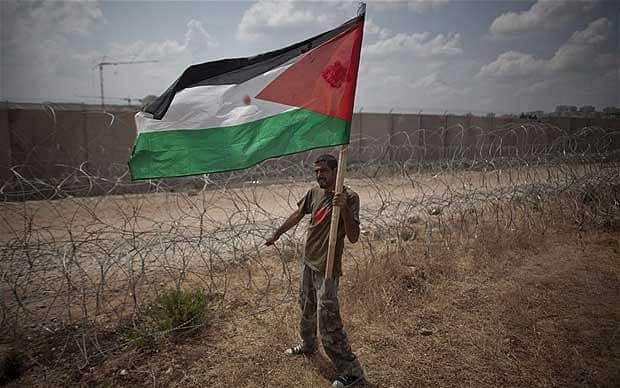
 

palestine-state_2004181b

 
October 2015: Director of BBC television – Danny Cohen – signs the “Culture for Coexistence Organisation” – pro-Israel letter

Cohen, a member of the BBC’s executive board and one of the most senior figures in the organization,(whose salary is funded by license fee payers) joined top Israel apologists — including the chair of Conservative Friends of Israel and the vice-chair of Labour Friends of Israel — adding his name to a highly politicized letter (looking suspiciously like a front for a much larger hasbara “propaganda” organization) which states: “Cultural boycotts singling out Israel are divisive and discriminatory, and will not further peace,” and calls for “cultural engagement” in place of boycotts. In response to an enquiry asking if Cohen was in breach of BBC guidelines requiring employees to show impartiality regarding the situation in Palestine and Israel, the BBC Press Officer said: “Danny Cohen was expressing his view about his belief in the importance of creative freedom of expression.”

Other signatories to the letter (which also declares support for a new organization called “Culture for Coexistence” include Eric Pickles MP, chair of Conservative Friends of Israel (CFI), a pro-Israel lobby group which, according to its website, “works to ensure that Israel’s case is fairly represented in Parliament.” Another 13 members of parliament also signed the letter. Seven of them are CFI’s parliamentary officers, five others are either members of CFI or have recently been on one of its delegations to Israel, and the 13th, Michael Dugher, is vice-chair of Labour Friends of Israel — the Labour Party’s equivalent group.

Cohen’s position at the BBC, demands neutrality and if he supports Israel in its suppression of the Palestinian people, those views should not be allowed to affect his work at the BBC. And yet, here he is, with others, very publicly arguing for a continuation of the status quo which favours the Israeli state against the occupied Palestinian people, employing vacuous terms such as “building bridges” to hide the fact that Israel is a serial violator of international law and Palestinian human rights, whose senior politicians openly declare that there will never be a Palestinian state. It is a stupefying display of favouritism towards Israel from the BBC’s director of television, a man whose job supposedly demands impartiality.

His influence within the BBC is huge. He oversees the BBC’s four main TV channels, BBC One, BBC Two, BBC Three and BBC Four, in addition to BBC iPlayer, and online content for BBC Television. He also oversees the drama, entertainment, knowledge and comedy genres and BBC Films. Further responsibilities include the BBC Television archive and BBC Productions, Europe’s largest television production group. And his views on Israel and the occupation are now out in the open. His behaviour is yet another example of the Endemic bias against Palestine, rife within the BBC. There are many other senior figures at the BBC known for their pro-Israel sympathies.


cee80579b065061d152fa760c89a9a2e


The BBC’s director of news and current affairs, James Harding, once told a conference organized by the pro-Zionist Jewish Chronicle newspaper: “I am pro-Israel and I believe in the State of Israel.” In 2011, (when he was still editor of Rupert Murdoch’s newspaper The Times) Harding added, “I would have had a real problem if I had been coming to a paper with a history of being anti-Israel. And, of course, Rupert Murdoch is pro-Israel.” He is responsible for the entirety of the BBC’s news and current affairs output across BBC radio, TV and online, including its current coverage of October’s violence in Palestine and Israel. The position he holds at the BBC is described as “arguably the most important editorial job in Britain.”

The BBC’s director of strategy and digital Purnell is a former Labour MP and minister who, for two years, served as chair of Labour Friends of Israel.

Another signatory of the letter in last week’s Guardian is Michael Grade, who served as chair of the BBC between 2004 and 2006. As well as calling for Israel to be protected from boycotts, Grade last week publicly complained that the BBC was too pro-Palestinian in its coverage of events in October which have seen at least 61 Palestinians killed in East Jerusalem, the West Bank and Gaza, as well as 10 Israelis. The Jewish Chronicle reported that Grade had written to the BBC’s director general, Tony Hall, accusing the BBC of failing to show stone-throwing Palestinians in its reports and creating an “equivalence between Israeli victims of terrorism and Palestinians who have been killed by Israeli security forces in the act of carrying out terror attacks.”

Ironically, as close monitoring by Palestine Solidarity Campaign has demonstrated, the BBC’s coverage in October focused almost exclusively on Israeli stabbing victims, and its flagship radio news program Today even attempted to fool its audiences into thinking that all those killed during October were Israeli. But it would seem that, whatever lengths the BBC goes to in order to present the occupying Israeli state as a victim, it can never go far enough for some who have worked at the organization. It cannot be denied that support for Israel runs deep through the top layers of BBC management, both past and present, and that support probably trickles down through the rest of the BBC as a matter of corporate culture.

This could explain why BBC editors failed to see the pro-Israel bias of commissioning historian Simon Schama to make a five part series for BBC Two in 2013, during which he made what he called “the moral case for Israel” and announced, in one episode, “I am a Zionist and quite unapologetic about it.” Schama, unsurprisingly added his name to the letter on cultural boycotts.

The same corporate culture could also explain why BBC Online’s Middle East editor, Raffi Berg, felt comfortable enough to send his colleagues an email during Israel’s November 2012 assault on Gaza asking them not to “put undue emphasis” on Israel for starting the prolonged attacks. And it may explain why Cohen feels he can sign a letter in support of Israel without fear of reprisal from his bosses for breaching impartiality requirements.

Consumers of BBC news and current affairs may often wonder why the number of Israeli spokespersons appearing across the BBC’s output far outnumber Palestinian spokespersons, why Palestinians, when they do make a rare appearance, are constantly interrupted by BBC presenters, while Israelis such as diplomat Mark Regev are given free rein to speak almost without challenge. They may wonder why the killing of Palestinian children by Israeli soldiers goes unreported by the BBC, while rockets fired from Gaza which cause minor damage to roads make headlines. The biased views of those at the top of the BBC have created a corporate culture of pro-Israeli bias throughout its editorial ranks and its one-sided reporting is no longer a surprise.

https://electronicintifada.net/blogs/amena-saleem/director-bbc-television-signs-guardians-pro-israel-letter

 

janna-jihad-the-youngest-journalist-in-palestine-1461063691


25 February 2016: The Scottish Tory Friends of Israel Party and the Jewish Lobby Group at Holyrood

Early 2016 Ruth Davidson manipulated the Holyrood debating agenda and arranged a formal invitation to the Jewish Lobby Group (Culture for Coexistence) and Britain’s deputy Israeli ambassador Eitan Na’eh to meet with MSP’s and debate and vote in support of a motion “against the Palestinian, Boycott, Divest and Sanction campaign” tabled on their behalf by Jackson Carlaw, deputy leader of the party.

On 25 February 2016, Parliament debated the first ever pro-dialogue Israel motion in a year that saw a staggering total of 62 anti-Israel debates at Holyrood. It was attended by 30 MSPs and did not culminate in a vote but a show of hands indicated 17 MSP’s backed the motion.

Motion debated: “Israel Needs Cultural Bridges, not Boycotts”:

“That the Parliament acknowledges the recently published open letter signed by over 150 high-profile cultural and political figures in support of the aims of Culture for Coexistence, an independent UK network representing a cross-section from the cultural world;

Notes that this open letter calls for an end to cultural boycotts of Israel and Israeli artists.

Notes the views expressed in the letter in support of a two-state solution and the promotion of greater understanding, mutual acceptance and peace through cultural engagement.

Notes that one example of this cultural exchange took place in 2015 when the Israeli artist, Matan Ben-Cnaan, won first prize in the 2015 BP International Portrait Award and was given the opportunity to teach art to local school children at the opening of the exhibition at the National Portrait Gallery.

Hopes that, through groups such as the Centre for Scotland and Israel Relations, based in East Renfrewshire, similar educational and cultural programmes will take place in the coming months.

Notes the views expressed in the letter that “Cultural engagement builds bridges, nurtures freedom and positive movement for change. We wholly endorse encouraging such a powerful tool for change rather than boycotting its use”.

The debate

Jackson Carlaw, praised Israel’s contributions to international science and criticised campaigners who “overtly personally blame ‘the Jews’… over the actions of a foreign country”. Stressing the debate’s importance to the Jewish community in Scotland he said: “I think this is a landmark day in the Scottish Parliament because we are able to host the first positive motion in support of Israel since the Parliament was founded in 1999. I think that it is important because it allowed us to actually show Israel in a much more rounded context and also to address the concerns of many who live here in Scotland within the Jewish community who have felt that the language of this parliament has been advertently hostile to Israel.”

Labour MSP’s and one Scottish Nationalist MSP criticised the “depressingly illiberal” tactics pursued by the anti-Israel lobby.

A Green MSP, Alison Johnson claimed boycotts of Israel were “entirely consistent” with holding a “deep and unwavering commitment that none of us should ever downplay or forget the atrocities of the Holocaust”.
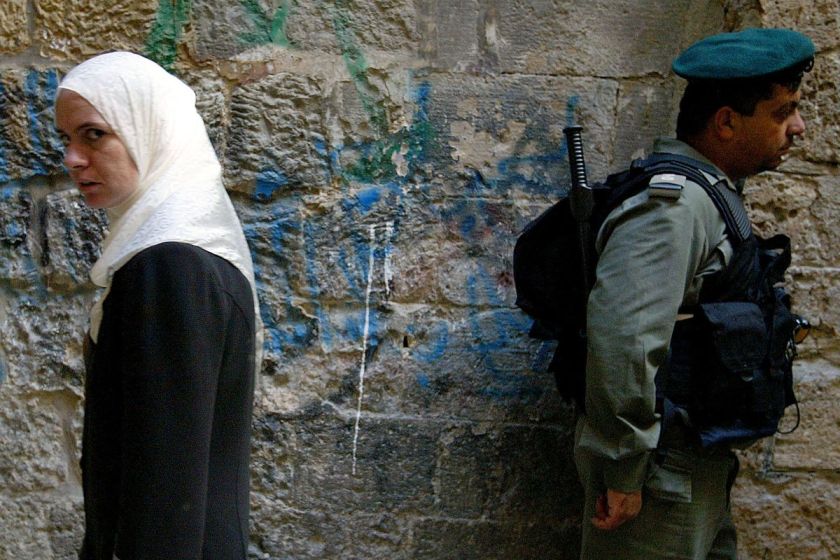
 

51539859.0


John Finnie, Green Party leader spoke against the motion:

I declare my membership of the Scottish Palestinian solidarity campaign and the Scottish Green Party, whose mantra is people, planet and peace. Peace and security can be achieved only through global justice and the world will never be safe while we allow the obscenity of poverty, economic exploitation and illegal occupations to continue.

I turn to the issue of boycott, divestment and sanctions. Mr Carlaw’s motion is misleading because there is no boycott of Israeli artists such as Matan Ben Cnaan, as long as artists refuse to collude in the Israeli abuse of human rights. There is a boycott of the Israeli state and those who seek to normalise the occupation of Palestine.

The Scottish Green Party supports the Palestinians’ call for boycott, divestment and sanctions against Israel, including a boycott of Israeli goods and services and an academic and cultural boycott, until Israel fulfils its obligations under international law. Those obligations are: withdrawing to the pre-1967 borders; withdrawing from east Jerusalem, the Golan Heights and other land that was seized in 1967; withdrawing from and depopulating Israeli colonies in the West Bank; dismantling the separation wall; ending the siege of Gaza; granting the right of refugees from 1948, 1967 and other expulsions and their descendants to return to their homes, as required by United Nations resolution 194; and affording equal rights to all citizens within Israel, irrespective of religion or ethnicity, especially Palestinian citizens in Israel.

If I am accused of anti-Semitism because I am speaking like this, I have to say that I have no allegiance to any faith nor would I be critical of any faith.

The Scottish Green Party will campaign for and support divestment by local authorities, other institutions of government—including the local government pension scheme—and civil society organisations from Israel, Israeli companies and companies that support the Israeli Government’s illegal occupation of Palestine.

The Scottish Green Party supports the Palestinian non-violent struggle resisting the colonisation of their lands, resources and peoples by Israel and by Zionist settlers.

The Scottish Green Party will press for European Union legislation to prohibit the import into the EU of products from Israeli settlements in the West Bank.

The Scottish Green Party will work with solidarity groups within Scotland and with political parties and civil society organisations within Palestine and amongst the Palestinian diaspora that share our objectives.

The motion talks of a culture for coexistence; we cannot have that when there are apartheid walls. It talks of greater understanding, but is there an understanding of an imprisoned population? It talks of peace through cultural engagement. I love peace, I campaign for peace, I encourage peace and I condemn violence from whatever quarter—I hope that all other participants in the debate would do likewise.

I want to encourage equality. I support conflict resolution but peace came in the north of Ireland not when the walls went up but when the walls came down. I spoke to someone who was involved in the violence in the north of Ireland and he said, “We killed each other, we maimed each other, we injured each other, and we damaged each others’ property—nothing changed until they bombed the city of London.”

I am not condoning violence from any quarter, be that violence against individuals or violence against property, but there is no doubt that financial imperative can shape minds and change opinions, so I am four-square behind the boycott, divestment and sanctions.”
Visitors observations

Loraine da Costa, Chair of Culture for Coexistence said: “It has been a privilege to spend a day in the Scottish Parliament hearing the motion ‘Israel needs cultural bridges, not boycotts’ debated. I believe that through our initiative, “Culture for Coexistence” is illuminating a path whereby such issues can be discussed in a positive manner looking at what can be done to move peace forward and how culture can help to do so.”

Chargé d’affaires, Eitan Na’eh said “I am honoured to be the first Israeli diplomat to be invited to your parliament. The visit continues to build on the good and historic friendships that exist between Scotland and Israel. These have recently been significantly strengthened through the ongoing work of the Israeli Embassy all across Scotland.”
 

winery3423423


November 2016: Row as pro-Israel lobby group approved at Holyrood

A row has broken out after a pro-Israel lobby group was approved at Holyrood in a bid to counter claims that MSPs are overly hostile to the state. Politicians from all parties, with the exception of the Scottish Greens, will be represented on the “Building Bridges with Israel” group, which aims to establish closer cultural, academic and economic links with the country.

It has been set up in a bid to oppose anti-Semitism and offer an “alternative viewpoint” to what it says is a pro-Palestinian stance that has been dominant since the Scottish Parliament’s inception in 1999. The group will hold its first meeting early in the New Year.

Jackson Carlaw, the Conservative MSP who will act as convenor of the group, said it was “sadly true” that there had been more anti-Israel motions at Holyrood than the other parliaments of the EU put together. He went on: “This is not going to be a group that will simply be an apologist for the government of Israel. This is not a group being set up with a view to having a row with anyone or being antagonistic. It’s genuinely there to seek to have bridges built between the Jewish community, Scotland and the state of Israel. Responding to vocal critics of Israel in Scotland, he added: “I regard Israel as the only democratic state in that region. I’m not a fundamentalist in relation to these issues, I think the more we have an ongoing dialogue and an opportunity for all sides to participate so much the better.”

Mick Napier, a spokesman for the Scottish Palestine Solidarity Campaign, strongly opposed the group’s message. He said: “This is an effort to change the subject from what Israel is doing in Palestine to a phony attempt to build bridges.”


scotsinisrael-635x357


November 2016: Ruth Davidson Approves High-Level, Ill Judged Scottish Tory Fact Finding Team Holiday visit to illegal Israeli settlements in the Occupied Glan Heights

Davidson has been heavily criticised by a Syrian human rights group after a high-powered group of ten Scottish Tories visited an illegal Israeli settlement in the occupied Golan Heights. Al-Marsad, the only human rights organisation operating there, is at loggerheads with the Scots Conservatives’ leader after raising concern about the group’s visit to the Golan Heights winery in Katzrin. They say the delegation did not contact Al-Marsad or other representatives of the Syrian community in the “occupied Syrian Golan” to get a “balanced view”. And they say they have repeatedly failed to get an explanation for the visit to the territory from Ms Davidson or any condemnation of the illegal settlement. The group, which is described as an independent, not-for-profit international human rights organisation, said it was “highly concerned” that it sends the message that the Scottish Conservative party endorses the illegal activities of such settlements. The UN, in 1981, issued a resolution saying that Israeli occupation of the Golan Heights was illegal. The strategic ridge was captured by Israel from Syria during the 1967 Six Day War and formally annexed in 1981. Since then, every year the UN passes a General Assembly resolution titled “The Occupied Syrian Golan” which reaffirms the illegality of the Israeli occupation and annexation. The Israeli government disputes this position. Answering Al-Marsald’s concerns, a Scottish Conservatives spokesman said their position is the same as the UK government position which is “not to support illegal settlements”.


c4d0832c1838431f070f6e29dc5ffe25


The row surrounds a delegation of ten Scottish Conservatives, including nine MSPs were on a Conservative Friends of Israel-funded trip to Israel, the West Bank and Golan Heights in August. It was described by CFI as a trip to “promote bilateral trade between the two countries and bolster the growing pro-Israel advocacy movement in Scotland”.

Tory MSP Jackson Carlaw followed up the trip earlier this month with controversial plans to establish a cross-party group, called ‘Building Bridges with Israel’. It has been set up in a bid to oppose anti-Semitism and offer an ‘alternative viewpoint’ to what it says is a pro-Palestinian stance that has been dominant since the Scottish Parliament’s inception in 1999.

But the Scottish Palestine Solidarity Campaign, strongly opposed the group’s message with a spokesman saying: “Israel doesn’t build any bridges, it demolishes homes, farms and is demolishing Palestine.”

The delegation to Israel in August included the director of the Scottish Conservatives, Mark McInnes, Scottish Conservative chief whip, John Lamont along with shadow justice secretary Douglas Ross, shadow economy, jobs and fair work cabinet secretary Dean Lockhart, shadow environment secretary Maurice Golden, tourism and small businesses spokeswoman Rachel Hamilton, community safety spokesman Oliver Mundell, digital economy spokesman Jamie Greene, further education, higher education and science spokesman Ross Thompson and welfare, reform and equalities spokeswoman Annie Wells.

James Gurd, director of the CFI, told the Jewish Chronicle that the trip, reflected a growing sympathy towards Israel north of the border saying: “For years a vocal minority seen as dominating debate there were very pro-Palestinian and anti-Israeli.” http://www.impartialreporter.com/news/14884171.Ruth_Davidson_slammed_over_high_level_Tory_visit_to_illegal_Israeli_settlement/
 

Border24234


Arab Human Rights Centre in The Golan Heights (Al-Marsad)

Al-Marsad, which has previously voiced concern over what it deems Israel’s “ethnic cleansing” of the Syrian Arab population in the Golan, say they have written two letters to Ms Davidson asking in particular about the visit to “occupied Syrian Golan” but without response. Dr Nizar Ayoub director, said “Given this lack of clarification, I am highly concerned that the Scottish Conservative party appears to condone the construction and expansion of Israeli settlements – illegal under international law – in the occupied Syrian Golan.” The group said it was “highly concerning” if human rights issues, in particular, in the occupied territories are “not considered or trumped by business interests”.

Dr Nizar Ayoub told Ms Davidson in his letters: “As I imagine that you are aware, such settlements are illegal according to international law, and their construction and expansion at the expense of the native Syrian inhabitants have been repeatedly condemned by the international community. I am highly concerned that the delegation has visited a winery in an illegal Israeli settlement without providing any explanation of the purpose of the visit. In effect, this sends a message that the Scottish Conservative party endorses the illegal activities of this settlement – built on land illegally appropriated from its original Syrian owners. Even more worrying is the fact that the Scottish Conservative party has refused to answer questions about whether the delegation raised the broader issue of the expansion of illegal Israeli settlements in the occupied Syrian Golan during its visit.”

He was further concerned that, describing the visit, Mr Lamont said “on Israel’s northern border with Syria we witnessed first-hand the devastating civil war raging metres away from Israel”

Dr Ayoub reminded Ms Davidson that: “The only part of Syria that Israel borders is the occupied Syrian Golan. The fighting in Syria is not taking place metres away from Israel, it is taking place metres away from the occupied Syrian Golan. From Mr Lamont’s comments, it appears that he considers that the occupied Syrian Golan is part of Israel, which it is not.”

He added: “I am highly disappointed that the delegation did not contact Al-Marsad or other representatives of the Syrian community in the occupied Syrian Golan in order to discuss the daily challenges faced by the remaining native Syrian population in the Syrian Golan due to Israel’s illegal occupation. This would have ensured that the delegation obtained a more balanced view of the situation in the occupied Syrian Golan.” http://golan-marsad.org/


case_for_cultural_boycott_cover

The Tudor Legacy Still Besets Scotland- Time For Scots to Cast off the Yoke of History and Breath Again as a Free Nation


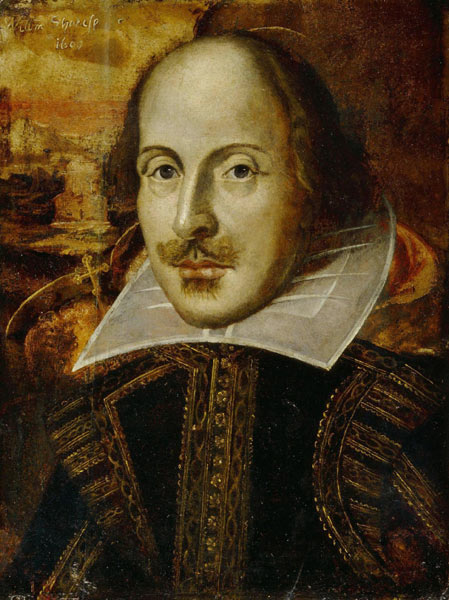
william-shakespeare-123456-2-638


This England (Shakespeare) 1603

“This royal throne of kings, this scept’red isle,

This earth of majesty, this seat of Mars,

This other Eden, demi-paradise,

This fortress built by Nature for herself

Against infection and the hand of war,

This happy breed of men, this little world,

This precious stone set in a silver sea,

Which serves it in the office of a wall,

Or as a moat defensive to a house,

Against the envy of less happier lands ‘


shakespeare


The Man Who Shaped England’s View Of The World and The Englishman’s Place in It

It was 1603 and King James of Scotland had recently been crowned Monarch of England and Scotland. Shakespeare suitably inspired by events wrote his eulogy to his beloved isle which was and still is the atypical Englishman’s interpretation of the United Kingdom. The poem refers to the United Kingdom as: “This precious stone set in a silver sea”

It was this entity, this “United Kingdom”, resulting from the death of the Virgin Queen, Elizabeth (who had the rightful heir to the throne of England, her cousin Mary executed) that led to the betrayal of Scotland (104 years later) by a privileged elite. The political accommodation called Great Britain.


farthingale


Time passes. And 310 years later many hundreds of new nations and trading blocs have been formed, some from political expediency, but the vast bulk through the will of their people.

The people of Scotland are legally sovereign and they have, (for the last 50 years) expressed the view (through ballot box, at each General Election) that they no longer wish to have their future negotiated by English Tory politicians. But change has been denied Scotland due to a corrupt political set-up, put in place by the much maligned 1707 Treaty of Union. But Scot’s now wish “to be a nation again” and this should not be denied them.

All Scottish based political parties (perhaps with the exception of the Tories) should support the independence referendum motion presently being debated in Holyrood


e719cf7870c8385091846ca55a982b5d

Brian Wilson – Labour Party Agitator – A Sad and Deluded Ex Politician – Who Really Should Be Relaxing and Enjoying His Football in Paradise


wilson


Celtic Chief Brian Wilson (In Yet Another of his Sleekit Innuendo’s) Seeks to Accuse the SNP of Attempting to Sectarianise Scottish Politics

Spouting his latest fantasy at a fringe meeting of the Labour party he said “nationalists are importing loaded political language from Ireland, which carries the risk of inflaming tension between Catholics and Protestants in Scotland. Grouping the pro Westminster parties together as “Unionist” is part of a knowing effort to link supporters of the United Kingdom with Ulster Unionism and “the Orange vote”. By putting that tag on, and in the full knowledge of that connotation in an Irish context, they know exactly what they’re doing. It’s a very dangerous road they’re going down.”

Although Wilson did not single out any party or politician, Nicola Sturgeon, Alex Salmond and other SNP politicians often refer collectively to the “Unionist parties”. Wilson said when Nationalists grouped supporters of Westminster together as “Unionists” it “obviously mirrored images of Northern Ireland, where the political divide is also about the constitution”. One of the worrying things I see going on here is… a very deliberate attempt being made to sectarianise Scottish politics. That is very dangerous.

The word Unionist in Scottish politics is not a Scottish word. It is not Scottish Unionism. When Tory candidates stood [in the past] as Conservative and Unionist candidates in Scotland they were not talking about Scotland, they were talking about Ireland, and they were playing for the Orange vote in Scottish politics.

Note: Utter twaddle “Unionist” in the title of the Conservative and Unionist Party was only ever associated with Northern Ireland. That Wilson thinks otherwise betrays his assertion as baseless.

In recent years, Catholic voters have swung away from Labour to the SNP, to the point where they are now the most pro-Yes religious group in Scotland. Indeed in the 2014 Independence Referendum and in the 2015 general election it was a huge swing by Catholic voters from Labour to the SNP had helped ensure Labour’s virtual wipe-out.

This is the difficulty Wilson is struggling with and failing to understand. Even now, after the public exposure of the cynical betrayal over a period of nearly 50 years of Roman Catholic voters by New labour, Councillors, MSP’s and MP’s and the many newly created peers of the realm) he refuses to accept the new reality preferring to remain with his head in the clouds believing in the sanctity of the 1707 Treaty of Union. An event no Roman Catholic ever subscribed to or supported.


kanda


Civil War in the Labour Party in Scotland After Deputy leader Alec Rowley Says Party Should Ditch Unionist Ideology

Scottish Labour was last night plunged into civil war after deputy leader Alex Rowley called on the party to ditch its Unionist stance in a dramatic break with the “narrow” ideology which has come to define it. He said “the shift is urgently needed if Labour in Scotland is ever to recover from the stark decline that has left it facing electoral oblivion and an existential crisis”.

In a seismic intervention that will send shock-waves through the party, Rowley said Scottish Labour had to replace its Unionist stance with an avowedly Socialist and pro-home rule platform. He said the “status quo” of a Union dominated by Westminster and Whitehall could not deliver the radical social and economic change that left-of-centre Scots want to see.

Putting him totally at odds with Kezia Dugdale, Rowley added, “I have never considered myself a Unionist” – and called on Labour to abandon the stance he said was heavily associated with the Tories.

http://www.heraldscotland.com/news/14884355.Scottish_Labour_plunged_into_civil_war_over__Unionist_ideology_/?ref=arc


davi


Sectarian Tweets by Tory Ruth Davidson’s Special Advisor Provoke Outrage

New Tory Holyrood group leader Ruth Davidson, has become embroiled in a sectarianism row after it was revealed that one of her staff posted offensive sectarian tweets.

Colin James Taylor, a member of Scottish Tory leader Ruth Davidson’s Holyrood staff posted sectarian song lyrics on Twitter glorifying the Northern Irish terrorist group, the Ulster Volunteer Force (UVF) and also referred to Celtic Football Club as “tims”.

Belfast born Mr Taylor is employed at public expense by Ms Davidson in the Tory Press and Research Unit (PRU) at Holyrood. He was president of the student Glasgow University Conservative Association (GUCA) from 2009 to 2010 and while studying there posted the offensive remarks under the Twitter name ‘ulsterexile’.

Taylor posted lines from a verse of a provocative UVF song about a UVF member awaiting execution, Here Lies a Soldier. He posted: “Don’t bury me, in Erin’s Fenian vallies. Oh take me home, to Ulster let me rest …”, Mr Taylor did not tweet the rest of the verse, which continues: “And on my gravestone carve a simple message, Here lies a soldier of the UVF.”

Not long after he tweeted the sectarian pro-UVF words, the UVF was in the news as the anticipated Northern Ireland police ombudsman report into one of the UVF terrorist group’s worst atrocities was about to be released – the bombing of McGurk’s Bar in Belfast in 1971, where 15 people were murdered and 16 injured. The details of the report, published 48 hours following Taylor’s tweet, revealed that the IRA had been wrongly blamed for the McGurk’s Bar attack which had in fact been carried out by the UVF.

Another tweet of Taylor’s appeared on the eve of the anniversary of the 1979 conviction of the notorious ultra-Loyalist gang the Shankhill Butchers – many of whom were members of the UVF. The Shankill Butchers murdered at least 30 people and tortured many Catholics civilians.

Taylor’s tweet remarks continued and on the day of a Scottish Cup semi-final match between Aberdeen and Celtic, he tweeted: ‘Hope the sheep absolutely hump the tims today’ – tim is a term of anti-Catholic abuse. Taylor is not the first member of Davidson’s staff to embroil her in a sectarian related controversy.

At the very beginning of her recent campaign for the leadership of the Scottish Tories, she was forced to fire Holyrood assistant Ross McFarlane. McFarlane was filmed burning a European Union flag in Glasgow while sectarian remarks were made by a companion. At the time of the incident, McFarlane was the president of the GUCA, as well as being Davidson’s Holyrood election agent.

It has also been noted that Davidson when referring to her party repeatedly uses the name “Conservative and Unionist” – with the emphasis on Unionist. Leading QC, Paul McBride quit the Tories over the party’s hostility to an SNP Bill aimed at tackling sectarianism in football.

http://www.newsnet.scot/nns-archive/index.php?option=com_content&view=article&id=3657:sectarian-tweets-by-tory-ruth-davidsons-staffer-provoke-outrage&catid=32:in-brief&Itemid=103


OLYMPUS DIGITAL CAMERA

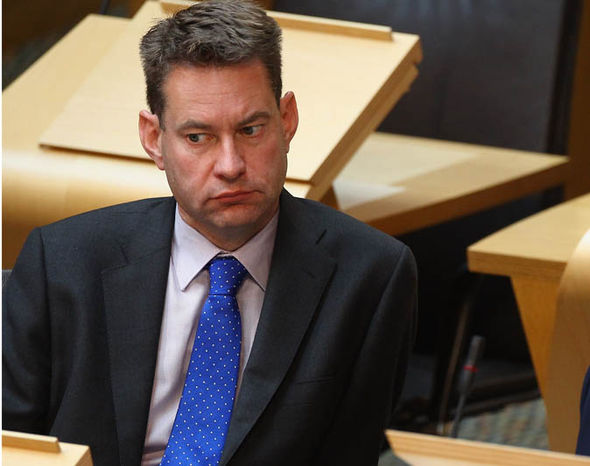
Murdo Fraser – Deputy Deadwood – 18 Years An Unelected MSP – Spongebob Personified


images


53jedprnbimv404ipadn2xosjk4ut8.jpeg.gallery


The Near Death and Signs of Recovery of the Tory Party in Scotland

Murdo Fraser first stood for election to Holyrood in 1999 but was unsuccessful. Undeterred he turned his sights to bigger things and fought for a seat in the Westminster election in 2001(and failed). Never one to give up easily he lowered his expectations once again and sought to be elected to Holyrood in 2003, 2007, 2011 and for a record fifth time in 2016. On each occasion he failed succeeding only in garnering a lower share of the vote each time his name was entered onto the ballot paper.

But the Tory party were determined that talented Murdo would never be lost to Scottish public service and added his name at or near to the top of their proportional representation list which provided opportunity for a number of failed candidates to be elected to Holyrood as second class MSP’s. Murdo was so elected in 1999, 2003, 2007, 2011 and 2016. A record unsurpassed by any other nominee.

It is noteworthy that the Scottish devolution Bill’s inclusion of proportional representation (so vehemently opposed by the Tory’s) saved the party from oblivion in the first four terms of government. But the practice of retaining the same persons for election, time after time resulted in an ageing pool of candidates (old talentless Tory’s) and subsequent recurring failure at the polls.

The party desperately needed a complete overhaul if it was to command a place in Scottish politics. This was facilitated by a “night of the long knives” in 2011, bringing with it a change of leadership (Cameron acolyte Ruth Davidson) coupled with the introduction of new office management, staff and Central Office financial support and the establishment of clear and unambiguous lines of communication with the office of the Tory Party in London.

Autonomy was a dead duck. Scottish Tory party members would toe the line or suffer the consequences. A new agenda was then put in place tasked with ensuring Holyrood’s independence from Westminster would be marginalised, reduced then eliminated over time.


rut


Murdo-Fraser-007
Getting Rid of the Deadwood – Three Strikes and You’re Out

Jackson Carlaw (Deputy Party leader) announced that long-serving Conservative MSPs would be forced to stand down from the Scottish Parliament from the 2015 election if they failed to win a constituency seat. They would only be able to serve three or four consecutive terms as list MSPs, who are elected using a complicated system of proportional representation to represent one of eight regions of Scotland.

He said the change would be applied retrospectively, meaning a series of the party’s most high-profile figures would have to win a constituency at the next election or step aside if a three-term limit was imposed. They included Murdo Fraser, (the bookies’ favourite in the contest to succeed Annabel Goldie as Tory leader) who is serving his third full term as a Mid Scotland and Fife regional list MSP.

The change aims to address the situation whereby the same people are nominated time and again, regardless of their performance, (such is the loyalty of the party’s rank-and-file that they consistently choose the same people no matter how poorly they perform). Carlaw said “I realise it’s going to be unpopular with some and it is controversial, but I believe we have to substantially renew the face of its party, not its name. Leadership requires the taking of tough decisions.

Only three MSPs of the 15-strong Conservative group at Holyrood have constituencies of their own, with the remainder relying on the regional list for their seats. Some have used the system to win re-election since devolution started in 1999. (The Telegraph)


SNP-514831


That’s it. Murdo has been sponging off the Scottish taxpayer for around 18 years at a gross cost of approximately £2million. Contributing nothing of substance he seems to spend an inordinate time (well he’s got plenty of it) twittering nonsense. But surely he is deadwood and what the hell happened to the 3 strike rule policy???


murdo-fraser_1990245c


Bank of England Sacrifices Scotland’s Economy to Protect the Overheated London Property Market – Oh Yes They Did and They Will Do It Again – Wake Up Scotland


Rates


5 November 1999: Scotland ‘Sacrificed’ as Interest Rates Rise

The Bank of England was accused yesterday of sacrificing Scotland’s economy after slapping on another interest rate rise to stop the over heating in the London property market.

Scotland’s hard pressed business community said the result of the boom in house prices in the south east was to pile more misery onto Scots firms.

The Monetary Policy Committee announced another 0.25 per cent hike in base rates to 5.5 per cent which will further strengthen the pound making life even more difficult for Scottish exporters.

Yesterday Scots business groups queued up to blast the decision, saying the Bank of England was ‘ignoring the pain being suffered in Scotland’. … (Daily Mail)


advertdraft2b

 
17 March 2017: The Bubble is about to burst once again

Inflation is now at its highest rate for nearly four years. The pace of increase is relentless. Households and businesses are being forced to cut back on expenditure and The Bank of England is under increasing pressure from the City of London to increase interest rates. Changes are primarily attributed to:

* Brexit. There is an increasing picture of “doom and gloom” within the UK (at all levels) in response to the March 29 triggering of Article 50. Many are of the view that this will bring with it a long period of difficult discussions with no guarantee of success.

* A weakening pound. An negative impact of the June referendum on membership of the EU. Reducing benefits of hedging increases in the price of food (bringing to an end nearly three years of supermarket price cuts)

* The heating up of the London housing market (foreign buyers)

* Escalating fuel oil costs. The commodity is priced in US Dollars and the fall in the value of Sterling against a major upturn in the cost of a barrel of crude doesn’t help matters.

* Imports – including food. Nearly three years of cost cutting in the supermarkets is at an end and increasing cost of production are being passed on to the consumer.

* Above inflation wage increases. Companies are under pressure to award annual wage increases well in excess of inflation and the bandwagon effect is bringing industrial action to the fore.

In recent months corridor conversations (in the Treasury) have focused on monetary policy and just how long the excess inflation over target will be accepted before the Bank takes remedial action.

There is anxiety that tackling inflation by increasing interest rates might only be achieved at the expense of shoppers and small businesses. But the UK consumer and small businesses are a major factor in driving the economy forward and it is crucial that the purchasing power of wages is not reduced to levels against which buyers would cease to spend.


35FED32E00000578-3675608-image-a-5_1467798269011


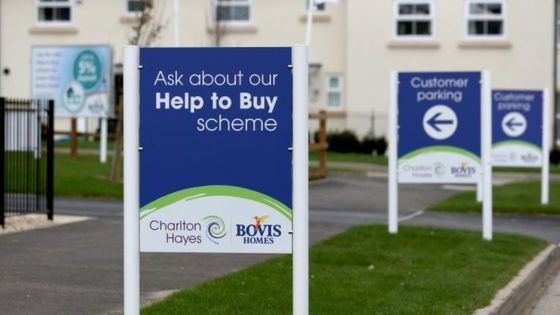
17 March 2017: Help to Buy Scheme and the Overheating Housing Market

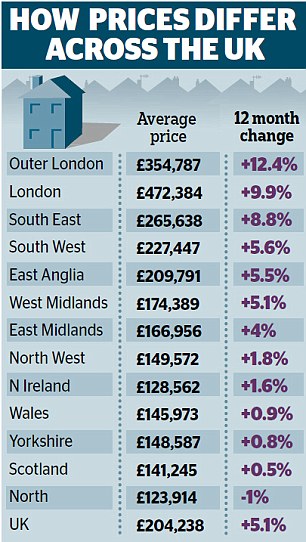
The Tory government’s “Help to Buy” mortgage guarantee scheme,(ended on 31 Dec 2017) largely enjoyed success in London (where the bulk of property’s valued between 200K — £600K are located). The measure, designed to help first time buyers get into the housing market had the undesired effect of heating up the property market in London with house prices rising in double inflation figures.

The house price surge was not so evident in Scotland. Indeed in some deprived areas house prices actually fell. Cameron and Osborne’s con-job on the Scottish electorate had been successful. London had been protected at the expense of Scotland’s property sector.

The warping of the housing market came to the attention of the EU’s financial risk watchdog who warned recently that the UK had a property market that risked overheating in the low interest rate economy.

Correcting measures will need to be introduced requiring buyers to find much larger deposits against lowered borrowing limits. It is entirely possible housing values could be reduced into negative equity sparking the dreaded property “fire sales”.

The Bank of England also cautioned last month that any improvement in household finances seen since the 2008 crisis “may have come to an end”.


_85740551_4ic7gmsg


17 January 2017: Property Market in Scotland Takes a Hit Whilst the overheated London market Prospers

The City of Aberdeen has seen the biggest drop in property values across the whole of the UK in 2016. Given that the overall UK property market has and is predicted to continue increasing in value, it is shocking that Aberdeen saw prices down by nearly 10%.

It is not only Aberdeen which has been affected in Scotland as the country accounts for seven of the 16 areas covered. Accompanying Aberdeen in its property price woes is Inverclyde who took second place in the list of areas with the largest drop in property values with a near 8% fall.

Biggest price falls in London It has been an up and down year for London with the changes to stamp duty tax for buy to let investors and the uncertainty caused by a Brexit vote. Although

the capital has remained strong in the face of adversity, homeowners in Hammersmith and Fulham won’t be feeling great about their investment in one of the most expensive markets in the world. It is the only borough to have seen prices decline, down -2.10% in the last year whilst the capital as a whole has seen values rise by over 7%.

http://www.luxuriousmagazine.com/2017/02/uk-property-price-drops-2016/ .
 

gold1


Jackson Carlaw – Tory Party in Scotland – Deputy leader (Ruth Davidson’s Third Choice) – A Long History of Despair and Failure Yet He Pontificates in Holyrood at the Taxpayer’s Expense


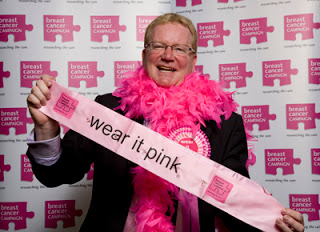
MSP's 'Wear It Pink' for Breast Cancer Campaign 2009


Jackson Carlaw

Carlaw stood as the Conservative candidate in the 1982 Queen’s Park By-election (failed) and in the 1983 GE in Pollok (failed)

He gave up seeking election to Westminster and then turned his attention to Holyrood standing as a candidate for Eastwood in the 2003, 2007 and 2011 parliament elections (failed 3 times).

He was looked after by the Tories and was elected on the party list system in 2007 and 2011 representing the West of Scotland.

In 2016 he gained the support of the 10,000 Jewish electorate in Eastwood and was elected, by a narrow margin as its MSP. (sixth time lucky)


12067937064_c05001cfc2_b


23 March 2003: A top Tory whose car firm crashed owing more than £24million is to stand in the Holyrood elections.

But Jackson Carlaw, former deputy chairman of the Scots Tories, won’t be campaigning on his business record. Carlaw, 42, was boss of car giants First Ford, which once boasted a £77million turnover but went into receivership in November 2002. The receiver its debts include £4million to the B.O.S. , £1.5million to Customs and Excise and thousands of pounds to 300 staff. (Sunday Mail)

He was also a director of Wylies Automotive Services (trading as Auto Contracts) which went into administration in February 2002. The contract hire and leasing firm is being wound up, and 18 people have lost their jobs. The latest available documents lodged with Companies House reveal its four directors took £163K from the company in the year ended 2000, when losses were £39K, compared with more than £290K in 1999.


111036992-465106


8 October 2003: Hutchesons’ parents query Carlaw’s role – Surprise over choice after collapse of two businesses

Parents at one of Scotland’s most prestigious private schools are questioning the appointment of Jackson Carlaw, a former governor, to lead its strategic review, just months after two of his businesses collapsed. They are astonished by the development, especially when Hutchesons’ Grammar is embroiled in controversy over perceived falling standards and concerns about finances.The board of governors yesterday defended the appointment, saying it was not only ”grateful” to Carlaw for undertaking the job, but for using his extensive knowledge for the Glasgow school’s good.

Carlaw became a Hutchesons’ governor in 2001 but resigned in July to take up the new post. His remit is ”to ensure the school remains at the forefront of modern educational expectations”. The school refused to say how much he was being paid for the part-time role. Issues surrounding the appointment are expected to be raised at the forthcoming annual meeting.

Jack Irvine, who has two children at Hutchesons’, said: ”It beggars belief that a failed businessman has been appointed to the position.” He added: ”Other parents I have spoken to are also astonished by the appointment, bearing in mind Hutchesons’ has access to some of the finest brains in the west of Scotland, including successful businessmen.” Other parents, who asked not to be identified, expressed little confidence in the appointment. One said: ”With his track record, I cannot understand how it is considered he will turn fortunes around.” (The Herald)


jc


10 Oct 2003: Mystery of lost paintings at collapsed firm Carlaw was director of car hire company

A collapsed company headed by Jackson Carlaw the Scottish Conservative party executive member and failed MSP candidate in Eastwood is at the centre of a mystery surrounding 22 missing works of art. The firm’s private records reveal ownership of 50 pieces as investments, including paintings – but only 28 have been recovered, according to Ernst and Young, the administrator.

Latest available accounts to December 2000 disclose under the heading Investments: ”Paintings, at a cost of £69,028, were acquired by the company during the year from Wylies Ltd, a subsidiary company.” Descriptions of the works have not been released, but are believed to include 10 still life paintings; five cameo pieces with maritime themes; three Glasgow and Edinburgh tenement scenes; three maritime sculptures on driftwood, and a painting of a naked woman.(The Herald)


Jackson-Carlaw-739330


12 April 2005: Top Tory under fire for racist jokes

A senior Scottish Tory was castigated yesterday for making racist jokes at the launch of the Conservatives’ election manifesto. Jackson Carlaw, a long-time party activist in Scotland and a former office holder, gave the opening speech to welcome activists before the arrival of Michael Howard, the party leader. He made a series of jokes, most of which failed to raise even a titter, including one about Chinese tourists and another about the Zimbabwe president Robert Mugabe’s chiropodist.

Carlaw said he had met a Chinese couple in Edinburgh who said they were “Tories”. He said he was delighted, until he realised they meant “tourists” not “Tories”. He remarked that announcing he was a Tory ten years ago was the equivalent of a “death sentence” but insisted that times had changed and that the Tories were now accepted in Scotland. Indeed, he argued, defeat was no longer an option for the Conservatives, adding: “The only person recorded as saying ‘de-feat’ is marvellous is Robert Mugabe’s chiropodist.” Carlaw had come to the end of his speech, but Mr Howard had still not arrived at the Hampden Park conference suite where the manifesto launch was taking place, so Carlaw continued to make jokes (none of which drew much of a laugh from his audience) to pass the time until the Tory leader arrived.


IMG_6017


12 June 2005: Tory who told racist jokes appointed deputy chairman of Scottish party

The Scottish Conservatives’ post-election nightmare continued last night after the party was forced to defend itself against accusations of sexism and racial insensitivity. Opposition politicians lined up to denounce the Tories for appointing Jackson Carlaw, the man who told racist jokes at the party’s recent election launch, to the post of interim deputy chairman. The Conservatives were also put on the back foot by Carlaw’s predecessor, Mars Goodman, who accused the party of being a “back- slapping boys’ club”. Carlaw was promoted after a meeting yesterday at the Conservative party headquarters in Edinburgh. The vacancy had been created by the departure of Goodman, who was forced to resign earlier this month after writing a highly critical report about the performance of chairman Peter Duncan during the general election campaign. (Sunday Herald)


index


28 February 2006: Close vote as Scots Tories elect new deputy chairman

Bill Walker, the 77-year-old former Tory MP, was last night elected as deputy chairman of the Scottish Conservatives – beating Jackson Carlaw, the incumbent, by just eight votes. Mr Walker, as well known for his robust right-wing views as he was for wearing the kilt in the Commons as an MP, secured 2,518 votes to Mr Carlaw’s 2,510 in a ballot of Tory party members which saw a turnout of 37 per cent. Last night a spokesman for the Tory party refused to comment on the signal Mr Walker’s election would send out for the party, which is now led in the UK by David Cameron, 39, who will speak to the Scottish conference in Perth later this week. … (The Scotsman)


Jackson Carlaw 1


7 January 2007: Goldie under siege by Carlaw as Tory rival bids to oust party leader

Scots Tory leader Annabel Goldie is facing a determined bid to unseat her from the Parliament. In an internal vote to take place this week party members are to be asked to rank candidates for the forthcoming election,with only those at the top of the list likely to make it to Holyrood. But Goldie is now facing an aggressive campaign by fellow candidate and Thatcherite stalwart Jackson Carlaw who has issued a thinly veiled attack on the leader in his bid to beat her in the vote. In a ‘communication’ sent to party members in the West of Scotland, Carlaw declares: “Wherever I go, people say they want robust leadership and someone who will take the fight to Labour. …(Scotland on Sunday)


53jedprnbimv404ipadn2xosjk4ut8.jpeg.gallery


23 August 2010: Tory MSP Jackson Carlaw under fire over sick Gordon Brown suicide ‘joke’

Carlaw caused anger when he asked followers on micro-blogging site Twitter if the former PM was visiting Beachy Head on a charity walk, before saying: “Alas, not.” The East Sussex cliffs are a notorious suicide spot. Carlaw’s jibe came in a chat with a pal John McGlynn. McGlynn mocked Brown’s plans to take part in the walk next month for WaterAid, raising cash for fresh water in developing countries. He used the site to tweet: “Gordon Brown on a charity walk, this is only because nobody would pay to hear him speak or read his book! Such a joke.” West of Scot land MSP Carlaw replied: “Beachy Head? Alas, not.” The tweet has been deleted from Twitter but it was copied to Carlaw’s Facebook page.

Labour MSP Ken Macintosh said: “How Carlaw ever thought making these sick comments was acceptable is beyond me. He should be ashamed of himself and apologise immediately. The Tories need to think long and hard about whether he is fit to hold office.” It is not the first time Carlaw has hit trouble. In 2005, he was castigated for making racist jokes at the Tory party’s Scottish manifesto launch. (Daily Record)


a jackson carlaw


3 September 2011: Tory leadership candidate Carlaw accuses rivals of appeasing Salmond

Tory MSP Jackson Carlaw launched his campaign to lead the party in Scotland with a demand for an early referendum on independence and a suggestion that supporters of more powers for Holyrood want to “appease” nationalism.The West of Scotland MSP opened his campaign to replace Annabel Goldie with a slogan of “a strong Scotland in a Great Britain” at a launch event in Glasgow yesterday, where he criticised the policies of the retiring leader and his current rival for the leadership, Murdo Fraser. Carlaw, the Scottish Tory transport spokesman, wants an independence referendum before any further moves to hand more responsibilities to the Scottish Parliament beyond the Scotland Act, which is set to extend Holyrood’s tax-raising powers. … (The Scotsman)


_89632726_sundaypolitics-stcclean


15 September 2011: Tory List MSPs will be forced to stand down

Long-serving Conservative MSPs will be forced to stand down from the Scottish Parliament at the next election if they fail to win a constituency seat, under a radical plan by a leadership candidate to introduce fresh blood into the party. Jackson Carlaw told the Daily Telegraph they would only be able to serve three or four consecutive terms as list MSPs, who are elected using a complicated system of proportional representation to represent one of eight regions of Scotland.

Significantly, Carlaw said he would apply the change retrospectively, meaning a series of the party’s most high-profile figures would have to win a constituency at the next election or step aside if a three-term limit was imposed. They include Murdo Fraser, (the bookies’ favourite in the contest to succeed Annabel Goldie as Tory leader) who is serving his third full term as a Mid Scotland and Fife regional list MSP.

The change aims to address the situation whereby the same people are elected time and again, regardless of their performance, because rankings on the regional list are decided by loyal Conservative members. Carlaw, whose candidacy has not been endorsed by any Tory MSPs, argued the change would be a far more effective method of reinvigorating the party than Mr Fraser’s “superficial” plan to change its name. “I was very impressed by what David Cameron did at Westminster to refresh the party,” he said. “I would ask the (party management) board to consider term limits of MSPs being elected three times or re-elected three times consecutively on the list. “I realise that’s going to be unpopular with some, I realise it’s controversial, but I believe we have to substantially renew the face of its party, not its name. Leadership requires that you take tough decisions.”

Carlaw emphasised the new rules would apply to himself. The 52-year-old is serving his second term as a West Scotland list MSP having failed to win the Tory target seat of Eastwood in May. The changes would apply in the 2016 election and he said he would be “happy” for them to be retrospective. Only three MSPs of the 15-strong Conservative group at Holyrood have constituencies of their own, with the remainder relying on the regional list for their seats. Some have used the system to win re-election since devolution started in 1999.

List seats are allocated to parties using a formula based on the number of votes they received and taking account of the number of constituencies they hold in each region. Candidates are given seats according to a ranking decided by Tory members, but such is the loyalty of the party’s rank-and-file that they consistently choose the same people no matter how poorly they perform.

Carlaw suggested that long-serving list MSPs were being rewarded for electoral failure. “At the end of the day, if you’ve had four terms as a list MSP, that’s four times you’ve failed to win your (constituency) seat,” he said. “Nobody is entitled to sit permanently in parliament. There’s a generation of talent emerging now that I think we’ve got to do our very best to promote.” (The Telegraph)


12068163636_1f4ecb8e50_b


19 October 2011: Jackson Carlaw not impressed with the leadership Qualities of Ruth Davidson

He says he has a lot of time for Murdo Fraser, “he has been “tested in battle”. But mention Ruth Davidson, (who has emerged as perhaps his main challenger for the top job) and a more venomous tone comes out.

Question: “Won’t she be a breath of fresh air; a walking, talking sign that the Tories in Scotland have changed”?

Answer: “You cannot simply say I’m the new kid on the block and therefore the world is going to come and flock to vote Scottish Conservative & Unionist – someone who has been parachuted in from absolutely nowhere, who we know nothing about, who has no political agenda that we know about, who has fought no campaigns.

Ruth Davidson’s own performance in Glasgow [at the May election] wasn’t terribly impressive. Moreover, she failed to win the list-ranking ballot in her own seat and none of the constituency chairmen in Glasgow are supporting her. The idea that you simply say because somebody is new, that is going to save the party, I’m afraid I simply don’t buy it.” (The Scotsman)


IMG_4156 800x540


20 August 2012: Tory cancer drug scare angers SNP

The SNP has accused the Tories of distributing “discredited and factually incorrect” leaflets that scaremonger about the lack of availability of Abiraterone, a new treatment for prostate cancer.

Kenneth Gibson MSP accused Tory health spokesman Jackson Carlaw of “astonishing arrogance” in distributing the leaflets, “despite it being nearly a week since the drug’s approval by the Scottish Medicines Consortium – and advice offered to him to withdraw the leaflet run.”

Mr Gibson said that while on a constituency walkabout yesterday morning he noticed that the Tory leaflet was still being put through doors by Royal Mail, adding that he was now taking the matter to the Scottish Parliament Corporate Body. He said “Despite it being pointed out that his leaflet is both scaremongering and inaccurate, Jackson Carlaw seemed determined to keep delivering this scaremongering nonsense, including this weekend – nearly a week after abiraterone was approved by the Scottish Medicines Consortium. The leaflet and its delivery have been paid for by the Parliament and states: “The cost of this publication has been met from parliamentary resources”.

“I am writing to the corporate body of the Scottish Parliament to complain about the Mr Carlaw’s series of errors over this leaflet and its distribution. He has had ample opportunity to withdraw his leaflet but his persistence to spread mistruths is astonishingly arrogant. Scaremongering and spreading false information is bad enough but the Tories are stooping to new lows if they think for a minute that they can push lies and then expect the taxpayer to pick up the bill.” (Morning Star)


28128183423_9f819cde5e


6 July 2013: Top Scots Tory blasted for anti-depressants comments

A leading disability campaigner blasted Scottish Tory Jackson Carlaw today after he accused doctors of leaving patients “parked” on anti-depressants.The Scottish Tories’ deputy leader had called for a “concerted effort” to get people off medication – even though his own party’s welfare cuts have driven people to suicide.

Carlaw said that anti-depressants had “a place in treating some mental-health problems,” but the Scottish government had spent almost £90 million on such prescriptions since 2010. “People cannot just be parked on anti-depressants. We need solutions that will see them beat the condition and return to positive mental well-being”.

But disability rights campaigner Susan Archibald said “the Westminster coalition’s policies only worsened people’s depression. From a Conservative, when their whole welfare reform is denying people any happiness whatsoever? They seriously don’t have a clue.  Dozens of deaths have now been linked to the Con-Dems’ attack on Britain’s welfare state, making national headlines.”

In May, 53-year-old Birmingham woman Stephanie Bottrill stepped in front of a lorry after penning a note to her son explaining that she could not afford another £80 a month in rent under the bedroom tax. Ms Bottrill’s death came less than a month after father and fiancée Iain Hodge took his own life in his East Kilbride flat, having been sanctioned for 10 weeks for refusing to attend workfare placements despite having a serious blood disorder that prevented hard labour.

A Scottish government spokeswoman said that the drugs were only prescribed “in line with good clinical practice,” including ongoing supervision. (Morning Star)


Carlaw-598695


28 April 2014: Former labour Strategy Director Alastair Campbell’s interview of Alex Salmond (14 March 2014) BEFORE the annexation of the Crimea

Mr Salmond expressed a view that it was a “good thing” confidence had returned to Russia and said that Mr Putin was “more effective” than his portrayal by the press suggested. Pressed further he went on to say “Well, obviously, I don’t approve of a range of Russian actions, but I think Putin’s more effective than the press he gets I would have thought, and you can see why he carries support in Russia”.

Asked if he admired the Russian leader, he said: “Certain aspects. He’s restored a substantial part of Russian pride and that must be a good thing. There are aspects of Russian constitutionality and the inter-mesh with business and politics that are obviously difficult to admire. Russians are fantastic people, incidentally, they are lovely people.” The remarks were made on MARCH 14 (as Mr Putin faced widespread condemnation from the international community with Russian and Ukrainian troops squaring off in Crimea).

The usual suspects labelled the remarks “insensitive and ill-judged” and said the First Minister’s admiration for a man with such a “controversial” record on human rights did not reflect well on Scotland. Carlaw, Scottish Conservative deputy leader, said: “his views make a mockery of the Scottish Government’s faux outrage over the Crimea situation”. (The Telegraph)

But on the same day this surfaced

28 April 2014: Official Russian news agency Itar-Tass reported that David Cameron’s office wants support on the Scottish independence referendum from Putin’s government

Itar-Tass, citing a source in the Conservative Prime Minister’s office, said Britain was “extremely interested” in referendum support from Russia, which this year holds the presidency of the influential G8 group of rich industrial nations. The state-owned agency (acknowledged as the Kremlin’s official mouthpiece before and after the end of Communism) said the Cameron aide had warned Scottish independence could “send shock waves across the whole of Europe”. The report sparked criticism last night from Alex Salmond. He said: “This report from Russia raises serious questions about the UK Government’s underhand tactics. If this is accurate, then Westminster has been caught red-handed trying to stir up hostility to Scotland instead of representing Scotland’s interests – it seems the No Campaign’s self-named ‘Project Fear’ has now gone global.” Jackson Carlaw (evidently ashamed of his government’s dialogue with Mr Putin, said nothing) (http://archive.is/1vRJJ)


1470070241-b8fc9814366143e71bd1fb76b2d795a6-600x814


2 December 2016: Tory MP Jackson Carlaw on the wrong track with attack on Yousaf’s train use

Scottish Tory deputy leader & Eastwood MSP Carlaw’s attack on Humza Yousaf hit the buffers yesterday after he wrongly said the Transport Minister hadn’t boarded a Scot Rail carriage since MSPs returned after the Holyrood election. caught the train since May 2016. Carlaw said: “Commuters will be furious that the train network is deemed good enough for them, but not seemingly good enough for the man in charge.”

However, the Tories were looking at the wrong expenses.

The SNP said the Transport Minister’s commute was covered by the Scottish Government rather than the Parliament, and that he had taken the train just about every week. Carlaw had accused Yousaf of having “never set foot on a train” apart from for publicity pictures.

SNP MSP James Dornan pointed out that the latest expenses release showed that Carlaw himself had only made five train journeys and mostly used his car. He said: “The Tories are on the wrong track with this ridiculous claim. Humza takes the train most weeks to commute between Glasgow and Edinburgh in his ministerial role and it would be wrong for him to bill his parliamentary expenses for ministerial travel.

In contrast Carlaw has made only five train journeys since May, far fewer than Mr Yousaf took in his first two months as Transport Minister. The Tories’ efforts to personally attack the Transport Minister instead of contributing to improving our train service have well and truly hit the buffers.” (The National)


IMG_4157 800x540


Gordon Brown Sets Out His Case For Scotland’s Independence – I Kid You Not – Thank You Gordon


58769


Scotland – The Relatively Good Years – 1880 -1914

Between 1880 and 1914, Scotland’s relative position within the United Kingdom was improving. Before World War One, Scotland was, first of all, one of the high growth and high employment regions of the United Kingdom.

In 1913 Scotland’s unemployment rate was only 1.8% (of the insured, labour force) contrasted with 8.7% (in London). Coal output rose from 12.4% to 14.8%, Steel from 14.8% to 20.8% , and shipbuilding retained a third share of UK output.

Scotland’s more open economy – with indigenous control linked to a greater predominance of family firms, (as opposed to joint stock companies) offered limited opportunities for mergers, amalgamations and monopolies.
The Scottish business system still bore the signs of its origins in small family enterprises. Although the period from the 1890’s to the First World War involved numerous company amalgamations, the new combines differed only a little from their predecessors.

Amalgamations involved the fusion of independent family concerns into a holding structure in which there was little reorganisation at the technical or financial levels …Many dominant firms were either family firms, which had adopted the joint stock form concerns which had grown up on the basis of old family firms, or groups of family firms held together through a holding company. Only in the case of the railways and some newer firms in oil and electricity was the family principle not to be found. (Scott & Hughes: Anatomy of a Scottish Capital)

If wages did not match United Kingdom averages, they were rising faster than in the rest of Britain. And while Scotland’s social problems were immense (for example, one half of Scots lived in one or two roomed houses) there were signs of social improvement, such as in the fall in infant mortality rates between 1871 and 1911. The Scottish Infant Mortality rate was actually below that of England and Wales.

If there were symptoms of a deeper malaise affecting the industrial economy, as the severity of the 1906-1908 recession indicated, and if Scotland was both overdependent on a small group of stable industries and suffering because of a high level of capital exported abroad (in preference to reinvestment in the home economy), it was still possible for politicians to argue that Scotland’s economic difficulties were temporary and that the dominant trend was one of improvement. (The Search for Wealth and Stability, I Levitt), ( The Scottish Poor Law and Unemployment, T Snout).

These economic and social characteristics helped to determine political attitudes. Middle class support veered towards Conservatism after 1886 and working class voters became dependent on Liberalism, the Liberals were after all a party of all Scotland rural and industrial.

Their support owed little to their political organisation or the representativeness of their candidates (in 1910, of fifty-nine Liberal MP’s, twenty-five were lawyers, none were working men and many were Englishmen).

Rather the resilience of Liberalism owed more to the relevance of the Liberal philosophy, as demonstrated by the appeal of the social and economic views posted by Gladstone in his Midlothian speeches, as early as 1879. (The Scottish MP since 1910 : His background and performance, C Larner)


bb


The Impact on Scottish Society of the First World War – The Development of the One World Economy and Associated Politics

By the late nineteen twenties, Scotland was a very different kind of economy and society. First, Scotland’s economic base was contracting. The striking feature of the inter-war years, in contrast with the late nineteenth century was the persistently wide margin of unemployed resources.

Scotland’s share of British output fell from 11.8% in 1907 to 10.5% in 1924 and only 8.8% in 1935 ), and with around 10% of the British labour force, Scotland had nearly 15% of British unemployment throughout the inter-war years, with an estimated three fifths of the workforce experiencing at least one period of unemployment during the 1920’s .
The most striking problems were in the staple industries – agriculture, mining, steel, engineering and textiles – which had formed the basis of Scotland’s industrial progress before 1914. While in 1907, they represented more than half (53%) of all output, by 1924 they accounted for only 48% and by 1935 only 39% of output (Depression and Recovery – British Economic Growth, 1919-1939, B Alford), (No Gods and Precious Few Heroes, C Harvie), (The Impact of Unemployment on the Development of Trade Unionism in Scotland, E Kebblewhite).
The Performance of Scotland’s Basic Industries, 1911-1929
M Tons          Coal            Iron         Steel         Shipbuilding
1911-13         22.7            1.32        1.3               676.0
1918-20        17.1             0.97        1.8              617.2
1927-29        16.8             0.61        1.3              544.3
The foregoing table illustrates the difficulties faced by coal, iron and steel and shipbuilding after the war. As early as 1921, officials in the Scottish Office realised that Scotland’s economic problems were permanent, rather than temporary. Diagnosing a picture of unrelieved blackness a confidential report remarked:

“The main belt of severe unemployment and accompanying distress runs through the mining, steel and shipbuilding areas of Fife, Edinburgh, Stirling, Linlithgow, Lanark, Dumbarton, Renfrew and Ayr … It is difficult to pick out any industrial occupation as being principally affected by unemployment, almost all are in bad condition.”

The report suggested that those engaged in export trade and the means of export were worse off than those engaged in home trade, while only certain luxury services were remarkably vigorous. It added that an estimated 25,000 miners were in excess of capacity of the mines for for years to come.


Gordon-Brown


More than 400,000 Scots left the country during the nineteen twenties. It was a group that contained a disproportionate number of lower middle class and skilled manual workers. Throughout the period of the inter-war years unemployment was never less than 10%. And the numbers in metal industries and mining fell dramatically between the 1921 and 1931 censuses, by 23% and 18% respectively.

Shipbuilding, whose Clyde output had fallen-four fold between 1920 and 1923 employed 100,000 workers in 1920 but only 50,000 in 1925 and only 10,000 in 1932.

Scotland’s economy was becoming increasingly corporate in its organisation. Three trends stand out in the inter-war years, “economic concentration, anglicisation (Englishing) of control and the growth of government regulation”.


4221396001_4425255744001_gordon-brown-thm


By 1923, mergers had brought three of Scotland’s seven banks into the hands of English banks. The vertical cartellisation of shipping, shipbuilding and steel production through company amalgamations resulted in Colville’s becoming a centre for steel, shipbuilding and shipping interests in the West of Scotland. This development was also closely associated with the rise of Lithgow in shipbuilding and together these firms became the pivot of Scottish heavy industry.

In whisky distillers, in brewing Scottish Brewers, and in textiles Jute industries, (with Coats and Linen Threads) became dominant, and the rail companies became part of London dominated cartels. Expansion of these companies tended to occur through the direct acquisition of other companies rather than through the older holder company form.

Monopolization in each of the major industrial sectors was producing the large corporations of the modern period.

Generally, the twenties saw little redistribution of income between rich and poor. What redistribution in wealth which did take place in the period was within the top fifth of the population and not from rich to poor. Scottish infant mortality was higher than in England and Wales. And it was outward mobility through emigration more so than upward mobility through education that did most to lessen the potential tensions in Scottish society.


The Labour Party and political change in Scotland 1918-1929 : the politics of five elections. Gordon Brown (https://www.era.lib.ed.ac.uk/handle/1842/7136 )


Nicola-Sturgeon-and-Gordon-Brown-780811