Volte faced Ian McCann’s betrayal of complainants is damming and he should be sacked

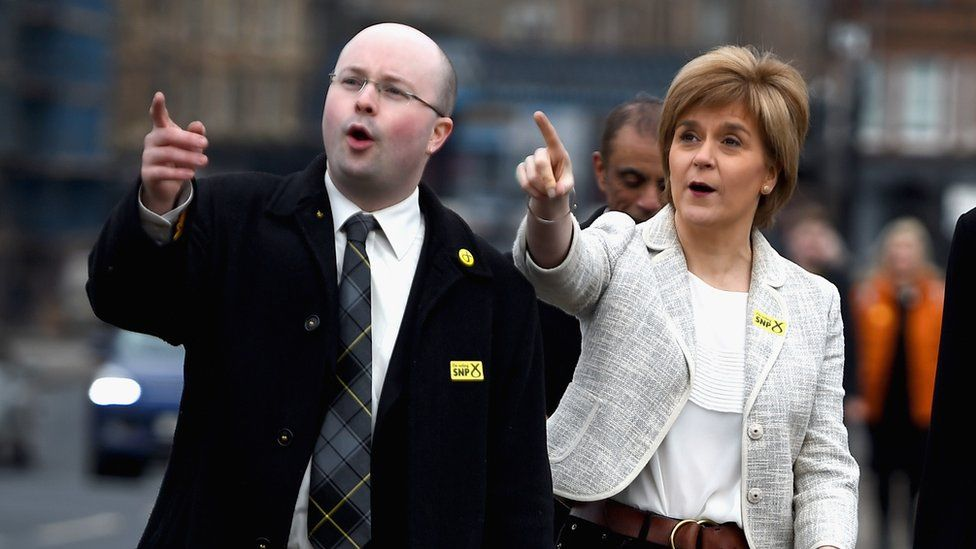
2016: Sturgeon on Patrick Grady – Sexual Predator I was aware of concerns but there were no complaints

Grady made unwanted sexual advances to a male teenaged staffer employed by the Party at Westminster by touching and stroking his hair, back and neck.

Ian Blackford, then leader of the SNP group at Westminster instigated a process effectively brushing Grady’s behaviour under the carpet a state of affairs that remained in place until 2022 when the content of a meeting led by Blackford was leaked revealing him urging colleagues to show support for Grady while failing to mention the victim.

Blackford was replaced by Stephen Flynn soon after.

The matter was investigated by House of Commons officials and Grady was forced to make a public apology in the Commons, for his unacceptable behaviour and a private one to the victim and was suspended from parliament for 2 days.

Weeks later the SNP was forced by press and public pressure to deal with the matter but only after the Scottish police opened an investigation into events in London.

Grady was called to account and following his admission to the offences he was first removed from his offical positions within the Party and had his party membership withdrawn.

Nicola Sturgeon then made a brief statement to the press that the process for complaining within the SNP was not fit for purpose and the victim had been badly served by the Party.

Six short months later the Glasgow North MP returned to the Party. Fully reinstated.

Shocked political observers commented: “This decision clearly shows that the SNP has no desire to root out sleaze or punish offenders. It is business as usual for the SNP Westminster club. Grady should have had the whip removed permanently but no matter, at the next election, the people of Glasgow will have the chance to give Grady his marching orders.”

And what of the teenager six years after the event. He feels he was badly let down by people he trusted and was forced to leave employment with the Party in London. His concern is that the outcome of his complaints will reinforce the views of many that abuse of staff employed by the SNP will continue unabated.
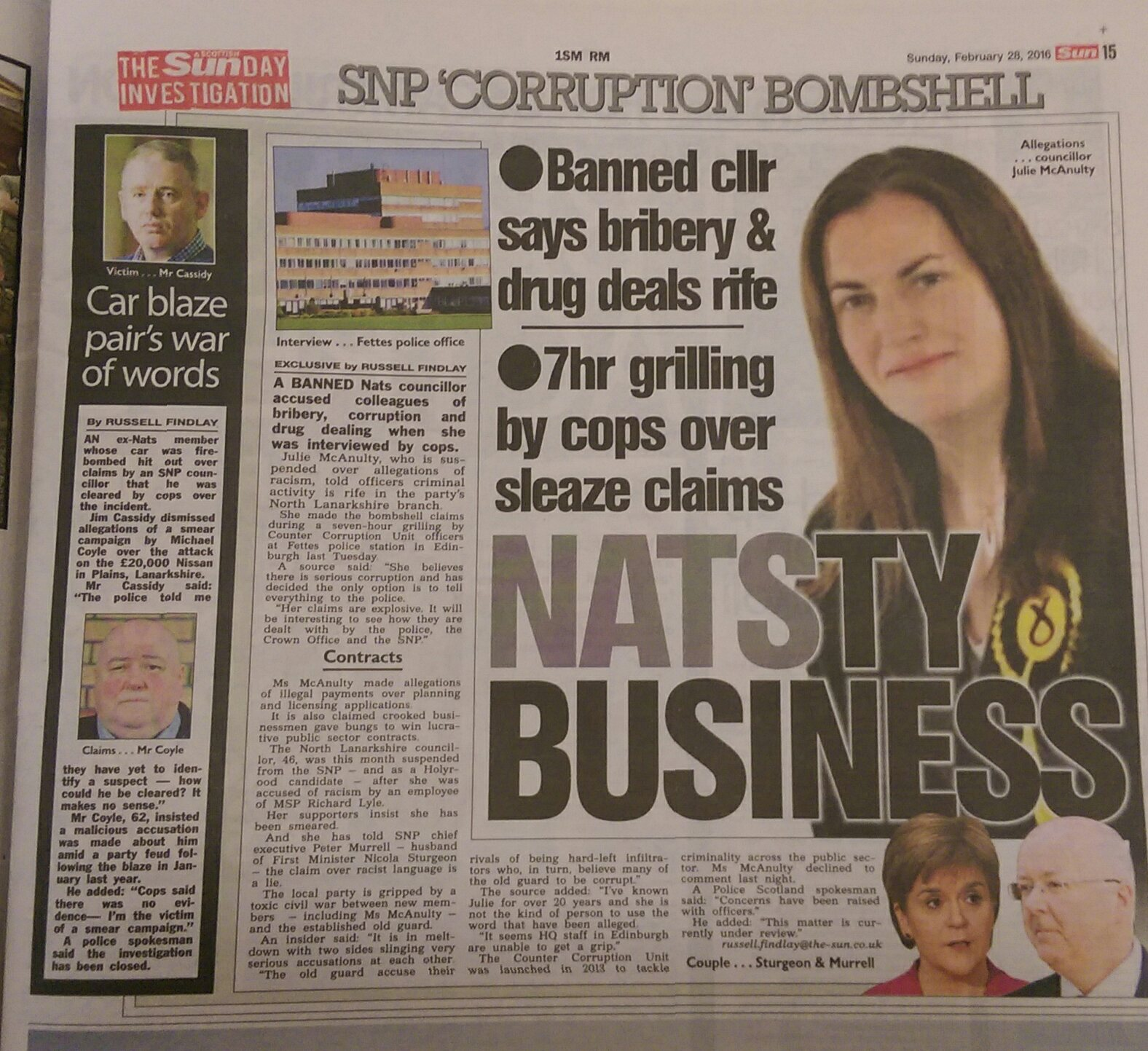
Dec 2018: Former SNP councillor, North Lanarkshire District Council wins her defamation case

Julie McAnulty, former SNP councillor won a £40,000 defamation payout after she sued fellow SNP activist Sheena McCulloch who made a malicious allegation of racism against her.

The allegation was first raised by McCulloch in a letter to SNP compliance manager Ian McCann, and copied to chief executive Peter Murrell, and then-National Secretary Patrick Grady.

(This is the same person reported to McCann, 2 years previously, as a sexual predator of teenagers in Westminster).

McNulty denied the allegations and asked McCann for the backing of SNP headquarters to clear her name.

Her plea for assistance was refused forcing her to pursue the matter in the civil court.

Explaining her decision she said: “It should never have got to this stage. The SNP’s internal procedures are more than capable of resolving the matter. But for reasons not explained to me they declined to get involved.”

In his judgement Lord Uist, stated the accusation was part of a campaign against her by an “opposing faction within the local SNP”.

He said it was designed to prevent her being nominated as a candidate for the Scottish Parliament and “possibly to oust her from the party.”

North Lanarkshire Council depute leader, Labour’s Paul Kelly, said: “It is clear that SNP headquarters should immediately conduct a full investigation of the elected members who played their part in this scandal.” There was no investigation.
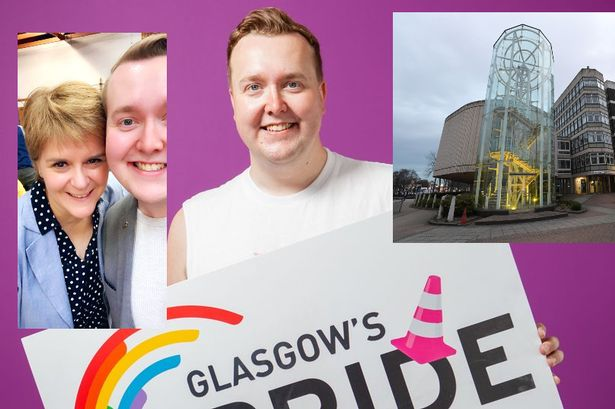
2017 Jordan Linden accused of sexual misconduct

Jordan Linden, then Chair of the Scottish Youth Parliament, was accused of sexual misconduct in sending explicit photographs to another SYP member. He denied the claim and a police investigation failed to establish any criminality.

Note: These events are still unresolved many years later . Complainants continue to press for their allegations to be properly investigated and resolved to their satisfaction. What has happened since adds weight to their arguments.

Sep 2019: Ian McCann, Compliance Officer for the SNP was formally advised of allegations of sexual harrassment against Jordan Linden claiming he had made unwelcome sexual advances on he person of another male member of the Party at an after event function in Dundee on 21 September 2019.

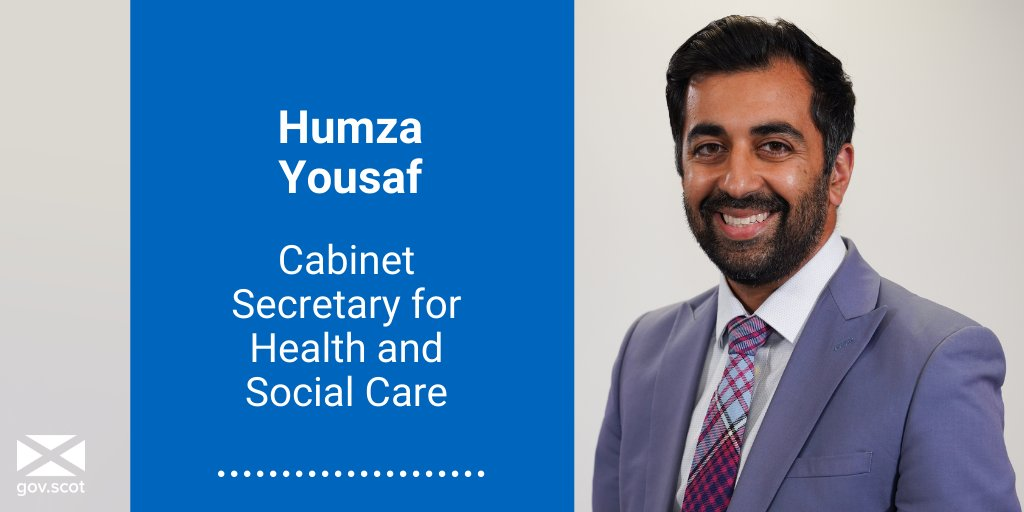
Four days later Councillor Linden, who had been lauded before the function by Huma Yousaf as a person who would “make an outstanding MP” withdrew his nomination to become athe Westminster candidate for Coatbridge, Chryston & Bellshill at the next General Election.
Oct 2019: Concerns were raised with Mr McCann, but not resolved, about why no action appeared to have been taken over the matter. Much later activists told the press that SNP HQ had shown “wilful negligence”, and that “nothing was done.”

Mar 2022: Councillor Linden was elected leader of the SNP opposition group on North Lanarkshire council by his fellow councillors. Not long after the local press picked up on events at Dundee and asked Linden if there was any truth in the matter. He declined to comment but did not deny the allegations.
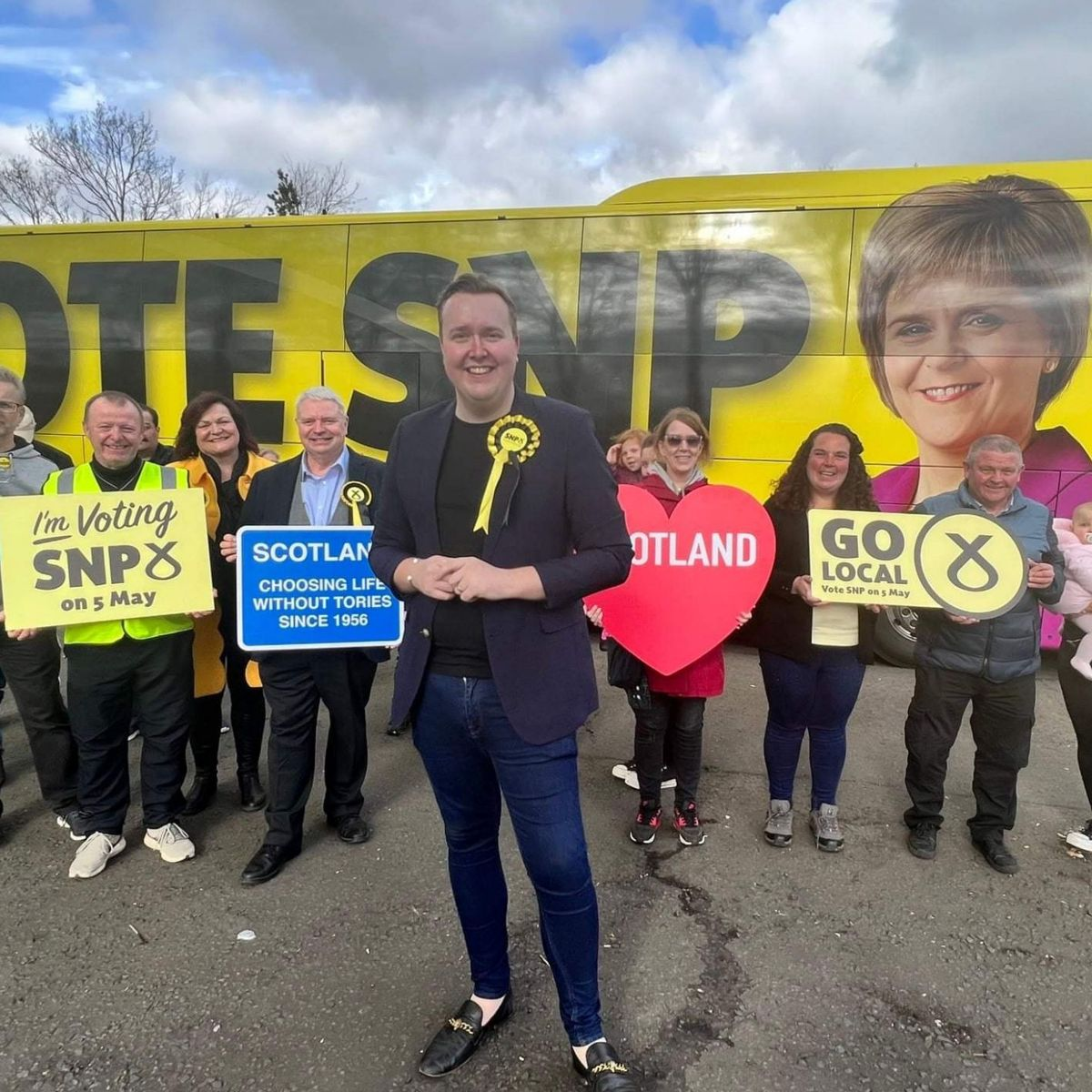
Sep 2022: Sophia Coyle spoke out after weeks of strife at crisis-hit North Lanarkshire Council, claiming the party is turning a blind eye to harassment she and others have endured.

She alleged another Councillor, tipped by party insiders as a potential leader of the SNP group in Lanarkshire, had been “obstructive, aggressive and abusive” towards her since he became a councillor.

She said: “His behaviour towards me has caused other branch members to complain. It’s not as if I have been the only one. He tried to block me from standing as the branch woman’s officer and, when my dad resigned, he said I should not be involved in Party meetings because of what happened. I’ve no control over my dad, his decision was nothing to do with me. Good members have written in and complained. Over the years I have emailed Ian McCann (SNP Compliance Officer) and I’ve yet to have a response from the guy, let alone a phone call. It’s absolutely shocking and he needs to explain what it is he’s doing about complaints.”

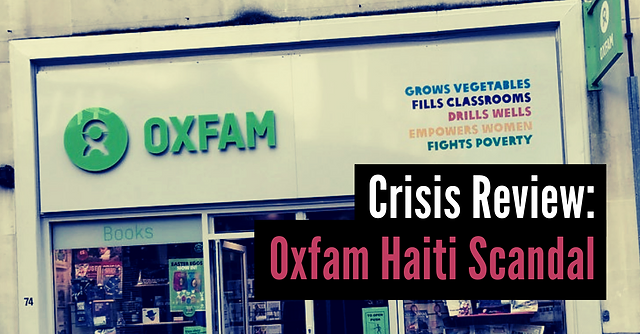
Oxfam Scandals – Employment in the UK charity sector is dominated by Labour Party political polemicist appointee’s with little, if any experience in charity work

Oxfam

Oxfam was reported to the Charity Commission by the Tory Party in 2014, for publishing a faux film poster, headed “Lifting the lid on austerity, Britain reveals a perfect storm and it’s forcing more and more people into poverty.”

Showing a broiling sea under clouds titled: The Perfect Storm. Added were the words ‘starring zero hours contracts, high prices, benefit cuts, unemployment, childcare costs’.

And a post on Twitter which invited readers to hear how Oxfam “investigated the reasons why so many people were turning to food banks in Britain 2014.” 

Worthy of consideration is that the late Jo Cox, who was head of policy at Oxfam, was previously an advisor to Gordon Brown’s wife Sarah and also worked for Baroness Kinnock, whose husband Neil was leader of the Labour party between 1983 and 1992.

It is also worth noting that David Pitt-Watson, Oxfam’s honorary treasurer, was also a special advisor (SPAD) for over 20 years and was Assistant General Secretary of the Labour Party from 1997 to 1999.

This is how the Oxfam scandal unfolded.

Oxfam was accused of covering up an investigation into the hiring of sex workers for orgies by staff working in Haiti after the 2010 earthquake, which killed thousands.

After the investigation the charity allowed three men, including the country director, Roland van Hauwermeiren, to resign, and sacked four for gross misconduct, according to an internal 2011 report.

The UK government International Development Secretary threatened to cut off all funding to Oxfam unless the charity handed over all information on its workers’ use of sex workers in Haiti.

Meanwhile, Oxfam was hit with allegations that employees used sex workers in Chad in 2006, when Van Hauwermeiren was running operations there.

The Charity Commission launched a statutory inquiry into Oxfam amid concerns it might not have “fully and frankly disclosed” all details about the Haiti allegations.

Oxfam’s deputy chief executive, Penny Lawrence, resigned saying she was “desperately sorry”, as Haiti demanded the prosecutions of aid workers identified as using sex workers.

More here:

https://www.theguardian.com/world/2021/feb/25/oxfam-gb-released-from-supervision-by-watchdog-after-haiti-scandal-reforms

Full report here:

https://www.telegraph.co.uk/global-health/women-and-girls/international-aid-workers-accused-sexual-abuse-congos-two-year/

Comment: The UK Charity sector is largely given over to Left-wing Labour Party political polemicist appointee’s with little, if any experience in Charity work.

Massive amounts of financial donations are inappropriately used and tens of thousands of poor and under privileged people are abused and women and young girls blackmailed into providing sexual services for highly paid charity employees. And yet it goes on and on and no one seems to give a toss!!!!

The latest scandal. Only reported. today

Apr 2021: More than 50 Congolese women have alleged that they have been sexually abused or exploited by aid workers from some of the world’s top humanitarian organisations, including Oxfam. The investigation, which took almost a year to complete, will send shockwaves through the humanitarian sector.

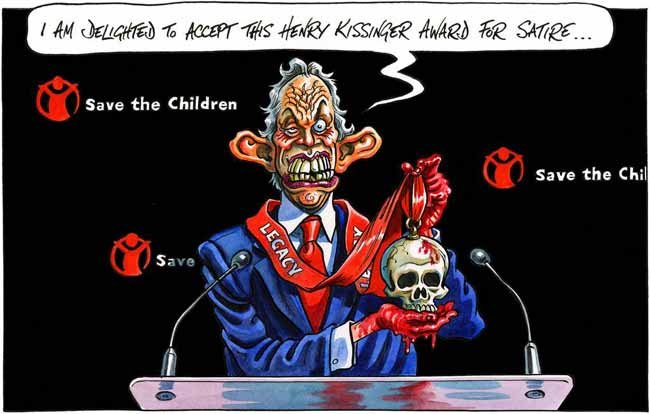
The allegations come two years after charities pledged to clean up their act when it was revealed that Oxfam had covered up an investigation into the hiring of prostitutes, some allegedly under age, by staff working in Haiti after the 2010 earthquake. Other organisations, including Save the Children and Plan International, were also embroiled in the scandal and reported cases of sexual harassment by staff members.

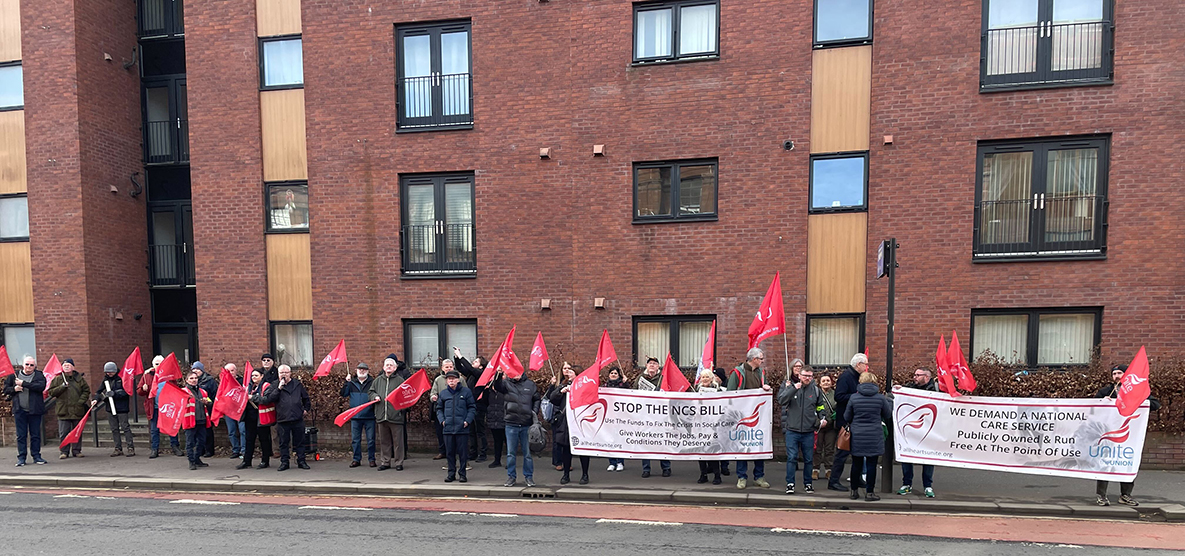
The Scottish National Care Service is yet another SNP government “power grab” from Local Councils

The National Care Service

Sturgeon claimed the service would be the “most significant public service reform” since the launch of the NHS.

But in a financial memorandum published alongside the new bill, it was revealed establishing the NCS could cost £1.3bn over five years in admin costs.

In addition, up to 700 civil servants – rather than social care professionals would be required to staff it.

Opponents claim the proposals were yet another “assault” on local councils by the SNP government and a “power grab” by SNP ministers

The National Care Service (NCS)

The design for this has been contracted to multinational consultancy firms PriceWaterhouseCoopers and KPMG.

Incidentally, KPMG have recently been fined £18.4m for deliberately misleading regulators.

In addition, “four of its senior staff have been banned from the accountancy profession, over the firm’s botched audits of collapsed outsourcing company Carillion.”

As Lilian Macer, convener of Unison Scotland, said of the NCS contracts:

“PriceWaterhouseCoopers and KPMG have a track record of promoting private health and social care, this is not what most people in Scotland want.

Care should be delivered in and for the community.

It is a public service not a commodity.

Big private equity firms have led us to the tragically dysfunctional care system we have now.”

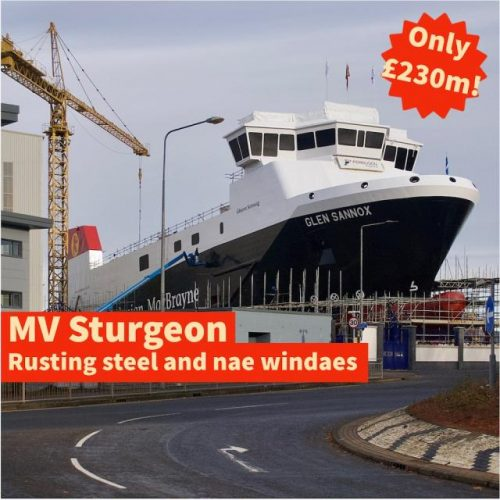
Island ferry replacements are six years late and 5 times cost over-run -public inquiry ruled out by Sturgeon

SNP government policy – outsource everything

This is the mantra that inspires the Scottish Government management of big projects, even when they are supposed to be major public infrastructure developments.

Some weeks ago we looked at the question of CalMac after information circulated about an impending privatisation plan.

The First Minister denied the story, but closer inspection informs us that the proposed redesign has already been influenced by the corporate lobby:

“Ernst and Young were asked by Ministers to conduct an in-depth examination of the government structure which runs Scotland’s ferry service under a brief titled “Project Neptune”.

The government agreed contracts worth £560,000 with Ernst and Young to carry out the work.

That’s over half a million from the public purse into the bank account of a private firm with an ideological and economic preference towards privatisation.”

Project Neptune

Recent days have been fraught with controversy around the failure to deliver two new ferries to serve island communities. It shouldn’t need to be said, but maybe it is worth re-emphasising that such infrastructure is not an optional extra. It is a vital necessity.

The ferries are four years late, and vastly over budget. The failure to deliver these ferries has some obvious knock-on effects. Existing ferries are unable to meet demand effectively, and because of their age, unable to deal with the variable conditions of the sea on a sustained basis. This leads to an increase in cancelled sailings.

Bill Calderwood, secretary of the Isle of Arran Ferries Committee, puts it in stark terms:

“The situation is deteriorating. It’s unsustainable for the island, for our businesses and for our quality of life.”

It should be a benchmark task of the Scottish Government to deliver essential connectivity, and to build up Scottish manufacturing. Instead we have failure to deliver on the one hand, and on the other, we have Turkish yards building new ferries to serve the Islay routes. As reported recently:

https://www.heraldscotland.com/news/homenews/19986756.embarrassment-two-calmac-ferries-built-turkey/?ref=twtrec

“Cemre Marin Endustri has been announced as the preferred bidder for the order against three other yards which will increase vehicle and freight capacity by nearly 40 per cent.”

We might also look at the failure to deliver other vital infrastructure projects, such as the failed high speed broadband roll out, which is running six years late without an end in sight. Something is not working.

https://www.heraldscotland.com/politics/19994289.snps-600m-broadband-scheme-six-years-late-still-huge-challenge/

The SNP Government abuse the “green” word as a passport to advancing the interests of the corporate lobby

Scotland being sold off to the corporations

In years gone by lots of stories about the relationship between the SNP and corporate lobbyists have circulated.

But it is only when you put it all together you get a real sense of just how deep the process runs.

By laying out a series of examples, we begin to see the unity between the SNP leadership and the corporate establishment, importantly, at the expense of workers and their communities.

At present, Scotland has a lobbying register.

Fought for by a range of democracy organisations, the idea is to generate transparency between lobbyists and politicians by ensuring that such interactions are placed on the public record.

The system, however, contains all kinds of loopholes.

For example, say you were a lobbyist for Shell and wanted a conversation with a government minister, without it being recorded.

You could simply use the phone, and since it is not an in person meeting, it won’t be registered.

https://archive2021.parliament.scot/parliamentarybusiness/Bills/52990.aspx

In 2020 alone, hundreds of meetings between multinational corporations and wealthy individuals took place with Scottish Government ministers. In a wide-ranging investigation the following was reported:

“Analysis of Scottish Government ministers’ engagements in 2020 shows that meetings, potentially of key public interest, were not in the register, including those between ministers and companies awarded multi-million pound UK and Scottish contracts to supply the NHS in the run-up to Covid-19.

“As these meetings took place by phone they did not fall under regulated lobbying rules, an exemption which means they don’t need to appear on the lobbying register.

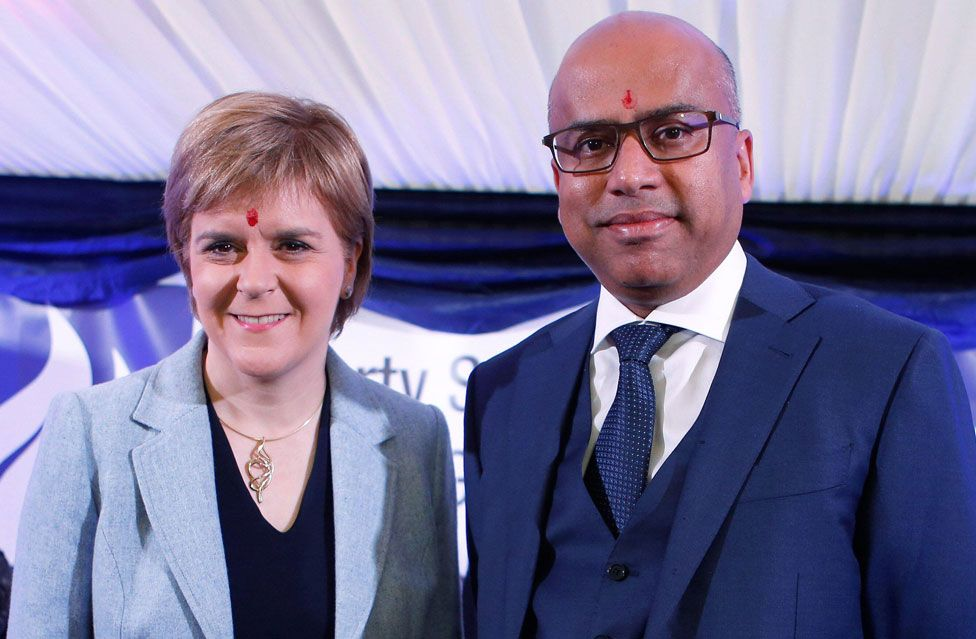
Others in this category included meetings between ministers and the billionaire steel tycoon behind GFG Alliance, Sanjeev Gupta.”

Sanjeev Gupta, as it happens, has paid just £5 (five pounds) towards the acquisition of a Highlands smelting plant – with taxpayers financing the rest of the £330 million deal. The research also found that:

“…engagements with big business, including energy companies and renewables chasing Scotland’s booming renewables sector, dominated the diaries of several ministers.”

Let’s just think about this. The First Minister announces a National Energy Company in 2017.

Nothing happens. Then, in 2021, SNP members want to raise the issue again to add some urgency to the plan.

They vote overwhelmingly for the policy at their conference.

Again, nothing happens.

At the same time government ministers were having meetings, outside of the public record, with big businesses seeking to cash in on Scotland’s renewables industry.

Before we know it, the Scottish Government launches a “green investment portfolio” worth £3 Billion of Scottish green assets.

This package, a substantial component of Scotland’s economic future, is to be bought up by private and foreign capital.

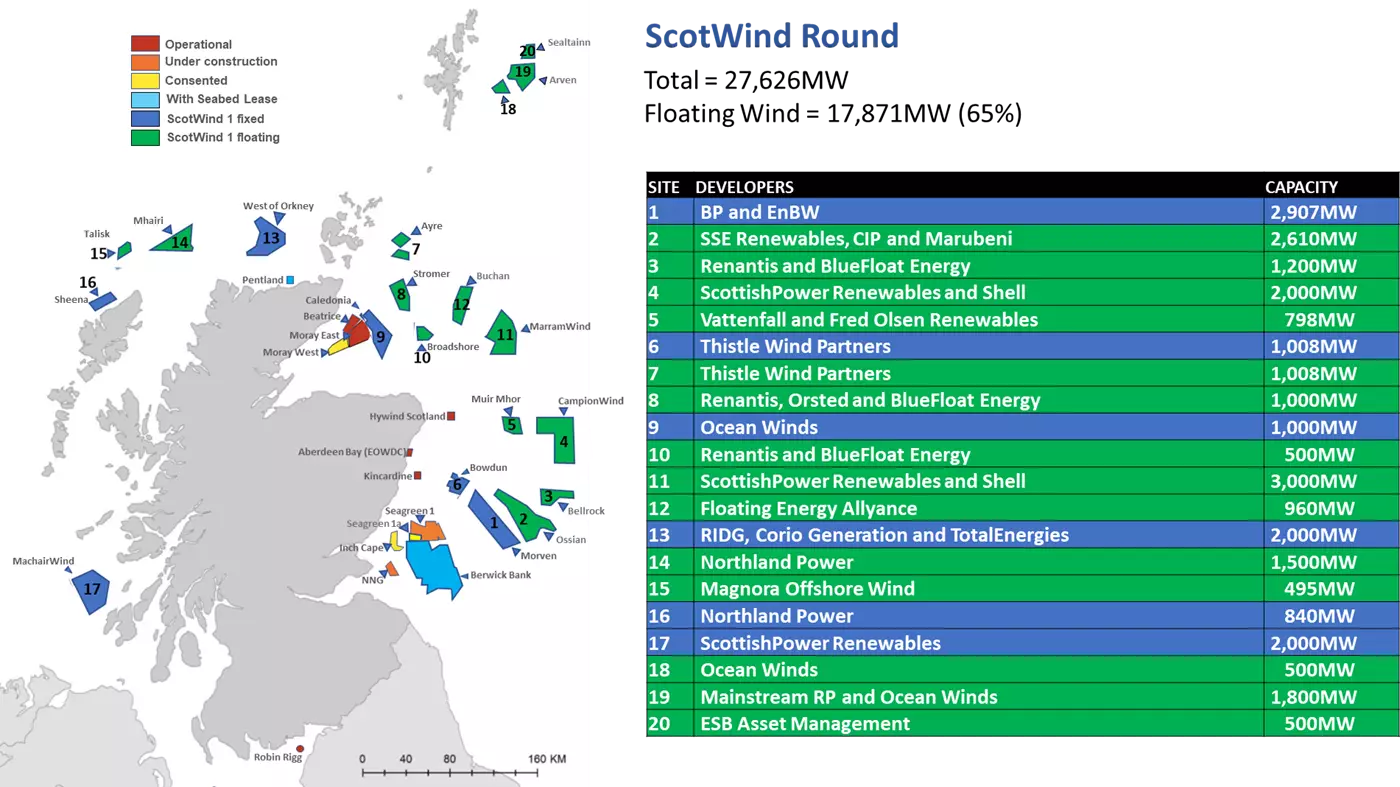
As we know, ScotWind has already seen large tracts of renewable wind energy sold, cheaply, to the likes of British Petroleum.

Meanwhile, Scotland’s six offshore wind farms have paid a derisory £150,000 to nearby communities in the last 12 months.

https://www.scotsman.com/news/politics/scotwind-auction-accused-of-selling-scotlands-offshore-wind-on-the-cheap-3663314

This, of course, is packaged as a boon not for the multinationals, but the environment.

The Scottish Government are fond of greenwashing their big business partners.

Indeed they extend use of the word “green” as a passport to advancing the interests of the corporate lobby in a range of settings.

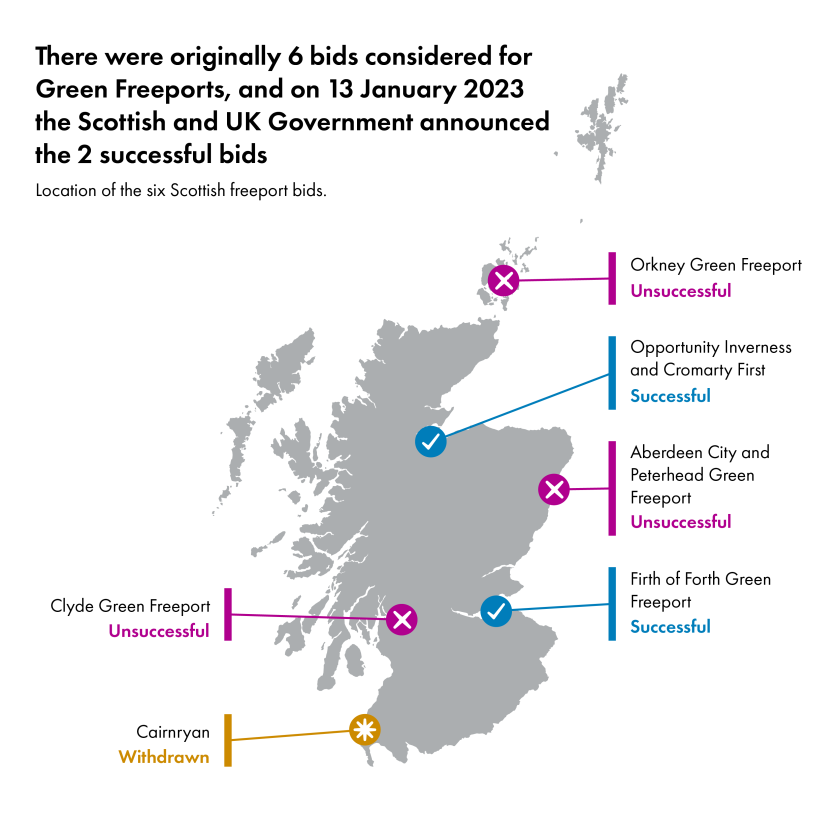
We see this through, for example, the Scottish Government’s embrace of freeports, rebadged as “green freeports”, but serving precisely the same function.

“Freeports” are bound up with the Tory incarnation of Brexit.

The are special zones that, as the TUC report, “sit outside the UK’s main tax and tariff rules, with lower regulations to attract investment and business.”

This means that once again the dice are loaded in favour of big business and against workers and local communities.

They are also loaded against SNP conference decisions which are effectively superfluous to events, as the SNP Trade Union Group noted in relation to the “green freeports.”

https://jonathonshafi.substack.com/p/as-the-world-changes-the-snp-stands

Scottish independence is an important part of the SNP formula so long as it is never realised and so long as the campaigning is run through SNP political elites.

The “bank for the people” was supposedly set up by the SNP to make strategic investments for the common good of Scots but it instead opened an avenue for corporate Scotland to asset- strip Scotland.

Example: Tourism technology business Travelnest Ltd has received an initial £3 million in funding from the SNIB.

The company specialises in providing infrastructure for holiday home owners to list and manage their properties.

It turns out that the bank, rather than acting as a countermeasure to the failures of the market, is nothing of the sort.

Take a look at some of the corporate networks involved:

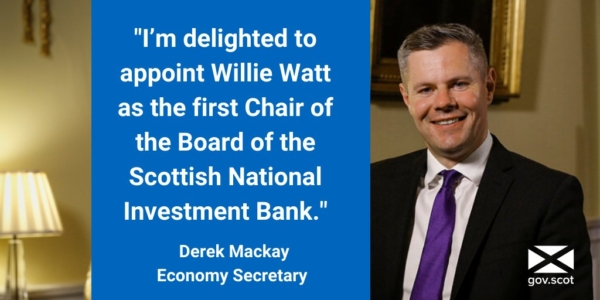
The Chair of SNIB is Willie Watt. Watt is an Advisory Board Member of Scottish Equity Partners, a private sector Glasgow-based investment consortia which is already investing in projects into which SNIB is investing.

Carolyn Jamieson is a Non Executive Director of the Scottish National Investment Bank and is also an Advisory Board Member of Scottish Equity Partners.

She is formerly Chief Legal Officer at Skyscanner.

Interestingly the new “Chief Entrepreneur” is also formerly a top executive at Skyscanner. Small world.

https://www.heraldscotland.com/business_hq/18845028.big-hitters-join-new-investment-bank/?utm_source=substack&utm_medium=email

https://www.publiccontractsscotland.gov.uk/search/show/Search_View.aspx?id=DEC401667&utm_source=substack&utm_medium=email

https://www.ipso-facto.biz/?utm_source=substack&utm_medium=email

https://find-and-update.company-information.service.gov.uk/company/09141571/officers?utm_source=substack&utm_medium=email

In 2021 Kate Forbes set up something called the Scottish Technology Ecosystem Review.

It was led by Mark Logan. As ever, the process was outsourced.

This time a contract worth £100,000 went to a private business called Ipso Facto Ltd.

Mark Logan is the co-founder of Ipso Facto.

He is also a Director of, drum roll, Travelnest Ltd.

https://www.gov.scot/news/accelerating-scotlands-tech-led-recovery/

https://www.publiccontractsscotland.gov.uk/search/show/Search_View.aspx?id=DEC401667&utm_source=substack&utm_medium=email

All of this fits neatly into the system of patronage set up around the leadership of the Scottish Government sprawling beyond the corporate sector and into wider parts of public life.

Thus, the Chair of the Economic Recovery Group, is also the Chair of Buccleuch Estates and is also Chair of the National Galleries of Scotland board, alongside Andrew Wilson of Charlotte Street Partners who is also the author of the Growth Commission, alongside Willie Watt who is also the inaugural chair of the Scottish National Investment bank.

https://theferret.scot/scotland-meet-the-quango-class/?utm_source=substack&utm_medium=email

https://www.nationalgalleries.org/?utm_source=substack&utm_medium=email

The First Minister is perfectly positioned in this context.

Outwardly progressive, inwardly focussed on delivering for the corporate lobby.

Outwardly appealing, internally dictatorial.

In the world of the Scottish establishment the interests and concerns of the schemes which mobilised in 2014, and who then went on to deliver the SNP their political hegemony, are not on the agenda.

Parallels with New Labour are drawn. But this is only partially accurate.

This is why independence is an important part of the SNP formula, so long as it is never fully realised, and so long as the “campaigning” is run through political elites.

The betrayal of the working class of Scotland that is the real crime the SNP leadership perpetuated against the people

That is the real crime the SNP leadership perpetuated against the people.

The betrayal of the working class of Scotland

Sturgeon poses, with a great deal of success, as a woman of the people.

But this doesn’t stand up to any real scrutiny. Sure, throw a few bungs towards Scotland’s impoverished communities.

But with all of the power at her disposal, no real reform has taken place in favour of the working class.

Even tinkering with the various devolved tax powers is out of bounds.

Indeed, it isn’t even allowed to be discussed.

https://www.jrf.org.uk/report/poverty-scotland-2021

While the corporate lobby exercises a hundred times more power and influence than the SNP membership, the party hierarchy also comes down hard whenever the working class start to mobilise in their own interests.

They have shown they are willing to utilise Tory anti-trade union laws against striking cleansing workers in Glasgow.

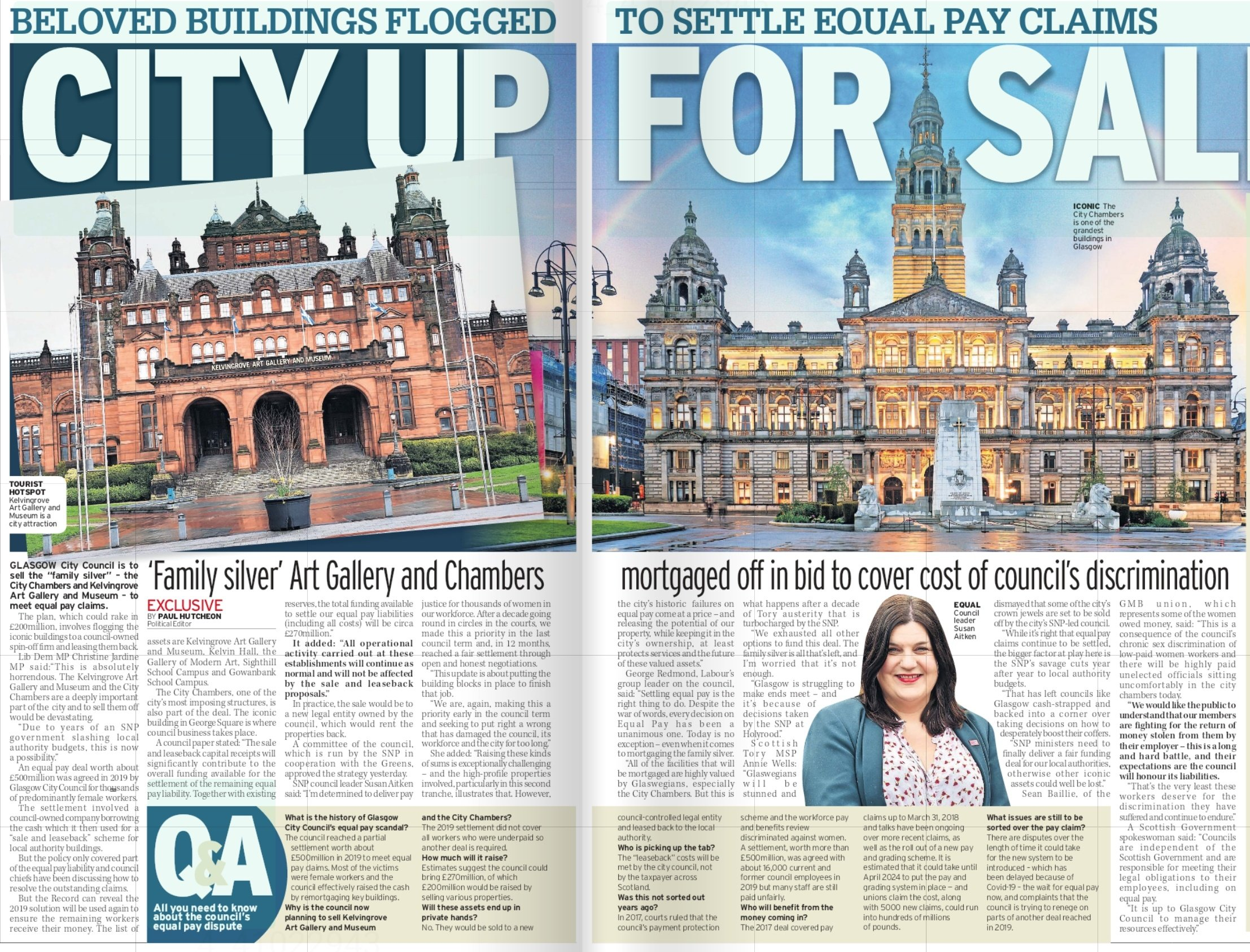
Indeed, Susan Aitken, who wins the award for reintroducing the word “ned” into public discourse, is driving an agenda in Scotland’s largest “Yes” city based on a programme of massive privatisation.

If Swinney really did cut and paste Osborne’s business rate proposals for his conference speech in 2015, then Susan Aitken is a dead ringer for David Cameron.

In true “Big Society” fashion, the citizens of Glasgow are asked to do their own community cleaning in an initiative co-sponsored by McDonalds, who were given the green light for a new drive through in Toryglen despite concerns raised by local residents who fear the impact it will have on children’s health and traffic.

At the same time, the SNP led City Council has spent £10 million on private cleansing contractors in recent years.

https://www.heraldscotland.com/news/19563992.cop26-glasgow-people-tasked-cleaning-city-ahead-event/

https://www.glasgowtimes.co.uk/news/18347952.glasgow-city-council-rule-new-mcdonalds-can-built-toryglen/

A union organiser reflected:

“It beggars belief they are lining the pockets of private contractors with millions of pounds of public money while the city’s waste crisis keeps growing.

It would be far better if these monies were redistributed properly by investing in more full-time staff and better resources to help make our communities cleaner and greener.”

These processes, local and national, are furnished with a “quango class” composed of “influential bankers, retired senior civil servants, well-connected industry insiders, powerful chief executives and former politicians.”

As the cost of living crisis takes hold, Sturgeon is putting the focus on Westminster. But there is a hypocrisy here.

Because the SNP are gearing up to take on the public sector unions as their own Spending Review commits to a plan that will cut around 30,000 jobs.

At the same time, their strategy for independence amounts to box ticking.

https://jonathonshafi.substack.com/p/snp-trade-union-group-motion-excluded

In the end, the votes, money, activism and support for the SNP, drawn primarily from Scotland’s working class, has been funnelled directly into sustaining the architecture of the Scottish establishment.

That is the real crime the SNP leadership perpetuated against the people.

The Sturgeon inspired Growth Commission left Scotland a vassal state for corporate interests, the City and foreign capital.

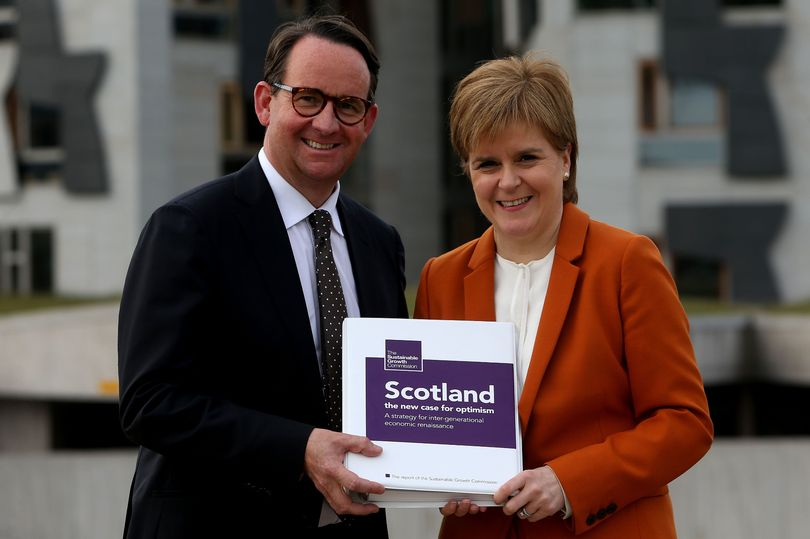
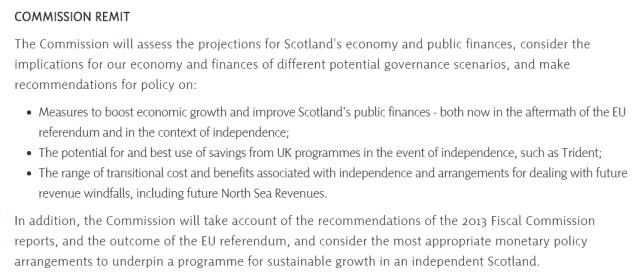
The disastrous Growth Commission, the Westminster government’s variant of “independence,” was brought together by Scotland’s premier corporate lobbying firm, Charlotte Street Partners, while the trade unions were excluded.

https://jonathonshafi.substack.com/p/as-the-world-changes-the-snp-stands


https://www.charlottestreetpartners.com/?utm_source=substack&utm_medium=email#


https://sourcenews.scot/stuc-criticises-lack-of-trade-union-involvement-in-growth-commission/

Charlotte Street Partners acts as a central cog between the leadership of the SNP and the array of business clients represented by the firm.

It worked behind the scenes with IHSL “the controversial private consortium set up to fund, build and run” the disastrous £150 million Edinburgh Sick Kids Hospital.

The Unity between the SNP leadership and the corporate establishment is stark and unhealthy

Jonathon Shafi maps the influence of the corporate lobby in the governance of Scotland. The whole elaborate picture makes for a disturbing read.

The “Economic Recovery Group” set up during the pandemic, was led by the former CEO of Tesco bank, Benny Higgins, who is now Chairman of the estate of Scotland’s largest feudal landowner, the Duke of Buccleuch.

https://www.gov.scot/groups/advisory-council-for-economic-transformation/?utm_source=substack&utm_medium=email

https://www.buccleuch.com/our-board-executive-committee/?utm_source=substack&utm_medium=email

The council to advise on a ten year plan for Scotland to “unleash entrepreneurial potential and grow Scotland’s competitive business base,” included Sir Nick Macpherson, a former Treasury permanent secretary who advised George Osborne to reject a currency union during the 2014 referendum campaign.

https://www.gov.scot/groups/advisory-council-for-economic-transformation/?utm_source=substack&utm_medium=email

https://www.thenational.scot/news/19431847.nick-macphersons-appointment-snp-economic-council-criticised/?utm_source=substack&utm_medium=email

The hotchpotch of word salad this apparently chaotic group arrived at, known as “Scotland’s National Strategy for Economic Transformation” has so far produced a couple of events which the press were excluded from, and the formation of a new post known as Scotland’s “Chief Entrepreneur” who is to be paid a salary of £192,000 for working just 8 days a month.

https://www.heraldscotland.com/politics/19947427.tom-gordon-snp-take-risk-dragons-glen-plan-scots-economy/

https://www.gov.scot/publications/scotlands-national-strategy-economic-transformation/?utm_source=substack&utm_medium=email

https://www.gov.scot/news/appointment-of-chief-entrepreneur/?utm_source=substack&utm_medium=email

https://news.stv.tv/politics/scottish-governments-192000-chief-entrepreneur-salary-for-eight-days-work-a-month-branded-crass?utm_source=substack&utm_medium=email

Sturgeon ensured herself and her band of acolytes a well rewarded future by selling Scotland to the corporate lobby

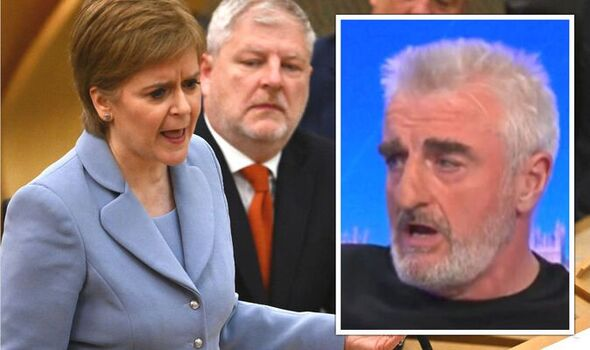
16 July 2016: Tommy Sheppard MP announced his candidacy for the Deputy Leader of the SNP

The experienced political activist and one of the hundred thousand new members said:

“We need to facilitate and lead a movement bigger than ourselves. There are arguments still to be won and they will be won by continually building alliances beyond the SNP. We need to involve as many people as possible encouraging them to play an active role in campaigning. We need to abandon our top-down party organisation and refocus our efforts on strengthening our basic units – the party branch – to include much more political discussion and action.”

His bid for the Deputy Leadership created a genuine, and long overdue debate about strategy for a second independence referendum.

Here’s his full statement:

“Over the past weeks I have been approached by a wide range of SNP members asking me to stand for the position of Depute Leader of our Party. After much thought I have decided to do so. Here’s why.

At this critical time in our nation’s history we have a window of opportunity, yet we still have much work to do in a short time. To be successful we need to use all of the talents of our party. I believe the job of Depute Leader is key to our success.

To achieve our goal of Independence our party needs to be even better at everything it does.

We’ve had some great election successes recently, but frankly our opponents have made it easy for us. We need to prepare for the challenges ahead, including IndyRef2 when it comes. That will be a far tougher test, and we need to be ready.

We need to revise how we do things, building on the massive increase in membership since 2014. Members are our biggest asset and we need structures that allow them to get more involved. They are central to our continuing success as a party and a movement.

We need to revise how we do things, building on the massive increase in membership since 2014. Members are our biggest asset and we need structures that allow them to get more involved. They are central to our continuing success as a party and a movement.

We need to prepare as many people as possible to play an active role in campaigns. I believe we need to refocus our basic unit – the party branch – to include much more political discussion and action. We need to spend money on professional organisers – at HQ and in a regional network – to support branch activities and members’ training. We need to bring together all our elected representatives – MPs, MSPs and Councillors – in coherent teams providing political leadership to our communities. We need to rethink how we make policy – involving as many members as possible in a continuous process.

To work, change must come from the bottom up via a swift but inclusive and comprehensive review. Working with other party officers and the NEC I’d like to lead that process, starting as soon as possible.

We have a superb leadership team in the SNP, each with a different role to play and collectively embodying a wealth of talent and experience. And the team is being tested at this crucial time, with so much going on around us, not least in providing the real opposition to the Tories at Westminster and protecting Scotland’s position in Europe. As Depute Leader I would complement and bolster an already strong team.

The Depute Leader needs to have a primary focus on swiftly and effectively developing our capability as a campaigning organisation, to better prepare the grassroots for the demands of politics in the digital era of the 21st century, allowing others the time to focus on the key jobs they are asked to do.

Finally, to win Independence we need to speak to all of our potential supporters. Those who have been working on this cause for decades, those like me who joined the party in the aftermath of the independence referendum, and those who are still to make the journey to Yes.

We need to facilitate and lead a movement bigger than ourselves. We still have arguments to win. And they will be won by continually building alliances beyond the SNP.

I still have a lot to learn: although active in Scottish politics for nearly 40 years, I’ve only been in the SNP since 2014. This means I can bring a new perspective to our leadership team. I don’t claim to represent new members, but I am fairly typical of those who have made a political journey in recent years, particularly from the Labour movement. I spent several years working in the Yes campaign building alliances with people across all parties and none. That’s a role we may need to revive, sooner rather than later, and as Depute Leader I would drive that forward.

I can bring a new perspective to our leadership team. I don’t claim to represent new members, but I am fairly typical of those who have made a political journey in recent years, particularly from the Labour movement. I spent several years working in the Yes campaign building alliances with people across all parties and none. That’s a role we may need to revive, sooner rather than later, and as Depute Leader I would drive that forward.

The discussion we will have on these key issues during this election will only strengthen the party, offering an exemplar of a healthy internal democracy in Scotland’s largest political organisation. And whoever wins will benefit from having the authority of the mandate an election offers.

I want to stress that I have every confidence in all the members of the current leadership of the party in their respective roles, and will continue to fully support all of the team no matter what the outcome of this election. That’s how we do things in the SNP.

My thanks to everyone who has encouraged me to stand. Your support is humbling and I confess I’m just a little daunted at the challenge. But I believe I am up to it. No person can achieve things by themselves. Winning independence for our country will need all our efforts. I hope that I can bring my skills and experience to the job and play a role inspiring and motivating our mass membership in the months and years ahead.”

Comment from aformer Branch member

“I believe we need to refocus our basic unit – the party branch – to include much more political discussion and action. We need to spend money on professional organisers – at HQ and in a regional network – to support branch activities and members’ training. We need to bring together all our elected representatives – MPs, MSPs and Councillors – in coherent teams providing political leadership to our communities. We need to rethink how we make policy – involving as many members as possible in a continuous process”.

This is the SNP achilles heal,the crux of the SNP’s inability to retain politically minded members who have either left the party or have become dormant members frustrated that their branch activity fails to engage in the political process failing to debate issues and consequently failing to prepare a stream of well informed future talent.

My own Branch experience is that cliques of well meaning individuals have often prevented or discouraged newer members from office bearer roles these new members being perceived as a threat to the Branch, rather than being accepted as a positive result of YES activity and warmly welcomed their new post Indy 1 ideas are not reflected in branch meetings or agendas. Active when electioneering yet stagnant in between.

I believe Tommy recognises this serious flaw and knows that it impedes progress nationally to win wider support for the Independence cause. The SNP structures of old failed to win in 2014 there needs to be change and reform if Indy2 is to be won.

But Sturgeon chose another path

Her preferred candidate and acolyte Angus Robertson’s favoured “modus operandi” centralised control was at odds with the membership campaigning organisation envisaged by Sheppard and he voiced concern that empowering the membership would breed disloyalty and create problems for the leadership. His views prevailed and he was appointed to the post of Deputy leader. From then on all Party activities would be managed by headquarters and information drip fed to the plebs.

Sturgeon sold Scotland to the Corporate lobby

The SNP leadership’s ruthless disciplining of the Party membership was instrumental in the unfettered transfer of influence and reach of the corporate lobby over government. A change accelerated under the leadership of Nicola Sturgeon like no other government .