The Dogs of War Are At It Again In Westminster – If Only the Scottish Electorate Could Veto Any Scottish Participation


British Generals 1914-1918 War, Not normally billeted over close to the front line. Strategy based on a study of maps.

Almost all ex Eton students


Eton boys and them


Field Marshal Haig 1915-1918 Master of the bloodbath


The Armed Forces Day Con

In 2006. British armed forces casualties began to increase in Afganistan, Gordon Brown, (Chancellor of the Exchequer) realized there was a markedly increasing recurring cost to the exchequer, incurred maintaining support for many maimed and permanently disabled servicemen and women being returned to the UK. Seeking to defray the financial burden he conceived then proposed to Westminster that a, “Veterans Day” be held on the last Saturday in June each year, providing opportunity for the Nation to raise public awareness, (and lots and lots of money) to the needs of veterans, celebrating the contribution made by those who had served in the Armed Forces. The day, which encouraged young people to show their appreciation of war veterans was held in the years 2006-2008

Late 2008 there was a realization in Westminster that the war in Afganistan was not going well. It was necessary to find a way to mobilize the nation to give support to the military whilst avoiding any amount of discussion or critical examination as to whether the war should be sustained.

In 2009 Gordon Brown, (then Prime Minister) decided a change in emphasis was needed, moving away from remembrance of veterans, introducing the jingoistic, (Armed Forces Day) claiming it was intended to raise awareness and appreciation for those on active duty knowing full well, in reality it was to stir-up blind patriotism and support for the war.

Armed Forces Day’s have since been held, in places throughout the UK, on the last Saturday of June. They are arranged and conducted continuing to feed upon the feelings and beliefs of people who think that the UK is always right and who are in favor of aggressive acts against other countries

2014. Armed Forces Day. What was my day like? Rotten. I reflected and shed tears, upon the fate of a three of my uncles, (all Calton Boys) who were conscripted then sent to die in Belgium, sating the greed and power of politicians in Westminster. Two of my uncles died at the Somme. My uncle Johnny in battle at, “Ypres”. He was just 18y. My father told me Johnny had never even had a girlfriend.

In the war 1914-1918, of the 557,000 Scots who enlisted or were conscripted in all services, 27 percent lost their lives. This compares with an average death rate of 12 percent for the rest of the British army between 1914 and 1918. The primary cause of the higher-than-average casualties among the Scottish soldiers was that they were regarded as excellent, aggressive shock troops who could be depended upon to lead the line in the first hours of battle.

A General, (Eton educated and located 30 miles from the front line) when asked by one of his brigadiers why his Scot’s had to, (despite a mauling only four days previous), lead the line in a planned assault said, ” Because the “jocks” need to be less concerned with the politics of the war and more with survival”. “Lions led by Donkeys” indeed!!! 35 General’s serving with the Army in the war were educated at Eton.

Armed Forces Day should be abandoned, in Scotland, and the nation should revert to the day of respectful remembrance already in place. This would thwart todays Westminster politicians in their abuse of the electorate, ever plotting ways of transferring justification and the cost of their wars onto an unwitting public for support.

In the next referendum all Scots’ should Vote, “yes” so as to ensure our son’s and daughter’s will be free of the probability of conscription to fight in war’s entered into by Westminster politicians

Two songs to reflect on:

http://www.youtube.com/watch?v=p_mBJgsaxlY (The Green Fields of France)

http://www.youtube.com/watch?v=VktJNNKm3B0 (The Band Played Waltzing Matilda)


Time out for the bairn Trenches 1917


Highlander clearing German Trenches 1917               General reviewing  hte Black Watch before sending them up the line 1916


Rules By Which A Great Empire May Be Reduced To A Small One The Demise of the United Kingdom

Benjamin Franklin, one of United States of America’s founding fathers, loved Scotland and the company of it’s highly respected philosophers of the, “Great Scottish Enlightenment.” Had he lived in these times he would have encouraged Scotland to vote, “Yes” to independence. In discussion with, Thomas Jefferson, (a fellow founding father and friend) referring to a Scotland’s right to be free he said;

“He who sacrifices freedom for security deserves neither”

His advice was clear and unambiguous. Do not succumb to patronising unspecified promises of jam tomorrow, (remember 1979.) Have confidence take the opportunity and elect for freedom in the next referendum.

He also wrote, “Rules By Which A Great Empire May Be Reduced To A Small One”. Evidently Westminster politicians either did not read it or choose to ignore the advice, which is possibly the reason why only Scottish independence will bring about all that is predicted in it.

http://en.wikisource.org/wiki/Rules_By_Which_A_Great_Empire_May_Be_Reduced_To_A_Small_One


The Windsors: Caretakers of the Act of Union


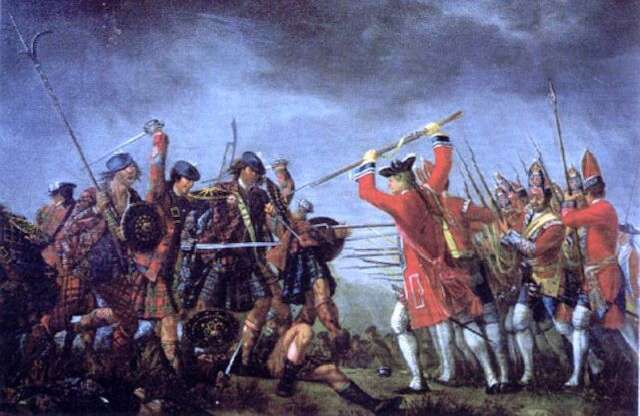
Culloden 1746. Heavily outnumbered Scots cut to pieces by composite English Army


Culloden 1746. brave highlanders charged the much larger and better equipped English Army


Impact of the 1707  “Act of Union”

It is a fact that for most of the 308 years the, “Acts of Union” treaty has been in place the philosophy of the Westminster government has been one of Conquer and rule. In the autocratic male dominated society that was the UK, recurring wars were deemed to be a useful natural extension of the state. To achieve fulfilment men needed to die in the glory of war. Peace, on the other hand, (in the view of Westminster politicians) was bad since the morals of the people became corrupt as they enjoyed a lifestyle of happiness, breeding and well being.


Security Council Discusses Recent Violence in Jerusalem, West BankUN Security Council


The United Nations Charter

Eventually sense prevailed and a realistic alternative to war was agreed to in 1945 by all nations – The United Nations charter spelled out the fundamental aims of the body. It states;

“We the peoples of the United Nations determined to save succeeding generations from the scourge of war, which twice in our lifetime has brought untold sorrow to mankind, and to reaffirm faith in fundamental human rights, in the dignity and worth of the human person, in the equal rights of men and women and of nations large and small, and to establish conditions under which justice and respect for the obligations arising from treaties and other sources of international law can be maintained, and to promote social progress and better standards of life in larger freedom, and for these ends to practice tolerance and live together in peace with one another as good neighbours, and to unite our strength to maintain international peace and security, and to ensure, by the acceptance of principles and the institution of methods, that armed force shall not be used, save in the common interest, and to employ international machinery for the promotion of the economic and social advancement of all peoples, have resolved to combine our efforts to accomplish these aims.”


House of Commons


Westminster politicians Find a Way To Subvert the UN Charter

War, is a much valued tool, through which Western politicians impose their will upon other nations, and they were determined not be denied their conflicts. To facilitate this Westminster erased “war” from political and military vocabulary and replaced it with, “humanitarian action” thereby providing a mechanism allowing the UK and the USA to, (in support of the much vaunted special relationship) commit our armed forces to the provision of extraordinarily expensive assistance, supposedly easing the burden of oppression anywhere in the world it might surface.


The Role of the Media

Broadcast Media, internet traffic, and News outlets are now firmly an extension of the state, (witness BBC Scotland’s biased coverage of the referendum campaign.) There are no, “War Correspondents” only, “embedded journalists” who produce heavily censored and sanitized reports. Where targets used to be, “bombed into submission” they are now subject to, “surgical strikes” creating a false premise that such actions are, “healing” by their nature. Death of civilians and massive destruction of dwellings is  often reported as, “collateral damage”.

What a confusion, “War is Peace and Peace is War.” George Orwell.


George Orwell


Young British recruits in training before being sent forward to fight 1914-1918


The Fear Not Fair Scottish Referendum – The Contretemps Over Sterling – A Unionist Political Lie Won the Day


The Greatest Red- Herring of the Referendum

In the course of the referendum I wrote to my blog that my preference would be for Scotland to establish it’s own currency following a, “Yes” vote. I did so in support  of the Scottish government’s preferred option which was to remain tied to Sterling, with or without monetary union with rUK.

The  grossly immoral assertion of Unionist politicians was that whilst they could not prevent Scotland from using Sterling there would be no monetary union. The rUK would, if necessary retain responsibility for all current debt at the time Scotland branched out once more as an independent nation.

In a reprehensible follow up the Unionists stated that rUK would not undertake the role of the, “Lender of Last Resort” in the event Scotland met debt difficulties at any time in the future.

The Westminster Unionist politburo then set about blackmailing Scottish voters into a, “no” vote, constantly harping on about the need for a, “PlanB” on the presumption that their campaign of fear over the future currency of an independent Scotland had taken root. Which it had!!

Alex Salmond, (Scottish First Minister) repeatedly stated that there was no, “PlanB”. Scotland would continue to use Sterling as it’s currency. He was of course, entirely correct in his assertion. There was no failing in his approach. But the Unionist lies won the day.

In the next referendum the “Yes” campaign should destroy the false assertions of the Unionists at the very start. The undernoted information sets out the position of the EU in regard to support of member state currencies.


Note:  Scotland would be provided with fast track membership of the EU on the basis that Scots are already citizens of the EU and there is no precedence which would allow anything other than continued membership. This was confirmed by an EU spokesman, (I posted the statement in an earlier blog post)


The EU would be the Lender of Last Resort

European Union Finance Ministers, were recently summoned to Brussels to sign up to the, “European Stabilisation Mechanism”. Britain was unable to veto the measure as it was put through under the, “qualified majority voting” system.

The deal, to be applied to any member country’s currency, was denounced as a “stitch-up” by the UK government. The proposals were put in place so that the, Irish, Greek, Spanish and Portugese government’s would be able to finance their debt.

Euro-zone leaders acted to bypass objections from the UK by invoking Article 122 of the Lisbon Treaty, intended to enable a collective response to natural disasters. This did not require unanimous agreement since the decision was taken by qualified majority vote, 16 euro zone leaders ensured its passage.

UK exposure to liabilities created by the bail-out under the scheme amounted to around 10 per cent of the total loan. If any country had failed to repay, the cost to the UK would have been, (£8.6 billion, for every £86?billion) on which the said country defaulted.

The European Commission President stated, “We will defend the currencies of our member states, using the, “Lisbon Treaty” clause as the legal basis for a European bailout scheme. Under the clause, an EU member state hit by “natural disasters or exceptional occurrences beyond its control” can receive “financial assistance” after a qualified majority vote by European leaders. It was agreed, “exceptional circumstances” included market, “attacks” on any, “Member States” currencies.

The change legally obliges the UK treasury to undertake responsibility, together with all other EU member states to be a joint, “lender of last resort” for any EU member state that might be liable to default on that nations debt.


So. There it is!!! Why o’ why did Alex Salmond and the “Yes” campaign not destroy the Unionist attack with the foregoing defeats me.


The Labour Party – One Nation – Unionist to the Core – But What About Scotland – Bugger The Scot’s – We Are All About the Money Honey


Richard Heller


Richard Heller, (former adviser to Denis Healey and Gerald Kaufman): A Private View

It could become a pub quiz question: who was the first British prime minister to sell himself to a foreign power? It would be too easy to guess the answer — Tony Blair, who recently signed a multimillion pound contract to advise President Nazarbayev of Kazakhstan. He has reportedly opened an office in the capital, Astana.

Other than the president, no-one knows what advice Mr Blair is giving. His client does not need any advice on winning elections: grateful Kazakhs gave him over 95 per cent of their votes in their last presidential elections in April this year. His party already holds all the seats in parliament. Some media reports suggest that he is advising on financial institutions.

According to other reports, he is helping the president prepare a bid for next year’s Nobel Peace Prize. Again, Tony Blair seems a strange source of advice, until one remembers that the prize was once given to Henry Kissinger.

As with other British ex-politicians, Tony Blair’s paid activities in Kazakhstan are virtually beyond any public scrutiny or control. They are not mentioned on the website of the Advisory Committee on Business Appointments (Acoba), the fangless watchdog over ex-ministers who sell their services in the marketplace.

Since Tony Blair is not a peer, he did not have to supply the minimal and haphazard information required for the Register of Lords Interests. He did not have to notify the Foreign Office of his Kazakh appointment and it is not mentioned on the website of our local embassy.

Curiously, Tony Blair may face greater scrutiny in the United States than in our own country. If he helps the Kazakhs there in any way, he is potentially liable to register as their agent under the Foreign Agents Registration Act of 1938.

This wide-ranging law was originally designed to combat Nazi and Soviet agents: it is piquant to think that it might catch Tony Blair and positively delicious to imagine him receiving a late-night visit from the FBI.

Whatever Tony Blair is doing in Kazakhstan, he should stop it and hand back the money. It does no good to our country and our political system — and it is in very bad taste.


Whether he likes it or not, Tony Blair is taking sides in the internal politics of Kazakhstan, which are murky and dangerous for an amateur outsider. He has become a trophy for the ruling president and a figure of contempt for the opposition.

As North Africa has proved, even very long-running rulers can eventually fall, and if that happened in Kazakhstan (a country of great strategic importance) Tony Blair will have harmed our country’s relationship with the replacement government.

But while President Nazarbayev is in power, it must strengthen his ego and his authority in any discussions with our country to have a former premier in his pocket. Whether he likes it or not, Tony Blair will diminish the authority, and in all probability the access, of our ambassador in Astana, David Moran.

If Tony Blair gives the president any advice on how to deal with this country he will be approaching the frontiers of treason. Selling himself to a foreign ruler for any purpose at all seems hard to reconcile with his lifelong oath of loyalty to the Queen and her successors as a privy councillor. Its language is orotund and opaque but its tenor and general purpose are clear.

It ends: “You will to your uttermost bear faith and allegiance unto the Queen’s Majesty; and will assist and defend all jurisdictions, pre-eminences, and authorities, granted to Her Majesty, and annexed to the crown by acts of parliament, or otherwise, against all foreign princes, persons, prelates, states, or potentates. And generally in all things you will do as a faithful and true servant ought to do to Her Majesty. So help you God.”


Old Friends


Tony Blair does not care much about history unless he can invent it, but if he did take this oath seriously it would warn him against trying to serve two sovereigns and putting himself in the pay of any foreign state or potentate. If the oath means nothing to him, Tony Blair should reflect on the impact on the image of our country when a holder of its highest office hawks himself about to foreign governments. What message does it send to disenchanted British voters who already believe that their politicians are only interested in money?

In recent articles I have called for the strengthening of ACOBA and of the Lords Register of Interests to give the British people more information about ex-politicians’ money and more influence over how they can earn it.

After Tony Blair’s Astana adventure, I think we need to go one step further. No ex-minister should be allowed to work for any foreign ruler or government or state agency without the prior approval of the Queen-in-Council, including the prime minister and foreign secretary of the day.

There should be a presumption against any approval, although an ex-minister should be allowed to do voluntary service in a poor country, or to serve as an independent peace envoy or for other humanitarian purposes. That would not bar any ex-minister from joining an international body or a non-governmental organisation.

Without such reforms, our country will see an uncontrolled marketplace for ex-ministers. On second thoughts, maybe that’s no bad thing. Given the recent record of British government, with many more failures and disasters than success stories, it is surprising that such a market exists.

Plenty of voters might be happy to sell ex-ministers to any foreign country to make a bid for them. Or even current ones. If Kazakhstan wants to take anyone from this government, I’ve got a little list and they’d none of them be missed.

A former adviser to Denis Healey and Gerald Kaufman, Richard Heller’s advice has never been sought by any foreign government.


26 Jan 2012: Tony Blair’s fortune to treble to £45million next year

 Tony Blair’s fortune is set to treble to £45million next year as he returns to his lucrative career after appearing at the Iraq war ­inquiry. The former PM and wife Cherie are building up a property empire and he now plans to maximise his earnings over the next two years.

Friends of the pair have told the ­Sunday Mirror Mr Blair – who will be 57 on the expected General ­Election date of May 6 – wants to build up a “substantial” retirement nest egg before he hits 60.

His earnings this year alone could hit £15million, on top of the estimated £15million he has raked in since standing aside as PM in 2007. A ­further £15million next year through Mr Blair’s jobs, ­ speeches and expanding property empire would take his estimated family fortune to £45million.

A friend of Mr Blair’s said: “Tony spent weeks preparing for his ­appearance at the Iraq inquiry, often getting up at 6am to start work. “Now that is out of the way, he wants to focus on his unpaid job as Middle East peace envoy and earning serious money in his other roles before he retires. “Many of Tony and Cherie’s friends now are extremely wealthy and they both enjoy moving in those sort of social circles. But that takes serious cash.”

Mr Blair’s millions are paid into a complex network of companies involving up to 12 different bodies – making his exact riches hard to calculate. But a Sunday Mirror probe has ­unravelled many of the sources behind his growing wealth.

The Blairs have six luxury homes worth more than £14million – the latest was bought for ­£1.13million cash last ­September. Their main home is a ­£4.5million mansion – bought for £3.6million – near Hyde Park in London. They extended that property by ­buying an £800,000 mews house behind it.

The Blairs’ country home is a Grade I listed pile, once owned by Sir John Gielgud, worth an estimated £6million. There is the infamous apartment in Bristol, bought by Cherie with the help of Aussie conman Peter Foster, for her eldest son Euan while he was at ­university. It is now worth an estimated £300,000. The latest purchase is a £1.13million London mews house bought for second son Nicky. Mr Blair’s ­constituency home in County Durham was put up for sale last year for £300,000 – 10 times what the couple paid for it in 1983 when he ­became MP for Sedgefield.

The former PM also has a number of highly paid jobs which bring in between £5million and £9million a year. His latest money-spinning contract – a role with hedge fund firm Lansdowne ­Partners – is expected to earn him £250,000 for just four speeches.

Mr Blair also has a £2.5million ­annual deal with JP Morgan, to “explore business opportunities in Libya”.

He has a £2million deal with Zurich Financial Services and has been signed up by Random House to publish his ­diaries for £4.6million.

Mr Blair also earns between £50,000 and £170,000 for making a speech. On top of that he gets a prime ­ministerial ­pension of about £65,000 a year – and Britain contributes to the cost of his office staff and 24-hour security.


Verdict… By Jason Cowley, Editor of New Statesman

Tony Blair is a great showman – the most talented actor-politician of modern times, with the exception of Bill Clinton.

All his skills of presentation and manipulation were on display on Friday when he appeared before the Chilcot inquiry into the Iraq war. Tanned and wearing make-up, his hair thinner and much greyer than during his last days as Prime Minister, he performed brilliantly. But it was a performance all the same. He was in control, as fluent and articulate as when he was making the case for war in 2002. He seemed to have the five committee members just where he wanted them – feebly starstruck, helpless to challenge or wound.

Blair spoke with the zeal of a man who believed that he had done the right thing. “Saddam was a monster,” he said. “A threat to the world.” At the end of the long day’s questioning, Blair was asked by Sir John Chilcot, the Whitehall mandarin heading up the inquiry, whether he had any regrets. Any person of compassion would have said that he regretted the deaths of the 179 British soldiers killed in Iraq as well as more than 100,000 Iraqis. But Blair turned his answer into another extended riff of self-justification. We have learned important lessons about nation-building, he said, as well as about the threat posed by Iran and al-Qaeda. Sir John pushed him again: “So no regrets?” No, Blair said.

Chilcot is the fourth inquiry into the Iraq war. That there have been so many, each exploring much the same territory, is testament to the war’s bitter legacy. For the Americans, the war was never about whether or not Saddam Hussein did have weapons of mass destruction. It was about “regime change”, clear and simple. It was about the taking out of an enemy of the US and of the US’s strategic Middle East ally, Israel – an enemy that also happened to be an oil-rich state.

The al-Qaeda attacks of September 11 2001 on New York’s Twin Towers had created the conditions in which the Americans could complete the unfinished business of the first Gulf War of 1991 and topple the despised Saddam. Post-war British foreign policy has been predicated upon our being America’s number one ally.

But Blair was not compelled to support the Bush regime so unequivocally. After all, in the 60s Labour premier Harold Wilson rightly refused to send British troops to fight in Vietnam, as Australia did. No, Blair chose the course of war because in his view “it was the right thing to do”, and because he believed himself to be on a kind of divine mission.

Remember how at the Labour Party conference of 2001, shortly after the September 11 attacks, he had spoken of how the time was right to reorder the world. “This is a moment to seize,” he said. “The kaleidoscope has been shaken. The pieces are in flux. “Soon they will settle again. Before they do, let us reorder the world around us…”

Our soldiers are still dying in distant lands because of Blair’s messianic dream of reordering the world through bloodshed rather than seeking the disarmament of Iraq through consensus and the United Nations.

Blair will go to his grave believing that history will judge him kindly. “I’m ready to meet my Maker and answer for those who have died as a result of my decisions,” he has said. But he will never escape censure on this Earth. He exaggerated the threat that Saddam posed to the UK. His actions brought Islamic terrorism to our streets. He took Britain into its worst foreign policy disaster since the then Suez crisis in 1956.

And the war resulted in a breakdown of trust between the people and the politicians – between those who govern and the rest of us. That is a terrible legacy. the Iraq war was, above all else, Blair’s war. Brown as Chancellor might have signed the cheques to fund it, but ultimately Blair is culpable. I’m sure his Maker is looking forward to that conversation.

http://www.mirror.co.uk/news/uk-news/tony-blairs-fortune-to-treble-to-45million-198253


But There’s More Cherie Get’s in on the Action

Cherie Blair is being paid hundreds of thousands of pounds for a few months’ legal work by Kazakhstan, whose autocratic president employs her husband as an official adviser. Mrs Blair’s law firm Omnia Strategy agreed a deal with Kazakhstan’s Ministry of Justice earlier this year to conduct a review of the country’s “bilateral investment treaties”. The first stage of the review, which was expected to take as little as three months, is worth £120,000, sources have told The Sunday Telegraph.

A second phase of the project is worth a further £200,000 to £250,000 for another three to four months’ work, it is understood. Omnia Strategy, which Mrs Blair set up in 2011, also has an option to complete a third stage of the legal project for the Ministry of Justice at a fee to be decided, according to the source. Mrs Blair is understood normally to charge clients £1,150 an hour but will bill the Kazakh taxpayer at a reduced rate of £975 an hour if the Ministry of Justice, based in the capital Astana, continues to employ Omnia on the legal review into its third stage.

http://www.telegraph.co.uk/news/worldnews/asia/kazakhstan/11038772/How-Cherie-Blair-earns-1000-an-hour-from-the-Kazakh-taxpayer.html


But there’s even more – Tony & Cherie Blair, the oil tycoon and jobs for Blairites in poor Albania

On the face of it, Albania, once the most hardline of Stalinist states and still one of the poorest countries in Europe, seems unlikely to hold much attraction for Tony Blair. But The Telegraph can disclose that the Balkan country, recently discovered to be abundant in oil and gas, appears to be providing rich pickings for a dynasty of Blairites.

This newspaper has already disclosed how Mr Blair is a consultant to Albania’s Labour government. Now it has emerged that his wife Cherie picked up a lucrative legal contract with the previous government; while even the nephew of Alastair Campbell, Mr Blair’s former spin doctor, has landed himself a job advising the new Albanian prime minister.

Mrs Blair was awarded a contract worth £300,000 to advise the Albanian government after making friends with the wife of the Balkan country’s then prime minister while in Downing Street.

Mrs Blair, best known in the legal world as a human rights lawyer, acted for Albania in a billion dollar oil dispute with an American energy firm.

http://www.telegraph.co.uk/news/politics/tony-blair/10822268/Cherie-Blair-the-oil-tycoon-and-jobs-for-Blairites-in-poor-Albania.html


There’s even more – Tony Blair strikes gold in Mongolia

The former prime minister has negotiated a contract to advise the Mongolian government just as the country strikes it rich from a vast copper and gold mine in the Gobi desert. The Sunday Telegraph can disclose that Mr Blair spent two days in March in Ulaanbataar, Mongolia’s capital, striking the deal with the country’s president and prime minister.

His diplomatic skills will be needed in a country undergoing a rapid economic transformation. The Mongolian government has been in dispute with Rio Tinto, the Anglo-Australian mining conglomerate, over the operation of the country’s biggest mine. Sources have suggested Mr Blair was called in to mediate between the two although Mr Blair and Rio Tinto both denied that last night.

The addition of Mongolia to Mr Blair’s portfolio will bolster the income of Mr Blair’s Government Advisory Practice, which operates as part of Tony Blair Associates, “the umbrella organisation” for Mr Blair’s “commercial operations”.

Investigations have shown Mr Blair and his team of consultants are now paid millions of pounds to advise governments in;

Mongolia, Kazakhstan, Kuwait, Colombia, Brazil, Albania, Malawi, South Sudan, Sierra Leone, Rwanda, Liberia, Guinea and Libya

http://www.telegraph.co.uk/news/politics/tony-blair/10108005/Tony-Blair-strikes-gold-in-Mongolia.html


Berwick A Town Unwanted By England – Torn From Scotland – Left In Limbo By The English For 500 Years and They Wonder Why the People Of Berwick Wish Only That They Be Returned to Their Kinfolk in Scotland


Berwick – Ripped From Scotland By The Bloody Hands Of Edward Longshanks and His Successors – But Not Assimilated Into England Until 1974

With Westminster being almost 350 miles away from Berwick-upon-Tweed, its residents do not feel connected to English politics. With bagpipes playing and Scottish flags fluttering in the wind, you could be forgiven for thinking you were in Scotland.

But this is Berwick-upon-Tweed, part of Northumberland – the most northern town in England and just two-and-a-half miles from the Scottish border. It has a turbulent history – passing between English and Scottish hands at least 13 times, starting with King Edward 1st who slaughtered and/or destroyed just about everyone and everything in the town, (children, adults, livestock and grain) for having the temerity to pledge their allegiance to Scotland. The killing, raping and plundering went on for days and the streets of Berwick ran red with the blood of the innocents.

With the Scottish Parliament in Edinburgh just over an hour away by road, and Westminster more than six hours by car, do the people feel more Scottish than English? Well the answer was provided by the people of Berwick in 2008 when ITV carried out an unofficial referendum to find out if residents would prefer their town to be part of Scotland. The poll saw 1,182 voters in favour of becoming part of Scotland and 775 in favour of staying in England.


The Scottish Parliament was convened again in 1999, for the first time since 1707 following a devolution referendum.

Our kinfolk in Berwick watched on with aching hearts longing to be to be part of Scotland once more. A local interviewed at the time of the ITV referendum said “As devolution cut its teeth and aged, I think Berwick people became aware of the differences perhaps more than anyone else in England because [Scotland] is so close and they can see what’s happening just over the border,”

The Royal Scots Borderers, 1st Battalion The Royal Regiment of Scotland, defenders of Berwick and freemen of the town recently marched through Berwick after returning from Afghanistan. Locals turned out in force to welcome their boys home and many were adamant Berwick should be returned to Scotland.

Berwick resident Eileen Buchanan felt the town was detached from what was happening at Westminster. “They do nothing for us at this end of the country,” she said. “Nothing. This is like the back of beyond as far as London is concerned.”

Marion Bates, who was born and raised in Berwick, waved a Scottish flag as she watched the parade with her husband Trevor Bates, who was born in Scotland. When asked if she felt her hometown should be part of Scotland, she said “Berwick is just a lost town. “My youngest son came out of the Army two years ago and there are no jobs. There is nothing for him.” Mr Bates added: “From Parliament in London to Newcastle, that’s where it stops.”

Part-time student Jonathan Bain, 34, said “When you look at Berwick’s history, it’s no surprise that the town is divided.”


Kings Own Scottish Borders march through their hometown of Berwick celebrating “Minden Day”


The Royal Scots Borderers march through Berwick


Kings Own Scottish Borderers veterans marching into the KOSB barracks in Berwick


A Brief Recap of Berwick’s History

In Anglo-Saxon times, Berwick-upon-Tweed was part of the Kingdom of Northumbria – an area stretching between York and Edinburgh. In 1018, following a battle between the Scots and the Northumbrians, it became part of Scotland.

Its importance as a Scottish town grew and, by the Middle Ages, it was the richest port in the country. In 1296, England’s King Edward I captured Berwick-upon-Tweed, beginning a period of warfare between the two nations which saw the town change hands 13 times. The last time it changed hands by force was in 1482 when it came under English control.

Even then it remained independent, with legal documents referring to it as being of the Kingdom of England but not within it. In 1885, it became part of the county of Northumberland for administrative purposes and was fully integrated into the county in 1974.
Historian Derek Sharman said the people of Berwick felt independent. “It’s been a ping pong ball for centuries,” said Derek Sharman, a historian and tour guide in Berwick. “It’s a very very on-the-edge kind of place. “The people of Berwick feel really independent. You are a Berwicker first, Scottish or English second.”  http://news.bbc.co.uk/1/hi/uk_politics/election_2010/england/8640148.stm


Image result for berwick upon tweed images

Berwick                                                                       


Capture of Berwick 1492

The Labour Party in Scotland Believe Education is Their Strong Point in the 2016 Elections – Have I Got News For You Kezia


The Labour Party in Scotland Flexes it’s Muscles

Dugdale’s first major policy announcement came late in the month of September 2015 – Probably because she was head girl at her secondary school she chose Education as the stage for her first battle with the SNP government. Whoever is giving her advice needs their head examined. The Labour Party track record on education is deplorable. And poor Kezia will pay the price for the blunder.


Image result for labour party images


30 September 2015: Video: Dugdale puts education at heart of Scottish Labour’s first 2016 Holyrood election campaign film

Scottish Labour have called for every child to be given the best possible start in life in their first advert of the 2016 Holyrood election campaign.

Kezia Dugdale’s party launched the advert on YouTube today ahead of its television premiere on BBC and STV tonight.

The video, called Question Time, shows Dugdale answering questions from a group of young people.

h**p://www.heraldscotland.com/politics/referendumnews/13793972.Video__Kezia_Dugdale_puts_education_at_heart_of_Scottish_Labour_s_first_2016_Holyrood_election_campaign_film/?ref=rss


Lord (I’ll never join that lot of spongers) Lord Prescott

 
Comments:

john collatin: Perhaps she can start by ladling into the Labour controlled Councils and their management of Education?

How is Jackie Baillie’s West Dunbartonshire team doing? Cutting classroom hours and a cold snack for pupils at lunchtime on a Friday.

4000 teachers cut by Local Authorities, while Arms Length money losing contracts are kept artificially afloat by my rates?

PFI rents for schools sanctioned by Brown and Blair. A 25 year bill we did not want. And we still won’t own the schools.

Colleges awarding themselves footballer EBT sized redundancy and pensions pots.

‘Education, education, education’. Remember that wee gem from the Fettes educated leader? And who introduced academy schools. The Tory leader of the Labour party.

I doubt that there will be a candidate of any hue who would not stand on an “every child to be given the best possible start in life” pledge.

Airhead pamphleteering from the self styled leader of the autonomous Scottish Labour Party. I take it that she will roundly condemn tuition fees, and support free school meals for all pupils. Unless Westminster tells her otherwise of course.

Where did the money come from for the video? Scottish Labour funds, or London Labour?


Robin Stevenson: Dugdale stated: “50% of the poorest kids leave our schools unable to read.”

While stating the the Daily [broken] Record: “I’ve made education my No1 priority, The fact that under this SNP Government more than 6,000 children leave primary school unable to read properly is shameful”.

There are currently 385,200 children in primary-school education in Scotland. If we’re talking about 6,000 or so, that’s just under 1.6%. According to Dugdale that’s “50% of the poorest kids”.


John Collatin: I think that you’ll find that the vast majority of pupils who leave primary unprepared for a secondary education live in Labour controlled Councils.

The poverty that is the main factor in kids from poorer backgrounds under achieving lies at the door of Willie Rennie, and Ruth Davidson, and the financial mismanagement at Council level, predominantly controlled by New Labour Card Carriers in the built up industrial wastelands.

But Kezia won’t be attacking them, and the Blue Tories continued assault on our poorest and ‘hard working families’, will she?

The unholy alliance that is Better Together trumps any Corbyn Marxist attack on the Tories and Lib Dems Up Here.

SNP BAD is the only game in town, and Corbyn will be told this when he visits, and 700 or so Red Tory activists are herded into an auditorium and filmed by the assembled media.

The Austerity package voted through by the Red Blue and Yellow Tories in January will proceed unchallenged, and 1.5 million of our citizens already living below the poverty line because of Willie’s and Ruth’s Austerity (what ah effin’ 1984 description of financial vandalism) cuts in the last five years, and Ruth’s even harsher attack on the poor for the next five years p[lunges even more Scottish citizens into poverty.

Yet according to Kezia, all this poverty and declining educational attainment is the SNP’s fault.

Not the Tories, not the LD’s, not Miliband’s powder puff opposition, not the Local Education Authority high priced managers or the local councils.

It’s that Nicola Sturgeon’s fault. Utter guff from a party mouthpiece.but we are still not listening, Ms Dugdale.


David MacKenzie: I’d rather she put “truth” at the heart of her campaign.

Elizabeth Myles: You’ll have a long wait David.

Richard Holmes: Just heard the party political broadcast featuring Dugdale on the telly; to describe it as bland would be kind.

Alastair Gordon: ‘puerile’ would be kind! Question time with 5 & 6 year olds – really . . . And today at FMQs she proved where heart really lies – in the gutter!

Alan Stewart: The ineptitude of this unintelligent and gauche woman is almost painful to watch, even for those who do not wish her party well. What an embarrassment.


But is the record of the Labour Party in Scotland exemplary? A look back to the year 2000 is telling.


Confirmed Unionist Party


August 2000 – Scottish Exams System in Crisis

The Scottish examination system was left in crisis whilst the Scottish Education Minister, Sam Galbraith, passed the buck on to the agency that has responsibility for administrating the Scottish exam system. This was despite year’s of warning by teachers and opposition politicians that the new exams would cause administrative problems.

Over 140,000 school exam candidates received their results last month to tell them how they had performed in the exams which decide whether or not they will go to university or college. However the Scottish Qualification Authority (SQA), struggling with a new computer system, was thrown into confusion when some students failed to receive their results or received results that were inaccurate. Some pupils even received results for exams they had not sat and a number of native Russian speakers were failed in their Russian language exam.

The Chief Executive of the SQA resigned but the Education Minister passed the buck on to the organisation despite the fact that he was warned about such problems and that thousands of students will have their university applications delayed.

Commenting on the chaos, the Shadow Education Minister Ms Nicola Sturgeon MSP said:

“After sustained pressure from the SNP, the Education Minister, Sam Galbraith eventually announced that an independent inquiry will be carried out to investigate the cause of this delay. However this inquiry is far too late for the thousands of pupils across Scotland who have either received incomplete results or, in many cases, no results at all.

“Labour Ministers are quick to accept credit when things go well, but Galbraith is proving that they are also the first to blame other people for their mistakes when things go badly. As the Education Minister, the responsibility for this unmitigated disaster lies squarely on the shoulders of Sam Galbraith.


Education Minister Accused Of Misleading Parliament

In the first First Minister’s Questions since the Summer Recess the Education Minister, Sam Galbraith, was accused of misleading the Scottish Parliament and the public over the exams fiasco. The day before he had said he had “absolutely no powers” to instruct the Scottish Qualifications Authority.

However, during First Minister’s Questions SNP Leader Alex Salmond said the minister did have powers to direct the SQA under the 1996 Education Act. Mr Salmond said the education act gave him the power to direct the SQA in its discharge of duties and that the SQA had to obey.

He said: “The terms of clause 9 of the Education (Scotland) Act 1996 which states: ‘The secretary of state,’ that’s the minister, ‘may after consultation with the Scottish Qualifications Authority give the SQA directions of a general or specific character with regard to the discharge of its functions and it shall be the duty of the SQA to comply with the directions.’

“I have no doubt that any fair-minded person looking at Section 9 would regard the comments he made to Parliament and to the broader Scottish public as misleading. It may be that he simply failed to read his civil servants’ brief; or, as some have reported, that he was unaware of the full extent of the powers available to him under the 1996 Act. It is clear that he failed to act when he had the powers to act. Whatever the reason the remarks he made were misleading and did mislead Parliament and the public.”


Student Numbers Down From Last Year

It has been revealed that the number of Scottish students accepted to universities has fallen by 6.6% according to the University application organisation UCAS. Commenting on this disturbing announcement, Shadow Lifelong Learning Minister Mr John Swinney MSP said:

“It is an absolute disgrace that serious administrative and managerial blunders are costing Scottish students places at universities and colleges. The Scottish Labour government insisted throughout this sorry mess that no Scottish students would be disadvantaged.

“The repercussions of this fiasco are becoming more severe with each passing day. The situation is far more serious than anyone first thought. It was bad enough when we thought students would suffer anxious delays and doubts over the validity of their results, but now that Scottish pupils are facing the prospect of losing out on university places the situation is critical.

“It is deplorable that this shambles is likely to have a damaging effect on the future of thousands of students. This Scottish Labour government have badly failed Scotland’s students. Although Sam Galbraith is responsible for the shambles over the results process, it is Lifelong Learning Minister Henry McLeish who must guarantee those students affected will not be left in the academic slow lane.” http://www.forscotland.com/snpusa/august2000.html

h**p://caltonjock.com/2015/10/14/the-labour-party-in-scotland-believe-education-to-be-their-strong-point-in-the-2016-elections-have-i-got-news-for-you-kezia/


Broadcast Media and the Press in Scotland – The Scottish Electorate Places Its citizenship In Trust With Journalists – But Is the Trust Misplaced

Broadcast media and the Press in Scotland were heavily biased (in their reporting to the Scottish public) against  the “Yes” campaign. The  shameful behaviour has continued unabated in the period since.

I recently read an analysis of the Scottish Press written by Jennifer Rachel Birks BA (Hons). I commend it to you.


Newspaper Campaigns, Publics and Politics

This thesis examines the practice of campaigning journalism, where a newspaper seeks political influence and claims to do so on behalf of its readers or a wider public. It is a production and content study of campaign journalism in the Scottish press, examining the journalists’ orientation to their readers, both in terms of social responsibility toward them in facilitating their citizenship, and in terms of accountability or answerability to them as their quasi-representatives.

The study also analyses the newspapers’ representation of the substance and legitimacy of public opinion to politicians at the Scottish Parliament, in particular the governing Scottish Executive (now Scottish Government), and the framing of politicians’ obligation to respond to public demands as formulated by the newspapers. In short, it seeks to investigate newspapers’ democratic claims to be the voice of ‘the public’

Jennifer Rachel Birks BA (Hons) Submitted in fulfilment of the requirements for the Degree of Doctor of Philosophy – Department of Sociology, Anthropology and Applied Social Sciences Faculty of Law, Business and Social Science – May 2009

Newspaper Campaigns, Publics and Politics – Jennifer Rachel Birks BA (Hons)


Social Responsibility of the Press in Scotland (extracted and altered for presentation purposes only)

The Scottish public “entrust a measure of their sovereignty to journalists”, or at least newspapers claim that sovereignty on their behalf. This increasingly extends beyond dispassionately judging performance of citizens’ elected representatives; there is typically an emphasis on expressing outrage at wrongdoing, mistakes and indiscretions and demanding resignations. It is characterised by the adoption of ‘professional’ norms designed to facilitate the informed democratic engagement of citizens. In publishing only what is objective, accurate, impartial, balanced and fair journalists allow their readers to vote in accordance with their views, values and interests.

Journalists imagine a Scottish public that is often too preoccupied and too distracted to be active citizens. Therefore citizens entrust a measure of their sovereignty to journalists just as people entrust a measure of control over their bodies to doctors. Journalists are professionals who hold citizenship in trust for us, and we rely on their expertise or political analysis when we want information about the state of the country.

The autonomy of journalists from political interference does not mean that they will necessarily be oriented to the public interest, but it is an important condition under which journalists are free to adhere to professional norms. Such norms are governed by the authority of rules and procedures and journalists are expected to represent events, issues and proposals objectively and impartially rather than selectively in loyalty to preferred groups or in exchange for political or economic advantage. However, critics argue that in reality journalism is subject to the rationale, interests and influence of commerce.

Newspaper owners enjoy considerable political influence over journalists and their output via mechanisms of reward and sanction and career progression. These captains of the means of publicity, and national newspapers have endured losses for many years simply for the gain of political prestige and impact. Rupert Murdoch is the most commonly cited contemporary example for his alleged sway over the Blair government.

It is also argued that journalists absorb hegemonically inflected newsroom assumptions to the point where they become invisible, and which can privilege certain social groups, such as the preference of elite sources as the credible “primary definers”. Journalists self-selected into positions at newspapers with whose editorial line they already sympathise, internalise the editorial policy and anticipated preferred angles or even factual distortions from previous editorial revisions, and learnt by example from more senior colleagues.

Newspaper journalists are supposed to be held to their professional principles through codes of practice such as that of the National Union of Journalists and the industry self-regulatory body the Press Complaints Commission. However, unlike the medical and legal professions, there is no force of accountability to the NUJ code since journalists are not formally accredited by the union and therefore cannot be struck off for misconduct. Similarly, the PCC can only request printed apologies, unlike the state regulator Ofcom for the broadcast media, which has legal force.

This demonstrates how, accountability of the press is consistent with its freedom, in terms of a positive (enabling) definition of freedom. But, like the PCC, this is an internal industry form of accountability, whereby journalists regulate one another nominally in the public interest, but without recourse to public engagement on the issue. Whilst the PCC does respond to external complaints, only individuals who have been sources for stories or otherwise represented within the pages of the newspaper are considered valid complainants, whilst the general public is not able to formally complain about being misinformed or misled, so it is questionable to what extent the PCC code really defends the democratic public interest.

Unrestricted freedom of the press is something that should be championed, but only if that includes freedom from state and commercial influence


Oliver Mundell’s past indiscretion surfaces at an inopportune times


Oliver Mundell – Dumfriesshire is the Mundell family dynasty

Oliver Mundell is to stand for re-election in tomorrow’s Scottish Parliament Election.  He is confident that his strong stance in defence of the Union, in the South of Scotland will count in his favour with voters.

education & early employment

After leaving school in Moffat, he attended Edinburgh University, graduating in 2012. He worked for (7 months) for the multinational oil and gas firm Royal Dutch Shell and in the UK Parliament, (courtesy of Daddy) where he was employed, on a large salary, as a senior parliamentary aide to Geoffrey Cox QC MP. This was the launching pad for a political career as an MSP for Dumfriesshire


At Edinburgh University his campaign for election to the post of Student Association President was hindered by an allegation that he had harassed a fellow student Alice Stanes, a disabled NUS liberation officer reducing her to tears, in a discussion about disability and policy

In a later apology he said:  “I understand that liberation is a sensitive issue but I have always tried to keep my own personal emotions out of decision making, putting the needs of students first, I’m really sorry if my point of view has been upsetting or misinterpreted but, rather than engaging in petty student politics, I’m moving forward with my plans to make the Student’s Union more representative.”

He was not elected. Evidently his fellow students disagreed with his statement about being unconcerned about engaging in “petty Student politics”


Dec 2014: Oliver works for his dad at the expense of the public

Mundell employed his son, out of university a few months. (salary £30,000+) as a Parliamentary Assistant from 1 March 2013. having previously employed him in the same position from May to 2012″. Then, in November 2014, Mundell transferred his SPAD duties taking up a position as a Senior Parliamentary Researcher (more money for the boy) working in the Westminster ,House of Commons office of a Conservative MP representing South West Region.

He departed Westminster for Scotland only a year later and in 2015 was subsequently elected to serve as the MSP for Dumfriesshire.

In announcing his intention to remain as the MSP for Dumfriesshire in the 2021 Scottish General Election it is expected his father will be elevated to the House of Lords very soon paving the way for Oliver to take up a seat in Westminster further entrenching the Mundell dynasty in Dumfriesshire. Nepotism gone mad.

No Thanks Mundell - Posts | Facebook


Monetary Policy On The Hoof – Trusty BBC Always On Hand To Assist Government In Its Imposition of Order – Media Is A Dirty Business


12 February 2014: Scottish Independence Osborne will rule out currency union

The headliner posted by the BBC was widely read and many say proved to be a pivotal moment in the referendum campaign. A careful read of the evolving statement reveals a more complex story. The final post was reached after the content was changed six times by the BBC (with government guidance). Policy on the hoof, first touted by Osborne, acting on the inappropriate advice of a senior treasury civil servant, (who had largely contributed to the 2007 financial crisis).  http://www.bbc.co.uk/news/uk-scotland-scotland-politics-26147783


11 Feb 2014: 23:10 Hours Scottish independence: George Osborne to ‘rule out currency union’

UK Chancellor George Osborne is likely to rule out a formal currency union with an independent Scotland, government sources have told the BBC. It comes after Prime Minister David Cameron said Mr Osborne will set out further details of the coalition’s position later this week.

The Scottish government has said it wants to retain the pound in an independent Scotland. It has said a currency union is the “sensible option”. A spokesman for Scottish Finance Secretary John Swinney said it would be “absurd” for any prime minister to object to such an agreement.

According to BBC political correspondent Tim Reid, if the Treasury was to formally rule out a currency union it would pile huge pressure on Scottish ministers over which
currency an independent Scotland would use, ahead of the referendum in September. About four million people over the age of 16 and living in Scotland will be able to take part in the referendum, promised by the Scottish National Party (SNP), on 18 September.


11 Feb 2014 2345 Hours (35 min later) Scottish independence: George Osborne to ‘rule out currency union’

UK Chancellor George Osborne is likely to rule out a formal currency union with an independent Scotland, government sources have told the BBC. It comes after the prime minister said Mr Osborne will set out details of the coalition’s position later this week.

The Scottish government has said it wants to retain the pound if there is a “Yes” vote in referendum. A spokesman for Scottish Finance Secretary John Swinney said Westminster was trying to “bully Scotland”. The Scottish government has said a currency union is the “sensible option”.

According to BBC political correspondent Tim Reid, if the Treasury was to formally rule out a currency union it would pile huge pressure on Scottish ministers over which currency an independent Scotland would use, ahead of the referendum in September. On 18 September, voters in Scotland will be asked the yes/no question: “Should Scotland be an independent country?”

Until now, the chancellor has said a currency union between Scotland and the rest of the UK – in the event of independence -is “unlikely”. Answering questions at a Downing Street news conference on Tuesday, David Cameron said “I think it would be very difficult to justify a currency union post-independence.”

A spokesman for Mr Swinney said: “This is nothing more than an attempt by the Westminster establishment to bully Scotland, now that they have started to lose the argument on independence. “It is a sign of panic that will backfire badly. “No one will credibly believe these threats. They are simply another instalment in Project Fear.” He added: “People know that the Westminster establishment will say one thing before the referendum but behave far more rationally after a yes vote, when its self-interest will lie in agreeing a currency union with Scotland.”

Meanwhile, MPs are due to discuss the issue of what currency Scotland would use if voters back independence on Wednesday. Shadow business minister Ian Murray will lead a debate on the subject at Westminster.


12 February 2014: 0825 Hours (About 9 hours later) Scottish independence: George Osborne to ‘rule out currency union’

UK Chancellor George Osborne is likely to rule out a formal currency union with an independent Scotland, government sources have told the BBC. It came after the prime minister said Mr Osborne would set out details of the coalition’s position later this week.

The Scottish government has said it wants to keep pound in a currency union if there is a “Yes” vote in referendum. The deputy first minister claimed no currency deal would leave Westminster with the entirety of UK debt. Nicola Sturgeon said the position did not bear scrutiny and was a campaign manoeuvre in a bid to “bully Scotland”.

According to BBC political correspondent Tim Reid, if the Treasury was to formally rule out a currency union it would pile huge pressure on Scottish ministers over which currency an independent Scotland would use, ahead of the referendum in September. On 18 September, voters in Scotland will be asked the Yes/No question: “Should Scotland be an independent country?”

Until now, the chancellor has said a currency union between Scotland and the rest of the UK – in the event of independence – would be “unlikely”.  Answering questions at a Downing Street news conference on Tuesday, David Cameron said: “I think it would be very difficult to justify a currency union post-independence.”

Ms Sturgeon told BBC Radio’s Good Morning Scotland programme that, in the space of a week, the Westminster establishment had gone from David Cameron’s “love bombing” back to “bullying and intimidation”. She said: “It is a bluff, because if this was to be the position of the Westminster government then it would put them in a position that’s at odds with majority public opinion in Scotland, it would put them at odds with majority public opinion in England. “It would cost their own businesses hundreds of millions of pounds, it would blow a massive hole in their balance of payments and it would leave them having to pick up the entirety of UK debt.”

The Scottish government has said Scotland should meet a fair share of the cost of servicing UK Treasury debt, but that “assets and liabilities” go together. Ms Sturgeon said that no matter what Westminster said now, the reality would be very different if Scotland voted “Yes”.

Meanwhile, MPs are due to discuss the issue of what currency Scotland would use if voters back independence on Wednesday. Shadow business minister Ian Murray will lead a debate on the subject at Westminster.


12 February 2014: 0940 hours (1 hour later) Scottish independence: George Osborne to ‘rule out currency union’

UK Chancellor George Osborne is likely to rule out a formal currency union with an independent Scotland, government sources have told the BBC. It came after the prime minister said Mr Osborne would set out details of the coalition’s position this week.

The Scottish government wants to keep the pound in a currency union if there is a referendum “Yes” vote. The deputy first minister claimed no currency deal would leave Westminster with all the UK debt. Nicola Sturgeon said the position did not bear scrutiny and was a campaign manoeuvre in a bid to “bully Scotland”.

According to BBC political correspondent Tim Reid, if the Treasury were to formally rule out a currency union it would pile huge pressure on Scottish ministers over which currency an independent Scotland would use, before the referendum in September. On 18 September, voters in Scotland will be asked the Yes/No question: “Should Scotland be an independent country?”

Until now, the chancellor has said a currency union between Scotland and the rest of the UK – in the event of independence – would be “unlikely”. Answering questions at a Downing Street news conference on Tuesday, David Cameron said: “I think it would be very difficult to justify a currency union post-independence.”

Ms Sturgeon told BBC Radio’s Good Morning Scotland programme that, in the space of a week, the Westminster establishment had gone from Mr Cameron’s “love bombing” back to “bullying and intimidation”. She said: “It is a bluff, because if this was to be the position of the Westminster government then it would put them in a position that’s at odds with majority public opinion in Scotland, it would put them at odds with majority public opinion in England. “It would cost their own businesses hundreds of millions of pounds, it would blow a massive hole in their balance of payments and it would leave them having to pick up the entirety of UK debt.”

The Scottish government has said Scotland should meet a fair share of the cost of servicing UK Treasury debt, but that “assets and liabilities” go together. Ms Sturgeon said that no matter what Westminster said now, the reality would be very different if Scotland voted “Yes”.

Meanwhile, MPs are due to discuss on Wednesday the issue of what currency Scotland would use if voters back independence. Shadow business minister Ian Murray will lead a debate on the subject at Westminster.


12 February 2014: 1235 Hours (about 3 hours later) Scottish independence: George Osborne to ‘rule out currency union’
UK Chancellor George Osborne is likely to rule out a formal currency union with an independent Scotland, government sources have told the BBC. It came after the prime minister said Mr Osborne would set out details of the coalition’s position this week.

The Scottish government wants to keep the pound in a currency union if there is a referendum “Yes” vote. SNP ministers said failure to do such a deal could leave the Westminster government with all UK debt. Scottish Deputy First Minister Nicola Sturgeon said the UK government’s position did not bear scrutiny and was an attempt to “bully Scotland”.

Alistair Darling, leader of the Better Together campaign to keep the Union, accused the Scottish government of making a “reckless threat”.

Ahead of the 18 September independence referendum, the Scottish government has set out a plan to retain the pound and the services of the Bank of England, in the event of a “Yes” vote. SNP ministers said the position would be in the best interests of Scotland and the rest of the UK.

Until now, Mr Osborne has said such an agreement would be “unlikely”, but a formal ruling out of such a move would pile huge pressure on the Scottish government’s currency plan, said BBC political correspondent Tim Reid.

Answering questions at a Downing Street news conference on Tuesday, Prime Minister David Cameron, said: “I think it would be very difficult to justify a currency union post-independence.”

Ms Sturgeon told BBC Radio’s Good Morning Scotland programme the UK government had given its clearest sign yet that it was losing the argument. “We’ve gone, in under a week, from David Cameron’s love bombing, back to bullying and intimidation,” she said. “It is a bluff, because if this was to be the position of the Westminster government then it would put them in a position that’s at odds with majority public opinion in Scotland, it would put them at odds with majority public opinion in England. “It would cost their own businesses hundreds of millions of pounds, it would blow a massive hole in their balance of payments and it would leave them having to pick up the entirety of UK debt.” The Scottish government has said Scotland should meet a fair share of the cost of servicing UK Treasury debt, but that “assets and liabilities” went together. Ms Sturgeon said that no matter what Westminster said now, the reality would be very different if Scotland voted “Yes”.

Responding to the comments, Mr Darling said: “The nationalist threat to default on debt if they don’t get their way on currency is reckless. “The impact of Alex Salmond’s default would be to say to the world that we cannot be trusted to honour our debts. The result would be higher interest rates for Scots on mortgages and credit cards. “The former UK chancellor added: “One thing is certain – the only way to guarantee to keep the UK pound as our currency is to vote to keep Scotland a strong part of the UK.”

On 18 September, voters in Scotland will be asked the Yes/No question: “Should Scotland be an independent country?”


12 February 2014: 1350 Hours (about 1 hour later) Scottish independence: George Osborne to ‘rule out currency union’

UK Chancellor George Osborne will rule out a formal currency union with an independent Scotland, government sources have told the BBC. It came after the prime minister said Mr Osborne would set out details of the coalition’s position this week. His position will also be backed by Labour shadow chancellor Ed Balls and Liberal Democrat Chief Secretary to the Treasury, Danny Alexander.

The Scottish government wants to keep the pound in a currency union if there is a referendum “Yes” vote. SNP ministers said the Westminster parties were bullying Scotland.

Mr Osborne will set out his detailed position this week, with Mr Balls and Mr Alexander expected to follow in the days to come.

Deputy Scottish First Minister Nicola Sturgeon said the UK government’s position did not bear scrutiny, adding that failure to do a deal on the currency in the event of a “Yes” vote in the 18 September referendum could leave Westminster with all UK debt.

Meanwhile, Alistair Darling, leader of the Better Together campaign to keep the Union, accused the Scottish government of making a “reckless threat”.

The Scottish government has set out a plan to retain the pound and the services of the Bank of England, in the event of a “Yes” vote, which it said would be in the best interests of Scotland and the rest of the UK.

Until now, Mr Osborne has said such an agreement would be “unlikely”, but a formal ruling out of such a move would pile huge pressure on the Scottish government’s currency plan, said BBC political correspondent Tim Reid.

Answering questions at a Downing Street news conference on Tuesday, Prime Minister David Cameron, said: “I think it would be very difficult to justify a currency union post-independence.”

Ms Sturgeon told BBC Radio’s Good Morning Scotland programme the UK government had given its clearest sign yet that it was losing the argument. “We’ve gone, in under a week, from David Cameron’s love bombing, back to bullying and intimidation,” she said. “It is a bluff, because if this was to be the position of the Westminster government then it would put them in a position that’s at odds with majority public opinion in Scotland, it would put them at odds with majority public opinion in England. “It would cost their own businesses hundreds of millions of pounds, it would blow a massive hole in their balance of payments and it would leave them having to pick up the entirety of UK debt.”
The Scottish government has said Scotland should meet a fair share of the cost of servicing UK Treasury debt, but that “assets and liabilities” went together. Ms Sturgeon said that, no matter what Westminster said now, the reality would be very different if Scotland voted “Yes”.

Responding to the comments, Mr Darling said: “The nationalist threat to default on debt if they don’t get their way on currency is reckless. “The impact of Alex Salmond’s default would be to say to the world that we cannot be trusted to honour our debts. The result would be higher interest rates for Scots on mortgages and credit cards.” The former UK chancellor added: “One thing is certain – the only way to guarantee to keep the UK pound as our currency is to vote to keep Scotland a strong part of the UK.”

Scottish economic commentator Bill Jamieson said Mr Osborne’s intervention raised a series of questions, including whether it was within the chancellor’s gift to make such a ruling. He said: “This is a very fluid situation with a UK general election coming up next year and I would suspect that any decision on currency sharing would be a matter for the Westminster parliament, rather than a Conservative or coalition chancellor.”

The referendum will see voters in Scotland asked the Yes/No question “Should Scotland be an independent country?”


Credit to :  http://www.newssniffer.co.uk/blog/


Labour, Tory, Liberal Democrat MPs are no strangers to the business of purchasing properties – Labour Party – Savage onslaught by Caustic Insinuation and Half Baked Staged Interviews Campaigning Against One SNP MP Is Out of Order


Beware of what you buy and from whom – Kezia, Jackie and the hounds of the Unionist press are watching

The unionist press forced the matter of property portfolio ownership by politicians on the attention of readers in Scotland. There might have been merit making such information available to the public if the compelling need to do so had been driven by a desire to do good things. But this was not the case. There was malice in the motives. The purpose of the “expose” was to destroy the budding career of an SNP politician who had, (so far as the police were concerned) done nothing that might have warrant intervention. The savagery of the onslaught by innuendo, selective quotes and half baked interviews continued unabated for nearly a week.

To add fuel to the fire the Labour Party in Scotland took up the cudgel. Abusing valuable parliamentary time and with the full support of their Labour party colleagues they, (through Jackie Ballie and Keiza Dugdale) raised the matter on two separate occasions attempting to force the First Minister to pronounce on affairs and take action requiring official bodies, over which she had no authority, to release confidential information pertaining to the MP (which would be in breech of the Data protection Act)  The sheer audacity of the Labour Party is breathtaking.

But there is merit in adding to the debate by revealing that Labour, Tory, Liberal Democrat MPs are no strangers to the business of purchasing  properties. But the scale of it places any portfolio held by the SNP MP under attack at the very bottom end of the business.


9 October 2012: research for an independent campaign group reveals increasing numbers of politicians across all parties maintain property portfolios

A group campaigning on behalf of first-time house buyers identified MPs supplementing their income through private tenants:

Conservative MPs:   83 out of 305
Labour MPs:             32 out of 232
Liberal Democrats:  9 out of 57

The group also found several examples of MPs owning more than one rental property. James Clappison, Tory MP for Hertsmere, topped the charts, having been found to own 26 homes he rented out across East Yorkshire.

Katy John, a spokesperson said “Not only do MPs enjoy taxpayer-funded second homes, many of them also have a portfolio of rented houses too. Many first-time buyers are trapped in the private rented sector, 94 per cent of whom would like to buy their own home.

Tenants in this country face some of the worst levels of housing security in Europe. First-time buyers desperately need house prices to fall to more affordable levels, but landlord MPs at the very top of the property ladder have a vested interest to not let this happen.”

http://www.insidehousing.co.uk/quarter-of-tory-mps-are-landlords-says-research/6524104.article


5 March 2013: Great Tory housing shame: Third of ex-council homes now owned by rich landlords

The multi-millionaire son of a Tory minister who presided over the controversial “right-to -buy” scheme is a buy-to-let landlord owning at least 40 ex-council properties.

Investigation has found a third of ex-council homes sold in the 1980s under Margaret Thatcher are now owned by private landlords. In one London borough almost half of ex-council properties are now sub-let to tenants.

Tycoon Charles Gow and his wife own at least 40 ex-council flats on one South London estate. His father Ian Gow was one of Mrs Thatcher’s top aides and was Housing Minister during the peak years of right-to-buy. Other wealthy investors own scores of ex-council properties via offshore holding firms in tax havens in the Channel Islands.

GMS union boss Paul Kenny said: “You couldn’t make it up. The family of one of the Tory ministers who oversaw right-to-buy ends up owning swathes of ex-council homes.”

http://www.mirror.co.uk/news/uk-news/right-to-buy-housing-shame-third-ex-council-1743338


Former Prime Minister Margaret Thatcher leaves No 10 Downing Street for a parliamentary meeting during her time in office in 1983. She is followed by Ian Gow MP.

Thatcher’s man: Ian Gow was Housing Minister during height of right-to-buy boom in 1984

 
26 April 2013: Britain’s richest landlord MP Richard Benyon buys up 96 properties hikes the rent then tells poor families: You shouldn’t waste so much food

Around 90 households in an estate in Hoxton, London have been snapped up by Tory MP Richard Benyon’s £110million family firm, which promptly announced plans for a massive rent hike. The residents, now unable to meet the rent – face eviction.

Britain’s richest MP Richard Benyon told families on the breadline. “You shouldn’t waste so much food. careful fridge management would help solve the crisis in living standards and families should also eat more leftovers” He went on to say “many people have no idea how to keep fruit or vegetables or that cheese will last longer if properly wrapped.

http://www.mirror.co.uk/news/uk-news/britains-richest-mp-richard-benyon-1855405


Richard Benyon's Housing Benefit hypocrisy


2 August 2013: A property company run by the Labour Party has paid no tax in eight years, despite earning millions of pounds in rental revenues

Labour Party Properties Limited (LPPL), which owns a £6.3m portfolio of properties, has paid no corporation tax since 2003. In those eight years the company has received a total of £8.7m in rents but declared losses of £279,000. A Labour Party spokesman said the firm had done nothing to intentionally cut its tax bill.

Ed Miliband has repeatedly accused multi-national companies such as Starbucks and Google of failing to pay their full share of tax.

The latest accounts show LPPL, which is wholly owned by the Labour Party and whose directors include Iain McNicol, the Labour Party general secretary, received £1,189,000 in rent from 21 properties in 2011. Around forty per cent of the portfolio, worth £2.5m, is rented on the open market, while the other buildings are leased to local parties as offices and social clubs.

http://www.telegraph.co.uk/news/politics/labour/10260728/Labours-property-firm-paid-no-tax-for-eight-years.html
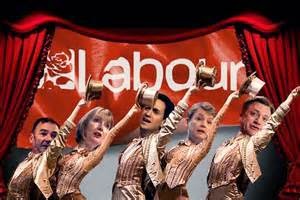


23 September 2013: Labour’s claim of being the party of council housing is in tatters

As part of the Labour conference focus on the cost of living, the party will be going to great efforts this week to reclaim its presumed title as the party of ‘council housing’. Expect to hear private builders bashed for squirrelling away land plots rather than piling ‘em high with apartments as they should. And the pillorying of the right to buy policy, ritually chastised as it is each conference as the chief reason for the country’s interminable descent into social housing drought.

What you’re unlikely to hear is a serious admission by Labour of its appalling track record on council housing supply. That local authority housing passed into private hands far faster under Labour than Conservative prime ministers. Or that the true title of council housing champion sits more comfortably in Conservative hands.

http://blogs.new.spectator.co.uk/2013/09/labours-claim-of-being-the-party-of-council-housing-is-in-tatters/
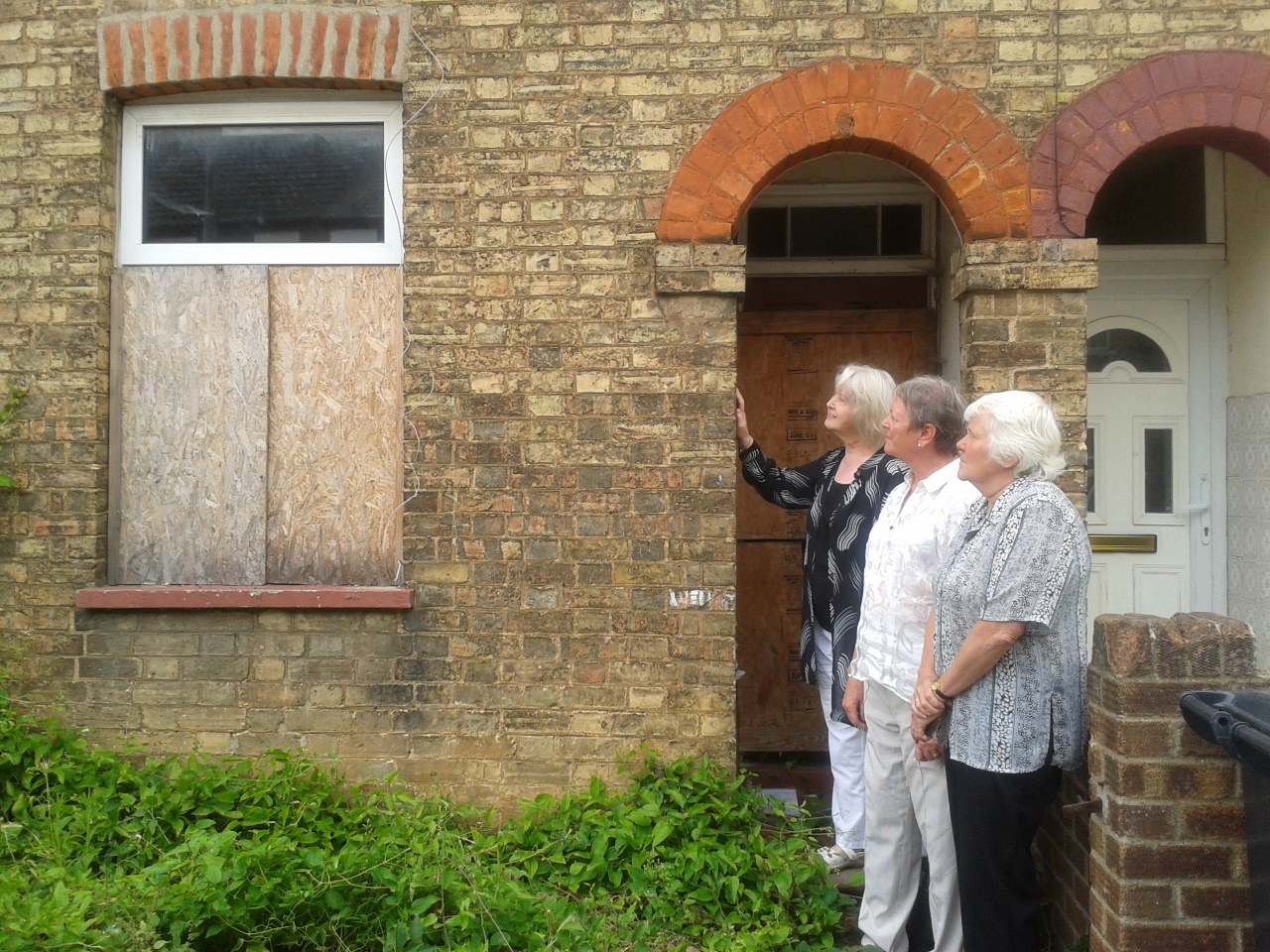


24 November 2013: Labour’s property portfolio, including Ed Balls’s constituency buildings, have benefited from cheap loans from the Co-operative Bank

Labour Party Properties Ltd (LPPL), a property firm wholly owned by the Labour Party, has used its £6.3 million portfolio to secure £3.8 million of cheap finance from the Co-op bank. The properties used as collateral in the deal include Morley Labour Rooms in the shadow chancellor’s West Yorkshire constituency.

The revelation raises fresh questions about Labour’s close relationship with the Co-operative Bank, whose former chairman and Labour councillor, Rev Paul Flowers, has been arrested and bailed on suspicion of drug offences. It follows the revelation the Co-op donated £50,000 to Mr Balls’s office.

LPPL paid 2.88 per cent interest on the loan, according to the company’s 2012 accounts – a far cheaper rate than would typically be offered to property firms on the open market, one expert said. If the bank had charged a commercial rate of interest, LPPL’s tenants could face significantly higher rents, he added.

http://www.telegraph.co.uk/news/politics/labour/10471476/Labour-Party-cashed-in-on-cheap-loans-from-Co-op.html


14 November 2013; Re-Renting Name and Shame: 62 Labour Re-Renters


24 February 2014: Richest MP in Britain slams welfare state but makes £120k a year in housing benefit

A Tory MP worth £110million is raking in £120,000 a year from his hard-up tenants’ housing benefit – despite blasting the “something for nothing” welfare state.

Richard Benyon – Britain’s richest MP – runs his vast property empire from a mansion on his sprawling country pile. But last night he was accused of cashing in off the back of the very handouts his party pledged to slash – as it emerged a string of other Tories were doing the same.

Just last month the MP, 53, said: “The average household spends £3,000 per year on the welfare state. This figure had been rising inexorably and unaffordably.”

Benyon has also attacked the Labour Party over payments and said: “Labour want benefits to go up more than the earnings of people in work. It isn’t fair and we will not let them bring back their something for nothing culture.”

He is a director of the Englefield Estate Trust Corporation Limited, which owns most of the land and property linked to his family. It got £119,237 in housing benefit from West Berkshire council last year, more than any other private landlord in the area.

Eileen Short, of Defend Council Housing, fumed: “How dare Richard Benyon lecture us about ‘something for nothing’ when he is living off the poorest and milking taxpayers all the way to the bank? “It’s not tenants who gain from housing benefit, but some of the richest people in Britain. They get richer at our expense – and blame us while they’re at it.”

Mr Benyon is likely to pull in thousands of pounds more from properties in other areas, too, as his firm owns 20,000 acres of land from Hampshire to Scotland and 300 houses in Hackney, East London. His office refused to comment on the figures or confirm whether Englefield got more housing benefit from other councils. Buy-to-let landlords and property tycoons like him will bank a total of £9.2billion in housing benefit this year.

It costs more than £23 a week, or 29% more in housing benefit, for a council to house a tenant with a private landlord than with a housing association or social not-for-profit landlord, according to the Department for Work and Pensions. Mrs Short added: “It’s time we stopped greedy private landlords living off housing benefit. Instead of subsidising them, we ought to cut rents not benefits, and invest in housing that’s really affordable. Let’s get these people off our backs.”

Our investigation, with the GMB union, comes after it was revealed yesterday that UKIP’s housing spokesman Andrew Charalambous was making a fortune off migrant tenants on welfare – despite leader Nigel Farage calling for a ban on foreigners claiming the cash. The millionaire pocketed £745,351 in housing benefit from occupants, who he admitted included immigrants.

Our probe also uncovered a number of other Tories and donors who also bagged cash through housing benefit tenants last year.

Peer Lord Cavendish benefitted from £106,938 in housing welfare last year from Barrow council in Cumbria through his shareholding in Holker Estates.

The Earl of Cadogan, who has given £23,000 to the Tories, has received £116,400 in benefits from Kensington and Chelsea. And MP Richard Drax’s 7,000-acre Morden Estate got £13,830 from Purbeck council, South Dorset, last year. A Morden spokesman said: “We don’t comment on these things.”

On top of Mr Benyon’s haul from tenants, his family farms have also received more than £2million in EU subsidies since 2000. Once a year the multi-millionaire – whose great great grandad was PM Lord Salisbury – hands out food to poor families as part of a 16th century tradition. He recently came under fire for scrapping plans to dredge the Somerset Levels. He was also criticised for claiming poor families wasted too much food.

Our investigation is based on Freedom of Information Act requests made by the GMB union, which has many members who rely on social housing. There are 1.8 million households on the waiting list for council homes. Despite ­Government pledges to tackle the welfare bill, the annual cost hit £24billion this year.

http://www.mirror.co.uk/news/uk-news/richest-mp-britain-slams-welfare-3178089
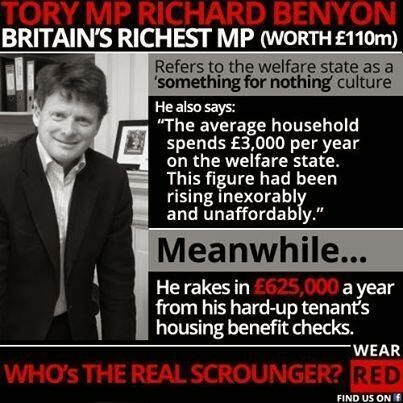


24 February 2014: Glasgow – vagrants housed in rat infested hellhole – Landlords paid £1.5m in Housing benefit

The owners of a notorious hostel where homeless men live in squalor are bagging more than £1.5million a year in housing benefit.

Ron Barr, 69, and Kenneth Gray, 80, make a fortune renting out the rat-infested Bellgrove Hotel’s tiny rooms with barred windows to residents who use shared toilets and shower rooms. The hovel is awash with drugs and alcohol, with people often left to pass out in pools of their own urine.

Brothers-in-law Barr and Gray, who bought the Glasgow “hotel” for £65,000 in 1988 through firm Careside Hotels Ltd, pocket cash through more than 140 clients whose rooms are paid for with up to £199.25 a week of public money.

The men – who live in luxury – raked in £1.56million in housing benefit in 2012-13, £1.49million in 2011-12, and £1.45million in 2010-11.

A local MP said the Bellgrove was like a “Russian prison”. He went on to say “I have been in and the facilities are seriously out of date. It is like some kind of Russian prison camp – grey and horrible.” Unlike care homes, which are monitored by official bodies, the Bellgrove is technically a private hotel. Mr Mason said the site needed to be regulated and urged the Care Commission to look at it.

The amount handed to the Bellgrove’s owners, to provide a room and basic meals, has tripled from £500,000 in 2000, despite it being described even then as the “worst in Scotland”. But business is still booming at the spot in the city’s East End. On a recent undercover operation hundreds of residents were discovered living in cell-like rooms. Drugs were taken openly and residents left to guzzle cider all day before passing out in stinking corridors. Pools of vomit were also left on the floor.

Glasgow city council stopped referring homeless people there in 2010 after deciding it made people’s drink and drug problems worse. A spokesman said: “Accommodating individuals in large scale hostels makes it much harder to address the issues that led to their homelessness in the first place.” A senior source at the council said: “There’s a very unhealthy drugs and alcohol scene. You could go into that place an alcoholic and come out a drug addict and alcoholic.”


24 June 2014: Queen riding high on housing boom with property income generating £43m

The Queen’s property portfolio is delivering the royal family a record income as the property boom lifts real estate values. The Crown Estate, the property company owned by the Head of State, generated a £285m profit in the year ending in March.

According to the Financial Times, this means the Queen, who after two years receives 15% of all profits from the Crown Estate, stands to gain £43m in 2017. The Crown Estate hands all remaining profits to the Treasury. The total value of all of the estate’s assets is now £11.5bn, a year on year rise of 16%. In addition, public funding for the Queen – the sovereign wealth fund – is set to rise by £2m next year, to 42.8m.

http://www.londonlovesbusiness.com/business-news/london-news/queen-riding-high-on-housing-boom-with-property-income-generating-43m/10542.article


14 August 2015: 40% of homes sold under Right to Buy are being let out privately

The government’s Right to Buy scheme has come under fire after it has been revealed that 40% of all council flats sold under the scheme are now being rented out privately.

Figured obtained by Inside Housing magazine through a Freedom of Information request show that 37.6% of ex-council flats are likely being rented privately at market rents.

The figures released by 91 councils show that they have sold a total of 127,763 leasehold properties of which 47,994 leaseholders are living at another address.  This is a “strong indication that the home is being sub-let”.

The research highlighted that Milton Keynes has the highest number of ex-council homes being privately rented (69.96%). It also found that more than half the ex-council flats in six areas are now being let privately.

http://www.londonlovesbusiness.com/property/residential-property/40-of-homes-sold-under-right-to-buy-are-being-let-out-privately/10859.article


14 August 2015: The owners of a London ex-council flat made an 800% return when it was sold for £1.2m

A former council flat in Covent Garden has been sold for £1.2m. The owners of the property bought it from Westminster council for £130,000 in 1997 under Right to Buy. The flat

failed to make the £1.35m asking price, however the owners still made an 800% return on their investment.

http://www.londonlovesbusiness.com/property/residential-property/the-owners-of-a-london-ex-council-flat-made-an-800-return-when-it-was-sold-for-12m/10858.article


27 September 2011: Tory Property Tycoon Buys Olympic Village Athlete Accommodation

A Tory property tycoon’s company has snapped up half the Olympic Village at a bargain price. Jamie Ritblat’s firm, Delancey, bought the site in which the athletes will stay during the 2012 Olympic Games for just £557 million – an estimated loss of around £300 million on the money spent building the site. The Olympic Delivery Authority (ODA) conducted the sale on the Government’s behalf.

According to industry experts, significant profit could result from the investment. The company plans to rent out the majority of the 1,400 homes. Mr. Ritblat’s company’s offer was allegedly the best offer put forward for the site. It is believed that the Olympic Village homes, which lack kitchens, will require major refurbishment prior to being resold or rented.

Cynics have questioned the timing of the deal, which comes soon after Delancey’s substantial donation to the Conservative Party. Mr. Ritblat’s father, property tycoon, Sir John Ritblat, was also the chairman of the Conservative Party’s Olympics Oversight Committee. The committee was set up back in 2007 to scrutinise the London 2012 budgets.

An ODA spokesperson claimed that they received bids from three shortlisted bidders. Each bidder was assessed in terms of both their long-term plans for the development and in delivering value for money against taxpayer’s investment. The spokesperson adds that no other factors were considered in the decision-making process. Mr. Ritblat has declined to comment on his donations to the Tory Party. A Conservative Party spokesperson claimed that the Olympics Oversight Committee had failed to meet since the General Election.

http://www.duncanlewis.co.uk/legal_news/Tory_Property_Tycoon_Buys_Olympic_Village_Athlete_Accommodation_%2827_September_2011%29.html

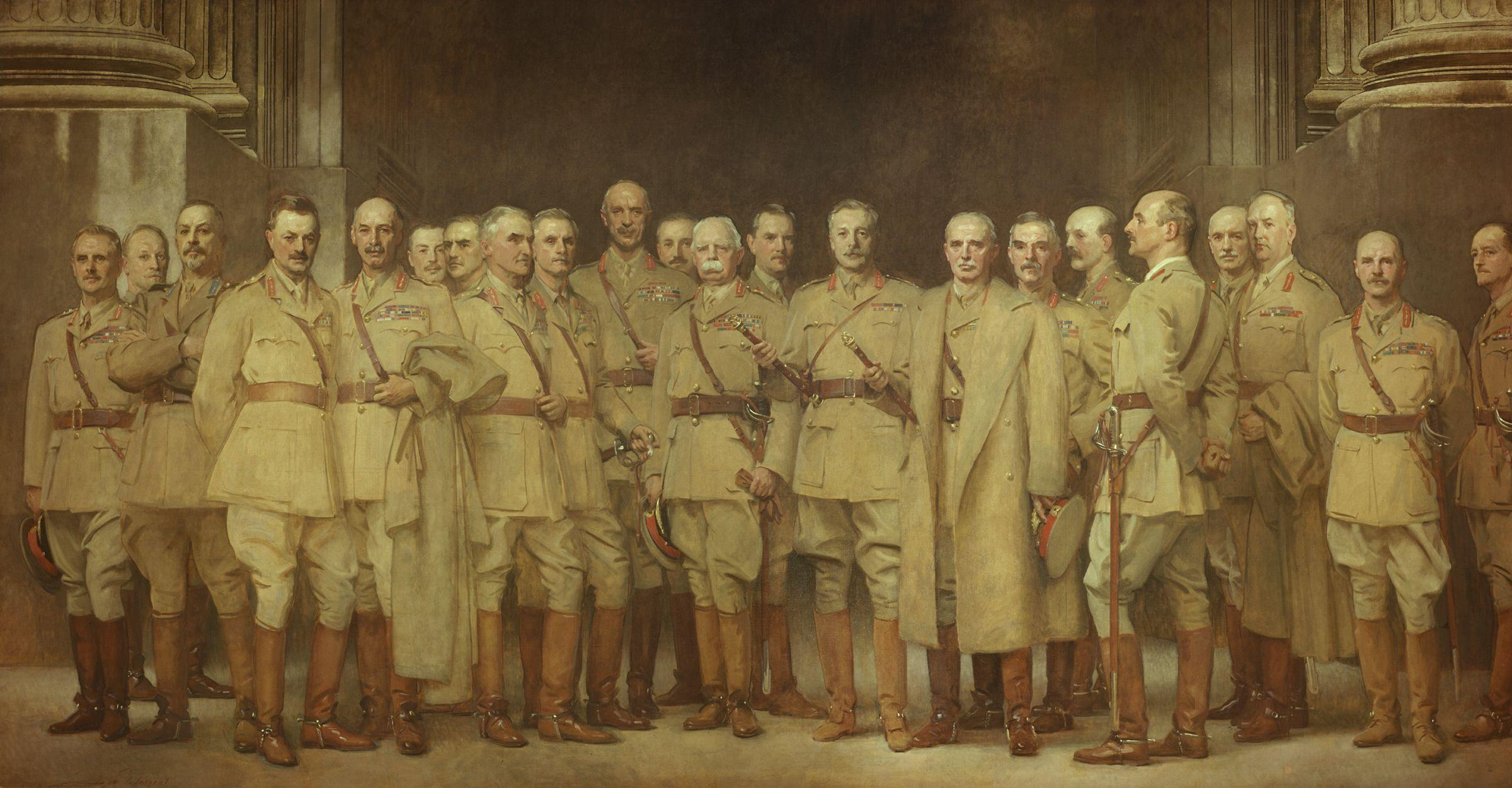


Tory – Labour – Lib Dem – Discredited Right to Buy Scheme – Buying and Selling Ex-Council Properties – A Story With a Moral


Sale of an ex-council house – This story is set in Aberdeen, but it could be applied anywhere in Scotland
On or around 2007, an Stonehaven couple reaching retirement age (lets call them Dougal & Ermitrude) purchased their council flat at a knockdown price of £21,000. They took out a mortgage to cover the cost of the purchase plus fees.

Formal advice, given to them in writing was that they could not sell the flat for at least 3 years without returning, to the council a significant part of any profit that might be realised from any such sale.

Their children, both adult were now married with children of their own. They lived locally, in Aberdeen, about 10 miles distant.

Ideally Dougal and Ermitrude would have preferred to be located nearer to their grandchildren but Aberdeen housing was extremely expensive and in any event they would need to sell their flat first. They were stuck. The years passed.

Around 4 years later a friend provided a possible solution which if implemented would provide opportunity allowing Dougal & Ermitrude to sell their house for much more than they had paid for it.


The plan formulated required only that they would be able to display an pressing need supported by medical evidence (if possible) to be nearer their immediate family, in Aberdeen. All necessary measures were put in place.

Dougal & Ermitrude completed and submitted application forms to two Housing Associations, in Aberdeen. They struck lucky. The Hanover Housing Association, (provider of sheltered housing for the over 60’s) undertook to provide a one bedroom flat in Aberdeen (http://www.hanover.scot/).

There was only one catch. Housing provision was on a first come first served basis, meaning that refusal of accomodation considered suited to their needs could signifacntly delay any other offer. Normally housing would not be forthcoming for around 3-6 months, which gave Dougal & Ermitrude time to sell their flat in good time.

Then the bombshell. Roughly 3 weeks after submitting the application forms they recived a letter of offer of accomodation from Hanover advise that a one bedroom flat would be ready for occupation within the month. The location of the flat was ideal, being within walking distance of their grandchildren’s homes. What a quandry.

Dougal had made arrangements placing details of their flat with a local solicitor so that it could be sold. There had been a couple of viewings but no offers had been forthcoming due to the extensive refurbishment that would be necessary to bring the flat up to an acceptable standard. An added difficulty was that the local housing sales market had taken a downturn. Things did not look good.


The friend who first muted the move to Aberdeen came to the rescue once more with a recommendation that they consider selling the flat to an equity buyer. The price realised would be much reduced over the market rate,(between 25-30%) but in the circumstances it seemed to be the only viable option. Arrangements were put in place so that such a sale would be achieved without undue delay. Dougal & Ermitrude accepted the offer of accomodation from Hanover.

The equity buyer valued the flat at £75,000 and offered to purchase it for £50,000. The offer would be available for 48 hours after which it would be withdrawn. Dougal was inclined to hold out for more money but Ermitrude insisted he accept. Which he did. The outstanding amount of the mortgage loan taken out on the flat was £15,000. This provided Dougal & Ermitrude with a windfall cash sum of £35,000 after paying off the mortgage.

In 2011, Dougal & Ermitrude moved into their new one bedroomed flat located within walkng distance of their grandchildren. They were content and reasonably well off in their retirement since their needs were centred around their grandchildren.

The moral of the story:  It is within the grasp of any ex-council house buyer under the right to buy scheme to do what Dougal and Ermitrude did. But they should have sold their flat before completing the application form seeking sheltered accomodation.


Afternote. The SNP government brought the right to buy scheme to an end since it had brought about an appalling shortage of council owned property for rent. Many properties sold off under the right to buy scheme had been susequently sold on to entrepreneurs increasing housing in the private sector which brought with it much increased rental charges  for vulnerable Scots. http://www.scotsman.com/news/politics/top-stories/right-to-buy-council-homes-to-be-scrapped-1-2986947


The scheme, introduced by the Thatcher govenment was supported by Labour government’s under Blair or Brown and the three  Labour governments in Scotland led by Dewar, McLeish and McConnell. Indeed Labours council house building record  in Scotland is disgraceful.  In the first 6 years of  the SNP government 4,432 new council homes were completed – compared to only 6 under in the last 4 years of the Labour-Lib Dem administration.


An aside: The couple in the news, Douglas and Jacqueline Wright sold their Cumbernauld property to M & F Property Solutions 2011. They took up residence in a one bedroomed flat, in pristine condition in a sheltered home complex in Bishopbriggs, (about 10 miles from Cumbernauld). The complex is one of a number of similar amenities built throughout Scotland over the last 10 years. It is run by the Hanover Housing Association