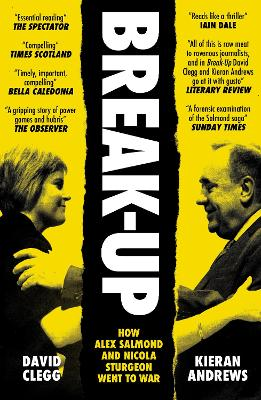
David Clegg and his persistent pursuit of Alex Salmond: Extracted from: “Break-Up: How Alex Salmond And Nicola Sturgeon Went To War” written by former Daily Record political editor David Clegg and Times journalist Kieran Andrews.
David Clegg:
“This was not the first occasion during my time as political editor of the Record that I had been given cause to suspect Salmond could be a potential subject of harassment complaints.
I’d been covering the Scottish Parliament for seven years when the #MeToo movement erupted in the autumn of 2017 and sparked a wave of intense scrutiny of the behaviour of powerful men.
I had a conversation with a Scottish Government official that would set the course for what followed. The well-placed figure said dramatically: “Everyone working in government knows that if a Harvey Weinstein scandal is going to emerge in Scotland, it will be about Alex Salmond.” Stunned by this comment from a normally level-headed contact, I immediately rang my editor, Murray Foote, to discuss what to do.
It was decided that I should drop all other stories and spend the next few weeks digging into Salmond.
I began contacting civil servants, SNP staffers and government employees I knew had worked closely with the former first minister in the previous two decades.
A pattern quickly emerged. Salmond was described as a ferocious boss and hard taskmaster who was prone to shouting and swearing at staff. The word “bully” cropped up again and again.
Several sources also claimed the Scottish Government had implemented a secret policy prior to the independence referendum to ensure the safety of female employees working at close quarters with Salmond.
Yet it was also evident the former first minister was an extremely talented and charismatic leader who inspired feelings of loyalty and devotion in subordinates – even those he mistreated.
The picture was of a powerful man with a quick temper who had presided over a toxic culture that saw his erratic behaviour indulged and covered up by the civil service.
On 31 October 2017, I submitted a series of questions to the Scottish Government asking if any complaints had been made about Salmond during his time as first minister.
In a separate media inquiry, I also asked if a policy had been put in place to stop women working alone late at night with him. The government insisted there had been no policy and no complaints.
Despite continuing whispers at Holyrood about Salmond having skeletons in his closet, none of the claims could be corroborated with sufficient certainty to allow publication.”
David Clegg, on the right– Saved the Union in 2014 and Scuppered Alex Salmond in 2017 – Not bad for a wee Irishman from Ulster
Comment: Clegg’s singular, persistent yet unfruitful pursuit over a number of weeks, seeking from Scottish government employees and civil servants, information that would be damaging to Alex Salmond was in direct contravention of the news editor’s “code of Practice”. Harassment: Journalists must not engage in intimidation, harassment or persistent pursuit.
Clegg and his editor’s freely admitted blatantly contravening the code conducting “a fishing trip” bordering on harassment that revealed nothing of any verifiable substance.
Information, or allegations of wrong doing, from any source, gathered subsequent to 1 November 2017 should have been given over to officers of the government at their request.
The next article will add comment to the foregoing.
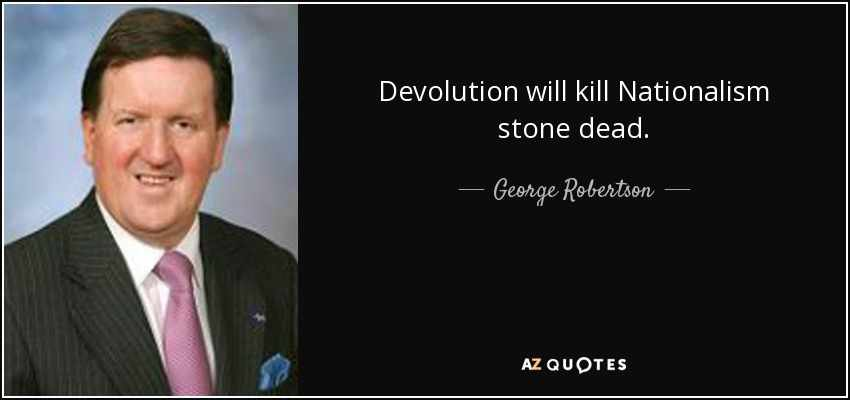
In 1995, when Scottish nationalism began to find increasing favour with Scots as their preferred choice of government Robertson, then Shadow Secretary of State for Scotland said:
“let them have their way. Devolution entrenches the Scottish parliament in the UK’s unwritten constitution, power devolved from Westminster is power retained by Westminster. It will kill Nationalism stone dead.”
In the years that followed the SNP leadership claimed that the party had destroyed that fallacy by winning the Scottish Parliamentary Elections in 2007, 2011, 2016 and 2020.
But “wise seer” George was right. His vision of Scots being “fitted up” with a poorly equipped and reversable devolved governance structure proved to be entirely accurate.
As at 2022, Scottish National Party MP’s and MSP’s are failing Scots badly under the auspices of their corrupt government whose leadership is controlled and directed by influential lobbyist groups, LGBTQ? activists and the secretive state sponsored and financed John Smith Foundation.
Devolution is a dead duck and Scots will need to find another way of kick starting the drive for independence ensuring the campaign is led by bone-fide individuals who declare “fealty” to a Scotland free and independent of any political interference from Westminster or any other country.
CSP are the mainstream media of Scotland and BBC Scotland’s news and current affairs department is simply an arm of the lobbying industry in Scotland.
The late Angus Grossart was the chair of “Scotland International” and CSP. In the latter role he worked with managing partners and founders Andrew Wilson and Malcolm Robertson (son of former Labour Party, Scottish secretary Lord Robertson).
Adding to the list of lobbyists/journalists linked to CSP is one of Kris Deerin’s old chums Kevin Pringle a trustee of right wing ‘think tank’ “Reform Scotland”. Kevin also enjoys a cosy relationship with the BBC and Scotland’s top public relations specialists.
Many of Scotland’s political commentators engage in paid employment with lobbyists such as CSP.
Peter Duncan, Tom Harris and Andy McIver are at Message Matters and Moray Macdonald is at Weber Shandwick . Moray just needs to get the lift upstairs at Pacific Quay to do fit in a regular Saturday shift with his BBC friend.
Deerin, formerly of the Glasgow Herald is now at Reform Scotland, but with a side-line at The Spectator. There’s Alex Massie, Pringle and Andrew Wilson at The Times.
Then there was Sir Angus, still active in the House of Lords at Westminster and at the BBC with Two Rivers Media together with with Lord McConnell’s bestie pals, Kirsty Wark and Alan Clemens. Then there’s Lord McConnell of Lobbygate’s pal, Malcolm Robertson back at CSP!
People must be wondering why this scandal is not getting traction in mainstream media.
Dark money to the DUP from Richard Cook and the latest lobbying shenanigans at CSP are just a couple of scandals that illustrate just how much Scotland’s democracy and it’s media has been captured by corporate interests.
Lobbying journalists are now making the media programmes for public consumption about Scotland’s modern history and appearing as independent commentators.
George Orwell said, “Who controls the past controls the future”. If nothing is done, tomorrow’s Scotland belongs to Wilson and Pringle and Lord Duncan.
CSP is the most influential lobbying and PR firm in Scotland.
Lobbying is the apotheosis of the art of politics- insiders doing deals behind closed doors-while we, the electorate, well, we’re on the wrong side of the door because inside, Andrew Wilson, former MSP, Times journalist and member of the Scottish government’s Growth Commission is doing deals accompanied by Kevin Pringle, former SNP communications chief and Times journalist. Both busily monetising their political contacts and their political expertise to the benefit of the clients who are paying Wilson and Pringle for the access to the power and influence they offer. Ask about their client list, that’s for Kevin and Andrew to know, not for the Scottish people to find out.” (John Cawley)
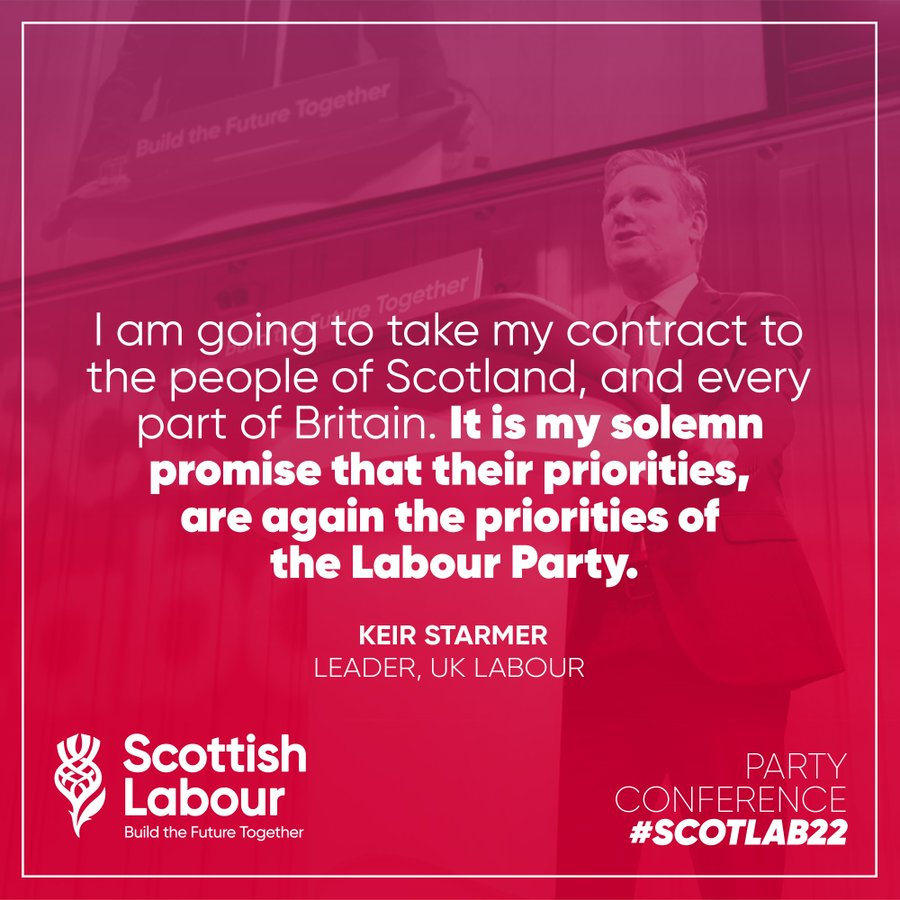
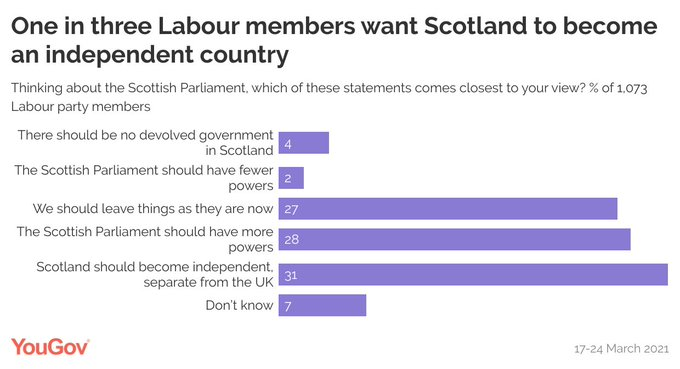
The Labour Party of Scotland does not exist what is in place is a poor mirror image of the London controlled Labour Party
Dominic Dowling, a senior Labour election agent, assessed yet another failed election campaign as, “dull and uninspiring”. Of note were his comments that:
The Party was perceived by many Scots to be committed to delivering English interests, not Scottish ones, offering no demonstrable opposition to the SNP administration and persistently failing to give support to Holyrood business demonstrating a lack of commitment to Scottish affairs and its voluntary workers were poorly briefed with result that inconsistent messages were imparted on doorsteps.
Madhouse policies of the Labour Party in Scotland
Attacking any policy introduced by the SNP government, it is committed to an unqualified commitment to the support of the policies of its London based controllers including a reversal of the “something-for-nothing” culture promoted by the SNP.
Namely:
Free Personal Care for the elderly.
Reintoduction of tuition Fees.
An end to free prescriptions.
Formation of a “cuts” commission tasked with undoing any “progressive” policies introduced by the SNP. eg. Road Bridge Tolls.
Withdrawal of Council Tax funding from Holyrood. Councils would be required to set local rates without subsidy from the Government.
In 2010 the Tories and the Lib/Dems formed a coalition pact forcing the Labour party into opposition.
But forming a coalition government required both Party’s to concede ground on some policies and the Lib/Dems were ever so accommodating in this regard. The smell of power almost burst the nostrils of the latter-day twigs.
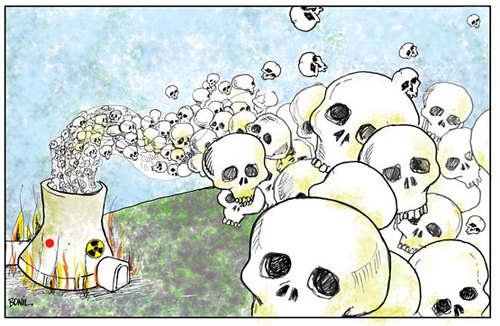
At the time the Scottish government still had control of energy and it had decided to throw its weight behind the rapid development and introduction of “clean-energy sources” with the purpose of eliminating nuclear-generated power from Scotland within a decade.
Conservative estimates projected that Scotland’s clean energy would be well capable of supplying the entire national UK power grid.
But the Westminster government was loath to put England at risk from a future independent Scotland and decided to continue to replace existing the aging and ever more dangerous nuclear-generated power plants in England and Scotland.
But facilitating the change required the removal of power generation policy from Scotland. This was done overnight, without discussion with the Scottish Government. So much for devolution of power!!!
Yet there remained hope since the Lib/Dems had publicly campaigned for the discontinuance of nuclear energy. Would they sacrifice a major plank of their manifesto to gain a place in government???
The twigs would sell their grannies for a taste of power and an opportunity to send many more of their aging politicians to the house of lords.
What follows is an explanation of how the Lib/Dem party betrayed its vow to Scotland that it would support the Scottish agenda for the future provision of clean energy.
Lib/Dem Nuclear Policy – April 2010- Before the General Election
Liberal Democrat Chris Huhne, energy spokesman for the Party had made many statements against nuclear energy, calling it “a tried, tested and failed technology” and repeatedly called for pouring public money into renewables and their supply chain in: “a commitment to 100 percent carbon-free, non-nuclear electricity by 2050.”
Lib/Dem -Tory coalition government nuclear power policy May 2010
Liberal Democrat Chris Huhne, (He who subsequently ended up in the nick) was appointed to the post of Secretary of the Department of Energy and Climate Change.
The coalition agreement brought welcome relief to nuclear industry observers by committing to continue the unfinished work of the previous Labour government.
A greatly expanded programme replacing and upgrading nuclear plants would begin within months.
To facilitate the new nuclear works would require many more billions of pounds and this would be found by asset-stripping Scottish clean energy expansion requiring any future works to be free of any government subsidy.
A second punitive measure was a massive increase in the tariff against Scotland’s clean energy supply to the national grid which would provide finance for nuclear developments and discourage the Scots from any further expansion of its cost-effective and clean energy.
The massively subsidized nuclear energy provision would be a financial noose around the necks of Scots for many generations to come.
How the shady deal was done between the Tory and Lib/Dem Parties
Liberal Democrats had long opposed any new nuclear construction. But the Tory’s, were fully committed to replacing existing nuclear power stations provided they would receive no public subsidy.
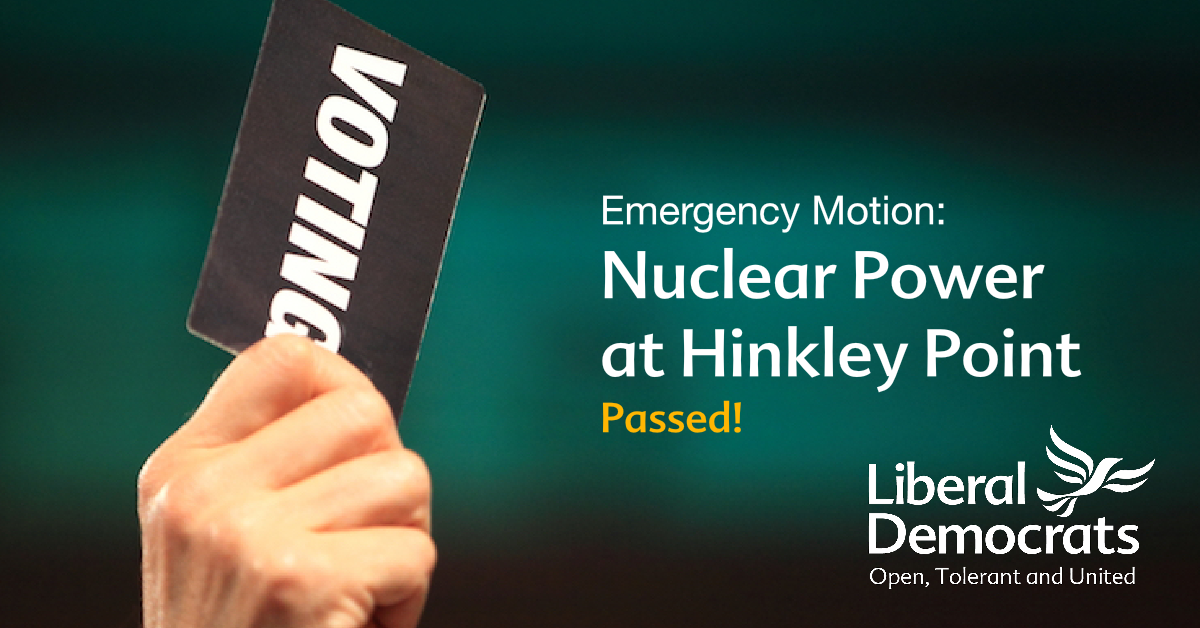
The Parties agreed on a revised process which allowed the Lib/Dem’s to publicly maintain their opposition to nuclear power while permitting the government to bring forward the national planning statement for ratification by Parliament so that new nuclear construction became policy.
This process involved:
The government would draft a national energy statement and submit it to parliament for approval.
A Lib/Dem energy spokesman would speak against the planning statement, but Lib/Dem MPs would then abstain from voting in the division.
Assurance was given to the Tories that the issue would not be regarded as an issue of confidence: “Thus allowing the Tory and labour Parties to pass the legislation with the only challenge coming from the SNP” And this is just what the b******s did.
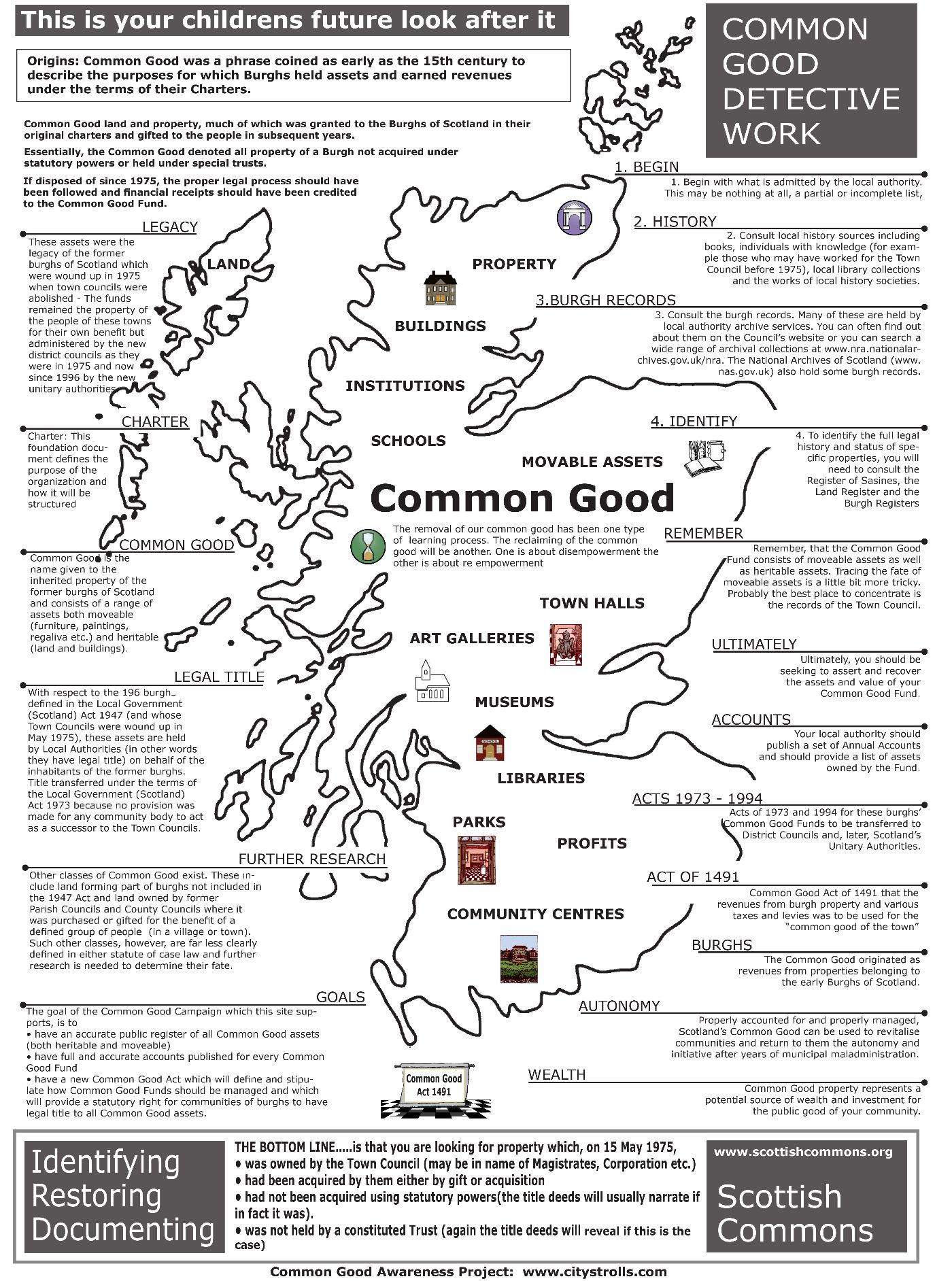
Common Good Funds are accrued from a special type of property legally distinct from all other holdings, comprising property that previously belonged to one of Scotland’s burghs. It includes moveable property (for example, cash, securities, civic regalia) and heritable property (land and buildings). By far the largest component of Common Good Funds is heritable property and while this mainly consists of public buildings and public spaces, such as parks, it also includes in some cases farm land and other heritable property, such as salmon fishing.
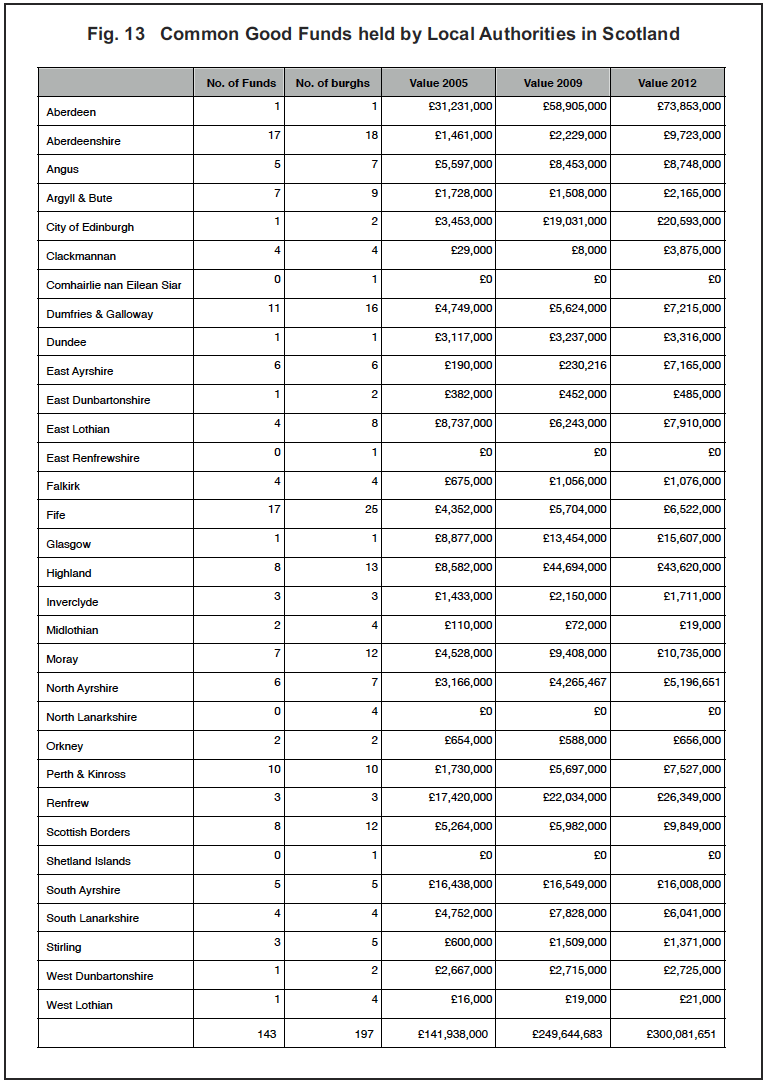
Ownership of Common Good Funds underwent a number of changes as a result of local government reorganisations and one such change, the Local Government (Scotland) Act 1947, transferred the duties and responsibilities of 196 burghs to the Town Councils. In a further change, the Local Government (Scotland) Act 1973, abolished Scotland’s Town Councils and legal title to Common Good Funds was transferred to the newly created District Councils and then, in 1996, to Scotland’s current local authorities under the Local Government (Scotland) Act 1993. At 2012, the combined value of the Common Good Funds was considered to be over £300 million.
The Community Empowerment (Scotland) Act 2015
The act states that Local government Councillors have a fiduciary duty to the electorate that in holding title to Common Good land they have responsibilities similar to that of Trustees. The land is owned by the community and the town council or other local authority is regarded in law as simply the manager of the property, as representing the community. Local authorities are duty bound to “have regard to the interests of the inhabitants to which the common good related”. However, the duty gives Councils considerable discretion as to how they fulfil this duty and the standards of direct engagement with the local communities involved is very limited. At the date of this article local authorities throughout Scotland have failed to comply with the guidance.
Councils misuse of Common Good Funds
The value of Common Good funds has seen much change over the past 10 years and although the total value of all council Common Good assets has risen many councils funds are worth much less, in real terms. Highland Council, which has one of the country’s largest Common Good funds, has declined by £2.5m. Records show that it used its fund to subsidise extensive civic hospitality costs including private car hire for the Provost, flights for council staff, and purchases on the online music application, iTunes. Aberdeenshire Council’s common good fund was worth £9.5m in 2012-13, but in 2017-18 the fund was worth just £2.8m – a drop of 275 per cent after adjustment for inflation. At Inverclyde, the local Common Good funds were worth £2.1m in 2007-08. The most recent accounts reveal the fund is now worth just half of that, after adjustment for inflation. Other councils which have seen significant declines in the values of their Common Good funds include Stirling, South Lanarkshire, Falkirk, Midlothian and Dundee councils.
The Way Ahead
Common Good land should be recognised more clearly as one of Scotland’s oldest and most enduring forms of community land ownership, and something which plays an important part in the historic, cultural and economic heritage of Scotland’s towns and cities. Returning control of Common Good Funds to local communities would safeguard that heritage, while enabling Common Good lands to play a more progressive role in the public interest in urban areas and as part of that, become a valuable part of revitalising community land ownership in urban Scotland. Associated duties would include the provision of audited accounts, involvement in management decisions and direct benefit from any net income generated by the Common Good land within the area. The modernised statutory framework would also clarify the status of Common Good land as a distinct form of land tenure opening up the scope for it to become used by local communities and protected from disposal by party politically minded District Councillors.
Oct 2019:Two Scottish local authorities who spent over £42,000 of funds meant for the “common good” on boozy receptions have been accused of delivering a “kick in the teeth for hard working families”.
Aberdeen City Council, which is run by a Labour and Conservative coalition, spent £38,280 of its common good fund on “civic drinks” for events in 2017 and 2018.
Highland Council, made up predominantly of independents, spent £4,439 on drinks for “civic hospitality” events between 2015 and 2017.
Common good funds are derived from Scotland’s ancient burgh property, such as land, buildings, and investments, and held on behalf of local residents by councils.
Both Aberdeen and Highland councils describe their funds as existing to support “projects that benefit communities”.
The Scottish National Party accused council leaders of having “a warped perception of what counts as common good”. Using the funds to buy alcohol was “a real kick in the teeth for hard working families”, the party said.
The GMB Scotland trade union said that such spending made council leaders “look badly out of touch” and that common good funds “should be directed into the communities and projects that need it the most”.
Aberdeen council said that hosting such events were among its “civic duties” and “part of the fabric of the city”. It stressed that all common good expenditure was “approved through established protocols”.
Documents released under freedom of information law disclose that Aberdeen’s £38,280 drinks tab included £160 for two bottles of malt whisky, £470 for other whisky and a £378 “supply of civic drinks” for the Lord Provost’s sitting room. At an offshore oil and gas conference in Aberdeen in September 2017, £2,240 of the common good fund was spent on drinks.
Aberdeen council suggested that another event, at which £7,260 of the common good fund was spent on alcohol, was granting the freedom of Aberdeen to former Scotland international footballer, Denis Law, in November 2017.
Highland Council’s £4,439 common good spending on booze included £960 on malt whisky, as well as other money spent on wine, gin, vodka, rum and other drinks.
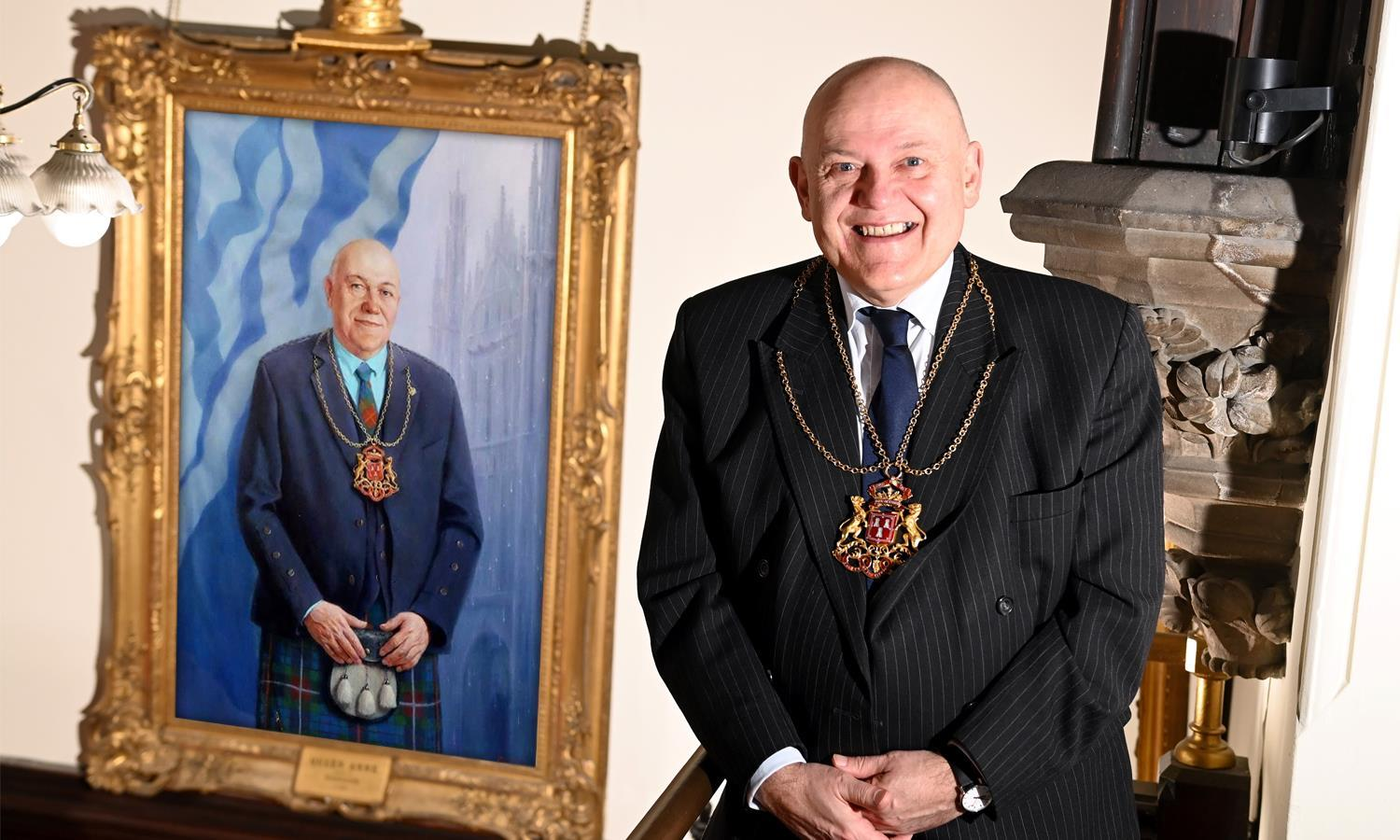
Both councils also spent their common good funds on their lord provosts, Aberdeen labour councillor, Barney Crockett, and independent Highland councillor, Helen Carmichael. Some £11,775 of Aberdeen’s fund was used to buy various items for Crockett’s “gift fund”.
The gifts included £2,403 worth of pens, three carriage clocks totalling £1,381 and £1,190 on cufflinks and cufflink boxes. In addition £1,170 was spent on city lapel badges, £660 on council pennants, £560 on business card holders and £405 on a drinks tray, decanter and glasses.
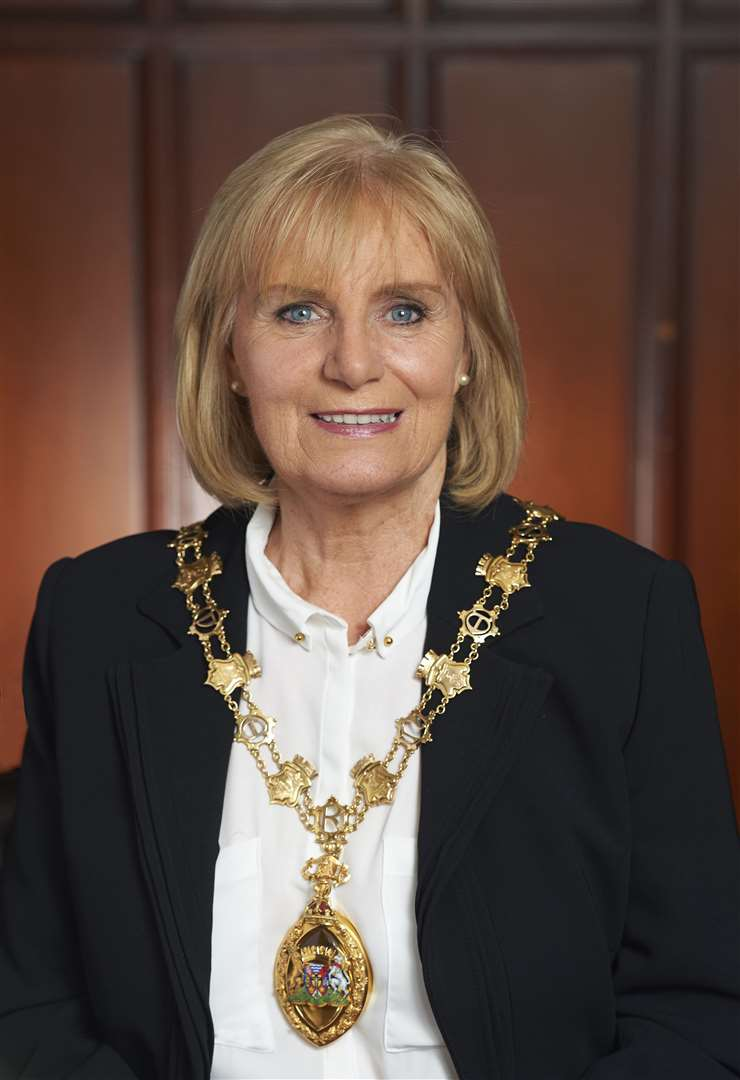
Highland Council spent £5,979 on various costs relating to Carmichael. These included £2,815 to “relocate” her “lighting columns”, £675 for an interview with north of Scotland business publication, Executive Magazine, and £469 on other marketing costs.
Another £168 was spent by Highland on chauffeur-driven cars, while other costs were for meals, taxis, computer repairs, along with invitation, greeting and business cards.
Common good funds generate at least £20 million a year and are unique to Scotland. Not all councils, or all towns, benefit from such funds, and some councils are unclear what assets they hold.
Where common good assets have been identified they are supposed to be managed separately from normal council resources and used – according to a law first passed in 1491 and still in force today – “for the common good of the town.”
However, politicians, academics and GMB Scotland have questioned whether the funds are always used for the “common good”. In September Highland and Aberdeen councils were criticised for using their common good funds to pay for flights.
Highland council spent £2,000 on flights for provost Carmichael and others to attend events and meetings in France, Germany and Stornoway. Aberdeen council spent £1,350 on flights for provost Crockett to attend events in Mexico, Columbia, London and Portsmouth.
The Scottish Greens said at the time that flights should be “adequately budgeted for elsewhere and definitely not at the expense of communities”. But Highland Council said that such travel costs were “essential in ensuring that the city is represented at the highest city civic level”.
According to Aberdeen council, Lord Provost is an “ancient office with its roots in the 13th century”, who acts as the “convener of the city council, civic head and Her Majesty’s Lord-Lieutenant of Aberdeen”. The Lord-Lieutenant’s “principal duty is to represent the Crown within the lieutenancy area and to uphold its dignity”.
Aberdeen provost Crockett travels abroad frequently and was the highest claimant of council expenses in recent years. In 2018-19, he claimed £26,045, £13,564 of which was for travel, and £11,125 on subsistence, in addition to his £29,742 salary.
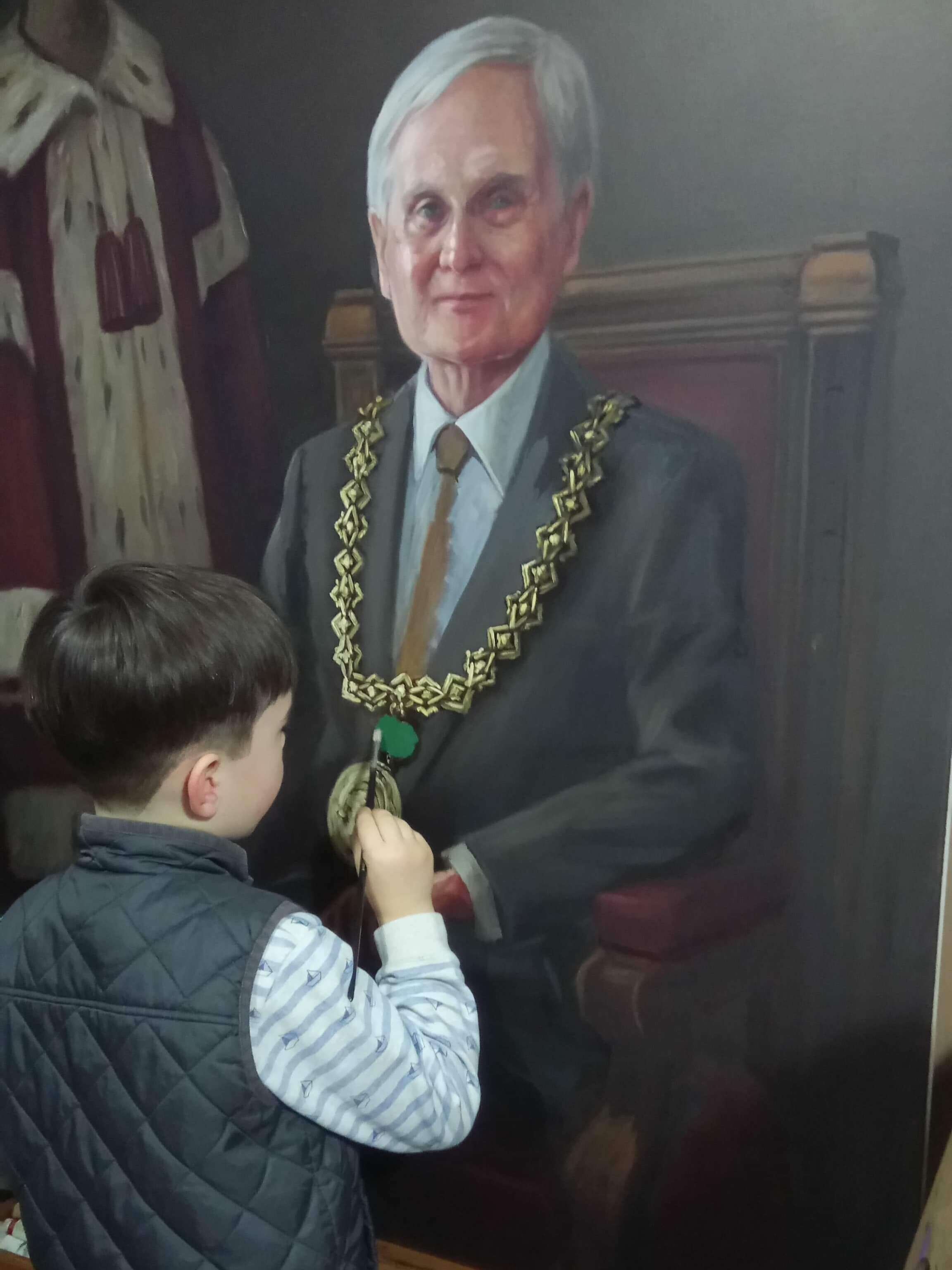
The SNP-run Dundee City Council also ran into criticism in August when it was revealed that it used £5,500 of its common good fund to pay for a portrait of the city’s provost, Ian Borthwick, a former Labour councillor who now sits as an independent. The portrait of the previous provost cost £3,000 and was funded by the council’s Corporate Services Department budget rather than the common good fund.
The council argued that portraits of all the council’s former provosts were on display in the city chambers, which is open to the public. But GMB Scotland said that the fund had been “raided” by the council to pay for the portrait, which they suggested would be “insulting to the people of Dundee”.
The spending has also prompted criticism from academics and politicians, who have called for new rules to improve management of common good funds and ensure that they are not “frittered away”. This followed an investigation which found many funds to be worth far less now than they were a decade ago.
It is calculated that Dundee’s common good fund was worth 24 per cent less than it was ten years ago, after adjusting for inflation. Similarly, Highland Council, which has one of the country’s largest common good funds, has seen its value decline by £2.5 million over ten years.
The Convention of Scottish Local Authorities promised that councils would consult with and involve communities in the administration of common good funds. However, they claimed that councils were “committed to administering common good funds in the best interests of the communities they serve and in a transparent way.”
The SNP said that the use of common good funds by Aberdeen and Highland to buy alcohol showed that “council bosses clearly have a warped perception of what counts as common good”.
A spokesperson for the party said: “In Aberdeen, Labour and the Tories have teamed up to force through £150 million of cuts to public services in the city.
“So it’s a real kick in the teeth for hard working families to hear that city chiefs are spending thousands guzzling expensive booze – from funds intended to be for the wider public good – while others are struggling.”
GMB Scotland’s Aberdeen-based organiser, Mel Greenhalgh, said: “A sense of perspective is badly missing among our public sector elite, from Aberdeen to Glasgow our local leaders look badly out of touch.
“No one should need any reminding that we are in a second decade of austerity. Frontline services have been hammered and communities are feeling the effects.
“Money allocated for the common good should be directed into the communities and projects that need it the most – do what it says on the tin.”
An Aberdeen City Council spokesperson said: “The civic duties of the council, led by the Lord Provost, are part of the fabric of the city and play a valuable role in celebrating achievements of residents, welcoming guests of the city and in wider economic development activity. All expenditure from the common good fund is approved through established protocols.”
Highland Council and lord provosts Barney Crockett and Helen Carmichael did not respond to repeated requests to comment.
James Cook BBC journalist recently recalled from America
There are occasions when the BBC’s mask of impartiality slips to reveal the belief system that lies just beneath the surface.
For instance, in 2017 one of the BBC’s senior North American correspondents, James Cook (now the face of BBC News in Scotland) wrote a piece for the BBC website headlined: “Giving succour to the far-Right, Trump breaks with American ideals”. In the piece Cook opined: “Did American soldiers fight and die on the beaches of Normandy so their president could promote fascism”?
It was an astonishing question, absurd even. To many it may seem offensive even to ask. But it falls to reporters to describe in plain language what we see, and the promotion of fascism and racism is all too easy to observe in the United States of 2017.
Cook posed as a fearless truth-teller. Leaving aside whether his sloppy use of the “f-word” undermined his argument (it’s the kind of usage one can forgive from callow undergraduates of Marxist persuasion, but a seasoned reporter surely should know better), there can be no doubt that this BBC correspondent nailed his colours firmly to the mast. It beggars belief that what Cook wrote could be considered anything other than a serious breach of the Corporation’s doctrine of impartiality.
But, typically and predictably, the BBC’s complaints unit had no difficulty exonerating their man. “It is not unusual” the unit decided “for correspondents to offer their own take on developments……..BBC News does not have an opinion on Donald Trump’s presidency…….we do not aim to denigrate or to promote any view. Our goal is simply to report and analyse…”
But the BBC’s high-handed claims about impartiality and fairness are a sham revealed by their statement that Cook’s opinions were his own and the fact that they appeared on the BBC website should not be taken to mean they had the Corporation’s approval. A doctrine, if widely applied is an open invitation for BBC staffers to mouth-off their personal views on just about anything without fear of reprimand.
Cook and the BBC conducted a lengthy and sustained campaign portraying Trump as unworthy, incompetent and wicked. It did not determine the outcome of the US election, but it had some effect. Trump may not have been a perfect president……but, as in the case of many previous incumbents…..he was a flawed individual who, despite the campaign of vilification he was forced to endure did manage so do many good things.
The closing point is that the BBC is impervious to criticism of its claims of impartiality and fairness. But the ill concealed contradiction between the BBC’s claims of impartiality and Cook’s biased utterances encourages the view that the corporation’s sugared blandishments are a sham and Americans, are now aware of the reality lurking beneath the rhetoric.
This adds urgency to the many requests from Scots for legislation formally committing the organisation’s vows of impartiality to statute.
(Summary of an article in “The Critic”, written by Robin Aitken, MBE. who is a British journalist who for many years worked for the BBC. His 2007 book “Can We Trust the BBC?” alleged pervasive and institutional liberal-left wing bias at the national broadcaster
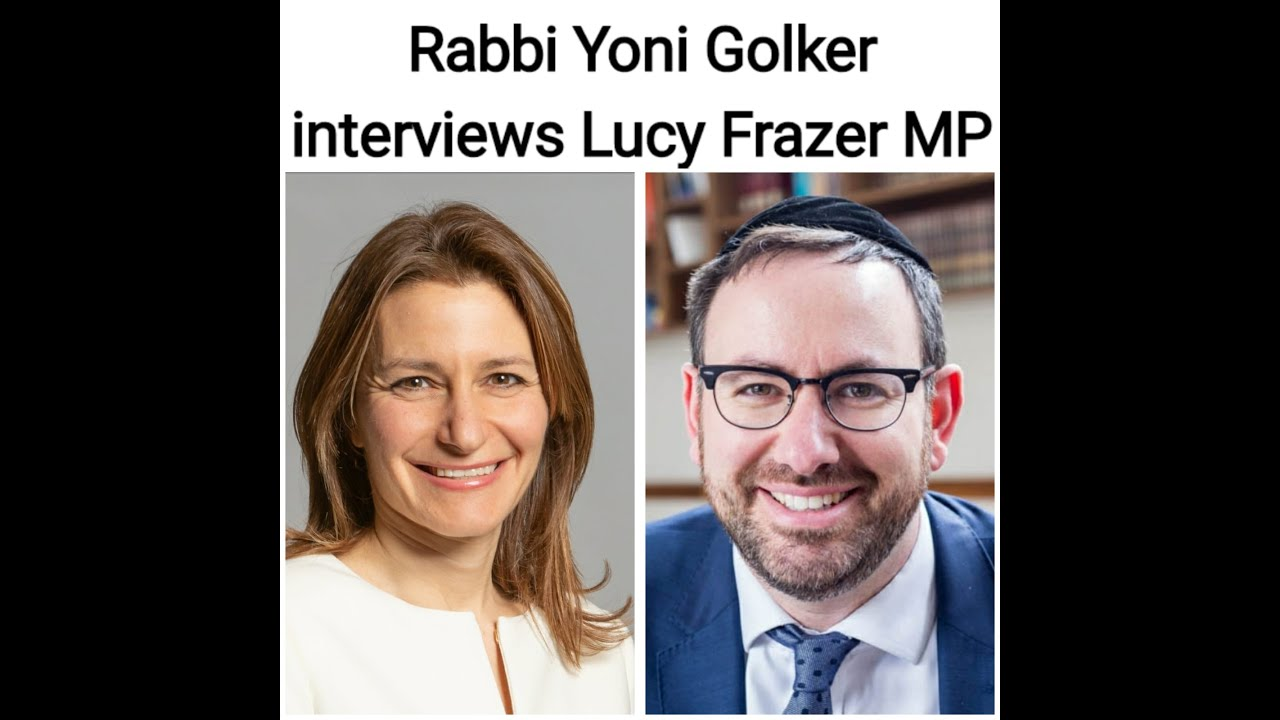
She has also been admitted to Privy Council having been approved by the Queen.
As Solicitor General, she oversees the work of the law officers’ departments which include the Crown Prosecution Service and Serious Fraud Office, and the Government Legal Department and HM Crown Prosecution Service Inspectorate.
She also carries out a number of functions in the public interest, such as considering unduly lenient sentences, and taking action when there has been a contempt of court.
Nothing remarkable so far but this is the lady that echo’s Boris Johnson’s dismissal of Scots as a nation of “wasters” sponging off the success of England.
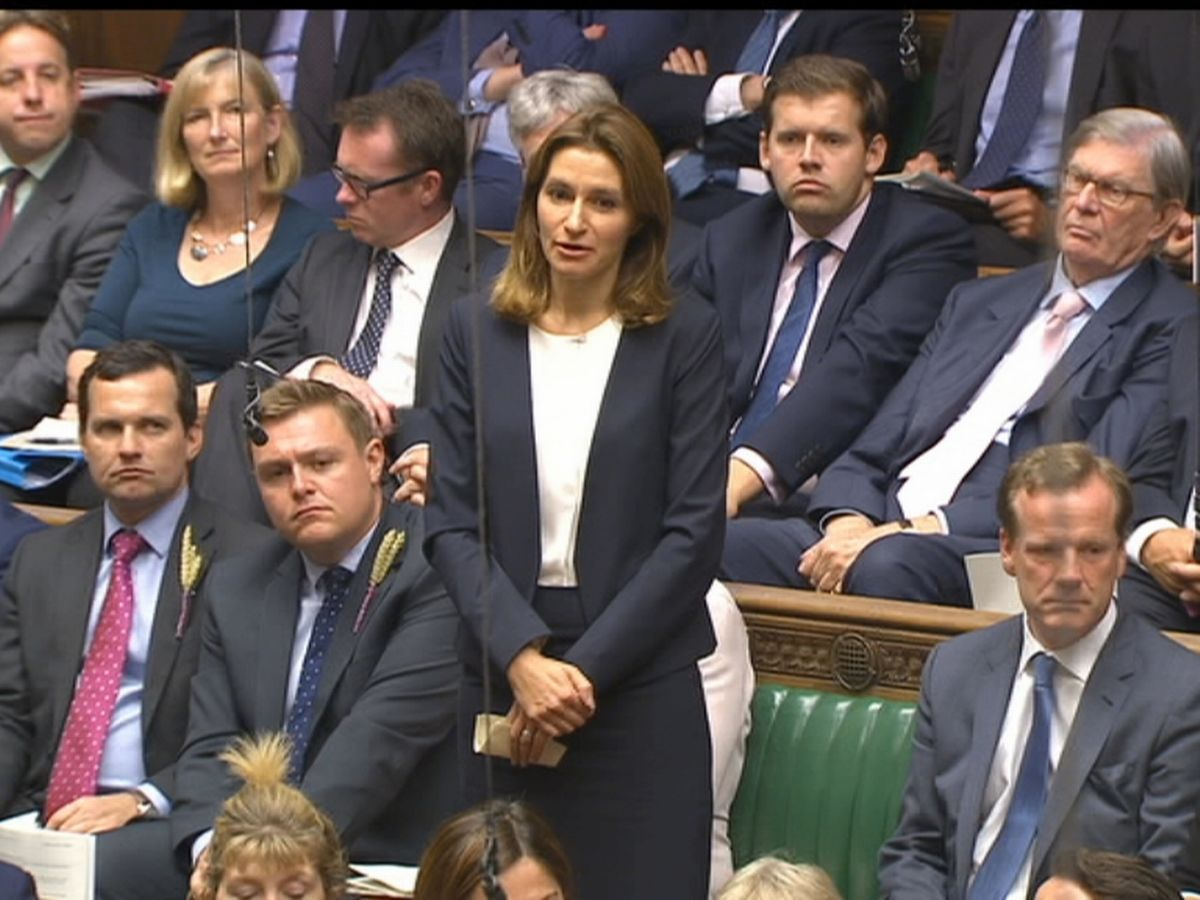
In her 2015 maiden speech in the Commons, she praised Oliver Cromwell, who was born in her constituency for his treatment of the defeated Scots after the “Battle of Dunbar” when he despatched over 5,000 captive soldiers into slavery.
Amid much laughter on the Tory benches, she went on to offer her colleagues a view that the answer to the “West Lothian Question”, might be to follow Cromwell’s lead and banish troublesome Scots to the colonies as slaves.
The speaker added insult to injury when he refused to intervene stating that she was free to say anything that she wished in Parliament. A decision that needed to be set against his rebuke of Scottish MP’s only a few days before when he told them that “clapping” was not allowed in the Commons.
Clarification by him of one of the unwritten rules of the game for Scottish members of parliament. Incredible that the rules of the Commons accept the proposal that troublesome Scots MP’s should be clapped in irons to be sold as slaves and shipped to the colonies, but Honourable Members must not support the proposal by clapping.
Dismissing the banality of her speech might have been possible to dismiss and the disgraceful conduct of her colleagues had her comments been off the cuff but they had been carefully crafted, written and well-rehearsed beforehand indicating complicity revealing the patronising ambivalent attitude of Unionist MP’s towards Scots.
Controversial policies for the SG dictated by “Stonewall”
People are questioning the influence of “Stonewall” on Scotland’s civil service after it emerged that controversial policies have been introduced in alignment with Stonewall’s political aims. These include a compulsory “Diversity Objective” for all staff to make the Scottish Government “a more diverse and inclusive place to work”, training on “intersectionality” and “unconscious bias”, and the use of gender-neutral language.
The Civil Service is also included on Stonewall’s “Diversity Champions Index”.
Lobby groups
Transgender and non-binary policies have been revised with the collaboration of Stonewall Scotland and the Scottish Trans Alliance (STA). And guidance has been co-produced by controversial lobby group “Mermaids” for SG employees who have a child who is transitioning or who identifies as non-binary.
Politically impartial?
The Deputy Director for Public Affairs at The Christian Institute, said:
“The extent of Stonewall’s influence on the Civil Service is alarming, particularly given the controversial nature of some of its political aims. Stonewall’s stance on trans issues is strongly opposed by women’s organisations, medics and faith groups. Yet, the Civil Service appears to endorse it wholesale. How does this fit with the Service’s duty to remain politically impartial? Staff are encouraged to attend training sessions on “intersectionality” and “unconscious bias”. These controversial ideas are disputed in wider society. So it’s concerning that they are written into the training schedule for Civil Service employees. The compulsory “Diversity Objective” also raises questions. What happens to staff members who hold religious beliefs which differ from those championed by Stonewall? Are they marked down? This could constitute direct discrimination on the grounds of religious belief.”
The Civil Service response – Diversity Objective
“All staff have mandatory diversity objectives and those who participate in the network use this work as evidence of meeting their objective. Performance is assessed their line manager at their in year review and end year review.
Progress is also discussed at monthly conversations. We also set out on our performance appraisal intranet page guidance on diversity objectives for individuals including ‘support, participate and be an effective member of one of our staff diversity networks or committees.
The guidance for managers states that they should “ensure that staff who participate in our staff networks are recognized through the performance management process, ensuring that this activity supports the outcome that the Scottish Government is to become a more diverse and inclusive place to work”.
Training
An example of employee recognition in an appraisal might record: “A” is very aware of and committed to raising the profile of diversity issues. He is active on the committee of the LGBTI Allies network and has also:
• completed the Stonewall Allies Follow-up Training. • participated in the Diversity Networks Workshop. • attended an Intersectionality seminar. • presented at a team meeting on diversity issues and circulated guidance material afterwards. • attended an unconscious bias training event.
Gender-neutral language
policies have been updated to increase inclusion of gender identities and same-sex couples.
Paternity leave policy
The policy applies to all employees and a reference to ‘partner’ or ‘spouse’ includes same-sex partners and spouses. The policy now states: “Paternity leave is available to you where you are the father, partner or spouse of the child’s mother (or, in the case of adoption, you are the adopter’s spouse or partner); changed ‘adoptive father’ to ‘adoptive parent’.” ‘non-binary’ employees are enabled to use the title ‘Mx’.
Revised trans/non-binary policies
The project reviewed all intertwining aspects of trans and non-binary activity in the Scottish Government and produced six core projects:
A data set on staff experiences comprised from Stonewall questionnaires.
A revised HR policy on trans/non-binary for the Scottish Government (SG). It is intended that this policy is co-produced with key stakeholders (including but not limited to Stonewall Scotland).
Guidance for line managers underpinning the HR policy
Guidance for members of staff who have a child who is transitioning or who identifies as non-binary. The intention is for this to be co-produced by “Mermaid”, who specialise in advice to parents and families on trans/non-binary enquiries.
A communications and engagement plan to ensure knowledge of the policy and accompanying parental guidance is widespread throughout the organisation. The core aspect of this work will be developing a training offer for Scottish Government staff.
Frequently Asked Questions documents. These will be comprised of three brief and accessible documents: (1) for those who are transitioning within SG; (2) for colleagues; (3) for line managers on how best to support a trans/non-binary member of staff”.














 caltonjock