27 September 2012: UK’s Liberal Democrats, steeped in money from the Septic Isle
Interesting stories have emerged in the past few days about Britain’s Liberal Democrats, the once self-styled party of business is now evidently the party of finance.
Let’s start with this extract from a speech by Lib-Dem Danny Alexander, Chief Secretary to the Treasury:
“Firms will be banned from getting public money if they are based in tax havens rather than mainland Britain.” The telegraph
UK Business Secretary, Vince Cable, had a similar message for those who used secretive, low tax jurisdictions:
“No one keeps their cash in tax havens for the quality of investment advice; these are sunny places for shady people.” The Guardian
But Deputy Prime Minister Nick Clegg defending the islands tax haven industry said:
“The financial services industry in the Channel Islands is a hugely important gateway for the wider financial sector and indeed the economy in the United Kingdom.”
Comment: Jersey is a feeder of vast gobs of global finance into the City of London and yes the Channel Islands tax havens are indeed hugely important to the City of London – but this is absolutely not the same thing as saying that this is a good thing. BBCNews
Then there is this:
“Brompton Capital, is the biggest corporate backer of the Lib-Dem party, donating £777,000 since the General Election in 2010. . . . Shares in the firm are owned by an offshore firm called Integro Nominees (Jersey) Ltd, which is based in the Channel Island tax haven.” The Daily Mail
And there’s more:
“Alpha Healthcare and its sister company C & C Alpha Group, part of a venture capital group in the private health sector, have together donated £970,000 to the Lib Dems since 2004. Alpha’s parent company, Harberry Investments, is based in a small office in Tortola in the British Virgin Islands.” The Guardian
Comment: Exposes the Lib-Dem party as a bunch of political charlatans unworthy of election to any office. Professing to detest tax haven tax avoidance but secretly benefiting from substantial financial support from the self same sources
The seeds of Romney’s unique brand of conservatism, often regarded with intense suspicion by most non-Mormon conservatives, were sown in the secretive, acquisitive, patriarchal, authoritarian religious empire run by ‘quorums’ of men under an umbrella consortium called the General Authorities.
A creed unlike any other in the United States, from its inception Mormonism encouraged material prosperity and abundance as a measure of holy worth, and its strict system of tithing 10% of individual wealth has made the Church one of the world’s richest institutions.
A multibillion-dollar business empire that includes agribusiness, mining, insurance, electronic and print media, manufacturing, movie production, commercial real estate, defence contracting, retail stores and banking, the Mormon church has unprecedented economic and political power.
Despite a solemn stricture against any act or tolerance of gambling, Mormons have been heavily invested and exceptionally influential in the Nevada gaming industry since the great expansion of modern Las Vegas in the 1950s.
Valued for their unquestioning loyalty to authority as well as general sobriety–they are prohibited from imbibing in alcohol, tobacco or coffee–Mormons have long been recruited into top positions in government agencies and multi-national corporations.
They are prominent in such institutions as the CIA, FBI and the national nuclear weapons laboratories, giving the Church a sphere of influence unlike any other American religion in the top echelons of government.
“Romney, like his father before him who voluntarily tithed an unparalleled 19% of his personal fortune, is among the Church’s wealthiest members.
And like his father, grandfather and great-grandfathers before him, Mitt Romney was groomed for a prominent position in the Church, which he manifested first as a missionary, then as a bishop, and then as a stake president, becoming the highest-ranking Mormon leader in Boston — the equivalent of a cardinal of the Roman Catholic Church.
Horror Stories – Mitt Romney’s Shameful Record With Mormon Women
A candidate for leadership of the Republican Party in 2012 he knew it was important that he be portrayed as a moderate politician but troubling stories from career as a Mormon leader surfaced during the campaign exposing the true nature of his character when he served as a bishop and State president in the Church of Jesus Christ of the latter day Saints in Massachusetts. Full report:
The government recently sold UK plasma NHS supplier PRUK to US private equity firm Bain Capital.
The sale was processed against the advice of many knowledgable people and politicians and it is to be hoped there will be no repercussions for UK residents. History doesn’t lend itself to this view however.
Background information about Bain Capital makes interesting reading – There is a live connection between the UK and Bain through the Cayman and Channel Islands Tax havens.
Should the UK government sign off contracts with a company so blatantly avoiding UK taxes?
Mitt Romney Connection
For all Mitt Romney’s touting of his business record, when it comes to his own money the Republican nominee is remarkably shy about disclosing numbers and investments.
The world of offshore finance is murky, and rife with loopholes that allow the very wealthy to skirt tax laws, and much of Mitt Romney’s fortune (with $30 million in Bain Capital funds in the Cayman Islands alone?) which seems strange for a presidential candidate. Read More:
Should I put my money in Caribbean Tax Havens Like Mitt Romney Does?
Mitt Romney has millions of dollars spread around at least a dozen investment funds run by Bain Capital out of the Cayman Islands, a notorious tax haven, as ABC News reported. This raises some tricky questions, including but not limited to: Isn’t this awfully suspicious? No!How does a tax haven work? It’s complicated!Should I get one? Probably not!http://abcnews.go.com/Blotter/romney-parks-millions-offshore-tax-haven/story?id=15378566#.TxmgUWNAYs1
Is Mitt Romney hiding his money illegally?
No. Moving your money to an obscure tax-haven sounds suspicious, but as far as anybody knows, Romney’s investments are above board.
If he was trying to hide his money, he’d be doing a pretty terrible job, considering all this information was discovered through public documents.
Before we get into why some of Romney’s money is on vacay in the Caribbean, we should talk about who actually controls his investments.Technically, Romney isn’t supposed to have a say in where his fortune goes.To avoid potential conflicts of interest when he became governor of Massachusetts, Romney put his wealth in a “blind trust,” which he supposedly has no hand in managing.
Romney doesn’t control his own money? So, who does? The trust is run by Romney’s long-time lawyer, Bradford Malt. Back in 2007, when the issue of Romney’s offshore investments first came to light, Malt told the Los Angeles Times that he had invested in a number of foreign funds, including one located in the Caymans. As he put it:
“I don’t care whether it’s the Cayman’s or Mars, if it’s organized in the Netherlands Antilles or the Jersey Islands,” he said. “That means nothing to me.
All I care about is whether it’s a good fund or a bad fund. It doesn’t affect his taxes.”
What is a tax haven for, exactly? And why would Romney need one?
Remember, Romney’s Cayman investments are in private equity funds run by his old employer, Bain Capital.
So you need to start by asking why Bain Capital wants to be somewhere like the Caymans.
For a private equity firm like Bain, an offshore tax haven is like a very expensive resort where American money can easily meet foreign money, then mingle.
They’re appealing for foreigners, who get to profit off American assets while avoiding the IRS entirely.
And they’re appealing for Americans, who get to pay lower taxes on certain types of investments.
That’s sounds really simple!
Oh lord, no it isn’t. If you really want to understand how a tax haven works for an American, stay with me for a few paragraphs.
Some of the biggest investors in the United States are tax-exempt organizations, like college endowments and public pension funds.
But when it comes to putting their money with private equity, they have a problem.
That’s because tax-exempt organizations aren’t allowed to use borrowed money to make financial investments, or run a for-profit business on the side.
Otherwise, they’re subject to a special “unrelated business income tax,” which maxes out at 35%.
This is where the Caymans and other tax havens come into play, as Rebecca Wilkins, senior counsel of Citizens for Tax Justice, explained.
To help pensions and their ilk avoid the unrelated business income tax, firms like Bain set up feeder corporations in the U.S. that exist entirely to funnel money to an offshore fund.
The American client invests in the feeder corporation, which then sends their money to the Caymans.
The profits come back through the same route. Presto chango, their money is no longer subject to high corporate taxes, since they’re not directly buying a company, or taking on debt.
This (completely legal) trick is one of the reasons public pension funds are among the largest investors in private equity firms.
Sounds great. I want to invest in a Caribbean tax haven! You can’t. Why not?
Because there’s no way you’re going to stuff a hundred million dollars inside a tax-free account.
As the Wall Street Journal reported yesterday, Mitt Romney keeps between $20.7 million and $101 million in a tax-exempt IRA account.
It’s pretty unusual for an IRA to grow that large.
But part of Romney’s is invested in high-return Bain funds.
Those private equity profits would ordinarily be subject to unrelated business income taxes.
According to the paper, “Tax experts say that might explain why Mr. Romney’s IRA includes holdings in Bain entities based in offshore locations,” including a Cayman Islands fund worth up to $25 million.
Essentially, he could be using the same tricks as a pension to save on his IRS bill.
Hi isn’t doing it for the benefit of taxpayers. Romney doesn’t have to pay annual taxes on his IRA returns.
But when he does eventually withdraw the money, he’ll have to pay taxes, on any profit as if it were ordinary income, instead of the low, low 15% capital gains rate he would otherwise owe on investment returns. So he gets to build up his money tax free.
OCTOBER 2005: CLINTON BLOOD SCANDAL ERUPTS IN SCOTLAND
Daily Record, Scotland – Former US President Bill Clinton may be forced to appear in court over a medical scandal which claimed the lives of innocent Scots.
Many haemophiliacs were infected with hepatitis C after tainted blood from American prisoners was imported into the UK. Glasgow firm Thomson’s are representing the families of Scots sufferers who died after contracting the disease.
They allege inmates in an Arkansas jail were paid to donate blood despite the authorities knowing they had AIDS and hepatitis.
They are threatening to call the ex-president, who was state governor at the time, to the witness stand.
The infected blood was used to make clotting agents for haemophiliacs who require regular blood transfusions.
Frank Maguire, of Thomson’s, said “These allegations are extremely serious and I am now more sure than ever that there should be a full public inquiry into why so many Scots contracted hepatitis C from infected blood products.
October 2005: Documentary Examines Blood Scandal
A major new documentary that uncovers fresh evidence about how thousands of Scots contracted Aids and hepatitis through infected blood is to be given its world premiere at a prestigious US film festival.
The film, Factor 8: The Arkansas Prison Blood Scandal, made by the US film-maker Kelly Duda, will reveal new details about how inmates at a US jail were paid to donate blood despite the authorities knowing they had Aids and hepatitis.
It shows how the US state of Arkansas, under former president and then-governor Bill Clinton, allowed contaminated blood from Aids and hepatitis-infected prisoners to be exported around the world during the 1980s and 1990s to be used in the manufacture of clotting agents for haemophiliacs.
The documentary also reveals for the first time how senior figures in the prison system doctored prisoners’ medical records to make it look like they were not carrying the deadly diseases.
Even after it was known there was a problem, the film reveals, blood products were allowed to be supplied to Europe, including to the UK, where thousands of patients were infected with HIV and the potentially fatal liver virus, hepatitis.
Last night, the revelations caused outrage among haemophiliacs who contracted Aids and other diseases through the blood products.
They branded the findings unbelievable” and “shocking”, and demanded that the government launch a judicial inquiry into the so-called “tainted blood scandal”.
13 July 2013: Letter to Anna Soubry MP, Parliamentary Under Secretary of State for Health
I am writing to urge you to halt the acquirement of Plasma Resources UK by Bain Capital or, at the very least, to put in place strict restrictions on the way the company buys and uses blood products in order to safeguard the health of people in the UK.
There have already been many documented examples of serious damage to public health from an insufficiently regulated trade in blood products.
As I am sure you will be aware, the 2009 Archer Report into the widespread contamination of blood supplies given to those affected by haemophilia noted that profit-driven companies have an incentive to keep their costs down by being insufficiently discriminatory about donor selection.
In Canada, social unrest was triggered when an estimated 30,000 patients caught hepatitis C and 1,000 contracted HIV from transfusions and blood products, thanks to an unregulated, profit-driven market.
How can citizens trust a Government they see putting private profit before their own safety?
The purpose of Plasma Resources UK is to provide a safe, reliable source of plasma for UK residents, not to make a profit for a private American company with an abysmal track record, at the potential cost of the health and lives of UK citizens.
My constituents are concerned about its potential sale and I hope your Department will be willing to reconsider.
18 July 2013: Is there no limit to what this Government will privatise?’: UK plasma supplier sold to US private equity firm Bain Capital
The Government was tonight accused of gambling with the UK’s blood supply by selling the state-owned NHS plasma supplier to a US private equity firm.
The Department of Health overlooked several healthcare or pharmaceutical firms and at least one blood plasma specialist before choosing to sell an 80 per cent stake in Plasma Resources UK to Bain Capital, the company co-founded by Republican presidential candidate Mitt Romney, in a £230m deal.
The Government will retain a 20 per stake and a share of potential future profits.
PRUK has annual sales of around £110m and consists of two companies: it employs 200 people at Bio Products Laboratory (BPL) in Elstree, Hertfordshire, and more than 1,000 at DCI Biologicals Inc in the US.
DCI collects plasma from American donors and sends it to BPL where it is separated into blood proteins, clotting factors and albumin for supply to NHS hospitals in the treatment of immune deficiencies, neurological diseases, and haemophilia.
British jobs are being safeguarded in the deal and Bain, which has invested in dozens of private and state-owned health companies worldwide, is prepared to spend £50m in capital investment on the Elstree laboratories.
However, critics of the deal warned the Government that Bain Capital was the wrong company to own the NHS plasma supply line.
Lord Owen, the former Health Minister, wrote to David Cameron earlier this year asking the Prime Minister to intervene and halt the sale. He wrote:
“In 1975, against some resistance from those guarding the finances of the DHSS budget, I decided as Minister of Health to invest in self-sufficiency in the UK for blood and blood products, I now believe this country is on the point of making exactly the same mistake again.
The world plasma supply line has been in the past contaminated and I fear it will almost certainly continue to be contaminated.”
After hearing of the sale Lord Owen told The Independent: “It’s hard to conceive of a worse outcome for a sale of this particularly sensitive national health asset than a private equity company with none of the safeguards in terms of governance of a publicly quoted company and being answerable to shareholders. “Private equity has a useful function, as I saw in years past on the advisory board of Terra Firma, but Bain Capital should not have been chosen for this sale.
Is there no limit to what and how this coalition government will privatise?”
Blood from UK donors, typically collected in vans and centres by NHS Blood and Transplant, is not supplied to PRUK, a separate organisation.
Plasma donors at DCI centres in the US receive cash for each donation, typically around $25 for the first visit and $20 for any subsequent visit. People can donate up to twice a week.
Due to safety concerns following the emergence of ‘mad cow disease’, or vCJD, NHS hospitals only use plasma from around 20 per cent of blood collected from donors in the UK with the remainder used for diagnostic and research purposes.
As the UK was unable to secure a long-term ‘safe’ blood supply for the NHS following the vCJD outbreak, the Government spent £50m in 2002 on the US firm that provided all of BPL’s plasma.
The majority of NHS hospital plasma supplies come from PRUK, which sources all its plasma from low contamination risk groups in the United States across DCI’s network of 32 donor centres.
Lucy Reynolds from the London School of Hygiene and Tropical Medicine wrote an academic paper earlier this year strongly arguing against the sale of PRUK.
She said the Coalition deal undervalued the company adding:
“Plasma supplies have a long record of being operated on a not for profit basis, using voluntary donors where all the necessary checks take place.
The difference with a commercial firm is that they will want to have as many donors as possible and be looking to secure large profits first and foremost.
This amounts to the government abandoning UK blood products users to the tender mercies of the cheapest supplier.”
The PRUK deal is the latest move from Bain Capital into the expanding privatised UK health market.
The Independent reported last month that the Hospital Corporation of America (HCA), co-owned by the assets management firm, already caters for around half of all private patients in London and runs three joint NHS ventures, renting building space from public hospitals for exclusively private treatment.
HCA is also a large buyer of plasma-derived products.
Devin O’Reilly, managing director of Bain Capital in London, said: “We have completed over 50 healthcare investments in companies such as HCA and we will ensure that all of this experience and expertise is applied to building PRUK into a true global leader.”
Health Minister Dan Poulter said: “This deal will ensure that patients will have access to high quality plasma products for years to come and it is good news that Bain are investing in medicine and the life science industry in the UK.”
Mark Andrew Menzies is a British Conservative Party politician who has been the Member of Parliament (MP) for Fylde in Lancashire since 2010.
He was formerly PPS to Charles Hendry MP, Minister of State for Energy and Climate Change before both moved in the 2012 Cabinet Reshuffle. He resigned as Parliamentary Private Secretary (PPS) to Mark Prisk MP, Minister of State for Housing and Local Government in March 2014.
He was educated at Keil School and graduated from the University of Glasgow, where he was President of the Conservative Association, in 1994 with an honours degree in economic and social history.
Menzies stood as a Conservative candidate for the safe Labour seat of Glasgow Govan in the 2001 general election, where he came fourth. In 2005 he stood in Selby in Yorkshire, a Labour marginal, and came in second. In 2006 he was added to David Cameron’s “A-List” and was selected for Fylde in November 2008 he was elected at the 2010 general election, when he gained 22,826 votes, 52.2% of the total.
Menzies’ professional career before becoming an MP was spent in the retail sector. He joined Marks & Spencer as a graduate trainee in 1994 and has since worked in marketing for two large UK supermarkets.
Menzies campaigned for the liberalisation of Sunday Trading legislation. He brought forward a Bill which sought to allow local authorities to vary Sunday trading restrictions in their jurisdiction contemporaneously to large national events. More specifically, he argued that the retail sector should be able to take advantage of any extra revenues generated by the Olympics in London 2012.
BAE Warton is located in his constituency and he takes a keen interest in defence. He is a member of the Armed Forces Parliamentary Scheme.
Menzies was a member of the Scottish Affairs Select Committee for a time in 2010 before his appointment as a PPS. He lives in St Annes.
He was re-elected to the Fylde constituency in the 2015 GE, with a majority 0f 13,185 votes. One of the safest Tory seats in England.
29 March 2014: Top Tory MP resigns as Ministerial aide following claims he paid male escort for sex and drugs
Mark Menzies, 42, quit his post as a Parliamentary Private Secretary (PPS) over allegations made by a Brazilian male escort. He resigned as a Ministerial aide tonight after a Sunday Mirror investigation into claims he paid a teenage rent boy for sex and drugs. Rogerio Santos claimed Mr Menzies, 42, paid for his services 18 months ago, before showing him around Parliament. The 19-year-old then claims the MP asked him to supply him with illegal methedrone. His allegations led to Mr Menzies dramatically quitting last night as a Parliamentary Private Secretary with the Department for International Development. He said: “I have decided to resign as a PPS after a series of allegations were made against me in a Sunday newspaper.” We were contacted by Santos in a series of emails last week in which he openly admitted being a rent boy. He told us: “I have been having sex with a Conservative MP for money. “Mark also asked me to buy methedrone. “I have personal messages of him talking to me about drugs.”
Santos claimed he overstayed his student visa, was in the country illegally and made other claims about Mr Menzies – although it is understood the MP was unaware of Santos’s immigration status. The unmarried MP, who was parliamentary private secretary to International Development Minister Alan Duncan until 7pm tonight, has repeatedly asked Commons questions about the Government’s work on rehabilitation for drugs offenders. But texts on Santos’ phone, which he showed to the Sunday Mirror, reveal messages asking the teenager for full details about the quality of methedrone available and how much it would cost. Methedrone was banned in the UK in 2010 and is a Class B drug dubbed “poor man’s cocaine”.
Street slang often confuses methedrone with mephedrone – another illegal amphetamine-based drug. A series of messages seen by the Sunday Mirror show the 42-year-old MP asking for the price of the drug. Santos, who lives in a squalid apartment block in Sao Paulo, told how he was taken around Parliament by Mr Menzies – although there is no suggestion that Mr Menzies broke any rules in taking him to Westminster Palace.
He emailed us on Tuesday last week making his series of allegations, saying: “We met very regularly over the last 18 months. “He took me to the Houses of Parliament. “Recently, he has been asking me to buy drugs. “I have SMS messages and photographic evidence. “When we went to his office in Westminster I was not introduced to anyone but I still have the visitor’s permit.”
A series of pictures on Santos’ phone and seen by the Sunday Mirror show the MP – elected to Parliament four years ago as one of David Cameron’s “A-List” of young candidates – next to a plate of white powder at his luxury London home. Santos showed off a Parliamentary visitor’s pass issued at 2.35pm on June 26 last year as he went to Mr Menzies’ Westminster office. He said: “Mark got me the security pass to visit Westminster and I was interviewed by police at the gates before.” He added in an email: “I have a photo of Mark and a photo he took of me inside Westminster where he is visible in the reflection.” Describing pictures he took on his mobile, Santos claimed: “There is a plate of methedrone. “He asked me if I could buy methedrone. “He have many drugs, a lot of drugs.”
Former Marks & Spencer graduate trainee Mr Menzies has repeatedly raised the issue of rehabilitation for drugs offenders since being elected as MP for Fylde in Lancashire in 2010. In February this year, he tabled a Commons question asking the Ministry of Justice to “take steps to introduce the HM Prison Kirkham Drug and Rehabilitation programme nationally”. Mr Menzies’ website features a June 2011 article telling readers about his support for drug rehabilitation programmes after a visit to the Pierpoint Addiction Treatment Centre in St Annes, Lancashire.
He is quoted as saying: “It was truly fascinating to visit with Pierpoint. “I feel supporting full recovery-led programmes can be of tremendous benefit to society.” Mr Menzies has also spoken passionately about issues of conscience in Commons debates. He backed gay marriage – which came into force yesterday – telling MPs in February 2013: “I am a Catholic and religious freedoms are very important to me, as is my religion, but so too are equality and tolerance.”
Scotsman Mr Menzies rose from humble beginnings in the small town of Ardrossan on the North Ayrshire coast. He was raised by his mother after his merchant navy father died a month before his birth. He became an active member of the Tory Party in 1982, and began a career in retail after leaving Glasgow University in 1994 with an honours degree in economic and social history. He joined Marks & Spencer later that year and went on to become an Asda executive.
He has served as PPS to former Energy Minister Charles Hendry and ex-Housing Minister Mark Prisk before taking up his current role as aide to Tory MP Alan Duncan. He spent yesterday at his £144,000 constituency apartment in St Annes, near the beach.
The Sunday Mirror yesterday presented Mr Menzies with a series of claims and questions. At 7pm, the Prime Minister’s official spokesman issued a statement from the MP confirming that he was standing down from his unpaid role as PPS. Mr Menzies said: “A number of these allegations are not true and I look forward to setting the record straight in due course.” It is believed he will continue to represent his constituency, which he holds with a majority of 13,000. http://www.mirror.co.uk/news/uk-news/tory-mp-mark-menzies-resigns-3300512
2 April 2014: Top Tory MP Mark Menzies’s fate hangs in balance after claims he paid male escort for sex and drugs
The fate of a Tory MP will be decided on Friday amid claims he hired a Brazilian rent boy and asked him to buy drugs. Party members will meet to discuss if Mark Menzies, 42, should stand in the next election after the MP quit as a Parliamentary Private Secretary.
Martin Chatfield, head of the local Conservative association, tonight hinted that the MP for Fylde, Lancs, was safe. He said: “While what has been alleged in the papers is not good, Mark has been very contrite. “I don’t think his current position as an MP is in jeopardy.” Meanwhile, Mr Menzies yesterday admitted it had been a “extremely difficult period” but vowed to keep working. Writing for his local paper, he thanked well – wishers for their support and added: “I now need a period of stability to rebuild my private life and continue to focus on helping constituents.”
5 April 2014: Tory MP’s rent boy lover was in Britain illegally after being refused entry Three Times
The Brazilian rent boy lover of shamed Tory MP Mark Menzies was refused entry into the UK three times. But Rogerio Santos, 19, slipped back into the country to be paid for sex by Menzies, 42, and supply him with illegal drugs. Tonight there were calls for him to explain or quit as an MP. Disgraced Menzies is now under pressure to tell exactly what he knew about the immigration status of Santos. The Tory MP, who has not been seen since we broke the story last week, has claimed he was unaware his lover was ever in the UK unlawfully.
But Santos has insisted that the MP knew about his visa problems. The rent boy was turned away by UK border officials three times during his involvement with the Tory. But on other occasions he got in past border checks to continue having paid sex with him. Speaking at his lawyer’s office, Santos, 19, claimed: “I have personal messages from Mark with him talking to me about my visa. I know how many problems I had in London and he helped me with things. Brazilians have these problems. I had this three times.”
The claim comes a week after Mr Menzies, 42, quit as a ministerial aide in the wake of our story about his 18-month drug-fuelled sex romps with the teenager which ended just weeks ago. Santos claimed the former Private Parliamentary Secretary got him to buy illegal Class B amphetamine-based mephedrone for him as well as Class C GHB – known as liquid ecstasy. Last night a House of Commons source said: “It would be astonishing if Mark Menzies did not know the immigration status of a man he had been in a relationship with for months. “MPs deal with these cases on a daily basis. At very best he’s been utterly naive.”
methedrone
Migration Watch UK vice-chairman Alp Mehmet said : “If you’re one of those who makes the laws for the rest of us then you ought to be intelligent enough to know when something is happening that is wrong. “In this case, it would be difficult for anyone in that position to argue they didn’t really know what was going on.”
Brazil is fifth in the UK’s top 10 of illegal immigrant nationalities because restrictions are lax. Brazilians are allowed to enter Britain without a visa for up to six months as long they prove they have somewhere to stay and enough money to get by. They also have to prove they have a job back in Brazil.
But the Sunday Mirror understands immigration officers have had their eye on Santos and believed he was likely to overstay and become an illegal immigrant. So they put a block on his entry.
The visa revelation will put further pressure on Mr Menzies’ future as MP for Fylde in Lancashire. It was already hanging in the balance following a meeting held by his Tory constituency bosses on Thursday night. A source at the Fylde Conservative Association, tasked with deciding his fate, said: “If he has engaged in criminality then we would expect him to step down as an MP.” Constituency members have already called for him to quit after failing to respond to the allegations.
In February, Immigration Minister Mark Harper quit after employing a Colombian cleaner in the country illegally. Last week we revealed the rent boy was shown around Parliament by Mr Menzies last June. Santos told the Sunday Mirror: “He took me to the Houses of Parliament, for “fun” when I was in the country illegally. I have SMS messages and photographic evidence to prove my story.”
We have seen evidence of the MP ordering amounts of methedrone – which was banned in the UK in 2010. Santos claims he met Mr Menzies on a gay escort website and the MP began paying him £250 an hour for sex. Mr Menzies sent texts to Santos asking how much the Class B would cost if he bought it in bulk. The Brazilian says the pair enjoyed drug-fuelled romps at the MP’s taxpayer-funded flat in London where Mr Menzies was photographed naked alongside plates of methedrone. Mr Menzies asked Santos – who has now returned to Sao Paulo – to wear “sexy underwear” during their involvement. The Tory stepped down as PPS to International Development Minister Alan Duncan before our story broke.
Mr Menzies is believed to be staying with friends. He said: “I now need a period of stability to rebuild my private life and continue to focus on helping constituents with the many serious issues they face.” A source close to Mr Menzies said: “He is putting his private life in order, but he feels the way to do that is not through the Press. Mark is determined to carry on as an MP and he has a lot of support.” A spokesman for Mr Menzies told the Sunday Mirror: “As we said last week, many of these allegations are completely false.” Police sources said they would not investigate the drug allegations unless there is a formal complaint. Mr Menzies has been absent from Parliament this week where he was due to take part in a debate.
The MP, who is paid £66,400 a year, has claimed for hotel rooms and first-class train tickets on his Parliamentary expenses – and ran up a £827.48 mobile bill in the first three quarters of the 2013/14 financial year. There was nothing to suggest this was improper.
The Roman Catholic politician, who is single, entered the Commons at the last General Election. He was brought up by his mother on the west coast of Scotland. His father, who was in the Merchant Navy, died before he was born. Mr Menzies won an assisted place at an independent school before studying at Glasgow University, and he joined Marks & Spencer as a trainee in 1994.
Mr Menzies told the Commons last year that he had intended to abstain on the historic vote to legalise same-sex marriages but then voted in favour. “I came here to abstain, but I have listened to the debate like I have listened to no other. It is now my intention not to abstain, but to support the Bill,” he said.
He has repeatedly raised the issue of rehabilitation for drugs offenders since being elected. In February this year, he tabled a Commons question asking the Ministry of Justice to “take steps to introduce the HM Prison Kirkham Drug and Rehabilitation programme nationally”. http://www.mirror.co.uk/news/uk-news/tory-mps-rent-boy-lover-3380331
20 February 2015: Tory MP Mark Menzies’ rent boy Rogerio Santos says he has another customer from the Conservative Party
The rent boy who told of drug-fuelled nights with disgraced Tory MP Mark Menzies claims he is ready to name a second Conservative client. Brazilian escort Rogerio Santos has contacted a British publicist this week saying he wanted to reveal fresh details in exchange for a large payment. The new claims are believed also to involve a sexual encounter that involved the consumption of illegal drugs. Any new revelations would leave the Tories facing a fresh sleaze scandal on the eve of the General Election on May 7.
A source said: “Mr Santos is very convincing. He wants to speak out again – but only for the right price.” Mr Santos, 20, claimed the second Tory was “a colleague” of Mr Menzies , 43, who is MP for Fylde in Lancashire.
Mr Menzies, one of David Cameron’s “A-list” candidates at the 2010 election, quit as parliamentary private secretary at the Department for International Development after our sister paper the Sunday Mirror revealed Santos’s claims last year. They included allegations he had paid for sex with the £250-an-hour rent boy, who was then aged 19, and asked him to supply class B party drug methedrone.
Texts on Santos’ phone, which he showed to the Sunday Mirror, revealed messages asking the teenager for full details about the quality of methedrone available and how much it would cost. Santos also said he was in the UK illegally after overstaying a student visa, though it is understood the MP did not know of his immigration status. At the time Santos hinted he had details of a sexual encounter with a second Tory. The source said the fresh claims would heap new pressure on Menzies, who intends to contest his seat at Flyde, Lancs. After resigning as a ministerial aide last year he said: “I look forward to setting the record straight in due course.”
But the source added: “Menzies has failed to answer questions on his relationship with the rent boy, which he pledged to do. “Santos is a self confessed male prostitute who can obtain drugs – it does not look good for whoever’s name is dragged into this, especially so close to a general election.” http://www.mirror.co.uk/news/uk-news/tory-mark-menzies-rent-boy-5201002
April 11 2015: Frack Free Fylde – Gayzer Frackman – Lytham Resident and Fylde voter speaks out
It has been a bad year for Fylde MP Mark Menzies but even worse for the people of the Fylde, having him carpetbagged in by the Tories. The arrogance of Menzies when it comes to fracking is hugely disappointing. Disgusted Campaigners against Fracking and the bully boy tactics of Lord Browne’s Cuadrilla and Cameron’s Carbon Coated government looked to him for support. But he has not represented constituents close to the sites, living in fear, or supported locals who have been bravely fighting Cuadrilla and their well financed propoganda.
There are also unanswered questions about his promise to put the record straight about allegations made about him and the Brazilian rent boy, and drugs. Featured in The Mirror over a year ago. Our MP is supposed to have our interests at heart so why hasn’t he cleared his name in all that time? Or admitted it and held his hands up and said sorry to the families of the Fylde? Others have cleared their name in less than a year and a half when facing similar accusations The people of the Fylde deserve answers! What is at question here is ‘Character’ and ‘judgment’ both lacking from a Career MP shipped into a Tory safe seat. https://www.facebook.com/events/385818231604431/
Tory Right Wing MP. Votes for everything and anything abhorrent to Scots
Mark Menzies Refuses to Answers Most of Our Questions on Fracking
Defend Lytham met recently with Mark Menzies MP. As a result of that meeting we put together a list of specific questions to clarify Mr Menzies’ position on fracking which were put to him by email on Thursday 19th September 2013. He has not answered to the committee as requested but he did eventually send a private response on 30 October 2013 to the chairman of Defend Lytham.
In this response, which is reproduced at the end of this page he explains why he is unable to answer more than 5 of our 38 questions, because they “assume that I have a detailed technical knowledge of the engineering requirements behind the shale gas industry or are of such a speculative nature that it would be inappropriate of me to hypothesise on the answers.”
Mark Menzies has been Member of Parliament for our area, which has had PEDL licence 165 on it for the entire duration of his parliamentary career.
Until 2012 Mr Menzies was PPS to Charles Hendry MP, Minister of State for Energy and Climate Change.
He is currently Vice Chairman of the All-Party Parliamentary Group for Unconventional Oil and Gas (AKA Fracking for Shale Oil and Gas) which receives considerable support from the shale gas industry and its associates as revealed in Private Eye earlier this year.
We would suggest that it is eminently reasonable to expect Mr Menzies to be able to voice opinions of some pretty straightforward and important questions. We are immensely disappointed by his responses which we have collated below, insofar as they exist.
1. General
1.1. Do you know that Cuadrilla claim to be able to extract 25% of the UK’s energy requirement from their licence area (PEDL 165) at peak (1).
[Mr Menzies declined to answer this question – We think he should know the answer]
1.2. Do you know that 25% of the UK’s consumption (~3 tcf pa) would equate to approximately 0.75 tcf per annum.
[Mr Menzies declined to answer this question – We think he should know the answer]
1.3. Do you know that the IoD have estimated that to extract 0.85 tcf pa would require 4,000 wells on 100 x 40 lateral well pads to be drilled over a period of 17 years (2)
[Mr Menzies declined to answer this question – We think he should know the answer]
1.4. Do you accept that it is therefore likely that if Cuadrilla are allowed to go ahead with production that they plan in the region of 100 well pads. (We have written evidence from Daily Telegraph journalist Emily Gosden that Francis Egan told her he envisaged 100 well pads)?
[Mr Menzies declined to answer this question – We think he should be able to answer]
1.5. Do you stand by your comments made in public in St Annes, and to the Defend Lytham committee in your surgery, that you could not support such a scale of development?
[Mr Menzies declined to answer this question – Why?]
1.6. If so at what point will you begin to demonstrate that you do not support this level of development in your constituency.
[Mr Menzies declined to answer this question]
2. Regulation
2.1. What is the “gold standard of regulation” that you refer to – What does it actually mean?
2.2. Why do you not insist that we need it for exploration as well as production?
[Mr Menzies declined to answer this question]
2.3. You said in parliament (3) “although I welcome the environmental assessment currently being undertaken by the Environment Agency, I call for environmental impact studies to be undertaken on any proposed site, regardless of size”. Do you still support mandatory Environmental Impact Assessments on all development and production wells and why?
[Mr Menzies declined to answer this question]
2.4. What is your reaction to the fact that Conservative MEPS have stated that they intend to block vote against the EU amendment which would make Environmental Impact Assessments mandatory on all developments?
[Mr Menzies declined to answer this question]
2.5. What is your reaction to the fact that in spite of your calls for mandatory EIAs the coalition government has released new planning guidelines (4), which make it clear that EIAs will only be required by exception?
[Mr Menzies declined to answer this question]
2.6. You also asked in parliament (3) “Furthermore, does the Minister have any plans to encourage a health impact assessment in a similar vein” Will you insist on health impact assessments?
[Mr Menzies declined to answer this question]
2.7. You stated (3) “I do not believe that the regulatory system is robust or transparent enough to instil public confidence should permission be granted to the industry. That is why I am calling for an independent panel of experts to be set up without delay”. We ended up with The Office of Unconventional Gas and Oil (OUGO), a subsidiary of DECC and therefore not independent, whose brief is to promote shale gas and streamline regulation – do you agree that we did not get what you said was needed?
[Mr Menzies declined to answer this question – It isn’t complicated – We think he should be able to answer it.]
2.8. Will you continue to call for an independent panel of experts to enforce regulation or are you now going to accept OUGO even though you stated (3), when calling for an independent panel that it “is vital that we support the work of current regulatory bodies. In no uncertain terms can we allow the environment or the well-being of our constituents to be compromised”
2.9. David Cameron said “No regulation must get in the way” (5) of shale gas extraction. Do you think he is right to say this? If not when will you comment on this publicly?
[Mr Menzies declined to answer this question]
2.10. Do you support the European Groundwater Daughter Directive which means that fracking companies must monitor and manage all fracking fluids?
[Mr Menzies declined to answer this question]
2.11. Will you insist that green tanking / green completion to minimize methane emissions should be made mandatory?
[Mr Menzies declined to answer this question]
2.12. You stated in parliament (3) that “I would consider the current site at Anna’s road, where exploratory drilling is taking place, to be an unacceptable location for extraction to occur. I would vehemently oppose its development as such”. What are the specific grounds on which you regard Anna’s Road as unacceptable as a location for extraction to occur?
3. Planning
3.1. You said on Radio Lancashire that “a lot of this (responsibility for decision on fracking) now sits in the hands of Lancashire County Council, who as Mineral Rights Authority have got rights over planning”. What is your opinion on the fact that the new planning guidelines take power away from CCs / MRAs and enshrine a presumption that permissions will be granted?
[Mr Menzies declined to answer this question]
3.2. Are you happy that new planning guidelines propose EIAs only in exceptional circumstances?
[Mr Menzies declined to answer this question]
3.3. Do you support the proposed “Revised requirements relating to planning applications for onshore oil and gas” (6) that drillers should not have to specify whose land they intend to drill under when applying for planning permission?
[Mr Menzies declined to answer this question]
3.4. Can you clarify Michael Fallon’s statement (7) “It’s for local communities to decide whether they want to host shale gas exploration. These are planning decisions which will first of all be taken locally and it’s up to the developer to engage early with local communities and explain to everybody what they’re planning to do.” It seems that this runs counter to the opinions being expressed by other members of the government.
[Mr Menzies declined to answer this question]
3.5. Do you support the idea expressed above that local communities should be able to veto shale gas wells in the same way that Eric Pickles’ Department suggests that will be able to veto windfarms (8)?
[Mr Menzies declined to answer this question]
4. Management
4.1. There is currently no regulation that forces operators to fund Bonds for Abandonment up front. Cuadrilla suggested to John Hayes in December 2012 (9)that they had put in place “additional financial security to address any concerns about well abandonment commitments”. However, when Cuadrilla were asked “Firstly, as this was “additional” what financial security was already in place against well abandonment issues. Secondly, how much money has been set aside in total to “address any concerns about well abandonment commitments”, where is it and how can we be sure it will still be safely available in future (will it be held in escrow somewhere?) their response via their PR agency, PPS Group, was “Cuadrilla has more than adequate funding available to provide for security for wells drilled in the current exploration phase. Should an increase in scale during any extraction phase require additional security, Cuadrilla will agree with the appropriate regulatory authority (in this instance DECC) what security it requires.”
From this rather vague statement it is clear that the claim made by Mr Egan to Mr Hayes is misleading as it suggests that additional financial security has already been put in place? Clearly the implication of Mr Egan’s statement was that Cuadrilla had set aside a sum of money as security against abandonment. This is evidently not the case as you can see from their subsequent response. You were made aware of this issue in March 2013. Can you please tell us what progress you have made in ensuring that operators are made to fund bonds for abandonment before any work, exploratory or otherwise, takes place?
[Mr Menzies declined to answer this question]
4.2. What level of “community benefit” payment do you regard as adequate for development wells and what % of profit on production wells?
[Mr Menzies declined to answer this question]
4.3. Are you confident that profit will not simply be funneled to other parts of any operator’s group structures to avoid both tax and community payments – especially if the operators have a significant proportion of offshore investment?
[Mr Menzies declined to answer this question]
4.4. Who is the “community” to whom any benefit will be paid?
4.5. Do you agree that, as the County Council is also the Minerals Rights Authority responsible for planning decisions on shale gas developments, that there would be a clear conflict of interests if the County Council were allowed to receive financials benefits as a result of granting permission for shale gas projects?
[Mr Menzies declined to answer this question]
4.6. What steps are in place to ensure that fracking companies are made to pay to rectify damage incurred to highways due to excessive traffic created by their traffic?
[Mr Menzies declined to answer this question]
5. Political Issues
5.1. Do you believe that shale gas extraction in the UK will bring down energy prices?
[Mr Menzies declined to answer this question]
5.2. Do you believe a significant number of jobs will be created? If so, how many? How many of these would be for local people in the Fylde? For how long will they last?
5.3. Are you committed to the government’s legally binding emissions limit of 1,950 MtCO2e over the fourth carbon budget period (2023 to 2027)?
[Mr Menzies declined to answer this question]
5.4. If so, in your opinion how will support for shale gas allow us to meet this target?
[Mr Menzies declined to answer this question]
5.5 Are you aware that Cuadrilla are obliged to relinquish 50% of their licence are before the end of this year?
[Mr Menzies declined to answer this question – We think he should know the answer]
6. Risks
6.1. Flood risk – Given the recent floods in Colorado and the associated problems with contamination resulting from flooded and damaged shale gas installations, do you feel that the flood plain of the Fylde (10) is an appropriate location for shale gas extraction?
[Mr Menzies declined to answer this question]
6.2. If so how do you believe measures can be put in place to protect shale gas installations against potential flood risk?
[Mr Menzies declined to answer this question]
6.3. Do you believe that the local agriculture and tourism industries would be affected in the event of a development of 100 well pads in the Fylde?
[Mr Menzies declined to answer this question]
7. Overall
7.1. Are you for or against the development of shale gas extraction at the level proposed in your constituency?
[Mr Menzies declined to answer this question]
Notes:
1. “In our licence alone we can supply a quarter of the UK’s gas demand” Mr Egan said.”
4. “An Environmental Impact Assessment is only required if the project is likely to have significant environmental effects.” DCLG – Planning practice guidance for onshore oil and gas
5. “UK Prime Minister David Cameron offered robust support for European exploitation of shale gas, telling journalists: “No regulation must get in the way.” http://euobserver.com/news/120202
6. “The Government is minded to amend the notice requirements for applications for planning permission for under ground oil and gas operations. It would retain the requirement to serve notice on individual owners and tenants of land on the above ground area where works are required (who the applicant knows to be such a person and whose name and address is known to the applicant) but remove this requirement for owners of land beyond this area ie the owners of land where solely underground operations may take place”
8. “Current planning decisions on onshore wind are not always reflecting a locally-led planning system. New planning guidance supporting the planning framework from DCLG will make clear that the need for renewable energy does not automatically override environmental protections and the planning concerns of local communities. It will give greater weight to landscape and visual impact concerns”
10. No change scenario – Map based on nothing being done to the existing flood defences and it uses the results of an extreme tide; and it takes account of global warming and sea level rise.
Mr Menzies Response.
Thank you for your continued correspondence and the list of 38 questions relating to the shale gas industry you recently sent to me.
Over the last two years you have written to me on at least 24 separate occasions about a wide range of issues.
I have always tried to do as you request or answer all the letters you sent with a detailed response covering each and every issue laid out.
However, on this occasion I am sorry to say that I am unable to accurately answer the 38 separate questions you have submitted on behalf of Defend Lytham.
The reason for this is that many of the questions assume that I have a detailed technical knowledge of the engineering requirements behind the shale gas industry or are of such a speculative nature that it would be inappropriate of me to hypothesise on the answers.
I believe that the issue of shale gas extraction is of huge importance and should be treated as such, and therefore I am unwilling to conjecture on the various issues based on press speculation or rumour.
However, I will try to answer the questions which I am able.
As you are aware, I have been championing a gold standard of regulation surrounding shale gas extraction since shortly after I was elected to parliament.
You have asked what that would entail and much of what I mean can be found already at work within our successful offshore oil and gas industry.
These processes include mandatory Environmental Risk Assessments, regular on the ground well inspections, ensuring water requirements can be met sustainably and making sure regulation remains fit for purpose of the industry grows.
This has now been set up in the Office of Unconventional Gas and Oil and one of my focuses from here is to ensure that office fulfills its obligations as set out in its mandate and that existing regulators perform detailed scrutiny of potential shell gas sites in file.
During the debate, I also flagged up concerns over the Anna’s Road site and said I would vehemently oppose any future development on that site.
You asked why I regarded the area as unacceptable and it is because I believe the moss land between Lytham and St Annes and Blackpool should be protected and not be developed. In the past I have opposed the Queensway housing development close to this site because of similar concerns.
Cuadrilla Resources has now discontinued its plans for Anna’s Road and is currently working towards returning the site to its previous condition, something which I’m sure you will join me in welcoming.
In my debate, I also asked for rigourous on-the-ground inspections of any sites and in the last month I have had two meetings with Environment Secretary Owen Paterson MP who gave me his personal assurances that there will indeed be a rigourous regime in place should extraction go ahead.
In July this year, I also called the Westminster Hall debate to discuss the work which has been carried out by government since my previous adjournment debate. Should you wish to be the contents of that for further information can be found at:
With regard to your specific questions around community benefits, I recently met with the Prime Minister to discuss this very issue. While the specific details of how any payments would be made are still being decided, he assured me that the intention was that people living closest to any potential wellsites would be the ones to principally benefit.
You also asked about jobs related to the shale gas industry and I feel we are now moving into an area which is highly speculative at this stage.
However, the Prime Minister recently referred to making Blackpool the shale gas centre for Europe and I feel I should clarify this point as there appear to have been some misunderstandings surrounding what he meant by that.
Rather than indicating the Fylde Coast should have more drill sites than anywhere else, the Prime Minister was in fact referring to the infrastructure attached to the industry.
If there are any jobs in the manufacturing sector, either in research and design or establishing a head office, then I would prefer those employment opportunities were in filed rather than elsewhere in the UK or Europe.
I hope this answers at least some of the questions you had. As ever should you have any specific concerns you wish me to bring to the attention of ministers, as I have done for you on numerous occasions in the past, I will of course be only too happy to do so.
Many thanks for your continued interest in this subject. Mark Menzies Member of Parliament for Fylde
28 October 2013: Britain’s Mean Streets: The economic migrants looking for a better life who end up in the gutter
The UK is bitterly divided on the EU and immigration. As the opening up of Europe’s borders creates a new wave of poverty on its streets, we witness the deprivation and anger as it reaches crisis point. Walking down London’s most exclusive streets, the smell of improvised toilets clashes with high-class boutiques and luxury car showrooms. “Their take on the world doesn’t chime with ours.” Nik Ward, head of Westminster Council’s Rough Sleepers Department says of the immigrants he’s looking to clean off the streets.
It’s now estimated that a third of the city’s homeless are now from eastern Europe. Zie Babaks, a Latvian immigrant, says many work but are exploited so that they “are not earning enough money to survive”. Migrants are crammed into unsafe accommodation with the authorities using sophisticated thermal imaging technology to find them. Many like Bob McAuley direct their anger at the EU, “We’re sick to death of being ruled by Europe.” Long a comical fringe party, UKIP’s anti-EU stance is now rattling the establishment and it looks like the full political impact is yet to be felt. http://www.journeyman.tv/?lid=66102
Immigrants queue for food handouts form La Belle Etoile charity near the ferry port in Calais.
9 January 2014: The Truth About Immigration in the UK 2014 – Did Britain need immigrants to keep economy growing?
BBC political editor Nick Robinson examines the public’s anxieties about immigration and reveals the facts of an issue that has transformed British politics. With Britain braced for a new wave of migrants from eastern Europe, a subject once regarded as toxic is now at the forefront of political discussion. The programme dissects the decisions which led to the biggest surge of immigration in modern history and asks whether politicians can control immigration as much as they claim, looking at the potential consequences of their pledges. https://www.youtube.com/watch?v=MHplEJgevqM
24 February 2014 The Migrant Trap: For thousands of migrants, Tripoli is seen as the gateway to Europe. But for many of them, the Libyan capital is turning into a dead end.
For African migrants Libya used to be a Mecca: a place to find work or get access to Europe. But now the workers who come here are trapped in the political, economic and social chaos engulfing the country. “It will get worse because of the indifference and carelessness of the Libyan authorities, but also the lack of coordination with Europe”, militia leader and immigration officer Abdul Raza tells us. He describes how no efforts are made on the Libyan side to stop the 15,000 migrants a year who attempt the crossing to Europe, which in 2013 resulted in 3,000 deaths.
Tripoli has always been a centre for migrants and talk of reconstruction has brought a new wave. But these rumours are in stark contrast to the complete mayhem engulfing the country. “We have big problems. This morning we haven’t eaten. Sometimes they hit us. When we are noisy they beat us”, a young migrant being kept in Libya’s notorious Abu Salim prison tells us. He has been brought here along with hundreds of others and will be kept here for an indefinite amount of time waiting to be deported. “It is for them the most important thing to go to Europe, Lampedusa. They would rather die than stay here in Libya”, says a Roman Catholic Nun attempting to offer aid to the increasingly desperate immigrants swelling Libya’s cities. https://www.youtube.com/watch?v=U0vtLspGbmg
15 July 2014: Too Many Immigrants, impact of immigration in UK Episode 1 BBC Documentary 2014 Nick and Margaret
Too Many Immigrants impact of immigration in UK Episode 2 BBC Documentary 2014 Nick and Margaret
Nick Hewer and Margaret Mountford explore the impact of immigration in the UK by bringing both sides of the debate together. Pairing five Brits who are opposed to immigration with five immigrants, they look at the issues of jobs, housing and what it means to be British. https://www.youtube.com/watch?v=n5s3bBZEtCwhttps://www.youtube.com/watch?v=ITnB-ehfFYg
11 August 2014: The Truth About Immigration in the UK 2014 BBC
BBC political editor Nick Robinson examines the public’s anxieties about immigration and reveals the facts of an issue that has transformed British politics. With Britain braced for a new wave of migrants from eastern Europe, a subject once regarded as toxic is now at the forefront of political discussion. The programme dissects the decisions which led to the biggest surge of immigration in modern history and asks whether politicians can control immigration as much as they claim, looking at the potential consequences of their pledges. https://www.youtube.com/watch?v=TJVDguL7cfo
26 September 2014: BBC Panorama HD Immigration UK Threat Part 1
26 September 2014: BBC Panorama HD Immigration UK Threat Part 2
Reporter Paul Kenyon joins British police in a Romanian village where most of the men have left to pursue work in the black market of London.
The Truth About Immigration in the UK 2014 BBC, HD 720p The Truth About Immigration in the UK 2014 BBC, HD 720p Did Britain need immigrants to keep economy growing. Panorama looks at a proposed amnesty for hundreds of thousands of long-standing illegal immigrants, offering them the right to work and full citizenship. https://www.youtube.com/watch?v=Y6jMxw-6zCchttps://www.youtube.com/watch?v=OyJqt9MAXuo
29 October 2014: The Italian Solution: Inside the Italian Navy’s desperate mission to save North African immigrants from death in the Med.
The Italian Navy’s Operation Mare Nostrum has rescued record numbers of migrants crossing the sea from North Africa to Italy, but as it now ends the rescue program, experts say thousands are at risk. In a country suffering from recession, the rescue operation is costing around $13 million a month, and causing friction with Italy’s EU partners. Many migrants walk out of Italian processing centres and head for other Euro territories.
EU rules demand those rescued at sea ask for asylum in the country where they come ashore, but job and opportunity-poor Italy drives many migranti to head directly for Northern Europe. “We’re heading to Milan and then find another country maybe. Sweden or Netherlands or Germany.” explains Mohammad, a Syrian refugee rescued by Italian Navy.
The policy is putting pressure on the EU to assist Italy with the rescues, both financially and logistically. But the other member states are reluctant to join in. And now there are growing question marks over how long the Italian government can keep rescuing the migranti lost at sea.
14 December 2014: Dreaming of the UK: Europe’s Migrant Crisis
This report takes us to the French coastal town of Calais, where thousands of migrants, largely from the Middle East and Africa, are desperately trying to board boats or trucks in order to travel to Britain. Calais is a magnet for the migrants from war zones and poor countries who are trying to reach Britain. For years French police have been trying to remove migrant camps in and around Calais; however, the number of arriving migrants have been persistent. Many of the migrants hope to hide in trucks or other vehicles crossing to Britain. We will see what life is like in the camps and find out how they are treated by the police and most local people and if Britain rejects them or not.
28 December 2014: Whats behind an anti-immigrant tide rising in Europe
The European Union is built on the idea of free movement of people and capital, but some factions wish to curb immigration and control their sovereign identity. Documentary on the issue of Immigration to the Italian island of Lampedusa, aimed at sensibilising people to the plight of African immigrants to Europe. The tide of illegal immigrants from Africa to Europe does not seem to be ebbing, with many countries still struggling to return to normal life. https://www.youtube.com/watch?v=srYu0mVWOaw
14 September 2016: BBC Trust chairwoman quits after PM tells her to reapply for her own job
BBC Trust chairwoman Rona Fairhead has announced she will step down early from her role and will not apply to head the corporation’s new governing body.
David Cameron, had originally asked Ms Fairhead to continue until 2018 – moving from chairwoman of the Trust to lead the new unitary board. But government sources described Prime Minister Theresa May as being not “overly impressed” by Mr Cameron’s decision to appoint Ms Fairhead. It is understood that Mrs May was concerned about the lack of transparency in the appointment process. Ms Fairhead’s announcement, ahead of time, of her decision to go will be seen as an indication of strained relations between her and the prime minister.
Comment: I wrote about the tawdry affair over a years ago. The entire process of recruiting Fairhead was a disgraceful abuse of power on the part of Cameron and senior managers of his trusty inner office. I have also written extensively about the Machiavellian powers of the senior civil servant Sir Jeremy Heywood whose role in the Fairhead recruitment debacle vastly exceeded his authority. The PM would be well advised to get rid of Heywood before he pulls the trigger on her. See my post of 2 June 2015.
The BBC’s latest drama – Rona Fairhead’s appointment – This is how Things are done when the Cabinet Office takes charge of recruitment. The recent well publicized and much criticised search for a new Chairman of the Board of Trustees for the BBC was dramatic to say the least.
With Rona Fairhead now appointed it looks like this gripping saga is finally drawing to a close. first a recap for those that missed earlier events. As I understand it, it went like this.
Chris Patten resigned with a serious heart problem amidst remuneration and pay-off scandals, Jimmy Savile, and the £100m failed IT project. His heart problem, post-resignation, miraculously improved and allowed him to become a Papal advisor, or maybe it was the other way round! Why this reminds me of Ernest Saunders I don’t know.
The BBC board appointed Saxton Bampfylde to lead the search for a new Chairman, obviously on an exclusive basis with a mouth-watering fee no doubt. All above board so far, well not really because it emerged that the BBC Director General, Lord Hall’s wife happened to be a consultant at Saxton Bampfylde.
No matter, the Culture Secretary, Sajid Javid, said he was happy there was no conflict of interest, as Lady Hall will not be involved in the recruitment process. Well, perhaps, as an ex Deutsche Bank executive he would know all about Chinese walls.
Tory MP Philip Davies, of the Commons media select committee – which must approve the new BBC Trust chairman – said: “if they were going to hire headhunters, you’d think they’d be able to find a firm that didn’t have the Director General’s wife working for it.” This gives rise to a number of questions. Did the BBC Board really think this would pass the sniff test? Were those headhunters the only ones that could do the job? Did Saxton’s consider the prestige and fee worth the opprobrium? We will probably never know.
Anyway, on to episode two and it is still captivating. Lord Coe had been widely tipped for the role and it was reported that the job specification could be changed to suit his lack of available time. Well if true, and in the absence of any denial, this development was just laughable. Fortunately, Seb Coe was smart enough to run a mile from the opportunity anyway.
The media then reported that the search had collapsed as the shortlist candidates declined the role. No doubt this was just sensational journalism as only candidates that wanted the role can be on a shortlist. In the same articles they stated that Marjorie Scardino and Peter Bazalgette had also declined to slurp from the poisoned chalice.
Episode three apparently involved yet more conflict of interest; a good storyline so why not keep it running? As expected, the Cabinet Office advertised and managed the entire recruitment process overseeing the BBC Trust Chairman’s appointment, amongst many other roles.
The Daily Mail and others then reported that the cabinet secretary Sir Jeremy Heywood’s wife worked at McKinsey and Co. who were appointed by Lord Hall to conduct a strategic review for a reported £600,000 fee. Coincidentally, Lord Hall knows Suzanne Heywood because she was on the board of the Royal Opera House where he was Chief Executive before joining the BBC. And so the drama concluded with a gripping finish, back to Ms Fairhead who was, of course,well known to Sir Jeremy Heywood, the Cabinet Secretary as she was, until very recently, employed in Cameron’s Cabinet Office.
Rona Fairhead
It was expected she would have both the time and the resolve to drive through major changes in a complex and controversial organisation. On the other hand she could appoint consultant’s to complete yet another strategic review. http://www.futureworkforum.com/PDFs/INFORMS-Issue-No1.pdf
Counter Terrorism and Bulk Surveillance Powers – New Legislation
David Anderson QC, is the official reviewer of counter-terrorism legislation. He was asked by government to conduct an independent review of the operation and regulation of investigatory powers, with specific reference to the interception of communications and communications data. He delivered his report to Downing Street on 6 May, the day before the general election.
He has said his review considered safeguards to privacy, issues of transparency and oversight as well as powers needed by the authorities to meet the challenge of changing technologies.
21 May 2015: Investigatory Powers The Anderson Report
I was required by DRIPA 2014, (http://www.legislation.gov.uk/ukpga/2014/27/section/7/enacted) which passed through Parliament in only four days back in July 2014, to conduct an independent review of the operation and regulation of investigatory powers, with specific reference to the interception of communications and communications data, including under RIPA. That review was distinct from my normal function of reviewing the operation of the terrorism laws.
Parliament asked me, in particular, to consider:
“(a) current and future threats to the United Kingdom,
(b) the capabilities needed to combat those threats,
(c) safeguards to protect privacy,
(d) the challenges of changing technologies,
(e) issues relating to transparency and oversight,
(f) the effectiveness of existing legislation (including its proportionality) and the case for new or amending legislation.”
As I tweeted at the time, my report was completed and submitted to the Prime Minister on 6 May 2015 – the day before the General Election. A process of security-checking and preparation for publication has followed.
Given the size of the canvas that the Review was asked to cover, it will come as no surprise that it turned out to be a substantial piece of work. I am grateful to all who provided written submissions and who met with me in various parts of the UK, Berlin, California, Washington DC, Ottawa and Brussels, as well as to the small team of self-employed persons that assisted with the Review.
I am asked several times a day when the report will be published. The short answer is that the Prime Minister will decide, and that I have no privileged insight into the timing.
DRIPA 2014 s7(5) (http://www.legislation.gov.uk/ukpga/2014/27/section/7/enacted) requires the Prime Minister to lay a copy before Parliament “on receiving” the Report, together with a statement as to whether he has excluded any matter from the Report on the grounds that it would be contrary to the public interest or to national security. Similar wording governs the publication of my Terrorism Acts reports, and has been helpfully glossed by James Brokenshire MP, formerly the Security Minister: see my 2012 Terrorism Acts report at 1.23-.25. (https://terrorismlegislationreviewer.independent.gov.uk/report-on-the-terrorism-acts-in-2011/
27 May 2015: Security services’ powers to be extended in wide-ranging surveillance bill
Surprise extension of bill’s scope beyond legislation to modernise law on tracking communications data was agreed only this week. The government is to introduce an investigatory powers bill that is far more wide-ranging than expected, including an extension of the powers of the security services in response to the surveillance disclosures by the NSA whistleblower Edward Snowden.
The legislation will include not only the expected snooper’s charter, enabling the tracking of everyone’s web and social media use, but also moves to strengthen the security services’ warranted powers for the bulk interception of the content of communications.
The surprise extension of the scope of the bill beyond legislation to “modernise the law” on tracking communications data was agreed within government only this week. It appears that David Cameron has decided to take advantage of his unexpected majority in the Commons to respond to Snowden’s disclosures by extending the powers of the security services.
The Home Office says the investigatory powers bill will “better equip law enforcement and intelligence agencies to meet their key operational requirements, and address the gap in these agencies’ ability to build intelligence and evidence where subjects of interest, suspects and vulnerable people have communicated online.”
Ministers promise to provide for “appropriate oversight arrangements and safeguards”, but there is no immediate detail on how the complex web of intelligence and surveillance commissioners and parliamentary oversight might be strengthened.
The government also promises that the legislation will respond to issues raised by David Anderson QC, the official reviewer of counter-terrorism legislation, in his assessment of bulk surveillance powers used by the police and security services under the Regulation of Investigatory Powers Act 2000.
Anderson delivered his report to Downing Street on 6 May, the day before the general election, and it is expected to be published in the next few days. Anderson has said his review considered the safeguards to privacy, issues of transparency and oversight as well as the powers needed to meet the challenge of changing technologies. He has said it was a “substantial piece of work” and included him travelling to Berlin, California, Washington DC, Brussels and Ottawa.
“The report won’t please everyone [indeed it may not please anybody]. But if it succeeds in informing the public and parliamentary debate on the future of the law from an independent perspective, it will have done its job,” he said on his blog.
Jim Killock, executive director of the Open Rights Group, said: “The government is signalling that it wants to press ahead with increased powers of data collection and retention for the police and GCHQ, spying on everyone, whether suspected of a crime or not.
“This is the return of the snooper’s charter, even as the ability to collect and retain data gets less and less workable. We should expect attacks on encryption, which protects all our security. Data collection will create vast and unnecessary expense.”
Renate Samson, chief executive of Big Brother Watch, said: “Whilst the title may have changed from a communications data bill to an investigatory powers bill, it will be interesting to see whether the content has radically changed. “We have yet to see real evidence that there is a gap in the capability of law enforcement or the agencies’ ability to gain access to our communications data.”
The extended scope of the bill may follow some of the recommendations of the intelligence and security committee (ISC), which suggested in March that the entire existing surveillance legal framework should be replaced by a single new act of parliament.
The MPs and peers suggested that the new legislation should list every intrusive capability available to the security services and specify their purpose, authorisation procedure and what safeguards and oversight procedures exist for their use. This presumably extends to the kind of GCHQ bulk data collection programmes such as Temp0ra and Prism disclosed by Snowden.
The ISC said the introduction of the new communications data legislation was “critical”, but added that a new category of data called “communications data plus” should be established. It said this would acknowledge that some forms of communications data could reveal private information about a person’s habits, preferences or lifestyle choices, such as websites visited. “Such data is more intrusive and therefore should attract greater safeguards.” they recommended.
The other four Home Office bills are largely as trailed. The extremism bill will include powers to “strengthen the role of Ofcom so that tough measures can be taken against channels that broadcast extremist content”. This is despite warnings from Sajid Javid, the business secretary, that the initial proposals threatened free speech.
The bill also includes the introduction of employment checks enabling companies to find out whether an individual is an extremist so they can be barred from working with children. This is alongside already announced proposals for banning orders, extremism disruption orders and closure orders to be used against premises that are used to support extremism.
The immigration bill will create a new enforcement agency to tackle the worst cases of exploitation as well creating an offence of illegal working and enabling wages to be seized as proceeds of crime. Ministers promise to consult on the introduction of a visa levy on businesses that recruit overseas labour to fund extra apprenticeships for British and EU workers.
The five bills mean that the home secretary, Theresa May, will be one of the busiest cabinet ministers in parliament. Her policing and criminal justice bill will implement her mental health reforms, end the use of police bail for months or even years without judicial check, and introduce sanctions on professionals including social workers who fail to report or take action on child abuse.
Ministers have been silent on the sentencing aspects of this bill but the Conservative manifesto promised the introduction of short, sharp custodial sentences for persistent offenders. The new justice secretary, Michael Gove, may be looking again at this proposal.
The psychoactive substances bill or legislation to introduce a blanket ban on legal highs is to be introduced this week. It will criminalise the trade in legal highs with prison sentences of up to seven years but will not make personal possession a criminal offence. The legislation will distinguish between everyday psychoactive substances such as alcohol, tobacco, caffeine and some medicinal products and new designer drugs that imitate more traditional illegal substances. http://www.theguardian.com/uk-news/2015/may/27/security-services-investigatory-powers-bill
UK government quietly rewrites hacking laws to give GCHQ immunity
The UK government has quietly passed new legislation that exempts GCHQ, police, and other intelligence officers from prosecution for hacking into computers and mobile phones.
While major or controversial legislative changes usually go through normal parliamentary process (i.e. democratic debate) before being passed into law, in this case an amendment to the Computer Misuse Act was snuck in under the radar as secondary legislation.
According to Privacy International, “It appears no regulators, commissioners responsible for overseeing the intelligence agencies, the Information Commissioner’s Office, industry, NGOs or the public were notified or consulted about the proposed legislative changes… There was no public debate.”
Privacy International also suggests that the change to the law was in direct response to a complaint that it filed last year. In May 2014, Privacy International and seven communications providers filed a complaint with the UK Investigatory Powers Tribunal (IPT), asserting that GCHQ’s hacking activities were unlawful under the Computer Misuse Act.
On June 6, just a few weeks after the complaint was filed, the UK government introduced the new legislation via the Serious Crime Bill that would allow GCHQ, intelligence officers, and the police to hack without criminal liability.
The bill passed into law on March 3 this year, and became effective on May 3.
Privacy International says there was no public debate before the law was enacted, with only a rather one-sided set of stakeholders being consulted (Ministry of Justice, Crown Prosecution Service, Scotland Office, Northern Ireland Office, GCHQ, police, and National Crime Agency).
Despite filing its complaint back way back in 2014, Privacy International wasn’t told about the changes to the Computer Misuse Act until last week; until after the new legislation became effective. The UK government is allowed to do this, of course, but it’s a little more underhanded and undemocratic than usual.
According to Privacy International’s legal experts, the amended Computer Misuse Act “grants UK law enforcement new leeway to potentially conduct cyber attacks within the UK.” Following Snowden’s leaks throughout 2013 and 2014, a cynical person might see this new legislation as something of an insurance policy: under the previous Computer Misuse Act, the courts might have found GCHQ’s hacking activities within the UK to be illegal—now they’re on more solid ground.
27 May 2015 – The Iraq War Was Based On Lies: Top Bush Era CIA Official
Twelve years after George W Bush initiated the illegal invasion of Iraq, ostensibly under the premise of pre-emptive self-defence, a stark majority — as many as 75% in 2014 — feel the so-called war was a mistake. As evidence rapidly accumulates that Bush’s yearning to launch an aggressive attack was likelier due to a personal grudge than anything else, that number will surely swell.
Indeed the former president’s intelligence briefer lent yet more plausibility to that theory in an interview on MSNBC’s Hardball, making an admission that the Bush White House misrepresented intelligence reports to the public on key issues.
Michael Morell’s stint with the CIA included deputy and acting director. During the time preceding the US invasion of Iraq, he helped prepare daily intelligence briefings for Bush. One of those briefings, from October 2002, is an infamous example in intelligence history as how not to compile a report.
The National Intelligence Estimate, titled “Iraq’s Continuing Programs for Weapons of Mass Destruction”, (https://www2.gwu.edu/~nsarchiv/NSAEBB/NSAEBB129/nie.pdf ) was the ostensibly flawed intelligence cited continuously by Bush supporters as justification to pursue a war of aggression against Iraq.
However, this claim is dubious at best, and serves more as a smokescreen to lend credence to a president who was otherwise hell-bent on revenge against Saddam Hussein, as evidenced in his statement a month before the report, “After all, this is the guy who tried to kill my dad.”
In the Hardball interview, host Chris Matthews asked Morell about Cheney’s notorious statement in 2003:
“We know he [Saddam Hussein] has been absolutely devoted to trying to acquire nuclear weapons. And we believe he has, in fact, reconstituted nuclear weapons.”
MATTHEWS: Can you answer that question? Was that true?
MORELL: That’s not true.
MATTHEWS: Well, why’d you let them get away with it?
MORELL: Look, my job Chris—
MATTHEWS: You’re the briefer for the president on intelligence, you’re the top person to go in and tell him what’s going on. You see Cheney make this charge he’s got a nuclear bomb and then they make subsequent charges he knew how to deliver it…and nobody raised their hand and said, “No that’s not what we told him.”
MORELL: Chris, Chris Chris, what’s my job, right? My job
MATTHEWS: To tell the truth.
MORELL: My job—no, as the briefer? As the briefer?
MATTHEWS: Okay, go ahead.
MORELL: As the briefer, my job is to carry CIA’s best information and best analysis to the president of the United States and make sure he understands it. My job is to not watch what they’re saying on TV.
Discussion continued:
MATTHEWS: So you’re briefing the president on the reasons for war, they’re selling the war, using your stuff, saying you made that case when you didn’t. So they’re using your credibility to make the case for war dishonestly, as you just admitted.
MORELL: Look, I’m just telling you—
MATTHEWS: You just admitted it.
MORELL: I’m just telling you what we said—
MATTHEWS: They gave a false presentation of what you said to them.
MORELL: On some aspects. In some aspects.
And the host pushed just a little further:
MATTHEWS: That’s a big deal! Do you agree? If they claimed they had a [nuclear] weapon when you know they didn’t.
MORELL: It’s a big deal. It’s a big deal.
He’s absolutely right, of course, and even further to that point, Morell made another admission of a direct misrepresentation: “What they were saying about the link between Iraq and Al Qaeda publicly was not what the intelligence community” had found. “I think they were trying to make a stronger case for the war.” Which the administration had to do, considering no such case existed.
As a matter of fact, Cheney’s statement directly conflicts with what the NIE actually stated, which is that the intelligence community only found a “[lack of] persuasive evidence that Baghdad has launched a coherent effort to reconstitute its nuclear weapons program.” This is in line with the International Atomic Energy Agency report that came to the same conclusion: “[W]e have to date found no evidence that Iraq has revived its nuclear weapons program.”
All of this solidifies what former UN Secretary General Kofi Annan resolutely stated about the US invasion of Iraq in 2004: “I have indicated it was not in conformity with the UN charter. From our point of view and from the charter point of view it was illegal.”
The question most deserving an answer, and increasingly posed by the populace at large: If George W Bush, Dick Cheney, and others in the administration, deliberately misled the public on false pretences, directly contradicted intelligence information through misrepresentation, and ultimately initiated a wholly illegal invasion of Iraq that led to the deaths of well over 1 million civilian, non-combatants. WHY have they not been charged with war crimes?
The Chilcot Report – Millions of words without meaning – Philippe Sands both catalogues the report’s criticisms of Blair and points to its failings:
“Yet the inquiry has chosen to hold back on what caused the multitude of errors: was it negligence, or recklessness, or something else? In so doing it has created a space for Blair and the others who stood with him to protest that they acted in good faith, without deceit or lies. To get a sense of how this space was created requires a very thorough reading of the report. However two techniques can be identified immediately.
First, the inquiry has engaged in salami-slicing, assessing cause and motive in individual moments without stepping back and examining the whole. The whole makes clear that the decision to remove Saddam Hussein and wage war in Iraq was taken early, and that intelligence and law were then fixed to facilitate the desired outcome. On legal matters, Blair manipulated the process, forcing the attorney general to give legal advice at the last possible moment, with troops already massed and a coalition ready to roll. He would have known that Goldsmith was less likely at that stage to have said that war would be illegal. […]
Second, based on material I have seen but isn’t in the public domain, I believe the inquiry may have been excessively generous in its characterisation of evidence.” Philippe Sands
A prosecution of Tony Blair for a ‘crime of aggression’ over the military invasion of Iraq in March 2003 has never been on the cards. A report is still awaited from the Prosecutor of the International Criminal Court on whether preliminary examination of new evidence (e.g. with the Chilcot Report) may result in Blair’s prosecution for complicity in crimes over the conduct of the war and occupation.
The domestic common law crime of ‘misconduct in public office’ offers scope for prosecution. For this to proceed, an indictment must be prepared by the Crown Prosecution Service. A police investigation is first necessary to produce a file or charge sheet with evidence from which an indictment can be made.
What might a charge sheet for this offence look like for Tony Blair. Areas of the decision process which initiated the military invasion for potential examples of ‘breaches of duty’, resulting in serious betrayal of public trust, from which the offence of misconduct may be applied. http://www.iraqinquirydigest.org/
Airstrikes that went wrong, (April-mid August) against targets in – Zliten, Sirte and Tripoli. Carried out under the UN remit, authorising NATO aircraft to prevent Government air forces from attacking civilians.
21.03.2011 NATO Air strike Gharyan Western Libya. Many civilians killed.
07.04.2011 NATO Air strike Tripoli Libyan Arab Association For Human Rights buildings destroyed.
27.04.2011 NATO Air strike Misrata 12 Killed 5 wounded.
30.04.2011 NATO Air strike Tripoli Downs Syndrome School destroyed.
30.04.2011 NATO Air strike Gaddafi’s family, (Son Saif Al Gaddafi 29 and 3 grandchildren (all under 3 years of age) targeted and killed.
09.05.2011 NATO Assistance Boat in trouble sent out SOS, which was ignored 600 people died.
13.05.2011 NATO Air strike Brega Mosque. 11 imams (spiritual leaders of Islam) killed and 50 civilians injured.
17.05.2011 NATO Air strike Anti-Corruption Agency buildings destroyed,(all records destroyed).
12.06.2011 NATO Air strike Tripoli. University buildings destroyed. Many dead. Numbers not yet known.
15.06.2011 NATO Air strike Kikla. Attack on passenger bus. 12 killed and 2 injured.
19.06.2011 NATO Air strike Triploi. 9 civilians killed in bombing attack.
19.06.2011 NATO Air strike Sorman. All members of the Al-Hamedi family 15 civilians, including 3 children, were killed.
22.06.2011 NATO Air strike Libya. Great Waterway Irrigation System, (supplying drinking water to 4.5m) attacked causing major damage.
22.06.2011 NATO Air strike Zliten. Many civilians killed in bombing attack.
28.06.2011 NATO Air strike Tawergha east of Misurata. 16 civilians (one complete family killed) and more than 20 injured.
15.07.2011 NATO Air Strike Kikla City. 12 killed and 2 injured when the air strike hit a bus carrying innocent civilians.
17.07.2011 NATO Air Strike Tajura and Seraj. Many urban areas bombed. Upwards of 60 to 75 bombs dropped according to eyewitness reports.
23.07.2011 NATO Air Strike Factory manufacturing pipes for water systems maintenance bombed. 6 employees killed.
24.07.2011 NATO Air Strike Torghae City. Farming, Cattle and Poultry project bombed. Buildings, animals and birds destroyed.
24.07.2011 NATO Air Strike Tawergha. 15 civilians killed
24.07.2011 NATO Air Strike Zliten Hospital 50 civilians many of them children killed.
25.07.2011 NATO Air Strike Zliten. Food Storage buildings and contents destroyed.
25.07.2011 NATO Air Strike Bir Al Ghanam 20 civilians killed.
30.07.2011 NATO Air Strike Libyan television station destroyed. 3 killed 15 injured.
02.08.2011 NATO Air Strike Zliten Law School buildings destroyed. Woman & 2 children killed.
07.08.2011 NATO Air Strike Vegetable market in Tripoli destroyed.
08.08.2011 NATO Air Strike Zliten. 32 Women, 20 children and 20 men killed
Not long after the start of the troubles in Libya Saif al-Islam Gaddafi, son and heir apparent of the Libyan leader Moammar Gaddafi went to the Western press. (The Washington Post) and provided first hand an explanation of events in Libya from the beginning of the year. In doing so he offered a way forward which, had it been accepted would have avoided the massive loss of life and on-going fighting which has brought the nation to it’s knees and rendered it ungovernable. At the time of the interview he attributed external air power aggession to France and the UK believing rhetoric emanating from the White House that the USA would not be involved in any aggression against Libya. How wrong he was.
17 April: The following are excerpts from a Washington Post interview with Saif al-Islam Gaddafi, son of Libyan leader Moammar Gaddafi.
On the international conspiracy to destabilize Libya:
* He said “What occured was a major media attack on Libya by rebels in the Libyan press and Telecommunications Companies backed by foreign press and governments spreading disinformation through the internet, creating alarm and despondancy within the country.
* The British foreign minister Hague lied when he said that Gaddafi had fled to Venezuela.
* Al-Jazeera lied with breaking news “Gaddafi has left the country and then another headline “Saif is dead, his brother killed him”. All lies.
* The internet was flooded with misinformation. So much that it crashed due to overload.
* No telephones, television, information (except rumours of major coalition ground attacks). All this created chaos.
* There followed many raids on arms dumps and military barracks and theft of large amounts of ammunition. Armed insurrection. All orchestrated from outside Libya.
* It is not the intention of the government to kill our people, we want to build our country and live in peace. It is not in the interests of anybody to see chaos in Libya. * But unfortunately Arabic countries like Qatar, they are playing this role.”
On why he thinks the U.N. Security Council was wrong:
* The UN Security Council resolution was based on — what?
* The Libyan air force is bombing Tripoli, and bombing Tajoura and Fashloom, two districts [in the capital]. * They mentioned two districts. Show me one trace, one bit of evidence that we bombarded Tajoura.
* We took diplomats and journalists to the areas. There was no damage. No bombing.
* But now Libya has an embargo placed on it. Coalition planes are bombing Libya day and night.
* Libya is being systematically destroyed by the West in the same way as was Iraq.
On You-Tube videos of protesters being shot in Tripoli:
* They repeatedly played a “recent” video of protesters being shot. But the incident occurred over one year ago, in the city of Ras Lanuf.
* But it had nothing to do with the government of Libya. It was a problem between two tribes fighting for a new housing projectin Ras Lanuf.
* They said the government had recruited many thousands of mercenaries which is not the case.
* Were mistakes made? Were some people shot? Yes of course there were but numbered in single figures not the many thousands reported in the Western media.
On reports of widespread arrests of opposition activists:
* This is true but only in an attempt to recover the huge amount of arms and ammunition that had been stolen in raids on arms dumps. Arms and ammunition was evertywhere
* But the police have started releasing those arrested and I am taking a personal interest in this. * Why? Because, they are my people. We are living in the same country and it is not in our advantage to humiliate, torture or kill them.
* Even those who took up arms against the government are being released.
* There are prisoners. You may visit the prison and meet with them. They are in healthy, no torture. Eating well, showers, clothes, everything. No violation of human rights.
On the siege of Misurata and evidence that government forces are shelling civilians:
* What happened in Misurata? I refer you to the Cold River,in Tripoli, Lebanon where the Lebanese army attacked a number of civilian districts fighting Jund al-Sham, the soldiers of Islam, you know that terrorist group in Lebanon. They destroyed half the city, civilians died, they fought the terrorists because they were inside the buildings.
* The Americans, the West, they supplied the Lebanese army, and it was considered a legitimate mission to fight terrorists inside Tripoli, Lebanon. You remember? And I remember they sent an airlift with the Hummer vehicles, arms and munitions.
* A similar event occurred in Grozny, Chechnya, when the Russian army fought terrorists, because the terrorists went inside the buildings in Grozny.
* And what about the Americans in Fallujah. You know Fallujah? in Iraq It’s exactly the same.
* The military are not fighting or killing innocent people or civilians, because it is not in the interests of anybody to kill civilians, but the fact is terrorists are there.
* The French foreign minister said we should allow shipping to use Misurata without restriction since NATO could guarantee ships would not carry illegal cargo.*
* But arms, ammunition and terrorists are being shipped into Misurata illegally every day which is unacceptable.
* And (due to a much extended dialogue) attempting through failed negotiation to persuade them to lay down their arms and return home. the rebels fortifications are much extended making it more difficult to displace them.
* And, in case you hadn’t noticed the rebels kidnap and execute people. They utilise their own warped version of Islamic law and have their own courts, police, army. No government in the world will allow such a behavior.
* But you should discuss this with the Red Cross people. They attempted today to assess the situation. You know what happened? They shot them.
* Excuse me, shooting at the Red Cross. Today they shot the Red Cross people, because the Christian cross is crusader or whatever.
* So they are infidels who should be killed. Okay, maybe they are not Muslims but they are here to help. Not to be murdered.
* The rebels have mortars, anti-tank rockets and anti-aircraft machine guns. They are using Libyan army ammunition. * They are firing from houses, from shops, from everywhere. We will not stand back and let terrorists take our country. That is why we are fighting not for my father.
On the rebels:
* We told the World that al-Qaeda are in Libya. The West said we were lying. Perhaps you are aware of today’s statement from al-Qaeda? It’s their own statement, not mine. They announced “We are al-Qaeda in Libya, we are fighting and we have our emirates.”
* In Zawiyah and Nalut there were Algerians, Egyptians, Pakistanis fighting with Al-Queda. Many are terrorists, others Islamists, yet more are just gangsters, like in Benghazi.
* The city of Benghazi is where Al-Queda are present. If we take and hold Benghazi we will win. The problem is just the city of Benghazi.
* So there it is. So called rebels comprising Al-Qaeda, various Islamic groups, gangsters and ex-prisoners. So many groups with differing agendas fighting each other and the government of Libya. Shades of Iraq.
* The BBC and Sky News reported an attack on a hotel and street fighting in the centre of Benghazi. Many explosions and heavy fighting. But there is a change. Many of those fighting against the rebels are residents of the city fed up with the Al-Queda and the terrorists. Yet NATO continue to provide air support to the rebels. How misguided they are supporting a few hundred terrorists against 6 million Libyans. The West is talking to the wrong side
On former friends and colleagues who defected to lead the rebellion:
* They were my friends, we drank together, we ate together, we sat together, we travelled together, they were my close friends. Now I get messages from these former friends working with the terrorists. They tell me “After the victory, you, Saif, will have no place in Libya. Everything bad that has happened is because of you. You brought them to Libya, and helped them to be ministers and big guys in Libya. You and your friends have no place in the future, in Libya.
* So, I brought them here, I helped them, I supported them. But then, Saif is finished, so we jump ship like rats. We jump from the ship and go to other ship.
* But people are weak. One month ago they were ministers and heads of security, and now they find themselves sitting with Hillary Clinton, with the British, with the French, with the whole world, Qataris sending them private jets. So okay, yesterday I was minister, today I can be a president. So the West is contributing to this crisis, because they give them false hope they will be something in the future. Those people, they were our people one month ago, we know them very well, I brought them to Libya.
Secretary of State Hillary Rodham Clinton meets with Mahmoud Jibril, executive bureau chairman of the transitional national council in Libya, during a bilateral meeting at the Emirates Palace Hotel in Abu Dhabi, United Arab Emirates, Thursday, June 9, 2011. (AP Photo/Susan Walsh, POOL)
On Mahmoud Jibril, a U.S.-educated professor brought back to Libya by Saif to help run economic policy, who is now the rebels’ foreign affairs representative:
* He was my best friend, he changed completely, I don’t know why. We used to talk together, work together, he was one of my best friends. He was my friend when he was living in Tripoli. Now he is sitting with Hillary Clinton, with [British Foreign Secretary William] Hague, and with [French President Nicolas] Sarkozy in the Elysees. Excuse me, he said, ‘Saif, you are too insignificant for me now.’ ”
* But his head has been turned. The entire Western world is praising him. America, U.K., France, sending private jets, telling him “You are the President of Libya. You get the oil. You get the money. Come on, he is a human being at the end of the day.
* They are selfish and they have their own self-interest and they have their own advantage. They want to advance their own advantage. They want to be famous, they want to to be rich. They want to be powerful. ‘Okay, one month ago, I was a minister here in Libya, now I will be a president, I will control Libya.’ Libya is a rich country. Everyone wants to rule Libya, its oil, gas, money. I understand it. I don’t respect it, but I understand it.
On whether there are people within the rebel movement who just wanted democracy and freedom of expression:
*Of course, yes. I know them very well. But where are they now? Ha ha. Where are they now? I tell you something. Those people, maybe they did start the story, but now they vanished. Now they have no word, they have no say with the Al Queda armed militia.
Mahmoud Jibril
On dialogue:
* Is it possible to have a dialogue with al-Qaeda? How can we talk with people who are killing red-cross workers and burning people to death in Misurata. * In the 21st century, they killed someone, they took his heart, they burned the heart in front of people.
* You are aware that they hanged people in Benghazi? In Eastern Libya, they hung from bridges and filmed it for the media.
On Democracy:
* The West keep talking about democracyand the constitution. But this is not the priority of the people. Ask any Libyan if they want democracy? They will tell you “No, we want peace, security, food, drink, we want schools. The freedom of the press is not a priority anymore. Now we are at war with each other.
* If you want to help us, assist the Libyan government in restoring peace and security, then we’ll talk about reforms and national reconciliation and constitution. But now people are at war, and everybody is fighting everybody, and you are talking about democracy? S
* I know Libya. For nearly 10 years I have been talking about the constitution, freedom, democracy, everybody laughed at me. They said “What? We want houses, we want money, we want hospitals, we want cars, we want hotels. Democracy is not priority.”
* They told me. Come on, it’s just the elite here in Libya, that are talking about these things. I disagreed and committed them to writing an agenda.
* Mahmoud Jibril and all of the committee who wrote the draft of the new Libyan constitution. Now they are against us.
* But the draft constitution is my draft. It is the Libyan people who should conduct a national deliberation on the draft. If they are happy with it they should accept it, and we will introduce it.
* We need local governance, because we want a federal system and strong local governance and a new law for the media and civil society. That’s it. It would be like Switzerland.
* But nobody in Libya is talking about democracy anymore. People are talking about just one thing, peace, security and law and order, that’s it.
REFILE – CORRECTING COUNTRY AT END OF CAPTION U.S. Secretary of State Hillary Clinton (C) gestures with Libyan soldiers upon her departure from Tripoli in Libya October 18, 2011. REUTERS/Kevin Lamarque (LIBYA – Tags: POLITICS)
On his uncompromising speech when protests started:
* I told them “listen, Libyans. There is a big conspiracy against Libya, you will have a civil war, you will destroy your country, you will destroy the oil and you will have a foreign intervention,” and those four things came to be. Sometimes you have to be very serious with your people. It is a very serious issue.
On why people are fighting:
* Vice President Joe Biden. Had a son, who was fighting in Iraq. He said, “I am proud of my son, who is fighting for America and defending his country”. Biden the vice president so proud of a son fighting innocent people many thousands of kilometers from from America, He is proud of his son. So to are we Libyans. We are in our country and we are fighting for our country.
* So there is time for peace and there is time for war. We have terrorists on the ground and NATO in the air. We will stand up and fight for our country, it is our country. We want peace. We want freedom. We want a constitution. We want democracy. But I will not be happy seeing Libyan’ getting killed every day, by the bombs of NATO and the terrorists.
* Here we are the Libyans. If we fight we fight together. If we stop, we stop together. We are united and one family. We are so united.
On reconciliation:
* Nobody here in Libya is interested in revenge. Revenge, it’s not in our agenda. The agenda is national reconciliation. This is the desire and the wish of everybody. We want peace, we want security, we want to build our country, we want to have a better future, we want to go forward. Nobody is talking about revenge.
On what would happen if his father left now:
*Somalia, Iraq and Afghanistan. Everybody knows that.
On the way forward:
* The biggest issue, the terrorists and armed militia. The moment we get rid of them, everything will be solved in one hour in the whole country.
* One European country, a very important country, came to us with a proposal, with an initiative, we have the African initiative.
* No army in the cities, no armed militias in the cities. Armed militias and army should leave the cities, police should come in. The army should control the border
* The American’s can help us do that. Come on America, help us get the army and militias away from the cities. Bring the police in.
* Elections. We accept this. Bring supervisors from Europe, America, from everywhere. Do it.
On being an ally one day and a pariah the next:
* After WikiLeaks, Hillary Clinton tried to call my father, but spoke to the ex-foreign minister, saying “We are sorry for this.” Just two months ago. She said, “We are happy with Libya. We are doing good business with Libya. We want to strengthen relations with Libya. Libya is a very important country. We are friends and we are sorry for this.” This is two months ago. Now she is saying “Mr Gaddafi should leave.” It is clear that when you are strong, everyone is nice to you, if you are weak, bye-bye.
On his response to the letter from President Obama, Sarkozy and British Prime Minister David Cameron:
* To be honest, Obama is different from the British and the French. It was big shock at the beginning when the Americans did attack Libya.
* Nobody in the Middle East, and especially in Libya, thought that one day President Obama will attack Libya or an Arabic country.
* Because he came after Iraq and after Afghanistan, his name is Barack Hussein. He is of African origin, he is a peace man. And all of sudden he is sending hundreds of Tomahawk [missiles] to Libya. It was a big shock, a big shock for everybody including my father. NATO attacking us exactly like Bush attacked Iraq, because of false reports and rumours.
* As we are aware the USA is supporting the British and the French in Libya because they supported the USA in Afghanistan.
* Libyans are happy that the Americans are to withdraw from the crisis for our country and are to adopt a neutral stance unlike some other countries.
* But, we want the Americans to send a fact-finding mission to identify exactly what happened in Libya. We also want “the Human Rights Watch” to come to Libya to work with us.
* We are not afraid of the International Criminal Court. We are confident and sure that we didn’t commit any crime against our people.
* The terrorists recruited boys, 10, 11, 12 years old to fight, they killed hostages, prisoners, hung and tortured innocent people. They filmed everything so identification of the criminals will not be difficult.
* For us, we are doing the right thing, we are fighting the right cause, and we fighting for our people. We are uniting the Libyan people. The Americans should support us.
* The Libyan case is not difficult to resolve but to say Gaddafi should leave makes it very complicated. Priorities need to be decided. Either they are help Libya or to destroy Gaddafi. If the choice is too destroy Gaddafi that’s fine. But don’t then say “We want to help Libya.” But, in Libya the reception for the Americans will always be kind to the USA but so the Europeans.
On his father:
* The most important person now in Libya is the Prime Minister. Ask any Libyan, the Prime Minister.
* My father is not talking about contracts, about laws, about companies about business, about this, this is the executive work, this is the work of the prime minister.
* He is the most important person in Libya, and in the new constitution you will have an elected Prime Minister and also an elected president.
* As President my father is like a symbol of the country, he is purely symbolic.
* But the people who will run the country will be elected. This is in the draft [constitution]. We worked on this draft for the past four years.
* There will be a President and a Prime Minister. There will be a parliament. The way forward is the constitution.
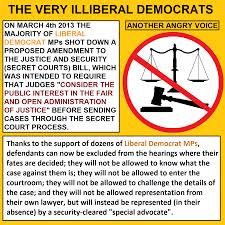
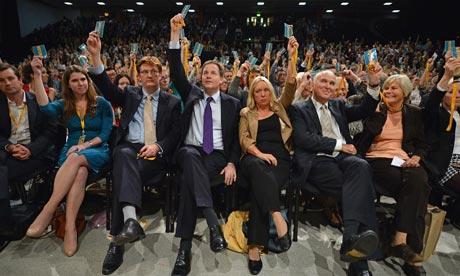


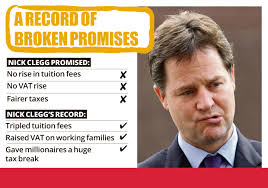

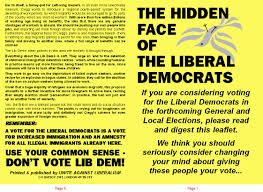
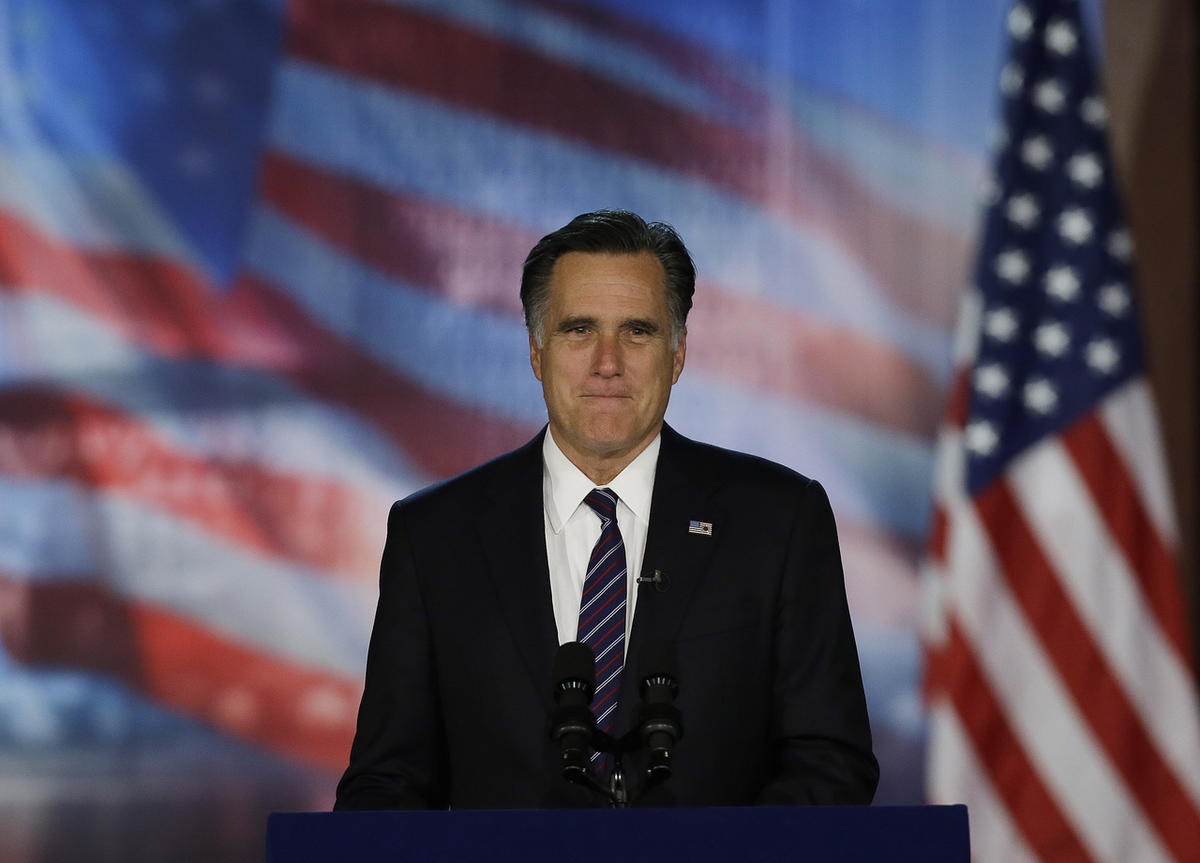
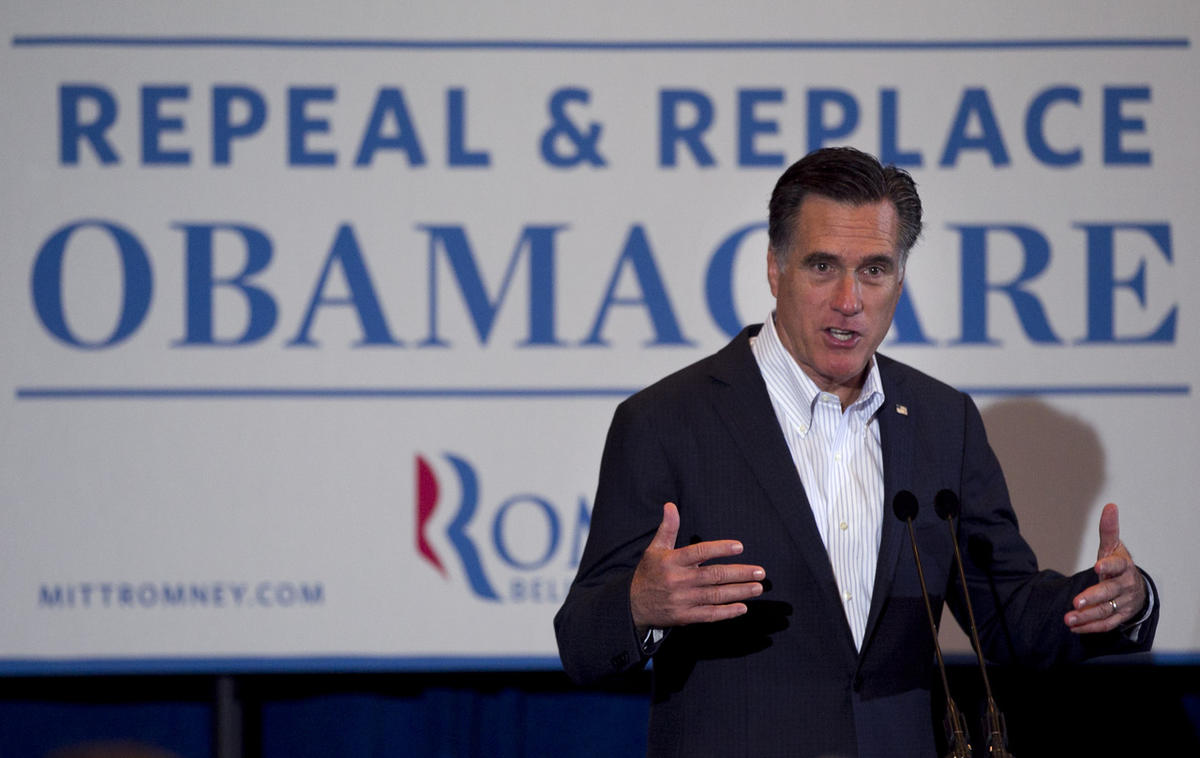
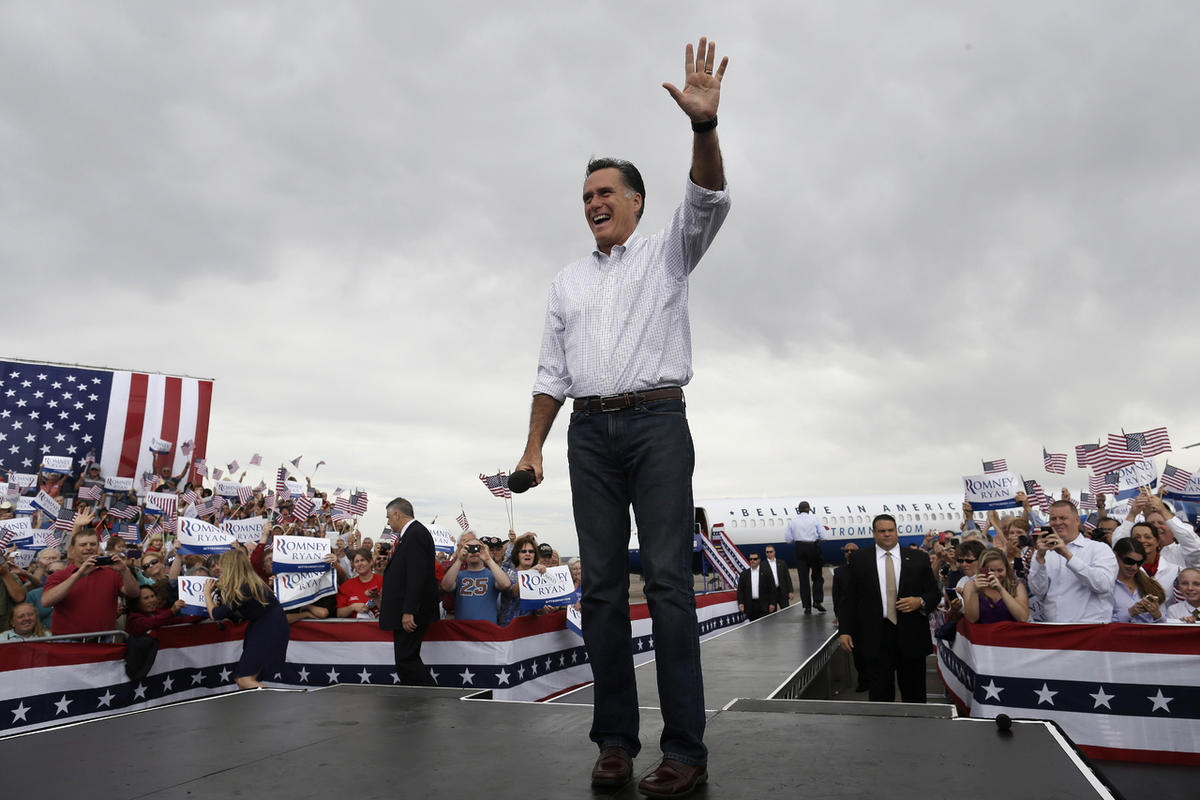

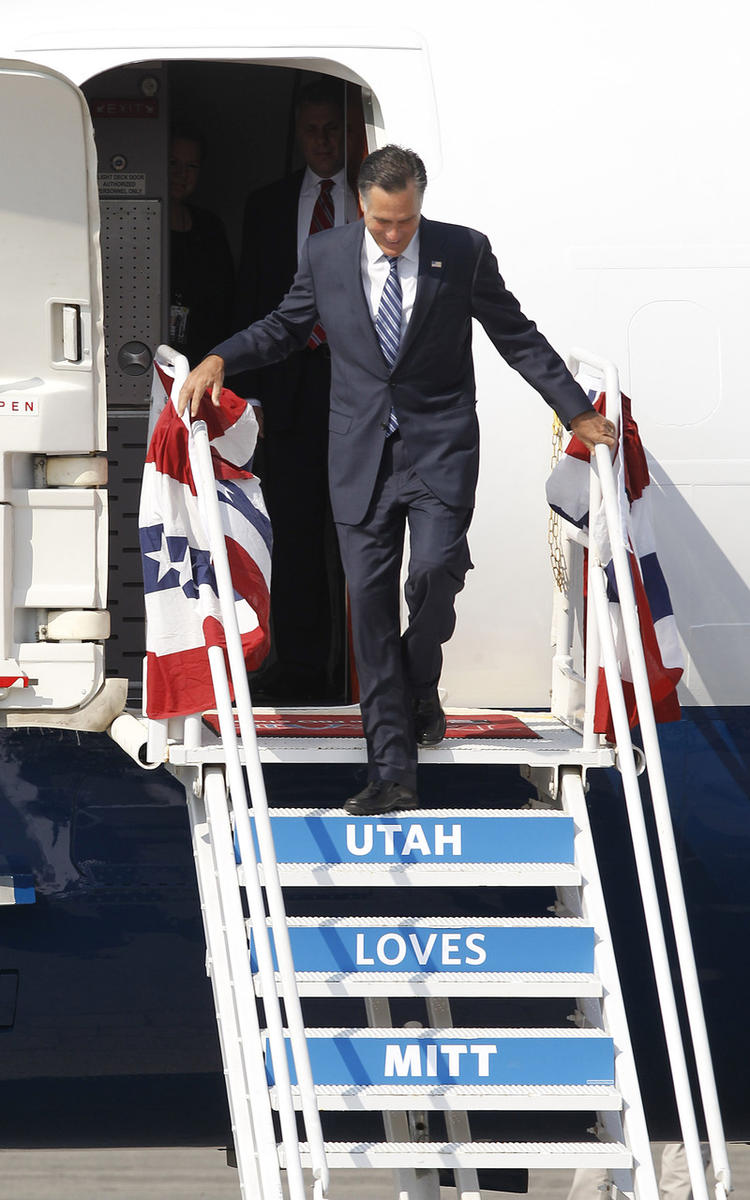
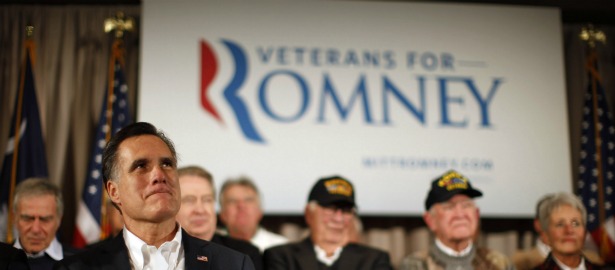

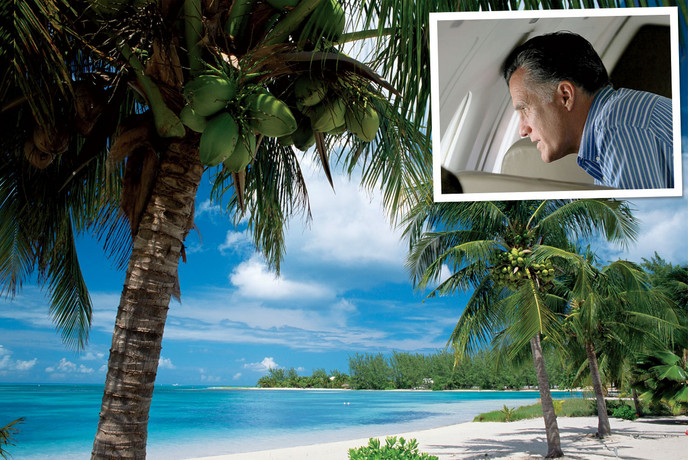

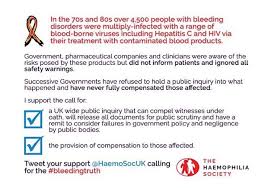



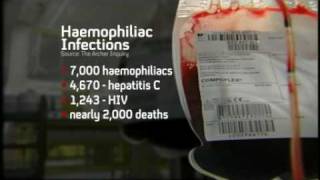


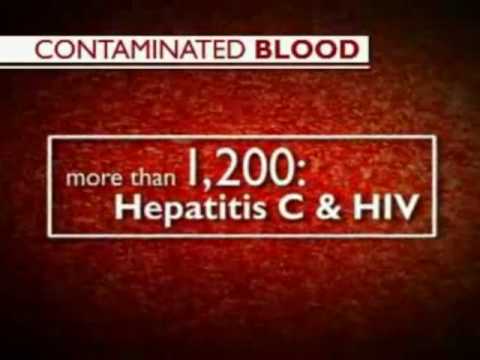






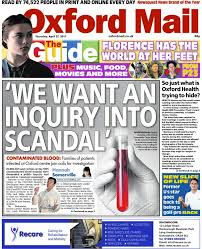
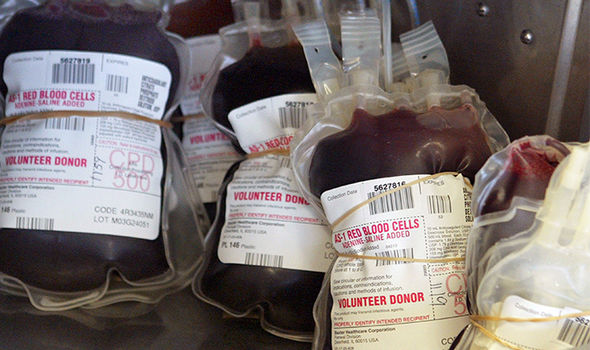

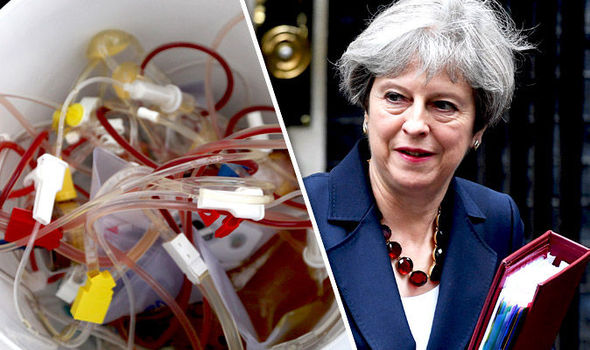
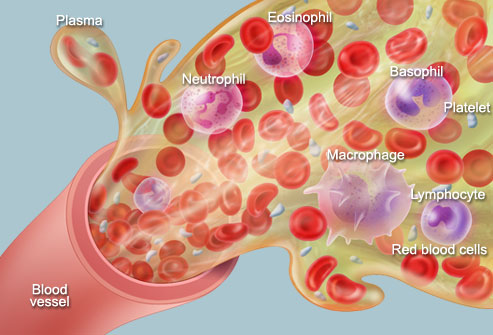
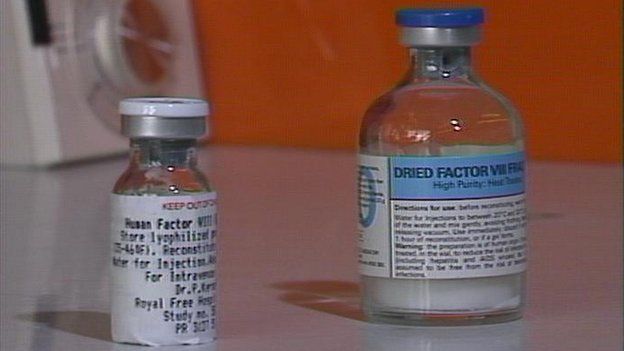

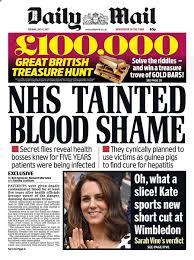


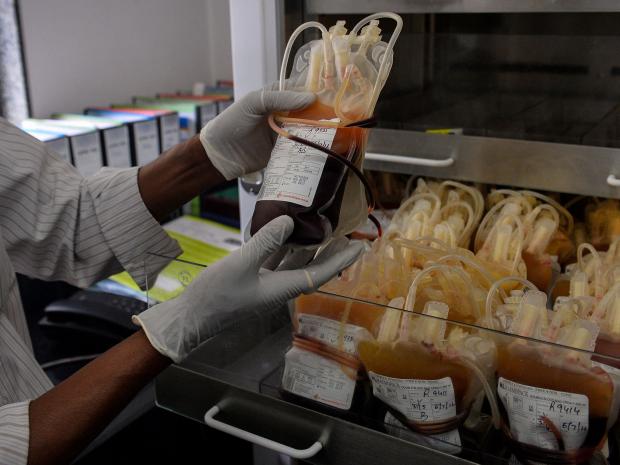
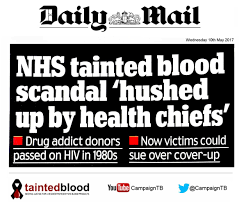


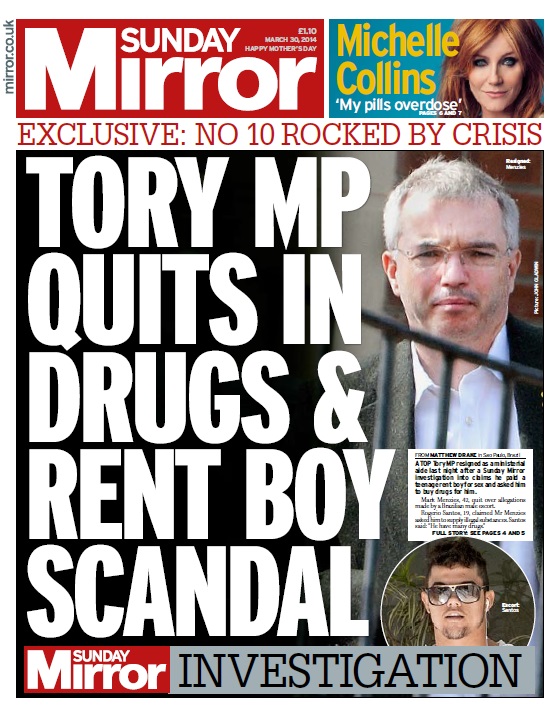

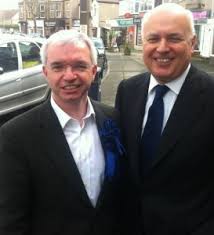
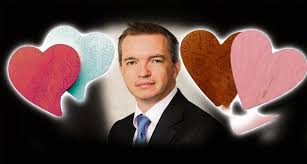
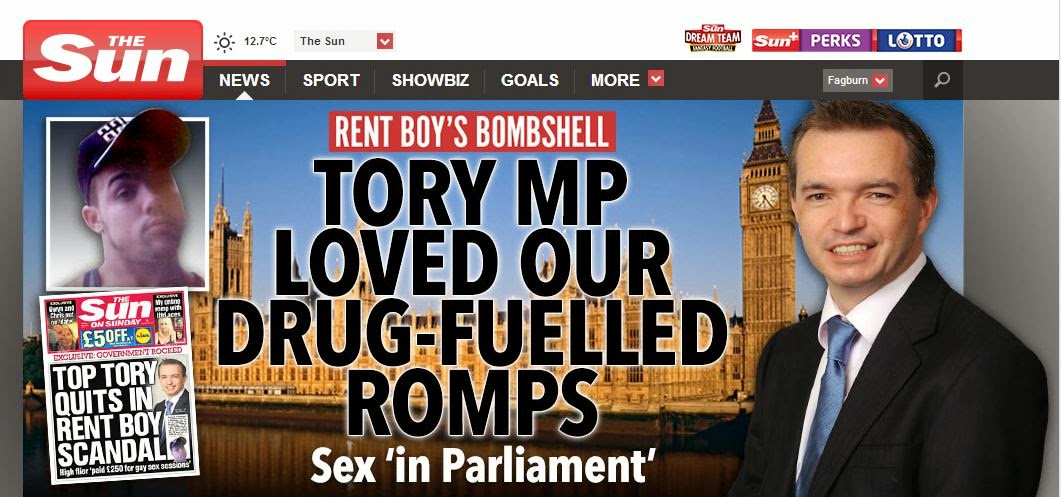




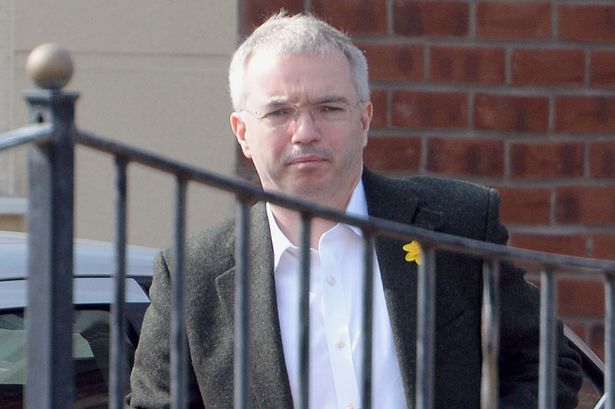
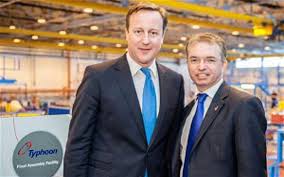

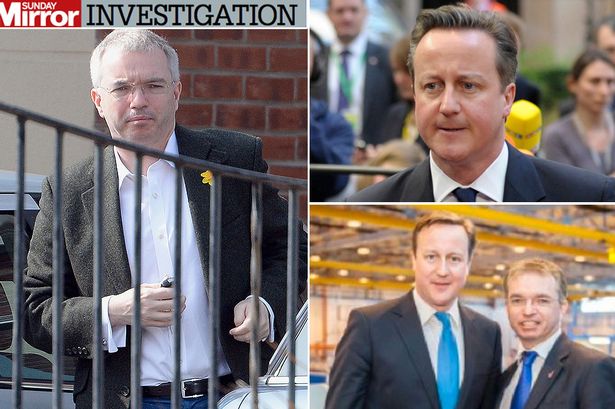

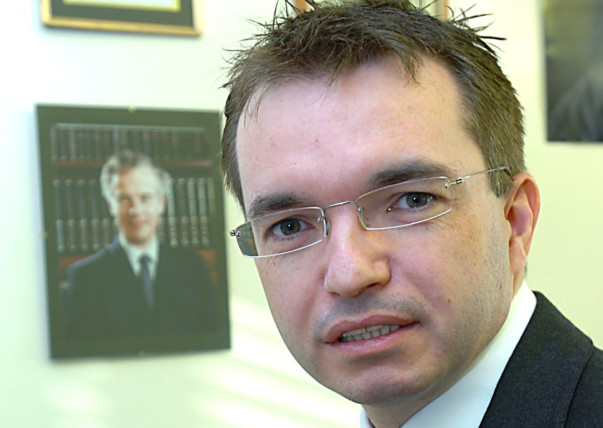

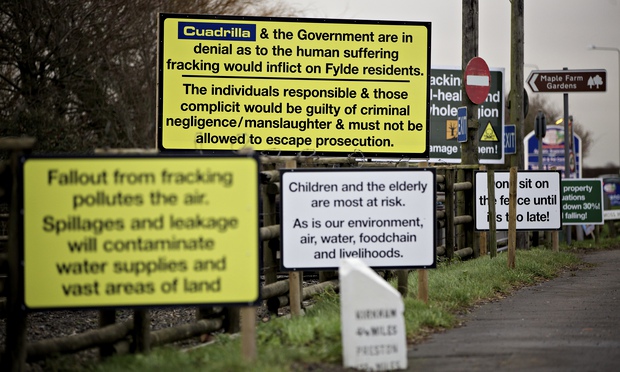

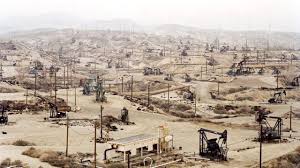
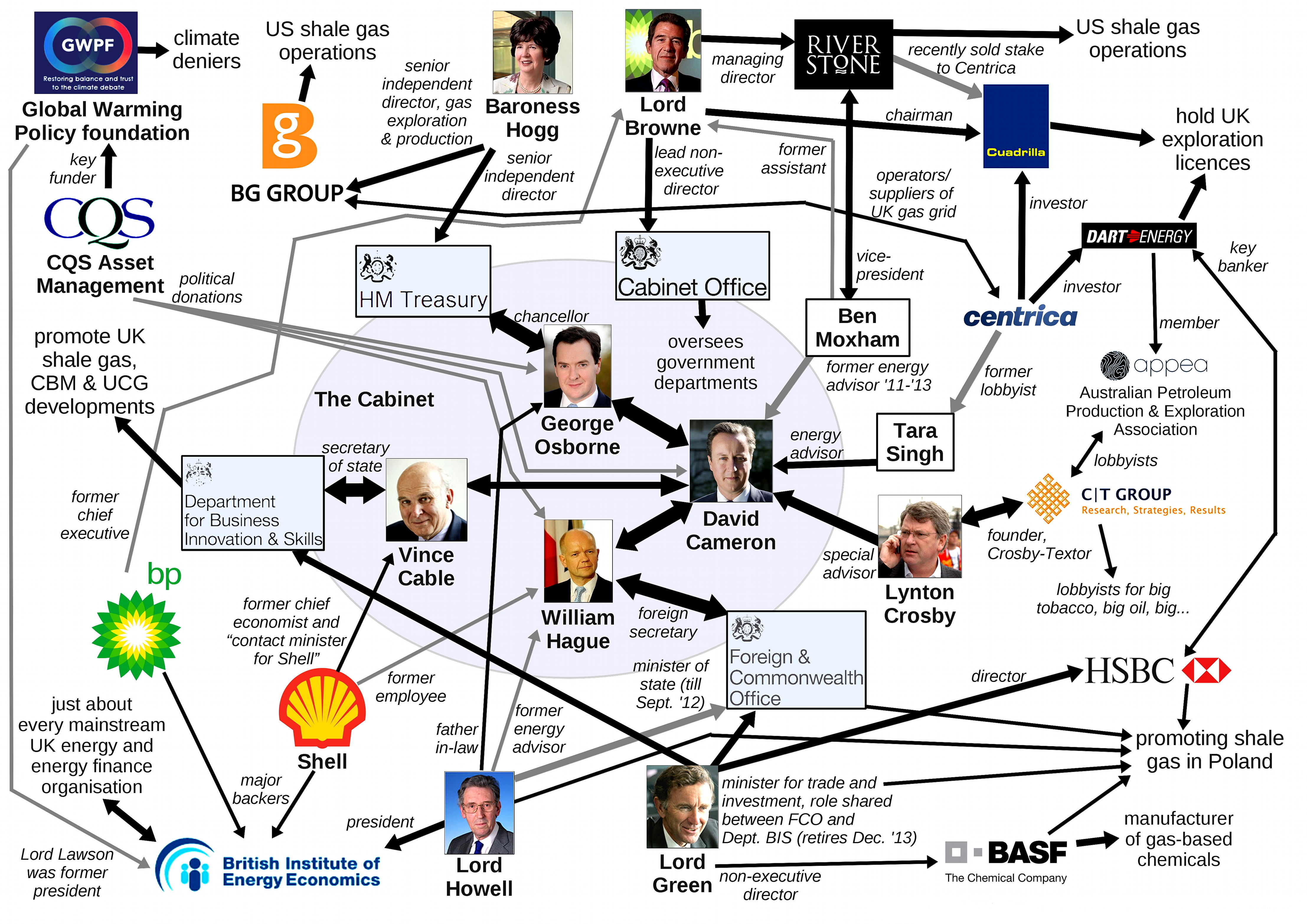


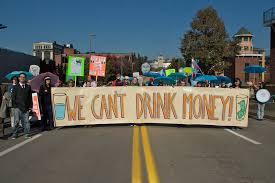
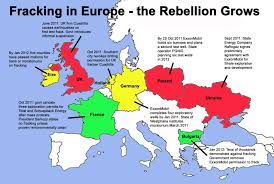

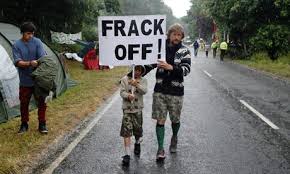
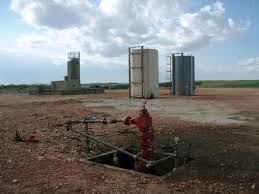
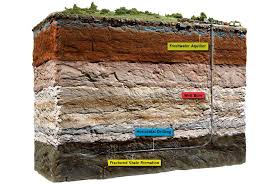
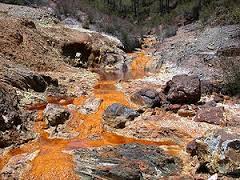
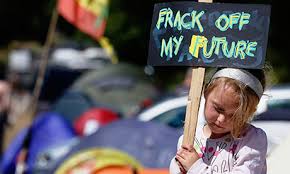
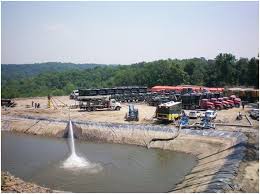
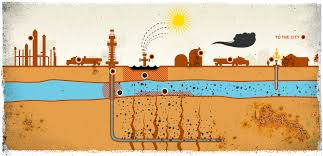
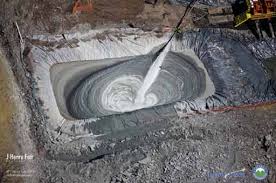
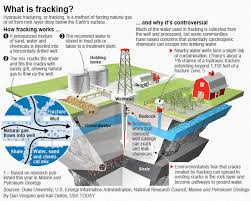
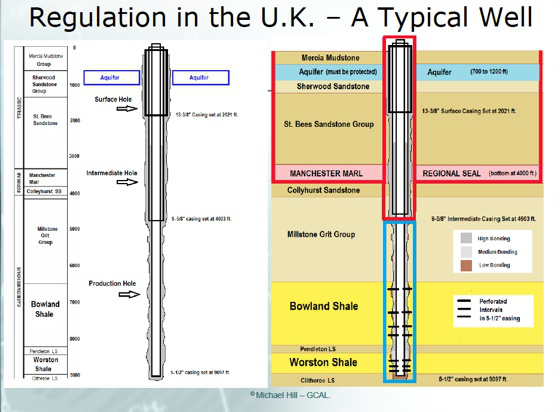
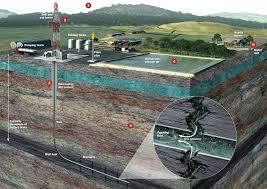

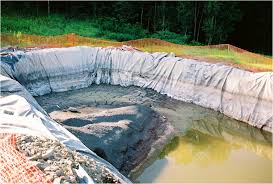

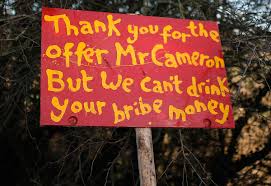
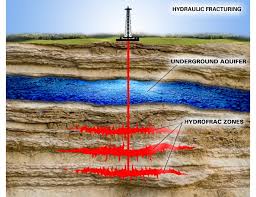
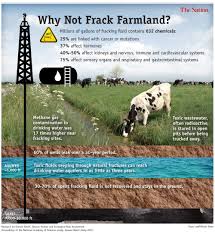
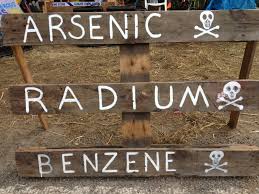
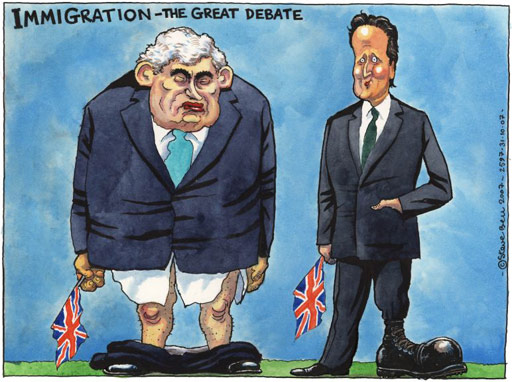


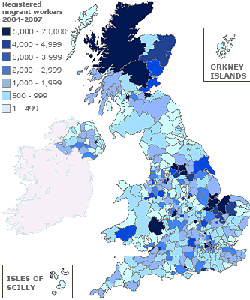
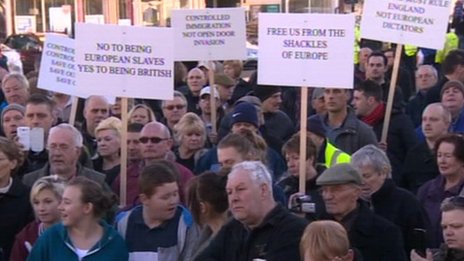


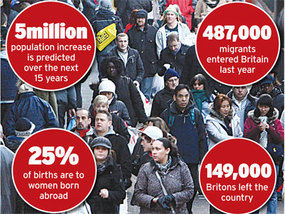

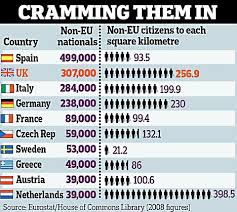
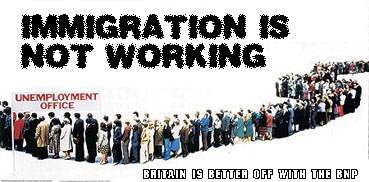
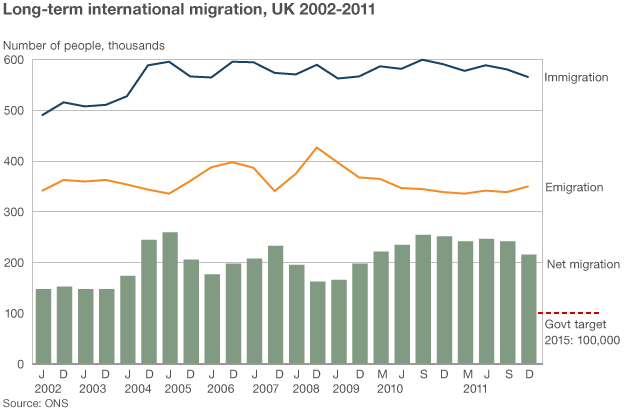
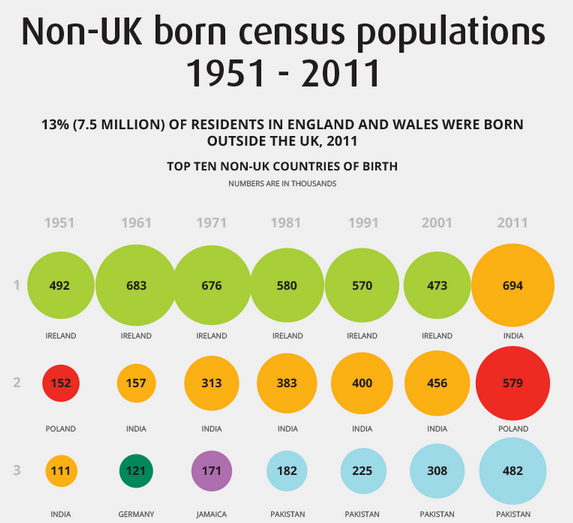
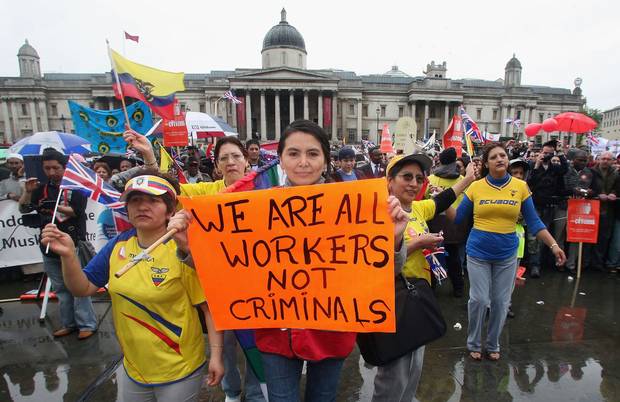
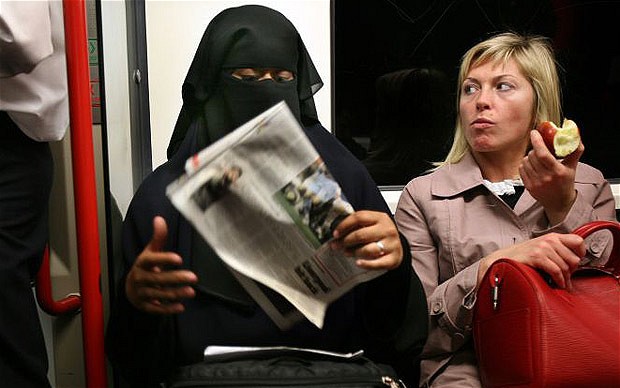
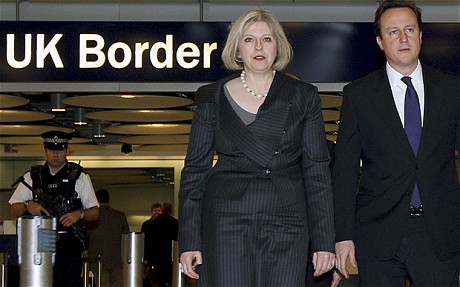
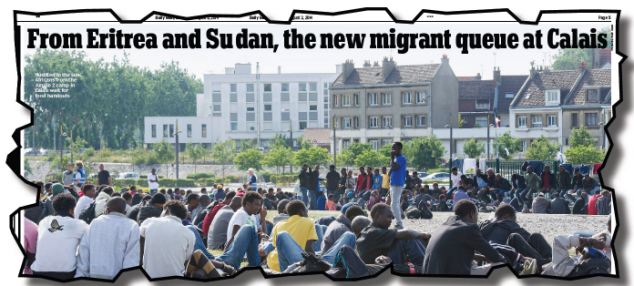
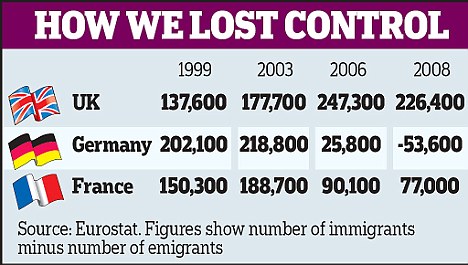
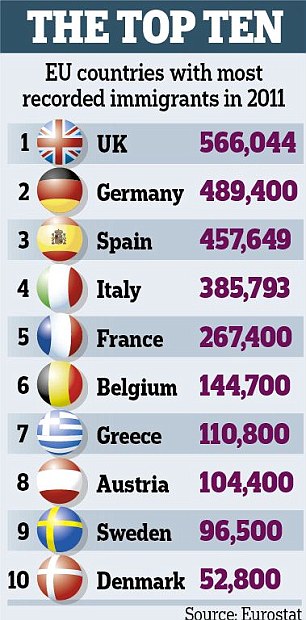


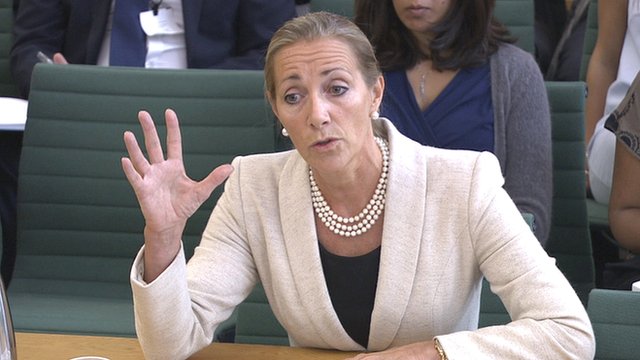
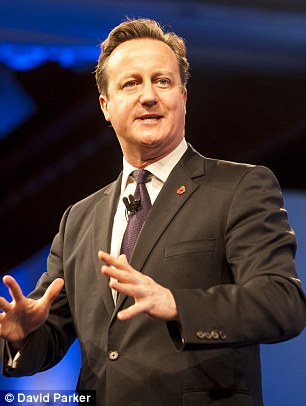
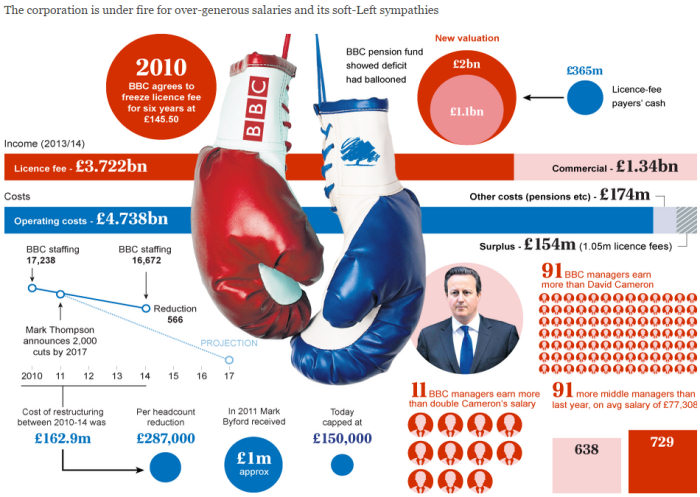
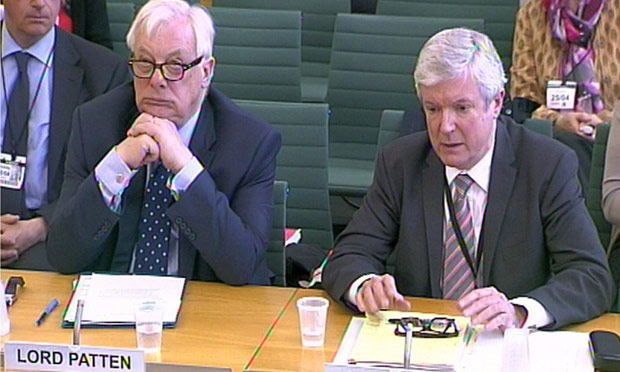

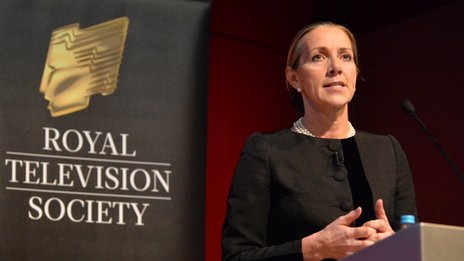
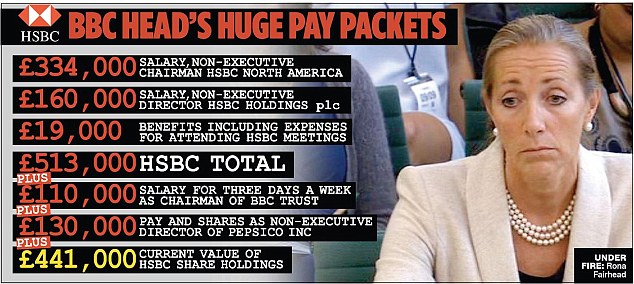




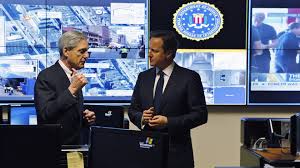


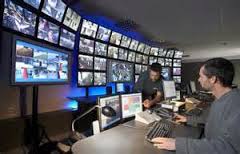


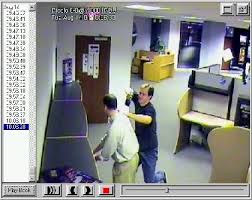






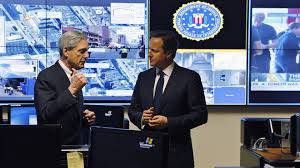















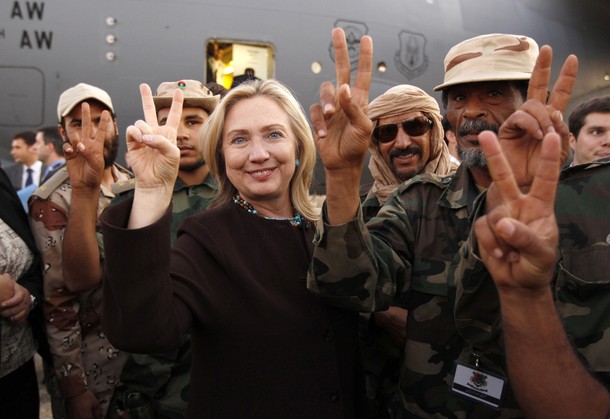


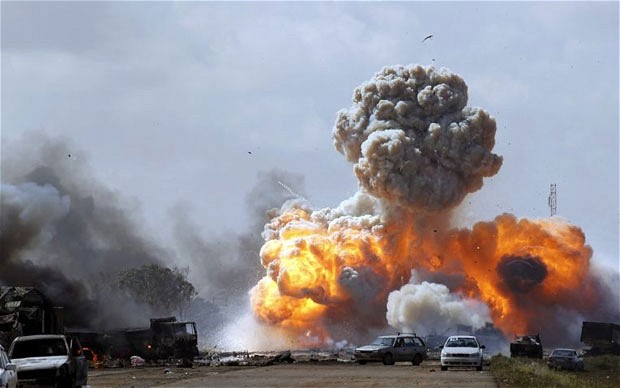
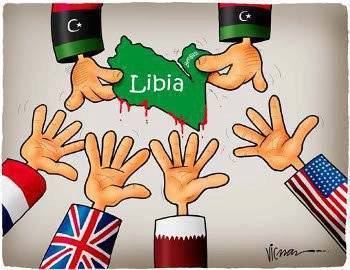

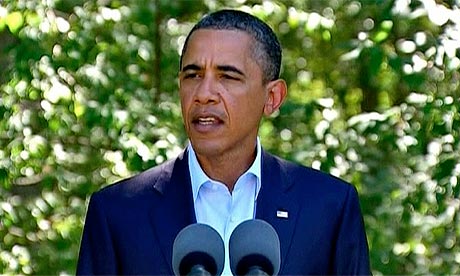
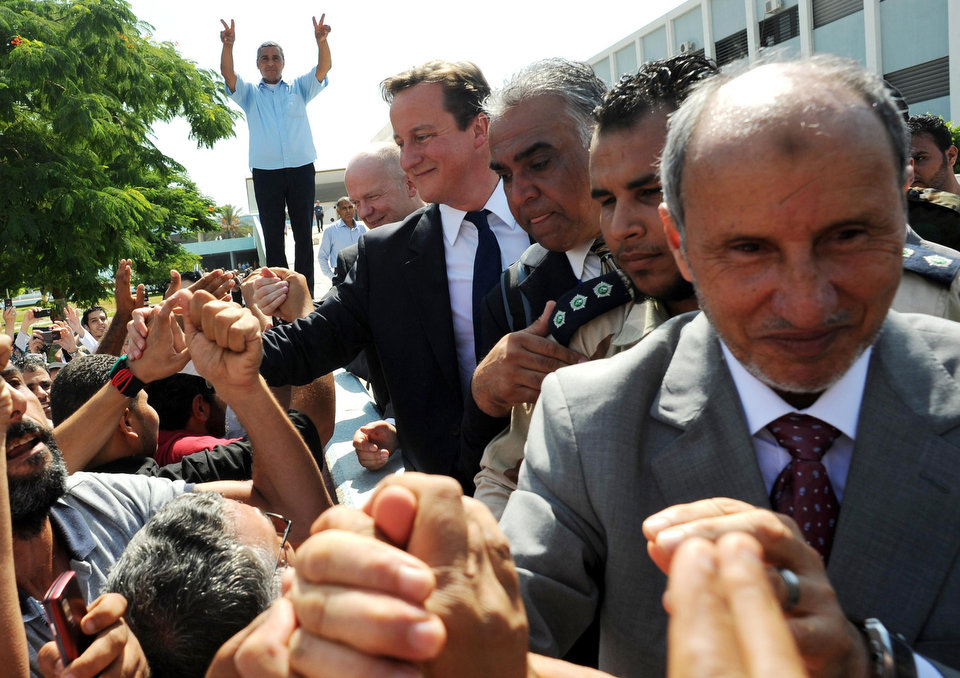
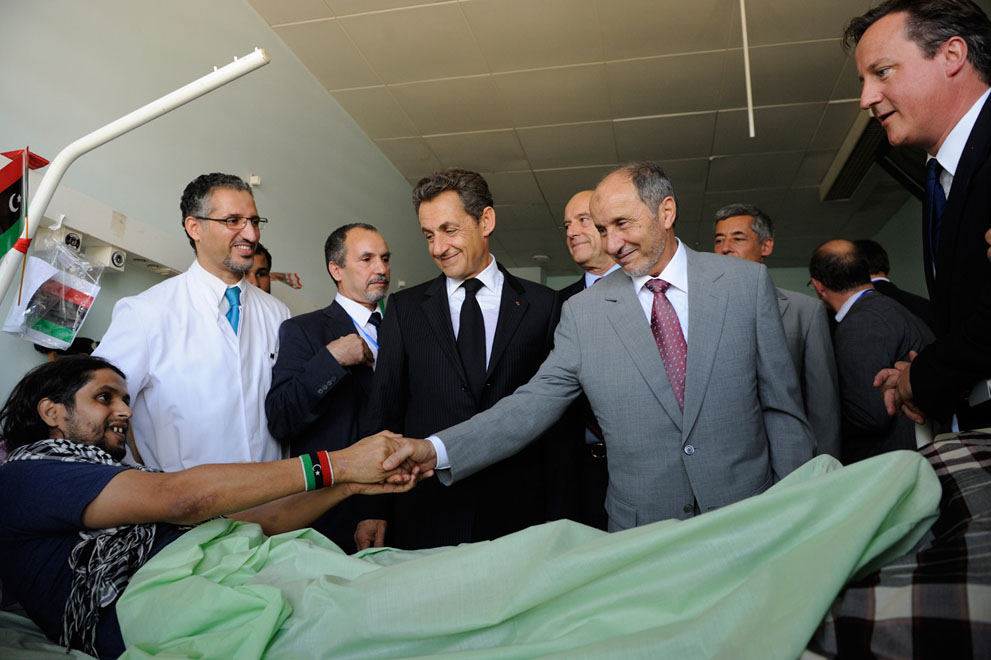


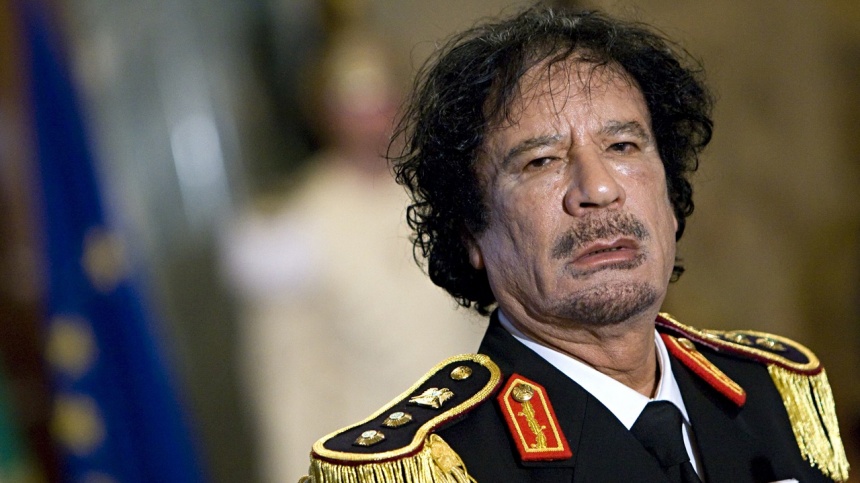
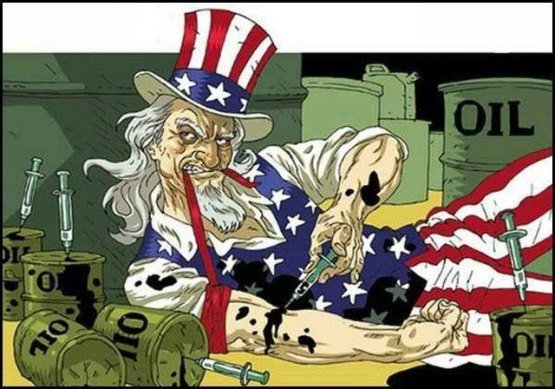
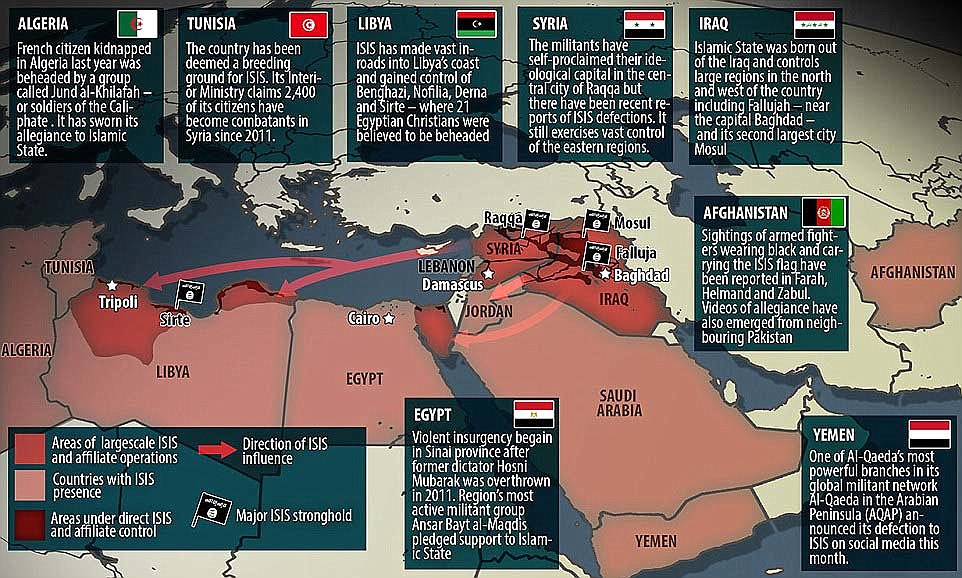
 caltonjock