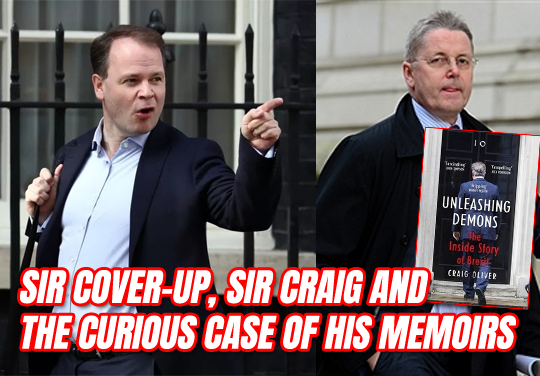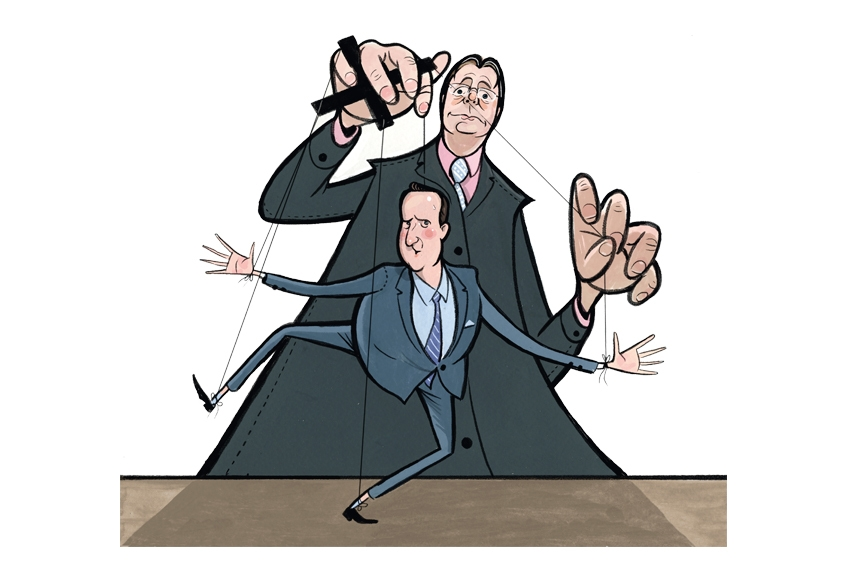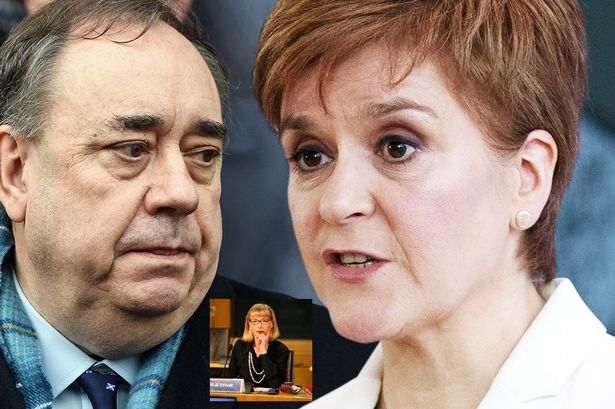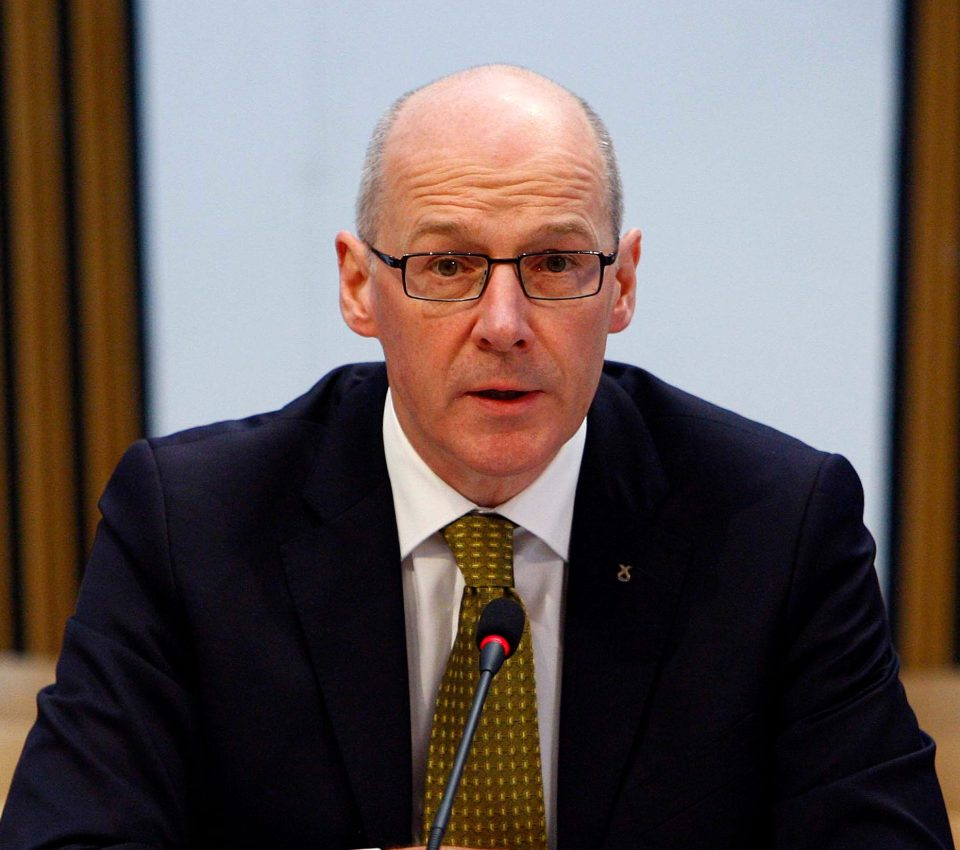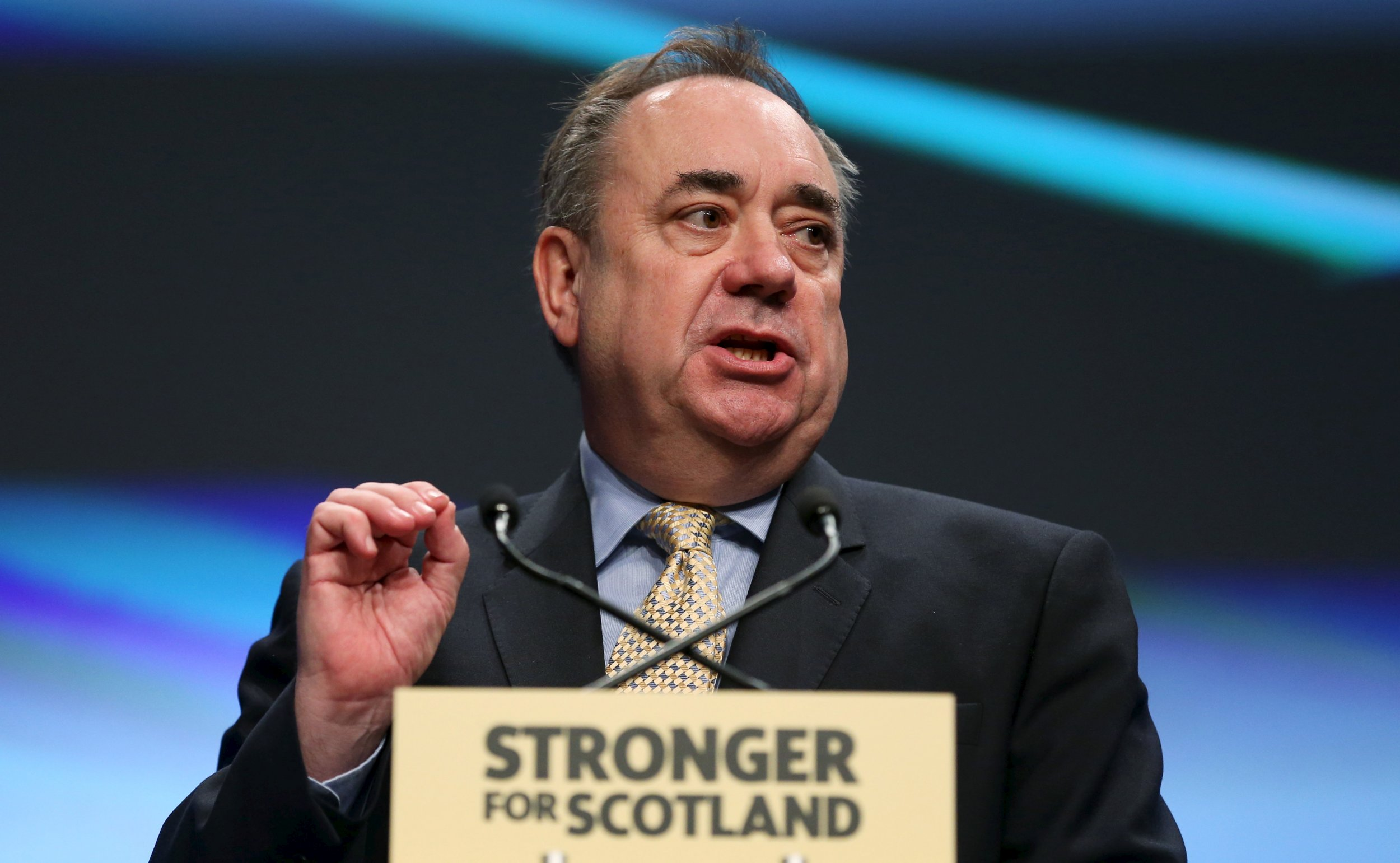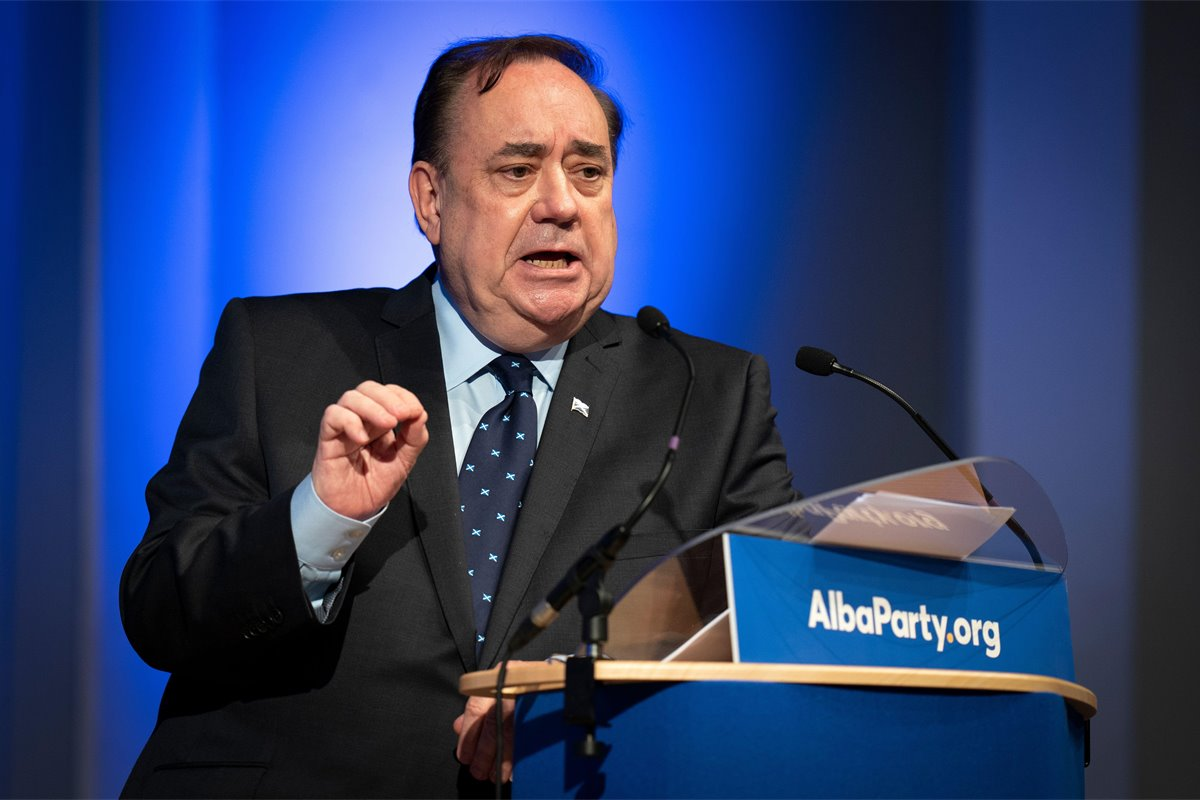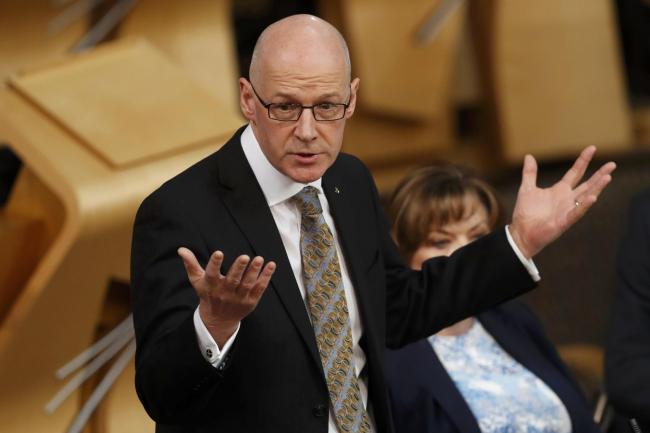
Awareness of operational working relationships between the Scottish Government and the Civil Service in Scotland is necessary to fully understand the complexities that contributed to the scandal that engulfed both entities at the time the SNP government decided on the political and personal destruction of Alex Salmond.
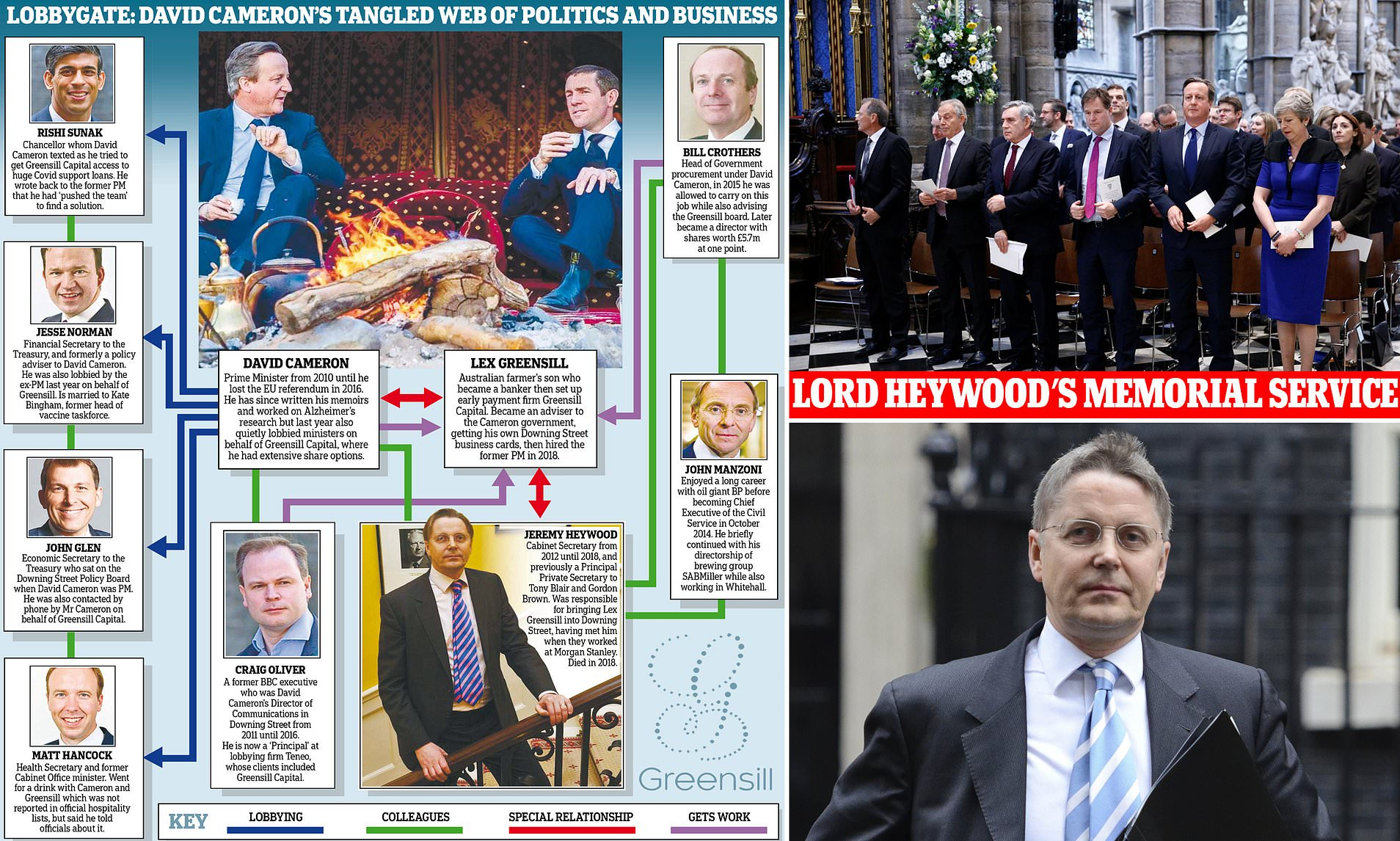
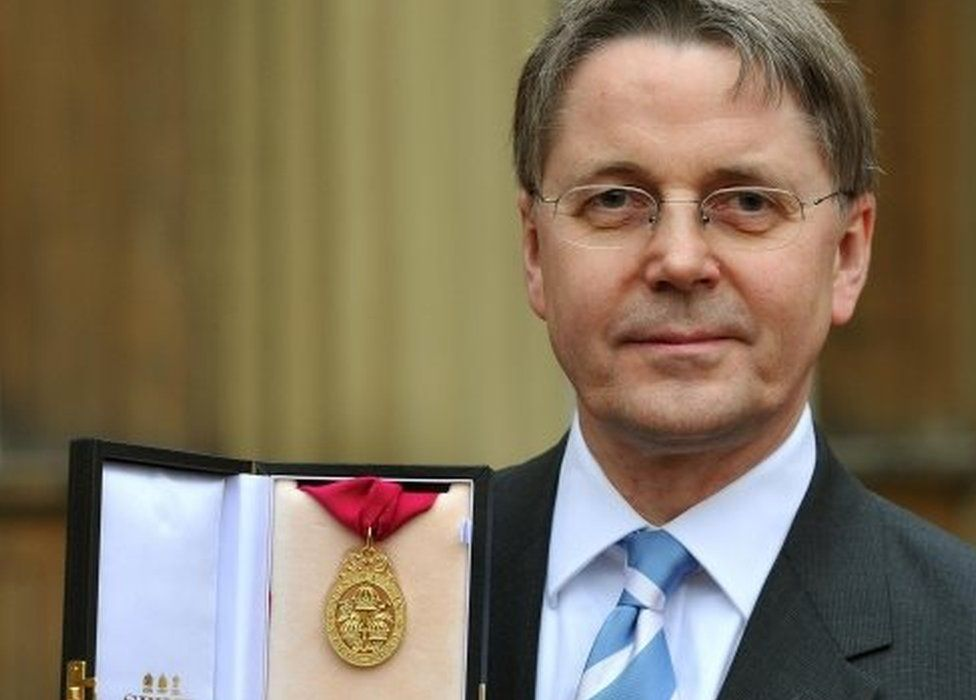
Responsibility for the governance of the Civil Service in Scotland is not devolved. It is accountable for its actions, through the permanent Secretary of the Civil Service in Scotland to the Head of the Civil Service at Westminster. That person is presently the Head of the Westminster Governments Cabinet office.
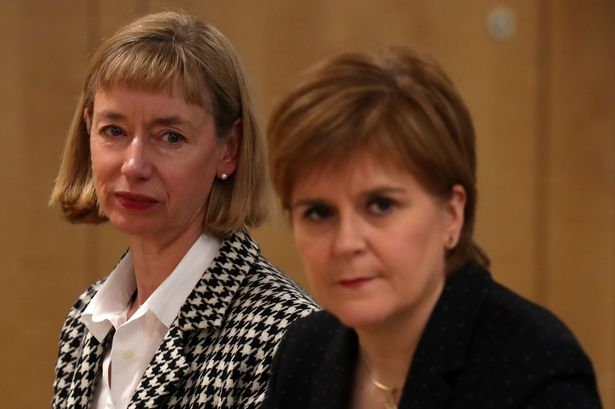
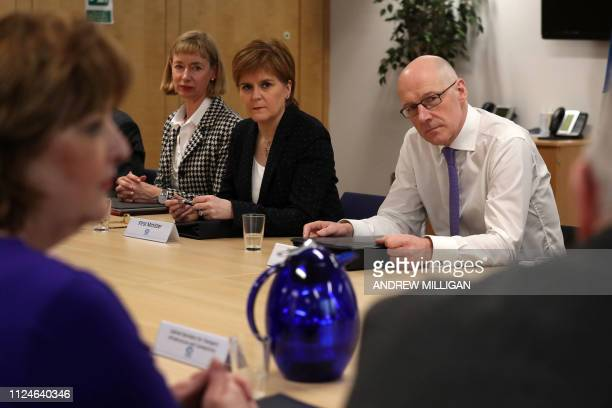
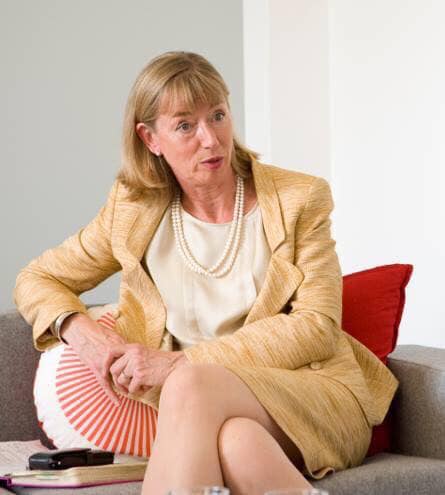
Leslie Evans, who headed the Civil Service in Scotland reported to the First Minister of Scotland ensuring the provision of efficient service support to Scottish government ministers, at all times scrupulously adhering to the rules and regulations for the Civil Service enshrined by laws put in place by the government of Great Britain and Northern Ireland at Westminster. It follows therefore that rules governing the conduct and discipline of civil servants could only be amended with the authority of the government at Westminster.
Contact with the Cabinet Office at Westminster is gifted to the Permanent Secretary in Scotland and the proposed revisions to the Civil Service procedures were referred to the Cabinet Secretary at Westminster for final approval. On or about 17 Nov 2017, authority was denied, it being the view of the Cabinet Office that the proposed changes were ill-conceived, unworkable and a danger to democracy.
Evans was caught between a rock and a hard place nearing retirement, with a damehood and place in the lords in jeopardy. But she was accountable to the Cabinet Secretary at Westminster and it appears she choose to comply with the instruction from the Cabinet Office and consigned the proposed changes on the back burner. An opportunity for political mischief was also not lost on the Cabinet Office who presumably advised Evans to protect herself and the Westminster Government by ensuring Sturgeon’s orders would be put to her in writing.
And, as anticipated the Sturgeon the “GWOAT” and leader of the WOKE movement would not be denied and demanded action. On 22 Nov 2017 she sent a “letter of instruction” to Evans which read:
“As is clear from the continued media focus on cases of sexual harassment, in many instances, people are now making complaints regarding actions that took place some time ago. I wanted to make clear that in taking forward your review, and the new arrangements being developed, you should not be constrained by the passage of time. I would like you to consider ways in which we are able to address if necessary any concerns from staff, should any be raised, about the conduct of current Scottish Government ministers and also former ministers, including from previous administrations regardless of party. While I appreciate that the conduct of former Ministers would not be covered by the current Ministerial Code, I think it fair and reasonable that any complaints raised about their actions while they held office are considered against the standards expected of Ministers. I would be grateful for confirmation that this particular aspect is being included as part of the review you are leading.”
For those who are not yet familiar with the sequence of events leading up to Sturgeon “signing off” the “revised” complaints procedures and after. An eminent Scottish judge ordered the immediate withdrawal of the ill conceived and badly drafted procedures that had clearly been put in place with political malice aforethought and awarded payment of Alex Salmond’s court and other costs (in excess of £600k).
Reinforcing the views of many Scots that Alex Salmond had been fitted up. The response from the Scottish government/head of the Civil Service was a statement that was crass in the extreme: “We might have lost a battle but the war goes on”.
Treaty on the Prohibition of Nuclear Weapons – Motion addressed by MSP’s, in the Scottish Parliament
That this Parliament recognises that the UN Treaty on the Prohibition of Nuclear Weapons (TPNW) entered into force on 22 January 2021:
The first meeting of state parties (1st MSP) will take place in Vienna from 22 to 24 March 2022:
It further notes that the 1st MSP will determine the rules of procedure for observers and state participators, deadlines for disarmament, verification and removal of nuclear weapons, and victim remediation with an emphasis on the disproportionate impact on indigenous communities and women and girls:
The Review Conference of the Treaty on the Non-Proliferation of Nuclear Weapons (NPT) will take place from 4 to 28 January 2022:
The UK is a state party to this treaty, and is accordingly bound by Article 6, which is to “pursue negotiations in good faith on effective measures relating to cessation of the nuclear arms race at an early date and to nuclear disarmament”:
Civil society groups in Scotland, including in the Glasgow Anniesland constituency, consider that the decision to increase the UK’s nuclear stockpile creates a higher risk of an accident on Scottish roads, as warheads are transported to and from Faslane, Coulport, and notes the reported calls from civil society groups for the UK Government to uphold its commitment to Article 6 of the NPT and to engage with the 1st MSP on the TPNW in Vienna next year.
Speaking to the debate for the SNP government Ash Denham, Minister for Community Safety said: “The Scottish Government supports the objectives of the international treaties on nuclear weapons and we will work with partners to make an independent Scotland a nation that is free of nuclear weapons.”
Comment: Note the weasel words. Use of the pluralistic term “treaties” is revealing.
A Nuclear Ban in Scotland
Scotland cannot sign the Treaty on the Prohibition of Nuclear Weapons in its own right.
Obligations of Parties to the Treaty
The Treaty on the Prohibition of Nuclear Weapons (TPNW) prohibits States Parties from developing, testing, producing, manufacturing, acquiring, possessing, or stockpiling nuclear weapons or other nuclear explosive devices. Signatories are barred from transferring or receiving nuclear weapons and other nuclear explosive devices, control over such weapons, or any assistance with activities prohibited under the Treaty. States are also prohibited from using or threatening to use nuclear weapons and other nuclear explosive devices. Lastly, States Parties cannot allow the stationing, installation, or deployment of nuclear weapons and other nuclear explosive devices in their territory. In addition to the Treaty’s prohibitions, States Parties are obligated to provide victim assistance and help with environmental remediation efforts.
States Parties of the Nuclear Ban Treaty met at the Vienna International Centre in June 2022 to discuss and analyse the treaty’s progress thus far.
The UK did not attend, despite the fact that it was responsible for untold suffering due to nuclear testing in the 1950s. The UK’s absence demonstrated a refusal to accept responsibility in remediating the harm caused to indigenous people living in Australia and The Christmas Islands due to nuclear testing. Article 6 of the Treaty states:
“Each State Party shall, with respect to individuals under its jurisdiction who are affected by the use or testing of nuclear weapons, in accordance with applicable international humanitarian and human rights law, adequately provide age- and gender-sensitive assistance, without discrimination, including medical care, rehabilitation and psychological support, as well as provide for their social and economic inclusion.”
The UK Government’s position
The UK is committed to the long term goal of a world without nuclear weapons, and to the Nuclear Non-Proliferation Treaty (NPT) as the cornerstone of the international nuclear non proliferation regime and the essential foundation for the pursuit of nuclear disarmament and for peaceful uses of nuclear energy.
As a responsible Nuclear Weapons State the UK continues to work with international partners towards creating the conditions for a world without nuclear weapons. However, it will not sign the treaty which has been published today. It has previously been made very clear that the treaty, if signed by all nations will bring lead to a world without nuclear weapons. But this treaty fails to address the key issues that must first be overcome to achieve lasting global nuclear disarmament.
It will not improve the international security environment or increase trust and transparency. The unpredictable international security environment of today demands the maintenance of the nation’s nuclear deterrent. And further shifts in the international security context cannot be ruled out which could put the UK and it’s NATO allies, under grave threat.
This treaty also risks undermining and weakening the Nuclear Non Proliferation Treaty, which has played an unparalleled role in curtailing the nuclear arms race. The NPT continues to make a significant contribution to the strategic stability that the international community requires. The NPT must be upheld and strengthened because of, not despite, the complex security challenges that we all face. It remains the right framework for progress across all three, mutually reinforcing, pillars, including disarmament.
The UK firmly believes that the best way to achieve a world without nuclear weapons is through gradual multilateral disarmament negotiated using a step-by-step approach, within existing international frameworks. Productive results can only be achieved through a consensus-based approach that takes into account the wider global security context. It is only through building the necessary mutual trust between states, and through putting into place the key international architecture to help build the conditions for further disarmament, that realistic and effective route can be progressed towards the mutual goal of a world without nuclear weapons.
The UK has not taken part in the negotiation of this treaty, and does not intend to sign, ratify or become party to it. The treaty will therefore not be binding on the UK. Furthermore, the UK would not accept any argument that this treaty can constitute a development of customary international law binding on the UK or on other non-parties. Importantly, states possessing nuclear weapons have not taken part in the negotiations. As has been made clear, the UK, as a Nuclear Weapons State, has been pursuing a step by step approach to nuclear disarmament consistent with the NPT and its other treaty commitments.
The UK will continue to work with partners across the international community to press for key steps towards multilateral disarmament, including the entry into force of the Comprehensive Nuclear Test Ban Treaty, and successful negotiations on a Fissile Material Cut-Off Treaty in the Conference on Disarmament. And will continue to play a leading role in disarmament verification.
Stewart McDonald SNP Shadow Cabinet Defence Minister
Asked if an independent Scotland would ban any nuclear weapons including, for example, a visiting US nuclear-armed submarine, McDonald would only say that an independent Scotland would not “permanently host nuclear weapons from other states.”
Quite where his statement squares with official SNP policy is confusing since until now the party has insisted that an independent Scotland would ratify the Treaty on the Prohibition of Nuclear Weapons (TPNW).
NATO membership is incompatible with TPNW
The TPNW is clearly at odds with NATO membership and incompatible with a US nuclear-armed sub using Scotland as a base. NATO’s opposition to the treaty could not be clearer, as evidenced by the statement it issued when the treaty came into force, which said:
“NATO is a defensive alliance. The fundamental purpose of NATO’s nuclear capability is to preserve peace, prevent coercion, and deter aggression. A world where the states that challenge the international rules-based order have nuclear weapons, but NATO does not, is not a safer world. As long as nuclear weapons exist, NATO will remain a nuclear alliance. Allies are determined to ensure that NATO’s nuclear deterrent remains safe, secure, and effective, and reject any attempt to delegitimise nuclear deterrence. We do not accept any argument that the ban treaty reflects or in any way contributes to the development of customary international law. The ban treaty will not change the legal obligations of our countries with respect to nuclear weapons.”
Has Nicola Sturgeon handed Scotland’s defence policy to Westminster
The First Minister publicly boasted about being a member of CND before she joined the SNP but it appears she has handed over defence policy to Stewart McDonald. Policy made on the hoof is never satisfactory but it might just be that anti-nuclear party members will have other thoughts on the matter.
Scottish peace activists head for Nobel Peace Prize procession with backing of Nicola Sturgeon
Over a week has passed since the release of the final voting results from last Thursday’s Scottish independence referendum. Upon further analysis, it would appear that (now former) Scottish First Minister Alex Salmond and Yes Scotland may have employed the wrong strategy. What they should have done is insist during pre-referendum negotiations that any unitary council area that voted “Yes” to independence would be permitted to leave the UK. In other words, the secession movement should have been decentralist and piecemeal.
Consider the following:
The referendum question posed to voters last Thursday was: “Should Scotland be an independent country?” The term “Scotland” was defined to include the existing Scottish territorial and maritime boundaries.
The final vote result was Yes 44.7 percent and No 55.3 percent with 3.6 million votes cast. As required by the Scottish Independence Referendum Act 2013, those votes were cast and counted within 32 unitary council areas around Scotland.
With 32 of 32 council areas declared, the results showed that four council areas (Glasgow, Dundee City, North Lanarkshire, and West Dunbartonshire) voted for independence. Voter turnout in those three areas ranged from 75 percent to 88 percent.
The “No” vote prevailed in eight other council areas with slim majorities that ranged from 51 percent to 54 percent. Voter turnout in those eight areas ranged from 84 percent. to 89 percent.
The final vote results revealed just how difficult it was for Yes Scotland to obtain a majority vote for independence from 3.6 million voters spread across all of Scotland, and illustrates why they should have pushed for the small-scale secession of Scottish council areas using a model proposed by Hans-Hermann Hoppe.
In his book Democracy: The God That Failed, Hoppe suggests a means of employing secession to minimize conflict with central governments and maximize success:
[A] modern liberal-libertarian strategy of secession should take its cues from the European Middle Ages when, from about the twelfth until well into the seventeenth century (with the emergence of the modem central state), Europe was characterized by the existence of hundreds of free and independent cities, interspersed into a predominantly feudal social structure.
By choosing this model and striving to create a U.S. [or Scotland, etc.] punctuated by a large and increasing number of territorially disconnected free cities — a multitude of Hong Kongs, Singapores, Monacos, and Liechtensteins strewn out over the entire continent — two otherwise unattainable but central objectives can be accomplished.
First, besides recognizing the fact that the liberal-libertarian potential is distributed highly unevenly across the country, such a strategy of piecemeal withdrawal renders secession less threatening politically, socially and economically.
Second, by pursuing this strategy simultaneously at a great number of locations all over the country, it becomes exceedingly difficult for the central state to create a unified opposition in public opinion to the secessionists which would secure the level of popular support and voluntary cooperation necessary for a successful crackdown.
Hoppe further notes that:
[T]he danger of a government crackdown is greatest … while the number of free city territories is still small. Hence, during this phase it is advisable to avoid any direct confrontation with the central government. Rather than renouncing its legitimacy altogether, it would seem prudent, for instance, to guarantee the government’s “property” of federal buildings, etc., within the free territory, and “only” deny its right to future taxation and legislation concerning anyone and anything within this territory. Provided that this is done with the appropriate diplomatic tact and given the necessity of a substantial level of support in public opinion, it is difficult to imagine how the central government would dare to invade a territory and crush a group of people who had committed no other sin than trying to mind their own business. Subsequently, once the number of secessionist territories has reached a critical mass — and every success in one location promoted imitation by other localities — the difficulties of crushing the secessionists will increase exponentially, and the central government would quickly be rendered impotent and implode under its own weight.
It is worth noting that the UK and Scottish governments each committed in the Edinburgh Agreement “to continue to work together constructively” in the best interests of their respective countries, even if the “Yes” side prevailed. Thus, in this particular case, a post-referendum crackdown by the central government would have been unlikely.
It is also possible that, based on the belief that most of Scotland would vote to stay within the UK, David Cameron and the Better Together coalition might have accepted a proposal from Yes Scotland to allow any council area that achieved a majority “Yes” vote to leave the UK.
Of course, there were various local non-libertarian political and ideological reasons that this strategy was not employed by the Scots. If Yes Scotland had used the Hoppe secession strategy, the newly independent city-states of Glasgow and Dundee City and council areas of North Lanarkshire and West Dunbartonshire would have emerged and to survive they would have been forced to seek genuine free trade policies with the UK and the rest of the world, rather than for preserving the Scottish welfare state with tax revenues generated from North Sea oil and gas fields. They would have had to educate voters about the economic success stories of small and independent city-states like Hong Kong, Liechtenstein, Monaco, San Marino and others which adopt free-trade policies in order to survive and many of which have their own currencies.
Media sources reported last week that Nicola Sturgeon, the early favorite to become Scotland’s next First Minister, has not ruled out the possibility of another independence referendum in the future. If such a vote were to happen, a Hoppean approach of de-centralized and localized secession would bring far greater prospects for both political and economic success both in the short term and long term.
The emergence of the two-party system at Westminster removed uncertainty as to which party has the right to be called the ‘Official Opposition’. It is the largest minority party which is prepared, in the event of the resignation of the Government, to assume office.
The Leader of the Opposition and some of the Leader’s principal colleagues are known ‘the Shadow Cabinet’, each member of which is given a particular range of activities on which it is their task to direct criticism of the Government’s policy and administration and to outline alternative policies.
Since 1975, the Official Opposition has been entitled to financial assistance (known as ‘Short Money’) to help meet, among other expenses, the running costs of the office of the Leader of the Opposition. at Westminster but the leader of the SNP decided to create a Shadow Cabinet so that it would be able to challenge the government across the range of ministerial offices.
Remuneration of the pseudo SNP shadow cabinet is found from “short money” mirroring the arrangements for the official opposition. The amount allocated to the SNP in 2022 was around £1.5million.
The Westminster committee system
Westminster Committees are operated across the political spectrum and the make-up of each committee in membership is determined by a select committee. Many SNP MP’s volunteer themselves for membership of one or more committee. The following list provides a record of SNP committee membership at 2022.
Marion Fellows: Whip, and Shadow Cabinet, Spokesperson (Disabilities)
Finance Committee: Considers expenditure on services for the House of Commons and has particular responsibility for the preparation and detailed scrutiny of the House’s budgets.
Commons Select Committee: Considers the services provided for Members, their staff and visitors by the House of Commons Service and makes recommendations to the House of Commons Commission, the Speaker and Officials on how those services are delivered.
Speaker’s Committee for the Independent Parliamentary Standards Authority.
Patricia Gibson: Shadow Cabinet, Spokesperson (Housing, Communities and Local Government)
The Backbench Business Committee: Gives opportunities to backbench Members of Parliament to bring forward debates of their choice.
Taxi and Private Hire Vehicles (Safeguarding and Road Safety) Bill (England and Wales).
Alan Brown: Shadow Cabinet, Spokesperson (Energy and Climate Change)
The Business, Energy and Industrial Strategy Committee: Scrutinises the policy, spending and administration of the Department for Business, Energy and Industrial Strategy and its public bodies, including Ofgem, the Financial Reporting Council and the Climate Change Committee.
Education (Careers Guidance in Schools) sub committee.
Nuclear Energy (Financing) Bill
Richard Thomson: MP: believes there are ‘no questions to answer’ over handling of Patrick Grady scandal as he hits out at leak
Richard Thomson: Shadow Cabinet, Deputy Spokesperson (Treasury – Financial Secretary), Shadow Cabinet Spokesperson (Northern Ireland), and Shadow Cabinet Spokesperson (Wales)
The Committee of Selection: Nominates Members to serve on General or Select Committees of the House of Commons.
Statutory Instruments Committee: Assesses the technical qualities of each instrument that falls within its remit and to decide whether to draw the special attention of the House to any instrument.
Chris Law: Shadow Cabinet, Spokesperson (International Development)
International Development Committee: Scrutinises the spending, administration and policies of the Department for International Development (DFID) and monitors the expenditure of Official Development Assistance (ODA) by other UK government departments.
The Committee on Arms Export Controls: scrutinises respective Government departments.
Dave Dougan: SNP Spokesperson (Defence Procurement)
The Defence Committee: examines the expenditure, administration, and policy of the Ministry of Defence and its associated public bodies.
The Defence Sub-Committee: inquires into topics of its choosing.
The Committee on Arms Export Controls: scrutinises respective Government departments.
Peter Grant: Shadow Cabinet, Deputy Spokesperson (Treasury – Chief Secretary)
Compensation (London Capital & Finance plc and Fraud Compensation Fund) Sub Committee.
Dormant Assets Bill sub committee.
Public Accounts Committee: Examines the value for money of Government projects, programmes and service delivery.
Public Accounts Commission: Examines the National Audit Office Estimate and lay it before the House, to consider reports from the appointed auditor of the National Audit Office
Public Service Pensions and Judicial Offices Bill.
Rating (Coronavirus) and Directors Disqualification (Dissolved Companies) Bill
Ochil and South Perthshire candidate John Nicolson told the audience at the hustings in Alloa: “Please trust me with your vote on December 12. As you know, only the Scottish National Party can beat the Tories here in East Dunbartonshire.”
John Nicolson: Shadow Cabinet, Spokesperson (Digital, Culture, Media and Sport)
Cross-party Digital, Culture, Media and Sport Committee: Responsibility to scrutinise the work of the Department for Digital, Culture, Media and Sport and its associated public bodies, including the BBC. It examines government policy, spending and administration on behalf of the electorate and the House of Commons.
Digital, Culture, Media and Sport Sub-committee on Online Harms and Disinformation: Considers a broad range of issues in this area, including forthcoming legislation on Online Harms.
Online Safety Bill.
Allan Dorans – Shadow Cabinet Spokesperson (Foreign Affairs Team Member), and Shadow Cabinet Spokesperson (Policing)
The Committee of Privileges: Considers specific matters relating to privileges referred to it by the House. The scope of any inquiry comprises all matters relevant to the matter referred.
The Committee on Standards: Cannot take on complaints about Members of Parliament. Such complaints should be directed to the Parliamentary Commissioner for Standards.
Kirsty Blackman: Shadow Cabinet Spokesperson (Work and Pensions)
Environment, Food and Rural Affairs Committee: Exists to scrutinise the administration, spending and policy of the Government’s Department for Environment, Food and Rural Affairs (EFRA).
Nuclear Energy (Financing) Bill.
Online Safety Bill.
Subsidy Control Bill.
Stewart Malcolm McDonald: Shadow Cabinet Spokesperson (Defence)
Foreign Affairs Committee: Examines the expenditure, administration and policy of the Foreign, Commonwealth and Development Office (FCDO) and other bodies associated with the Foreign Office and within the Committee’s remit, including the British Council.
Deirdie Brock: Shadow Cabinet Spokesperson (Environment, Food and Rural Affairs)
Genetic Technology (Precision Breeding).
Hypocrisy of SNP MP with £630,000 property empire: Nationalist snaps up former council homes and makes fortune in rental income – despite opposing the sale of social housing
Dr Lisa Cameron: Shadow Cabinet Spokesperson (Mental Health)
Glue Traps (Offences) Bill.
Marriage and Civil Partnership (Minimum Age) Bill.
Dr Philippa Whitford: Shadow Cabinet Spokesperson (Europe).
Health and Care Bill.
Martyn Day: Shadow SNP Spokesperson (Health and Social Care)
Health and Social Care Committee: Scrutinises the work of the Department of Health and Social Care and its associated public bodies. We examine government policy, spending and administration on behalf of the electorate and the House of Commons.
Petition Committee: Considers e-petitions submitted on Parliament’s petitions website and public (paper) petitions presented to the House of Commons, engaging the public directly with the work of the House.
Stuart C McDonald: Shadow Cabinet Spokesperson (Home Affairs)
Home Affairs Committee: responsible for scrutinising the work of the Home Office and its associated bodies. It examines government policy, spending and the law in areas including immigration, security and policing.
National Security Bill.
Nationality and Borders Bill.
Neonatal Care (Leave and Pay) Bill.
Angus Brendan MacNeil: SNP
International Trade Committee: Scrutinises the spending, administration and policy of the Department for International Trade, and other associated public bodies. It is appointed by the House of Commons, and currently chaired by Angus Brendan MacNeil MP (Scottish National Party).
Liaison Committee: Considers the overall work of select committees, promotes effective scrutiny of Government and chooses committee reports for debates.
Joanna Cherry: SNP
Liaison Committee: Considers the overall work of select committees, promotes effective scrutiny of Government and chooses committee reports for debates.
Pete Wishart: Shadow Cabinet, Leader of the House of Commons
Liaison Committee: Considers the overall work of select committees, promotes effective scrutiny of Government and chooses committee reports for debates.
Members Estimate Committee: Provides oversight of the House of Commons Members Estimate.
Stewart Hosie: Shadow Cabinet Spokesperson (Constitution), and Shadow Cabinet Spokesperson (Cabinet Office).
National Security Bill.
Anne McLaughlin: Shadow Cabinet Spokesperson (Immigration, Asylum and Border Control), and Shadow Cabinet Spokesperson (Justice)
Nationality and Borders Bill.
Public Order Bill.
David Linden: SNP
Neonatal Care (Leave and Pay) Bill
Owen Thomson: SNP Cabinet, Chief Whip
Procedure Committee: Considers the practice and procedure of the House in the conduct of its public business.
Electoral Commission Committee: Work relates to the Electoral Commission and the Local Government Boundary Commission for England (LGBCE).
Taxis and Private Hire Vehicles (Disabled Persons) Bill.
Least expensive Scottish MP
Chris Stephens: Shadow SNP Spokesperson (Fair Work and Employment)
Public Service Pensions and Judicial Offices Bill.
Work and Pensions Committee: looks into the policies and spending of the Department for Work and Pensions.
Martin-Docherty-Hughes: Shadow Cabinet, Spokesperson (Industries of the Future and Blockchain Technologies), Shadow Cabinet, Spokesperson (Foreign Affairs Team Member), Shadow Cabinet, Spokesperson (PPS to the Westminster Leader), and Shadow Cabinet Spokesperson (Defence Team Member)
Carole Monaghan: Shadow Cabinet, Spokesperson (Education), and Shadow Cabinet, Spokesperson (Armed Forces and Veterans)
Select Committee on the Armed Forces Bill.
Science and Technology Committee: Exists to ensure that Government policies and decision-making are based on solid scientific evidence and advice.
Stephen Flynn: Shadow Cabinet, Spokesperson (Business, Energy and Industrial Strategy)
Professional Qualifications Bill.
Subsidy Control Bill.
Ronnie Cowan: Shadow Cabinet Spokesperson (Infrastructure)
Public Administration and Constitutional Affairs Committee: Examines constitutional issues, the quality and standards of administration provided by Civil Service departments; and the reports of the Parliamentary and Health Service Ombudsman (PHSO).
Treasury Committee: Examines the expenditure, administration and policy of HM Treasury, HM Revenue & Customs, and associated public bodies, including the Bank of England and the Financial Conduct Authority.
Transport Committee: Scrutinises the Department for Transport.
Anum Qaisar: SNP
Women and Equalities Committee: Examines the work of the Government Equalities Office (GEO). It holds Government to account on equality law and policy, including the Equality Act 2010 and cross Government activity on equalities. Also scrutinises the Equality and Human Rights Commission.
UK government spent billions on substandard PPE, and the private sector made a killing
The Tory government wasted billions of pounds buying Personal Protective Equipment (PPE) that was not fit for purpose.
A Department of Health and Social Care (DHSC) annual report recorded: “The Department estimates that there has been a loss in value of £8.7 billion of the £12.1 billion of PPE purchased in 2020-21. Of this £8.7 billion impairment, £4.7 billion relates to reductions in market prices since the goods were purchased.”
The amount wasted—almost £9 billion—could easily have provided over one million National Health Service (NHS) workers a 25 percent pay rise, instead of the well below inflation 3 percent increase imposed by the government. Even building 14 new hospitals would not have cost this amount of money.
The first priority of the Tories was to seize on the PPE shortage to enrich their cronies. A “VIP lane” was established to offer lucrative contracts, bypassing the usual tendering processes. Some 68 companies were able to profiteer at public expense, several even without any prior experience supplying PPE. The Good Law Project revealed that these “68 VIPs were awarded a total of £4.9 billion in PPE contracts—all without competition.”
An analysis of the DHSC figures by Open Democracy found that almost 60 percent of PPE procured from firms with links to the Tory government was unusable. A company owned by David Mellor, who has donated over £63,000 to the Tory party since 2009, supplied over half a million items at a cost of £8.5 million that went unused. MedPro, referred to the VIP lane by Conservative peer Baroness Mone, supplied 25.5 million items worth £124.6 million that were not used.
Following a legal challenge mounted by the Good Law Project, Justice O’Farrell found that two companies, PestFix and Ayanda, had been unlawfully awarded contracts to supply PPE through the VIP process. PPE valued at £225 million supplied by the two companies went unused.
The government also ensured its friends in the private health sector did not miss out on the feeding frenzy, spending an estimated £2-5 billion purchasing treatment services from private hospitals during the pandemic. With 8,000 beds, these hospitals only contributed to the delivery of 0.08 percent of COVID care for patients but provided rich rewards for their shareholders. Full report here: https://www.wsws.org/en/articles/2022/02/19/nofi-f19.html
Tax Avoidance – The Ugly Face of the UK financial sector
This is how the finance provided by the Tory government found its way into the pockets of Baroness Mone and many other ultra rich Tory donors.
The company “Itsascam” strips 50% of the finance gifted to the company by the Tory government, say £30million and donates the sum to a trust, registered in Jersey, called, “Itsmyturn”. The entire payment is tax-deductible.
“Itsmyturn” silently transfers the £30million to another Jersey registered but British tax-resident company called, “Menowok”.
“Menowok” purchases £30million shares in, “Imherenow”.
“Imherenow”, in late March each year awards non-recurring instant dividend shares, to the value of £30million to employees of, “Itsascam”.
Dividend share income attracts tax at 25% providing a 15% reduction in the top rate of tax.
UK revenue and customs loses around £4million in lost tax.
“Itsascam” also makes around£4million saving through the tax deductable donation to the “itsmyturn” Trust.
Total loss of tax due to HMRC £8million from one contract..
The foregoing “modus operandi” is standard practice for around 6000 UK resulting in a loss to HMRC of around £100billion.
Ruth Davidson Castigates lazy Scottish Electorate for living off handouts from Westminster
Ruth Davidson, the leader of the Scottish Conservative Party, claimed that nearly 90 percent of Scots households “live off Westminster’s patronage,” reports.
She cited that only about 12 percent of the households in Scotland pay more in taxes than what they receive in public services from the state.
In addition, due to the dominance of the public sector in Scottish life state spending now represents at least one-half of Scotland’s wealth.
“It is staggering that public sector expenditure makes up a full 50 percent of Scotland’s GDP and only 12 percent of households are net contributors, where the taxes they pay outweigh the benefits they receive through public spending,” she thundered. The rotten system of patronage, which denies so many people real choices in their lives, has created a corrosive sense of entitlement which suits its political gang masters.”
Referring to the exalted 12 percent who are “responsible for generating Scotland’s wealth,” she rhetorically asked: “I wonder how many of them work on public sector contracts.”
Citing data from the Office for National Statistics, Davidson said that the average Scottish household uses £14,151 more in public services every year than it pays out in taxes. Even middle-income Scots, she noted, consume £20,000 more in state spending than they pay out.
Only Scotland’s wealthy, that is, those who account for the top 10 percent of earners, pay £17,205 more in tax than they receive in public services.
She also alleged that over-dependence on the public trough has created a generation of Scots who are hopelessly loyal to the Labour and Scottish National Party, at the expense of the Tories, saying: “If the gang master state is the only provider people can see for their housing, education and employment, it’s no surprise those who seek to break the stranglehold find barriers in their way.”
1972. The discovery of oil in the North Sea, stirred Prime Minister, Edward Heath’s concerns about the poor state of the Scottish economy and perceiving a need for change, he initiated a policy review.
His secretary wrote to Cabinet members;
“As you know, the point has recently been put to the Prime Minister that the benefits of oil production brought ashore in Scotland should accrue, and be seen to accrue, to the Scottish economy.
The Prime Minister sees considerable force in the arguments, believing it would be difficult to stress too highly the psychological gains which would come from the revival of the Scottish economy being seen to be something from which Scotland was achieving from its own resources, not just by the grace and favour of the Government at Westminster or of English industry.” Adding: “The Prime Minister understands that novel arrangements may be required to achieve this result.”
Heath’s proposals created alarm at Westminster and led to many “on and off the record” meetings and an outpouring of confidential minutes and memos between various factions within and outwith government and the civil service,
Primary contributors objectors were: Gordon Campbell, (later Baron Campbell of Croy) the Scottish Secretary of State and head of the Department of Trade and Industry and Anthony Barber, the Chancellor of the Exchequer,
Baron Campbell of Croy
In stating their opposition to Heath’s proposals, the Westminster establishment voiced concerns about taking oil revenues away from the Treasury.
A senior official at the Scottish Office, in London, wrote in a memo to Downing Street:
“The oil discoveries have raised speculation in Scotland on the financial aspects and will continue to do so. But, the Secretary of State for Scotland, Mr Campbell, would not wish to see directpayments from the oil revenues, as these would be too late to be really useful and would raise a new principal causing difficulties if applied in other contexts.
On the general question of the financial relationship of central Government with Scotland, the present has been evolved over many years and the types and amounts of grants, for example to local authorities for housing and education…follow formulae which recognize special circumstances and needs where they exist. Mr Campbell considers that to dismantle this system, besides being a Herculean task, would resurrect innumerable issues now mercifully dormant.”
In a memo, Treasury officials said they too were looking at aspects of the Prime Minister’s request and argued against it strongly, saying that Scotland took a markedly larger share of public spending than she contributed to public revenue.”
The same Treasury officials later said there could be: “no question of hypothecation” of oil revenue to finance Scottish expenditure.
Other Unionists in opposition to Heath’s proposals presented a uniform front, unanimously suggesting that aims would be better met by investment in infrastructure and the fostering of fabrication yards and supply companies.
Their strident opposition to Heath’s proposal garnered support, and culminated in the submission of an alternative proposal, transferring all revenue gathered from the oil bonanza to the Treasury in Westminster.
The Unionist consensus was that, “any change in the financial relationship between Westminster and Scotland would resurrect innumerable issues, (a veiled reference to Scottish Independence) now mercifully dormant”.
Edward Heath, blindsided, and out-voted in cabinet, accepted their proposal. Scotland has been ripped off since.
The views of one of the best economists in the UK in the last 100 years, the late Denis Healey, former Chancellor of the Exchequer in Labour governments 1970-1979 are as relevant today as they were in the past.
He was asked if he supported the cause of those who wished Scotland to become an independent nation once again given that the Scots were overly financially subsidized by England and the oil & gas resources were the property of the UK.
His answer was surprisingly blunt but not widely reported. He said:
“I think England would suffer enormously if the income from Scottish oil and gas and renewable energy stopped but if the Scots want independence they should have it and England would just need to adjust.
Asked if he expected an independent Scotland would survive, economically. he said:
“Yes, I would think so… and they have the oil, gas and renewable energy”.
Asked about his thoughts about claims that Scotland was being subsidized by England he reminded the questioner that Joel Barnett, (he of the Barnett formula), was his deputy at the Treasury at the time the share of the national income pot Scotland should receive was decided.
He added:
” Scotland pays more than its fair share and these myths are simply perpetuated to cloud the issue by those that are opposed to independence.”
On Scotland keeping the pound, he said:
“I don’t see why Westminster could say the Scots couldn’t share it. Scotland would gain from the arrangement but so would the rest of the UK”.
TheScottish Affairs Select Committee is a Committee of the House of Commons. Its remit is to examine the expenditure, administration and policy of the Office of the Secretary of Scotland and relations with the Scottish Parliament. It also looks at the administration and expenditure of the Advocate General for Scotland.
Unlike the Scottish Grand Committee, MPs from constituencies outside Scotland can, and do, sit on the Scottish Affairs Committee.
Composition
Chairperson: Pete Wishart MP: Shadow Cabinet member, SNP Leader of the House of Commons. (Position attracts an annual salary around £20k.)
Members Mhari Black: Shadow Cabinet Member SNP Spokesperson (Scotland) Deirdre Brock: Shadow Cabinet Member SNP Spokesperson (Food and Rural Affairs) Andrew Bowie: Tory MP, West Aberdeenshire and Kincardine Alberto Costa: Tory MP, South Leicestershire Sally Anne Hart: Tory MP, Hastings and Rye Douglas Ross: Tory MP, Moray John Lamont: Tory MP, Berwickshire, Roxburgh and Selkirk John Cruddas: Labour MP, Dagenham and Rainham Liz Twist: Labour MP, Blaydon Wendy Chamberlain: Liberal Democrat MP, North East Fife
Note: Shadow Cabinet SNP, MP’s, are allocated a performance allowance, around £10k, using “short money” funding provided by Westminster.
11 members (3 SNP 8 Unionist)
Tensions on the Scottish Affairs Committee bubbled over, after MPs again pressed the idea of replacing Pete Wishart as chairman.
A number of MPs on the committee are unhappy that long-serving chairperson Wishart took up an SNP frontbench role that is “distracting” him from his duties.
MPs called for Joanna Cherry to take on the role after Wishart asked committee members to change the time of meetings to fit in with his new responsibilities as shadow Commons leader.
In a stormy clash before a meeting, MPs demanded Wishart put any proposals on changing committee three times to a vote, which he refused to do. Committee sources branded the row “pathetic”, adding:
“Pete is getting more and more desperate as he tries to cling on to his taxpayer-funded additional salaries as chair of the committee, and SNP, Shadow Cabinet Member, refusing to even consider other SNP members taking over. It’s been suggested that this is getting party political but, of course, we are only in this situation because he is putting his party role ahead of the committee continuing with its scheduled dates and times. The fact that Pete refused to allow a vote on the matter is pathetic. and disrespectful to the committee and its members. The time has come for Pete to choose between his party or the committee.”
Sturgeon snubs Scottish Affairs Committee chairperson, Pete Wishart’s invitation to discuss her record in government.
The Scottish Affairs Committee invited the First Minister discuss its recent inquiries, including into welfare, education and renewable energy. But she declined the invitation to appear with her office citing “responsibilities and range of commitments”.
In a letter to Pete she wrote: “Thank you for your invitation to appear before the House of Commons Scottish Affairs Committee. Unfortunately, due to my responsibilities and range of commitments, I will have to decline the invitation. In any event the committee is aware, I am accountable to the Scottish Parliament for the decisions and actions of the Scottish Government in relation to the issues you refer to.”
Committee chairman, SNP, MP, Wishart expressed disappointment at his Party leaders decision. He said: I am “surprised” at the length of time it took for her to respond. Our committee is focussed on reports and inquiries that are relevant to the people of Scotland, and it would have been helpful to have explored the issues with the her. In this Parliament we have had inquiries and reports on universities, renewable energy and public sector broadcasting issues that cut across responsibilities of both Parliaments. The invitation remains open to her and we hope that some time in the future she may be in a position to reconsider her decision.”
Special Advisers are excluded from the line management structure of the civil service
The Constitutional Reform and Governance Act 2010 and the Ministerial Code, dictates that all appointments of special advisers in the Scottish Government are to be made by the First Minister who is personally responsible for the management, welfare and conduct of special advisers, including discipline.
20 & 21 November 2017: John Somers, Principal Private Secretary, to the First Minister met privately with Ms “A”, at her request, in the First Minster’s office at which time she told him that she was not registering a formal complaint about Alex Salmond and said that she wished only to be permitted a personal meeting with Nicola Sturgeon.
Ms “A” was denied access to the First Minister by Somers and was instead subjected to intense pressure from senior civil service managers and other senior political and legal persons to register a complaint against Alex Salmond, with an assurance that it would be resolved to her satisfaction through use of “newly drafted” all-encompassing procedures, which she would have a hand in compiling. In this regard she placed her trust in and was used by the Scottish government as a sacrificial lamb in a political vendetta against Alex Salmond.
The foregoing reveals the duplicity of the Scottish Government’s assertions that it was only interested in the welfare of Ms “A”. If she was a civil servant then the actions taken may have been appropriate, but inexcusably inappropriate if she was a “Special Adviser”. Her line manager was Nicola Sturgeon!!!