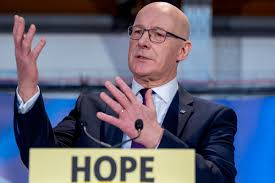
Swinney, who was responsible for cutting spending and imposing a two-year pay freeze in the public sector, sold his Edinburgh residence for £430,000 having bought the four-bedroom apartment on one of the capital’s most desirable streets for £355,000 in December 2003 while SNP leader.
At the time, the two-storey terraced property was the most expensive second home ever bought by an MSP.
Swinney on a salary of £100,000 a year, used parliamentary allowances to pay the interest on his RBS mortgage, ultimately claiming more than £60,000 from the public purse.
He also claimed around £10,000 to pay council tax for the Band G property on Morningside’s Hermitage Terrace.
Swinney, whose main home is in his North Tayside constituency, put the Edinburgh property on the market in June for “offers over £395,000”.
The prospectus praised its “magnificent” 23-foot drawing room, private front garden, “delightful leafy outlook” over Blackford Hill to the rear. It was under offer within weeks.
An application to record the final sale at £430,000 was made to Registers of Scotland on August 1. After capital gains tax, Mr Swinney made a profit of around £57,000.
Announcing a £1.3 billion cut in public spending in February, he said he wanted to “help households facing pay restraint and … increases in VAT and fuel prices”. However, he has also warned the public: “Hard choices must be made.”
Mr Swinney’s gain on the property was one of the largest ever recorded by an MSP.
Swinney has earned a fortune thanks to British taxpayers(Image: Jeff J Mitchell/Getty Images)
He enjoys the good life courtesy of the Scottish taxpayer, who, have stumped up over £2.5 million to his salary since he entered Holyrood in 1999.A huge figure is further boosted by his ministerial salary between 2007 and 2023. His two years in Bute House added around £200,000 to the sum and the figure does not include his four years as MP for Tayside North between 1997 and 2001, or the expenses he will have claimed during that period. Estimated at £500.000
Swinney as the current first minister, stands to earn a further £950,000 plus expenses
Total cost to the Scottish taxpayer. Approximately £5 million
Putting his pay into context, a worker on the average Scottish wage since 1999 would have earned around £696,000 in the same time period. The Herald
Swinney’s hypocrisy exposed as SNP MSPs own second homes portfolio worth £4.5m
Michelle Thomson, who has stood down as MSP for Falkirk East, is the SNP’s property queen(Image: Andrew Milligan/PA Wire)
At the end of May 2025, which is the last time the Scottish Parliament register of interests was published, SNP politicians owned a litany of second, third and even fourth homes as well as rental and commercial property worth at least £4.5million.
MSPs do not have to register any home used as their main residence, or even properties they own which are used by their spouse or civil partner. Under the Holyrood rules, many MSPs are also entitled to rent a flat in Edinburgh at taxpayers’ expense.
Flat in Edinburgh, worth £150-£200k, rental income £10-£15k, Sold in April 2024
Commercial property in Fife, worth £200-@250k, rental income £5-£10k, Sold in June 2024
Public finance minister Ivan McKee and his wife run a Glasgow property firm with assets worth £656,088, while Michele Thomson is involved with two different property companies.
Keith Brown:
One-sixth share in a flat in East Lothian, worth £150-£200k
Kenneth Gibson:
Flat in Glasgow, worth £150-£200k, rental income £10-£15k
Gillian Martin:
Cottage in Aberdeenshire, worth £50-£100k
Michael Matheson:
Michael Matheson refused to step down over his expenses scandal(Image: Jane Barlow/PA Wire)
House in the Highlands, worth £250-£300k, rental income £15-£20k
Ivan McKee:
House in Stirling, worth £500-£600k, rental income £10-£15k, Sold March 2025
Half-owner of EISM Properties Ltd, which owns fixed assets worth £656,088
Paul McLennan:
House in Dunbar, East Lothian, worth £150k-£200k, rental income up to £5k
Audrey Nicoll:
Half-owner of flat in Edinburgh worth £200-£250k
Michelle Thomson:
House in Edinburgh, worth £150-£200k, rental income up to £5k
Flat in Edinburgh, worth £200-£250k, rental income up to £5k
Flat in West Lothian, worth £50-£100k, rental income up to £5k
Sole trader of Thomson Holdings, a property investment company. Paid £10-£15k per year
Director of Senza Rit Ltd, a property management company
Eveylyn Tweed:
Commercial property in Stirling, worth £50-£100k, Sold March 2024
Items removed from the initial charge sheet as part of Murrells plea deal included anything which could be construed as directly linking to Sturgeon eg using SNP funds to pay £22.04 for the tome Women Hold Up Half The Sky. The £86.89 purchase of ten books by Val McDermid. Sturgeon’s close personal friend. Two pairs of Nike women’s tracksuit bottoms. Two Nike Element women’s tops. And extraordinary purchases of toilet rolls from Amazon.
The wee fat man is taking the rap for other peoples crimes methinks
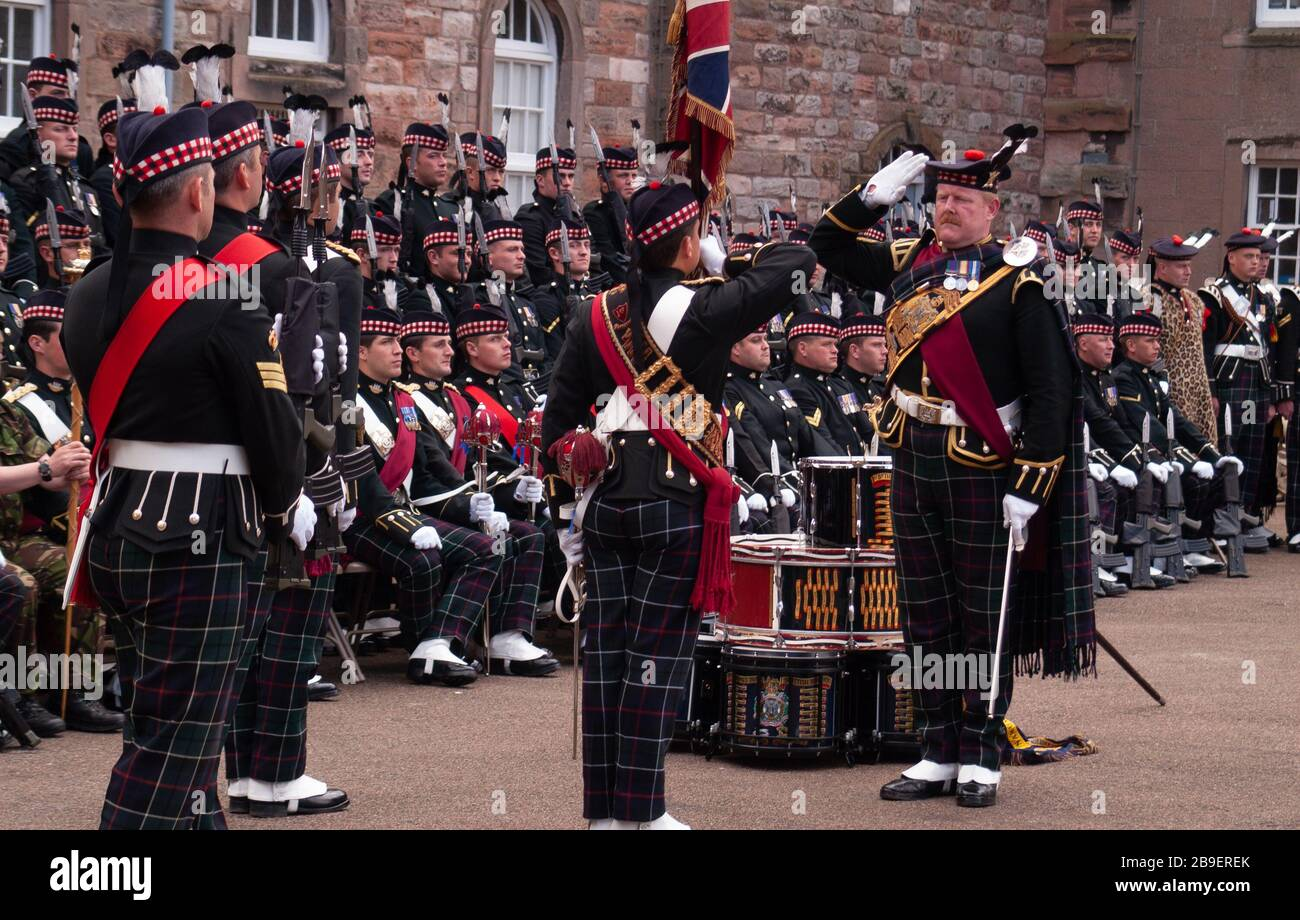
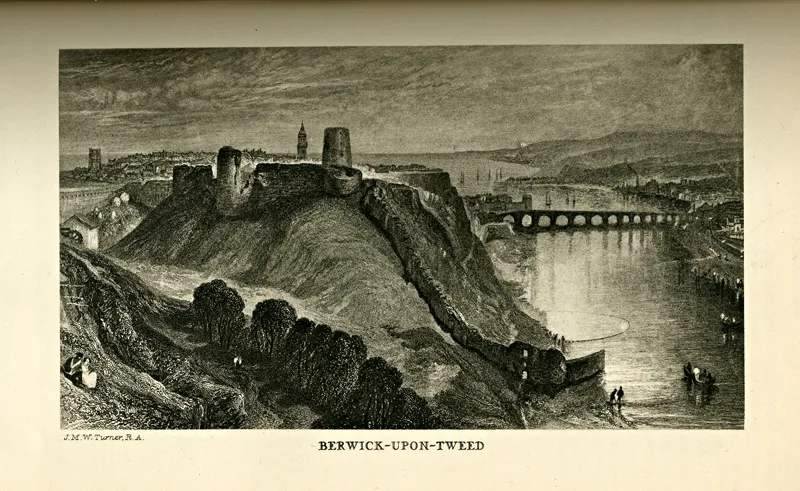
Barracks at Berwick on Tweed home of the Scottish Borderers
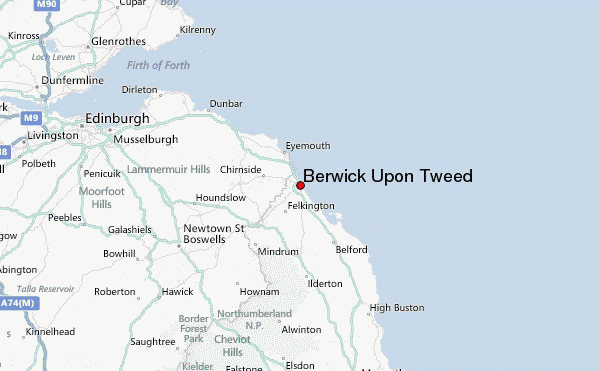
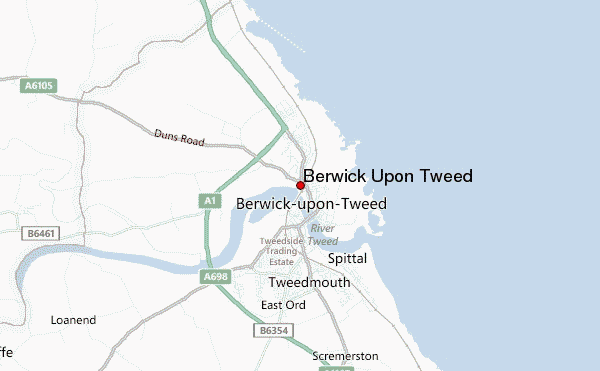
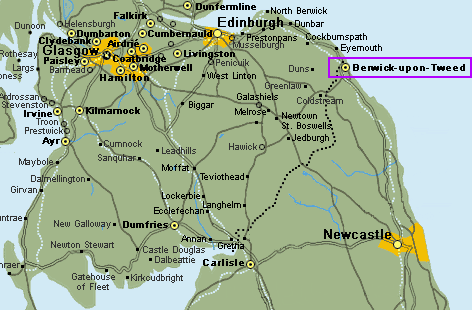
With Westminster being almost 350 miles away from Berwick-upon-Tweed, its residents do not feel connected to English politics. With bagpipes playing and Scottish flags fluttering in the wind, you could be forgiven for thinking you were in Scotland.
But this is Berwick-upon-Tweed, part of Northumberland – the most northern town in England and just two-and-a-half miles from the Scottish border.
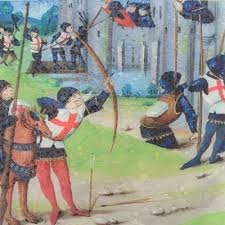
It has a turbulent history – passing between English and Scottish hands at least 13 times, starting with King Edward 1st who slaughtered and/or destroyed just about everyone and everything in the town, (children, adults, livestock and grain) for having the temerity to pledge their allegiance to Scotland.
The killing, raping and plundering went on for days and the streets of Berwick ran red with the blood of the innocents.
With the Scottish Parliament in Edinburgh just over an hour away by road, and Westminster more than six hours by car, do the people feel more Scottish than English?
Well the answer was provided by the people of Berwick in 2008 when ITV carried out an unofficial referendum to find out if residents would prefer their town to be part of Scotland.
The poll saw 1,182 (60%) of voters wished to becoming part of Scotland again with 775 (40%) preferring to stay with the England.
Significantly the poll included residents of Greater Berwick, the 5 mile area south of the Tweed which was added to Berwick as its population expanded from the 15th century.
The Scottish Parliament was convened again in 1999, for the first time since 1707 following a devolution referendum.
And many Berwick Scots watched with aching hearts longing to be to be part of Scotland once again.
One local said:
“As devolution cut its teeth and aged, Berwick people became aware of the differences perhaps more than anyone else in England because [Scotland] is so close and we can see what’s happening just over the border,”
Berwick – Home of The Royal Scots Borderers
The Royal Scots Borderers, 1st Battalion The Royal Regiment of Scotland, defenders of Berwick and freemen of the town marched through Berwick after returning from Afghanistan.
Locals turned out in force to welcome their boys home and many were adamant Berwick should be returned to Scotland.
Berwick residents felt the town was detached from what was happening at Westminster. “They do nothing for us at this end of the country,” one said. “Nothing. This is like the back of beyond as far as London is concerned.”
Another resident born and raised in Berwick, waved a Scottish flag as she watched the parade with her Scottish born husband. When asked if she felt her hometown should be part of Scotland, she said “Berwick is just a lost town:
“My youngest son came out of the Army two years ago and there are no jobs. There is nothing for him, From Parliament in London to Newcastle, that’s where it stops.”
A Brief Recap of Berwick’s History
In Anglo-Saxon times, Berwick-upon-Tweed was part of the Kingdom of Northumbria – an area stretching between York and Edinburgh.
In 1018, following a battle between the Scots and the Northumbrians, it became part of Scotland.
Its importance as a Scottish town grew and, by the Middle Ages, it was the richest port in the country.
In 1296, England’s King Edward I captured Berwick-upon-Tweed, beginning a period of warfare between the two nations which saw the town change hands 13 times.
The last time it changed hands by force was in 1482 when it came under English control.
But this imposed control was never ratified, indeed the Pope declared its control by England was illegal and it remained independent, with legal documents referring to it as being of the Kingdom of England but not within it.
In 1885, it became part of the county of Northumberland for administrative purposes but was only fully integrated into England in 1974.
Significant other events occurring in 1974
1974 and the first of many millions of barrels of oil was delivered from the North Sea to St. Fergus and the true worth of it was hidden from Scotland. The link between both events was not accidental. The Hidden from Scots McCrone Report was circulated within the ranks of very senior Unionist politicians
Unionist’s at Westminster forward planning foresaw the possibility of Scotland gaining independence and limited the damage from losing North Sea oil and gas.
1999 Tony Blair and Donald Dewar agreed a secret plan which transferred Scottish oilfields to England. The sea border takes its line from Berwick, and after the secret deal with Blair and Donald Dewar English sea borders were illegally altered so that England could claim a lot of oil and gas installations it previously never owned.
Scottish border should be 5 miles south of the Tweed estuary
North Sea oil Will Last For 100 Years
Scottish waters will continue to provide oil for another 100 years, twice as long as previous estimates, according to industry analysts.
Dr Richard Pike, a former oil industry consultant and now the chief executive of the Royal Society of Chemistry, said: “Rather than only getting 20 to 30 billion barrels we are probably looking at more than twice that amount.”
His analysis is supported by petroleum experts who believe there are some 300 fields off the coast of Britain still to be explored and tapped properly.
Dr Pike claims that the industry knows the true figures but refuses to release them because of commercial secrecy.
A spokesman for UK Oil and Gas, the offshore industry’s trade association, said: “The current estimates are that there are around 25 billion barrels left.” they’re lying.
Summary
The 1974 arbitrary annexation of Berwick, into Northumberland by Unionist politicians at Westminster and the 1999 secret redrawing of the sea border between Scotland and England were acts of international theft and the Scottish Government should refer the matters to the World court for a ruling forming part of a political campaign to regain Berwick from England’s avaristic Unionists.
Political campaigning should include establishment of a local branch of Scottish Independence supporters and the nomination of Scottish Independence candidates for every electoral office applicable to Berwick, starting with the next UK G.E.
Note: The Labour and Tory Parties maintain branch offices in Scotland, passing them off to unwary Scots as fully autonomous parties responsible for all aspects of policy which is not the case. They are controlled by Unionist politicians at Westminster.
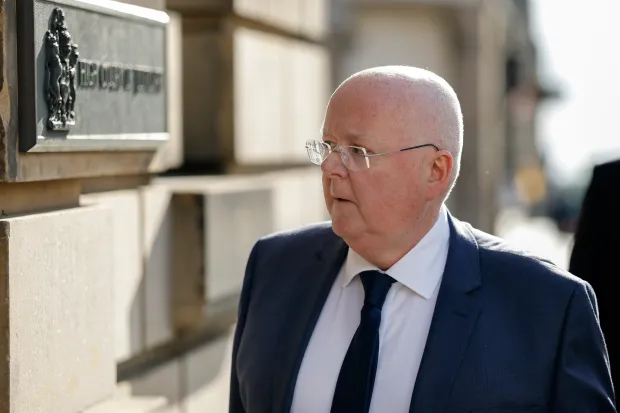
SENIOR Nats nicknamed their disgraced ex-chief exec ‘Magpie Murrell’ after the mystery disappearance of SNP cash in the 1990s — but that didn’t stop him being thrust to power later by John Swinney.
Former party chiefs claimed Alex Salmond had to cover up for his petty thieving in his early days as a staffer.
The incident, which allegedly involved £500 of Party funds, came decades before his large-scale Party fraud came to light.
And First Minister Swinney faces questions amid claims he turbocharged Murrell’s career — by appointing him as SNP chief executive in 2001 during his first stint as party leader.
One veteran party figure said: “This is not the first time that Peter has done this.”
And Kenny MacAskill, who served as Justice Secretary and Deputy First Minister, told of an incident during Murrell’s time as an aide to Mr Salmond in the north east.
He said: “Alex let him off with his earlier sins. Some money went missing and Alex decided to cover it and move him on.”
Another SNP insider said the former SNP leader was forced to repay £500 which had been stolen from party funds in Peterhead.
Murrell was membership convenor for the town’s branch in 1989, then an agent in the 1992 local elections before starting work as a research assistant for Mr Salmond in 1994.
Insiders claimed he once forged Alex Salmond’s signature on parliamentary expenses while working for the then Banff and Buchan MP.
A source said: “When Alex found out, he put him on a warning and said if there was anything like that again, he’d be out.
“Peter had a track record within the party, particularly when he was up in Banff and Buchan, so it was in his blood that he’d do this.”
Former diplomat Craig Murray, claimed Mr Salmond told him the same story.
Swinney claimed he was unaware Murrell had been accused of theft in the 1990s when he appointed him as the SNP’s chief executive in 2001. He insisted any such allegations would have been flagged as part of due diligence.
Swinney said: “I’ve heard nothing of that nature, no. I’m completely unaware of that. That’s news to me.“If there were issues about his conduct, they would have been aired in the process and they certainly weren’t.”He gave Murrell the job during his first stint as leader. And maintained the crook’s years of undetected offending were not a failure of SNP governance but the acts of one devious criminal. He said: “What’s failed here is people’s moral conduct. It’s not that systems failed.”
Swinney repeatedly refused to be drawn on years of internal dissent about a husband and wife team holding the top two posts in the SNP. But said the arrangement “was not my gift”.
He said on Twitter/X: “When Murrell ran Alex’s office in North East Scotland 20 plus years ago, Murrell stole a sum from party funds. Alex replaced it with his own money and protected Murrell who had problems.
“I told Alex his kindness was admirable and covering for Murrell I understood but continuing to employ him was nuts.”
Some insist the episode led to him being given the nickname ‘Magpie Murrell’.
But despite claims swirling in the party that he could not be trusted, Mr Swinney appointed him as chief executive in October 2001.
The SNP had faced financial struggles since the 1999 Holyrood election, which had sparked a fierce row between treasurer Ian Blackford and then chief exec Michael Russell about who was to blame.
But shortly after Murrell was handed the top job at SNP headquarters.
Swinney said at the time: “I will be setting Peter some demanding targets to build SNP HQ into the campaigning and fundraising centre we require to win the 2003 elections.’’
An insider told how concerns had been raised privately by Alex Salmond, adding: “Alex did not trust Peter an inch.
“It was Swinney who made Peter chief executive. Alex was not happy with that at all. He believed Peter was totally untrustworthy.”
Kenny MacAskill — a close ally of the late ex-First Minister, who died in 2024 — said: “Peter was never one of the lads, you might say, and he was a churchy type. But he was close to Swinney as they were Corstorphine lads.”
Both were born in the Edinburgh suburb in 1964.
Murrell once sparked fury at a Holyrood hearing by claiming he’d been distracted by magpies. He made the bizarre comment while testifying virtually to the Alex Salmond inquiry during the pandemic in 2021. Labour’s Jackie Baillie said he kept looking to the left of the camera. She asked: “Is there anybody in the room with you?”The then SNP chief exec told her from his home: “There’s a magpie. Actually, there’s two of them.”
Murrell’s charges reveal in June 2020 he used £241 of embezzled SNP funds to buy four bird feeders. Magpies have a reputation for nicking shiny objects.
Mr MacAskill added: “They knew each other and were comfortable. “He was a safe pair of hands for John and he was just left to it.”
Murrell, who married Ms Sturgeon in 2010, was known as a strong campaign strategist. And his grip on power tightened in 2014 when his wife replaced Alex Salmond as party leader and First Minister in the wake of their independence referendum defeat.
Sources said Murrell then became “deeply involved” in all aspects of government, despite not having a Cabinet role. He led efforts to transform Ms Sturgeon’s image and orchestrated a pop star-style arena tour after she entered Bute House.
Murrell regularly briefed his spouse before public appearances at conferences and campaign events.
SNP veterans felt that having both in the party’s top jobs was a recipe for disaster.
But Mr Salmond was subjected to a foul-mouthed rant when he told them the arrangement should end.
An insider recalled: “Alex took them aside separately and explained it wasn’t good governance for Peter to remain as the chief executive.
“The two of them literally told him to f*** off. If they had followed his advice, maybe they wouldn’t be the pickle they are in now.”
One former SNP parliamentarian added: “Peter was cunning and definitely a bit slippery but he was on our side and the party machine ticked along just fine.
“Plenty of people were wary of him but there was no way he could have been easily removed, given his relationship with Nicola.
“Looking back, it’s remarkable this husband-and-wife show was allowed to go on at the top of the SNP.
“They personified the party — and he obviously crossed a line.
“Police found what they found but people will now be asking how far his offending behaviour goes back.” Another insider said: “Peter got away with all the earlier misdemeanours.
“He probably thought he could get away with anything, especially as he was married to the party leader and First Minister. And he’s obviously got a track record.”
Murrell raised suspicions over his honesty in December 2020 when he gave evidence under oath at Holyrood’s so- called Salmond Inquiry. When asked about an alleged WhatsApp group conspiracy against the ex-First Minister, he replied: “I’m not on WhatsApp. It’s not a social media platform I use.”
A book of Sturgeon’s speeches was among items deleted from Murrell’s rap sheet as part of the plea deal.He had been charged with using SNP funds to pay £22.04 for the tome Women Hold Up Half The Sky. Another deletion was the £86.89 purchase of ten books by Val McDermid. Sturgeon is a close personal friend of the crime writer. Also removed from the charge were two pairs of Nike women’s tracksuit bottoms and two Nike Element women’s tops. Smaller purchases deleted included large amounts of toilet roll from Amazon.
But within minutes it emerged that a WhatsApp account was registered to his mobile phone number — and showed up as “last seen” in the weeks before his his appearance before the holyrood enquiry.
Murrell also insisted he hadn’t been at his and his wife’s home in Glasgow during a meeting between Mr Salmond and Ms Sturgeon that was seen as a pivotal moment for the inquiry. He then later contradicted his own evidence, saying he’d arrived home before the meeting ended.
Murrell finally resigned as SNP Chief Excutive in March 2023 — just a month after Ms Sturgeon had announced she was standing down.
He quit amid a row over the party HQ lying about membership numbers. Weeks later, cops raided the couple’s detached house.
Kenny MacAskill said the backdrop to the embezzlement scandal was a career-long mission by Murrell to further Ms Sturgeon’s ambitions.
The former senior Nat said: “Peter was extremely loyal. She knew that, so she refused to allow him to stand down.
“Every spat saw him do as she and the machine she ran wished.”
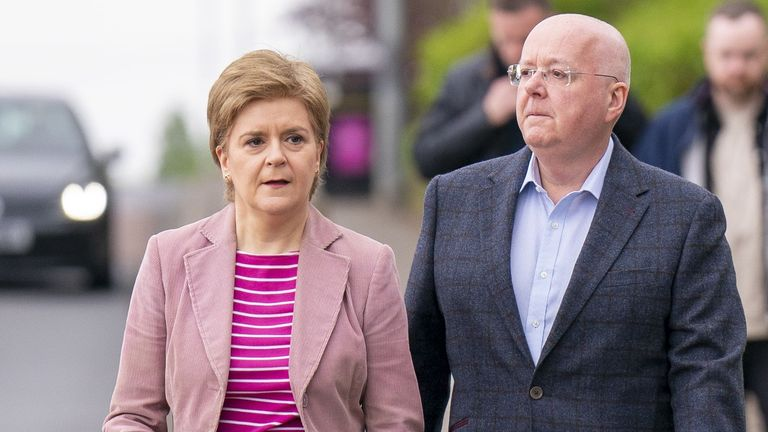
The pair announced in January 2025 they were splitting after 15 years of marriage. Two months later cops said Sturgeon would not face charges.
However, the pair were seen regularly at their Glasgow home — which can’t be put on the market due to a Crown Office order banning its sale while proceedings are ongoing.
Kenny MacAskill said: “This really was all for his princess. Not a speck or smidgeon was to blemish her. Murrell did it all for her, whether she says she knew or even knew it all.”
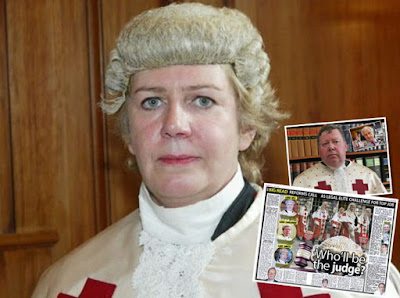
Nicola Sturgeon secretly selected Lord Caroway for the post of Lord President of Scotland’s judges
Despite significant speculation during 2015 that Lady Dorrian would be appointed to the top judicial post, the unpredicted shift away from a male only top judge did not happen.
The Scottish Government refused to disclose any information relating to any of the candidates for the top job, citing privacy concerns.
But written exchanges between civil servants and the selection panel revealed a short listing meeting had been held on 1 September 2015 and the panel, which included Lady Dorrian considered that only two applicants Lord Carloway and [Redacted] merited an interview on the basis of the quality of their applications.
The panel agreed that given the level of appointment, candidates needed to be able to demonstrate that they met the criteria to an exceptional degree.
The content of the selection panel’s report recommending Lord Carloway for the nomination of Lord President, was withheld by the Scottish Government.
Nicola Sturgeon decided on Lord Carloway’s nomination as Lord President around 18 November 2015 and his appointment was finally made public in December 2015.
A selection panel, including Lord Carloway was convened by Nicola Sturgeon in January 2016 to interview candidates to select a candidate for the position of Lord Justice Clerk.
Lady Dorrian (58) was selected by the First Minister Nicola Sturgeon and became the first ever first female judge appointed to the position of Lord Justice Clerk the second most powerful judge in Scotland. She took up her appointment as Lord Justice Clerk on 26 April 2016 on a salary in excess of £200k
public comments:
If this had been two politicians sitting on the same committee each giving each other their old job the media would be all over it
Am I reading this correctly Lady Dorrian recommended Lord Carloway for Lord President and Lord Carloway recommended Lady Dorrian for Lord Justice Clerk? Is this not a little conflicting interests at the least?
I was never really impressed with talk of a female Lord President during 2015. A female First Minister would not get along with a female Lord President who effectively holds more power than the FM herself.
something about puppet and strings.Yes?
A female Lord Justice Clerk. A step forward to some however look beneath the surface in the world of judges and politics. Not too difficult to scratch away the spin is it.
Seems you are the only one in the media who bothered to highlight the fact Dorrian sat on the committee which selected Carloway while Carloway sat on the committee to select Dorrian.
How the judiciary manage these stitch ups and get away with it without anyone raising an eyebrow is amazing
The content of the FOI papers portray Sturgeon as the plotter of the process as we all know her to be. Favours granted guarantee reciprocal behaviour.
Credit where credit is due … a female Deputy top judge is a step forward, however the real test will come if Dorrian just agrees with the dicats of vested interests and Crown office.
Something very wrong here and why is this all held in secret?We are paying their salaries so have a right to know what is going on and who is recommended and on what grounds.
Nicola Sturgeon recommended the Judge who investigated her botched legal service to client – for a judicial role
The Judge found that Sturgeon had committed three counts of professional misconduct – in a Law Society probe of Sturgeon’s failure to provide legal service protections for a domestic violence victim. Fortunately for Sturgeon the report was submitted after she had left the profession to become a politician,
The information came to light after Justice Committee Convener Adam Tomkins (Scottish Conservative) & former Scottish Government Legal Affairs Minister Annabelle Ewing (Scottish National Party) made a motivated and concerted effort to close down the same Judicial Interests Register petition which Nicola Sturgeon has opposed and sought to close – throughout her term as First Minister.
This incident involving Mark Macdonald was offered to Hamilton as the driving factor forcing the decision to compile new procedures in regard to harassment of staff by government minsters. He accepted the concoction without comment or investigation. If he had established the truth the allegations of breaching the code conduct for minsters of the government would have been been confirmed
Extract from Hamilton’s report.
“On 4 November 2017, during the review process, a Scottish Government Minister resigned his Ministerial post, following allegations made from outside the Scottish Government about his personal conduct. This example reinforced for the Scottish Government the importance of making sure that it had policies and procedures in place which were capable of responding appropriately to such allegations should they arise within the Scottish Government.”
Sturgeon “While there is no suggestion that the current arrangements are ineffective, the First Minister has asked the Permanent Secretary to undertake a review of the Scottish Government’s policies and processes to ensure they are fit for purpose.”
October 2017: The Cabinet of the Scottish Government provided its civil servants with a “commission” – a formal instruction – which was recorded in the Cabinet minutes under the heading of “Sexual Harassment” as follows: “While there is no suggestion that the current arrangements are ineffective, the First Minister has asked the Permanent Secretary to undertake a review of the Scottish Government’s policies and processes to ensure they are fit for purpose.”
Comment: Sturgeon’s own observation concluded that the procedures in place were effective and they contained no mention of retrospective allegations against former ministers. Perhaps because there was no precedence in employment law that would allow it.
The only recourse open to an aggrieved person was to inform the police.
If after reviewing the documentation Evans honestly thought that the Scottish Government’s policies and procedures would be fit for purpose, only after a retrospective clause had been inserted it was incumbent on her to conform with the “Ministerial Code” and provide Sturgeon with the evidence of the need to do so.
The Ministerial Code states: It is for the First Minister to judge the standards of behaviour expected of Ministers.
It is for the First Minister to decide whether there has been a breach of such standards. And, where the First Minister decides that there has been such a breach, it is for the First Minister to decide what the consequences for the Minister are to be.
Very explicit!!! Any allegations of misconduct against Ministers should be reported to Sturgeon immediately.
31 October 2017: Ann Harvey, principal assistant to the chief whip at the SNP’s Westminster Group reported to the Inquiry that she had received 16 text messages, some from SNP HQ, to her private number, each one fishing for information which could be damaging if used against Alex Salmond.
A few persisted in asking for confirmation that Sue Ruddick ( a personal friend and ex colleague of Ann) had been physically assaulted by Alex while they were campaigning together during the 2008 General Election campaign.
Her answer to that enquiry was a categorical rebuttal there was no physical aggression at any time on the part of Alex.
What’s up? Someone was after getting to Alex before the Civil Service got involved in pursuing long dead unproven allegations.
Note: Ruddick went on to report a common assault against her by Alex, to the police in August 2018 (10 years after the alleged incident).
The police investigated but said there was insufficient corroborative evidence to charge, however, the circumstances were included in a later report to the Crown Office and Procurator fiscal.
But they all count!!!! when the time is right!!!!!!!!“
Comment: Murrell, in a statement to the Holyrood Inquiry said that Party policy dictated the handling of complaints within the Party was the responsibility of the Party Executive and it did not share case details with any other organisation unless the complaint highlighted a “clear act of criminality”, and the Party had not informed the Scottish Government or any member of it of a any complaint from a Party member against a minister of the Government.
But Murell was wrongly informed. Mark MacDonald, an SNP minister was forced to resign by Sturgeon’s Special Adviser, Liz Lloyd raising questions about the First Minister’s adherence to the Ministerial Code, particularly regarding the conduct of her Special Adviser, Liz Lloyd, and the handling of SNP disciplinary matters versus government processes. The details provided, combined with web sources, highlighted issues:
02 Nov 2017: Mark MacDonald was summoned to a meeting with Deputy First Minister John Swinney and Liz Lloyd, at which he was informed of “chatter” about his inappropriate conduct among SNP members.
03 Nov 2017: Liz Lloyd, Sturgeon’s Chief of Staff and Special Advisor, convened a second meeting with MacDonald, without the knowledge or authority of Sturgeon and told him him that his position as a minister was untenable and he should resign from his Ministerial post immediately. Which he did.
The Special Advisors’ Code of Conduct, requires Special Advisors to act with integrity, avoid conflicts of interest, and not use their position for party political purposes.
They are temporary civil servants bound by the Civil Service Code, which emphasises impartiality and objectivity, though they are exempt from the merit-based appointment requirement to provide politically aware advice.
Lloyd’s involvement, addressing a complaint lodged by an SNP member against MacDonald, a government minister, blurred the lines between party and government roles.
Critics, including Alex Cole-Hamilton MSP, argued that Lloyd’s role as a Special Advisor made her involvement in handling an SNP complaint “improper,” as it should have been managed by SNP officials like Peter Murrell, the party’s Chief Executive.
The involvement of Lloyd, who was aware of the complaint and briefed MacDonald, raised questions about whether she accessed information improperly or acted beyond her remit.
The Ministerial Code requires ministers (including the First Minister) to ensure their Special Advisers adhere to their Code of Conduct. Sturgeon’s failure to address Lloyd’s actions could be seen as a lapse in oversight, potentially breaching the Ministerial Code’s requirement to manage Special Advisors’ conduct.
Murrell, Sturgeon’s husband and SNP Chief Executive, testified to the Holyrood Harassment Inquiry in Jan 2021, that the SNP did not share complaint details with government officials or Special Advisers unless there was a “clear act of criminality.”
He claimed he first became aware of the complaint against Macdonald on 03 Nov 2017, at a meeting with Lloyd.
This contradicts suggestions that Lloyd acted on SNP-related information, raising questions about how she obtained details of the complaint and who authorised her to confront MacDonald.
The Ministerial Code states that the First Minister is responsible for approving Special Adviser appointments and can terminate their employment.
Sturgeon’s failure to discipline or dismiss Lloyd for her involvement in the MacDonald case, despite allegations of improper conduct, could be seen as a failure to enforce the Special Advisor’s Code avoiding her responsibilities under the Ministerial Code.
Sturgeon’s called MacDonald on 04 Nov 2017, confirming her acceptance of his resignation confirming her endorsement of the violation of the Special Advisor’s code by Lloyd.
This is contrary to her statement to the Holyrood inquiry in which she emphasised that she ensured government business was conducted through official channels and subject to FOI legislation.
The MacDonald case exposed an overlap between party and government matters, which the Ministerial Code was in place to prevent.
The lack of clarity about how Lloyd accessed details of the complaint and why the matter was not handled solely by the SNP (as Murrell claimed was party policy) raises questions about Sturgeon’s adherence to the Code’s requirement to maintain a clear distinction between roles.
When questioned about the MacDonald case, a Scottish Government spokesperson stated only that MacDonald resigned following allegations “from outside the Scottish Government” about his personal conduct, without addressing Lloyd’s role or the process. The limited response did not clarify whether Sturgeon ensured proper procedures were followed, as required by the Ministerial Code.
Sturgeon’s continued retention of Lloyd as Chief of Staff, was inconsistent with the Ministerial Code’s requirement to ensure Special Advisers acted within their Code of Conduct.
His assertion was at odds with the conduct of Lloyd who demanded from government Minister Mark Macdonald his immediate resignation after she and John Swinney concluded that he had sexually harassed a member of the Party. Her actions contravened the ministerial code applicable to Special Advisors. Conduct that warranted her immediate dismissal.
Click to access SP_SGHHC_-_FN10.pdf31 October
2017: David Clegg of the Daily Record telephoned Scottish Government contacts “acting on a tip-off” asking questions of Scottish Government contacts seeking to ascertain if any complaints about harassment had been made about Alex Salmond during his tenure as First Minister.
The responses were negative.
Comment: How could it be that David Clegg and the Daily Record were aware about complaints on 31 October 2017 when, the official briefing was that no-one in the Scottish Government, up to and including Nicola Sturgeon, had any idea about them at that time.
The sequence of events and comments outlined raise significant questions about the transparency, adherence to protocol, and motivations behind the handling of allegations against Mark Macdonald and then Alex Salmond in the context of the Scottish Government’s processes in 2017.
key points and analysis of and general principles of governance and accountability. The Cabinet Commission and Existing Procedures (October 2017)
The Scottish Government’s Cabinet minutes from October 2017 indicate that First Minister Nicola Sturgeon commissioned a review of the government’s policies and processes on sexual harassment, despite her own observation that the existing arrangements were effective. The absence of any mention of retrospective allegations against former ministers in these procedures confirms there was no precedent in employment law for such measures.
A critical point: If Permanent Secretary Evans believed a retrospective clause was necessary, the Ministerial Code required her to provide evidence to Sturgeon to justify change. In the absence of supporting evidence, the inclusion of retrospective provision confirms any new arrangements would be procedurally irregular and motivated by other factors.
The Ministerial Code is clear that allegations of misconduct against ministers must be reported to the First Minister immediately. It was for Sturgeon to judge standards of behaviour and decide consequences. Bypassing the protocol indicated a breach of governance standards, undermining the integrity of the process.
2. Ann Harvey’s Report of Text Messages (31 October 2017)
Ann Harvey’s account of receiving 16 text messages, some from SNP HQ, seeking damaging information about Alex Salmond—specifically regarding an alleged assault on Sue Ruddick in 2008—is highly concerning. Her categorical denial of any physical aggression by Salmond suggests that these inquiries were speculative or agenda-driven.
The timing is also notable. The messages predate the formal involvement of the Civil Service in pursuing allegations against Salmond. implying that individuals or groups within or connected to the SNP were actively seeking to build a case against Salmond before any official process was underway.
The later reporting by Ruddick in August 2018, despite the police finding insufficient evidence, and its inclusion in a report to the Crown Office, further complicates the narrative.
Your comment that “they all count when the time is right” suggests a perception that allegations, even those lacking corroboration, were being strategically retained for future use. This raises questions about whether the process was being manipulated to target Salmond specifically.
3. Peter Murrell’s Statement and Lloyd’s Conduct
Peter Murrell’s assertion that the SNP’s policy was to handle complaints internally and only share details with external bodies in cases of “clear act of criminality” is significant.
If true, this would mean that no SNP complaints against Salmond should have been shared with Scottish Government civil servants or special advisors in Autumn 2017 unless they met this threshold.
However, you note that Special Advisor Liz Lloyd’s conduct allegedly contravened the Ministerial Code, which governs special advisors and requires adherence to strict standards of behaviour.
If Lloyd shared or acted on information improperly, this would constitute a breach of the Code, potentially warranting dismissal.
The failure to address such a breach could point to inconsistencies in how the Scottish Government enforced accountability.
4. David Clegg’s Inquiry (31 October 2017)
The fact that David Clegg of the Daily Record was inquiring about harassment complaints against Salmond on 31 October 2017, based on a “tip-off,” is striking, especially given the official stance that no one in the Scottish Government, including Sturgeon, was aware of such complaints at the time.
This discrepancy suggests either a leak of sensitive information or premature media involvement, both of which undermine the claim of ignorance within the government.
It also raises questions about who provided the tip-off and why, particularly if the government’s internal processes were still in the review stage and no formal complaints had been acknowledged.
Analysis and Implications:
The timeline and details, supported by the referenced document (SP_SGHHC_-_FN10.pdf), point to several potential issues:
Procedural Irregularities: The introduction of retrospective allegations unsupported by evidence, exposes the revised harassment policy as a violation of the Ministerial Code and principles of fair governance.
The lack of precedent in employment law for such measures further questions their legitimacy.
Potential Political Motivations: The text messages reported by Ann Harvey and the media inquiry by David Clegg suggest that efforts to gather damaging information on Salmond were underway before any formal process was established. This indicates a coordinated effort to target him, driven by political rather than procedural considerations.
Breaches of Protocol: The actions of Liz Lloyd coupled with her failure to report misconduct allegations to Sturgeon immediately, as required by the Ministerial Code, suggests lapses in accountability.
Murrell’s statement about SNP policy further complicates the picture, as it implied that any sharing of complaints with the government would have been improper unless criminality was evident.
Transparency and Trust: The discrepancies between the official narrative (no knowledge of complaints) and external inquiries (Clegg’s tip-off) erode trust in the government’s handling of the situation. If information was being shared or pursued outside formal channels, it undermined the integrity of the process.
Conclusion: The events of October 2017, suggest a troubling pattern of procedural overreach, many breaches of the Ministerial Code, and malicious efforts by a number of people to gather allegations against Alex Salmond.
The lack of transparency, combined with the timing of media inquiries and internal SNP communications, raises legitimate concerns about whether the process was fair, impartial, and consistent with governance standards.
Permanent Secreary Evans, acting as she did without providing verifiable evidence to Sturgeon, and Special Advisor, Liz Lloyd, who wilfully and repeatedly contravened the Ministerial Code.
Their actions should be subject to a Public inquiry,since there is the broader implication that the unnecessary review of harassment policy may have been influenced by political factors beyond ensuring “fit for purpose” procedures, compromising the principles of fairness and due process.