1. Jim “Spud” Murphy (1992 – 1997) The Student Union Years and his Carefully Planned and “Jammy” Rise to Political Office
a. President of the National Union of Students. (Full time member of the Union from 1992 until 1996). *Indications are that his studies did not progress as expected in the first 2 years of his attendance and becoming increasingly involved with student politics he gave up Studying in 1992 retaining this status until the end of his tenure as President of the Union late summer of 1996. When he gave up student politics and University membership taking up employment with the Labour party
*25 March 1996; Cash back. Jim Murphy, president of the National Union of Students and a former student at Strathclyde University, paid tribute to Strathclyde students association’s success in having resit fees abolished. “I’m hoping to get some sort of reimbursement for all the resits I did in first and second year,” he admitted.
b. During his time at University in Glasgow he suspended his studies when he was elected President of the Scottish National Union of Students, one of the “special region” organizations within the NUS, serving from 1992 until 1994.
c. Murphy further suspended his studies taking a further sabbatical from University in 1994 to serve as the President of the National Union of Students, an office which he held from 1994 to 1996, during which time he was a member of Labour Students. As NUS President, he also served concurrently as a Director of Endsleigh Insurance from 1994 to 1996.
2. President of the National Union of Students 1994-1996
a. October 31 1994; On the spot. Just as well the National Union of Students operates with a fair degree of openness, or journalists who spent last Tuesday morning seeking president Jim Murphy’s views on the Labour Party’s Learning Bank would have been completely stymied. Not that the press are completely lacking in resource when it comes to hunting out those in the public eye, but only hacks working on the principle of “look in the most unlikely place” would have otherwise thought of looking for a student leader ..
b. October 31 1994; Students to fight pay-later proposals. The Labour leadership of the National Union of Students will resist proposals outlined by the party-linked Institute for Public Policy Research Commission on Social Justice for charging students.
c. November 7 1994; Debt, doubt and diversity – Jim Murphy says the commission has identified the right problems but wants to talk about the answers.
d. November 14 1994; Carrying the banner. NUS president Jim Murphy at Battersea Park, London, for this week’s demonstration against the replacement of student grants by loans. NUS stewards traded hundreds of these red placards in exchange for those issued by the Socialist Workers’ Party saying: “30 per cent grant cut no way: make the Tories pay.” The police said that about 6,000 students were on the march: the NUS claimed a total nearer 25,000.
e. November 14 1994; Debt fears deterring sixth-formers, says NUS. More than a quarter of sixth-formers may be deterred from going on to higher education because of worries over rent debt, the National Union of Students claimed this week.
f. November 14 1994; Taxing questions for NUS leaders. Jim Murphy welcomes the publication of the Institute for Public Policy Research Commission on Social Justice on behalf of the National Union of Students. His organization has made some impressive strides in recent years towards engaging with reality, especially in stealing Tory thunder by instituting internal democratic reforms. However, if Mr Murphy is serious about facing the challenges ahead, the NUS needs to look seriously at the question of student finance.
g. November 14 1994; Taxing questions for NUS leaders. I was disappointed to see the democratically elected president of the National Union of Students Jim Murphy refusing to promote the Unions’ democratically decided policy on the funding of students in further and higher education
h. April 3 1995; Feel-real factor sweeps NUS. Student leaders have prepared the ground for a wholesale review of their policy on funding tuition and students in the further and higher education system.
i. April 10 1995; Murphy to fight fee contributions. Jim Murphy, president of the National Union of Students, will campaign against fee contributions in opposition of the review of student funding backed by four-fifths of delegates to conference last week.
j. April 10 1995; Levy the loaded. Last week Jim Murphy and other Labour leaders of the National Union of Students began to ditch the union’s commitment to free education.
k. May 8 1995; Follow my Labour. A discussion paper on the future funding of student support, launched this week by the National Union of Students, is heavily influenced by emerging Labour Party policy, student leaders claim.
l. May 29 1995; Derby day for student funding. Students give up fight for free education, is the headline some would have us believe of the National Union of Students education funding review. But a much more considered process is going on within the student movement.
m. June 5 1995; Clock stopped on reforms. Ambitious bids for reform by lecturers’ Jim Murphy and other students’ leaders have been thwarted by concerted opposition from the conference floor.
n. June 51995; Students are no doubt celebrating this weekend. As they see it they have won two famous victories, one in respect of strike ballots in further education, the other in respect of students’ grants and fees.
o. June 12 1995; By the book. There’s one book which Jim Murphy, president of the National Union of Students, has never got round to reading, although he says he has always meant to read it: the constitution of the NUS. “It’s meant to be the bible of the union but I’ve never got past the first page,” he said recently. Perhaps that explains the smooth running of last week’s NUS annual meeting, with none of the usual cascade of procedural objections interrupting its flow. This was the meeting Jim Murphy dominated breaking many of the rules of the Union forcing through major policy changes.
3. Union Support of Fee Charges – The Aftermath
a. June 12 1995; Students split over finance. The split among student unions on reform of student financial support widened this week as a group of “moderate” unions spoke of setting up their own consortium to push for reform.
b. September 25 1995; Students press for reforms. More than 100 student union officers have formed a pressure group, “The Committee for Free Education” (CFE) to lobby the National Union of Students for a “more realistic” policy on education funding.
c. Speech in Support of CFE by Tony Benn; “In 1995, the leadership of the National Union of Students forced through their policy dropping support for free education and living student grants, in order to smooth the way for the next Labour government to introduce fees. The Committee for Free Education (CFE) was set up to combat this move, mobilizing thousands of student activists in the NUS structures, in colleges and universities and on the streets. I bring support from the Campaign Group of MPs and I congratulate the people who have set up the Campaign for Free Education. It is clear that the present leadership of the National Union of Students have a great reluctance to support the policy agreed at the Derby NUS conference, and something independent of them needed to be set up. I can’t believe that the NUS leadership can go on for much longer following a policy that has been rejected by their members. There is a broad democratic issue here to be raised. I do believe that the argument for free education is an enormously powerful one and it is one that we will need to redeploy because people haven’t heard it for a long time. We are starting to have this argument now. Next week, the Conservatives announce plans to impose a graduate tax. There are people in the Labour Party who support that proposal”! http://anticuts.com/2010/09/22/we-are-campaigning-for-the-enrichment-of-life-tony-benn-makes-the-case-for-free-education/
d. September 25 1995; Tied in. Education union leaders displayed a remarkable consensus at a higher education fringe meeting at this week’s Liberal Democrat conference in Glasgow. Panellists David Triesman of the Association of University Teachers, John Akker of the National Association of Teachers in Further and Higher Education, and Jim Murphy of the National Union of Students, all turned up with colour – coordinated ties in a fetching navy blue and pale yellow.
e. October 30 1995; NUS quizzes members on student funding; The National Union of Students is launching what it describes as its most widespread and in-depth research initiative, to sound student views on the funding of education in time for its annual conference in March of next year.
c. November 20 1995; HM loan arranger. The Government’s plans to privatise the student loans scheme were confirmed in the Queen’s Speech this week. Her Majesty said legislation would be introduced to enable students to choose between private and public suppliers of subsidised loans.
d. November 27 1995; Poverty protest. The National Union of Students organized a march to protest at increasing student hardship on Thursday. At a rally in Kennington Park, London, NUS president Jim Murphy said: “We are calling on the Government to conduct an urgent review of student hardship.”
e. January 1 1996; Loans boycott threatens banks. May 1995 the National Union of Students called an extraordinary conference to debate student funding. It promised to be a watershed event, marking a radical change in NUS policies. It turned out to be a bitter defeat for Jim Murphy and the leadership of the NUS.
f. January 1 1996; New year wishes… Jim Murphy.
i. “Student hardship is now at record levels, and for many it has reached crisis point. It has to be the priority of every organization involved in education to work towards finding a solution to student hardship. On campuses the crisis of hardship is alarmingly evident. Only Government ministers remain convinced that the problem does not really exist.
ii. The National Union of Students Values For Money survey conducted in February 1995 found one in three students missed meals because of hardship, one in four considered dropping out, one in three worked part-time during term and one in two thought their financial situation was having an adverse effect upon their academic work.
iii. A new report from the British Medical Association found that university medical centres were dealing with increases in stress-related illness and eating disorders brought on by financial problems.
iv. A Government policy which forces so many students into so much hardship is completely contradictory to pledges of increasing access to education. For mature students, student parents, students with disabilities, part-time students and students from low-income families, the Government’s boasts of increasing access are cruelly hollow, especially following the budget’s latest blow to students in need with the freezing of access funds.
v. The Government has scored an own goal. It had the opportunity to create education for all but then constructed so many financial barriers that many cannot now afford to participate properly.
vi. We have to work towards a solution to the crisis of student hardship, a solution which will give everyone of ability the opportunities of education without the obstacles of severe financial hardship. This must be our common aim for 1996, and one which we should approach with urgency.”
g. April 15 1996; Labour group deserts student interests. National Union of Students president Jim Murphy has done his utmost to undermine the NUS policy of free education policy over the past year. And at the annual conference in Blackpool last week, he added insult to injury by vilifying anybody who believes in free education as a Trotskyist, claiming they “wouldn’t be able to look a homeless person in the eye”.
h. March 11 1996; Bank thumbs down. The National Union of Students has welcomed the NatWest’s decision not to tender for private student loans. NUS president Jim Murphy said that the decision, which follows similar ones by the Midland and the Cooperative banks and the Woolwich Building Society, proved that the Education (Student Loans) Bill was now dead. He called on the Government to withdraw it immediately.
i. March 25 1996; Cash back. Jim Murphy, president of the National Union of Students and a former student at Strathclyde University, paid tribute to Strathclyde students association’s success in having resit fees abolished. “I’m hoping to get some sort of reimbursement for all the resits I did in first and second year,” he admitted.
j. June 17 1996; Loan voice. Student leader Jim Murphy breaches Union rules in suspending one of his own executive committee members for allegedly breaching union rules.
k. June 24 1996 Murphy rapped. Ten MPs have signed an early day motion condemning the improper suspension of National Union of Students vice president education Clive Lewis by president Jim Murphy. Ken Livingstone sponsored last week’s motion condemning the “intolerant and dictatorial behaviour” of Mr Murphy who, acting without official National Executive Committee approval, suspended Mr Lewis after he spoke against conference policy.
4. Who’s a Lucky Boy Then?
a. In 1996, upon ceasing to be NUS President, Murphy was offered a position as the Special Projects Manager of the Scottish Labour Party; he accepted the role, dropping out of university in order to do so. He was also selected at this time to stand as the Labour Party candidate in the seat of Eastwood at the forthcoming general election.
b. September 23 1996; Future face. Jim Murphy has gone from the presidency of the National Union of Students to Conservative-held Eastwood in Scotland, where he is a prospective parliamentary candidate for Labour.
c. 7 April 7 1997; Stumping Jim. How lucky can you get? Poor Jim Murphy, whose selection as Labour candidate for the safest of Scottish Tory seats, Eastwood, after his National Union of Students presidency appeared to offer a breathing space in a career of enthusiastic politicking. There he was, looking forward to a spot of gentle campaigning, gathering his strength in preparation for the gloriously winnable seat that would surely be his reward in the next election, when in stepped sleaze.
d. First stroke of luck. The sitting (and pickaxe-waving) MP Allan Stewart resigned amid claims he had been over-friendly with a woman he met in an alcoholism clinic. Next, bit of good fortune. Allegations of homosexuality stopped Sir Michael Hirst, chairman of the Scottish Tories, filling the shoes of Mr Stewart.
e. A young fresh faced Mr Murphy was plagued by phone calls from Walworth Road and massive support from local activists telling him to keep knocking on doors and kissing babies and he could be in with a chance. He won the seat. htttp://www.timeshighereducation.co.uk/news/stumping-jim/159028.article All of the foregoing articles are contained in the archives of http://www.timeshighereducation.co.uk
5. March 9 2001; Student Fees – The aftermath – Betrayal and Subterfuge
a. Should the National Union of Students have fought harder to keep the grant? Can it do anything to reverse the state of student support? Many student leaders believe the NUS took a wrong turn in the mid-1990s, moving too far towards pragmatism.
b. The leadership of the moderate Labour Students, typified by Jim Murphy, steered student action towards measured negotiation and behind-the-scenes contacts.
c. Mr Murphy was convinced that the union’s traditional support for the universal grant was a lost cause.
d. The leadership was certainly good at accumulating favours -former presidents Stephen Twigg, Lorna Fitzsimmons and Jim Murphy all became Labour MPs in 1997. But their influence proved to be limited, and the compromise solutions to the student funding issue promoted by the NUS were largely ignored by Dearing and the Labour government.
e. The favoured concept of the NUS in 1995 and 1996 was the maintenance income-contingent loan, or MICL, which Mr Murphy fought to get the movement to accept. The left leaning students put up a strong fight, and defeated Mr Murphy on the issue at an extraordinary conference in Derby in 1995, but 1996 saw NUS leadership finally win when conference voted to ditch its commitment to full grants.
f. Emily Baldock, a former president of Durham Students’ Union, believes that the NUS failed to find a sensible position between the ultra-pragmatists and the hard left.
g. Ms Baldock, now a doctoral student at Wolfson College, Oxford, and a part-time lecturer, doubts that the NUS could have affected the new government’s policy.
h. The vote coincided with the election of Douglas Trainer to the presidency. Mr Trainer had some tough times in office and was criticized for caving in to the government too easily on tuition fees.
i. Mr Trainer, who is now in public relations, believes the NUS did not grasp the financial constraints on the government. “The student movement failed to understand the power of the Treasury. When Labour… opened the books, they realised they couldn’t work on the funding models that had been talked about.”
j. And although he says the NUS’s access to government improved significantly once Labour got in, it was unable to convince the leadership to change tack.
k. Many are convinced that the tide is turning. Owain James, the independent president, has provided a fresh direction. He believes he is well-placed to push for a return to maintenance support.
6. April 4 2003; NUS left forces a U-turn on grants. The National Union of Students this week returned to its historic support for universal grants paid for through progressive taxation.
a. Delegates to the NUS annual conference in Blackpool forced the national executive to abandon its seven-year-old policy of supporting only means-tested grants targeted at the poorest students and loans.
b. Conference, radicalised not least by the prospect of top-up fees and war in Iraq, also came within three votes of inflicting a historic defeat on incumbent Labour Student president Mandy Telford in favour of socialist candidate Kat Fletcher. No NUS president has ever failed to win a second term. Ms Telford won by 429 votes to 426.
c. Delegates at the Blackpool conference passed a socialist-sponsored amendment to the executive’s funding policy motion. The amendment said that the NUS would “campaign for a universal, non-means-tested maintenance grant to be available to every student.
d. “Those who ask whether the children of the rich (for example, Prince Harry) should be entitled to a full grant are missing the point. The rich should pay for everyone’s education through a system of progressive taxation.”
e. The amendment was backed by Will Straw, president of the Oxford University student union and son of foreign secretary Jack Straw. He said that means-testing did not work, as one in five students whose parents should make a contribution to their living costs received nothing.
f. He said: “If you are worried about people like me or Prince Harry getting a grant when we don’t need one, tax our parents – make them pay.”
g. The national executive’s Steve Bloomfield argued that he was “middle class and didn’t need a grant” and said that the union’s policy should be about targeting support, to those who need it most.
h. This week’s conference has undone the NUS’s controversial funding policy agreed at the 1996 conference. At the time, a leadership of new Labour students, typified by Jim Murphy – now Labour MP for Eastwood – who was president from 1994 to 1996, argued that a call for universal full grants was a lost cause. Mr Murphy and Labour Students persuaded the 1996 conference that a more pragmatic approach would win them greater influence.
i. The successful amendment this week described this policy as “wrong, both tactically and strategically”. “The national union should be demanding as much as possible in order to win the maximum concessions from the government,” the amendment said.
j. The motion was forwarded by Ms Fletcher, NUS women’s officer, who stood against Ms Telford on the Campaign for Free Education slate backed by the Socialist Workers Party and the Student Broad Left.
k. Ms Fletcher, in her election address, said: “In 1997, the Labour government introduced fees and took away the grant, and NUS helped them to do it.
l. History is repeating itself – the day the white paper came out and introduced top-up fees, Charles Clarke praised our president.”
m. Ms Fletcher said that the newly agreed campaign for universal grants was something only she could fight for, as Ms Telford was “cowering behind the coat-tails of Tony Blair”.
n. But Ms Telford will now have to back the pro-grants policy. In her election address, she said: “I applaud the Labour government when it gets things right. But when the Labour government gets things wrong, as it has with the war against Iraq, its policy on asylum seekers, the disastrous education policy which will send us back to the 19th century, I will attack them and will set out to beat them.”
o. She called for unity: “The NUS is at its strongest when we are fighting together. If ever there was a time for unity, it is now. We have the government on the defensive.”
1. Expected to rubber stamp the move today to transform the east end of the city into a thriving hub of activity including bars, restaurants, improved transport links, leisure facilities and a museum for the manky mob, it also will install the infrastructure for links and walkways from the beggardome to all the other commonwealth games venues, even though it will only be used for the opening ceremony porkheid is in line to be revamped under the guise of the commonwealth games. GCC is expected to give full backing to the spend of millions of taxpayers money to completely transform the area surrounding the beggardome and hand over car parking facilities and the new veladrome to the manky mob once complete, nothing will stand in the way of this unprecedented transformation of a part of the city and money will be no object. Meanwhile over at Ibrox the residents who live around the magnificent Ibrox stadium look out their windows onto waste ground as GCC refused planning permission until the building game went t1ts up and refused to allow the Rangers to buy the land and transform it themselves, it now lies as a wasteland because the cooncil dont have the money to rededvelop the area, the Hinselwood project has been shelved again. Blue
2. Blast, if it wisnae for these pesky kafflicks. Blue
3. The East End of Glasgow is a complete sh**ehole, so this gets my backing. I also happen to own a flat in the East End. Cannae be a bad thing though. Development like this will bring jobs, lower crime, create a new buzz. That’s good for the city as a whole. Also, the improved links to Celtic Park are well over-due. Tens of thousands of people go there every other weekend. Why shouldn’t it be more well connected to the city centre? Will be great news for the value of my flat, too. Green
4. Apart from pure self interest, can anyone offer rational and accurate reasons for these cooncil’s planning decisions without resorting to bigotted name calling. I’m sure those recently made redundant by the self same cooncil will be more than happy that their “employer” will still be able to carry out this development. Neutral
5. Ok, let’s look at it the other way. Why would you oppose the council doing these 3 things:
i. Regenerating a very shabby part of the city. Regeneration has been shown the world over to reduce crime.
ii. Adding proper transport links to the biggest sports arena in the city.
iii. Providing jobs to a poverty-ridden part of the city.
What on earth is your problem with this? Other than that it is based near Celtic…Car parking for Parkhead? Fantastic! It’s a nightmare taking the car there. Tranposrt links? Great! Jobs, safer streets… What on earth is your problem with this? If it was on the other side of the city you’d be right behind it, I’d imagine. Green
6. No problem with investing in the East End it is good for the city and porkheid could do with a refurb it is an absolute shytehole. Glad to chip in to help the needy. Pity the council can’t buy sellik a few more league trophies to help them with their chase of scotland’s top club. Green
7. I think a lot of his problem with it is the sour taste left when the same cooncil dragged it’s feet over plans to regenerate the area around Ibrox, the same cooncil who refused to allow Rangers to build their training complex down the road claiming it was earmarked for retail…before allowing a massive new police station to be built there. As for your contention that regeneration has been proved the world over to reduce crime….by your rationale, given the amount of regeneration carried out in Glasgow over the last 25 years then surely the city must be almost crime free? Blue
8. It’s a fairly widely recognised technique in fighting crime son. Same principle as the Gorbals regeneration, lots of cities in Poland are using it too now. Make a place look nicer and crime falls. I fail to see how anybody could have a problem with this in the east end. Neutral
9. Any Rangers fan that still votes Labour and sadly there are far too many …..the excuse usually being, ” Cause ma Da always did”, should hang their heads in shame !! The corruption jobs for the bhoys scandal from the sectarian Monklands council a few years ago shaould have been the final nail in the coffin for the Scottish Labour party, sadly the whole matter was covered up in the usual manner. To think the same Labour mhob denied Rangers the right to upgrade the area where St Anthonys used to play and yet within a couple of years later they allowed Celtic to purchase part of Janefield st for the grand sum of ONE PENNY so they could build (with again the help of a grant from Scottish Labour) the Mechano ground that we the Tax payer will soon have to pay to re-upgrade …. and people ask why the Mhanks are often called the Beggars !!!!!!! Blue
10. Dont think anyone has a problem with a part of Glasgow getting a facelift, the problem maybe that the cooncil denied the Rangers planning for the area surrounding Ibrox for years, they came up with one reason or another to stall and with hold the planning consent until eventually the market went t1ts up, the area around Ibrox now is wasteground and the council will have to find the money from somewhere to do it up in time for the commonwealth games, had they given the consent when it was asked the area would be developed and unrecognisable to what it is today, it would also have been done at very little expense to the taxpayer. Unsuprisingily they have found the money and had no problem in giving consent to another deprived area of the city and will use taxpayers cash to fund this pet project, the plans of which are being kept under wraps until its given the green light and cannot be overturned. In the current financial climate it is incredible that these crooks have the brass neck to carry on with these plans under the guise of the games, they will have the opening ceremony in a stadium which houses thousands each week that dispise the very existence of the commonwealth, these same people will benefit from this upgrade in the close vicinity to the stadium with leisure facilities and such like while the true needs of this area will go unchanged. Neutral
11. Perhaps the cooncil will sell it for a penny to seletic once it’s done
12. And of course, none of the decision makers are Celtic shareholders wwith an interest in the regeneration happening. Absolutely certain of that. Glesga Cellik Coonsil operate to the highest standards of proberty and ethics. Blue
13. Re. the Commonwealth Games. I wonder how many Union Jacks will be flying at the opening ceremony ? Neutral
14. As expected the plans were given the green light, the area surrounding the mankdome will be completely transformed costing tens of millions of pounds funded by the taxpayer, meanwhile the cooncil are making cuts in other areas..Scotland’ biggest local authority is considering a plan to cut more than £30 million from its budget. Proposal’s will;
i. axe 600 jobs, including 228 middle management posts.
ii Reduce opening times at city museums.
iii. increase charges for some pupils for school breakfast.
iii. closure of community halls, swimming pools and a library.
iv. Land and environment services, which looks after the city’s parks and roads, will have £1.6 million cut from its budget.
v. Cuts will also be made to the development and regeneration budget, corporate services, financial services, car parking and marketing for tourists and businesses.
council chiefshave said compulsory redundancies will not be be necessary next year. The cuts, aimed at saving £30.3 million, will take £3.1 million off the council’s education budget and £5.5 million off social services, as well as £1.7 million from the budget for Culture and Sport Glasgow, which runs the city’s museums, galleries and sports facilities. Baillie Gordon Matheson, the city treasurer, said the budget is “tight” but will be “the best for years to come”. Neutral
People loosing their jobs, services being cut, the regeneration budget being cut,(no the one concerning porkheid) and parents having now to pay for what used to be free breakfast and child care, all this to fund the redevelopment of the city fathers favourite past time. I wonder how many manky season ticket holders they have on this committee now, there was 12 out of 14 when our fab council sold a whole street to rasellic for the grand sum of 1 new pence to build the brendanbeau. They should be exposed for what they are. Green
15. It is excellent news for the East End but dont expect the Billy Bigots to be crash hot about it. BTW- I presume their is evidence of the corruption at GCC? Green
16. ‘Corruption’ – now that is a rather extravagant and libellous claim isn’t it? You can only hope there is ‘evidence’ or he’ll surely be banned. Blue
17. The east end does require a facelift, but to spend millions on a small area of the east end is criminal. As for the transport links, porkheid is a 10 minute walk from the city center, there are two train stations a few ***dred yards away from its front door, several buses run past the mankdome and the M74 extension is nearing completion, does it really require more transport links? The council is corrupt to the core, the city will loose millions on the commonwealth games and sellic will be the only beneficiary of this scandal. Neutral
18. Look yah coward, you can post throw away phrases like “The council is rotten to the core” all you want but unless you can back it up wae some evidence, we will all just continue to recognise you as being the same old cowardly lying hvn that you are. Green
19. Oh dear, the permaraging h-un said it again. Green
20. Corruption’ – now that is a rather extravagant and libellous claim isn’t it? You can only hope he has the ‘evidence’ or he’ll surely be banned. This “corruption” word is used regularly Of course, it is never backed up with bombproof evidence. Green
21. How many years have we been hearing these stories from the Buns? They never come to fruition. Green
22. Put up or shut up yah coward. Green
23. Yea, come on bring forth the cast iron ‘evidence’, you know the sort that will interest the courts i.e. not the foamings at the mouth of Follow Fascist Green
24. I think the number of Celtic shareholders on the various coonsil committees that gave various planning permissions would be enough. Blue
25. GCC was exposed on private eye when they sold a whole street to allow rasellic to build the brendanbeau that they only charegd the rotten mob 1p. 13 of the 15 members voting on the committee were either season ticket holders at the ******* or shareholders, they voted overwhelmingly in favour of selling the land for a nominal fee, the land today would be worth millions to any developer or even to the council. This in an area crying out for social housing. Rasellic also had no problem with planning permission and even built over a graveyard with no opposition whatsoever.
5 years ago the Rangers asked for planning permission to redevelop the land around Ibrox, it was to be transformed into retail, social housing, business, hotel, leisure developments with the cost being made by the Rangers and investors, this would have cost the council zero but for their own reasons they refused planning permission and allowed the area to fall into a state of disrepair, they have now had to demolish almost all the housing and it will cost the taxpayer millions to redevelop the land which now lies as wasteground.
We can also throw in the lord provost using the taxpayers cash to ferry himself and fiends to and from the beggarbowl and using the shoitehole to entertain again at our expense.
The mankies oan this thread are doing what they always do when they are caught bang to rights, play the victim card and call all those who question them “bigots”, your fathers have taught you well bhoys but we can see right through you. Blue
26. Would it?
i. prove they are
ii. prove they made the decision exclusively or primarily to benefit Celtic
iii. provide the paperwork/tape recordings/hard data confirming the above
If you cant shut the F up or face a long ban, ya daft h-un Green
27. Same old FF excrement from the same old excremental Green
28. What is wrong with Glaswegians, an area of their city which is a f*cking eyesore is to be regenerated and you get complaints. Neutral
29. just an anti Irish/Catholic bigot……best ignored Green
30. what a rancid bigot you are. I have been on to my local councilor and asked him to look into this misuse of public funds, he assures me he is looking into it and will do all in his power to end this shameful behaviour, he is also one of the brotherhood and phukin hates the ratcatchers. Green
31. just an anti Irish/Catholic bigot……best ignored. I repeat for the hard of learning….The mankies oan this thread are doing what they always do when they are caught bang to rights, play the victim card and call all those who question them “bigots”, your fathers have taught you well bhoys but we can see right through you. Green
33. what a rancid bigot you are. Surely yer local councillor is part of GCC, so he must be corrupt as well. Green
34. He is not on the voting committee numbnuts, jesus some of you c*nts are hard work. Green
35. Picture this. He approaches his ‘councillor’ wih his devastating portfolio of ‘evidence’ culled from his collection of Follow Fascist posts. Perry mason it isn’t. The only counsellor he’ll be needing is the one who’ll have the misfortune to be listening to his inane ramblings in a secure mental institution, the daft h-un. Green
37. its simple, any self respecting Rangers fan should not vote for the political wing of Celtic in the city of Glasgow. Green
38. There’s a strong stench of the Follow Fascist party line about many of the h-uns on here. They’ll be quoting their messiah the gub shortly. Green
39. They can spend as much moolah as they like on Glashgowww, but it will make no difference to they kwality of life – – because it will still be inhabited by Glaswegians, who in their own fashion will pi&& it up against the nearest wall. Neutral
40. 100% spot on. Holding the ‘Commonwealth’ Games in Glasgow is about as ironc as it gets, every bit of common wealth seems to be appropriated by these people and promptly wasted. The place is just a black hole of subsidy without any progress ever being made because of the mentality of the population. The games should be in Edinburgh anyhow – Promoting Glasgow to the World will be an embarrassment to the nation. Neutral
Scottish Labour MP Ian Davidson, being interviewed by BBC Scotland’s Isabel Fraser, repeatedly harangues the female presenter and accuses her of political bias.
Comments;
hoochy229; The very notion that the British Broadcasting Corporation, the organization which Greg Dyke described as “the glue that binds the nation”, is biased TOWARD the SNP could only come from the paranoid, incoherent and downright stupid mind of of Ian Davidson. Mind you he is not alone, that other pillar of British unionism, Michael Kelly, wrote in the Scotsman defending Davidson over this nonsense. Now there’s a pair who really deserve each other.
chancergordy; Here is the man, the Labour MP for Govan, supposedly elected by the People of his constituency to fight their case. The man who told the Defense minister Philip Hammond to make sure that if Scotland votes for independence then he must withdraw all MOD jobs to England. What kind of person would adopt this stance? What kind of people would vote for him? A little rat who puts himself, Labour and Westminster before Scotland.?
MsBooboo26; What an ignorant, charmless, political pygmy. Ms Fraser dealt with him beautifully.?
Alistair Darling has been an MP for 25 years. He served in the Labour Cabinet continuously from 19997 to 2010, and was Chancellor of the Exchequer for three years. Among the other post he has held are Chief Secretary to the Treasury, Sec. of State for Work and Pensions, Sec. of State for Transport, Sec. of State for Scotland and Sec. of State for Trade and Industry.
This is an edit from a 12m clip to 9m or so. The essence of Clegg is maintained, but since he is guilty of the ‘torrent of words’ approach that many politicians adopt to bury the message – combined in his case with a soporific, monotonous delivery – I have cut some of the gooey filling.
Comments;
Neep Whisperer; As a Highlander and an ex Lib-Dem voter I don’t appreciate their “humour” or their turncoat antics. They are neither liberal nor democratic just a lighter shade of Tory blue another set of over-privileged con artists!
KillTheStranger; Isabel Fraser is a shining light in this sh**storm
Cybopath; Nick Clegg, I think if you cut him he’d bleed beige. The man is the essence of vague
tyrthedisipliner; But Labour fought most of their campaign on the basis of keeping the Tories out, I think only in places like Glasgow did that kind of campaigning go on with the SNP. Labour are allowed to go into coalitions just as much as any other parties but they need to drop their “Vote Labour to keep out the Tories” Campaigning because it’s just plain lies.
MrZambology; Westminster have saddled the UK with over a trillion pounds of debt and are still borrowing, we can do better without them, they’re “austerity” measures aren’t working, they’re enslaving the working man/women at the expense of private business.
tyrthedisipliner; Labour may be allowed to form coalitions with the Tories but they need to be honest with voters and admit their happy to put the Tories into power whenever they can get power. Dishonest politics by a party hoping people will suffer some kind of mass amnesia.Also calling Glasgow “a ditch” is insulting.
‘Nuff said on Michael Moore. Stewart Hosie was his usual competent self. At the end, Martin Sime of the Scottish Council for Voluntary Organizations (SCVO) expresses his now familiar distrust of the political process
Old scare story – Independent Scotland will put up borders, checkpoints, police on trains, etc. New scare story – England after independence will put up borders, checkpoints, police on trains, etc.
Comments;
bommmmmmmm; So T May warns that Scottish independence would cause mass immigration. For once I agree with her. I’m sure I and many of my fellow Englishmen will see it as a chance to escape her vile government by heading for the Scottish border.
Peter Curran; As an SNP supporter, I’ve made that point repeatedly on my blog. But the unionist parties can’t consider the possibility because of an irrational fear that even considering it might bring it about.
Daniel O’Brien; There’s only one party in Scotland that is trustworthy, level headed, forward thinking, and knows what they’re doing – that party being the SNP. You unionists want the referendum now when you don’t even know what it would imply!? It’s worrying to think these people are running 3 of the 4 countries in the UK… Oh, and just to inform you Theresa: I heard a lot of words, yet nothing was actually said! TAofMoridura is right, you should think about a new career choice!
wee jimmy kranky; rUK will be fully entitled to do as they see fit, it’s kinda the point of independence. Given that one of the biggest arguments against independence is that we’ll be abandoning the English to an eternity of Tories I’d suggest that we’ll need border controls to limit the flow of refugees fleeing Tory rule in England.
ian; Just another Tory scare story if it was up the Tories we would have independence when the oil and gas runs out, and just shows what the Tories think about Scotland and the Scottish people roll on independence when we can run our own affairs without listening to all these negative points about our own country.
akoustixx; There’s no need for NATO if you have no enemies in the World! or maybe the hostility is nearer than we bargain…
frasersg; Someone must make the point that an independent Scotland may not be under an SNP Govt. What is the immigration policy in an independent Scotland from Lamont, Davidson et al? They need to be prepared. Or do they have so little faith in their political prospects that they feel that the SNP will be perpetually in power? And as far as this new scare story is concerned, once again, I doth my hat to the creativity of the unionists…
John F; every time Nicola speaks she is talked over by anus Sarwar and Davidson.. not a fair debate.. getting used to this now.. Mr Harvey is very good?
Reply
MrZambology; This wasn’t a debate it was a rammy, these people need to stop talking over each other, the Green representative came across very well the other three were like a bunch of school kids. Anas Sarwar should hand his head in shame, a Muslim that backs Labour, the same Labour party that started illegal wars in Muslim countries, the guy’s sick.
James McL; What a terrible debate with a terrible facilitator and terrible questions. We need better quality debate, not another Parliament mud throwing session.
Leegreen3y; At least this presenter treats all the representatives fairly; most others just instantly hostile to SNP *BBC cough – cough – cough* … For half the price of Trident, we could buy a massive air superiority fighter jet fleet (Buy Russian-T50 Stealth jets for half the price of a Eurojet or f-22 raptor).
PatchesRips; I hate to admit it, but Ruth’s got a point. The EU made it clear a long time ago that they were drawing the line and no one was acceding to the EU in the future without committing to adopt the euro. For Nicola to say Scotland’s not in the exchange mechanism isn’t an argument; of course it isn’t. It’s in the UK and it’s not a separate country yet. But once it is, to join the EU, Scotland will have to join that exchange mechanism. Scotland doesn’t set the rules for EU admission. The EU does.
MrZambology; I can remember when the EU was called “the common market” that’s what it should be, what’s happening in Greece just now’s heartbreaking, no country shouldn’t have the option of printing it’s own money, Iceland had the right idea regarding bank failures, they’re private businesses that should never have been bailed out from the public purse.. As for the Euro, if members of the EU don’t get their acts together we’ll be trading in Chinese currency before too long
Peter Curran; When Scotland become independent, it becomes a separate country. So does the UK, which becomes rUK. There is no doubt whatsoever that both will be accepted as EU members. However the UK at moment has doubts about membership and has not endeared itself to the EU. rUK make take the opportunity to leave. The EU could be forgiven for taking the opportunity to kick them out – but it won’t. An EU without England, Wales, Northern Ireland and Scotland in inconceivable.
Daniel O’Brien; Scotland is already in the EU. If Scotland were to leave the UK and become Independent, it wouldn’t really make much sense for a country which is already part of the EU to re-apply for an already existing membership? Surely if that were the case wouldn’t the rest of the UK also have to re-enter the exchange mechanism when it’s already part of it?? Doesn’t make any sense if you ask me.
mgardiner2725; Scotland is part of the EU as part of the UK. So the UK is an EU country. If Scotland separates from the UK, they also separate from the EU.
PatchesRips; .And the leader of the Scottish Conservatives, Ruth Davidson. And speaking of mythical creatures, here’s a unicorn!
The open, positive message of the new Scotland – and the other one …
BLAIR JENKINS: “The very important thing to realize here is that the day after the referendum in 2014 – and I believe people in Scotland will vote for an independent Scotland – all the people who’ve been involved in the NO campaign immediately become citizens of the new Scotland, and will be as determined as the rest of us to make Scotland the country it could be, and it should be.”
And that is perhaps the most vital thing that every YES campaigner – and every NO campaigner – must bear in mind for the next two years or so.
Over-promoted, economically and fiscally inadequate, and way out of her depth. Scottish Labour should not have put a decent, hard-working politician in this unenviable position. I like her, I believe she cares – but she should not have put herself forward for this job. And, since she does care about Scotland and Scots, she’s in the wrong party …
I thought Richard Baker should be heard alone (the full interview incl. Blair Jenkins is up separately) in all his double talking, defensive glory – just the man to say NO to his country’s independence on behalf of Labour.
Labour’s cynical dog-whistle knife crime policy is exposed for the fantasy land pish it is. Isobel Fraser reduces The Boy Baker to a simpering wreck as she expertly fisks his la-la numbers.
Comments;
mortoag; This why Labour had Isobel Fraser removed from her interviewing position.?
Sam Leo; This is a good example of how Labour wasted 13 years in Scotland , Scottish Labour could not even have an opinion unless London gave it the nod , and here lies the problem , Why cant the Labour party in Scotland not see the sense of Scotland being independent and then they can concentrate on getting elected in Scotland and only being accountable to the people living in Scotland .?
independenceshop; What have the BBC done with Isobel Fraser and why? Was she too good at her job??
spinozacelt; exactly.Where is she??
redstrat1234; Baker, yur a lying bawbag?.
clachanyill; english hauf wit, what kind of lunatics voted for this clown. Get a grip.?
bneon; I can’t believe this guy is trying to defend this amount even when he has been told over and over again his figures can’t,won’t,will never add up it’s probably the same ones they used on the Edinburgh tram f/up . The Glasgow rail link f/up .the Scottish parliament building f/up ?
Richard Hunter; How on earth would a bunch of medics know about what the economic cost of knife crime was?
Wallace1297; Baker what a smug prick.
Kane Almsivi; What a little snake Baker is – weasley little knob-head.
supernumery; She let the little creep off lightly.
mattob11; Why do people vote for these cynical, snidy snakes?
mark76944; How can people vote for Labour in Scotland after seeing this?
rolandsausage; What did north British Labour do in the near decade it ran Holyrood? I honestly can’t remember very much at all. This guy gives politicians a bad name and that’s saying something. Sounds like he would have been the school clipe.
clachanyill; This clown has just got to be English enough said.
Mike Nelson; What a nasty odious bare faced lying piece of pond life. Why didn’t he make it to the leadership of Liebour in Scotland?
kargwain187; what n a***hole baker is. well done Isobel Fraser for sticking to your guns.
Rocco Silverstar; just like Liebour in Westminster the numbers don’t add up.
c4hsr; The new Maggie Thatcher within Liebour the new Tory party in Scotland .why can’t she listen to the people that support independence within the liebour party ? check out Liebour for independence
Peter Curran; I have a long perspective of Scotland’s history and its relationship to the UK, Europe and the world. I was a Labour supporter most of my life, despite being increasingly aware of the depth of their betrayal of their supporters, especially in the east end of Glasgow. Iraq was the last straw for me – that and the fact that I am totally opposed to nuclear weapons and nuclear power. The only way for Scotland is out. If you haven’t yet seen ‘Diomhair’ you can view it on YouTube – a must. Vote YES!
Chrysalis M; It would be interesting to know your opinion on this subject, in looking at your videos I think you might have a more informed perspective on it. I am from the West coast of Scotland myself and am not entirely convinced either way though I would say my instinct is for independence due to the inefficacy of our votes in the last election and the subsequent farce of a Tory government that we now have. After working in London for some years I have to say we seem to have a lot going for us comparatively.
e ritchie; I was referring to John Kay. Unashamedly pretending the oil reserves arent that important… 1.5 trillion and more in oil is massive..
One of the many classic Isabel Fraser interviews with Alex Salmond. The Nationalist BBC bashers tend to ignore the vital contribution of the BBC to democracy by giving regular exposure to the FM and the nationalist viewpoint.
Chanley Muir; The irony of people complaining that Alex Salmond got an easy interview here, when the BBC (which is meant to be unbiased and fair) has for the past 2 years done all they can to derail pro-independence arguments. Looking at further interviews, the Indy reps are bombarded with questions, and demands for answers, yet the unionists declare that they don’t need to give answers until after the vote!!! Yeah, the bias is owned by the unionist media!
Welcoming the publication of a poll from IPSOS/MORI in the Times and Sun putting support for independence at 35 per cent — up two points since the last poll published at the end of May — Scottish National Party Campaign Director Angus Robertson said:
“Compared to the poll commissioned by Alistair Darling on the eve of the Yes campaign launch, support for independence is up by two points to 35 per cent and opposition is down two points — and a MORI poll last December had independence at 29 per cent, or six points less than in this poll. Things are moving in the right direction, and we are very confident of achieving a Yes vote for an independent Scotland in the autumn 2014 referendum.
“When people are asked if they want Scotland’s Parliament to have job-creating economic powers and control of welfare policy — so that we can build prosperity and social justice in place of Tory cuts and recession — or whether they believe that Holyrood should have the powers to get rid of Trident from Scottish waters, the answer is a resounding Yes. And we believe that the positive case for an independent Scotland will overcome the negativity of the Tory-led anti-independence campaign.
“As the campaign moves forward, we will reach out to every community in Scotland with the message that it is fundamentally better for all of us if decisions affecting Scotland are taken by the people who care about Scotland most — that is, the people of Scotland.”
On the leadership rating figures, Mr Robertson said:
“These are fantastic leadership ratings for Alex Salmond — any political leader in the western world would give their eye teeth to have such strongly positive ratings after more than five years in office — and they confirm that he is far and away the most popular political leader in Scotland and the UK. The First Minister’s net approval ratings are double now what they were two years ago.”
Comments;
MrZambology; I have to agree with you the BBC do whoever’s in Westminster’s bidding. They’re anti-independence and their coverage of world events is skewed, if this report is “balanced” it’s one of the very few. We should all stop paying our licence fees, the BBC is sadly a media manipulation and propaganda tool.
Peter Curran; I’m an SNP supporter, and SNP party member, and I spend a lot of time blogging, tweeting and clipping relevant media. You are just plain wrong, and so are all the Nat’s who look for bias in every BBC broadcast. This was a poll by a reputable polling organization, IpsosMORI. The comment on it was objective by Prof. Curtice as was the questioning by Isabel Fraser. You may not like the analysis, but it was an entirely reasonable one. I have shown the SNP response in the text. Focus on facts!
kargwain187; The BBC article focused only on the negatives of Scottish independence, and did not attempt to give unbiased reporting at all. There was a single man present who analyzed only a single poll for its relevance. Scottish independence means nothing to me, I’m Irish , I have no stake in it. I simply do not like the BBC for its practice of intellectual bias on some news stories. How you can be a SNP supporter and think the BBC is non biased is beyond me to be honest, but best of luck with everything
new2aspergers; Remember the BBC is an official government broadcaster. It’s run by a trust formed of political appointees. Such organizations are by their nature biased. All other broadcasters are “licensed” by the broadcasting authority and so are effectively also under government control. They are all allowed to run freely and are only interfered with over important issues. It gives the appearance of a free press making distortions and lies easier to swallow. The poison in the jam strategy.
Peter Curran; The BBC is a public service broadcaster. As such, it must be regulated. But the idea that it is institutionally biased or government-controlled is untenable, and contradicted by the facts that successive governments, of all political colours, have become excited over the years at what they perceived as anti-government bias. It has been accused by bias by just about every group in British society. It is regarded as a paradigm of public service broadcasting across the globe.
cjmastablasta; I`ve read your blog before but reserve the right of course to not agree with everything you say. The more views out there the better though and I hope to god the SG can pull it together in time for 2014 and achieve our independence. I`ll be putting in a few man hours myself. Have a nice day.
jimmy2k4o; if you’re so sure why does the ‘no’ side always try and rush it so the SNP don’t get the chance to make their case, to debate Cameron. you guys tried the vote back in the last term, why? b/c u know what an informed Scotland will vote, and you want them to vote before they can be informed.
cjmastablasta; The topic is about a yes or no decision and there are many who see the over representation of the no camp quite regularly and feel uneasy about it. Like I said before, there should have been someone else from the yes camp given the chance to put their views across and correct me if i`m wrong but this would fall in with your own argument? I`ve heard a lot from all the different unionist parties but very little from the range of groups from the yes side. I don`t see the balance at all
cjmastablasta; This is not about party politics it`s about the referendum and Scotland’s constitutional decision to be made where there are two sides. YES and NO. I think in this instance there should have been someone speaking from both sides and not two no`s against one yes where the no`s had twice the say to the yes. You put the video up so why do you point this out if you see no problem with it? Do you disagree that the BBC is bias?
cjmastablasta; So the majority government of Scotland is out numbered by two to one? Or should I say three to one judging by Brian Taylor’s past antics and strange interpretation of Labour’s supposed successes in the debating chamber for FM`s questions. I`m really sick of the BBC`s blatant bias in favour of the union. This is supposedly a democratic nation but I do wonder sometimes.
Peter Curran; Interviewers are there to ask penetrating questions, to act as Devil’s Advocate – that their job, not to act as passive feeds for your favourite politicians. If Isabel Fraser hadn’t asked such questions on earlier part of the interview, on the SNP’s shameful decision to let WMD – carrying subs of another nations into Scottish waters without inspection, we certainly would not have had it volunteered by Alex Salmond. I support the SNP in general terms, I support independence, but not on NATO.
Noel Masson; Ah, that explains it! lol
Steve McKay; Alex’s sigh at 4min and 30seconds says it all. Please please please stop asking silly questions and make a blooming effort to understand what is being said….report the facts pre-interview for example… I like Isabel Fraser but the tone of voice is all wrong – relax and discuss – don’t stress to pretend your impartial. An intelligent discussion proves your impartial!
markieboy1983; The best interview I’ve seen for a while. Isabel asked all the right questions and Alex knew exactly what he was talking about. Too many interviewers these days just try to provoke the interviewee (a la Paxman), but Isabel knows the main purpose is to inform the viewer. It helped Alex get his message across too so everybody wins. I hope Ian Davidson was watching.
Prof. David Bell – the cool, dispassionate Scottish academic. Robin McAlpine, the young, passionate new voice of Scotland’s independence. And Brian Wilson, yesterday’s man: a tired, negative mix of the worst of the UK arguments, old Labour and the awful thing that supplanted it – Blair/Brown/Mandelson Labour. The great Scottish independence debate in an oddly representative trio …
Comment; Robin McAlpine is very correct in stating that renewable energy should be in collective ownership. After seeing oil cash squandered for years it’s about time it was put to a long term use.
TartanCheeks; Thanks for this. The UK Labour government has used & abused the situation for political reasons. It;s no surprise why The SNP have taken over Dundee Council!
Chic McGregor; Quoting the Sunday Herald: “CLAIMS BY Jim Murphy, the Scottish Secretary, about Dunfermline Building Society’s financial position have been contradicted by the government’s own appointed administrators KPMG, it emerged yesterday. Speaking last week, Murphy claimed that the society had invested in “reckless” sub-prime investments in the US,… …However, the Sunday Herald understands that the government-appointed administrators, KPMG, have now identified that there were no such investments
RobQos; Well his post was slightly venomous but the majority of people who want Scotland to look after its own affairs are generally well natured. There are as many aggressive comments from unionists. I have to disagree with your comment that the majority of Scots want to stay in the union. If people who want independence do occasionally get a bit angry its because the press and media in Scotland is so overly pro-union and anti SNP they don’t cover polls that show the SNP ahead in polls.
RobQos; The unionist London parties at Holyrood are trying to kid us on that they are leading the way with the direction that Scotland is taking… but they’re not. Everything they are doing is being dictated by the popularity of the SNP. Issues are being seriously talked about now that unionists laughed at us about just a couple of years ago. A prime example is the the ‘Scottish Six’ and the fact that 8.6% of the licence fee is raised in Scotland but only 2.6% of it is spent here.
RobQos; The last 2 weeks worth of Scottish Media unionist propaganda has been on a scale I’ve never seen before! However isn’t it great that everyone is talking about Scotland’s future? – also on a scale never seen before!! If only we could get control over our own broadcasting we could maybe get balanced argument and not the one sided propaganda that we get shoved down our throats daily. For there to be an SNP government despite the one-sided media is nothing short of incredible.
rolandsausage; Jim Murphy sounds like a Northern Irish unionist of about 70 years ago – hilarious. It’s funny hearing Labour clones say how much they support Holyrood gaining more powers. Before and even just after they lost the last election, they didn’t want us gaining any more. In fact they spoke about the possibility of some powers going back to London. Pathetic, career driven liars.
tartantess; i’m optimistic rob, we win the argument more everyday, one person at a time. and i believe the mainstream media is stale and boring to the under 30’s. and it’s influence is slowly waning. independence is now there to be taken and is it not great to watch the unionists parties working towards giving Scotland even more power as their defense strategy? we have them worried, very worried, but because their all a bunch of self serving twats, watch them implode during a UK general election.
globaltraveller; Labour know the game is up. What a pity that “his” and Broon’s Calman proposals (Calman was just the front man for this whole charade, after all) were so comprehensively rubbished by a number of “independent” economists the following day for being economically illiterate. So by my reckoning the Unionist parties get a D minus in Economics, an F in Maths but a Grade A in sheer brass-neck.
bringbackmydemocracy; A “gold plated guarantee” from a Scottish labour mp, is about as solid as Cameron’s “Cast Iron Guarantee” on a referendum on Europe !
Even by Murphys’ standards, this was a bummer. “The BBC will pick the Labour Leader for the referendum debate” Goad help us a’ ..His persona, one of slimy charm coupled uneasily with old-guard Scottish Labour bluster fails miserably, as it did in the lead-up to Scottish Labour’s 2011 disaster at the polls. I wish he would lead the anti-independence campaign. Some media commentators refer to Murphy as a Labour ‘big beast’. He reminds me of the sad, mangy lion in the old Oswald Street Zoo in Glasgow when I was a child.
March 7 2012; Portsmouth claims warships – Jim Murphy supports them against Scotland
Jim Murphy – contender for the most boring voice in British politics – evades the questions on defense, blustering away.
Labour can’t face the fact that in opposition they have zero influence on UK policy and in 13 wasted years of government, they destroyed the economy, widened the gap between rich and poor and launched two war – one illegal – and both still running and killing.
Bruce Robertson; I don’t really hear any good arguments for staying in the Union. Scare mongering and lies is all.
Roger Gillies; If this does not make you sprint to the polling booth to vote yes i don’t know what will , hes boring afraid to answer simple questions and scare tactics frankly make me laugh at how desperate the no lot are, Jim sorry but you have been rumbled.. good bye.. we are voting YES
Peter Curran; I hear the best ones for me – no more WMDs and no more Jim Murphy.
cjmastablasta; I`d really like to hear at every opportunity that these weapons are too close to Scotland`s major population centre and that having them makes us a target. They truly are obscene weapons and the world would be a much safer place without them. The Cuban missile crisis and rocks falling from the sky over Russia have brought us to the brink of total annihilation in the past. Removing the target on Scotland might upset some in London or elsewhere. I say tuff sh*t
berty basset; Murphy claiming 2010 Scottish government election success for Labour, just a bit too soon. We need to get independence for Scotland and get rid of Murphy
There are now 55 volunteers helping to run the food-bank which has helped feed dozens of families since it began operating earlier this month. The food-bank is currently based in the St Andrew’s Church in Barrhead.
vessel1973; Jim Murphy pretends to give his support to food banks and yet chooses not to vote against the Bedroom Tax. But surely the point is that if the government and parliament was doing its job (instead of sticking their noses in the trough), we would not have a need for food banks. I have nothing against food banks, it is good and decent people who are running them but they are a symptom of a disease that blights our nation !
March 17 2014; BBC Radio Scotland’s Hayley Millar interviews Labour MP Jim Murphy on a speech he is about to make on Scottish Independence. Reaction is from SNP MSP Bob Doris. https://www.youtube.com/watch?v=9HWglFLW72c
The Moon; How dare the man who supported two wars and the bedroom tax talk about the poor, deceitful charlatan, acting as if he gives a damn. His nonsense statistics are based on fanciful credit ratings for Scotland. As for Thatcher and independent Scotland wouldn’t have had her, would it? Foreign country, is foreign bad? Aren’t England and Wales foreign countries already? Is that a bad thing? Why don’t you just repeat SNP over and over again Jim that’s about all you’ve got. Labour made dramatic changes in 97, indeed, the rich kept getting richer, just vote Labour and everything will be alright, once bitten. This guy is a lying machine.
Ray Smith; Fantastic Hayley! You show your commitment to your profession by not running scared of politicians who bully presenters. I’m proud of you. Let’s see if others have the courage to follow your example. As for Jim Murphy, my plea is to his constituents, do not vote this man back in. He brings nothing of benefit to the people of Scotland. This referendum is showing us the politicians who care about the people and those simply looking to draw a salary, unfortunately Jim Murphy is the latter.
Pretty pathetic response to what was a minor incident involving an individual clearly a wee bit short of functioning grey matter. No evidence of any coordination but time will no doubt tell.
marconatrix; It’s been said before but still needs repeating. If they were willing to give more real powers to Scotland then they would have spelled them out and put a DevoMax option on the ballot paper. The SNP were not opposed to this. Had such an option been offered, there is no doubt that it would have won hands down. Now just think a moment and draw you own conclusions. No means No! No change, No progress, No democracy, NO FUTURE!
Jock Haggis – What an accurate and beautifully understated turn of phrase from Nicola:-“The “No” campaign are serial misleaders!”.?
Foreverdub – What you have here is one person with a top education against someone who failed to get one after 9 years of trying. Writings on the wall from the start!?
September 4 2014; The Egg-thrower in Court
A local man admitted throwing eggs at MP Jim Murphy in Kirkcaldy, Fife. He explained that he lived in a flat overlooking the street meeting at which Mr Murphy was addressing a small but acrimonious gathering. He went down to the meeting and addressed a question at Mr Murphy who ignored him. Upset at Mr Murphy’s attitude he went off to a local market, purchased eggs and returned to the fringes of the meeting from where he threw an egg or two that failed to hit anyone. He ventured closer to the rowdy crowd and sidling up to the back of Mr Murphy broke an egg against his shirt then left the area soon after. He confirmed no other person was involved with him. He was sentenced to 80 hours unpaid work on a community payback order. https://www.youtube.com/watch?v=M4jF3JsX6ak
scotchprofessor; Firstly, the interviewer seemed intent, with initial questions for both men, to introduce an anti-English element in to this entire conversation. Jim Murphy was given much more speaking time, and even had his microphone audibly turned up to enable him to speak over Kenny MacAskill’s speaking time. The same was then denied the Yes Scotland representative, as his mic remained turned down. A breakdown:
i. Jim Murphy spoke for over 4 minutes.
ii. Kenny MacAskill was given just over 2 1/2 minutes, within that period he was interrupted and spoken over 7 times. The headline of the piece is one from Jim Murphy against independence.
Fight the British media with facts. The media has run a campaign against Scottish independence right from the start. The people of Scotland are voting as much against this bias, this unfairness, this imbalance of representation as much as for anything else. We want to leave Westminster behind. We want to leave the British media lies behind.
lewis1936; Which Scots patriots is he referring to,who prefer sticking together. The patriots I think of certainly did not believe that Socialist Multimillionaires like Blair and Eton educated Cameron are hardly representative/Jim Murphy who has suddenly sprung from his mogadon position when defending the working class must surely be cannon fodder
Ctrl-Z; BBC are heading the independence vote run-up as “Scotland decides” however, now that various large commercial institutions are suddenly making noises about withdrawing from Scotland, it appears that it should be changed to “Westminster decides.”
The oilyman; Gordon sold the gold ,Tony went to war with bush ,the country is in debt forever ,the labour party and the other two are now reduced to scare tactics .Perhaps it is time for a new currency for all the British Isles with a new independent central bank whether yes or no win .
BobMonkfish; Unionists can only see this in economic terms, but there’s a lot lot more about this than just that
Rubin Schmidt; The Isle of Man and the Channel Isles (the places where the bankers live) not part of the U.K., independent “Sovereign States” with the right to mint their own, debt free, currency. The mark of a “Sovereign State”. America NEVER made it, I’m afraid.!!!
September 9 2014; Jim Murphy on Scottish independence referendum worries
Jim Murphy is the prime example of what is wrong with UK politics — they lie and lie until they believe their own sh***. Only a fool would believe anything that he just said — end of the day, all it would take is for Westminster to lower the amount of money, given to the Scottish Parliament. This would have a knock on effect in regards to services provided, which could indirectly force privatization of the NHS. Furthermore, Alex Salmond has already answered all these questions Murphy is trying use, to play on Scottish peoples
Thomas Drowry; Racist warmongering Blair & Brown killed 1 million Iraqis in the illegal war. Little Scotlanders are evil bigots who got rich building the British Empire
This man is an MP and was a Shadow Labour minister. Try to hide your astonishment.
September 25 2014; Jim Murphy Skeletor Labour Quisling
Don’t give him or his mob your vote, they have betrayed Scotland, Labour party the parcel of rogues, bought and sold for English gold, quisling. https://www.youtube.com/watch?v=c8PO6enk8V8#t=22
Gordon Bradley; So what happened to ” better together ” ? ” narrow nationalism ” ? ” shared risk ” ? ” the stability, security, and prosperity of belonging to a larger union ” ? ” better opportunities for the next generation “? A couple of weeks ago he was full of it ! I can’t understand how he’s changed his mind so drastically ? Can it be that his job will not be at stake in a EU referendum ? This we’ve learned of Murphy, That any little creep’ll, Please his paymasters, And betray his people !
James Bond; The Scottish Labour Red Rose is currently submerged in a big vat of bubbling liquid nitrogen. Time to wip it out and watch it SHATTER. The old guard have been murdered in their beds and no one even noticed.. It’s time to cut the apron strings and start a new Scottish Labour Party for Scot’s, free of Westminster. We reap what we sow. And they have chosen to sow the biggest jobby in their long history by getting into bed (and loving it) with the Conservatives during the Referendum. The red Tory’s are finished in Scotland. Total meltdown full stop.
Downton Abbey pronounces on Scottish Labour leadership contest – and someone called Jim Murphy tries to air-brush out his right-wing, Blairite past. Oeuf!
blackaffronted; Labour are finished in Scotland. I used to vote for them, never again. Shallow, pathetic and anaemic. They deserve their fate on the scrapheap.
Jim Murphy has said the era of decisions about Scottish Labour being made outside of Scotland is “gone for good.”
Andrew MacLean – Jim studied at university for 9 years, failed to get a degree and voted for tuition fees as an MP. He mentions the tax-raising powers Holyrood has had since its inception, (unused by Labour when they were in office) but failed to mention how they were unworkable, given their use would have led to a corresponding cut to Scotland’s block grant. Jim’s voting record indicates that the only cause Jim Murphy is interested in is Jim Murphy, and his near 200k a year expenses claim on top of his basic MP salary backs that up.?
November 2 2014; Jim Murphy on Marr – and they call this dynamism, policy and vision?
Is this what Murphy’s right-wing supporters across the UK media and Unionist politics see as his much-vaunted dynamism, vision, etc.? God help Labour if they choose this …https://www.youtube.com/watch?v=yC5sQUcT_zg
All the protesters sung “No Jim Murphy MP” to express their disgust at the Scottish Labour Party and Jim Murphy MP. The song was led by Citizen Smith. Labour has turned into Red Tory’s as their policies are simply the same.
A short campaign message on behalf of Scottish Labour leadership contender, Jim Murphy MP.
Tom leglover; Why anyone would vote for this traitor is beyond me. Especially after the way He slags us Scots off ‘Whilst Scottish Secretary’ in the run up to the referendum. Spends too much time on his knees pleasing the Westminster mob!!
Unlike Maggie Thatcher, I think politicians one is opposed to should be given full exposure, not denied the “oxygen of publicity” – so that voters can judge.
Sean Clerkin shows up at Jim Murphy MP surgery to confront him about his expenses and for supporting Tory policies. Clerkin claims that Jim Murphy Labour MP has claimed £1 million of expenses over the past decade. He also claims he is failing to address poverty and is nothing short of a RED TORY.
Green Phil; They can rig all the votes they want but it wont stop us, our day will come and when it does the collaborators like him can f*** off
See you all at Faslane on November 30th (scraptrident.org)
vessel1973; This one gives absolute satisfaction Jock, canny wait to get rid of my local Masters Puppet(Muppet Murphy)!
December 13 2014; Citizen Smart on his brother, Labour in Scotland and Jim Murphy
Speaking on Referendum night in George Square, Glasgow, before he had a sniff of the disappointment to come, Citizen Smart gave an entertaining interview to our roaming reporter Delboy. This is a short extract, in which he gives his analysis on the current state of the Labour Party in Scotland. https://www.youtube.com/watch?v=dHyJNNjr_Mw#t=67
December 14 2014; Jim Murphy says he will run for FM
Scottish Labour’s new leader Jim Murphy says he will be an MSP and Labour’s candidate for first minister by 2016. Speaking on the BBC’s Sunday Politics Scotland programme, Mr Murphy also said he was “determined” to hang on to every Scottish Labour seat at Westminster. https://www.youtube.com/watch?v=briVU4Cdjmg
Jim Murphy talks about winning the Scottish Labour Party leadership contest, hopes to claw back voters.
scotchprofessor; Is that the latest fear tactic? Labour were in bed with the Tories for two years over the referendum. Previously, your wee man above was instrumental in bringing Conservatives and Liberal Democrats together in an attempt to deny Scots the right to vote in a referendum. Putting Labour first, Westminster second, and Scotland last.
Mistress Cordelia; Yes, we often wondered when he was supposed to be at Uni what his ultimate aim was. As a member of Socialist Workers Party, he was known as Megaphone Murphy. He sounded off on the steps of the Union about how the Labour Party was soooo bad for the country. Got a motion of censure passed in Westminster for his behavior while prez of the NUS…by no less than Alex Salmond. He is as self serving as any Tory but lacks the honesty to join his natural chums in the Conservative and Unionist Party. I do so wish upon him all he so justly deserves
Richard Baker is a Labour (List-MSP) for the North East Scotland . He was first elected in the 2003 Scottish general election, aged 29y. He was selected to fight Aberdeen North in 2015, after current MP Frank Doran announced his retirement.
His Barrow, England born father is the Rev. Canon James Henry Baker M.B.E. who is a former Rector of Whitehaven, Cumbria. He served the town for 20 years, stepping down in 2004.
His mother was an English teacher who was later ordained in 2002 as the Rev. Anne Baker, Rector of the Benefice of Eskdale, Irton, Muncaster and Waberthwaite.
He was educated at the exclusive fee paying independent St. Bees School in Cumbria and later studied English literature at Aberdeen University, MA (Hons) in English Literature.
He is proud to be an Episcopalian having spent his whole life in the church. In his spare time he enjoys singing in the St Andrew’s Cathedral choir in Aberdeen. At university he founded the religious Anglican Society. I
His wife, Claire Brennan-Baker became an MSP after the 2007 election for the Mid Scotland and Fife region. They have a daughter and live in Aberdeen.
In 1995 he joined the students union undertaking various roles. As President ( 1998 – 2000) of the NUS Scotland, in line with policy he opposed the Labour government policy on fees and loans.
But, in total contradiction he joined the labour Party and, in line with Party policy actively assisted in the organisation of a campaign encouraging Students to vote AGAINST the Scottish anomaly.
His lot in the service of the Students’ union was not a particularly happy one, some say, as it involved not only trying to please the diverse institutions in Scotland, various political student factions and the English NUS, but also maintaining good relations with the large group of non-affiliated Scottish universities. He apparently dealt with this by being “a pragmatist”, although critics suggest his pragmatism may have been at the sacrifice of his principles. http://www.timeshighereducation.co.uk/149450.article
May 2007: Whitehaven News, Cumbria, Flying the flag over the Border
Last week’s elections to the Scottish Parliament saw Richard Baker, of Whitehaven, and his wife, Claire Baker both win regional seats.
Richard, 32, son of the Rev Canon Jim Baker and Anne Baker, vicar of Eskdale, stood for the Scottish Labour party in the May 3 vote.
Richard won the seat for North East Scotland and his wife Claire, 36, won the Mid Scotland/Fife seat, under a proportional representation voting system.
August 2009; Richard Baker, Labour MSP gets humiliated over justice issue
Yesterday, Labour Justice Spokesman, Richard Baker called for a recall of the Holyrood Parliament to discuss the fate of the man known as the Lockerbie Bomber. As the song says; “What a difference a day makes”! Presiding Officer Alex Fergusson in reply said; “I have weighed up all the factors and have decided not to recall Parliament”.
January 2011; Labour MSP Richard Baker uses attempts to frighten Scots
Richard Baker is trying the well used Labour Party tactic of fear and scaremongering to get people to vote Labour. Why? Because the Labour Party in Scotland have no ideas on how to tackle crime!
Robert Owens once said that in order for people to be good they had to do good, community sentences allow offenders to do exactly that.
April 2011 Kenny MacAskill debates with Richard Baker from Labour
Richard Baker from Labour talking tosh. Claims £500 million spent on hospital care each year. The next video destroys the lie. What a plonker. https://www.youtube.com/watch?v=BvvCXr0Nn0Y
April 2011; Labour lies on knife crime costs exposed
April 2011: Richard Baker falls to bits on Newsnight Scotland
a. Labour’s cynical dog-whistle knife crime policy is exposed for the fantasy land pish it is. Isobel Fraser reduces The Boy Baker to a simpering wreck as she expertly fisks his lala numbers. https://www.youtube.com/watch?v=ixJunZe5l7M
Comments;
This why Labour had Isobel Fraser removed from her interviewing position.
This is a good example of how Labour wasted 13 years in Scotland , Scottish Labour could not even have an opinion unless London gave it the nod , and here lies the problem , Why cant the Labour party in Scotland not see the sense of Scotland being independent and then they can concentrate on getting elected in Scotland and only being accountable to the people living in Scotland .?
Lying slippery snake f****. Stop voting people.?
Baker, yur a lying bawbag?
Hauf wit, what kind of lunatics voted for this clown. Get a grip.? ·
I can’t believe this guy is trying to defend this amount even when he has been told over and over again his figures can’t, won’t, will never add up most likely the same ones they used on the Edinburgh tram f*** – up . The Glasgow rail link f*** – up . The Scottish parliament building f*** – up ?
Baker what a smug prick
What a little snake Baker is.
Why do people vote for these cynical, snidy snakes?
How can people vote for Labour in Scotland after seeing this?
What did North British Labour do in the near decade it ran Holyrood? I honestly can’t remember very much at all. This guy gives politicians a bad name and that’s saying something.
What a nasty odious bare faced lying piece of pond life. Why didn’t he make it to the leadership of Liebour in Scotland?
April 2011: Richard Baker talks Labour nonsense on knife crime statistics and costs
This man aspires to be Scotland’s next Justice Minister. He relies on a ‘cost’ figure from Medics against Violence which they flatly deny ever making.
Rapidly shifting ground in the face of Isabel Fraser’s facts, he relies on newspaper reports, newspapers such as the ‘Daily Record’, which simply reports Baker himself, and his unsupported assertions. faced with ridicule on this, he shifts ground again to ‘figures from the Violence Reduction Unit’
Here is a quote from the publication that Baker appears to be misusing and misquoting in the interview – “The Health Service bears a significant burden from violence. Conservative estimates from England and Wales suggest that three to six per cent of the annual Health Service budget is used in the treatment of outcomes of violence.
This equates to an annual cost of between £258m – £517m in Scotland (Home Office Police Research Unit)” pp21 of Reducing violence: An Alliance for a Safer Future.
As clearly shown, Baker is quoting England and Wales figures on the total cost of violence from all causes, either a blatant careless error or a disingenuous misrepresentation of what the VRU were saying.
His policy on knife crime is knee-jerk populism, unsupported by any real evidence, and attacked as unworkable by the police and justice authorities. (Andy Kerr last week made a fool of himself on the same topic with Gordon Brewer) .
Don’t let this man anywhere near the Scottish justice system, never mind a ministerial post! Vote for the SNP, the Justice Minister of Scotland, a qualified and experienced lawyer, former senior partner in a Scottish law firm, steeped in the law, and with a sound grasp of fact and figures. http://moridura.blogspot.co.uk/2011/04/richard-baker-talks-labour-nonsense-on.html
May 2011: Richard Baker sacked as Justice Spokesman, now tries finance, oh the shame!
Labour Party reshuffle. Shadow Cabinet Secretary for Finance, Employment and Sustainable Growth – Richard Baker MSP sacked from justice for being a halfwit!
July 2012: Isabel Fraser with Blair Jenkins and Richard Baker – YES and NO to Scotland
The open, positive message of the new Scotland – and the other one … “The very important thing to realise here is that the day after the referendum in 2014 – and I believe people in Scotland will. https://www.youtube.com/watch?v=jc6c5PiSmkI
July 2012: Isabel Fraser with Richard Baker – NO to Scotland’s independence
I thought Richard Baker should be heard alone in all his doubletalking, defensive glory – just the man to say NO to Scotland’s independence on behalf of Labour. https://www.youtube.com/watch?v=Tu7NQCmJda8
August 2012: Labour MSP makes first-class blunder in rail fare increase attack
A Labour MSP has been caught out in an embarrassing gaffe after attacking a price rise policy his own party support.
North east MSP Richard Baker was accused of indulging in shameless opportunism after describing a 4.2% increase in rail fares as a “slap in the face” to Scots rail travellers.
The Labour MSP made his comment after Scottish rail fares rose by 1% more than inflation.
Mr Baker, who is Scottish Labour’s shadow infrastructure secretary, said: “These fare rises are a slap in the face for hard-working Scots.
As ScotRail faces fines of hundreds of thousands of pounds for failing to hit performance targets, the long-suffering commuter ends up paying more.”
However, Mr Baker’s comments were undermined by his own party colleague Maria Eagle MP who said that the one per cent cap imposed by the Scottish Government was in fact Labour party policy.
Speaking on Newsnight, Labour’s Shadow Transport Minister said: “Labour’s policy is that it should be no more than inflation plus 1%”.
The policy of setting rail fare increases at the rate of inflation plus 1% was in place under previous Labour Governments in both Westminster and Holyrood, having begun in Scotland in January 2004.
Commenting, SNP MSP Aileen McLeod who sits on the Infrastructure and Capital Investment Committee said: “This is hugely embarrassing for Richard Baker who has been caught out playing shameless political games.
He is either ignorant of what his party has been up to on both sides of the border or is being wilfully disingenuous.
While he has been criticising moves to cap regulated fare increases in Scotland, his colleagues in Westminster have stated that they would do exactly what the SNP Government has done.
“The fact that Labour in Westminster want the whole of the UK to follow the SNP’s lead shows that we have taken the right course of action to balance investment in the railways with fairness to passengers.
“We have protected passengers in Scotland from the far higher price increase people south of the border are facing.”
Richard Baker would be far better advised to join his party colleague and acknowledge that this is the right way forward. “The public expects more from the people it elects than such shameless opportunism and Richard Baker should really know better.”
September 2012: Labour’s Richard Baker takes Aberdeen for granted
Comments in a blog written by Labour MSP Richard Baker have been condemned as showing appalling arrogance towards tens of thousands of Aberdeen residents.
Mr Baker claims in his piece that Aberdeen should not be punished for rejecting the City Garden Project, yet the referendum found a clear majority in favour of the project.
The decision to axe the project which would have secured thousands of additional jobs was taken by the Labour-led administration rather than the people of Aberdeen who clearly voted in favour of the scheme.
“The democratic referendum found a clear majority in favour of proceeding with the City Garden Project and Richard Baker’s revisionism will not change that fact. “Richard Baker is guilty of taking voters in Aberdeen for granted and he should clarify and apologise for his remarks as a matter of urgency.” http://www.snp.org/media-centre/news/2012/sep/labours-richard-baker-takes-aberdeen-granted
November 2012: Labour MSPs Michael McMahon And Richard Baker Asked To Correct Their Mistakes
Richard Baker tried to score political points by grossly exaggerating how much Knife Crime costs the NHS in Scotland before being caught out by the correct numbers presented by Nigel Hawkes, Director of Straight Facts.
Writing in The Scotsman, Mr Hawkes was scathing of Mr Baker’s claims including saying, “In short, so far I haven’t found an authoritative
source for the claim and so far as I can see, Mr Baker didn’t identify one. If there is one, I’d be delighted to read it.”
Richard Baker’s claim on knife crime: (Official Report, 30th June 2010) Richard Baker: “Knife crime costs our national health service in Scotland £500 million-half a billion pounds-and that is before we even look at the costs to the police and courts”.
The SNP replied; “Labour’s credibility on justice has collapsed completely as their knife crime policy has been exposed as a sham.
In a series of devastating attacks it is now clear there is no evidence behind Labour’s plans and their numbers are either made up, misquoted or based on what their justice spokesman read in the news.”
A Readers advice: I invite you to consider some real facts about the costs of crime from Straight Statistics. Then, when you grow up, abandon the tabloid approach, and perhaps become a real politician with a soundly-based concept of what justice really means, you might just make a useful contribution in the Scottish Parliament and to Scottish society. http://thesteamie.scotsman.com/viewpost.aspx?id=272
January 2013: Firms who blacklist workers to be denied public contracts
Scotland’s public bodies spend more than £9 billion each year on procurement, with construction contracts accounting for more than £2bn.
A Scottish Government consultation on the bill, due to be published early this year, discusses how to increase the use of “community-benefit clauses in higher-value contracts” to force firms to promote employment and training opportunities for Scots.
The Unite union in Scotland is backing the campaign to prevent blacklisting, with Westminster’s Scottish affairs committee having already taken evidence on the practice in the construction industry.
Labour MSPs Neil Findlay and Richard Baker publicly stated their intention to force SNP ministers to back the move, as part of the Scottish Government’s Procurement Bill that will change the way the public sector buys goods, works and services.
January 2014: One of the, (Better Together) Labour leader to quit Holyrood for Westminster.
Baker declined to rule out standing for Aberdeen North but said he would not discuss his plans until Labour’s UK ruling National Executive Committee decide how the selection process will be conducted for the constituency.
Labour’s UK NEC will meet on Tuesday to decide whether its candidate for the seat, will be chosen from an all-women shortlist or an open selection.
North East Scotland list MSP Baker, a former shadow minister, is understood to have expressed an interest in being selected as the party’s candidate for Aberdeen North. He has a constituency office in the city.
Unite is expected to be influential in the Aberdeen North selection, with the front-runners all members of the union, which was at the centre of a bitter row about the alleged manipulation of a Labour candidate selection in Falkirk.
Baker said: “I wouldn’t want to say anything. I’m not going to say anything. I’m not commenting at all. There’s nothing being decided about it until next week anyway.”
Blair Jenkins, the leader of the pro-independence Yes Scotland campaign, said Baker’s move would show that Labour, the Tories and the Liberal Democrats were not serious about strengthening devolution.
Jenkins, chief executive of Yes Scotland, claimed Baker’s interest in a Commons seat showed that the MSP did not expect significant additional devolution for Holyrood if Scots vote against independence.
He said: “It cannot fill anyone with any confidence that vague promises of further powers for the Scottish Parliament have any hope of being kept when a director of the No campaign is planning to leave the Scottish Parliament to continue his political career at Westminster – presumably because he believes that the key powers over the economy and welfare would continue to reside there if there was a No vote.
“Surely if the anti-independence parties were serious about strengthening the Scottish Parliament after a No vote, those making such pledges would want to be at the centre of power rather than in a remote and increasingly out-of-touch Westminster.”
Nationalist MSP Mark McDonald won Holyrood’s Aberdeen Donside seat in a by-election last June.
McDonald said Baker’s interest in a move to Westminster was damaging to Better Together’s campaign plans.
He said: “With Labour continuing to trail the SNP in the polls after nearly seven years in opposition, Mr Baker’s plans expose the disarray and discontent that obviously exists within Labour’s Holyrood front bench and parliamentary group.”
Reader comments:
He is an awful politician – have you ever heard him on the radio? all bluster and no substance….and thats in comparison to the other politicians.
More evidence that the fiction that Westminster Labour MPs are superior to Labour MSPs is indeed just a Myth. He has recently been demoted for poor performance at Holyrood. An indication perhaps that he will be good enough for Westminster.
Labour’s UK NEC will meet on Tuesday to decide the candidate for the seat So, it will not be a selection made by Scots to represent Scotland. The National Executive is mainly Union led in any case. Scotland has no part in the choosing of it’s own UK Labour MP representative…Time to move on in the 21st century. Vote Yes for a true democratic representation.
Baker is likely to win the backing of the UK’s biggest union, Unite, which is a cash machine for British Nationalist Labour and Bitter Together, if he is allowed to put his name forward for the seat. The reward for his Better Together campaign – no job security.
October 2014: At the time of the Scottish Referendum campaign Richard was a director of “Better Together”.
With his strong family links to Cumbria, England he was more than pleased with the result to remain in the UK, stating that, “a strong Labour movement across the whole of the UK, and not divided up via boundaries” was an important thing for him to preserve.
His election to public office in Scotland was reported in the Whitehaven News, as a triumph, “flying the flag over the border”. So much for his preference of not, “dividing the country via boundaries”.
“It is extremely disingenuous for Richard Baker to criticise the Scottish Government on its record for delivering affordable housing considering Labour’s extremely poor performance while in administration.
“Between 2003 and 2007 Labour built a total of 6 houses.
In contrast the Scottish Government is on target to deliver 30,000 new affordable homes by 2016.
As of March this year the total delivered since 2011 was 19,900.
“The recent changes to the Help to Buy scheme also mean that the housing market has been made much more accessible to first time buyers.
It is particularly useful here in the North East where there are many areas with higher than average house prices.
“I’m sure people in the North East will see Richard Baker’s comments for what they are, an attempt at political point scoring.
1. Kezia A Dugdale was born in Aberdeen in 1981. Her father, (a supporter of Scottish independence) is the former Elgin High School depute rector Jeff Dugdale, now retired. Her mother divorced, also a teacher, lives in Dundee, hence her interest in education. Dugdale resides in Edinburgh.
a. She studied Law at the University of Aberdeen for a time but gave up and completed a Masters in Policy Studies at the University of Edinburgh.
Dugdale then worked for Edinburgh University Students’ Association and the National Union of Students Scotland.
Before entering the Scottish Parliament as a list MSP she was employed as a SpAd working for Lord Foulkes as his office manager and political adviser.
Dugdale writes a weekly column every Monday in the Scottish Daily Record.
b. She is a Scottish Labour and Co-operative Member and was elected to the Scottish Parliament i 2011, as Labour’s second candidate on their list for the Lothian Region.
She currently sits on the Local Government and Regeneration and Subordinate Legislation Committees.
She was appointed to the post of Scottish Labour’s Shadow Cabinet Secretary for Education and Lifelong Learning on 29 June 2013.
In 2014 she was elected as Deputy Leader of the Scottish Labour Party, replacing Anas Sarwar, beating Katy Clark.
As Jim Murphy, the leader, is a Westminster MP, this means that she is currently de facto leader of the opposition in the Scottish Parliament, e.g. at First Minister’s questions.
2. September 5 2008; The daughter of an SNP Councillor caught on video firing a Kalashnikov AK47 assault rifle in Pakistan has demanded Alex Salmond sack him.
a. The Scottish Nationalists decided this week not to expel Jahangir Hanif for showing his children how to use the gun during the trip into the mountains near the Kashmir border in 2005.
But his outraged daughter, Noor, has pleaded with Mr Salmond, the SNP leader and Scottish First Minister, to throw her father out of the party.
In a letter to Mr Salmond, the 17-year-old wrote: ‘I cannot believe he has been let off. My siblings and I were put in an environment where people were pointing loaded AK47 guns at each other. “I think he should be fired to make an example, so that other people think twice before playing with guns and putting children in harm’s way. “I don’t think you have taken this matter seriously enough. How can a man who can’t look after his children be allowed to represent the public?”
b. When she was 14, she was taken with her brother and three sisters in a van with blacked-out windows to a training camp near the Afghan border and shown how to fire the assault rifle.
The incident was filmed. Mr Hanif, a 46-year-old Glasgow businessman, apologized for incident, pointing out it happened long before he became a Councillor for the city.
He said: “I am going through a messy and painful divorce. I’m saddened by the fact my children are being dragged into this situation.
The allegations against me are false.” However, political opponents described the decision of the SNP’s disciplinary committee to suspend rather than expel him as “outrageous”. (The Telegraph)
c. Dugdale got hold of a copy of the letter, and posted the content full and unedited on her blog. Needless to say the proverbial hit the fan and she was threatened with court action unless she removed the post, which she did without delay. She then posted a statement;
d. A Brief Statement – Posted by Kezia Dugdale at 15 September 2008 21:03
i. A letter by Noor Hanif (daughter of the suspended SNP Councillor Jahangir Hanif) raised a number of very serious allegations concerning Councillor Hanif’s conduct.
This letter was removed from this site after Councillor Hanif’s solicitors intimated their intention to raise a summons in the Court of Session for interim interdict.
The firm of Bannatyne, Kirkwood, France and Co., gave me 15 minutes to remove the letter. I complied with that request.
ii. I do not have the means or resources to engage in expensive litigation and can only hope that the First Minister Alex Salmond, ( to whom Miss Hanif addressed her letter, will have the courage, conviction and responsibility to respond to the allegations raised therein and take the appropriate action thereto. (wikileaks)
e. Comment: The press may have been right headed in reporting the “Kalashnikov” bit of the story but wrong headed in ignoring the disturbing familial strife clearly stimulated by malcontent persons for some other purpose.
Whilst Dugdale’s had the right to publish a summary of events her verbatim repetition of the unproven allegations did indeed constitute defamation.
3. May 20 2009; Kezia in danger of getting sued again
a. Well that’s the last time that Tory Bear (TB the Blogger) puts up a story and then goes out for the afternoon.
How charming to return home to being called a liar by none other than Dugdale, personal assistant to the upstanding and honourable Lord George Foulkes.
b. Torybear put a story up earlier that he spotted on the “Tweet4Labour” Twitter feed this morning.
With a simple “Welcome! the Chief Whip @nickbrownmp” Tweet4Labour drew Torybear’s attention to the fact that Nick Brown was supposedly on Twitter.
He then took a screen grab of Brown’s feed and the rest they say is history.
So Nick Brown’s office have denied it’s him which is hardly a surprise yet there seems to be a bit of a discrepancy in Dugdale’s logic.
c. She instantly accuses Torybear of foul play: “It’s clearly a black op by Torybear – perhaps even endorsed by Conservative HQ – and it has largely worked.”
Kez!!!! Torybear knows that working for Foulkes can hardly teach positive moral values and a respect for the law, but that is libel plain and simple and it needs to be retracted.
You have made a shoddy assumption and you have absolutely sod all to back up your claims. (Torybear)
d. Comment: Kezia acting first and thinking later. This trait will land her in big trouble one day.
4. June 14 2012; Labour MSP savaged after modern apprenticeships attack backfires
a. A Labour MSP who this week launched a high profile attack on the Scottish Government’s modern apprenticeship scheme been accused of misrepresentation after official figures showed a more than 100 per cent improvement on when her own party were in office.
b. Labour’s Youth Employment spokesperson Kezia Dugdale had accused the SNP of “massaging” numbers after official figures showed that 39% of modern apprentices had been in employment for more than six months before beginning their training.
Dugdale repeated her attack in the chamber during First Minister’s Questions where she asked Mr Salmond to be “straight with the people” She said: “Everyone in this chamber wants to tackle Scotland’s youth unemployment crisis, but to do so we need the facts. “The people of Scotland were led to believe by this First Minister, week after week, that these 25,000 apprenticeships were created to help the 100,000 young Scots out of work. “But now we know at least 10,000 of these went to folk already well-established in jobs.”
c. In response the First Minister launched a withering attack on the Labour MSP and pointed out that there were now double the number of modern apprentices in Scotland than when Labour left office. “I have to say I have watched Kezia Dugdale over the last few days in what I think has been one of the most disreputable campaigns against the modern apprenticeship scheme.” he said.
d. Alex Salmond went on to reveal that the system that Dugdale was criticizing was the same one that was in operation when her own party was in office and that the figures for those Scots aged 16 to 24 had dramatically improved.
He added: “I have had a look at the figures” and pointed out that Labour had voted against the SNP’s modern apprenticeship policy of 10,000 places per year.
“I have looked in particular at the very heart of Kezia Dugdale’s complaint, and that is of course if you look at the 16 to 24 year old who dominate the courses … the number who had been in employment for more than six months is 23 per cent.
“That means 80 per cent of new workers going into apprenticeships in the 16 to 24 age group. “I have looked at what is the comparison, what is the figure when the Labour party were in office in 2006. The figure is 49 per cent.”
“In other words, when Labour were in power, with a reduced number of apprenticeships, half of young people had been in a job for six months or more.”
He ended his reply by angrily condemning what he described as Dugdale’s “affrontery” in attacking the current modern apprenticeship scheme.
e. Commenting, SNP MSP Marco Biagi – a Member of the Scottish Parliament’s Education Committee accused the Labour MSP of having misrepresented the programme and said: “When you’re in a hole, stop digging.
Labour clearly are not content with just voting against 25,000 modern apprenticeships, now Dugdale is intent on trying to misrepresent the Modern Apprenticeship programme itself.
“Ms Dugdale accused the Scottish Government of ‘massaging’ the figures on Modern Apprentices – even though it runs the system in the same manner as when Labour were in power, and that under the SNP the number of apprenticeships has vastly increased.
f. “Labour’s grand accusation was that some apprenticeships had been in employment for over 6 months – this has always been the case and provides welcome opportunities for many to improve their skills in their workplace. “And as the First Minister revealed today, a far higher rate of unemployed young people have entered apprenticeships than when Labour were last in power.”
g. The Labour campaign has featured prominently on BBC Scotland with TV and Radio appearances for Dugdale.
The story was featured on Sunday’s politics show with news bulletins throughout the day, it also featured prominently on BBC Radio Scotland on Monday and BBC Scotland’s online news.
However, in Thursday’s BBC Scotland broadcast of First minister’s Questions the broadcaster cut away from the programme just as Mr Salmond was preparing to highlight the figures from 2006.
h. On Monday, appearing on Radio Scotland in order to address Labour party claims, Scottish Government Minister Angela Constance twice attempted to draw attention to Labour’s record from 2006 but was prevented from doing so by BBC presenter Gary Robertson. (newsnet)
5. July 13 2013; Labour’s new youth employment minister
a. For a politician who cast her first vote just seven years ago, Dugdale’s swift journey to Labour’s frontbench has been nothing short of stellar.
But she has nothing of the usual ruthless strut of rising stars. A coffee percolator bubbles vigorously in her cosy Holyrood office, stuffed full of cushions, cheery pictures and four hard-working aides.
Her manner is easy-going and direct. Everything seems decidedly normal. Except she’s not normal.
b. She was elected with the 2011 intake, aged 29. A few months later, despite campaigning vigorously for a rival candidate to Johann Lamont in her party’s leadership election, she was appointed youth employment minister.
“Sometimes on a personal level, I worry about not having the space to grow and to maybe control,” she admits. “I know there’s a huge amount I need to learn.” When asked what she thinks of being tipped for Labour leader she says: “I think that would be incredibly arrogant at this stage,” going on to air caution about her unique position.
“Meteoric rises are meteoric. It’s very fast and it’s very rapid and it doesn’t always have a positive ending – it bursts and it explodes.” Her maiden speech riveted the chamber.
In it she made reference to the “deep-rooted” and “entrenched” child poverty she says Scotland is ravaged by.
c. But she is aware of how high the bar has been set. “It’s a bar I don’t want to drop below,” she says. “I’m very aware of the pressure to maintain that. That’s energizing.
But it also creates a degree of nervous energy as well – that sometimes goes beyond being helpful.” But if your political heroes are the ebullient Mo Mowlam and former chancellor Alastair Darling, the bar will always be sky high.
However, during FMQs, Dugdale has proved to be a confident and articulate challenger of SNP policies on youth employment.
d. It took a while for the politics of the Aberdeen-born Dugdale to form.
But in 1999, the minimum wage was set at £3.60 an hour. That summer, Dugdale worked at a doughnut shop for just £2.75 an hour. She shudders at memories of all-white uniforms laced with pink. She says: “I could see how horrific it was to make a living from that wage.” Since becoming an MSP, she has been campaigning vociferously for parliamentary interns to be paid a living wage.
Although a high-achieving head girl at Harris Academy, in Dundee, by her own admission struggled under the restrictive constraints of a law degree at the University of Aberdeen.
It wasn’t until she moved to Edinburgh and undertook a masters in policy studies that she decided to join the Labour Party.
e. “A lot of people assume that I was a Labour student,” she says. “I didn’t cast my first vote until I was 23.”
Shortly after joining in 2003, she met Iain Gray who – along with his wife Gill – became her mentor.
“Between the two of them, they totally took me under their wing and gave me the most amazing early experience in politics,” she says. “I think that he is the most amazing man and I’m very sorry that he’ll never serve as Scotland’s First Minister. It’s an absolute tragedy.”
A hectic two years followed during which Dugdale completed her masters, held down a full-time job as a welfare adviser for Edinburgh University Students Association, and ran Sarah Boyack’s election campaign.
From there she moved swiftly up the ranks of the Labour Party to become elected as a list candidate to the post of Lothian MSP in 2011.
In December, Lamont asked her to join the front bench. And Dugdale has thrown herself into her new role.
6. January 27 2014; The howls of the cyberbritbrats
a. Kezia was pictured in the Mail an unflattering photo which made her look like a refugee from the former East Germany who had narrowly escaped the Stasi.
She was upset that she had ‘recently’ been the recipient of an offensive tweet, although it turned out the tweet was sent over a year ago.
The tweet wasn’t helpful to the independence cause and was crass and stupid, but it was not a direct threat.
It read “dancing on the head of a pin? I wish Kezia Dugdale would dance on the head of a bayonet”. (weegingerdug)
7. April 21 2014; Career MSPs (SpAd’s) don’t live in real world
a. According to the latest research, one in six MSPs has no experience of working outside the bubble of politics and its ancillary tentacles: lobbying, public relations and research gigs. Notable bubble-dwellers include Labour’s Kezia Dugdale.
Tipped by many to be a future bright light in a progressive Labour Party – an assessment that drips with irony and sarcasm in equal measure –Dugdale’s employment history hitherto revolved around student politics (working for Edinburgh University Students Association and the National Union of Students).
b. Having witnessed at first-hand the buffoonery of student debates, Dugdale was doubtless the ideal candidate to be an assistant to the much-not-missed George Foulkes.
The Baron of Cumnock’s interruptions at FMQs were legendary. On a school visit to parliament, my higher modern studies class gaped agog as Foulkes sang a ditty while the First Minister answered a question.
At the debriefing session in a committee room, the students’ MSP, Margaret Curran, brushed off suggestions that the behaviour of Lord Foulkes embarrassed the Labour Party. “It’s just political theatre,” she smiled, clearly at ease with the trala-dee-di-dee nonsense. (The Scotsman)
8. June 2 2014; The Kezia Dugdale Show
a. In the surreal imaginings of BBC managers, Kezia is going to be a new, neutral and totally unbiased presenter during a referendum campaign.
Wrap your head around that. Go on, I dare you.
So in the words of the BBC’s last remaining icon, the brand new Doctor Who, the Time Lord from Planet Thick of It – What. The. Fucked. Fucking. Fuckety. Fuck. (Weegingerdug)
9. September 25 2014; Colleges are at the heart of what’s different between Labour and the SNP when it comes to education
a. The safe bets are on the Labour Party going into the next election without the commitment to free university tuition that they carried into the last one.
Johann Lamont signaled as much in 2012 when she gave her paradigm-shifting speech on universal benefits. (Legacy)
10. October 31 2014; The organization and direction of University Education
a. The conference also heard Dugdale indicate the direction of travel on student funding in her party and that she was hopeful they would rule out the introduction of tuition fees in Scotland. (WordPress)
b. Comment. This sets up a confrontation with her party leader Spud Murphy who is the architect of Student fee charging
11. November 7 2014; Newly Appointed Deputy Leader of the labour party in Scotland supports Retention of Nuclear Weapons
a. Dugdale’s website includes a statement on nuclear weapons. This fails to challenge the proposal to spend £100 billion on Trident replacement and her views are close to official UK Labour Party policy, which is to support Trident replacement.
Dugdale believes that decisions made on the future of Trident should be based on evidence (including cost considerations) rather than on political party interest – and whilst she welcomes the reduction in the number of missiles and warheads that took place after the 2010 Strategic Defence and Security Review, she would like to see an end to nuclear weapons not just in Scotland, but globally.
b. Removing nuclear weapons from Scotland would only cause them to be redeployed somewhere else in the UK or abroad, at doubtlessly considerable expense to the taxpayer.
Instead, she supports reciprocal international agreements where nuclear and other mass destruction weapons are removed on a permanent basis.
She ignores research by Scottish CND which indicates that removing nuclear weapons from Scotland would be likely to lead to disarmament. (banthebomb)
12. November 21 2014; Another reason why Labour have lost Scotland
a. Labour MSP Kezia Dugdale today marked the historic nomination of Scotland’s first female First Minister with a Daily Record column in characteristically sour style, which waited until the second paragraph before sticking in a Margaret Thatcher comparison.
It wasn’t until later that it got confusing. (Actually, that’s not quite true – the very first paragraph opened with the line “I haven’t seen a coronation quite like it since, well, the coronation”.
The Coronation happened in 1953, while Dugdale was born in 1981. But we’ll let that one slide.)
b. After a stream of disingenuous waffle that we won’t bother going into here, Dugdale challenged Nicola Sturgeon to act on three polices in her First Ministership:
i. “Take on the big six energy firms, forcing them to freeze bills and rein in eye-watering profits earned on the backs of working people.”
ii. “Bring back the 50p tax rate for top earners, so those with the broadest shoulders carry their fair share.”
iii. “Tax [bankers’] bonuses and use the cash to create jobs for young people.”
c. Alert readers will of course have noticed the small problem with all of those: NONE of them are within the current competence of the Scottish Parliament.
Holyrood has no power whatsoever to force energy firms to freeze bills, tax bankers’ bonuses or change the top rate of tax.
All are reserved to Westminster.
It took Labour almost all of their 13 years in power to raise the top rate of income tax to 50p – the rate wasn’t introduced until just before the 2010 election and was in force for only a few weeks of Labour’s administration – so hectoring Sturgeon to get it done on her first day would seem a touch impatient anyway.
d. Only one of the three powers even has a chance of being devolved to Holyrood in the foreseeable future, so we’re a bit bemused as to what Dugdale expects Nicola Sturgeon to do about them.
In other words, Dugdale is proudly trumpeting the fact that it’s Labour which prevented Nicola Sturgeon from having the power to do the very things Dugdale is now stridently demanding that she does.
Which seems, y’know, odd. Dugdale is widely, for reasons which we must confess still escape ongoing enquiries regarded as the brightest of Scottish Labour’s young minds. God help them. (Liveleak)
13. December 19 2014; The Oil Price Fluctuates, Who Knew? – Not Dugdale!
a. Dugdale is economically illiterate, and she is attempting to spout misinformation to the electorate.
She is just carrying on in the same theme that lying Labour have constantly adopted. Pick a subject, any subject, look for fault, and blame the SNP Government.
It matters not whether it is a devolved matter or not. Labour believe the Scottish public are too stupid to notice.
Well, there are at least 1,650,000 of us who no longer are. Labour are devoid of talent and have no future here. Dugdale and Murphy least of all.
b. How much more ill-judged would this be if you had spent two years telling the people of Scotlandshire that they were too useless to manage their own oil resources – an asset which could only be protected by the ‘broad shoulders’ of Westminster?
The very Westminster government whose £30 billion tax grab had just caused the very uncertainty which has led investors to take a short term view of the North Sea.
And what new depth of hypocrisy would be plumbed by insisting the SNP take responsibility for North Sea job losses, while desperately seeking to keep the necessary powers as far from Holyrood as possible?
Clearly, no sane politician would knowingly embark on such a ridiculous course. (Scottishstatesman)
14. December 19 2014; Kezia Dawgdale ‘hacked by North Koreans’, claim Labour
a. The BBC wishes to apologize unreservedly to Labour in Scotlandshire’s Deputy Dawdale for screening her inaugural questions in last Thursday’s FMQ’s.
In the coverage broadcast live by this channel, Deputy Dawgdale appeared to blame the Scottish Government for the recent fall in oil prices and the predicted reductions in both production and investment which is widely predicted to follow.
Further, she seemed to claim that the drop in oil prices was somehow a direct result of the projections published by the Scottish Government prior to the Referendum.
Naturally, this would be a preposterous position to take, particularly on your first ever attempt at First Minister’s Questions.
More particularly if you had just been promoted to Deputy Dawgdale from your previous post of first Fifi le Bon to Lord Ffoulksakes of Tankedupness, and therefore had so very much to prove. (feeltiptop.com)
17. August 22 2014; GDP or Economy- Dugdale and friend do not know the difference
What a disaster for the no campaign trying to manipulate figures to make Scotland look skint!!!
We are told we are too wee and too stupid by people claiming to be Scottish on a regular basis by the no campaign. Now they have been caught out big time with lies. Trying to deceive the Scottish public is disgusting.
If a large number of Scottish female voters see this they will be furious. And by the way, no foreign oil company owns rigs in Scotland. They pay for a licence to drill. The UK government control north sea oil licenses.
20 January 2015: Dundee education boss rejected claims by Scottish Labour’s deputy leader that she was snubbed from visiting her old school because “SNP councillors haven’t been yet”.
Former Harris Academy head girl Dugdale said a planned visit to the school, which is being rebuilt, was cancelled on Monday and she claimed the decision was “overtly political and completely unnecessary”.
But education convener Stewart Hunter said it was “only fair” the school’s ward’s elected representatives, which include a Labour councillor and local Labour MP, get to see the site first on a planned visit on Friday.
Dugdale said: “The visit was arranged and then I was told I wasn’t welcome. The reason we were told was that the SNP councillors hadn’t visited the school yet and it wouldn’t be appropriate for me to attend until that had happened. It was overtly political and completely unnecessary. They’re building a new school. It’s a good thing for Dundee and I want to celebrate it and I want to see Dundee thrive. It’s a real shame I’m not getting through the front door.”
Mr Hunter responded: “It isn’t actually so the SNP councillors can attend, it’s locally elected members and that includes two members of her own party. It’s not politicizing it, It’s just to be fair to local elected members who have been involved with this right from the start. It’s not that we were stopping her. To be fair, we did invite her to attend as well, or come on a subsequent day she could fit in her diary.” (The Courier)
Locals commented: What a little Liar and Diva. Dugdale heard what she wanted to hear, rather than what was said. A not uncommon problem with her and her labour Party colleagues. Explain why a Labour politician, who is a not locally elected official, should expect preferential treatment in what is not her capacity? Why couldn’t she just ask to accompany the others on Friday?
Because Murphy told her; ‘Hey Kez, perfect opporchancity to stir it up, go on hen, get intae them. What, Jim McGovern, nah don’t worry about his feelings, he’s out on his a88e soon anyway’ Hence the ‘big story’.. Will be interesting to see what the other political heavyweights like the Courier?!! say about this non event.
It appears it is Dugdale who is turning a perfectly reasonable suggestion into an anti SNP rant. She wasn’t barred from the site and actually invited along on the day everyone else is going. It seems it is her ego that has been pricked and she’s throwing a tantrum at having lost a personal photo opportunity. What constituency does she represent?
If its not important who is there first, why is Dugdale so het up about it? I think she needs to get over herself. Until Dugdale went public, who had heard of this ‘snub’?
It should not be a competition but it would indeed appear that it is. Dugdale who is turning it into one and with her own party as well. As Mr Hunter pointed out the proposed visiting party included a local Labour councillor and Mr McGovern, the only Labour MP in Dundee.
I think it only fair that McGovern gets first dibs while he still retains his Westminster seat. It’s ok for Dugdale, she has until next year before she has to worry about her position. Big hoohah over nothing but I have not seen so high profile coverage of her boss visiting Dundee yesterday. Both cut from the same cloth sadly. It also begs the question, has Dugdale nothing better to worry about, like getting ready to read up on what Jim tells her to have a go on at FMQ’s?
Odd she didn’t know that there are Labour councillors in situ. Hadn’t done her homework! Those who work in a constituency getting to see the results of the decisions they made ahead of some outside visitor for a photo in a press release? Seems fair. If I were anything to do with Harris academy I’d not want her associated with them in any way, What a shocking indictment on Scottish education she is.
Just for the record, have checked other periodicals for any mention of the perceived ‘snub’ to the Deputy branch manager, so it would appear that it suits the Courier to bring this up as it suits their anti SNP stance.
Also, nothing mentioned anywhere I can see about the Branch manager visiting Dundee yesterday with the ‘shallow cabinet’. Consequently not sure if Dugdale was there or not. If so she could have nicked up for a wee sneaky peek. It’s the Scottish Labour way usually.
10 April 2015: Teacher parents: as if Dugdale didn’t have enough to worry about
Dugdale went wrong having a teacher for a parent. If I could give one piece of advice to the youth of tomorrow it would be this – never have a teacher for a parent.
Her papa is Jeff Dugdale, retired English teacher and former depute rector of Elgin High. He’s also a keen philatelist, even keener SNP supporter and now has several thousand new Twitter followers after showing his daughter the sharp side of his keyboard.
Dugdale tweeted a link to a news article in a right wing unionist paper (close to her heart) which stated that Nicola Sturgeon preferred a Tory Party election win in England. The source, an alleged leaked Scottish Office memo proved to be abject nonsense. Utter tripe.!!!
Her father responded to her tweet with the teacher parent’s typical staccato sting and utter lack of reticence about humiliating his child in public. Even though she is the adult deputy leader of a political party.
He blasted: “Check facts before opening mouth, Kezia!”. (The Herald)
The Insidious Glasgow University supported John Smith Centre is designed to undermine the integrity and authority and what is left of the impartiality policies of the UK civil service through the expansion and influence of political special advisors (Spads).
This article provides a look-back at the unfettered growth of the political Spad, many of whom go on to become career politicians.
By result the austerity punished taxpayer is lumbered with an additional massive and ever expanding expense in the £billions supporting many hundreds of privileged party animals who, from the time they leave university until retirement age sponge of the state.
The Spad monstrosity should be discontinued and the Civil Service reinstated.
The Look-back
In his final months as Prime Minister, Blair accepted that his government had: “paid inordinate attention to courting, assuaging, and persuading the media” (Blair: 2007).
The admission, made ten years after he had led the Labour Party to a landslide general election victory in 1997, was confirmation of one of the defining characteristics of his government.
In July 2009: there were 74 SPADS in post at Labour controlled Westminster providing advice to government ministers at a cost to the taxpayer of £6million.
In December 2015: under the Tory coalition government the number of SPAD’s increased to 97. Costing £11million.
Spin doctors
In addition to the political SPAD’s the government employs “spin doctors” whose role is to put a positive face to anything the government might do regardless of truth or probity.
The most infamous “Spin Doctor” in recent times was Blair’s, Alistair Campbell who, less than a week from forming the first “New Labour” Government signalled his intentions to reform the government communications system, telling a meeting of information officers that he:
“wanted them to be able to predict what would be on the front page of the Sun the next day-and help write it.”
The message was clear: Campbell wanted a civil service press machine which was more assertive, more proactive, and one which was able to respond at speed.
Paul Waugh, a political journalist since the 1990s, recalled that Labour spinners found the civil service: “an interference at worse, and an obstruction at best.” (http://sro.sussex.ac.uk/id/eprint/74743/)
Mundell -The Scottish Office and his abuse of Scottish finance
The Scotland Office has been branded a “marketing campaign for the Union” after figures showed its budget for press officers had increased fivefold in little over 5 years.
In 2010/11 the Scottish Office employed 2 communications staff at a cost of £108,439. By 2015/16 staff had increased to 9 at a cost of nearly £500,000.
An analysis of Scottish Office press briefings indicated each release had cost the Scottish taxpayer nearly £7,000.
Further examination of the content of the releases revealed that all of it was aimed at marketing the benefits of the “Union”
Ed Milliband & his SPAD Katie
Roles and responsibilities of the SPAD
SPAD’s are paid employees of the State and are – subject to specified exceptions – required to conduct themselves in accordance with the Civil Service Code.” which states that the highest standards of conduct are expected of special advisers.
i. “Specifically, the preparation or dissemination of inappropriate material or personal attacks has no part to play in the job of being a special adviser as it has no part to play in the conduct of public life.
ii. “Any special adviser ever found to be disseminating inappropriate material will automatically be dismissed by their appointing minister.
iii. “Special advisers…must observe discretion and express comment with moderation, avoiding personal attacks.”
iv “All contacts with news media should be authorized, in advance by the appointing minister.”
But the world of the SPAD is murky. They are accountable only to the Minister that appointed them.
There is no formal recruitment process or interview. How does it work?
Nepotism.
A minster decides he needs a SpAd. He gets in touch with the Downing Street office and obtains permission to appoint one.
Approval granted the minister contacts an old friend from University who might be between jobs and offers him the post.
The person accepts.
The following Monday the new SPAD reports for duty on a salary of between £60,000 -£155,000.
Nice if you know the right people.
Norman Lamont and his SPAD
The (late) Sir Jeremy (Cover-up) The Law? I am the law!!!
Heywood, then Cabinet Office Supremo and Head of the Civil Service, nicknamed Sir Cover Up after preventing the Chilcott Iraq War inquiry from seeing letters and records of phone calls between Blair and was caught up in a row over bending the rules of the Civil Service by illegally permitting Cabinet Office, SPAD’s to campaign for the Tory Party in a bye-election.
Sir Jeremy was a powerful force at No10. Cameron once joked: “Remind me, Jeremy, do you work for me or do I work for you?” Critics alleged he was complicit in the culture of “sofa government” when Blair was PM.
Blair and his Spin doctor Alistair Campbell
The SPAD’s and Spin Doctors wield the Power in the murky sewers of Westminster
Disparagingly dubbed the: “people who live in the dark”. They are often spotted darting through the television studios of Westminster with their minister, briefing papers under arm and Blackberry in hand. Young, sharp and driven, they are politicians-in-waiting.
Among former SPAD’s are Cameron, Osborne and the Miliband brothers,
Employed as temporary civil servants, they do not have to be politically impartial like their civil service colleagues.
They link together the minister, the party and the department.
They are also the bridge between the neutral civil service and politicians.
They help write speeches, some are policy wonks, while others focus on the media.
If a journalist wants to know what a cabinet minister thinks or understand what a policy is about, a call to the special adviser is one of the first ones to make. But they are sometimes sneered at by some journalists.
Michael Jacobs, former special adviser to Gordon Brown, told the BBC that: “while ministers needed civil servants for impartial advice, they needed SPAD’s to help them to make political judgments and consider different options: “They are the lubricant in the machine.”
Spad’s first became a permanent fixture in Whitehall in the 1970s.
Their number ballooned under Labour.
In 1996 there were 38 working in government, costing the taxpayer £2m.
In 2004 the number peaked at 84 and in 2008/9 there were 74, at a cost of £6m.
But their expanded ranks prompted concern about their role.
Critics voiced concern that a more American, politically driven civil service was sneaking in via the special advisers and lines of accountability were being blurred.
Just after the terror attacks in the US on 11 September 2001 SPAD Jo Moore sent an e-mail to a colleague saying it would be a good time “to bury” bad news. He behaviour triggered a number of reviews into the role and power of SPAD’s.
Another spad-related scandal was the revelation that Gordon Brown’s Spin Doctor, Damian McBride had been guilty of smearing senior Tory’s in e-mails. This prompted Brown to ask the cabinet secretary to review the rules governing their behaviour.
William Hauge and his SpAd enjoy a walk in the sun
Agreed limits to be applied to the number of SPAD’s at Westminster and beyond
The Conservative opposition committed to a reduction in the number of SPAD’s. A democracy task force, headed by Ken Clarke MP, recommended they be halved.
Number of SPAD’s employed at Westminster:
1996/7: 38
1997/8: 70
2004/5: 84
2006/7: 68
2008/9: 74
2009/10: 71
2010/2011: 74
2011/2012: 85
2012/2013: 98
2013/14: 103
2015/2016: 97
2016/2017: 88
2017/2018: 99
2019/2020: Expected to be significantly higher due to Brexit
Under the Tory government, special advisers to roam the corridors of Whitehall in ever increasing numbers.
Their close relationships to cabinet ministers and lobby correspondents give them influence – a power that can hatch into a political career later on.
A successful stint as a SPAD is a significant crucial political apprenticeship – as many of the current crop of professional politicians can testify – so long as they stay in the dark.
Brown and his SPAD Damian McBride
SPAD’s are over protected and should be accountable
They are among the most shadowy figures in government.
They sit at the right hand of Cabinet ministers and in some cases wield more influence than even the most senior civil servants, yet their names are rarely known to the public.
They are unelected and unaccountable to either the public or Parliament.
They are the chosen few, though how they come to be chosen is something of a mystery.
Their privileged positions are never advertised, but increasingly the posts they hold lead to the very top of politics.
Osborne and his SPAD Rupert Harrison
Pay and Other Forms of Remuneration
Cameron and Clegg broke their promise to curb the numbers of highly-paid SPAD’s.
In opposition Cameron promised to ‘cut the cost of politics’ and the coalition agreement said there would be a ‘limit’ on the number of special advisers.
In opposition Clegg said, “special advisers shouldn’t be paid for by the public”.
But as soon as he got his feet under the Cabinet table, he broke his word.
Osborne froze the wages of six million public sector workers at the time the Coalition came to power, plunging many into poverty under his cruel austerity drive.
Yet the heartless Chancellor handed one of the chief architects of the public sector pay freeze, fellow Old Etonian, friend and SPAD, Rupert Harrison, a 19% inflation-busting increase boosting his £80,000 salary by £15,000.
Not to be outdone, Treasury minister, Danny Alexander bumped up the pay of his own adviser, Will de Peyer by 16 per cent to £75,000 then employed an additional SPAD on a £95,000 salary.
A Tory government Cabinet Office list registered the employment of 26 special advisers in Downing Street of which six were paid £100,000 or more.
To the foregoing was added Cameron’s:
Chief of staff, Ed Llewellyn £140,000.
Director of Communications, Craig Oliver £140,000.
Deputy Head of the No 10 Policy Unit, Christopher Lockwood £ 134,000.
Prime Minister’s Press Secretary, Graeme Wilson £110,000.
Deputy Chief of Staff, Kate Fall £100,000.
Director of Communications (Mr Clegg), Steve Lotinga £105,000
Plus another 3 SPAD’s and another 16 SPAD’s to support the Lib/Dem ministers.
Is there a way out of this mess?
Asked to comment a senior (retired) civil servant said:
“When I was a civil servant I was expected to keep my political opinions to myself. It was also expected, having signed the Official Secrets Act, that I would not reveal information to which I was privy because of my job.
It seems to me that there is a basic conflict of interest here. Should SPAD,s be paid for put of the public purse?
If so, is it compatible with public interest for them to stand for a political interest anyway?
The employment of SPAD’ at the expense of the taxpayer should be discontinued and replaced with civil servants entrants with specialist expertise.”
If you want to get to the top in politics regardless of talent !! Get a job as a SPAD to a minister.
1. Scottish Banks to Relocate Headquarters to England, (not much change then since 80% of the functions are already there)
a. The dirty tricks campaigners continue their single minded targetting of Scotland in pursuit of the removal from UK financial services of any risk to the Bank of England and Westminster. It now appears that Scottish banks are intent upon relocating their headquarters to London despite getting the, “no” vote they vociferously advocated, assisted by Sir Jeremy Heywood and his dirty tricks team in HM Treasury. A kick in the teeth for those that fell for the hype.
b. Jeremy Peat opened his article stating, ” A senior figure in the finance sector has warned that firms could move their legal headquarters out of Scotland due to continued uncertainty over independence”.
c. Peat accepted that the vast bulk of regulations applicable to the financial sector in Scotland are in place in support of financial control systems outwith London. Approximately 70% emanates from the European Union and this would be placed at risk in the event of a European referendum. To facilitate it’s continuing function he conceded that Scotland would need to focus on the retention of highly-skilled, highly-paid jobs particularly in the asset management sector, where Scotland already has an excellent reputation and large firms including Aberdeen Asset Management and Standard Life Investments.
d. John Finney commented; “We continue to see the advantages of Scotland being a full participant in the European markets and what the EU referendum threatens to do is to jeopardise that direct relationship between Scottish companies and European markets.” http://www.bbc.co.uk/news/uk-scotland-30526396
2. Extract and Summary of a Meeting of the Financial Policy Committee 26 September 2014
a. Stability of the financial markets in of utmost importance and to facilitate this briefing information will be widely distributed, through the media, banks and other information distribution organisations/systems.
b. In the event of a ‘yes’ vote the Bank of England will issue a statement immediately reaffirming its responsibilities for financial stability, prudential regulation, banknotes and monetary policy in the entire United Kingdom, including Scotland, until legislation enacting independence comes into force. This statement will be coordinated with the Financial Services Compensation Scheme (FSCS) and HM Treasury, as appropriate, to provide a comprehensive explanation of financial stability arrangements during any transition period.
c. The incidence of risks will be much reduced if Scottish-domiciled banks chose to, and announce without undue delay, their intent to redomicile their holding companies into the rest of the United Kingdom. To this end and ahead of the vote, a number of Scottish based financial services firms had announced that they would redomicile in the event of a ‘yes’ vote. Prudential Regulation Authority (PRA) supervisors have been working with these firms to understand their intentions and ensure their operational readiness.
d.The Bank of England have in place arrangements to meet any potential increased demand for Bank of England notes from holders of Scottish notes and provisions will remain in place providing that Scottish banknotes are backed fully by their issuers’ holdings of Bank of England notes, UK coin and deposits at the Bank of England. This would have been a key public message in the event of a ‘yes’ vote.
e. It is noteworthy that large UK banks are required and maintain significant liquid asset buffers and that their Discount Window allows banks to access liquidity against the substantial amounts of pre-positioned collateral.
3. Record of Financial Policy Committee Meeting Held On 26 September 2014
a. The Committee reviewed economic prospects and the outlook for financial stability , as summarized below. Scottish referendum 2. In the United Kingdom, there had been intense focus on the referendum on Scottish independence. The Committee had discussed and received briefings on the possible financial stability risks associated with the Scottish referendum and associated contingency planning by the Bank in June, July and September. At those sessions, the Committee had reviewed the developments relating to the Scottish referendum focusing on financial stability implications. In July the Committee had received a detailed briefing on the Bank’s contingency planning.
b. The Committee had noted the possible impact of a ‘yes’ vote on market perceptions of the United Kingdom’s creditworthiness. If an independent Scotland were not to accept its
proportionate share of the debt, the Committee felt this could have modest implications for the United Kingdom’s sovereign credit rating. The implications for the implied credit rating of an independent Scotland could have been more material.
c. The impact of a ‘yes’ vote on regulated firms would likely have been varied. No significant concerns had been identified for UK financial market infrastructures but there could have been significant effects for those major UK banks and insurers which were domiciled in Scotland or had substantial Scottish assets and liabilities. The main financial stability risks would have arisen if: ? a lack of sufficient clarity over deposit insurance arrangements and/or credibility of central bank liquidity support had led depositors and other creditors of Scottish institutions to transfer their business to other financial firms; and/or ? Scottish-domiciled banks had been subject to ratings downgrades, as implied home government support was reduced, potentially affecting their ability to act as counter parties to other institutions and/or to access wholesale funding markets.
d. The Committee had noted that the main parties in the Westminster Parliament had ruled out a formal currency union with an independent Scotland. It had also noted the potential instability of any informal currency arrangement, such as sterlingisation. In the absence of credible institutions and resources to back financial stability and fiscal credibility, such arrangements could have led to expectations of future redenomination, particularly if an independent Scotland were seen to be on an overall path of economic
divergence from the rest of the United Kingdom.
e. In the extreme, it was possible that the prospect of that risk materialising in the future could have threatened financial stability in the present. If depositors, policy holders and other creditors believed that an independent Scotland would adopt a new currency, they might have preferred not to take the risk that their assets might be redenominated into that new currency. If financial companies believed they would face currency mismatches and therefore potential capital losses in the event that Scotland adopted a new currency, they too might have preferred to reduce their exposures to Scottish assets.
f. The Committee had noted that affected firms were undertaking extensive contingency planning – in liaison with the Prudential Regulation Authority (PRA) – in areas such as liquidity management, operations and communications.
g. A number of risks would have been enmitigated if Scottish-domiciled banks chose, and were able to announce quickly, and with credibility, their intention to redomicile their holding companies into the rest of the United Kingdom. Prudential Regulation Authority (PRA) supervisors had been working with those firms to understand their intentions and ensure their operational readiness. Ahead of the vote, a number of Scottish-based financial services firms had announced that they would redomicile in the event of a ‘yes’ vote.
h. The Committee had discussed the practical issues associated with redomiciling. It had judged that both the speed and certainty with which firms would be able to redomicile could be significantly improved by new legislation. Any such legislation would have been a matter for the Westminster Parliament, whose view could not be pre-supposed.
i. The Committee noted that redomiciling would not mitigate all risks to financial stability. For example, currency risk could also affect holders of Scottish assets or financial instruments (such as asset-backed securities) which contained underlying Scottish assets. The Prudential Regulation Authority (PRA) had been discussing with firms how they would manage their potential currency exposures.
j. Based on regular liquidity monitoring, the Prudential Regulation Authority (PRA) had assessed that the large UK banks’ wholesale funding positions were stable. Nonetheless, a key element of the Bank’s contingency planning work concerned the potential provision of liquidity support to individual institutions. The Committee had noted that the large UK banks had significant liquid asset buffers and that the Bank’s Discount Window allowed banks to access liquidity against substantial amounts of pre-positioned collateral.
k. A routine market-wide Indexed Long-Term Repo operation (ILTR) had been scheduled for 7 October, but the Bank was ready and able to announce extra operations at very short notice. It was subsequently decided by the Bank that, in the event of a ‘yes’ vote, and as a precautionary measure to backstop sterling money market liquidity, the Bank would immediately announce its intention to conduct additional operations in each of the two succeeding weeks, bridging to the already scheduled 7 October operation.
l. The Committee noted that the Bank had in place arrangements to meet potential increased demand for Bank of England notes from holders of Scottish notes. Under current arrangements, Scottish banknotes are backed fully by their issuers’ holdings of Bank of England notes, UK coin and deposits at the Bank of England. This would have been a key public message in the event of a ‘yes’ vote.
m. The Committee noted that the Bank had been developing and implementing its post-referendum communication plans. In the event of a ‘yes’ vote it would issue a statement
immediately reaffirming its responsibilities for financial stability, prudential regulation, banknotes and monetary policy in the entire United Kingdom, including Scotland, until legislation enacting independence came into force. This statement would be co-ordinated with the Financial Services Compensation Scheme (FSCS) and HM Treasury, as appropriate, to provide a comprehensive explanation of financial stability arrangements during any transition period.
n. The Committee welcomed the contingency measures taken by the Bank and emphasised the importance of readiness of the Bank, in conjunction where appropriate with HM Treasury, to take steps rapidly in the event of a ‘yes’ vote. It also recognised the need for careful communications in advance of the referendum, both to maintain the political independence of the Bank and to avoid inadvertently triggering the very risks the contingency planning was designed to mitigate.
At the Agricultural Show held annually in Peebles the Conservative Party, as usual pitch their tent. The only Tory MP in Scotland, David Mundell is the sole occupant, ever waiting, ever wanting to meet his constituents. Farmers and locals have pointedly given the tent the title “The Rare Breeds” category.
What sort of politician is David Mundell?
The personal and political background of David Mundell, the 47-year-old MP for Dumfriesshire, Clydesdale and Tweeddale, is not that of your average Conservative cabinet minister. Mundell joined the Young Conservatives aged 14 but defected to the Social Democratic Party (SDP) while studying law in 1981. “The first Thatcher government did get a bit bogged down and it wasn’t really the radical government that subsequently emerged,” he explained in 2002. “And the fact that you had a completely new opportunity to wipe the slate clean, with no baggage, was a very attractive thing”.
He is a subtle and shrewd tactician. In 1984 he was elected Scotland’s youngest serving district councillor while forging a legal career with BT Scotland. Although he failed to shine as an MSP between 1999-2005, Mundell enjoyed the mercurial world of Westminster from 2005 and struck up a good rapport with David Cameron. Usefully, he also backed Cameron’s leadership bid before his game-changing 2005 conference speech.
In the 2005 general election, he was elected as MP for the Dumfrieshire, Clydesdale and Tweedale constituency. He was the only Conservative MP representing a Scottish constituency.
He resigned from the Scottish Parliament in June 2005 following his election to Westminster and being the sole Conservative representing a Scottish constituency he quickly gained public attention relative to other newly elected MPs.
He was appointed by David Cameron to the Shadow Cabinet as Shadow Secretary of State for Scotland in December 2005.
Mundell’s internal party critics say he is “not up to the job” of Scottish Secretary. But his better-than-expected performance during the election campaign helped consolidate his position, his campaigning abilities evidenced by his trend-busting increased majority.
The new Scottish Secretary is an accredited mediator in Alternative Dispute Resolution, which could come in handy over the next few months. He is also known, for reasons not altogether clear, as “Fluffy”.
Mundell served as the Shadow Scottish Secretary in the Conservative Party’s Shadow Cabinet in run-up to the 2010 general election.
Following the election, the Conservative Party formed a coalition government with the Liberal Democrats. Due to the Liberal Democrats’ having the larger number of seats in Scotland, the post of Secretary of State for Scotland was given to the Liberal Democrat MP’s Danny Alexander and then Michael Moore.
He was given the non-cabinet role of Parliamentary Under-Secretary of State for Scotland which is a post supporting the Secretary of State for Scotland.
He has been married and divorced and has 2 sons Oliver & Lewis and a daughter Eve.
Mundell supports scrapping of Scottish representation in International Sports
Mundell joined 18 MPs who are either Scottish or represent Scottish constituencies in signing a Commons motion stating football “should not be any different from other competing sports and our young talent should be allowed to show their skills on the world stage” endorsing the idea of Team GB entering a British football team in the London 2012 Olympics.
Football governing bodies in Scotland, Wales and Northern Ireland and the public oppose a Great Britain team, fearing it would stop them competing as individual nations in future tournaments.
6 October 2006: Mundell sparks Tory tax row
Scotland’s only Tory MP has sparked a row by suggesting colleagues still demanding tax cuts should quit the party. Leader David Cameron failed to end calls for cuts from right-wingers at the Tory conference in Bournemouth. But David Mundell, Dumfriesshire, Clydesdale and Tweeddale MP, warned: “These things are not going to happen. If people want these things to happen, this isn’t the party for them.” The Shadow Scottish Secretary’s remarks angered hard-liners who want to offer tax cuts at the next election. Edward Leigh, chairman of the right-wing Cornerstone group of MPs, said: “Who is David Mundell? It hardly bears a response.”
16 September 2007: Caught Out – Mundell remortgaged his Edinburgh home and applied for more taxpayers money to pay it back
Tory David Mundell (MSP) was caught trying to claim thousands of pounds in expenses after taking out an extra home loan and charging the taxpayer. He received thousands of pounds each year from Holyrood’s accommodation allowance, which lets MSPs buy second homes in Edinburgh. But documents published under the Freedom of Information Act show he remortgaged the property – then applied for more taxpayers’ money.
December 11-2007: A leopard doesn’t change it’s spots – English Nationalism is the real agenda
Cameron’s own party soon blew apart his claim that he would stop narrow English nationalism. Senior Tories insisted they had not dropped plans for “English votes for English MPs”. The Tories’ desire to exclude Scottish MPs from these votes has fuelled English nationalism and is a threat to the future of the UK. Labour have warned the policy would turn Scots MPs into second-class citizens at Westminster.
On a visit to Edinburgh, “Call me Dave” Cameron claimed that some in England were using the success of the SNP to create discontent within the Union. He said: “There are those in England who want the SNP to succeed, who want the Union to fail. “They seek to use grievances to foster a narrow English nationalism. I have a message for them – I will never let you succeed.”
But the tough talking was blown out of the water less than an hour later when shadow Scots secretary Mundell said on radio they were not dropping the policy of English votes for English MPs. He said “We are not moving away from that. What we are saying is that there is an English question and really the unfinished business of devolution is what to do about England.”
The muddle was attacked by Lib Dem Scotland spokesman Alistair Carmichael. He said: “The Tories have spent several months pursuing narrow nationalistic ends. There is no clearer example of short-term political posturing than their pet policy of English votes for English issues. Such constitutional illiteracy plays into nationalistic hands on both sides of the Border.”
Labour justice secretary Jack Straw said “David Cameron may claim to support the Union but his policies would destroy it. Cameron’s plan for English votes for English laws is dangerous and unworkable.
Malcolm Rifkind has called it a constitutional abortion, while the Conservative peer Lord Trimble said “far from strengthening the union, Cameron’s plan will threaten the sovereignty of the UK Parliament creating two classes of MPs, inevitably leading to the break-up of the United Kingdom.”
SNP deputy leader Nicola Sturgeon claimed that talk of changing the Barnett formula was Tory-speak for cutting spending in Scotland. She said: “The Tories are facing both ways on Scotland. Just last week, the Tories north of the Border signed up to a commission to boost the financial powers of the parliament which would make us wealthier. But the Tory drive at Westminster is about appealing to a south of England agenda.”
March 9-2009: Crisis-hit Scots Tories called for their only MP’s head yesterday after he branded them clueless no-hopers.
Party insiders rounded on Mundell after a leaked memo showed he thought Conservative MSPs “lacked thinkers”. One senior Tory MSP even suggested Mundell should be thrown into the River Tay. He added: “The Tay is very deep this time of year.”
Former Tory MSP Brian Monteith said Mundell had to go. He said: “If he refuses to resign, he should be sacked.” Tory websites were flooded with calls for Mundell to quit after his memo was exposed.
In the memo to Cameron last June, Dumfriesshire MP Mundell hit out at Scots Tory leader Annabel Goldie and her team. He complained of a “simple lack of thinkers” among the 17 Conservative MSPs. He claimed they had failed to embrace Cameron’s moderate approach, claiming they “don’t get it”. Mundell also said Goldie was being slated for her “lack of activity and strategic thought”.
Cameron will address the Perth conference today in a bid to rescue the party’s Holyrood campaign. Yesterday, he said Goldie was doing a “great job”. A spokesman said there were no plans to discipline Mundell.
Other political parties, had a field day at the Tories’ expense. First Minister Jack McConnell clashed with Goldie during First Minister’s Questions. As they debated the rail strike, McConnell said: “It’s no wonder that David Mundell thinks the Scots Tories are clueless.” She hit back, with a stinging jibe at the cash-for-honours probe, saying: “The difference between me and the First Minister is that the internal memos of my party don’t end up in Scotland Yard.”
SNP campaign director Angus Robertson said: “Nothing that the SNP might say about the Tories in Scotland could be as devastating as this candid assessment by their own Shadow Scottish Secretary.”
March 11-2007: MP backs Annabell Goldie after memo row
Mundell, Scotland’s only Tory MP, backtracked over an embarrassing leaked memo which has overshadowed the party’s conference. In his first comments since the scathing assessment of his Holyrood colleagues was revealed, the MP for Dumfriesshire, Clydesdale and Tweeddale paid tribute to the party’s Scottish leader, Annabel Goldie, saying he had ‘every confidence’ in her.
In the memo, he described her and her colleagues as ‘clueless’. In addition, he said Goldie was guilty of ‘a lack of activity and strategic thought’. He made no apology for the contents of the memo yesterday, but expressed regret that it had been leaked to the media. After a warm reception from delegates, Mundell said the memo was ‘a distraction’ from the main event. ‘We will not be able to continue to change as a party or make the electoral strides we want to if we cannot have a full and frank discussion within our party without fear that anything which is said will make its way into the media,’ he said.
Earlier, he told BBC Scotland that he thought Goldie was ‘more than up for the job’, adding that he was confident she would bring back an increased number of MSPs in May. Goldie and party chairman Peter Duncan, whose replacement was called for in Mundell’s memo, sat side by side during the MP’s speech. They did not applaud during his opening comments, but did so later.
Goldie received a standing ovation during her speech, in which she insisted the Tories were a united force. She repeated an earlier jibe, saying that at least Tory emails did not end up the subject of investigation at Scotland Yard and dismissed the leaked memo as ‘a little local difficulty’.
Despite yesterday’s attempts to put a positive spin on the story, it has been deeply damaging to the party. According to some sources, there is now a major split between David Cameron and senior Scottish Tories over the leader’s refusal to take any action against his Shadow Scottish Secretary.
February 23-2009: Sin’s of the father – Oliver Mundell (David’s son) forced to apologise for harassing disabled student
Edinburgh University Students Association president candidate, Oliver Mundell has apologised for reducing a disabled NUS liberation officer to tears. “I understand that liberation is a sensitive issue but I have always tried to keep my own personal emotions out of decision making, putting the needs of students first. I’m really sorry if my point of view has been upsetting or misinterpreted but, I’d rather not engage in petty NUS politics.
Mundell is adamant, however he has consistently argued that the token liberation that NUS offers is a distraction from the real issues that affect the very students these positions are designed to help.” Comment; His right wing leanings exposed early.
10 February 2009: Oliver Mundell – rejected by fellow students in his Campaign for Students Union President post at Edinburgh University
Oliver Mundell’s father David has been Shadow Secretary of State for Scotland since 2005, and is the only Conservative MP to represent a Scottish constituency in the Westminster parliament.
His son Oliver unsuccessfully campaigned for the post of President of the Student’s Union at Edinburgh University. When questioned about a future in politics he said “Although I don’t totally agree with his political views, I do think the Conservatives give people a clear set of beliefs and values. They’re just not necessarily the same as mine.” But he changed his tune after university when he took up a highly paid post working for his dad as a SPAD before moving to Westminster taking up a similar post with in the office of a Conservative MP representing South West Region.
May 17-2009: MP expense claims – The scandal haunts Mundell and the Tories
Like a dinghy navigating a tempest, Mundell yesterday braved the public opprobrium that has been raining down on politicians and their lavish expenses. “Shoot the buggers,” was the verdict of Marlen Jones when the shadow secretary of state for Scotland ran into her at a coffee morning. “If it was somebody in one of the local mills had been caught doing what they’ve been doing, they would have been put out of work,” Jones went on. “It is just terrible. Mothers and fathers are trying to bring up kids to tell the truth and the people who are supposed to be running the country are diddling the country. It is diabolical.”
Public outrage had clearly reached the quiet village of Innerleithen, near Peebles, in Mundell’s constituency of Dumfriesshire, Clydesdale and Tweeddale, the kind of anger Labour MP Diane Abbot was talking about when she said voters wanted to see “dead MPs hanging from lamp-posts”.
“Ordinary working people are finding it hard to survive at moment,” said Anna Smith. “Then we learn about this. MPs should be taken to court and made to pay all the money back. I’m just glad that they’ve been found out.”
There was no escape as Mundell moved into the High Street. “I think it is disgusting,” said Irene Lindsay, who was off to lunch. “Everyone I speak to feels the same,” she added. “I agree,” said her friend Suzanne Kernan. “I travel to work in Edinburgh with Scottish Widows every day and I don’t get any expenses – not even for parking. Then you hear of these people being chauffeur driven around their constituencies. It is just terrible.”
Wearily, Mundell admitted that his trip to Innerleithen to press the flesh ahead of next month’s European elections was unlike any other canvassing expedition he had been on before. “At every door that we’ve knocked, the people have mentioned it – that’s very unusual,” he said. “The only other time you experience that is when there is some big local issue. People are very unhappy about this and I think the reputation of the political classes is at an all time low.”
Earlier, Mundell faced more wrath as he knocked on doors in the Well’s Brae area of the village, where the Tories are fighting against the Liberals for votes. “It’s disgraceful,” said the male occupant of one house, with very little prompting. “I think it’s important to find out what people are thinking,” Mundell said.
He soon found out. “In Innerleithen, I would imagine that 60 per cent of the population are all below the national minimum wage,” Mundell’s constituent said. “I’m disgusted with what’s happening at Westminster and I’m not sure if I’m going to vote in the local election.” Mundell persisted “David Cameron is trying to sort it out…” But his words had little effect. “Poor working people aren’t able to claim money like that,” the man said. “Not many people around here have moats,” he added before closing the door.
Norman Donald, a Conservative supporter, and his wife Sally were prepared to overlook the damaged reputation of politicians and invited Mundell into their house. “It is absolutely shocking,” Donald said. “I work in the knitwear trade in Hawick and I have just accepted a 10 per cent pay cut – again. So this is a very hard pill to swallow.” As the anger mounted, Mundell admitted: “Clearly, you shouldn’t claim for clearing a moat. You can’t justify that.” “We haven’t got a moat,” said Sally Donald. “We’ve only got a fish pond.” “And I clean that myself,” added her husband.
May 30-2009: Mundell, claimed over £3,000 on MPs’ expenses for cameras, photographers and photo-editing computer software to take hundreds of pictures of himself.
The “Out and About” section of his website displays more than 700 pictures, mostly of Mundell in various different parts of his Dumfriesshire, Clydesdale & Tweeddale constituency.
Mundell appears to have set himself the task of visiting as many places in his constituency as he can and getting his picture taken beside the road sign as proof. His tour has so far taken him to Bankend, Beattock, Boreland, Cardrona, Clarencefield, Durisdeermill, Ecclefechan, Gretna and Hightae, to name but a few.
He is also pictured taking overseas trips overseas to places such as Israel and Rwanda. His passion for photography got him into trouble in August 2006, according to details contained in his expense claims.
A picture of “David Mundell and Family at Biggar Bonfire” was used on the MP’s website and in a parliamentary report, without authorisation from the photographer. As a result, Mr Mundell was sent an invoice for £175 for its use on the website with another £175 added on top as a penalty for failing to seek his permission.
The other reproduction was also charged at a “double rate” of £180, bringing the total bill to more than £620 with the inclusion of VAT. Some negotiation seems to have taken place over the penalty fees which are scored out on the invoice and replaced by smaller sums, so that the total comes to £428, an amount which Mr Mundell claimed on his Incidental Expenditure Provision (IEP) expenses, which are designed to cover office costs. Mundell said an error had been made and added: “I take personal responsibility for that and will reimburse the sum involved.”
The picture is no longer included among the hundreds on his website, but there are numerous others such as “David with brick on head” from an August 2007 trip to Rwanda, two pictures of the MP at the “Crowning of Anna’s Queen of the Border” – but none of the queen, one of him pulling a pint behind the Strangers’ Bar in Parliament; and another showing Mr Mundell in a colourful costume to promote the “Be Loud” bowel cancer campaign in January last year.
It is possible that some of these will have been taken with one of two Olympus cameras bought from John Lewis for a total of £528 in May 2006. In April last year Mr Mundell bought a copy of Adobe Photoshop, a computer programme used to edit digital photographs, for £468. Most pictures on Mundell’s website appear to be the work of an amateur, but he does also employ professional photographers and claims back their fees on expenses.
In March 2006, he hired one to photograph a school visit to the Palace of Westminister at a cost of £117.50. The same photographer was on hand in October 2007 to capture the Scottish Agricultural College’s visit to the House of Commons for £99.87.
In Scotland, another professional photographer was paid £140 in October 2007 “to photograph David around Peebles and Lead Burn Junction”. Another captured him “meeting road contractors” in Canonbie, and at Langholm for a “Save Eskdale” event in August of that year, for fees totalling £220.
Mundell said “Over four years, the cost of photographs and equipment work out at about £65 per month and I am happy for the Conservative independent scrutiny panel to review whether that is excessive. I use photographs on the website. I send photographs to the 12 local newspapers in my constituency and I also use photographs for Parliamentary publications.
I hold an annual surgery tour of the constituency where I visit over a hundred venues. I think it appropriate to demonstrate to my constituents that I have been in their community by providing photographic evidence of those tours. These photographs are not taken by a professional photographer so whether there are 700 or 7 photographs it wouldn’t cost the taxpayer any more or less.”
Mr Mundell said he had already repaid a sum to cover the cost of beer, a Gingerbread Santa and a Gingerbread Rudolph which appear on receipts to back up claims made on his IEP. Mundell said he was uncertain whether they had been part of a claim or included on receipts for other items which were being claimed for. “But I recognised the potential for ambiguity when I went through my receipts myself as part of the redacting exercise,” he said.
He claimed there were good reasons for his low activity levels in parliament. “As a member of the Shadow Cabinet, I am obliged to follow Conservative party policy for Scottish MPs and not vote on English-only matters. This has a considerable impact on my simple percentage voting record. As the frontbencher who has responsibility for Scotland, I am restricted by the Commons rules on the issues on which I can intervene in general debate.” He added that he was the only Scottish Conservative MP and also Shadow Secretary of State with “a broad range of responsibilities and duties on which I am required to be in Scotland”.
Oct5-2009: Mundell recovers cost of Remembrance Day wreath from expenses
I feel sick to the stomach that an MP from the party I support could even contemplate claiming money for a wreath, let alone actually going ahead and doing it.” So bad news for the Tory Shadow Scottish Secretary David Mundell, who claims for wreaths. Pretty much unashamed that his tribute to those who made the ultimate sacrifice is to put in an expense claim.
22 October 2009: A Young, ambitious politician finally won a seat in Parliament. He squeezed into his berth on the green leather benches and gazed excitedly at the sullen faces across the chamber.
‘Splendid,’ he breathed. ‘It’s good to have the enemy in my sights.’ ‘That’s not the enemy,’ growled the grizzled old politico beside him, that’s the Opposition, your enemies are around you.” To this stark truth David Mundell can now attest. The 47-year old Member for Dumfriesshire, Clydesdale and Tweeddale is Scotland’s only Conservative MP. He is also Shadow Secretary of State for Scotland and, being spared and well, by next summer Mr Mundell will be in government. But, it seems, there is a gnashing of teeth: at the 11th hour, ‘senior Tories’ are desperately pressing David Cameron to make other arrangements. This, they purr in their taloned carpet slippers, is but their woeful duty as Mr Mundell is the sort of fellow you wouldn’t send out to buy a loaf. And the knife flashes in again and again, in the sort of off-the-record briefing that reminds you of the shower scene from Psycho. …
29 October 2009: Senior Conservatives asked David Cameron to drop Mundell from a future Tory cabinet Fearing he would be no match for Alex Salmond.
The Tory leader is being urged to avoid making David Mundell the next Scottish Secretary, In a sign of growing unease about his ability, Mundell was not invited to a dinner with Cameron in Scotland last week, despite being the only Tory MP north of the border. The Conservative Party is anxious about the implications for Scotland of a Tory win at the next General Election. …
July 25-2010: David Mundell, Scotland’s only Conservative MP, stands accused of orchestrating a muck-raking campaign against his Liberal Democrat boss.
Former Tory Party Westminster candidate, well respected, hotelier Chris Walker alleged that Mundell gave him a copy of Moore’s claims and told him to “dig up as much dirt” as he could from the parliamentary expenses claimed by Scottish Secretary, Lib/Dem Michael Moore. At interview Walker said “It sickened me to the pit of my stomach, I thought, this isn’t what politics is about.” (He later withdrew from the fight for the Berwickshire, Roxburgh and Selkirk constituency) and left the Tory Party. Mundell dismissed Walker’s claim as “spurious” and denied any wrong-doing. However, it did lead to friction at the Scotland Office, where Mundell was Moore’s deputy.
August 15-2010: David Mundell, Scotland’s only Conservative MP, is heading for court after the Sunday Herald exposed a potential criminal error in his General Election spending.
The Scotland Office Minister, who is in charge of election conduct north of the Border, is preparing to petition the Court of Session after filing a misleading account of how much he spent on the campaign trail earlier this year. Mundell, 48, is expected to ask permission to make retrospective changes to his official spending returns, which he previously signed off as “complete and accurate”. However, even if successful, he still faces a legal sanction for breaking the spending limit on the last leg of his campaign – a mistake he admitted to only after exposure by the press.
A political war of words broke out yesterday after Mundell accused Labour and the SNP of being reactionary parties determined to prevent reform in Scotland. He told delegates at the Tory Party conference that Labour and the SNP were not interested in “Scottish solutions for Scottish problems and said that ideas which could improve heath and education were ignored because the “little book of Scottish Labour mythology” had spread “irrational fears” about the Tories. Labour and the SNP hit back accusing Mundell of insulting Scots. Labour claimed the problem for many voters was that the legacy of the last Conservative government was “no myth”.
25 October 2011: Mundell – a hypocrite calling for action on energy charges
Mundell said “it’s ‘time we got tough with the big six energy companies” and this just weeks after his Government refused Dumfries and Galloway MP Russell Brown’s calls to bring in the Competition Commission to “break the stranglehold” that the big six energy companies have on the market and for tough action to bring down bills.
Russell Brown said: “This is the absolute height of hypocrisy from Mundell. He can’t expect us to believe that he is serious about bringing down energy bills when the Government in which he a Minister refused my calls for tough action. I wanted them to bring in the Competition Commission to break the stranglehold the big six energy companies have on the market, but they washed their hands of the problem and said there is nothing they can do. The Tory’s are shifting the blame onto local people by criticising them for not switching their supplier. Local people don’t want lectures from politicians, they want decisive action to bring down their gas and electricity bills. While I agree that tariffs need to be made more transparent, it isn’t enough because that alone won’t bring down bills. The problem is that there is no real competition in the energy market because the big six suppliers act as a pack. It’s time the Tories got on board with the calls for radical change to the way gas and electricity is sold to consumers because Mundell’s warm words won’t heat local people’s homes this winter.” http://www.russellbrownmp.com/mundell%E2%80%99s-warm-words-on-energy-bills-branded-%E2%80%9Cabsolute-height-of-hypocrisy
10 April 2012: The Scottish referendum – Mundell in Chicago Ropes In the USA against independence
Scotland Office Minister David Mundell uses a keynote speech to American business leaders to warn that independence would weaken Scottish business interests overseas. He told a gathering in Chicago, as part of Tartan Week in the United States, that being part of Britain “opens doors for Scotland” and allows the country to “punch above our weight”. The Tory minister will claim the UK’s muscle of 270 diplomatic posts, employing more than 14,000 people, would deliver a better deal in terms of promoting overseas investment opportunities for Scottish firms. …
15 April 2012: Mundell states Scottish ministers require Westminster’s permission before arranging meetings with foreign businessmen and politicians
Mundell made the remarks ahead of a visit to the Far East by Scotland’s Finance Secretary John Swinney which is aimed at promoting trade. He further stated that Scottish ministers would lose the possibility of meeting their counterparts in foreign visits if Scotland ever became independent from Britain as it was Westminster that opened doors for Scotland. He then offered that David Cameron had just been to Japan and the idea that John Swinney would make a greater impact than the Prime Minister was preposterous.
His comments drew an angry reaction from Scottish First Minister Alex Salmond’s office where a spokesman said Mundell’s tirade on a Scottish government trade mission was “extremely ill-advised and ill-informed and the narrow minded, partisan attack on the Scottish Government initiative to boost jobs in Scotland – (at a time when Mundell’s government at Westminster was damaging jobs and recovery) will backfire very badly on him. It also showed just how out of touch Scotland’s only Tory MP is.”
14 May 2012: Extreme right winger Mundell is a founder friend of the “Cornerstone Group” a forum for MPs who wish to defend traditional British values – faith, flag and family.
The group mission statement:
“We are a group of Conservative MPs dedicated to the traditional values which have shaped the British way of life throughout this country’s history. We believe in the spiritual values which have informed British institutions, her culture and her nation’s sense of identity for centuries, underpinned by the belief in a strong nation state. We stand for the Monarchy, traditional marriage; family and community duties, proper pride in our nation’s distinctive qualities, quality of life over soulless utility, social responsibility over personal selfishness, social justice as civic duty, not state dependency, compassion for those in need, reducing government waste, lower taxation and deregulation, our ancient liberties against politically correct censorship and a commitment to our democratically elected parliament.”
Tory minister Mundell was last night accused of “running scared” after swerving a confrontation with victims of the bedroom tax. The Under-Secretary of State for Scotland had been due to meet Renfrewshire Council leader Mark Macmillan to discuss the controversial under occupancy legislation. But he called it off at the last minute on Monday afternoon, just as Work and Pensions Secretary Iain Duncan Smith was getting a public mauling over other cuts. And pressure group Bin The Bedroom Tax Renfrewshire, who had been planning a protest outside the meeting in Renfrew yesterday, claim he called off because he was afraid to tackle the issue head-on.
13 November 2013: Mundell, who very rarely speaks in the commons takes up a great whack of taxpayer’s money
Mundell’s 2012/2013 claims:
Constituency Office £19,991.45
Personal Accommodation, (London) £16,346.58
Travel/Subsistence £19,430.73
Staff’s expenses £3,960
Staffing Payroll £113,745.92
Parliamentary Assistant SPAD (his son Oliver Mundell). £25-20K
Total claim £173,474. plus on-costs, employers contributions.etc £200,000
5 year total approximately £1,500,000 (including Mundell’s salary etc.)
Mundell was ranked among the worst performers in an analysis of MPs’ value for money. He came in 587th place for 2007/08 based on his contribution in parliament. His attendance/speaking record in the Commons shows he attended only 47 per cent of votes, spoke in only 11 debates and submitted just 16 written questions in the year, much less than the overall average. Conversely his expense claims were in the top ten of over 600 MP’s.
December 18-2013: Westminster debate on Low Pay & Food Banks
Labour: “Will he tell the House what the percentage increase in the number of people using food banks in Scotland in the past year has been? Given that it is Christmas, I will offer him a hand. Is it (a) 100%; (b) 200%; (c) over 400%?”
Mundell (Conservative): “What the hon. Lady omitted to tell us was that under her Government the increase in people using food banks was 1,000%. Our Government are concerned about people needing to use food banks in a moment of crisis in their lives. We support the development of food banks and those who operate them, and I was very proud to open the food bank in Peebles in my constituency. But to pretend that these crises are of this Government’s making and that they have not been going on for a continuing period is to mislead the House.”
Labour: “The Minister should know that the increase in the past year has been 435%, which is more than 34,000 people, including more than 10,000 children, using food banks in Scotland. Those are shameful figures and all Members of this House should pay attention to them. He has refused to be drawn on why this is happening. Citizens Advice, the Trussell Trust and the Child Poverty Action Group are all saying that this Government’s policies are driving people in Scotland to use food banks. Are they all wrong?”
Mundell (Conservative): “Of course the hon. Lady does not acknowledge the 1,000% rise in the use of food banks under the last Labour Government. We want to look at, and understand, why there has been an increase in the use of food banks. That is why the Department for Environment, Food and Rural Affairs has committed to an extensive study on the use of food aid across the United Kingdom, and she will be able to read that when it is published.” Comment: Labour, Tory and Lib/Dem parties are jointly complicit abusing the people of Scotland whom they are sworn to protect.
14 January 2014: Mundell accused of “bare-faced gall” over his claims the Scottish Parliament had sufficient powers to scrap the so-called ‘bedroom tax’.
Mundell was quoted as saying of the SNP government “It is the same as the childcare debate. It is a question of choices on where they want to spend their money.”
Housing and Welfare Minister Margaret Burgess responded “I was absolutely shocked to read Mundell’s comments. He is a member of the UK party, in government in Westminster, the place that imposed the bedroom tax on the people of Scotland. Why should the Scottish government have to make up for the failings of Westminster and where, from an already much reduced national budget, the money should come from.”
Ms Burgess went on to explain that the Scottish government had already allocated the maximum amount of £20 million, this year and then again next, permitted under the Scotland Act, to mitigate some of the effects of the change to housing benefit. She also called on the electorate to “vote yes” in the independence referendum claiming “there is only one solution – the Scottish Parliament should have control over welfare benefits and we could scrap the bedroom tax altogether.”
Scottish Labour MSP Jenny Marra asked Ms Burgess if Mundell “knows something the minister doesn’t, and had she instructed her officials to do a full audit to make sure that there might be a mechanism that could mitigate this bedroom tax now, rather than waiting for a vote in September?” The minister replied “I don’t think he actually understands that the Scotland Act expressively reserves welfare spending related to an individual’s housing costs.”
Conservative MSP Alex Johnstone asked for “a commitment that these policies will be fully costed prior to the referendum in September”. The Minister replied “all the policies of this Scottish government are fully costed. I don’t think we’ll take any lessons from the Tories on budgets or costing”.
28 Apri 2014: Mundell creates mischief misquoting Alex Salmond about Scotlands fishery policy post referendum.
Mundell said “foreign fleets take a “very small proportion” of their catch from Scottish waters and in any accession negotiations, other member states would be more likely to press for improved access to Scottish fishing grounds in the North Sea than to make concessions for Scotland. An independent Scotland would also be duty bound under international law to grant free passage to Scottish waters for vessels passing through en route to Norwegian waters.”
27 June 2014: Mundell finally admits Tory policies have forced the poorest families into using food banks
Mundell finally admitted that the benefit sanction system is responsible for the sharp increase in the number of Scottish families relying on food banks. In a humiliating climbdown he said there “isn’t any doubt” that the benefit sanctions system is responsible for the soaring numbers of Scots using food banks. Defensively he added “Some of the increase in relation to the use of food banks may be down to more reporting of that use. Some is obviously down to the greater availability of food banks. There is an increase in the use of food banks in other affluent countries. There isn’t any doubt that some people have gone to food banks because they have been subject, for example, to sanctions or a delay in getting benefits.”
Last night SNP MSP Annabelle Ewing blasted Tories for benefit cuts. She said: “A UK minister has finally faced up to the fact that Westminster’s attack on welfare is responsible for the growing number of people forced to rely on food banks, an admission that is long overdue. For months, Westminster has ducked responsibility and had the audacity to blame the poor for the devastating impact cuts to benefits are having. Mundell has said he would like to see a UK Government analysis on food banks – something that has not yet been produced, despite the fact reliance on food banks has grown 400 per cent. Given we now have 22,387 children in Scotland relying on food banks, we desperately need a change of direction.”
Mundell was facing the MSPs after Scottish Secretary Alistair Carmichael pulled out. Committee member Annabelle Ewing went on to say “It is very disappointing that Alistair Carmichael did not attend the Welfare Reform Committee today. While everyone understands the importance of the commemoration on World War 1, Alistair Carmichael has a duty to appear before the Scottish Parliament and explain why the UK welfare system is ‘fantastic’ as he has previously claimed, and it would be good if it could be rescheduled.” Comment: Why the hell is he smiling? Appalling belated admission by Mundell. Only 6 months from the general election clearly putting a bit of distance between himself and Westminster. Badly needed if he is to survive. As for Carmichael he couldn’t even be bothered to turn up, disgraceful but par for the course where he is concerned.
August 30-2014: At Westminster, Mundell expressed his great pride at being invited to open a food-bank in Peebles.
Interviewer: “How can anyone be proud to open a foodbank?”
Mundell: “I’m proud of the people who worked to make that happen .. providing support for people who are more vulnerable in the community. I very much regret the politicisation of foodbanks.”
Interviewer: “You told Holyrood’s welfare reform committee: “There is no doubt some people had to go to food-banks because they have been subject to sanctions or a delay in receiving benefits.” Are sanctions fair?”
Mundell: “We’re trying to ensure that they are …”I would rather see a situation where nobody felt that they needed to use a food-bank. But I don’t believe that simply an increase in welfare payments or not having sanctions would lead to that.”
Interviewer: “Surely if folk had more money for food they would draw on food-banks less?”
Mundell: “Well, you might make that supposition.”
Interviewer: “Is it a wild supposition?”
Mundell: “I don’t think it sounds a wild supposition. But in lots of wealthy countries people use food-banks. It’s not straightforward. And it’s most certainly not the case that if Scotland became independent we wouldn’t have food-banks and child poverty. That’s complete nonsense.”
18 August 2014; Mundell issues fraudulent election campaign literature only just a month before the country goes to the polls.
A page-long “better together” promotion sent out to all of his constituents purporting to air the views of a constituency family backing the campaign message for the forthcoming Independence Referendum has caused anger.
The profile piece entitled ‘Putting family first – why we’re voting No’ features Keith and Michelle. But nowhere in the article does it reveal the couple’s surname or that Keith is an elected Conservative councillor for Tweeddale West.
Local music tutor Sarah Northcott from Tweedsmuir said “I received Mundell’s campaign leaflet and it contains a section where a family explains why they will be voting “No” , “I thought they looked familiar – the family portrayed is that of local Tory councillor Keith Cockburn, but nowhere is it mentioned in the leaflet that he is a local politician.
This is, at best, highly misleading – could they not find a local family without Tory party ties to speak against independence?” Councillor Cockburn, a local businessman, won the Tweeddale West by-election last year.
Calum Kerr from Cardrona heads up the pro-independence “Yes” campaign in the Borders. And he believes the region’s MP should be more forthcoming with the facts. He said “This is the kind of disingenuous thing that puts people off politics and undermines trust. This is an elected official that is being portrayed as an ordinary member of the public.”
A question-and-answer section in the same pro-union publication features a question from former Conservative deputy leader of Scottish Borders Council, Neil Calvert. Mr Kerr added “The Better Together campaign are using the same format and wording for their publications across the country – just putting in names of local people to match each area.”
November 10-2014: Mundell betrays his promise to meet food bank providers.
Mundell told the Welfare Reform Committee he would meet with representatives from food banks.
Committee convenor Michael McMahon said that, despite repeated attempts, officials had been unable to contact him. He said “It is time David Mundell put his words into action and does what he has said he will do. The UK Government is in denial on the impact of its welfare reforms on some of the most vulnerable of our citizens. People deserve the opportunity to put their views and experiences directly to the minister.”
Deputy Committee Convener Jamie Hepburn MSP said “It is shocking that he and his Government continue to exist in a state of denial on the impact of its welfare policies. David Mundell owes it to food bank providers and their users to hear their concerns directly.”
25 March 2015: Don’t mention the “T” word – Mundell ashamed to admit he’s a Tory – removes all reference to the party in his election campaign literature
Mundell has been branded devious and disrespectful by voters. Constituent John Hodgman says he thought Mundell was standing for the SNP after reading the leaflet which was delivered last week. Pensioner John said: “The words Conservative or Tory don’t appear in his campaign leaflet at all. There is no reference to Mundell being a member of the Westminster government and not a single line about its record nor policies.” John, from Moniaive in Mundell’s Dumfriesshire, Clydesdale and Tweeddale seat, said “The leaflet is devious and disrespectful.
12 May 2015: Cameron Open to New Powers For Holyrood – Proposal Will Go Beyond the Vow
David Cameron is preparing to offer the Scottish Parliament powers in excess of of The Vow proposals agreed by the Smith Commission.
New Tory Scottish Secretary David Mundell has signalled that the Prime Minister is open to delivering full tax and spending powers to Holyrood.
Speaking in Downing Street after being appointed yesterday, Mundell – the sole Scottish Tory MP – said the all-party commission’s proposals for further devolution would be up for negotiation.
Echoing Nicola Sturgeon’s words after Scotland returned 56 SNP MPs, he added: “I can give the absolute guarantee it will not be business as usual.
11 June 2015: Tories Show Contempt for Scot’s Children
Scottish Secretary David Mundell was yesterday condemned for having a “contemptible” attitude to child poverty after claiming welfare cuts would have no effect on children.
He said there was “no evidence” there would be an increase in the number of children falling into poverty as a result of £12billion of welfare savings due in the next few years.
Labour MP Ian Murray said Mundell’s approach to the issue was “contemptible”. During the first Scottish Questions of the new Parliament Mundell told MPs that there had been a “relative decrease” in child poverty in Scotland.
13 January 2016: Scottish secretary Mundell comes out as gay
Scottish Secretary David Mundell wrote on his personal website that it was time to “acknowledge in public as well as in private, who I am”. The 53-year-old MP said he hoped that coming out would not change anything about how he was treated. He is believed to be the first openly-gay Conservative cabinet secretary.
Mundell, wrote in his online post: “New Year, new start! I have already set out my political priorities for the year and now I am setting out my personal one. “Having taken one of the most important decisions of my life and resolved to come out as gay in 2016, I just want to get on with it, and now, just like that, I have said it. I still cannot rationalise my feelings , but they are not uncommon, particularly in men of my age” adding, “of course, everybody who gets to this point, has had their own journey. I have certainly been on mine – conflicting emotions, of doubts and fears, but ultimately positive and uplifting, with an unstoppable direction of travel. Over time, I have come to understand that, for me, the only way to be truly happy on a personal level is to acknowledge in public as well as in private, who I am.”
His announcement brings the number of openly-gay MPs in the House of Commons to 33 – the highest proportion of any parliament in the world, according to a study by US academics – and means there are as many on the Tory as the Labour benches.
1. Inverclyde – Once a Great Place to Live What Happened – Death of the Clyde Under the labour party
2. September 2000; Inverclyde Scotland’s Poorest Performing Local Authority
a. Inverclyde Council has been declared as Scotland’s poorest performing local authority. The Council was created four years ago as a result of local government reorganisation. and was formerly a part of Strathclyde Region. The first year’s accounts needed 2500 adjustments and this resulted in a reduction in net assets of £49 million, not a lot if you say it quickly, and only taxpayers’ money, not like real money.
b. The Council could be forgiven for a bit of confusion, after all, they were formed by the Tories, who detested Strathclyde, which they also set up, and the reorganisation was to set all that right, but not enough resources were allocated. All these clever moves by the Tories to regain their lost votes didn’t work, but the taxpayers footed the bill for their joukerie pawkerie*. None the less, Inverclyde have now had four years to put things right (Or should it be left? Oh no, it’s New Labour, so right is the correct term). Anyway, they submitted late and poorly prepared accounts, there is delay in the audit due to the number of changes to the accounts, poor accounting systems and controls, and failure to achieve statutory financial targets.
c. They only implemented the action plan in July, fourteen months after the failings were highlighted; what is shocking is that no heads seem to be rolling, and that there is no clamour for heads to roll. The Secretary of State for Scotland went to town, obviously in vain, on North Lanarkshire, why did Donald Ceasar not do the same with Inverclyde? http://www.scotsindependent.org/2000/010900/index.htm * Joukerie pawkerie – Trickery.
3. August 2003; People in the West of Scotland live much shorter lives
a. People living in Glasgow & the West of Scotland have the lowest life expectancy in the UK. The average lifespan of men in the city is more than a decade shorter than in North Dorset, which tops the list for longevity. Health officials blamed poverty for the city’s bad record. The figures relate to life expectancy at birth in 1999-2001. The survey said that men could expect to live for an average of 68.7 years in Glasgow. Highest life expectancy; 80.0 North Dorset. Lowest Life Expectancy Men;
Glasgow – 68.7
Manchester – 69.8
Inverclyde – 70.3
West Dunbartonshire – 70.8
Renfrewshire – 71.7
Dundee – 71.8
North Lanarkshire – 71.8
Blackpool – 72
Liverpool – 72
Western Isles – 72.3
b. The life expectancy for women living in Glasgow & the West of Scotland is not that much better than the men. Scottish council areas accounted for six of the 10 areas with the lowest life expectancy for for women. West Dunbartonshire and Inverclyde also featured in the worst five areas for both men and women. Highest life expectancy; 83.5 West Somerset. Lowest Life Expectancy Women;
Glasgow – 76.2
Manchester – 76.5
East Ayrshire – 76.7
West Dunbartonshire – 77.2
Inverclyde – 77.2
Liverpool – 77.3
North Lanarkshire – 77.5
Wansbeck – 77.6
Merthyr Tydfil – 77.6
Renfrewshire – 77.7
c. Scottish National Party health spokeswoman Shona Robison said the statistics were “a national scandal”. She said: “These figures show that after six full years in power in Westminster and four years in the Scottish Parliament, Labour has completely failed to tackle the underlying problems of poverty and deprivation which lead to low life expectancy.
“Under Labour, the life expectancy gap between the top and bottom is widening.” A spokesman for the Scottish Executive said there was “no short-term fix”. http://news.bbc.co.uk/1/hi/scotland/3172229.stm
4. June 2005; Council urged to tackle failings
a. Inverclyde Council has been told to solve its problems. The council has been branded one of the worst in Scotland has been ordered to seek outside help to solve its problems. The Accounts Commission said Inverclyde Council requires “urgent remedial action” to address weaknesses in its leadership and direction. Public Services Minister Tom McCabe said the findings were “completely unacceptable” and urged the council to tackle its failings. Council leader Alan Blair said it had drawn up a recovery plan. The commission’s report, published on Thursday, said Inverclyde needed better leadership, more consistent decision-making and urged it to carry out a “recovery exercise”. Fundamental weaknesses in leadership and direction are preventing Inverclyde from improving.
b. The Accounts Commission report is part of a drive which began in 2003 to assess whether councils are meeting their legal duty to improve services. Its deputy chair, Isabelle Low, said the report was the most critical so far and added that problems could be traced back to 1996 with local government reorganisation. “Extensive and fundamental weaknesses in leadership and direction by elected members and senior management are preventing Inverclyde from improving,” she said. http://news.bbc.co.uk/1/hi/scotland/4601297.stm
5. July 2007: Letter from Former Girls And Boys Abused of Quarrier Homes (FBGA) to Mr John Mundell, Chief Executive to Inverclyde Council
a. Mr Mundell. Further to my conversation with your office today. I am writing as the representative of Former Boys and Girls Abused in Quarriers Homes.
b. We are writing to ask why you as council leader of Inverclyde Council and the Inverclyde Council have failed in its duties to undertake any type of Enquiry into Quarriers Homes past abuse. Such as an Independent Enquiry or an SWSI Enquiry. As the Quarriers organisation comes under your sphere of control and regulation. McBearty, Porteous, Wilson, Nicholson, Wallace, Climbie, Drummond, all ex-employees of the care home have all been recently convicted in the Scottish Courts of abusing children in-care either sexually or physically. In addition a sibling (Gilmore) of a former ex-employee. No other care establishment in the UK has had as many ex-employees convicted of abusing children in its care.
c. Quarriers Charity are Scotland’s 3rd largest charity today and continue to care for vulnerable adults and children as such it is important that it is fit for purpose going forward and only a full Independent Inquiry will ensure that. An Independent Inquiry will also fully establish the facts and understand the causes and failures in the past care system of Quarriers Homes while ensuring that the current Charity’s organisation has robust care and protection systems in place today to prevent and minimise a repeat of the past. There have been recent Independent Inquiries into past issues of abuse committed on children in-care by other Councils in Scotland such as Edinburgh and Fife 2002.
d. An Independent Inquiry or SWSI into Quarriers Homes residential abuses would enable a full understanding of all the abuse issues pertaining to the care home and its residents & ensure the following:
i. An Independent Inquiry established would be able to consider what lessons could be learned from children in-care and any further changes that appear to be needed to minimise the risk to children and vulnerable adults in care in the future.
ii. To review the action of the former organisations senior management and others during the period when children were in the care of the care home.
iii. To identify what action was taken when children at the time reported abuse or made any complaints.
iv. An Independent Inquiry should review the internal Social work audit of measures to protect children and vulnerable adults from abuse in care are sufficient and robust enough and advise whether appropriate and effective safe guards are in place and to make recommendations as to future practice where appropriate. It is simply unacceptable that Inverclyde Council and you personally have not initiated any such Independent Inquiry to date. We would like you to consider seriously our request for such an Independent Inquiry for the reasons outlined in our letter. There are many more compelling reasons why such an Inquiry should be undertaken with immediate effect. Signed; David Whelan. http://www.redguitars.co.uk/fbga/dW2johnMundell31_07_07.php http://fbga.redguitars.co.uk/http://fbga.redguitars.co.uk/aimsoffbga.php http://www.redguitars.co.uk/fbga/fbgaNameIssue.php
6. November 2008; McMillan Angered at Council’s Incompetence on Applying for Health Funding
a. Stuart McMillan MSP, (SNP West of Scotland) has today reacted angrily to the reported news that Inverclyde Council did not apply for Government funding allocated to local authorities for tackling health inequalities. On the back of these reports Mr McMillan has tabled Freedom of Information questions to Inverclyde Council to get to the bottom of this debacle. Mr McMillan said;
b. “I have today submitted a Freedom of Information request to get to the bottom of this in order to determine whether or not we have witnessed a cover-up as well as a cock up from the Council. I am extremely angered that Inverclyde Council did not apply for the funding made available by the Scottish Government to tackle health inequalities. This display of incompetence has meant the people of Inverclyde were to miss out in their share of vital funding which would have gone to tackle problems such as deprivation and substance abuse. Thankfully, the Scottish Government have agreed to meet representatives from Inverclyde Council to discuss the matter and hopefully to consider their late submission. The Council must hang their heads in shame on this matter. I am certain many constituents in Inverclyde will share my anger that Inverclyde Council has shown a lack of leadership over this situation which could prevent much needed support being brought to Inverclyde.”
7. May 2009; Council Goes Ahead with New Approach to Delivering Excellence in Services
a. Inverclyde Council has taken the important first step along the road to radically reorganising how it delivers services to its customers to offer excellence at best value for money. The Future Operating Model reflects a root and branch shift for Inverclyde as it strives to operate more efficiently while giving customers the highest quality services where and when they need it. Chief Executive John Mundell said: “This is all about our customers. We have spent the past couple of years looking at how we operate as a business and it is clear we can and must change to maximise our resources into front line services and at the same time radically improving our customer service.”
b. Research has identified key areas where the Council can improve its operational effectiveness and efficiency at a corporate and service level. Key issues included:
i. Too many points of contact
ii. Too many premises
iii. Too many computer systems
iv. Customer has a different experience with each service and within services
c. Mr Mundell added: “This is not about our staff doing a bad job. On the contrary they do an incredible job but should be given the freedom to do even more. This is about enabling employees, giving them new skills and a better working environment.
d. The review has been carried out in consultation with staff from a wide range of Council services through participation in workshops and focused discussion groups. Trade unions were also consulted. Research has also been carried out through the experience of business transformation projects throughout the UK public sector, local authorities and other organisations. The new Customer Contact Centre will be located on the ground floor of the Municipal Buildings in Clyde Square. The existing Contact Centre in Wallace Place will be modernised to meet the requirements as it the plan is phased in. The process should be completed by late 2012
e. Inverclyde Council Leader Councillor Stephen McCabe said: “We would be failing our communities if we did not act now. Inverclyde’s needs are at the heart of the Future Operating Model. We are determined that our customers get the first class services they deserve from an organisation that is in tune with what they need.”
f. The six phrase project is funded through £1 million from Council reserves with any additional costs funded by savings created. It is anticipated that savings will cover the cost of loan charges, improving Council buildings, and further investment in frontline services. Councillor McCabe added: “This really is a case of Spend to Save and is so much more than a shiny new call centre. This is a fundamental change in the way we deliver our services to the customer in a manner that will benefit the Council and the community in the long term. This is a 10 year model and we expect it to deliver on our fundamental promise to provide excellence to our customers at value for money.” http://www.inverclyde.gov.uk/news/2009/may/council-goes-ahead-new-approach-delivering-excellence-services/
g. Comment; Councillor McCabe’s very high profile indicative of his commitment and active participation in the project
8. May 2009; Inverclyde Council’s corporate director of education and social care, Ian Fraser, suspended
a.Inverclyde Council’s corporate director of education and social care, Ian Fraser, has been suspended by the authority’s chief executive,John Mundell pending an investigation into “a number of management and operational matters”. The dramatic move followed a decision by the council’s education appeals committee to reverse a decision by the education directorate to refuse a place at Gourock High to a P7 pupil who lived in its catchment. A council source suggested that the committee’s decision on the parental appeal had been the “final straw”, and not the main reason for Mr Fraser’s suspension.
b. However, other sources suggest the disciplinary action follows his alleged failure to communicate with the chief executive that the case was effectively a “ticking bomb”. In Mr Fraser’s defence, it is being pointed that this was a policy he inherited when he moved to the council from East Renfrewshire. As a result of Gourock High’s pending merger with Greenock Academy, the education department – with the backing of the council – had set a limit of 100 places for the S1 intake in August. However, faced with 101 applications the council held a ballot to select which pupil would attend Greenock Academy. Kirstin Airlie, a pupil at Moorfoot Primary, lost. The cap had been put at 100 pupils for S1, based on five classes of 20 for practical subjects: the council has now agreed to create another class.
c. A spokesman for the council said the 101 applications had included an unexpected 12 requests from St Ninian’s Primary – pupils who would normally have gone to St Columba’s High, which is being decanted to another building next year as part of the council’s school modernisation programme. Education sources suggest Mr Fraser and the council’s chief executive, John Mundell, have been engaged in a “power struggle” – not so much over budgets per se but over management style and decision-making. Some of Mr Fraser’s decisions, such as moving the school holidays, have been controversial with parents. However, the education community regards him as a highly-effective, focused manager, albeit no shrinking violet. https://www.tes.co.uk/article.aspx?storycode=6013520
9. May 2009; Suspended education chief retires
a. A council has granted early retirement to its £100,000 a year education chief after lifting a suspension against him. Inverclyde Council took action against Ian Fraser two weeks ago as part of an investigation into “management and operational matters”. Now the local authority has announced the 59-year-old year is to retire in August – 10 months early. He will not receive redundancy or an enhanced package but has not been disciplined. Inverclyde council said it was investigating several issues but Mr Fraser was not the focus. He was recruited two years ago from the high performing education authority, East Renfrewshire. The council said his suspension, a fortnight ago, was not a direct result of the controversial decision to deny a girl a place at Gourock High School after drawing her name from a ballot. The girl’s appeal against the decision was upheld by the council, as were the appeals of three other pupils who were denied placing requests at the school. The council has apologised to the families of the four pupils involved for any distress that had been caused.
b. An independent consultant has also been appointed by lnverclyde to conduct a review and prepare a report on the policies and procedures for school admissions and placing requests and their operational implementation. John Mundell, chief executive of Inverclyde Council, said: “Inverclyde Council has historically had an excellent track record of high performing education and social care services and Ian contributed to the further development of these services over the last two and half years.” http://news.bbc.co.uk/1/hi/scotland/glasgow_and_west/8063812.stm
10. August 2009; Council blamed for ‘serious mismanagement
a. Inverclyde promises changes following hard-hitting inquiry and report into handling of school admissions. An independent review of Inverclyde Council’s school placing requests policy found four different versions in circulation, with contradictory information contained in each document. The council’s criteria for granting placing requests appeared to vary from one year to the next, and the admissions process lacked consistency and transparency. The council’s chief executive, John Mundell, ordered an investigation into a placing request row.
b. Mr Mundell promised to take immediate action to create a more coherent policy on admissions and parental placing requests after a special meeting of the education and lifelong learning committee considered the report by Maggi Allan, former education director of South Lanarkshire. Inverclyde is not alone in wrestling with the difficulty of planning its future school estate and balancing falling rolls with parental aspirations and placing requests. Ms Allan’s findings could now lead other authorities to review their policies and may also put pressure on the Government to introduce legislation. Mr Mundell described the report’s findings as “obviously extremely disappointing”, as they had identified a number of serious management and operational issues in the education department.
c. Ian Fraser, Inverclyde’s former corporate director of education and social care, was suspended and subsequently took early retirement and has since taken up employment with the Scottish Centre for Studies in School Administration (SCSSA), which specialises in leadership and management training.
d. Ms Allan’s report, which was commissioned in May and cost £35,500, makes a series of recommendations – including the need to reduce the physical capacity of the council’s secondary schools. This means, in effect, that some classrooms will be turned over to alternative uses, such as community learning and development or teachers’ continuing professional development, so that parents cannot argue that there is space for their children over and above the capping level set by the council.
e. The council had sought to reduce the S1 intakes for Gourock High and Greenock Academy, pending their merger in 2011 when they become Clydeview High. Education officials tried to manage the intake by limiting placing requests to the existing two schools, but this was overruled in court. A sheriff decided that, as Greenock Academy had admitted 160 pupils in 2007, it still had the capacity to admit the same number in 2008, rather than capping its intake at 80.
f. Ms Allan criticises the directorate for failing to appreciate and act upon the strategic impact of the sheriff’s decision. The situation was further exacerbated when it was found there were 101 pupils in Gourock High’s catchment, but only 100 places available for 2009-10.
g. Parents then received a letter informing them that a ballot had taken place to determine which pupil would not be granted entry to Gourock High this month. Thirteen other families, whose placing requests had been rejected, also appealed successfully to the council’s education appeals committee.
h. Inverclyde also operated its admissions policy for secondary schools purely according to address, rather than simply giving priority to pupils in the associated primaries. That is expected to change, as a result of the review. https://www.tes.co.uk/article.aspx?storycode=6021017
11. August 2010; Labour MSP refuses to apologise for ‘Riggi death slur’
a. Labour MSP Duncan McNeil has refused to apologise for remarks he made following the tragic deaths of the three Riggi children. The Labour MSP for Greenock and Inverclyde had used the deaths in order to attack SNP politician Keith Brown by suggesting that ministerial inaction over home-schooling had left the children vulnerable. The bodies of the three children were discovered by firemen who were investigating a gas explosion at the block of flats where they lived, the children had all suffered stab wounds. Their mother, Theresa Riggi, was found seriously injured after jumping or falling from a second-floor balcony of the building in Edinburgh and has since been charged with their murder.
b. Mr McNeil, the MSP for Greenock and Inverclyde, implied that home-schooling had left the children in danger and had accused the SNP’s Keith Brown of complacency. Mr McNeil had questioned whether the home-schooling of the Riggi children may have led to delays in the authorities picking up on the danger they were in. The Labour MSPs remarks provoked a furious reaction from the Scottish government who accused him of trying to make political capital out of the tragedy.
c. It also led to home-schooling organisation ‘Schoolhouse’ issuing a statement demanding an apology from the Labour MSP and labelling his remarks deplorable, an attempt to peddle vile personal prejudice in order to score cheap political points and tantamount to ‘grave-robbing’. However in a statement to his local newspaper, The Greenock Telegraph on Wednesday 11th Aug, Mr McNeil refused to apologise for the remarks suggesting that loopholes in the law could be exploited by some people that would lead to child welfare being compromised. More here; http://www.newsnetscotland.scot/index.php?option=com_content&view=article&id=477:labour-msp-duncan-mcneil-refuses-to-apologise-for-riggi-death-slur&catid=1:politics&Itemid=2
12. September 2011; Inverclyde result was a draw. It’ll take more than an Irn-Bru re-branding to turn it round.
a. Ed Miliband may be relieved at last week’s by-election result in Inverclyde, but for Labour in Scotland, it was no better than a draw. Labour held the seat with almost the same share as the late David Cairns in what was a good general election result for Labour locally and in Scotland. That’s the good bit. The SNP almost doubled their vote, appearing to clean up on former Lib Dem voters and winning voters from all other parties. Enough to say with justification that they’re still riding as high as in the May Holyrood elections. Hence the importance of the review of the Scottish party led by leading Westminster Blairite Jim Murphy and MSP Sarah Boyack. Scottish Labour, whose dominance was almost unchallenged for decades, has the fight of its life ahead of it. Full article here; http://www.leftfutures.org/2011/07/inverclyde-result-was-a-draw-itll-take-more-than-an-irn-bru-re-branding-to-turn-it-round/
13. March 2012; Inverclyde Council has suspended four senior bosses because a scheme set up to save cash ended up costing hundreds of thousands of pounds.
a. Paul Wallace, Corporate Director of Organisational Improvement and Resources at Inverclyde Council, has been suspended by Chief Executive John Mundell along with John Arthur, Head of Safer and Inclusive Communities, Gordon McLoughlin, Head of Customer Service and Business Transformation and head of IT project management Arun Menon.
b. The four are understood to have been involved with establishing a money-saving drive known as the Future Operating Model, which was unveiled in February 2009, with the aim of helping the council hit an over-all savings target of £6.43 million in three years. Instead, the Evening Times understands, the scheme cost the council £650,000 in fees to consultants Price Waterhouse Cooper, and delivered only £250,000 in savings, far short of the expected £2m target.
c. The scheme included a raft of efficiency measures and also the establishment of a new council customer contact centre in the Municipal Buildings in Greenock, which opened in October 2009. But one senior council source said there had been doubts about the need for the new centre. The source said: “Social housing is no longer dealt with by the council, leisure’s not dealt with by the council, what’s this customer service centre for? They’ve cut away a huge chunk of what a customer service centre is used for. They’ve even detached the letting of halls to Inverclyde Leisure. In the short term, the expected budget cuts, almost promised savings, have not come to pass, with the result of a black hole in the budget. The Future Operating Model involves ‘modernisation’. No-one’s prepared to challenge what’s meant by that, but in effect it means more technology, the aspiration to cut staff. It’s been a budgetary mistake but I don’t think the spend has to be binned. However, the main justification for it was ‘efficiency’ and that has not been successful.”
d. Lib/Dem Councillor Alan Blair, a former leader of Inverclyde Council, told the Evening Times: “It’s a very concerning situation. “It plainly means money is going to have to be found to fill a black hole. That may well have to come from services important to the public. I think the administration should have been giving much more thought to important projects than recently they have been doing.”
e. In July 2010, a report by a collection of public watchdogs, including Audit Scotland, warned that the then Labour-run council needed to ensure that the Future Operating Model was going to deliver its projected savings. The ‘Shared Risk Assessment’ Report’ on Inverclyde Council was co-compiled by the Social Work Inspection Agency, the Scottish Housing Regulator, the Care Commission, Her Majesty’s Inspectorate of Education and Audit Scotland. It said: “The council has progressed to phase two of their Modernisation and Efficiency Programme which includes designing, building and implementing the council’s Future Operating Model (FOM). The FOM is based on improvement to both corporate and service level efficiency opportunities through modernisation of current working practices. The development of a new customer service centre which allows customers to access a range of council services in a single location is expected to deliver significant improvements to customers over the next two years. The council need to ensure that the FOM delivers the projected efficiency savings and the intended improvements.”
f. That warning was in stark contrast to the words of Inverclyde Council Leader, Stephen McCabe who launched the plan in May 2009 saying: “This really is a case of spend to save and is so much more than a shiny new call centre. This is a fundamental change in the way we deliver our services to the customer. This is a 10-year model and we expect it to deliver on our fundamental promise to provide excellence to our customers at value for money.”
g. A spokesman for Inverclyde Council said: “Following a review of the council’s operating model, four officers have been suspended, as a precautionary measure, pending further investigation. Whilst this investigation is being carried out it would be inappropriate to comment on the circumstances of the individuals involved.”
14. January 2011; PwC consultancy goes sour at Inverclyde
a. Based on the latest published figures, the FOM project spectacularly failed to do so. In spite of effectively producing an operational loss on this scheme, PwC won a further £300,000 consultancy contract that was not put out to tender, plus another later commission for a contract that did go out to tender. http://www.accountingweb.co.uk/topic/practice/pwc-consultancy-goes-sour-inverclyde/472960
15. January 2011; Inverclyde Project Update
a. It is now accepted that the major service delivery and value for money project for which they were responsible, the Future Operating Model (FOM), has failed. It had been intended to produce £1.9 million of savings. In fact all it has made is a loss. It paid PricewaterhouseCoopers consultants £650,000 and has delivered savings totalling only £250,000. The FMO project has now been binned and questions are being asked about the supervisory role of the CEO, John Mundell. He went on sick leave last month (December? Hmmm) and is said to have begun looking at the performance of the FMO project when he came back.
b. In his defence, it is being said that he asked for a progress report back in October 2010. That is proving something of a boomerang ploy, raising further questions as to why, if he had queries about FOM’s operations in October, he did not press his request and did not engage with the matter again for some considerable time. There also appear to be issues around the probity of the council’s relationship with Pricewaterhouse Coopers. The consultants are alleged to have been given an untendered contract for £300,000 by the suspended officers. All of this adds to the pressure for radical reform of local government. http://forargyll.com/2011/01/inverclyde-council-suspends-four-officials-while-argyll-and-bute-does-nothing/
16. August 2011; Top council official sacked over saving scheme fiasco
a. One of Scotland’s leading local government officials has been sacked and several others given final warnings for their role in the collapse of a money-saving scheme. But cash-strapped Inverclyde Council is continuing to face criticism for taking seven months to complete its probe, during which time it paid out almost £200,000 to the four suspended officers. The role of the chief executive John Mundell in the saga has been criticised.
b. Paul Wallace, the authority’s £100,000-a-year-plus corporate director, was the only member under investigation to be fired for his role in the fiasco, which saw more than £650,000 paid to consultants and savings of barely £250,000 delivered. The Herald can also reveal Mr Wallace has taken Inverclyde Council to the Court of Session over how it has handled the investigation. It is understood his case will focus on claims of a lack of transparency in the probe and that chief executive John Mundell’s role in it breached any sense of natural justice. Two other heads of service, John Arthur and Gordon McLoughlin, both on annual salaries of around £80,000, are on final warnings. The fourth, Arun Menon, admitted culpability several weeks ago and has also been issued with a final warning.
c. The decision to sack Mr Wallace comes amid mounting speculation that the former leader of the council at the time the FOM fiasco came to light is to return to the post. Labour’s Stephen McCabe quit several months ago citing family reasons, but he has been touted to return to the leader’s chair later this month after his successor, Iain McKenzie, was elected to Westminster at the Inverclyde by-election in June. Last night, senior insiders said the investigation may have cost taxpayers double the amount paid to the four suspended officers as the probe took place and could approach the £500,000 mark. They also said that despite the outcome there would still be questions about Mr Mundell’s role http://www.heraldscotland.com/news/home-news/top-council-official-sacked-over-saving-scheme-fiasco.14640959
d. Comment; Hold on a min, these incompetents were employed by then Council Leader Mr McCabe, he quit because of this screw-up but before the report that cost the taxpayer many hundreds of thousands (approx £700,000) was published. McKenzie, formally in McCabes job, lands a higher paid post as an MP at Westminster. McCabe decides to come out of retirement to take up his old job as Council Leader. If is correct the matter needs to be investigated, a professionally qualified person should be appointed not Mr Mccabe is clearly not fit for post.
i. Who brought the consultant’s in?
ii. Who signed off on the FOM?
iii. Who decided to stop the FOM?
iv. Are efforts being made to recoup fees from said consultants?
1. Inverclyde – Once a Great Place to Live What Happened – Death of the Clyde Under the labour party
2. September 2000; Inverclyde Scotland’s Poorest Performing Local Authority
a. Inverclyde Council has been declared as Scotland’s poorest performing local authority. The Council was created four years ago as a result of local government reorganisation. and was formerly a part of Strathclyde Region. The first year’s accounts needed 2500 adjustments and this resulted in a reduction in net assets of £49 million, not a lot if you say it quickly, and only taxpayers’ money, not like real money.
b. The Council could be forgiven for a bit of confusion, after all, they were formed by the Tories, who detested Strathclyde, which they also set up, and the reorganisation was to set all that right, but not enough resources were allocated. All these clever moves by the Tories to regain their lost votes didn’t work, but the taxpayers footed the bill for their joukerie pawkerie*. None the less, Inverclyde have now had four years to put things right (Or should it be left? Oh no, it’s New Labour, so right is the correct term). Anyway, they submitted late and poorly prepared accounts, there is delay in the audit due to the number of changes to the accounts, poor accounting systems and controls, and failure to achieve statutory financial targets.
c. They only implemented the action plan in July, fourteen months after the failings were highlighted; what is shocking is that no heads seem to be rolling, and that there is no clamour for heads to roll. The Secretary of State for Scotland went to town, obviously in vain, on North Lanarkshire, why did Donald Ceasar not do the same with Inverclyde? http://www.scotsindependent.org/2000/010900/index.htm * Joukerie pawkerie – Trickery.
17. December 2011; A Special meeting of Inverclyde Council will be held on 15 December as part of an inquiry into a failed money-saving scheme.
a. Councillors are to discuss the Future Operating Model – a project which was designed to save the council cash but ended up costing money – a year after problems came to light. Four council officials – including a corporate director – were suspended in January this year amid an investigation into the scheme. All have since returned to work, with the last of the employee appeals following the disciplinary action concluded this week. One senior councillor says that elected members and members of the public should now be told which costs have been associated with the saga.
b. Lib Dem Alan Blair yesterday told a meeting of Inverclyde Council: “The Lib Dem group are very concerned abut this being dealt with transparently. “We have to get a history of the Future Operating Model, what went wrong and what it has cost the taxpayer. It’s a year since this blew up and that’s too long.”
c. Council leader Stephen McCabe said the project would be debated in full as soon as a report on it is completed. He said, “The chief executive has given a commitment to the council to report back at the first opportunity. The chief executive has called a full council meeting to give a detailed report and to allow members the opportunity to question him.” More on Councillor McCabe; http://subrosa-blonde.blogspot.co.uk/2011/02/west-of-scotlands-political-world.html
18. July 2013; ‘fails’ on jobs and investment targets
a. A publicly funded urban regeneration firm may face an overhaul over shortcomings in meeting targets on inward investment and job creation. Riverside Inverclyde was set up in 2006 to create thousands of new jobs and homes and lever in private investment. A mid-term review shows it has only achieved a small fraction of these targets for its £59m of public funding. One of its partners, Inverclyde Council, is now proposing changes to the firm’s management structure. Riverside Inverclyde – key facts;
b. Aims?
i. Launched in 2006 and operate for 10 years
ii. To help regenerate economically depressed parts of Inverclyde
iii. Would create 2,600 jobs
iv. Would build 2,285 homes
v. Attract £300m in private investment
vi. Secure £93m in public money
c. Achievements?
i. £59m of public money ploughed in so far
ii. 191 jobs created
iii. 121 new homes
iv. £3.6m of private investment secured
v. Development of Riverside Business Park,
vi. Enhancements to James Watt Dock
vii. Improvements to parts of Greenock and Port Glasgow town centres
d. The aim of Riverside Inverclyde was to help regenerate the area, which had become economically depressed with the decline of heavy industries. It was envisaged that the agency would operate for about 10 years, during which time it would achieve ambitious targets such as the creation of 2,600 jobs, 2,285 homes and attracting about £300m of private investment. To help achieve these goals, the firm was to be given £93m of public funding by the Scottish government and Scottish Enterprise.
e. A mid-term review of the agency’s performance was carried out on behalf of the council and Scottish Enterprise earlier this year by external consultants. It found that while Riverside Inverclyde had received about £59m of public funding so far but it had fallen well short in its original targets.
f. BBC Scotland understands that the report, which has yet to be published, shows that since 2006, the agency is credited with the creation of just 191 jobs and 121 new homes. It also shows that £3.6m of private investment has been levered in – just over 1% of the original 10-year target. The report also highlighted some achievements by Riverside Inverclyde, such as the development of Riverside Business Park, enhancements to James Watt Dock and improvements to parts of Greenock and Port Glasgow town centres.
g. Inverclyde Council, which is a major financier of Riverside Inverclyde, is now proposing an overhaul of its operations. If these are agreed, the board of the regeneration firm would be retained but discussions would take place on its future composition. The management structure of the firm would also be reviewed and closer monitoring and reviews of it operations would be put in place. The Council is also proposing that both bodies develop a two-year regeneration plan and key economic staff work more closely together.
h. Inverclyde’s environment and regeneration convener, Councillor Michael McCormick, said: “This mid-term review gives all of the partners a chance to take stock and see what’s working well and what areas we need to change. “It’s clear that in some areas Riverside Inverclyde has worked well and also that we’ve faced some tough economic conditions. “We now wish to focus on delivering a single regeneration and economic development operating plan geared towards the opportunities and financial picture we face today. That way we can make sure that we work together to maximise the impact of our work.”
19. July 2013; Agency paid £10m for land that is worth less than nothing
a. The regeneration agency criticised over its use of public cash spent in excess of £10 million on land it later emerged was worth less than nothing. Riverside Inverclyde has so far spent almost £13m on its scheme at the waterfront in Greenock, the vast majority of which was the cost of buying James Watt Dock. But the report into the seven years of progress of the agency found not only did Riverside Inverclyde pay real estate firm Peel Holdings over the odds for the land but the scale of the contamination on the site left it with a value of minus £6m.
b. It also claims many of those consulted as part of the review have felt the agency has lacked rigour in its dealings with Peel. Meanwhile, it has emerged Riverside Inverclyde will appear before the Scottish Parliament’s local government and regeneration committee after the summer recess. Although the meeting had been scheduled long before it was revealed Riverside Inverclyde had dramatically failed to meet key targets on jobs, homes and investment despite being awarded £60m in public cash, sources insist the findings of the Midterm Review are likely to dominate.
c. The review of the arm’s-length Riverside Inverclyde found it had met only 7% of its 2600 job targets since 2006, working out at a cost per job cost per job of £321,000. It has built just 5% of the 2285 new homes promised, while also securing just 1% of the private sector investment targeted. Two leading officials, chief executive Bill Nicol and implementation manager Garry Williamson, have either left or are due to leave. Mr Nicol and Riverside Inverclyde’s chairman, journalist and commentator Alf Young, have been consulted on the findings of the Deloitte review.
d. The report found a survey of the James Watt Dock had been carried out across April and May of this year to check on contamination levels of the site, earmarked as the centrepiece of the regeneration of the upper Clyde, complete with prestigious flats and moorings for boats. It found the extent of the decontamination and “abnormals” works “would indicate significant liabilities in terms of costs as the site is developed and requires an assessment of Riverside Inverclyde’s continuing involvement”. The report also claimed “the net value of the site was a negative land value, not +£10million” as valued in 2008, adding a leading estate agent “identified no profits would be expected in the development proposal and, in the light of the information provided, indicate a residual negative value of -£5,998,035”.
e. It then proposes to “put the project on hold until such time as an agreed exit strategy can be developed”. Elsewhere it recommends it is “important to develop an effective partnership with Peel Holdings, allowing some progress to be made on some sites” but adds some feel Riverside Inverclyde could be more robust in its dealings with Peel to achieve better regeneration outcomes”. Riverside Inverclyde have not returned calls to comment on the reports, while Mr Young said he could not discuss the review as it had not been before the agency’s board.
20. January 2014; Councillors in Inverclyde are to get a two per cent pay rise despite a continuing squeeze on local authority budgets.
a. The basic pay for all of Scotland’s councillors will go up in March by one per cent from the current £16,234 to £16,560, backdated to 1 April last year — in line with what has been awarded to staff and offered to teachers. This will be followed by a further one per cent rise for councillors in April. The Scottish Government said the move followed representations from councils’ umbrella body Cosla (Convention of Scottish Local Authorities).
b. Explaining the rise, a Scottish Government spokesman said: “Following representation from Councillors and Cosla, ministers took the decision to end the period of pay restraint and have awarded what they consider is a fair award in the current financial climate.” The rises were defended today by Inverclyde’s Depute Provost David Wilson, who is Scotland’s representative on the National Association of Councillors. He said: “I will defend these rises until I’m blue in the face. Councillors work extremely hard and their pay is poor compared with that given to list MSPs. I’ve never really understood what list MSPs actually do, but Councillors certainly deserve their pay rise.” Mr Wilson also criticised the current level of responsibility payment given to council leaders, describing it as ‘a scandal’. Inverclyde Council leader Stephen McCabe receives an overall total of £27,058, but Mr Wilson said: The leader is responsible for an enormous budget. It is a big responsibility for very little reward.”
c. News of a rise in pay for Councillors follows hot on the heels of plans to increase the amounts paid to politicians at Holyrood and Westminster. The salary of MSPs has been linked to that of MPs since 2002, with politicians at the Scottish Parliament paid 87.5 per cent of an MP’s wage — meaning an MSP’s salary is currently £58,097 a year. Now proposals are in place to scrap that connection and instead bring MSP rises into line with the public sector. Meanwhile, MPs could get an 11 per cent increase of £7,600, taking their pay up to £74,000. Inverclyde MP Iain McKenzie has previously told the Tele he would refuse such a large rise. http://www.greenocktelegraph.co.uk/news/greenock/articles/2014/01/17/485313-inverclyde-councillors-to-get-2-per-cent-pay-rise/?mode=print
21. September 2013; Town Hall Rich List-Clydebank
a. If I was an Inverclyde voter at local elections, I would be making my views quite clear about the disgusting siphoning of public funds towards a select group of individuals. Is it acceptable for ratespayers money to be allocated away from public services to feather their nests? Surely not?
J Mundell; Chief Executive of Inverclyde council: £141,752
A Fawcett; Corporate Director of Regeneration & Environment at Inverclyde council: £122,078
A Henderson; Corporate Director of Education & Communities at Inverclyde council: £122,078
R Murphy; Corporate Director of Community Care & Health Partnership at Inverclyde council: £122,078
P Wallace; former Corporate Director of Organisational Improvement & Performance at Inverclyde council: £120,767
E Paterson; Head of Legal and Democratic Services at Inverclyde council: £107,513
22. November 2013; Hole Lot Of Bother — Council Way Behind On Pothole Repairs
a. Only one-in-10 high-risk potholes was made safe or repaired within the target time of seven days in Inverclyde during a six-month period this year, officials have admitted. And just 14 per cent of less serious potholes were dealt with within the target time of 28 days during a 12-month period, according to an Inverclyde Council report. Severe wet weather damaging the area’s roads is blamed for the problem and roads bosses are carrying out a review of the situation. An extra £50,000 is being diverted to reduce backlogs. The council aims to repair or make high-risk potholes safe within a week of them being identified but between April and September this year that happened for only 12 per cent of such potholes. In the financial year 2012/3 a level of 26 per cent was achieved. The council’s target for 2013/14 is 80 per cent.
b. Less serious potholes should be sorted within four weeks of identification, according to council guidelines. Between April and September this year that response was made in 46 per cent of cases but for the financial year 2012/13, the figure was only 14 per cent. The target set for 2013/4 is 90 per cent. The council did much better with the worst potholes (emergency or urgent) which have to be repaired or made safe within 24 hours. Ninety-three per cent of those were tackled on time between April and September this year and 70 per cent during 2012/13. The council report states: “Management focus is now firmly on delivering improvements to performance in defect management. This will include a full review of operating practices, labour resources and possible investment of a software package to accurately record defects.”
c. A council spokesman said: “This information highlights how important the announcement earlier this year of an unprecedented £17 million investment in the council’s roads network is. Over the past few years in particular, the severe winter weather, coupled with frequent, intense and prolonged rain falls, has taken an enormous toll on the roads network across the entire country. With the £17 million investment over the next three years the council aims make a significant improvement to the roads network across Inverclyde.” http://www.inverclydenow.com/today/10786-a-hole-lot-of-bother-council-way-behind-on-pothole-repairs Many comments with the article
23. October 2011; Riverside Inverclyde to build a Gourock Bypass
a. Riverside Inverclyde, with the support of Inverclyde Council, is to build a one-way bypass around Kempock Street. Residents of of Gourock are concerned their views are not being taken into account. Many are of the view that the development is a sticking plaster attempting to solve a more fundamental issue of an ever-increasing volume of traffic. How creating two fairly busy roads out of one very busy one, creating an island of shops in the middle and alienating the waterfront can be seen as a good thing is beyond belief. Reduction of traffic the flow has never featured in the options list. Neither has any thought been given to how else £2.5million (although other reports suggest much much higher) could be spent within Gourock — one would be forgiven for thinking a by-pass was the only way to spend money! It will merely create longer journey times for east-bound traffic and make accessing the north side of Kempock Street more hazardous, as you are forced to cross a main trunk road. http://www.inverclydenow.com/interact/reader-talkback/5750-reader-talkback-other-ways-to-spend-the-p25million-gourock-one-way-bypass-money-six-comments
24. January 2014; Labour Councillor under fire after laughing at censorship of Yes campaign in local schools
a. A Labour Councillor has caused anger after appearing to mock local people angered at the news the council were censoring the official Yes campaign in local schools despite allowing pupils to view the pro-Union rival site. Councillor Stephen McCabe has come under fire after he treated the situation as a joke and suggested it would not be resolved until after the independence referendum. The episode began when Caitlin Brannigan, a student at a local School, tweeted a picture showing that Yes Scotland’s site was blocked under content filtering from the Schools internal network but no such block was in place for Better Together. On hearing this another tweeter Scott Gillan decided to raise the issue with the local Councillor. He tweeted: “How long will it take to resolve Yes Scotland page being blocked in our schools Councillor ?”
b. Inverclyde council leader Stephen McCabe responded by tweeting “7 months I’m told Lol”. In a later tweet Mr McCabe described people who had challenged him, “conspiracy theorists”. However, the Labour Councillor’s response has caused outrage amongst users of social media who have accused the official of treating the matter as a joke and of condoning censorship. The story has provoked controversy in Inverclyde with the local newspaper, the Greenock Telegraph reporting that the Labour Councillor is at the centre of a “political storm”. Speaking to the newspaper, Shona McQuarrie – who leads the Yes Inverclyde campaign – said: “This is inexcusable. Mr McCabe was asked a perfectly legitimate question and he chose to make a joke of a very serious matter. There’s been no hint of an apology for his flippancy, or a proper explanation as to what has actually been going on here. It would be different if both websites were blocked. We need to know why the Yes Scotland site was inaccessible, why it was so, and for how long.” Mrs McQuarrie added: “This is a huge issue. Where is the consideration for what parents think? Pupils are not learning anything about the referendum in local schools if they are only being provided with one side of the debate. It is profoundly undemocratic and I have been told that loads of parents have been complaining.”
c. Newsnet Scotland spoke to one parent whose children attend local schools in the area. She said: “I wasn’t aware of this until I read the ‘Tully’ [Greenock Telegraph]. It isn’t fair to ban one side but let pupils read the other one. They should either ban both websites or allow both websites.” On the flippant response of the council leader, she said: “He should just fix it and say sorry.” A spokesman for the local authority told the Greenock Telegraph: “Our IT service have sorted out the small glitch which appears to have caused this. There is absolutely no question of any site being deliberately blocked.” The spokesman added: “The first line of the council’s content filtering system is based on website categories. The Yes Scotland website was categorised under ‘society and culture’, which is blocked by default for pupils in schools. No-one at the council or school was involved in deciding the category of the website, which meant that it was not accessible. As soon as we were alerted to this situation yesterday morning the site was unblocked by applying more detailed filtering rules, to ensure it could be accessed.” However the issue is unlikely to die down with some questioning why the pro-independence site had been placed in a category that was blocked.
d. In another twist, the Labour Councillor has now backtracked on an earlier announcement he would quit twitter over the issue. Last night McCabe told users of the social media platform, “I regret to announce the immediate closure of my account. I can no longer take the constant abuse from Cybernats and fellow travellers.” However within hours, the Labour Councillor had reactivated his account and tweeted: “Following an overnight barrage from the Cybernats (when do these people sleep?) I’ve decided to resume tweeting with A manufactured “political stormDidn’t someone think to call me?” http://www.newsnetscotland.scot/index.php/scottish-politics/8772-labour-councillor-under-fire-after-laughing-at-censorship-of-yes-campaign-in-local-schools
25. March 2014; Drug seizures up by 2,000 per cent in Inverclyde
a. Police in Inverclyde have recorded a 2,000% increase in drug seizures in just a year. A massive 34 kilos of cannabis resin — with a potential value of around £150,000 — was taken off local streets last year. The figure compares with 1.7 kilos of the drug being confiscated during 2012. Other hauls landed by police during 2013 include nearly 13,000 illicit tablets, plus Class A narcotics crack cocaine, ecstasy and heroin. Nearly 40 kilos of illegal substances were obtained by officers during stop searches and other drugs busts across the district. Some of the most significant swoops of 2013 saw 12,929 diazepam and other pills being confiscated, as well as the large amount of cannabis resin. Separate recoveries of 83 cannabis plants, worth more than £30,000, were also made, as well as smaller amounts of MDMA, ecstasy, black market methadone and temazepam.
b. Inspector Clare McGuckien said that drugs operations within Inverclyde are a ‘top priority’ for her. She said: “My officers will continue to target this blight on our communities and the misery it causes, which has been highlighted recently in the press. These drugs are dangerous, there is no quality control in their manufacture.” She added: “I would encourage any member of the public who knows of any illegal activity regarding the sale or supply of controlled or unclassified drugs to contact the police.”
c. The figures were obtained by the Telegraph under Freedom of Information laws from Police Scotland. The data covers the period 1 January until 30 November 2013.
d. Quantities of so-called ‘date rape’ drug Rohypnol and herbal cannabis were also seized by police during the year. Police have recorded a number of successes in recent months as they step up the war against dealers. Class A substances worth an estimated £700,000 were recovered in February last year during a high profile swoop at Larkfield Industrial Estate. The figures follow on from significant seizures during 2011, when drugs worth around £530,000 were recovered. This included a huge haul of heroin with a street value of around £325,000 after a police swoop at a flat in Greenock town centre and the discovery of a cannabis factory in Port Glasgow’s Robert Street. http://www.greenocktelegraph.co.uk/news/greenock/articles/2014/03/12/491340-drug-seizures-up-by-2000-per-cent-in-inverclyde/
26. March 2014; 1,000 Inverclyde children living in severe hardship
a. Pat Burke, of Children in Poverty in Inverclyde, has vowed to do more to help them after his organisation was awarded official charity status. The group was set up last October and since then, thanks to the local community, has helped provide new clothes for up to 80 youngsters. The charity now hopes to expand its work by offering day trips to Millport and holidays to a lodge in Dunoon, plus arranging events like Christmas parties and pantomime visits. Pat says the latest research into poverty in Inverclyde shows just how much need there is for his group. Recent figures show that 1,000 children in the area, 11 per cent, are suffering severe poverty, while the take up for school meals in Inverclyde stands at 28 per cent, significantly higher than the national average of 20 per cent. Pat said: “It is evident that certain children in Inverclyde are in desperate need. The stigma of poverty has a real and lasting effect, and especially on the physical and emotional development of children. Our organisation believes that through our main activities, children from families affected by poverty will be given opportunities to participate fully in educational, sporting and social activities in our community. Children from poor families will, as a consequence of our organisation’s activities, feel valued and be empowered to participate — on an equal footing — with their more affluent peers, in all opportunities available to Inverclyde’s children.”
b. Pat says his group has been asked to provide all sorts of clothing, from anoraks and underwear to bedclothes, since it was set up. They have also encountered families who have been left destitute after fleeing their homes with only what they were standing in, through domestic violence. The group recently secured cash from the council to help carry out its work but securing charitable status will mean they are able to do even more. Pat said: “The recent Inverclyde Council grant award of £2,000 received earlier this month will assist us, but now having registered charity status it opens the way for us to make applications to the large external funders whose potential funding would make a real difference in that we will assist greater numbers.” He also pledged to continue with fundraising and was swift to praise the community’s generosity. Pat added: “When it comes to supporting deserving causes, the people of Inverclyde have no equal. They won’t let us down.” http://www.greenocktelegraph.co.uk/news/greenock/articles/2014/03/18/492001-1000-inverclyde-children-living-in-severe-hardship/
27. August 2014; Why are politicians among the few occupations you cannot have sacked for incompetence?
a. I make no bones about it: most of the politicians based in Inverclyde are either incompetent or corrupt. There are, of course, exceptions – I know several personally on both sides of the independence referendum who are extremely hard-working, competent and genuine – but Inverclyde Council has a sordid recent history. In the last decade alone, the Council has been brought to task by Audit Scotland for its gross incompetence, poor leadership, and generally considered the worst local authority in Scotland. But while improvements have been made, there are still significant barriers to overcome. The full article, excellent in it’s content and heavily influenced in it’s approach by a wealth of local knowledge is to found here; http://wildernessofpeace.wordpress.com/2014/08/29/you-cant-shut-us-up/
28. March 2014; This is Greenock -A Video Record of progress
The State of Greenock: Webisode 1 – A Creative Greenock
The State of Greenock: Webisode 2 – A Greener Greenock
The State of Greenock: Webisode 3 – A Healthier Greenock
The State of Greenock: Webisode 4 – A Wealthier Greenock
The State of Greenock: Webisode 5 – A Smarter Greenock
The State of Greenock: Webisode 6 – A Better Greenock
e. The Greenock Telegraph report is correct. But it is a monumental disaster we have to rely on a National newspaper to give us the scant facts. I find it absurd that Heads of Service could get things so wrong without the Chief Executive not also being complicit. I would like to think that a project of this size would be reviewed by the Management Team. Both day to day and in a formal monthly review. Someone’s not very happy with Mckenzie; http://glasgowunihumanrights.blogspot.co.uk/2011/08/senior-council-official-sacked-over.html
17. December 2011; A Special meeting of Inverclyde Council will be held on 15 December as part of an inquiry into a failed money-saving scheme.
a. Councillors are to discuss the Future Operating Model – a project which was designed to save the council cash but ended up costing money – a year after problems came to light. Four council officials – including a corporate director – were suspended in January this year amid an investigation into the scheme. All have since returned to work, with the last of the employee appeals following the disciplinary action concluded this week. One senior councillor says that elected members and members of the public should now be told which costs have been associated with the saga.
b. Lib Dem Alan Blair yesterday told a meeting of Inverclyde Council: “The Lib Dem group are very concerned abut this being dealt with transparently. “We have to get a history of the Future Operating Model, what went wrong and what it has cost the taxpayer. It’s a year since this blew up and that’s too long.”
c. Council leader Stephen McCabe said the project would be debated in full as soon as a report on it is completed. He said, “The chief executive has given a commitment to the council to report back at the first opportunity. The chief executive has called a full council meeting to give a detailed report and to allow members the opportunity to question him.” More on Councillor McCabe; http://subrosa-blonde.blogspot.co.uk/2011/02/west-of-scotlands-political-world.html
18. July 2013; ‘fails’ on jobs and investment targets
a. A publicly funded urban regeneration firm may face an overhaul over shortcomings in meeting targets on inward investment and job creation. Riverside Inverclyde was set up in 2006 to create thousands of new jobs and homes and lever in private investment. A mid-term review shows it has only achieved a small fraction of these targets for its £59m of public funding. One of its partners, Inverclyde Council, is now proposing changes to the firm’s management structure. Riverside Inverclyde – key facts;
b. Aims?
i. Launched in 2006 and operate for 10 years
ii. To help regenerate economically depressed parts of Inverclyde
iii. Would create 2,600 jobs
iv. Would build 2,285 homes
v. Attract £300m in private investment
vi. Secure £93m in public money
c. Achievements?
i. £59m of public money ploughed in so far
ii. 191 jobs created
iii. 121 new homes
iv. £3.6m of private investment secured
v. Development of Riverside Business Park,
vi. Enhancements to James Watt Dock
vii. Improvements to parts of Greenock and Port Glasgow town centres
d. The aim of Riverside Inverclyde was to help regenerate the area, which had become economically depressed with the decline of heavy industries. It was envisaged that the agency would operate for about 10 years, during which time it would achieve ambitious targets such as the creation of 2,600 jobs, 2,285 homes and attracting about £300m of private investment. To help achieve these goals, the firm was to be given £93m of public funding by the Scottish government and Scottish Enterprise.
e. A mid-term review of the agency’s performance was carried out on behalf of the council and Scottish Enterprise earlier this year by external consultants. It found that while Riverside Inverclyde had received about £59m of public funding so far but it had fallen well short in its original targets.
f. BBC Scotland understands that the report, which has yet to be published, shows that since 2006, the agency is credited with the creation of just 191 jobs and 121 new homes. It also shows that £3.6m of private investment has been levered in – just over 1% of the original 10-year target. The report also highlighted some achievements by Riverside Inverclyde, such as the development of Riverside Business Park, enhancements to James Watt Dock and improvements to parts of Greenock and Port Glasgow town centres.
g. Inverclyde Council, which is a major financier of Riverside Inverclyde, is now proposing an overhaul of its operations. If these are agreed, the board of the regeneration firm would be retained but discussions would take place on its future composition. The management structure of the firm would also be reviewed and closer monitoring and reviews of it operations would be put in place. The Council is also proposing that both bodies develop a two-year regeneration plan and key economic staff work more closely together.
h. Inverclyde’s environment and regeneration convener, Councillor Michael McCormick, said: “This mid-term review gives all of the partners a chance to take stock and see what’s working well and what areas we need to change. “It’s clear that in some areas Riverside Inverclyde has worked well and also that we’ve faced some tough economic conditions. “We now wish to focus on delivering a single regeneration and economic development operating plan geared towards the opportunities and financial picture we face today. That way we can make sure that we work together to maximise the impact of our work.”
19. July 2013; Agency paid £10m for land that is worth less than nothing
a. The regeneration agency criticised over its use of public cash spent in excess of £10 million on land it later emerged was worth less than nothing. Riverside Inverclyde has so far spent almost £13m on its scheme at the waterfront in Greenock, the vast majority of which was the cost of buying James Watt Dock. But the report into the seven years of progress of the agency found not only did Riverside Inverclyde pay real estate firm Peel Holdings over the odds for the land but the scale of the contamination on the site left it with a value of minus £6m.
b. It also claims many of those consulted as part of the review have felt the agency has lacked rigour in its dealings with Peel. Meanwhile, it has emerged Riverside Inverclyde will appear before the Scottish Parliament’s local government and regeneration committee after the summer recess. Although the meeting had been scheduled long before it was revealed Riverside Inverclyde had dramatically failed to meet key targets on jobs, homes and investment despite being awarded £60m in public cash, sources insist the findings of the Midterm Review are likely to dominate.
c. The review of the arm’s-length Riverside Inverclyde found it had met only 7% of its 2600 job targets since 2006, working out at a cost per job cost per job of £321,000. It has built just 5% of the 2285 new homes promised, while also securing just 1% of the private sector investment targeted. Two leading officials, chief executive Bill Nicol and implementation manager Garry Williamson, have either left or are due to leave. Mr Nicol and Riverside Inverclyde’s chairman, journalist and commentator Alf Young, have been consulted on the findings of the Deloitte review.
d. The report found a survey of the James Watt Dock had been carried out across April and May of this year to check on contamination levels of the site, earmarked as the centrepiece of the regeneration of the upper Clyde, complete with prestigious flats and moorings for boats. It found the extent of the decontamination and “abnormals” works “would indicate significant liabilities in terms of costs as the site is developed and requires an assessment of Riverside Inverclyde’s continuing involvement”. The report also claimed “the net value of the site was a negative land value, not +£10million” as valued in 2008, adding a leading estate agent “identified no profits would be expected in the development proposal and, in the light of the information provided, indicate a residual negative value of -£5,998,035”.
e. It then proposes to “put the project on hold until such time as an agreed exit strategy can be developed”. Elsewhere it recommends it is “important to develop an effective partnership with Peel Holdings, allowing some progress to be made on some sites” but adds some feel Riverside Inverclyde could be more robust in its dealings with Peel to achieve better regeneration outcomes”. Riverside Inverclyde have not returned calls to comment on the reports, while Mr Young said he could not discuss the review as it had not been before the agency’s board.
20. January 2014; Councillors in Inverclyde are to get a two per cent pay rise despite a continuing squeeze on local authority budgets.
a. The basic pay for all of Scotland’s councillors will go up in March by one per cent from the current £16,234 to £16,560, backdated to 1 April last year — in line with what has been awarded to staff and offered to teachers. This will be followed by a further one per cent rise for councillors in April. The Scottish Government said the move followed representations from councils’ umbrella body Cosla (Convention of Scottish Local Authorities).
b. Explaining the rise, a Scottish Government spokesman said: “Following representation from Councillors and Cosla, ministers took the decision to end the period of pay restraint and have awarded what they consider is a fair award in the current financial climate.” The rises were defended today by Inverclyde’s Depute Provost David Wilson, who is Scotland’s representative on the National Association of Councillors. He said: “I will defend these rises until I’m blue in the face. Councillors work extremely hard and their pay is poor compared with that given to list MSPs. I’ve never really understood what list MSPs actually do, but Councillors certainly deserve their pay rise.” Mr Wilson also criticised the current level of responsibility payment given to council leaders, describing it as ‘a scandal’. Inverclyde Council leader Stephen McCabe receives an overall total of £27,058, but Mr Wilson said: The leader is responsible for an enormous budget. It is a big responsibility for very little reward.”
c. News of a rise in pay for Councillors follows hot on the heels of plans to increase the amounts paid to politicians at Holyrood and Westminster. The salary of MSPs has been linked to that of MPs since 2002, with politicians at the Scottish Parliament paid 87.5 per cent of an MP’s wage — meaning an MSP’s salary is currently £58,097 a year. Now proposals are in place to scrap that connection and instead bring MSP rises into line with the public sector. Meanwhile, MPs could get an 11 per cent increase of £7,600, taking their pay up to £74,000. Inverclyde MP Iain McKenzie has previously told the Tele he would refuse such a large rise. http://www.greenocktelegraph.co.uk/news/greenock/articles/2014/01/17/485313-inverclyde-councillors-to-get-2-per-cent-pay-rise/?mode=print
21. September 2013; Town Hall Rich List-Clydebank
a. If I was an Inverclyde voter at local elections, I would be making my views quite clear about the disgusting siphoning of public funds towards a select group of individuals. Is it acceptable for ratespayers money to be allocated away from public services to feather their nests? Surely not?
J Mundell; Chief Executive of Inverclyde council: £141,752
A Fawcett; Corporate Director of Regeneration & Environment at Inverclyde council: £122,078
A Henderson; Corporate Director of Education & Communities at Inverclyde council: £122,078
R Murphy; Corporate Director of Community Care & Health Partnership at Inverclyde council: £122,078
P Wallace; former Corporate Director of Organisational Improvement & Performance at Inverclyde council: £120,767
E Paterson; Head of Legal and Democratic Services at Inverclyde council: £107,513
22. November 2013; Hole Lot Of Bother — Council Way Behind On Pothole Repairs
a. Only one-in-10 high-risk potholes was made safe or repaired within the target time of seven days in Inverclyde during a six-month period this year, officials have admitted. And just 14 per cent of less serious potholes were dealt with within the target time of 28 days during a 12-month period, according to an Inverclyde Council report. Severe wet weather damaging the area’s roads is blamed for the problem and roads bosses are carrying out a review of the situation. An extra £50,000 is being diverted to reduce backlogs. The council aims to repair or make high-risk potholes safe within a week of them being identified but between April and September this year that happened for only 12 per cent of such potholes. In the financial year 2012/3 a level of 26 per cent was achieved. The council’s target for 2013/14 is 80 per cent.
b. Less serious potholes should be sorted within four weeks of identification, according to council guidelines. Between April and September this year that response was made in 46 per cent of cases but for the financial year 2012/13, the figure was only 14 per cent. The target set for 2013/4 is 90 per cent. The council did much better with the worst potholes (emergency or urgent) which have to be repaired or made safe within 24 hours. Ninety-three per cent of those were tackled on time between April and September this year and 70 per cent during 2012/13. The council report states: “Management focus is now firmly on delivering improvements to performance in defect management. This will include a full review of operating practices, labour resources and possible investment of a software package to accurately record defects.”
c. A council spokesman said: “This information highlights how important the announcement earlier this year of an unprecedented £17 million investment in the council’s roads network is. Over the past few years in particular, the severe winter weather, coupled with frequent, intense and prolonged rain falls, has taken an enormous toll on the roads network across the entire country. With the £17 million investment over the next three years the council aims make a significant improvement to the roads network across Inverclyde.” http://www.inverclydenow.com/today/10786-a-hole-lot-of-bother-council-way-behind-on-pothole-repairs Many comments with the article
23. October 2011; Riverside Inverclyde to build a Gourock Bypass
a. Riverside Inverclyde, with the support of Inverclyde Council, is to build a one-way bypass around Kempock Street. Residents of of Gourock are concerned their views are not being taken into account. Many are of the view that the development is a sticking plaster attempting to solve a more fundamental issue of an ever-increasing volume of traffic. How creating two fairly busy roads out of one very busy one, creating an island of shops in the middle and alienating the waterfront can be seen as a good thing is beyond belief. Reduction of traffic the flow has never featured in the options list. Neither has any thought been given to how else £2.5million (although other reports suggest much much higher) could be spent within Gourock — one would be forgiven for thinking a by-pass was the only way to spend money! It will merely create longer journey times for east-bound traffic and make accessing the north side of Kempock Street more hazardous, as you are forced to cross a main trunk road. http://www.inverclydenow.com/interact/reader-talkback/5750-reader-talkback-other-ways-to-spend-the-p25million-gourock-one-way-bypass-money-six-comments
24. January 2014; Labour Councillor under fire after laughing at censorship of Yes campaign in local schools
a. A Labour Councillor has caused anger after appearing to mock local people angered at the news the council were censoring the official Yes campaign in local schools despite allowing pupils to view the pro-Union rival site. Councillor Stephen McCabe has come under fire after he treated the situation as a joke and suggested it would not be resolved until after the independence referendum. The episode began when Caitlin Brannigan, a student at a local School, tweeted a picture showing that Yes Scotland’s site was blocked under content filtering from the Schools internal network but no such block was in place for Better Together. On hearing this another tweeter Scott Gillan decided to raise the issue with the local Councillor. He tweeted: “How long will it take to resolve Yes Scotland page being blocked in our schools Councillor ?”
b. Inverclyde council leader Stephen McCabe responded by tweeting “7 months I’m told Lol”. In a later tweet Mr McCabe described people who had challenged him, “conspiracy theorists”. However, the Labour Councillor’s response has caused outrage amongst users of social media who have accused the official of treating the matter as a joke and of condoning censorship. The story has provoked controversy in Inverclyde with the local newspaper, the Greenock Telegraph reporting that the Labour Councillor is at the centre of a “political storm”. Speaking to the newspaper, Shona McQuarrie – who leads the Yes Inverclyde campaign – said: “This is inexcusable. Mr McCabe was asked a perfectly legitimate question and he chose to make a joke of a very serious matter. There’s been no hint of an apology for his flippancy, or a proper explanation as to what has actually been going on here. It would be different if both websites were blocked. We need to know why the Yes Scotland site was inaccessible, why it was so, and for how long.” Mrs McQuarrie added: “This is a huge issue. Where is the consideration for what parents think? Pupils are not learning anything about the referendum in local schools if they are only being provided with one side of the debate. It is profoundly undemocratic and I have been told that loads of parents have been complaining.”
c. Newsnet Scotland spoke to one parent whose children attend local schools in the area. She said: “I wasn’t aware of this until I read the ‘Tully’ [Greenock Telegraph]. It isn’t fair to ban one side but let pupils read the other one. They should either ban both websites or allow both websites.” On the flippant response of the council leader, she said: “He should just fix it and say sorry.” A spokesman for the local authority told the Greenock Telegraph: “Our IT service have sorted out the small glitch which appears to have caused this. There is absolutely no question of any site being deliberately blocked.” The spokesman added: “The first line of the council’s content filtering system is based on website categories. The Yes Scotland website was categorised under ‘society and culture’, which is blocked by default for pupils in schools. No-one at the council or school was involved in deciding the category of the website, which meant that it was not accessible. As soon as we were alerted to this situation yesterday morning the site was unblocked by applying more detailed filtering rules, to ensure it could be accessed.” However the issue is unlikely to die down with some questioning why the pro-independence site had been placed in a category that was blocked.
d. In another twist, the Labour Councillor has now backtracked on an earlier announcement he would quit twitter over the issue. Last night McCabe told users of the social media platform, “I regret to announce the immediate closure of my account. I can no longer take the constant abuse from Cybernats and fellow travellers.” However within hours, the Labour Councillor had reactivated his account and tweeted: “Following an overnight barrage from the Cybernats (when do these people sleep?) I’ve decided to resume tweeting with A manufactured “political stormDidn’t someone think to call me?” http://www.newsnetscotland.scot/index.php/scottish-politics/8772-labour-councillor-under-fire-after-laughing-at-censorship-of-yes-campaign-in-local-schools
25. March 2014; Drug seizures up by 2,000 per cent in Inverclyde
a. Police in Inverclyde have recorded a 2,000% increase in drug seizures in just a year. A massive 34 kilos of cannabis resin — with a potential value of around £150,000 — was taken off local streets last year. The figure compares with 1.7 kilos of the drug being confiscated during 2012. Other hauls landed by police during 2013 include nearly 13,000 illicit tablets, plus Class A narcotics crack cocaine, ecstasy and heroin. Nearly 40 kilos of illegal substances were obtained by officers during stop searches and other drugs busts across the district. Some of the most significant swoops of 2013 saw 12,929 diazepam and other pills being confiscated, as well as the large amount of cannabis resin. Separate recoveries of 83 cannabis plants, worth more than £30,000, were also made, as well as smaller amounts of MDMA, ecstasy, black market methadone and temazepam.
b. Inspector Clare McGuckien said that drugs operations within Inverclyde are a ‘top priority’ for her. She said: “My officers will continue to target this blight on our communities and the misery it causes, which has been highlighted recently in the press. These drugs are dangerous, there is no quality control in their manufacture.” She added: “I would encourage any member of the public who knows of any illegal activity regarding the sale or supply of controlled or unclassified drugs to contact the police.”
c. The figures were obtained by the Telegraph under Freedom of Information laws from Police Scotland. The data covers the period 1 January until 30 November 2013.
d. Quantities of so-called ‘date rape’ drug Rohypnol and herbal cannabis were also seized by police during the year. Police have recorded a number of successes in recent months as they step up the war against dealers. Class A substances worth an estimated £700,000 were recovered in February last year during a high profile swoop at Larkfield Industrial Estate. The figures follow on from significant seizures during 2011, when drugs worth around £530,000 were recovered. This included a huge haul of heroin with a street value of around £325,000 after a police swoop at a flat in Greenock town centre and the discovery of a cannabis factory in Port Glasgow’s Robert Street. http://www.greenocktelegraph.co.uk/news/greenock/articles/2014/03/12/491340-drug-seizures-up-by-2000-per-cent-in-inverclyde/
26. March 2014; 1,000 Inverclyde children living in severe hardship
a. Pat Burke, of Children in Poverty in Inverclyde, has vowed to do more to help them after his organisation was awarded official charity status. The group was set up last October and since then, thanks to the local community, has helped provide new clothes for up to 80 youngsters. The charity now hopes to expand its work by offering day trips to Millport and holidays to a lodge in Dunoon, plus arranging events like Christmas parties and pantomime visits. Pat says the latest research into poverty in Inverclyde shows just how much need there is for his group. Recent figures show that 1,000 children in the area, 11 per cent, are suffering severe poverty, while the take up for school meals in Inverclyde stands at 28 per cent, significantly higher than the national average of 20 per cent. Pat said: “It is evident that certain children in Inverclyde are in desperate need. The stigma of poverty has a real and lasting effect, and especially on the physical and emotional development of children. Our organisation believes that through our main activities, children from families affected by poverty will be given opportunities to participate fully in educational, sporting and social activities in our community. Children from poor families will, as a consequence of our organisation’s activities, feel valued and be empowered to participate — on an equal footing — with their more affluent peers, in all opportunities available to Inverclyde’s children.”
b. Pat says his group has been asked to provide all sorts of clothing, from anoraks and underwear to bedclothes, since it was set up. They have also encountered families who have been left destitute after fleeing their homes with only what they were standing in, through domestic violence. The group recently secured cash from the council to help carry out its work but securing charitable status will mean they are able to do even more. Pat said: “The recent Inverclyde Council grant award of £2,000 received earlier this month will assist us, but now having registered charity status it opens the way for us to make applications to the large external funders whose potential funding would make a real difference in that we will assist greater numbers.” He also pledged to continue with fundraising and was swift to praise the community’s generosity. Pat added: “When it comes to supporting deserving causes, the people of Inverclyde have no equal. They won’t let us down.” http://www.greenocktelegraph.co.uk/news/greenock/articles/2014/03/18/492001-1000-inverclyde-children-living-in-severe-hardship/
27. August 2014; Why are politicians among the few occupations you cannot have sacked for incompetence?
a. I make no bones about it: most of the politicians based in Inverclyde are either incompetent or corrupt. There are, of course, exceptions – I know several personally on both sides of the independence referendum who are extremely hard-working, competent and genuine – but Inverclyde Council has a sordid recent history. In the last decade alone, the Council has been brought to task by Audit Scotland for its gross incompetence, poor leadership, and generally considered the worst local authority in Scotland. But while improvements have been made, there are still significant barriers to overcome. The full article, excellent in it’s content and heavily influenced in it’s approach by a wealth of local knowledge is to found here; http://wildernessofpeace.wordpress.com/2014/08/29/you-cant-shut-us-up/
28. March 2014; This is Greenock -A Video Record of progress
The State of Greenock: Webisode 1 – A Creative Greenock
The State of Greenock: Webisode 2 – A Greener Greenock
The State of Greenock: Webisode 3 – A Healthier Greenock
The State of Greenock: Webisode 4 – A Wealthier Greenock
The State of Greenock: Webisode 5 – A Smarter Greenock
The State of Greenock: Webisode 6 – A Better Greenock
1. Iain McKenzie is a Scottish Labour politician, who has been the Member of Parliament for Inverclyde since the June 2011 by-election in his constituency. McKenzie was born and raised in Greenock, Inverclyde’s largest town, in the areas of Broomhill and Fancy Farm. A former employee of IBM, he was elected to Inverclyde Council, becoming Leader of the Council in February 2011. McKenzie’s election followed the death of David Cairns, who had represented the constituency since 2001. McKenzie made his maiden speech to the House of Commons on 11 July 2011, mainly focusing on employment, opportunity and population growth in his constituency.
2. June 2011; The moment Iain Mckenzie, the Labour candidate for Inverclyde was made to look two feet smaller
a. The undoubted highlight of the evening (and a rare case of me finding myself cheering on one of Clegg’s mob) was 20-year-old Lib Dem candidate Sophie Bridger’s hugely satisfying slap-down of Labour’s Iain McKenzie. He’d been quite simply refusing to let her complete her answer to his question about why she didn’t support mandatory prison sentences for carrying knives (that old favourite), repeatedly interrupting her with the moronic and faintly patronizing line “don’t take that on the doors of Inverclyde, Sophie”. Eventually she paused, fixed him with an icy glare, and asked him : “are you going to lecture me or are you going to let me answer your question?”. The effect was extraordinary – McKenzie fell completely silent and instantly looked about two feet smaller.
b. Iain McKenzie tied himself up in knots when pressed about Iain Davidson’s charge that the SNP are “neo-fascists”. McKenzie stressed that he wouldn’t have used such language himself because he didn’t want to drag politics down to “that level”, but when asked if it had been gutter politics he replied : “it’s not gutter politics, it’s Iain’s type of politics”. OK, so Iain Davidson is not a gutter politician, but he is, it seems, very much at “that level” of politics. Not to worry, Mr McKenzie – I’m sure no-one will have spotted the implication, let alone found it side-splittingly funny. http://scotgoespop.blogspot.co.uk/2011/06/moment-labour-candidate-for-inverclyde.html
3. July 2011; Labour holds Inverclyde with much reduced majority
a. Labour has won the Inverclyde by-election for the UK parliament but its majority has been more than halved. Iain McKenzie took the Westminster seat with 15,118 votes over the SNP’s Anne McLaughlin on 9,280. Labour’s majority fell from 14,416 at the 2010 general election to 5,838. The Conservatives took third place with 2,784, the Liberal Democrats polled 627 votes and UKIP was fifth with 288. http://www.libdemvoice.org/tag/inverclyde
4. October 2012; Trouble with accommodation rental expenses Oh dear!! not again
a. Mr Iain Mckenzie MP for Inverclyde elected at a by-election last year on a promise to “win back the trust of the people” is reclaiming rent in respect of a taxpayer-funded second home the property of a fellow MP while she claims expenses for a third property. What these troughers will do to extract even more money from the taxpayer. A left-wing MP is pocketing £19,000 a year from the taxpayer by renting out her second home to a Labour MP – while claiming thousands in expenses to rent a third property for herself.
b. Linda Riordan is today revealed as one of four MPs involved in the controversial practice of renting out their taxpayer-funded second homes to fellow MPs for profit. The practice is technically permitted under the supposedly tough new expenses regime imposed in the wake of the expenses scandal. But critics last night warned it broke the spirit of the rules – and recalled the worst excesses of the scandal that heaped shame on Parliament three years ago. Commons Speaker John Bercow has now launched a bid to block the publication of details of MPs’ landlords which would reveal which other MPs are involved.
c. Halifax MP Mrs Riordan, a member of the Socialist Campaign Group, rents out her £400,000 London flat to fellow Labour MP Iain McKenzie. Mr McKenzie pays her £1,560 a month in rent – equal to £18,720 a year – which he claims back from the taxpayer.
Linda Riordan
d. Official records show that Mrs Riordan’s mortgage fell to £562 a month in 2009 when interest rates hit their current low level. Assuming the rate is unchanged, she is now making £1,000 a month in clear profit from the rental payments to supplement her MPs’ salary of £65,738. At the same time, Mrs Riordan, 59, claims £1,473 a month – equal to £17,676 a year – from the taxpayer for renting a separate flat in London for herself.
e. She also has a home in Northowram, Halifax, which she has owned outright for more than 20 years. The arrangement means she now has three properties, two are funded by the taxpayer. Mrs Riordan, a widow, also employs her 51-year-old partner Stephen Roberts as a ‘senior researcher’ on a taxpayer-funded salary of up to £42,000. She did not respond to calls last night and Mr Roberts declined to comment.
f. But Mr McKenzie confirmed he was renting from Mrs Riordan – and admitted he felt uneasy about it. The Inverclyde MP, who was elected at a by-election last year on a promise to ‘win back the trust of the people’, said he rented the flat via an estate agent and had not realised it was owned by a fellow MP until her post started arriving. Mr McKenzie said he had checked the arrangement with the Independent Parliamentary Standards Authority (Ipsa) when he discovered Mrs Riordan was his landlady. He added: ‘Ipsa said there was nothing to stop MPs renting out their flats, MPs are allowed to do it. But if I am honest, I would not do it and if I had known beforehand that the flat was owned by an MP then I probably wouldn’t have taken it. You’ve got to apply the test of how it looks to the man in the street, regardless of whether it’s above board or not.’ Mr McKenzie stressed he made no money from the arrangement.
g. MPs were banned from claiming for their mortgages on expenses as part of a bid to clean up Parliament. Instead they get an allowance of up to £20,000 a year. The ban finally came into force last month. Ipsa said four MPs are now renting to fellow MPs. Another four rent from former MPs whose homes were subsidised for years by the taxpayer. Official records show around 50 MPs claim rental expenses from the taxpayer while renting out their own homes in London or their constituency. Commons Speaker John Bercow has launched a bid to block the publication of details of MPs’ landlords which would reveal which other MPs are involved.
i. Mrs Riordan, who was elected in 2005, bought the flat for £300,000 in 2006. Records show the taxpayer contributed more than £35,000 to the cost of her mortgage between 2007 and 2010. Total payments are thought to top £50,000. Other claims relating to the flat include £1,310 for a sofa bed, £219 for bedding, and £1,936 for carpets. She also routinely claimed the maximum £400 a month for food – all without receipts – and claimed £100 a month for a cleaner until the practice was banned.
5. March 2013; Iain Mckenzie and Labour Party roll of shame on workfare
a. In a virtually-empty House of Commons, a handful of MPs stood up to oppose the cheap-work conservatives on the front bench, with a Labour Whip instructing party MPs to let the workfare bill pass, and cheat thousands of the poorest people in the UK out of the money the courts had ruled they were due.
b. Today’s debate – from Tory, Lib/Dem, and Labour – was for the most part just bitching about people on benefits, who – sanctioned unlawfully of the money they were due – might be so impertinent as to want the money taken away from them unlawfully given back.
c. The idea that Labour ought to be the party of the left, standing in opposition against cheap-work conservatives, has … just gone, for a clear majority of Labour MPs. The Guardian’s estimate was that the payout due to claimants unlawfully sanctioned of their benefit would be on average between £530 and £570. You could hardly have asked for a better trial run of helicopter money – a few hundred pounds to a few thousand of the very poorest households, people who so desperately need the money that they are likely to promptly spend it.
d. But instead, Liam Byrne and most of the UK Labour MPs opted for the shabby pleasure of knowing they wouldn’t look like the kind of nasty socialists who think employers should pay their workers. They reasoned that they could let a bill pass, formally setting the government up as above the law, beyond justice.
e. Retrospective legislation was passed because of the Labour Party making the DWP’s unlawful actions on workfare lawful. Vindictive legislation passed with the declared intention of preventing a few thousand of the poorest people in the UK from having the equivalent of an MP’s lunch money. Iain Mckenzie was one of many Labour Party MP’s that abstained allowing the retroactive legislation to be passed into law. https://edinburgheye.wordpress.com/2013/03/20/labours-roll-of-shame-on-workfare/
6. May 2013; Nowt so queer as MPs – Equal Marriage Bill
a. One MP, however, stands above them all; one who has not yet been named and shamed; one whose behaviour in voting against this bill is an act of betrayal and of laying waste to the legacy he was bequeathed. Iain McKenzie, Scottish Labour MP for Inverclyde, claimed he was voting against equal marriage because his constituents did not support it. The man is a disgrace. For he made this tawdry excuse in full knowledge that he is MP for an area which previously voted for a former Catholic priest who was openly gay when elected and in a long-term relationship with his partner, which he confirmed in a civil partnership. and whose partner, I understand, encouraged Iain McKenzie to vote for this bill.
b. Iain McKenzie said on his election that “If I can serve my constituents half as well as David, I shall be doing well indeed.” Well, here is the news Mr McKenzie. You can’t and you won’t ever. You are the worst kind of politician who pretended to be something you clearly are not in order to secure your sinecure. You have trampled all over the memory of a fine and principled politician. You aren’t fit to lace David Cairns’s boots. https://burdzeyeview.wordpress.com/2013/02/05/nowt-so-queer-as-mps/
7. March 2014; Even More children are to be consigned to a life of poverty
a. Yesterday the House of Commons agreed by 520 votes to 22 to back the £119.5 billion ceiling on welfare spending in 2015-16 announced by George Osborne in his Budget last week. It’s a cap that Save the Children estimate will push 345,000 children into poverty in just four years. Ed Balls, the shadow Chancellor, said: “We support capping social security spending, a policy the Leader of the Opposition [Mr Miliband] advocated last year.”
b. Iain McKenzie – Greenock and Inverclyde voted in favour of the capping. As Iain Macwhirter writes in the Herald: “Labour has, through its actions in Westminster yesterday, legitimised the Conservative welfare agenda. The party that created the welfare state has lost the ability to defend its fundamental principles…Last week Ed Miliband accused Alex Salmond of mimicking Tory policies and abandoning social justice; this week the Labour leader stands accused of gross hypocrisy”. http://bellacaledonia.org.uk/2014/03/27/if-the-cap-fits/
8 May 2014; Inverclyde MP defends £3k kitchen
a. Iain McKenzie MP has been grilled for claiming nearly £3,000 in parliamentary expenses for a new kitchen. The public cash was splashed out on a complete refit and extension of existing facilities in his Inverclyde constituency office on Union Street.Mr McKenzie signed off £2,824.20 for all of the work — despite sharing the small space with his Labour counterpart at Holyrood, Duncan McNeil. The money for the work was claimed by Mr McKenzie after he took over his section of the office from his late party colleague, David Cairns, in 2011.
b. Telegraph reader Bill Beattie — who obtained the payout figure under Freedom of Information (FoI) laws — today branded the expenditure ‘bizarre’. He fumed: “Why was the kitchen good enough for Mr Cairns and Mr McNeil for so many years, but not Mr McKenzie? And why, if the office is shared, did the Labour MP claim the full cost and not share this equally with Mr McNeil?”
c. Mr McKenzie today dismissed the kitchen questions as a ‘storm in a teacup’ and said everything was in order with parliamentary standards authority rules. The MP — who was given an allowance of £15,000 for office start-up costs — said: “Something is being tried to be made out of nothing here.” He added: “I have more staff in Inverclyde than David (Cairns) had but less staff than him at Westminster. The money was spent in response to staff representations that the kitchen facilities were inadequate.”
d. However, outraged constituent Mr Beattie says that he was left ‘utterly disgusted’ at the outlay. In correspondence he has sent to the Tele, he wrote: “It is very important to point out that this office is shared with Duncan McNeil MSP, and is also the same office that Mr McKenzie’s late predecessor David Cairns MP used. I therefore find it bizarre why Mr Cairns and Mr McNeil managed to use the office for so long without the need for a kitchen upgrade, however one of Mr McKenzie’s first acts as an MP was to claim £2824.20 to upgrade the kitchen. Instead of doing the right thing and not claiming ‘start up’ costs, as these were not required, the Labour man decided to fit a new kitchen at the public’s expense. I think Mr McKenzie should explain these costs to the people of Inverclyde.”
e. Mr McKenzie — who has three full-time staff and one part time in his Greenock office — said that employment contract rules which give workers half-an-hour for their lunch break had necessitated the kitchen upgrade. He explained: This kitchen had been just a sink and a cupboard, without a door. Employees expressed that 30 minutes for lunch didn’t give them a lot of time to go out and get something to eat, and there was nothing to prepare food with in the office.
f. However there was a lot more to it than just replacing a cupboard and a sink.” Mr McKenzie said that fresh work had to be carried out in the kitchen, extra storage space installed and a microwave oven and fridge provided. He said: “There were a lot of hidden costs as well as visible ones and the work included plumbing being replaced, fresh joinery work, a re-sited water heater, new floor, preparation of walls as well as labour and VAT costs.”
g. The MP — who said he couldn’t find any other appropriate office space close to the centre of Greenock — added: “I decided to do things differently in the office from David. I couldn’t have people coming into the office for meetings and surgeries and looking into a grubby old kitchen. The fact is that everything is totally above board here. There was no need for an FoI request and the cost that entails in the first place, because all the information is contained in already published expenses.”
h. Comment A 30 minute break is a bit Dickensian. I expect staff would benefit from an extended staff lunch-time to 45 minutes. The practice of staff taking lunch at their desks is to be deprecated. The Office must stink!!
9. May 2014; Inverclyde Council leader hired as assistant by MP From 24 February 2011
a. Local authority leader Mr Tom McCabe began his new part-time role with his Labour Party colleague and friend Mr McKenzie last month. The 20-hours-per-week appointment comes after McCabe, 50, left his day job with Govan Housing Association after 16 years in January. He said back then that he would be spending more time with his family, but added that he would also ‘be looking for something on a part-time basis’.
b. Gourock constituent Anne Campbell contacted the Telegraph about the matter after noticing that Mr McCabe, had not mentioned his work for Mr McKenzie, above right, on his frequently updated online blog. However, the politician has amended his register of interests on the council website to reflect the work he now does for Mr McKenzie’s Inverclyde constituency office. MP Mr McKenzie today declined to reveal exactly how much public money Mr McCabe is being paid as his parliamentary assistant. But according to official salary scales published by the independent parliamentary standards authority (IPSA), Mr McCabe’s annual renumeration package would range from somewhere between around £10,000 to just above £15,000. Both men today insisted that the arrangement was fully in accordance with Westminster rules and regulations.
c. Constituent Ms Campbell said: “When consulting Mr McCabe’s online blog that he updates with his weekly diary, there is no mention at any point in the last six weeks of him ‘going to work’, as he used to put it previously. “The diary is full of council meetings and details of events he is planning to attend as a councillor.”
d. Mr McKenzie — who did not advertise the post locally — said: “I needed someone with local knowledge in order to answer emails and carry out other duties with a local perspective. The post was advertised and interviews were carried out — in fact I got CVs from as far away as Germany for the job.” The MP said that he was now carrying out the role of parliamentary private secretary to both shadow Scottish secretary Margaret Curran and shadow defence secretary Vernon Coaker, and he had to boost his staffing level as a result. Mr McKenzie said: “I’m also doing up to seven constituency surgeries a month, including street surgeries where we go from door-to-door and tell people that we’ll be in their street at a certain time. I’m getting a good response to those and Stephen has been setting them up. The salary and job description for the role were agreed with IPSA.”
e. Councillor McCabe said: “My online diary is solely for council commitments and nothing else. Whatever else I do with my time is entirely up to me. I got the post through an open recruitment process and was selected as the best candidate. I have absolutely nothing to hide. Somebody casting aspersions like this is totally out of order and crosses the line.” The MP advertised Mr McCabe’s job on the w4mpjobs.com website for five days from 3 February — less than a week after Mr McCabe left his role as assistant chief executive at Govan Housing Association.
f. The Telegraph told yesterday how Mr McKenzie claimed nearly £3,000 in parliamentary expenses to upgrade a tiny kitchen in his constituency office in Greenock’s Union Street.
g. Comment: Seems to me Mr Mckenzie is short changing his constituents. He would be beest advised to give up his additional PPS duties, releasing time which he would be able to concentrate on doing good works for those that elected him to office. The services of Mr McCabe would not then be required saving the taxpayer £10-15K P/A.
10. December 2014; A bitter row has broken out between two high-profile Inverclyde political figures over claims about the future of the health service in Scotland.
a. Local SNP group leader Chris McEleny has called for the area’s Labour MP Iain McKenzie to retract or apologise for comments made to constituents suggesting that the Scottish NHS is being ‘privatised’. Councillor McEleny says the MP’s stance differs now from that during the independence referendum campaign.
b. But Mr McKenzie has hit back, saying the Gourock Councillor is ‘twisting the facts’ to help his bid to become the SNP’s Inverclyde candidate for next year’s Westminster election. Councillor McEleny said: “It seems the fear tactics that the Labour Party used in their Better Together campaign with the Tories are continuing. Whereas in England we have watched as the NHS has been getting privatised, the SNP Scottish Government have protected our NHS and made it clear that Scotland’s NHS will always stay in public hands for as long as the SNP are in government.
c. During the referendum campaign, Labour in Scotland claimed that the NHS in Scotland was under no threat if people voted No. Now Iain McKenzie is claiming it is under threat. People in Inverclyde have every right to ask: was Iain McKenzie and his Labour Party lying to us before the referendum or are they lying to us now? Iain McKenzie must retract these comments and apologise.”
Iain McKenzie & Chris McEleny
d. In an email sent to constituents, Mr McKenzie insists there is ‘ongoing privatisation through the back door under the SNP government’, paired ‘alongside cuts which will result in less hospitals and key services’. The Labour MP said today that he fully stood by those remarks. Mr McKenzie added: “What we have from this prospective SNP candidate is an attempt to twist the facts — I can only think this is seen as an aid in his selection process. The correspondence with my constituents was in relation to a vote to protect the NHS in the event of any proposed Transatlantic Trade Agreement.
e. I am aware my constituents are against any threat of privatisation to the NHS, be that in Scotland or other parts of the UK. Headlines in various national papers highlighting increasing spend by the Scottish Government in the private sector will be of concern to them. Recently it was reported that spending on private healthcare by the NHS in Scotland amounted to £400 million, whilst it was also revealed that a major contract in NHS was given to a private company.
f. The fact that this is happening to the NHS in Scotland will have been alarming to those who contacted me. As for what was said during the referendum campaign about the NHS, it was in fact a correction of the Yes campaign’s misleading statement on who controls the NHS in Scotland — it is of course only the Scottish Parliament who can privatise our NHS in Scotland.”
Comment; Seems to me Mr Mckenzie should retract & apologise for his clumsy efforts distorting the facts in favour of his scare tactic. There is a vast difference utilizing expertise and/or facilities in the private health sector in specific one off circumstances, whilst retaining absolute control over events and the wholesale contracting out to private healthcare of the bulk of health services as is the case in England. http://www.greenocktelegraph.co.uk/news/greenock/articles/2014/12/03/517824-inverclyde-mp-under-fire-over-nhs-privatisation-claims/
Scottish MP Ian McKenzie samples the American dream that is the British American Project
You may have heard of the “special relationship” between the United States and United Kingdom (UK). The annual British American Parliamentary Group (BAPG) exchange embodies the special relationship on an individual level. The program brings US and UK government counterparts together in Washington, DC, Boston, and congressional districts around the country in order to strengthen transatlantic relations. To date, the BAPG has sent over 250 UK Members of Parliament (MPs) to the United States, and is now an important component of the ongoing US-UK partnership. This year’s BAPG program occurred in the midst of several critical junctures for the US and UK; many discussions centered around foreign policy in the Middle East, TTIP , healthcare, immigration, and the upcoming Scottish referendumhttp://blog.meridian.org/ivlp/special-relationships-uk-mps-shadow-us-reps-around-the-country/
This group is a cover for the “British American Project” a secretive networking organisation funded by the CIA
Iain McKenzie meets with Congresswoman Roybal-Allard


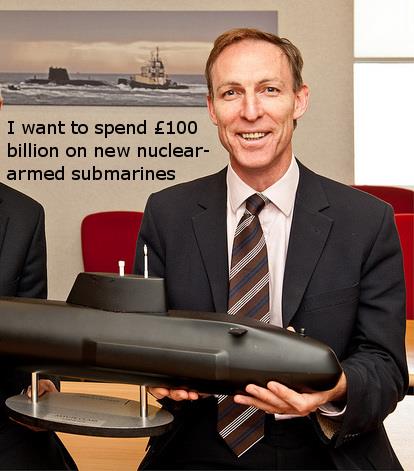
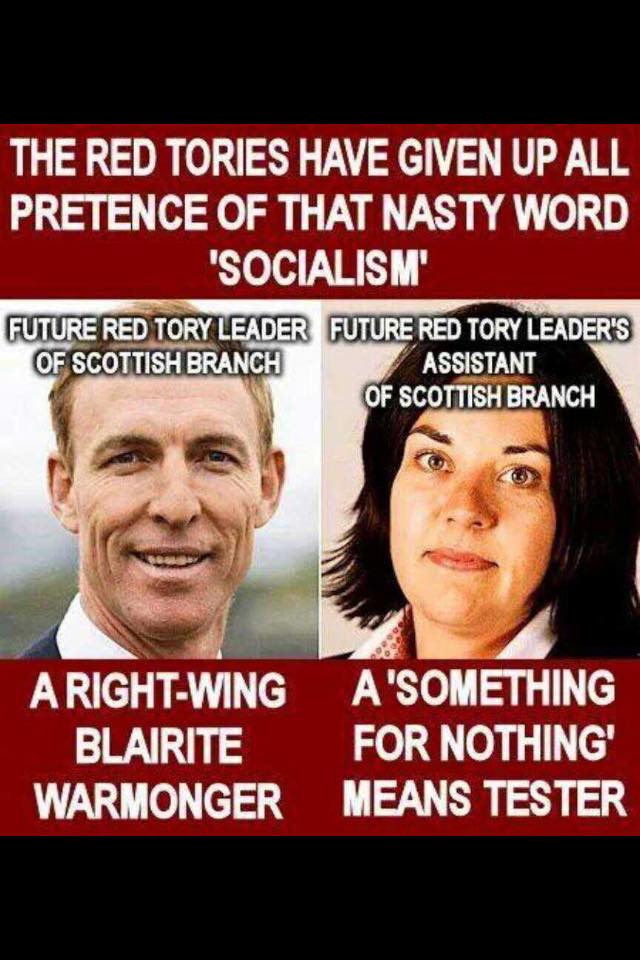


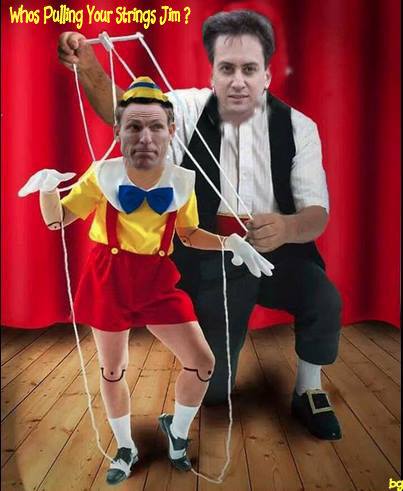


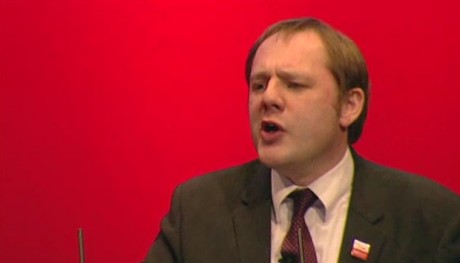


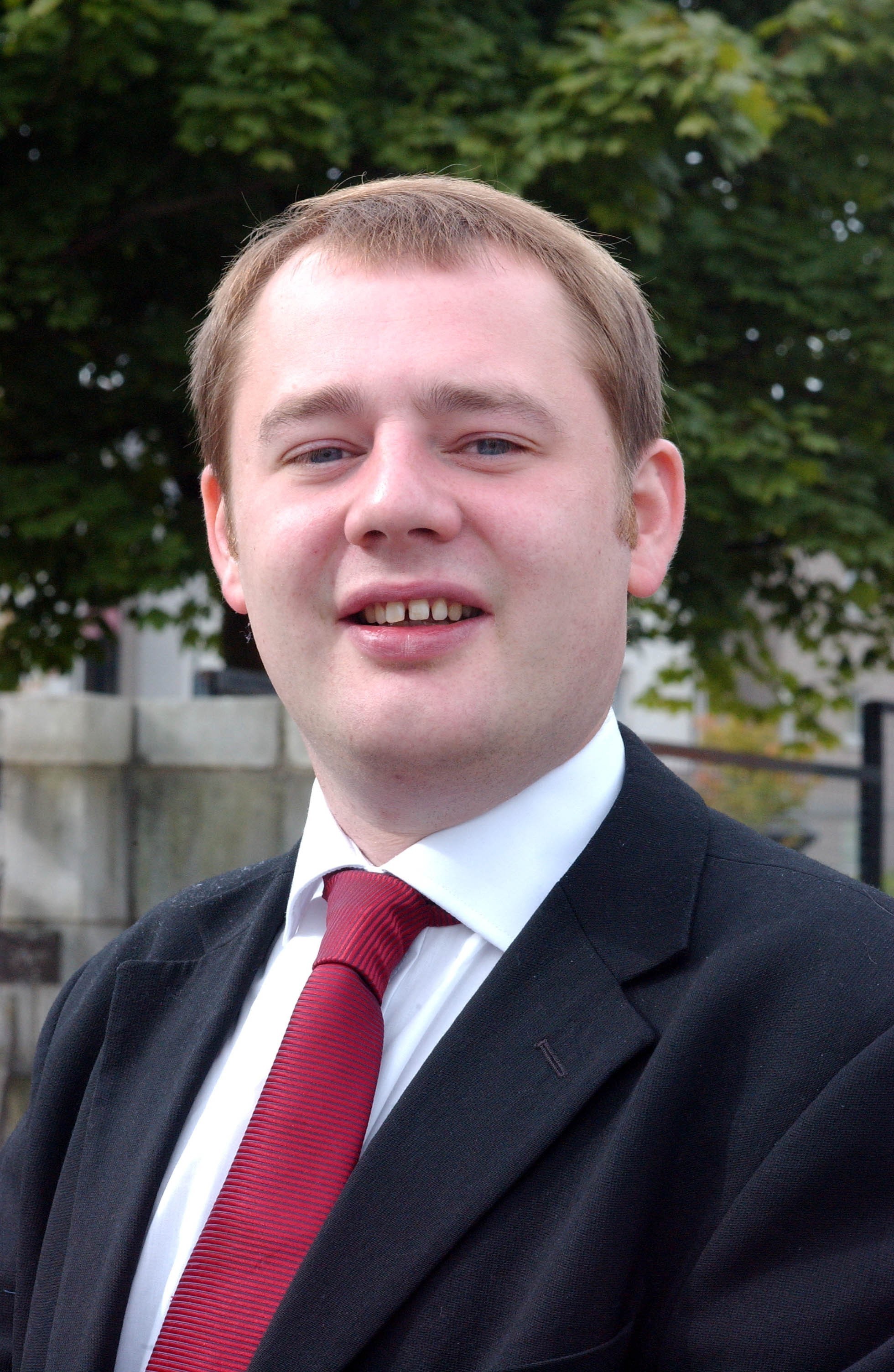
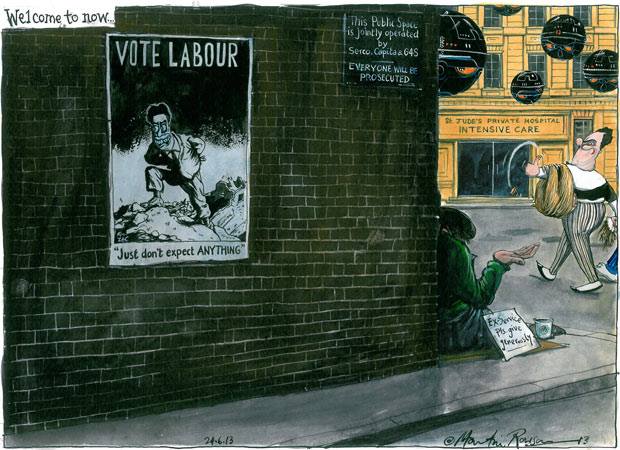

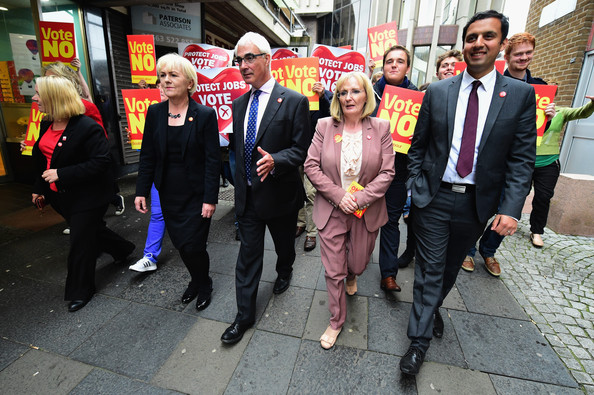

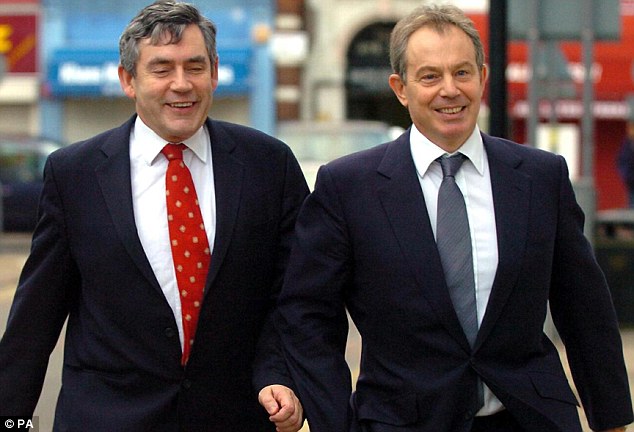

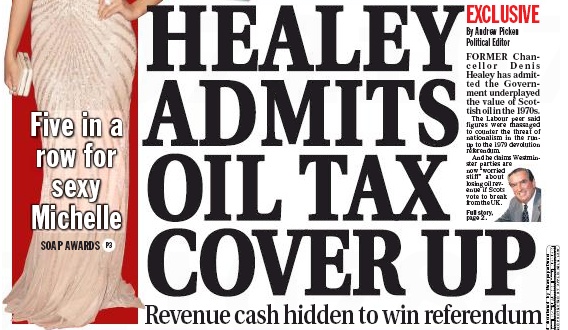

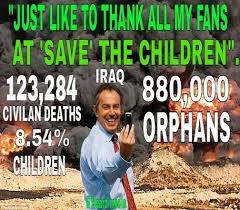


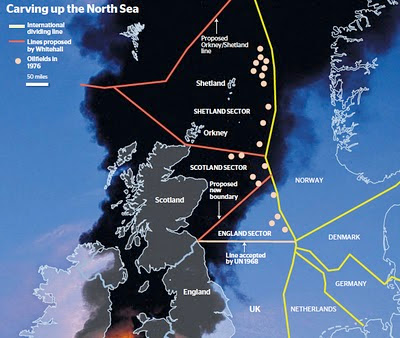

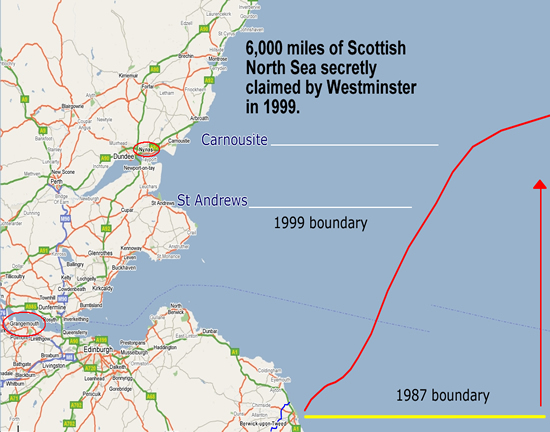




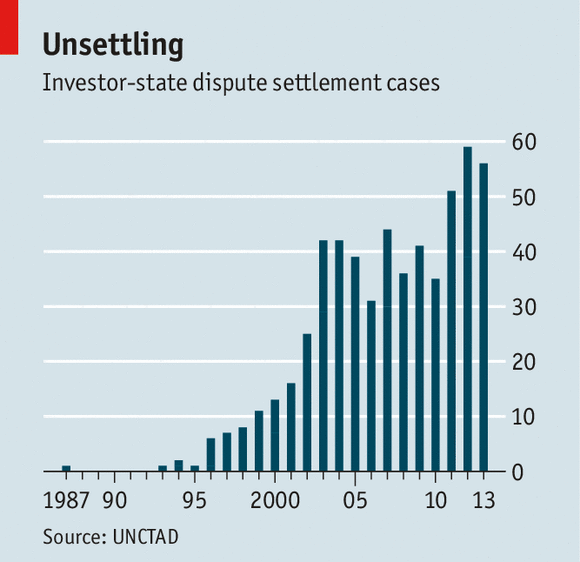
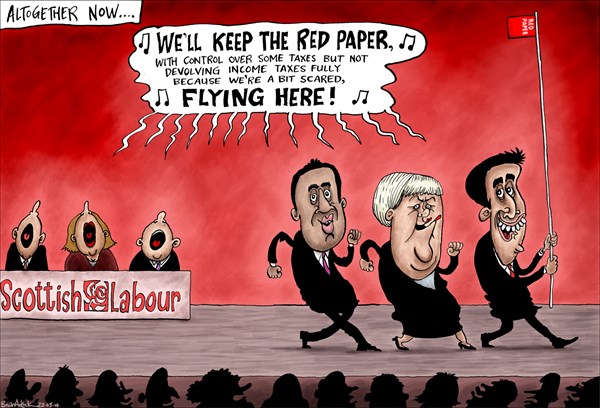







/arc-anglerfish-arc2-prod-shropshirestar-mna.s3.amazonaws.com/public/A2ZYRNZBRRG7NPLKDQ5M4CTXV4.jpg)


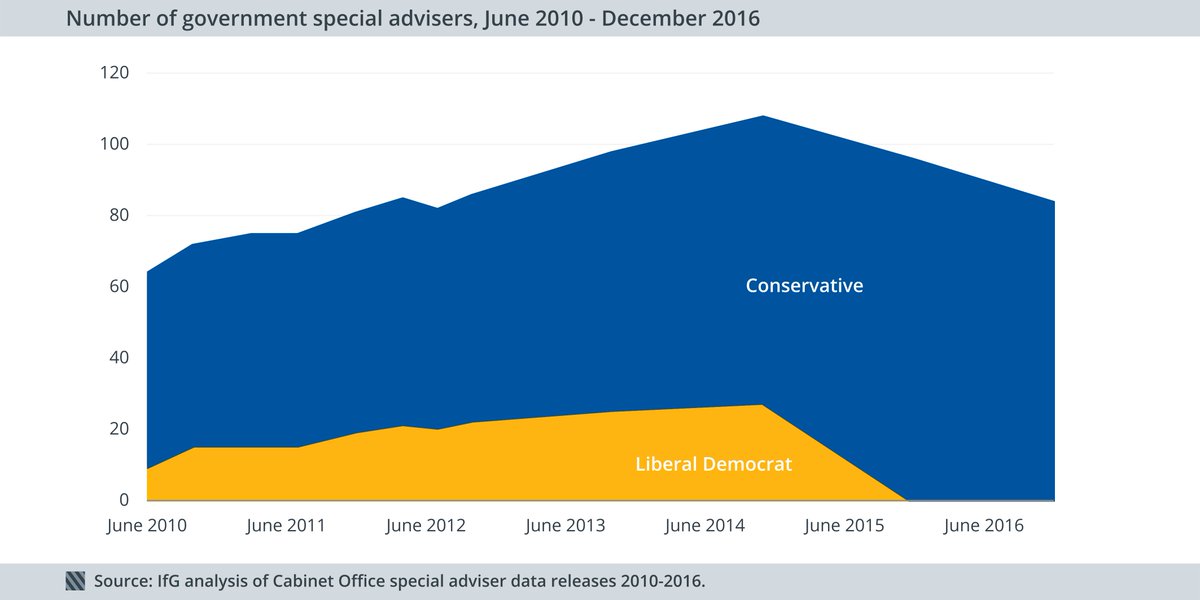




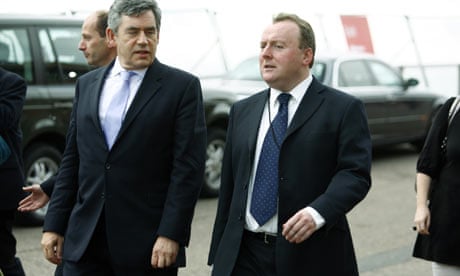
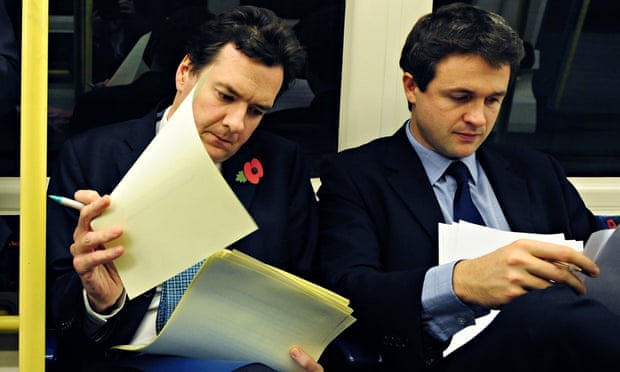


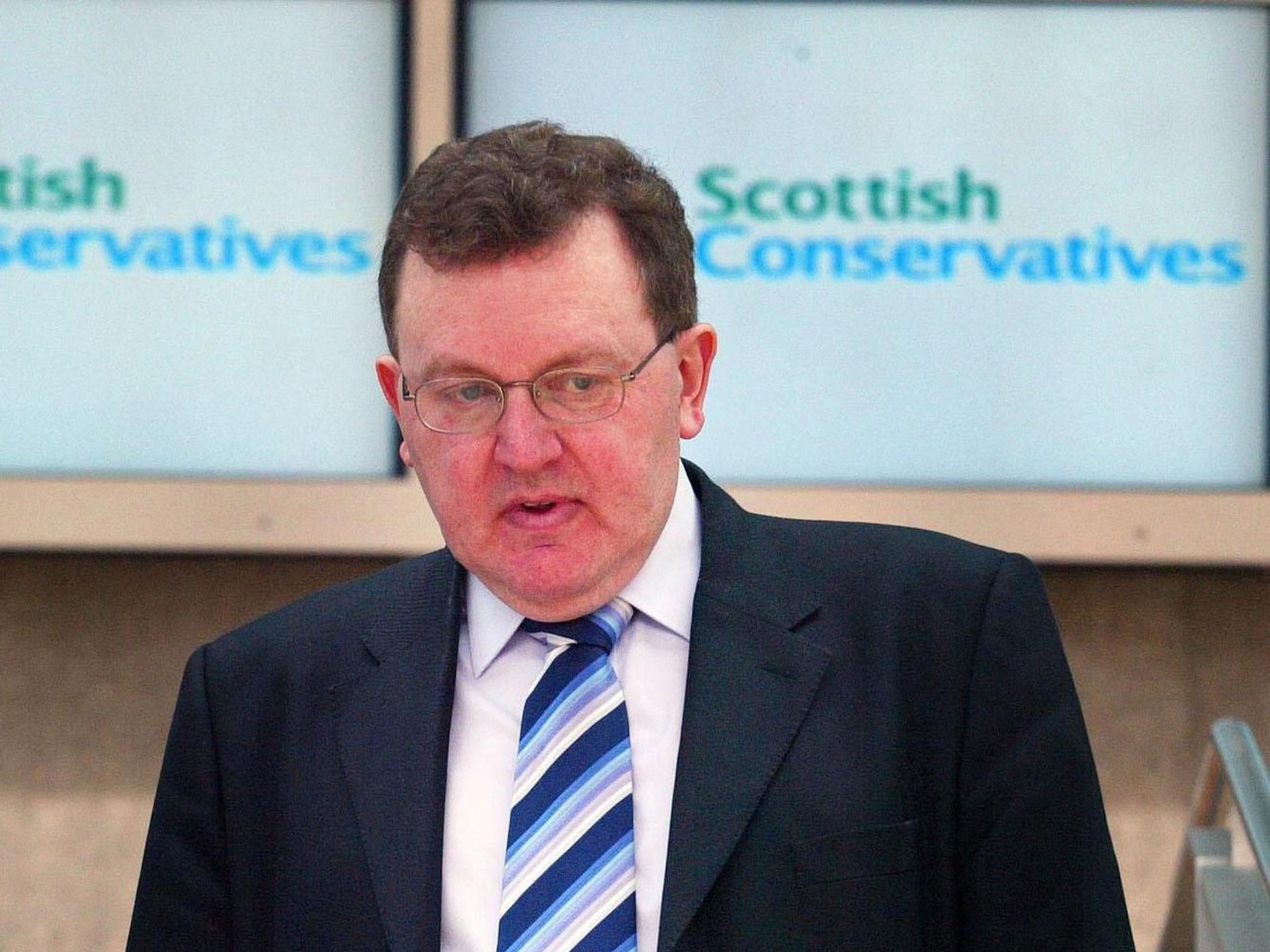
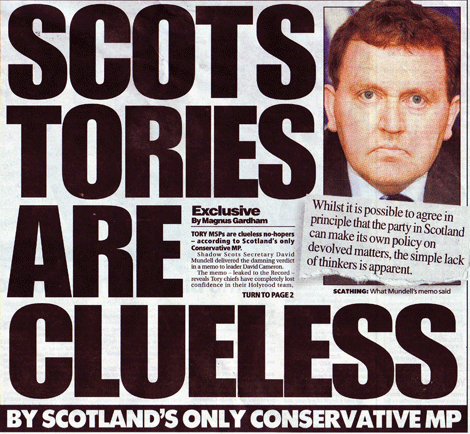
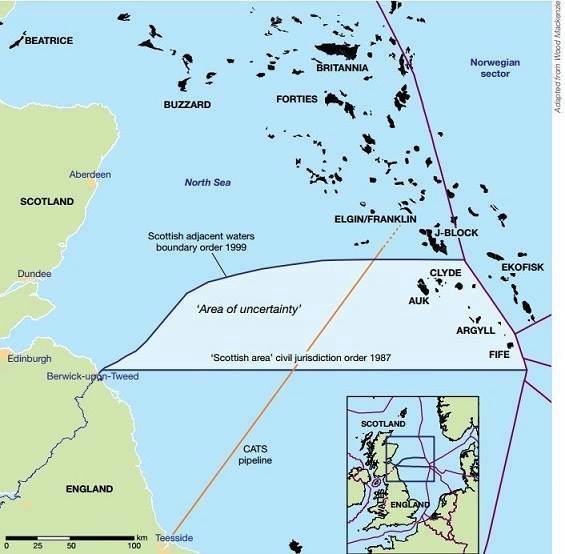


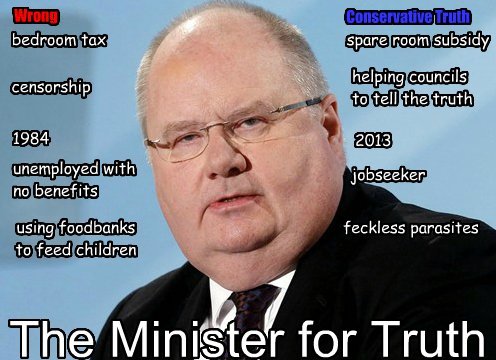
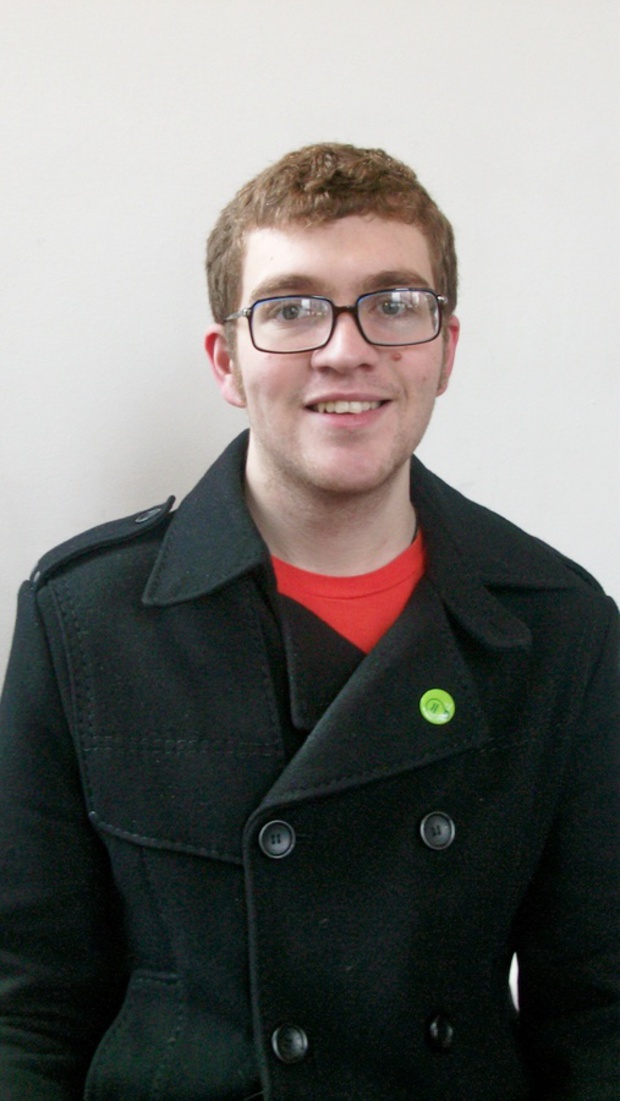 Oliver Mundell


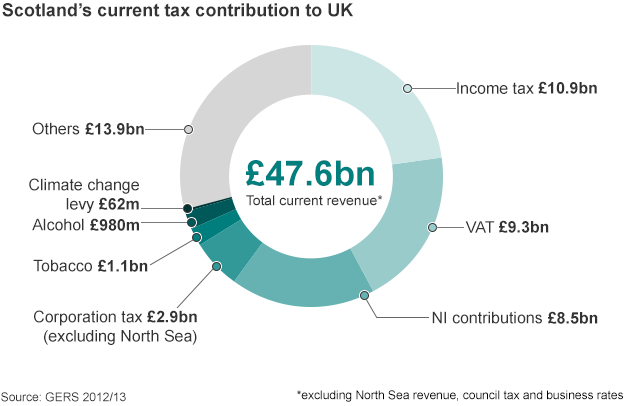
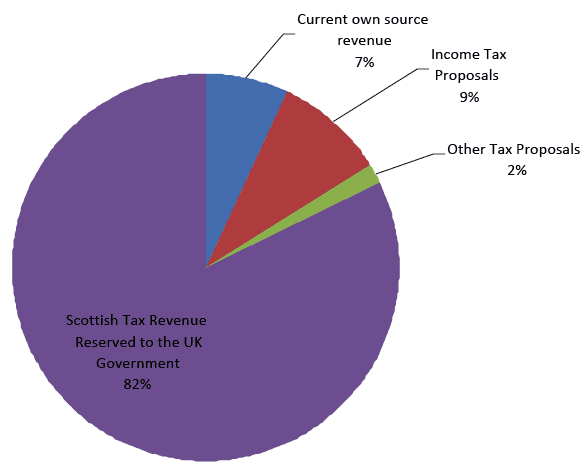




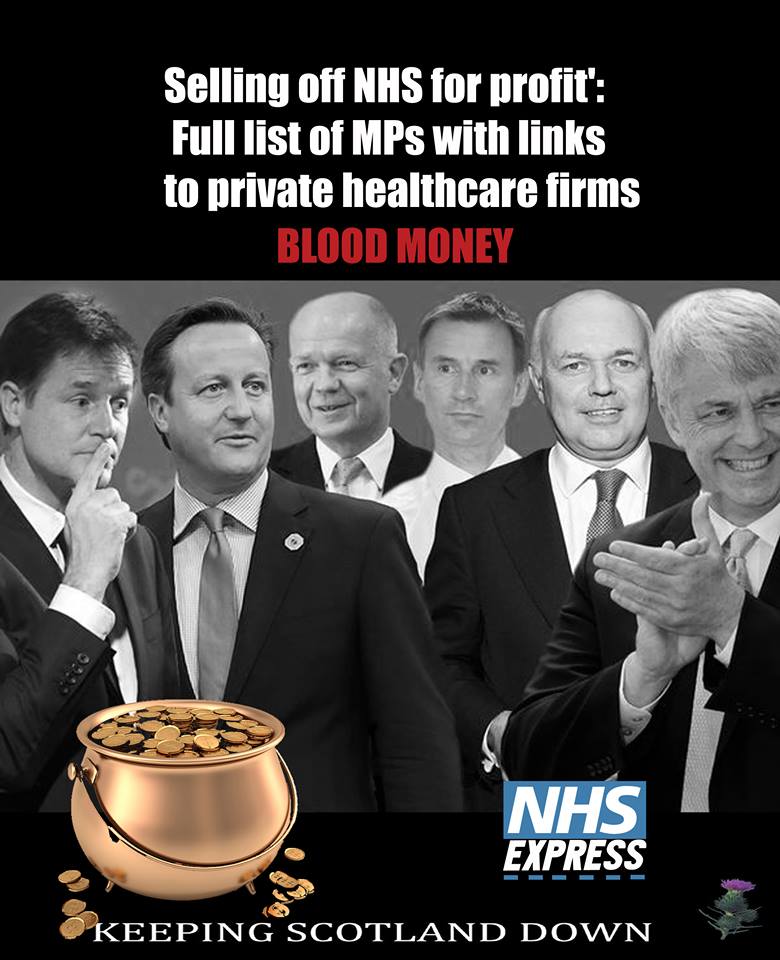
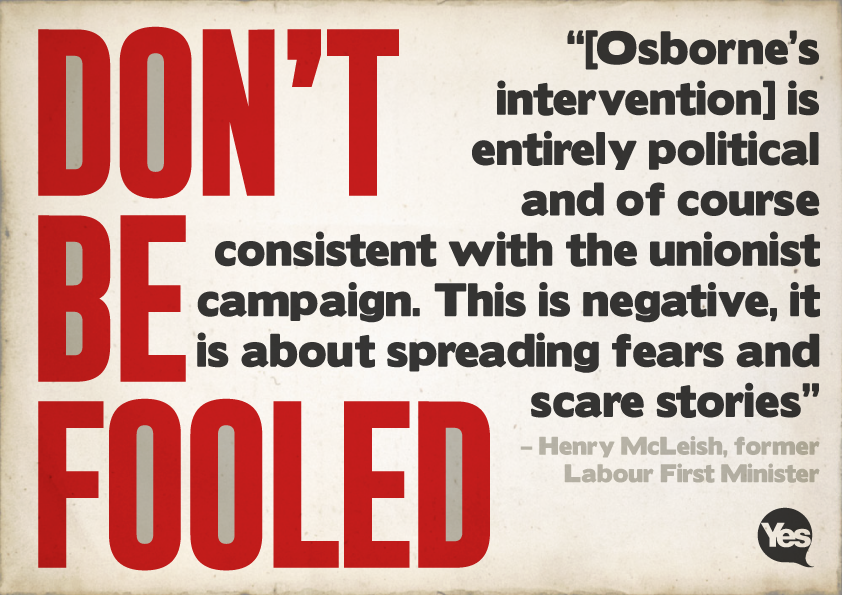




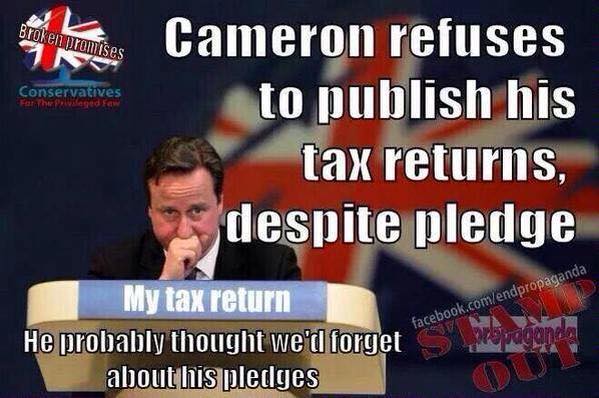

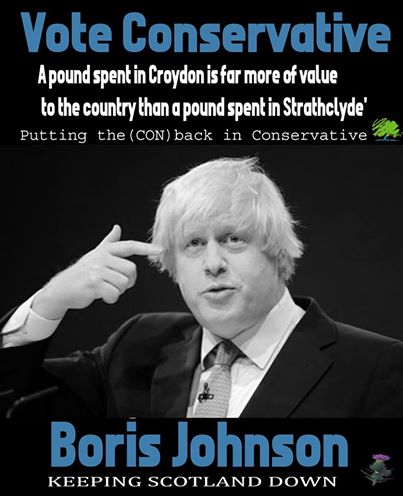


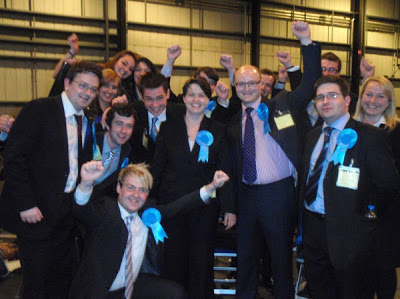
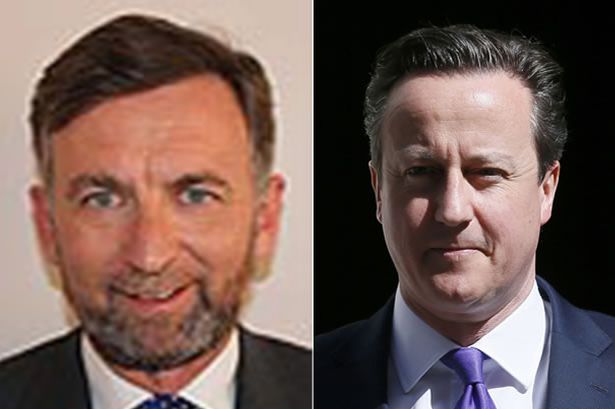


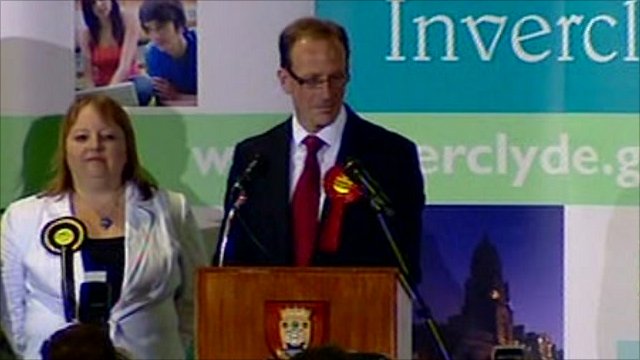
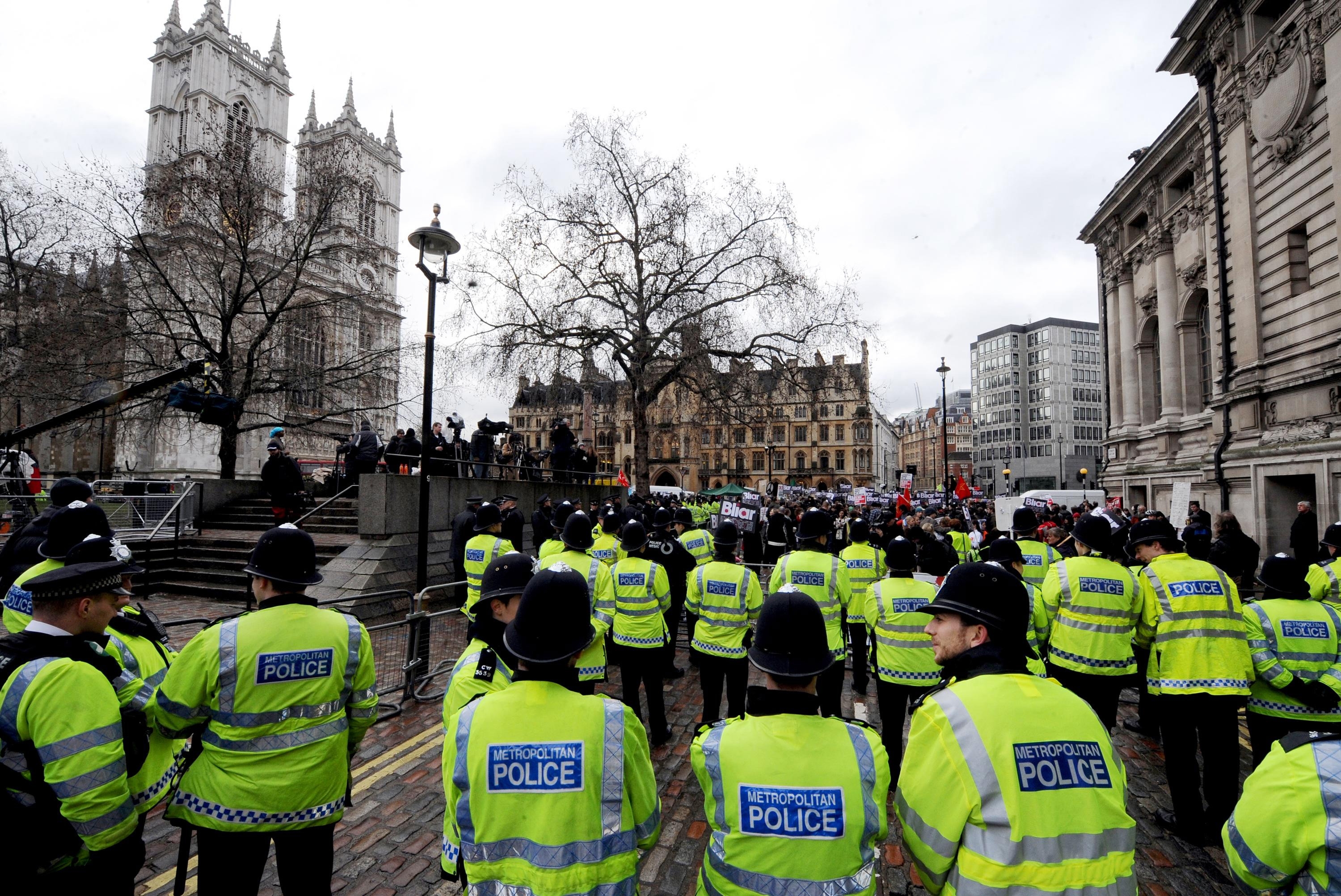
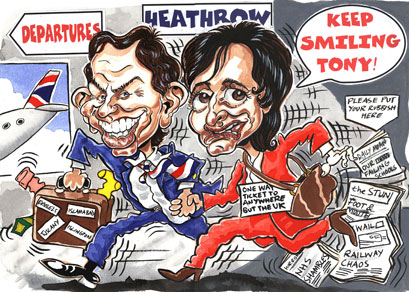




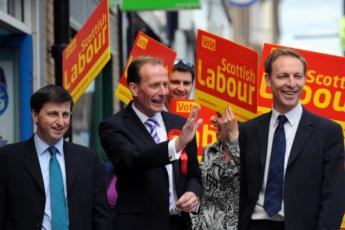
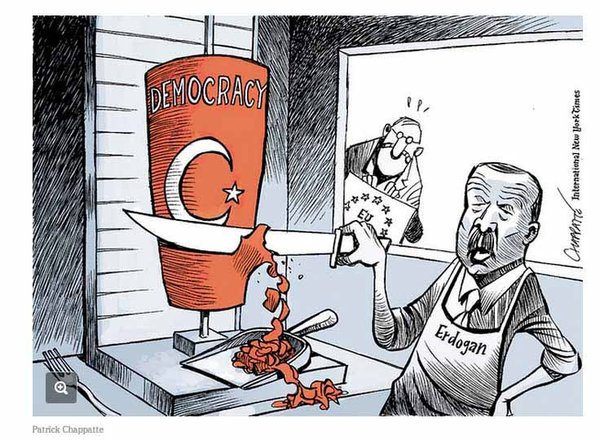
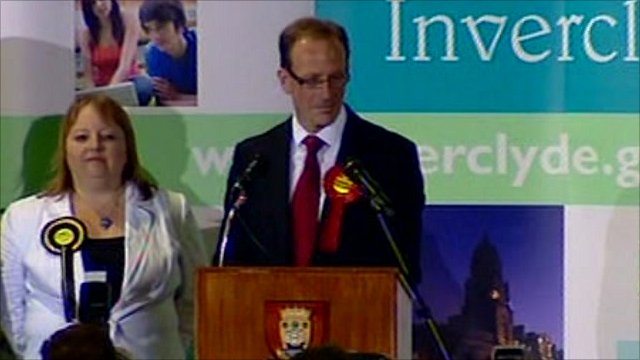
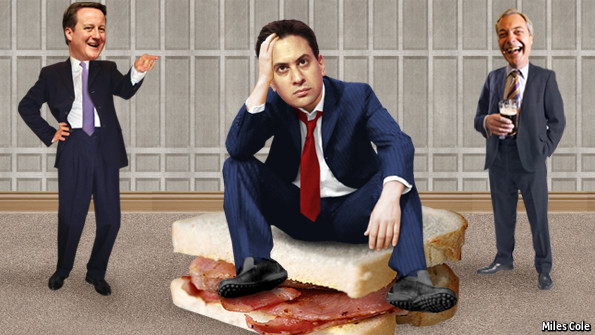
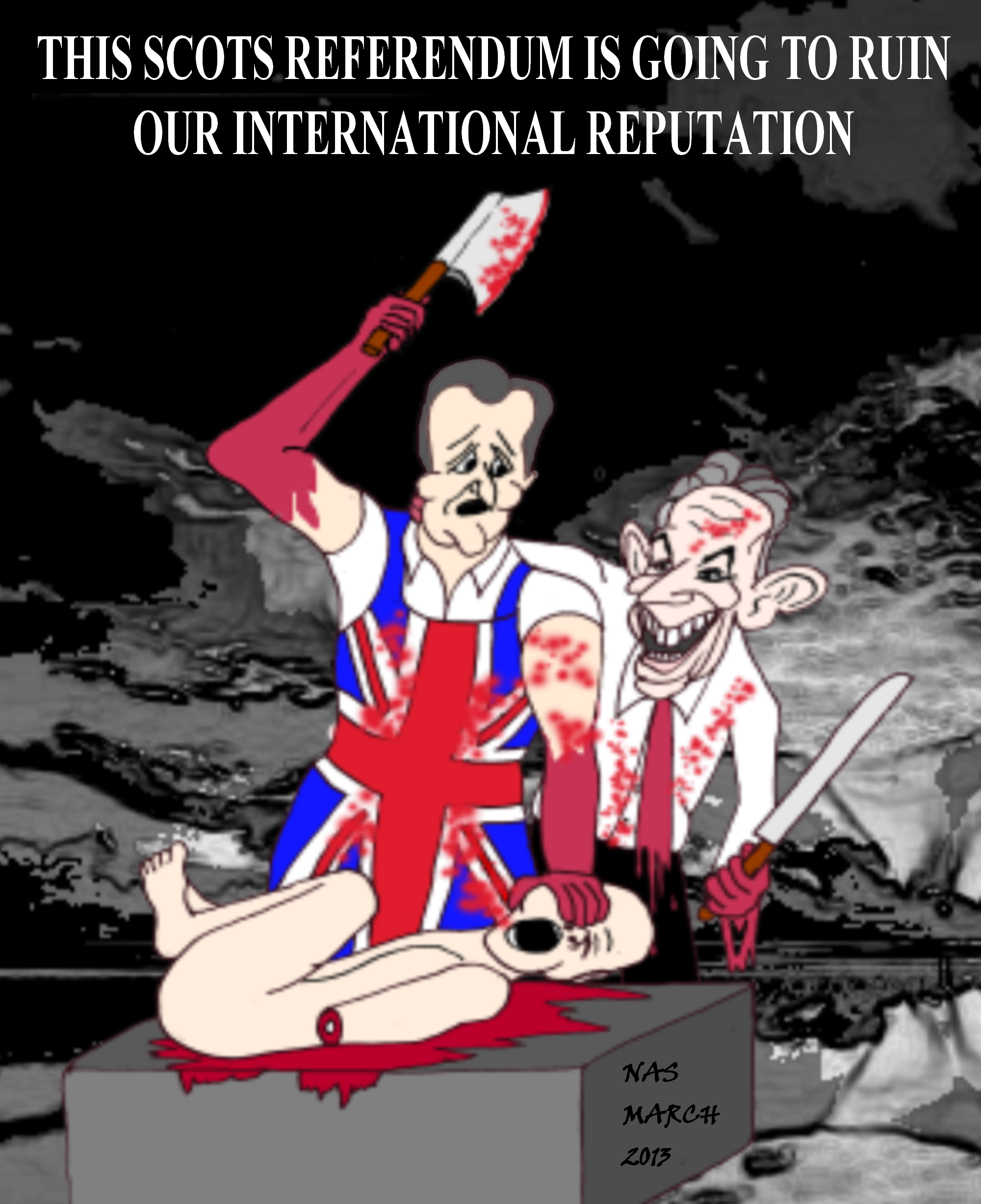


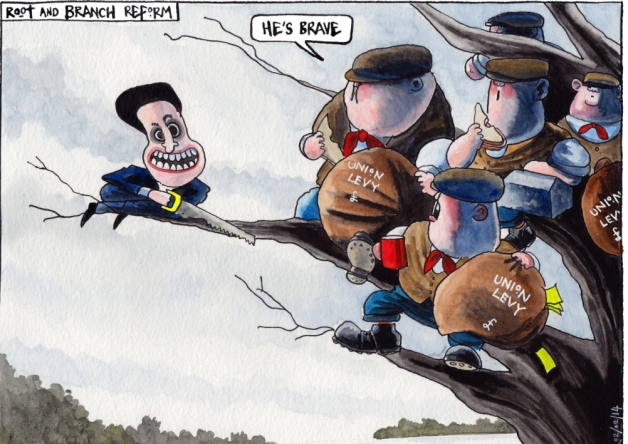



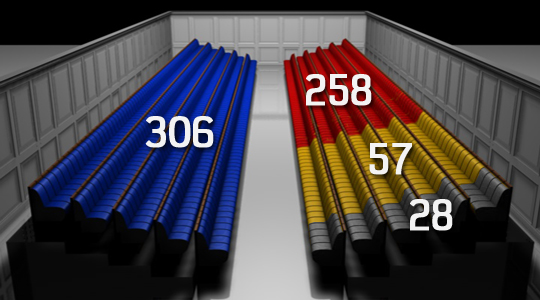

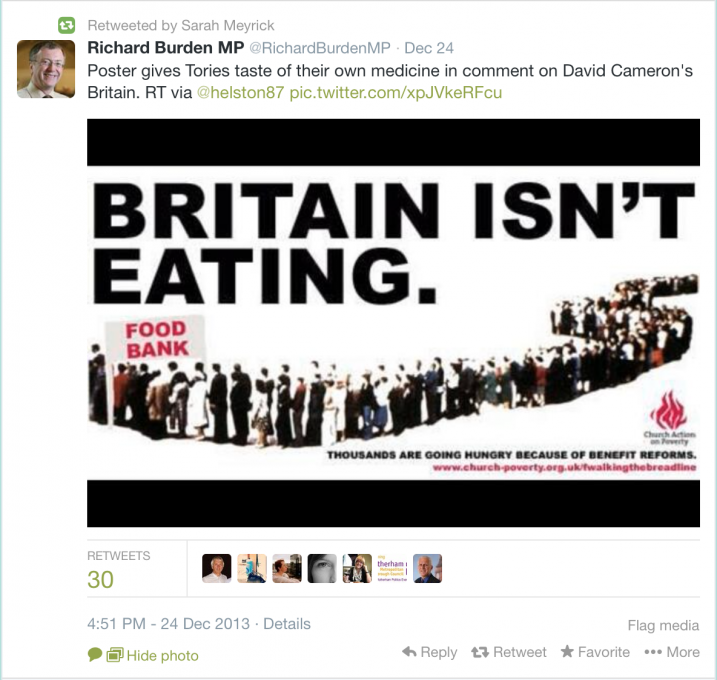

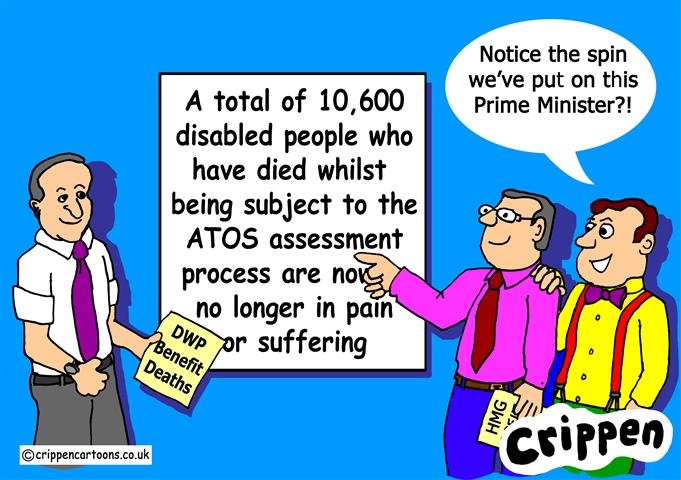
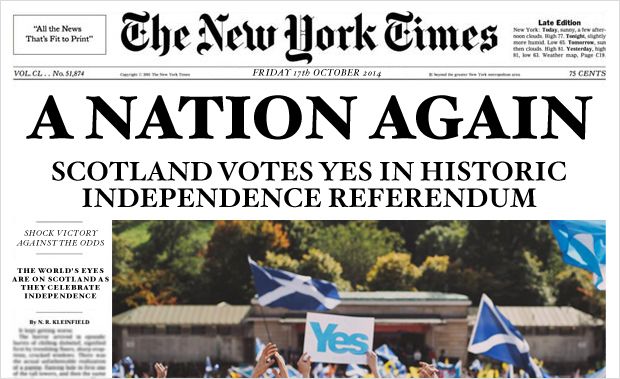
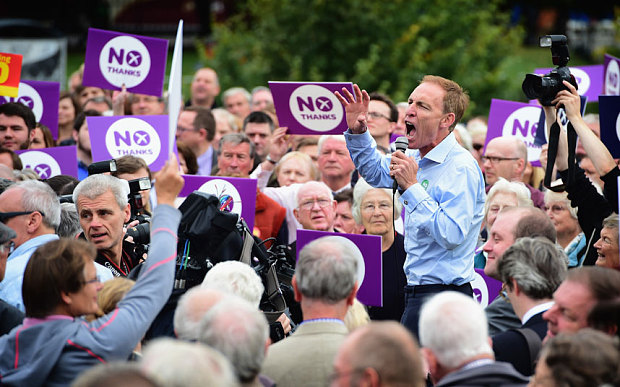
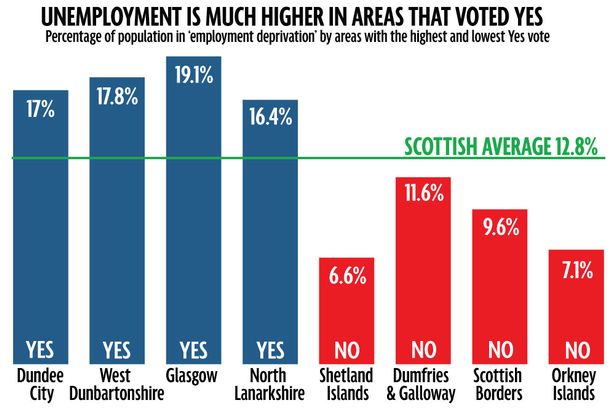

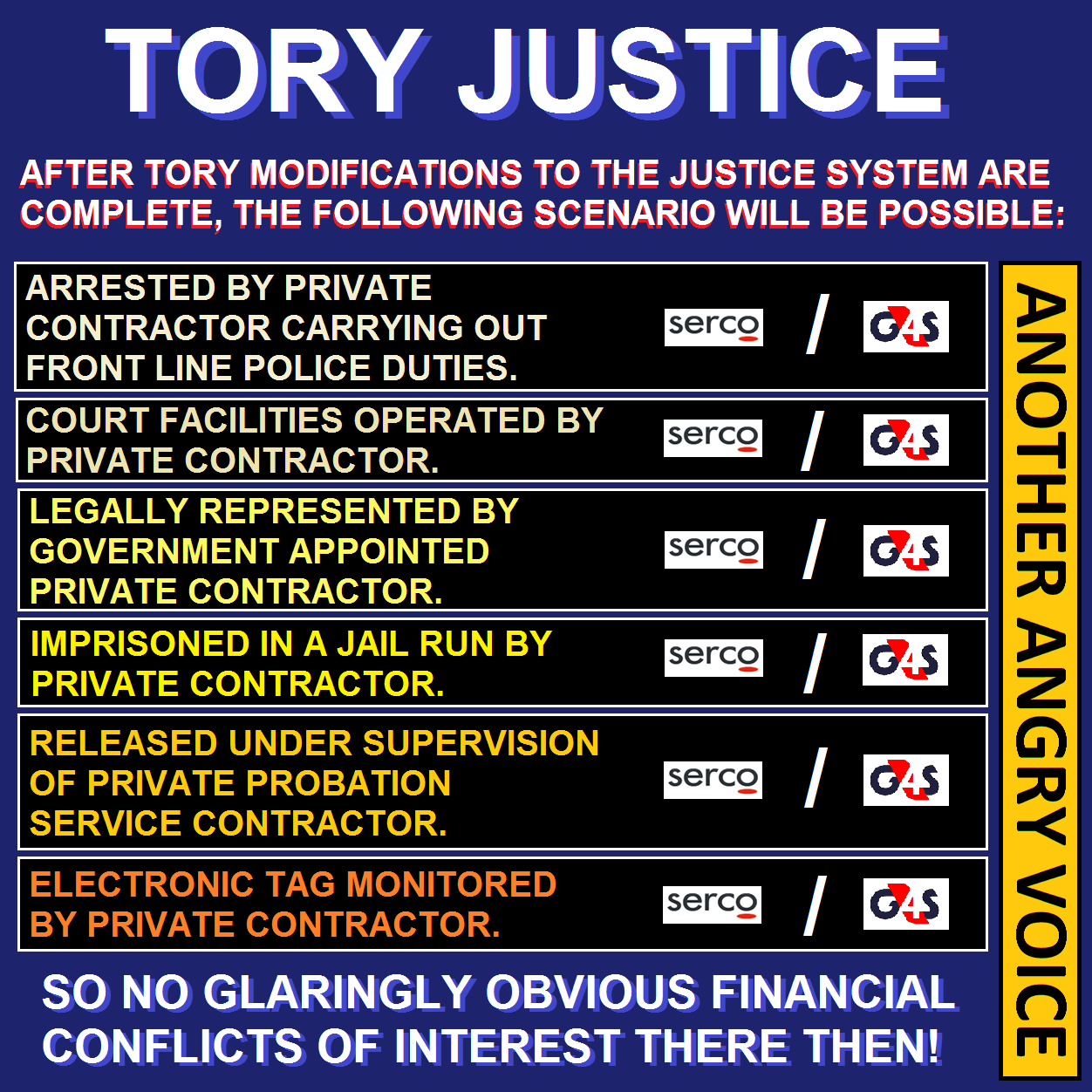

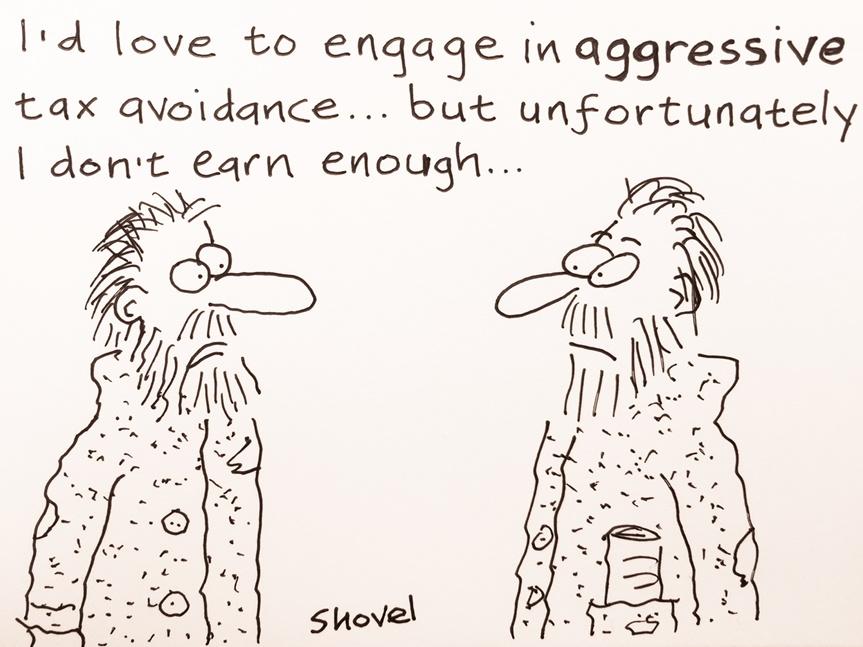

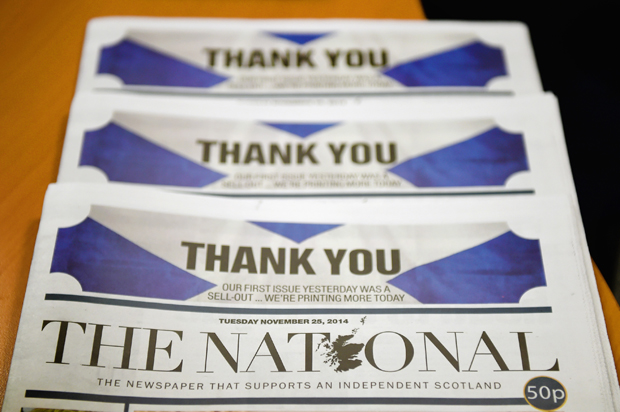










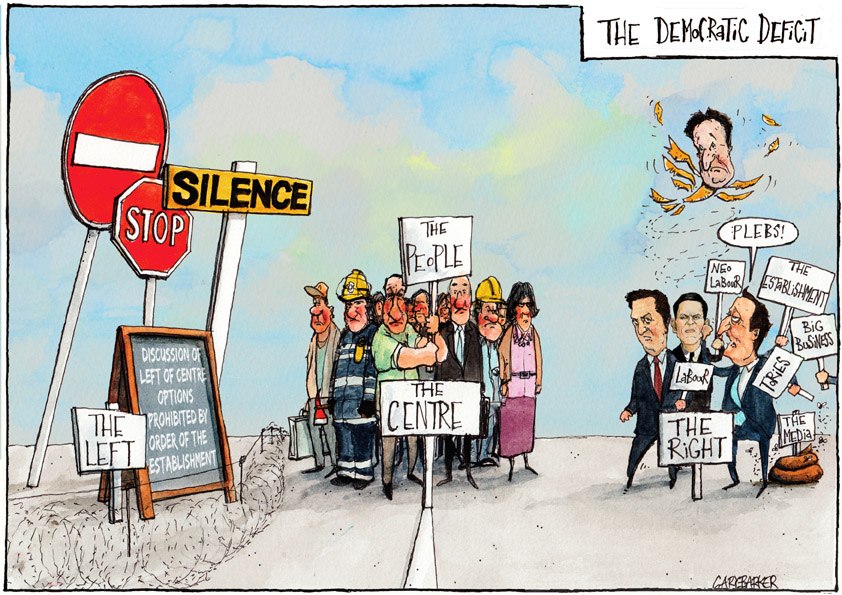

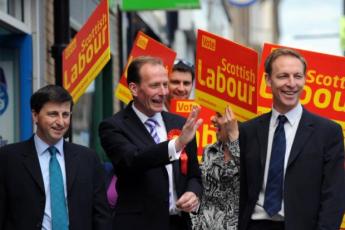

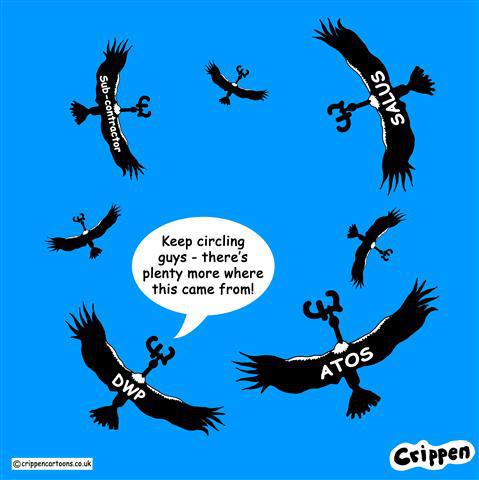


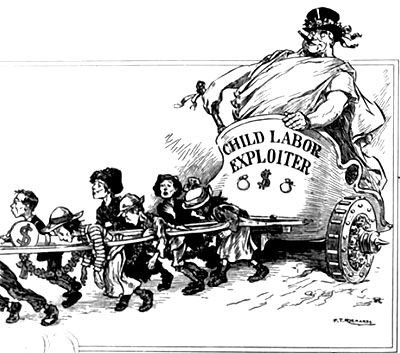
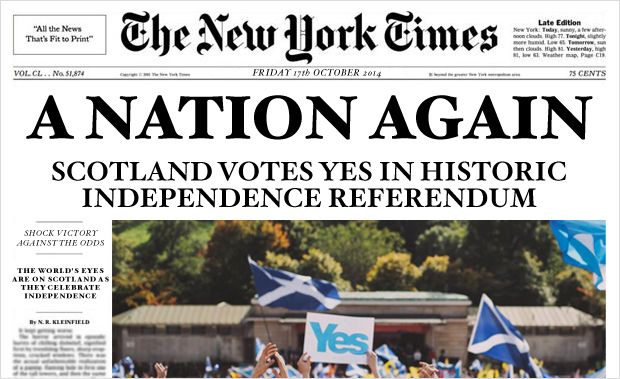


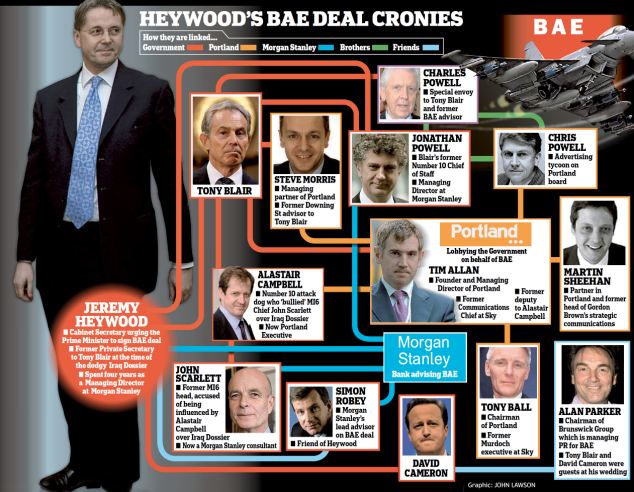

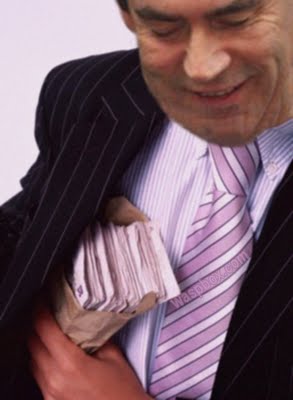
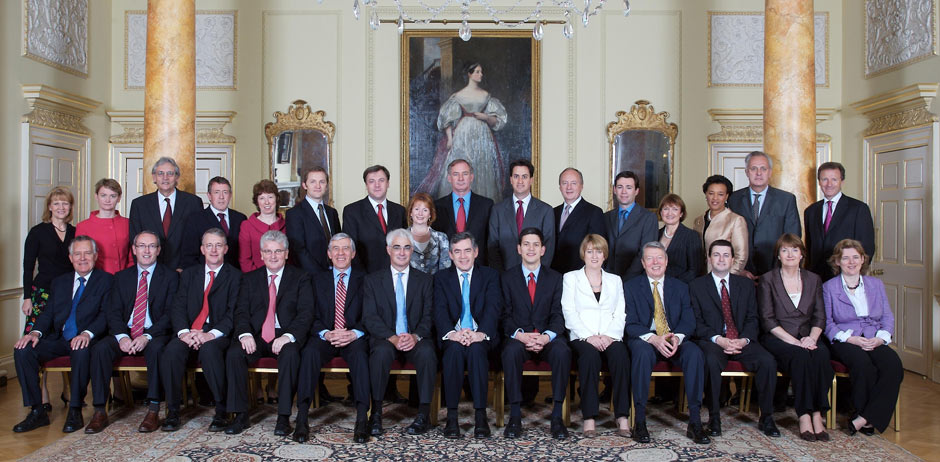


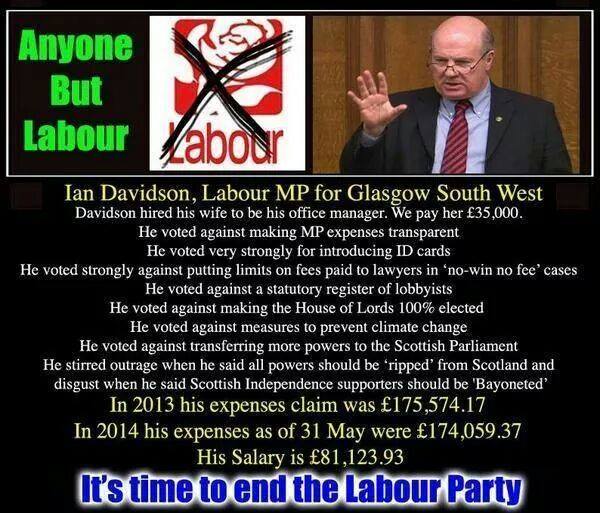
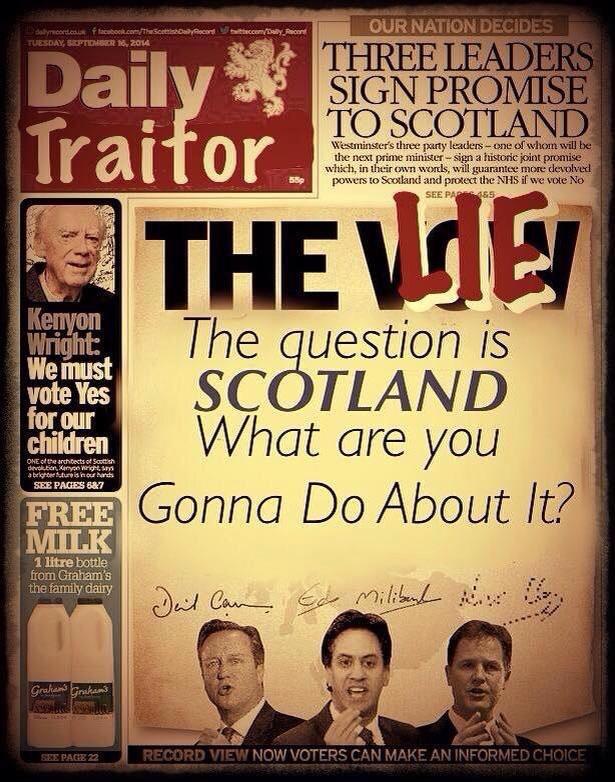
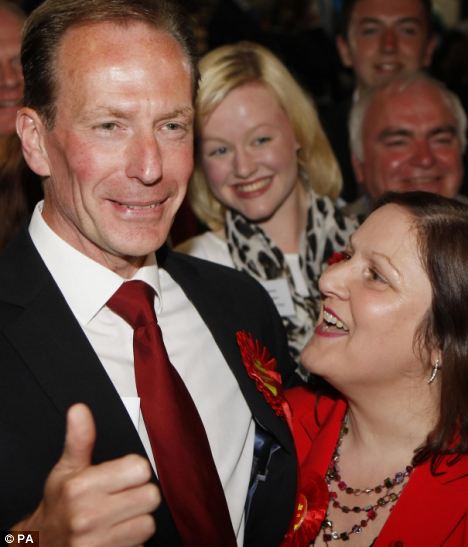
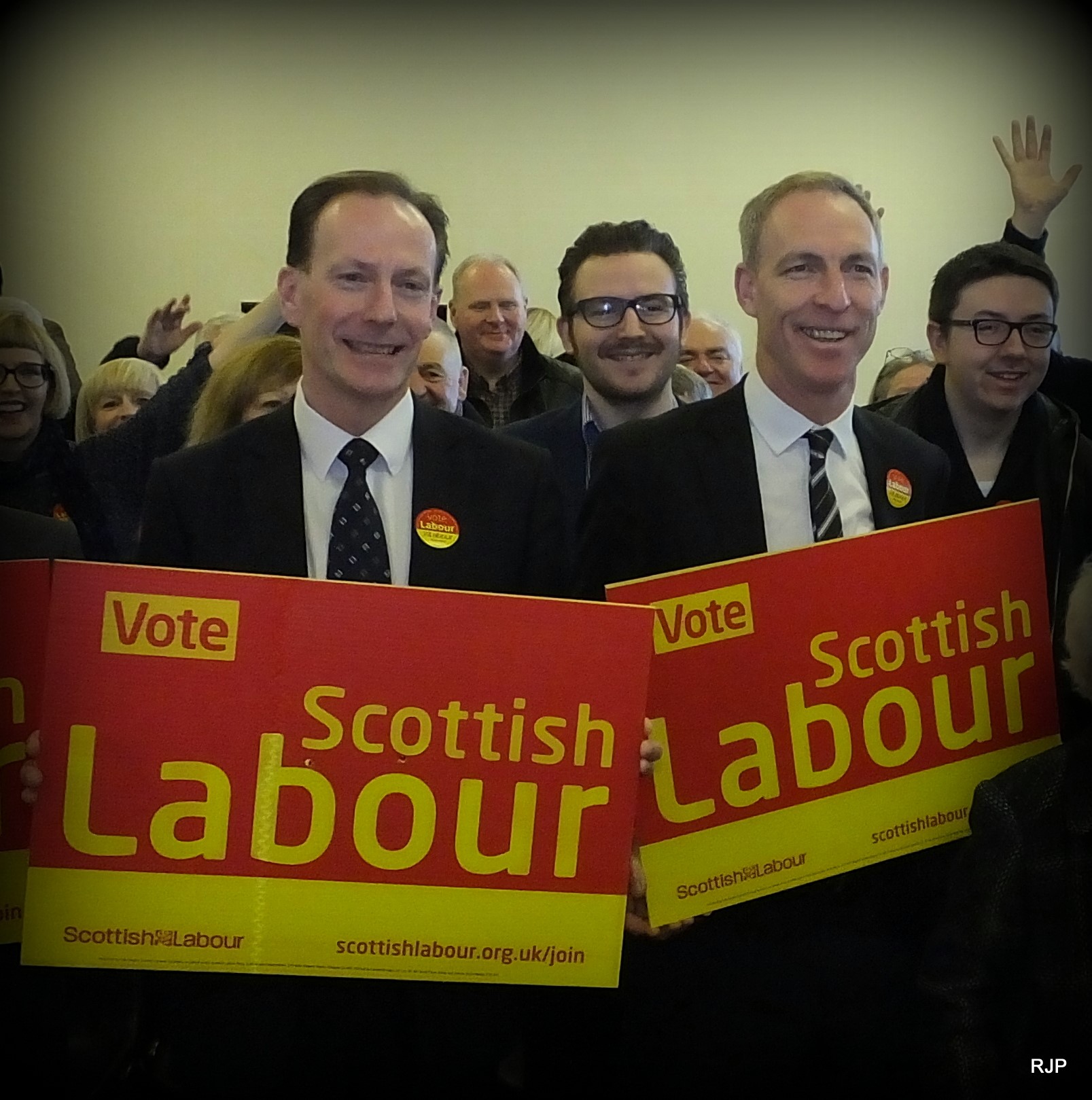
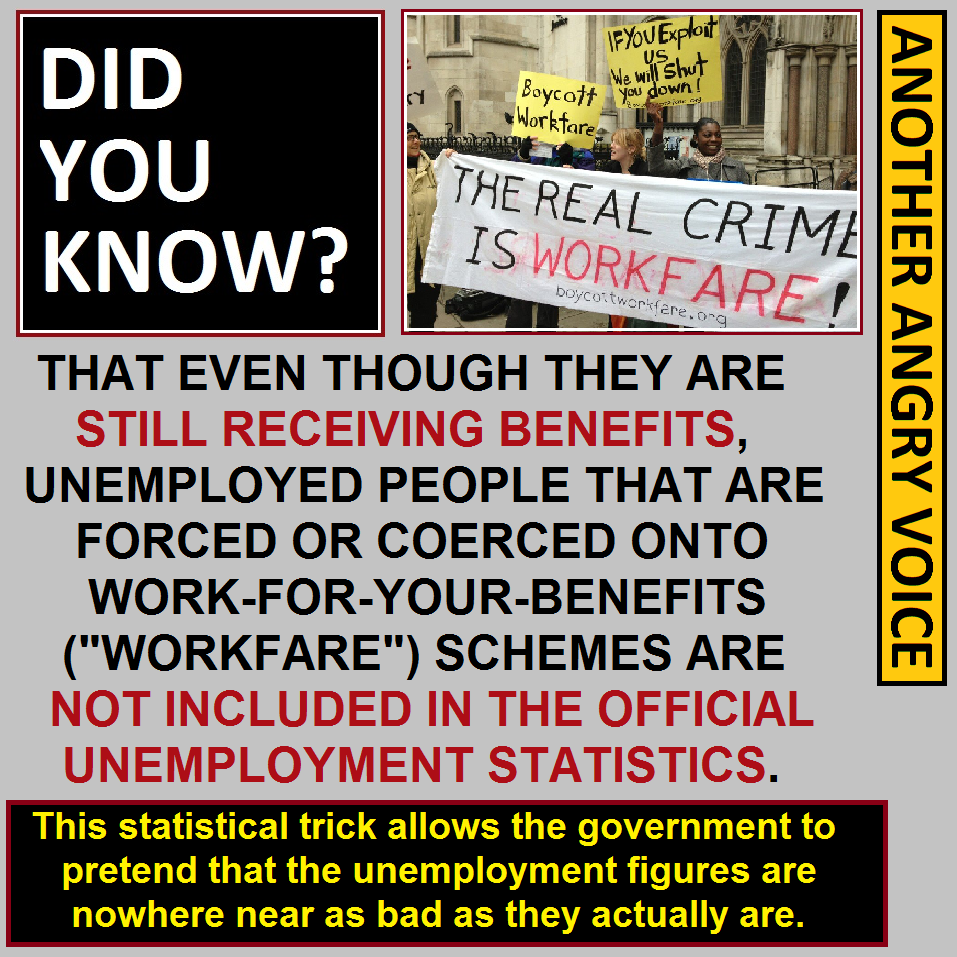

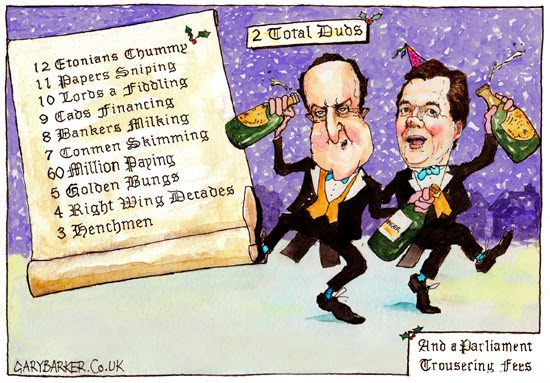

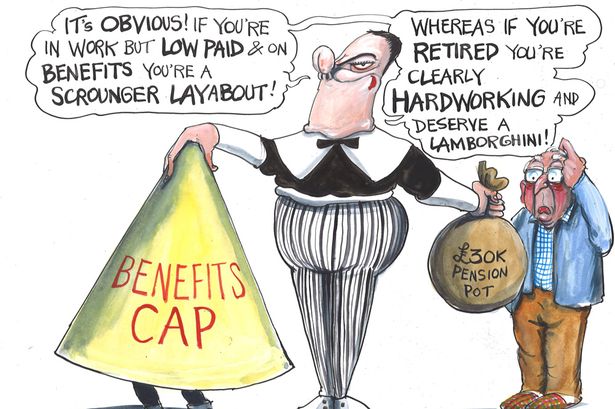
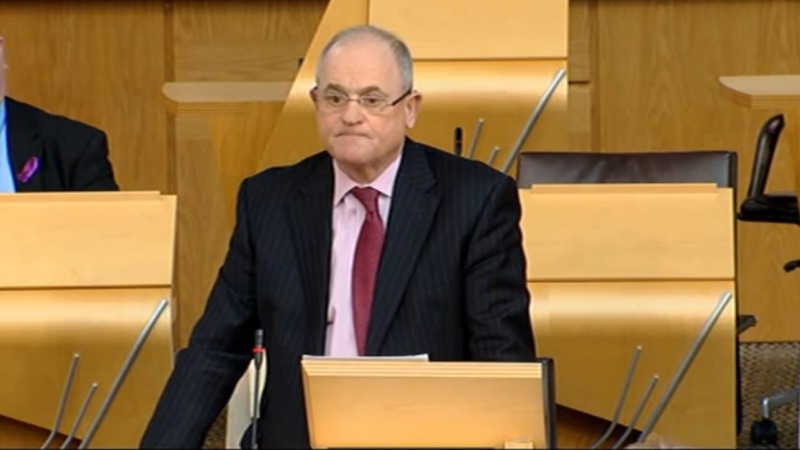


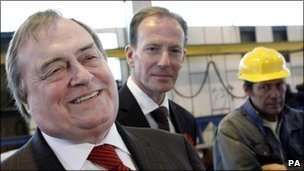

 caltonjock