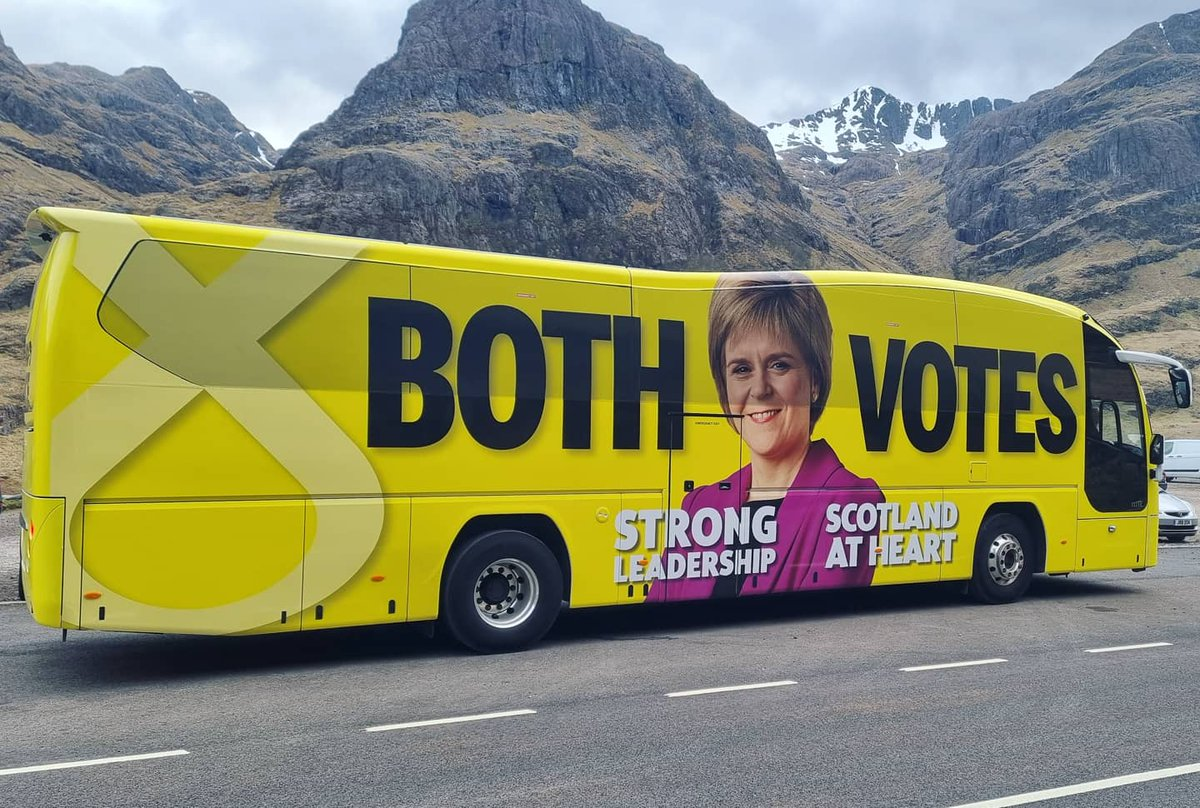
The Scottish National Party Government and associated Regional Branches employ approximately 841 people.
An investigation of the Party organisation indicates that the bulk of this total were appointed to office depending on who they supported politically, eg LBGTQ+ supporters or were close friends of persons responsible for the offer of employment or close family members. Some might level charges of nepotism!!
The concerns of many Party members who have been alerted to the abuse of office by senior officers are being expressed widely on the internet social media network and the bubble is now burst.
The May 2022 Council election was the vehicle through which the SNP membership could have, but didn’t send the message, “not in our name” to Sturgeon and her fellow political conspirators who who are determined to deny Scots their independence.
The 841 non-independence compadres of the SNP gift themselves between £32,690,000 – and £43,150,000 each year.
It would be safe to assume that much of the financial largesse is being tucked away in private bank accounts for retirement days in sunny warmer climes.
The breakdown of the annual cost of the SNP to the Scottish taxpayers:
Local councillor: Salary + on costs + expenses: £20,000 per annum.
MSP support: Caseworkers and Administration: Salary + on costs + expenses + superannuation pension: £40-£60 per annum. Funding for three FTE = £120-£180 per annum
MSP: Salary + on costs + expenses + accomodation + superannuation pension: £90,000-£120,000 per annum.
MP support: Parliamentary Assistants and caseworkers: Salary + on costs + expenses + superannuation pension £40,000-£60,000 per annum. Funding allocation £180,000 per annum. Around 3+ staff.
“As a nation, the Scots have an undoubted right to national self-determination; thus far they have exercised that right by joining and remaining in the Union. Should they determine on independence no English party or politician would stand in their way, however much we might regret their departure.” (Margaret Thatcher)
In 1954, A Royal Commission described the UK as a “multi-national” or “multi-nation” state and acknowledged that it had been one ever since its foundation in 1707.
The recognition of the multinational character of the British State and Scotland’s status as a nation within it further acknowledged that “Scotland was a nation that had voluntarily entered into union with England as a partner and not as a dependency”.
Scotland’s right to self-determination:
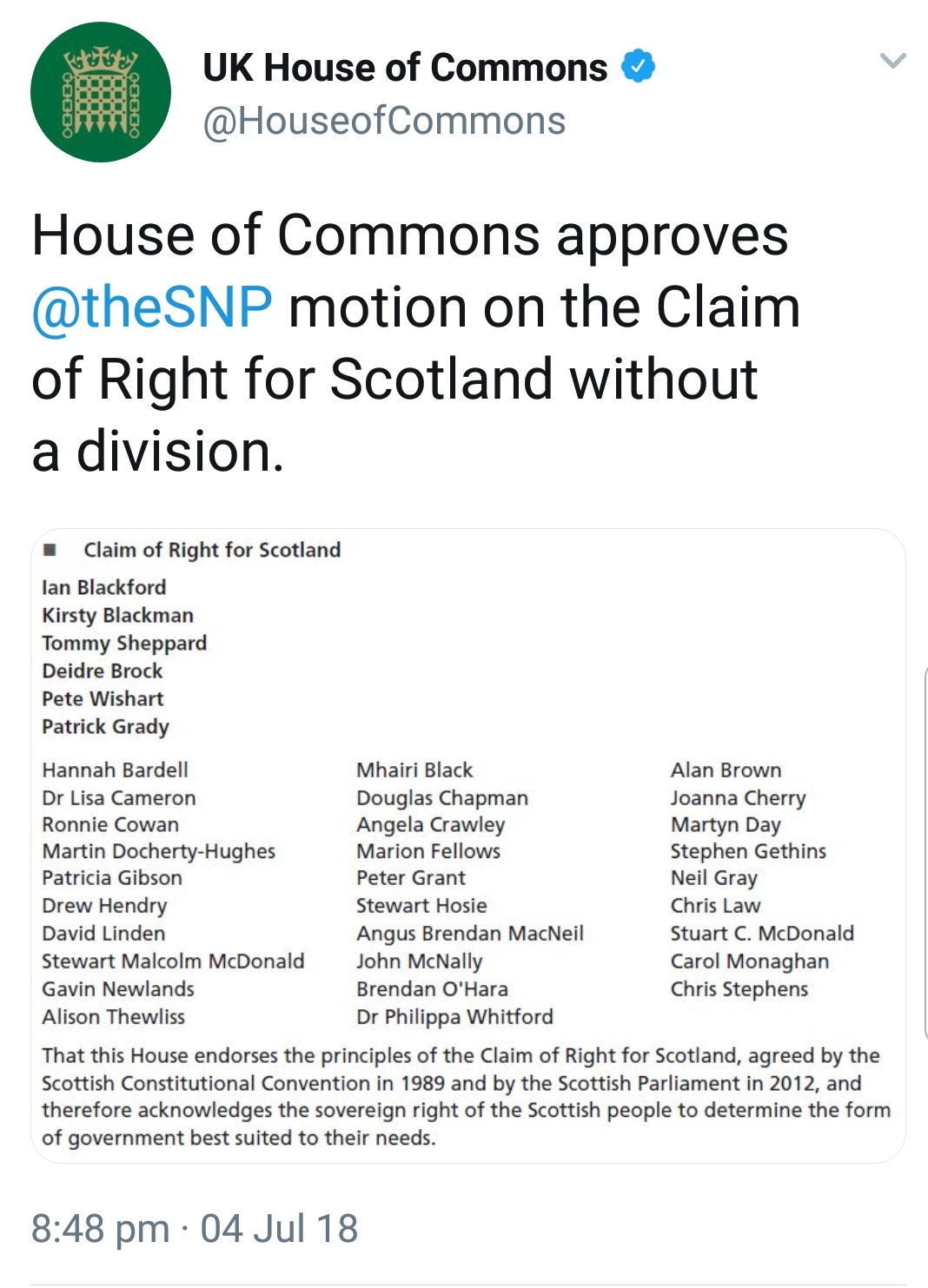
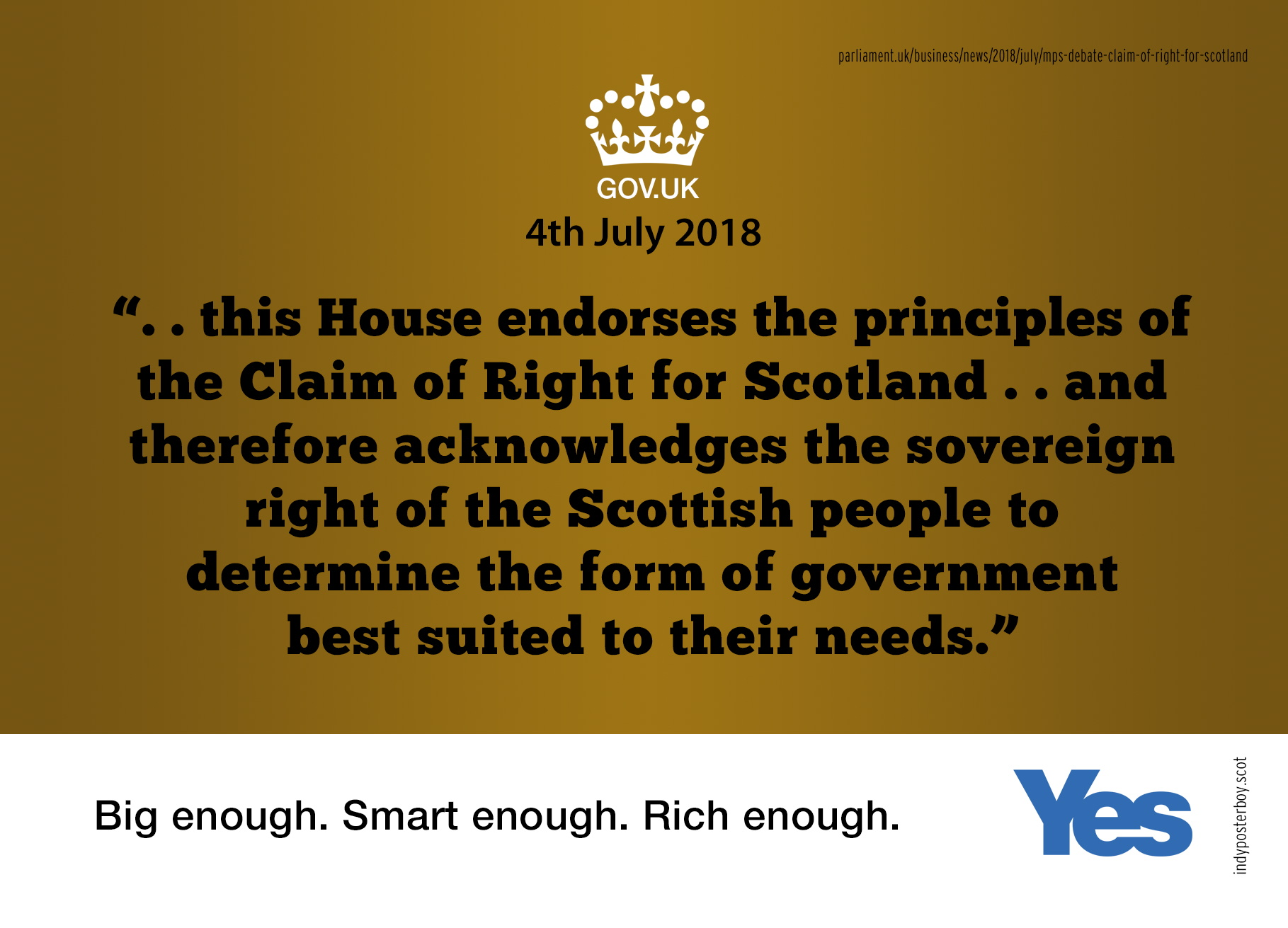
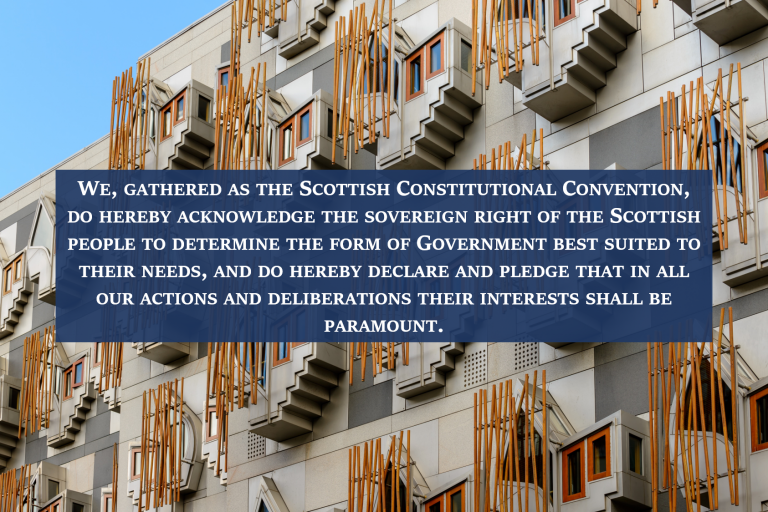
“That this House endorses the principles of the Claim of Right for Scotland, agreed by the Scottish Constitutional Convention in 1989 and by the Scottish Parliament in 2012, and therefore acknowledges the sovereign right of the Scottish people to determine the form of government best suited to their needs.” (Westminster Parliament, Wednesday 4 July 2018)
Self-determination has also been codified in the fundamental and universal documents of international systems, such as the Charter of the United Nations in 1945 and the International Covenants on Civil and Political Rights and Economic, Social and Cultural Rights of 1966 and becoming an independent country would be an act of self-determination by the people of Scotland.
The precedence of the doctrine of the mandate
Before 2011, the Unionist attitude to independence referendums was that its politicians should not support referendums on policies that they did not back.
But their opposition changed after the 2011 General Election when they agreed to the holding of an independence referendum because of the concurrence of Westminster politicians who believed that in winning an overall majority of seats, the SNP had won the right to see that particular promise implemented.
What was significant was that the agreement to hold the independence referendum established precedence through the preference for the belief in the doctrine of the mandate, rather than by the upholding of a constitutional rule.
Although not tested at the time the support of the doctrine of the mandate extended to a straightforward declaration of independence if that was the preference of the electorate.
Referendum and Westminster
The Scotland Act does not explicitly reserve the organisation of referendums to the Westminster Parliament, though it does reserve to Westminster “the Union of the Kingdoms of Scotland and England”. That is not the political union but the union of the monarchy’s.
It can therefore be argued that a referendum on ending that Union is also a matter reserved to Westminster. The potential difficulty was resolved through a political deal, the Edinburgh Agreement of October 2012. The opening lines of the Edinburgh Agreement, stated: “The United Kingdom Government and the Scottish Government have agreed to work together to ensure that a referendum on Scottish independence can take place.”
Referendum and Scotland
A Scottish independence referendum was reluctantly supported by the British Government even though it could have attempted to block it by legal means.
The reason for this is enshrined in Scotland’s right to self-determination that has long been acknowledged, as has its status as a nation within the UK State. a simple “50% plus one” majority would have been enough to launch independence negotiations.
In Scotland’s case, the main obstacle on the road to secession was the composition of the electorate which comprised many thousands of voters not truly Scottish, an anomaly that produced a majority that remained unconvinced of the merits of independence.
This hurdle would be overcome in any future referendum with the stipulation that residence in Scotland is not an automatic qualification. A Scot is an individual born, wholly resident in Scotland at the date of an election and pay’s income tax to the Scottish government
Abuse of principled politics offered by the SNP leadership
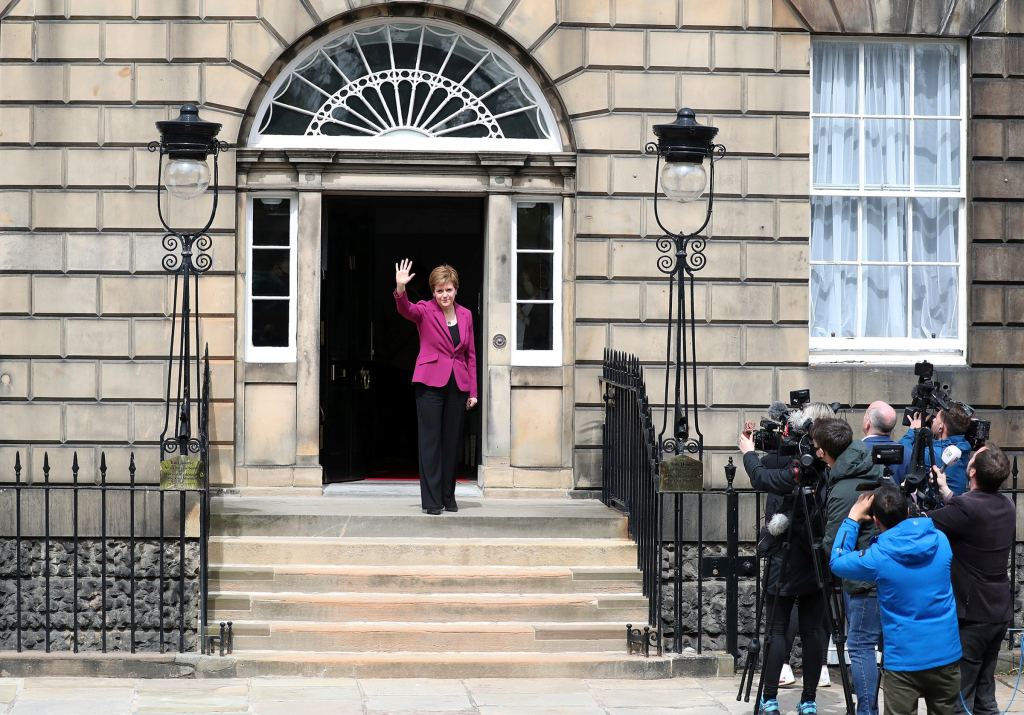
Nicola Sturgeon stood at the doors of Westminster in 2015 and stated: “The SNP will be the principled opposition in this place to the Conservative government. The SNP has worked long and hard in this election to make Scotland’s voice heard. To have people in Scotland in such overwhelming numbers put their trust in us is fantastic, but also is a big responsibility. We are determined to make Scotland’s voice heard here in Westminster, but we are also determined to be that voice for progressive politics that we promised to be during the election. To stand up to policies from a Conservative government that will damage Scotland and to make common cause with others of like mind from across the UK.” No mention of independence from a Party leader in preference for committing the Party to progressive politics in opposition to a regressive regime. What a nutter!!!
The Tory response was immediate and ruthless
Scotland’s only Tory MP and Secretary of State for Scotland, Mundell, proposed 80 technical amendments to the Scotland Bill , stating: “some are amendments in terms of the usual changing of commas and apostrophes and these sort of things.
However, the bulk of them relate to technical procedures and a rearranging of previous proposals. In three cases the amendments will reserve additional powers to Westminster. Under clause 43, the Scottish Parliament will not be able to raise levies on postal operators, electricity or gas for the purpose of funding consumer advocacy.”
Scotland Bill: the 3rd reading at Westminster Mundell allocated 6 hours of debate to decide on 253 amendments.
The Scotland Bill was rushed through without adequate discussion before SNP MPs parked their bums on the green benches of the House of Commons ensuring that the legislation would be on the statute books well before the next Holyrood elections. The bill was a stitch-up and placed a fiscal time bomb under Holyrood.
Andrew Dunlop – A Scottish born committed Unionist
Closely associated with the Conservative Party for most of his adult life. He was a special adviser to the Defence Secretary (1986 – 88) and a member of Margaret Thatcher’s Policy Unit (1988 – 1990).
The demise of Thatcher brought his budding career to a halt and he moved away from active politics to found and developed his own strategic communications consultancy business. Over 20 years later he sold the business, for a very tidy sum of money, to the Brussels-based Interel Group (lobbyists).
Promoted to the Lords, he is a member of the UK Constitution Committee and an Expert Member of the UK Civilian Stabilization Group.
Retaining contact with Scottish affairs he is currently a Board member of the Scottish Council for Development and Industry. A supporter of Boris Johnson he is formulating and implementing Tory government policies for Scotland. In this respect, he revealed his thinking in a speech he made in the course of a debate on the “possible effects of Brexit on the stability of the Union of the parts of the United Kingdom”. He said:
“Attention should be paid to the machinery of intergovernmental relations, which needs to be strengthened. We also need to look at the cross-UK synergies, weakened since devolution, which need to be reinvigorated.
We need to pursue a decentralized, pan-UK strategy for re-balancing the economy, driven by city regions across the country. This means moving away from seeing everything through a four-nation prism.
Many of the problems confronting Glasgow, for example, are similar to those of Manchester or Birmingham. They provide embryonic structures which can be built upon. There are two years until the next Holyrood elections. Strengthening our union must be an urgent priority whatever our post-Brexit future.”
The Westminster Government’s underhand decision to emasculate the government of Scotland through the establishment of a UK Government in Scotland presents new challenges for Scots whose ambitions for their country extend to a unilateral withdrawal from the 1707 Treaty of Union and full independence and Scottish supporters of the devolved Scottish Government and its limited powers, to be further reduced from January 2021 when Brexit is complete.
Scottish independence in 2022/2023
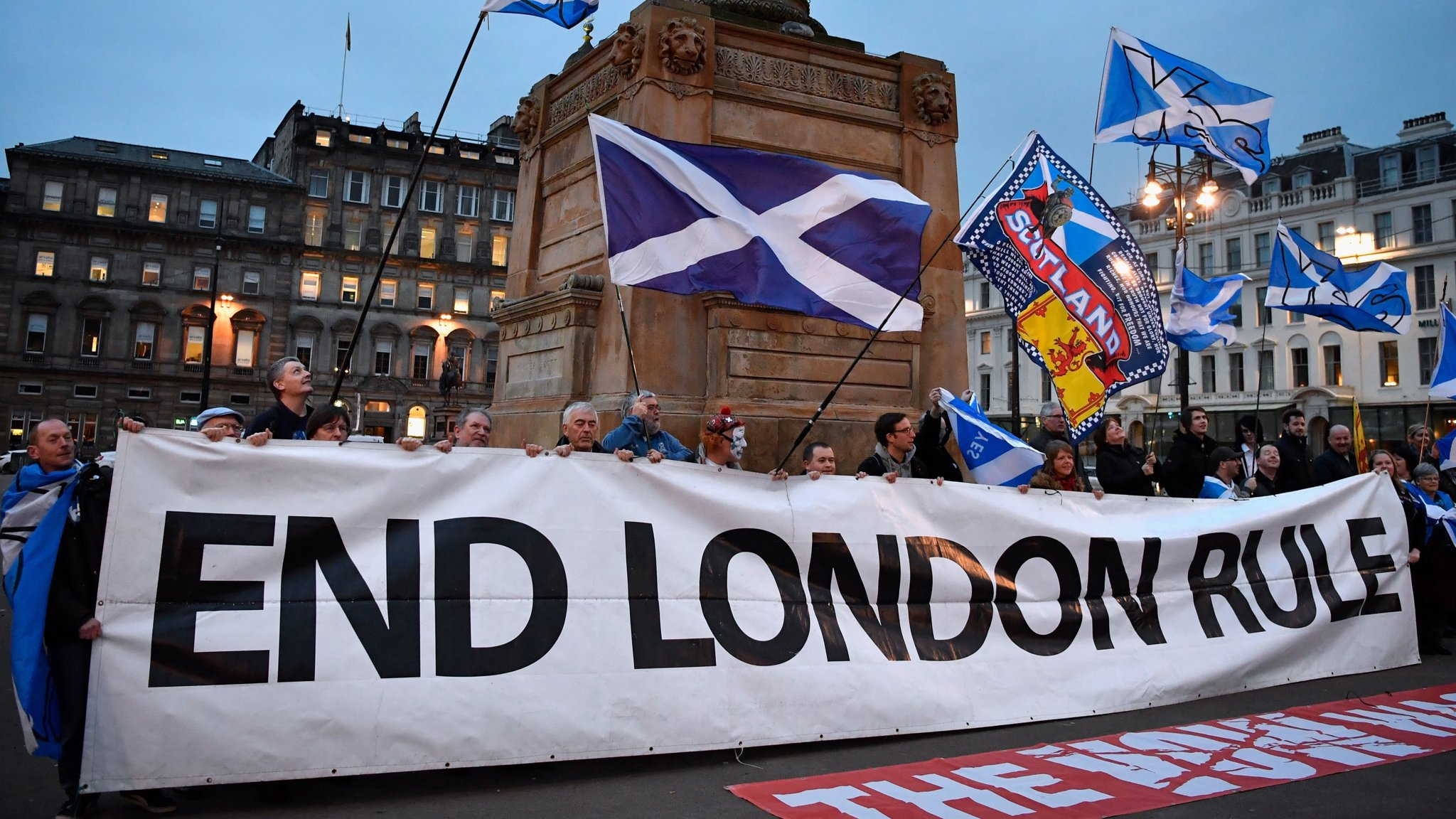
The “claim of Right” establishes the way forward for the Scotland’s political representatives and the electorate who are desperate to escape the excesses and brutality of of Westminster rule.
SNP Scottish MP’s should resign their seats and stand for office in the ensuing by-elections seeking a mandate to declare an end to the 1707 Treaty of Union.
Related articles
I published a number of articles from 2014 expressing my concerns about the lack of political leadership in the matters of Scotland’s relationships with Westminster. See below
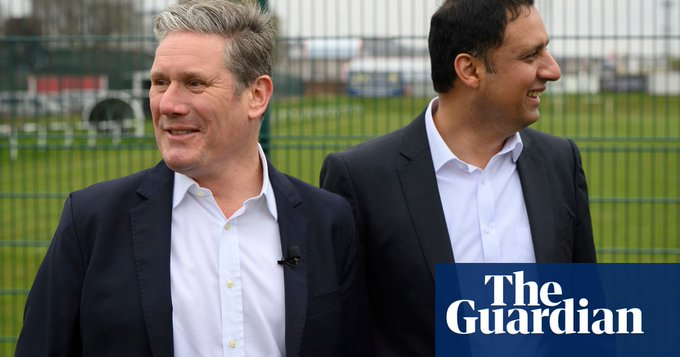
The English Labour Party is enthusiastic about Sarwar’s leadership and have invited him to address their MPs at a parliamentary Labour party meeting
During a campaign visit to Glasgow Starmer and Sarwar took a hard line towards the SNP vowing that Labour will never enter into deals with a Sturgeon led SNP even if it meant that the Party would need to go into a minority government following the next general election. They also forcefully stated that they would not grant another independence referendum.
However, there are likely to be further tensions over Labour’s approach to constitutional reform in the UK, spearheaded by a strategy from Gordon Brown. That is now expected to be delayed – perhaps even until September 2022. Brown’s interim strategy was presented to the shadow cabinet before Easter but it divided opinion among shadow ministers some of whom were dissatisfied with how the proposed settlement would affect English regions.
A senior party official compared the new hard-line approach with how self proclaimed Jewish Zionist Starmer dealt with antisemitism, saying: “Starmer and Sarwar implicitly understand the threat the SNP is to the success of the Labour Party in Scotland and arguments will be made that Labour cannot form a majority and would be dependent on SNP support are likely to form a key plank of the Tories’ attack at the next election.
Are the Jewish Zionist’s planning to scupper Sturgeon’s bid for Scottish independence?
There are concerns that Nicola Sturgeon is being lined up for “the Corbyn treatment” after coming under ferocious attack by Zionists for daring to criticise Israel. They have even described her words as tantamount to the “desecration of a synagogue”. The astonishing volley of anti-Semitism allegations against Sturgeon is being viewed in some quarters as part of a concerted effort to destabilise the leadership of the SNP and the independence movement which enjoys a huge public support in Scotland.
Scottish independence is not in the interests of Israel and its supporters, who believe that the break-up of the United Kingdom would lead to the removal of the nuclear weapons from the naval base in Faslane. This, it is feared, could jeopardise Britain’s status as a nuclear power and its automatic seat on the UN Security Council. The SNP is already considering proposals to have the nuclear weapons removed from Scottish soil within three years of the country becoming independent.
Israel relies on the unconditional support of its allies on the Security Council, of which the United Kingdom, France and the US are its greatest friends. Known collectively as the P5, the other permanent members are China and Russia. Any one of them can veto a resolution, which often proves invaluable to the rogue Zionist state which has violated or ignored nearly 200 UN Resolutions since it was created in occupied Palestine in 1948.
Sturgeon only recently kick-started an independence campaign with a view to making preparations next year for a vote on independence in October 2023. Shortly after announcing the plans an attack was launched by the Union of Jewish Students president Nina Freedman who told The Times: “Jewish students in Scotland are a vital part of the Scottish Jewish community, and these actions by the SNP have a large impact on their Jewish life and wider university experience. We have seen across the UK that when BDS [Boycott, Divestment and Sanctions] is implemented, campus becomes incredibly hostile for Jewish students.” The student group is an opponent of the Scottish government’s criticism of trade between Scotland and illegal settlements in the Israeli-occupied Palestinian territories.
The Scottish Council of Jewish Communities, pointed out that similar measures are not taken against other states that have territorial disputes, such as Tibet, Kashmir or Cyprus. “When the Jewish state is singled out then that is as much anti-Semitism as the desecration of a synagogue,” it insisted.
The special relationship between the Scottish Government and Israel was fractured in May when Sturgeon urged Tel Aviv to halt the violence after armed Israeli police stormed Al-Aqsa Mosque in Jerusalem. “Attacking a place of worship at any time is reprehensible, but attacking a mosque during Ramadan is utterly indefensible,” she said. “It is also a violation of international law. Israel should heed calls to halt the violence immediately.”
Despite meeting representatives of the Jewish community in August in an effort to calm some of their more outraged leaders, it is clear that Sturgeon’s appeasement strategy has failed. Co-founder of the Scottish Palestine Solidarity Campaign, Mick Napier, has even asked if she is being “lined up for the Corbyn treatment”.
This was a reference to the ousting of Labour Party leader Jeremy Corbyn and his replacement by self-proclaimed Zionist Sir Keir Starmer. Following Corbyn’s removal, at least one leading pro-Israel lobbyist claimed credit for his defeat. “The beast is slain,” declared Joe Glasman. Rejoicing that the pro-Israel Zionist lobby had defeated Corbyn. He ranted: “They tried to kill us [but] we won.” Glasman is the head of the political investigations team at the influential anti-Palestinian group, the Campaign Against Anti-Semitism.
It is well known that Scottish politician Angus Robertson, who was appointed as the Cabinet Secretary for the Constitution, External Affairs and Culture in May this year, is being groomed to take over from Sturgeon, although she dismissed rumours that she is stepping down any time soon. Robertson is viewed as a close ally of Israel since an undercover TV investigation exposed the power and influence of the pro-Israel Zionist lobby in British politics. Zionists clearly regard him as a safe pair of hands.
According to Napier, “Whereas Scottish Jewry has courted the Scottish Government assiduously in recent years, they now claim that discouraging trade and investment in Israel’s illegal settlements expresses hostility to Scottish Jews. Not only hostility but Jew-hatred on a par with the desecration of Jewish houses of worship. Given Scottish Jewry’s record of inventing incidents of anti-Semitism, it is no real surprise that the Scottish government, political parties and mainstream media have all refused to respond to this latest provocation.”
Indeed, until now, most of the media in Scotland have ignored the Zionist attack on Sturgeon, which will come as a relief to her aides and supporters. The memory is still fresh of the hounding of Jeremy Corbyn and the subsequent “witch hunt” and near civil war which has left the Labour Party in tatters.
Comment:
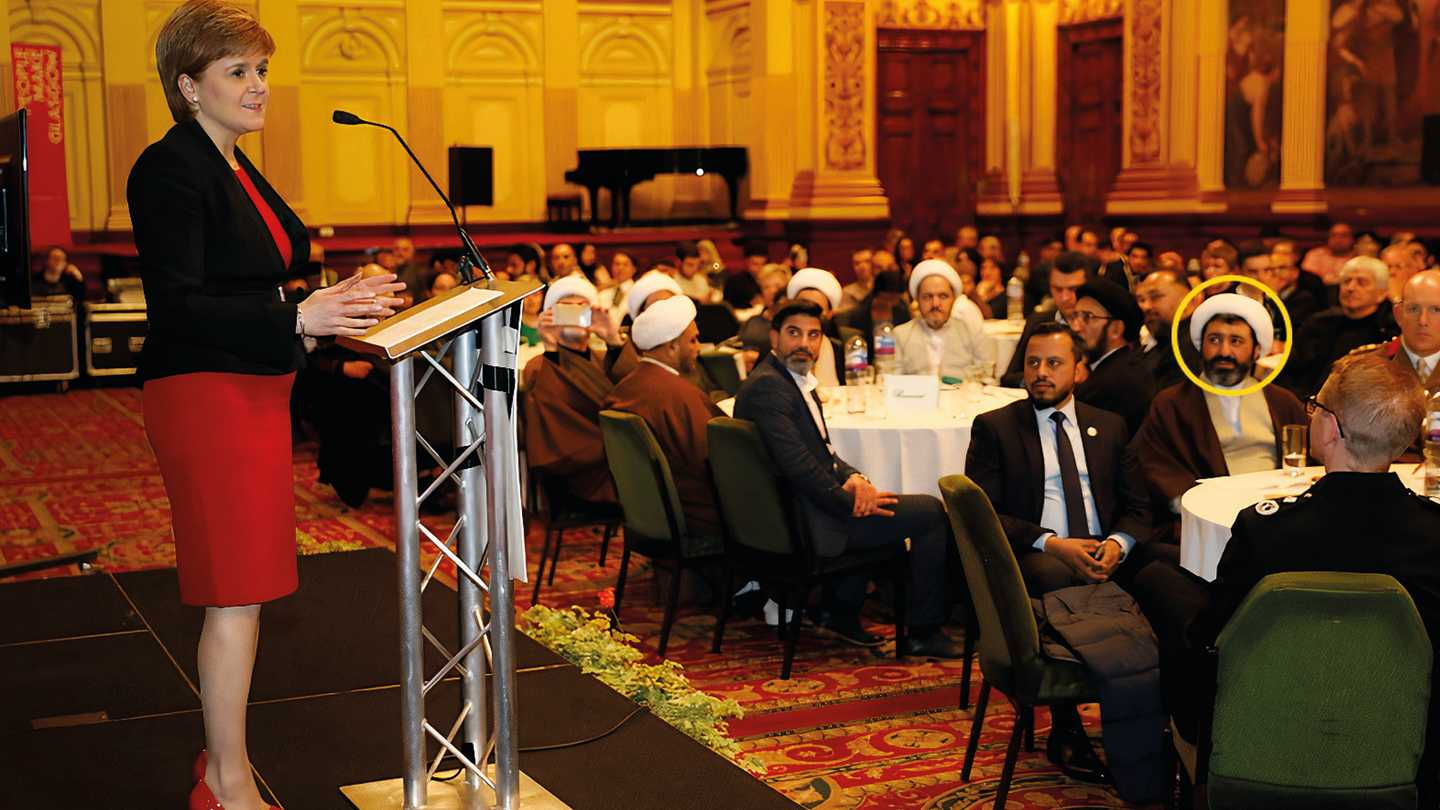
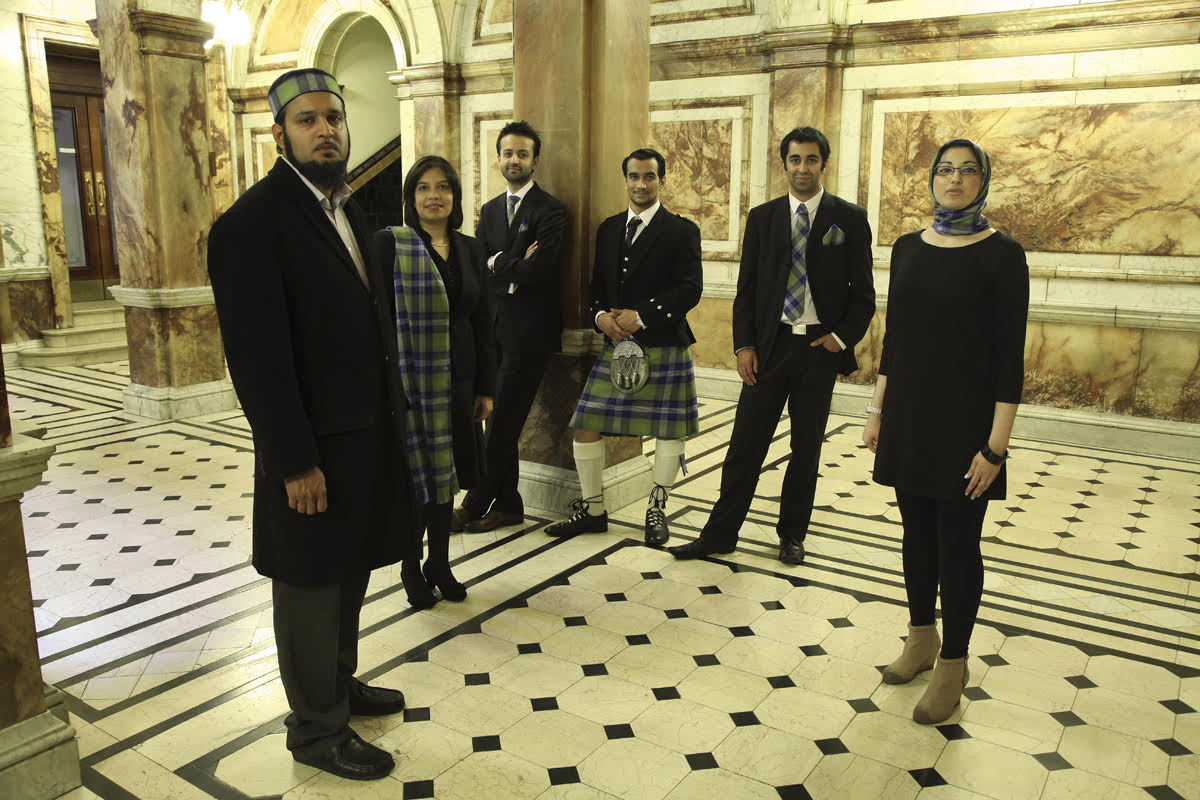
Over the past three years Sturgeon has been implementing an SNP recruitment strategy centred on attracting first time, LBGT and Muslim voters, of which there are approximately 100,000, a number expected to double in number over the next ten years. In contrast the Jewish community of Scotland, (few of whom vote SNP) is about 6000 and reducing. There just might be merit in Sturgeon’s apparent madness!!!!
Muslim organisations receive more public funding for ‘equality’ than all other religious groups put together in Scotland. Almost 60% of the multi-million grant funds given out by the Equality Unit go to Muslim groups.
Since November 2014, the Glasgow-based, Ahl Al Bait Muslim charitable organisation “Love Life Waste Less” project has been awarded more than £220,000 through the Scottish Government’s Climate Challenge Fund. The project offers: free support to help the Middle Eastern Community of Glasgow to reduce carbon emissions in the areas of energy, waste and food. Project activities include home energy advice visits to help improve household energy efficiency and tackle fuel poverty. Other initiatives focus on repair and upcycling, food growing, food waste and sustainable cookery. The project also offers interactive climate change educational workshops and climate leadership training.
 caltonjock