The BBC, Drugs and Sex
The world’s largest broadcaster,the BBC, is funded by a compulsory annual TV licence fee. Outputt includes TV, radio, websites and magazines. Its reputation has been badly tarnished in recent years by a series of high-profile controversies involving drugs and sex scandals.
In Scotland, licence fee payers are disenchanted with the corporation, whose news and current affairs programming is heavily biased towards state directed content which, (before the advent of the much wider broadcast media now enjoyed by the public) was accepted by gullible viewers as fact.
Those day’s have gone but the BBC and Whitehall will not relinquish the corporation’s strict control of news and current affairs output which ensures a universal “one message one source”.
But all is not well within the corporation.
In London and the South East of England a significant number of highly paid salaried staff, together with presenters and producers have been exposed, of being involved in the designer drugs scene, purchasing, distributing and consuming cocaine, methamphetamine, mephedrone (meow meow).
Chemsex orgies are prevalent, particularly in the L.G.B.T.Q scene and the incidence of sexually transmitted diseases is increasing fast.
Scotland needs to prooduce it’s own media, free from the BBC which is morphing into something akin to Sodom. Facilitating the change requires independence.

21 October 2009: Former BBC producer, Sarah Graham reveals TV executives were praised for cocaine use
Television executives who take cocaine are often praised for their ‘off-the-wall’ brilliance instead of reprimanded, according to former BBC producer Sarah Graham, who has worked for Children’s BBC, Radio 5, and Channel 4’s The Big Breakfast. She said drug use remained rife in the industry and was not isolated to workers in their 20s.
Giving evidence to the Home Affairs Select Committee, (chaired by Keith Vaz of all people) she said the erratic behaviour of many broadcast stars is not the sign of creative genius but of addiction to illegal substances. Speaking yesterday, she said she was offered cocaine on her first day at the BBC on a night out with co-workers, sparking a nine-year habit which included using crack and heroin.
Miss Graham, 40, now a drugs counsellor, said: ‘I was working at the BBC and pretty much the first night working on a show my producer and presenter took me to a Soho media watering hole and I was asked if I’d like to go to the toilet and do some cocaine.’ She added: ‘As your addiction progresses, certain behaviour that would not be tolerated in a normal job can be spun as part of your creative genius or extraordinary personality.’ http://www.dailymail.co.uk/news/article-1221850/Former-BBC-producer-reveals-TV-executives-PRAISED-cocaine-use.html

5 March 2010: BBC logs 300 disciplinary cases of which only 9 involved drink or drugs
Critics have claimed that a relatively low number of cases relating to alcohol dependence and substance abuse showed that BBC management were “ignorant” in recognising an alleged “cocaine culture” within the corporation.
The figures, disclosed under the Freedom of Information Act, showed that 87 cases – were logged in the “behaviour/conduct” category, compared to 42 for absence, 12 for bullying and harassment, 22 for conflicts of interest and eight for poor timekeeping. But there were only nine cases in the alcohol dependence/substance abuse – a number, a former producer dismissed as “too low” to represent the true picture.
The figures are from April 2006 when the BBC first began to list disciplinary proceedings in a central database to February 2010. They cover more than 17,000 BBC employees, but do not include staff of subsidiaries such BBC World, BBC Worldwide and the World Service Trust. A BBC spokesman said: “The BBC makes clear the standards of behaviour expected of our employees. We take all allegations of misconduct seriously and where necessary will take disciplinary action. We never comment on individual disciplinary matters.” http://www.telegraph.co.uk/culture/tvandradio/7370670/BBC-logs-300-disciplinary-cases-including-bullying-and-drug-abuse.html

Rick Jones and Lionel Morton, presenters of Play School, got stoned before filming the children’s programme, it is claimed.
As well as drugs, the BBC was apparently also a hot bed of sex with staff “bonking all over the place”.
May 2012: Sex, drugs and the BBC’s 70s heyday
At the time it was the broadcasting heart of Britain – the place where comedies, dramas and light entertainment shows watched by tens of millions were made. Yet according to a new documentary we now find that the corridors of BBC Television Centre in the Seventies were a miasma of marijuana smoke, its dressing rooms a hotbed of sex and the club room a haven for drunken parties. It was its own universe sealed off from the humdrum world, where dramas, comedies and eccentric behaviour were tolerated and possibly encouraged on set and off.
A former BBC presenter said many of the acts that were seen on the BBC’s pop shows at the time were also under the influence when they appeared on screen. “Of course they smoked,” she says, “and they didn’t smoke ordinary cigarettes.” This attitude of liberal tolerance extended beyond drugs to include sexual shenanigans throughout the building. Former female Dr Who assistants revealed that the dressing rooms were home to mini-orgies and people were bonking all over the BBC. http://www.express.co.uk/expressyourself/318214/Sex-drugs-and-the-BBC-s-70s-heyday
Richard Quest
1 July 2012: Former Leeds University graduate and BBC North American business correspondent Richard Quest caught with drugs and a sex toy in New York Central Park
One of US news channel CNN’s most high-profile faces, was arrested after being found in New York’s Central Park, with another man. at 3.40am The park closed at 1am. He told police: “I’ve got some meth in my pocket.” They found he had the stimulant methamphetamine in his jacket and a sex toy in his shoe. A rope was looped around his neck and privates under his clothes. A qualified lawyer, Quest spent most of the day in jail then walked free from court after he agreed to six months of drug counselling. http://www.dailyrecord.co.uk/news/uk-world-news/cnn-reporter-richard-quest-caught-974866

16 Nov 2014: Snorting Coke With The BBC
The programme took a wry look at some of the most highly publicised cases of BBC TV and radio celebrities caught using drugs and examines the attitude of the media towards their behaviour, their subsequent fall from grace and, in some cases, their rehabilitation. Frank Bough, Johnnie Walker, Richard Bacon and Angus Deayton are the stars featured as the circumstances surrounding their dismissal from the BBC are examined. Along with their cocaine use, Frank, Johnnie and Angus were caught in various sexually compromising positions, raising questions about the connection between drugs and sex.
The programme looked at the reaction of the BBC, their colleagues and the press to what happened, asking if their response was at times an over-reaction, or if there were inconsistencies in the way that they were dealt with. The programme also considered the issue of whether the BBC should have a consistent workplace policy on drug taking by its employees, or whether each case should be assessed individually on its own merits.

Paul and his brother Jonathon
20 May 2015: BBC presenter Paul Ross ‘is living apart from his wife’ nine months after his drug-fuelled gay romps were revealed
The wife of TV host Paul Ross has moved out of the home she shared with her husband almost a year after it was exposed he was in a homosexual affair with a man he met at a dogging hotspot. Ross – older brother of chat show favourite Jonathan – last year confessed to wife Jackie that he was having a drug-fuelled fling with former English teacher Barry Oliver. The dad-of-five snorted lethal mephedrone as often as six times a day, and was even photographed snorting the drug, which is more commonly known as meow meow, off his 57-year-old lover’s face.
The 58-year-old met ex teacher Barry Oliver in 2013 after attending a well-known dogging site (at the Thicket roundabout in Maidenhead) near his home to watch other couples have sex. When his affair was exposed, he attributed it to financial stress brought on by a sizeable tax bill which left him needing some sort of ‘escape’. He also admitted that he and his wife hadn’t had sex for a year. Upon first meeting Mr Oliver, Ross had sex with him in bushes. They then began a year-long affair, which saw Ross attending his lover’s home before he started his daily breakfast radio show. http://www.dailymail.co.uk/news/article-3095012/BBC-presenter-Paul-Ross-living-apart-wife-nine-months-drug-fuelled-gay-romps-revealed.html
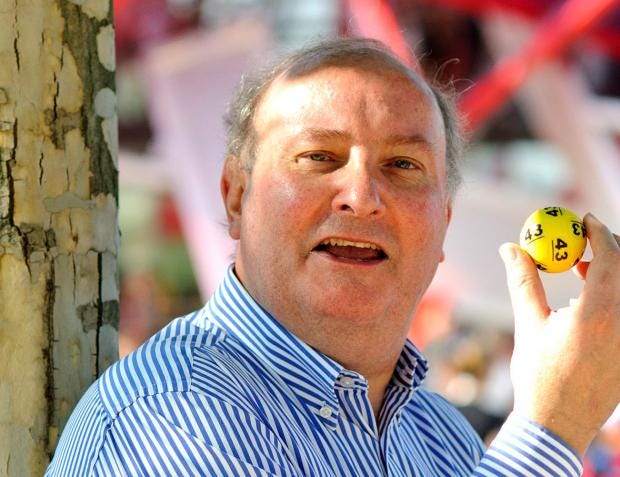
Alan Dedicoat BBC veteran
28 October 2015: ‘Cocaine on sale at BBC’
Sensational claims that a drug dealer is delivering to BBC staff at their desks have been made by Beeb veteran Alan Dedicoat. On a tape, passed to The Sun, he is heard telling a man that the peddler regularly sells ecstasy and cocaine. Dedicoat, 60 — the announcer on Strictly Come Dancing — is also recorded claiming that certain members of BBC security staff were “in on it”.
He says: “The police can do nothing about the fact that he’s delivering desk to desk.” Asked about drugs, he adds: “Well, they are recreational items of interest, I think you’ll find, that’s the way we categorise them.” Dedicoat is heard claiming the dealer would visit the unspecified offices “monthly,” and says: “It’s everywhere, isn’t it?”
When quizzed on how many of the staff would buy from the seller, Dedicoat responds: “Erm, at least 50 per cent.” Asked if the drugs included cocaine and party drugs, he replies: “Yes, Es for the lower grades, then whoever can afford it — goes up. It’s the business we’re in . . . ”
Dedicoat’s unidentified companion says it sounds like drugs are “rife” at the BBC, to which he replies: “You say rife like it’s horrible and wrong. “He only comes in because it stops him being intercepted by the police.” Dedicoat made no suggestion he had bought or taken drugs himself, nor did he specify where or when the alleged crimes took place. The recording is believed to have been made at his home in Wales.
Dedicoat has worked for the BBC for 36 years — including as a Radio 2 newsreader and as TV’s voice of the National Lottery draw. He is a regular at Broadcasting House, West London, nearby Western House, where Radio 2 is based, and Elstree studios, Herts. Dedicoat last night tried to gag The Sun from reporting his taped claims. But a High Court judge threw out the injunction bid and allowed publication. https://www.thesun.co.uk/archives/news/90463/cocaine-on-sale-at-bbc/

9 March 2016: BBC producer, Alexander Parkin admits supplying ‘meow meow’ at a “Chemsex” orgy after a barrister’s boyfriend died of an overdose.
Parkin, 40, appeared in the dock with top barrister Henry Hendron, 35, who denies supplying drugs.
Hendron’s boyfriend, waiter Miguel Jimenez, 18, died from an overdose at London’s Temple, the buildings housing the country’s top legal chambers.
Hendron, (seen as one of the rising stars of the legal circuit) was represented by his brother Richard Hendron, denied two counts of conspiracy to supply controlled drugs. He further denied two counts of possession of a controlled drug with intent to supply and two counts of possession of controlled drugs.
Parkin admitted two counts of supplying controlled drugs to another. defending Parkin, his solicitor said: ‘He is 40-years-old. An executive producer at the BBC, with one caution for possession of Mephedrone – there’s clearly a background to the abuse of narcotics.’ Read more: http://www.dailymail.co.uk/news/article-3483923/BBC-executive-producer-supplied-meow-meow-drugs-death-party.html
A previous conviction for drug possession yet he enjoy’s a very highly paid job with the BBC!!!
8 April 2016: Why didn’t BBC mention its drug dealing executive in ‘chemsex’ story?
The BBC was under fire last night for interviewing celebrity barrister Henry Hendron who supplied the drugs that killed his teenage boyfriend, and not mentioning that he bought them from a BBC executive.
Hendron, 35, was given a key interview slot on BBC Radio 4’s Today programme. Yet despite an extended interview and a follow-up piece on ‘chemsex’ drug use in the gay community, the journalists did not mention that BBC executive producer Alexander Parkin had sold the lawyer £1,000 worth of designer drugs.
The BBC also faced censure for discussing sexual habits and drug use on the morning radio show, when many families would have been eating breakfast together.
Yesterday, a spokesman for Media watch UK, which campaigns for a safer media, criticised the BBC. ‘We know that drug use is bad because it’s illegal – it’s hard to know what kind of message the BBC is trying to put across over the breakfast table,’ he said. ‘Listeners could have been forgiven for getting confused as they heard a man who has pleaded guilty to supplying drugs that killed his teenage boyfriend that were originally supplied by a BBC producer describing his illegal drug use as a “nice experience” and saying how upset he was at being treated as a criminal. “There’s certainly a judgement issue to be looked at here – it’s one thing raising awareness of the effects of drug use, quite another to be giving a platform at breakfast time to a drug dealer who could shortly be facing prison.”
Hendron described his arrest as ‘traumatic’ and saying he had been “treated like a criminal” admitted supplying the drugs that killed Mr Jimenez. He had bought £1,000 of designer drugs from Parkin, 41, to sell on to revellers at a ‘chemsex’ party at his flat at his legal chambers. The ‘chemsex’ phenomenon sweeping the LGBTQ community, involves participants taking drugs for up at a week at a time and having sex with multiple partners.
viewers Comment:
The BBC lost its ability to provide rational, balanced and impartial reporting a long time ago, so this kind of conduct should come as no surprise to anyone. the BBC Trust, an organisation that is supposed to hold the broadcaster to account, went native from the day it was set up. Both organisations are totally unfit, something that has become increasingly obvious to most of us.
 caltonjock
Morning CJ. In the part “BBC Annual Income and Expenditure” there are some arithmetic problems and some confusion between $ and £, and k and m figures, I think.
LikeLike
probably but the message is clear I think
LikeLike