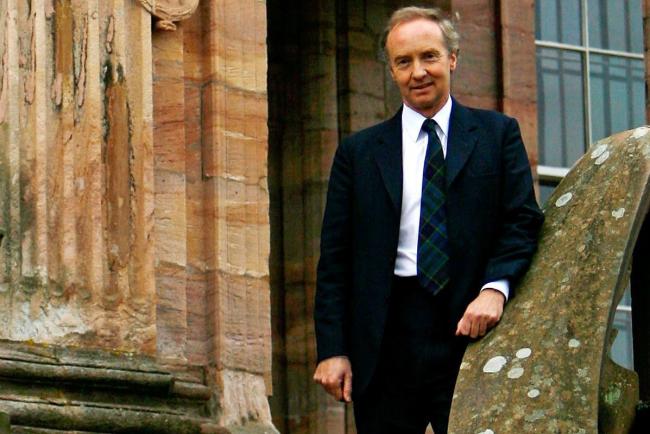
Tory Party Election Debacle Forces 74 Year Old Tory MSP and Aberdeen City Councillor Pensioner To Give Up, Sailing, Scuba Diving, Swimming and Hill Walking and other Retirement Pastimes


Tory Party Election Debacle Forces 74 Year Old Tory MSP and Aberdeen City       Councillor Pensioner To Give Up, Sailing, Scuba Diving, Swimming and Hill Walking and other Retirement Pastimes

Born in 1943, Businessman, Robert Gordon University lecturer, Justice of the peace and city councillor Tom Mason retired in 2012 to enjoy a well earned retirement, taking life easy, participating in leisure activities.

He retained an interest in local politics in support of the Tory Party and allowed his name to be added to the Tory list for the 2017 Scottish election.

But being placed tenth he did not envisage he would ever be required to go to Holyrood.

With the foregoing in mind he accepted the Tory party nomination to be their 2017 Scottish Council election candidate for the Midstocket & Rosemount seat in Aberdeen. Which he won.

In the aftermath of the election the Unionist (Labour and Tory) parties conspired with a couple of independents to deny the SNP, the largest political group their rightful opportunity to form the city council team for the next 5 years.

Soon after, as part of the deal, Mason was appointed Deputy Provost of Aberdeen, a largely symbolic appointment but one which usually guaranteed some form of royal recognition on retirement.

Only 10 days later he gave up the post of Deputy Provost and announced his decision to accept a nomination to go to Holyrood as a Tory party list MSP with immediate effect.

His appointment ensured the Tory party at Holyrood retained the 31 MSP’s (27 list) elected in 2016.

He was the last person listed and had he not taken the post the Tory party would have lost the post until the next election reducing the opposition parties overall majority at Holyrood to one.

But the Tory party had yet one more bit of nonsense to enact, mocking the Scottish political system.

Councillor Mason would retain his post as councillor until 2022.

Doubling up on two full time appointments at the ripe old age of 75 years.

This would ensure the Tory party would not provide an opportunity for the SNP to gain a councillor in a by-election which might result in the demise of the Unionist (Labour and Tory) parties Aberdeen council.

Facing criticism and increasing pressure to give up one of the posts, List MSP and City Councillor Mason defended his actions claiming he was well capable of discharging in full, the hard task of providing equal service support to both sets of constituents.

But, in recognition he revealed the party might require him to give up, Sailing, Scuba Diving, Swimming and Hill Walking and other Retirement perks.

He will also continue working as a senior partner of Corporate and Market Advisors, the Beel Partnership. (Remuneration £5-10K annually for one day’s work weekly)


Comment: The Scottish government should change the law deprecating the practice of holding both Council and MSP posts at the same time. Constituents deserve better service from politicians than the electoral abuse inflicted by an uncaring group of self serving Tory party mandarins.


12 July 2017: New List MSP Tom Mason incapable of completing both roles – Caseworker to be recruited to assist him

Mason is looking for someone who empathises with the aims and values of the Tory party, to assist with casework and community liaison within the constituency.

The applicant must have a willingness to help others, with good organisational, communication and IT skills.

The applicant will need to be able to work in a small team and have a positive attitude.

The ideal candidate should be highly motivated, organised, reliable and able to work accurately to deadlines and manage a large workload without supervision.

Salary: £20,725 to £30,000 negotiable based on experience


Tom Mason (74) was born in 1943.

1962-1964: Attended King’s College London: BSc(Eng), Civil Engineering, Honours

1971-1972: Attended Cranfield University – Cranfield School of Management-Master of Business Administration (MBA), Strategy


Work Experience:

Civil engineer by profession, construction manager, businessman, oil service company manager and academic lecturing in business strategy

Oct 1981 – Dec 2010: (29 years 3 months) – Senior Lecturer – Robert Gordon University

Jan 1995 – Current : (22 years 10 months) – Senior Partner – Beel Partnership – Corporate and Market Advisors – Anglo China connections.

(Registers between £5,000 and £10,000 a year for one hour a week as a senior partner of the Beel Partnership).


Activities and Societies:

1985 to 2012: Served as an Aberdeen City Justice of the Peace.

Chartered Institute of Civil Engineers, Chartered Institute of Marketing, Institute of Directors – Sailing, Scuba Diving, Swimming, Hill Walking


Political career

1990-1996: Councillor on the Grampian Regional Council for the Holburn ward

1998 2000: Councillor for Queens Cross, Aberdeen City Council.

1999 and 2016: Unsuccessful Conservative candidate for the Aberdeen Central Constituency.

2015 – By Election: Unsuccessful Conservative candidate for a City council seat.

2017: Finally elected councillor for Midstocket and Rosemount, Aberdeen. Tom Mason’s Sales Pitch

He said: “I have lived in the local area for over 30 years and my knowledge of the issues will allow me to represent the interests of Midstocket and Rosemount effectively.

I am looking forward to walking around the ward to meet with as many residents as I can.

The environment and amenity of the local area has a lot going for it and it needs continual attention to make sure that it continues to be one of the most pleasant areas of the city to live in.

Therefore, if elected I will always put local people first and the issues that affect their quality of life.”


22 May 2017: Chairman of the City of Aberdeen Conservative and Unionist Association, Councillor Tom Mason elected Depute Provost of the City Council.

Lord Provost Barney Crockett, leader of the Labour party Group said: “I have known Tom for many years. He is a man of great integrity”.

Angry protesters took to the streets of Aberdeen to brand the new Conservative-Labour-Independent Council coalition “a laughing stock”.

It came after Aberdeen’s Labour councillors joined forces with the Conservative and Independent councillors to form a coalition – despite the SNP winning more seats.

Following the controversial deal, all nine Labour councillors were suspended from the Scottish Labour party.

A protester said: “Labour could not control the council so decided to get into bed with the Tories – it is disgusting. Democracy is dead. This city is a laughing stock across Europe.”


1 Jun 2017: Ten Days in Office – Stuff the Constituents – Aberdeen’s Newly Installed Deputy Provost In Move To Holyrood.

Mason was one of 11 Tories elected to Aberdeen City Council on May 4 and has since been appointed as the deputy provost of the city.

However, Mason is also on the Tories’ north-east regional list for the Scottish Parliament and could now face a rapid career change.

But that might be the catalyst for a by-election in his Rosemount and Midstocket ward putting the ruling Conservative, Aberdeen Labour and independence alliance at risk of losing its slender single member majority.

But a town house source said that a by-election may not necessarily be required with Mr Mason potentially able to hold dual mandates as a councillor and MSP.

SNP group leader, Stephen Flynn, said that, given there were four years remaining in the Holyrood term, not holding a by-election would be “untenable”.

He added: “The people of Aberdeen need a local champion that puts the city first, not someone who would be making constant trips to Edinburgh for four years.

There have been councillors, including SNP councillors, who have done both but for relatively short periods.”

Comment: The Tories, Labour and Independents have 23 of the 45 seats, and if Mason quits his post to become an MSP, the Tories might well lose the resulting by-election and hence power in the city.


13 Jun 2017: Tory Councillor in line to become an MSP – But Party Members Kept in the Dark

Tom Mason has been parachuted into the Scottish Conservatives’ list of Holyrood 2016 candidates for the North East region by party bosses – but rank-and-file Tories did not get their say.

He is poised to take the £62,000-a-year job on the regional vote, in which the electorate backs parties rather than individual candidates.

Mr Mason, elected to the role of Aberdeen’s new depute provost, only 10 days ago, is set to enter Holyrood, following a series of events, which has seen the number of available politicians on the Tories’ back-up list for the north east evaporate.

The reasons include those on the list replacing MSPs elected to Westminster, as well as filling the vacancy left by Alex Johnstone, who died last year. Two Tories also removed themselves from the list.

As tenth in line, Mason is expected to take up the role, but one member said it was wrong his place had not been approved by rank-and-file, as is now standard.

A Conservative source said: “This chappie seems to be going to Holyrood having been hand-picked by an increasingly controlling party machine, with no party members’ input.”

As of yesterday, the only published list of north east candidates on the Scottish Conservative website was an old one and did not include Mr Mason.

It meant those voting Tory did not know they were potentially voting for Mr Mason, if they relied on the party’s own website.

A Scottish Conservative spokesman said: “He (Mr Mason) was not approved through the voluntary open primary system we introduced, but his name was on our regional list that was seen by voters.
“We never imagined we would get down to 10th on the list, but we added him on. If we hadn’t, we would have been left with a vacant seat in Holyrood.”

Asked whether he would take the seat in Holyrood, Mr Mason said: “In consultation with my colleagues I would have to assess the situation.”


15 Jun 2017: Aberdeen’s depute provost Tom Mason has announced he’ll take a seat in the Scottish Parliament.

The Midstocket and Rosemount councillor will be sworn in as an MSP on Tuesday.

He intends to continue in his role representing the area, but will donate his salary to charity.

Upon confirmation of his appointment, he said, “I am honoured to have been offered and accepted the list seat for the North East region. Representing Rosemount & Midstocket is very important to me and I shall do my utmost in my new role to serve both my council ward and the greater North East region. I believe I can handle both roles.”

Adding: I do not envisage stepping away from my council post at any time before the next local elections in 2022, representing Rosemount and Midstocket is very important to me and I shall do my utmost in my new role to serve both my council ward and the greater North East region.

When you look at the two roles they are very much complementary. I will always put my constituents first and will not let my workload affect them.

In consequence, I won’t be able to play my croquet or visit my holiday home in Inverness or go diving any more.”

His decision is at odds with that of the newly sworn in MP for Aberdeen South, Ross Thomson who, following his election to Westminster decided to step down from his role as an MSP to properly represent his constituents at Westminster.

The council’s SNP leader, Stephen Flynn, insisting that a by-election should be held if a councillor moves on to the Scottish Parliament said: “The question, when it comes to this sort of thing, is about democracy.

The people of Rosemount and Midstocket deserve a local councillor who is working hard for them, not a local councillor who is swanning about Holyrood.

If Mr Mason was to stand down, as he should, that obviously puts the entire administration on its heels.” (the Courier)


No Country in History has ever rejected Independence – Until Scotland in 2014 – What an Unfortunate precedence to Set – We need to Correct the Mistake in 2019

The biggest study yet of how Scotland made its historic decision on September 18 has found that the votes of people born outside Scotland were crucial to the result.
While 52.7 per cent of native-born Scots voted Yes, a massive 72.1 per cent of voters from England, Wales or Northern Ireland backed the Union.

There were more than 420,000 Britons from elsewhere in the UK living in Scotland when the last census was taken.

And if they cast their ballots in line with the findings of the Edinburgh University study,
more than 300,000 of them will have voted No.

That’s a significant number in a contest that ended with 2,001,926 votes for No and 1,617,989 for Yes.

Voters born outside the UK also rejected independence, with 57.1 per cent voting No.

SNP MSP Christian Allard, who was himself born in France, said: “Scotland is the country of everyone who lives here, regardless of where they were born, and we take decisions on our future together.

“The diversity of Scotland’s population is a matter for celebration.

“While we were disappointed with the result of the referendum, this study shows that a
clear legacy has been greater political involvement, particularly among young people.

“And that is something to be proud of.”

Political scientist Professor Ailsa Henderson, who wrote the study, told the Record it showed the importance of “Britishness” among voters born elsewhere in the UK in deciding the result.

She said: “Scottish-born people were more likely to vote Yes and those born outside Scotland were more likely to vote No.

“But the least sympathetic to Yes were the people born in the UK, but outside Scotland.

“We think they are more likely to feel British. They are more likely to feel a continued tie to the UK as a whole – because that’s where they are from.”

Ailsa said it was different for voters who originally came from outside the UK.

She explained: “They have made a conscious decision to move to the UK, and the part of the UK they have chosen to move to is Scotland.”

Ailsa said the trend she found was similar to those seen in other independence votes in places such as Quebec in Canada.

The study, which recorded the attitudes of several thousand voters in a series of surveys, also confirmed that women and older people were more likely to vote No while men and the young were more in favour of Yes.

Researchers found that 56.6 per cent of women voted No while 53.2 per cent of men voted Yes.

he divide was even wider when it came to age. More than 62 per cent of voters aged 16 to 19 backed independence.

The Yes side also had a majority among voters aged 20 to 24, 25 to 29 and 30-39, while voters aged 40 to 49 were split almost exactly down the middle.

But 50 to 59-year-olds, 60 to 69-year-olds and voters aged 70 or older were all in the No camp, with the pro-Union majority getting bigger the older they were.
How the electorate voted (by age)

Nearly two thirds of 70-something Scots voted No.

Wealth and social status also played their part in deciding how the nation voted.

Yes had majorities among people who classed themselves as working class, people at the bottom of the earnings scale and people in rented social housing.

By contrast, the highest earners, home owners and people who described themselves as middle class were more likely to vote No.

Ailsa also found a “stark difference” between the voting patterns of protestants at Catholics, with Catholic voters far more likely to be Yes supporters.

http://www.dailyrecord.co.uk/news/politics/independence-referendum-figures-revealed-majority-5408163


The 2014 Referendum

In the 2014 Scottish Independence referendum the voter list included anyone over the age of 16, entered on the current electoral roll, whose place of residence was in Scotland, regardless of nationality. The usual caveats about Service personnel also applied.

Voter turnout was 84.59%. The result: Yes, 1,617,989, 44.70%. No, 2,001,926, 55.30%

There is an acceptance within Scotland that in the referendum a majority of the 240,000 EU and Non EU Immigrant voters and many voters of Scottish birth and residence had been persuaded to vote “No” frightened into submission by an incessant campaign of disinformation orchestrated by the UK Civil Service, Westminster politicians, the UK government and opposition Parties and their organs of abuse, the BBC and all other media outlets serving Scotland.

Indeed after the referendum the bodies before mentioned “crowed from the rooftops” fighting each other for media space each claiming their disinformation output had been the most influential in gaining the “No” vote.

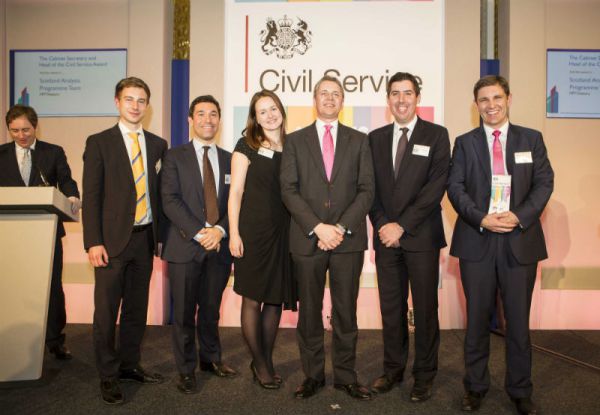
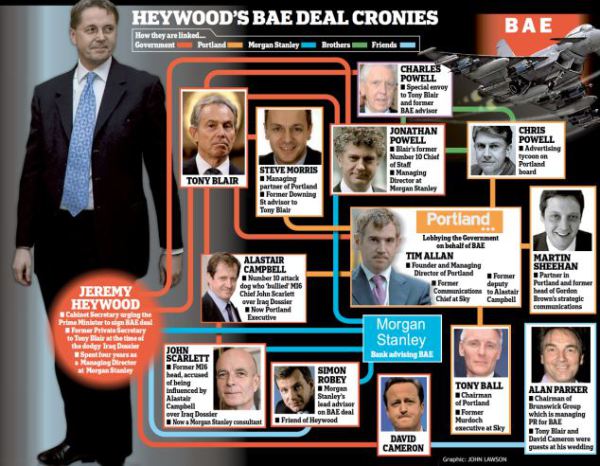
The award should go to the Civil Service anti-independence team working out of Downing Street under the guidance of Sir Jeremy Heywood, Cabinet Secretary and Head of the Civil Service …

790,000 postal voting forms were issued, completed and returned within the notified time period.

But the novel voting procedure, (heavily promoted by the governing authority) was sullied when, just after voting closed, Ruth Davidson and other influential supporters of the “No” campaign boasted they had known before 18 September 2014 that postal votes indicated a win for their campaign.

An incredible claim since the public had witnessed sealed postal votes being added to the other votes to be counted in at the counting stations.

There was a police investigation into the matter but the findings were never notified to the Scottish public who are still waiting for answers.

By result many Scot’s believed the outcome of the referendum had been fixed in favour of the “No” campaign.


Political Events 2015

Scottish voters would not be denied their say and public reaction towards the outcome of the referendum was clear and decisive six months after when, in the 2015 general election the Scottish National Party (SNP) won all but 3 of the 59 seats in Scotland in an unprecedented landslide.

The three seats which went to parties other than the SNP were held by very small majorities and local circumstances applied.

In winning by such a margin the SNP became the first political party in the UK, in sixty years to win 50% of the Scottish vote.

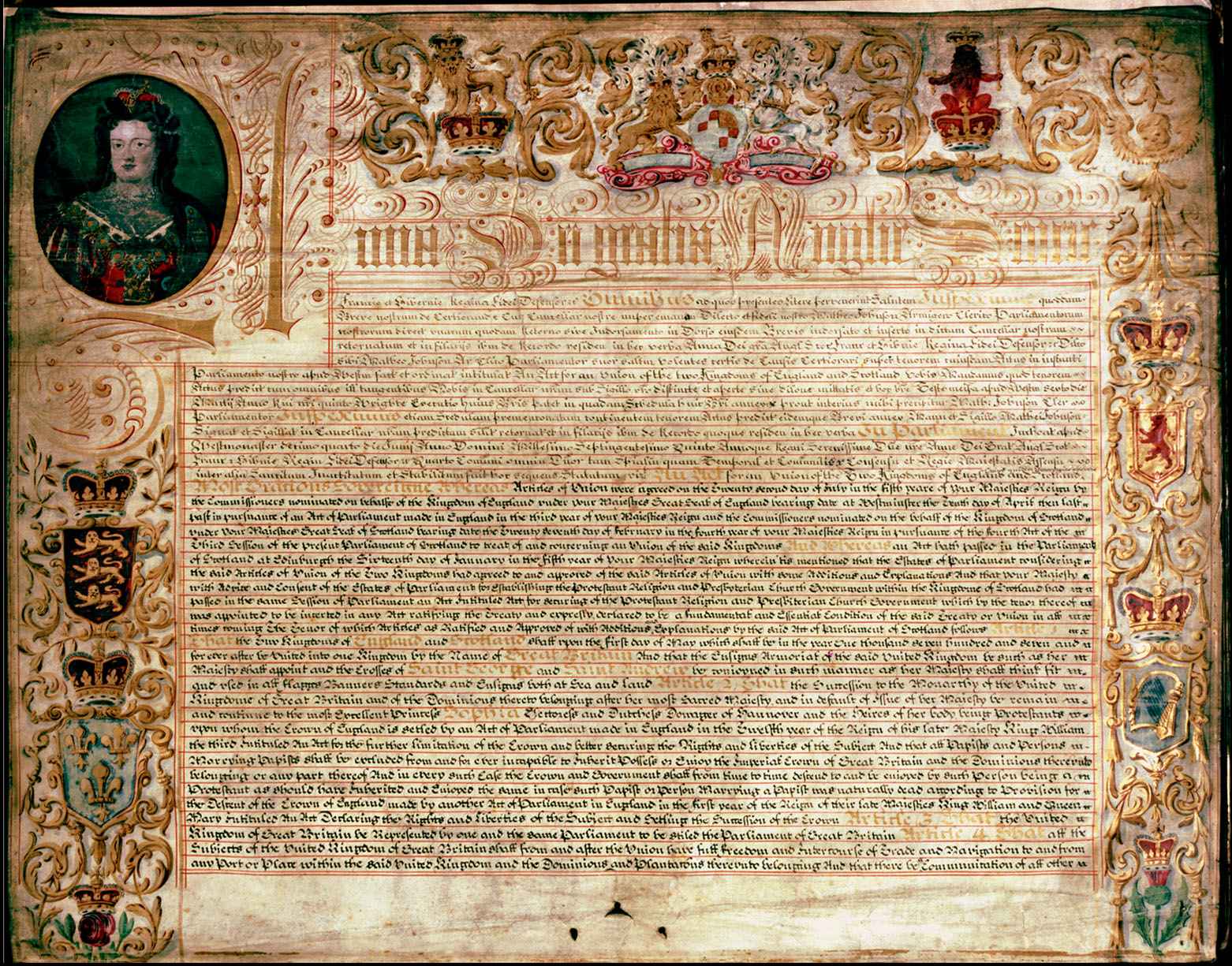
The mandate given to the SNP confirmed a majority of Scot’s wished to be independent and had the leaders of the Party the courage they would have advised Westminster that Scotland would be withdrawing from the 1707, Treaty of Union, quoting the political circumstances that had resulted in its signature, that a small majority of officers of parliament in Scotland had voted in 1707 in favour of the treaty.

This being a settled precedence the ruling would apply since the Scottish political system had returned a majority of MP’s in favour of abandoning the Treaty

But they decided to abide by the rules set out by Westminster and went off to England, bagpipes playing, photo opportunities galore and committed political “hari Kari” on national television.


The Westminster Debacle – 2015 – 2017

To say they were mocked would be an understatement. The corrupt Westminster system brutally ridiculed then destroyed the SNP.

At every turn the English dominated House of Commons imposed its will over the Scottish opposition.

The one single claim to fame by the SNP at Westminster was the acceptance of a one day motion removing VAT from ladies sanitary towels.


Scottish Parliament Election – 2016

The failure of the SNP at Westminster influenced the outcome of the 2016 Scottish Parliament election in which the party in which the SNP won a third term in government but failed to secure an overall majority.

In the election the Scottish Labour Party vote collapsed, to the benefit of the Scottish Conservative Party which increased their number of MSPs, overtaking Labour as the largest opposition party.


The Brexit Referendum – 2016

Just one month later, yet again, the Scottish public confirmed their wish to be independent of Westminster when at the 2016 EU referendum they voted 62.0% to remain with the EU.

But, as before Scotland’s wishes were consumed by English voters and their decision to leave the EU.

Intention to withdraw from the Treaty of European Union was notified to the EU in March 2017.


General Election – 2017

From the beginning of 2017, facing growing opposition to Brexit, the Tory Government decided to “cut and run” and called a snap General Election on 7 May 2017.

The expectation, if polls were to be believed, guaranteed the Tory Party a working majority at Westminster.

But, from an opening 20-point lead, the Tory’s lead diminished in the final weeks of the campaign.

In a result that stunned Westminster, the Tory party enjoyed a net loss of 13 seats, while Labour made a net gain of 30 seats.

Other parties performed badly as England returned to the much discredited “ping-pong” two party voting patterns of the past.

In Scotland, the election resulted in the SNP remaining the largest party, retaining 35 of the 56 seats It had won two years before.

The Scottish Tory Party won 13 seats while Labour and the Liberal Democrats took 7 and 4 seats respectively.

The result provided ammunition for the opposition Parties which they duly used in a sustained “fear” campaign against the SNP, orchestrated by the Red Tory Alliance claiming Scot’s had lost their appetite for independence.

The SNP hierarchy responded by abandoning a fundraiser for a possible referendum sometime after the conclusion of the 2 year Brexit negotiation period at the end of March 2019.


Scottish Independence Referendum – Post Brexit – 2019

Looking forward to the post Brexit period it is entirely possible that Scottish politicians will seek to hold another referendum on Scotland’s independence.

It is imperative that lessons are learned from the much discredited 2014 referendum and events since and changes applied.

Voting qualification should be restricted to people, of Scottish birth, aged 16 and over and resident in Scotland.

Usual caveats to be applied in the case of service personnel. Postal voting disallowed.

Voters should be required to cast their votes at polling stations.

Voting by proxy to be permitted, birth certificates or other form of acceptable proof of identity to be produced at the time of placing a vote.

Adoption of the foregoing as policy would provide an opportunity for Scot’s and only Scot’s to express their wish for the future of their country.


26 Mar 2015: The reason voting should be confined to home born Scots resident in Scotland at the next referendum

An extensive study of how Scotland made its historic decision on 18 September 2014 found that the votes of people born outside Scotland were crucial to the result.

While 52.7 per cent of native-born Scots voted “Yes”, a massive 72.1 per cent of voters from England, Wales or Northern Ireland backed the Union.

There were more than 420,000 Britons from elsewhere in the UK living in Scotland when the last census was taken and casting their ballots in line with the findings of the study, more than 300,000 will have voted “No”.

That’s a significant number in a contest that ended with 2,001,926 votes for “No” and 1,617,989 for “Yes.”

EU and other voters born outside the UK also rejected independence, with 57.1 per cent voting “No.”


The political analyst who write the report said the findings showed the importance of “Britishness” among voters born elsewhere in the UK in deciding the result.

She said: “Scottish-born people were more likely to vote Yes and those born outside Scotland were more likely to vote No.

“But the least sympathetic to “Yes” were the people born in England, Northern Ireland, and Wales and any other areas within the UK but outside Scotland.

“They are more likely to feel British and prefer a continued tie to the UK as a whole – because that’s where they are from.”

“There is a difference in voters who originally came from outside the UK, who had made a conscious decision to move to the UK, and the part of the UK they choose  to move to was Scotland.”

Wealth and social status also played their part in deciding how the nation voted.

“Yes” had majorities among people who classed themselves as working class, people at the bottom of the earnings scale and people in rented social housing.

By contrast, the highest earners, home owners and people who described themselves as middle class were more likely to vote “No.”

There was also a  “stark difference” between the voting patterns of protestants and Catholics, with Catholic voters far more likely to be “Yes” supporters. (The Daily Record)


North Lanarkshire Labour / Tory Unholy Alliance Fought Tooth and Nail to Deny Women Employees Equal Pay and Pension Rights – But Lost After a Long Battle – What a Shower!! – But the Voters Love Them Just the same!!!


May 2017: North Lanarkshire Labour Party Fiefdom

North Lanarkshire is the fourth largest Scottish local authority, located in west central Scotland, between Edinburgh and Glasgow.

It covers an area of 47,358 and serves a population of 328,000 people.

Party insiders are on record as saying that: “if Labour lose North Lanarkshire then it would be fair to say in Scotland the party’s over.”

But one party domination of the politics of a region for many decades invariably ends in disaster and this is the case in North Lanarkshire where in fighting has destroyed the party.

Old inter-region rivalries have resurfaced together with accompanying allegations of intimidation and a pervading and intense climate of fear and allegations of wrong doing has diverted councillors away from the business of service provision.

The foregoing is compounded by recently announced police investigations into behaviour reported to involve a number of councillors and businessmen the scale of criminality of which, if it leads to prosecutions is so widespread that it could bring down the Labour party in Scotland.

The report that follows provides evidence in support of my advice that the electorate should abandon the Labour Party and transfer their votes to the SNP.


May 2017: Anger in North Lanarkshire as Tories back Labour to form Council

My advice was ignored.

At the May 2017 Council election voters returned a Labour administration to power, but only with the support of 5 Tory councillors.

The joining of the two parties confirmed the enabling “Red Tory” Alliance is still operational in Scotland.

Full report can be found at:

https://caltonjock.com/2017/02/26/north-lanarkshire-district-council-20-million-plus-corruption-report-at-scandal-hit-labour-controlled-council-add-cover-up-of-child-pornography-allegations-and-other-incidences-of-graft-in-may/


12 Jun 2017: North Lanarkshire Labour/Tory Alliance Council forced to pay pension costs of hundreds of women it underpaid

North Lanarkshire Labour/ Tory Alliance run Council is facing a £1million bill after systematically ducking its pension responsibilities to hundreds of female staff it previously tried to squeeze out of equal pay.

The Council has been ordered to cough up after a Scottish Public Pensions Agency (SPPA) investigation found it tried to “obstruct” a fair deal for almost 700 women.

The 681 women were systematically underpaid for years by the council, earning lower wages than male colleagues doing jobs of equivalent worth.

Last year, after initially forcing the authority to give them back-pay through a tribunal, they reached a second negotiated settlement worth a further £7.1m, after being represented by equal pay experts Action 4 Equality Scotland.

However, their final salary pension deals remained below those of male counterparts, as their contributions were lower while they were underpaid.

According to recent local government pension regulations, all back-pay must be treated as “pensionable”, meaning bigger pensions and bigger lump sums for those affected.

The change required the Council to top up their employer contributions to pension funds.

However in February, North Lanarkshire, once again tried to sidestep its duties to the Strathclyde Pension Fund, which covers the female staff, by claiming the women’s second round of back-pay was actually a form of negotiated “compensation” and therefore not pensionable.

The women’s lawyers appealed to the SPPA in March, pointing out the potential differences would be profound if the back-pay was not made pensionable.

Some of the North Lanarkshire women would be denied a pension rise of £1500 a year and lump sums of more than £4000, a lifetime difference of around £50,000.

The SPPA has now ruled the council “misconstrued” the law, and criticised its arguments as “confused and an obstruction to finding an equitable solution to the disagreement”.

It said the council must pay the income tax and national insurance on the second wave of back-pay as well as employer contributions, an estimated total of £1m. (The Herald)


Comment:

Glasgow City, North Lanarkshire and Aberdeen Councils have been Labour fiefdoms for many decades.

The May 2017 election delivered minority run SNP councils but, in the case of North Lanarkshire and Aberdeen an unholy Alliance with the Tory Party thwarted the change the Region so badly needs.

The electorate of the two regions voted for another five years of self inflicted abuse.

What a crazy world we live in!!!


National Farmers Union Suckered by the Tory Party Yet Again After it Contracts a Foreign Company to Sponsor its Annual Conference


2 Oct 2017: Kick in the Teeth for the Farmers Union as Tory Party Contracts Foreign sugar company to sponsor its conference

The Conservative Party is under fire from angry farmers after allowing a major US sugar company to sponsor its conference in Manchester.

US sugar company Tate & Lyle Sugars, a major exporter to the UK, is sponsoring the Conservative Party Conference, held in Manchester from 1 October to 4 October 2017.

Lincolnshire grower Andrew Ward said: “Disgraceful. Conservatives sponsored at conference by Tate & Lyle, who provide foreign cane sugar. So much for supporting British agriculture.”

The gaffe means that the Conservatives are advertising a brand which is a major competitor to British sugar.

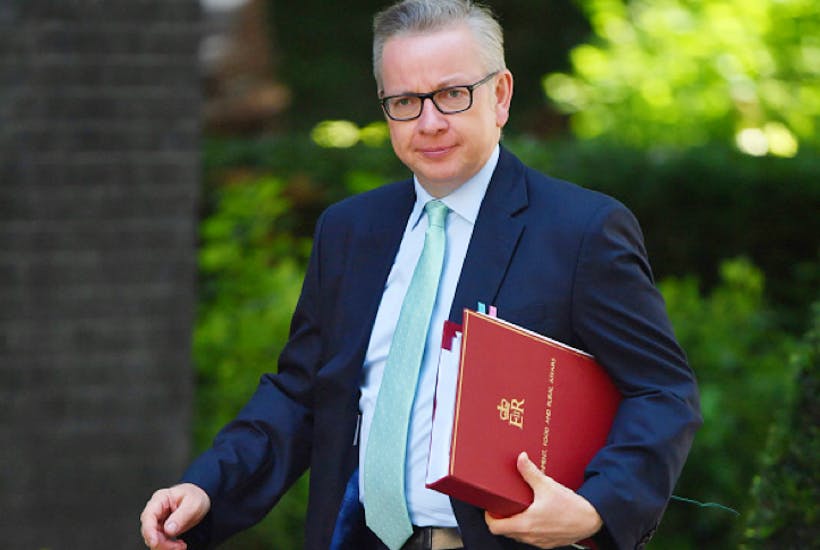
It comes just days after Defra Secretary Michael Gove and Tory MP Robert Jenrick recently visited the British sugar factory at Newark to mark the end of the EU sugar quotas. Jenwick said the visit was made to “start a bright new future”.

Tory Party supporters, the National Farmers’ Union, even set up a ‘sensory farm’ inside the conference, which includes the “pledge apple tree”, where delegates can hang a paper apple on the prop to pledge their support for British farming.

Just yesterday, the NFU President said the conference would give the union the “perfect opportunity” to speak to thousands of delegates about the British farming industry.

But forward one day, and the NFU Vice President quips: “off early to Manchester to help man the NFU stand. First task, change the lanyard on the conference pass. It just isn’t possible to build a country on imports.”

(https://www.farminguk.com/News/-Disgraceful-Foreign-sugar-company-sponsors-Cons-_47544.html)


Post Brexit – Food Standards to be Compiled – Introduced and Monitored Through Westminster – History Indicates the Folly of the Policy – But it is Not For Scotland to Decide


2000: New Labour created a non-ministerial government department – the Food Standards Agency (FSA)

After the collapse in public trust triggered by a number of high-profile outbreaks and deaths from food borne illness including the BSE crisis, civil servants within the then Ministry of Agriculture Food and Fisheries were perceived as having put the interests of producers ahead of those of consumers.

It was felt that it was inappropriate – and dangerous – to have one government department responsible for both the health of the farming and food processing industries and also food safety.

But in the period 2000-2010, the agency lost it’s way, embarking on major investigative projects requiring increasing numbers of staff running head on into controversy about the health claims of organic food and even the role of GM foods whilst being heavily criticised for expensive and questionable research and fruitless public consultation exercises.

It tried to be open to scrutiny with “open board meetings” available for public viewing on the web and even award-winning health advertising campaigns had a short lifespan, with budgets axed.

Ultimately, it was the FSA’s difficult relationship with the powerful food industry which undermined its effectiveness and claims of independence, after manufacturers successfully lobbied in Europe bringing to an end to its attempt to secure a universal system of “traffic light labelling” for food and drink products.


11 Jul 2010: Victory for Food Manufacturers – Food Standards Agency Abolished By Tory Health Secretary

The Food Standards Agency has been abolished by Andrew Lansley, (1) the Health Secretary, after the standards watchdog fought a running battle with industry and the EU over the introduction of colour-coded “traffic light” warnings for groceries, TV dinners and snacks.

The move sparked accusations that the government had “caved in to big business”.

As part of the changes the Tory Minister Lansley reassigned the FSA’s regulatory aspects – including safety and hygiene – to the Department for Environment, Food and Rural Affairs (Defra).

Its responsibilities for nutrition, diet and public health were incorporated into the Department of Health.

Labour’s  then health spokesman, said: “Getting rid of the FSA is the latest in a number of worrying steps that show Andrew Lansley caving in to the food industry.

It does raise the question whether the health secretary wants to protect the public health or promote food companies.” (The Independent)

(1). Lansley provoked controversy in 2010 by factoring into public health related bills, representations from fast food companies such as McDonald’s, KFC and processed food and drink manufacturers such as PepsiCo, Kellogg’s, Unilever, Mars and Diageo on obesity, diet-related disease and alcohol, said by campaign groups to be the equivalent of handing smoking policy over to the tobacco industry.

It later transpired that until December 2009, Lansley had received £134 an hour from a firm of advertisers that represented clients such as Walkers Crisps, McDonald’s, Unilever, Mars and Pizza Hut;

Private Eye suggested a link between these activities and Lansley’s desire to see a more lightly regulated food industry.

The same publication suggested a similar link to a Department of Health report on red meat in which the only products listed in the report found to contain suitable amounts of red meat to merit a “Good” rating were a McDonald’s Big Mac, and a Peperami (manufactured by Unilever). (Wikipedia)


9 Apr 2014: Salt levels in many foods ‘unnecessarily high’

Many grocery items such as sandwiches, smoked fish and ready meals were found to contain at least a third of an adult’s daily allowance of salt.

A study of 50 products from major supermarkets also found that other items such as soups, meat, salads and “little snacks” contained more than a quarter of the six grams of salt that is the Government’s recommended daily limit.

Some supermarket pizzas contained almost half the daily allowance of salt recommended for adults while snacks contained almost a third,

Experts said that the salt levels in many of the foods were “unnecessarily high”, and called for manufacturers to urgently reduce the amounts to help “save lives”.

They warned that there was a “wealth of evidence” linking high salt intake to raised blood pressure increasing the risk of heart disease and strokes. (The Telegraph)


But the UK public had been told difficulties such as over – salting produce had been resolved in 2000!!

Sadly this was not the case. Successive Tory, Labour and Con/Dem Westminster politicians got huge donations from wealthy individuals in return for honours.

Big business got its reward in the form of contracts, lax government regulation and, most importantly, governments that implemented a pro-big business agenda, ideologically insistent on privatisation, cuts and anti-working class measures.

David John Sainsbury, Baron Sainsbury of Turville, served as the Chair of Sainsbury’s, the supermarket chain from 1992 to 1997.

He was made a life peer in 1997, and sat in the House of Lords as a member of the Labour Party.

He served in the government as the Minister for Science and Innovation from 1998 and 2006 and gifted Tony Blair’s New Labour Party a vast amount of money over the period 1996-2006 (£15m).

What did he get in return? A peerage and the post in government as Minister of Science were just two rewards of note.

Elected in 1997 the Blair government continually backed down on attempts to protect the health of the UK population by regulating the food industry.

In 2006 the nation witnessed yet another government climbdown on a solemn promise to force food manufacturers to cut salt levels in our food.

The plan was to reduce personal daily intake by 10gm to 6gm over the period ending in 2010.

Responding to pressure from the food manufacturing industry the daily target was revised upwards by the government to 8gm, where it remained at March 2015.

According to health experts, an extra 126,000 UK citizens died in the period 2006-2015 as a direct result of the revised policy .

Unsurprisingly the Food & Drink Federation representing Sainsbury’s and other supermarkets greatly welcomed the relaxed targets.

Companies such as, Somerfield, Safeway, Waitrose and Tesco also donated money to Blair and New Labour.

So it is not only over Iraq and Afghanistan that Blair and New Labour have “blood on their hands”.


2015: Food Standards Scotland Act 2015

In terms of food standard controls the UK, was to be returned to before the year 2000.

All measures considered necessary and put in place as a result of recurring failures by the food industry to ensure the safety of the public were to be set aside and replaced with the original inadequate control systems.

Supermarket profits were under pressure, for many reasons and this brought with it an ever increasing need to reduce manufacturing costs, placing food standards at risk.

A number of unacceptable incidences were exposed, horse meat sold as beef and unacceptable levels of Campylobacter in chickens caused public concern.

The Scottish SNP government, responding to public pressure was of the view that existing arrangements introduced by the Tory government were unacceptable to Scottish consumers and, following a period of intense discussion gained approval of Westminster to set up a food standard monitoring body which would report to the Scottish parliament.

The Food (Scotland) Bill set up a stand-alone food safety, standards and nutrition body in Scotland.

The Bill received Royal Assent from Her Majesty the Queen on 13th Jan 2015 creating the Food (Scotland) Act 2015 paving the way for Food Standards Scotland to operate as a legal body.

Food Standards Scotland, a non-ministerial government department of the Scottish Government became operational from 1 April 2015.

It took over all of the responsibilities of the former UK-wide organisation responsible for food safety, food standards, nutrition, food labelling and meat inspection in Scotland. (Wikipedia)

http://blogs.scotland.gov.uk/newfoodbodyforscotland/2015/01/16/food-scotland-act-2015/


05 Dec 2016: UK pushes ahead with sugar tax

Excess consumption of sugar was officially linked to several health problems, such as obesity, diabetes, and tooth decay.

Consumption of sugar imposes health costs on individuals (lower life expectancy) and the rest of society (higher health care costs + lower productivity).

A tax on sugar will discourage consumption and raise tax revenue to fund improved health care.

Yet, critics argued that it would be a regressive tax taking more from those on low incomes.

The Tory government delayed on a decision but eventually it was forced by public pressure to act.

Draft legislation was put in place introducing a tax on sugar-sweetened drinks from April 2018.

Two bands are proposed – one for soft drinks with more than 5g of sugar per 100ml and a higher one for drinks with more than 8g per 100ml.

Many companies have already begun cutting the amount of sugar in their drinks.

Pure fruit juices will be exempt – but health officials stress people should limit consumption of these beverages to no more than 150ml per day.

Likewise, sugary milkshake and yogurt drinks will also be excluded.

Ministers were concerned that teenagers, particularly girls, were not getting enough calcium and so taxing these drinks might be counterproductive.

The government has said it expects the levy to raise £520m in the first year.

The Office for Budget Responsibility estimates the levy could add 18p to 24p to the price of a litre of fizzy drink if the full cost is passed on to the consumer.

The Royal College of Paediatrics and Child Health representative said: “We are very pleased to see government moving forward with this draft legislation.

The sugary drinks that will be affected by this tax have no nutritional benefit and often contain levels of sugar that are above a child’s daily recommended limit.

These drinks are a major contributor to the high sugar intakes of children, particularly teenagers, and we are in no doubt that they are, in part, contributing to this country’s obesity crisis.”

The restrictions:

Sugar in fizzy drinks. 35g

The amount of sugar in a 330ml can of Coca-Cola (7 teaspoons). 30g

The recommended max. intake of sugar per day for those aged 11+. 30g

Cancer Research UK estimates a 20% tax on sugary drinks could prevent 3.7 million cases of obesity over the next decade.


24 Aug 2017: Tesco named as supermarket at centre of hepatitis scare

Tesco has been named as the supermarket chain which may have infected people with hepatitis E from contaminated pork.

Public Health England confirmed that the UK’s biggest retailer was the supermarket identified in a study as the potential source of the virus in the UK.

Hepatitis E, or HEV, (1) is thought to have entered the country in pork imports from the Netherlands and Germany.

British pigs are not infected with the G3-2 strain of the hepatitis E which is thought to be behind most infections. (The Independent)

(1). Tens of thousands of Britons are being infected with a ‘potentially deadly liver virus’ in pork products, mostly imported from Europe.

According to the reports, the strain of hepatitis E, linked to pig farms in France, Holland, Germany and Denmark, is infecting more than 60,000 people in Britain a year.

While most cases are not serious, figures from Public Health England (PHE) show an increase in serious illnesses, from 368 in 2010 to 1,244 in 2016.

Transplant patients and pregnant women are considered especially at risk.

Dr Harry Dalton, a gastroenterologist at Exeter University said:

“I call it the Brexit virus, It attacks the liver and nerves. It is particularly dangerous for people with suppressed immune systems such as those who have had organ transplants and possibly cancer. ”

The reports also quoted a study showing the virus had spread to more than 90% of British pigs.

They also referred to research suggesting 10% of sausages could be affected.

In the UK, sausages with the “Red Tractor” logo are not permitted to include liver or offal, reducing the risk of contamination compared with countries where liver and blood sausages are popular.

The National Pig Association (NPA) issued a statement: “Research at Public Health England has shown that the subgroup of hepatitis E causing the majority of human infection in the UK is not the same as the subgroup found in UK pigs.

“The NPA agrees with the conclusion of the researchers that if people in this country have contracted hepatitis E virus from eating pork, it is likely to have come from imported pork, rather than British pork.

Further research and surveillance is required to determine the true cause of the rise in hepatitis E cases in the UK.

“NPA recommends that consumers follow the advice from the Food Standards Agency that pork and sausages should be cooked thoroughly until steaming hot throughout, with no pink or red in the centre, to greatly reduce the risk of infection.” (pig-world.co.uk)


30 Sep 2017: 2SFG – owned by food tycoon Ranjit Boparan – the largest supplier of poultry meat to United Kingdom supermarkets has been accused of altering sell by dates.

United Kingdom supermarkets have been forced to launch investigations into their chicken supply chain after undercover footage emerged that allegedly showed workers at its West Bromwich site dropping chicken on the floor before returning it to the production line.

The footage also showed workers repackaging mixed meat of different ages and changing source codes on crates of meat that had been returned to the factory by supermarket distribution centres, returning chicken to the production line that had been dropped on the floor, and altering records of where and when chickens were slaughtered.

It also emerged that packs of Tesco’ s “Willow Farm” fresh chicken were bulked up with unsold chicken returned by Lidl.

Food Standards Agency (England) announced it had launched an investigation into the claims, which include older birds being dumped in with fresh stock but given the same sell-by dates.


2 Oct 2017: Foreign sugar company sponsors Conservative conference

The Conservative Party has come under fire from angry farmers on social media after allowing a major US sugar company to sponsor its conference in Manchester.

US sugar company Tate & Lyle Sugars, a major exporter to the UK, is sponsoring the Conservative Party Conference, held in Manchester from 1 October to 4 October.2017.

Lincolnshire grower Andrew Ward said: “Disgraceful. Conservatives sponsored at conference by Tate & Lyle, who provide foreign cane Sugar. So much for supporting British agriculture.”

Naomi Langford-Wood tweeted: “Back British sugar. No choice. Tate & Lyle is imported.”

The gaffe means that the Conservatives are advertising a brand which is a major competitor to British Sugar.

It comes just days after Defra Secretary Michael Gove and Tory MP Robert Jenrick recently visited the British Sugar factory at Newark to mark the end of the EU sugar quotas. Jenwick said the visit was made to “start a bright new future”.

The National Farmers’ Union even set up a ‘sensory farm’ inside the conference, which includes the “pledge apple tree”, where delegates can hang a paper apple on the prop to pledge their support for British farming.

On the weekend, NFU President Meurig Raymond said the Conference will give the union the “perfect opportunity” to speak to thousands of delegates about the British farming industry.

But today, NFU Vice President said: “Early off to Manchester to help man NFU stand. First job, change the lanyard on the pass. You won’t build a country on imports.”

(https://www.farminguk.com/News/-Disgraceful-Foreign-sugar-company-sponsors-Cons-_47544.html)


1 Oct 2017: Loss of Control of Scottish food standards – Post Brexit

The UK Government’s intention is that all powers that are currently exercised at EU level will, at least initially, transfer from Brussels to Westminster.

This includes powers in fields that are otherwise devolved to Scotland, Wales and/or Northern Ireland, such as the environment, agriculture and fisheries.

This has prompted accusations by the Scottish and Welsh First Ministers that the Bill is a “naked power grab”.

That dispute essentially concerns the interpretation of the devolution settlement.

The devolved administrations look at policy areas that are currently devolved and take the view that all ‘repatriated’ powers in those areas should be exercisable by the relevant devolved institution, and that to do otherwise would be to place restrictions on the current devolution settlement.

By contrast, the UK Government looks at the current responsibilities of the devolved institutions, as limited by EU law, and takes the view that there will be no reduction in the power of the devolved bodies if those issues currently dealt with by the EU are handled at UK level instead.

The Bill as currently drafted takes the latter approach, proposing to amend the Scotland Act 1998 (the 1998 Act) so that the Scottish Parliament, rather than being unable to legislate in a manner that is incompatible with EU law, will instead be forbidden from modifying “retained EU law”.

The UK Government would expect the effect of this to be maintenance of the existing limits on the devolved institutions’ competence, by denying them the ability to depart from retained EU law (including UK and devolved legislation) even in subject areas that are not expressly reserved to Westminster.

Interestingly, “retained EU law” is defined to include not just EU-derived law as it stands on exit day, but also that body of law as it is “added to or otherwise modified by or under this Act or other domestic law from time to time”.

The UK Parliament or Government will be able to alter retained EU law in future, with the law as amended remaining outside the legislative competence of the Scottish Parliament.

Essentially, the effect will be to ensure that things that are currently outside the competence of the devolved institutions because of EU law constraints will remain outside their competence, without the Bill taking the potentially more controversial step of expressly changing the list of reserved matters set out in Schedule 5 of the Scotland Act 1998.

The UK Government has nevertheless stated that it expects there to be a significant increase in the decision-making powers of the devolved institutions over time, though the Bill is silent on when and how a further devolution of ‘repatriated’ powers will take place, or which powers will be repatriated.

The UK Government paper on Brexit and devolution does, however, say that decision-making powers returning from the EU should be allocated within the UK “in a way that works – ensuring that no new barriers to living and doing business within the UK are created” (concerns have also been expressed by Liam Fox, the Secretary of State for International Trade, that powers should not be devolved in a way that would hamper the UK’s ability to enter into trade agreements). (1)
Subject to that overarching principle, the UK Government envisages “intensive discussion and consultation” with devolved authorities on where lasting common frameworks are or are not needed. Full article here: (http://www.brodies.com/binformed/legal-updates/the-european-union-withdrawal-bill-the-impact-on-scotland)

(1). Consumer protection laws and enforcement to be transferred to Westminster to ensure prevention of any barriers to UK trade.

This will include replacing Food Standards (Scotland) (FSS) which was put in place in 2015 to ensure that information and advice on food safety and standards, nutrition and labelling is independent, consistent, evidence-based and consumer-focused.

With its primary concern being consumer protection the agency is tasked with making sure that food is safe to eat, ensuring consumers know what they are eating and improving nutrition.

With that in mind, its vision is to deliver a food and drink environment in Scotland that benefits, protects and is trusted by consumers.

FSS develops policies, provides policy advice to others, is a trusted source of advice for consumers and protects consumers through delivery of a robust regulatory and enforcement strategy.

FSS was established by the Food (Scotland) Act 2015 as a non-ministerial office,     part of the Scottish Administration, alongside, but separate from, the Scottish Government.   (http://www.foodstandards.gov.scot/)


BBC Environment Podcasts – Informative If Biased – Well Worth Listening In – Kirstine Hair MP at it Again – Foot ‘n Mouth Disease


Environment reporting by the British Biased Corporation (BBC)

Audio podcasts covering the daily news of food, farming, fishing, the countryside and the environment with analysis and context from the BBC’s experts in the field.

An extract of podcasts reporting on subjects relevant to Scotland.

Listeners should track to the subject matter where needed.


19 Sep 2017: Kirstine Hair Tory MP for Angus – Calls for the Scottish Agricultural Wages Board to be abolished, and wages cut.


https://audioboom.com/posts/6313637-calls-to-abolish-scottish-agricultural-wages-board-national-parks-wine-harvest-bbc-food-and-farming-awards-finalists.mp3?source=rss&stitched=1


28 Aug 2017: Scottish community land purchase

The Highland Clearances of the early 19th century saw thousands of crofters moved from their homes in Scotland to poorer, lowland areas, allowing landowners to shift land use to large-scale sheep farming.

Called ‘improvement’, it was often anything but that for the crofters’ families.

Many were forced to emigrate, others stayed in Scotland but led poorer, harder lives, powerless to improve their lot or take charge of their own futures.

So when Sutherland Estates decided that it would make business sense not to continue their ownership of 3,000 acres of land on the east coast, at Helmsdale, and offered it for sale to the local community, there were obvious parallels with the fate of their ancestors, cleared to the area by the first Duke of Sutherland.

After a local ballot and many grant applications, the £300,000 they needed was raised – and the sale has been agreed.

Moira Hickey visits Helmsdale and hears why it’s important for local people to take charge of the four townships to which the 19th century crofters were moved.

They are, of course, a powerful reminder of the powerlessness of former generations, but also offer a practical opportunity for local people to create jobs, improve the land, apply for further funding and make it more likely that future generations will be able to stay in the area, if they choose to do so.


https://audioboom.com/posts/6245372-scottish-community-land-purchase.mp3?source=rss&stitched=1


14 Aug 2017: Brexit and its impact on Scotland’s wide and diverse farming community.


https://audioboom.com/posts/6201799-gamekeeper-turned-crime-fighter-scottish-agriculture-grouse-shooting.mp3?source=rss&stitched=1


12 Aug 2017: Salmon Farming in Scotland – Loch Leven near Glencoe.

Salmon farming in Scotland is only around 40 years old, but in that time the sector’s grown from producing 14 tonnes of farmed salmon back in 1971, to around 170,000 tonnes today.

But the industry is not without its critics: there are environmental concerns about the effect of sea lice, which can proliferate in densely stocked salmon cages, and the impact of pollution on sea lochs.

Many opponents also question the sustainability of the industry, and want to see fish farmed in closed containers rather than open water.


https://audioboom.com/posts/6198109-farming-today-this-week-salmon-farm.mp3?source=rss&stitched=1


20 Jul 2017: Devolved Powers Post Brexit

A new report from the House of Lords has warned Westminster against trying to requisition powers currently held by the EU – such as those regarding farming, fishing and the environment – after Brexit, saying such a move could create instability.

The UK government had suggested such powers should return from Brussels to Westminster, but this week’s Brexit and Devolution Report slammed the suggestion, calling on them to instead give devolved authorities more influence in Brexit negotiations.


https://audioboom.com/posts/6124112-tenant-farmer-evictions-devolved-powers-post-brexit-rural-tourism-report-himalayan-balsam-gin.mp3?source=rss&stitched=1


27 Jun 2017: Women in Agriculture in Scotland

A survey by Newcastle University, commissioned by the Scottish Government, has suggested that women aren’t sufficiently recognised or represented within the agricultural sector.

Now Scotland’s First Minister Nicola Sturgeon has announced the launch of a new task-force to ensure females are properly acknowledged in the field.

It’ll be co-chaired by Joyce Campbell, a working farmer based in North Sutherland, and Fergus Ewing, the Cabinet Secretary for Rural Economy and Connectivity – who’s shared his views on the report and the task ahead.


https://audioboom.com/posts/6054135-women-in-scottish-agriculture-tb-in-wales-gca-progress-angus-breeders.mp3?source=rss&stitched=1


15 Jun 2017: Scottish Creel Fishermen call for ban on inshore trawlers

Creel fishermen in West Scotland are demanding a big change in the way fisheries are managed.

They want the Scottish government to ban trawlers from inshore waters and they say the move would create hundreds of new jobs.

But Scotland can’t control it if authority is with Westminster post Brexit.


13 Jun 2017: Michael Gove Gets a Leg up from Theresa May But is it a good move for Scotland

Michael Gove appointed Defra Secretary.

We have reaction from the Scottish fishing industry, Greenpeace and the National Farmers’ Union.


https://audioboom.com/posts/6011053-reaction-to-michael-gove-s-appointment-as-defra-secretary-of-state.mp3?source=rss&stitched=1


7 Jun 2017: George Monbiot starts a rammy about Trespass

The environmental author and journalist George Monbiot has started a heated debate about access to the countryside by posting a tweet encouraging people to trespass.

His comment has raised hackles in the farming world, but support from others.

Mr Monbiot clarified in another tweet, saying “To those reacting against my call to trespass, all I want is the same rights to walk in England and Wales as there are in Scotland.”

Malcolm Combe, lecturer at Aberdeen University’s school of law, outlines the difference between Scottish and English land access law.


https://audioboom.com/posts/5992748-monbiot-on-trespassing-uk-land-access-white-park-cattle-art-from-the-landscape.mp3?source=rss&stitched=1


5 Jun 2017 Game bird shooting in Scotland and how the fisher-folk intend to vote

There is to be an independent inquiry into licensing game bird shoots in Scotland.

The move, announced by the Scottish Government, follows the publication of an independent scientific report into the disappearance of satellite-tagged eagles.

Plus, reports on where Scotland’s fishing communities stand on the upcoming General Election.


https://audioboom.com/posts/5985280-fishing-for-votes-british-sugar-licenses-for-game-bird-shoots.mp3?source=rss&stitched=1


3 Jun 2017: Three Young farmers have their say ahead of the General Election

Interviews with the agriculture and rural affairs spokespeople from the main political parties, ahead of next week’s general election.

A panel debate in which three young farmers (one from Kinross) discuss promises made by the politicians in their election manifestos.

As the next generation of people who will run farms and rural businesses, what do they make of the politicians’ pledges?

Note: The Scottish National Party are not included in the discussion. Unbalanced biased reporting by the BBC.


https://audioboom.com/posts/5993687-farming-today-this-week-politics-and-the-countryside.mp3?source=rss&stitched=1


2 Jun 2017: SNP agriculture policy briefing

In Scotland much of agricultural policy is devolved and ballot box pledges are being weighed up, now that all the political parties in Scotland have published their manifestos.


https://audioboom.com/posts/5978400-floodplains-the-royal-bath-west-election-manifestos.mp3?source=rss&stitched=1


22 May 2017: Oysters Return to Scottish waters

A special report from Scotland where wild oysters are back in Scottish waters for the first time in a hundred years.


https://audioboom.com/posts/5941930-british-flowers-oysters-and-rural-school-closures.mp3?source=rss&stitched=1


18 May 2017: Scottish students have their say about farming policy post brexit

Farming today visits Scotland’s Rural College just outside Edinburgh and talks to staff and students there about their concerns as they look ahead to a post-Brexit agricultural future.


https://audioboom.com/posts/5935520-farming-tour-election-tour-scotland-wales-ni.mp3?source=rss&stitched=1


12 May 2017: Video evidence admissibility – forestry management

Wildlife crime is at the centre of a row in Scotland over the way video evidence is dealt with in court.

The RSPB is voicing its frustration at cases being dropped by the Crown Office.

The charity says films of attacks on birds of prey are evidence of cruelty but the independent prosecution service insists they are surveillance footage which is inadmissible.

Timber is big business in Scotland and now the Government in Edinburgh wants to change the way Forestry is run.

It has announced plans to fully devolve the work of the Forestry Commission north of the border.

But what will that mean for the future of research and disease prevention?


https://audioboom.com/posts/5911835-wildlife-footage-in-court-scottish-forestry-and-food-by-subscription.mp3?source=rss&stitched=1


3 Mar 2017: Westminster is reneging on its promise to devolve powers Post Brexit

The Scottish National Party is complaining that promises to devolve powers over agriculture and fisheries after Brexit are already being watered down.


https://audioboom.com/posts/5668173-fly-tipping-scottish-agriculture-post-brexit-young-farming-entrepreneurs.mp3?source=rss&stitched=1


28 Jan 2017: UK fisheries post Brexit

What is the likely impact of Brexit on UK fisheries?

Peterhead is the UK’s largest fish market, in north east Scotland.

Reporter attends the early morning fish market at Peterhead, humming with activity, as 7,000 boxes of freshly caught fish are sold.

Among the twenty varieties under the hammer are some huge halibut’s, one of them over 100kg in weight, caught as far north as the Faroe Isles.

Jimmy Buchan of BBC2’s ‘Trawler men’ series reflects on the long term impact of the EU’s Common Fisheries Policy, which led to Peterhead’s fleet being cut by over 40% ten years ago.

But he’s optimistic about the opportunities for fisheries beyond Brexit.

The reporter also speaks to Fisheries Minister George Eustice who lays out his plans for ‘reclaiming UK waters’.

Meanwhile, the Peterhead Port Authority is undertaking a £50M infrastructure project that will reshape the port’s facilities and fish market for the future.


https://audioboom.com/posts/5549117-uk-fisheries-after-brexit-the-view-from-peterhead.mp3?source=rss&stitched=1


25 Jan 2017: English and Scottish fishing quota disagreement

The National Federation of Fishermen’s Organisations in England has criticised Minister George Eustice over a deal which handed over 1,500 tonnes of north east Arctic cod quota from England to Scotland.

However, the Scottish Fishermen’s Federation say the deal is fair, because it offsets issues caused by the EU ban on discarding fish.

The English group believe Mr Eustice caved in to political pressure from Edinburgh.

Farming Today brings together Barry Deas, leader of the NFFO, which represents the industry in England; and Bertie Armstrong – chief executive of the Scottish Fishermen’s Federation.


https://audioboom.com/posts/5532928-free-range-eggs-bird-flu-restrictions-english-scottish-fishing-quotas.mp3?source=rss&stitched=1


19 Dec 2016: EU fishing fleet will still be given access to UK waters Post Brexit

British fishing fleets have been expecting Brexit to be good news for them but a House of Lords committee warns that continued access to the European market is vital for the industry and to get it ministers may have to give more European access to British waters.

Last week on Farming Today Bertie Armstrong of the Scottish Fishermen’s federation outlined the deal he’d like and Lord Teverson, chair of the lords EU fisheries and agriculture committee explained why the fishing industry is so important to the UK.


https://audioboom.com/posts/5411369-british-fishing-fleet-and-brexit-badger-cull-figures-farm-made-christmas-gifts.mp3?source=rss&stitched=1

Tales From the Backside – Lies Spies and Naked Thighs – News and Current Affairs Through the Medium That is the Most Corrupt Corporation in the World – The BBC


20 Sep 2017: BBC News and Current Affairs Scotland Staff and Presenters Are Guilty of Presenting Information Biased Against Scotland

Eleven years after exposure to the public that blatant bias is doctored into news bulletins and documentary reports the BBC News & Current Affairs Division of the corporation still actively embraces the policy despite a barrage of criticism from Scottish viewers / listeners, before, during and after the 2014 Independence referendum.

Balanced reporting and impartial presentation, (a requirement of the BBC charter) was abandoned and the Corporation silently decided upon implementing a programme of unqualified support for the “Better Together” Campaign.

Additional finance (£5m) was allocated, to the Scottish BBC News and Current Affairs team, in Glasgow many months before the referendum so that a restructuring programme could be put in place.


“The presenters, including BBC Scotland’s political editor Brian Taylor, are shown attacking the fairness of the SNP’s proposed referendum question and claiming that Alex Salmond is ‘not impregnable’.

He also said Alex Salmon wished to include a devo-max option on the ballot paper in order to give him a ‘parachute’ should Scots fail to back independence.

In the presentation, Scotland is described as being in financial deficit and requiring subsidy.

Claims are also made that the SNP are ‘changing policy in order not to frighten the horses’.

Brian Taylor is shown claiming that Alex Salmond wants to delay the referendum in order to ‘sow dissent’ amongst Unionist parties, and saying “He [Salmond] wants a contest as close as possible to the next UK general election because he believes that by then his Unionist opponents will be fighting each other rather than fighting independence and Alex Salmond.

He wants to sow dissent among them”.

Taylor also claimed that the Scottish government’s proposed referendum question was not straightforward and simple.

The BBC Scotland man suggested it was designed to elicit a positive response.

On the proposed question: “Do you agree that Scotland should be an independent country?”

Taylor said “Straight forward, simple – except it’s not.

The word ‘agree’ according to psephologists is a welcoming word, it draws people in.
People like to agree, they don’t like to disagree so the word there is good.

He added “Why does Alex Salmond favour a second question, devo max, and devo plus, why not just go for independence, which is the one he has the mandate for?

He wants a fall-back, he wants a parachute should independence fail to win”.

Also featured on the videos is BBC TV political commentator, Andrew Neil, a former editor of The Scotsman and the Sunday Times, BBC TV’s UK political editor, Nick Robinson. and BBC TV’s economics editor, Stephanie Flanders.

http://www.thedrum.com/news/2012/04/16/leaked-bbc-presetations-lead-news-website-question-impartiality-bbc-presenters

https://www.youtube.com/watch?v=IepO9cnIk-w


21 Oct 2006: A Look Back – We are biased, admit the stars of BBC News

It was the day that a host of BBC executives and star presenters admitted what critics have been telling them for years.

The BBC is dominated by trendy, Left-leaning liberals biased against Christianity and in favour of multiculturalism.

At a secret meeting in London, hosted by veteran broadcaster Sue Lawley, BBC executives admitted the corporation is dominated by homosexuals and people from ethnic minorities, deliberately promotes multiculturalism, is anti-American, anti-countryside and more sensitive to the feelings of Muslims than Christians.

A leaked account of an ‘impartiality summit’ called by BBC chairman Michael Grade, is certain to lead to a new row about the BBC and its reporting on key issues, especially concerning Muslims and the war on terror.

A veteran BBC executive said, “There was widespread acknowledgement that we may have gone too far in the direction of political correctness.

Unfortunately, much of it is so deeply embedded in the BBC’s culture, that it is very hard to change it.”

In one of a series of discussions, executives were asked to rule on how they would react if the controversial comedian Sacha Baron Cohen, (known for his offensive characters Ali G and Borat) was a guest on the programme Room 101.

On the show, celebrities are invited to throw their pet hates into a dustbin and it was imagined that Baron Cohen chose some kosher food, the Archbishop of Canterbury, a Bible and the Koran.

Nearly everyone at the summit, including the show’s actual producer and the BBC’s head of drama, Alan Yentob, agreed they could all be thrown into the bin, except the Koran for fear of offending Muslims.

Debating whether the BBC should interview Osama Bin Laden if he approached them, it was decided the Al Qaeda leader would be given a platform to explain his views.

Senior BBC figures queued up to lambaste the corporation for allowing TV newsreader Fiona Bruce, to wear, on air, a necklace with a cross.

The BBC’s ‘diversity tsar’, Mary Fitzpatrick, said Muslim women newsreaders should be able to wear whatever they wanted while on TV, including veils.

Former BBC business editor Jeff Randall said he complained to a ‘very senior news executive’, about the BBC’s pro-multicultural stance but was given the reply: “The BBC is not neutral in multiculturalism: it believes in it and it promotes it.”

Randall also told how he once wore Union Jack cufflinks to work but was rebuked with: ‘You can’t do that, that’s like the National Front!

Quoting a George Orwell observation, Randall said that the BBC was full of intellectuals who: “would rather steal from a poor box than stand to attention during God Save The King”.

Washington correspondent Justin Webb said that the BBC is so biased against America that deputy director general Mark Byford had secretly agreed to help him to “correct”, it in his reports.

Webb added that the BBC treated America with scorn and derision and gave it “no moral weight”.

A lot of heat was generated when the debate addressed whether the BBC was too sensitive about criticising black families for failing to take responsibility for their children.

Head of news, Helen Boaden (1) disclosed that a Radio 4 programme blaming black youths at a young offenders’, institution for bullying white inmates faced the axe until she stepped in.

But Ms Fitzpatrick, who has said that the BBC should not use white reporters in non-white countries, argued it had a duty to ‘contextualise’ why black youngsters behaved in such a way.

(http://www.dailymail.co.uk/news/article-411846/We-biased-admit-stars-BBC-News.html)

(1) Helen Boaden was the BBC director of news who was the subject of heavy criticism for her poor handling of the Jimmy Saville debacle, and offered the job of running radio, with no loss of pay, instead.

(http://www.telegraph.co.uk/culture/tvandradio/bbc/9858270/Helen-Boaden-offered-BBC-radio-job.html)


14 Jun 2014; BBC Scotland in breach of its editorial and commercial guidelines for allowing “Better Together” to use its headquarters, crews and other facilities to produce promotional cinema advertising

The BBC has denied there was any breach of its guidelines and said that political parties can use facilities on a commercial basis, but concerns have been raised by former BBC broadcaster Derek Batemen that the BBC is operating in a “grey zone”.

Better Together commissioned creative agency BD Network to make the ad, The Scotsman newspaper reported.

The agency sub-contracted work to production firm Early, a company co-founded by former executive producer at BBC Entertainment, Martyn Smith.

The advert was shown in cinemas last month, but cinema chains including Odeon, Cineworld and Vue later decided to ban all referendum advertising from outlets.

BBC guidelines state: “Any activity involving a third party that could potentially undermine the BBC’s editorial integrity must be referred, in advance to the editorial policy department.

Examples of such organisations include: political parties, government departments and foreign government; lobbying organisations.”

Guidelines also state that the: “value and reputation of the BBC brand may be damaged if any part of the BBC is seen to be associated with inappropriate third parties”.

The revelations will fuel speculation over the state broadcaster’s impartiality in Scotland ahead of the independence referendum.

http://www.thedrum.com/news/2014/06/14/bbc-scotland-facing-questions-allowing-pro-union-better-together-group-use-crew-and


11 Sep 2014: Nick Robinson hijacks conference to berate Alec Salmond

Nick Robinson BBC reporter was provided with fully comprehensive answers to a number of rambling questions by an always patient Alex Salmond.

Robinson acknowledged answers by nodding his head in agreement at the end. Video length 6 mins 52 seconds.

https://www.youtube.com/watch?v=jp8gYWUnKCc


11 Sep 2014; Same conference different approach by “Better Together supporting media” – Alex Salmond goes to war with BBC over RBS ‘leak’

Daily Telegraph article together with a heavily edited video, (2 min 02 secs).

An irate Alex Salmond today declared war on the BBC after the Corporation disclosed Royal Bank of Scotland’s decision to move its headquarters to England if there is a Yes vote.

The First Minster accused Nick Robinson of heckling him and demanded the Corporation cooperate with a leaks inquiry over RBS’s announcement.

http://www.telegraph.co.uk/news/uknews/scottish-independence/11089702/Alex-Salmond-goes-to-war-with-BBC-over-RBS-leak.html


11 Sep 2014; Same conference Robinson’s take on events – BBC bias and propaganda at it’s finest

Nick Robinson caught Lying about Alex Salmond not answering a question.

https://www.youtube.com/watch?v=K_XhTALHQzI


12 Sep 2014; Balance failure in BBC Scottish independence referendum coverage ‘wrong and unacceptable’ says Channel 4’s Stuart Cosgrove

Stuart Cosgrove, has slammed the lack of journalistic scrutiny of Scottish independence referendum ‘scare headlines’ and called for a re-think at the BBC on the nature of balance and due impartiality.

Speaking on BBC Radio Scotland, Cosgrove said misreporting over claims the Royal Bank of Scotland would move jobs to England in the event of a Yes vote had been shown to be lacking substance and scrutiny after RBS issued a clarification to the media confirming any move would be relevant to “operations, not people”.

He told BBC presenter John Beattie:

“I think elsewhere in the media and elsewhere within this organisation, the last 24 hours have allowed people to assume that this is about job losses in Scotland and the loss of great, significant investment.

It’s clearly now is not, and yet another story when investigated the day after is proved to not have anything like the substance [it seemed].

The lack of scrutiny of this and the idea that people just wanted scare headlines I think is an outrage, particularly at this stage in the referendum when there’s so much to talk about and where journalism should be coming alive.

Let’s just take the BP example; we are being told that BP are moving to London.

Really?  What exactly are they going to do given the £200m they’ve recently invested in offshore drilling technology – where are they going to be drilling? Hemel Hempstead? Of course they’re not.”

He added that following the referendum there should be an examination of how the BBC measured balance and impartiality in its coverage, saying that applying election coverage models to the referendum when the main parties are unionist could limit time given to voices from the Yes side.

“One of the things I’d like to challenge, and I think it’s something we’ll need to talk about once the referendum’s over – and I think it has a significant impact on this institution, the BBC – is the nature of balance and due impartiality,” he said.

“Yesterday, I was watching the rolling BBC News very closely and it was clear that notions of balance were being predicated on a party political basis.

The camera panned from Cameron to Miliband to Clegg and back.throughout the programme.

“If you look at it as a different premise – it’s a yes/no question – then Patrick Harvie of the Greens, who is not the leader but is a significant political person within the Yes campaign, should have had exactly the same coverage as Ed Miliband.

Do you think for a second he got that? Of course he didn’t.

I think there’s been a failure of the understanding of the nature of balance and due impartiality. It’s simply wrong and not acceptable.”

http://www.thedrum.com/news/2014/09/12/balance-failure-bbc-scottish-independence-referendum-coverage-wrong-and-not


14 September 2014: BBC insists independence campaign coverage was ‘rigorously impartial’ as campaigners protest outside Pacific Quay offices

As a crowd demonstrated outside of the headquarters of BBC Scotland on the afternoon of Sunday 13 September, with a banner being used to call for the sacking of the corporation’s political editor, Nick Robinson, the BBC released a statement to deny the accusations that its coverage was biased.

A BBC spokesperson told The Drum: “We believe our coverage of the referendum has been rigorously impartial and in line with our guidelines on fairness and impartiality.”

The Yes campaign reacted following a clash between Scottish First Minister Alex Salmond and Robinson earlier in the week during a press conference where Salmond demanded an inquiry into who leaked the decision by the Royal Bank of Scotland to relocate its headquarters to England in the event of Scottish independence.

Robinson had attempted to push Salmond for a response on the economic significance of such a decision by the bank, which led to Salmond accusing him of ‘heckling’.

Speaking afterwards to BBC Radio Scotland, Salmond said of the leak: “What concerned me is not the impact on jobs because there will be none…what really concerns me is how this information was released to the BBC.”

BBC reporters have also faced further accusations of bias in their reporting directly through social media.

http://www.thedrum.com/news/2014/09/14/bbc-claims-scottish-independence-campaign-coverage-rigorously-impartial-campaigners


What you need to know about Richard Leonard- Nice Guy – Wrong Job Choice -The SNP is the Real Labour Party of Scotland Delivering for the People


Richard Leonard


Family Background – Richard Leonard – Labour Party (List) Member of Scottish Parliament

Born in 1962, in Buckrose, Yorkshire he was an intelligent boy who was fortunate to gain a local authority scholarship providing the finance needed to ensure his education  at the well regarded, Pocklington School, in the East Riding of Yorkshire, from 1973-80.

The end of his time at school came just as Thatcher’s policies were beginning to bite in the North East of England. His father lost his job and was forced to move south to gain work, forcing Richard to decide where his future would be. He chose to move to Scotland, taking up an offer from Stirling University, to study for a degree in politics.

At university he first joined the Labour Party then took on the role of president of the Students’ Association,   and actively engaged in the many protests against Thatcher’s right wing policies which were decimating Scotland. His future was decided by his choices.


Personal life

He married Kathryn in 1989. They had one son, b1995 in Paisley. They divorced in 2000.

He married divorcee, Karen in 2011. The couple reside in Paisley together with his son and Karen’s daughter from her previous marriage.

Karen is a senior office holder with the GMB which helps Richard keep his finger on the pulse of Union politics.


Trades Union Activist

After university he was employed, for 6 years, by the left wing Labour politician,  Alex Falconer (MEP) as a UK Treasury financed Research Assistant.

He then took up the post of Assistant Secretary of the S.T.U.C. where he was responsible for economic affairs.

In 1996 he left the S.T.U.C. taking on the role of  “Political Officer”  for the G.M.B. union, representing workers in manufacturing, commercial and public services across Scotland.

He was elected to the Labour Party Scottish Executive Committee, in 1997, a duty which also ensured his appointment to the role of Chairman of the Scottish Labour Party between 2002 and 2003.

He campaigned for Tony Blair, but became disillusioned and drifted away from the “New Labour” government (but retained his position on the Scottish Executive Committee) after Blair took the party to the “right” of politics and the country into war with Iraq.


Politics as a career

The failure to win another term of office at Westminster in the 2010 General Election brought with it a left-right wing battle for control of the Party in Scotland and sparked his interest in getting into mainstream politics.

But although he had 25 years experience of Trades Union business his exposure to politics was very limited and in his first attempt at getting into Holyrood he was the unsuccessful candidate for Carrick, Cumnock and Doon Valley in the 2011 Scottish Parliament election. He had not been included on the Labour Party list and that option was also denied him, much to the chagrin of the GMB.

Beyond 2011, the Labour Party in Scotland retained its UK unionist policies including many failed pig-headed campaigns against the SNP government allowing their real opponents, the Tory party to overtake it as the official opposition at Holyrood. A once great party reduced to an afterthought destined for the dustbin of history.

Against this scenario he decided to seek office once more, but with built in assurances he would be elected to Holyrood.

His bid for election was endorsed by the all powerful “Unite” union, which, using its influence had forced through a change in the candidate selection process which meant that sitting MSP’s were no longer guaranteed top spots on the regional list.  He subsequently took first place on the Central Scotland regional list, bypassing all incumbent Labour MSP.s. In the 2016 Scottish Parliament election he gained a seat in Holyrood as a List MSP. The left wing had regained control of the party.


Leonard is a member of CND. Yet he supports the retention of Trident


Party leadership

By August 2017 the authority of Keiza Dugdale, as leader of the party had been eroded beyond repair (largely due to the abuse of her position) and she resigned sparking a war of words over claims  of dirty tricks.

She had told the BBC there had been a “lot of internal problems” in the party ahead of her sudden resignation.

Her allies also claimed there was a “plot” against her after interim leader Alex Rowley had been caught on tape backing the leadership candidate Richard Leonard.

Adding smoke to the fires of unrest, on the very day of her resignation Jeremy Corbyn, at the Brighton conference, in a speech, thanked Dugdale for her work then said: “Labour is on the way back in Scotland”.


Rowley the king-maker

Alec Rowley (interim party leader) was accused of plotting to get rid of Dugdale with fellow left-winger Leonard.

The interim leader,  who had vowed not to endorse either candidate in the leadership race, had been caught on tape, (unaware he was being recorded) prior to a Brighton Conference fringe event saying that Mr Leonard was “the best candidate”. Overheard speaking to a student who had recognized him, he said:

“Although I’m neutral in the leadership I also believe that Richard Leonard has everything that we need to win in 2021. I really do. So when, to our surprise, the job became vacant, it just seemed to me that from a Left perspective, the person that was most suited to do that job would be Richard Leonard.”

The student then said he had read in newspapers that Neil Findlay – another pro-Corbyn MSP – had been the favoured candidate of lefties.

Rowley said: “No, no – for some time now I’ve thought he (Leonard) was the best candidate. And most people within the left in Scotland I think thought likewise.”

Asked by the student what made Leonard the best man for the job, Rowley said:

“I think, erm, I think he’s, his solid grounding in the Labour Party. His views have never changed over many years in terms of coming from the Left. He agrees that we need to develop an industrial strategy – we need a vision for Scotland that sets out the jobs and investment.”

Rowley then talked about how Leonard had the “intellectual” ability for the job. And he then said Sarwar would “last maybe four years or whatever” if he won.

Rowley – whose daughter Danielle, a Labour MP, is running Leonard’s campaign – also said party figures “privately didn’t believe Kezia would be there” for the next Holyrood election in 2021, saying that “our view was that Richard was the best person and therefore we should go with that plan”.

He also said he had been a backer of Leonard “for some time now”, but stressed that “we certainly weren’t putting any pressure on it”.


The Labour right- wing hits out

Describing Rowley’s statement as “hypocrisy” and “incredibly disappointing” Jackie Baillie, Labour MSP, a backer of Jeremy Corbyn critic Sarwar, said there was “evidence of a plot going on behind the scenes for months” against Dugdale’s leadership, calling it “a complete betrayal of the membership and every value we hold dear”.

She later told BBC Scotland: “Richard Leonard may deny this, but there are people within his campaign team who have clearly been involved. I think he would want to distance himself from them.”

This was echoed by another Sarwar-backing MSP, Daniel Johnson, who said that the “admission of a plot is shocking and unacceptable”.

The party’s MPs were also drawn into the row, with Martin Whitfield saying Leonard had “questions to answer” over the affair, while Ms Rowley insisted that her father had “always been very supportive” of  Dugdale.


The Labour left wing wing hits back

A spokesman for Leonard’s campaign team said: “If there were any attempts to undermine Kezia – they did not involve Richard and he knew nothing of them. Any statements that he did are completely false.”

A Scottish Labour spokesman said: “Alex was having what he believed to be a private conversation with a student and a political activist. He has not and will not publicly back a candidate.

Baillie’s comments were decried by Leonard-supporting Neil Findlay MSP , as “barrel-scraping desperation”. (the sun)


Campaign for Socialism dictates party policy – lets fix things with an away day

Divisions within the party emerged as Labour MSPs met for an “away day” excursion at the Holyrood MacDonald hotel, in the shadow of Holyrood. An event arranged before Dugdale quit but before the battle to succeed her dominated discussions.

A source said: “it’s now clear elected politicians are moving behind Central list MSP Leonard. I am resigned to seeing trade union votes move solidly behind Englishman Leonard, thanks to his 20 years’ service as a GMB official.

The recently formed group has members at just about every control level of the party. De-selection beckons for any councillor, MSP or MP not onside as left wingers within constituencies assert their authority. A Sarwar supporter said: “It’s a coup. They know they will face deselection and a Corbynite candidate could easily be moved up the list at the next election.

They want to save their jobs and that means we’re looking at an Englishman nobody outside the union movement has heard of leading Scottish Labour.

Leonard was at the peak of his powers in the Labour Party in Scotland, in the period 1996-2004. His inner circle of like minded colleagues included Jack McConnnell, Alex Rowley, Neil Lindsay and Gordon Brown.  Events have gone full circle and it appears his time has come again.


Richard Leonard and wife Karen


8 Feb 1997: Blair’s wild bunch. The Scottish Labour Party

In most of Britain, politicians were obsessed by the general election.  Many Scottish Labour politicians had their minds on another election at least two years away: the election to the Scottish parliament which Labour had promised if it won power at Westminster.

Many senior Labour figures were seriously worried by a growing power struggle in the party north of the border. If unchecked, it could imperil devolution rekindling calls for full Scottish independence.

Intent on dealing with the potential trouble a new committee was formed with a remit to draw up new rules for choosing candidates for the Scottish parliament. It would be these rules that would determine which Labour activists would be elected to Holyrood. The policy back-fired badly with the growth of the left-wing in and “New Labour” no longer rules.


4 Jul 1998: Donald Dewar and the Scottish Labour Party faced a challenge from the Scottish National Party

In Blair’s impending cabinet reshuffle, one unexpected problem loomed large. What to do about Donald Dewar, the Scottish secretary. Unexpected, because a few months ago, no minister’s stock was higher. He had delivered an emphatic “Yes” in the referendum on the Scottish parliament and had been skillful steering  the highly complicated set-up bill  through Westminster. But, in Scotland, everything was falling apart. Disgruntled Labour Party members who had failed to be selected as potential Labour candidates for the Scottish elections were in revolt.


10 Feb 2002: As Blair battled with Labour’s oldest allies, Jack McConnell faced a choice in Scotland: follow the UK way or nail his colours to the traditional mast.

The case for Scottish home rule was based on the idea that the nation was different. Yet, less than two years after devolution, it was England that was turning into a foreign land. With Tony Blair leading the charge for reformers against wreckers, the dominant part of the UK was changing fast while Scotland was becoming a bastion of  stagnation.

The period found Blair doing what he did best: taking on the movement he nominally led. Hostilities were meant to be opened with the speech he was supposed to make to the TUC  that could have gone down as a watershed in British politics but ended up taking on far greater symbolism.  Instead it will be seen as the day that defined Blair’s second term.


30 Sep 2002: Richard Leonard, Scottish Labour Party Chairman Signals Split With Blair Policies

Leonard, chairman of Scottish Labour  called for socialism to become the party’s rallying-call during next year’s Holyrood elections – signalling a deep and damaging split with Blair and the party in England he, an ally of Jack McConnell, has said the party needed to go to the polls being “less apologetic and less defensive about socialism”. It needed to “rediscover its soul”.

His comments infuriated Blair, who vowed to press ahead with controversial public sector reforms – despite damning criticism from union leaders. Blair also faced embarrassment at the party conference over the issue, he and Alan Milburn, the Health Secretary, signalled their determination to continue with changes including extension of Private Finance Initiatives.


22 Apr 2014: Leonard on the wrong side of supporting the Labour campaign against independence

Nation-wide branch “Skills Development Scotland” held a Yes/No debate.

Leonard, GMB’s political officer represented the “No” campaign, United for Labour, and went head-to-head with Richie Venton of Trade Unionists for Independence. “Yes” emerged the popular choice of the night.

Branch Secretary, Derek Cheyne, said: “It was a really good debate – I think a lot of people really engaged and we had a great turn out as well. I’ve got to say, I think that most of the questions from the floor were very pro-yes.  We’ve not canvassed on whether our members are yes or no, but I got the feeling tonight Yes was dominant.  I hope it has energized our members, that they become more involved whether it’s yes or no – that’s entirely up to them, because my union has taken a more neutral stance, adding, But as I said – tonight seemed to be quite positively on the Yes side.”

Richie Venton said: “It was an excellent debate – there were some forceful arguments, but very respectful. For me, probably the most significant factor is that trade unionists spelt out that the struggle for “Yes” is driving towards the conclusion that we need radical change in society and that will build the basis for a future shaping of Scotland in an entirely different direction – to favour the working class.”


Trident – Scottish Labour Party Decide the Policy or does it?

Conference voted 70% to 30% in favour of “not seeking a replacement for Trident and abandoning plans to spend billions on a new generation of nuclear weapons.”

Note: The Labour Party’s current policy is to support Trident, backed by its party conference. Corbyn has said that the policy would be reviewed by any future Labour government. Leonard supports the GMB position which is to retain Trident.


17 Sep 2017: Leonard vows to rediscover Socialism

Leonard is an internationalist who believes in a labour movement built on the principles of solidarity and collectivism. His goal in life is to actively participate in the reconstruction of Scottish society based on the values of democratic socialism. Labour would never form a pact with the SNP nor back a second independence referendum under his leadership

He vowed a Labour government,  under his leadership would redistribute power, introducing an industrial strategy for full employment, tough rent controls, a workers’ right to buy their companies and the nationalizing of public services such as Scot Rail and Royal Mail.

He also backed the UK Labour leadership’s policy on Brexit, for a long-term transition period with Britain in the single market.  (highbeam)

Comment:

As a member of the Labour party Leonard is expected to take and abide by the instructions of the party whip.  This means he can never support nor devise policies that are not agreed by his UK masters. His leadership will only realize his aspiration to be the branch manager for Labour in Scotland.

Economic policies that benefit voters in England are the only ones he will be allowed to promote. Policies designed to meet Scottish needs and circumstances can only be committed to by a party answerable to Scottish voters and he isn’t a member of such a party.


Westminster Confirms Scottish Agricultural Policy Will be Decided in London and Imposed on Scotland Post Brexit – Tory Supporting National Farmers Union of Scotland Delighted – Wonder Why?


28/11/13: Scotland’s Farming and rural Constitution and democracy

The Cabinet Secretary for Rural Affairs and the Environment, Richard Lochhead, outlined some of the benefits of independence for Scottish farming including the EU rule that by 2019 no member state would receive farm payments of less than €196 per hectare – approximately £175, an extra €1 billion of funding – Scotland’s billion euro boost. He said:

“The money would have benefited our farmers and the Scottish economy as a whole – including our rural communities and the whole farming supply chain.

Agriculture is comparatively around a third more important to the Scottish economy than to the UK’s as a whole, and it is distinctive.

Indeed with every £1 of output from the agricultural sector generating an additional 80 pence in other parts of the Scottish economy, the whole country loses out.

We would also have had the opportunity to join 16 other EU countries in negotiating hundreds of millions of euros more in rural development funding – funding that we could invest in rural tourism, environmental protection, broadband, renewables, and start-up assistance for young farmers.

Instead, the UK Government negotiated a worse deal for Scotland – taking Scotland to the very bottom of the European funding league tables.

As if that wasn’t bad enough, the UK qualified for a €223 million uplift because of Scotland’s low payments – but instead of that funding coming to Scottish farmers, in line with the wishes of the European Union and Scottish Parliament, it was divvied up across the whole of the UK.

Only with the powers of independence, and direct representation in Europe, we can empower our rural communities to secure and grow rural Scotland’s place in our society and economy.”


A Successful Farmer Speaks Out

Jim Brown, of Gaindykehead Farm near Airdrie, one of Scotland’s most successful beef farmers, said:

“The UK Government’s actions over the recent debacle of CAP convergence funding shows they do not have Scottish farming’s interests at heart, and indeed are taking decisions which remove vital funding from Scotland.

These actions destroy any remaining faith farmers such as myself may have had in the ability of the UK to do what is best for Scottish farming.

I want Scotland to be independent so our farmers are represented in Europe by a Government that always prioritises the Scottish interest, and which has a track record of delivering for farming.

After decades of being represented by the UK in Europe, Scotland is now bottom of the league tables of CAP funding.

With independence we can’t possibly do worse, and I believe we can do much, much better.”


2 Jul 2017: It’s Hall over now

Not long after the referendum on continued European membership became known the Scottish Government and the National Farmers Union agreed to work together towards the development of post-Brexit devolved agriculture policies in Scotland.

Given the history of the intransigence of the NFUS towards the SNP government it was an unexpected and in some ways groundbreaking relationship.

But the brief union between NFU Scotland’s policy guru Jonnie Hall and ScotGov’s agri-policy unit ended without bearing fruit.

Hall’s secondment to ScotGov was formally brought to a close, the official reason offered was that, in the absence of even the barest outline of the Westminster government approach to farm policy after Brexit to chew on, neither he nor his ScotGov counterparts had a starting point to work from.

Commenting, NFUS chief executive Scott Walker said:

“Jonnie Hall’s secondment to the Scottish Government was a new approach for both sides to help formulate the right agricultural policy for Scotland in a post-Brexit future.

Given the eventual Brexit negotiation timetable that has emerged since December 2016, both sides were ahead of the curve, with discussions still firmly focussed on Brexit options rather than the detail of Scottish agricultural policy.

As Jonnie’s skills and knowledge were not being fully utilised, both parties felt it was appropriate to bring the secondment to an end after six months, rather than taking up the option to extend it beyond that time.”

He went on. “Scottish Government now has a number of specialist groups to look at future agricultural policy and we look forward to engaging with them in the months ahead.

This summer, NFUS will roll out its discussion document ‘Change – A New Agricultural Policy for Scotland Post-Brexit’, with office holders attending more than 30 agricultural shows.”

Adding: “We will also be meeting with Defra on a monthly basis, attending the Conservative party conference in the autumn and focussing on future policy at NFU Scotland’s Autumn conference in October.”
(The Scottish Farmer)


Comment: The National Farmers Union of Scotland, in consequence of their withdrawal from the partnership approach to designing future agricultural policies together with the Scottish Government abandoned any pretence of a constructive dialogue with the Scottish Government and through it the people of Scotland.

A “divide and rule” tactic the outcome of which, they are confident, will be the full support of the Westminster Government, taking forward the agricultural policies of Scotland. History proves otherwise.


21 Jul 2017: Agricultual policy within the UK will be decided by Westminster Post Brexit .

The Westminster Government

Michael Gove announced he wanted a green Brexit and farmers will no longer be “handed out” farm subsidies. These will have to be “earned”.

He stated that whilst a payments regime will remain place until 2022, the current Common Agricultural Policy’s Basic Payment Scheme will be scrapped.

In this period government advisors and farmers’ leaders will decide the future distribution of finance, including the environment, infrastructure, and promotion of British food.

Mr Gove added: “There are very good reasons why we should provide support for agriculture. “Seventy per cent of our land is farmed – beautiful landscape has not happened by accident but has been actively managed.

Agriculture is an industry more susceptible to outside shocks and unpredictable events – whether it’s the weather or disease.

So financial assistance and mechanisms which can smooth out the vicissitudes farmers face make sense.”

He also added that he wished to help farmers in Britain’s highlands, as farming there without subsidies is “impossible”.


The National Farmers Union of Scotland

The National Farmers Union Scotland responded to Mr Gove’s statement, and claimed that it was in line with its discussion document, titled Change – A New Agricultural Policy for Scotland Post-Brexit. A spokesman said:

“The union’s vision for the next decade is a managed transition from 2017 to 2027 to an action-based support system. “It wants to capitalise on new market opportunities, coupled with a new domestic agricultural policy, that will move our farmers and crofters to a position where market returns are the primary driver of profitability.”

Director of policy at NFUS, Jonnie Hall, added that while there was much reference to green Brexit, there was a “significant amount” of agricultural content within Mr Gove’s speech, which was complementary of NFUS’ wishes for Scottish agriculture. He said:

“The Secretary of State’s statement that support must be earned chimes with our thoughts. “We would want to see a properly-funded policy, supported by science-led decision making, that builds on our animal health and welfare record and is focused on productivity and profitability gains. “That means, in the future, there is a justifiable case for Scottish agriculture to receive the same levels of funding it currently receives, ring-fenced and spent in new and more effective ways to improve productivity, efficiency and resilience. “That is a central plank of the discussions we will be having with Westminster politicians and their officials in the weeks and months ahead.”

He further commented: “Mr Gove also recognised in his speech the importance of support to those living and working in our hills and uplands. “That is an issue we were able to raise with the minister when we met at the Highland Show, and we have extended an invite to the minister and his team to visit Scotland soon and view the unique and diverse agricultural systems found north of the border.”


The Scottish Government

Cabinet Secretary for Rural Economy, Fergus Ewing, commented that Brexit is the “biggest” threat to rural Scotland, and that is why the Scottish Government wanted to remain within the EU, as it believed doing so was the best option for the future of Scotland.

Adding that decisions about agriculture should be left in the hands of the Scottish government, he explained:

“We have repeatedly made clear that Brexit should not be used as cover for a power grab, and that powers in areas such as agriculture, fisheries and environmental protection should return to Scotland – not Westminster.

“No one is suggesting we cut ourselves off from collaboration, but this must be done on the basis of respect for the devolved administrations.

We are prepared to agree any UK-wide approach that is necessary on withdrawal from the EU, but this must be negotiated between the governments, not imposed by the UK Government.”

He went on to say that it is “concerning” that the UK government is looking to change financial support within agriculture, without consulting the devolved governments, particularly Scotland, and added: “Scottish farming is more reliant on CAP funds than the rest of the UK due to issues of remoteness and land abandonment, and any attempt to cut support will be strongly opposed by the Scottish Government.”

He agreed that the current system does not always work well, but this period should be used as a time to improve it, concluding: “The current CAP is not perfect, but the EU is already looking at CAP reform, so we have an opportunity to improve  it.

That is why we have already insisted that the UK should not disengage from the CAP reform process – but they did it regardless of right.” (The Scottish Farmer)


http://www.helensburghsnp.scot/index.php/item/2104-scottish-farmers-set-to-lose-millions-in-blatant-and-shocking-tory-u-turn


Twins of Distrust – The Tory Party and the Scottish Fishermen’s Federation Leadership – Their Self Imposed Selective Amnesia – Selling Out Those They Purport to Support


22 Sep 2017: Fishermen of Shetland Press Lord Duncan for answers on Brexit plans and get the usual waffle

Shetland fishermen reiterated their desire to see the UK take control of its waters post-Brexit after meeting with Scotland Office minister Lord Duncan.

The Association chairman said Brexit presented an opportunity for significant growth in Shetland’s single most important industry but there were concerns that fishing may be used is a bargaining chip in Brexit negotiations as the UK looks ahead to leaving the EU. He went on:

“Right back to the days when I was regularly at sea, fishermen have felt left behind by a system that allowed overseas boats to fish often very close to our shores at times when we were unable to. That can now be rectified, and we hope and expect ministers in the Brexit negotiations to stand up for our industry, restore control and let us negotiate any access as a fishing nation in the annual coastal states talks like Norway does.”

Lord Duncan said it would be a “disgrace” to see fisheries access traded away in EU negotiations and added that the UK government would be happy to liaise with the Scottish Government on the allocation of fishing quotas. He added:

“Fishermen up and down the land are hopeful that there will be more quota. That makes perfect sense – the bulk of the fish is caught in our waters. The question then comes – how shall that quota be allocated? If you were to allocate it, as the previous quota was allocated, based on a track record which had been historically determined, then a large amount of that would go to England, if you devolved it right down to that level. At the moment, they probably couldn’t catch it, and don’t have the vessels to catch it. So if you devolve the quota right down to that level you’re going to create a problem potentially for a quota that remains uncaught, and for Scottish vessels not getting as they would argue entitlement to which they legitimately expect.  So should there be a common British quota approach, or not? We’ve suggested to the Scottish Government to talk about that, and they’re suggesting that’s a power grab.”  Full article here:

http://www.shetnews.co.uk/newsbites/15222-fishermen-press-minister-on-brexit-plans

Shetland fishermen should cast their thoughts to the track record of the Tory Party. See below.


SECRET papers, reveal how the Scottish fishing fleet was betrayed by the Tory government 30 years ago to enable Britain to sign up to the controversial Common Fisheries Policy.

Prime Minister Edward Heath’s officials estimated that up to half the fishermen in Scottish waters – then 4,000 men – could lose their jobs, but the decision was taken to go ahead with plans to sign up because it was believed that the benefits to English and Welsh fishermen would outweigh the disadvantages in Scotland.

Three decades on, with the same policy now threatening the very survival of the Scottish whitefish fleet, the new revelations are certain to fan the flames of deepening unrest in Scotland’s coastal communities.

In a memo dated 11 December 1970, on the negotiations to sign up to the CFP, the department of Agriculture and Fisheries for Scotland conceded that the policy would lead to a “weaker and less efficient national fleet”.

A DAFS briefing note warned: “In short, at present it is much easier to see the drawbacks for our fishermen likely to be involved in the Common Fisheries Policy than to be at all positive that there will be benefits to offset, let alone outweigh them.”

Another DAFS paper in July 1970 warned that the small boat section of the Scottish industry would be damaged and the benefits might not outweigh the disadvantages.

It said the small boats were more likely to be affected because they were “less enterprising and less mobile”.

Alex Smith, the president of the Scottish Fishermen’s Federation, said that the release of the secret papers had only served to confirm what Scottish fishermen had always suspected – the Scottish fleet was expendable.

He said: “I have never doubted that that was what happened. No-one seemed to care about the Scottish fishing industry and at one time there wasn’t even going to be even a three mile limit for Scottish boats.

“I was a skipper in Arbroath at the time we joined the Common Market. There was no such thing as a fishermen’s federation in those days and it was fishermen in Arbroath who began opposing the plan.

“I was on our committee and we organised a big meeting, attended by 200 fishermen from the north and west and all over. And it was out of that we managed to negotiate the ten year 12-mile limit.”   (The.Scotsman)