Trump – Putin Congressional Investigation – Moving Finger of Fate Pointing at the Tory Party and Stirling University on the Hook as Well


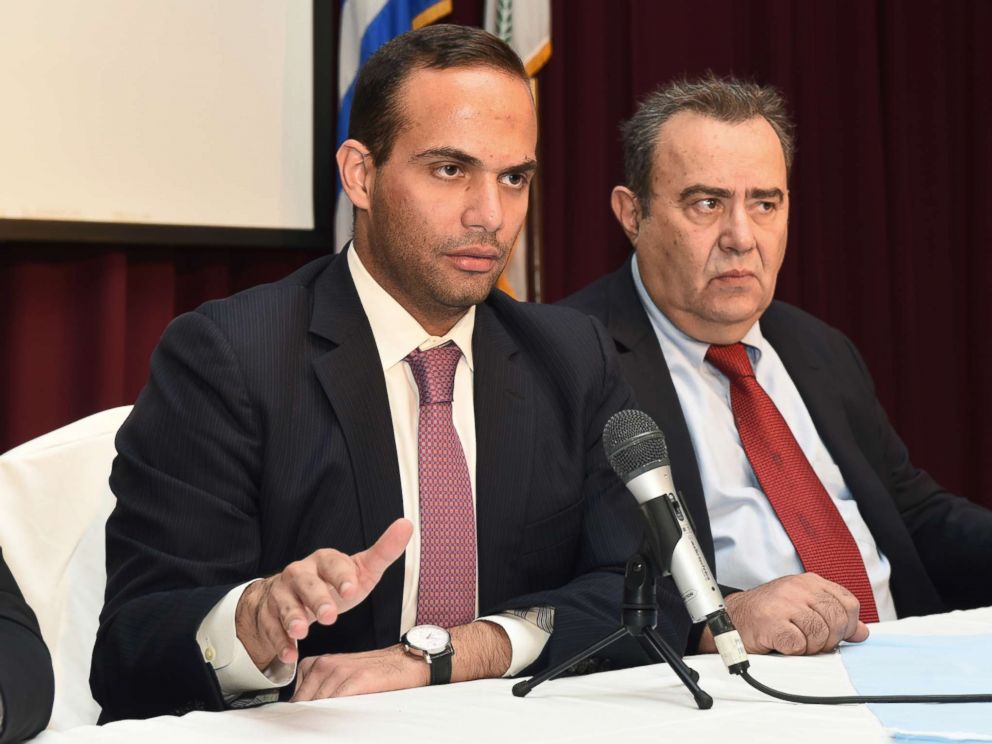
George Papadopoulos


Papadopoulos and His Bid For Political Stardom

George Demetrios Papadopoulos was born in August 1987 in Chicago, Cook County, Illinois.

He graduated from DePaul University in 2009 with a degree in political science and government.

Richard Farkas, a Russian politics professor at DePaul University, on discovering that his former student was one of Trump’s few foreign policy advisers said:

“he studied for a bachelor’s degree in political science. All the classes I taught at DePaul during his tenure would’ve centred on Russia. His expertise was virtually non-existent. It was thin and embellished. Lots of young people, when they aspire to get close to a campaign, exaggerate their experience. George did that in spades and it was the talk of the department here. I’ve been really generally embarrassed by the fact that I don’t have a lot to share, my classes were 20 to 25 and he was invisible even in a class that size.”

As an undergraduate, he was involved in “The Hellenic Professional Society of Illinios” taking an academic interest in Greek, Turkish, and Cypriot politics.

After graduating, Papadopoulos enrolled at, “University College, London School of Public Policy” where in 2010 he gained a “Masters of Science” degree in security studies.

Returning to the US he was employed by the Hudson (right wing think tank) Institute, first as an unpaid intern then as a research assistant to a senior fellow at the institute from 2011-2014.

He left the Hudson Institute in 2014 to work for a small, oil and gas firm called Energy Stream in London, which lists only two employees.

Then his fortunes changed for the better.

In November 2015 there was a terrorist attack on Paris, France and in the days following every Republican presidential candidate began frantically scrambling to hire experts to bulk up their campaign’s foreign policy credentials. But all the of the Republican foreign policy establishment was working for the front runners, Jeb Bush and Marco Rubio.

Barry Bennett, Campaign Manager, for Republican candidate, Ben Carson recalled: “It was utter and total desperation to find people.”

So when a resume from an unknown young man named George Papadopoulos arrived, unsolicited, at the Carson campaign headquarters, Bennett gave it more attention than it may have deserved.

Bennett had never heard of Papadopoulos, who was in his late twenties at the time, nor did he recognize much on the young man’s resume.

But he did notice that between 2011 and 2014, Papadopoulos had worked at the Hudson Institute, a conservative, Washington, D.C.- based think tank, where Bennett’s friend, Kenneth Weinstein, was president. So he called Weinstein to check him out.

“I said, ‘Who’s this guy? Did you like him? Did you fire him?’” Bennett recalled, with a laugh. “Ken didn’t know him well, but said, basically, ‘He’s junior, he’s smart.’ So we hired him and that was it.”

Papadopoulos brief period as an advisor to the Carson campaign seems to have passed largely without note.

Armstrong Williams, who served in various roles in Carson’s campaign, said: “After the Paris terrorist attack, Barry Bennett and his deputy Lisa Coen thought we had to have substance so they had this hiring spree, employing all these people to show we had foreign policy experts, Papadopoulos was one of those people.”

He was paid $8,500 for his work in December 2015 and January 2016, and then received only a partial salary, $2,125, in February, when he left the campaign.

Bennett resigned from the campaign in December and within two months, most of those new people were let go due to restructuring and cuts.

No one in the Carson campaign remembers much about Papadopoulos, perhaps in part because he worked remotely from Chicago, Bennett said. “If there was any work output, I never saw it. It never ended up on my desk.”

Shermichael Singleton, Carson’s communications director said: “I don’t remember the guy. I recognised his name in emails, but I can’t recall ever meeting him.


George Papadopoulos Gets Trump in His Sights

Up to “Super Tuesday”, 1 March 2016, the Trump campaign had been a largely family affair with little external input or support from the Republican Party and he was lagging in the polls.

But when the swingometer shifted in Trump’s favour there was a realization that “Team Trump” was devoid of competent foreign policy advisors and this generated an urgent scramble to compile a legitimate list of experienced people as the media and those in political circles kept pressuring the campaign to release names.

According to a Trump campaign spokesman, Sam Clovis, then a Trump policy advisor, urgently put together a “team” (including Papadopoulos) so that Trump could release names in an attempt to “at least shut up” the critics.

During the campaign, Clovis defended the roster he had compiled for Trump, saying that “these are people who work for a living” who have “real world” experience, and that “if you’re looking for show ponies, you’re coming to the wrong stable.”

But to this day, some senior staffers in the Trump White House blame Clovis for recruiting staff without due diligence, saddling Trump with the incompetent Papadopoulos.

Mifsud


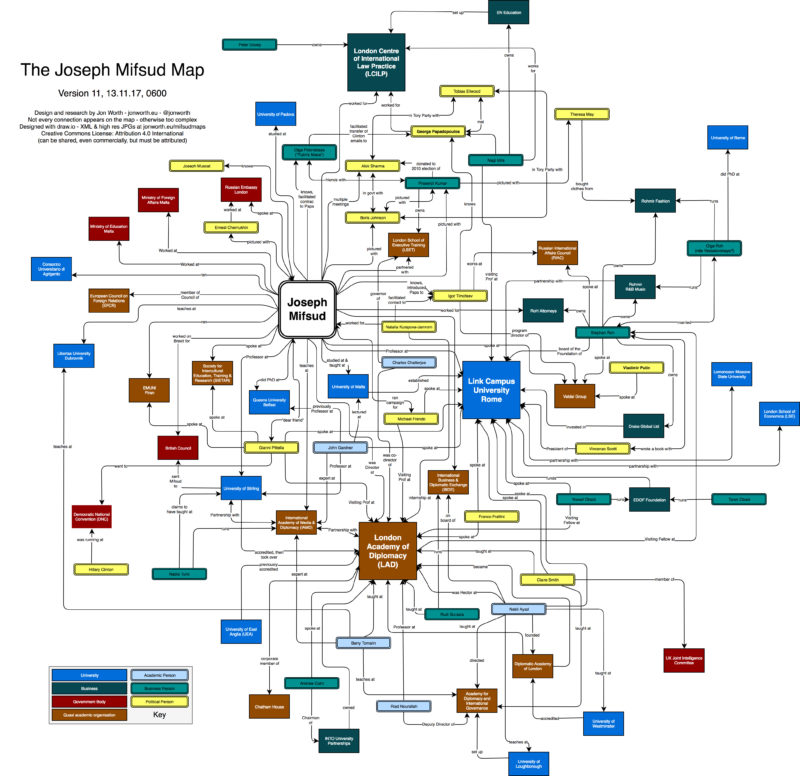
Enter Professor Mifsud – Conman Or Confidant?

Mifsud’s interest was sparked after being told by Papadopolous, who was then living in London, that he had been appointed to the Trump campaign team as an advisor.

The FBI claimed that they first met in Italy on 14 March 2016 and again in London 24 March 2017. (1)

At the second meeting Mifsud was accompanied by a woman who, according to Papadopolous, was introduced to him as a relative of Vladimir Putin. (2)

After the meeting Papadopolous emailed Trump campaign manager, Corey Lewandowski advising that he had discussed with Olga Vinogradova the possibility of arranging: “a meeting between Trump’s campaign team and the Russian leadership to discuss US – Russia ties under President Trump.” The manager told him he had done “great work” and to keep him informed.

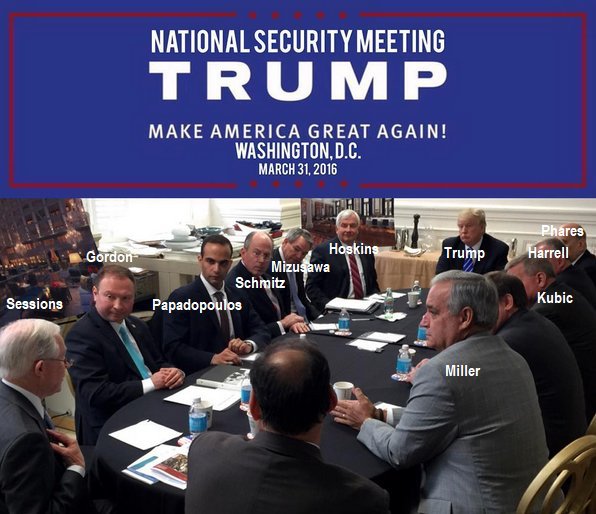
Around a week later he attended a campaign team meeting in Washington at which he touted his connections and proposed a meeting between Trump and Russian President Putin. Jeff Sessions (now Attorney General) dismissed the proposal “out of hand” declaring it to be a non-starter. (3)

But, by 11 April, 2016, ignoring the earlier directive, Mifsud and the Russian woman were on an email chain with Papadopolous in which the campaign adviser sought a meeting for himself in Russia to discuss foreign policy.

Mifsud replied: “This is already been agreed. I am flying to Moscow on the 18th for a Valdai meeting, plus other meetings at the Duma.”

Mifsud attended a Valdai summit in Sochi, Russia, on 19 April, 2016.

Papadopolous stated in the stipulation that he next had breakfast with the professor at a London hotel on 26 April, 2016.

Mifsud, recently returned from Moscow, told Papadopolous that he had learned the “Russians had obtained ‘dirt’ on then-candidate Clinton” in the form of “emails of Clinton… they have thousands of emails.”

It is not clear, at the meeting of 26 April 2016, which tranche of Clinton emails Mifsud was referring to the Russians possessing.

That same month, a hacker group known as “Fancy Bear” had breached the network defences of the “Democratic National Committee”. But the hack was not made public until 22 July 2016.

But, Wiki-Leaks, who denied any connection with the Russian government, had, by 16 March, 2016 already published a searchable archive of Clinton emails from her private server obtained, the group explained, through the “Freedom of Information Act”. (5)

But, according to the FBI, Papadopolous believed the information would still be valuable to the Trump campaign and according to the stipulation he circulated within the team the prospect of a meeting with the Russian government.

Olga Vinogradova later emailed Popadopoulos the message: “we are all very excited by the possibility of a good relationship with Mr. Trump. The Russian federation would love to welcome him but only once his candidature is officially announced.”

Popadopoulos emailed Mifsud around 30 April 2016: “it’s history making if it happens,” thanking him for his: “critical help.”

A few weeks after, a contact, alleged to be Ivan Timofeev, Programme Director of the Valdai Club Foundation Council, spoke with Papadopoulos over Skype about laying the groundwork for a meeting between the Trump campaign team and officials in Moscow.

Papadopoulos was persistent throughout the summer of 2016, repeatedly emailing members of Team Trump seeking permission to establish contact with individuals whom he believed had high-level Russian government connections—and could supply the campaign with damaging information about Hillary Clinton.

In August 2016, at a meeting of Team Trump in Washington, DC, he told the group that he had connections that could help arrange a meeting between then-presidential candidate Trump and President Putin.

Paul Manafort and Sam Clovis who were aware of Papadopoulos’ efforts to set up a high-level meeting between the Trump campaign and the Russians praised his work ethic.

But a wary Manafort advised it would be inappropriate for Trump to attend any meetings.

Manafort subsequently forwarded an email to his associate Rick Gates firmly rejecting the idea of Trump making a trip to Russia. It said: “We need someone to communicate forcefully that DT will not be doing any trips or meetings with Putin. It should be someone low level in the campaign so as not to send the wrong signal.” (6)

Months passed but the “history making” meeting was never convened. Papadopoulos had clearly been catfished and conned.
 

Papadopoulos


Notes:

1. The meeting in Italy was not the first time they had met (as claimed by the FBI). Mifsud served as convenor and Director for “International Strategic Development” in the London Centre for International Law Practice (LCILP) in 2016. The LCILP’s director for “International Environment, Energy and Natural Resources Law” from February to April 2016 was George Papadopoulos.

2. Reference by Papadopolous to President Putin’s niece was spurious since he does not have one. Information that could have been confirmed in less than a minute through a “Google” enquiry.


The woman, later identified as, Olga Vinogradova, was described by Mifsud as “just a student, but a very good-looking one, and Papadopoulos’s interest in her was very different from an academic one.” Later revelations revealed “Olga Vinogradova,” to be a 32 year old graduate from St. Petersburg Polytechnic University. Now a wine company manager, (married name) Olga Polonskaya, lives in St Petersburg and is one of a dozen Russian women listed as friends on Facebook with Mifsud.

Polonskaya’s brother, Sergei Vinogradov, told the press that she had never worked for the Russian government, and had been introduced to Papadopoulos having previously met with Mifsud to discuss a promised internship. Her english was poor and at the meeting on 24 March 2016, she was not able to fully follow the conversation between Papadopoulos and Mifsud. He added: “it’s totally ridiculous, She’s not interested in politics. She can barely tell the difference between Lenin and Stalin.”

But the affidavit filed together with Papadopoulos’ guilty plea indicates Polonskaya continued with her catfishing, allegedly emailing Papadopolous: “I have already alerted my personal links to our conversation and your request for a foreign policy trip to Russia.

Federal prosecutors alleged that Papadopoulos hoped that Putin’s “niece” would introduce him to the Russian ambassador in London.

Papadopoulos was likewise interested in Mifsud: “because, among other reasons, the professor claimed to have substantial connections with Russian government officials, which he thought would increase his importance as a policy advisor to the campaign.”
Sam Clovis


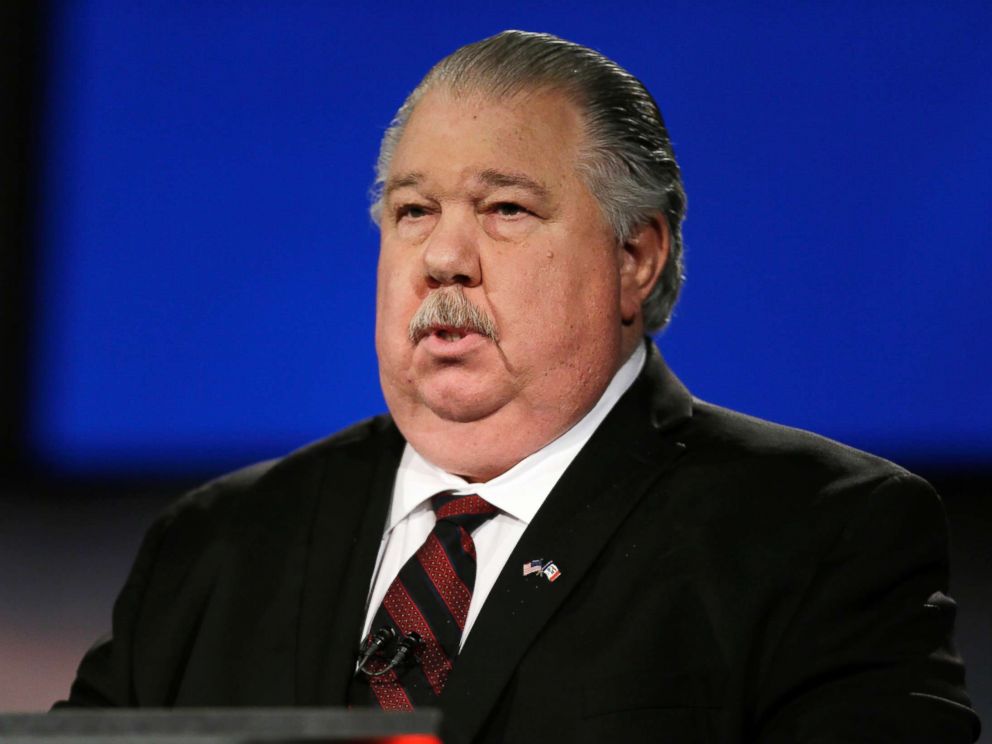
3. Press leak identified Trump’s National campaign co-chairman Sam Clovis.

4. A carefully phrased message giving no indication she knew President Putin

5. Rubbish. The alleged offer, from the Russian’s on 26 April, 2016, to “dish the dirt” on Clinton through the provision of emails was useless since Wikipedia had already published the information 16 March 2016.

6. Former campaign chairman Paul Manafort, and his long-time assistant, Rick Gates, have subsequently been indicted by the FBI on 12 counts, including conspiracy against the United States, making false statements to federal officials and committing financial crimes, including laundering more than $18 million in cash.

Papadopoulos


Papadopoulos Arrested by the FBI

In late January 2017, FBI officials interviewed Papadopoulos about his interactions with Russian officials. Papadopoulos initially claimed there had been none.

When questioned about his relationship with Mifsud he told investigators he first met Mifsud over a year previous and well before he joined the Trump team.

Papadopoulos downplayed Mifsud’s Kremlin ties, calling the man “a nothing” and “just a guy bigging up connections or something.”

Papadopoulos also minimized his interactions with the woman he had described as “Putin’s niece,” telling FBI investigators that he had no relationship with her, other than sending emails that amounted to “hi, how are you?” But it transpired his assertions were untrue. He was aware he had been catfished but maintained a relationship with her.

Papadopoulos knowingly connected with the Kremlin-linked professor after he joined the Trump team and had met Olga Vinogradova in person, and Skyped with her multiple times.

FBI officials interviewed Papadopoulos again on February 2017.

The following day, he deleted his Facebook account, where he had been communicating with the Mifsud and Ivan Timofeev, Programme Director of the Valdai Club Foundation Council and created a new account, scrubbed of all the old messages. Days later, Papadopoulos ditched his phone and started using a new number.

He was arrested on 27 July 2017, in Dulles International Airport. His arrest, was kept secret, providing opportunity for Papadopoulos to cooperate with Robert Mueller’s ongoing probe of alleged Russian efforts to undermine the 2016 election and alleged ties between Trump Tower and the Kremlin.

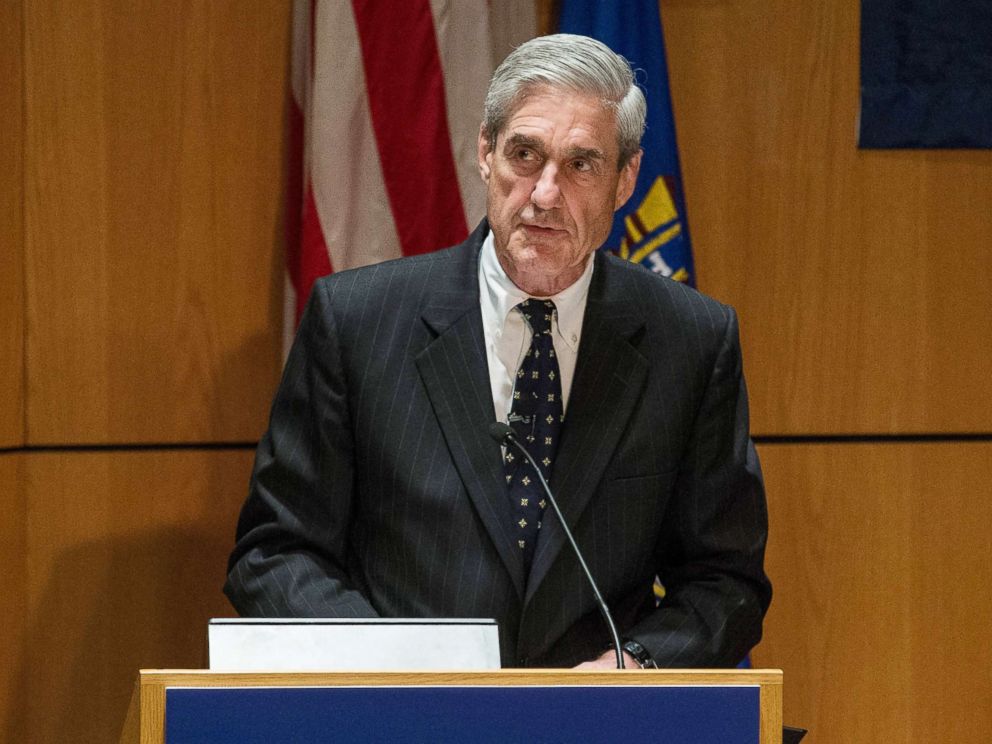
Papadopolous struck a deal with special prosecutor Robert Mueller investigating the possible influence of Russia in the 2016 presidential campaign.

The FBI affidavit for Papadopolous’ plea deal indicated that London-based, Professor of Diplomacy, Professor Mifsud had been instrumental in arranging connections between Papadopoulos and supposedly Kremlin-tied Russians – one of whom had pretended to be Vladimir Putin’s niece.

The full FBI Affidavits:

https://static01.nyt.com/packages/pdf/politics                       /2017/statement_of_the_offense.filed_.pdf

https://static01.nyt.com/packages/pdf/politics/2017/statement_of_the_offense.filed_.pdf


The White House Response

Sarah Huckabee Sanders, the White House press secretary, described Papadopolous as a low-level campaign: “volunteer on a council that met once” whose attempts to interest the campaign in a Moscow meeting were greeted with disinterest.
Special Prosecutor – Robert Mueller,


The Fall of George Papadopoulos – The Trump Adviser Who May Kill Trump’s Presidency

The most remarkable thing about George Papadopoulos, the former Trump campaign aide who pleaded guilty to lying to the FBI about his contacts with Russians during the course of the 2016 campaign, is that he managed to get to this point at all.

Former high school classmates failed to recall him. College professors said he was a below-average student. Peers in Washington, D.C., described him as unremarkable, and many senior colleagues on Donald Trump’s presidential campaign thought he was a hanger-on.

And yet Papadopoulos found himself squarely in the middle of the most remarkable political scandal of a generation.

A nonentity who rose to unfathomable heights through self-promotion and opportunistic timing. Only this particular bit character may now bring down a president.
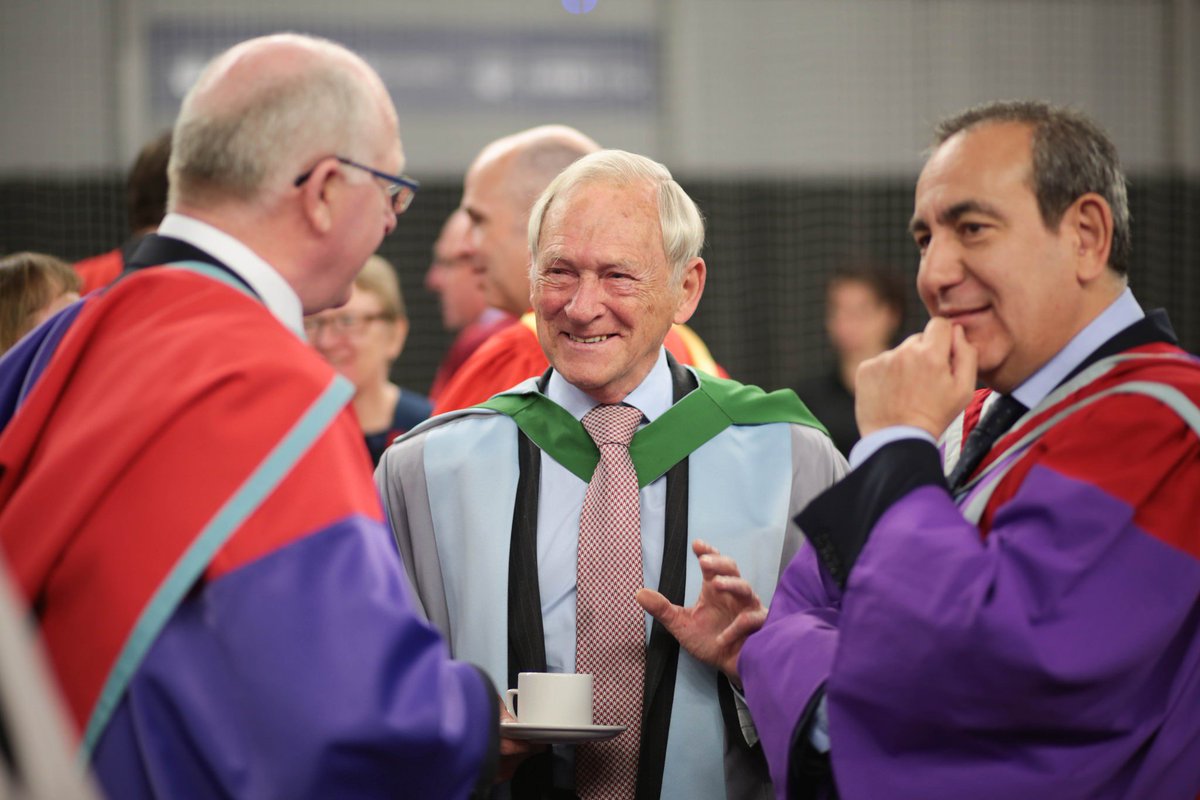
Mifsud on right


But Who the Hell Is Professor Joseph Mifsud?

People who know him say Mifsud is a “Walter Mitty” character who was always networking and constantly exaggerated his access to decision-makers. The content of his stories was frequently contradictory.

1960: Born in Malta

1982: Gained BAed. University of Malta.

1989: Obtained the Laurea in Pedagogia (Dott. Ped.) from the University of Padua.

1993: Obtained his Doctorate of Philosophy (Ph.D.) at the Queen’s University in Belfast.

1997-1999: Head of Department in the Faculty of Education at the University of Malta.

2000 -2005: Head of the European Unit at the University of Malta, later director of the international office and professor of international relations in Malta, Perugia, London and Rome.

Malta representative on the Board of the Bologna Follow up Group, on the Erasmus Mundus Committee and on the Tempus Committee.

Malta representative on the Socrates Committee, on the Socrates Sub-Committee for Higher Education and on the Joint Research Centre (European Commission).

Programme Committee Member for the 6th Framework Programme on Research & Infrastructure and Mobility.

Representative on the Executive Board of the Compostela Group of Universities, Utrecht Network and Santander Group.

2006-2007: Chef de cabinet of the Ministry of Foreign Affairs of Malta and adviser to the centre EMUNI on EuroMed higher education during the Slovenian EU Presidency.

2008-2012: Elected President of Euro-Mediterranean University (EMUNI) in Slovenia. left in haste, in 2012, owing the university a significant amount of money
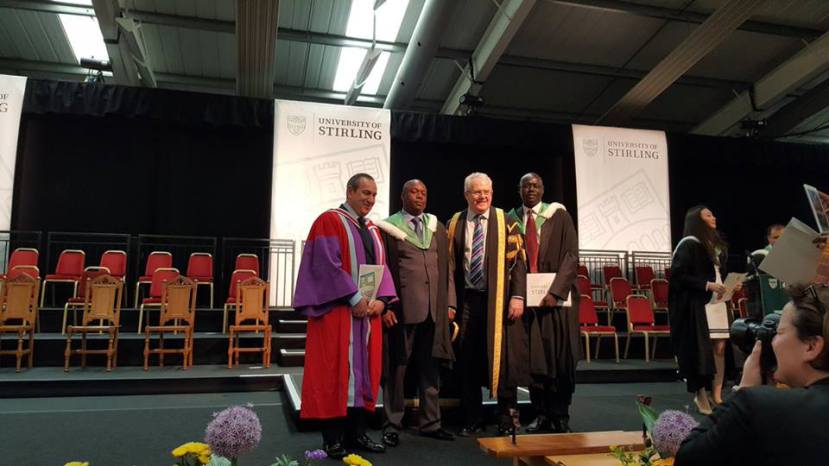
Mifsud on left


2013: Ineligible’ Expenses – Professor Joseph Mifsud In Trouble

Expense claims and high mobile phone usage have landed a Maltese academic in trouble with the Slovenian Government.

Joseph Mifsud, the former Director of the University of Malta’s international office, allegedly owes at least €39,000 to Slovenian-based EMUNI University for an excess of expenses claimed during his tenure as president.

According to an audit report commissioned by EMUNI, his mobile phone usage last year cost €13,767, when he was only eligible for €3,600.

“The Slovenian Government is awaiting documentation from EMUNI in relation to this matter and shall consider whether to pursue judicial proceedings, be they civil and/or criminal, against Dr Mifsud,” a spokesman for the Slovenian Minister of Higher Education said.

The spokesman added that action was being considered in liaison with OLAF, the EU’s anti-fraud agency.

Dr Mifsud owes a total of €39,332 in wrongly-claimed expenses, mobile phone “over-sage” and penalties regarding “non-compliance” with his handover of business duties, according to the same report.

For failing to comply with the stipulated handover, Dr Mifsud was also penalised €9,600. In addition, the audit report found €15,377 in “ineligible expenses” taken without providing the necessary documentation and €14,024 in mobile expenses exceeding his annual allowance of €3,600.

This emerged from a review of EMUNI’s accounts, which took place after Dr Mifsud resigned from his role as president in July 2012.

Mifsud in centre


The Mysterious Work of the Maltese Professor Identified in the FBI’s Russia Probe

Joseph Mifsud is an enigma. The Maltese academic admitted that he is the mysterious professor at the centre of Trump campaign advisor George Papadopoulos’s attempts to arrange a meeting between Donald Trump and Russian president Vladimir Putin.

But he insists he has a “clear conscience” and fervently denies Papdopolous’s claim that he knew the “Russians had obtained ‘dirt’ on then-candidate Clinton.”

Mifsud said that he’d had “absolutely no contact with the Russian government,” and reiterated that, “I do not know anybody from the Russian government…I am an academic.”

But hold on, that’s not quite true. Mifsud has had contact with multiple Russian officials.

He met the Russian ambassador to the UK, greeted a counsellor from the Russian embassy, invited a former Russian senator to his academy, and was listed at a conference as having advised the Russian government on “international education issues.”


A Closer Look at The London Centre of International Law Practice (LCILP)

The LCILP is a curious law firm. A former employee said that: “there was a lot of secrecy going on about what they do.” After several months there, the same person said, “I hardly know what kind of business they do.”

The source described the firm, which was founded in 2014, as constantly in search of, and seemingly never obtaining, big contracts.

Mifsud’s role at LCILP was to bring in potential clients—ideally governments whom the company could advise on international law, the former employee said.

Papadopoulos and LCILP director Nagi Idris are friends on Facebook. Idris is a British national, originally from Sudan, and has been director of 18 companies at various times since 2001, according to Companies House filings.

A reporter visited LCILP’s headquarters inside a handsome Georgian building and found that the office amounted to four people working in an undecorated backroom, all of whom declined to comment.

LCILP has paid rent in a series of highly prestigious locations in London’s legal district, despite ending 2016 with debts of £329,000—a considerable sum for a company with just a handful of employees.

Shortly after rumours about Mifsud’s connection to Russia and the Trump campaign began circulating on 30 October 2017, his profile was removed from the website, along with those of all other members of staff.
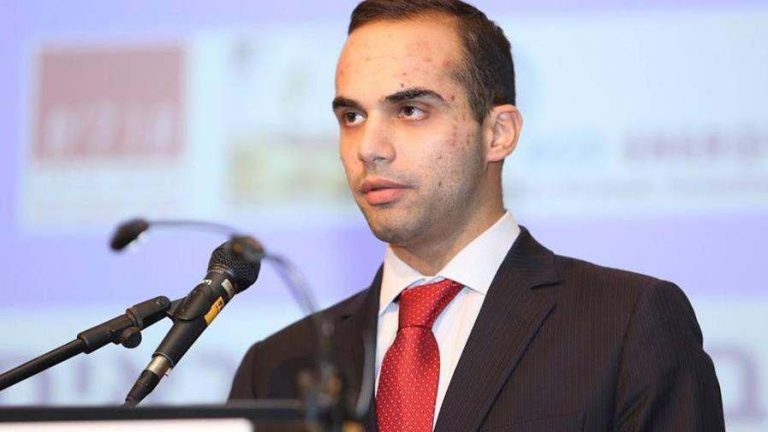


And What About The London Academy of Diplomacy

Mifsud was listed as both a director and honorary director at the Academy but his role and the function of the Academy is unclear.

Indeed, an enquiry on Loughborough University London asked whether Mifsud was employed at its Academy of Diplomacy and International Governance and was told there was no record of him in the university’s files.

The Academy, closed in the Autumn of 2016, has at various points, over the year’s also been associated with the University of East Anglia.

Most recently a Stirling University spokesman confirmed Mifsud has been employed as a professorial teaching fellow since May 2017. But no-one can recall ever being taught by him.

The University magazine The Brig is investigating the scandal and it’s published articles reveal a catalogue of intrigue worthy of a Jmaes Bond movie.

More here: https://brignews.com/2017/10/31/professor-at-heart-of-trump-russia-scandal-is-from-university-of-stirling/
https://brignews.com/2017/11/04/what-we-know-so-far-about-joseph-mifsud/
https://brignews.com/2017/11/12/revealed-stirling-universitys-ties-to-academy-run-by-russia-inquiry-professor/

Comments:

Keep digging guys. It is incredible that this shadowy character has been moving through respectable academic institutions as well as dubious front organisations with so little known about his qualifications, experience and actual achievements.

Most of what is known is – either untrue, dubious or mysterious. You need to explore who appointed him at Stirling and why. I suspect that this story leads to more hidden depths of dodgy dealing in academia.

Who is covering up their involvement with him and why?
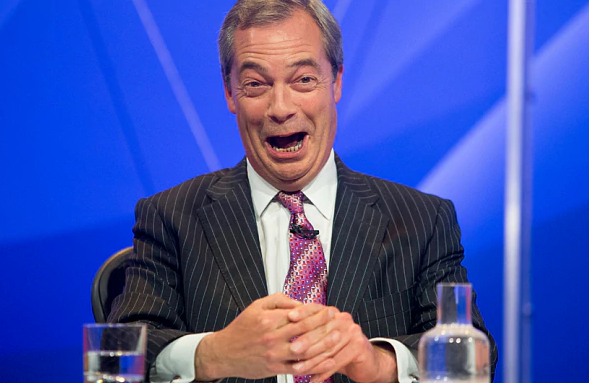


Mifsud and the Russian Think Tank – Vavaldi Club

In a 2014 conversation at the Valdai Club, a Russian think tank with close ties to the Russian government, at which Putin speaks every year, Mifsud suggested that the US would soon tire of its role as global policeman.

He reportedly said, (at the time the Ukraine war was raging) that: “global security and economy needs partners and who is better in this than the Russian Federation.”

In 2015, President Nursultan Nazarbayev, (who had ruled the country since the fall of the Soviet Union) was re-elected gathering 98% of the vote.

Mifsud, acting as an observer reported that it had “actively corresponded to all norms.”

In contrast, the Organization for Security and Cooperation in Europe described Kazakhstan’s election as having “limited voter choice,” “stifled public debate” due to a “restricted media environment,” and “serious procedural deficiencies and irregularities.” (QZ.com)


Professor Mifsud and His Recruiting Visit to Washington DC in 2014

Speaking at the American University, Mifsud expounded on the London Academy for Diplomacy (LAD) and encouraged students to join it.

Early into his address, Mifsud asked the audience whether they had heard of the “Valdai Group” (a Russian discussion forum). No one had.

Mifsud then praised the increasing role of social media in diplomatic messaging. Mifsud described a recent meeting “with 45 ambassadors in London,” suggesting he was an effective mover on the diplomatic circuit.

Another interesting comment came when Mifsud described discussing the then-upcoming Brexit vote with a Member of Parliament (MP). The MP, Mifsud said, was from an ethnic minority but strongly opposed to immigration.

A telling part of Mifsud’s speech came at the end, when he asked if there were any students “interested in diplomacy.”

For those that were, Mifsud said, “we have some funds for scholarships as well, so people who are interested… you can send me an email, I’d be very, very happy to do that… Or else if people are passing through London who would like to come spend some time with us…”

During a question-and-answer session, Mifsud also indicated that he offered paid internships.

Indicating that he had brought brochures for students to peruse, the American University representative helpfully held some up in the air.

The offer of “scholarships” to the American University students “interested in diplomacy” is significant.

The American University attracts top students from all across the world, many of who will pursue careers in government.

Mifsud’s offer fitted the commonly used intelligence recruitment pattern, namely: target government career focused students, get them abroad and then recruit them.

It would be of informative if the “scholarships” money trail could be traced identifying any students who took Mifsud up on his offer.

Asked to comment former NSA counter-intelligence officer, John Schindler said: “I’d like to know who was paying for all this travel and activities by a semi-academic. Any counter-intelligence investigator would have questions here.”

Yet, Mifsud’s Washington visit didn’t end at the American University. He also spoke with The Washington Diplomat magazine about his London Academy.

Describing Mifsud as a former Maltese diplomat and cutting edge foreign policy thinker, the Diplomat noted that “The London Academy of Diplomacy arranges visits to the Houses of Parliament, the Commonwealth Secretariat and business organizations in London.”

The Diplomat further explained that the Academy also takes “students to The Hague, the European Parliament, NATO, EU headquarters and the United Nations.”

He also claimed the Academy to be: “a foundation funded from tuition fees. We do not accept any corporate funds. We don’t even accept national grants.”

The Diplomat was sold the package, proudly noting that it had previously awarded the London Academy of Diplomacy (LAD) its “diplomat of the year” award in 2012 “for distinguished contributions to diplomacy in London.”


Papadopoulos and Mifsud’s Tory Party Network

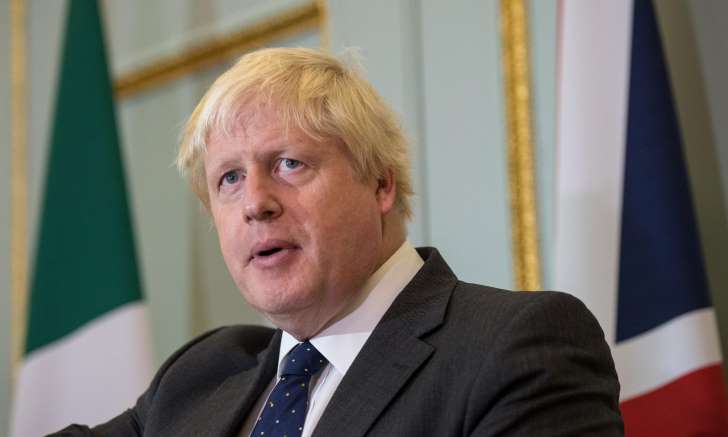
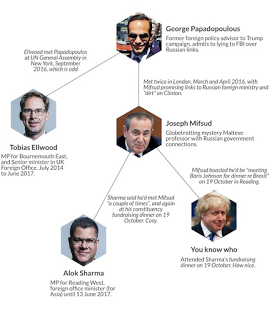
We now know that Papadopoulos is connected to a number of Tory MPs, the first of whom was Tobias Ellwood, MP a senior minister at the Foreign Office when Papadopoulos met him at the UN in September 2016, in the run-up to the Presidential Election.

Papadopoulos’ network expanded further through his relationship with the Maltese Professor Joseph Mifsud who met with … Alok Sharma, MP , at the time a Foreign Office minister for Asia

And when Mifsud attended Sharma’s constituency dinner in October, who should be there, but London’s formerly very occasional Mayor Alexander Boris de Pfeffel Johnson.

Mifsud is reported to have bragged that he’d be “meeting Boris Johnson for dinner Re: Brexit”.

Bozza claimed he didn’t know Mifsud and had no recollection of having met him.

It is reasonably certain that the UKIP contingent and their hangers-on will be the subject of some of those still sealed indictments; the inability of Arron Banks and Andy Wigmore to keep schtum is the dead giveaway.
 

Boris Johnson – Trump – The Tory party

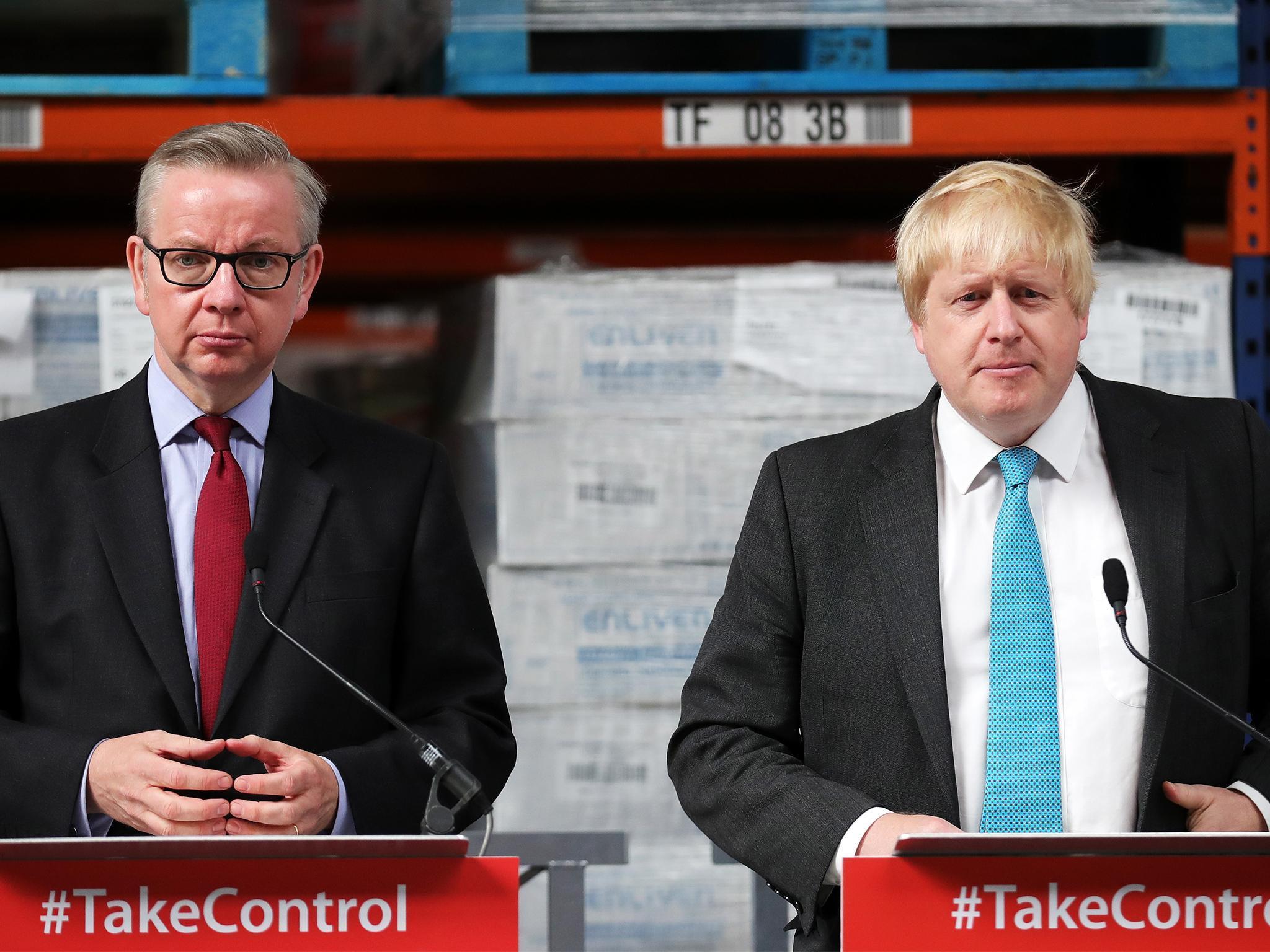
Three senior past and present Foreign Office ministers, including the foreign secretary, Boris Johnson, were targeted by individuals identified by the FBI as central to their investigation into Trump-Russia collusion.

Alok Sharma MP said: “I did not introduce Mifsud to Boris Johnson and I don’t think anyone else did either.”

But indications of Russian efforts to make contacts with British officials could prove embarrassing for Johnson, who was asked about possible foreign interference in Britain last week and replied: “I haven’t seen a sausage.”

But there were meetings and encounters between British ministers and two individuals named in FBI indictments unsealed last week – George Papadopoulos, a foreign policy adviser for Donald Trump’s campaign, and a “London professor” with high-level connections to the Russian state, subsequently identified as a Maltese academic, Joseph Mifsud.

Alok Sharma, a Foreign Office minister until June this year and MP for Reading West, confirmed he had met Mifsud “a couple of times” and he had attended a fundraising dinner in his constituency on 19 October this year, where he had “briefly greeted” him.

An email from Mifsud to a colleague, uncovered by Byline, the crowdfunded independent journalism site, revealed Mifsud had told a colleague he would be “meeting Boris Johnson for dinner re Brexit” on that date. Sharma confirmed Johnson was the guest speaker at the event.

The revelation comes as an investigation into foreign influence places him in a web of relationships between a known Russian spy, Sergey Nalobin, expelled from Britain in 2015, and Matthew Elliott, the chief executive of Vote Leave, the official Leave campaign headed by Johnson.

A witness said: “We’re starting to have a much clearer picture from America of how the Russian state sought to influence the US election and I think there are multiple questions to be asked about how and in what ways the Russian state may have been exerting influence in British politics.

Given the gravity of the allegations against Mr Papadopoulos, the government should make public any meetings these two individuals had with British officials and what was discussed.”

Even more questions are raised by a meeting between Papadopoulos and Tobias Ellwood, then a senior minister in the Foreign Office, at the UN general assembly in New York in September 2016.

This was when Papadopoulos was still working for the Trump campaign and, according to the FBI’s documents, had made multiple contacts through his intermediary – the “London professor” – with “high-level Russian officials”.

Ellwood’s meeting occurred after Papadopoulos had discovered in April that the Russians had “dirt on Hillary Clinton” in the form of “thousands of emails” but before WikiLeaks started publishing her emails in October.

Ben Bradshaw, the MP who has been one of the few voices asking questions about possible Russian interference in British democracy, said the Foreign Office’s explanation that such a meeting was “routine” was implausible. “In my experience, it is not normal for a minister to meet party campaign operatives while on official government business.” He added: “If Mr Papadopoulos’s role was as junior as Trump has been claiming, I would be surprised that a minister as senior and experienced as Mr Ellwood would agree to meet him.”

More here: https://www.theguardian.com/politics/2017/nov/04/boris-johnson-brexit-russia-trump


September 2015:  Senior Republican Opposed to Trump Nomination – Commissioned a Damaging Dossier From Fushion GPS

In September 2015, a wealthy Republican donor who strongly opposed Trump put up the money to hire a Washington research firm run by former journalists, Fusion GPS, to compile a dossier about the real estate magnate’s past scandals and weaknesses.

Fusion GPS, headed by a former Wall Street Journal journalist known for his dogged reporting, Glenn Simpson, most often works for business clients.

But in presidential elections, the firm is sometimes hired by candidates, party organizations or donors to do political “oppo” work — shorthand for opposition research — on the side.

It is routine work and ordinarily involves creating a big, searchable database of public information: past news reports, documents from lawsuits and other relevant data.

For months, Fusion GPS gathered the documents and put together the files from  Trump’s past in business and entertainment, a rich target.

After Mr. Trump emerged as the presumptive nominee in the spring, the Republican interest in financing the effort ended.

But Democratic supporters of Hillary Clinton were very interested, and Fusion GPS kept doing the same deep dives, but on behalf of new clients.

Simpson hired Christopher Steele, a former British intelligence officer with whom he had worked before.

Steele, in his early 50s, had served undercover in Moscow in the early 1990s and later was the top expert on Russia at the London headquarters of Britain’s spy service, MI6.

When he stepped down in 2009, he started his own commercial intelligence firm, Orbis Business Intelligence.

As a former spy who had carried out espionage inside Russia, Steele was in no position to travel to Moscow to study Trump’s connections there.

But instead he hired native Russian speakers to call informants inside Russia and made surreptitious contact with his own connections in the country as well.

Steele wrote up his findings in a series of memos, each a few pages long, that he began to deliver to Fusion GPS in June and continued at least until December.

By then, the election was over, and neither Steele nor Simpson was being paid by a client, but they did not stop what they believed to be very important work.

The memos described two different Russian operations. The first was a years long effort to find a way to influence Mr. Trump, perhaps because he had contacts with Russian oligarchs whom Mr. Putin wanted to keep track of.

According to Steele’s memos, he used an array of familiar tactics: the gathering of “kompromat,” compromising material such as alleged tapes of Mr. Trump with prostitutes in a Moscow hotel, and proposals for business deals attractive to Mr. Trump.

Word  of the dossier reached Capitol Hill and Senator John McCain, Republican of Arizona, obtained a copy from David J. Kramer, a former top State Department official who works for the McCain Institute at Arizona State University.

McCain then passed the information to James B. Comey, the F.B.I. director. who decided to sit on it until after the Presidential election.


September 2016:  Unverified Dossier Creates a Crisis For Trump

Recently retired British spy, Christopher Steele, was tasked  to build a file on Donald J Trump’s  ties to Russia.

This week, explosive details — unsubstantiated accounts of frolics with prostitutes, real estate deals that were intended as bribes and coordination with Russian intelligence of the hacking of Democrats — were summarized  in a top secret intelligence report.

 Trump denounced the unproven claims as a fabrication, a Nazi-style smear concocted by “sick people.”

It further undermined his relationship with the intelligence agencies and cast a shadow over the new administration.

 James R. Clapper Jr., director of national intelligence, issued a statement decrying leaks about the matter and saying of the Steele dossier that the intelligence agencies had “not made any judgment that the information in this document is reliable.”

Much of the report remained out of reach — most critically the basic question of how much, if anything, in the dossier was true.

But the  debacle offered a glimpse of the hidden side of US presidential campaigns, involving private sleuths-for-hire and secret agents of foreign countries looking for the worst they can find about the next American leader.


Early April 2016: Dirty Tricks Campaign Orchestrated by the Clinton Team, Hakluyt & Co (UK-Spymasters),  MI6, Papadopoulos and Mifsud -Discrediting Trump in Favour of Clinton

Categorised as a nonentity by Trump’s campaign team Papadopoulis wielded a powerful fist in London as Trump’s foreign policy advisor.

Undoubtably the Daniel Defoe of the Trump presidential campaign he  nearly achieved his mission to get Hilary Clinton into office.


27 April 2016: Trump’s Delivers his first Foreign Policy public statement (edited by his Europe and, Middle East advisor), George Papadopoulos
“We desire to live peacefully and in friendship with Russia. We want to ease tensions and to see “improved relations with Russia, so that this horrible cycle of hostility  can be ended and soon. Good for both countries.” I want to make a deal that will be beneficial to Russia and the US.”


4 May 2016: Prime Minister Cameron told by George Papadopoulos to Say Sorry to Trump or the Risk Special Relationship

As Trump’s chances of gaining the Republican Party nomination for President of the US increased the diplomatic service hurriedly changed it’s foreign policy backing away from Hilary Clinton adopting a more pro-republican approach.
This was confirmed in an article published in the Associated Press (AP) stating:
“British diplomats have been ordered to mend fences and David Cameron
should apologise for calling Donald Trump “divisive, stupid & wrong” said, a foreign policy adviser to the Republican frontrunner.”

George Papadopoulos, the lawyer advising Trump on Europe and the Middle East revealed that the Trump Team had been shocked to be attacked by the British Prime Minister,  and that Trump was considering a tour of both regions but that he had yet to be invited to Britain by the government.

 Cameron had recently rejected calls to ban Trump from the UK after the tycoon proposed barring Muslims from the US but said that Trump’s remarks were “divisive stupid and wrong”.

I think if he came to visit our country he’d unite us all against him,” Mr Cameron.”


Early May 2016: Australia’s High Commissioner to the UK- Alexander Downer Provides Key Information to the FBI & Clinton Team

Russia-Gate was triggered by a reported conversations in a swanky bar in London, between Australia’s High Commissioner to the UK, Alexander Downer, who was based in London, and a drunk junior Trump foreign policy adviser George Papodopoulous.

The pair reportedly discussed the alleged Russian “dirt” on Hillary Clinton while they were drinking in a bar in London.

According to Lifezette, Downer is closely tied with The Clinton Foundation via his role in securing $25 million in aid from his country to help the Clinton Foundation fight AIDS.

But he is also a member of the advisory board of the secretive London Based Hakluyt & Co.,  an intelligence firm set up in 1995 by three former UK intelligence officials and described as “a retirement home for ex-MI6 (British foreign Service Intelligence) officers”

In recent times the company extended it’s operational base and actively recruits from the worlds of management consultancy and banking.

And whereas research group Fusion GPS received all the media attention, so far, Lifezette stated that Hakluyt was “an even more powerful and mysterious opposition research and intelligence firm… with significant political and financial links to former Secretary of State Hillary Clinton and her 2016 campaign”.

When the information Papadopoulos had disclosed to the Australian diplomat reached the F.B.I., the bureau opened an investigation that soon became one of its most closely guarded secrets.

It had not been prompted by the dossier compiled by former British spy’s, but by Trump campaign foreign policy adviser George Papadopoulos boasting to a top Australian diplomat about Russia’s dirt on then Democratic nominee Hillary Clinton.


Trump and Russia-Gate- All Roads Lead to London and MI6


https://www.motherjones.com/politics/2016/10/veteran-spy-gave-fbi-info-alleging-russian-operation-cultivate-donald-trump/

https://archive.fo/6jtGe (Trump Dossier)
 https://archive.fo/o/rcOpz/www.businessinsider.com/who-is-george-papadopoulos-pleaded-guilty-fbi-russia-contacts-2017-10 (Papadopoulis)
 https://archive.fo/o/rcOpz/https://www.justice.gov/file/1007346/download    (Papadopoulis)

https://archive.fo/o/qn3BY/https://www.nytimes.com/2017/12/30/us/politics/how-fbi-russia-investigation-began-george-papadopoulos.html (Downer)

https://www.nbcnews.com/video/comey-confirms-fbi-investigating-any-links-between-russia-and-trump-campaign-902047811951

https://archive.fo/o/rcOpz/www.businessinsider.com/how-democrats-republicans-view-mueller-trump-russia-probe-2017-12

 https://archive.fo/8Cjao (Carter Paige)
 https://www.nytimes.com/2017/01/11/us/politics/donald-trump-russia-intelligence.html

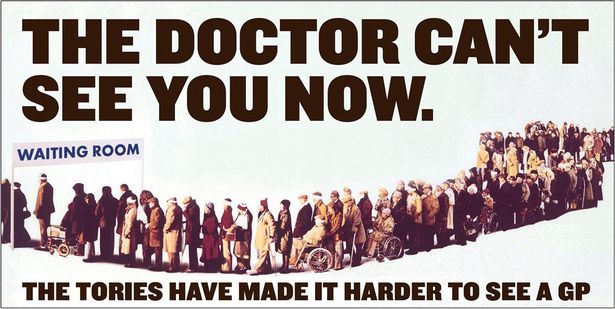
Tory MSP Attacks Scottish Government’s Record On NHS General Practitioner (GP) Recruitment – His Wider Family Live In England How Are They Doing?


6 Nov 2017: Tory List MSP Mile Briggs moans that a Scottish NHS recruitment drive has failed

A Scottish Government plan to boost GP numbers has resulted in the recruitment of 18 doctors since it launched two years ago, according to figures highlighted by the Conservatives.

The party said the “handful” of new appointments from the GP Recruitment and Retention Programme will “barely have had any impact at all”.

Tory health spokesman Miles Briggs said: “It’s no wonder Scotland is in the grip of a general practice crisis when the SNP government fails so miserably to attract doctors to the job.

“This was launched with the promise of delivering GPs for rural and deprived areas. “Instead, it’s led to a handful of new appointments which will barely have had any impact at all.

“This is just another blatant failing of the SNP workforce planning, and the consequences on the ground are a population struggling to get a GP appointment, and those family doctors who are left feeling the strain.” (The Herald)

But is the picture any better in the Tory controlled English NHS?

NHS England published “GP Forward View” (GPFV) 18 months ago promising 5,000 more GPs in employment by 2020. So one year on, where do things stand?

Recently published figures by NHS Digital show that the full-time equivalent (FTE) GP workforce dropped by 445 in the three months to 31 December 2016, a fall that came on top of a decline of nearly 100 over the previous year.

The independent doctors and dentists review body (DDRB), which advises the government on doctors’ pay, warned in a report on Tuesday that it was ‘unclear’ how GP services could be maintained over the coming five to 10 years in the face of the growing workforce crisis.

GP leaders said the latest official workforce data were a ‘huge blow’ for general practice, which underscored how far the NHS was from hitting the government’s target of increasing the GP workforce by 5,000 by 2020/21.

GP Forward report here: https://www.england.nhs.uk/wp-content/uploads/2016/04/gpfv.pdf

https://caltonjock.com/2017/05/17/miles-briggs-tory-list-msp-a-pseudo-scotsman-his-heart-is-forever-english-a-hard-line-unionist-hyper-critical-of-snp-governance-he-needs-to-reflect-on-his-beloved-partys-performance-in-eng/

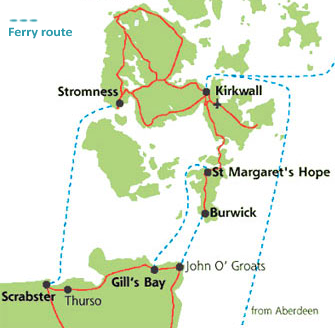
Northern Sea Route Developing Fast – But What Happened to the Transshipment Container Terminal Capacity in Orkney – Fingers Out Or Scotland Misses Out Yet Again


Scapa Flo Orkney


Container Transshipment and Demand for Container Terminal Capacity in Scotland

Scapa Flow in Orkney provides the best available deep water port in Europe with the potential to handle any amount of major transshipment of today’s mega-size container ships.

The container port market in Northern Europe is expected to continue its upward trend, demand more than doubled over the 2001-2015 and is expected to double again between 2015-2030.

With container traffic increasing faster than output, transshipment growth will be even more rapid as carriers, due to ship upsizing, reduce the number of direct port calls and move towards hub and bespoke services.

For the fast growing Russian, Chinese, Japanese, Australian, New Zealand, other Asian markets and existing European and North American Authorities, the efficiencies and economies will be matched by the opportunity to achieve through use of the Orkney facility, the secure gateways required.

Scotland, England, Wales and Ireland will benefit directly from economic spin-off, cheaper transport and a major stimulus to the development of sea and water-borne alternatives to the UK road network.

Full details here:

2003: https://publications.parliament.uk/pa/cm200203/cmselect/cmtran/783/783we23.htm

2004: http://www.gov.scot/Publications/2004/09/19885/42553

2004: http://www.napier.ac.uk/research-and-innovation/impact-case-studies/the-greenest-port

2006: http://sutranet.plan.aau.dk/WP4/nov2006/SCAPA/FLOW/CONTAINER/TERMINAL/COASTLINK/PERTH/26/SEPT/2006.pdf

2011: https://www.computescotland.com/scapa-flow-crossroads-for-container-terminal-4184.php

2014: http://container-mag.com/2014/05/02/the-orkney-floating-container-terminal-alternative/


The Impact of Global warming on World Trade

As the seas around Russia are released from the grip of the Arctic ice studies are projecting: “remarkable shifts in trade flows between Asia and Europe, diversion of trade within Europe, heavy shipping traffic in the Arctic and a substantial drop in Suez traffic.

Russia has not been slow to recognise the new opening for trade and is building nuclear powered ice-breaker ships well capable of keeping sea channels open to commercial traffic.

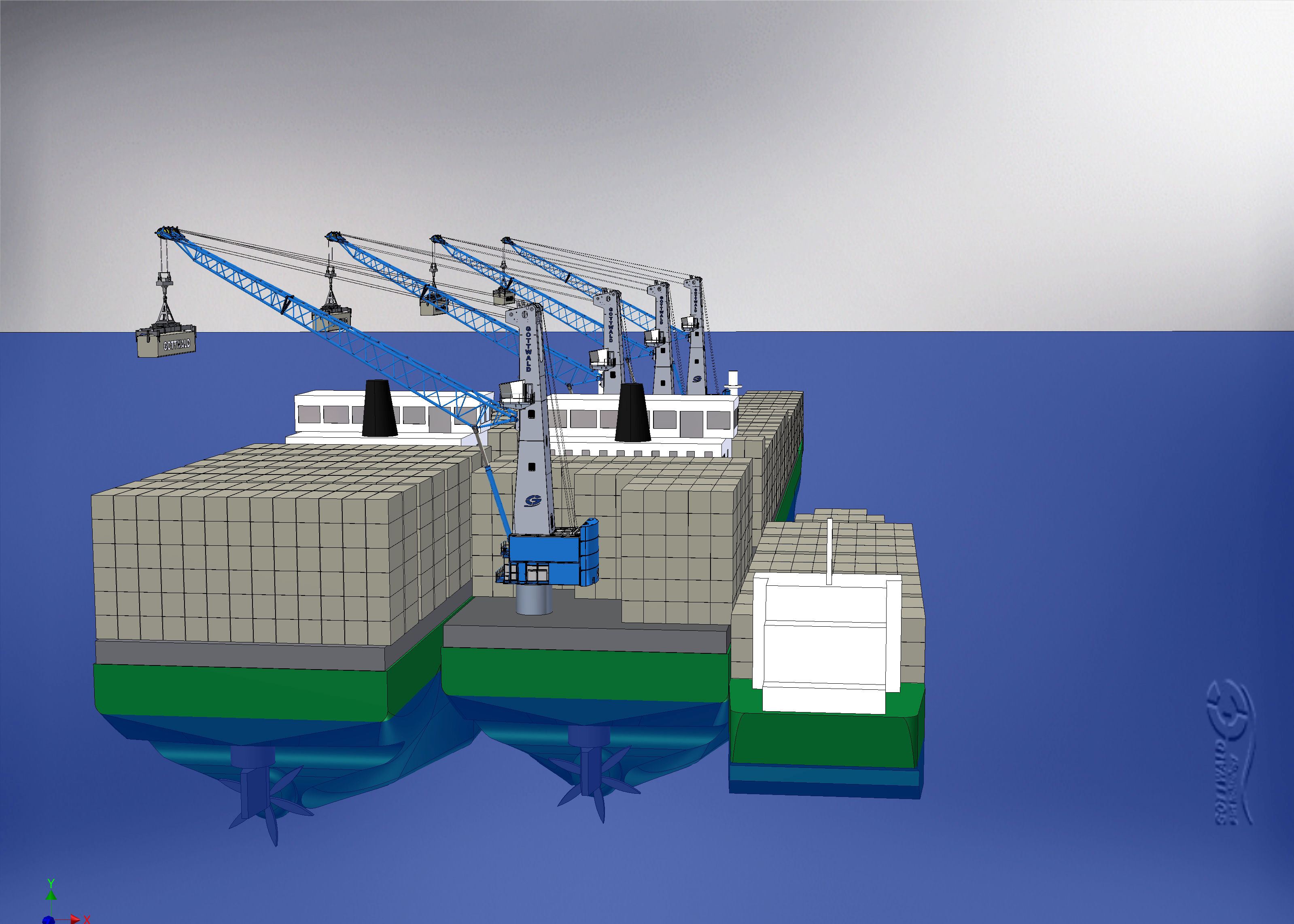
Cost savings achieved using a new “Northern Channel” are eye wateringly high and joint development, with Russia or China of a new trans container facility, at the southern end of the channel, in Orkney would bring significant benefits to participating countries.

Presently the channel is freely navigable in the summer and autumn months, ice breaker support is required over the winter period but a report by the Copenhagen Business School found that large-scale trans-Arctic shipping will become economically viable by 2040.

2016: https://services-webdav.cbs.dk/doc/CBS.dk/Arctic%20Shipping%20-%20Commercial%20Opportunities%20and%20Challenges.pdf


6 Sep 2017: The Northern Sea Route is completely ice-free and shipping thrives

As Russian Arctic ice shrinks to this year’s lowest, a big number of ships are moving in. In waters normally covered by thick ice, ships are today sailing easily and without escorts.

Ice data from Russia’s Arctic and Antarctic Research Institute show that the whole Northern Sea Route now is ice-free.

Even in the waters between the Kara Sea and the Bering Strait, normally a highly complex and ice-covered area, shipping appears smooth and easy.

The ice edge in the East Siberian Sea is now retreating to north of the 75th parallel and practically the whole Laptev Sea is ice-free.

There is only some scattered ice around the Vilkitsky Strait, the area separating the Kara Sea and the Laptev Sea.

https://thebarentsobserver.com/en/2017/09/northern-sea-route-completely-ice-free-and-shipping-thrives


The Northern Sea Route – The Russian Perspective

Due to global warming, it will become viable to deliver goods from Europe to the Pacific throughout the Arctic as ice floes melt.

There is reason to believe that China would be interested in participating in the development of the NSR, as the waterway will save time and can help China find a way out of the Strait of Malacca dilemma that has long plagued importers and exporters.

Efforts to open up the NSR would help pump fresh investment into the country and would benefit the development of Russia’s Far East.

The NSR has the potential to become a significant new area for cooperation between China and Russia. It is expected that the Belt and Road initiative will create an opportunity for Russia’s NSR ambitions to turn into reality.

https://sputniknews.com/infographics/201709051057097124-northern-sea-route-suez-canal-alternative/


The Northern Sea Route – The Chinese Perspective

The Northern Sea Route, one of three Arctic shipping routes that connect East Asia and Europe along the Russian coastline, is now subject to more attention than ever before. The Northern Sea Route Administration notes that in 2016 traffic volume on the Northern Sea Route reached 7,265,700 tonnes – an increase of 35 percent in comparison with 2015.

As the world’s third largest ship-owner, China has a strong interest in Arctic shipping, especially in the Northern Sea Route. That was reflected in China’s decision to include the Arctic in its Belt and Road Initiative.

On June 20, 2017, China’s National Development and Reform Commission and State Oceanic Administration published the “Vision for Maritime Cooperation under the Belt and Road Initiative” (the Vision). The Vision officially incorporates the Arctic into China’s Belt and Road Initiative (BRI).

Moreover, before attending the G20 Summit in Hamburg, President Xi Jinping visited Russia and signed the “China-Russia Joint Declaration on Further Strengthening Comprehensive, Strategic and Cooperative Partnership” (Joint Declaration) on July 4, 2017.

Described as the Ice Silk Road, the development of the Northern Sea Route is a key area of cooperation between China and Russia.

The Ice Silk Road can be seen as a further step in shaping China’s Arctic policy. The three main pillars of this policy are: respect, cooperation, and sustainability.

Moreover, the BRI now officially extends to the Arctic, which could help achieve the objectives of China’s Arctic policy. It is now very clear that China is keen to play a role as a user of the Northern Sea Route.

As elaborated in the Vision:

China is willing to work with all parties in conducting scientific surveys of navigational routes, setting up land-based monitoring stations, carrying out research on climatic and environmental changes in the Arctic, as well as providing navigational forecasting services.

China supports efforts by countries bordering the Arctic in improving marine transportation conditions, and encourages Chinese enterprises to take part in the commercial use of the Arctic route.

So why is China keen to use the Northern Sea Route?

It is commonly known that the Northern Sea Route could shorten the distance of transportation between China and European ports.

China also sees the opportunity of resources development in the Russian Arctic. But perhaps more importantly, China believes that the Northern Sea Route is strategically important for its energy security.

China is facing the dilemma that energy from Africa and the Persian Gulf passes through waters dominated by strategic competitors (the United States and India),   threatened by piracy, or bottle-necked at the Strait of Malacca. It would therefore be helpful to have an alternative shipping route along a politically stable area.

https://thediplomat.com/2017/07/china-russia-trouble-on-the-arctic-silk-road/


Jamie Halcro-Johnston – Tory Gentleman Farmer – Four Time Election Loser Gets Into Holyrood by Default


The Tory Party and the farming community of Scotland

I am at a loss when it comes to understanding the mentality of the bulk of Scottish farmers who continue to pledge their futures to Tory Party millionaire Gentlemen farmers and to the counsel of the Scottish Farmers Union which is the accepted mouthpiece of said farmers.

They are interested only in “feathering their own nest” ensuring any financial benefits, which might be forthcoming from government are channelled through complicated systems designed to ensure denial of aid and the consequent demise demise of many of the smaller Scottish farms.

Recent developments indicate that Scotland’s farmers, (not the rich ones) will be screwed by the Westminster government, (of any colour) after Brexit. I despair.

Check out the article below. A revealing look at the Halco-Johnston family of Orkney.


Stromness


The Rich and powerful Halcro-Johnston Family of Orkney

Hew Halcrow, said to be directly descended from the King of Norway, was first recorded living in Orkney around the time Queen Margaret married King James 3rd. of Scotland and her father pledged the Orkney and Shetland Islands to Scotland as his daughters dowry.

The Johnston’s settled in Stromness, towards the end of the 16th century. They were experienced merchant traders, possibly originating from London, and very quickly cornered the market positioning the family as a powerful entity within the islands society.

Life on Orkney for its inhabitants, at that time was harsh, isolated and poverty stricken, conditions which allowed the Hudson Bay Company of Canada to recruit a largely Protestant workforce, untainted by Jacobite influences of the Scottish mainland who would be well suited to the cold, wet, inhospitable climate of the North of Canada.

Facilitating the growth of the company the sea traffic to Northern Canada from London was routed through Orkney contributing greatly to the growing wealth of the Town merchants and the islanders.

In 1749, Joshua Johnston, married Margaret Halcro, the eldest daughter of William Halcro, owner of the Coubister estate, on which was located a large farm at Gyre, in the parish of Orphir Joshua subsequently inherited the estate.

Over 300 years later Gyre is still owned and farmed by the family.


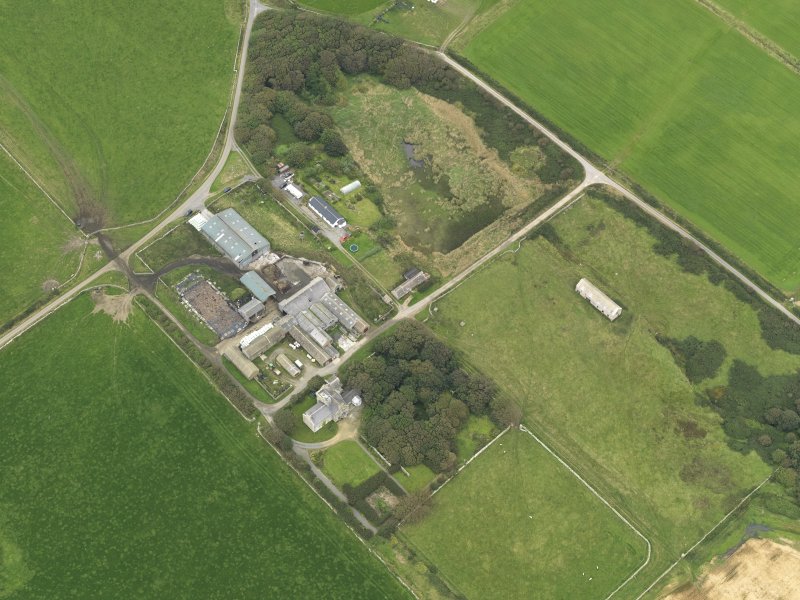
Gyre Farm Orkney


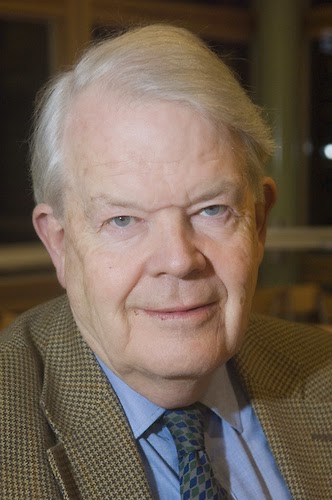
Hugh Halcro-Johnston


Gyre Farm – Orkney – Present Day – (Gentleman Farmer) Hugh Halcro-Johnston

Personal Details:

b1936

Education:

Edinburgh University

Marlborough College:1957 – 1961 – BSc (Elec), Power Systems

Business:

Senior partner: J Halcro-Johnston and Sons, Farmers.

Underwriter member Lloyds of London, (principal activity of company, trading as a Lloyd’s corporate capital member).

Director, at some time of:

The Orkney Towage Company.

The Orkney Meat Ltd.

Orkney Windpower Ltd.

Weyland Farms Ltd.

Orkney Ferries PLC.

Environment and Resource Technology Ltd.

HIE Orkney.

The Orkney Boat Museum.

The Peir Arts Centre.

Nameco (No. 1071) Ltd.

Politics:

Convenor: Orkney Islands Council. Member (22 years+).

North of Scotland Electricity Consumers’ Committee.

Elder, Orphir Church.

JP (Ex Officio).

Member of Institute of Electrical Engineers.

Chairman: Liberal Democratic Party (Orkney).

Currently: Highland Committee Member Scottish Rural Property and Business Association.

Scottish Natural Heritage (Orkney Area Advisory Group).

Vice President COSLA.

Member of the European, Committee of the Regions.

Awards:

CBE services to the community.

Common Agricultural Policy

(CAP) payments 2015: Halcro-Johnston & Sons: Orkney: £105,563.89 (The largest subsidy payment in Orkney & Shetland by a significant amount)

Lloyd’s Underwriting:

Hugh: is a major financial investor with Lloyd’s of London benefiting from excellent returns on investments in recent years.

In a recent statement the CEO of the investment company said:

“private investors providing underwriting capital to Lloyd’s insurance syndicates have boosted capacity by approximately £175 million over last year.

We are extremely happy with the increase in both investors and levels of investment in Lloyd’s.

Many private investors have begun to see that Lloyd’s is a unique alternative asset class that has been out-performing many hedge funds and private equity funds.

Lloyd’s is making a well-justified comeback in wealthy families’ portfolios.”


Jamie


21 Apr 2014: Orkney and Shetland should dump Scotland – Hugh Halcro-Johnston

The idea was floated by Hugh Halcro-Johnston, a prominent Orkney isolationist, who previously held political control as convenor of the Orkney Islands Council until losing his position in local elections in 2003.

He said: ” If Scotland should vote ‘yes’ then everything changes. I think that scenario would provide an opportunity for the islands to seek special status – particularly in relation to defence in view of the islands’ strategic importance and any deal should also establish who controls oil reserves located offshore from the Islands.”

The current political leaders of the islands refused to endorse the proposal, but stressed they wished to ensure islanders continue to benefit from agreements in place for many years.

Convenor of Shetland Islands Council Gary Robinson said: “We seek to benefit from the exploitation of the resources surrounding our islands by way of community benefit and more control over what happens around us,”

He stressed that the islands would not split from Scotland if Scots back independence in September’s referendum. “I haven’t detected any overwhelming desire for outright independence for the islands or crown dependency status,” he added.

Robert Leslie, who runs the pro-independence “yes” campaign in Orkney, said that the proposals to annex the Northern Isles was: “not surprising coming from a movement that is determined to defend the privileges currently enjoyed by the political and business elite in the UK.”


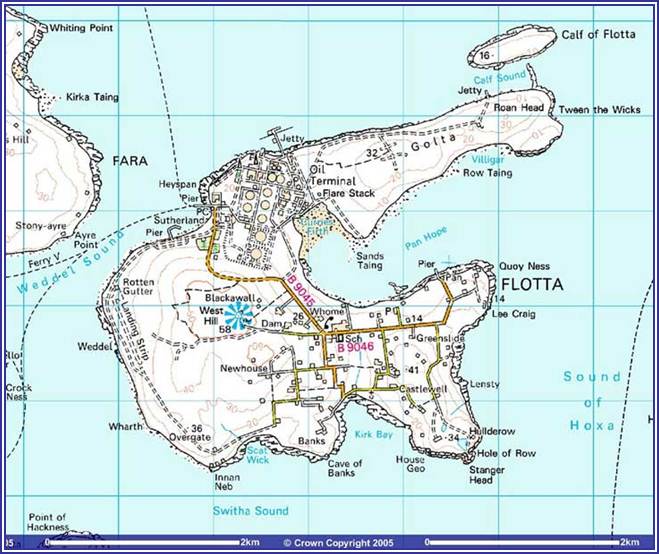
Flotta Terminal


Oil and Orkney

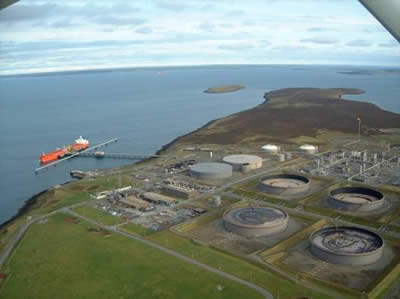
The wealth the Flotta terminal, in Orkney has generated is difficult to calculate.

The sums involve the wages paid to staff and contractors over the years, the service industries that benefit from oil-related work and the dues Orkney’s Harbours Department charges the tankers that take oil and gas away from Flotta.

Orkney Islands Council, which has generated huge cash reserves in oil linked income, estimates that Flotta has contributed £ billions to the local economy.

Hugh Halcro-Johnston, the council’s convener, said:

“Orkney was lucky that major oil developments took place first in Shetland. It learnt a lot of lessons from their experience. It meant that we got many of the benefits of oil developments without many of the less acceptable aspects. One of the big advantages here was the creation of the terminal on Flotta, a small island well away from the main centres of population. This meant that the massive disruption during the construction phase was far less damaging to the Orkney community.”

The Flotta Terminal was built to handle oil from the number of North Sea fields. After processing at the plant, oil and gasses more valuable than those that light the night sky are shipped by tanker to destinations throughout Britain and Europe.

During negotiations with the original owners of the terminal, special arrangements were drawn up to ensure Orkney benefited from becoming a major oil port. Essentially, a range of payments is made to the islands council, which invests the money for the greater good of the community as a whole. They have funded many economic and social projects and continue to do so.

There will always be some people who will think we could have done better, said Councillor Halcro-Johnston. But I think the deal was fair. It was within what the industry could afford and it has brought huge benefits to Orkney.

There has also been considerable recent speculation among industry analysts that oil companies developing new Atlantic Frontier fields will choose to land the crude at Flotta using the shuttle tanker system developed for Foinaven. Again, this will be important business for the terminal.

The islanders gained significant financial benefits from Oil and Gas. Which is more than the rest of Scotland did.


Jamie


Jamie Halcro Johnston – (Gentleman Farmer) and Tory MSP (Excuse me Jamie your daddy was a Lib/Dem)

Personal Details:

b1975, in Oxford. Relocated with his family to Orkney in 1979. The back to England, boarding school, then University

Education:

Radley College, Oxford then Exeter University

Business:

Worked for the Financial Times in London then returned to Orkney to assist with management of family business.

Politics:

Joined the Conservative Party when studying at Exeter University. Elected (1999) NUS Conference Delegate for the Guild of Students at Exeter.

A Member of Orkney Conservative and Unionist Association, Jamie promoted the Tory party in the 2003 Scottish Parliament election.

Press Officer (SPad) in the Scottish Parliament for a number of Tory MSP’s.

Unsuccessful Tory Candidate for Moray. 2005 UK General Election.

Unsuccessful Tory Candidate for 2007: Inverness, Nairn and Lochaber.

Unsuccessful Tory Candidate for Orkney. 2011 Scottish Parliamentary Election.

Unsuccessful Tory Candidate 2016 Scottish Parliamentary Election.

Unsuccessful Tory Candidate 2017 Orkney & Shetland, UK General Election.

June 2017: Selected from the Tory party list (fourth choice) to represent electors in the Highlands and Islands. Filling vacancy.

What a loser.!!


UK Government and BBC in Breach of the UNESCO Convention on the Protection and Promotion of the Diversity of Cultural Expressions and EU Charter of Fundamental Rights – Scottish Government Should Protect Scots From Further Abuse


EU Charter of Fundamental Rights – Article 11 – Freedom of expression and information

Everyone has the right to freedom of expression.

This right shall include freedom to hold opinions and to receive and impart information and ideas without interference by public authority and regardless of frontiers.

The freedom and pluralism of the media shall be respected.


The UK is also a party to the UNESCO Convention on the Protection and Promotion of the Diversity of Cultural Expressions which is a binding international legal instrument adopted by the UNESCO General Conference on 20 October 2005.

What are the guiding principles of the Convention?

A series of principles guarantees that no measure or policy shall infringe human rights and fundamental freedoms, such as freedom of expression, information and communication, as well as the ability of individuals to choose their cultural expressions.

What are the rights and obligations of the Parties to the Convention?

One of the fundamental objectives of the Convention is to put into practice cultural governance, i.e, interaction between individual and institutional stakeholders in sharing responsibility for the diversity of cultural expressions.

The Convention also contains a series of Parties’ rights and obligations, which aim to protect and promote the diversity of cultural expressions in a spirit of mutual reinforcement and complementarity with other international treaties and guided by international concerted action and cooperation.

Respect for human rights and the fundamental freedoms of individuals constitutes the backdrop of the Convention.

The Convention recognizes the connecting link between cultural diversity and the full realization of human rights and fundamental freedoms; one could not exist without the other.

In that connection, “no one may invoke the provisions of the Convention in order to infringe human rights and fundamental freedoms as enshrined in the Universal Declaration of Human Rights or guaranteed by international law, or to limit the scope thereof”.

Thus the risk of cultural relativism, which in the name of diversity would recognize cultural practices that infringe the fundamental principles of human rights, has been eliminated.

The Convention allows the Parties to determine the existence of special situations where cultural expressions on their territory are at risk of extinction, under serious threat, or otherwise in need of urgent safeguarding.

It also allows them to take all appropriate measures to protect and preserve cultural expressions in such situations.

Moreover, the Convention acknowledges the sovereign right of the Parties to formulate and implement their cultural policies and to adopt measures designed, inter alia, to:

1. provide opportunities for domestic cultural activities, goods and services among all those available within the national culture.

2. provide domestic independent cultural industries and activities in the informal sector with effective access to the means of production, dissemination and distribution of cultural activities.

3. encourage non-profit organizations and also public and private institutions, artists and other cultural professionals to develop and promote the free exchange and circulation of ideas, cultural expressions and cultural activities.

4. promote the diversity of the media, including through public service broadcasting;

5. provide public financial assistance and establish and support public service institutions in an appropriate manner.


Obligations

In return for these rights, the Convention provides for a number of obligations that are incumbent on the Parties, which are called upon to:

endeavour to promote in their territory the creation of an environment which encourages individuals and social groups to create, produce, disseminate, distribute, and have access to their cultural expressions, paying attention to the special circumstances and needs of women and social groups, including persons belonging to minorities and indigenous peoples on the one hand, and, on the other hand, to have access to diverse cultural expressions within their territory and from other countries of the world;

ensure information sharing and transparency by providing appropriate information in their reports to UNESCO every four years on measures taken to protect and promote the diversity of cultural expressions;

foster the public’s understanding of the importance of the diversity of cultural expressions through educational and public-awareness programmes;

acknowledge the fundamental role of civil society in protecting and promoting the diversity of cultural expressions by encouraging the active participation of civil society in efforts by Parties to achieve the objectives of the Convention;

incorporate culture into sustainable development and strengthen international cooperation in support of developing countries by several means, for instance, by strengthening their cultural industries, building their capacities to develop and implement cultural policies, technology transfer, financial support and preferential treatment for their artists and other cultural professionals and for their cultural goods and services.

Parties to the Convention shall exercise these rights and fulfil these obligations in a spirit of mutual supportiveness, complementarity and non-subordination.

Relevant documents here:

http://en.unesco.org/creativity/convention

http://fra.europa.eu/en/charterpedia/article/11-freedom-expression-and-information

Click to access 244689_1425664_116_2.pdf

Click to access tradoc_146629.pdf


Television and radio broadcasting in Scotland

Many articles have been written over the last few years, all of which, when considered together reveal a deep seated dissatisfaction with the provision of broadcasting services to Scotland.

But the UK government continue to deny Scots their right to public service broadcasting, pluralistic and free from interference and major changes are required at the BBC where the metropolitan culture is solid, together with the belief that London is where decisions are made and the rightful location for retention of power over broadcasting.

I am minded of a ding dong battle a few years back over the badging of productions being Scottish when they had no obvious link with Scotland.

The BBC had to be forced to agree to the use of the Ofcom definition for out of London productions which resulted in the expenditure in Scotland figure being reduced from £51.8m to £31.6m. Over £20M less. Hows that for short-changing Scottish Licence payers. And it still goes on.


16 Jun 2011: Scottish Parliament Broadcasting Debate

Fiona Hyslop, the Culture Secretary indicated that the ambition of the Scottish government’s involvement had expanded to include the Licence Fee and the regulation and delivery of broadcasting within Scotland.

1. Needs to be able to ensure the establishment of the Scottish Digital Network as a public service broadcaster with a remit within Scotland and with guaranteed spectrum which can make it available to everyone in Scotland

2. Needs to be consulted on subsequent television licence fee settlements and the use of that revenue if it has knock-on impacts for Scotland.

3. Have responsibility for, or at least an involvement in, decisions made by the UK Government about local television stations which will broadcast within Scotland.

4. A desire to be consulted over the licence fee including introduction of aid plans to divert some of it to fund plans for Scotland.


The Subsequent BBC Annual Report Responded

Audiences still feel there are weaknesses in how the BBC represents the different nations, regions and communities to other people in the UK; the BBC is taking steps to address them….

However our surveys show that there are still weaknesses in the devolved nations, particularly Scotland and Northern Ireland, where expectations are higher and perceptions of performance lower. Now what the hell does that mean?


The UK Audience Council Added Comment

Following advice from Audience Councils across the UK, the BBC Trust initiated a joint project with the BBC Executive to investigate ways in which the BBC might better portray the full diversity of the UK’s nations and communities across its network services, significantly enhancing the cultural representation of the nations and regions of the UK including Scotland.

The Council looks forward to progress on this in the year ahead. No change.

Bringing the UK to the World and the World to the UK – Major new content with international potential would be more likely… if the process of increasing network television production in Scotland focussed more on content with recognisably Scottish elements.

Council advised that the Trust ask the Executive to develop a robust long-term strategy for television drama for audiences in Scotland to increase production, stimulate creativity, and broaden the range of drama portraying Scotland to audiences there. No change.

Reports here:

http://www.gov.scot/News/Releases/2011/06/16152002

Click to access bbc_trust_2009_10.pdf


Jane Sillars Wrote:

Scotland’s television services reflects many of the key issues surrounding broadcasting in minority cultures.

Politically part of the multi-nation state of the United Kingdom along with the other “Celtic” countries of Wales and Northern Ireland, Scotland’s legal, educational and religious institutions remain separate from those of England, the dominant partner.

But its broadcasting systems, like much of its cultural organisation, display a mixture of autonomy and dependence reflecting Scotland’s somewhat anomalous position.

Scotland’s current terrestrial television therefore reflects the evolution of Britain’s broadcasting ecology, offering viewers a choice of a mix of British networked television and Scottish national and local productions.

In the 1990s extensive lobbying brought governmental support of £9.5m for the production of television programmes in Scotland’s minority indigenous language, Gaelic.

Unquestionably a welcome move, it nonetheless demonstrates that it is easier to gain recognition for linguistic than for cultural differences.

There has been a transformation in cultural activity in Scotland over the past two decades–most notably in literature, but also in theatre, music and film–which many see as a form of cultural nationalism.

Yet BBC Scottish television continues to offer its audiences anti-heroes like Ian Pattison’s comic creation Rab C. Nesbitt, a gloriously loud-mouthed Glaswegian drunkard and member of the underclass, who exaggerates to comic excess accepted notions of nationality and class.

A more sophisticated and ambiguous demonstration of this parodic process is to be found in BBC Scotland’s police series Hamish Macbeth.

Set in a picturesque Highland village populated by bizarre characters, it simultaneously sends up the stereotypes of Highland life, while embracing their more marketable forms.

Much of the debate about television in Scotland, in both an academic and a popular circles, has concerned itself with analysing and often attacking the dominant images of Scottishness which have been produced, while comparatively little attention has been paid to questions of production and policy.

In Scotland questions of cultural identity and diversity, independence and control reverberate through television production at both a symbolic and a material level.

Full article here: http://www.museum.tv/eotv/scotland.htm


Conclusions

In denying the Scottish public their rights to the active promotion, through broadcasting of cultural diversity within Scotland the UK government and its centrally controlled BBC is in breach of the UNESCO Convention on the Protection and Promotion of the Diversity of Cultural Expressions and the EU Charter of Fundamental Rights – Article 11 – Freedom of expression and information.

But having established the case what is to be done with it.                    

I believe the Scottish government should take it forward to the EU, perhaps through Scotland’s MEP’s.

Other contributions welcome.


Aberdeen City Council 2017 Elections Tory Surge A Fantasy Created by the Unionist Supporting Scottish Media – Trust the Facts


2017 Local Council Elections Aberdeen City

The Scottish Conservative and Unionist party brought forward absolutely nothing new in the way of local council policies preferring to stick to their tried and tested and rejected mantra of cuts in services.

But Ruth Davidson had a couple of tricks up her sleeve and she introduced them just when the Labour Party was at its most vulnerable, due to continued in-fighting, and Scotland was still digesting the effects of the EU referendum.

First off she changed the same of the party in Scotland re-introducing the “Unionist” element abandoned in the time of Thatcher.

A number of Tory MSP’ e.g. Adam Tomkins then courted the “Orange” vote through the Glasgow Rangers support and Orange Lodges.

The campaign succeeded in persuading the “Orange ” vote to transfer their allegiance from Labour to Tory. That was it.

There was no “surge” since the SNP vote increased over 2012

A second front then was opened against the SNP accusing the government of being blind to the everyday care of Scots being consumed by pursuit of independence when the country was crying out for support.

Any media appearance of a Unionist supporting politician, and there were many on the BBC was accompanied by the same quote “Nicola Sturgeon should get back to the day job”.

The Local Council Elections had nothing to do with independence but the Tories flogged their narrow-minded agenda with a vengeance and the Scottish Unionist media had a field day promoting a load of tripe about the resurgent Tory party.

There was no national SNP campaign the party preference being to honour the spirit of the election and campaign locally. In hindsight this was probably a miscalculation.


Review of Dyce/Bucksburn/Danestone Ward

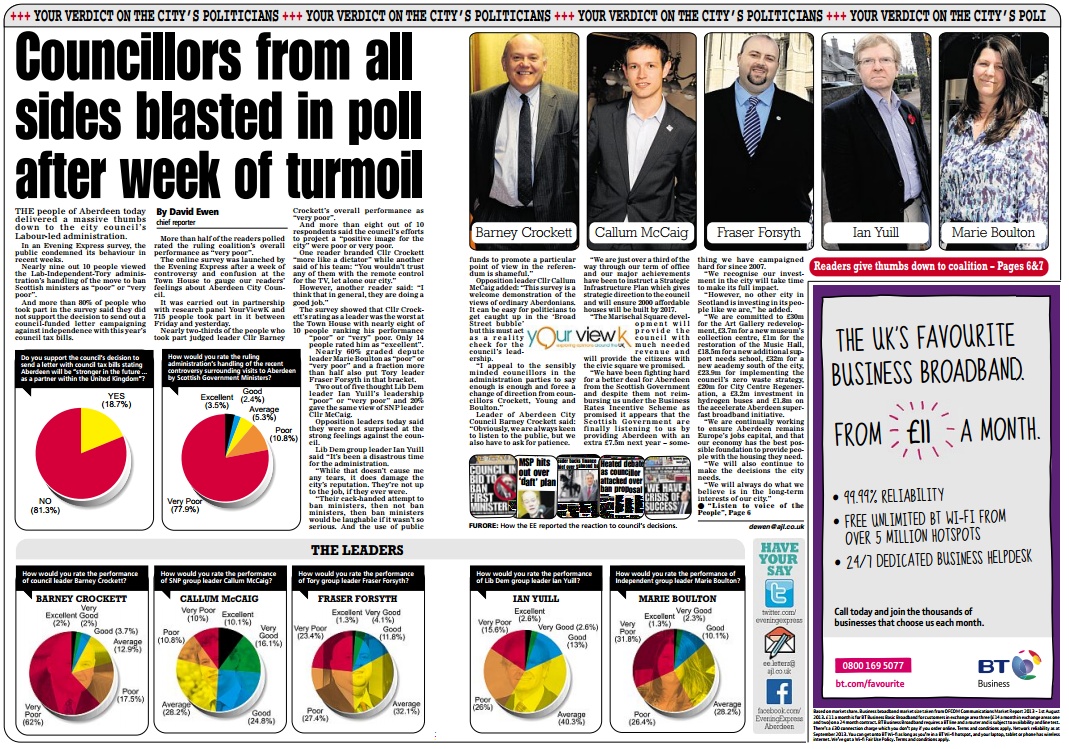
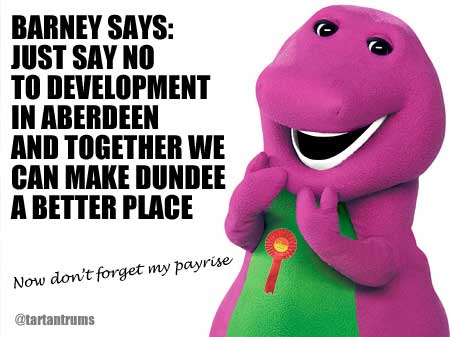
Labour party member Barney Crockett has been a councillor in Aberdeen City for many years.

He is a controversial figure who treats voters with contempt ignoring the expressed wishes of the electorate on a number of occasions.

He was removed from office by the council in 2012 but he keeps bouncing back, using the Labour party as a vehicle to his stay in office.


Election Results 2017: Quota: 1322

Tory Avril MacKenzie: 30.4%: 2,012

SNP Neil MacGregor: 25.3%: 1,670

SNP Gill Samarai: 11.9%: 785 798.70+13.70 Tory, 1,087.30+288.60 SNP, 1,115.50+ 28.20 Lab, 1,176.80+61.30 LibDem, 1,317.90+141.10 Ind.

Labour Barney Crockett: 11.3%: 744, 806.00+62.00 Tory, 813.50+7.50 , 1,141.60+328.10 Lab, 1,273.40+131.80 LibDem, 1,483.70+210.30 Ind,

Independent Coral Duthie 7.7 509 658.10 669.80 708.90 942.90
Liberal Democrats Dorothy Pearce 6.5 430 614.50 625.50 666.20
Labour Graeme Lawrence incumbent 6.9 458 504.90 514.30

Share of the vote:

SNP: 37.20%, Labour: 18.80%, Tory: 30.40%, LibDem: 6.90%. Councillors: SNP: 2,

Seats:

Tory 1, Labour 1, Labour lost 1 seat to the Tories.


Summary:

The SNP vote increased by 5.30% and 2 councillors were returned bettering the the 2012 performance.

The Labour vote collapsed, dropping by 17.90% and they lost a councillor over 2012.

Barney Crockett rejected by the electorate was gifted the last seat courtesy of Tory, LibDem and Independent preference votes.

The Tories increased their share of the vote by 22.70% and gained 1 councillor over 2012.

The Labour collapse solely benefited the Tories

No evidence of a Tory surge in this ward but Crockett is back in control having been soundly rejected by the voters. Disgraceful.


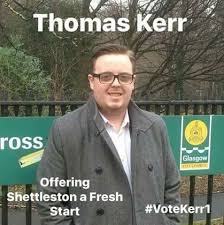
Shettleston Elects Tory Councillor – Scottish Media Ecstatic – Major Breakthrough Claims Ruth Davidson and Her Acolytes – But Let’s Look At the Facts


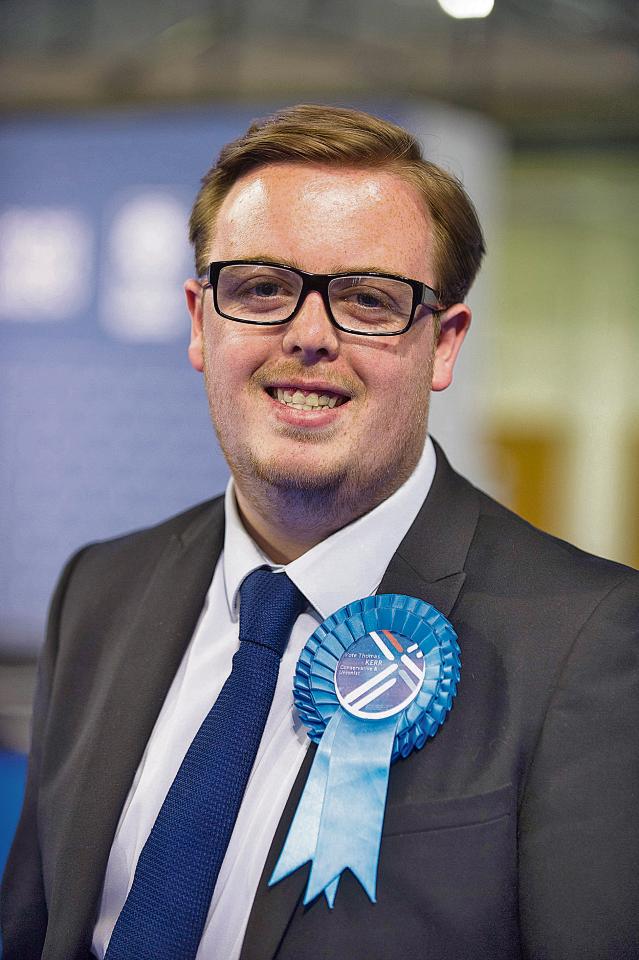
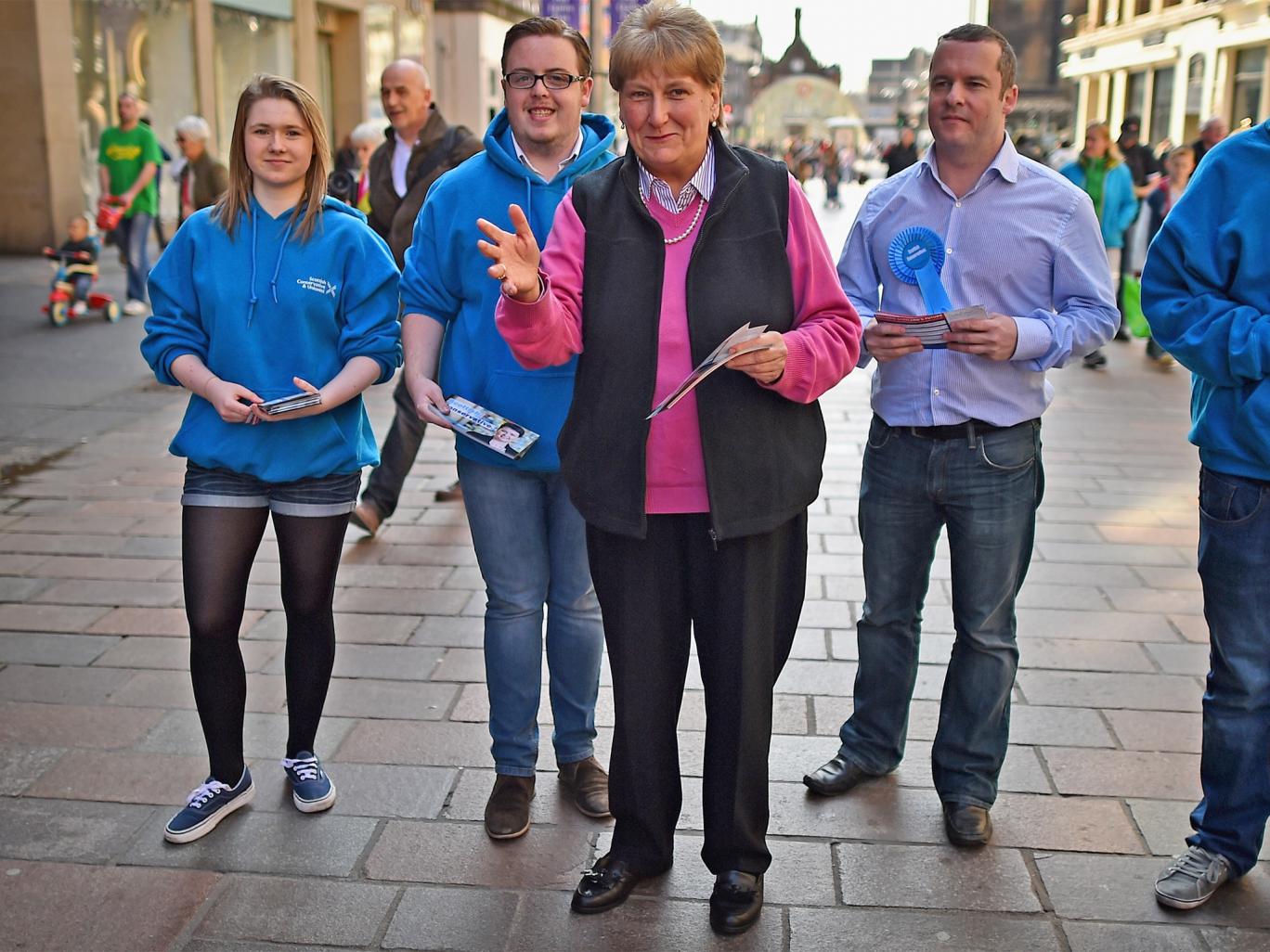
Thomas Kerr: Shettleston councillor: growing up poor in Glasgow made me a Tory

His view of politics in Glasgow is warped and confused. Some of his quotes:

“Beforehand, when you were working class, you went into the mines, or the shipyards,” he says.

“Margaret Thatcher opened up a big inbox for working class people to say well, actually, if you want to be something, then go and do it.

Her impact has changed this country for the better.”

Comment: So the managed decline of industry in Scotland orchestrated by Thatcher was a gift to the working class people of the east end of Glasgow.

“Labour and then the SNP did nothing for the area for years”.

He shows me some of the local shops, the empty units, the decay, and the litter.

It’s lunchtime at the school and a pupil dumps the plastic lid off his takeaway meal onto the ground without a second thought.

“People think because you stay in the east end, it doesn’t matter,” says Kerr.

Comment: Labour has run Glasgow City council for over 70 years and responsibility for the poor environment in the east end of Glasgow rests with them. The SNP presence in Glasgow as a political force is recent.

Asked if he thinks the traditional Orange vote in the east end had anything to do with his election, he said no.

“I’m not saying there wasn’t a big Orange vote, but I had nothing to do with that kind of thing.”

Comment: In the course of the campaign, Ruth Davidson and the Tories first re-established then actively promoted Tory links to the unionist Orange order.

And yet hailing from from a hard line “Orange” family he knew nothing about it. Get real.


His Story

Thomas Kerr, 21, grew up in a high rise in one of the most deprived parts of Glasgow.

His parents, born in the 1970’s were “Thatchers” children who, surviving in the east end of Glasgow suffered the full wrath of the Tory party asset stripping of Scotland.

Thomas, born in 1996 at the tail end of the Tory years of austerity had no direct experience of Thatcher and supported the Labour party, up to the financial crash of 2008 (which he blamed on Labour) and the return of the Tories in 2010. He was 14y old.

His father, a staunch Orangeman, deserted infant Thomas and his mother and went on to survive a miserable existence as a heroin addict until he died in 2016 aged 46y.

Adding insult to injury his mother was and still is a heroin addict, although she attended rehab in 2010 after the birth of her daughter she still medicates on methadone which is not good.

From the age of six, Thomas cared for his mother rather than the other way around.

It was a hard life, barely supported by ever reducing state benefits , living off burgers and little else.

Starved of love and good guidance he turned to his grandparents, who stepped up and providing him a stable upbringing ensured his schooling was secured allowing him to enrol at Glasgow College to study media affairs.

In May 2017 Thomas achieved the impossible when he was elected Conservative councillor for Shettleston.

What? the reaction in Shettleston. But a closer look at the result is revealing.


Scottish Council Elections

Election of local councillors is achieved through use of a single transferable vote, proportional representation system (STV).

Voting is straightforward but it can be time consuming since voters are required to select for any number of the candidates on the ballot paper (the list can be in double figures).

Voters can select as few or as many as they wish and should mark a 1 against their favourite, a 2 against their second favourite and so on adding a number to one, two, three or all candidates listed.


Establishing the “Quota”.

The total number of valid votes cast are divided by the number of seats to be filled plus one. One is then added to the total. Candidates achieving the “quota” of first preference votes are elected.

Candidates failing to achieve the “quota” are subjected to a vote transfer procedure with the purpose of identifying anyone capable of achieving the “Quota”:

The candidate with the fewest first preference votes is eliminated.

That candidate’s second preference votes are then looked at and are added to the totals of the other candidates.

Any who reach the magic number are then elected.

If seats still need to be filled, the person with the second fewest first preference votes is eliminated and their second votes are transferred to the remaining candidates

Any who reach the magic number are then elected.

If there are still seats to be filled, the person with the third fewest first preference votes is eliminated and their second votes redistributed and so on, and so on.


Shettleston Ward, 2017 Elections Preference Vote Transfers

Lab: Frank McAveety 25.17%: 1,902

SNP: Laura Doherty 17.95%:   1,356 1,364+8 1,368+4 1,370+2 1,379+9 1,384+5 1,387+3 1,477+90 1,600+123

Tory: Thomas Kerr 18.10%:     1,368 1,381+13 1,390+9 1,394+4 1,399+5 1,409+10 1,448+39 1,462+14 1,468+6 1,469+1 1,671+202

SNP: Michelle Ferns 10.23%:  773 778+5 779+1 782+3 785+3 785+0 786+1 811+25 1,377+566 1,453+76 1,597+144

Note: preference votes to the Tory candidate: 13 Lab, 9 Ind, 4 SD, 5 TUSC, 10 LibDem, 39 UKIP, 14 Green, 6 SNP, 1 SNP, 202 Lab. Total: 294

The 215 labour votes ensured a Tory win over the second labour councillor


Labour: Anne Simpson 11.54% 872 1,162+290 1,164+2 1,173+9 1,184+11 1,214+30 1,238+24 1,275+37 1,278+3 1,289+11

SNP: Alex Kerr 09.58% 724 729 731 736 739 743 751 774

Green: Kevin Campbell 02.94% 222 225 231 234 249 265 274

UKIP: Jamie Robertson 01.39% 105 110 111 120 122 129

LibDem: Tim Pollard 01.09% 82 87 88 94 96

TUSC: Jamie Cocozza 00.79% 60 63 67 69

SDem: Steve Marshall 00.67% 51 54 56

Ind: Paul Corran 00.54% 41 41

Electorate: 21,134 Valid: 7,556 Spoilt: 326 Quota: 1,512 Turnout: 37.3%


Voting Out-turn 2012:

The Labour party in Shettleston gained 62.50% of the popular vote and got 3 councillors.

The SNP posted a respectable 30.90% and got 1 councillor elected.

The Tories managed to get 294 votes, 4.20%.


Voting Out-turn 2017:

The Labour party in Shettleston performed badly achieving 36.71% (a drop in support of 25.79% over 2012) getting 1 councillor.

The SNP posted 37.76% (an increase of 6.80% over 2012) gaining 2 councillors.

The Tories managed to get 18.10% (an increase of 13.90% over 2012) and gained 1 councillor.


Voting Patterns:

First preference votes showed a major collapse in the Labour vote, the Tory candidate being the main beneficiary.

Labour “Orange” Unionist voters transferred their allegiance from a party on the brink of collapse to the Tories.

The performance of the Labour party was so appallingly bad that the last of their preference votes were given over to the Tory candidate at the sacrifice of a second labour councillor seat.

Adding to the count, the preference votes of UKIP and the LIBDem’s were also transferred to the Tory candidate.

Green party voters, to their credit, supported the SNP with their preference transfers.


Media Reporting of the Election

The BBC and the entire Unionist media in Scotland trumpeted the stunning appointment of “still wet behind the ears” student, 20yo, Thomas Kerr, the Tory candidate, to the post of Councillor in Shettleston.

Stunning? Hardly. Unionist voters in Shettleston have, for the last 70+ years, comprised the bulk of the voter base.

The traditional voter split (until the establishment of the Scottish Parliament) was: Labour 80%, SNP 10%, Tory 5%, LibDem 5% and Others 5%.

From 2000 Catholic voters became disillusioned with the Labour party and started transferring their support to the SNP.

By the 2012 council elections the SNP share of the vote had increased to 31% and in the 2017 elections the total was 38%.

But, if the BBC and Unionist media was to be believed, Ruth Davidson and her disciples were apparently well able to walk on water, all the way to taking up the reins of the Scottish government at Holyrood.

Stretching credibility to the absolute limit the BBC etc “shouted from the rooftops of Glasgow” that voters in Shettleston had displayed in their votes, their trust in the Tory party, no matter the red-herring rumour mongers of the SNP and their constant moaning about Scots suffering from the introduction, by the Tory party government, of Universal credit, rapidly increasing use of foodbanks, bedroom tax, social and economic deprivation, unemployment, benefit sanctions, suicide and early death rates the highest in the UK, etc.


Kerr Has Solutions in his grasp

Just 20 years old, touting his victory in the press and on BBC, Kerr claimed in his acceptance blurb he would make a difference, bringing about a fresh Tory outlook in Shettleston improving the lot of the electorate, through his possession of a wealth of local knowledge gained from visits from neighbouring Cranhill to his SNP supporting aunt who is not best pleased her nephew has wrapped himself in the “Butchers Apron”. Time will tell.


Tory Party Election Debacle Forces 74 Year Old Tory MSP and Aberdeen City Councillor Pensioner To Give Up, Sailing, Scuba Diving, Swimming and Hill Walking and other Retirement Pastimes


Tory Party Election Debacle Forces 74 Year Old Tory MSP and Aberdeen City       Councillor Pensioner To Give Up, Sailing, Scuba Diving, Swimming and Hill Walking and other Retirement Pastimes

Born in 1943, Businessman, Robert Gordon University lecturer, Justice of the peace and city councillor Tom Mason retired in 2012 to enjoy a well earned retirement, taking life easy, participating in leisure activities.

He retained an interest in local politics in support of the Tory Party and allowed his name to be added to the Tory list for the 2017 Scottish election.

But being placed tenth he did not envisage he would ever be required to go to Holyrood.

With the foregoing in mind he accepted the Tory party nomination to be their 2017 Scottish Council election candidate for the Midstocket & Rosemount seat in Aberdeen. Which he won.

In the aftermath of the election the Unionist (Labour and Tory) parties conspired with a couple of independents to deny the SNP, the largest political group their rightful opportunity to form the city council team for the next 5 years.

Soon after, as part of the deal, Mason was appointed Deputy Provost of Aberdeen, a largely symbolic appointment but one which usually guaranteed some form of royal recognition on retirement.

Only 10 days later he gave up the post of Deputy Provost and announced his decision to accept a nomination to go to Holyrood as a Tory party list MSP with immediate effect.

His appointment ensured the Tory party at Holyrood retained the 31 MSP’s (27 list) elected in 2016.

He was the last person listed and had he not taken the post the Tory party would have lost the post until the next election reducing the opposition parties overall majority at Holyrood to one.

But the Tory party had yet one more bit of nonsense to enact, mocking the Scottish political system.

Councillor Mason would retain his post as councillor until 2022.

Doubling up on two full time appointments at the ripe old age of 75 years.

This would ensure the Tory party would not provide an opportunity for the SNP to gain a councillor in a by-election which might result in the demise of the Unionist (Labour and Tory) parties Aberdeen council.

Facing criticism and increasing pressure to give up one of the posts, List MSP and City Councillor Mason defended his actions claiming he was well capable of discharging in full, the hard task of providing equal service support to both sets of constituents.

But, in recognition he revealed the party might require him to give up, Sailing, Scuba Diving, Swimming and Hill Walking and other Retirement perks.

He will also continue working as a senior partner of Corporate and Market Advisors, the Beel Partnership. (Remuneration £5-10K annually for one day’s work weekly)


Comment: The Scottish government should change the law deprecating the practice of holding both Council and MSP posts at the same time. Constituents deserve better service from politicians than the electoral abuse inflicted by an uncaring group of self serving Tory party mandarins.


12 July 2017: New List MSP Tom Mason incapable of completing both roles – Caseworker to be recruited to assist him

Mason is looking for someone who empathises with the aims and values of the Tory party, to assist with casework and community liaison within the constituency.

The applicant must have a willingness to help others, with good organisational, communication and IT skills.

The applicant will need to be able to work in a small team and have a positive attitude.

The ideal candidate should be highly motivated, organised, reliable and able to work accurately to deadlines and manage a large workload without supervision.

Salary: £20,725 to £30,000 negotiable based on experience


Tom Mason (74) was born in 1943.

1962-1964: Attended King’s College London: BSc(Eng), Civil Engineering, Honours

1971-1972: Attended Cranfield University – Cranfield School of Management-Master of Business Administration (MBA), Strategy


Work Experience:

Civil engineer by profession, construction manager, businessman, oil service company manager and academic lecturing in business strategy

Oct 1981 – Dec 2010: (29 years 3 months) – Senior Lecturer – Robert Gordon University

Jan 1995 – Current : (22 years 10 months) – Senior Partner – Beel Partnership – Corporate and Market Advisors – Anglo China connections.

(Registers between £5,000 and £10,000 a year for one hour a week as a senior partner of the Beel Partnership).


Activities and Societies:

1985 to 2012: Served as an Aberdeen City Justice of the Peace.

Chartered Institute of Civil Engineers, Chartered Institute of Marketing, Institute of Directors – Sailing, Scuba Diving, Swimming, Hill Walking


Political career

1990-1996: Councillor on the Grampian Regional Council for the Holburn ward

1998 2000: Councillor for Queens Cross, Aberdeen City Council.

1999 and 2016: Unsuccessful Conservative candidate for the Aberdeen Central Constituency.

2015 – By Election: Unsuccessful Conservative candidate for a City council seat.

2017: Finally elected councillor for Midstocket and Rosemount, Aberdeen. Tom Mason’s Sales Pitch

He said: “I have lived in the local area for over 30 years and my knowledge of the issues will allow me to represent the interests of Midstocket and Rosemount effectively.

I am looking forward to walking around the ward to meet with as many residents as I can.

The environment and amenity of the local area has a lot going for it and it needs continual attention to make sure that it continues to be one of the most pleasant areas of the city to live in.

Therefore, if elected I will always put local people first and the issues that affect their quality of life.”


22 May 2017: Chairman of the City of Aberdeen Conservative and Unionist Association, Councillor Tom Mason elected Depute Provost of the City Council.

Lord Provost Barney Crockett, leader of the Labour party Group said: “I have known Tom for many years. He is a man of great integrity”.

Angry protesters took to the streets of Aberdeen to brand the new Conservative-Labour-Independent Council coalition “a laughing stock”.

It came after Aberdeen’s Labour councillors joined forces with the Conservative and Independent councillors to form a coalition – despite the SNP winning more seats.

Following the controversial deal, all nine Labour councillors were suspended from the Scottish Labour party.

A protester said: “Labour could not control the council so decided to get into bed with the Tories – it is disgusting. Democracy is dead. This city is a laughing stock across Europe.”


1 Jun 2017: Ten Days in Office – Stuff the Constituents – Aberdeen’s Newly Installed Deputy Provost In Move To Holyrood.

Mason was one of 11 Tories elected to Aberdeen City Council on May 4 and has since been appointed as the deputy provost of the city.

However, Mason is also on the Tories’ north-east regional list for the Scottish Parliament and could now face a rapid career change.

But that might be the catalyst for a by-election in his Rosemount and Midstocket ward putting the ruling Conservative, Aberdeen Labour and independence alliance at risk of losing its slender single member majority.

But a town house source said that a by-election may not necessarily be required with Mr Mason potentially able to hold dual mandates as a councillor and MSP.

SNP group leader, Stephen Flynn, said that, given there were four years remaining in the Holyrood term, not holding a by-election would be “untenable”.

He added: “The people of Aberdeen need a local champion that puts the city first, not someone who would be making constant trips to Edinburgh for four years.

There have been councillors, including SNP councillors, who have done both but for relatively short periods.”

Comment: The Tories, Labour and Independents have 23 of the 45 seats, and if Mason quits his post to become an MSP, the Tories might well lose the resulting by-election and hence power in the city.


13 Jun 2017: Tory Councillor in line to become an MSP – But Party Members Kept in the Dark

Tom Mason has been parachuted into the Scottish Conservatives’ list of Holyrood 2016 candidates for the North East region by party bosses – but rank-and-file Tories did not get their say.

He is poised to take the £62,000-a-year job on the regional vote, in which the electorate backs parties rather than individual candidates.

Mr Mason, elected to the role of Aberdeen’s new depute provost, only 10 days ago, is set to enter Holyrood, following a series of events, which has seen the number of available politicians on the Tories’ back-up list for the north east evaporate.

The reasons include those on the list replacing MSPs elected to Westminster, as well as filling the vacancy left by Alex Johnstone, who died last year. Two Tories also removed themselves from the list.

As tenth in line, Mason is expected to take up the role, but one member said it was wrong his place had not been approved by rank-and-file, as is now standard.

A Conservative source said: “This chappie seems to be going to Holyrood having been hand-picked by an increasingly controlling party machine, with no party members’ input.”

As of yesterday, the only published list of north east candidates on the Scottish Conservative website was an old one and did not include Mr Mason.

It meant those voting Tory did not know they were potentially voting for Mr Mason, if they relied on the party’s own website.

A Scottish Conservative spokesman said: “He (Mr Mason) was not approved through the voluntary open primary system we introduced, but his name was on our regional list that was seen by voters.

“We never imagined we would get down to 10th on the list, but we added him on. If we hadn’t, we would have been left with a vacant seat in Holyrood.”

Asked whether he would take the seat in Holyrood, Mr Mason said: “In consultation with my colleagues I would have to assess the situation.”


15 Jun 2017: Aberdeen’s depute provost Tom Mason has announced he’ll take a seat in the Scottish Parliament.

The Midstocket and Rosemount councillor will be sworn in as an MSP on Tuesday.

He intends to continue in his role representing the area, but will donate his salary to charity.

Upon confirmation of his appointment, he said, “I am honoured to have been offered and accepted the list seat for the North East region. Representing Rosemount & Midstocket is very important to me and I shall do my utmost in my new role to serve both my council ward and the greater North East region. I believe I can handle both roles.”

Adding: I do not envisage stepping away from my council post at any time before the next local elections in 2022, representing Rosemount and Midstocket is very important to me and I shall do my utmost in my new role to serve both my council ward and the greater North East region.

When you look at the two roles they are very much complementary. I will always put my constituents first and will not let my workload affect them.

In consequence, I won’t be able to play my croquet or visit my holiday home in Inverness or go diving any more.”

His decision is at odds with that of the newly sworn in MP for Aberdeen South, Ross Thomson who, following his election to Westminster decided to step down from his role as an MSP to properly represent his constituents at Westminster.

The council’s SNP leader, Stephen Flynn, insisting that a by-election should be held if a councillor moves on to the Scottish Parliament said: “The question, when it comes to this sort of thing, is about democracy.

The people of Rosemount and Midstocket deserve a local councillor who is working hard for them, not a local councillor who is swanning about Holyrood.

If Mr Mason was to stand down, as he should, that obviously puts the entire administration on its heels.” (the Courier)


No Country in History has ever rejected Independence – Until Scotland in 2014 – What an Unfortunate precedence to Set – We need to Correct the Mistake in 2019

The biggest study yet of how Scotland made its historic decision on September 18 has found that the votes of people born outside Scotland were crucial to the result.
While 52.7 per cent of native-born Scots voted Yes, a massive 72.1 per cent of voters from England, Wales or Northern Ireland backed the Union.

There were more than 420,000 Britons from elsewhere in the UK living in Scotland when the last census was taken.

And if they cast their ballots in line with the findings of the Edinburgh University study,
more than 300,000 of them will have voted No.

That’s a significant number in a contest that ended with 2,001,926 votes for No and 1,617,989 for Yes.

Voters born outside the UK also rejected independence, with 57.1 per cent voting No.

SNP MSP Christian Allard, who was himself born in France, said: “Scotland is the country of everyone who lives here, regardless of where they were born, and we take decisions on our future together.

“The diversity of Scotland’s population is a matter for celebration.

“While we were disappointed with the result of the referendum, this study shows that a
clear legacy has been greater political involvement, particularly among young people.

“And that is something to be proud of.”

Political scientist Professor Ailsa Henderson, who wrote the study, told the Record it showed the importance of “Britishness” among voters born elsewhere in the UK in deciding the result.

She said: “Scottish-born people were more likely to vote Yes and those born outside Scotland were more likely to vote No.

“But the least sympathetic to Yes were the people born in the UK, but outside Scotland.

“We think they are more likely to feel British. They are more likely to feel a continued tie to the UK as a whole – because that’s where they are from.”

Ailsa said it was different for voters who originally came from outside the UK.

She explained: “They have made a conscious decision to move to the UK, and the part of the UK they have chosen to move to is Scotland.”

Ailsa said the trend she found was similar to those seen in other independence votes in places such as Quebec in Canada.

The study, which recorded the attitudes of several thousand voters in a series of surveys, also confirmed that women and older people were more likely to vote No while men and the young were more in favour of Yes.

Researchers found that 56.6 per cent of women voted No while 53.2 per cent of men voted Yes.

he divide was even wider when it came to age. More than 62 per cent of voters aged 16 to 19 backed independence.

The Yes side also had a majority among voters aged 20 to 24, 25 to 29 and 30-39, while voters aged 40 to 49 were split almost exactly down the middle.

But 50 to 59-year-olds, 60 to 69-year-olds and voters aged 70 or older were all in the No camp, with the pro-Union majority getting bigger the older they were.
How the electorate voted (by age)
Nearly two thirds of 70-something Scots voted No.

Wealth and social status also played their part in deciding how the nation voted.

Yes had majorities among people who classed themselves as working class, people at the bottom of the earnings scale and people in rented social housing.

By contrast, the highest earners, home owners and people who described themselves as middle class were more likely to vote No.

Ailsa also found a “stark difference” between the voting patterns of protestants at Catholics, with Catholic voters far more likely to be Yes supporters.

http://www.dailyrecord.co.uk/news/politics/independence-referendum-figures-revealed-majority-5408163


The 2014 Referendum

In the 2014 Scottish Independence referendum the voter list included anyone over the age of 16, entered on the current electoral roll, whose place of residence was in Scotland, regardless of nationality. The usual caveats about Service personnel also applied.

Voter turnout was 84.59%. The result: Yes, 1,617,989, 44.70%. No, 2,001,926, 55.30%

There is an acceptance within Scotland that in the referendum a majority of the 240,000 EU and Non EU Immigrant voters and many voters of Scottish birth and residence had been persuaded to vote “No” frightened into submission by an incessant campaign of disinformation orchestrated by the UK Civil Service, Westminster politicians, the UK government and opposition Parties and their organs of abuse, the BBC and all other media outlets serving Scotland.

Indeed after the referendum the bodies before mentioned “crowed from the rooftops” fighting each other for media space each claiming their disinformation output had been the most influential in gaining the “No” vote.

The award should go to the Civil Service anti-independence team working out of Downing Street under the guidance of Sir Jeremy Heywood, Cabinet Secretary and Head of the Civil Service …

790,000 postal voting forms were issued, completed and returned within the notified time period.

But the novel voting procedure, (heavily promoted by the governing authority) was sullied when, just after voting closed, Ruth Davidson and other influential supporters of the “No” campaign boasted they had known before 18 September 2014 that postal votes indicated a win for their campaign.

An incredible claim since the public had witnessed sealed postal votes being added to the other votes to be counted in at the counting stations.

There was a police investigation into the matter but the findings were never notified to the Scottish public who are still waiting for answers.

By result many Scot’s believed the outcome of the referendum had been fixed in favour of the “No” campaign.


Political Events 2015

Scottish voters would not be denied their say and public reaction towards the outcome of the referendum was clear and decisive six months after when, in the 2015 general election the Scottish National Party (SNP) won all but 3 of the 59 seats in Scotland in an unprecedented landslide.

The three seats which went to parties other than the SNP were held by very small majorities and local circumstances applied.

In winning by such a margin the SNP became the first political party in the UK, in sixty years to win 50% of the Scottish vote.

The mandate given to the SNP confirmed a majority of Scot’s wished to be independent and had the leaders of the Party the courage they would have advised Westminster that Scotland would be withdrawing from the 1707, Treaty of Union, quoting the political circumstances that had resulted in its signature, that a small majority of officers of parliament in Scotland had voted in 1707 in favour of the treaty.

This being a settled precedence the ruling would apply since the Scottish political system had returned a majority of MP’s in favour of abandoning the Treaty

But they decided to abide by the rules set out by Westminster and went off to England, bagpipes playing, photo opportunities galore and committed political “hari Kari” on national television.


The Westminster Debacle – 2015 – 2017

To say they were mocked would be an understatement. The corrupt Westminster system brutally ridiculed then destroyed the SNP.

At every turn the English dominated House of Commons imposed its will over the Scottish opposition.

The one single claim to fame by the SNP at Westminster was the acceptance of a one day motion removing VAT from ladies sanitary towels.


Scottish Parliament Election – 2016

The failure of the SNP at Westminster influenced the outcome of the 2016 Scottish Parliament election in which the party in which the SNP won a third term in government but failed to secure an overall majority.

In the election the Scottish Labour Party vote collapsed, to the benefit of the Scottish Conservative Party which increased their number of MSPs, overtaking Labour as the largest opposition party.


The Brexit Referendum – 2016

Just one month later, yet again, the Scottish public confirmed their wish to be independent of Westminster when at the 2016 EU referendum they voted 62.0% to remain with the EU.

But, as before Scotland’s wishes were consumed by English voters and their decision to leave the EU.

Intention to withdraw from the Treaty of European Union was notified to the EU in March 2017.


General Election – 2017

From the beginning of 2017, facing growing opposition to Brexit, the Tory Government decided to “cut and run” and called a snap General Election on 7 May 2017.

The expectation, if polls were to be believed, guaranteed the Tory Party a working majority at Westminster.

But, from an opening 20-point lead, the Tory’s lead diminished in the final weeks of the campaign.

In a result that stunned Westminster, the Tory party enjoyed a net loss of 13 seats, while Labour made a net gain of 30 seats.

Other parties performed badly as England returned to the much discredited “ping-pong” two party voting patterns of the past.

In Scotland, the election resulted in the SNP remaining the largest party, retaining 35 of the 56 seats It had won two years before.

The Scottish Tory Party won 13 seats while Labour and the Liberal Democrats took 7 and 4 seats respectively.

The result provided ammunition for the opposition Parties which they duly used in a sustained “fear” campaign against the SNP, orchestrated by the Red Tory Alliance claiming Scot’s had lost their appetite for independence.

The SNP hierarchy responded by abandoning a fundraiser for a possible referendum sometime after the conclusion of the 2 year Brexit negotiation period at the end of March 2019.


Scottish Independence Referendum – Post Brexit – 2019

Looking forward to the post Brexit period it is entirely possible that Scottish politicians will seek to hold another referendum on Scotland’s independence.

It is imperative that lessons are learned from the much discredited 2014 referendum and events since and changes applied.

Voting qualification should be restricted to people, of Scottish birth, aged 16 and over and resident in Scotland.

Usual caveats to be applied in the case of service personnel. Postal voting disallowed.

Voters should be required to cast their votes at polling stations.

Voting by proxy to be permitted, birth certificates or other form of acceptable proof of identity to be produced at the time of placing a vote.

Adoption of the foregoing as policy would provide an opportunity for Scot’s and only Scot’s to express their wish for the future of their country.


26 Mar 2015: The reason voting should be confined to home born Scots resident in Scotland at the next referendum

An extensive study of how Scotland made its historic decision on 18 September 2014 found that the votes of people born outside Scotland were crucial to the result.

While 52.7 per cent of native-born Scots voted “Yes”, a massive 72.1 per cent of voters from England, Wales or Northern Ireland backed the Union.

There were more than 420,000 Britons from elsewhere in the UK living in Scotland when the last census was taken and casting their ballots in line with the findings of the study, more than 300,000 will have voted “No”.

That’s a significant number in a contest that ended with 2,001,926 votes for “No” and 1,617,989 for “Yes.”

EU and other voters born outside the UK also rejected independence, with 57.1 per cent voting “No.”


The political analyst who write the report said the findings showed the importance of “Britishness” among voters born elsewhere in the UK in deciding the result.

She said: “Scottish-born people were more likely to vote Yes and those born outside Scotland were more likely to vote No.

“But the least sympathetic to “Yes” were the people born in England, Northern Ireland, and Wales and any other areas within the UK but outside Scotland.

“They are more likely to feel British and prefer a continued tie to the UK as a whole – because that’s where they are from.”

“There is a difference in voters who originally came from outside the UK, who had made a conscious decision to move to the UK, and the part of the UK they choose  to move to was Scotland.”

Wealth and social status also played their part in deciding how the nation voted.

“Yes” had majorities among people who classed themselves as working class, people at the bottom of the earnings scale and people in rented social housing.

By contrast, the highest earners, home owners and people who described themselves as middle class were more likely to vote “No.”

There was also a  “stark difference” between the voting patterns of protestants and Catholics, with Catholic voters far more likely to be “Yes” supporters. (The Daily Record)


North Lanarkshire Labour / Tory Unholy Alliance Fought Tooth and Nail to Deny Women Employees Equal Pay and Pension Rights – But Lost After a Long Battle – What a Shower!! – But the Voters Love Them Just the same!!!


May 2017: North Lanarkshire Labour Party Fiefdom

North Lanarkshire is the fourth largest Scottish local authority, located in west central Scotland, between Edinburgh and Glasgow.

It covers an area of 47,358 and serves a population of 328,000 people.

Party insiders are on record as saying that: “if Labour lose North Lanarkshire then it would be fair to say in Scotland the party’s over.”

But one party domination of the politics of a region for many decades invariably ends in disaster and this is the case in North Lanarkshire where in fighting has destroyed the party.

Old inter-region rivalries have resurfaced together with accompanying allegations of intimidation and a pervading and intense climate of fear and allegations of wrong doing has diverted councillors away from the business of service provision.

The foregoing is compounded by recently announced police investigations into behaviour reported to involve a number of councillors and businessmen the scale of criminality of which, if it leads to prosecutions is so widespread that it could bring down the Labour party in Scotland.

The report that follows provides evidence in support of my advice that the electorate should abandon the Labour Party and transfer their votes to the SNP.


May 2017: Anger in North Lanarkshire as Tories back Labour to form Council

My advice was ignored.

At the May 2017 Council election voters returned a Labour administration to power, but only with the support of 5 Tory councillors.

The joining of the two parties confirmed the enabling “Red Tory” Alliance is still operational in Scotland.

Full report can be found at:

https://caltonjock.com/2017/02/26/north-lanarkshire-district-council-20-million-plus-corruption-report-at-scandal-hit-labour-controlled-council-add-cover-up-of-child-pornography-allegations-and-other-incidences-of-graft-in-may/


12 Jun 2017: North Lanarkshire Labour/Tory Alliance Council forced to pay pension costs of hundreds of women it underpaid

North Lanarkshire Labour/ Tory Alliance run Council is facing a £1million bill after systematically ducking its pension responsibilities to hundreds of female staff it previously tried to squeeze out of equal pay.

The Council has been ordered to cough up after a Scottish Public Pensions Agency (SPPA) investigation found it tried to “obstruct” a fair deal for almost 700 women.

The 681 women were systematically underpaid for years by the council, earning lower wages than male colleagues doing jobs of equivalent worth.

Last year, after initially forcing the authority to give them back-pay through a tribunal, they reached a second negotiated settlement worth a further £7.1m, after being represented by equal pay experts Action 4 Equality Scotland.

However, their final salary pension deals remained below those of male counterparts, as their contributions were lower while they were underpaid.

According to recent local government pension regulations, all back-pay must be treated as “pensionable”, meaning bigger pensions and bigger lump sums for those affected.

The change required the Council to top up their employer contributions to pension funds.

However in February, North Lanarkshire, once again tried to sidestep its duties to the Strathclyde Pension Fund, which covers the female staff, by claiming the women’s second round of back-pay was actually a form of negotiated “compensation” and therefore not pensionable.

The women’s lawyers appealed to the SPPA in March, pointing out the potential differences would be profound if the back-pay was not made pensionable.

Some of the North Lanarkshire women would be denied a pension rise of £1500 a year and lump sums of more than £4000, a lifetime difference of around £50,000.

The SPPA has now ruled the council “misconstrued” the law, and criticised its arguments as “confused and an obstruction to finding an equitable solution to the disagreement”.

It said the council must pay the income tax and national insurance on the second wave of back-pay as well as employer contributions, an estimated total of £1m. (The Herald)


Comment:

Glasgow City, North Lanarkshire and Aberdeen Councils have been Labour fiefdoms for many decades.

The May 2017 election delivered minority run SNP councils but, in the case of North Lanarkshire and Aberdeen an unholy Alliance with the Tory Party thwarted the change the Region so badly needs.

The electorate of the two regions voted for another five years of self inflicted abuse.

What a crazy world we live in!!!