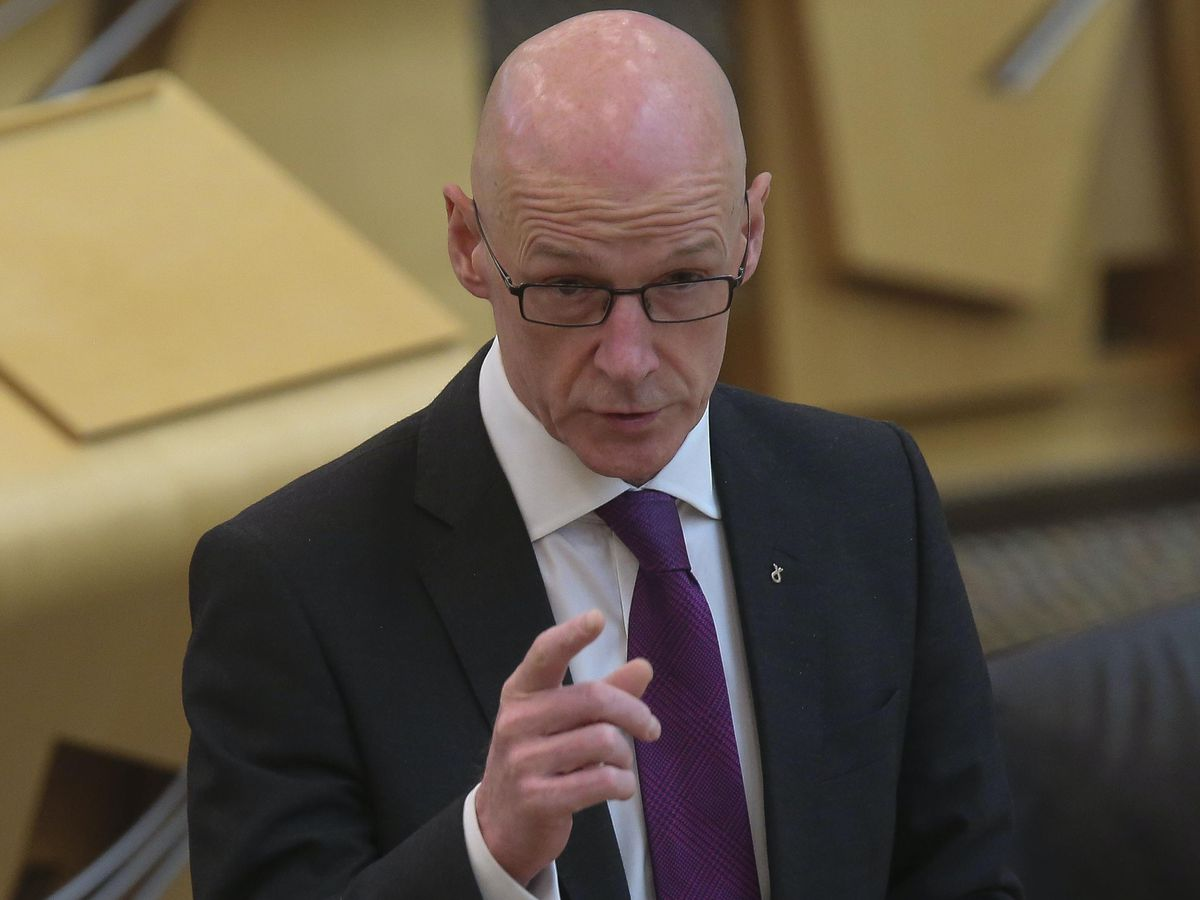
John Swinney – The Scottish MSP who spent 20 years plotting against and destroying fundamentalist nationalists achieved his life’s ambition in leading a firmly committed gradualist SNP Government. But to where?
Swinney was born in Edinburgh on 13 April 1964. He attended the University of Edinburgh, where he graduated with an MA Honours degree in politics in 1986.

He married work colleague Lorna in 1991. They had two children. The marriage ended in 1998 (annulled in 2000) after he discovered she was cheating on him with a married school-teacher. She retained the family home and the children and he moved into rented accommodation.
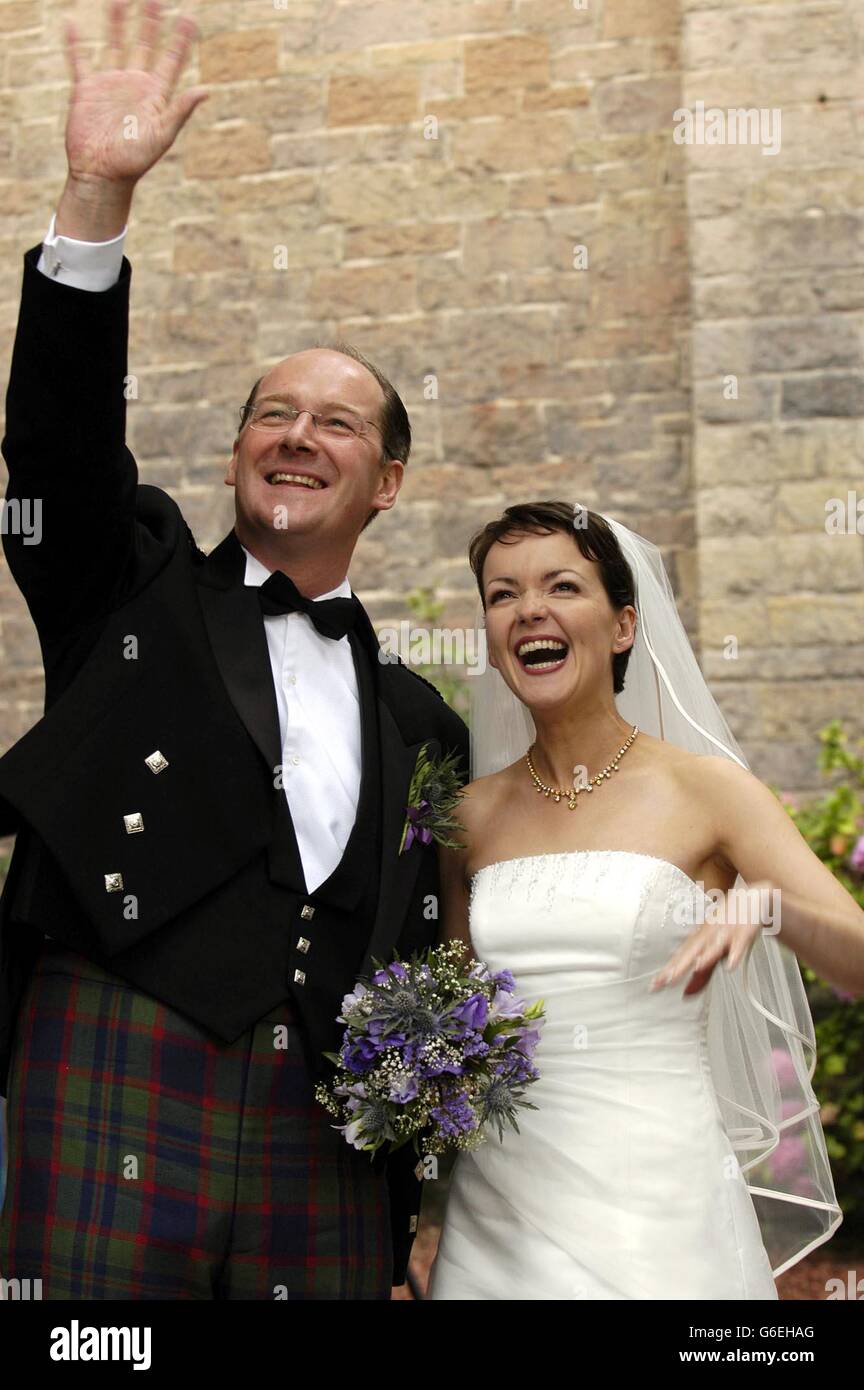
He decided to get married again. But there was a problem. His fiancée was a committed Roman Catholic and he was a divorced protestant and a wedding would not be permitted in a Roman Catholic Chapel unless his previous marriage had been annulled which was not possible because he had fathered two children in the marriage cancelling out any possibility of an annulment. If he and Elizabeth went ahead with the marriage it would not be recognised by the Roman Catholic Church and any children from the marriage might face other censures.
His first marriage was annulled by the Vatican using an obscure technical excuse, (kept secret) to the chagrin of the Protestant Church and in July 2003, he married BBC journalist, Roman Catholic, Elizabeth Quigley. How did he manage to get an annulment of his first marriage? GROK analysed the event:
https://twitter.com/i/grok/share/7Mdn9JRb9rkiDPaz2LZBCNSXD
Early employment:
Swinney was a research officer for the Scottish Coal Project (1987–1988), a senior management consultant with Development Options (1988–1992), and a strategic planning principal with Scottish Amicable (1992–1997).
Political Career 1979-2021
He joined the SNP aged 15 and was an active member of the youth wing, progressing over the years to the post of Assistant National Secretary then, in 1986, at the early age of 22, National Secretary until 1992, when he was promoted to the post of Vice Convenor, then Senior Vice Convenor (Deputy Party Leader) holding the position until 1997.
He was elected Member of Parliament (MP) in 1997, for the Tayside North constituency, and in 1999 he became an MSP for the same area in the Scottish Parliament.
He gave up the “dual mandate” as a Westminster MP at the 2001 general election to reduce his time away from home.
He supported Margaret Ewing in her 1990 bid to become SNP leader, but transferred his allegiance to Alex Salmond who won it.
Early Party and political Career 1979-1997
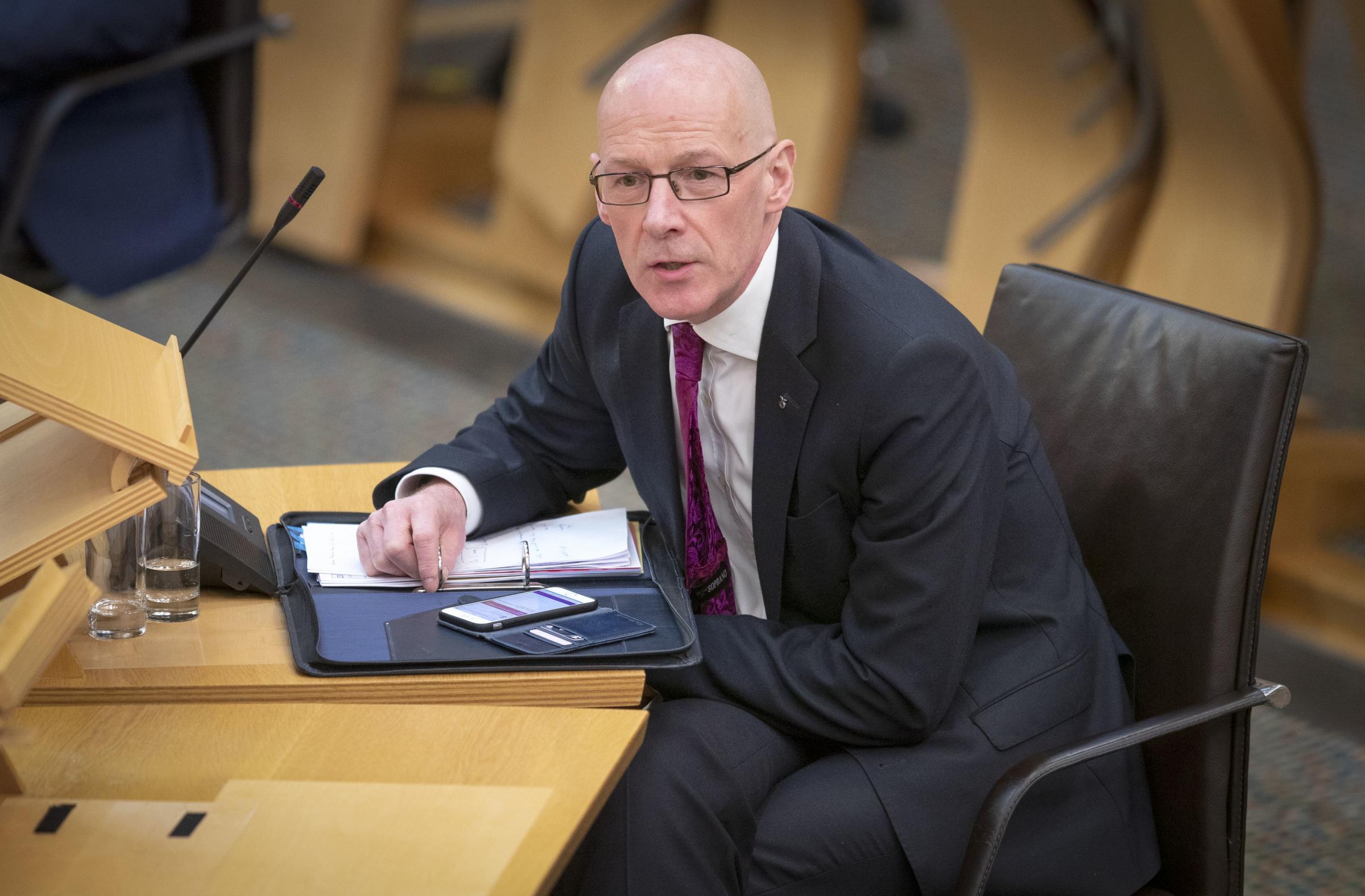
He joined the SNP aged only 15 and was an active member of the youth wing, progressing over the years to the post of Assistant National Secretary then, in 1986, at the early age of 22, National Secretary until 1992, when he was promoted to the post of Vice Convenor, then Senior Vice Convenor (Deputy Party Leader) holding the position until 1997.
He was elected Member of Parliament (MP) in 1997, for the Tayside North constituency, and in 1999 he became an MSP for the same area in the Scottish Parliament.
He gave up the “dual mandate” as a Westminster MP at the 2001 general election in order reducing his time away from home.
He supported Margaret Ewing in her 1990 bid to become SNP leader, but transferred his allegiance to Alex Salmond who won it.

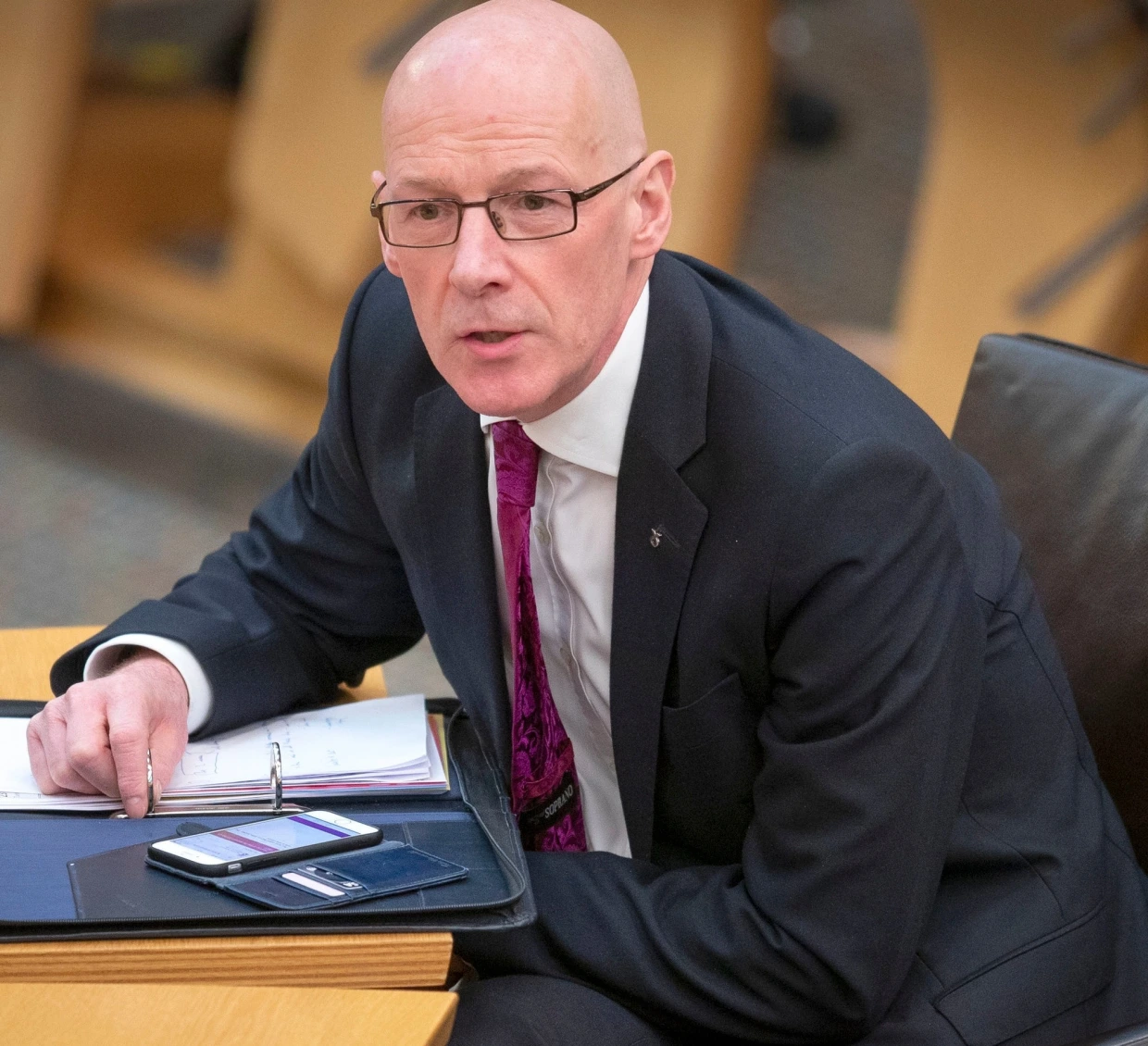
2000 to date: The Holyrood years – MSP Tayside North (1999-2011) then MSP for Perthshire North
Alex Salmond resigned the Party leadership in 2000 and Swinney was elected Leader in the ensuing election.
2001: His leadership was ineffectual, with the Party losing an MP in 2001
2002: Swinney’s Chief of Staff, Stuart Barrowman walked away from the job just eight months after becoming the party’s top official because of savage in-fighting.
His decision to quit came as senior members of the party fought a bloody battle for re-selection as candidates for the Holyrood elections.
Barrowman was one of Swinney’s vital strategists and was in charge of parliamentary staff and the Holyrood group budget and was the key to building an effective opposition to the Labour-led Executive.
The run-up to the series of Nationalist hustings was a bruising internal battle with spin and smear campaigns being waged against some of the most senior MSPs in the party.
Informed sources advised that Party members, fed up with the dithering gradualists wished to appoint fundamentalist candidates and senior MSPs could end up well down the list – endangering their Holyrood seats.
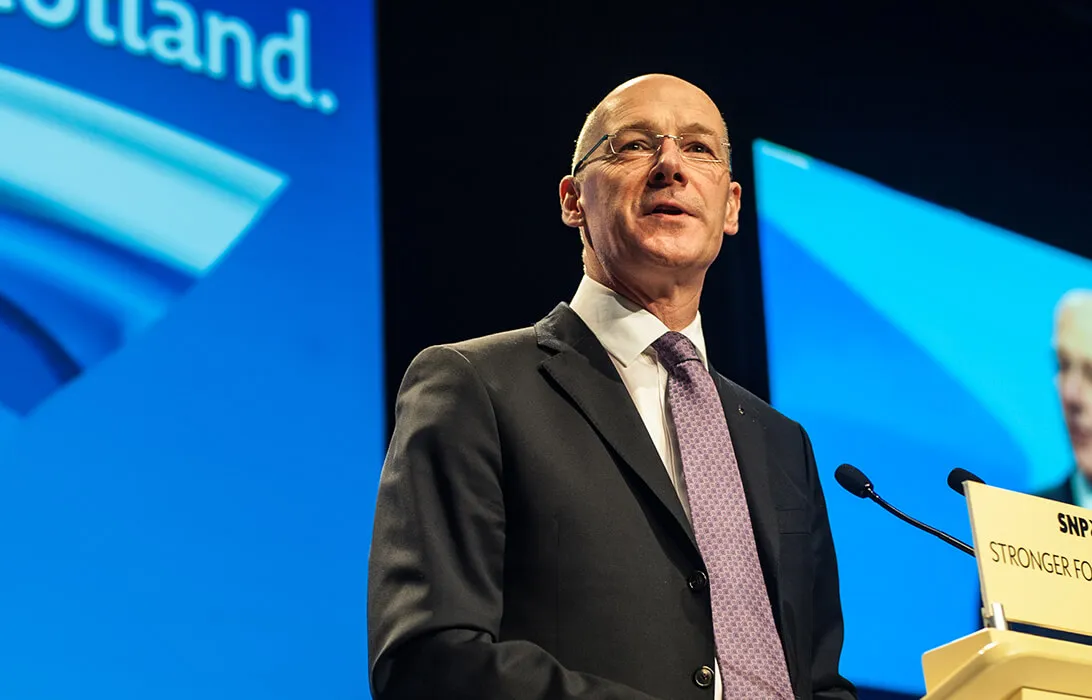
Aug 2003: Swinney’s Leadership was challenged by Dr. Bill Wilson. Although he stood little chance of winning, it was the hope of Swinney’s critics that a “stalking horse” bid would provoke a serious challenge to a leader whose standing with Party members had been damaged further by the loss of even more MSP’s.
Critics blamed the losses on the Swinney’s style and his lack of charisma and his dictatorial style of leadership alienated a number of MSP’s including former MSP, Dorothy-Grace Elder and legendary SNP, figure Margo McDonald both of whom resigned from the Party.
A senior Party activist commented:
“This shows the widespread frustration among the grass roots. This was Labour’s worst election performance, but we could not capitalise on it – in fact we lost eight seats. And to add insult to injury, we had John Swinney and others claiming that it was a good campaign.”
2003: Swinney won the leadership contest. In a result marked by a low turnout and many abstentions an unhappy membership confirmed Swinney as Party Leader. Speaking just after the result was announced a relieved Swinney said:
“This has been an uncomfortable summer for the SNP. But we have emerged stronger. I have made it clear that I have listened to members concerns and I will continue to listen. But the row between the gradualist side of the party and those who are in favour of an independence referendum, and the fundamentalist wing, who want all or nothing, should now end. The door is shut on these arguments”.
West of Scotland List MSP, Campbell Martin was the first MSP to publicly back Bill Wilson in his leadership challenge and Swinney’s supporters feared his breaking ranks might spark an open revolt amongst the other 27 MSP’s.
Speaking to the press he exposed deep divisions in the SNP saying his position reflected growing grassroots opposition to Swinney’s lack of commitment to independence. He said:
“The SNP is supposed to be the party of independence but under the current leader we have started to walk away from our core belief. Instead, we have argued to be allowed to form the Scottish Executive and manage devolution within the United Kingdom. I am sure the leadership of the party still believes in independence, it’s just that, to them, it has become an eventual aim that would be nice if it happened but no longer the main priority”.
He futher claimed Swinney was losing support of large swathes of the SNP because of the “New Labourisation” of the party and that he had surrounded himself with a clique of MSPs and unelected advisers who were shifting the party to the right, and continued saying:
“The clique that surrounds Swinney believes that if you are not with them, then you are against them and you are fair game to be attacked – even if your “crime” is nothing more than simply disagreeing with them. In the years of his leadership a number of SNP MSPs have complained about their treatment by the clique around the leader”.
Of Dr Wilson’s failed bid, he said:
“John Swinney will be pleased with the result. But he must now look over his shoulder. Bill took almost 20 per cent of the vote which means Swinney is effectively on probation until next year’s conference. Any danger to his leadership could now surface from people within his own leadership clique, who could now see an opportunity for themselves.”
2003: Swinney hoped the prospect of a referendum would quell rebellion in the Party after he discussed his proposals with the Green Party and other independence supporting MSP’s. But Senior SNP figures, who believe victory at the ballot box is all that is needed for independence, said that Swinney was fudging the issue in failing to grasp the nettle of independence and this confused voters. One senior fundamentalist said: “What we want is independence not indecision”.
Swinney retorted: “the choice for the SNP now is to follow my route into government and deliver independence through a referendum, or go into the political wilderness as we did in the 1980s, and that wasn’t a nice place for us.”
A senior party figure questioned the wisdom of his plans to build a coalition, saying: “This smacks of desperation. Swinney wants to reform the party believing a referendum on independence is the way forward. But his ploy to silence the fundamentalists won’t work. All it does is show that we don’t have full confidence in winning a majority in the Scottish Parliament.”
2004: The European election was a disaster.
2004: Furious Swinney blamed Alex Salmond for his downfall when he bowed out from the Party leadership with an angry swipe at internal back-stabbing in the SNP. In a veiled attack on the fundamentalists he said: “You know who they are, I know who they are. Let’s make sure they don’t corrode the SNP and thwart our campaign for independence. The small but vocal minority must understand that our leader is democratically elected and once elected should be supported by every single member.”
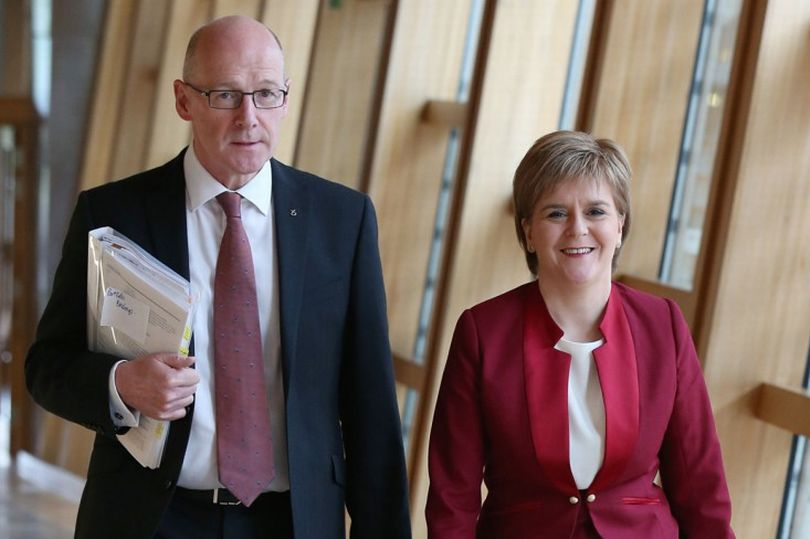
It transpired that Swinney had thought Sturgeon was an ally but was “furious” when he was told that she had been briefing against him. He told his small group of close friends that he blamed Alex Salmond, the man he replaced, for turning Sturgeon and much of the party against him.
Convinced his support would be sufficient to tip the balance in her favour he visited Roseanna Cunningham at home and told her he would be backing her bid for the leadership.
A senior Party member said: “As the knives came out, Swinney was astonished to hear Sturgeon was briefing against him. He thought it a poor show after everything he’d done for her. He’s been destroyed by back-stabbing and is convinced Alex Salmond orchestrated a whispering campaign against him. It’s one member one vote and his move will gift 1,000 votes to Roseanna out of the 8,000 up for grabs. That will swing it for her and Sturgeon has only got herself to blame. She was Alex Salmond’s star girl then Swinney took her under his wing when he took over. Now he finds out that she’s been stitching him up at what he thinks is Alex Salmond’s instruction.”
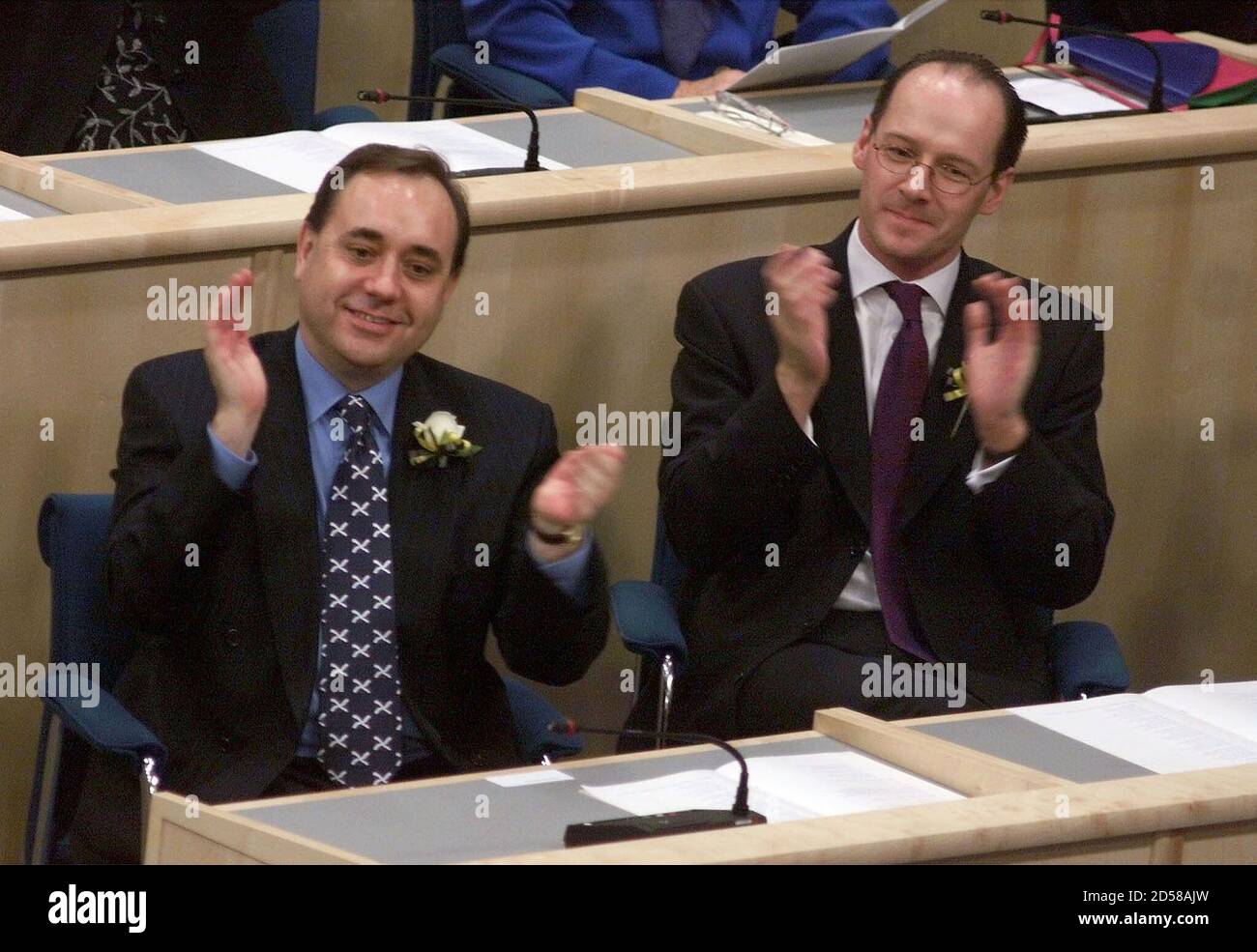
2004: But it was Alex Salmond who returned to the role of Party leader.
2007: Under his leadership the Party won the highest number of seats, (just short of a majority) in the Scottish Parliament in the 2007 Scottish election and he was appointed First Minister. As the head of a minority administration, he was unable to secure the approval of Scotland’s Parliament for a referendum on independence.
He tempered his ambitions and emphasized his priority would be sustainable economic growth, fairer taxes, education, and environmental awareness and he quickly implemented a number of popular measures, such as freezing council tax rates. He also maintained a close watch over Swinney whom he appointed Cabinet Secretary for Finance, Employment and Sustainable Growth. A post in which he remained in until 2014.
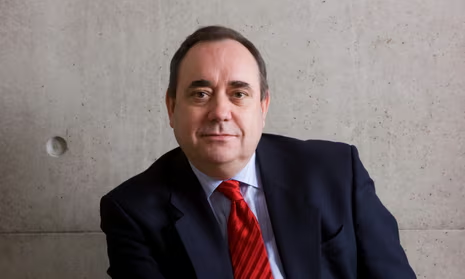
2011: Expense scandals surfaced. Swinney was castigated by the press for taking a huge profit from the sale of his taxpayer funded apartment. The two-storey terraced property was sold for £430k, after being bought for £355k while he was the Leader of the SNP. After capital gains tax, his total profit was around £57,000. And in the period between the purchase and the sale, Swinney claimed more than £60,000 of taxpayers’ money to pay for the interest on his mortgage.
Swinney, at the time was overseeing the implementation of the UK chancellor’s austerity spending cuts and a public sector pay freeze, yet saw no problem in claiming a huge sum of money from taxpayers. He already earns a six-figure taxpayer-funded salary, which makes his claims and profit another kick in the teeth for hard-working families. The Taxpayers Alliance commented “the way politicians are able to make a profit from taxpayer-funded homes is a scandal.
2011: Alex Salmond’s diligence in the previous parliament was rewarded with the Party gaining an overall majority in the 2011 election and in 2012 he signed an agreement with British Prime Minister Cameron to hold an independence referendum in 2014. In the months leading up to the referendum, he inspired the pro-independence cause, steadily eroding a significant lead held by the Unionist Party’s.
2014: He emerged as the clear winner of a televised debate with Labour politician Alistair Darling, the leader of “Better Together,” the multiparty campaign committed to preserving Scotland’s place in the United Kingdom. In polls held shortly after the debate, 51 percent of those expressing an opinion favoured independence. This marked the first time since polling on the matter began that the pro-independence camp had registered a lead. Cameron’s response was to promise major new devolved powers and greater autonomy through “the Vow” (published in the Daily Record illegally, within the purgatory period).
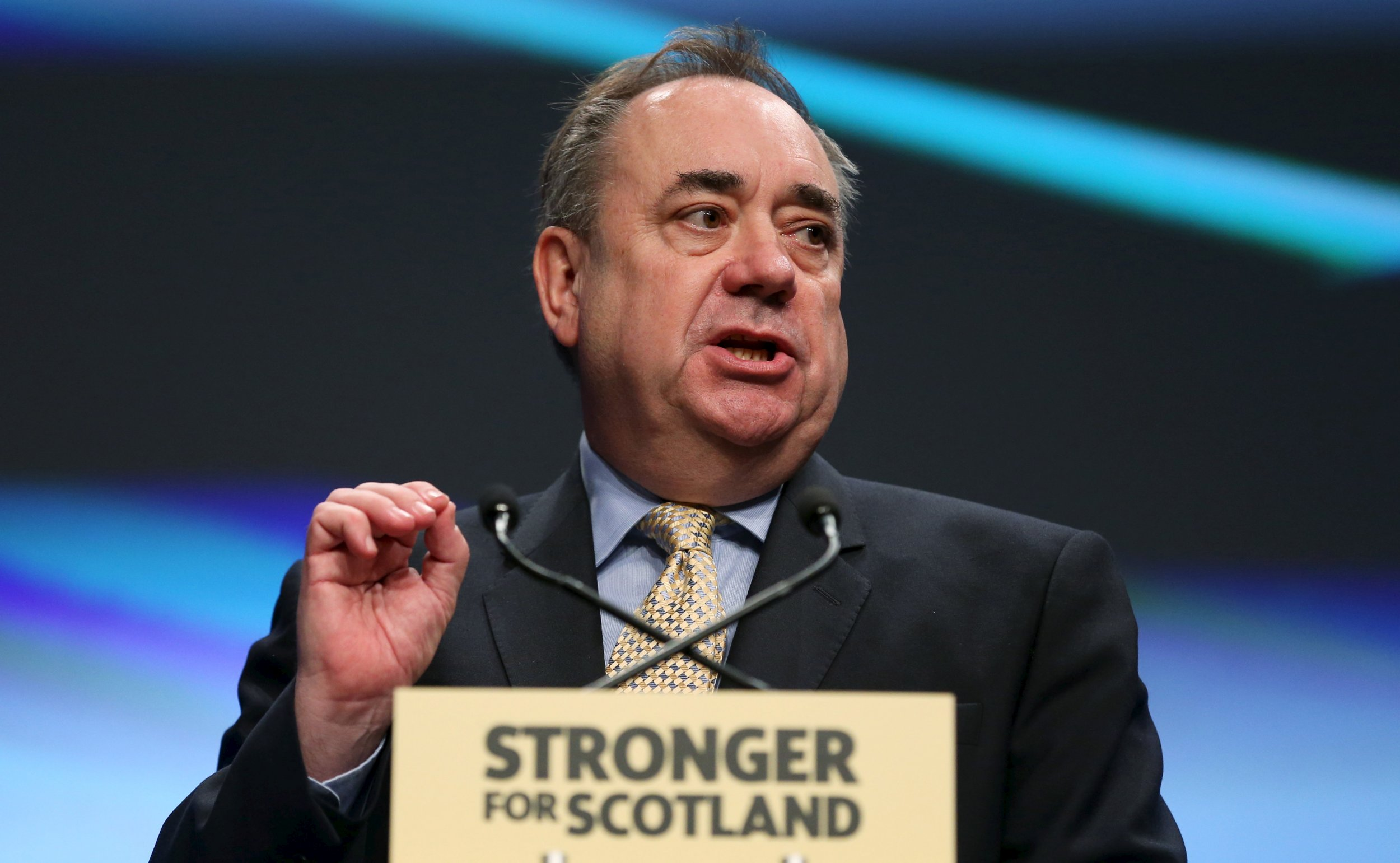
On September 18, 2014, Scots went to the polls in unprecedented numbers, with turnout approaching 85 percent, and 55 percent voted to reject independence. In his concession speech, Salmond declared that Scotland had “decided not, at this stage, to become an independent country,” a statement that raised the possibility of another referendum on the matter at some point in the future. The day after the referendum, he announced that he would resign as first minister and SNP leader, a move that became official at the SNP’s national conference in November 2014, when he was replaced by Nicola Sturgeon.
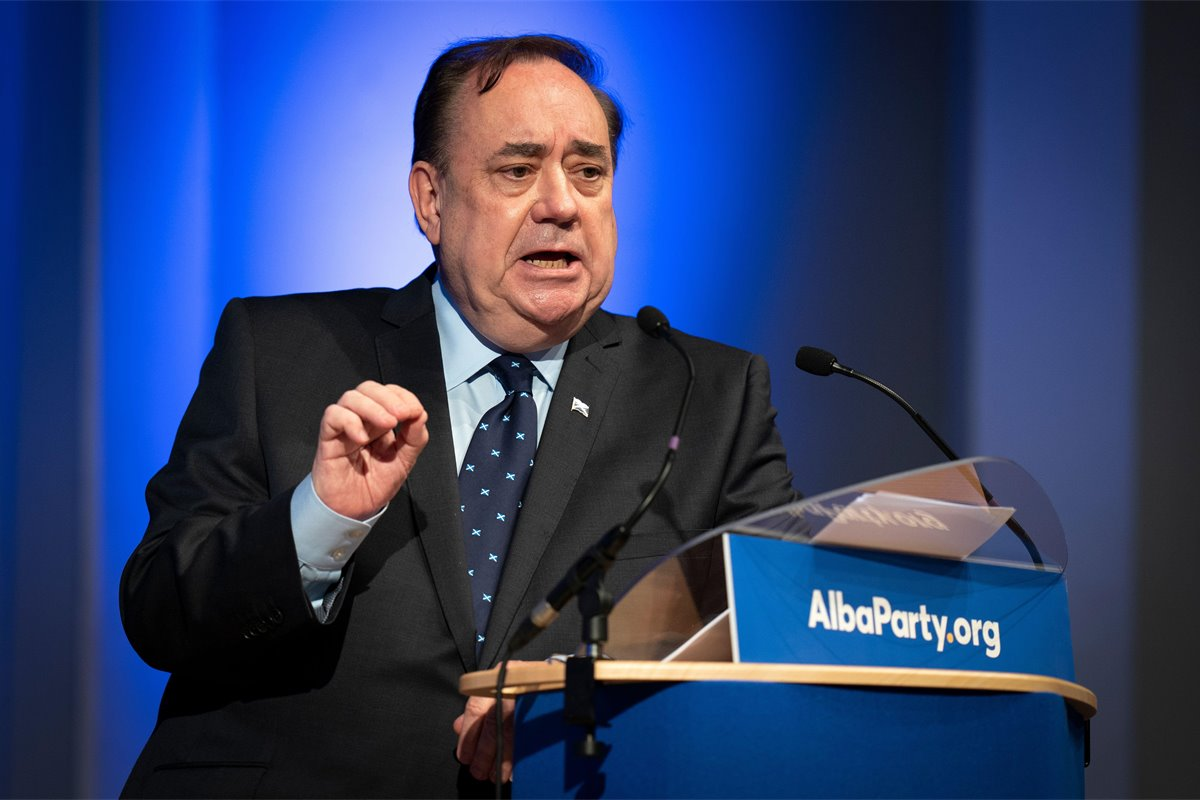
2014: Sturgeon succeeded Alex Salmond. Swinney retained his job as Finance, Employment and Sustainable Growth adding the title Deputy First Minister to his CV.
2016: Sturgeon decided to freshen-up her government with the addition of new faces and Swinney, who publicly claimed he had asked for a new challenge, was downgraded to the post of Education Secretary where he remained until 2021.
2021: Scottish Elections saw the SNP returned to power. Sturgeon, unhappy with Swinney’s performance in the Education brief, removed him from office to a new post as Covid Recovery Secretary.
Teflon John just keeps rollin along racking up political failure after failure completely oblivious to his inadequacies. A multi million pound write off disaster. Hopefully 2026 will bring his career to an end.
GROK report here:
It is a very full report covering a number (but not all) of the controversy’s involving Swinney It is a long read but well worth it.
https://twitter.com/i/grok/share/FIrTKb4XGw8sN4ZbOFtlxzHeu
 caltonjock
Yet another blistering exercise in good honest research
LikeLike