Labour Party in Scotland – Masters of Misappropriation – Public Assets Sold for a Pittance – Need to be Made Answer the Question Where Did All the Money Go?


_44054865_jackandwifebody


The Labour party in Scotland and its abuse of power

From 1997-2010 the Labour Party ruled supreme at Westminster, the newly established parliament at Holyrood and had control of almost all of the local councils in Scotland. The health, wealth, welfare and future of Scots was very much vested with Labour party politicians and councillors.

Their performance was disgraceful and rightly the Scottish electorate turned away from them transferring their votes to the Scottish National Party which has provided good governance of Scotland in difficult financial times imposed on the country, first by the incompetent Alistair Darling then followed up with a vengeance by George Osborne.and the right wing extremists of the Tory party.

In the West of Scotland a number of Labour party politicians and councillors compromised their positions establishing links with unsavoury characters of the underworld.

The bubble burst for Labour at the time hints of criminal activity, in office, of the leader of the Glasgow City Council, Steven Purcell were exposed to public scrutiny. His subsequent departure, in disgrace provided opportunity for discussion of his record in office and this revealed a catalogue of misappropriation of public finance measured in £billions.

I posted a number of articles in my blog over the last 3 years, so that the misdeeds of the Labour party in Scotland, the depths of which are unfathomable will remain in the minds of voters.

The accompanying article outlines the unexplained loss of £600 million from a Hedge Fund managed by a man of business, well known in the West of Scotland. The content reveals the extent of links between so called legitimate business and person(s) of ill repute.

The disgraced Steven Purcell resurfaces together with characters linked to the Motherwell based Dalziel Country Club, (venue for the infamous 2002 Red Rose Dinner) Lack of space prevents  more detailed description of events but the full report is available.



gregory-kingGregory King


8 Jul 2007: Float is set to value Mathon man at £140m.

Scottish entrepreneur Gregory King is set to make a £140million paper fortune with the float of Mathon Capital, just two years after launching the finance company. Mathon, which specialises in offering short-term loans to property developers, plans to raise £200million when it joins the Alternative Investment Market. The Glasgow-based business is expected to be valued at about £350 million, making the 40 per cent stake that founder King will own after the float worth £140million. King, a lawyer whose family has run property finance businesses in Scotland for generations, founded the company in 2005. (https://www.highbeam)



eh-ag753_heathe_9u_20141211132405


29 Mar 2010: Bridging Market Continues to Feel Squeeze as Mathon Collapses

The bridging sector was dealt a blow last week after it was revealed that commercial bridging lender Mathon Finance had been put into administration. Accountant and business adviser P.K.F. was appointed administrator of Mathon. The Glasgow based lender was established in 2004 as an asset based lender providing short term finance to brokers and firms in the commercial property sector. The company’s remaining assets have been sold to Juniper Property Finance by the administrator, which has secured the jobs of the five employees. As a result, the administrator received sufficient funds to enable all creditors to be paid in full with statutory interest. (highbeam.com)


eh-ag754_heathe_9u_20141211130616


Heather Capital: How a £600 Million Hedge Fund Vanished – Big named Investors Ripped Off

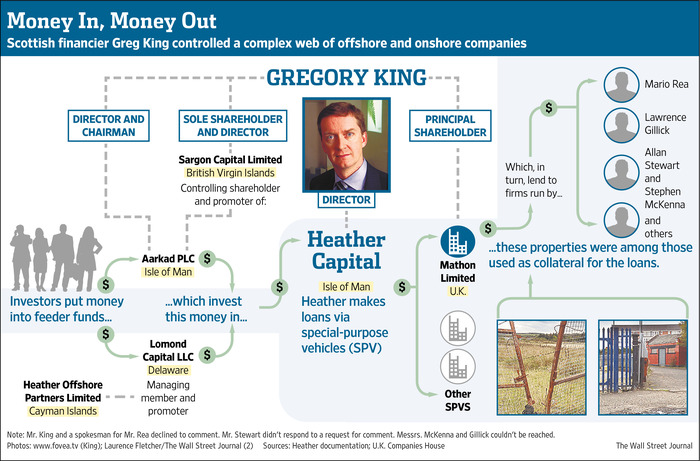
A trail of land deals and loans linked to the collapse of a £400 million international investment firm led by Scottish businessman Greg King has been revealed.

In late 2008 and early 2009, amid the financial crisis, worried investors pulled their money out of hedge funds across the board. Heather’s clients were no different. Heather quickly stopped giving them their cash, and it was put into liquidation in 2010. Liquidators took control of Heather and began looking for investors’ money. An examination by the Journal has found that some of the money appears to have ended up back in Glasgow, far from the world of high finance.

A chief beneficiary appears to have been Mr. King himself. According to Heather’s financial reports filed at the Isle of Man’s companies registry, he personally took nearly £52 million in fees between 2005 and 2008. The money was paid to a British Virgin Islands company controlled by Mr. King, and the amounts were in large part justified by Heather’s supposedly sterling performance. But performance turned out to be anything but. In 2008, according to the accounts, Heather wrote down £76 million on its loans and £92 million on foreign-exchange losses. There was a pattern. Heather would make large loans, ostensibly for property development. The loans often wouldn’t be paid back, leaving the beneficiaries with the cash. Over the years, much of the cash Heather raised from investors appears to have been disbursed this way.

The probe centred on loans, to develop plots of wasteland and derelict buildings across central Scotland (valued at £336 million) made through Mathon Ltd, a firm linked to Heather Capital (later renamed Harvest Finance), which, it is claimed claimed were bogus and designed to hide evidence that cash had been stolen by “one or more of the directors”. . Liquidators demanded repayment of 42 loans and repossessed secured properties which had been valued at £161million. But they were shocked when the properties sold for just £8million.

Forensic accountants and police are scouring the loans and four men including King, 46, solicitor Andrew Sobolewski, 54, accountant Andrew Miller, 62, and Scott Carmichael, 41, have been reported to the procurator fiscal.

Heather Capital is registered on the Isle of Man where liquidators Ernst & Young have lodged a claim for £100 million against the fund’s auditors KPMG in a bid to claw back cash for investors from around the world. Papers lodged at the Courts of Justice claim that KPMG should have been aware that Heather was being operated in “a dishonest manner”.

Ernst & Young refused to comment on their professional negligence claim against KPMG. A spokesman for KPMG said: “We don’t think the claim has any merit and we intend to defend it vigorously. “We stand by the quality of our work.”

Civil proceedings in the High Court in London have raised the possibility of fraud. In a case in which Mathon’s liquidators sought disclosure of documents, the liquidators said properties valued on Mathon’s books at around £161 million had been sold for just £8 million. They alleged that the loan book was a sham concocted to hide the fact that money may have been embezzled.

The High Court judge hearing the dispute concluded there is strong indication that “fraudulent conduct exists even though the precise nature of the fraud and the identities of those involved still needs to be ascertained.” Investors, meanwhile, have been left with few answers.
 

2bn-ft653_heathe_p_20141127161555


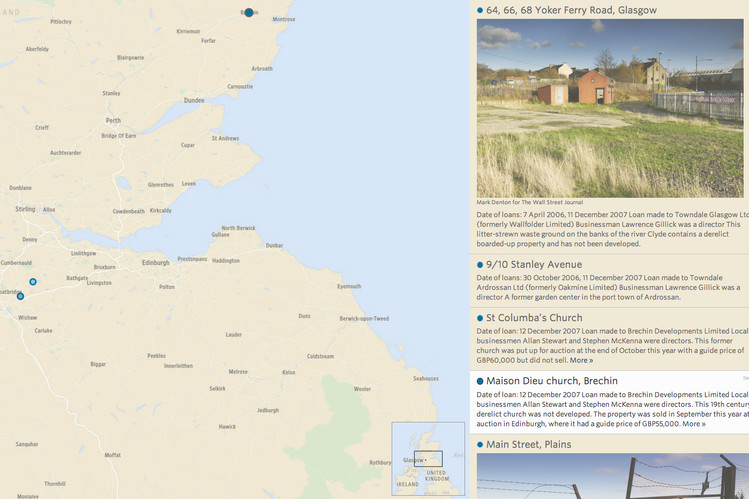
The under-noted West of Scotland businessmen secured major cash loans (against derelict land and rundown properties) from Mathon ltd:
 

gp31821699 mario-rea6


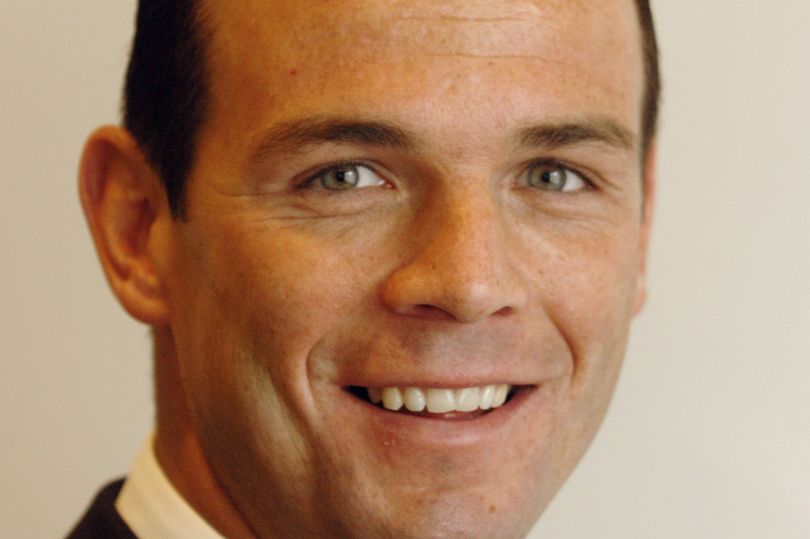
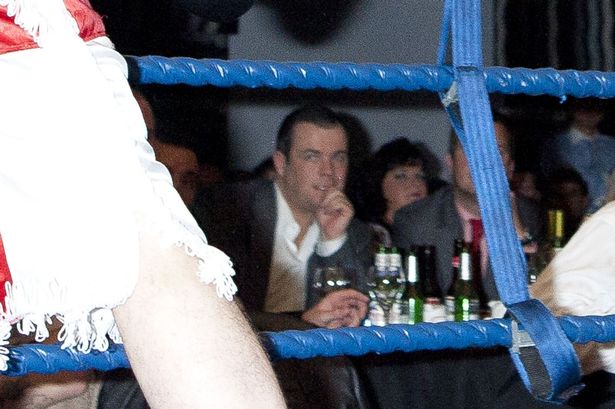
The Rea Brothers

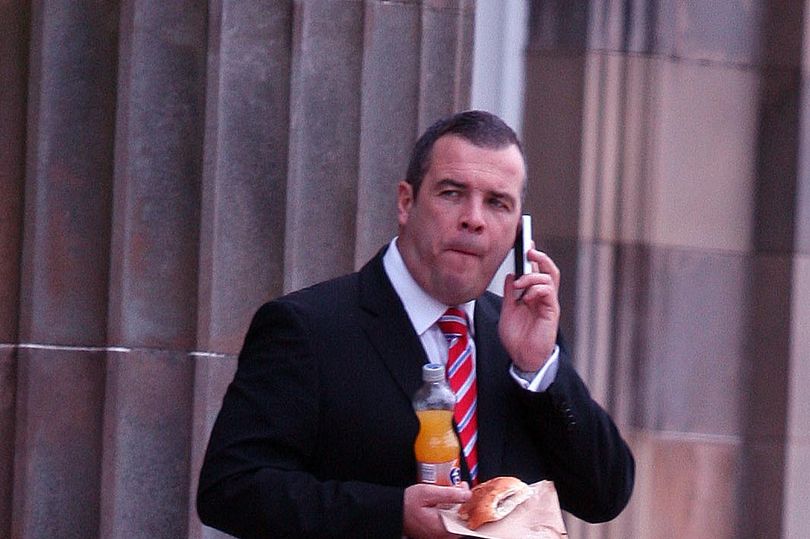
Five companies that received 10 loans from Mathon listed boxing promoter Mario Rea as a director or secretary. Another loan was made to a company of which Mario’s twin brother, Carlo, was director and cousin Anthony was secretary. Regulatory filings show that 9 of these 11 loans are still outstanding. The twins were targeted by the Scottish police drugs squad in 2007 during a major money laundering investigation but charges were dropped by the Crown.

They ran several firms in Lanarkshire and formerly owned the Dalziel Park country club which went under owing £2.5 million in 2010. Mario was banned from being a company director for seven years. DMR Assets Ltd, which had Mario Rea, 36, as a director and his twin Carlo as secretary, was given a £4.84 million loan by Mathon, secured against a property in Belhaven Terrace, Wishaw in 2008. The house was later sold for just £425k. When DMR went bust in 2009, administrators were able to claw back just £1.85 million of the loan. Mario Rea was also a director and secretary of Glenavon (Scotland) Ltd which secured a loan from Mathon, against The Winning Post – an abandoned pub in Calderbank, near Airdrie – in 2008. The building was demolished in 2011. The land remains undeveloped. Mario was also a director of Rea Property and Developments Ltd which received a loan from Mathon, secured against waste ground in Main Street, Plains, in 2007. The firm went into liquidation a year after the loan was granted. (1) In 2012 Mario was told by police that IRA hit-men were plotting to kill him over claims he duped them in a tobacco deal.In 2013 both Mario and his twin were convicted of assaulting a member of the Lyons’ crime clan at a cinema a year.

 

gilmour_gilroy1_lxmario-reaMario Rea


Allan Stewart and Stephen McKenna

The pair once claimed that they wanted to give away 40 per cent of their income to good causes and boasted about their charity work. They gave a job to shamed council chief Steven Purcell in 2010 but denied the appointment was “payback” for a favourable land deal.

Stewart has been declared bankrupt twice. The duo secured a total of 11 loans from Mathon. Nothing paid back. Brechin Developments Ltd, another firm run by the pair, got two separate loans secured against St Columba’s and Maison Dieu churches in Brechin. These were never paid back. McKenna, of Pollokshields, Glasgow, was sequestrated last year over debts totalling £796k. Stewart was banned from being a company director for seven years in the 1990s. Stewart and McKenna Ltd were also taken to court in 2010 over an unpaid tax bill of almost £80k.

 

jack-mcconnell-in-kilt-715380-743378scottish-government-scottish-knife-crime-600-61966


Lawrence Gillick

The son a Glasgow Rangers legend, Lawrence, known as Larry, was declared bankrupt following the collapse of a greyhound racing track in Ayr.

He was a director of Towndale Glasgow (Ltd) when they received a loan, in 2006 against derelict land on Yoker Ferry Road, Glasgow – the site of the former Wharf pub. The firm went into administration in 2008.

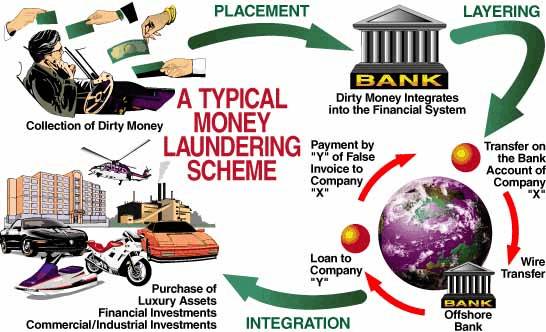
He was at the centre of a Scottish Crime and Drugs Enforcement Agency operation which saw £6.5 million of Russian mafia money seized from Scottish bank accounts in 2010. Gillick, (who joined ex–England boss Terry Venables in a failed bid to buy Spurs in 1991) attempted to transfer the cash and claimed he was building an oil refinery in Iraq. But police suspected the money was part of a laundering scam involving transfers between accounts in Latvia, Hungary, Russia, America and Scotland and grabbed the cash. It later emerged that some of the money had been transferred to US firms with links to organised crime.

In 1995 Gillick was involved in a scheme which led to the Salvation Army being conned out of more than £8.8 million in an alleged fraud. The charity took legal action forcing him to repay the cash.  (manxforums.com)

 

hsbc-pic-pajpgcrime-money


Follow-up

5 Feb 2015: Four Scots investigated over £400million collapse of hedge fund

Heather Capital director Gregory King and three associates are being probed over the firm’s collapse, which was related to loans made by Mathon Finance Ltd against a series of land plots in central Scotland. It is claimed the plots were often of low value, despite huge loans being made by Mathon for development which allegedly never happened. Police said the men are the subject of a report to the procurator fiscal. (Daily Record)
 

_986402_money300


8 Feb 2015: Whistle-blower It Was a Cover-Up Not an Investigation

Paul Delaney, a former SNP councillor in North Lanarkshire, is not surprised to learn the parcel of land in Plains is now part of the huge fraud inquiry. But blowing the whistle cost Paul his political career and he’s been out in the cold since. He said: “I wasn’t aware of the latest development but it doesn’t surprise me. I really hope that people in government listen to this now. “There have been things going wrong for years in the council and no one has the guts to deal with it. Other people were suspected at the time but everything was covered up. (highbeam.com)
 

imagesww


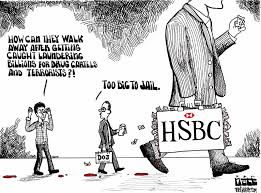
9 Feb 2015: HSBC helped wealthy clients cheat the UK out of millions of pounds of tax, whistle-blower reveals

Britain’s biggest bank helped wealthy clients cheat the UK out of millions of pounds in tax, a whistle-blower has revealed. Thousands of leaked accounts from HSBC’s private bank in Switzerland show bankers helped clients evade tax and offered deals to help tax dodgers stay ahead of the law. HSBC admitted that some individuals took advantage of bank secrecy to hold undeclared accounts but said it has now “fundamentally changed”.

The documents, stolen in 2007 by a computer expert working for HSBC in Geneva, contain details of more than 100,000 clients from around the world. Offshore accounts are not illegal, but many people use them to hide cash from the tax authorities. Though tax avoidance is legal, deliberately hiding money to evade tax is not. (Daily Record)



fa_1011_scot_crime_drug_agency-pdf


15 Feb 2015: Scot Behind Pounds £150k Tory Donation in Police Probe over Alleged Embezzlement

One of the Conservative Party’s biggest Scottish donors is being investigated over “alleged embezzlement” at a finance firm linked to a collapsed £400m hedge fund, it has emerged. Lawyer Andrew Sobolewski, 56, from Bridge of Weir in Renfrewshire, is the subject of a police report to the Procurator Fiscal. He and three other men have been reported in relation to Mathon Ltd, a former finance company that loaned millions to Scottish property developers – deals later described in court papers as “a fabrication and a sham”. Sobolewski was a director and chief executive of Mathon Ltd for part of the relevant period. It has now emerged that, through a connected company, Sobolewski gave the Tories Pounds £150k on the eve of the last general election. (highbeam.com)

 

images


22 Feb 2015: Almost £3m of Investors’ Cash Disappeared When a Plan to Convert a House into a Care Home Turned to Dust. The Man with the Plan, Ex-Drugs Suspect Barry Cushley

A former drugs and money laundering suspect is the latest businessman linked to dubious loans made by a £400 million hedge fund before it collapsed. Bankrupt Barry Cushley applied for planning permission at one of the 11 sites across Scotland whose owners were lent millions by Heather Capital, led by Greg King. Like the others, the ambitious plans for the site did not materialise but most of the money was never recovered. A major police investigation has been launched into Heather Capital, the offshore financial empire run by King, from Glasgow. His fund lent millions of pounds to develop plots of wasteland and derelict buildings across central Scotland. (highbeam.com)
 

money_laundering_scheme_big


29 Mar 2015: Blue-chip bankers lose £210m in hedge fund that collapsed after investing in derelict land in Scotland

The biggest names in world banking and finance lost tens of millions of pounds after the collapse of an investment firm connected to Greg King’s Heather Capital hedge fund. The extent to which major investors had backed Isle of Man-registered Aarkad Plc, who channelled money into Heather, are laid bare in documents seen by the Sunday Mail. Some of Aarkad’s global investors held stakes valued at up to £50million.

The scale of the stakes can be revealed as the police ­continue to probe the ­collapse of investment firms led by King. His Heather Capital fund lent millions of pounds to develop wasteland and ­derelict buildings in central Scotland. But the sites remain empty while ­investors search for their missing millions. Aarkad was set up to act as a “feeder fund” – used by hedge funds as a tax-efficient way to pool investors’ cash – for Heather. After Heather’s collapse, a ­liquidator was appointed to wind up Aarkad in 2010.

Aarkad’s assets had been valued at £210million in 2008 before Heather ran into difficulties. Heather was thought to be worth £500million when it went bust. It’s thought investors are unlikely to receive any of their cash back.

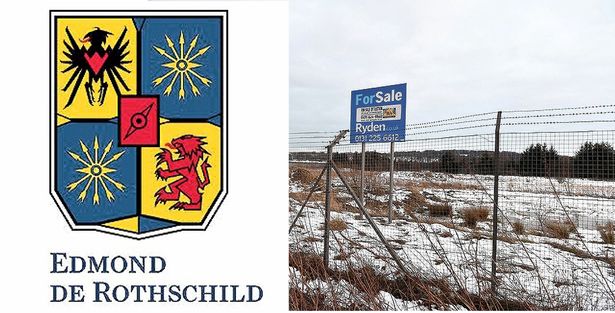
King was listed as a director of Aarkad at the Isle of Man’s Companies Registry. Records show his address was in ­Gibraltar. The list of investors on the official ­register of shareholders from December 2009 includes major financial groups or their subsidiaries, such as UBS Credit Suisse, HSBC Private Bank, Bank Julius Baer & Co and the private banking arm of the Edmond de Rothschild group.

Dutch-based Citco – a specialist ­custodian bank – held a stake worth around £50million for ­clients. The list also includes private Swiss banks. In some cases, financial institutions will have invested in their own right. But in others they will have been holding shares for clients. A spokesman for Julius Baer – who held around ­£4million of shares– said: “The shares were ­purchased by the bank on behalf of ­clients.”

Last month, HSBC Private Bank in Switzerland issued an apology after ­helping their rich ­British clients to avoid paying tax and launder cash. One financial expert said: “The share register shows how much money was pouring into Aarkad and subsequently Heather. It’s staggering to think that these investors have lost all their cash.”

A number of ­private investors, ­including two US doctors, are on the shareholder list. Dr Paul Laraia, from New Hampshire and Dr Robert Hillberg, from ­Boston, each invested around £150k.

King, of Newton Mearns, Glasgow, is also on the list, although his stake, which was worth around £80k in 2008, was modest compared to most investors. Ernst and Young are trying to recover Heather Capital’s cash

Peter Watson,(suspended from his job as a part-time sheriff), also had shares worth around £200k. Lawyer Watson was a ­director of Heather’s lending arm Mathon Ltd for less than a year. He’s been de-benched pending a court case into the fund’s ­collapse. His former firm, Levy & McRae, is one of several being sued by Heather’s ­liquidator, Ernst & Young, in a civil case to try to find the missing millions.

Ernst & Young have also launched an action against the fund’s auditor KPMG. Lawyer Andrew Sobolewski also had a stake in Aarkad worth around £200k. King, Sobolewski, accountant Andrew Miller, and ­property developer Scott Carmichael have all been reported to the procurator ­fiscal in connection with allegations of embezzlement concerning Mathon.  A Crown Office spokesman said: “The report remains under consideration.” (Daily Record)

 

04-03-141pic


17 May 2015: Scots tycoon Greg King at the centre of £400m hedge fund collapse refuses to apologise to investors on flying visit home

The elusive tycoon at the centre of a criminal probe into a £400million hedge fund collapse has jetted back into Scotland. But Greg King refused to apologise to investors after returning to his native Glasgow on a flying visit.Outside his parents’ mansion on the city’s south side, the multi-millionaire, who denies any wrong-doing, referred all questions to blue-chip legal firm Carter Ruck.It is the first time he has been seen in Scotland since the crash of his hedge fund Heather Capital was revealed in December.

King, 46, lawyer Andrew Sobolewski, accountant Andrew Millar and property expert Scott Carmichael were named in a police report sent to the Crown Office. Investors put money into the fund and Heather gave subsidiary firm Mathon huge loans for developments in Scotland. It is claimed the plots were low value and developments never happened. Asked about the collapse, King replied: “I am only back in Scotland for one day but any comment should come from my lawyers Carter Ruck.”

King lives in the gated La Zagaleta complex in Marbella, Spain, where properties sell for up to £20million. He is rarely in Scotland. He set up Heather in 2004. They went into liquidation six years later. He paid himself about £34million between 2005 and 2008.

Liquidators Ernst & Young claim the fund’s auditors KPMG should have been aware it was being run fraudulently. They claimed in court papers that many of the loans were “a fabrication and a sham”. They say properties valued on the firm’s books at £161million had been sold for just £8million. Investors are unlikely to see any of their money.

Yesterday, the Crown Office said a report in relation to four men “remains under consideration”. Ernst & Young declined to comment.

Investors’ £400m disappeared on financial merry-go-round When Greg King launched his Heather Capital hedge fund in 2004, clients flocked to invest. The fund then handed huge loans to developers through subsidiary firm Mathon.

When Heather went out of business in 2010, accountants found the hedge fund’s cash had been paid in loans to firms with links to controversial businessmen Mario and Carlo Rea, Lawrence Gillick and Allan Stewart.

The loans were secured against derelict land and rundown properties. Liquidators for Mathon, renamed Harvest, claim their loan book was “a sham designed to conceal the fact earlier funds borrowed from Heather may have been embezzled by one or more of the directors”.

A multi-million-pound writ was served on law firm Levy & McRae by Ernst & Young over their role in the scandal. Their ex senior partner Peter Watson, (who was suspended as a sheriff), was briefly a Mathon director.

 

kingGreg King


References:

(1)

8 Feb 2015: Whistle-blower – It Was a Cover-up not an Investigation

The whistle-blower who sparked a corruption probe into the planning decision says his allegations were covered up instead of being fully investigated. Paul Delaney, a former SNP councillor in North Lanarkshire, is not surprised to learn the parcel of land in Plains is now part of the huge fraud inquiry. But blowing the whistle cost Paul his political career and he’s been out in the cold since. He said: “I wasn’t aware of the latest development but it doesn’t surprise me. I really hope that people in government listen to this now. “There have been things going wrong for years in the council and no one has the guts to deal with it. Other people were suspected at the time but everything was covered up. “Of course I feel bitter. I lost everything for exposing something that the public should have known all about. I was hung out to dry.”

In 2010 Paul made public some information on a disciplinary case involving council planner Danny Welsh. Welsh had been lavished with gifts by Mario Rea while involved with his application to build a new housing development. He had holidayed in Rea’s plush Spanish villa and received free tickets for Celtic games as the businessman sought clearance to build 41 houses in Plains. Welsh was sacked when it emerged he had accepted the gifts. He took his bosses to an employment tribunal, claiming he had been unfairly dismissed. But a judge said Welsh lacked credibility and dismissed his claim. Judge Raymond Williamson added: “The inappropriateness of a planning official accepting gifts from property developers ought to be self-evident.”

Welsh and Rea were investigated for corruption by the Scottish Crime and Drug Enforcement Agency and were reported to the Crown Office but a prosecution was not pursued due to “insufficient evidence”. Meanwhile, Paul found himself suspended by the Standards Commission for leaking confidential documents and he was marginalised by his own party till he lost his council seat. Now a carer for his elderly mother, Paul said: “I was brought up to believe that when you were honest and tried to do something decent, people would get behind you and push you on. “Not in this case. It was a case of, ‘You’re on your own, mate.’ “The SNP basically told me that I’d done something wrong and I would have to pay for it. As far as they were concerned, the Standards Commission were correct and I had no right to release this information.” The land in question, which has never been developed, is one of 11 sites in Scotland at the centre of a large-scale investigation into the activities of collapsed hedge fund Heather Capital. (Sunday Mail)



dd26vj9rwtpecnqnv62fouvczpbcuk8z


New Labour – Led By Control Freaks – Interested Only in Asset Stripping Scotland’s Finances For Their Own Gain


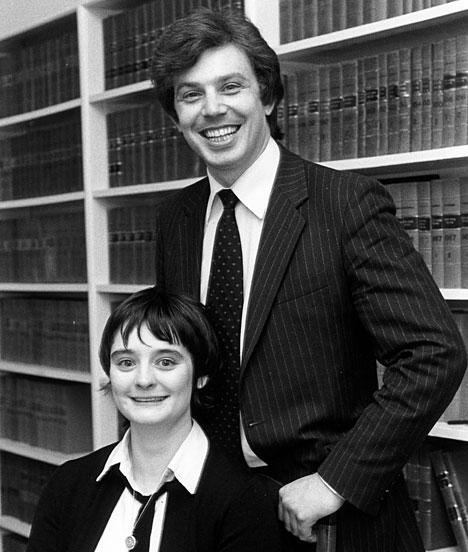
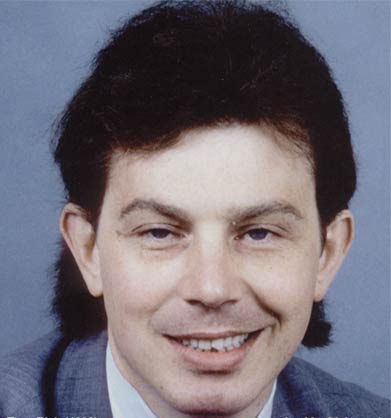
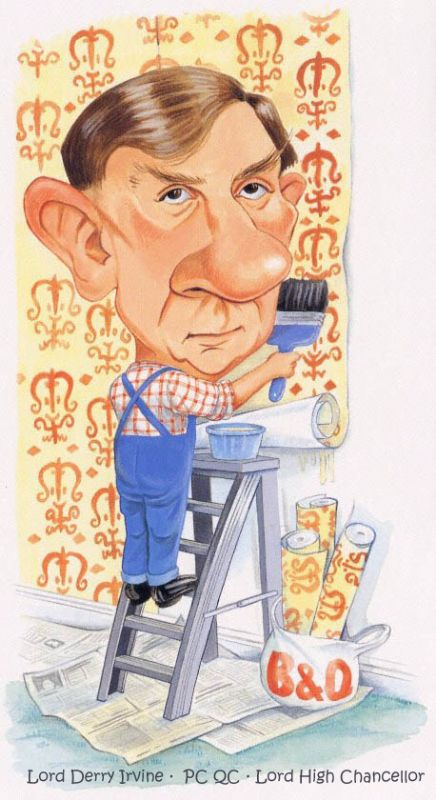
indexLord Derry Irvine    blairsmos_468x552Tony & Cherie Lord Derry Irvine’s Trainee’s


21 Apr 2002: Scotland – A country In the grip of the Labour Party  

The most dramatic contrast between the establishments north and south of the Border is in the world of business. Although the late John Smith launched a famous ‘prawn cocktail’ offensive in the City of London to persuade business that Labour could be trusted, it was only with the advent of New Labour that the party south of the Border was able to lessen the impact of the business community’s traditional hostility towards Labour. However, Labour’s tentacles in Scottish business run deep, giving access to a variety of cut-price services during campaigns, and allowing the party to use business figures to attack the claims of opposing parties.
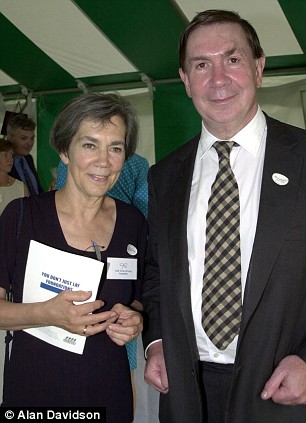
A key pro-Labour business figure is Baroness Goudie, the Labour peer and secretary of the Scottish Industry Forum. While the forum claims to be independent, critics accuse it of being too close to Labour. Baroness Goudie is the former organiser of the Labour Solidarity Campaign and is married to James Goudie QC, a barrister with Lord Derry Irvine’s chambers. John Reid, the former Scottish Secretary, employed Goudie to act on his behalf when he was investigated by Elizabeth Filkin, the Commons sleaze watchdog, in 1999. (The Scotsman)


gouldieJames Gouldie QC


Leading UK Counsel – James Gouldie QC – Office in London

He presents cases in a way that courts find helpful”. “He doesn’t sit on the fence, but gives his opinion, is very easy to deal with and is down to earth”. James is a “hard hitter, who always make eminently sensible contributions to a case” and is a man with “great intellect who has a real gift for providing straightforward, user-friendly advice on complicated problems”. “A very shrewd advocate” and “heavyweight public procurement barrister”. More here: (https://www.11kbw.com/barristers/profile/james-goudie)


12 Jul 2016: The Labour party legal advisor says Jeremy Corbyn must get MP backing to run again

Mr Goudie’s presented his legal opinion to today’s crunch meeting of Labour’s ruling national executive committee, which will rule on the row later tonight. The advice has never been made public until now, but a copy has been leaked to PoliticsHome. In it, Mr Goudie makes clear that in his opinion, the Labour rule book shows that Mr Corbyn must gain nominations to prove that he has “a measurable degree of support” among his parliamentary colleagues. (https://www.politicshome.com/news/uk/political-parties/labour-party/news/77231/revealed-labour-party-legal-advice-which-says)


cherieDM_468x475blair_for_president.1


2005: Misuse of the security services for private purposes by Tony Blair and his wife – Harassing Robert Henderson – A disturbing story of an abuse of power

On March 13 1997 Tony Blair and his wife made a complaint against Robert Henderson to Belgravia Police. The complaint concerned letters sent to the Blair’s by Henderson. The CPS rejected the complaint within hours but Henderson was placed under Special Branch investigation.

In 1997 Robert Henderson, a retired civil servant, wrote to the then leader of the Opposition Tony Blair to ask for his help. Eventually he wrote a dozen or so letters to Blair and Cherie Booth. Blair then tried to have him prosecuted but the legal authorities refused to act. Blair or someone close to him then set the tabloids on him and he was smeared in the Daily Mirror and Daily Record as a stalker and a racist.

The sequence of events that followed indicate an abuse of the power of the state, which had it been conducted against a lesser man than Robert Henderson might have had tragic consequences. I have extracted a small part of the story that is relevant to this post. A full transcript of events can be found here:. http://www.whale.to/c/blairs2.html


blair-brown_2677439bTony & Gordon_973669_dewar_300


The Data Protection Act (DPA)
The original Mirror story mentioned that Special Branch had been asked to investigate me despite the fact that the Crown Prosecution Service had declared unequivocally that I had committed no crime. Using the Data Protection Act (DPA) I have confirmed that Special Branch did take an interest in me. It took three years before they would reveal it, but eventually the Metropolitan Police admitted that Special Branch had a file on me. Use of the DPA has also resulted (after years of trying) in confirmation from MI5 that they have had a file on me since 1997.


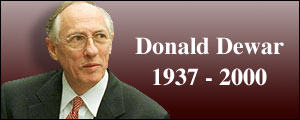
article-0-03D2820A000005DC-250_306x423Derry Irvine and his wife Alison (previously married to Donald Dewar)blairs



The Data Protection Tribunal (DPT)

I made a subject access request to MI5 under the 1998 DPA act when it became ‘live’ in 2000. I received a reply which took the regulation Security Service ‘We can neither confirm nor deny’ line.

This appeared to be in direct contradiction of the 1998 DPA and the Human Rights Act (HRA). Accordingly I appealed to the DPT (now the Information Tribunal), challenging MI5’s right to neither confirm nor deny whether any data was held. (Under the DPA MI5 have the right to withhold data on security grounds but use of that power would confirm that data was held.)

My appeal was scheduled to be heard by a panel of three. One was a retired Appeal Court judge, Sir Anthony Evans. The other two members were Michael Beloff QC and James Goudie QC. Beloff and Goudie were not only closely connected with the Blairs but also the Labour Party.

These relationships were of prime importance because my appeal concerned data which, if it existed, could only have related to the Blairs’ attempt to have me prosecuted and the aftermath of that failed attempt.

Mr Beloff was joint head of Cherie Blair’s old chambers at 4/5 Gray’s Inn, Gray’s Inn Sq, where Mrs Blair was a member from 1991 until 2000 when she left to join a new chambers, Matrix.

Mr Beloff originally intended to join Matrix but withdrew at the last moment. He is also a personal friend of the Blairs and was the lawyer called in to sort out Geoffrey Robinson’s problems with his offshore trust. He is a former chairman of the Society of Labour Lawyers.

Goudie is also a personal friend of the Blairs and the Lord Chancellor, Lord lrvine; so is his wife, Lady Goudie, who was made a baroness by Mr Blair in 1998. Goudie is a former Labour leader of Brent Council and was once a prospective Labour parliamentary candidate. He has done legal work for the Labour party.

Lady Goudie is a major fund raiser for the Labour Party and acted as chief fund raiser for Frank Dobson when he ran for the post of mayor of London. Lady Goudie is a friend of Gordon Brown’s wife, Sarah Macaulay, and has done work for her PR agency Hobsbawn Macaulay. The Goudies attended the Macauley-Brown wedding.

That such a panel was allocated to my case is unsurprising because the Lord Chancellor appoints the members of DPT panels. The present Lord Chancellor, Derry Irving, is a very close friend of both the Blairs who were once pupils in his chambers.

Tony Blair also practised in lrvine’s chambers until he entered Parliament. Cherie Blair’s move to Beloff’s Chambers was initiated by lrvine, lrvine is also a personal friend of Goudie and Beloff and has had a professional relationship with Mr Goudie dating back over a quarter of century. Goudie is currently joint-head of Lord lrvine’s old Chambers.

Despite the links between Blair, Goudie and Beloff, the President of the panel, Anthony Evans, refused to disbar them from sitting. Consequently, I made a complaint to the then Commissioner of the Metropolitan Police, Sir John Stevens, accusing Evans and Irving of conspiring to pervert the course of justice in the most blatant fashion by deliberately packing a judicial panel.

Stevens refused to begin an investigation. I then submitted a complaint against Sir John Stevens to the Met. That complaint is still under investigation by the Met’s Department of Professional Standards.

In the end my appeal never came before the DPT because the Lib-Dem MP, Norman Baker, had an appeal on the same issue of neither confirming or denying upheld by the DPT which meant that my appeal fell as the precedent was established.

I then made a new appeal to MI5 and got an admission that they held data on me. However, the full data was not revealed

I suspect that the authorities ceased taking any interest in me once Blair announced he would be resigning as PM. Nonetheless I cannot be sure.


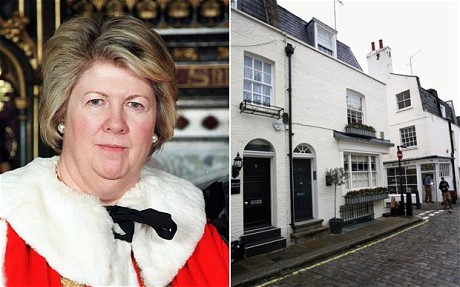
baroness-gouldieBaroness Gouldie


25 Oct 2009: Baroness Gouldie & Her Flat in Glasgow

A close friend of prime minister Gordon Brown, who lives with her husband in a £1.5 million house in London has claimed £230k in expenses by saying a flat in Glasgow is her main home. Baroness Goudie, a Labour peer and party fundraiser, has lived since childhood in London, where her two sons grew up and her husband works as a leading barrister. But when submitting House of Lords allowances, she claimed her main address was a Glasgow apartment. This has allowed Goudie to claim subsistence allowances intended as payments for those outside the capital, who need help to meet the cost of accommodation in London. Goudie acknowledged she did not spend much of her time in her £200k Glasgow flat, although she was there “frequently”.

Since public records of peers’ expenses were first published in April 2001, Goudie,63, has recorded that her main home is in Glasgow. Including an estimated amount for 2008-9 expenses, the Glasgow address has enabled her to recoup over £150k in accommodation expenses from the Lords over the past eight years. She also claimed an estimated £80k for travel between London and Glasgow.

Goudie has strong associations with Scotland. She is a former member of the Court of Napier University and used to serve on the board of a Glasgow hospice. She appeared on a newspaper list of “powerful women” in Scotland five years ago because of close links to senior Labour politicians and was secretary of the Scottish Industry Forum, which raised money for the party. Goudie herself has given £16k to Labour. On Friday, Goudie issued a statement saying she had stayed at the flat recently with her husband and would be there again “shortly”. She wrote: “If anyone says that much of the time I am not at my Glasgow apartment that is true. The same could be said of our London property. I do not count nights or days.” (http://www.scotsman.com/news/politics/baroness-claimed-163-230-000-1-1362472)


tonyblair_young_cheesy_grin_yukyoung Tony derry-irvine-b-andq


27 Jan 2011: Baroness Gouldie let off despite ‘doubts’ about her expenses

Following a year-long investigation, the Clerk of the Parliaments, Michael Pownall, said he had “doubts” about the designation of the flat as a main residence. But no further action was taken after Lady Goudie apologised in writing. She also repaid £5.2k voluntarily which she had claimed for a three-month period when she had not visited the Glasgow flat at all because of ill-health. In total, Lady Goudie claimed about £168k in overnight expenses and £82k for travel to and from the property over a nine-year period. Three months ago, she sold the flat for a profit of £50k, and now designates her London address as her main home.
Lady Goudie’s apology and the report into her claims was slipped out quietly on the parliamentary website before Christmas. Investigations into nine peers with questionable designations were dropped after Mr Pownall, who is responsible for policing the system, ruled that it was sufficient for a peer to stay for just one night a month at a property for it to be their main home. The Clerk accepted that Lady Goudie had “extensive Scottish connections, familial, business and voluntary”. (http://www.telegraph.co.uk/news/newstopics/mps-expenses/8285114/Peer-let-off-despite-doubts-about-her-expenses.html)


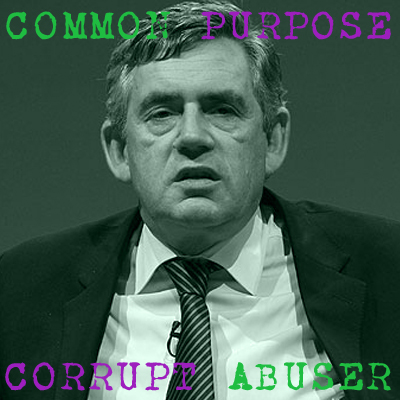
tony-blair-common-purposegordon-brown-common-purpose

What’s the Difference Between The Labour Party in Scotland and the Italian Mafia – In All Aspects They are the Same – Only the Names are Different


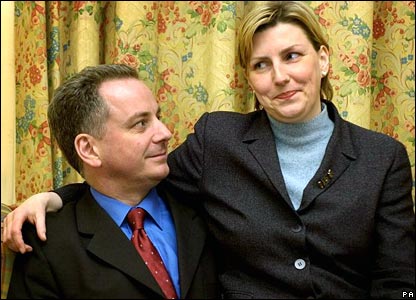
_44054865_jackandwifebodyJack & Bridgett


13 October 2002: The Red Rose Dinner Affair

The night was wearing on and Scotland’s most powerful politicians and their supporters were chewing on cigars, sipping brandy and enjoying Andy Cameron’s stream of couthy jokes. Cameron probably didn’t know the one about the ministers, the millionaires and the soon-to-be-murdered. But this was a reasonable description of the latest Lanarkshire Labour powerplay taking place before his eyes. The guests had gathered at the tranquil setting of Motherwell’s Dalziel Park Country Club on a Friday night in March 2002 to drink, dine and sign cheques for the Labour party and other charitable causes.

The annual Red Rose dinner in Jack McConnell’s constituency, which typically raised around £7k, was a chance for players in business and politics to rub shoulders with the First Minister and Northern Ireland Secretary John Reid. That night they also mingled with MI5 minders, a retired police chief and under cover officers from the Scottish Drug Enforcement Agency (SDEA) and a drug dealer by the name of Justin McAlroy.

As millionaires such as James Mortimer, boss of Glasgow’s Victoria’s nightclub, bid around £2k for signed football strips, McAlroy’s champagne lifestyle was entering its final days. Six days later a hooded man would shoot the Porsche driver five times outside his luxury home in Cambuslang, in a killing which bore the hallmarks of a gangland hit.

McAlroy a well-known convicted drug dealer ( whose Labour-supporting father Thomas owned a stake in the country club) had been presented that evening with a commemorative plaque by McConnell’s close colleague, MP Frank Roy.

If senior Labour figures were later mortified by the criminal’s attendance they should not have been surprised. From ‘Monklands’ to ‘Lobbygate’, in recent years Lanarkshire has been a byword for Labour sleaze, for sectarianism, cronyism, nepotism and vicious party in-fighting.

This murky political culture is McConnell’s backyard. It is the poisonous backdrop against which reports last week of an £11k black hole in the three bank accounts run by the First Minister’s local party must be assessed. It is also why opposition politicians have seized on what might elsewhere have been written off as a little local difficulty and it is why McConnell’s aides, who held crisis talks on Friday, remain highly nervous.

One of the few things everyone who has seen the accounts can agree on is that they are in a state of chaos. One local party insider said: “There is a disturbing paucity of information. We are not talking in terms of a fiver or a tenner here or there. We are talking about gaps amounting to considerable amounts of money, into the hundreds and thousands.”

A source close to McConnell added: “The accounts are an absolute bloody shambles.” McConnell’s people believe details of the missing cash were leaked by hostile elements within Lanarkshire Labour circles.

The latest embarrassment for Scotland’s third First Minister is, however, about more than just Lanarkshire in-fighting. Having claimed the scalp of Henry McLeish after his “muddle” over office allowances, Tory and Nationalist strategists would lose little sleep over the downfall of a man who promised stability and transparency after three years of trauma for the Scottish parliament. For them this is the hunting season, and Lanarkshire has always proved good hunting ground.

McConnell, an Arran lad with a political background in Stirling, entered Lanarkshire, a land of massive Labour majorities, with his eyes open. He was fully aware that Helen Liddell, now Scottish Secretary, had only managed to win through as a by-election candidate in Monklands in 1994 after turning on the Labour council which had been accused of a “jobs for the boys” policy.

McConnell was at his best as a machine politician, three years after Monklands when he was Scottish Labour’s general secretary and worked with Liddell to secure the Motherwell and Wishaw seat for Frank Roy, despite strong local competition from front runner Hugh Mulholland.

Then McConnell himself managed to win by the narrowest of votes the Motherwell and Wishaw nomination for the first Scottish parliament election, snatching it in a bitter contest from Mulholland’s close ally Bill Tynan, now a Lanarkshire MP. Allies of the First Minister believe neither Tynan nor Mulholland ever forgave him and have suggested they could be behind last week’s tabloid newspaper leaks.

One source close to McConnell said: “Mulholland is the local auditor who has been kicking up all the fuss about these accounts. Is it a coincidence that he told us about the problem on Monday then we read about it in the Sun on Wednesday?” Another ally said: “It is a matter of fact that Tynan and McConnell do not get on. The same goes for Mulholland and Frank Roy. This was not the work of someone acting alone.” Mulholland denied he was involved in a smear campaign, and a source close to Tynan insisted he, too, had played no role.

It is not the first time McConnell’s character has been called into question as a result of his Lanarkshire connections. It was there that he was accused last year of trying to gag a local newspaper which was reporting on his office allowances. And it was his links with a Lanarkshire lobbying firm owned by Beattie Media that thrust McConnell into a “cash for access” row in 1999, in which he was ultimately cleared, and which led to former Beattie employee Christina Marshall joining his local office as a constituency secretary.

Marshall, the daughter of Glasgow Labour MP David Marshall, gave evidence in the cash for access investigation which clashed with another Beattie witness. She is also the centre of the latest allegations which have been laced with innuendo.

McConnell has had to account for the fact that one of three local accounts under investigation paid for a five-star room for Marshall at Edinburgh’s Caledonian Hotel during a Scottish Labour conference in March 2000. McConnell, then finance minister with ambitions for the top job, was staying at the hotel with his wife Bridget.

The scale of the sums involved in Labour politics in Lanarkshire has astonished activists in other parts of the country. One who was stunned by the money changing hands at Motherwell’s Red Rose dinner was “gobsmacked” by the latest irregularity. “Most local parties are lucky to have about three or four hundred pounds swilling around at a time, let alone £11k.” But the presence of Scotland’s most powerful politicians has long made Lanarkshire a honeypot for business and union donations on a scale that have raised questions and rumours.

Documents recently revealed that Frank Roy’s general election campaign had been funded almost entirely by Ian Skelly, famous for his successful car business. Skelly put up £5k of the 5.7k campaign fund.

Helen Liddell received a £5k election fund donation, courtesy of millionairess Vera Weisfield, the former owner of What Every Woman Wants. In 1999 McConnell’s Motherwell and Wishaw party received £5k from the Iron and Steel Trades Confederation – whose donations are also now being examined – while former cabinet minister Tom McCabe accepted a £1k campaign donation from the locally-based Doonin Plant Ltd.

Labour seems determined to close down the latest controversy before it blows up into something it cannot control. But it may be too late for that. While party insiders say the missing money is about nothing more than a woman who borrowed money to pay off crippling credit card debts, and that McConnell was not a signatory to the accounts, the episode has led to unprecedented scrutiny of Labour’s secretive financial practices in Lanarkshire.

McConnell will remain under tremendous pressure until the discrepancies are adequately explained. Allies are conscious that the downfall of Henry McLeish owed more to his subsequent explanation of the so-called ‘Officegate’ sub-letting affair than the act itself. They are smarting at SNP claims that McConnell misled parliament by claiming he became aware of local concerns only three months ago and reported them to Labour general secretary Lesley Quinn.

Nationalists believe McConnell was part of an initial investigation into the financial problems seven months ago and should have admitted this to parliament.  “You couldn’t make up this s**t if you tried,” chuckled one SNP insider. “And the great thing is the info isn’t coming from us. It’s coming from Labour’s own side.” Senior Labour figures are appealing for calm, concerned about whether devolution could survive the downfall of a third First Minister in three years.

Last night Alex Rowley, Labour’s former Scottish general secretary, said: “There is a real danger that people are starting to disengage with an institution we fought so hard to get. People are asking: ‘What are we paying these people for?’ We need real leadership not just for the Labour party but all the other parties as well.”

But there was little sign last night that McConnell’s problems were likely to go away. “The whole area is bubbling like a cauldron,” said one Lanarkshire council source. “If Labour cannot deal with sleaze in Lanarkshire why should we expect them to be able to run the country?” ( The Scotsman)


frankjack-mcconnell-in-kilt-715380-743378

Frank Roy and Jack


25 Feb 2003: Wishawgate exposes Labour’s ugly side

Wishawgate seemed a ludicrous name for it. Jack McConnell’s constituency party messed up their accounts; they apologised and no money disappeared. Where, it may be asked, is the scandal?

Yesterday’s verdict from the Electoral Commission – a slap on the hand for the Motherwell and Wishaw Constituency Labour Party – seemed to suggest a mild offence. Yet David Triesman, the Labour Party’s general secretary, is expecting the worst. His memo last month predicted that Mr McConnell will pay a price at the polls. Once again, a trivial matter has exposed something far more ugly and dangerous: the nepotism, feuding, and favouritism which still stains the Scottish Labour Party.

Wishawgate started when, in October 2002, leaked accounts of the party’s Motherwell and Wishaw branch showed a discrepancy of some £11K. The constituency is shared by Mr McConnell and Frank Roy, its Westminster MP. It also emerged that some of this money had been used to pay a hotel bill of Christina Marshall – then Mr McConnell’s personal assistant.

She was born into the Scottish Labour network through her father, David Marshall, MP for Glasgow Shettleston. She met Mr McConnell when they both worked for Beattie Media, the public relations company. Ms Marshall, 25, had already hit the headlines. In 1999, she testified during the “Lobbygate” imbroglio where Mr McConnell was accused – and later cleared – of facilitating special access to ministers for Beattie Media’s clients.

Paying the accommodation of a party worker is, in itself, no great sin. But it was disclosed that Ms Marshall had been treated to the Caledonian Hotel, Edinburgh’s five-star finest, running up a £168 bill. Here was the first damaging snapshot of Scottish Labour’s modus operandi. The bill was paid from a fund started by a trade union – which collects its cash from the working men and women Labour purports to represent. Here, such funds were being creamed off so the party elite – and their acolytes – can upgrade to a five-star hotel rather than endure the hardship of a Travelodge. Hardly the socialist ideal.

Back in April 2002, Mr McConnell was none too keen to elaborate on the missing money – even when it was discovered the First Minister failed to provide receipts for some £3K of expenditure. The Motherwell and Wishaw auditor asked plenty questions. But, he later claimed, the responses from both Mr McConnell and Mr Roy were either “contradictory or failed to answer the questions”. This was why, in September, the auditor sent his concerns to John Smith House, home of the Scottish Labour Party, where Lesley Quinn, its general secretary, promised to investigate.

Now for the next twist. This upstanding auditor was one Hugh Mulholland, a local party activist who lost out to Mr Roy in the selection process for the safe seat of Motherwell and Wishaw for the 1997 election. At the time, Mr McConnell was general secretary of Scottish Labour and vetting candidates. Mr Mulholland had been denied a sure ticket to Westminster; he had an axe to grind with both men. Hence his passing on of the matter to Ms Quinn – and her statement that there would be an inquiry.

So when the First Minister was questioned in the Scottish Parliament, he said the matter was being dealt with at headquarters. In an eerie echo of the defence given by Henry McLeish during Officegate, he said: “I would do nothing, absolutely nothing, that would ever bring this parliament into disrepute.”

The investigation, meanwhile, continued. Three funds had now come to light. The Development Fund account, started with a £5K donation from the salaries of members of a steel union. This was the one which paid for Ms Marshall’s hotel bill.

Then came the Motherwell and Wishaw Constituency Labour Party account, from which £11K was missing. There had been mysterious transactions between this and the Red Rose Dinner account – set up for a fundraising event attended by Mr McConnell. This leads to the most fascinating event of the affair. The Red Rose Dinner is a rum affair. Last year, it saw Mr McConnell and Mr Roy joined by luminaries such as John Reid, then Northern Ireland Secretary.

The host of the dinner was a convicted drug dealer named Justin McAlroy who was being investigated for his links to the Russian mafia. Six days after the dinner, he was shot dead outside his home in Cambuslang. His father was Tommy McAlroy, the part-owner of Dalziel Park Golf and Country Club. Justin passed a cash donation of about £11k to Elizabeth Wilson, McConnell’s local party treasurer.The money was subsequently deposited in the North Lanarkshire Municipal Bank which was run by Labour councillors, including Mrs Wilson’s husband. So close is the network that these people have set up their own banks.

The First Minister was, unsurprisingly, cleared of any wrongdoing by Ms Quinn’s probe. In a letter to Sir David Steel, he further blamed a “lack of communication” between Mr Mulholland and the former treasurer of his constituency.

This Scottish Labour structure was seen during the McLeish fiasco when it emerged he had let one of his offices to Digby Brown, a firm of lawyers which chases injury claims for trade unions and seemed to be hand-in-glove with the party. Former employees of this tiny firm include Douglas Alexander, now a Cabinet Office minister and Brian Fitzpatrick MSP . So it goes on.

Wishawgate again opened the lid on the bizarre clan system which is behind Scottish Labour – giving a snapshot which Scots voters may find deeply unappealing when asked whom should represent their country. Originally, no-one would believe that bungled office lets could bring down a first minister. But offices were not the issue then, in the same way that the dodgy accounts is not the issue now. Mr McLeish fell because he was a spider, not the fly caught in the web of Scottish Labour.

The Wishawgate affair, like Officegate, Lobbygate and Monklands before it, simply exposes the system which has always existed under this political establishment. Each of these scandals lifts up a garden stone, underneath which unpleasantness is found to be crawling. This is the purpose of devolution – to let Scots see for themselves the people who have been governing their country for decades.

In May 2017 Scots will be able to vote on whether they like what they see. And this is why the Wishawgate scandal can be such a danger to the Labour party. Voters do not care if a witless Lanarkshire accountant messed up. They do care if devolution has meant passing power to a small cadre of council hall stooges now forming a coalition with Scotland’s vested interests. (The Scotsman)


article-2429670-1be967d2000005dc-93_223x210Douglas Alexander 

Worked for Digby Brown, Solicitors to the Labour party, who rented an office from disgraced (bungled office lets) ex first minister Henry Mcleish 


fitzpatrickBrian Fitzpatrick

Worked for Digby Brown, Solicitors to the Labour Party, who rented an office from disgraced (bungled office lets) ex first minister Henry Mcleish. Served as Head of Policy in the First Minister’s Policy Unit for the late Donald Dewar, he is now one of Scotland’s top Advocates


15 Jun 2003: Jack McConnell’s former Personal Assistant in Suicide Attempt

The former personal aide of First Minister Jack McConnell told yesterday how she tried to kill herself with a cocktail of alcohol and drugs after being linked to a Labour cash scandal. Ex-secretary Christina Marshall, 26, drank a litre of vodka and took a week’s supply of anti-stress pills in the wake of Wishawgate – when an £11k black hole was discovered in the accounts of McConnell’s constituency.

Christina broke her silence on her torment last week after being cleared by the Fraud Squad of any blame for the missing funds. And she told how her life had been wrecked by the affair. She revealed how: Her lawyer boyfriend kicked her out when news of the cash scandal broke; A cancer charity she supported told her to quit because it feared being tarnished in the wake of the Wishawgate investigation; And how she decided life was no longer worth living and tried to kill herself.

Christina turned to the press to tell her side of the story – after her name had been dragged through the mud in the wake of the revelations that rocked McConnell’s Motherwell and Wishaw constituency. Distraught Christina said: “For too long, I’ve been the subject of one story after another. I don’t work for Jack McConnell any longer. I don’t work for the Labour Party. I want to talk about it for the first and last time. Then I can get on with my life.”

Her nightmare began when an £11k shortfall in the Labour leader’s Motherwell and Wishaw constituency was revealed last October, prompting senior party officials to call in the police. Christina had stopped working for McConnell a year before but was publicly linked to the scandal after being named as one of three signatories to the account. And Christina was embroiled in more controversy when McConnell was questioned by party auditors over why he had paid for a hotel room for Christina at a work-related function he attended with his wife Bridget.

Last night, an emotional Christina relived the moment she sat alone in her Edinburgh flat and decided to take her own life. She had not been working for McConnell or Labour for seven months and was studying for a degree in event management at the city’s Queen Margaret University College.On the day the accounts story broke, a cancer charity she was working with as part of her degree said it no longer wanted anything to do with her because they feared they would be tainted by association. Christina has chosen not to name the charity.

To compound her misery, live-in boyfriend Andy Lothian, 31, a lawyer, told her to pack her bags from their Edinburgh flat after reading the allegations. Christina was already on medication for stress-induced panic attacks.

With her father David Marshall, Labour MP for Glasgow Shettleston, and her mother Tina in Canada on business, she was desperate – and alone. She said: “I was under so much pressure. I split up with my boyfriend on the day the accounts story broke and I was having trouble at university. “To make matters worse, my parents were out of the country. “I had prescription pills for panic attacks. I took a week’s worth of them and drank a litre of vodka. “I felt like I was being accused of being a thief. I had lost my reputation, my boyfriend, I had reporters at my door and I wanted it all to end.” The next thing she remembers is waking up in Edinburgh Royal Infirmary. Her estranged boyfriend had found her drifting in and out of consciousness and took her to hospital.

She discharged herself from hospital in the middle of the night and was picked up by her parents who had flown back from Canada. They took her to their home in Glasgow. Yesterday, Christina explained that the months between the overdose last October and Christmas were a living hell as she fought back to full health with the help of her family. Hanging over her was the police investigation into the missing money.

During her time as McConnell’s personal secretary, Christina was one of three signatories on the Red Rose Dinner Account which managed cash raised at a Labour fund raiser in Dalziel Park Country Club, near Motherwell.

The club is co-owned by Tommy McAlroy, who was at the dinner in March 2002, along with his son Justin, who was shot dead just days after the event.

Red Rose VIP diners included McConnell and wife Bridget, the then Ulster Secretary John Reid, and Motherwell and Wishaw MP Frank Roy. Christina was at the dinner as a guest and volunteer – despite the fact she no longer worked for McConnell.

She explained that she felt totally powerless to prove she was in no way involved with any missing money. Christina said: “It felt like I had been tried and convicted before anything had happened with the police. “One of the biggest problems I faced during those months was wondering what people who read newspaper stories about me actually believed I had done. “I obviously knew I wasn’t involved and had done nothing wrong or illegal but I had no way of proving it. The fact that I was only ever a witness in the police investigation is evidence that I was never a suspect.”

But she knows that police are still searching for the truth behind the missing Motherwell and Wishaw cash. That could see her appear in court as a witness but it doesn’t worry her. She said: “I realise that because I was a signatory of the Red Rose Dinner Account, I might be called as a witness in a future court case. “But at least I will just be a witness in court and not under suspicion. The police have assured me of that. “It was comforting to be told by the Fraud Squad that I’m not – and never have been – under investigation in relation to allegations of missing money from the Red Rose Dinner Account.”

While the Strathclyde Police inquiry continues, Christina has finished her degree and is carving out a successful career in a Glasgow- based e-business agency. Wishawgate had brought back bad memories for Christina of being embroiled in the Lobbygate row over cash access to senior government ministers in the autumn of 1999. At that time, she was assistant to McConnell, then the finance minister. That October, both gave evidence to the Holyrood Standards Committee investigating Lobbygate. They were subsequently cleared by MSPs.

Christina remains loyal to the First Minister who, along with Bridget, she considers a good friend. When Bridget was recovering from a breakdown two and a half years ago, Christina was there to provide support and day-to-day help.

She said that she is now enjoying life a lot more after giving a witness statement to police on Wishawgate. Christina added: “I hope that now that I have assisted police and been told that I was never even a suspect over any missing money, I’ll be allowed to put this incredibly stressful period of my life behind me.”

Police are believed to be looking at the finances of a separate Development Fund and the Red Rose Dinner Account. Marshall was co-signatory to the Red Rose account along with Motherwell and Wishaw Constituency Labour Party treasurer Liz Wilson. As McConnell and his MP colleague Frank Roy were not signatories to any of the three accounts, no blame was levelled at them. An internal Labour inquiry cleared McConnell and Roy of any blame. (Daily Record)


steve please find enclosed pictures from red rose dinner at dalziel country club JIM DONNELLY 116 MORVEN AVE BLANTYRE G72 9JS TEL 07774.636318Christina Marshall (2)        article-0-01c7142700000578-772_224x423   David Marshall, Labour MP for Glasgow East (1)


09 Apr 2004: McConnell local party treasurer admits to £11,000 fraud

Jack McConnell’s former local Labour Party treasurer yesterday admitted embezzling £11,000 from the First Minister’s constituency office funds.

Elizabeth Wilson pleaded guilty to the crime, which came to light after Mr McConnell became embroiled in controversy as a result of the discovery of a “black hole” in his local Labour finances. A court heard Wilson, 62, the former treasurer of the Motherwell and Wishaw constituency party, took the money out of local party funds and from cash raised at a Labour supporting Red Rose Dinner.

For over a year speculation surrounding the missing money has dogged the First Minister. Suspicions were first aroused when local auditors investigated the accounts in November 2001. At the time, Wilson said she stole £7k and paid back the money within three months. But in November 2002, Lesley Quinn, the Labour general secretary, called in the police when another audit revealed more money had gone.

After a lengthy investigation, police officers went to Wilson’s home in Motherwell, Lanarkshire, and brought her in for questioning. When interviewed, she admitted stealing £11k in total and said nobody else was involved. The constituency accounts were managed by Wilson, a union official and Mr McConnell’s former personal assistant, Christina Marshall, 27. An internal inquiry by the Labour Party cleared Mr McConnell and Frank Roy, the MP for Motherwell and Wishaw who uses the same office, of any wrongdoing.

Eyebrows were raised, however, when it was disclosed that Mr McConnell used constituency money to pay for a five-star hotel room for Miss Marshall during a Labour conference. The First Minister’s local finances also attracted publicity when it was disclosed that one Red Rose Dinner, held in Lanarkshire to raise cash for the party, was attended by a drug dealer, Justin McAlroy, who was murdered in a gangland killing six days later.

Hamilton Sheriff Court heard that Wilson, a Labour member for 24 years, stole the money over five years by forging the signature of another trustee of the accounts at the North Lanarkshire Municipal Bank.

Wilson was in court with her husband, William, a North Lanarkshire councillor and chairman of the Motherwell and Wishaw constituency party. Fiscal depute Jenny Fitzpatrick said: “She was in charge of individual accounts one of which was called the Agenda for Scotland, which raised money by fund-raising dinners. Previously only small sums of money moved through the accounts but in time larger sums of money started to come through. “

The accused was a signatory of this account and she conducted her duties from home whereas the other signatories worked from the constituency office. She signed bank withdrawal slips by forging another signatory’s name.” Her lawyer, Henry Findlay, said: “In her words ‘there was an opportunity, a temptation’, to which she succumbed. She is deeply embarrassed about the humiliation and the scandal she has caused and the effect it has had on others. It should be noted all the money has been returned.” She was fined £2,400 . (The Telegraph)


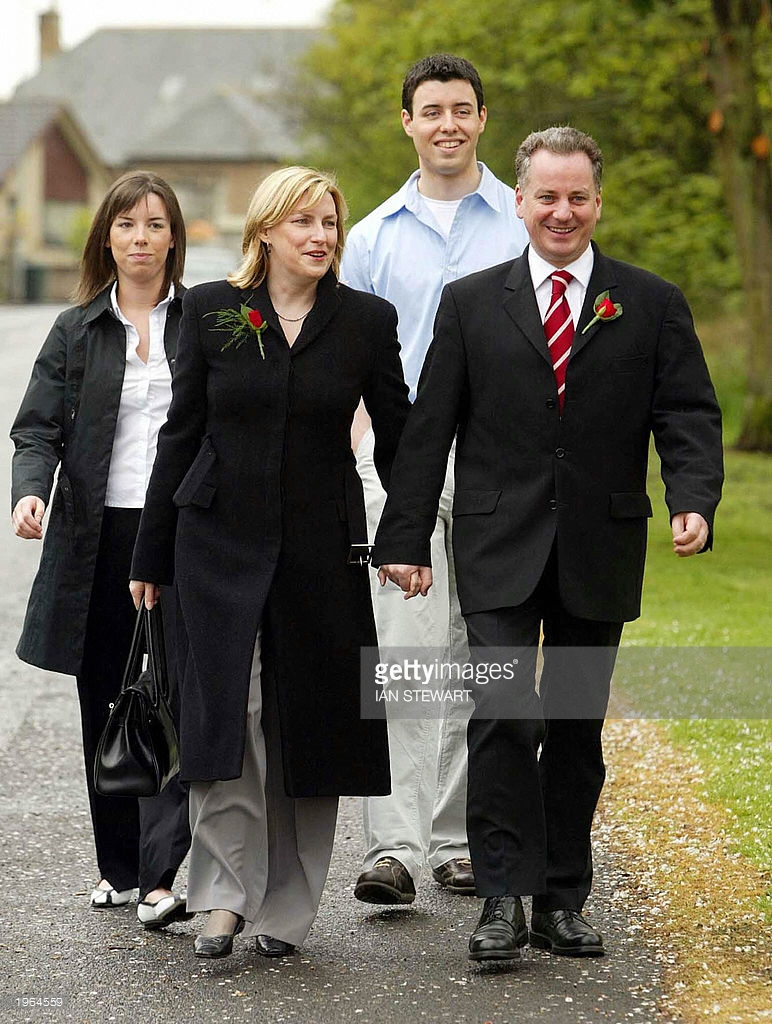
1964559Jack and family


References:

(1)  29 Jun 2008: Labour’s Marshall in shock resignation after rumours over expenses

Scottish Labour MP David Marshall’s shock resignation came after rumours swept Westminster that he was about to be engulfed in a row over expenses payments to family members.

Senior Labour sources dismissed reports that the Glasgow East MP’s resignation was entirely the result of his health problems. They said privately that former bus conductor Mr Marshall, 67, was quitting his safe seat to avoid becoming the latest MP to be embroiled in allegations of misuse of expenses. During the past three years he has claimed nearly £220,000 to pay for staff, plus £7,000 for their travel expenses. He lists one member of staff on the Commons’ register of secretaries and research assistants – Christina Marshall.

But last night it was unclear whether that was his wife, known as Tina, or his daughter Christina. The mystery deepened when it was disclosed that he had not made any mention of relatives working for him on the new official register listing family members paid by MPs out of their Commons staffing allowance.

The list was introduced in April in the wake of the row over MPs employing close relatives at huge cost to the taxpayer. Yesterday, neighbours of Mr Marshall at his semi-detached home in Glasgow’s East End said they believed his wife Tina worked for him. Separately, former Labour Minister Brian Wilson told The Mail on Sunday that Mrs Marshall had ‘always been his constituency secretary’.


_526349_christinamarshall150Christina Marshall


 (2)    4 Dec 2011: Christina Marshall (she of the Lobbygate and Wishagate scandals) and her “top of the range” car fraudster husband take up the business once again

A convicted car fraudster is back in business selling second-hand motors to unsuspecting customers. James Doyle, 47, is the man behind the Glasgow Motor Company, based in Paisley. The father-of-two runs his new showroom with his wife Christina, 34, who is the daughter of former Labour MP David Marshall. They sell second-hand and luxury motors, including Maserati’s, Rolls-Royce’s and Audi’s. But people who flock to his forecourt will be unaware that Doyle served time in prison for duping past customers.

In February 2007 at Dumbarton Sheriff Court he admitted defrauding 57 people out of pounds 89,000 worth of deposits at his UK Vehicle Solutions Business in Clydebank and was jailed for eight months. The 57 victims had paid deposits in August 2005 for top-of-the-range luxury cars – but never received them. Trading standards investigators from West Dunbartonshire Council received 150 complaints about his firm the next month from furious customers. They passed the file to Strathclyde Police who launched a major fraud probe. But it took officers 18 months to bring Doyle to court because he disappeared after UK Vehicle Solutions shut down.