and he is well on his way to completing it within the next 4 years. But if he falls short the next administration will complete the business which will completely change the trading map of the World
The starting point is the Golden Dome
The US plans to dramatically boost its procurement of Patriot Advanced Capability-3 Missile Segment Enhancement (PAC-3 MSE) interceptors as it moves forward and develops its, “Golden Dome” for America.
The MSE missile, a critical component of the defense concept, is a “hit-to-kill” interceptor missile designed to destroy incoming ballistic missiles, cruise missiles, and aircraft through direct impact.
The cost of one interceptor is around $3.871 milliona and, “The Army Requirements Oversight Council Memorandum (AROCM) approved a PAC-3 MSE AAO/APO increase from 3,376 to 13,773.
Finance required to complete the project will be around $2 billion including the which will include the funding of Operation Atlantic Resolve (OAR), the US government initiative providing military assistance to Ukraine.
Next in line is Greenland
Greenland is an autonomous territory in the Kingdom of Denmark. Since the 19th century, the United States has made several attempts to purchase the island of Greenland from Denmark. After World War II, the United States secretly offered to buy Greenland; there was public discussion about purchasing the island during President Trump’s first term in 2019 and again In May 2025 after his 2024 reelection. On that occasion he stated that he would not rule out a U.S. annexation of Geenland.
The United States considers Greenland to be vital to its national security and in the early 20th century, it included it tgether with a number of European possessions in the Western Hemisphere to be preemptively seized and fortified in the event of a threatened attack on the US.
During World War II, the US invoked the “Monroe Doctrine” and occupied Greenland to prevent its use by Germany following the German occupation of Denmark. The US military remained in Greenland after the war, and by 1948, Denmark abandoned attempts to persuade the US to leave. The following year, both countries became members of the NATO military alliance. A 1951 treaty gave the US a significant role in Greenland’s defense, and, about 1953, construction began on Thule military base, now known as Pituffik Space Base, located in northwest Greenland.
The Department of Defense has redrawn its military combatant command responsible for defending the U.S. homeland to include Greenland. The change strengthens the Joint Force’s ability to defend the U.S. homeland, contributing to a more robust defense of the western hemisphere and deepening relationships with Arctic allies and partners. The adjustment will shift responsibility for Greenland from U.S. European Command to U.S. Northern Command. Aligning Greenland with NORTHCOM will mean that it is treated not as an outpost, but as a cornerstone of U.S. security posture in the High North. Announcing the change the Pentagon did not mention any intent to annex the territory, assuaging some Europeans’ concerns.
Why Greenland?
Global warming and the changing world economy have put Greenland at the heart of the debate over global trade and security, and President Trump aims to make sure that the U.S. controls the mineral-rich country that guards the Arctic and North Atlantic approaches to North America.
Climate change is thinning the Arctic ice, promising to create a northwest passage for international trade reigniting competition with Russia, China and other countries over access to the region’s mineral resources.
“Let us be clear: we are soon entering the Arctic Century, and its most defining feature will be Greenland’s meteoric rise, sustained prominence and ubiquitous influence,’’ said Dwayne Menezes, managing director of the Polar Research and Policy Initiative.
“Greenland — located on the crossroads between North America, Europe and Asia, and with enormous resource potential — will only become more strategically important, with all powers great and small seeking to pay court to it. One is quite keen to go a step further and buy it.”
The following are some of the factors that are driving U.S. interest in Greenland.
Arctic competition
Following the Cold War, the Arctic was largely an area of international cooperation. But climate change, the hunt for scarce resources and increasing international tensions following Russia’s invasion of Ukraine are once again driving competition in the region.
Strategic importance
Greenland sits off the northeastern coast of Canada, with more than two-thirds of its territory lying within the Arctic Circle. That has made it crucial to the defense of North America since World War II, when the U.S. occupied Greenland to ensure that it didn’t fall into the hands of Nazi Germany and to protect crucial North Atlantic shipping lanes.
The U.S. has retained bases in Greenland since the war, and the Pituffik Space Base, formerly Thule Air Force Base, supports missile warning, missile defense and space surveillance operations for the U.S. and NATO. The US will take over responsibility for monitoring what is known at present as the GIUK (Greenland, Iceland, United Kingdom) Gap,enabling it to moni all naval naval movements in the North Atlantic.
Natural resources
Greenland has large deposits of so-called rare earth minerals that are needed to make everything from computers and smartphones to the batteries, solar and wind technologies that will power the transition away from fossil fuels. The U.S. Geological Survey has also identified potential offshore deposits of oil and natural gas.
Climate change
Greenland’s retreating ice cap is exposing the country’s mineral wealth and melting sea ice is opening up the once-mythical Northwest Passage through the Arctic.
Greenland sits strategically along two potential routes through the Arctic, which would reduce shipping times between the North Atlantic and Pacific and bypass the bottlenecks of the Suez and Panama canals. The routes will become commercially viable an are attracting
Chinese interest
In 2018, China declared itself a “near-Arctic state” in an effort to gain more influence in the region. It also announced plans to build a “Polar Silk Road” as part of its global Belt and Road Initiative, which has created economic links with countries around the world. A Chinese-backed rare earth mining project in Greenland stalled after the local government banned uranium mining in 2021.
Independence
The legislation that extended self-government to Greenland in 2009 also recognized the country’s right to independence under international law. Opinion polls show a majority of Greenlanders favor independence, though they differ on exactly when that should occur.
The US will withdraw from NATO. There will be no US military presence in Europe. Indirect contributions to NATO’s common budgets and programs and direct costs such as U.S. military presence and spending in Europe will cease saving the US around $15billion annually.
The rapidly expanding political influence of Islam in the UK and Europe causes concern. The US nuclear umbrella will no longer extend to Europe and maintenance of the UK’s, ” nuclear deterrent” will end, forcing the closure of nuclear facilities at Faslane.
90% of Americans couldn’t point out the UK on a map and the “special relationship” will end
The balance of trade between the US and Europe greatly disadvantages the US and more equitable arrangements will be established initially through increased tarrifs.
The Altlantic Ocean, the backdoor to the US, will be monitored by a reduced in size but still powerful US naval presence.
And finally the US will fully commit its trading might to the Pacific
The US will fully commit its energy to the Pacific developing trade with the many countries that have access to it. This includes China which has an economy much larger the whole of Europe and GB combined.
Its naval fleet will be permanently deployed in the Pacific
Military bases will be established in strategic locations in the Pacific
So what is to become of Europe and GB ?
With the US no longer in the frame holding their jackets Europe and Russia will be forced to open their borders and establish trade beneficial to all parties.
What is to become of Scotland if it the Westminster Government refuses to set it free from colonial status.
It will drift into oblivion with the rest of the UK, destroyed by the imposition of impossible levels of personal taxation necessary but failing to reduce obscenely high levels of debt.
Or
Scotland can fight hard, regain its independence. Develop its trade with EFTA, the EU and the rest of the World, from a position of strength as a rich country well blessed with many types of renewable resources.
John Reid, “now Baron”, (Labour Party bulldog) recently resurfaced and, declaring himself, “a man to be trusted” attacked any persons who said they would vote, “Yes” to independence. He should hang his head in shame and take himself away from politics forever. A has-been who blatantly failed the nations forces.
April 29 2006 Afghanistan:
The UK deployed over 3,000 military personnel, tasked to create a safe base and to provide leadership of the Nato-led peacekeeping force.
In direct support a large US-led force was deployed throughout the country aggressively eliminating militants.
John Reid, Secretary of State for Defence, addressing the world’s press in Kabul, spoke of how Britain would remain in the Nato offensive, emphasising the importance of preventing the Taliban returning to power.
He further stated, “We’re in Helmand and the South to assist and protect the Afghan people reconstructing their economy and democracy” and, “we would be perfectly happy to leave in three years time without firing one shot.”
In private he told the military that the area to which they had been deployed was infested with nests of vipers which should be eliminated .
The military leader of the soldiers expressed surprise and disappointment and, warned Reid that his soldiers were not equipped nor trained to deal with problems such as indicated.
Reid blustered that they would havelearn quickly. He left the troops to their fate and removed himself to Westminster, well away from the conflict.
On his return to Westminster, he became embroiled in another government scandal.
1,200+ illegal immigrants, previously imprisoned for very serious crimes against UK citizens had not been deported on release and could not be traced.
The Home Secretary had been sacked for incompetence. Reid replaced him.
Casualties, in Afghanistan, quickly mounted up, as the British soldiers were constantly attacked
It was noted in the Press that a USA unit located with the UK force was suffering markedly fewer casualties.
Th Americans attributed this to the arming of soldiers with appropriate weaponry and equipmentt, effcctive protective clothing, specialst sniper kill training and back-up support.
Requests to Westminster for new measures to be introduced, were rebuffed, by the Treasury since finance for the mission had been previously fixed.
Casualties continued increasing and the UK media, appalled at the attrition level publicly voiced their concerns. This resulted in pressure being applied by the UK public who insisted UK forces should be properly trained and equipped.
Westminster reluctantly agreed to rectify matters and borrowed £ billions on the open market.
Major General Mackay
Britain Sent Troops Into Helmand Province With, “Eyes Shut and Fingers Crossed”
Greatly respected, Force Commander in Helmand, Major General Mackay,(in an interview in the Times), not long after he left the Army said;
“Labour’s approach to the Afghan mission had proved “very costly. The genesis of their approach is born of complacency, the thought that, ‘we can deal with it as and when it happens. It resulted, I believe, in the upper echelons of the Labour government going into Helmand with their eyes shut and their fingers crossed.For those who fought and died or suffered injuries in that period, this proved a very costly means of conducting counter-insurgency. The issue is whether or not our politicians, diplomats, intelligence services, civil servants and senior military have done enough, adapted enough, been innovative enough or courageous enough to make tough, and more often than not, unpalatable choices.My answer to that question is that they have not or have failed to do so too often. Muddling through seemed to be the default setting, along with the protection of individual and collective interests”.
Follow up – The disastrous legacy John Reid left the Army and the nation
446 British soldiers met their deaths – a higher figure than in Iraq, or the Falklands – most commonly from improvised explosive devices buried along the dusty roads of Helmand province. They have been killed at four times the rate of US troops, a statistical disparity which nobody at Westminster seems anxious to have explained.
The maximum acceptable level of Major Combat casualties is 6 deaths per 1000. USA forces suffered 3 deaths per 1000 in the same period.
UK forces suffered 13 deaths per 1000. (twice the normal rate).
3560 soldiers were wounded. A snapshot of non-lethal casualties showed that in one year alone, (between April 2012 and March 2013) 29 British soldiers had limbs amputated. Twelve of these were classified as “significant multiple amputees”. The average age of those who died was 22. Thirty-one were teenagers, 200 in their 20s.
Of the Afghan veterans who had made it home more or less in one piece, the most common cause of death in 2012 was suicide.
One reason for the very high British casualty rate – in the absence of written evidence – could be the ignorance and stupidity of British politicians and their carelessness about the lives of the young people they were sending into battle, the resultant failure to provide basic equipment and the deployment of personnel in ways which made no military (or any other sort of) sense.
Breaking! A director of the disinformation and hate crime org, the Center for Countering Digital Hate (CCDH) is in the Trump resistance!
Part 1 Simon Clark of CCDH was in the Trump resistance before CCDH was even an idea.
Joining his wife, Diana Shaw Clark, who began her nearly decades long Democrat fundraising in London for Obama. YES OBAMA! Diana was rewarded for her Obama efforts with a position within his administration for the Holocaust museum.
And Simon even attended a state dinner with his wife. Several days after the 2016 election of Trump, Simon and Diana Clark packed up and moved from London to DC to join the resistance. Diana: “To Resist President Trump, I Left My Home in London to Move to Washington, D.C.” “We weren’t planning to leave London. My husband and I love it there; it’s where we made our home and raised our children. But the outcome of the U.S. election has changed things. Irritable at being unable to do much from so far away, WE’VE moved to Washington, D.C. to try to protest acts that will weaken our democracy and put the fundamental principles of our Republic at risk.” Here’s another memorable Diana quote: “We need a landslide of avalanche proportions all down the ballot to, not only defeat Donald Trump, but to crush Trumpism beyond resuscitation.” (There’s tons more rabid comments that I’ll show later.)
Simon’s wife Diana has held multiple fundraising events, often in their home starting in London. (She was a leading UK Dem fundraiser.)
The first that I could find was Obama For America. But this one was held in the home of Elisabeth Murdoch. Simon often shows as a CHAIR. Jake Sullivan was even a guest speaker at her J-Street event for Andy Kim! Andy Kim was the founder of the radical, left-wing “resistance” group called RISE Stronger. Rise Stronger included folks like Linda Sarsour. So why was Jake Sullivan there?
Laura Rosenberger was at the Clark’s home too for Andy Kim. You know Hillary’s campaign manager, a Hamilton68 member, and a Brookings gal? She even once had Hillary’s VP pick Tim Kaine in her home, and he stayed the night!
Diana is also on the board of directors of J-Street (Jewish Dem activists) and Simon has participated there. J-Street, where they propagated Trump hatred and things such as the, “Very Fine People”, hoax.
J-Street is also partnered with the Serbian Trump Resistance group called, MoveOn. And although they say otherwise, they were funded by Soros.
Diana also was a member at Voices For Hillary for the 2016 election. And Simon Clark even donated $50,000 to Obama’s inauguration!
In the 2021, Biden Administration, First-Ever National Strategy for Countering Domestic Terrorism, Simon Clark sat alongside folks like: – Michael Chertoff – Olivia Troye – Mary McCord What’s even weirder is that Simon Clark actually built the Reuters website. And Reuters was in the Zinc Network. Which is linked to the Integrity Initiative.
The Center for Countering Digital Hate (CCDH) isn’t just another nonprofit, it’s the tip of a toxic iceberg, a foreign-orchestrated machine designed to silence conservative voices, manipulate public discourse, and push radical left-wing agendas under the guise of “fighting hate.” Through shadowy personnel overlaps, undisclosed campaigns, and alliances with progressive attack dogs like Media Matters for America (MMFA), CCDH has embedded itself in a network that weaponizes misinformation claims to target right-leaning narratives on everything from climate skepticism to election integrity. And at the center? Tom Brookes, the British operative who jumped ship from CCDH amid mounting scrutiny, leaving a trail of questions about foreign meddling in American affairs.
Brookes, a British national residing in Belgium, wasn’t some peripheral figure at CCDH, he was a director and board member for both its U.S. and U.K. arms from October 2020 until his abrupt resignation on Nov 14, 2025.
Why the sudden exit? Critics point to escalating accusations of CCDH engaging in a “foreign influence campaign,” as detailed in a formal complaint filed by America First Legal with the US Dept of Justice.
This isn’t baseless paranoia: Brookes’ dual role as CEO of the Brussels-based Meliore Foundation and leader of its Global Strategic Communications Council (GSCC) screams conflict of interest. GSCC, which Brookes hosts under Meliore, masquerades as a “green communications network” but functions as a propaganda hub, coordinating attacks on fossil fuels and conservative policies that dare question the climate hysteria narrative.
GSCC under Meliore allows it to funnel resources into entities like Fullbeam Media, a Dublin Ireland-registered outfit that’s essentially GSCC’s dirty-work arm. Ivan Cheung, GSCC’s Network Director for Digital Strategy, doubles as a director at Fullbeam, creating a seamless pipeline for opaque operations. And then there’s the Tilt Network, explicitly operated by Fullbeam (and thus under Meliore’s umbrella), which recruits social media influencers to peddle climate alarmism and anti-right smears. Tilt’s privacy policy lays it bare: It’s all about registering creators to amplify “fact-based” (read: left-leaning) messages on environmental and social issues.
CCDH’s fingerprints are all over this through Brookes, but the rot goes deeper with direct hits on conservatives. Take Abbie Richards, a senior researcher at MMFA—the notorious left-wing outfit that obsessively monitors and demonizes conservative media. Richards, whose work reeks of ideological warfare against right-wing “misinfo,” was caught red-handed with Tilt. Her TikTok videos (tofology) from 2021-2025, ranting about “fascist propaganda,” transphobia, and climate denial—code for bashing conservative viewpoints—originally carried disclaimers admitting they were “made with the support of TILT Network.” Those labels? Mysteriously scrubbed, but archived screenshots don’t lie. And in 2025, Richards dove headfirst into a Global Plastics Treaty campaign run by Pharos, in blatant partnership with GSCC and Fullbeam, churning out content that vilifies fossil fuels and ties into the broader anti-conservative playbook.
But the real scandal explodes with Fullbeam’s 2024 EU election meddling, a blatant anti-conservative hit job that reeks of CCDH-style interference.
Fullbeam bankrolled undisclosed ads in Politico’s Brussels Playbook, including a venomous open letter signed by oodles of NGOs, urging new MEPs to blacklist “far-right” parties like Germany’s AfD, Sweden’s SD, and the Dutch PVV. The letter, complete with cartoons portraying conservative leaders as puppets of Vladimir Putin, was a masterclass in hypocrisy: Signatories like Avaaz and Friends of the Earth Europe—many bloated with EU taxpayer funds—railed against “foreign influence” while hiding their own backers.
He is the CEO of the Meliore Foundation and a member of its Governing Board. In 2012, he founded the Global Strategic Communication Council (GSCC), building on his work as Executive Director of Strategic Communications at the European Climate Foundation (2009 – 2021). He is responsible for Meliore’s daily management.”
The Tilt Network is also Meliore: “The Influencer Lab for Tomorrow (TILT’), a project of the Meliore Foundation, attaches great importance to respecting the right to privacy of the visitors of its website.”
The Center For Countering Digital Hate (CCDH is partnered with the far leftist, and USAID PARTNERED Skoll Fndn. CCDH was also given nearly half a million dollars by Skoll too. Skoll is also partnered with the BBC. No wonder the
the Center For Countering Digital Hate is partnered with the Skoll Foundation and given nearly half a million dollars by Skoll. Skoll is also partnered with the BBC. Explains the media attack on President Trump.
Another Skoll Partner? Protect Democracy from the Times Election Fortification article. Funny how CCDH always meets up with them. Stay Tuned. It seemed to me that Skolls primary focus is leading foreign attacks on US big tech. So I peeked around on the Skoll site, and the Skolls disinfo program is called the Global Coalition for Tech Justice. Where they spew anti right rhetoric.
The Video Evidence See the video where they stated the need to protect democracy from the, disinfo superspreader Trump “far right”? Calling us authoritarian? And look, there’s the fake news on Elons non existent N*zi salute (aka waving in excitement)! No matter what they tell you, watch the video. They let the truth slip.
They list over 200 member orgs, but conveniently, some are left off for safety reasons. Not to hide em of course. Ha ha!
But it looks like someone let the cat outta the bag. See the print screen? CCDH PARTNER SKOLL
This is ran outside of the USA too.. The Global Coalition for Tech Justice, was convened by Digital Action. “Digital Action mobilized civil society and digital rights activist organizations to shape the landmark EU Digital Services Act. In 2023, Digital Action launched the Global Coalition for Tech Justice, bringing together more than 200 member organizations from 55 countries to call on technology platforms to better serve citizens within democracies, particularly those from marginalized communities.” Digital Action was a product of the Arabella New Venture fund, and its team of seven is located in Dublin, London, and Beirut. Arabella was the money handler for Soros Democracy Alliance.
To review the top to bottom Hierarchy of this Democrat org used to herald in censorship of conservatives:
Arabella New Venture Fund
Digital Action
Global Coalition for Tech Justice
Year of Democracy
Digital Action Funding Partners Skoll Fndn Soros Open society Ford Fndn Omidyar Luminate MacArthur Fndn
The global Coalition for Tech Justice ran the Year For Democracy in 2024. “Together with our members, we campaign, research, investigate and tell the stories of tech harm in global media, support and amplify the efforts of our members on the frontlines of tech harm, and build policy solutions to address the global impacts of social media companies.” “In 2024, more than 2 billion people will be entitled to vote as over 70 countries go to the polls, in the biggest and most significant year for elections globally this century.”
They say that Big Tech is creating an equity crisis. Well news flash, equity is illegal in the US. That’s foreign meddling there. “The Global Coalition for Tech Justice is a global movement challenging the global equity crisis at the centre of tech accountability, whereby social media companies headquartered in the global north – and the regulators responsible for them – have been negligent when it comes to dealing with their impacts everywhere and particularly in the global majority.”
Stop the right “In Brazil, which is holding municipal elections in the fall of 2024, experts worry that Big Tech companies haven’t learnt their lesson from the January attack on government buildings by supporters of the far-right ex-president Jair Bolsonaro, asking to overturn the results of the October 2022 presidential election. “The far-right now has a common enemy and they are organising themselves as never before to gain votes in those local municipalities, gain strength for the next national election,” said Nina Santos”
The Skoll Foundations STORYTELLING partners. Did the BBC tell a story when they spliced Trumps speech?
Skoll StoryTelling Partners – BBC – PBS – Harper – Sundance – NPR – TED – Plus more
Skoll partners with USAID and Protect Democracy. Leverahttps://t.co/nKpVKEsUGAging Government Partnerships: “The Skoll Foundation, USAID, Mercy Corps Ventures, and the Center of the Advancement of Social Entrepreneurship (CASE) at Duke University’s Fuqua School of Business have worked in partnership to create the Scaling Pathways series, sharing best practices and hard won insights in addressing scaling challenges from some of the world’s most successful social enterprises.” OCCRP is a member of the Expose network.
Skoll gave the Center For Countering Digital Hate (CCDH) $415,000.
Arabella New Venture funds Digital Action that Skoll is partnered with. Which runs the Global Coalition for Tech Justice. Digital Action launched the Global Coalition for Tech Justice, bringing together more than 200 member organizations from 55 countries to call on technology platforms to better serve citizens within democracies, particularly those from marginalized communities.”
“Digital Action is a project of New Venture Fund, a 501(c)(3) public charity that incubates neThis shows that Digital Action is a product of Arabella New Venture Fund. And also shows their funders. Most importantly their team is foreign: “Our team of seven is located in Dublin, London, and Beirut.w and innovative public-interest projects and grant-making programs.” “Digital Action is supported by grants from the Open Society Foundations, Luminate, Unbound Philanthropy, the John D. and Catherine T. MacArthur Foundation and the Ford Foundation, as well as having received support from the Media Democracy Fund, a project supported by the Wallace Foundation. “
Global Coalition for Tech Justice tells the STORIES of tech harm. And collaborate with stakeholders.
“Global Coalition for Tech Justice harnesses the power of collective action, fostering collaborations amongst members and maximising collective impact and effectiveness. Together with our members, we campaign, research, investigate and tell the stories of tech harm in global media, support and amplify the efforts of our members on the frontlines of tech harm, and build policy solutions to address the global impacts of social media companies. We actively collaborate with stakeholders who share our goals of safe online platforms for the protection of people and elections, including policymakers, electoral commissions, progressive technologists and shareholder activists, amongst others.
Far Leftist Arabella New Venture fund and their far left billionaire funders are big unhappy with Elon. He makes the lefts lives much more difficult when they can’t censure the truth. It’s a long letter if you care to read it. It brings up Brazil and Thierry Breiton. “Make Elon Musk accountable for not respecting our democracies and rights!“ “We, the Global Coalition for Tech Justice and other signatories of this present statement, are alarmed by the escalation of Elon Musk’s war on democratic institutions, reflecting a broader absence of accountability for Big Tech giants. Social media platforms are failing to protect the integrity of our democracies and rights, and escaping all accountability, particularly in the Global Majority far from corporate headquarters.” “We are deeply troubled by Elon Musk’s disdain for democratic laws and institutions; his ownership of it, mismanagement and misuse of a leading global social media platform, part of our collective online civic space, is reckless and dangerous. It is clearly generating harm for peace and democracy around the world. “
“2024 will be the make-or-break year for democracy and freedoms globally: Join our worldwide movement to demand Big Tech make online platforms safe for us all. The Global Coalition for Tech Justice is a newly formed global movement to ensure Big Tech plays its role in protecting elections and citizens’ rights and freedoms across the world, particularly in the global majority where companies – Meta/Facebook, Google/YouTube, Twitter, TikTok et al – have been negligent in dealing with the impacts of their social media and messaging products. In 2024, more than 2 billion people will be entitled to vote as over 70 countries go to the polls, in the biggest and most significant year for elections globally this century. This will include some of the world’s largest democracies like the United States, the European Union, India, Mexico and Indonesia, countries in active democratic decline like Tunisia, in conflict such as Ethiopia and in active oppression of citizens’ freedoms such as Egypt. But the relentless spread of online disinformation, hate speech, abuse and manipulation threatens to undermine efforts to advance democracy and freedoms. The Global Coalition for Tech Justice will catalyse a global movement – from civil society to national electoral commissions, legislators, activists and journalists – leveraging their power, influence and voice in favour of equitable and effective safeguards to protect democratic and human rights. The coalition is led by a Steering Group and served by Digital Action as coalition convenor and organiser.”
(CCDH) which has close ties to Prime Minister, Keir Starmer, made headlines after a leak of internal emails revealed its top current goal was to “Kill Musk’s Twitter.”
Morgan McSweeney, the top aide to Starmer, whose Labour party recently won a large majority, was inspired by the policies of the CCDH which, from its founding was a partisan project masquerading as a neutral non-profit.
Its earliest activities focused on undermining Starmer’s rivals inside his own political party, the left-wing populist supporters of former Labour leader Jeremy Corbyn.
McSweeney, along with Starmer’s Labour party, is accused of meddling in the 2024 presidential election. The Labour party paid for him to attend the Democratic National Conventiont, where he met with presidential candidate Kamala Harris.
The Labour party is also the subject of a Federal Election Commission (FEC) complaint filed by the Trump campaign, after sending nearly 100 party activists to campaign for Harris in battleground states.
The Center for Countering Digital Hate (CCDH) and its use of Antisemitism – the tried and trusted weapon of zionist activists
On May 23, 2024 US Special Envoy to Monitor and Combat Antisemitism Ambassador Deborah Lipstadt hosted a symposium to combat online antisemitism, which was touted as the “first of its kind.”
CCDH was, by then, well enough regarded by the State Department to warrant an invitation.
White House Domestic Policy Council Chair Neera Tanden, White House Deputy National Security Advisor Anne Neuberger, as well as big tech platforms such as Google, Meta, and TikTok, other special envoys from Canada, Israel, and Germany, as well as NGOs such as CCDH, Cyberwell, and the American Jewish Congress attended the meeting.
One day later, a press release noted that big tech platforms promised to address antisemitism, “including establishing dedicated expert positions on policy teams, implementing antisemitism training for key personnel, and increasing transparency by publicly reporting on trends in antisemitic content.”
Combating antisemitism was the founding pretext of CCDH, before it broadened its approach to target other forms of alleged hate and “disinformation.” The purpose of this focus was political:
Morgan McSweeney, masterminded the takeover of the UK’s Labour party by the current Prime Minister, Keir Starmer, with the issue of antisemitism playing a key role.
Starmer’s rise to the top involved undermining the authority of the previous leader, left-wing populist Jeremy Corbyn, whose leadership of the party was marred by constant accusations of antisemitism. CCDH amplified these accusations at every turn, while McSweeney also sought to bankrupt the UK’s leading pro-Corbyn news site – as well as right-wing populist website Westmonster – through advertiser boycotts.
Antisemitism is no longer the sole focus of the CCDH, and it now enjoys influence not just with the current Labour Prime Minister, but also with the leadership of Starmer’s opposition in the Conservative party. Kami Badenoch, who was recently elected as leader of the Conservative party, praised CCDH’s work on “anti-Muslim hate” while she was a minister in the previous Conservative government.
CCDH’s board includes Damian Collins MP, who led the previous Conservative government’s efforts to regulate so-called “online harms.” Collins served as the former Parliamentary Under Secretary of State for Tech and Digital Economy at the Department for Digital, Culture, Media, and Sport (DCMS). He left his post in October 2022. He also served as the chair of the DCMS committee from 2016 to 2019.
Collins also met with the CCDH while he was drafting the government’s Online Safety Bill” as part of “stakeholder engagement.”
In October 2024, Collins joined Orbis Business Intelligence as a non-executive director; the founder of Orbis is none other than Christopher Steele, the creator of the Steele dossier against former President Donald Trump.
Collins has frequently commented on the need for social media companies to take action against content that allegedly incites violence and harassment.
Despite broadening its focus to cover “anti-Muslim hate,” “disinformation,” and other forms of “online harm,” CCDH’s original pretext of combating antisemitism remains an effective weapon for online censorship. One day after the State Department’s symposium, a press release noted that big tech platforms promised to address antisemitism, “including establishing dedicated expert positions on policy teams, implementing antisemitism training for key personnel, and increasing transparency by publicly reporting on trends in antisemitic content.”
The full article can be found here. It is a revealing expose of criminals posing as politicians. A murky world indeed.
Bad Kitty who posts on “X” gathered and posted the information I included in this article<> Adding confirmatory details to articles in the same vein posted by myself before.
The political left as an entity is powerful, extremely well financed and determined to reshape Western society. In this objective it has achieved substantial progress. In many European countries the immigration population in large towns and cities exceeds 50%
Obama, then a junior Senator, was broke and saddled with student debt. So how did he manage to purchase a $2 million house. He got his gangster friend to purchase the house and an adjacent vacant lot next door and give him the house
2005. A well known Chicago gangster helps Obama buy his first house.
A junior Senator, broke and saddled with student debt, Obama was able to buy a $2 million house. Obama got a 300k discount because his gangster friend overpaid for the lot next door.pic.twitter.com/1BGnQaIO9Dhttps://t.co/i5USyCWULe
Obama was a bought man who through his conduct, as President managed to alienate almost the entire world from the US. Within his own country he fostered division through a constant drive to divide American society into groups of “have” and “have nots”. Once proud and independent citizens were denied jobs and opportunities and in consequence were forced to become dependent upon the state for survival.
Obama’s relentless pursuit of a “Globalist” agenda polarised politics and redefined the social order transferring power from the many to the richest few, (who with support of many thousands of supporters recruited and supported in their careers by extensive networks such as “Common Purpose) are enabled to shape world markets (TTIP) and through use of superior military force bring about regime change (Libya, Syria, Egypt, Iraq, Afghanistan and others)
Obama and his regime was a reincarnation of “New Labour” and Tony Blair. A party of bluster and hype, led by a self promoted “Messiah” whose sole purpose in being was the advancement of a “Globalist” agenda meeting the wishes of bankers, hedge fund investors and media moguls (with offshore accounts) regardless of the needs and wishes of those who voted for them. In furtherance the agenda Obama took personal responsibility for the introduction of measures including: mass surveillance of US citizens designed to establish state control, curtailing civil liberties and extensive and unjustified covert surveillance of US citizens and government officials of allied nations world wide including: Germany, France, Italy, Turkey, Austria and many others).
In his second term of office his foreign policy was determined by his backers who wished to further the process of a world control agenda consolidating the perceived role of the US as the dominant military power in the world. The major change in policy was that the foregoing had to be achieved with the minimum number of US forces, “boots on the ground”.
To facilitate this the use of missile laden drones was massively increased taking out targets in a number of countries. In the Libya regime change debacle he confined US involvement to the provision of air support to the allies (UK, France and Italy). The role of the CIA was greatly enhanced enabling an expansion of covert operations designed to create unrest within targetted nations. One such operation in the middle east was the so called “Arab Spring.”
His desire to reduce the influence of Iran in the middle east took him to Saudi Arabia (no friends of Iran or Syria) where he roped in the Saudis creating a Sunni Muslim force (ISIS) which he unleashed on Syria creating chaos and instability. ISIS gained early military successes and expanded rapidly gaining recruits worldwide (mainly through the internet). Emboldened by victory ISIS decided it would not follow dictates from Saudi Arabia and attacked weakly defended towns and cities in Iraq and Syria and established a “new” Islamic state.
Iraqi forces (post the 2003 US and UK invasion) were incapable of defending their country against ISIS and early capitulation was anticipated. Obama (mindful of his instructions from his masters) refused Iraq military aid, in the form of “boots on the ground” but undertook to provide air support to Iraqi ground forces (which they didn’t have). The Iraqi government turned to Iran who provided a large force of Shia Muslim soldiers who would integrate with Iraqi units providing the backbone necessary if ISIS was to be defeated. Four years later ISIS still controls much of Iraq and Syria.
US forces, (supporting a corrupt regime) are still engaged in military operations against the Taliban (and taking casualties) in Afghanistan 17 years after they invaded the country. Guantánamo Bay (which he promised to close at the start of his first presidency) remains fully operational with untried prisoners still incarcerated after 16 years.
The record of his government In Europe is appalling. CIA covert operations teams operating in the Ukraine created instability (with the assistance and financial backing of George Soros) leading to the overthrow of the elected government which resulted in a cesspit of killing as the country is polarised into two areas, the West (mainly Germanic, supported by NATO) and the East (mainly Russian supported by Russia). An extended period of military confrontation is unfolding daily (and Scottish soldiers are stationed in Ukraine providing training and support to forces in the West.
His conduct, at the time of the worldwide banking crash (caused by the US sub-prime mortgage scandal) was disgraceful. Not one banker was prosecuted, his answer to the problem being to stimulate the US economy through the unrestricted use of “Quantitative Easing” which had the effect of providing loads of cheap credit to the very people that had created the problem.
As recession took hold of the economy the number of jobless increased way beyond any acceptable level and standards of living decreased markedly. “Obamacare” became the new mantra. Millions would be cared for by the state in their lifetime. Great news but someone needed to pay for if the poor couldn’t. The bills landed on the doorsteps of middle class America. Not the rich. What a cheek!!! By increasing the tax burden of the middle class he drove their standard of living down
Addressing President Trump’s early use of “Executive Orders” Obama signed off more “Executive Orders” than any other president in history.
On immigration of Muslims from the middle east his record is poor. In 2015/16 a total of 1200 refugees were allowed into the US. Compare that with Germany who recorded admission to over 700.000 refugees!! Another example of Obama’s use of “smoke and mirrors.”
Obama’s eight years in office has been disastrous for Americans and the world. He will go down as the worst President ever of the United States of America
30 January 2017: Obama Moves to Undermine Trump Presidency After Only 10 Days
Even though Bush made no effort to interfere with Obama’s presidency, Obama has moved to undermine Donald Trump’s presidency after only 10 days in office. Ex-President Obama issued the following statement attacking Trump this afternoon through his spokesman Kevin Lewis:
“President Obama is heartened by the level of engagement taking place in communities around the country. In his final official speech as President, he spoke about the important role of citizens and how all Americans have a responsibility to be the guardians of our democracy — not just during an election but every day. Citizens exercising their Constitutional right to assemble, organize and have their voices heard by their elected officials is exactly what we expect to see when American values are at stake. With regard to comparisons to President Obama’s foreign policy decisions, as we’ve hard before, the President fundamentally disagrees with the notion of discriminating against individuals because of their faith.”
Comments:
President Trump’s travel ban is not a Muslim ban and does not “discriminate against individuals because of their faith.” Obama knows this, that’s why he used vague language to imply it. You undermined real American values for eight years straight, that’s why we voted to restore these values by electing President Donald Trump.
President Trump restricted travel for 90 days from seven countries labelled by Obama as dangerous. Conversely Obama bombed the s**t out of five of the same seven countries resulting in the death and injury of countless thousands of women and children. The high moral ground is denied Obama although he constantly seeks to deflect blame upon others.
President Trump is honouring the pledges he made to the American electorate in the course of the campaign that saw him elected to office. Namely to protect Americans at home from “refujihadists” intent on causing havoc within the country. http://www.informationliberation.com/?id=56200
Example 1:
16 Sep 2016: Somali Immigrant Behind Stabbing Terror Attack in St. Cloud, Minnesota, Mall – Officials Demand Tolerance From Residents
The attack in St. Clouds main shopping centre that left nine innocent people with stab wounds is being treated as an act of terror Federal authorities confirmed.In a media briefing St Cloud, Police Chief advised that the suspect had been fatally shot by an off duty police officer. The killer reportedly asked victims to confirm they were not Muslims before assaulting them, referring to “Allah throughout the attacks.
Jaylani Hussein, executive director in Minnesota of the Council on American-Islamic Relations, said Sunday afternoon: “we are definitely concerned about the potential for backlash in the community, both in the immediate run and the longer term. We are not in the least concerned about the harm Muslims cause, just the backlash against that harm,” Hussein added in a moment of rare candour. http://www.informationliberation.com/?id=55507
Example 2:
28 Nov 2016: Somali Behind Ohio State University Attack Should Not have Been in the Country
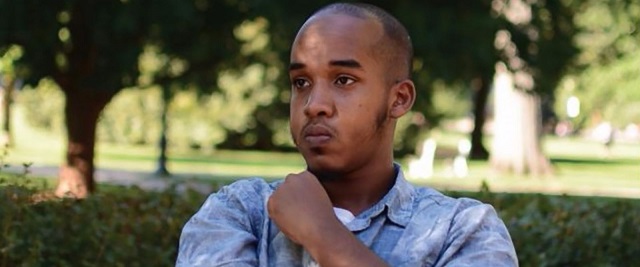
Artan drove his car onto the University campus and rammed it through crowds of students resulting in the hospitalisation of eleven people. He then pursued fleeing students attacking them with a large knife. A police officer shot the assailant dead preventing him from killing or wounding any more bystanders. Law enforcement officials advised that Artan was a Somali refugee who left his homeland with his family in 2007, lived in Pakistan and then came to the United States in 2014 as a legal permanent resident. http://www.nbcnews.com/news/us-news/suspect-dead-after-ohio-state-university-car-knife-attack-n689076
Ohio State University attacker Abdul Razak Ali Artan
Example 3
20 Jan 2016: Twenty Vetted Refugees Who Turned to Terrorism After Being Allowed Into America
Prior to the 1997 referendum William Hague said the official position of a UK government was to retain a right to reverse any or all aspects of power that might be devolved to a Scottish parliament.
The “no” vote in the referendum sent a resounding message to Westminster that Scotland wished to embrace all of the, “National” aspects of UK government policy.
This contributed to a creeping reversal of, “devolution” where any powers were at odds with the wishes of the Westminster government.
So much for Gordon Brown and his new set of devolved powers, details of which only Gordon knew.
What we know now is that there was absolutely no chance of anything more being devolved.
A Scotland capable of challenging the Status Quo could not be allowed to remain a threat.
Scotland has been neutered, powers removed and other methods of control introduced.
The last time Scotland stood up and said, “I want to be free” Thatcher moved in and removed Scotland’s powers over; Coal, Steel, Ship Building, Car Production, any manufacturing company employing more than 500 staff e.g. Caterpiller production at Uddingston.
Anything and everything that exuded power was removed from Scotland and transferred to England.
Scotland was well and truly knobbled.
Thatcher did what Westminster excels at. Subjugation.
So, here we were again; Echoing the words of a well loved figure from the past, Robert Bruce, who said to the Scot’s at Bannockburn, “Do you want to be free to decide your own future and that of your children, OR are you content to remain subjects of a political system that is corrupt and bloated with money stripped from your purses, leaving you at the mercy of, money lenders, wholly reliant on the English to feed your children”?
Devolution was not given freely to Scotland in 1997. Westminster was instructed to decentralize government as a condition of membership of the EU.
Even then it took Westminster MP’s, including those Scotland sent to London to fight for it 20 years to comply with the European Commission.
Englands MP’s fought tooth and nail to protect what they believed was theirs.
And devolution was designed and implemented in such a way as to ensure, through a hybrid, “hotch potch” electoral voting system of proportional representation that the Scottish National Party would never be able to have an overall majority in the new Scottish parliament.
Westminster cooked the books, so as to ensure continued dominance over Scotland.
But the civil servant’s and their masters got their planning wrong, (seems to be a bad habit picked up and absorbed by Westminster).
The Scottish National Party led by Alex Salmond turned devolution on it’s ugly head.
It would be foolish to believe anything Westminster politicians say in defence of retaining the status quo.
They lie, threaten and cajole our nation. Love bombing, hate bombing, promises, promises, everything the Westminster elite has in it’s formidable armoury is being used against Scotland with the single purpose of continued subjugation.
Scotland blinked and sucumbed to the Unionist subterfuge and elected to stay with the Union in 2014.
Control of assets of economic strength e.g. banking is being removed.
Delegated powers are being stripped away and taken back to Westminster e.g. Health, Energy policy, Planning, Welfare.
Holyrood has become a talking shop filled with a bunch of nobody’s.
Scots are unable to exercise their right as a nation to decide the nature, policies and governance they wish to be in place.
2013: UK Government’s Electricity Market Reforms condemned by SNP government
Alex Salmond’s government warned that the proposals would undermine Scotland’s renewables sector and supply chain, and threaten the security of supply across the UK, and add further unjustified price increases to consumers bills. It also challenged the last minute amendment to the UK Energy Bill removing the Scottish Government’s existing powers and discretion over support for renewable technologies across Scotland.
The letter stated: “the UK Government has produced this amendment with no consultation or explanation. We are deeply concerned about this summary removal of the Scottish Government’s discretion in an area of such vital importance to our people and economy. As a matter of urgency, the UK Government must provide a detailed justification for its action”.
4 November 2013 – Lords axe Holyrood’s power over Scottish renewables
Commenting on the debate in the House of Commons on the Lords’ amendment to the UK Energy bill – and in particular Amendment 54 which removed the Scottish parliament’s powers in respect of renewables obligation in Scotland, the SNP Energy spokesman wrote:
“This is an outrageous example of the unionist parties ganging up to remove powers from the Scottish parliament. Worse still, they did so by introducing last minute amendments in the unelected House of Lords, rather than even having the courage to debate it on the floor of the House of Commons. There was no consultation with the Scottish Government or the Scottish parliament prior to the introduction of this amendment, nor when challenged in the Commons did the minister or his Labour front bench counterpart have any reasonable explanation as to why this happened in such an underhand manner.”
2014 – Why is Hinkley a very bad deal for the consumer?
The world of energy is changing fast. Large centralized power stations (like Hinkley) are not now the future. Wind, wave, solar power, electric cars and cheaper storage batteries are.
Yet energy policy in the UK is firmly stuck in the past, with the UK government’s electricity market reform in England being based on building nuclear power stations financially supported with a guaranteed customer supported extravagantly high price for the supply of electricity over the unit’s lifetime (35-50 years).
The taxpayer supported build of Hinkley is projected to be in excess of £25bn.
The full cost of energy provision is to be charged to energy users and is expected to be between £37-55bn, inclusive of as yet uncosted annual increase per household.
This foregoing projections are based on a 35-year index-linked price guarantee (‘strike price’) of £92.50 per MWh, (at 2016).
This is over double that of the UK wholesale electricity market price, which means that the British public funds the difference between the amount EDF will be paid and the market price.
In contrast, renewable energy is on a recurring downward price curve, justifying subsidies as yet unrealized developing the technology to its full potential.
Implicit subsidies specific to the Hinkley project include:
Loan guarantees – Cost overruns or plant defaults. The government (read energy user) will cover the repayment of the first £10bn to investors.
There will be two re-negotiations of the strike price, 15 and 25 years after the plant starts to generate. At these two re-openers, the strike price might be increased following raises of operating costs, including increases in fuel costs and maintenance.
The deal includes protection against curtailment (the plant stops running) in case of “the evolution of power systems”. What this means is that if the British energy mix changes to include more renewables, storage, and demand-side management, the plant will be given preferential grid access or payment for power (at the strike price) that would otherwise have been produced. This curtailment risk cover is also understood to extend to changes in political decision-making or changes in law based on environmental and safety reasons.
As a large generating unit, having 3.2GW on the Grid potentially going off at short notice requires the rest of the Grid to accommodate it and these costs – £160m a year – are being shared by everyone including renewable generators, not paid for by the Hinkley development.
In addition to all the foregoing, Hinkley will also receive other long-standing protections that are given to all nuclear plants. Limitations on liability in case of an accident up to £1.06bn – after which bill payers foot the bill (of note is the liability costs from Fukushima to date are in excess of £100bn and rising). Planned subsidies in excess of £20bn for radioactive waste management.
Hinkley’s levelled price contract is unprecedented – and will mean someone leaving school in 2021 will still be paying for this contract after they retire. Not only will Hinkley become a huge drain on the public purse, it will shift a huge amount of risk onto the public. All of this adds up to the fact that supporting Hinkley is not a cost-effective option for the UK power supply and it is galling that the financial level of support for Hinkley is not available to low carbon generators like renewables, who are also subject to competitive bidding processes which lower the price further.
Levelled price comparisons, ($), between 2010 and 2020:
Nuclear: 96 rising to 155. Substantial recurring price increases guaranteed.
Offshore wind: 162 reducing to 115. Recurring reductions guaranteed.
Onshore Wind: 86 reducing to 53. Recurring reductions guaranteed.
Solar: 378 reducing to 68. Recurring reductions guaranteed.
Coal: 111 reducing to 109. Being phased out.
2016 The Tory government ended onshore wind farm subsidies
The ending of subsidies for the development of onshore wind farms from April 2016 pushed up energy bills significantly and was criticized for its stupidity since it adversely impacted on the cheapest form of clean energy.
Seeking to justify the decision, the Tory Government stated that onshore wind farms “often fail to win public support and are unable by themselves to provide the firm capacity that a stable energy system requires”. This despite the government’s own survey, which suggested that 67 % of people support them.
Clean energy produces more power in Scotland than nuclear, coal or gas and is set to increase significantly. The expertise of Scottish industry is being exported to other countries worldwide, and the decision of Japan to embrace renewables over nuclear vastly increases opportunities for outward looking Scottish firms.
Recent innovations have seen the introduction of wave power, and Scotland is in the vanguard in the development of this new technology.
Scotland is getting it right, but Westminster is tardy with the financial support which would allow the extension of the UK national grid to Scotland’s offshore islands, and this lack of grid access and increased capacity is delaying clean energy development and power production, which in turn is preventing the UK from meeting emission targets.
What the experts said
WWF Scotland: “The decision undermined the development of the cheapest form of renewables, and is bad news for Scotland’s clean energy ambitions. Cutting support early for the lowest cost renewable technology was a backward step and contributed to higher charges and climate targets missed.”
Renewables UK: ” The Government pulled the rug from under the feet of investors, just when Britain was increasing clean electricity generation at the lowest possible cost, which is onshore wind. People’s fuel bills increased directly as a result of the Government’s actions. Ministers are hopelessly out of step with the public, as two-thirds of people in the UK consistently support onshore wind.
Greenpeace UK said: “Ministers raised everyone’s energy bills by blocking the cheapest form of clean power, whilst continuing to back the impossibly expensive Hinkley C and going ‘all out’ for unpopular, risky, and unproven fracking. The UK Government is willing to wreck the UK’s power sector to please their most ideological backbenchers.
The Nuclear energy policy of the Westminster government
Development plans are to build at least 8 new nuclear power plants in England, which it is projected will provide around 16 gigawatts of power. The plants are:
EDF Energy 4 new EPRs (6.4GW) at Hinkley Point in Somerset and Sizewell in Suffolk.
Hitachi 2 or 3 new nuclear reactors at Wylfa on Anglesey and the same at Oldbury in South Gloucestershire.
Nu-Generation 3.6GW of new nuclear capacity at Moorside, near Sellafield.
How Does The Wholesale Electricity Market Work?
The wholesale electricity market involves competing generators offering their electricity output to energy suppliers. Suppliers then re-price the electricity and sell it on to business and households.
Electricity can also be imported through inter-connectors which are currently in place between Britain and France, the Netherlands, and Ireland. National Grid Electricity Transmission (NGET) has overall responsibility for the wholesale electricity system.
The general energy market is pretty volatile and fluctuates based on demand for both business users and domestic.
What are the Wholesale (strike) energy Prices In 2021
The current wholesale electricity price is around £71.00 per megawatt-hour (MWh).
The strike price for on and offshore wind power generation is around £38.00 per MWh and reducing daily.
The guaranteed strike price for nuclear generated (Hinkley) electricity is £92.50 per MWh and will increase further.
Note: The guaranteed strike price for nuclear generated electricity is extortionate, and the excess profitsare being charged to UK consumers. Wind and other renewables are heavily subsidizing the folly that is nuclear energy.
How does your home compare to others in the UK?
An average UK household uses around 3,731 kWh/year. But there are comparison problems since figures tend to be warped by a few households using large amounts of electricity. It is best therefore to compare your home’s energy use to a home of a similar size and type. Here are the averages by dwelling type in the UK:
What is an average dual fuel bill?
House type
Monthly bill
Quarterly bill
Annual bill
1/2 bedroom house/flat
£66
£199
£795
3/4 bedroom house
£97
£291
£1,163
5+ bedroom house
£137
£410
£1,639
Summary: Scotland is able to generate all of its energy needs from renewable sources at a cost of around £38.00 per MWh (and reducing) and producing a sizeable and growing excess of energy for transfer to the UK national grid. But Scots consumers are saddled forever with an extravagant £92.50 per MWh (and increasing) cost of nuclear power generation, the chosen option for England and Wales.
4 Aug 2024: Victim of former SNP equalities officer and sex offender alleges ‘sickening’ party HQ response to concerns
The allegations come after the former SNP equalities officer was jailed for six years after inflicting “unimaginable trauma” with a string of sexual and physical assaults
Victim of sex offender Cameron Downing raised concerns with the SNP that he held an equalities role in the party after being charged with sex offences, but no action was taken, it has been alleged.
Downing, 24, attacked seven people between 2016 and 2021 and was convicted of ten charges, including sexual and physical assaults, and domestic abuse. Last month he was jailed for six years at the High Court in Edinburgh, prompting calls for answers about how much the SNP knew.
Downing bragged about being “friends” with ex-first minister Nicola Sturgeon, it was reported, and concerns had allegedly been raised with the SNP in 2022 because of images of him holding a placard threatening “terfs”.
The SNP removed his membership in January last year claiming it was “as soon as we became aware of legal action being taken”. However, one of Downing’s victims told the Sunday Mail she raised concerns in 2022.
The newspaper reported Downing was arrested and charged in 2021, but was appointed an equalities officer in the SNP’s London branch and held two other roles in the party’s official LGBT wing, Out for Independence.
The Sunday Mail said one of his victims, who cannot be named for legal reasons, wrote to the SNP in October 2022 to raise concerns about the positions Downing was holding and that it was a “disservice” to victims.
The woman, who previously supported the SNP, said it was “disturbing” that questions she was then asked were all about the party. She said Downing introduced her to Ms Sturgeon at an Edinburgh vigil for victims of the Pulse nightclub shooting in Florida in 2016.
The woman told the paper: “I went to a vigil in St Andrew’s Square. Sturgeon was there and I met her with Cameron. She was on a first name basis with him. Cameron’s actions do not make him suitable to represent anyone, especially a minority that already faces enough criticism.”
In October 2022, she is reported to have emailed SNP HQ and Holyrood equalities committee convener, MSP Karen Adam, after images of Downing with Sturgeon emerged.
The email reportedly read: “I am contacting you in reference to an equalities officer of the London branch. Cameron is involved in a High Court case that involves more than five individuals that he has sexually harassed or assaulted.
It is a disservice to his victims and the LGBTQ+ community to allow him to continue. Multiple images have been posted and, while I do not blame Nicola Sturgeon, it is still very difficult to witness.
“Cameron’s actions do not make him suitable to represent anyone, especially a minority that already faces enough criticism.”
She had already reported to police that Downing had forcibly kissed her, and had bombarded her with used sanitary products before scalding her, according to the paper.
The Sunday Mail said that responding, Ian McCann, SNP corporate governance and compliance manager, allegedly asked: “If – to your knowledge – any of the circumstances around the allegations involved
The woman told the paper it was “sickening”. She added: “It seemed they were more interested in ‘was it SNP adjacent? Did it happen in the SNP?’.
“There didn’t appear to be any concern about me or others. I emailed Karen Adam as I knew she had been in pictures with him. She said there wasn’t really anything she could do. The same with my local MSP.
“The SNP gave him these positions after he’d been arrested. That’s really disturbing. He was working with LGBT people who are vulnerable, after committing sex attacks.
“The SNP hardly said anything about their knowledge of what he was doing or why he was able to get these roles. It’s not right.”
Judge Alison Stirling told Downing he had “shown no remorse or insight”, and had shown “hostility towards women” during sentencing in July.
SNP MSP Fergus Ewing, who previously called for an investigation, said: “The party leaders must now come clean and spell out exactly what happened and why they failed to act upon the offensive social media comments by this man.
“The leadership boast about there being no place for sexism or misogyny and that such behaviour will immediately lead to expulsion. At the same time, they fail to act when this very behaviour is brought to their attention. This is rank hypocrisy.” (Sarah Ward The Scotsman)
2016: Sturgeon on Patrick Grady – Sexual Predator I was aware of concerns but there were no complaints
Grady made unwanted sexual advances to a male teenaged staffer employed by the Party at Westminster by touching and stroking his hair, back and neck.
Ian Blackford, then leader of the SNP group at Westminster instigated a process effectively brushing Grady’s behaviour under the carpet a state of affairs that remained in place until 2022 when the content of a meeting led by Blackford was leaked revealing him urging colleagues to show support for Grady while failing to mention the victim.
Blackford was replaced by Stephen Flynn soon after.
The matter was investigated by House of Commons officials and Grady was forced to make a public apology in the Commons, for his unacceptable behaviour and a private one to the victim and was suspended from parliament for 2 days.
Weeks later the SNP was forced by press and public pressure to deal with the matter but only after the Scottish police opened an investigation into events in London.
Grady was called to account and following his admission to the offences he was first removed from his offical positions within the Party and had his party membership withdrawn.
Nicola Sturgeon then made a brief statement to the press that the process for complaining within the SNP was not fit for purpose and the victim had been badly served by the Party.
Six short months later the Glasgow North MP returned to the Party. Fully reinstated.
Shocked political observers commented: “This decision clearly shows that the SNP has no desire to root out sleaze or punish offenders. It is business as usual for the SNP Westminster club. Grady should have had the whip removed permanently but no matter, at the next election, the people of Glasgow will have the chance to give Grady his marching orders.”
And what of the teenager six years after the event. He feels he was badly let down by people he trusted and was forced to leave employment with the Party in London. His concern is that the outcome of his complaints will reinforce the views of many that abuse of staff employed by the SNP will continue unabated.
Dec 2018: Former SNP councillor, North Lanarkshire District Council wins her defamation case
Julie McAnulty, former SNP councillor won a £40,000 defamation payout after she sued fellow SNP activist Sheena McCulloch who made a malicious allegation of racism against her.
The allegation was first raised by McCulloch in a letter to SNP compliance manager Ian McCann, and copied to chief executive Peter Murrell, and then-National Secretary Patrick Grady.
(This is the same person reported to McCann, 2 years previously, as a sexual predator of teenagers in Westminster).
McNulty denied the allegations and asked McCann for the backing of SNP headquarters to clear her name.
Her plea for assistance was refused forcing her to pursue the matter in the civil court.
Explaining her decision she said: “It should never have got to this stage. The SNP’s internal procedures are more than capable of resolving the matter. But for reasons not explained to me they declined to get involved.”
In his judgement Lord Uist, stated the accusation was part of a campaign against her by an “opposing faction within the local SNP”.
He said it was designed to prevent her being nominated as a candidate for the Scottish Parliament and “possibly to oust her from the party.”
North Lanarkshire Council depute leader, Labour’s Paul Kelly, said: “It is clear that SNP headquarters should immediately conduct a full investigation of the elected members who played their part in this scandal.” There was no investigation.
2017 Jordan Linden accused of sexual misconduct
Jordan Linden, then Chair of the Scottish Youth Parliament, was accused of sexual misconduct in sending explicit photographs to another SYP member. He denied the claim and a police investigation failed to establish any criminality.
Note: These events are still unresolved many years later . Complainants continue to press for their allegations to be properly investigated and resolved to their satisfaction. What has happened since adds weight to their arguments.
Sep 2019: Ian McCann, Compliance Officer for the SNP was formally advised of allegations of sexual harrassment against Jordan Linden claiming he had made unwelcome sexual advances on he person of another male member of the Party at an after event function in Dundee on 21 September 2019.
Four days later Councillor Linden, who had been lauded before the function by Huma Yousaf as a person who would “make an outstanding MP” withdrew his nomination to become athe Westminster candidate for Coatbridge, Chryston & Bellshill at the next General Election.
Oct 2019: Concerns were raised with Mr McCann, but not resolved, about why no action appeared to have been taken over the matter. Much later activists told the press that SNP HQ had shown “wilful negligence”, and that “nothing was done.”
Mar 2022: Councillor Linden was elected leader of the SNP opposition group on North Lanarkshire council by his fellow councillors. Not long after the local press picked up on events at Dundee and asked Linden if there was any truth in the matter. He declined to comment but did not deny the allegations.
Sep 2022: Sophia Coyle spoke out after weeks of strife at crisis-hit North Lanarkshire Council, claiming the party is turning a blind eye to harassment she and others have endured.
She alleged another Councillor, tipped by party insiders as a potential leader of the SNP group in Lanarkshire, had been “obstructive, aggressive and abusive” towards her since he became a councillor.
She said: “His behaviour towards me has caused other branch members to complain. It’s not as if I have been the only one. He tried to block me from standing as the branch woman’s officer and, when my dad resigned, he said I should not be involved in Party meetings because of what happened. I’ve no control over my dad, his decision was nothing to do with me. Good members have written in and complained. Over the years I have emailed Ian McCann (SNP Compliance Officer) and I’ve yet to have a response from the guy, let alone a phone call. It’s absolutely shocking and he needs to explain what it is he’s doing about complaints.”
Ian McCann
t: Neil Campbell, Neil Strachan, Ross Webber, John Murphy. Bottom, from left: James Rennie, John Milligan, Craig Boath, Colin Slaven.
Pedophile Who Ran Youth LGBT Charity Released After Serving 16 Years In Prison For Sexually Abusing A Baby By Reduxx Team December 29, 2025
A once-prominent gay rights activist who ran a youth LGBT charity in Scotland has been released from prison after serving 16 years for sexually abusing a baby. James Rennie, 54, was imprisoned for his role in one of Scotland’s largest pedophile rings.
News of Rennie’s release was reported by The Scottish Sun, which said he was spotted in Edinburgh after being freed from HMP Castle Huntly, a prison near Dundee. Prior to his full release, Rennie had been granted prolonged periods of extended release as part of what appeared to be a community reintegration program.
Since being turned loose, Rennie has frequently been seen in the company of one of his convicted accomplices, Neil Strachan, who has also been released from prison after serving 16 years. The pair were reportedly staying at the same offenders’ hostel.
Rennie and Strachan were convicted in 2009 after being exposed as the ringleaders of what was described as Scotland’s “largest pedophile network.” The network, which involved at least eight other men, collectively possessed over 125,000 pieces of child sexual abuse media. The ring was broken up in 2007 after a lengthy operation by Lothian and Borders police.
Strachan’s much younger boyfriend, Colin Slaven, was also amongst those arrested. Slaven had been a minor when Strachan began a “relationship” with him.
Top, from left: Neil Campbell, Neil Strachan, Ross Webber, John Murphy. Bottom, from left: James Rennie, John Milligan, Craig Boath, Colin Slaven. As well as distributing horrific child sexual abuse material, Rennie was also found to have been sexually abusing his godson over a four-year period starting when the child was just 3 months old.
Strachan had also sexually abused an infant boy, attempting to sodomize him while being HIV positive.
During court proceedings it was also uncovered that Rennie had used the e-mail handle “kplover,” standing for “kiddie porn lover,” to communicate with a sick predator in the Netherlands who described how he would like to rape, torture, and murder a child. The trial was labeled the “worst ever” abuse case in Scotland by media.
Rennie and Strachan, both of Edinburgh, were jailed for a minimum of 13 and 16 years respectively, but judges reduced Strachan’s term to 9 years and Rennie’s to 8.5 years upon appeal. The two spent a total of 16 years in the prison estate from their arrest to their reported release.
Among the many shocking aspects of the case was that Rennie had been a respected gay rights activist in Scotland prior to his arrest.
While secretly operating the pedophile network, Rennie managed to become the CEO of LGBT Youth Scotland, a charity which gave him access to children as young as 13. Rennie had been a strong proponent for gay adoption, and, under his leadership, LGBT Youth Scotland lobbied the Government to allow same-sex couples to adopt children.
In 2005, LGBT Youth Scotland received a Phillip Lawrence Award for community safety, and Rennie was welcomed in parliament.
While LGBT Youth Scotland as an organization insisted it had no knowledge of Rennie’s activities, Scotland’s charity regulator never publicly investigated the organization to see if Rennie abused his power to access vulnerable children. At the time of the arrest, LGBT Youth Scotland claimed there was “no evidence” that the young people assisted by their agency were assaulted by Rennie.
In 2022, two survivors came forward to allege they were groomed and sexually abused after joining the charity as youth members. The two young men spoke with Reduxx and claimed there had been a culture of exploitation present during their time as members.
One of the young men, Sam Cowie, revealed that he had been “plied with alcohol free of charge, encouraged to sleep with older men and given money to perform sexual acts” by older male members of the charity when he was just 15.
But the controversies surrounding the charity have continued over the years.
In 2024, a Scottish drag queen who helped co-author an LGBT Youth Scotland guidebook was convicted of distributing child pornography that depicted infants being sexually abused.
Andrew Easton pleaded guilty in court in August of 2024 to communicating online with someone he believed to be a child, downloading indecent images of children, and distributing indecent images of children. The sexual abuse materials, which included images and videos, featured newborn babies, toddlers, and prepubescent children. Easton was caught by one of Scotland’s National Online Child Abuse Prevention (NOCAP) units in a September 2023 sting that identified his IP address. Police then obtained a search warrant and raided Easton’s home.
In a Telegram chat labeled “Extra Excitement,” Easton hoarded 132 images and 1,119 videos with newborn infants and children up to age 10. Police found that Easton also had a chat log with a user claiming to be 13 years old; Easton referred to this user as “baby boy,” and sent him photos of his genitals. He also requested the user call him “daddy.”
Following news of his arrest, journalist Marion Scott revealed that Easton had previously worked with LGBT Youth Scotland.
According to Scott, Easton co-authored the charity’s “coming out guide” for “trans young people” which was distributed to public schools across the country and is still available on the East Ayrshire Council website. The guide, which heavily promotes LGBT Youth Scotland services, “looks at the various stages of the coming out process” in a youth-accessible tone, presenting different scenarios and considerations for minors interested in changing their gender identity.
Following the disturbing revelations, the BBC’s Children in Need charity pulled its funding from LGBT Youth Scotland, citing concerns about the organization’s ongoing controversies.
According to a recent Freedom of Information request, the Scottish Government has admitted to continuing to provide LGBT Youth Scotland with funding through various programs.
This has included £290,871 through the Equality and Human Rights Fund, £55,773 through the Delivering Equally Safe Fund, and £78,750 through the Children, Young People, Families Early Intervention & Adult Learning and Empowering Communities (CYPFEI & ALEC) Fund.
Rhiannon Spear Glasgow City Council Councillor and SNP politician is quitting politics blaming “relentless abuse” for her decision.
AboutRhiannon Spear
Education: 2017 – 2021: the University of Glasgow LLBLaw (Doubled up as the SNP Councillor for Pollok) 2008 – 2012: University of Glasgow MA Creative and Cultural Studies Film and Television (summer workplace experience in television production) 2002 – 2006: Rothesay Academy. Highers (A, A, A, B, B) English, History, Maths, Art, Physics
Personality: She is strikingly attractive, highly intelligent and gifted with a natural ability to attract attention, unfortunately not always to her benefit. She is feisty, strong-willed and determined to succeed at any task she is minded to take on. She is media savvy and possesses first-class skills including the production of excellent graphics for social media presentation and discussion. One of her many character weaknesses is her abject inability to accept criticism and her single-minded approach to her work. She needs to learn that political life is not a Religion and she is not the Pope.
Relationships: Her partner, is Rhys Crilley, a native of Wakefield in West Yorkshire. A gifted academic, prolific writer and university lecturer at Glasgow University whose primary interests are in war, militarism, scandals and outrage. He also maintains close political relationships with senior SNP leaders and actively supports the policies to which his partner and the SNP are committed.
Politics: Joined the SNP in 2011. Jointly founded Generation Yes, the national youth campaign for independence in the run-up to the 2014 referendum. National Convenor of YSI for two years from 2015–17. Elected to the SNP’s NEC in 2016. Scottish Parliament Candidate for the Glasgow List in 2016.Elected Councillor for Greater Pollok in 2017. Successfully proposed motions at SNP Conference on all-female lists, inclusive education and raising the age of military recruitment to 18. Chairs TIE the LBGTI government-funded charity which is remitted to support Scottish Education bodies providing LGBT-inclusive education in Scottish Schools. Actively promoted the #Metoo movement denouncing sexual harassment on campus at the University of Glasgow.
LBGTI: She is the driving force behind WOKE campaigning individuals, groups, charities and formal groups promoting and implementing the WOKE agenda in all state schools in Scotland. The bulk of WOKE activities, including resources and staffing, (£3-5M) is funded by the Scottish taxpayer through the SNP government. The unhealthy influence of WOKE minded politicians is being planted across all aspects of Scottish society as each day passes.
2008-2014: Glasgow Unversity
Speaking about her experiences from 2008 until 2012 at the University of Glasgow where she was a Creative and Cultural Studies student said, “My experience of university was that rape culture was commonplace and male sexual aggression was normalised.
I’ve spent a lot of time thinking about it since, trying to come to terms with that environment, and it has been a long process. I was sexually assaulted. I had naked pictures taken of me while I slept which were shared in group chats. That was common for girls, and people don’t realise how common it is.
Hyper heteronormative shows of masculinity by young men in their late teens and early 20s fuelled by lots of alcohol and a need to perform in front of friends. Groping hands, pulling off clothes and men exposing themselves to you on the dance floor in the union were all part of a night out.
Then there were the darker things that happened behind closed doors which were definitely not consensual that I am only now coming to terms with. At one event a guy dragged me into a cupboard, exposed himself to me and demanded I had sex with him. I remember saying that I didn’t want to touch him, and I wanted to get out. I did get out and I wanted to report it at the time, but I knew there was no point.
Then there was waking up to a guy having sex with me, I was sick as soon as I realised what was happening. I am only now able to call that what it really was.” (Glasgow Evening Times)
Young Scots for Independence: Young Scots for Independence (YSI) (SNP Youth) is represented on the SNP National Executive Committee and sends delegates to meetings of the SNP Annual National Conference.
Many YSI activists have since risen to prominence in the SNP, including Rhiannon Spear, Nicola Sturgeon, John Swinney and Fiona Hyslop.
In 2012, Humza Yousaf then a member of the YSI, was promoted to Government as Minister for International Development.
The YSI first flexed its muscle at the annual conference in 2012 when the Party debated NATO membership. The YSI decided on opposing membership because it was a nuclear alliance. Despite gaining 48% of the vote, the anti-NATO group lost and the SNP policy is now pro-NATO membership.
Jan 2014: Generation Yes
Generation Yes was established in January 2014 by Rhiannon Spear and Kirsten Thornton to campaign for a yes vote amongst young voters in the referendum on Scottish Independence. Despite the defeat, a poll taken after the 2014 referendum showed 71% of teenagers had voted yes. Spear said: We will continue to campaign for full enfranchisement in all elections for people aged 16 and 17.
Time for Inclusive Education (TIE)
2015: Founded by Jordan Daly (now with Stonewall) and Liam Stevenson, TIE raised awareness of the isolation and bullying faced by young lesbian, gay, bisexual and transgender people in Scotland. In 2017, the Scottish Government launched a TIE led working group with the task of embedding LGBTI-inclusive education in the schools’ curriculum of Scotland.
Nov 2018: Scotland became the first country in the world to include compulsory LGBTI issues in school curricula after the government accepted in full a report from Time for Inclusive Education (TIE) outlining 33 recommendations on how to tackle LGBTI bullying in schools.
Scottish Deputy First Minister John Swinney said that state schools across Scotland will be required to educate pupils on lesbian, gay, bisexual, transgender and intersex issues, including LGBTI history, terminology and identities, and ways of tackling homophobia and prejudice. Other recommendations include providing training programs for teachers and offering new teaching materials to tackle LGBTI issues.
The First Minister gave the group her personal endorsement at Holyrood, telling MSPs: “I am a supporter of the TIE campaign, not just in their objectives but in the spirited way they go about trying to make sure that their objectives are taking forward. They will work with decision-makers, produce curriculum resources, and deliver services for teachers and pupils to raise awareness and heighten knowledge.” Swinney promised to fund the new programmes and additional teaching resources to support LGBTI-inclusive education.
All state schools now have to teach LGBTI equality and inclusion as part of the curriculum, including the teaching of LGBTI terminology and identities, tackling homophobia and prejudice, and the history of the equalities movement.
TIE was granted charitable status and appointed a Board of Trustees led by Rhiannon Spear who on her appointment said: “The campaign has challenged us all to think about what is possible. Although The Scottish Government’s announcement to Parliament, that LGBT-inclusive education will become a reality, has been the culmination of three years work – it is truly just the beginning.”
2019: TIE, the charity launched less than a year ago is in deep financial trouble as it prepared to upscale its operations. A spokesperson said that funding promised by the Government had not yet been provided and money was needed to fund the “massive demand” for its services.
The dissolution of TIE is a certainty without sustainable funding, of staff and resources. Expectations are that the charity will need to be supported by recurring annual funding of around £500,000.
A Scottish Government spokesperson said: “We are fully aware of the funding difficulties currently being experienced by the TIE Campaign. We are carefully considering all options to further support the TIE Campaign in its important work with schools in Scotland.” The charity got its money and some.
Aug 2018: Loud, white men must get with the times: In a Tweet, Rhiannon Spear said: This week, I pointed out that an all-male panel at a political event was inadequate and called for at least one woman to be a voice. In response, I was called sexist and a fraud, sworn at, accused of being a BBC plant and labelled anti-independence by an online cohort made up overwhelmingly of white, older men. Apparently, being an elected representative of the SNP and dedicated campaigner for Scottish independence doesn’t meet the bar set to be a Yes voter.
Jan 2019: Rhiannon Spear, SNP Councillor scolds Andy Murray’s mother for Sharing a Pro-Women’s Rights Article: Scotland’s most eminent Women’s Tennis Coach, posted a link to an article on Twitter from Scottish newspaper, The National, about the importance of learning the lessons about the impact of transgenderism on women in Canada. Responding Spear took Judy to task for sharing a “transphobic and 14 years out of date article” hinted that she had not read the article in its entirety.
Spear’s response was met with an onslaught of criticism, for the sanctimonious and patronising tone of her tweet (for implying Murray shared something she hadn’t read) and the implicit ageism (suggesting she was out of touch with modern Scottish attitudes) and misogyny (assuming she didn’t fully understand what she had tweeted because, if she did, then presumably she wouldn’t identify with it because of the fact she’s a woman) in her tweets. She was also admonished for being out of touch with, and completely failing to comprehend, the relevant legislation she accused Murray of being out of step with. Her response to criticisms was less than acceptable.
Spear leads the government-funded TIE campaign in Scotland, which promotes gender ideology in our schools and the thought of this woman having any influence on school children is of increasing concern to many parents. Also of concern is her oft-repeated assertion that feminism is wack because it reduces womanhood to genitalia and reproductive ability. Then when a Scottish journalist offered that reducing womanhood to genitalia was already happening as a direct result of trans activism, not feminism, she accused the journalist of whipping up mob hysteria by fear.
Jan 2019: Comments: Moll: This is very much her modus operandi with respect to every political topic she gets involved with: You’re either with her or against her. The last time she publicly maligned a popular pro-Scottish independence blogger as a transphobe and got exactly the same reaction. She maligned his 56k followers as being “part of the problem”, a huge portion of which belongs to her own political party and share her political ambitions. She’s very much of the view that if you don’t agree with her, then it’s because you need to reflect more. In my view, she’s a toxic extremist. And for all her qualms about not being reduced to her reproductive capacities, she wasn’t above using her miscarriage to garner up sympathy for herself and get her sycophants to go after a man she couldn’t have a reasoned discussion with.
Apr 2019: SNP politician accused of “promoting” sex work: Councillor Rhiannon Spear, chair of the TIE campaign which has successfully lobbied for lesbian, gay, bisexual and transgender education to be embedded in Scotland’s schools sparked claims from SNP colleagues she was “advocating” prostitution by posting a controversial tweet and a selfie with fellow SNP Councillor Christina Cannon, dominatrix Megara Furie and another unnamed woman at Glasgow City Chambers, saying “brilliant meeting Megara Furie + bringing sex workers into the City Chambers. Sex workers rights are human rights.”
Following up on social media she added, “Yesterday I met with Megara Furie to talk all things sex work. Did you know sex work includes trixs, submissives, cam work, phone + text services, dancers, masseuses, porn, escorting etc it’s not all street-based sale of sex?”
Another tweet from Spear enraged colleagues who said it questioned the law on pimping. She wrote “It’s currently illegal for workers to work together. It is illegal for a man (but not a woman) to live on money earned through sex work. So it would be illegal to live with your boyfriend. Does that sound safe?”
But SNP sources angrily claimed the tweets “promoted” sex work which SNP policy condemns as a form of violence against women. An SNP insider who withheld her name hit out at the tweets, saying they were “advocating prostitution”. and added “her views are not the views of the SNP nationally, or Glasgow’s SNP group.” and another said: “Given her youth education role with TIE, it is not appropriate to be promoting S&M.”
And Megara 35!!!: She recently set up a sex workers’ branch of the GMB in Glasgow, allowing prostitutes to join a union for the first time. Her Mistress Megara Furie website promises “endorphic exhilaration and absolute submission”.(https://twitter.com/rhiannonv/status/1114510091431161856?lang=en-gb)
Feb 2019: Joan McAlpine is an unlikely rebel against the Scottish political establishment. The SNP MSP is chair of Holyrood’s culture and external affairs committee and a former parliamentary aide to Alex Salmond. She is gender-critical, or, in the prosecutorial terms of her detractors, a trans-exclusionary radical feminist (TERF).
Recently she began asking awkward questions about the campaign to give the force of law to relatively new and largely untested theories about sex, gender and identity only to be denounced by SNP councillor Rhiannon Spear, chair of the LGBT education lobby, TIE who accused her of “stoking a fire” and “wilfully ignoring the advice of service providers who have been working in the industry for decades”.
It is not the first time Joan has fallen foul of the SNP gendarmerie who police the views of feminists and other gender dissenters. In February, her committee recommended that the sex question in the Scottish census “should remain binary” and posted a Twitter thread outlining their concerns, which were:
Including a “non-binary” option risked devaluing the data on a protected characteristic (sex) under the Equality Act. They also wondered why so many women’s groups, especially those in receipt of taxpayers’ money, had dogmatically adopted the transgender ideology while failing to represent women who disagreed.
This prompted an extraordinary 1,400-word open letter in which some of Scotland’s leading third-sector groups took her to task over the Twitter thread. Signatories to the statement, which rebuked her for “sharing an inaccurate, partial, and negative assessment” of their work, included Close the Gap (which received £205,000 from the Scottish Government in 2018/19), Engender Scotland (£225,350) and Equate Scotland (£331,019).
Even in the unforgiving world of Scottish politics, the backlash against Joan was vicious. She told the press: “They try to shut you up by labelling you and othering you, by using extremist language. This isn’t just about trans people’s rights; they have the same human rights as everyone else and extra protections in the Equality Act and hate legislation, and that’s quite rightly so. This is about women’s rights and how the changes being pushed for impact women.”
Joan may be a Nationalist bomb-thrower but on gender, she has been moderate and measured. No one sincerely interested in a debate can credibly dismiss her thoughtful interventions or her temperate tone, including on proposals to amend the Gender Recognition Act to abandon medically-supported gender recognition certificates in favour of self-identification.
For the most part, Joan’s campaign has been a lonely one. Other MSPs agree but have hitherto been reluctant to invite controversy. No wonder. Only a few days before, the contents of private messages between three female SNP MSPs were leaked, exposing them as critics of Nicola Sturgeon’s breathless enthusiasm for the trans agenda.
The backlash served as a warning to other women not to step out of line if they don’t want their political careers jeopardised. The trans movement has co-opted the gay and lesbian struggle to convince doubters they are on “the wrong side of history”.
The tactic is a parallel of their ideology’s efforts to conflate sex and gender but the two are not the same. Maleness or femaleness is a fact of biology while masculine or feminine identity is the product of social conditioning and performance. Sex is data, gender is narrative. (https://twitter.com/JoanMcAlpine/status/1101251118611525633)
Aug 2020: Councillor Rhiannon Spear to spearhead the new SNP women’s mentoring programme: In a statement, she said, “Women make up over half of the population in Scotland but only 35% of those elected to the Scottish Parliament. That needs to change. Women are impacted by every decision that is taken in any parliament or local authority in Scotland. To allow decisions to have the best outcome for women our elected members should be representative of the communities they represent and made up of as many diverse voices as possible. So in order to encourage more women to stand the SNP has put in place measures that will remove the barriers that women face when they stand for election. Starting now any woman thinking of standing will be supported through the candidate self-assessment process through the SNP Women’s Mentoring Project. The project that I am leading is specifically for women who are interested in standing in the Local Government Election in 2022. The aim is that by the end of the project they will be confident enough to successfully stand to be selected and elected.”
Apr 2021: The Equality Network: Is a government-funded lesbian, gay, bisexual, transgender and intersex (LGBTI) equality and human rights charity. Its influence over SNP policies and many areas of Scottish society is absolute. Political Party’s will be expected to conform to the LGBTI agenda or face oblivion at the ballot box.
But the electorate may not subscribe to the changes without consultation of which there has been very little, to date. People are afraid of change and this might well be reflected in the way in which they cast their votes in the council elections in May 2022. In response to the possibility of dissent the commitment of political parties in Scotland to social and changes in the laws of Scotland, their network is being monitored so that conformity can be maintained.
The world’s largest broadcaster,the BBC, is funded by a compulsory annual TV licence fee. Outputt includes TV, radio, websites and magazines. Its reputation has been badly tarnished in recent years by a series of high-profile controversies involving drugs and sex scandals.
In Scotland, licence fee payers are disenchanted with the corporation, whose news and current affairs programming is heavily biased towards state directed content which, (before the advent of the much wider broadcast media now enjoyed by the public) was accepted by gullible viewers as fact.
Those day’s have gone but the BBC and Whitehall will not relinquish the corporation’s strict control of news and current affairs output which ensures a universal “one message one source”.
But all is not well within the corporation.
In London and the South East of England a significant number of highly paid salaried staff, together with presenters and producers have been exposed, of being involved in the designer drugs scene, purchasing, distributing and consuming cocaine, methamphetamine, mephedrone (meow meow).
Chemsex orgies are prevalent, particularly in the L.G.B.T.Q scene and the incidence of sexually transmitted diseases is increasing fast.
Scotland needs to prooduce it’s own media, free from the BBC which is morphing into something akin to Sodom. Facilitating the change requires independence.
21 October 2009: Former BBC producer, Sarah Graham reveals TV executives were praised for cocaine use
Television executives who take cocaine are often praised for their ‘off-the-wall’ brilliance instead of reprimanded, according to former BBC producer Sarah Graham, who has worked for Children’s BBC, Radio 5, and Channel 4’s The Big Breakfast. She said drug use remained rife in the industry and was not isolated to workers in their 20s.
Giving evidence to the Home Affairs Select Committee, (chaired by Keith Vaz of all people) she said the erratic behaviour of many broadcast stars is not the sign of creative genius but of addiction to illegal substances. Speaking yesterday, she said she was offered cocaine on her first day at the BBC on a night out with co-workers, sparking a nine-year habit which included using crack and heroin.
Miss Graham, 40, now a drugs counsellor, said: ‘I was working at the BBC and pretty much the first night working on a show my producer and presenter took me to a Soho media watering hole and I was asked if I’d like to go to the toilet and do some cocaine.’ She added: ‘As your addiction progresses, certain behaviour that would not be tolerated in a normal job can be spun as part of your creative genius or extraordinary personality.’ http://www.dailymail.co.uk/news/article-1221850/Former-BBC-producer-reveals-TV-executives-PRAISED-cocaine-use.html
5 March 2010: BBC logs 300 disciplinary cases of which only 9 involved drink or drugs
Critics have claimed that a relatively low number of cases relating to alcohol dependence and substance abuse showed that BBC management were “ignorant” in recognising an alleged “cocaine culture” within the corporation.
The figures, disclosed under the Freedom of Information Act, showed that 87 cases – were logged in the “behaviour/conduct” category, compared to 42 for absence, 12 for bullying and harassment, 22 for conflicts of interest and eight for poor timekeeping. But there were only nine cases in the alcohol dependence/substance abuse – a number, a former producer dismissed as “too low” to represent the true picture.
The figures are from April 2006 when the BBC first began to list disciplinary proceedings in a central database to February 2010. They cover more than 17,000 BBC employees, but do not include staff of subsidiaries such BBC World, BBC Worldwide and the World Service Trust. A BBC spokesman said: “The BBC makes clear the standards of behaviour expected of our employees. We take all allegations of misconduct seriously and where necessary will take disciplinary action. We never comment on individual disciplinary matters.” http://www.telegraph.co.uk/culture/tvandradio/7370670/BBC-logs-300-disciplinary-cases-including-bullying-and-drug-abuse.html
Rick Jones and Lionel Morton, presenters of Play School, got stoned before filming the children’s programme, it is claimed.
As well as drugs, the BBC was apparently also a hot bed of sex with staff “bonking all over the place”.
May 2012: Sex, drugs and the BBC’s 70s heyday
At the time it was the broadcasting heart of Britain – the place where comedies, dramas and light entertainment shows watched by tens of millions were made. Yet according to a new documentary we now find that the corridors of BBC Television Centre in the Seventies were a miasma of marijuana smoke, its dressing rooms a hotbed of sex and the club room a haven for drunken parties. It was its own universe sealed off from the humdrum world, where dramas, comedies and eccentric behaviour were tolerated and possibly encouraged on set and off.
A former BBC presenter said many of the acts that were seen on the BBC’s pop shows at the time were also under the influence when they appeared on screen. “Of course they smoked,” she says, “and they didn’t smoke ordinary cigarettes.” This attitude of liberal tolerance extended beyond drugs to include sexual shenanigans throughout the building. Former female Dr Who assistants revealed that the dressing rooms were home to mini-orgies and people were bonking all over the BBC. http://www.express.co.uk/expressyourself/318214/Sex-drugs-and-the-BBC-s-70s-heyday
Richard Quest 1 July 2012: Former Leeds University graduate and BBC North American business correspondent Richard Quest caught with drugs and a sex toy in New York Central Park
One of US news channel CNN’s most high-profile faces, was arrested after being found in New York’s Central Park, with another man. at 3.40am The park closed at 1am. He told police: “I’ve got some meth in my pocket.” They found he had the stimulant methamphetamine in his jacket and a sex toy in his shoe. A rope was looped around his neck and privates under his clothes. A qualified lawyer, Quest spent most of the day in jail then walked free from court after he agreed to six months of drug counselling. http://www.dailyrecord.co.uk/news/uk-world-news/cnn-reporter-richard-quest-caught-974866
16 Nov 2014: Snorting Coke With The BBC
The programme took a wry look at some of the most highly publicised cases of BBC TV and radio celebrities caught using drugs and examines the attitude of the media towards their behaviour, their subsequent fall from grace and, in some cases, their rehabilitation. Frank Bough, Johnnie Walker, Richard Bacon and Angus Deayton are the stars featured as the circumstances surrounding their dismissal from the BBC are examined. Along with their cocaine use, Frank, Johnnie and Angus were caught in various sexually compromising positions, raising questions about the connection between drugs and sex.
The programme looked at the reaction of the BBC, their colleagues and the press to what happened, asking if their response was at times an over-reaction, or if there were inconsistencies in the way that they were dealt with. The programme also considered the issue of whether the BBC should have a consistent workplace policy on drug taking by its employees, or whether each case should be assessed individually on its own merits.
Paul and his brother Jonathon 20 May 2015: BBC presenter Paul Ross ‘is living apart from his wife’ nine months after his drug-fuelled gay romps were revealed
The wife of TV host Paul Ross has moved out of the home she shared with her husband almost a year after it was exposed he was in a homosexual affair with a man he met at a dogging hotspot. Ross – older brother of chat show favourite Jonathan – last year confessed to wife Jackie that he was having a drug-fuelled fling with former English teacher Barry Oliver. The dad-of-five snorted lethal mephedrone as often as six times a day, and was even photographed snorting the drug, which is more commonly known as meow meow, off his 57-year-old lover’s face.
The 58-year-old met ex teacher Barry Oliver in 2013 after attending a well-known dogging site (at the Thicket roundabout in Maidenhead) near his home to watch other couples have sex. When his affair was exposed, he attributed it to financial stress brought on by a sizeable tax bill which left him needing some sort of ‘escape’. He also admitted that he and his wife hadn’t had sex for a year. Upon first meeting Mr Oliver, Ross had sex with him in bushes. They then began a year-long affair, which saw Ross attending his lover’s home before he started his daily breakfast radio show. http://www.dailymail.co.uk/news/article-3095012/BBC-presenter-Paul-Ross-living-apart-wife-nine-months-drug-fuelled-gay-romps-revealed.html
Alan Dedicoat BBC veteran 28 October 2015: ‘Cocaine on sale at BBC’
Sensational claims that a drug dealer is delivering to BBC staff at their desks have been made by Beeb veteran Alan Dedicoat. On a tape, passed to The Sun, he is heard telling a man that the peddler regularly sells ecstasy and cocaine. Dedicoat, 60 — the announcer on Strictly Come Dancing — is also recorded claiming that certain members of BBC security staff were “in on it”.
He says: “The police can do nothing about the fact that he’s delivering desk to desk.” Asked about drugs, he adds: “Well, they are recreational items of interest, I think you’ll find, that’s the way we categorise them.” Dedicoat is heard claiming the dealer would visit the unspecified offices “monthly,” and says: “It’s everywhere, isn’t it?”
When quizzed on how many of the staff would buy from the seller, Dedicoat responds: “Erm, at least 50 per cent.” Asked if the drugs included cocaine and party drugs, he replies: “Yes, Es for the lower grades, then whoever can afford it — goes up. It’s the business we’re in . . . ”
Dedicoat’s unidentified companion says it sounds like drugs are “rife” at the BBC, to which he replies: “You say rife like it’s horrible and wrong. “He only comes in because it stops him being intercepted by the police.” Dedicoat made no suggestion he had bought or taken drugs himself, nor did he specify where or when the alleged crimes took place. The recording is believed to have been made at his home in Wales.
Dedicoat has worked for the BBC for 36 years — including as a Radio 2 newsreader and as TV’s voice of the National Lottery draw. He is a regular at Broadcasting House, West London, nearby Western House, where Radio 2 is based, and Elstree studios, Herts. Dedicoat last night tried to gag The Sun from reporting his taped claims. But a High Court judge threw out the injunction bid and allowed publication. https://www.thesun.co.uk/archives/news/90463/cocaine-on-sale-at-bbc/
9 March 2016: BBC producer, Alexander Parkin admits supplying ‘meow meow’ at a “Chemsex” orgy after a barrister’s boyfriend died of an overdose.
Parkin, 40, appeared in the dock with top barrister Henry Hendron, 35, who denies supplying drugs.
Hendron’s boyfriend, waiter Miguel Jimenez, 18, died from an overdose at London’s Temple, the buildings housing the country’s top legal chambers.
Hendron, (seen as one of the rising stars of the legal circuit) was represented by his brother Richard Hendron, denied two counts of conspiracy to supply controlled drugs. He further denied two counts of possession of a controlled drug with intent to supply and two counts of possession of controlled drugs.
A previous conviction for drug possession yet he enjoy’s a very highly paid job with the BBC!!!
8 April 2016: Why didn’t BBC mention its drug dealing executive in ‘chemsex’ story?
The BBC was under fire last night for interviewing celebrity barrister Henry Hendron who supplied the drugs that killed his teenage boyfriend, and not mentioning that he bought them from a BBC executive.
Hendron, 35, was given a key interview slot on BBC Radio 4’s Today programme. Yet despite an extended interview and a follow-up piece on ‘chemsex’ drug use in the gay community, the journalists did not mention that BBC executive producer Alexander Parkin had sold the lawyer £1,000 worth of designer drugs.
The BBC also faced censure for discussing sexual habits and drug use on the morning radio show, when many families would have been eating breakfast together.
Yesterday, a spokesman for Media watch UK, which campaigns for a safer media, criticised the BBC. ‘We know that drug use is bad because it’s illegal – it’s hard to know what kind of message the BBC is trying to put across over the breakfast table,’ he said. ‘Listeners could have been forgiven for getting confused as they heard a man who has pleaded guilty to supplying drugs that killed his teenage boyfriend that were originally supplied by a BBC producer describing his illegal drug use as a “nice experience” and saying how upset he was at being treated as a criminal. “There’s certainly a judgement issue to be looked at here – it’s one thing raising awareness of the effects of drug use, quite another to be giving a platform at breakfast time to a drug dealer who could shortly be facing prison.”
Hendron described his arrest as ‘traumatic’ and saying he had been “treated like a criminal” admitted supplying the drugs that killed Mr Jimenez. He had bought £1,000 of designer drugs from Parkin, 41, to sell on to revellers at a ‘chemsex’ party at his flat at his legal chambers. The ‘chemsex’ phenomenon sweeping the LGBTQ community, involves participants taking drugs for up at a week at a time and having sex with multiple partners.
viewers Comment:
The BBC lost its ability to provide rational, balanced and impartial reporting a long time ago, so this kind of conduct should come as no surprise to anyone. the BBC Trust, an organisation that is supposed to hold the broadcaster to account, went native from the day it was set up. Both organisations are totally unfit, something that has become increasingly obvious to most of us.
The Scottish Government has given £215,000 to the Scottish Islamic Foundation (SIF), a group run by Osama Saeed, an SNP member who is about to contest the Glasgow Central seat in the next Westminster election. Most of the cash will be spent on an “IslamFest” which is being organised by Saeed and will be held in Scotland next year. But another Muslim organisation which applied for funding last year for a similar event was turned down. Last night, Muslim leaders across Scotland – including a prominent member of the SNP – expressed anger at the funding, alleging SIF was receiving preferential treatment because of Saeed’s Nationalist links. Along with Saeed, the Foundation’s members also include SNP researcher Humza Yousaf and Gail Lythgoe, the national secretary of SNP Students. SIF will spend £200,000 on the IslamFest in Glasgow next year at which Muslims and non-Muslims can enjoy displays related to Islamic culture, religion and art. The group has also received £10,152 to spend on computer and office equipment for its central Glasgow headquarters, and £5,600 for administration and volunteer and management training. The funding has infuriated senior members of the Muslim community, including the general secretary of the Glasgow Islamic Centre, Scotland’s largest Muslim organisation. It said it asked Deputy First Minister Nicola Sturgeon, the MSP for Glasgow Govan, for £132,851 last year to spend on activities aimed at keeping youngsters away from extremism, but “had heard nothing”. In another case, the Muslim Sufi community asked for up to £30,000 to help fund a Sufi festival in Glasgow. They were informed by a Scottish Government official in November last year that “all resources have been committed for the rest of the financial year”. Mohammed Ashraf, of Glasgow’s Sufi community, said: “It seems just one person is having support from the Scottish Executive, and for them to put that much faith into one group is not right.” He added: “The SNP is being one-sided. Osama is close to them and obviously they have decided to put their weight behind him.”

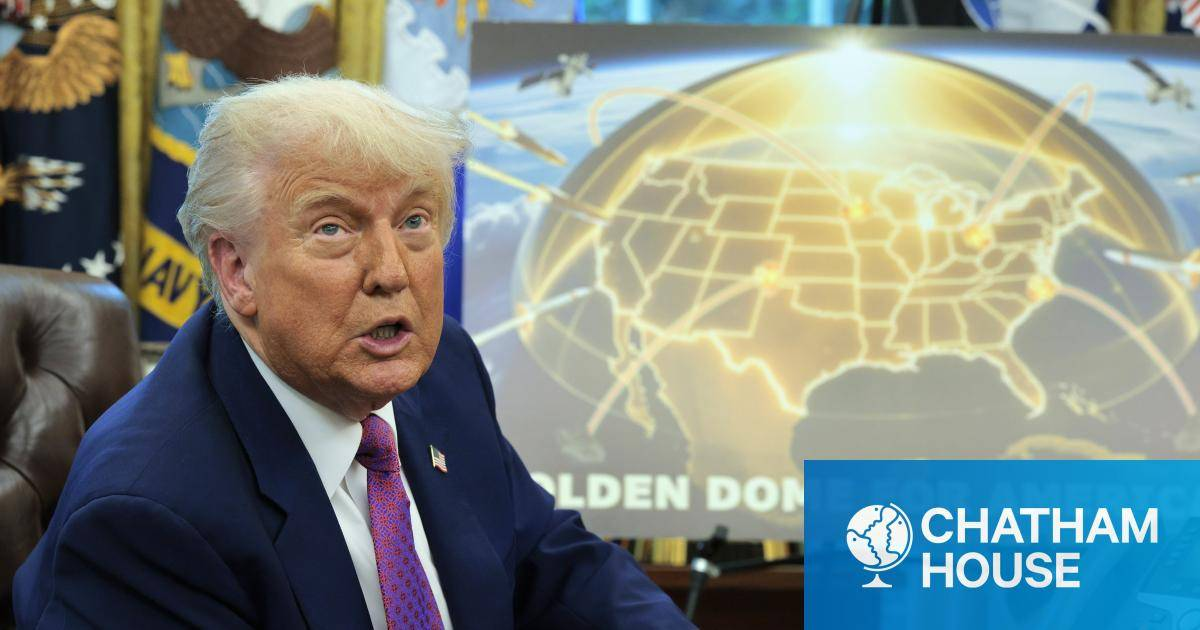
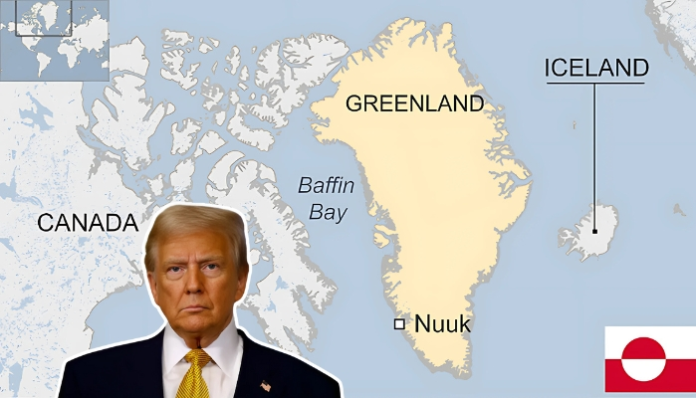


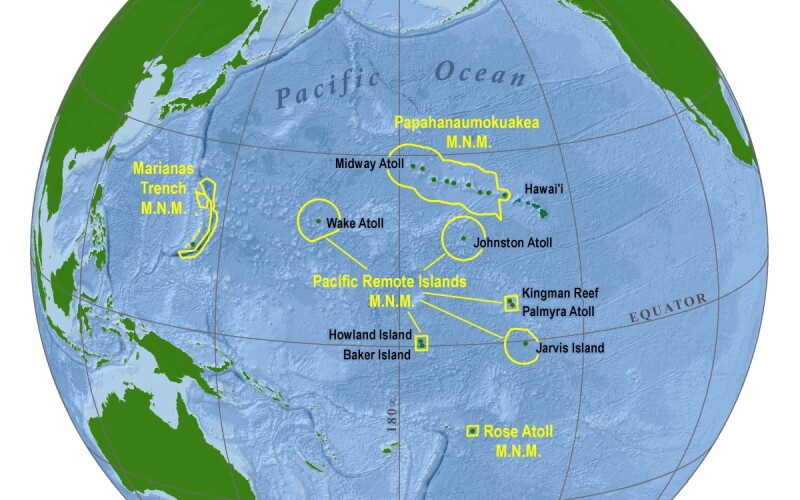


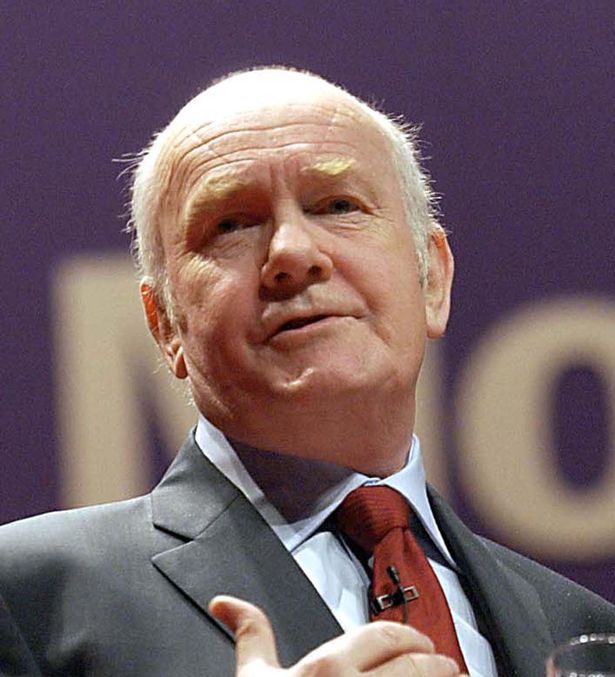

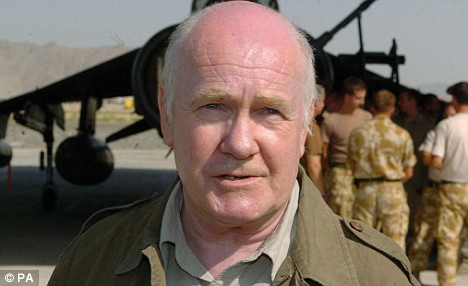
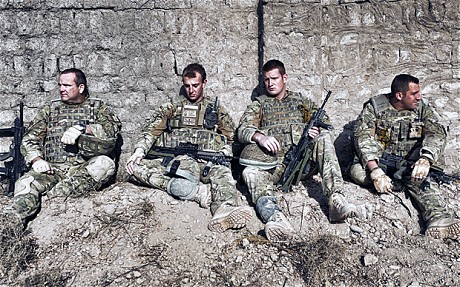
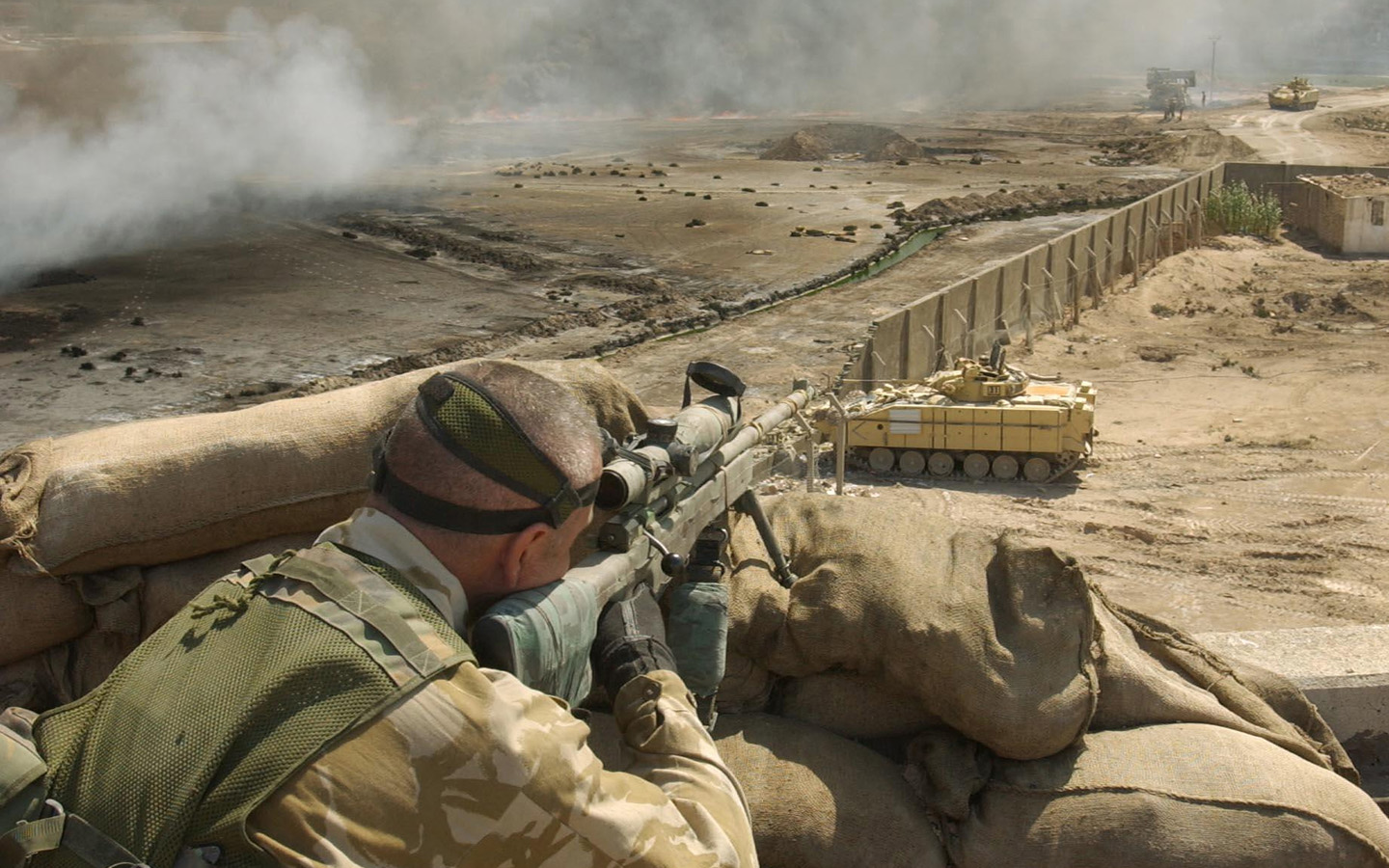
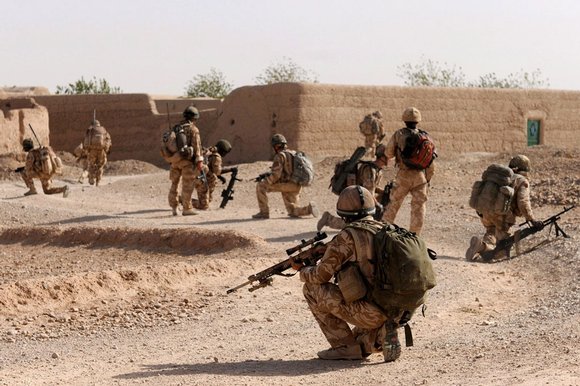
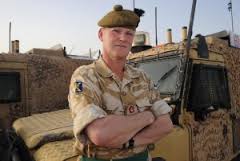
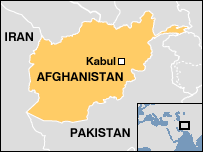
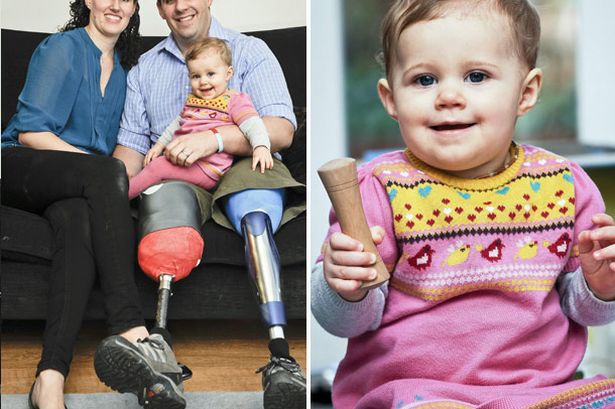
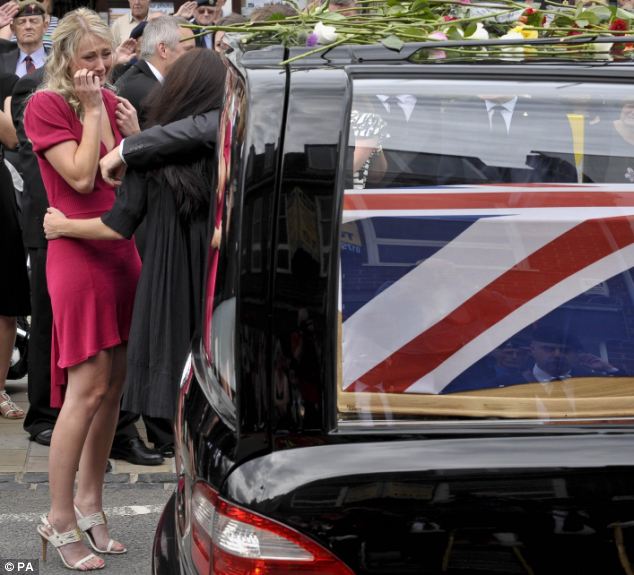


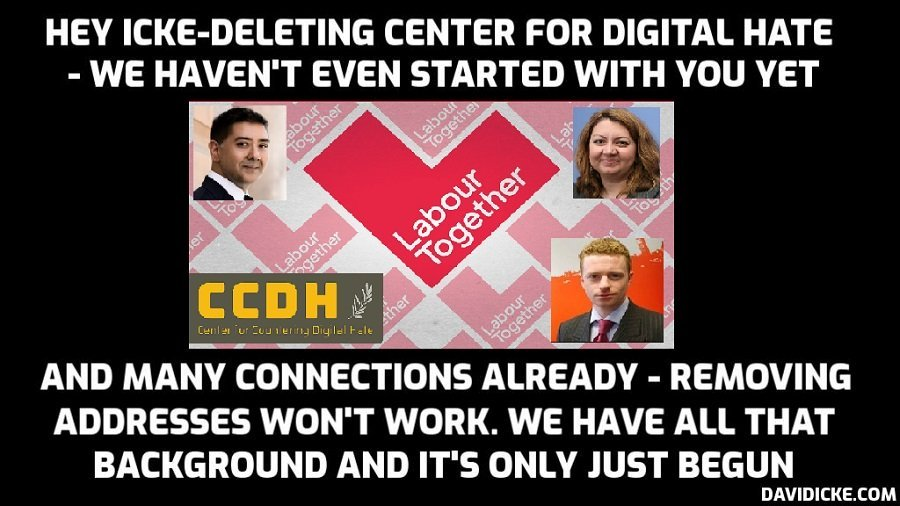
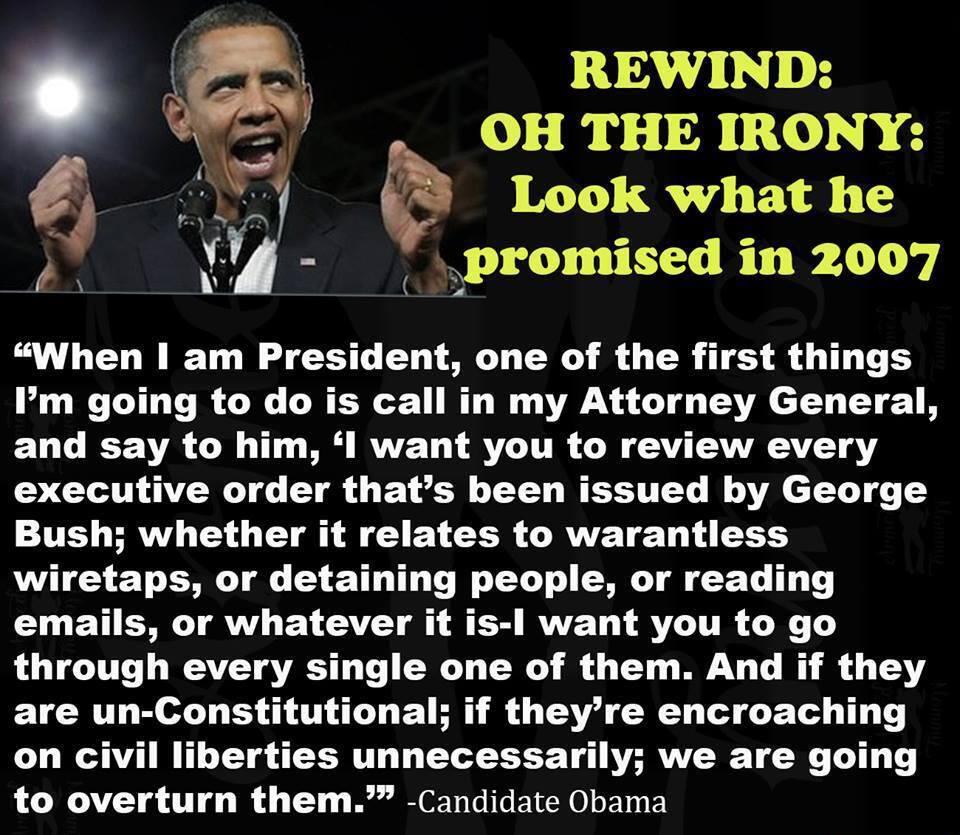
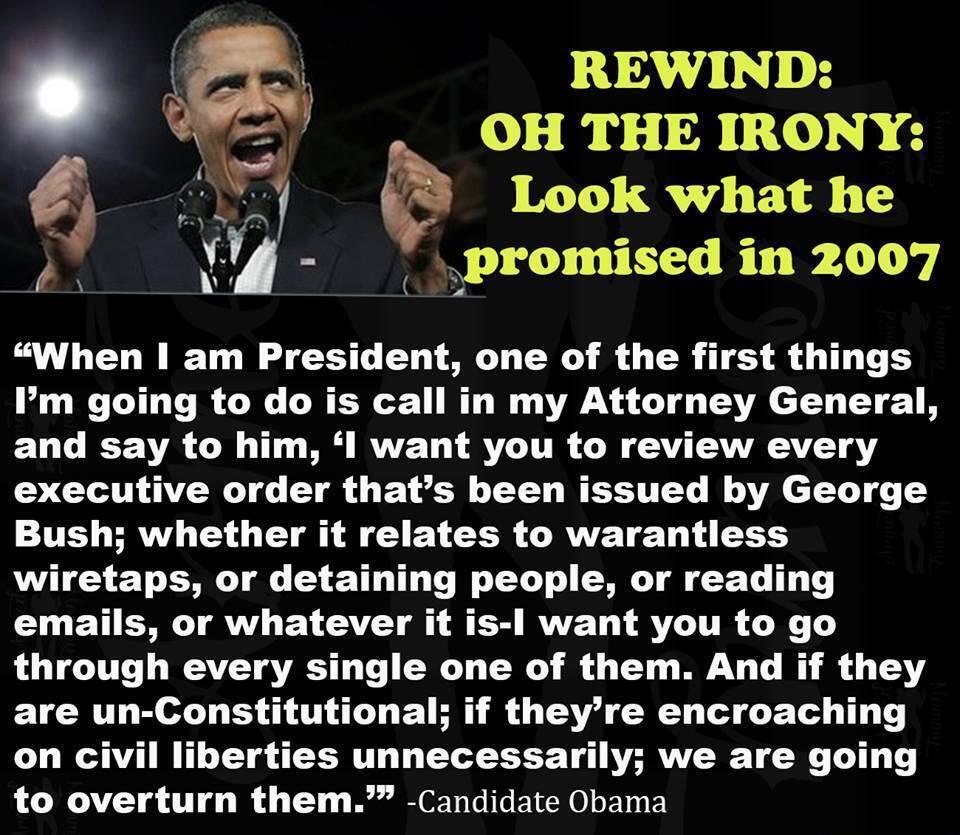
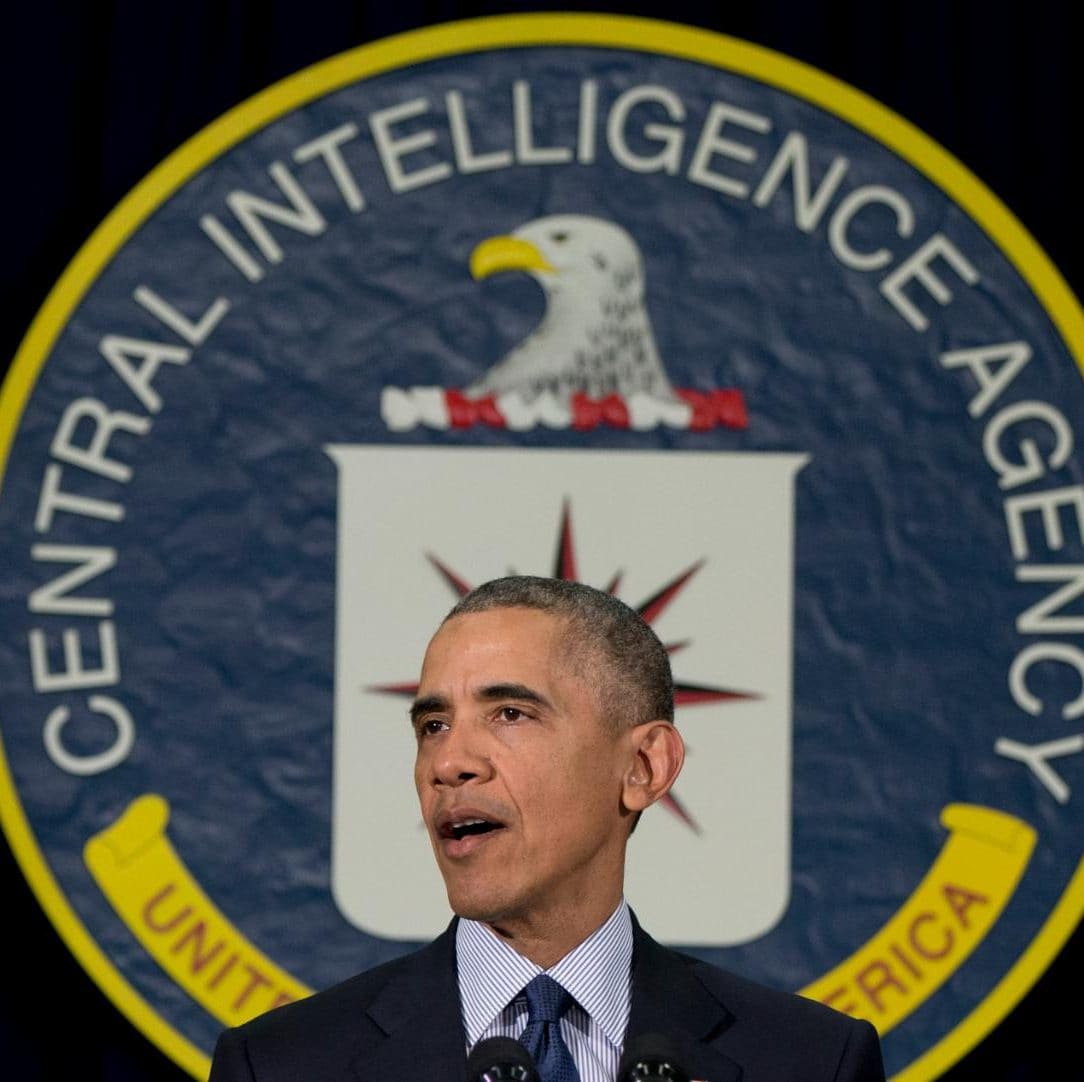
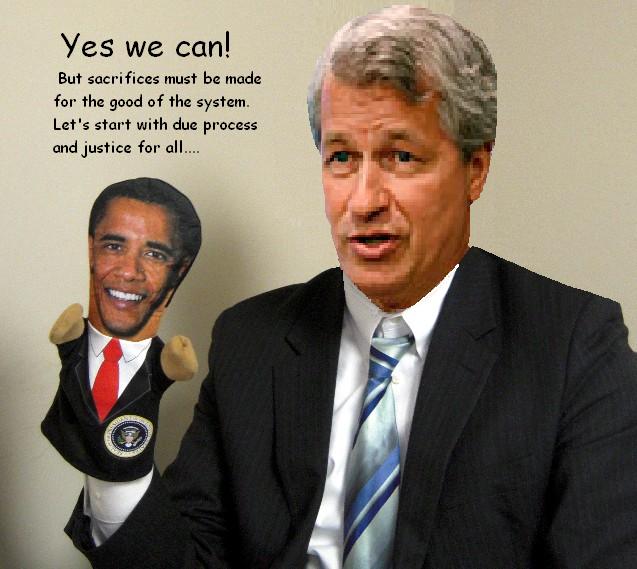
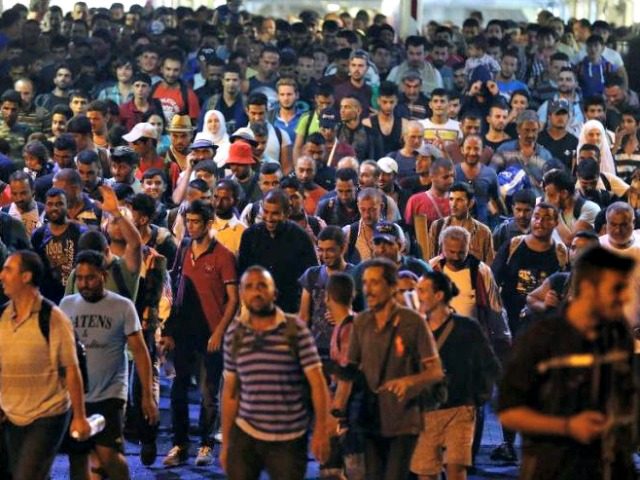


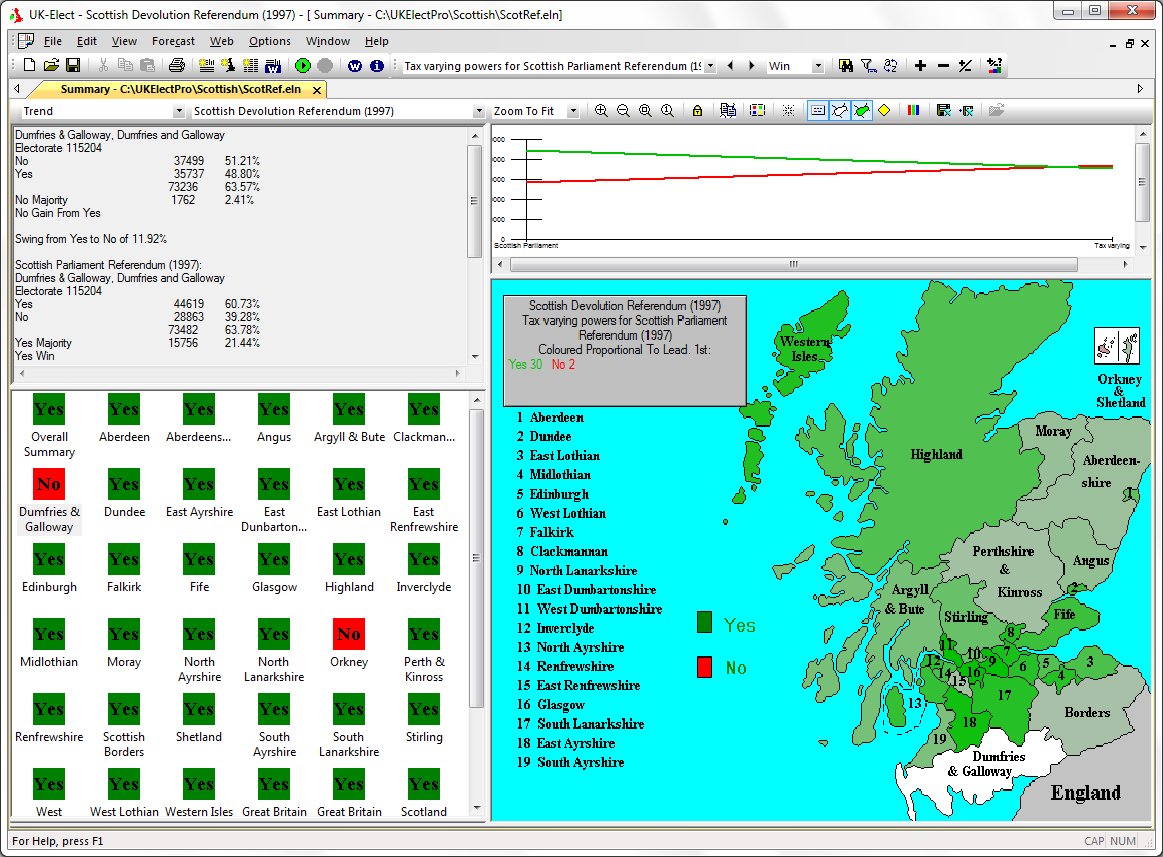

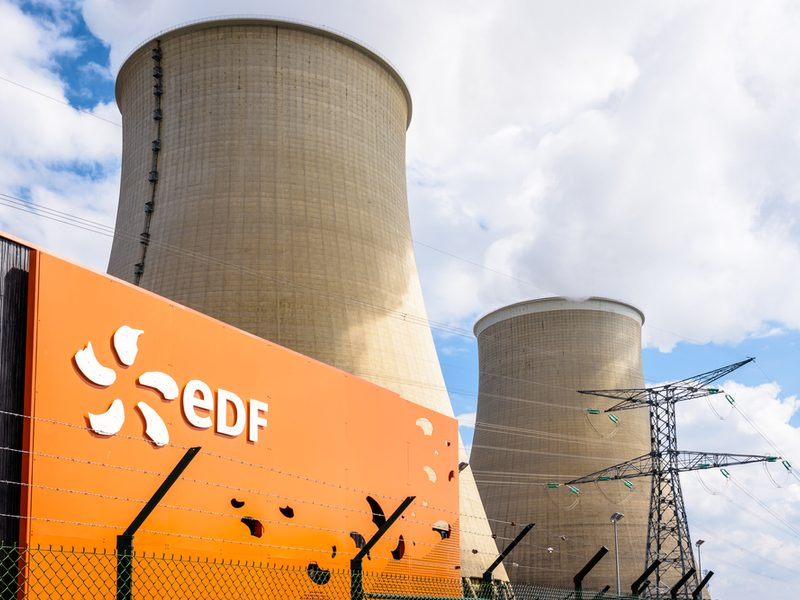
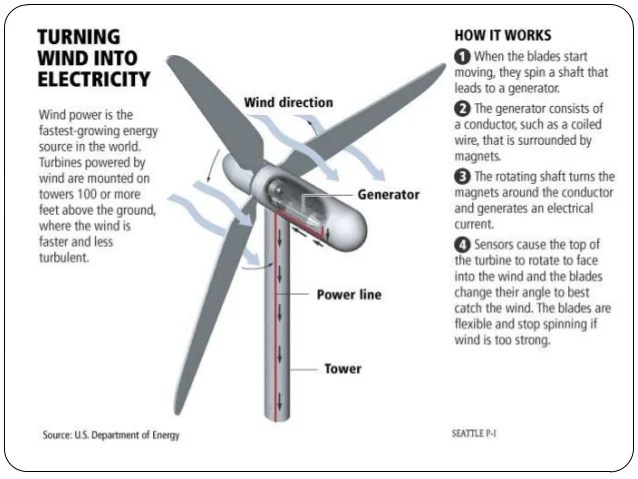
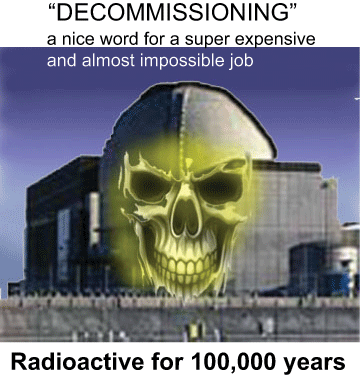
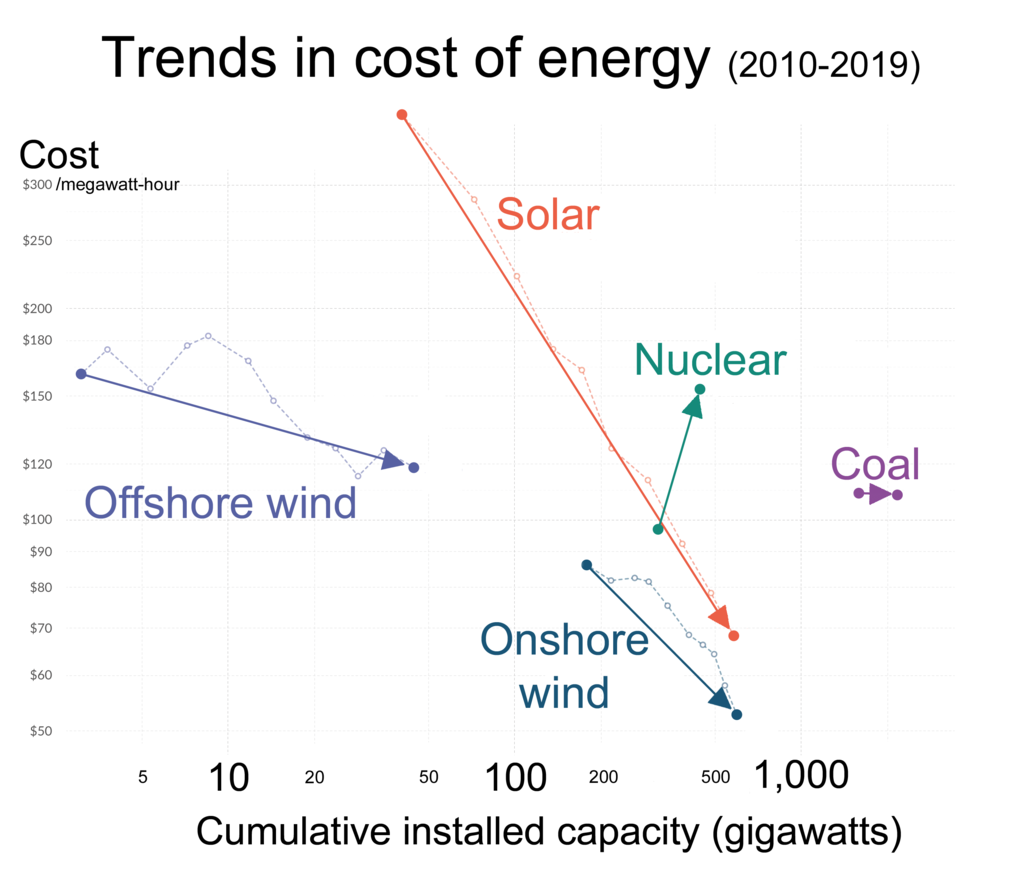

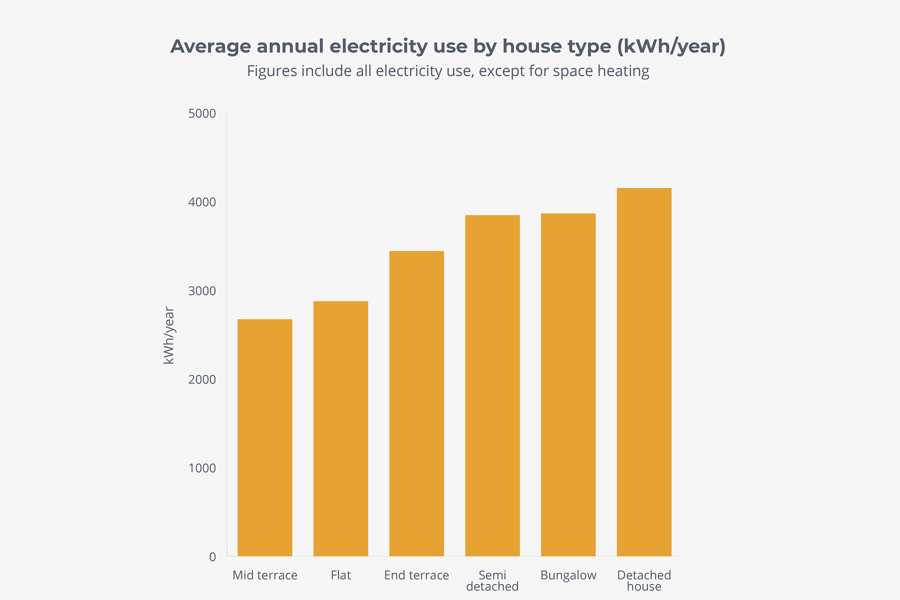

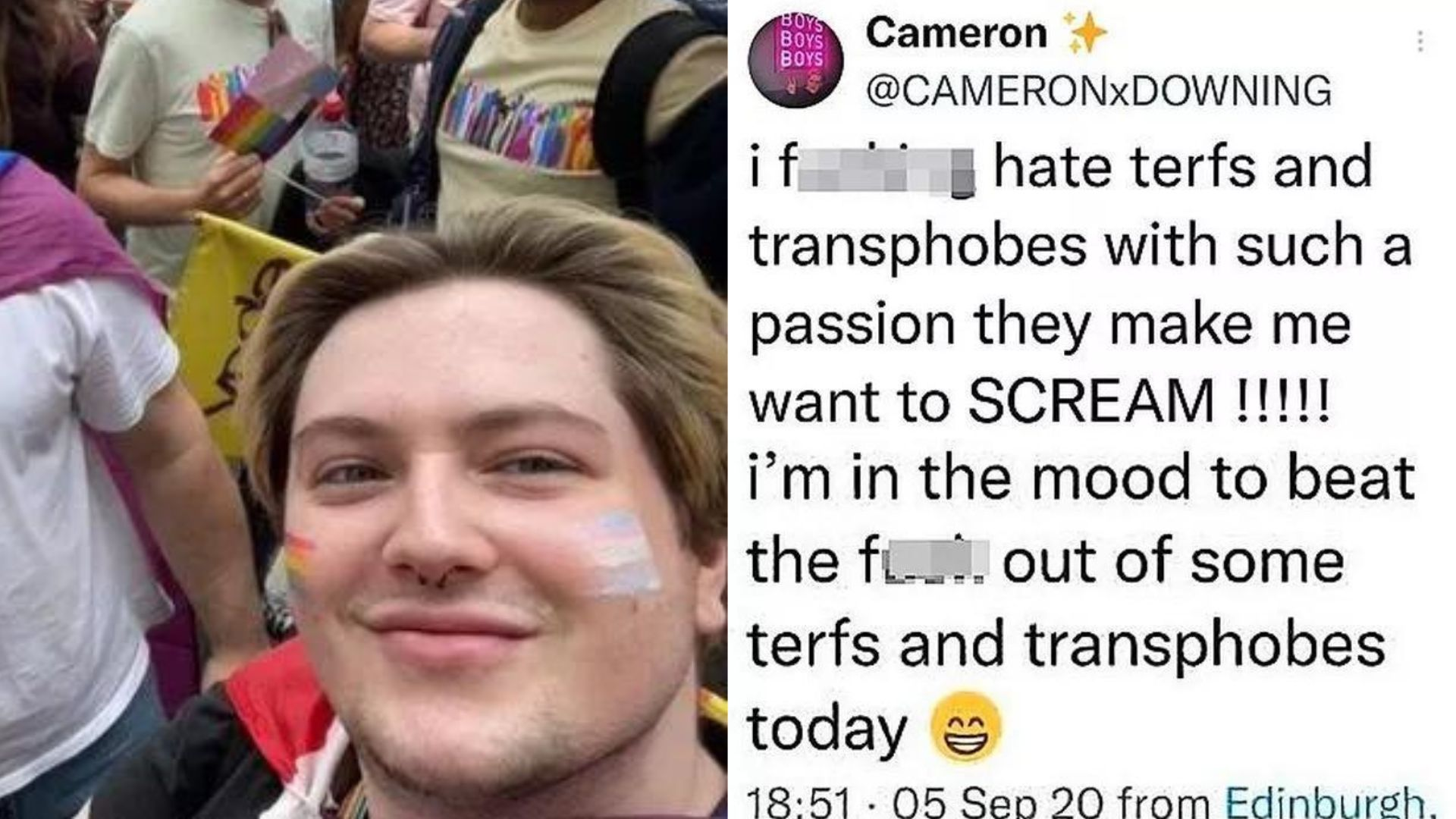
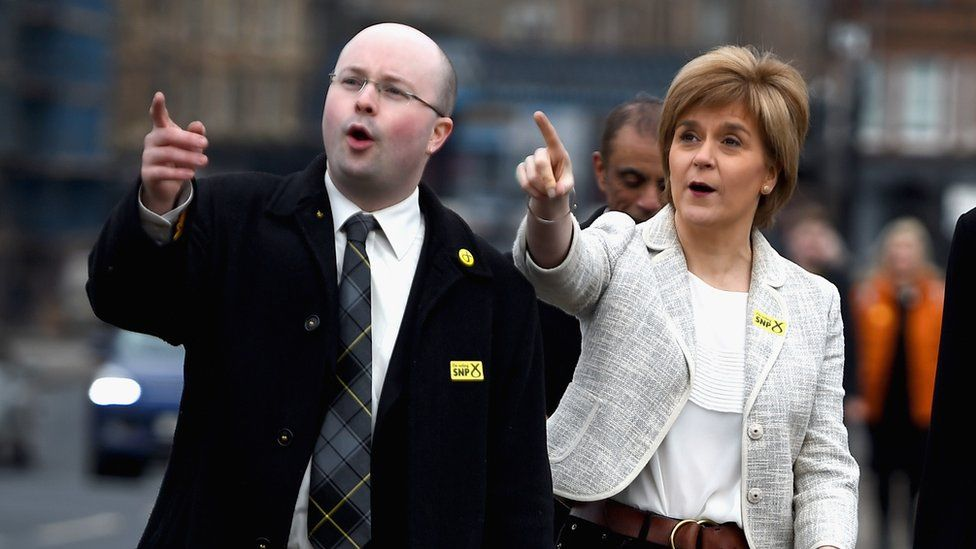
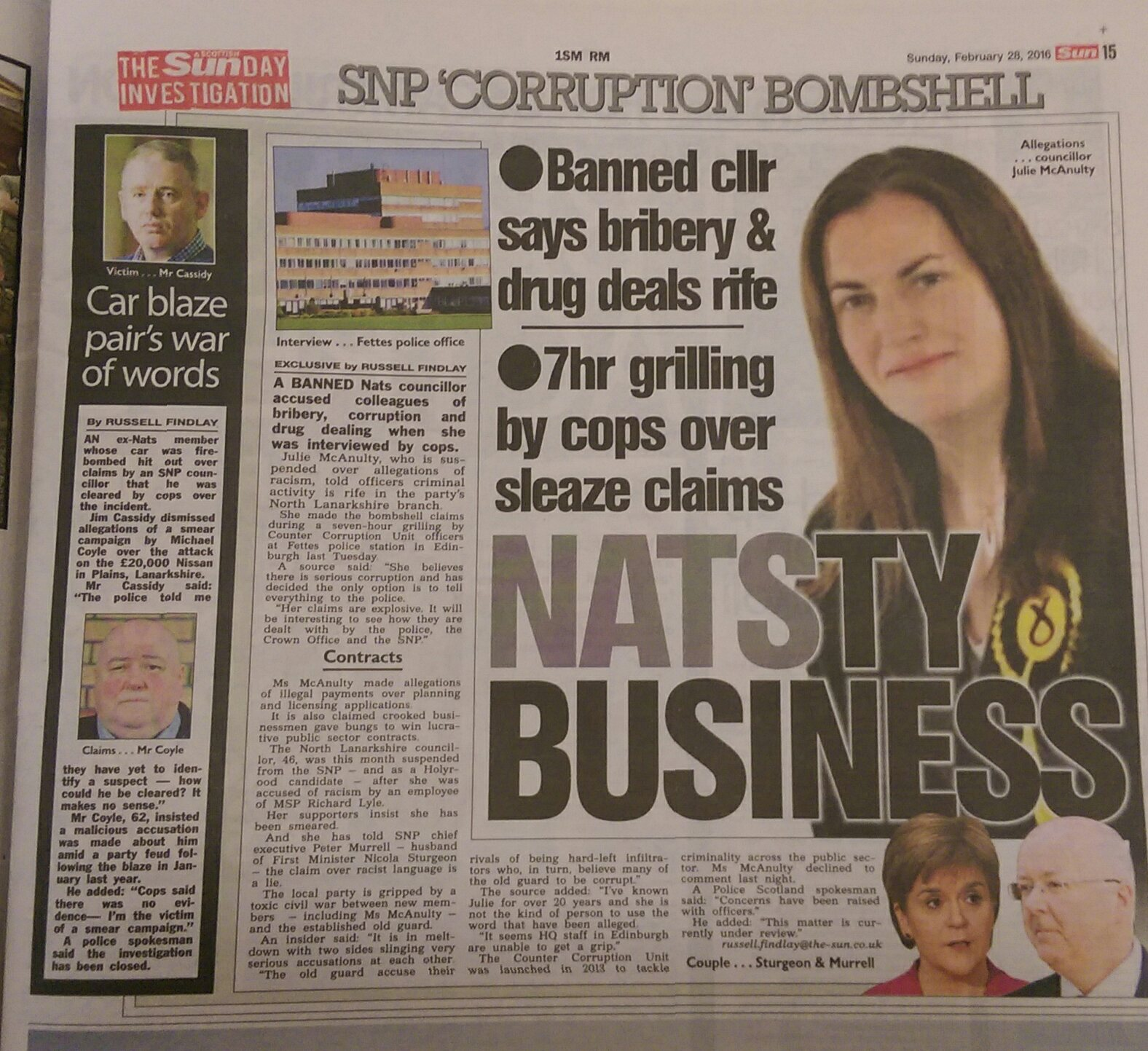
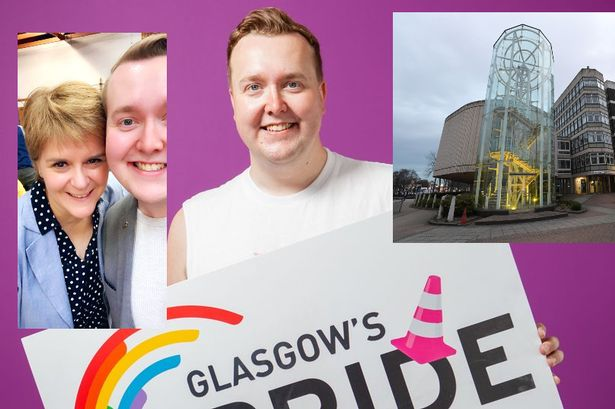
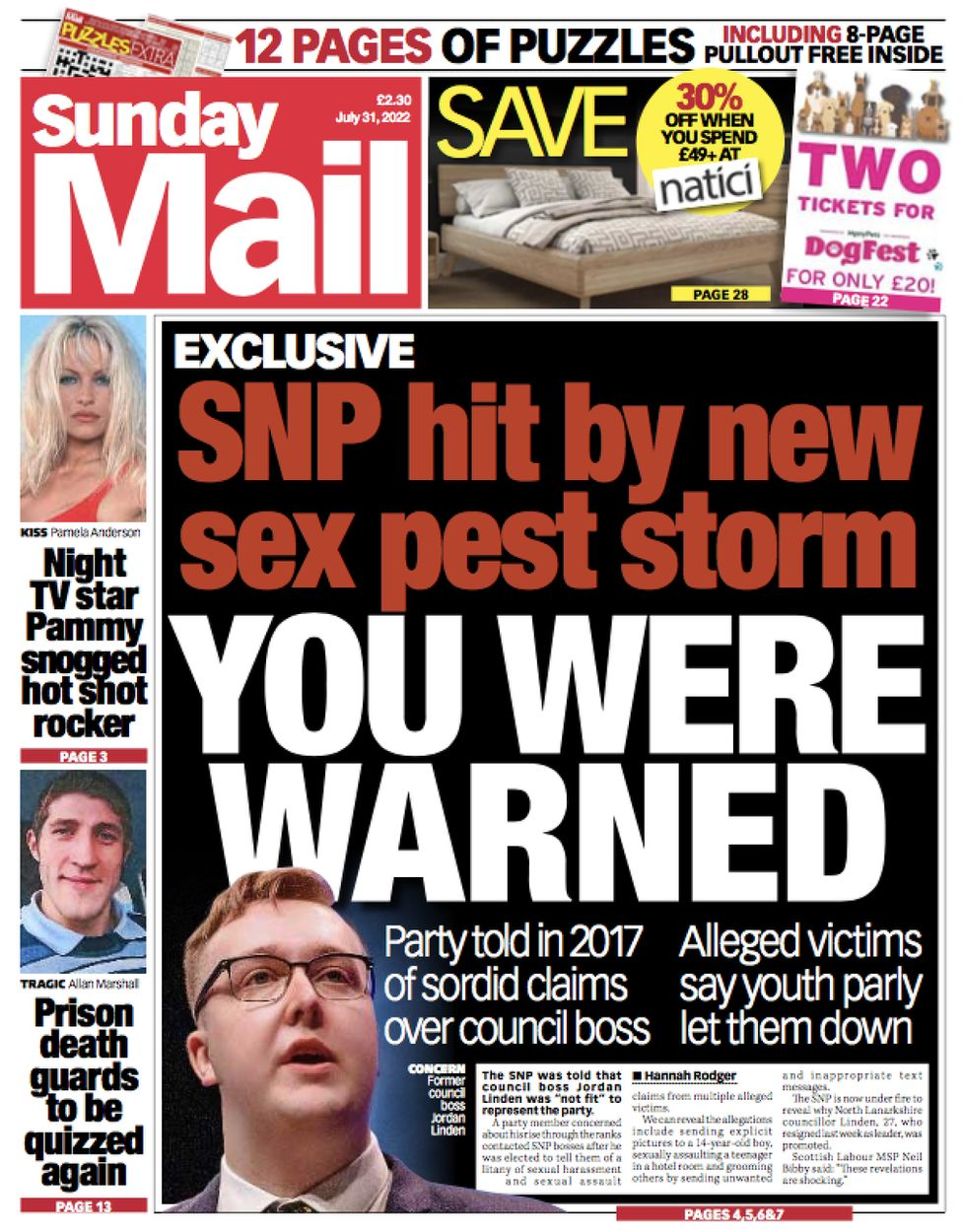



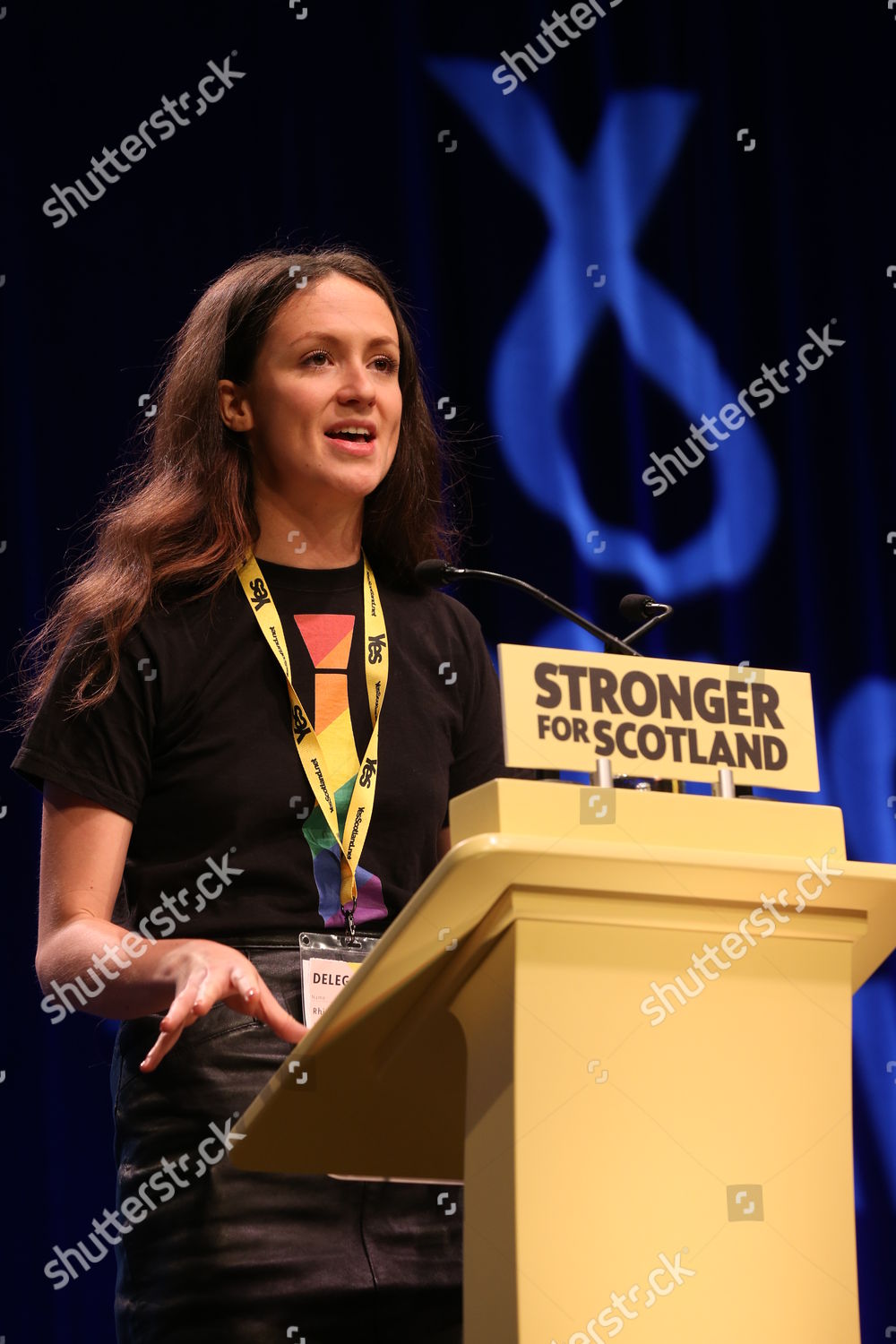






 caltonjock