Swinney, a political numpty whose 25-year career (not yet at an end) has been blotted by blunders and abject failures wasting many millions of Scottish taxpayer’s hard-earned income tax contributions escapes the scrutiny of Scots.
A brief Introduction
Alex Salmond resigned from the SNP leadership in 2000 and Swinney was elected Leader.
The Party lost an MP in 2001 and 27 MSPs in 2003 despite having all the political advantages. His role as a leader was challenged but he stubbornly held on until he was forced to step down after a disappointing 2004 European Parliament election in which the Party lost further ground.
What went wrong?
Swinney lost the support of large swathes of SNP because he surrounded himself with a clique of MSPs and unelected advisers who shifted the party to the right. Their mantra: If you were not with them, then you were against them and fair game to be attacked and destroyed.
The return of Alex Salmond
2004: Alex Salmond returned as Party leader and reintroduced collegiate management. The Party went on to win the highest number of seats, (just short of a majority) in the Scottish Parliament in the 2007 election and he was appointed First Minister.
November 12 2013: How the USA used Sir Jeremy Heywood and Sir John Scarlett to bring an EU drone strike capability on anyone in the UK
US influence in Europe and the UK aims to construct a Federal model as in the US and USSR. In this model, Parliament will become a weakened part of the constitution required only to pay lip service to democratic principles whilst permitting unelected bureaucrats to create and implement policies.
The UK plays an active role in European drone construction without the full knowledge of the general population. Policies are imposed by the Cabinet Secretary, on the basis that they contribute to the EU mission.
There is a growing chorus in the political press that the Civil Service, of which the Cabinet Office is the top and the Cabinet Secretary shares the lead Civil Service role, has become politicized and its neutrality compromised.
The notion of the “politicization” of the Civil Service remains vague not having reference to any particular political party. The Civil Service has not yet favoured the political aims of one or other Party at Westminster.
It has, however, confirmed the political aims of the EU Commission in Brussels and the implementation of its political European projects in the UK, and in that sense, the Civil Service has both lost its neutrality.
It has become politicized by the actions of the Cabinet Secretary, which is a significant point in constitutional terms because the checks and balances of the unwritten UK constitution are now unbalanced mirroring the European model which is being imposed in an underhand and secretive way.
The scenario is set for EU-controlled drone warfare. In September 2002 the infamous Dodgy Dossier was released by the UK Government which became the justification for the invasion of Iraq in 2003.
Sir Jeremy Heywood was Principal Private Secretary to Tony Blair appointed in 1999. The dossier was flawed and made false allegations about the existence of WMD and nuclear programs in Iraq.
Sir John Scarlett was chair of JIC, the Joint Intelligence Committee and he wrote to Tony Blair’s foreign affairs adviser David Manning about, “the benefit of obscuring the fact that in terms of WMD Iraq is not that exceptional”.
In other words, the dossier was misleading about Iraq’s capabilities. Sir Richard Dearlove, as ‘C’ Head of MI6 said he was misquoted in the ‘Downing Street Memo’ of a meeting about Iraq on 23 July 2002 saying it was, ” a misquotation of what I said, and what I said is not in the public record.”
Sir Jeremy Heywood resigned from the Civil Service (and joined Morgan Stanley bank) in 2003. The Hutton Inquiry found that he had claimed not to minute meetings in the PM’s office concerning the scientist Dr David Kelly who died, (murder or suicide) on 17 July 2003 having been named as a source questioning the veracity of the Dodgy Dossier.
With so much confusion it is at least clear that the UK had been mobilized by the USA to justify George Bush’s desire to hit Saddam Hussein. Sir John Scarlett’s role in the Iraq affair emerged as being pro-US.
Sir Jeremy Heywood’s role was less clear until 2013. when reports surfaced that Sir Jeremy Heywood’s Cabinet Office was blocking the release of papers to the Iraq inquiry which were detailed conversations between Blair and Bush together with notes and cabinet meetings. This was assumed to be to protect UK-US relations.
Sir John Scarlett acting as consultant to Morgan Stanley Bank once again joined with Sir Jeremy Heywood (returned to the Civil Service from Morgan Stanley bank) in an attempt to sell the UK defence contractor BAE Systems to the European defence contractor EADS in November 2012. Morgan Stanley stood to profit from the sale and questions about Heywood’s conflict of interest were asked.
The deal fell through but it was a good indicator of Heywood’s position on UK defence. It is part of the European and USA strategy that the EU member states reduce their defence capabilities in favour of a federal EU force.
A direct consequence of the wars in Iraq and Afghanistan was the spread of the radicalization process controlled by Al Qaeda and sister Taliban groups which were originally CIA creations.
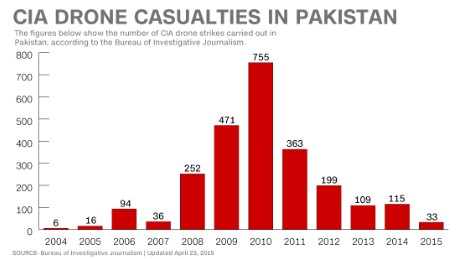
The CIA waged a drone war on its creations in Pakistan without any hindrance from other states. Drone strike technology was developed and refined in a theatre of war well away from Western shores.
In the summer of 2013, it was announced that the EU intended to operate its own drone air force as an intelligence gathering operation to counter the US activities.
Lady Ashton called for the use of military drones in Europe. So the war which Heywood helped to start in Iraq produced a drone nursery in Pakistan which technology the EU can use against its own citizens using, “threats” as an excuse.
Member states are weakened militarily and in intelligence terms resultant of policies implemented by the likes of Sir Jeremy Heywood and Sir John Scarlett that an EU drone-based air intelligence force is the only answer to, “threats”.
31 October 2014: France’s security fears over mysterious drones seen flying above nuclear plants
France launched an investigation into unidentified drones that were spotted over nuclear plants operated by state-owned utility EDF.
The French interior minister said that seven nuclear plants across the country were overflown by drones without any impact on the plants’ safety or functioning. The drone sightings renewed concerns about the safety of nuclear plants in France, the world’s most nuclear-reliant country with 58 reactors on 19 sites operated by EDF.
The head of Greenpeace’s anti-nuclear campaign said in a statement. ‘What is happening is very worrying,’ adding that France’s nuclear research institute CEA near Paris had also been flown over, citing unspecified sources.
The unmanned aircraft were spotted late in the evening, at night or very early in the morning, EDF said. It is prohibited to fly less than 1,000 meters above nuclear plants and within a 5-kilometre radius.
New York Police to introduce drone technology
New York police said they were concerned drones could become tools for terrorists, and were investigating ways to stop potential attacks. The NYPD said the technology has advanced enough that someone could use them to carry out an air assault using chemical weapons and firearms and they intended to develop drone technology which will allow them to take control of drones and scan the skies for them before major events.
This is a story unlike any previously published. The product of some 18 months of reporting, it tells the story of the catastrophe that fractured the Arab world since the invasion of Iraq, leading to the rise of ISIS and the global refugee crisis.
The geography of this catastrophe is broad and its causes are many, but its consequences — war and uncertainty throughout the world — are familiar to us all. The story gives the reader a visceral sense of how it all unfolded, through the eyes of six characters in Egypt, Libya, Syria, Iraq and Iraqi Kurdistan.
Accompanying the text are 10 portfolios by the photographer Paolo Pellegrin, drawn from his extensive travels across the region, as well as a landmark virtual-reality experience that embeds the viewer with the Iraqi fighting forces during the 2016 battle to retake Falluja.
It is unprecedented to focus so much energy and attention on a single story, but what follows is one of the most clear-eyed, powerful and human explanations of what went wrong in the region that you will ever read.
The Unionist Party “Child Poverty Act” of 2010 committed the Westminster political elite to completely eliminate poverty amongst children in the UK, by 2020.
But the reality for millions of Scottish children is an upbringing in poverty due to low-paid work and continued high unemployment levels which, due to welfare cutbacks will not be supplemented by the State.
“Save the Children”, took up the cause and produced a report, critical of politicians and their false promises “A Fair Start for Every Child”, warned that child poverty levels in 2014 were the “highest ever recorded in the UK” due to the poor getting poorer, the imposition of harsh welfare cuts and the increasing cost of every day essentials needed in support of children (decent clothing, footwear, balanced diets, medicines, heating etc.) http://www.savethechildren.org.uk/sites/default/files/images/A_Fair_Start_for_Every_Child.pdf
The usual Unionist government blandishments were issued stating that every effort, forming part of a long-term strategy, would be made to identify and resolve the root causes of the problems. But unless poor wages and poor welfare formed part of the response the future for children in poor families remained bleak.
Now the split in the consensus: The Labour Party went on the hunt, making mischief, blaming the Tory government for all the ills that UK society suffered, without mentioning that the legislation bringing forward measures dealing with the problems of the increasing numbers of the “underclass and their feral children” was placed on the statute in 2004 by Tony Blair, Gordon Brown and New Labour.
The Tory and Lib/Dems simply picked up the cudgel created for them by the Labour government and wielded it with gusto.
Beyond the general election, the Tory Party committed to the implementation of an austerity programme ensuring the elimination of a £1.6 trillion financial deficit, created by the Labour government and added to by the Tory Party.
The Labour Party sang from the same song sheet as the Tories committed to a similar programme of massive cuts “but to be applied with a human face”.
So child poverty would be increasing unless the “austerity measures” were binned in favour of an expansion of the economy, favoured by many informed financial experts.
The SNP argument
“The exchequer gathered billions to its coffers over the last 5 years and this should be released to families improving their lifestyles and the welfare of their children. The benefits are obvious. A fair-minded society means healthy children and a contented electorate who will work hard to increase tax revenues affording a faster reduction of the deficit.”
I am a member of ALBA and am advancing views for the Party to consider incorporating as policy before the next election.
Introduction
The Scottish electorate should decide upon the standards of behaviour expected of individuals employed by the Government and those elected to office as MSPs and Ministers and the punitive measures to be applied in cases of misconduct.
The devolved Government should commit to rule as an interim body until independence is achieved and legislation introducing major changes to society is to be referred to the electorate for decision by referendum.
Legislation imposed on the country since the opening of the Scottish parliament at Holyrood should be reviewed and with consensus referred to the electorate for decision by referendum.
A provisional list of legislative matters to be so referred includes:
Reform of the Gender Recognition Act.
LGBTO+ inclusive education has been embedded by stealth within the curriculum children as young as four years old are now able to change their names and genders at schools without requiring parental consent and schools permit students who claim to be transgender to use whatever bathroom or locker room they prefer. Also under the new inclusivity guidelines teachers are urged not to question students if they indicate a wish to transition genders. Instead, teachers are urged to ask for the students’ new names and pronouns.
Government & the Crown – Bad law
The relationship between the Government and the Crown is a proven source of bad law. Reform is urgently required
Alcohol – Minimum Unit Price
In May 2018 the SNP government introduced a legally enforced minimum price for all alcoholic drinks to tackle chronic alcohol abuse by “hard to reach” people who drink alcohol at harmful levels, including those dependent on alcohol and those accessing treatment services. The policy has not encouraged problem drinkers to consume less but has resulted in a marked shift to cheaper sourced illegal drug use and associated crime.
Hate Crime Law
In 2018, MSPs voted to repeal a controversial law introduced by the SNP which criminalised the “stirring up of hatred” against certain people or groups about football matches, as well as outlawing certain “threatening communications”.
The following year, SNP ministers abandoned attempts to appoint a named person to safeguard the welfare of every child in the country, after the UK Supreme Court criticised the plan as a breach of privacy.
MSPs made significant amendments to the current hate crime legislation when they were scrutinising the bill in parliament after lawyers, journalists and comedians raised concerns that it impinged on free speech.
Roddy Dunlop KC said the actual law was much improved from its original draft, in particular, because freedom of expression was now “baked-in” to it.
However, he said, some “very understandable concerns” remained, and the Scottish state appeared to be more willing than it had been in previous times to interfere in people’s private lives.
Mr Dunlop also said there was a danger of “completely malicious” complaints being recorded and retained by police, and urged the Scottish government to clarify how such data would be handled.
Come April Fool’s Day, many eyes will be on Scotland to see if it has managed to strike the right balance between authoritarianism and liberalism – and between freedom and safety – as it attempts to slay the “hate monster”.
In a statement, it defended the use of third-party reporting centres but also promised to set up a “short-life working group” to “re-evaluate the criteria of a third-party reporting centre, recording and maintenance of the scheme and how to improve support for centres and victims.”
More generally, the looming introduction of the hate crime bill has reignited debate about the Scottish government’s approach to issues of personal freedom. (BBC)
National Police Force
In 2013 all eight of Scotland’s regional police forces were replaced with just one authority, Police Scotland a merger at odds with the long-established tradition of community-based policing and local accountability in Scotland with the potential for damaging conflict between the force’s leading officers and the unelected Scottish Police Authority Quango, which was given executive powers over finance, recruitment and personnel policy which by effect transferred oversight and control of 17,000 police and 6,000 civilian support staff to politicians in the Scottish Government.
The fears expressed by many opponents to the establishment of a single Authority have been realised and the changes should be abandoned and autonomy for local policing returned to the regions and local communities.
The National Specialist Crime Unit should be retained together with a national administration, headquarters and police training unit at Tulliannan headed by a National Director.
There should be a bonfire of the quangos
When the SNP came into power, they promised the ‘bonfire of the quangos’. Under their leadership, the amount of public money being used to support quangos and spin has swelled year upon year. At the same time as the local government has seen its budgets slashed, the SNP has elected to pour more and more money on arms-length bodies that fail to deliver value for money.
Scottish taxpayers are picking up a £22million annual bill for the salaries of chief executives and committee members of almost 100 public quangos, including many people don‘t even know exist.
A review is needed to decide how many of these organisations are required amid a cost-of-living crisis when the NHS, schools and thousands of Scots are living in poverty.
An example of the crazy world of the Scottish quangos
December 2023: A row broke out after it emerged the SNP-led Government appointments committee had contracted Michael Russell to be chair of the Scottish Land Commission SLC Quango on an annual salary of £400,000 plus financial incentives.
The best-qualified person for the post who wasn’t even considered, the land reform expert and former Green MSP Andy Wightman, tweeted:
“Depressing that the vote whether to recommend Mike Russell as Chair of Scottish Land Commission broke along party lines. Decisions like this should not be political, but, unsurprisingly, the SNP & Greens did not want any scrutiny.”
The foregoing list of subjects is not exhaustive and I expect there are many other matters of concern which could be added. But Scottish electorate needs to know what ALBA stands for now. We must get the message out there and soon!!!
Extracted from: “Break-Up: How Alex Salmond And Nicola Sturgeon Went To War” written by former Daily Record political editor David Clegg and Times journalist Kieran Andrews.
“This was not the first occasion during my time as political editor of the Record that I had been given cause to suspect Salmond could be a potential subject of harassment complaints.
I’d been covering the Scottish Parliament for seven years when the #MeToo movement erupted in the autumn of 2017 and sparked a wave of intense scrutiny of the behaviour of powerful men.
I had a conversation with a Scottish Government official that would set the course for what followed. The well-placed figure said dramatically: “Everyone working in government knows that if a Harvey Weinstein scandal is going to emerge in Scotland, it will be about Alex Salmond.” Stunned by this comment from a normally level-headed contact, I immediately rang my editor, Murray Foote, to discuss what to do.
It was decided that I should drop all other stories and spend the next few weeks digging into Salmond.
I began contacting civil servants, SNP staffers and government employees I knew had worked closely with the former first minister in the previous two decades.
A pattern quickly emerged. Salmond was described as a ferocious boss and hard taskmaster who was prone to shouting and swearing at staff. The word “bully” cropped up again and again.
Several sources also claimed the Scottish Government had implemented a secret policy prior to the independence referendum to ensure the safety of female employees working at close quarters with Salmond.
Yet it was also evident the former first minister was an extremely talented and charismatic leader who inspired feelings of loyalty and devotion in subordinates – even those he mistreated.
The picture was of a powerful man with a quick temper who had presided over a toxic culture that saw his erratic behaviour indulged and covered up by the civil service.
On 31 October 2017, I submitted a series of questions to the Scottish Government asking if any complaints had been made about Salmond during his time as first minister.
In a separate media inquiry, I also asked if a policy had been put in place to stop women working alone late at night with him. The government insisted there had been no policy and no complaints.
Despite continuing whispers at Holyrood about Salmond having skeletons in his closet, none of the claims could be corroborated with sufficient certainty to allow publication.”
David Clegg, on the right– Saved the Union in 2014 and Scuppered Alex Salmond in 2017 – Not bad for a wee Irishman from Ulster
Comment: Clegg’s singular, persistent yet unfruitful pursuit over a number of weeks, seeking from Scottish government employees and civil servants, information that would be damaging to Alex Salmond was in direct contravention of the news editor’s “code of Practice”. Harassment: Journalists must not engage in intimidation, harassment or persistent pursuit.
Clegg and his editors freely admitted blatantly contravening the code conducting a “harassment fishing trip” that revealed nothing of any verifiable substance.
Information, or allegations of wrong doing, from any source, gathered subsequent to 1 November 2017 should have been given over to officers of the government at their request.
Starmer saved Labour from ‘extremism’ under ‘Marxist leader’, says BlackRock CEO
Keir Starmer has been backed by one of the world’s most influential financiers, Larry Fink, the chairman and CEO of BlackRock, the world’s largest asset manager, as he said the Labour leader now offers a “measurement of hope” by showing “real strength” in bringing Labour back to the centre ground of politics.
Globalisation and cross-border mergers are increasing demand for Hakluyt’s brand of intelligence, Years after leaving MI6, Christopher James, is still involved in “the great game”, still savouring the whiff of romance and still at the centre of a global web.
Former spies are supposed to retire into oblivion, carrying their secret cargo of knowledge to the grave. Not him. The idea was to do for industry what we had done for the government,” he says. “In the services, you get to understand a great deal about the people who make things work. I felt what we provided might have some commercial value. You could say it was intuition about the ending of the Cold War.”
James, who served in the Special Air Service before MI6, founded Hakluyt & Company in April 1995 along with Christopher Wilkins, a former Welsh Guards officer and businessman.
Mike Reynolds, an ex-MI6 colleague, and Jeremy Connell, a former diplomat and business development manager for a law firm, became directors in 1995.
Michael Maclay, a former journalist, diplomat and special adviser to Douglas Hurd, former foreign secretary, and Carl Bildt, UN high representative in Bosnia, joined in 1997.
Wilkins retired in 1996.
So far Hakluyt has provided intelligence for 26 FTSE 100 companies and has a growing number of US and European clients.
Operating by word of mouth, the company sells information of a singular and sensitive kind. James describes what they produce as “the truth”. “The chairman of a company may be under immense pressure from senior managers to approve a contract, but a voice in the back of his head tells him something is not quite right. That is where we come in. We give focused, timely intelligence – we fill in the gaps.” Maclay adds: “We are there to answer specific questions – what the real agenda is, who is in whose pocket and what is the role of certain people.”
Maclay gives an example of an assignment. In 1997 a British company was tempted by a lucrative joint venture in the former Soviet Union when strategic mineral resources were privatised in an obscure republic. The slick Russian frontmen turned out to be ex-KGB agents with direct links to an international drugs cartel laundering money in the Caribbean. The company was advised to pull out.
Raising a china teacup at Hakluyt’s West End offices, James, managing director, reflects: “It would not be Hakluyt if there was no whiff of romance about it.”
It might be thought that his former masters would have been uneasy about former staff going corporate. But Sir David Spedding, then head of MI6, wished him luck with his venture as he does with everyone who leaves the service, says James. “Once you’re in, you’re in. And once you’re out, you’re out. There are absolutely no ties.” He is sure MI6 is not interested in Hakluyt’s activities. “They have far more important things to worry about.”
Support has come from a roll-call of establishment grandees – a clue to the contacts Hakluyt can muster.
Former foreign secretary Malcolm Rifkind is supportive of the project; so too is Ian Lang, former secretary of state at the Department of Trade and Industry. Earl Jellicoe, president of the SAS Association provided early encouragement, as did the late Brigadier Sir Fitzroy Maclean, Winston Churchill’s personal envoy to Marshall Tito during the second world war. The current DTI “likes the idea”, according to James.
The Hakluyt Foundation
The company’s equivalent of a board, contains more eminent names:
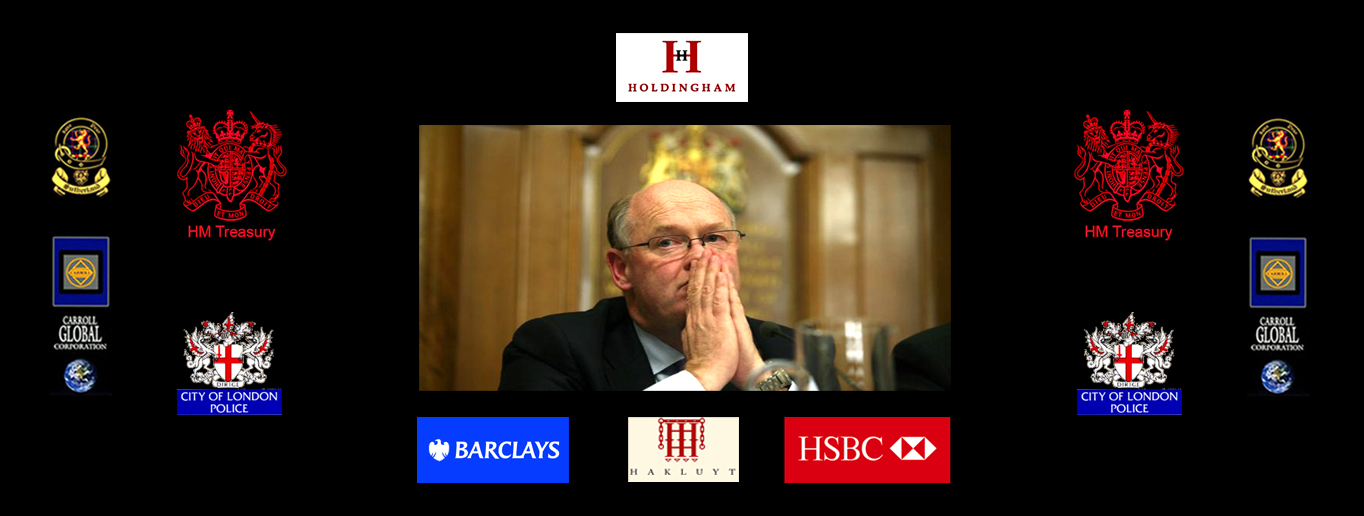
Sir Peter Holmes, the foundation’s president and former chairman of Royal Dutch Shell Group.
Sir Brian Cubbon, former permanent under-secretary of state at the Home Office. . Sir Peter Cazalet, chairman of the company and the foundation, former deputy chairman of BP and member of the top salaries review board.
Sir William Purves, former chairman of HSBC.
Lord Inge, former chief of defence staff.
Lord Trotman, former chairman and chief executive of Ford and a director of the New York Stock Exchange.
Baroness Smith of Gilmorehill, widow of John Smith, the former Labour party leader who was himself was a Steering Committee Member of the Bilderberg Group.
Lord Renwick, chairman of Robert Fleming, the investment bank is a special adviser.
Strategic Associations
To cap all these connections, Hakluyt formed a strategic agreement with Henry Kissinger. The former US secretary of state, guru of realpolitik, Nobel peace prize-winner and darling of the lecture circuit runs his own strategic consultancy, Kissinger Associates.
Kissinger’s company facilitates top-level introductions for Hakluyt and both will refer clients and cooperate on individual projects. It is almost a privatised version of “the special relationship”.
James said, “Kissinger is a statesman who has been at the very heart of American politics and I am extremely flattered. The Hakluyt Foundation has a vital role. It provides “reassurance we are not just a tearaway bunch of ex-government officials. It ensures Hakluyt abides by a code of practice, which has an absolute ban on doing anything illegal, any dirty tricks.”
Asked if this might disappoint some clients James was firm: “We just don’t do it.”
McClay added, “Nor does Hakluyt operate by tip fees for information. We talk to the high-ups, not the hard-ups.”
Hakluyt, like the services, regards paid-for information as less reliable than information given freely. The company has over 100 “associates” on its books some based in London, others at stations worldwide, formed by personal contacts, whose judgement the directors trust absolutely. They might be investigative journalists, diplomats’ wives, senior business people, former diplomats or consultants. They are “intuitive, determined, highly intelligent” and have intimate knowledge of the country in which they operate. Associates are free to turn down assignments and are expected to use their judgment about dangerous situations.
McClay said, “When Hakluyt receives an assignment, it calls up to five associates back to London to be briefed and then deploys them. The work essentially involves talking to the right people. It’s all about people, and following up contacts. Each associate is given different questions and works independently. The associates might well come back with contradictory information. When this happens, the directors make a careful judgement of the material in London before submitting a final report. We can’t just say: ‘On the one hand, and on the other’, we have to give answers.”
McClay added, “Hakluyt pays good professional rates although some associates prefer a case of claret. The company will not disclose its rates to clients. Given the nature of the work, fees are not insubstantial, and vary widely although not as much as a top law firm.”
Much of Hakluyt’s work has been concentrated in the former Soviet Union and China, but the company has carried out jobs in 57 countries, including Indonesia, India, Latin America, Korea, the Middle East and, lately, in Europe.
McClay said, “Globalisation and the rise in cross-border mergers have led to a growing demand for accurate and well-sourced information. Privatisations worldwide and resulting joint ventures form its core business and organisations need “someone to refine a complicated world and provide answers. Hakluyt has been helped by the management trend of outsourcing: “In the old days, companies would have had someone who would know the situation in a particular market, but they have outsourced so many requirements.”
And the significance of the name?
In 1582 Richard Hakluyt argued for the colonisation of north America as a base for discovering the Orient. Centuries later it was said of him: “He is the silent man, seated in the dark corner, who is content to listen and remember”. Is Hakluyt attempting to recapture a fading imperial grandeur? “When we set up, it was to help British companies stay ahead of the competition,” said James. “We now have international clients, but there is still something in staying ahead of the game, of expansion in our message.”
The 2014 Independence Referendum and Project Fear’s war against democracy in Scotland
The revelation that “Better Together” was financed by wealthy supporters and commercial conmen is not surprising since dodgy financial funding is a well-practised trait of the Party.
But the active involvement of former MI6 agents and other characters with a background in ‘intelligence’ and ‘ex-military’ is of great concern to Scots since the threat to Scottish democracy in 2023 is as powerful as before with the introduction to Scotland of the shady “John Smith Foundation” fronted by former MI6 and Hakluyt official, Lady Smith.
The undernoted donated significant funds to the “Better Together” campaign
Christopher Wilkins, ex MI6: The former Welsh Guards officer who read for the bar and attended the school of Military Intelligence became the founding chairman and architect of the intelligence-gathering organisation that he named “Hakluyt” which continues to flourish.
Currently, he is chairman of a renewable energy company and lives in London and the Scottish Borders. He was a member of the Scottish Economic Council for ten years.
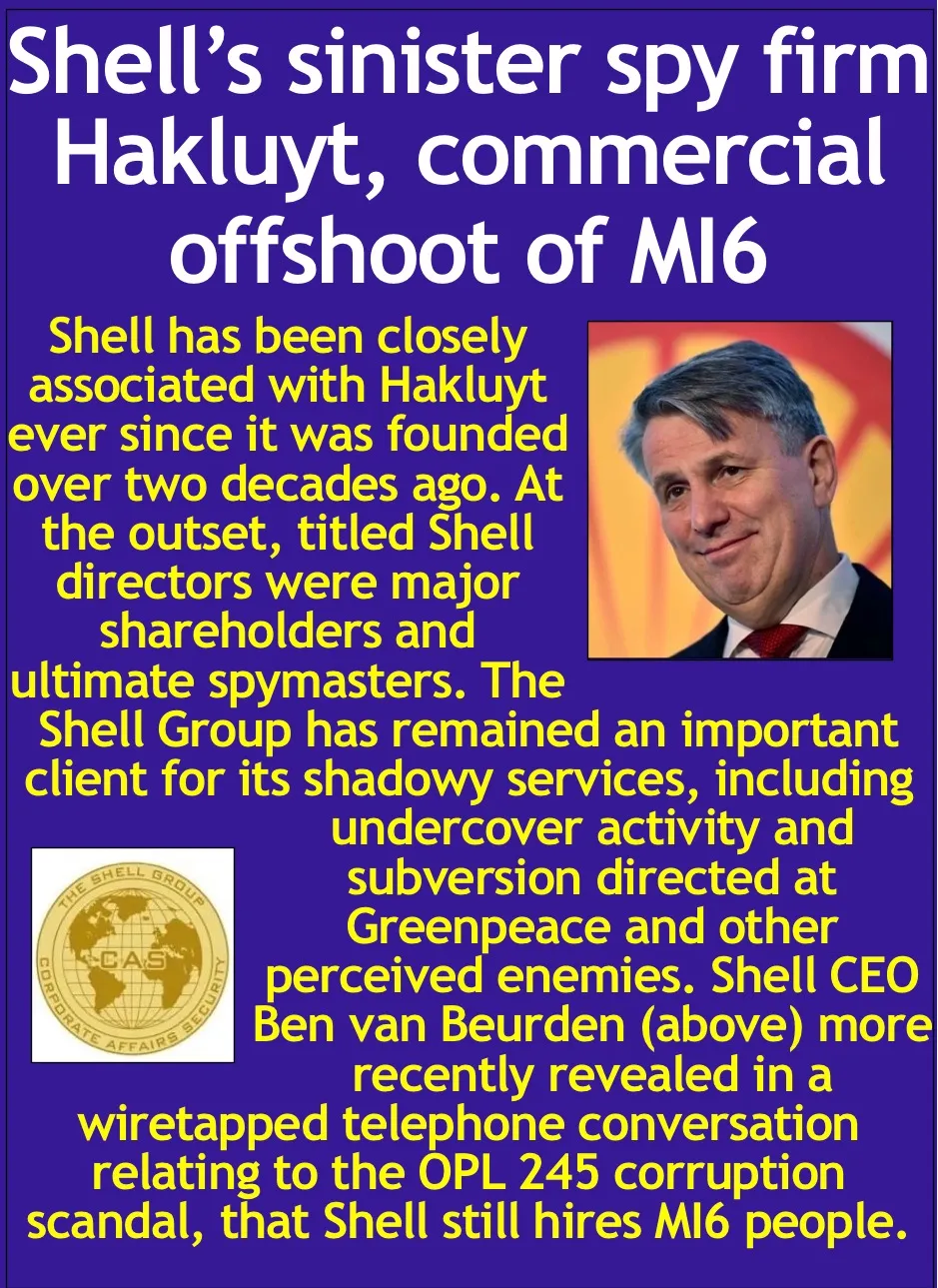
Hakluyt, which continues to employ ex-spies, was later found to have infiltrated and spied on Greenpeace on behalf of Shell and BP. And, working for Hilary Clinton, it actively undermined Donald Trump’s campaign for the Presidency of the United States of America by providing false evidence in a report that he was working against the interests of his country with President Putin.
Sir Keith Craig, ex MI6: The ‘army veteran’ is a managing director of Hakluyt.
Simon Crane: The CEO of Edinburgh International (EI), a private military contractor (founded in Baghdad in 2003).
It provides security staff and associated services to governments worldwide.
The security industry is valued at over £100 million annually. The United States and Great Britain account for over 70% of the world’s market.
The organisation’s regional headquarters is located in the United Arab Emirates and is described as the “prime operational, administrative and financial centre for the group activities outside of the UK and USA.”
Other offices are located in London and Guernsey (UK), Washington D.C. (US) Baghdad (Iraq), Kabul (Afghanistan), Khartoum (Sudan) and Dubai (United Arab Emirates) with “affiliate” offices in Kentucky, North Carolina, Florida in the US.
It also has “representative” offices in the British Virgin Islands, Fiji, New York, Ankara (Turkey), Amman (Jordan), Perth (Australia) and Nepal.
Edinburgh International (EI) was bought over and its assets were absorbed by Blackrock!!
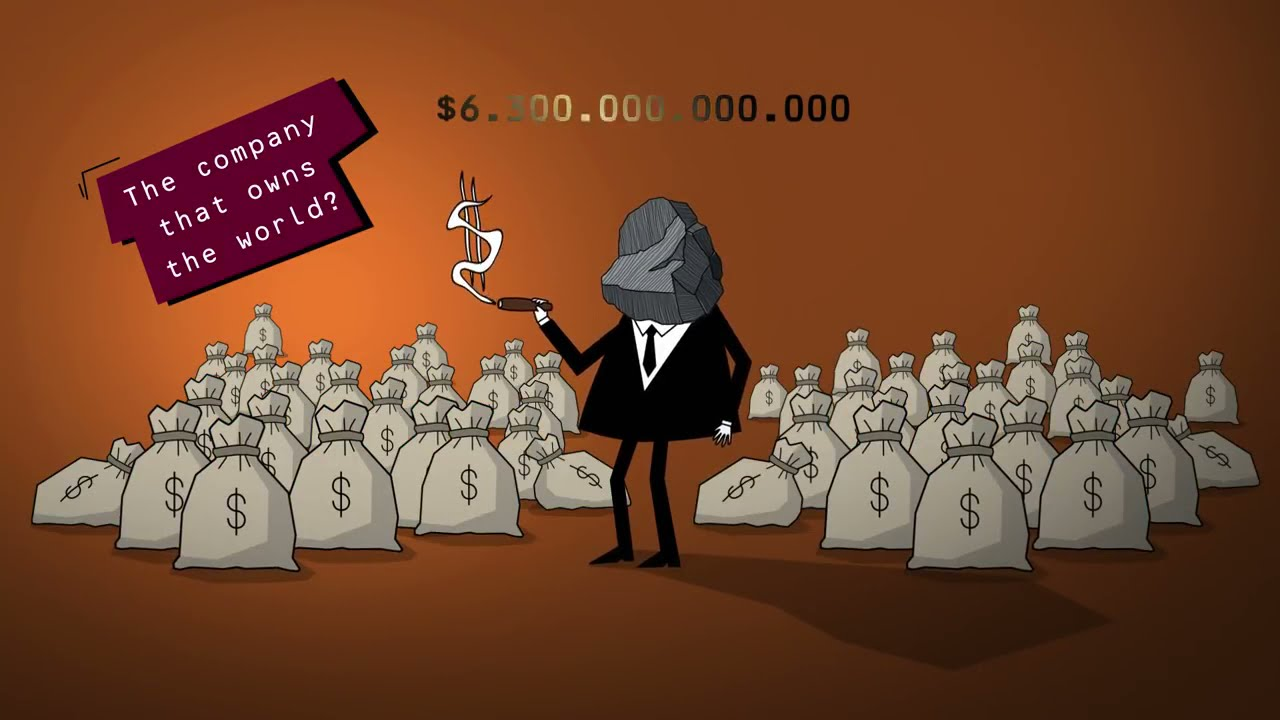
BlackRock was born in the late 1980s, as a subsidiary of The Blackstone Group, a multinational private equity firm. Larry Fink was made director and CEO, despite having just all but ruined his reputation on Wall Street after costing his previous employer, investment firm First Boston, $100 million by making incorrect predictions about interest rates.
The Ghostbusters of Wall Street
The collapse of the Lehman Brothers boosted BlackRock’s business. Fink and his managers were specialists in analyzing portfolios of mortgage-backed securities which came in handy at a moment when investors and bankers were trying their best to limit damage. In no time, the team, working out of a backroom office, became known as the “Ghostbusters of Wall Street,” and soon, they received regular calls from the Federal Reserve whose Secretary, the US treasurer, Timothy Geithner, was on a first-name basis with the BlackRock boss.
Ten Facts about Blackrock
1. BlackRock oversees $10 trillion, making it the largest money manager in the world.
As of December 2021, BlackRock manages a staggering $10 trillion of other people’s money. That’s more than the gross domestic product of every country in the world, except for the US and China.
For its largesse in investment management, it’s a new firm by Wall Street institution standards. BlackRock was founded in 1988 by Fink, who also serves as the chairman, and seven others, including BlackRock President Robert Kapito and senior advisor Barbara Novick.
BlackRock’s makes most of its money handling investments for outside clients, mostly institutions like public pension plans, endowments, and foundations.
Nearly 60% of its overall assets under management are for institutional investors, most of which are products linked to stock markets. It also has a sprawling alternative investments business that oversaw some $265 billion in assets under management as of December, managing products across private equity, private credit, and hedge funds.
2. It runs a massive technology platform that oversees at least $21.6 trillion in assets.
In 1999, BlackRock started selling Aladdin, which analyses and tracks investors’ portfolios and can help professional money managers spot risks. Today, it is a juggernaut widely used in the money management industry and beyond.
“Vanguard and State Street Global Advisors, the largest fund managers after BlackRock, are users, as are half the top 10 insurers by assets, as well as Japan’s $1.5tn government pension fund, the world’s largest. Apple, Microsoft, and Google’s parent firm, Alphabet — the three biggest US public companies — all rely on the system to steward hundreds of billions of dollars in their corporate treasury investment portfolios.”
The report found some $21.6 trillion in assets sat on the platform from just a third of its 240 clients, the FT reported, citing public documents verified with the companies and first-hand accounts.
3. BlackRock has hired many former government officials into senior roles.
By the time Deese and Adeyemo got to BlackRock, they already had experience working in government. Deese was previously a senior advisor to President Barack Obama and served as deputy director of the National Economic Council, which he now leads under Biden.
Adeyemo, who was appointed as deputy Treasury secretary in the Biden administration, had previously worked as Obama’s senior international economics advisor. While at BlackRock, one of his roles was Fink’s interim chief of staff.
Pyle, who has worked as BlackRock’s global chief investment strategist, had also previously worked in Obama’s administration by the time he started at the asset manager.
He was a special assistant to the president on economic policy matters and also worked in the Treasury Department and the Office of Management and Budget.
Thomas Donilon, who is now chairman of the asset manager’s research arm, previously served as national security advisor to Obama. (Donilon’s brother, Mike, was Biden’s chief strategist during his presidential campaign).
BlackRock has hired other former policy-makers and regulators. Dalia Blass, a longtime former Securities and Exchange Commission official who most recently ran the SEC’s investment management division, joined the firm this week to lead external affairs.
Blass now oversees the firm’s global public policy group and social impact and corporate sustainability teams, along with a new group formed to research stakeholder capitalism, according to BlackRock.
Coryann Stefansson, who previously worked on bank supervision matters at the Federal Reserve Board and held senior positions at the Federal Reserve Bank of New York, joined BlackRock’s Financial Markets Advisory (FMA) unit in 2016. She left in 2019, according to LinkedIn.
4. The firm played a significant role in aiding the Federal Reserve in early 2020.
After an analyst said on an April earnings call that investors viewed BlackRock’s mandate as a “bailout” for his firm or the exchange-traded fund industry broadly, Fink called the question “insulting.”
5. The Federal Reserve tapped BlackRock during the last financial crisis, too.
The investment manager had been there before, defending its connection to the Federal Reserve. During the global financial crisis of 2007-2009, the Federal Reserve Bank of New York asked BlackRock’s FMA division to handle assets of Bear Stearns and AIG, both on the verge of collapsing.
“They have access to information when the Federal Reserve will try to sell securities, and what price they will accept. And they have intricate financial relations with people across the globe,” Republican Senator Chuck Grassley told the New York Times at the time. “The potential for a conflict of interest is great and it is just very difficult to police.”
BlackRock has emphasized that the division handling Fed mandates, the FMA, is distinct from its core money management business to prevent conflicts.
6. Fink has been vocal on matters of climate change, urging other companies’ leaders to consider the associated risks.
“Climate change has become a defining factor in companies’ long-term prospects,” he wrote in his open letter to chief executives in January.
“Disclosure should be a means to achieving a more sustainable and inclusive capitalism. Companies must be deliberate and committed to embracing purpose and serving all stakeholders — your shareholders, customers, employees, and the communities where you operate,” he said.
The firm rolled out related initiatives, like exiting investments that carry sustainability-related risks and launching new products that screen for exposure to fossil fuels.
7. But his firm has been scrutinized for its record of supporting shareholder requests for climate-related disclosures.
Morningstar, a firm that analyzes fund information, said in a September 2020 report that it found support for those type of requests rose at Fidelity, State Street Global Advisors, and Vanguard — but fell at BlackRock compared to the year prior.
“While 2020’s results mark a higher level of support than BlackRock had given such proposals from 2016 through 2018 — when its backing never made it to double digits — the 2020 level of ‘for’ votes was down to 14% from 25% in 2019,” analysts wrote of the 14 climate-related resolutions shareholders requested last year.
But BlackRock has wielded its power as a major shareholder more aggressively. As the second-largest institutional investor in oil giant Exxon, BlackRock made a splash in 2021 when it voted in support of three new directors supported by investment firm Engine No. 1 over Exxon’s approach to addressing climate change.
8. It has long been rumoured that Fink himself could head to DC.
Fink was reportedly under consideration by 2016 presidential candidate Hillary Clinton to run the Treasury Department. He was also rumoured to be under consideration for Biden’s administration.
But he has squashed that chatter. In 2020, private equity founder David Rubenstein asked Fink during Bloomberg’s virtual New Economy Forum how he would respond to a request from Biden to serve in his cabinet.
“Thank you for that honour, but I’m very happy at BlackRock. I’ve committed to my employees to my board and my family already. I’m staying in New York for the time being,” he said, according to a transcript of the event.
9. BlackRock has made lots of acquisitions.
Think of BlackRock as a firm that has gobbled up lots of competitors in its path over the years. The firm has purchased legacy businesses and fintech start-ups, looking to keep an edge as traditional money management isn’t as profitable or unique as it once was.
In 2020, the firm said it would acquire a California-based investment provider called Aperio for approximately $1 billion in cash. In 2019, BlackRock acquired eFront, a French start-up that runs alternative investment management software, for $1.3 billion.
In 2009, BlackRock acquired Barclays Global Investors in a deal that included Barclays’ iShares ETF business. Three years before that, the firm acquired Merrill Lynch Investment Management.
Blackrock and Scotland
Edinburgh Airport was purchased by Blackrock from Global Infrastructure Partners (GIP) for 9.43 billion
Aberdeen Asset Management tracker trust merged with BlackRock Income Strategies trust (BIST).
Scottish Widows invested £2 billion in a new fund from Black Rock which is expected to support the transition to a new low-carbon economy.
Wheatley Group secured £100 million of new private investment as it drives forward Scotland’s largest house-building programme.
In its annual review, S&P Global Ratings revised its forecast to “stable” from “negative”, while retaining Wheatley’s A+ credit rating for its £300 million public bond, issued in November 2014.
The housing, care and property management group, which owns or manages 83,000 homes, will use the debt financing to help develop around 3500 new social and mid-market rented homes.
23 Mar 2014: Scottish independence: Blackrock warned of post-Yes risks for the UK and Scotland:
The world’s biggest investment fund manager said Scottish independence would bring “major uncertainties, costs and risks”.
Blackrock’s assessment was that those risks would be “mostly for Scotland, but also for the remaining UK”.
The report comes as an academic analysis strongly disputed the UK Treasury’s rejection of a currency union post-Yes.
Blackrock said a currency union between an independent Scotland and the rest of the UK “looks infeasible” and would “bring risks to both countries”.
The asset managers believed the “best of the few choices” Scotland had would be to launch its own currency.
The company said oil and gas were critical to Scotland’s finances but fiscal spending based on specific oil revenue projections was “uncertain and probably unwise”.
It said that banks and insurers would face pressure to move headquarters to a “stronger fiscal state with a more certain regulatory backdrop”.
However, the report added: “A wholesale exodus of staff and operations would be unlikely, given Scotland’s cost advantage over London and other locations.”
Blackrock also said that fears an independent Scotland would become a “bastion of anti-business sentiment were unfounded. It said: “The Scottish government would likely go out of its way to accommodate the oil industry in particular. Why risk killing the Scottish grouse that lays the golden egg?”
It recognised the UK position that in March 2014 Scotland received a third of UK subsidies for renewable energy, although it represented less than a tenth of the UK’s population.
It also recognised the pro-independence position that Scotland would no longer need to help fund the UK’s nuclear programme. (Subsidies were slashed by Westminster not long after the referendum to fund England’s nuclear renewable energy development programme)
Blackrock’s assessment came as Leslie Young, professor of economics at a university in Beijing, claimed the Westminster Treasury’s currency position did not stand up to scrutiny.
He was commissioned by businessman Sir Tom Hunter’s new institute to assess the case against a currency union between an independent Scotland and the rest of the UK.
Sir Tom funded academic reports, research and polling in a bid to help people better understand the issues in the referendum, while he said he was undecided on his vote.
Currency view differences
A Scottish government spokesman responded to the Blackrock report by saying: “The Fiscal Commission Working Group, which comprises economic experts and including two Nobel Laureates, has considered a range of currency options in its detailed report published a year ago, and concluded that it is in the interests of both Scotland and the UK to continue to retain Sterling in a formal monetary union, and that is the policy the Scottish Government proposes.
“A currency union is in the UK’s overwhelming economic interests due to the vast contribution Scotland makes to the Sterling Area, including its valuable contribution to the UK’s balance of payments.
“Standard & Poor’s published analysis showing that Scotland has a rich and diversified economy, with wealth levels comparable to those of AAA rated countries and that Scotland would qualify for their highest economic assessment.”
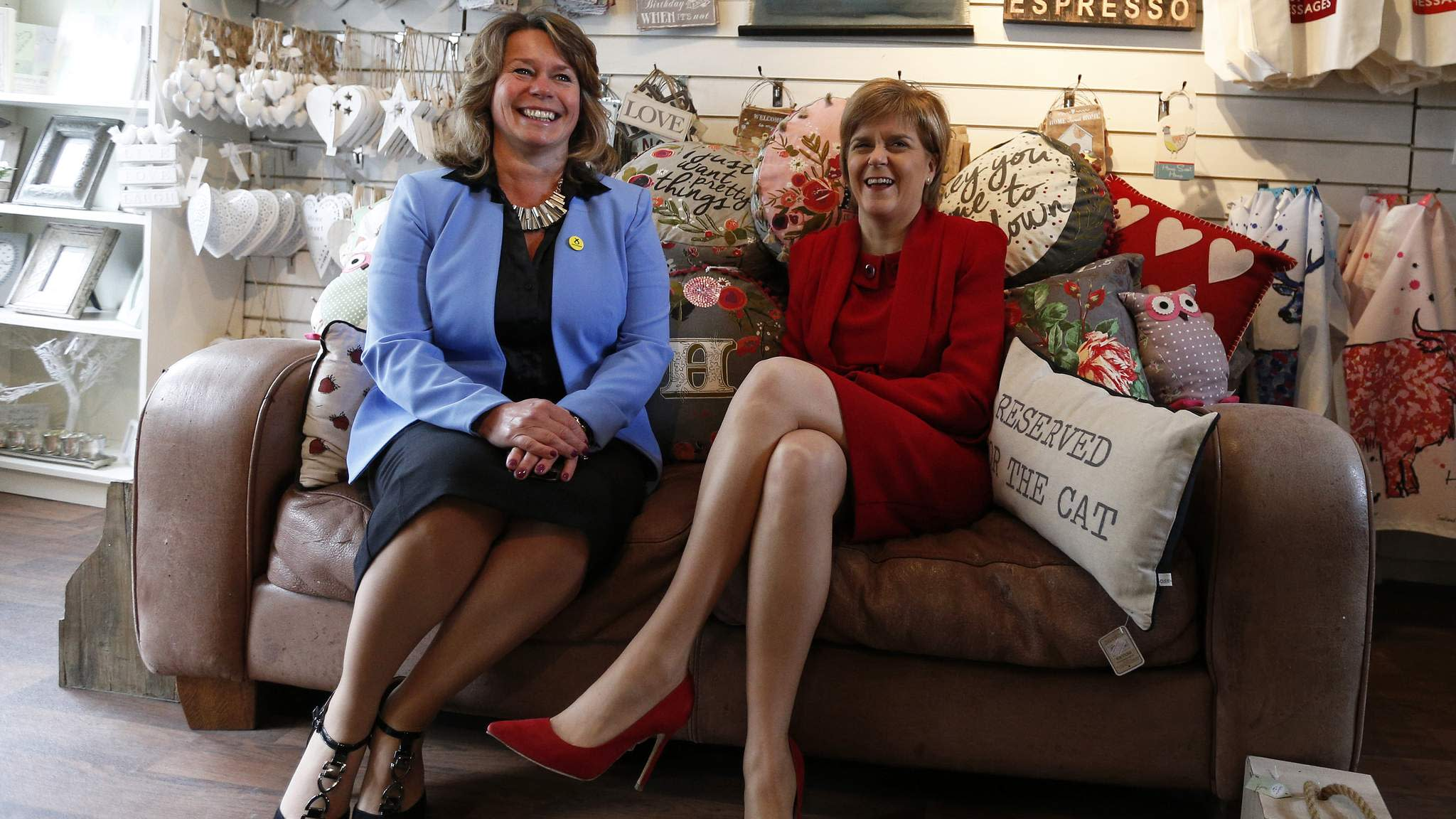
Michelle Thomson, the SNP MP whose property deals were at the centre of a police probe had her consultancy services terminated by the business group set up to campaign for independence.
Amid clashes with the body’s chief executive her salary as managing director of Business for Scotland (BfS) was axed months before the referendum but she was permitted to continue using the MD title and to carry out media work to avoid damaging press coverage.
Thomson, who was the SNP MP for Edinburgh West and the party’s business spokesperson at Westminster was withheld the party whip after it emerged her former solicitor had been struck off for his role in property deals linked to her.
In one case, her former business partner Frank Gilbride bought a house from a cancer patient for £64,000, and sold it to Thomson on the same day for £95,000. Thomson then received “cashback” from Gilbride of £28,181.80.
A tranche of BfS board-level emails revealed the body’s purpose of explaining the economic case to voters was undermined by internal rows.
A key issue was that Thomson and board member Ivan McKee were overtly critical of chief executive Gordon MacIntyre-Kemp.
The perception was that Thomson and McKee were being give a disproportionate share of prized television slots by BfS press officer Alison Balharry.
The tensions came to a head in March when Banks emailed senior BfS figures with a quote from an anonymous board member: “I thought we were on the same side – if this were a company I would want out – too much fighting – not pulling in the same direction – impossible to be fully effective.”
Banks issued a unity plea: “As from today, I think people need to take a long hard look at themselves and their behaviours. Life is about compromises and we need to look at the big picture here and put all our egos to the side. There is far too much energy getting wasted on nonsense and we are losing effectiveness because of it.”
Two options were considered for Thomson: ask her to resign; or stop her MD consultancy payments of thousands of pounds a month, but allow her to use the title and do unpaid media appearances for BfS.
The latter option was chosen and she was presented to voters during the referendum campaign as “managing director”.
Banks made the decision clear in a brutal email to her and others in BfS: “The fact is BfS cannot afford to fund your position and we will not be funding the position going forward, even if we have funds.”
He added that SNP chief executive Peter Murrell – described as “PM” in emails – believed there was duplication in the MacIntyre-Kemp and Thomson roles: “There have been remarks made by PM regarding having both of you and the fact both of you should have been fundraising over the last few months. He does not think we need both of you.”
MacIntyre-Kemp followed up with an email to Thomson and others: “Just to be completely sure of no further misunderstandings please do not attend the office today or seek to hold a team meeting.”
He added that “you could keep the title MD as that would help with debates and media”.
Balharry was also replaced. The restructuring angered Thomson and MacIntyre-Kemp. But Thomson, despite having her paid services dispensed with, then informed board members she had pulled in a £5,000 donation.
Banks responded to the news: “Well done Michelle, it goes to show that it is never too late for board members to assist with fundraising and it is nice to see that happen, at last … in true Tesco manner ‘every little helps’.”
Another row erupted over whether MacIntyre-Kemp or the outgoing Balharry should liaise with broadcaster Lesley Riddoch on a project.
In an email, McKee blasted MacIntyre-Kemp: “Sorry Gordon, what bit of ‘Lesley only wants to deal with Alison’ do you not understand? Lesley is a well connector [sic] serious player and her 1st 2nd and 3rd impression of BfS is of a chaotic shambles.”
McKee also criticised the decision to lose Balharry: “Gordon has taken that decision as CEO, and he will sink or swim based on how good a decision that was … I have asked Alison to continue to work with me directly on supporting my media work so we can maintain that effort.”
In an attempt to resist the changes, Thomson and McKee wanted to air their grievances at an April board meeting, but not enough members were around to make a quorum. In May, McKee queried whether the make-up of the board was complying with its Articles of Association and floated the idea of directly electing member directors.
In an email to the board, Banks agreed there were problems with governance, but pointed the finger at Thomson: “Our governance, even though I thought MT had it covered, has been less than what it should be.”
Thomson hit back at Banks: “I should appreciate if in future you desist from inflammatory and unprofessional emails. Frankly, I expect better from the chair of a professional business organisation.”
Former SNP Minister Jim Mather used the next board meeting to criticise McKee and Thomson. “Michelle was shaking,” said one person who was in the room.
By August, with Yes trailing in the polls on the economy, Thomson complained about being a managing director in public but having no actual responsibilities. In an email to senior BfS figures, she wrote: “I do feel insulted … and am fed up with being forced to carry the can for situations over which I have no control and yet, to the outside world, still bear the accountability for.”
Senior Yes figures believed the BfS internal problems should be part of a post-mortem on the overall campaign, especially if there was to be a second referendum. One said: “It is vital that whichever pro-business body campaigns for Yes is credible and united. That was not the case.”
A Thomson spokesperson said: “Michelle was very proud of the work BFS did throughout the Independence campaign. Like any organisation and political campaign there were areas of disagreement – but all were pushed to one side to focus on the much more important job of looking at the business and economic case for Independence and persuading business of the benefits of it. Any attempt to stir up division now can only be viewed as mischief making.”
Jan 2019: A burning issue: The FBI modelled crime-fighting agency once known as Scotland’s “untouchables” was shut down amid allegations of corruption and graft.
The Met reviewed the work of the agency and found that Police Scotland had most likely compromised investigations after piles of confidential files were incinerated in the car park of the former agency.
Officers at SCDEA were ordered to buy a garden incinerator and petrol to destroy paperwork after the unit managing Scotland’s undercover operations was exposed as a chaotic and potentially criminal shambles in 2011.
After the incineration of sensitive and secret documents had been revealed, Livingstone ordered a review, called “Operation Towering”, which concluded there was nothing more to investigate because the SCDEA no longer existed and Police Scotland managed covert operations differently.
However, critics say the force ignored allegations that senior officers ordered the immediate and extraordinary destruction of paperwork to conceal the chaos before the Crown Office could decide if fraud or any other crimes had been committed.
A Met Police review of “Operation Towering” did not share Livingstone’s conclusion that the burning of documents, against all standard operating procedures, was not a cover-up.
The Met review said: “The timely manner of the incineration, its closeness in time to a professional standards investigation into the SOU [Special Operations Unit] and the lack of any audit or record of destruction, throws sufficient doubt that this can be the only conclusion.”
The report was presented to the Scottish Police Authority board, responsible for holding Livingstone to account. One board member, Tom Halpin, said Livingstone must dispel any perception that he: “marked his own homework”.
Nadine Dorries, the former Tory MP and culture secretary has written a book called The Plot: The Political Assassination. In it, she claims a shadowy cabal called ‘The Movement’ has controlled the Tory Party for the past 20 years.
A number of its members have links to Scotland including the Aberdonian Levelling Up Secretary Michael Gove, Edinburgh-born Dougie Smith, and former spin doctor and Brexit mastermind Dominic Cummings.
As well as ousting Boris, she claims they “brought down Iain Duncan Smith as party leader and created havoc for Theresa May and undermined Liz Truss”.
Smith is credited with advising the Government to take a much tougher stance on woke issues and he was highly influential in the Tory Government blocking Sturgeon’s Gender Recognition Reform Bill.
Dougie Smith delivered Brexit for the Tory Party
Smith first surfaced in Scottish politics when he was appointed Chief of Staff for the Tory branch Office leader Michael Forsyth.
His tenure did not last long as he was deposed by the St Andrews University mafia who brought about the near-death of the Tories in Scotland.
Smiths licked his wounds before moving to London where he established himself as a key member of the Tory elite.
He became vice-chairman of the controversial Federation of Conservative Students and was an adviser and speechwriter for several senior right-wing political figures and leading Conservative MPs.
Smith campaigned for Sir James Goldsmith’s Referendum Party. In the 1997 general election. He also became great mates with Sir Jimmy’s son Zac whom he later recruited to the Tory party.
He forged the morally focused back-to-basics policies of the Tory government of the ill-advised John Major. Following this he took on the role of political adviser and principal speechwriter to David Cameron the leader of the Tory Party.
He also wrote speeches for several leading Conservative MPs including the former party leader Michael Howard and headed the political section of “Conservative Intelligence.”
He was subsequently employed by London Mayor, Boris Johnson and was the principal speechwriter to the leader of the Conservative Party, David Cameron.
He was the co-ordinator of the influential Tory think tank Conservatives for Change (C.change) spearheaded by Tory modernisers and set up by party chairman Francis Maude and headed the political section of the secretive “Conservative Intelligence unit.”
Special Adviser to Prime Minister Boris Johnson
He was appointed senior political adviser to Dominic Cummings at the start of Boris Johnson’s spell as Prime Minister.
It’s never the crime that gets them, it’s always the cover-up. That’s the saying in politics, and while there’s no hint whatsoever of any misdemeanour associated with Smith, there was a whiff of intrigue hanging around Boris Johnson’s senior aide.
When questioned the Prime Minister’s official spokesperson said Smith was a Special Advisor who reported to the Prime Minister’s Chief of Staff.
But when asked why he hadn’t been on the official list of Special Advisors as of 2020 there was no immediate answer.
Smith had a desk in No.10 and was part of the set-up but appeared not to have been on the books.
But no one got selected as a Tory candidate for the 2019 general election without their name first going in front of “Dougie.”
A fact the 1922 Committee Executive were increasingly interested in. But it was possible that the secrecy, to do with who paid Smith, and what they paid him, was a coincidence.
The Fever Club Orgies
Smith also devoted a deal of his attention to coordinating the activities of the “Fever Club” which enjoyed a reputed 2,500 worldwide membership including captains of industry, celebrities and multi-millionaire tycoons.
Orgies for the ultra-rich and politically influential were hosted twice yearly in London and Manchester and other parties were held over the summer in New York and Ibiza. The club received over 400 applications for each party and was launched in January 1998 with a debauched event in a Central London penthouse. Events saw couples swapping partners and taking part in bizarre sexual combinations.
According to Fever’s website, the parties were the most “exclusive and sizzling sex parties” going. They were held at glitzy locations including a townhouse in London’s Mayfair, luxury villas in Ibiza and a country mansion near Manchester.
Summer parties attracted couples from all over England and couples also flew in from Grenada, the Netherlands, the South of France and Iceland.
The parties had strict entry rules – people had to be under 40, good looking, and prepared to leave any inhibitions at the door.
Guests were asked to make a financial contribution, usually no less than £500 per person. Couples were lavished with free drinks and party bosses boasted of their reputation for attracting stunning couples to their events.
Mirza is married to Dougie Smith. Aged just 30, after nearly a decade spent in academia and with little relevant work experience, she was appointed as an art adviser by Boris Johnson. Only a year later she was promoted to the post of Deputy Mayor for education and culture.
Never having had a proper job she was now a paid-up member of the Tory establishment. Privilege is a fitting term. No need to fill in online applications for jobs, just get a friend to whisper in Boris’s ear and before long you might be selected to be an MP and enjoy the perk of renting out your second home etc. (total politics)
Mirza’s resignation
Mirza who had worked for Boris Johnson for 14 years, resigned as head of Downing Street’s policy unit after he failed to apologise for falsely accusing Sir Keir Starmer of failing to charge Jimmy Savile when he was Director of the Crown Prosecution Service.
Before the event, other than her husband Dougie Smith, there was no closer confidant to the Prime Minister than Mirza.
The Oldham-born daughter of Pakistani immigrants, Mirza worked with Johnson throughout his eight-year reign as Mayor of London and her departure harmed Johnson more than any aide resigning or MP filing a letter of no confidence. Here is the full letter of resignation:
“Dear Prime Minister, It is with great regret that I am writing to resign as your Head of Policy. You are aware of the reason for my decision: I believe it was wrong for you to imply this week that Keir Starmer was personally responsible for allowing Jimmy Savile to escape justice. There was no fair or reasonable basis for that assertion. This was not the normal cut-and-thrust of politics; it was an inappropriate and partisan reference to a horrendous case of child sex abuse. You tried to clarify your position today but, despite my urging, you did not apologise for the misleading impression you gave. I have served you for fourteen years and it has been a privilege to do so. You have achieved many important things both as Prime Minister and, before that, as Mayor of London. You are a man of extraordinary abilities with a unique talent for connecting with people. You are a better man than many of your detractors will ever understand which is why it is desperately sad that you let yourself down by making a scurrilous accusation against the Leader of the Opposition. Even now, I hope you find it in yourself to apologise for a grave error of judgement made under huge pressure. I appreciate that our political culture is not forgiving when people say sorry, but regardless, it is the right thing to do. It is not too late for you but, I’m sorry to say, it is too late for me. Yours sincerely, Munira.”
Boris Johnson had signed his death warrant
Not long after, according to press leaks, Smith, a close friend and supporter of former Chancellor Rishi Sunak and potential Party leader, telephoned Boris Johnson and demanded he step down from office immediately.
A senior political source said: ‘The call was aggressive, threatening, bullying. Boris was totally shaken by the venom in the threat. Smith told Boris to resign and if he refused they would get him any way. That was February. It took until July but they did get him in the end.’
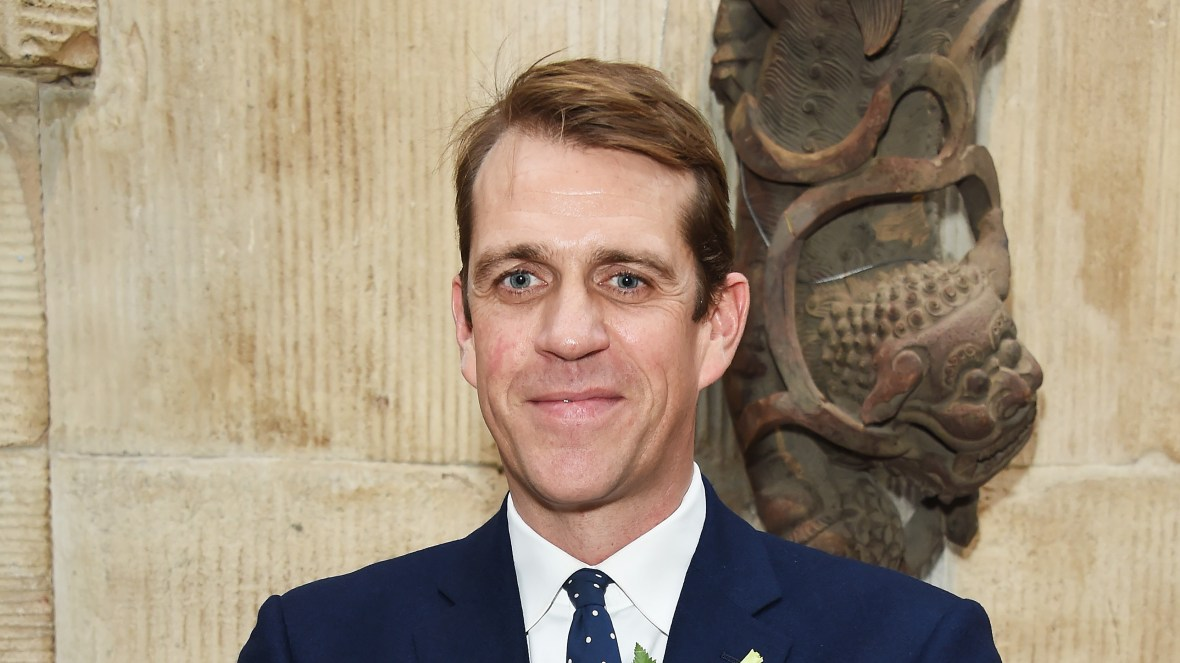
Ben Elliot
Ben Elliot, yet another Brexiteer entered politics
A nephew of Queen Camilla, Elliot masterminded the growth of the top concierge service Quintessentially.
An excellent well-connected networker, he was appointed co-chairman of the Conservative Party by Boris Johnson in July 2019.
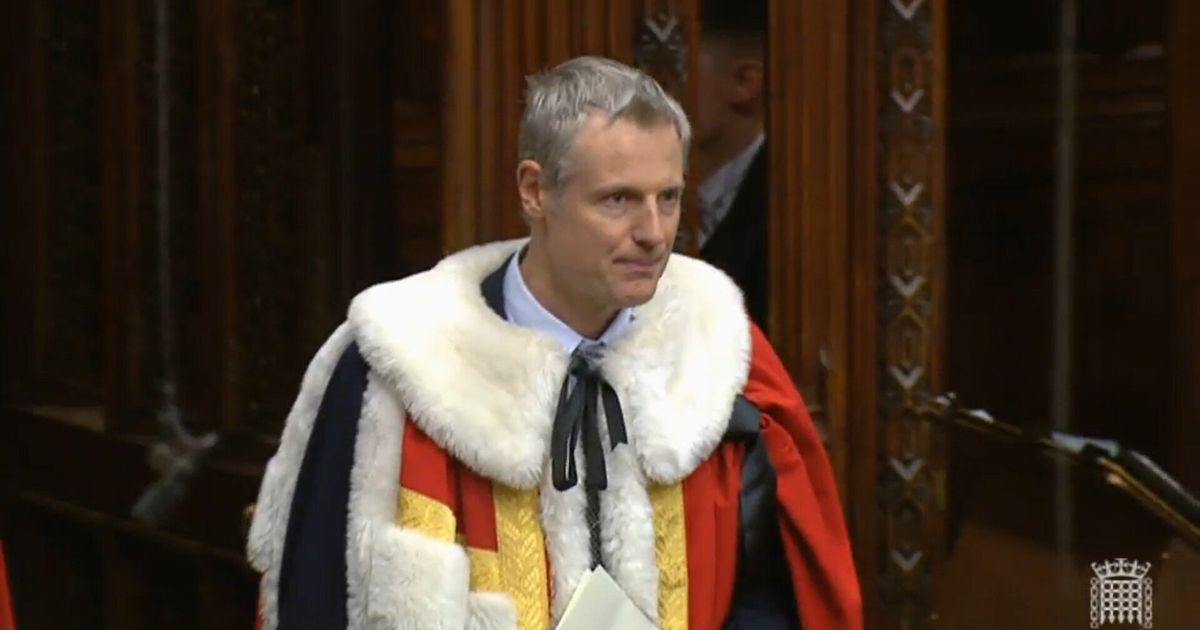
A regular fixture at charity events and openings he was often pictured alongside celebrities. He found his relaxation at high-stakes weekly poker tournaments at Aspinall’s in the company of Dougie Smith, Boris Johnson and fellow old Etonian Zac (now Lord Goldsmith courtesy of Boris Johnson) who asked Elliot to join his failed campaign to become London mayor in 2016.
As campaign treasurer, the role gave Elliot his first introduction to the world of political fundraising.
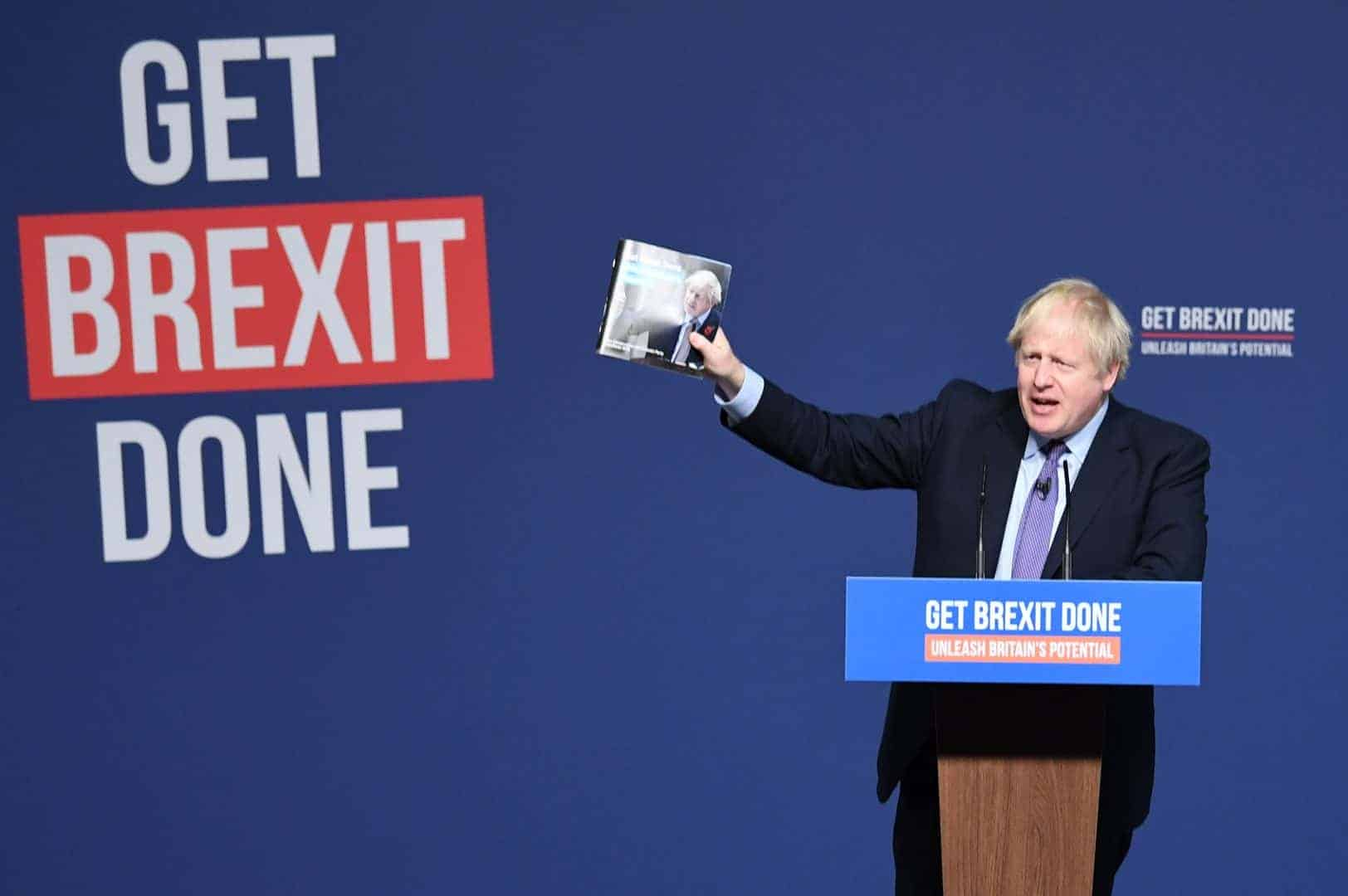
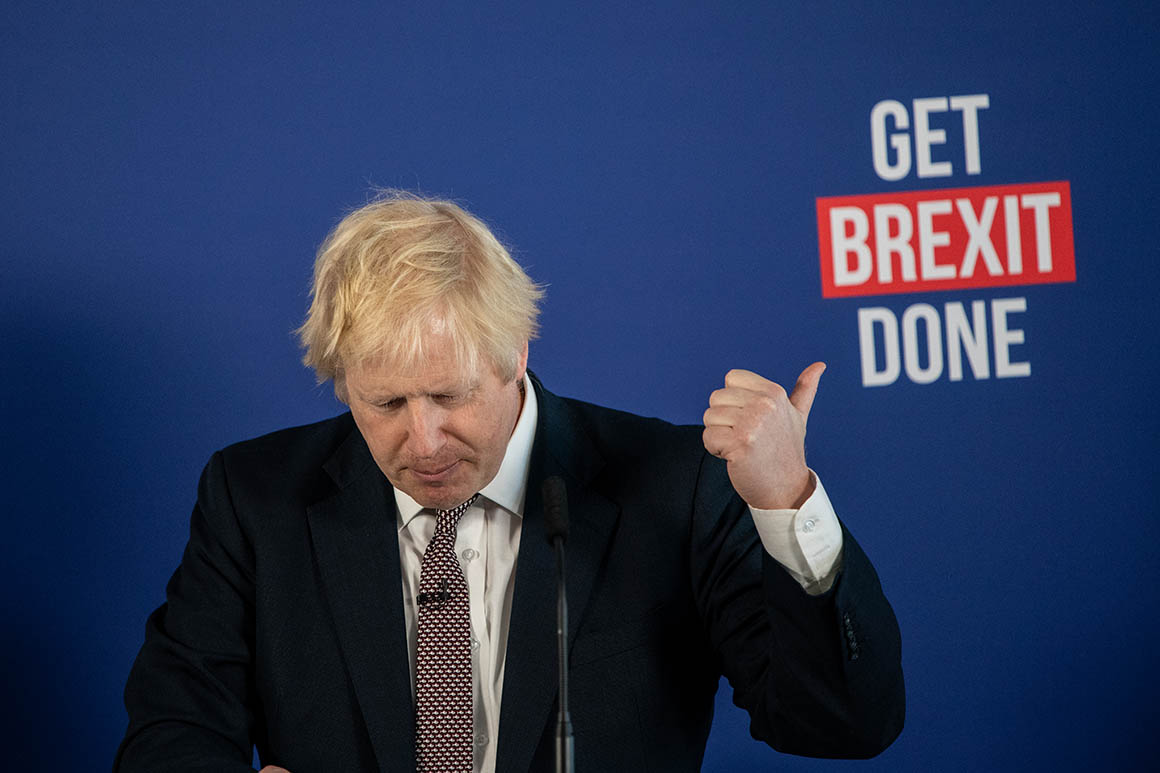
It took nearly 20 years to achieve but Boris Johnson and his political allies completed the work of Sir James Goldsmith, (deceased) who founded the Referendum Party with the intent of removing the UK from the European Community.
My next article will feature Zac Goldsmith’s father





















 caltonjock