20 November 2017: Somers, Principal Private Secretary, to Sturgeon met with Ms A, at her request, in the First Minster’s office. She told him the purpose of a meeting with Sturgeon was to relate to her information that she thought would improve the organization. She stressed she was not making a complaint, she simply wanted to assess with Sturgeon her options on how she could best share the information.
Ms A was denied access to Sturgeon by Somers and was instead subjected to intense pressure from senior civil service managers and other senior political and legal persons to register a complaint against Alex with an assurance that it would be resolved to her satisfaction through use of “newly drafted” all-encompassing procedures, which she would have a hand in compiling. In this regard she placed her trust in and was used by the Scottish government as a sacrificial lamb in a political vendetta against Alex.
Afternote: Somers (gatekeeper to Sturgeon) told the Holyrood Inquiry that he had not briefed Sturgeon about his meeting with Ms A or her request for a private meeting with the her upholding his commitment to her to keep the details of their conversation secret. He said: “I wouldn’t tell Sturgeon because it wasn’t my experience to share. That was my first priority. Secondly, had I done that, I would have put Sturgeon in a state of knowledge about something she couldn’t have taken action upon at that point.” Somers went on to state he was “overwhelmed” by Ms A’s disclosure and with her permission he advised his Line Manager Allison, and the Director of Safer Communities, Russell.
Comment: Somers escalated matters against the wishes of Ms A. In doing so he failed in his duties as gatekeeper to Sturgeon.
20 November 2017: 30 page pdf providing details of Evans November 2017, diary dates. Noteworthy: 20 minute weekly meeting with Liz Lloyd and day trip to London for a meeting with the UK Goverment Cabinet Secretary
Click to access foi-19-01156%2B-%2Bpdf.pdf
21 November 2017: 1730-1800: Lloyd, Somers and Cameron meet
21 November 2017: Somers and two unnamed officers met with Ms A and advised she would need to further discuss the matter with his line manager Allison, with a proviso that if she felt she was not being taken seriously or no one was listening to her, she should get back in touch with Somers who would set-up a personal meeting for her with Sturgeon.
Somers went on to say that he did not tell the First Minister that Ms A had confided in him because it wasn’t his experience to share and had he done so he would have put the First Minister in a state of knowledge about something she could not have taken action upon at that point?”
22 November 2017: Gillian Russell, a senior civil servant appointed by the Permanent Secretary to act as a “confidential sounding board” for staff raising harassment concerns told the Holyrood Inquiry that Ms A had raised “a series of very significant issues” with her.
Her judgement was that the allegations were potentially criminal and she passed on a telephone number so that the complainer could contact the police. She did not refer the conversation to any other person believing that there might be a police investigation and it would not be appropriate for her to be involved.
Afternote 1: Somers decision not to inform the First Minister denied Ms A the informal meeting she had asked for and escalated events from informal to formal. His reasoning was flawed since it was based on a rebuttable assumption. His choice of words is also significant. “at that point” would be a reference to the draft policy which he was working on with Lloyd. He fine well knew what he was doing.
Daytime television commercial advertising is heavily biased in favour of charitable donations. Every 10 minutes an advert pops up on the screen imploring viewers to donate only £2 monthly to a charity advertising its need for urgent but regular financial support. This is usually accompanied by a heart wrenching video of a starving, abused child, or animal so weakened by overwork it no longer has the strength to rise from the ground despite horrendous beatings or animals secured in cages so small they cannot even turn. There are other examples too numerous to list.
But the £2 monthly donations soon add up and viewers are faced with unpleasant choices when available money runs short. So it is important that the maximum amounts of financial donations are used for the purpose that persuaded donors to contribute. But are they???
Major General Mackay, Greatly respected, Force Commander in Helmand, (in an interview in the Times), not long after he left the Army said;
“Labour’s “complacent” approach to the Afghan mission had proved “very costly”. The genesis of their approach is born of complacency, the thought that, ‘we can deal with it as and when it happens”. It resulted, I believe, in the upper echelons of the Labour government going into Helmand with their eyes shut and their fingers crossed.
“For those who fought and died or suffered injuries in that period, this proved a very costly means of conducting counter-insurgency. The issue is whether or not our politicians, diplomats, intelligence services, civil servants and senior military have done enough, adapted enough, been innovative enough or courageous enough to make tough, and more often than not, unpalatable choices.”
“My answer to that question is that they have not or have failed to do so too often. Muddling through seemed to be the default setting, along with the protection of individual and collective interests”.
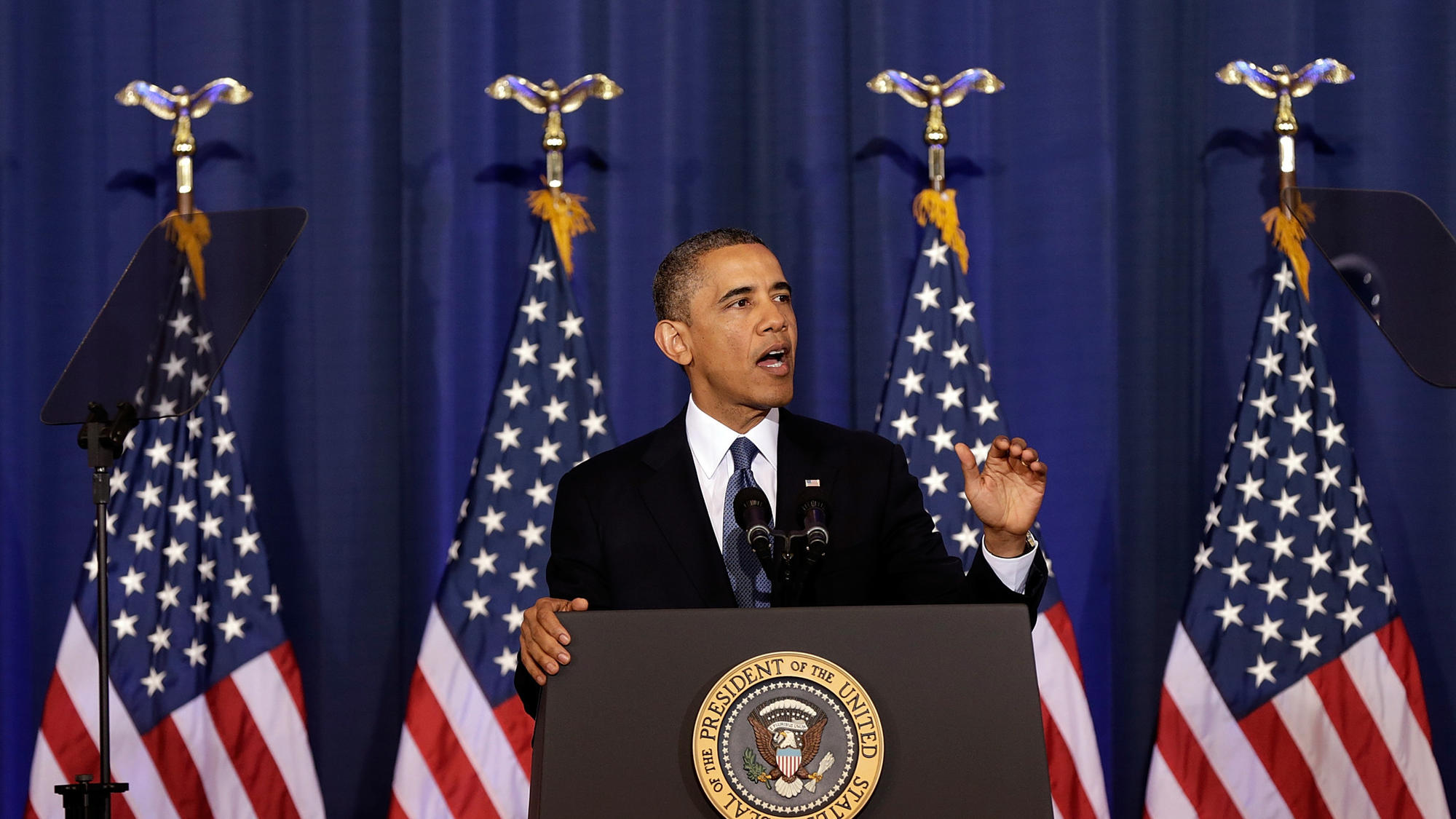
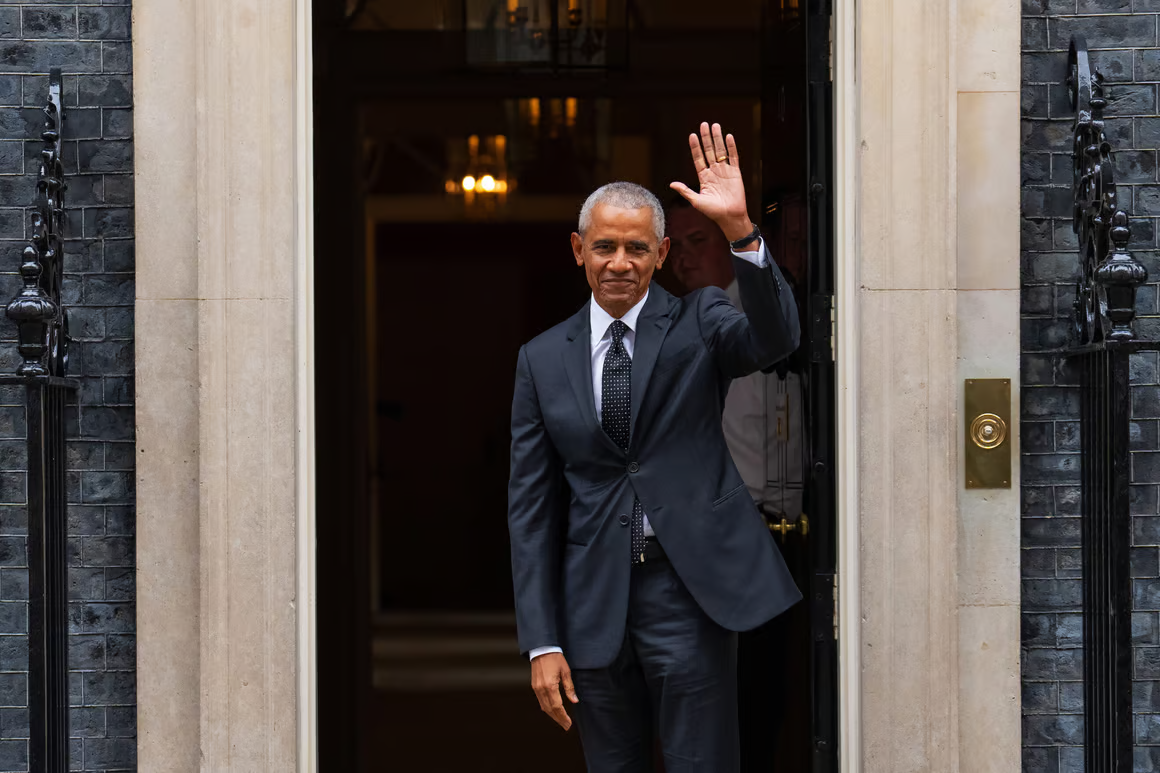
Barack Obama, as US President in 2014, made significant public statements regarding the referendum. His intervention was seen as significant. The “No” campaign (Better Together) benefited from his endorsement, as it reinforced the argument for maintaining the status quo, with a US spokesperson noting, “There is no doubting the significance of President Barack Obama’s remarks which show the importance of the referendum on a global stage”. Conversely, Scottish nationalists criticized it as overstepping, arguing it undermined the referendum’s fairness.
Post-referendum, Obama welcomed the result, stating on September 19, 2014, “We welcome the result of yesterday’s referendum on Scottish independence and congratulate the people of Scotland for their full and energetic exercise of democracy”
Obama’s prominence as US President gave his words outsized weight, potentially influencing undecided voters, though quantifying the impact is challenging
An outbreak of CDIF occurred at the Vale of Leven Hospital in West Dunbartonshire. This was the most recent failure in service delivery at the hospital and the public are very unhappy about it.
Labour councillors turned on their local MSP demanding her resignation over local hospital services.
Jackie Baillie, the Dumbarton Labour MSP and former communities minister, was attacked by four Labour members of West Dunbartonshire Council, including former leader Andy White.
They sided with the Scottish National Party and independent councillors at a full council meeting which brought the ruling administration to the brink of collapse. Martin Rooney, who replaced Andy White after his forced resignation.
In December, only six of the 16 people elected as Labour councillors in 2003 attended. Several stayed away while four rebels voted against the Labour line and sought revenge on Ms Baillie for her public attacks on them.
Dec 2008: West Dunbartonshire Council in the news again.
Labour Grandees, MP John McFall and MSP Jackie Baillie accused by Councillor and former colleague, (in a letter to the Labour Party General Secretary) of overseeing a “thuggish” clique within the Labour Party in Scotland.
McFall is the chair of the powerful House of Commons Treasury select committee, while Baillie is a former minister and ex-chief of staff for Labour at Holyrood.
Marie McNair, who has served on West Dunbartonshire Council for five years, said the politicians, who ran her local party forced their will on party decisions quelling any opposition by intimidation. She also claimed to have suffered sexist abuse by a party member and that she was shouted down at meetings for challenging decisions.
The allegations were contained in a letter of resignation sent by McNair to Colin Smith, the Scottish Labour general secretary, which said:
“It fills me with despair that such thuggish and intimidatory behaviour has been tolerated and covered up by the Labour Party.”
The contents of McNair’s letter were read out in public at a meeting of the SNP-led council.
At 2025 Jackie Baillie the thuggish MSP continues to dominate the political agenda of the Labour Party in Scotland. Who is protecting her?
October 2017: The Cabinet of the Scottish Government provided its civil servants with a “commission” – a formal instruction – which was recorded in the Cabinet minutes under the heading of “Sexual Harassment” as follows: “While there is no suggestion that the current arrangements are ineffective, the First Minister has asked the Permanent Secretary to undertake a review of the Scottish Government’s policies and processes to ensure they are fit for purpose.”
Comment: Sturgeon’s own observation concluded that the procedures in place were effective and they contained no mention of retrospective allegations against former ministers. Perhaps because there was no precedence in employment law that would allow it.
The only recourse open to an aggrieved person was to inform the police.
If after reviewing the documentation Evans honestly thought that the Scottish Government’s policies and procedures would be fit for purpose, only after a retrospective clause had been inserted it was incumbent on her to conform with the “Ministerial Code” and provide Sturgeon with the evidence of the need to do so.
The Ministerial Code states: It is for the First Minister to judge the standards of behaviour expected of Ministers.
It is for the First Minister to decide whether there has been a breach of such standards. And, where the First Minister decides that there has been such a breach, it is for the First Minister to decide what the consequences for the Minister are to be.
Very explicit!!! Any allegations of misconduct against Ministers should be reported to Sturgeon immediately.
31 October 2017: Ann Harvey, principal assistant to the chief whip at the SNP’s Westminster Group reported to the Inquiry that she had received 16 text messages, some from SNP HQ, to her private number, each one fishing for information which could be damaging if used against Alex Salmond.
A few persisted in asking for confirmation that Sue Ruddick ( a personal friend and ex colleague of Ann) had been physically assaulted by Alex while they were campaigning together during the 2008 General Election campaign.
Her answer to that enquiry was a categorical rebuttal there was no physical aggression at any time on the part of Alex.
What’s up? Someone was after getting to Alex before the Civil Service got involved in pursuing long dead unproven allegations.
Note: Ruddick went on to report a common assault against her by Alex, to the police in August 2018 (10 years after the alleged incident).
The police investigated but said there was insufficient corroborative evidence to charge, however, the circumstances were included in a later report to the Crown Office and Procurator fiscal.
But they all count!!!! when the time is right!!!!!!!!“
Comment: Murrell, in a statement to the Holyrood Inquiry said that Party policy dictated the handling of complaints within the Party was the responsibility of the Party Executive and it did not share case details with any other organisation unless the complaint highlighted a “clear act of criminality”, and the Party had not informed the Scottish Government or any member of it of a any complaint from a Party member against a minister of the Government.
His assertion was at odds with the conduct of Lloyd who demanded from government Minister Mark Macdonald his immediate resignation after she and John Swinney concluded that he had sexually harassed a member of the Party. Her actions contravened the ministerial code applicable to Special Advisors. Conduct that warranted her immediate dismissal.
Click to access SP_SGHHC_-_FN10.pdf31 October
2017: David Clegg of the Daily Record telephoned Scottish Government contacts “acting on a tip-off” asking questions of Scottish Government contacts seeking to ascertain if any complaints about harassment had been made about Alex Salmond during his tenure as First Minister.
The responses were negative.
Comment: How could it be that David Clegg and the Daily Record were aware about complaints on 31 October 2017 when, the official briefing was that no-one in the Scottish Government, up to and including Nicola Sturgeon, had any idea about them at that time.
The sequence of events and comments outlined raise significant questions about the transparency, adherence to protocol, and motivations behind the handling of allegations against Mark Macdonald and then Alex Salmond in the context of the Scottish Government’s processes in 2017.
key points and analysis of and general principles of governance and accountability. The Cabinet Commission and Existing Procedures (October 2017)
The Scottish Government’s Cabinet minutes from October 2017 indicate that First Minister Nicola Sturgeon commissioned a review of the government’s policies and processes on sexual harassment, despite her own observation that the existing arrangements were effective. The absence of any mention of retrospective allegations against former ministers in these procedures confirms there was no precedent in employment law for such measures.
A critical point: If Permanent Secretary Evans believed a retrospective clause was necessary, the Ministerial Code required her to provide evidence to Sturgeon to justify change. In the absence of supporting evidence, the inclusion of retrospective provision confirms any new arrangements would be procedurally irregular and motivated by other factors.
The Ministerial Code is clear that allegations of misconduct against ministers must be reported to the First Minister immediately. It was for Sturgeon to judge standards of behavior and decide consequences. Bypassing the protocol indicated a breach of governance standards, undermining the integrity of the process.
2. Ann Harvey’s Report of Text Messages (31 October 2017)
Ann Harvey’s account of receiving 16 text messages, some from SNP HQ, seeking damaging information about Alex Salmond—specifically regarding an alleged assault on Sue Ruddick in 2008—is highly concerning. Her categorical denial of any physical aggression by Salmond suggests that these inquiries were speculative or agenda-driven.
The timing is also notable. The messages predate the formal involvement of the Civil Service in pursuing allegations against Salmond. implying that individuals or groups within or connected to the SNP were actively seeking to build a case against Salmond before any official process was underway.
The later reporting by Ruddick in August 2018, despite the police finding insufficient evidence, and its inclusion in a report to the Crown Office, further complicates the narrative.
Your comment that “they all count when the time is right” suggests a perception that allegations, even those lacking corroboration, were being strategically retained for future use. This raises questions about whether the process was being manipulated to target Salmond specifically.
3. Peter Murrell’s Statement and Lloyd’s Conduct
Peter Murrell’s assertion that the SNP’s policy was to handle complaints internally and only share details with external bodies in cases of “clear act of criminality” is significant.
If true, this would mean that no SNP complaints against Salmond should have been shared with Scottish Government civil servants or special advisors in Autumn 2017 unless they met this threshold.
However, you note that Special Advisor Liz Lloyd’s conduct allegedly contravened the Ministerial Code, which governs special advisors and requires adherence to strict standards of behaviour.
If Lloyd shared or acted on information improperly, this would constitute a breach of the Code, potentially warranting dismissal.
The failure to address such a breach could point to inconsistencies in how the Scottish Government enforced accountability.
4. David Clegg’s Inquiry (31 October 2017)
The fact that David Clegg of the Daily Record was inquiring about harassment complaints against Salmond on 31 October 2017, based on a “tip-off,” is striking, especially given the official stance that no one in the Scottish Government, including Sturgeon, was aware of such complaints at the time.
This discrepancy suggests either a leak of sensitive information or premature media involvement, both of which undermine the claim of ignorance within the government.
It also raises questions about who provided the tip-off and why, particularly if the government’s internal processes were still in the review stage and no formal complaints had been acknowledged.
Analysis and Implications:
The timeline and details, supported by the referenced document (SP_SGHHC_-_FN10.pdf), point to several potential issues:
Procedural Irregularities: The introduction of retrospective allegations unsupported by evidence, exposes the revised sharassment policy as a violation of the Ministerial Code and principles of fair governance.
The lack of precedent in employment law for such measures further questions their legitimacy.
Potential Political Motivations: The text messages reported by Ann Harvey and the media inquiry by David Clegg suggest that efforts to gather damaging information on Salmond were underway before any formal process was established. This indicates a coordinated effort to target him, driven by political rather than procedural considerations.
Breaches of Protocol: The actions of Liz Lloyd coupled with her failure to report misconduct allegations to Sturgeon immediately, as required by the Ministerial Code, suggests lapses in accountability.
Murrell’s statement about SNP policy further complicates the picture, as it implied that any sharing of complaints with the government would have been improper unless criminality was evident.
Transparency and Trust: The discrepancies between the official narrative (no knowledge of complaints) and external inquiries (Clegg’s tip-off) erode trust in the government’s handling of the situation. If information was being shared or pursued outside formal channels, it undermined the integrity of the process.
Conclusion: The events of October 2017, suggest a troubling pattern of procedural overreach, many breaches of the Ministerial Code, and malicious efforts by a number of people to gather allegations against Alex Salmond.
The lack of transparency, combined with the timing of media inquiries and internal SNP communications, raises legitimate concerns about whether the process was fair, impartial, and consistent with governance standards.
Permanent Secreary Evans, acting as she did without providing verifiable evidence to Sturgeon, and Special Advisor, Liz Lloyd, who wilfully and repeatedly contravened the Ministerial Code.
Their actions should be subject to a Public inquiry,since there is the broader implication that the unneccessary review of harassment policy may have been influenced by political factors beyond ensuring “fit for purpose” procedures, compromising the principles of fairness and due process.
02 November 2017: An email headed, “Sexual harassment – message from the Permanent Secretary” was distributed to all Scottish Government staff. It gave no mention of former Ministers or historic complaints. Indeed, the message guided respondents “to share concerns about current cultures or behaviours” and where appropriate to speak to Russell, a senior civil servant employed outside the Human Resources Department, that had been tasked by Evans to provide a confidential “Employer Counselling and Wellbeing” support service. (EAP).
03 November 2017: Letter from Sir Jeremy Heywood to Evans. ” Civil Service Response to misconduct or misbehaviour.” Copied to Richards and Mackinnon, “He asks that we should be satisfied that info on conduct and on how to raise a concern is clear and easily accessible for all staff and channels for raising a concern are well publicised and easy to use, and that staff feel positively encourages to speak up; and? processes for investigating concerns and, where relevant, taking follow up action, are working well and ensure timely resolution.”
04 November 2017: Lloyd’s statement to the Holyrood Inquiry:
I was made aware on the evening of Saturday 4th November 2017 by a member of staff in an SNP parliamentary media office that they had received a query in relation to Mr Salmond and Edinburgh airport.
They called to alert me to the possibility of such a story running, in case any ministers were on Sunday morning media. I informed the First Minister of the query and that I understood that Mr Salmond would not be responding that evening.
On Monday 06 November 2017 I was approached by several civil servants within the Scottish Government who raised concerns that Mr Salmond and representatives of Mr Salmond were reportedly contacting other civil servants directly to ask that they provide supportive statements in relation to the matters raised by Sky News to his legal representatives.
The civil servants indicated that those being approached were finding this contact unwelcome.
I was asked if I or other Special Advisers could ask Mr Salmond to go through appropriate channels rather than approach people direct, however I was informed shortly after receiving this request that the Permanent Secretary’s office had also been approached by staff and were taking their request forward, so made no approach to Mr Salmond. See here:
05 and 06 November 2017: Media announcement of the Alex Salmond Show to be broadcast weekly on Russia Today (RT) starting 10 November 2017
This was how Alex announced his return to political journalism after losing his Buchan seat at Westminster in June 2017. And following an enforced 6 month sabbatical brought about by his “blackballing” by the unionist controlled media who denied him a the opportunity to carve out a new career in political journalism away from frontline politics.
Sturgeon surprisingly joined Unionist politicians in the public criticism of Alex choice of broadcaster but neglected to acknowledge that every other option for employment had been denied him.
Sky News joined the attacks on Alex and launched a “Get Salmond” operation utilizing its over used methodology of immersing its journalists and those to be abused in gutter politics.
05 November 2017: Sturgeon took the bait when at 08.50 hours, she messaged Alex saying: “Hi – when you free to speak this morning?” They spoke. Sturgeon briefed Alex about the query from Sky News “about allegations of sexual misconduct at Edinburgh Airport on the part of Alex Salmond”. He denied the allegations. Sky news did not run a story.
06 November 2017: Evans informed Sturgeon of telephone contact between Alex and unnamed Scottish Government members of staff. She said he wanted to talk to them about an incident at Edinburgh Airport incident that Sky News were investigating, She had been told by two different sources, that they had received this contact and they were a bit bewildered and unhappy about it. She didn’t know what was said, she didn’t ask, she didn’t think it was appropriate to know.”
09 November 2017: Sturgeon contacted Alex to comment on his decision to host a weekly political discussion programme on RT. The content of her message was redacted – as was the reply from Alex.
Survey Note: Detailed Analysis of James Hynd’s Reference in the Scottish Government Harassment Procedure
This note provides a comprehensive examination of the Scottish Government’s introduction of a harassment complaint procedure in late December 2017, focusing on James Hynd’s role and his 27 November 2017 email referencing “one man.” The analysis aims to identify the individual Hynd likely meant, considering the timeline, allegations, and official responses, while acknowledging the controversy and complexity surrounding the issue.
Context and Timeline
In late December 2017, the Scottish Government, led by First Minister Nicola Sturgeon, introduced an untried and unauthorized procedure for handling harassment complaints against former ministers, without UK Government approval. This was significant as it extended beyond current ministers to include former ones, even if no longer employed by the state. Less than two weeks later, in January 2018, two complainants came forward with allegations of harassment against Alex Salmond, the former First Minister, under these new rules. The complaints alleged incidents from 2013, four years prior, with no prior formal complaints, raising questions about timing and intent.
Allegations of “malice aforethought” surfaced, suggesting Sturgeon ordered immediate implementation on the day the procedure was completed by senior civil servant James Hynd. Further, it was claimed complainants were coached by senior civil servants and held back from formal complaints until the new rules were in place, strengthening views of targeted action.
James Hynd’s Involvement
James Hynd, Head of Cabinet, Parliament and Governance Division, was central to the review and update of the harassment complaint policy, commencing on 1 November 2017. Initially, the review focused on current ministers, but it was extended to include former ministers, a change proposed by senior civil servant MacKinnon on 7 November 2017. Hynd was initially unhappy, seeking legal opinion before proceeding, indicating concerns about the scope.
Hynd’s role involved compiling eight draft procedures, responding to suggestions from senior civil servants and Sturgeon’s Special Adviser, a politically appointed figure exempt from civil service impartiality. This adviser, personally recruited by Sturgeon, was involved in draft reviews and advised changes, adding a political dimension to the process.
Key dates include:
7 November 2017: Hynd met with Richards and MacKinnon; MacKinnon proposed including former ministers, tabling a “routemap” draft, which Hynd was reluctant to adopt without legal advice.
8 November 2017: Hynd delivered the first draft, noting “neither of the pathways involving Ministers look right,” indicating procedural concerns.
13 November 2017: Hynd wrote to senior civil servants about alerting Sturgeon to complaints against current ministers, emphasizing her involvement.
15 November 2017: Hynd emailed Evans’ private secretaries, doubting informal resolution of ministerial complaints, especially sexual harassment, would be acceptable to Sturgeon, underscoring her desire for direct involvement.
16 November 2017: The draft was sent to the UK Government’s Cabinet Office for approval, which was not forthcoming on 17 November 2017, citing implications for UK-wide politicians and double standards compared to civil servants.
17 November 2017: Hynd circulated a second draft to senior management, including Liz Lloyd at her request, and met with Somers, Evans, and Lloyd to discuss progress, though no record was kept.
24 November 2017: A meeting occurred to discuss Sturgeon’s instructions and revise the draft, ensuring Evans could investigate complaints without Sturgeon’s interference, highlighting tensions in responsibility.
27 November 2017: Hynd emailed Richards, saying, “Have looksee at the next draft procedure. All hands to the deck!!! Why so much urgency over one man??,” the focal point of this analysis.
Analysis of the “One Man” Reference
Hynd’s email on 27 November 2017, expressing urgency over “one man,” must be contextualized within the procedure’s development and subsequent events. The timing, just before the procedure’s finalization, and the allegations against Alex Salmond in January 2018, suggest Salmond was the likely target. The extension to former ministers, despite initial resistance and UK Cabinet Office concerns, aligns with this view, especially given allegations of coaching and delays in complaints, implying preparation for Salmond-specific action.
The man James Hynd is likely referring to in his 27 November 2017 email is Alex Salmond, the former First Minister of Scotland. The context of the new harassment complaint procedures, their rapid development, and the allegations that surfaced against Salmond in January 2018, shortly after the procedures were finalized, strongly suggest he was the target. The extension of the procedures to include former ministers, despite resistance from the UK Cabinet Office, and the timing of the complaints—alleging incidents from 2013, four years prior—further support the inference that the process was tailored with Salmond in mind, especially given the allegations of “malice aforethought” and the involvement of senior civil servants and Nicola Sturgeon’s Special Adviser.












 caltonjock