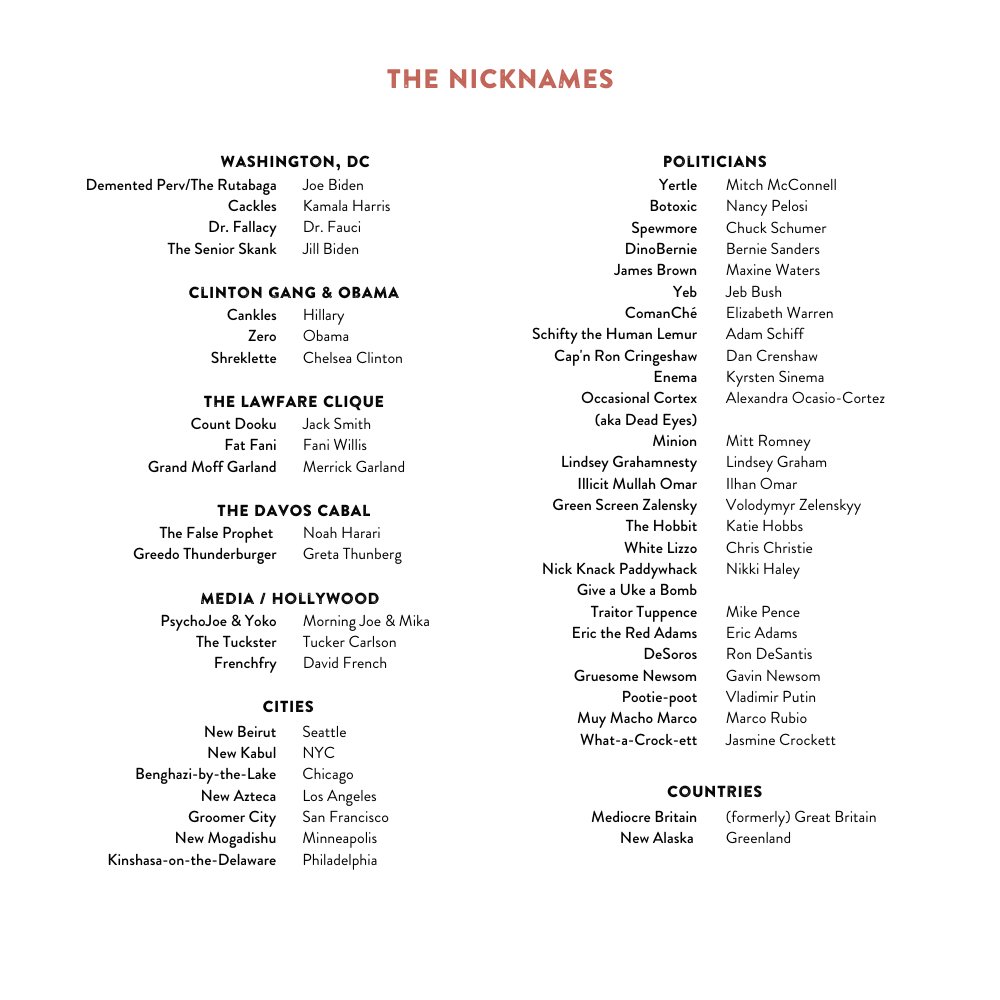
Larry Schweikart – produced a list of American political nicknames Can a canny Scot do the same thing for Holyrood???
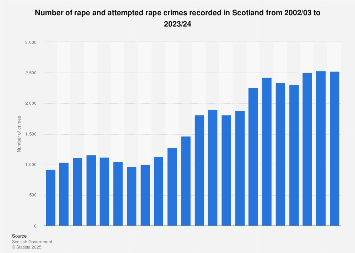
Graham Mann: Crime reporter for the “Scottish Sun” published a report on 24 Jun 2025, In it he made a number of allegations including the statement:
“Sex crimes in Scotland have rocketed with a shocking eight rape incidents reported every day. The shameful figures show almost 15,000 sickening incidents were logged by cops in just 12 months, the second highest level on record since 1971. Rape and attempted rape surged by 15% in the past year from 2,522 to 2,897 in 2024-25 – representing a 60% rise over the last decade.
My comment advises caution since Police Scotland, unlike England does not record crime statistics, including sex crimes, by nationality or specific ethnicity of offenders in their standard recorded crime data making detailed analysis by groups like Asian, Romanian, Scottish, English, Welsh impossible. The limitation renders claims about immigration not causing increased crime rates unreliable for verification, as there is no direct evidence to support such claims. The practice highlights the gap between perception and the paucity of available facts, with the evidence being warped toward other more acceptable factors to the Government like “increased reporting” and “socioeconomic conditions.”

Scottish Conservative shadow justice secretary Liam Kerr MSP commented:
“These shocking rises are the inevitable consequence of the SNP’s savage and sustained cuts to frontline policing. Whether it’s sexual crimes, other violent offences, shoplifting or domestic abuse, the trend is up, and Scotland’s streets are becoming less safe. “
“Worse still, the SNP’s use of diversion of prosecution orders often means criminals are not being properly punished – and therefore not deterred.”
“The increase in weapons being carried by school pupils exposes the epidemic of violence in Scotland’s schools – and the woeful inadequacy of nationalist ministers’ response to it. The buck stops with the SNP, who have undermined our police and left our justice system at breaking point.”
The Recorded Crime in Scotland 2024-25 bulletin shows that total crime remains at similar levels to 2023-24. However, overall sex crimes rose by 3% from 14,484 in 2023-24 to 14,892 in the latest annual tally.
Elsewhere the document reveals shoplifting shot up by 16% from 38,674 to 44,730 in the past year and 57% in the past 10 years.
There was a 50% increase in handling and using an offensive weapon within Scotland’s prison system from 72 cases to 108. And schools were also blighted by weapon-carrying offences with 152 crimes committed – an increase of 11%.
There was a 26% increase in domestic abuse crimes in the past year, 20 serious assaults on police officers and 12 serious assaults on emergency workers in the past year.
Supplying drugs increased by 14% in the past year from 4,223 to 4,802 crimes.
Another disturbing trend is a rise in crimes of indecent photos of children – up 11% from 747 to 828.
Other alarming increases noted in the Scottish Government report include youth violence, weapons in schools and shoplifting.
More positively, levels of non-sexual crimes of violence dipped slightly over the year and continue to be 23% lower than in 2006-07.Serious assault and attempted murder now at their lowest level since 1977.
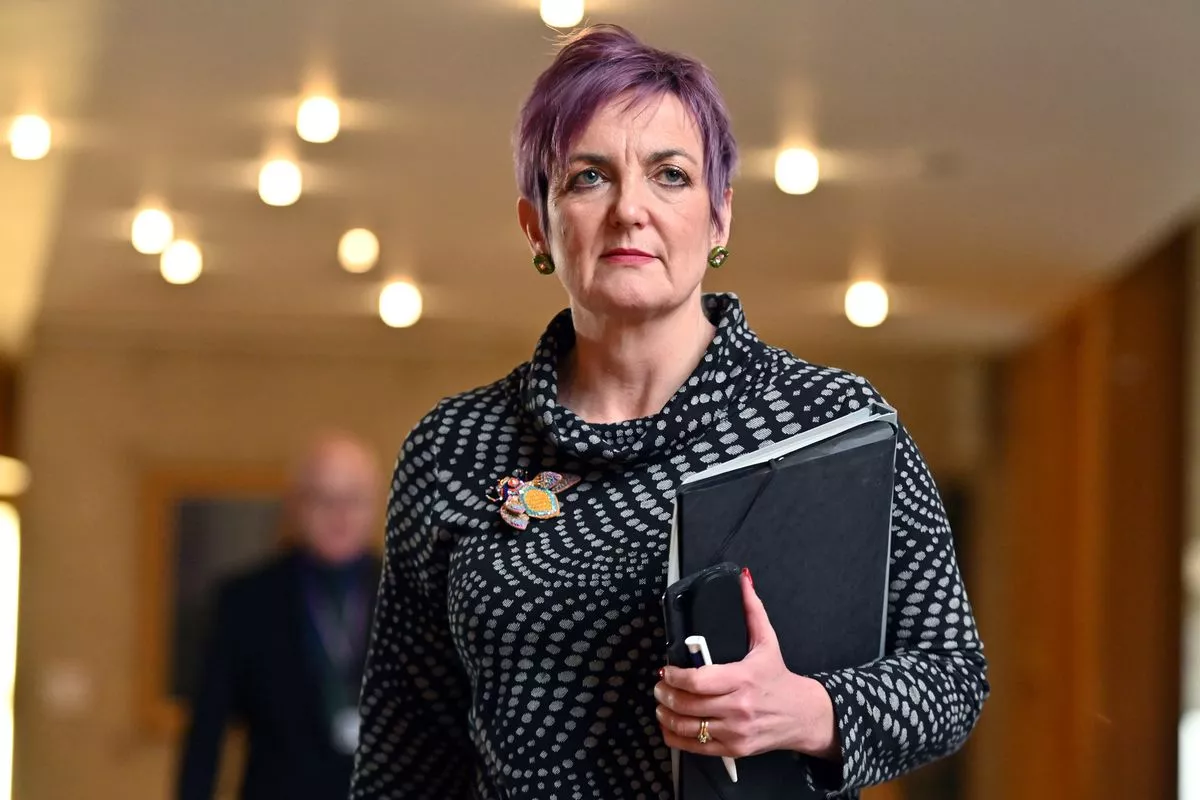
Justice Secretary Angela Constance admitted ‘concern’ over the rise in sex crimes, adding:
“Violent crime is down significantly in the past 20 years, with serious assaults and homicide levels at record lows. However, we cannot afford to be complacent and I have been consistently clear that any instance of violence is one too many. That is why we are taking a wide range of actions to prevent, reduce and tackle violence, with more than £6 million funding invested over the past three years.”
“I am concerned these figures also show a rise in reported sexual crimes.
Multiple factors lie behind this and our action to tackle sexual offending includes increasing confidence in the justice system so more victims come forward, improving support for victims and modernising the law on sexual offences. “
“Police Scotland has also had a £3 million budget boost to work with the retail sector and the Scottish Government has invested £4.2 billion across the justice system including a record £1.64 billion for policing – an increase of £70 million on 2024-25.”

National Police Force
In 2013 all eight of Scotland’s regional police forces were replaced with just one authority, Police Scotland a merger at odds with the long-established tradition of community-based policing and local accountability in Scotland.
The change brought with it the potential for damaging conflict between the new force lead officers and the unelected Scottish Police Authority Quango, which was given executive powers over finance, recruitment and personnel policy.
Control and oversight of 18,000 police and 6,500 civilian support staff was transferred to politicians in the Scottish Government.
The novel, untried system of providing policing support to the community through the Government has been a disaster from the time the changes were implemented, confirming the fears of many Scots who were opposed to the establishment of a national police force accountable only to a Government appointed authority. The changes should be abandoned and responsibility for policing returned to the regions and local communities.
A National Specialist Crime Team and police training unit should be retained at Tulliannan headed by a senior police officer accountable to the Chair of the Regional Police Leadership Authority.


Humza Yousaf – The Early Years
Yousaf worked in a “Call Centre” for a short time before becoming a spokesman for the controversial Islamic Relief. Controversial because in 2020 the entire UK board were forced to stand down after an antisemitism scandal.
As a Government minister, in 2013, he signed off a Scottish government donation for the organisation, totalling £398,000.
He was the President of the Glasgow University Muslim Students Association and a member of the Student Representative Council when he attended Glasgow University, where he graduated with a degree in Politics in 2007.
After graduating, he worked from 2007 as a parliamentary assistant to the first Scottish Muslim MSP Bashir Ahmadin, until the MSP’s death two years later.
He was first elected to Holyrood as a list MSP for Glasgow in 2011 and then the MSP for Glasgow Pollock in 2016.

The Increasing Influence of Islam
The Yousaf family acquired influence in the planning and execution of SNP politics soon after Humza joined the Party in 2007. A situation created by the rapid and continuing growth in the West of Scotland in the number of Muslim immigrants from Pakistan and Southeast Asia.
Muslim votes greatly assisted the SNP in its efforts to gain political power and governance in Scotland. All good things come at a price and the Yousaf family, (shades of the Kennedys in the USA) and their supporters called in favours.
They duly did so when Yousaf, as Justice Minister brought forward his flagship policy, “The Hate Crime and Public Order (Scotland) Bill” in 2019, which he promised would add many additional protections to minorities while maintaining existing rights to freedom of speech and freedom of expression. The bill becomes effective at the beginning of 2024 and despite many amendments, there are still concerns among many Scots about its draconian content, aspects of which continue to be subject to criticism by the Scottish public, the Catholic Church, the National Secular Society, the media and writers.

Yousaf’s links to Hamas – Holyrood Meeting With Former Hamas Leader
In 2008, Yousaf, then a parliamentary assistant to MSP Bashir Ahmad and his cousin Osama Saeed, who used to be an aide to former SNP leader and first minister Alex Salmond, arranged a meeting between Linda Fabiani the Scottish Culture and External Affairs Secretary and former *senior Hamas commander Mohammad Sawalha (described by BBC Panorama as the mastermind behind much of Hamas’ political and military strategy)
Sawalha was accompanied by two other Hamas supporting activists, Anas Altikriti and Ismail Patel.
Iraqi-born Altikriti frequently voiced support for Hamas, saying it was “fighting back” against Israeli occupation.
Patel, who founded the Midlands-based Friends of Al-Aqsa said: “The current political map of Palestine… will have to include Hamas and Fatah amongst other political groups. Hamas is a resistance movement against colonial oppression and the backbone of Palestinian resistance.”
Soon after the meeting Yousaf and Saeed established an Islamic lobbying group, The Scottish Islamic Foundation (SIF). Its first chief executive was Saeed who had previously expressed support for Islamists including Anwar al-Awlaki, the extremist preacher who inspired numerous Muslim terrorists, but who, he said, “preached nothing but peace.”
The SIF was awarded £405,000 in grants from the SNP government and announced the country’s biggest ever celebration of Islamic culture in Glasgow for June 2009.
But the project collapsed and SIF was forced to repay £128,000 of the taxpayer funds it had received, with £72,000 already spent.
Yousaf was also a director of SIF Ltd between May 2008 and September 2009.
Afternote: SIF was wound up after spending several hundreds of thousands of pounds of taxpayers’ money with almost nothing to show for it and with large sums unaccounted for. Humza Yousaf’s aunt and mother were employed by the charity which was placed on a watch list after being described as an entry-level group for Islamists.
*Sawalha was Hamas’ West Bank military chief before being appointed to its political leadership. He reportedly fled the Gaza Strip in 1990 after being placed on a wanted list by Israel.
Hamas had at the time been proscribed as a terrorist organisation by the US, but the UK did not follow suit until 2021.
Sawalha attended the meeting at Holyrood as a representative of Islam Expo, which was funded by a £2 million grant from Qatar and held in London in 2006 and 2008.
The Expos, run by Sawalha, included an appearance by Sheikh Qazi Hussain Ahmed, a Pakistani politician who praised the Taliban as “just and honourable men.”
Lord Carlisle, a former independent reviewer of terrorism legislation, said: “Yousaf must address the circumstances in which he judged it appropriate to have close contact with Hamas supporters.

Financial Aid to the Hamas Ruled Gaza Strip
The international community sent billions of dollars in aid to the Gaza Strip in recent years to provide relief to the more than 2 million Palestinians living in the isolated, Hamas-ruled territory.
The aid was intended to ease the burden on civilians of an Israeli-Egyptian blockade imposed on Gaza when the Islamic militant group seized power from rival Palestinian forces in 2007.
Israel says heavy restrictions on trade and movement are needed to keep Hamas from enhancing its military capability, while critics view it as a form of collective punishment. Israel and Hamas have fought five wars since 2008, the most recent in 2023.
Israel closely supervises aid to try to ensure it bypasses Hamas. But the Hamas-run government benefits from foreign countries footing the bill for schools, hospitals and infrastructure, allowing it to conserve its resources, including the taxes and customs it collects.

Scottish Financial Aid to the UN’s Gaza Appeal:
Yousaf pledged to donate $1 million as Scotland’s humanitarian funding to the UN’s Relief and Works Agency (UNRWA) appeal.


Cabinet Secretary for Justice (2018–2021)
Rewarding mediocrity, Sturgeon promoted the unqualified Yousaf to the post of Cabinet Secretary for Justice. The first ever person appointed to the role without holding a university degree in Law.
Yousaf, a champion of anti-free speech laws criminalising “stirring up” so-called “hatred” even in a person’s private home, ventured: “Are we comfortable giving a defence to somebody whose behaviour is threatening or abusive, which is intentionally stirring up hatred against, for example, Muslims? Are we saying that that is justified because that is in the home?”
He also ranted in the Scottish Parliament against the 91.8% of white people in high office in Scotland and asserted that “Scotland has a problem of structural racism.” Full details here:
https://www.breitbart.com/europe/2020/07/05/racist-backlash-scotland-white/
https://www.breitbart.com/europe/2023/03/27/anti-free-speech-separatist-who-wants-fewer-white-people-in-office-now-leads-scotland/
https://www.breitbart.com/europe/2020/10/29/scottish-justice-sec-demands-hate-speech-home-be-prosecuted/

Political will
European countries do not have the political will, or the ability to take on the task of keeping their trading sea routes free from attack and the Red Sea bottleneck will become a stranglehold on the World’s shipping denying unrestricted access to the Suez Canal and Europe. It will be back to the “round the cape” journey for shipping and the difficulties arising from that are well known and unfeasible.
In consequence there will be a major shake up in the logistics of World trade and of particular relevance is the strategic location of Scotland which is best placed and able to provide deep water shipping facilities for containers. It is the natural gateway to the Atlantic and Europe.

The Impact of Global warming on World Trade
As the seas around Russia are released from the grip of the Arctic ice studies are projecting: “remarkable shifts in trade flows between Asia and Europe, diversion of trade within Europe, heavy shipping traffic in the Arctic and a substantial drop in Suez traffic.
Russia has not been slow to recognise the new opening for trade and is building nuclear powered ice-breaker ships well capable of keeping sea channels open to commercial traffic.
Cost savings achieved using a new “Northern Channel” are eye wateringly high and joint development, with Russia or China of a new trans container facility, at the southern end of the channel, in Orkney would bring significant benefits to participating countries.
Presently the channel is freely navigable in the summer and autumn months, ice breaker support is required over the winter period but a report by the Copenhagen Business School found that large-scale trans-Arctic shipping will soon become economically viable.
Click to access Arctic%20Shipping%20-%20Commercial%20Opportunities%20and%20Challenges.pdf

6 Sep 2017: The Northern Sea Route is completely ice-free and shipping thrives
As Russian Arctic ice shrinks to this year’s lowest, a big number of ships are moving in. In waters normally covered by thick ice, ships are today sailing easily and without escorts.
Ice data from Russia’s Arctic and Antarctic Research Institute show that the whole Northern Sea Route now is ice-free.
Even in the waters between the Kara Sea and the Bering Strait, normally a highly complex and ice-covered area, shipping appears smooth and easy.
The ice edge in the East Siberian Sea is now retreating to north of the 75th parallel and practically the whole Laptev Sea is ice-free.
There is only some scattered ice around the Vilkitsky Strait, the area separating the Kara Sea and the Laptev Sea.

The Northern Sea Route – The Russian Perspective
Due to global warming, it will become viable to deliver goods from Europe to the Pacific throughout the Arctic as ice floes melt.
There is reason to believe that China would be interested in participating in the development of the NSR, as the waterway will save time and can help China find a way out of the Strait of Malacca dilemma that has long plagued importers and exporters.
Efforts to open up the NSR would help pump fresh investment into the country and would benefit the development of Russia’s Far East.
The NSR has the potential to become a significant new area for cooperation between China and Russia. It is expected that the Belt and Road initiative will create an opportunity for Russia’s NSR ambitions to turn into reality.
https://sputniknews.com/infographics/201709051057097124-northern-sea-route-suez-canal-alternative/

The Northern Sea Route – The Chinese Perspective
The Northern Sea Route, one of three Arctic shipping routes that connect East Asia and Europe along the Russian coastline, is now subject to more attention than ever before. The Northern Sea Route Administration notes that in 2016 traffic volume on the Northern Sea Route reached 7,265,700 tonnes – an increase of 35 percent in comparison with 2015.
As the world’s third largest ship-owner, China has a strong interest in Arctic shipping, especially in the Northern Sea Route. That was reflected in China’s decision to include the Arctic in its Belt and Road Initiative.
On June 20, 2017, China’s National Development and Reform Commission and State Oceanic Administration published the “Vision for Maritime Cooperation under the Belt and Road Initiative” (the Vision). The Vision officially incorporates the Arctic into China’s Belt and Road Initiative (BRI).
Moreover, before attending the G20 Summit in Hamburg, President Xi Jinping visited Russia and signed the “China-Russia Joint Declaration on Further Strengthening Comprehensive, Strategic and Cooperative Partnership” (Joint Declaration) on July 4, 2017.
Described as the Ice Silk Road, the development of the Northern Sea Route is a key area of cooperation between China and Russia.
The Ice Silk Road can be seen as a further step in shaping China’s Arctic policy. The three main pillars of this policy are: respect, cooperation, and sustainability.
Moreover, the BRI now officially extends to the Arctic, which could help achieve the objectives of China’s Arctic policy. It is now very clear that China is keen to play a role as a user of the Northern Sea Route.
As elaborated in the Vision:
China is willing to work with all parties in conducting scientific surveys of navigational routes, setting up land-based monitoring stations, carrying out research on climatic and environmental changes in the Arctic, as well as providing navigational forecasting services.
China supports efforts by countries bordering the Arctic in improving marine transportation conditions, and encourages Chinese enterprises to take part in the commercial use of the Arctic route.
So why is China keen to use the Northern Sea Route?
It is commonly known that the Northern Sea Route could shorten the distance of transportation between China and European ports.
China also sees the opportunity of resources development in the Russian Arctic. But perhaps more importantly, China believes that the Northern Sea Route is strategically important for its energy security.
China is facing the dilemma that energy from Africa and the Persian Gulf passes through waters dominated by strategic competitors (the United States and India), threatened by piracy, or bottle-necked at the Strait of Malacca. It would therefore be helpful to have an alternative shipping route along a politically stable area.
https://thediplomat.com/2017/07/china-russia-trouble-on-the-arctic-silk-road/

Container Transhipment and Container Terminal Capacity in Scotland
Scapa Flow in Orkney provides the best available deep water port in Europe with the potential to handle any amount of major transhipment of today’s mega-size container ships.
The container port market in Northern Europe is expected to continue its upward trend, demand more than doubled over the 2001-2015 and is expected to double again between 2015-2030.
With container traffic increasing faster than output, transshipment growth will be even more rapid as carriers, due to ship upsizing, reduce the number of direct port calls and move towards hub and bespoke services.
For the fast growing Russian, Chinese, Japanese, Australian, New Zealand, other Asian markets and existing European and North American Authorities, the efficiencies and economies will be matched by the opportunity to achieve through use of the Orkney facility, the secure gateways required.
Scotland will benefit directly from economic spin-off, and a major stimulus to the development of sea and water-borne alternatives.

Full details here:
2011: https://www.computescotland.com/scapa-flow-crossroads-for-container-terminal-4184.php
2014: http://container-mag.com/2014/05/02/the-orkney-floating-container-terminal-alternative/
2004: http://www.gov.scot/Publications/2004/09/19885/42553
2004: http://www.napier.ac.uk/research-and-innovation/impact-case-studies/the-greenest-port

Nov 2010: Jack Straw Labour MP for Blackburn Alerts the UK to Sexual abuse of young white girls by Pakistani men
A gang of men were convicted of systematically grooming and sexually abusing teenage girls in Derbyshire. Many of the victims were given alcohol or drugs before being forced to have sex in cars, rented houses or hotels across the Midlands. One girl described a sexual assault involving at least eight men. The nine men were convicted during three separate trials at Leicester Crown Court.
Straw said increasing numbers of Pakistani Muslim men view white girls as “easy meat” for sex abuse and highlighted it was endemic in Blackburn and in many other areas with significant Muslim populations across England.
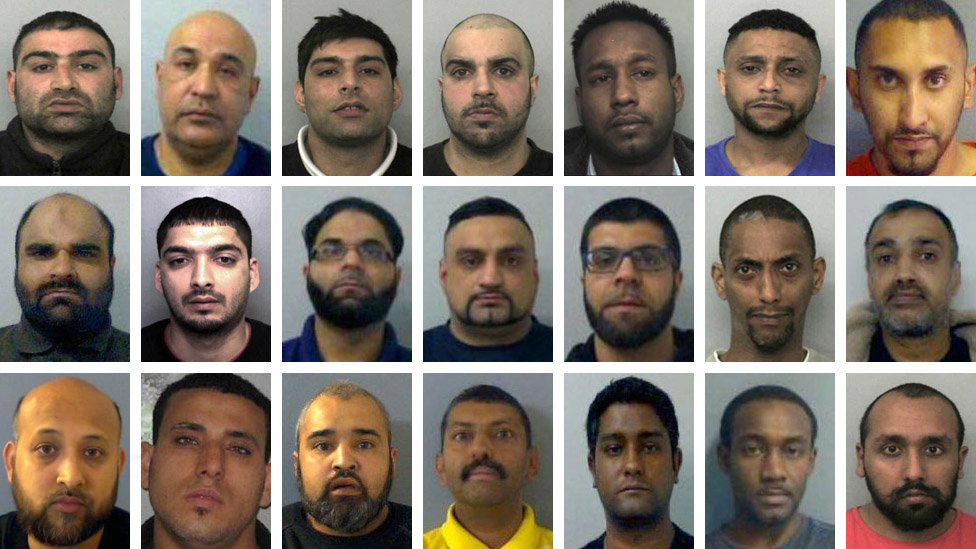
Aug 2014: Pakistani Grooming gangs reportedly raped near a million underage non-Muslim girls and the CPS failed their pleas for justice
Jack Straw’s warning was ignored by the DPP and the CPS. Four years and 1 million more rapes later the UK public was outraged and angered by party political attempts to shift the blame away from the State onto the victims.
Reports suggested that there were around 1,400 raped Yorkshire children, (a conservative estimate) given there were multiple rapes on each child.
Adding in the Pakistani Muslim grooming operating in Oxford, Bradford, Rochdale, Newcastle and other cities in England takes the count of rapes committed by Pakistani Muslim men against white children into the millions.
The judge in the Oxford case said the brutal rapists demeaned their victims because they did not share the men’s “religion and culture”.
Nor is it a “small number” of Muslims. It is an endemic problem in Muslim-dominated towns and cities.
The UK public needs to see justice. That means more than “historic abuse” “no blame game” “no party politics” “look to the future” and all the other rubbish politicians wheel out. We don’t need “the police”, “the council”, “the CPS”. We need names and prosecutions.
Police officers who abetted the rape of children need to go to jail. And another thing who will be responsible for prosecuting members of the CPS for their misconduct?
Keir Starmer, the compromised, politicised Director of Public Prosecutions, said his CPS did not prosecute because they made assumptions about the credibility of the evidence of victims. The DPP and the CPS took on the role of judge and jury and failed the abused children. Why? To win Muslim votes!!! Who will be responsible for prosecuting Starmer and members of the CPS for their misconduct?
It was Labour who did this in Rotherham and Rochdale to win Muslim votes. The police, Labour PCCs, Labour councillors, Labour-leaning prosecutors.
The Rotherham report says a Conservative councillor brought his concerns to the leader but was told not to make it public.
The Head of Children’s Services Joyce Thacker told The Times she would punish the leaker and in 2008 Labour gave her an OBE for her Services to Young People.
Labour’s greedy, sleazy pandering to Muslim votes brought about the introduction of Sharia tribunals. Labour set them up in law.
Postal vote fraud, uncontrolled immigration, Trojan Horse schools, and now this sick hell.
The Pakistani immigrant community has not fully integrated into British life. Instead of spreading out over the country and adopting British values whilst retaining their own religion, they have been encouraged to dominate towns and impose their culture on others.
Social planning needs to address the undesirability of one community” taking over an English town or city. We have seen that with our mixed Afro-Caribbean heritage Britons, with Jewish-heritage Britons and all classes and races up until now.
Politicians, the Media and the Press are persistent in their use of the expression “The Pakistani Community” providing confirmation of the failed immigration policy of the Labour Party who actively encouraged mass uncontrolled immigration of Pakistani immigrants so that they would be able to gain their votes in future elections.
Reference to “the community” should address all citizens regardless of ethnic origin. (The Sun)
White girls abused by Muslim child-rape gangs should shut their mouths for the good of diversity
Labour Party leader, Sir Keir Starmer promoted MP Naseem ‘Naz’ Shah, who infamously shared a tweet stating “Those abused girls in Rotherham and elsewhere just need to shut their mouths for the good of diversity”.
The British-Pakistani Labour MP for Bradford West liked and shared a tweet in 2017 admonishing white, English girls who spoke out about being raped and sexually enslaved by organised gangs of Muslim paedophiles.
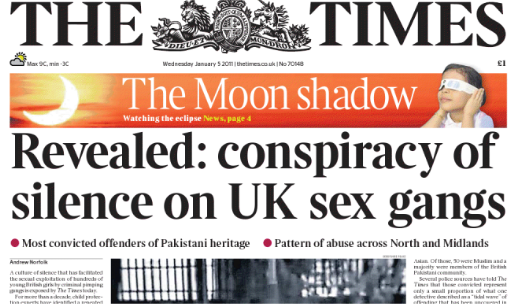
The UK was rocked to its foundations by the never-ending stream of scandals involving predominantly Muslim men targeting white English girls from working-class backgrounds for sexual exploitation.
Most shockingly of all is the fact that authorities and the mainstream media were aware of this for years if not decades but refused to act, even when girls and parents pleaded for help, for fear of being accused of racism by PC fanatics.
The Labour MP for Rotherham, a town where Muslim child-raping gangs were allowed to operate for years with impunity, Sarah Champion, has said that up to 1 million English girls are likely to have fallen victim to Muslim rape gangs as of 2016.

Lord John Robertson, (NATO Secretary General from 1999 to 2003)– In his 2014, address to the Brookings Institute in the USA strongly advocated that Putin and Russia be admitted to NATO saying it would reinforce the, “liberal values” of NATO. Seeking to justify his position he intimated troubles in Ukraine and Crimea should not be a bar against Russian membership. Rejecting any criticism Robertson said that he envisioned an expanded NATO that was just as effective, while involving countries that at the moment do not want to be part of the transatlantic organisation. He went on saying, “there’s no security in Europe, unless there’s an eventual perspective of an organisation that says, “we stand for values, stand for liberal values, and that has to include Russia”.
Remembering his first ever meeting with Putin, who was not yet installed as the Russian, President he said, “we had good relations. I stood beside him at a press conference on the 28th of May, 2002, after the meeting of heads of state and government at the inaugural meeting of the NATO-Russia Council, flanked by himself and by Berlusconi and I just want to say what Putin actually said in reply to a question. In other words, this was not a scripted comment by him, and I think it’s very important at this time, 14 years later that you hear again what he said.
He said: “Russia always had a crucial role in world affairs. The problem for our country has been, however, that over a very long period of time a situation arose in which Russia was on one side and the other side was practically whole… the whole of the rest of the world. Nothing good came of that confrontation between us and the rest of the world. We certainly gained nothing from it.” And he then went to say: “Russia is and wants to be and remains part of the civilized community of nations. There is nothing to be gained if our voice is not heard, and we are determined for our national interest to be taken account on.”
Robertson summarised his contribution saying: “Russia is prepared to act in accordance with international law, international rules, in the course of a civilized dialogue for the achieving of common and joint ends, and those ends have been set out very clearly in the document we signed off today. I think President Putin and the Russian people need to be reminded of these words, what they signed up to, what was the joint commitment. And they should be reminded of it regularly and constantly.”


Rough Justice – An Opening Brief
“DeeAnn Kirkpatrick, a civil servant employed in Marine Scotland, made allegations of sexual harassment, racism, bullying, and assault against some of her male colleagues.
An Employment Tribunal decided that her allegations were time spent after three years and aided and supported by senior civil servants of the Human Resources team of the Scottish Government, dismissed the allegations.
The nub is that the substance of DeeAnn’s complaints was never independently investigated.”
DeeAnn’s sister Cherry, issued a statement through the Daily Record saying:
“My sister has been left absolutely devastated and feeling betrayed. How can this be justice? It’s a disgrace. She can hardly bear to look at the photograph of herself gagged and taped to a chair. It suits Marine Scotland to say DeeAnn made it all up. She has been broken by this. My sister used to be strong, brave, and outgoing. Now she is a recluse who is afraid of her own shadow.”
A spokesperson for the Scottish Government responded with a counter-statement saying: “The Scottish Government provides reassurance that policies and processes within the Civil Service are both robust and provide the necessary support to individuals who may wish to raise concerns.”
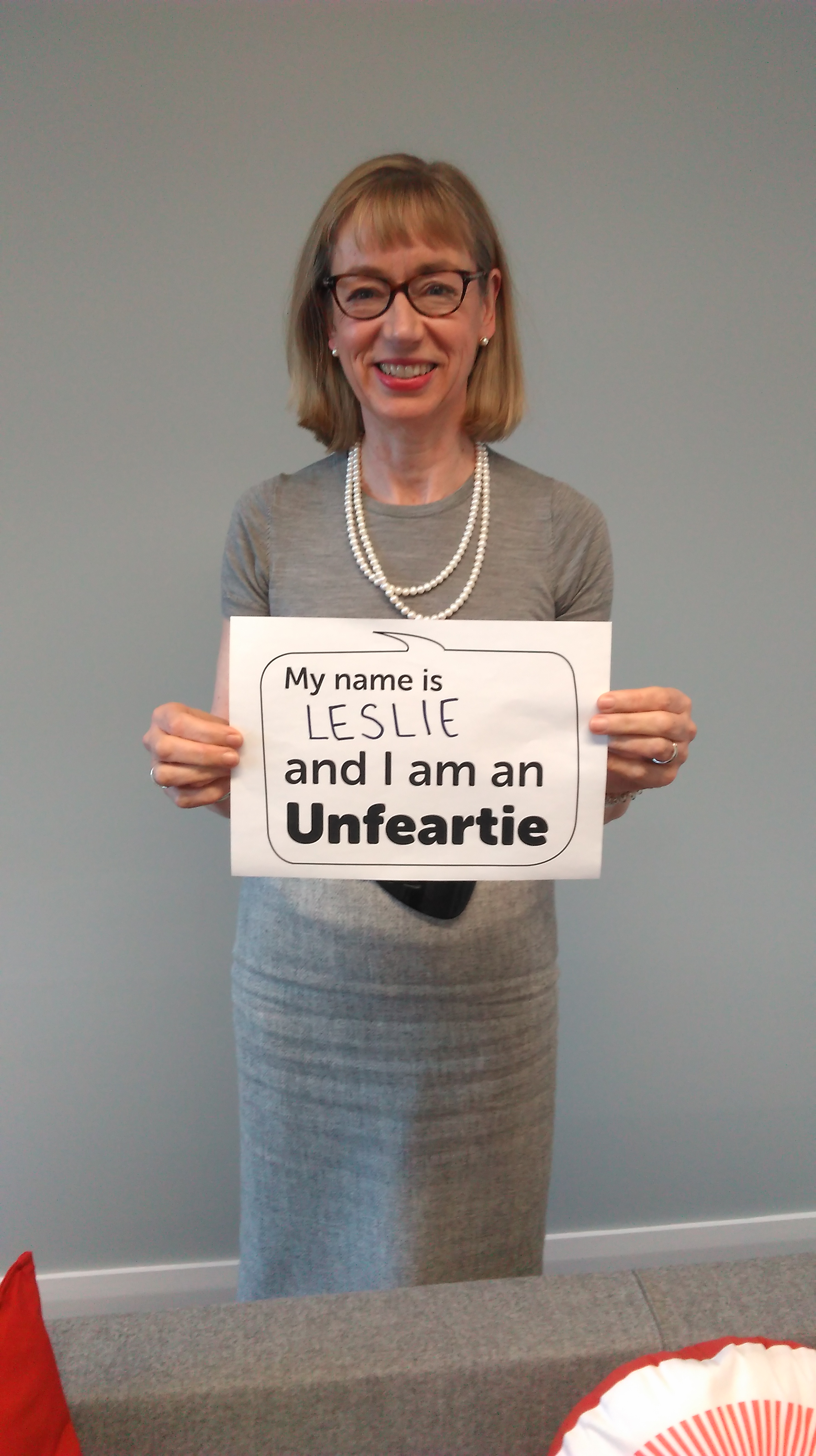
DeeAnn’s case had unraveled around the time the First Minister wrote to Leslie Evans asking that she put arrangements in place to ensure Civil Servants were adequately protected from any misconduct. And that the revised procedures should contain a novel clause (applicable only to Scotland) conferring on the Scottish Government the right of “lookback without limit of time.”
Note: DeeAnn’s case was thrown out because it had not been placed before the tribunal within 3 years. A copy of Nicola’s letter of 22 November 2017 to Leslie Evans is included below.

22 November 2017 Nicola Sturgeon Letter to Leslie Evans
At Cabinet, on 31 October I asked you to review the Scottish Government’s policies and processes on sexual harassment so that we could be reassured that we have effective arrangements in place in light of justifiable concern about the recent examples of misconduct across public life. You have kept me closely briefed on these issues.
I know that work is moving forward quickly and that you have already put arrangements in place to ensure that any member of staff who has concerns about the way they have been treated has the support and advice they need. You have also advised me that the review is considering how best to build on the work already being done to create an inclusive and respectful culture across the organization.
As is clear from the continued media focus on cases of sexual harassment, in many instances, people are now making complaints regarding actions that took place some time ago.
I wanted to make clear that in taking forward your review, and the new arrangements being developed, you should not be constrained by the passage of time.
I would like you to consider ways in which we are able to address if necessary any concerns from staff – should any be raised – about the conduct of current Scottish Government Ministers and also former Ministers, including from previous administrations regardless of party.
While I appreciate that the conduct of former Ministers would not be covered by the current Ministerial Code, I think it fair and reasonable that any complaints raised about their actions while they held office are considered against the standards expected of Ministers.
As you complete your review I believe it would be helpful for you to update Cabinet on the conclusions you have reached and the actions the Scottish Government has taken to provide reassurance that policies and processes within the Civil Service are both robust and provide the necessary support to individuals who may wish to raise concerns. (https://www.parliament.scot/HarassmentComplaintsCommittee/Phase1FN21.pdf)
Comment: The Permanent Secretary reports to the First Minister but is accountable to the UK Government Cabinet Secretary and Leading Civil Servant in London. Any procedure brought forward by Evans to the First Minister would need to be first approved by him and mirror those in place in London and other parts of the UK since there is no deviation in the terms of employment applicable to all Civil Servants in the UK.
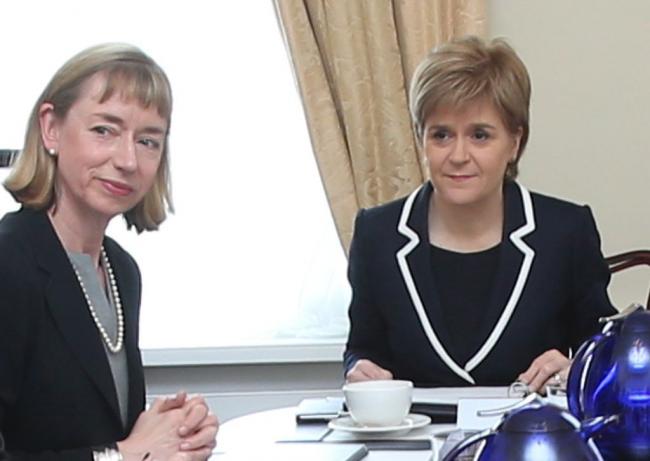
More On Events at the Employment Tribunal
The tribunal had been convened to hear evidence from Canadian born, DeeAnn Fitzpatrick, a civil servant who had lodged allegations of racism, bullying, sexual harassment, and misogynism at Marine Scotland, in Scrabster over nearly a decade from 2006. (content paraphrased for ease of reading)
DeeAnn stated:
“I have worked for Marine Scotland in Scrabster, since 2006. Over this period I spoke to managers about the racist and misogynistic behavior of some of my male colleagues and asked that they put an end to it, without success.
I was subsequently warned by those self-same colleagues to “keep my mouth shut”.
In 2010 I reported to managers that the behavior of some of my male colleagues had not improved. But again nothing was done.
Shortly after I was assaulted, gagged, strapped to a chair, photographed, and mocked.
I was eventually rescued and freed by a female colleague who told me: “they don’t want a woman, especially a foreign woman here.
A male colleague, Reid Anderson told me: “This is what you get when you speak out against the boys.
I was also labeled an “old troll” and told not to even attempt to “climb the ladder of success” and, I was mocked after I suffered a miscarriage and I received anonymous abusive cards on my birthday and Valentine’s Day between 2015 and 2017.
Managers turned a blind eye to the bullying and sexist treatment I suffered at the hands of my male colleagues.
The events have taken their toll on my health and wellbeing and I have become a recluse – I stay at home suffering from depression and have harbored thoughts of suicide. Thoughts that were so all-consuming that I contacted Dignitas in Switzerland. I had had enough.”
 Judith McKinnon
The Scottish Government was solely represented by their Head of People Advice, Judith MacKinnon who advised the tribunal that the persons accused by DeeAnn of wrong-doing had decided not to face their accuser because they were scared of the intense media attention the case had generated.
She further advised that the Scottish Government supported the accused officers since the disciplinary procedures of the Civil Service bestowed on civil servants the right to remain silent and that they could not be compelled to answer questions that might incriminate themselves.
She went on to say that she had read over case notes prepared by DeeAnn’s managers, who had carried out an internal department head led investigation and that she backed their findings that DeeAnn had willingly participated in the “high Jinks” culture prevalent within the department. As such there was insufficient evidence to support DeeAnn’s allegations.
The tribunal pronounced that the allegation pertaining to the incident in which she had been strapped to a chair was time-barred since it had occurred over 3 years before.
It also found that there was insufficient evidence as to who had sent the abusive cards.
The handling of events by the Civil Service Human Resources Department of the Scottish Government was mildly criticized but DeeAnn’s allegations were not upheld.

It was this rejection and final humiliation that forced DeeAnn to speak to the press. she told the Daily Record:
“It is difficult when you have spent your entire career fighting racism, misogyny, and bullies. Then to make matters worse when you report the incidents, you are the one that is being targeted by an ongoing campaign by senior management because you exposed what they have worked very hard to hide.”
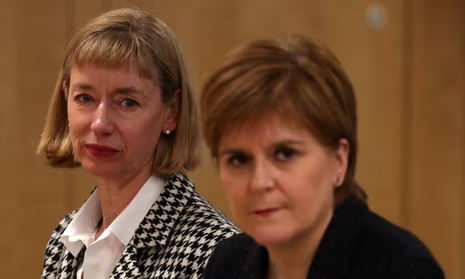
Nicola Sturgeon and the “Chair” Incident
Nicola issued a statement saying that she was appalled at the revelations and pictorial evidence published in the Daily Record and ordered the Permanent Secretary to the Scottish Government, Leslie Evans, to personally investigate the incident involving the chair and to report back to her.
Evans reported back (summarized):
“A comprehensive internal review has now concluded that the Scottish Government has robust disciplinary procedures to address behavior that falls below expected standards and I am satisfied that these have been followed thoroughly and objectively in relation to this incident.
A broad set of actions are underway in Marine Scotland to ensure a working environment that meets both the Civil Service Code and Scottish Government Standards of Behaviour.
I do not normally comment publicly on staffing matters but I am issuing this short statement to update the public record given the previous parliamentary and wider interest in this issue.
My unwavering commitment to ensuring a positive workplace for all employees in the Scottish Government remains.”

Comment: An incredulous statement to which nothing was added by the Scottish Government. The lack of response from the Scottish Government was not entirely unexpected since whilst the Permanent Secretary reports to the First Minister she is accountable only to the UK government Cabinet Secretary located in London.
DeeAnn sacked
The interview with the Daily Record triggered a charge of misconduct against her and DeeAnn was ordered to attend a disciplinary hearing.
she was unable to attend on the day/date because her father had only recently died and her doctor had said she was not fit to travel.
The hearing was conducted in her absence and resulted in her being sacked.
The notice of dismissal procedure served on her was bizarre since it was carried out by two civil servants who despite travel restrictions being in place because of Covid-19 journeyed by car on a 16-hour return trip from Edinburgh to her home in Caithness to hand-deliver her dismissal letter.
The latest news is that lawyers acting on LeeAnn’s behalf confirmed that she would sue the Scottish government for wrongful dismissal, based on a defense of workplace stress and damage to her mental health and wellbeing.
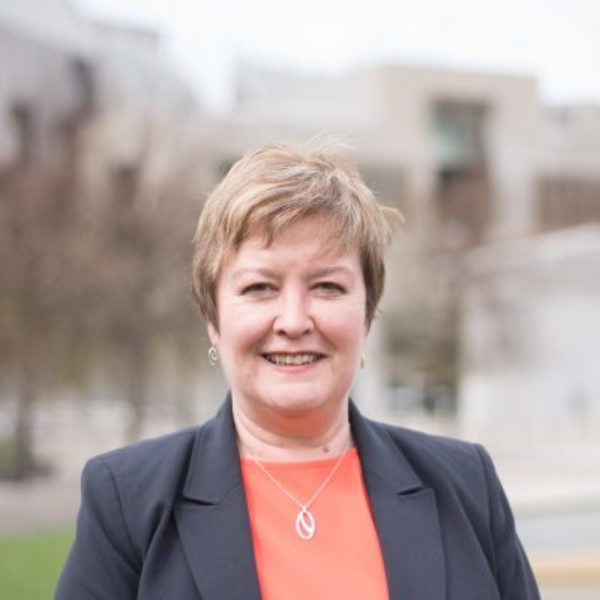
Local MSP Rhoda Grant Fights Back
The Highlands MSP used a member’s debate on condemning misogyny and harassment at Holyrood to raise the whistleblower’s case in a speech she described as “probably the most difficult” she had ever made.
Rhoda claimed that a manager at Marine Scotland had “referred to women in extremely derogatory terms,” and continued:
“I cannot repeat the language used in this chamber, but it was racist, sexist, vicious, and degrading. DeeAnn has been subject to institutional racism, sexism, harassment, and abuse at the hands of Marine Scotland, a Scottish Government Directorate. And the abuse continued despite her raising the matter at senior levels in government. Over a number of years, the oppressive behavior was constant and undermining and DeeAnn always being held to a different standard than others. I’m told by a colleague that this was deliberate and systematic conduct by others in the office and in the line of command in Marine Scotland, designed to wear her down and force her out.”
Referring to the involvement of the press that had triggered the attention of Nicola Sturgeon who concluded the chair incident to be “completely unacceptable, whatever the circumstances.” She said to the chamber:
“DeeAnn began working for Marine Scotland in 2006 and claimed problems arose when she blew the whistle on the misogynistic behavior of her colleagues towards a younger female colleague. She then became the target of abuse – and her case came to public attention last year when a photograph was revealed showing her gagged and taped to a chair.”
“The first minister’s investigation only looked at the incident with the photograph, and it was not an independent investigation. There needs to be a truly independent inquiry into DeeAnn’s treatment. And my evidence to the inquiry was fed back directly to Marine Scotland who twisted it to be used against DeeAnn. And DeeAnn has still not been informed of the findings of the investigation, and has remained away from work on full pay, but not suspended.”
Rhoda then claimed she had discovered that the “Scottish Government HR intercepted DeeAnn’s e-mails, including sensitive exchanges with her Trade Union representative”, adding that there had been “a fully hatched plan” between Scottish Government HR and DeeAnn’s line management… which showed they intended to move her to the Outer Hebrides. When DeeAnn declared that she could not move because of caring for her ailing mother, they decided to implement their previously discussed plan to dismiss her on trumped-up charges. A move that collapsed when they failed to produce the necessary evidence. And then DeeAnn was threatened with disciplinary action for going to her father’s death bed.
Rhoda said DeeAnn’s issues at work had started after returning to work following the breakdown of a “devastating” relationship with a colleague in another office, which had resulted in a miscarriage, and the issue of a non-harassment order. Her line manager was not supportive, mocked her being off with stress, and threatened to move her to work in the office where her former partner was based – despite knowing that a non-harassment order was in place. She added that she could not repeat the “extremely derogatory” terms in which he referred to women.
Rhoda spoke further saying: “DeeAnn has been subject to institutional racism, sexism, harassment and abuse at the hands of Marine Scotland, a Scottish Government Directorate,” Calling for an independent inquiry into the case, she added: “Despite me raising this at senior levels of government on a number of occasions with the previous Permanent Secretary, with John Swinney, Richard Lockhead, Paul Wheelhouse, and the First Minister – the abuse continued.
Rhoda also revealed that the original case which DeeAnn had reported was a threat to punch another female staff member by a male fisheries officer, who was allegedly encouraged by DeeAnn’s boss “to make sure it’s a good one”.
While they were initially disciplined, the men had successful appeals. Rhoda claimed: “the Scottish Government knows the Senior Fishery Officer secretly recorded the disciplinary panel’s deliberations and learned details that then led to their successful appeal.”
As well as abuse, Rhoda said DeeAnn was: “constantly being held to a different standard than others – toil, holidays, time off for compassionate leave or for medical reasons. On every occasion, she was questioned at length, but others were not. I was told by a colleague that this was deliberate and systematic conduct by others in the office and with the approval of line managers in Marine Scotland. A process designed to wear her down and force her out.”
Rhoda then asked the Equalities Minister Christina McKelvie, if she would push Scottish Government colleagues to set-up an independent inquiry. The Minister declined to say it would be “inappropriate” for her to get involved and that Rhoda should take up an offer to meet with Scottish Government officials.

The BBC Get Involved
Adding credence to DeeAnn’s allegations a reporter with the BBC said they had seen emails confirming DeeAnn had reported the alleged attack to her manager Mr. Paske, soon after it happened, but her complaints were not taken seriously. Mr. Paske told DeeAnn: “I will have a word with Reid Anderson and Jody Paske about this. I am sure they meant no harm and that it was boys just being boys.” When confronted by the BBC reporter, Mr. Paske, who no longer works at Marine Scotland, said:
“The allegations were false. I can’t remember the event you mention, but if it did happen, it would have been office banter, just a craic, certainly, nothing to do with abuse.”
The BBC reported further that one of the accused persons Mr. Anderson was still employed by Marine Scotland and had recently been promoted. and that he had failed to respond to the BBC’s request for comments.

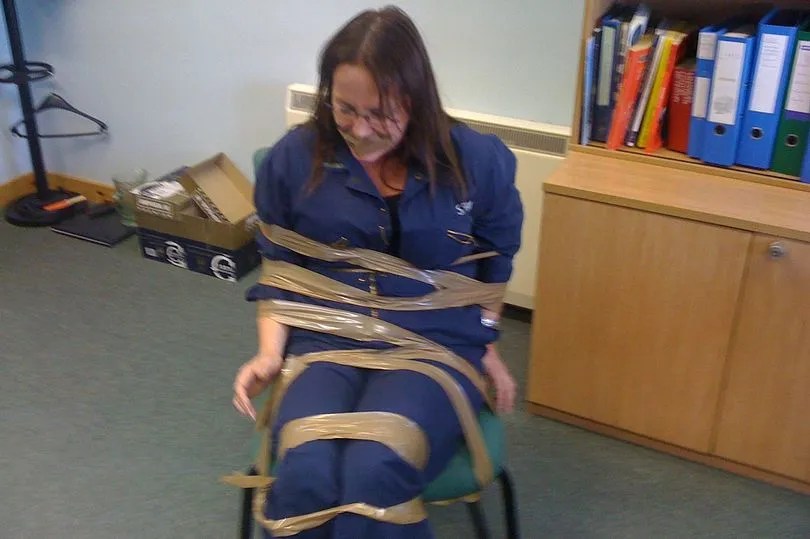
The 1820 Scottish Uprising
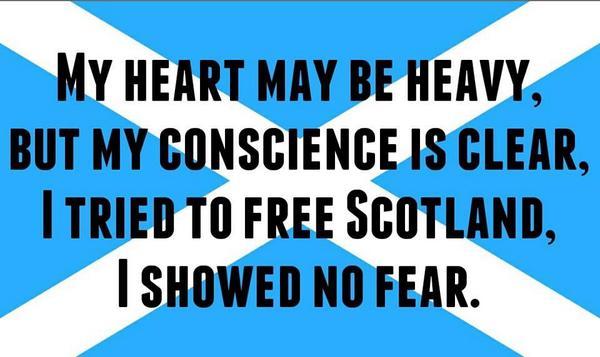
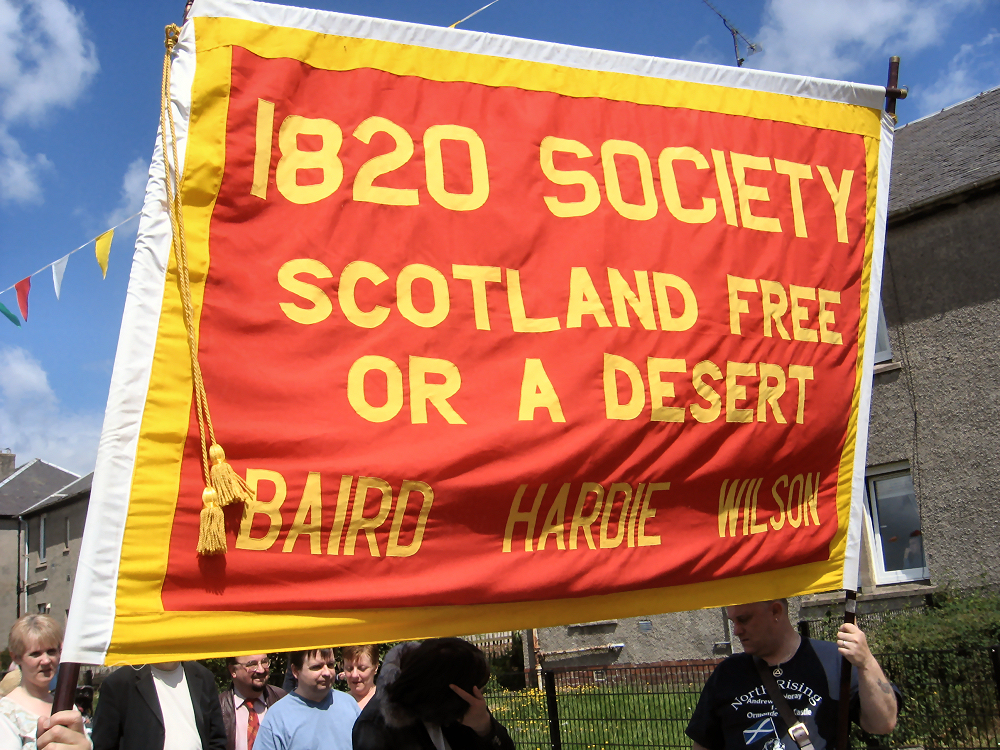
James Wilson, Andrew Hardie & John Baird (all weavers) were accused by the Crown of being leaders of the “1820 Rising”, a group of Scots campaigning for universal male suffrage, better working conditions and a Scottish parliament.
They, together with 19 others, mostly weavers: Thomas M’Culloch, Benjamin Moir, Alex Latimer, Alex Johnstone, Andrew White, David Thomson, James Wright, William Clackson, Thomas Pink, Alex Hart, John Barr, William Smith, Thomas M’Farlane, John Anderson, John M’Millan, Andrew Dawson, Allen Murchie, Robert Gray, William Crawford and James Cleland were tried for the crime of ” high treason” at Stirling high court on 14 July 1820.
All 23 were found guilty as charged and on 4 August 1820 were sentenced to death by hanging.

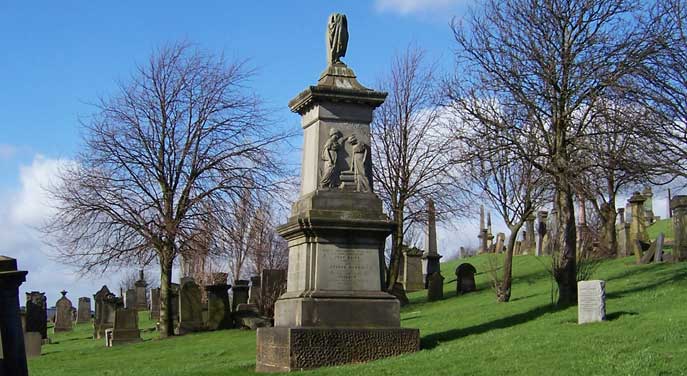
Martyrs Monument Glasgow
The Executions of James Wilson, Andrew Hardie, and John Baird
James Wilson was executed on 4 August 1820 in Glasgow. On mounting the cart that was to take him to the scaffold, the headsman was seated before him, cloaked in black, his face covered, holding a large axe in his right hand and a knife in his left. “Did you ever see sic a crowd as this?” Wilson remarked casually to his executioner.
At five minutes to three, he mounted the scaffold and several minutes later his body was convulsing on the end of a rope, where it remained for half an hour, before being lowered and decapitated by the masked executioner, who held the bloody head aloft and proclaimed: “This is the head of a traitor.” The crowd jeered and replied with shouts of, “It is false, he has bled for his country”!!!
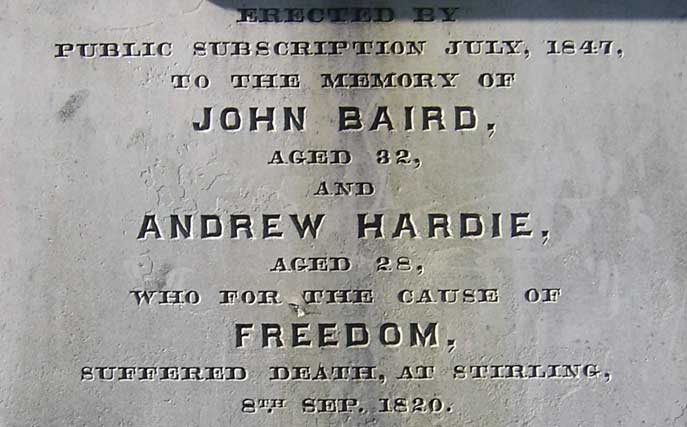
Barely a week later, on 8th September 1820, Andrew Hardie, from Glasgow, who told the spectators, (‘I die a martyr to the cause of truth and injustice’) and John Baird, from Condorrat, met the same fate in Stirling.
The death sentence on the other 19 was changed to penal servitude for life and on 15 August 1820 they were transported to the colony of New South Wales in Australia.
Westminster Government Conspiracy
It later transpired that the Westminster government, through the double-dealing of spies, actually incited the rising in the first place.
But why would a government, gripped by fear of a popular revolution, incite a general strike in Scotland?
To answer this question, we must unearth the roots of the 1820 Rising.
In 1795, following the public stoning of King George III’s carriage as it travelled to Westminster, parliament completely redrew the laws for treason, with the effect that holding public meetings in support of reform could lead to the stiffest penalties that the courts were at liberty to dispense.
The period following the American Revolution was a time in Scotland when groups including enlightened aristocrats, members of the rising middle classes, professional people, calling themselves “Friends of the People” pushed gently for reform.
The weavers in Scotland were skilled and literate people who traditionally worked to commission, chose their own hours, and managed their own lives in a way that was denied to many factory workers and along with other skilled artisans, they formed an aristocracy of labour and were proud, independent, and increasingly radical in their outlook.
After the Battle of Waterloo, a wicked recession gripped the UK and 1816 was a particularly black year for Glasgow, resulting in major bankruptcies across the city and its environs.
This sparked a gathering of tens of thousands at Thrushgrove near Glasgow, demanding but not gaining reform and the situation worsened over the next four years so that by 1820 the stage was set for the rising that would result in the deaths of James Wilson, Andrew Hardie and John Baird and penal servitude for 19 other Scottish martyrs.
The Committee for Organising a Provisional Scottish Government
There existed in Scotland a covert group called “the Committee for Organising a Provisional government,” which consisted of committed radicals, elected by their respective unions, who would assume responsibility of organizing the new social structure of Scotland in the aftermath of a successful rising.
However, it became clear in retrospect that the committee had been infiltrated by Westminster government spies, who were rife at the time, being one of the government’s most important defences against underground radical activities.
The committee had the misfortune to convene in Marshall’s Tavern in Glasgow’s Gallowgate on March 21, 1820, in the presence of a spy. John King, a weaver from Andersonstown left the meeting minutes before the entire committee was arrested and detained in secret by the authorities.
This is a vital point in relation to the events that unfolded over the next few weeks, because the organizing committee, the body of people who would be the centre of any radical rising, were off the streets and obviously not able to organize very much from their prison cells.

King and Other Unionist Spy’s Activate the Rising
The very next day, King was present at another meeting of important radicals in Andersonstown in Glasgow. It was also attended by another three men, also government spies: John Craig, a weaver, Duncan Turner, a tin-smith, and Robert Lees, described only as “the Englishman.” King took the initiative at this meeting and reported that a large-scale rising was imminent and that all those present should make themselves ready for armed conflict.

The 1820 Proclamation
The following day, on March 23, the spy, Duncan Turner, unveiled plans for a provisional government and revealed a draft of a proclamation, inciting widespread revolt, that was to be posted around the city for the public’s attention. This proclamation is pivotal to the whole history of the rising, and, given that the real “Committee for Establishing a Provisional Government” was in jail, the proclamation was later identified as the work of government agents, and part of a larger plan to sink the radical movement in Scotland once and for all. The events that transpired provides the evidence against King and his associates, all pointing in the direction of the Westminster government treachery and entrapment.

The Rising
On April 1, 1820, the citizens of Glasgow awoke to find the proclamation posted around the city, urging them all “to desist from their labour from and after this day…and attend wholly to the recovery of their Rights.”
The proclamation opened with a rousing ideological plea for liberty: “Equality of Rights (not of property) is the object for which we contend, and which we consider as the only security for our Liberties and Lives.”
The plea continues to the soldiery, asking if they could really, “plunge…Bayonets into the Bosoms of Fathers and Brothers at the unrelenting Orders of a Cruel Faction.” Strong words, and if the proclamation had been a government plan to draw underground radicals out into the open, they would have perhaps been shocked at the level of response from ordinary people and workers all over West and Central Scotland.
The following Monday, people from many different trades, but especially weaving, stopped work. They were not only refusing to work, but were in many cases preparing for war.
Reports flooded in of groups of men engaged in military drills, and making weapons such as pikes from any material that could be obtained. Revolt was in the air.
On Tuesday 4 April, the spy, Duncan Turner, the issuer of the proclamation, was mustering a group of about 60 men in Germiston, and using all his arts of persuasion to convince the men to march to the Carron Works in Falkirk, where they could obtain arms for the coming battles.
Not all were convinced, but he rallied those that would go with promises of meeting more men on the way to help them in their mission. He himself would be engaged in organizing other initiatives and wouldn’t accompany them on their long march.
The leader of the group was the ill-fated Andrew Hardie, and Turner gave him half a card, which, he assured him, would match exactly with another half card held by a man waiting for him in Condorrat; a man at the head of another group of fighters. In this way the group would grow, swelling its ranks until it arrived at Carron.

The Carronshore Ambush
Waiting in Condorrat was John Baird, at the head of five men, holding the half card that had been given to him by none other than John King in one of his many guises.
Both Hardie and Baird were no doubt expecting to unite with a small army when they matched their cards, and were obviously disappointed when they did match cards in the early hours of the morning.
However, John King promised more support before they reached Carron, and he himself would ride ahead to rally these supporters. It is known that by this time the army already knew of the plot to take Carron, as a Lt. Hodgson had set off from Perth to protect Carron from an attack expected that day, Wednesday 5th April.
Also, the band of radicals was spotted and reported twice following their departure from Condorrat, confirming for the authorities that trouble was afoot.
The next time the band met King, they had been marching all night, and King told them to leave the road and wait at Bonnymuir while he mustered support from Camelon.
This was the last the group was to see of King. Nor did they see more armed men rallying to their cause: instead they were shortly to meet opposing troops, with Lt Hodgson at their head, who had also left the road and incredibly found their way straight to Hardie and Baird’s band on Bonnymuir.
The ensuing battle was nothing more than a skirmish, whereby Hodgson’s force of 32 soldiers, after a volley of shots from the radicals, easily overpowered them with a cavalry charge.
Two soldiers and four radicals were wounded. In total, 19 of the radicals were taken prisoner and sent to Stirling Castle. The event in itself hardly constitutes a major rising, but other isolated disturbances were taking place across West and Central Scotland, and the journey of Hardie and Baird showed that at the fore of radical thinking was union with other groups in different parts of the country.
However, the government seemed always to be one step ahead of the radicals, with inside knowledge at every step and the core organizers had been in jail since March 21st, without public knowledge, and some very suspicious men were acting on their behalf.
The whole event was a plot hatched by Westminster government agent provocateurs in order to draw the radicals into open battle. On the fateful day of April 5th, troops took up position all over Glasgow, and although radical movements were reported all day, no attack was forthcoming.
Betrayal of James Wilson
Also on April 5th, the awful fate of James Wilson was starting to unfold. Again, one of the spies was involved, this time the “Englishman” Lees, who sent a message to the Strathaven radicals that the rising had started.
Wilson left with a small force of 25 the following morning, carrying a banner that declared “Scotland Free or a Desert.”
By the time they neared East Kilbride, they were tipped off that an army ambush lay between them and their destination at Cathkin.
Wilson returned to Strathaven, while his men avoided the ambush and reached their destination to find no action at all at Cathkin.
By the following evening, the authorities had discovered the identity of 10 of the group, including Wilson, and held them under lock and key.

English Soldiers Massacre Citizens of Greenock
The worst violence against civilians occurred on Saturday 8th April when the authorities tried to move a group of prisoners from Paisley to Greenock.
The citizens of Greenock attacked the soldiers who had been ordered to move the prisoners. Even after they had completed their task, the soldiers still had to fight their way back out of the town as the crowd pelted them with stones.
The army opened fire, killing eight people, including an eight-year-old child, and wounding 10 others.
The government’s retribution was harsh, examples were to be made, and they took the form of the executions of Wilson, Hardie and Baird and the transportation to the colony’s of 19 others.
The rising was over. There are some who regard the tragic events of 1820 as minor and of little historical importance in comparison to other Scottish rebellions. But they marked an intensification of the desire of Scots for human rights reform and their own government and the martyrs, James Wilson, Andrew Hardie, and John Baird serve as examples to those who feared that nothing can be done in the face of such a powerful centralized state as Westminster governance.
Further reading, BBC Archives:
http://www.electricscotland.com/history/1820/1820_rising.htm
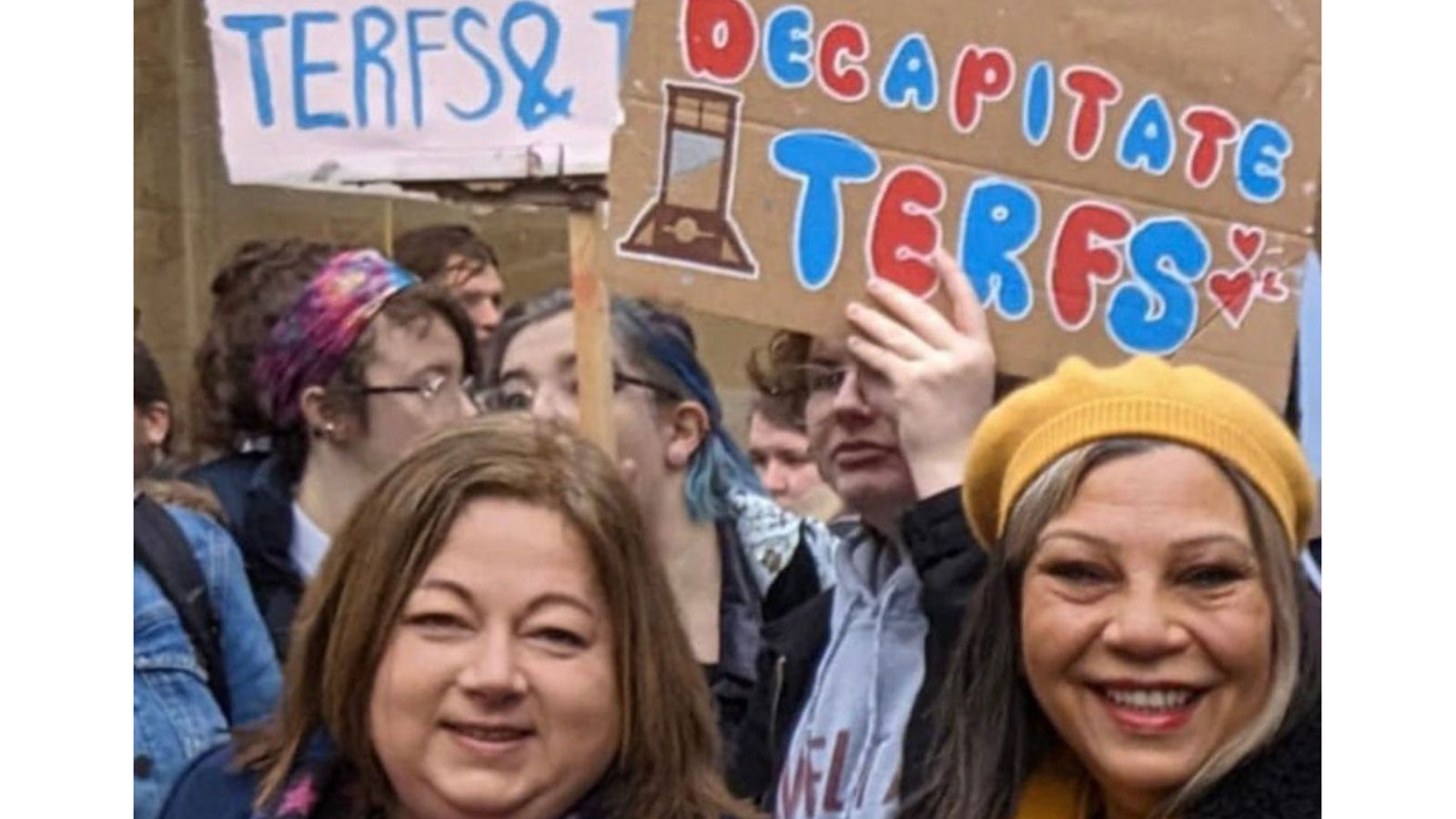
2021: NEC Meeting hijacked by LGBTQ activists
The LGBTQ group proposed that the SNP’s eight regional lists for the Scottish parliamentary election should include either a *BAME or a disabled candidate in the top place,.
Four regions would be allocated a BAME person and the other four a disabled person.
The proposal carried the commitment that disabled status would be by self-identification with no confirmatory checking being carried out.
Members in attendance believed it would be illegal to adopt the proposal under the equalities law.
The matter was deferred and referred to the Party’s legal counsel, Jonathan Mitchell QC who warned that the policy was legally dubious and open to challenge in the courts and any case brought by a person disadvantaged by the rule would probably succeed, and cost the SNP many thousands of pounds in legal expenses.
But the LGBTQ group insisted the proposal should be decided upon by the NEC.
The Chairperson, Kirsten Oswald decided to put the matter to the vote.
The vote was tied and it was expected that in compliance with accepted practice the Chair would cast her vote for retention of the status quo.
She didn’t and passed the motion placing the Party at great risk of legal and costly claims of discrimination.

 caltonjock
