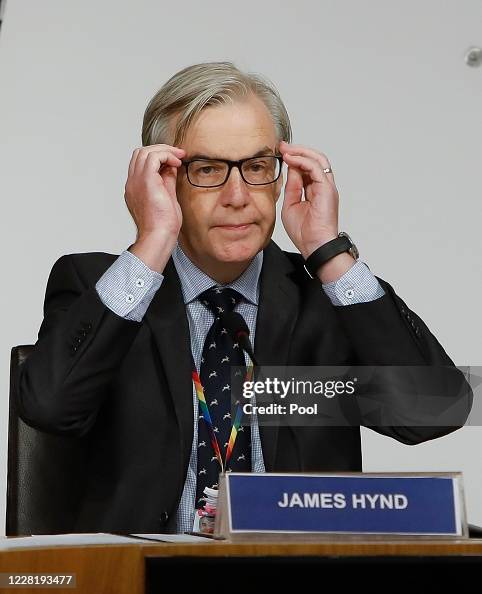
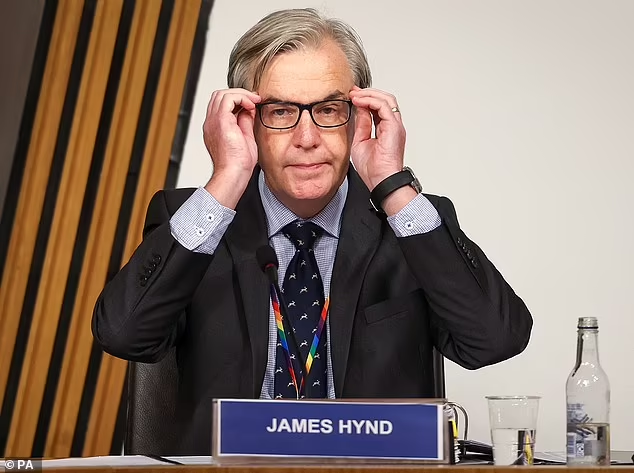
James Hynd, Head of the Scottish Government Cabinet, Parliament and Governance Division
Was central to a review and update of the parliaments harassment complaint policy, when he wrote new procedures, under duress giving advice to politician’s and Civil Servant Managers senior to himself that there were dangers inherent in creating precedence with a new untested procedure with which the controlling authority in London had deprecated.
The Holyrood Inquiry gave very little consideration to Hynd’s concerns with the undernoted statement in the Inquiry report:
“For all these reasons, the Committee believes that James Hamilton’s report is the most appropriate place to address the question of whether or not the First
Minister has breached the Scottish Ministerial Code.”
But the Inquiry was not informed that Hynd had led a Civil Servant Secretariat put in place by John Swinney tasked with providing Hamilton with guidance and investigative support. Hamilton’s investigation was supposed to be free from Government influence or interference but was compromised fitting the assertion “That’s how to be certain the outcome suits the aims of the agenda.”
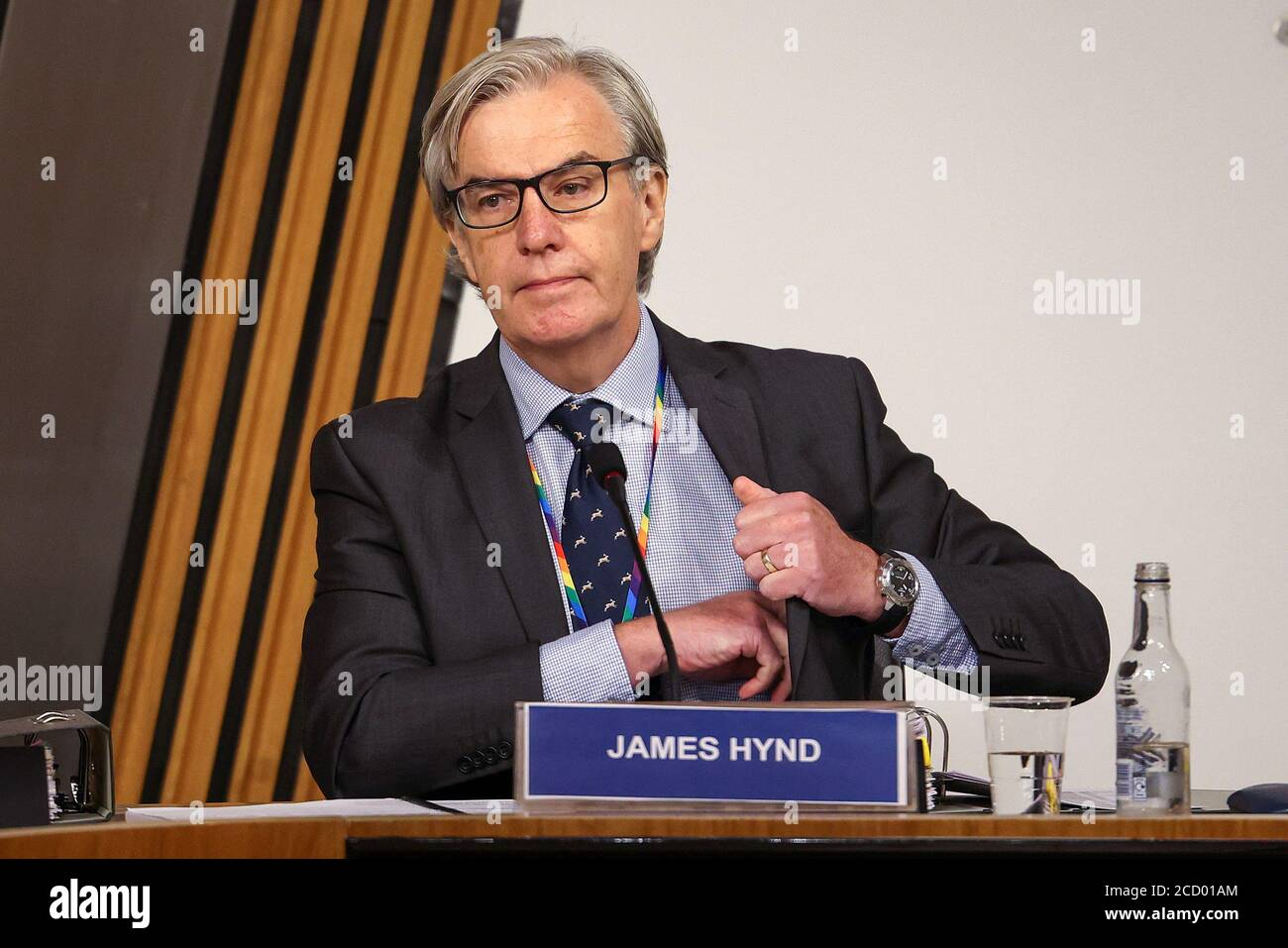
A review of events from 1 November 2017 to the introduction of new harassment procedures
Initially, the review focused on current ministers, but it was extended to include former ministers, a change proposed by senior Civil Servant MacKinnon on 7 November 2017.
Hynd was unhappy, and sought advice and legal opinion before proceeding, indicating concerns about the scope of MacKinnon’s proposal.
Hynd’s role involved compiling eight draft procedures, responding to suggestions from senior civil servants and Sturgeon’s Special Adviser, a politically appointed figure exempt from civil service impartiality.
This adviser, personally recruited by Sturgeon, was also actively involved in draft reviews and advised changes, adding a political dimension to the process.
Key dates include:
- 7 November 2017: Hynd met with Richards and MacKinnon; MacKinnon proposed including former ministers, tabling a “routemap” draft, which Hynd was reluctant to adopt without legal advice.
- 8 November 2017: Hynd delivered the first draft, noting “neither of the pathways involving Ministers look right,” indicating procedural concerns.
- 13 November 2017: Hynd wrote to senior civil servants about alerting Sturgeon to complaints against current ministers, emphasizing her involvement.
- 15 November 2017: Hynd emailed Evans’ private secretaries, doubting informal resolution of ministerial complaints, especially sexual harassment, would be acceptable to Sturgeon, underscoring her desire for direct involvement.
- 16 November 2017: The draft was sent to the UK Government’s Cabinet Office for approval, which was not forthcoming on 17 November 2017, citing implications for UK-wide politicians and double standards compared to civil servants.
- 17 November 2017: Hynd circulated a second draft to senior management, including Liz Lloyd at her request, and met with Somers, Evans, and Lloyd to discuss progress, though no record was kept.
- 24 November 2017: A meeting occurred to discuss Sturgeon’s instructions and revise the draft, ensuring Evans could investigate complaints without Sturgeon’s interference, highlighting tensions in responsibility.
- 27 November 2017: Hynd emailed Richards, saying, “Have looksee at the next draft procedure. All hands to the deck!!! Why so much urgency over one man??,” the focal point of this analysis. Well, Well, Well.

GROK: Analysis of the “One Man” Reference
Hynd’s email on 27 November 2017, expressing urgency over “one man,” must be contextualized within the procedure’s development and subsequent events. The timing, just before the procedure’s finalization, and the allegations against Alex Salmond in January 2018, suggest Salmond was the target.
The extension to former ministers, despite resistance and UK Cabinet Office concerns, aligns with this view, especially given allegations of coaching and delays in complaints, implying preparation for specific action against Salmond.
 caltonjock